
When it comes to long-lasting cars, people often focus on the entire lifespan of the vehicle. But the reality is, many engines are capable of running far longer than the body around them can handle. Whether due to rust, wear and tear, or dated features that don’t keep up with the times, the outer shell of a car may give out while the engine underneath keeps turning.
That distinction matters, especially for owners who take maintenance seriously and want to get the most out of their investment. Some engines are simply overbuilt.
They might not be the most powerful or modern, but their engineering is solid and consistent. Several of these engines have become legends in automotive circles, not because they’re flashy, but because they just keep going.
This article looks at 12 such vehicles. They span different brands, countries, and purposes, but they all share a common trait: engines that often outlive the body of the car. In many cases, these engines are still running strong while the frame around them succumbs to rust, worn-out interiors, or outdated safety standards.
Some vehicles on this list are trucks known for their toughness, others are commuter cars famous for reliability. What unites them isn’t luxury or performance, but rather an almost boring level of consistency that stands the test of time.
There’s a good reason why certain engines are used across multiple models and even carried over for decades. Manufacturers don’t fix what isn’t broken. Mechanics appreciate them because they’re easy to work on, and owners keep them because they rarely cause problems.
It’s not unusual to find examples of these engines with half a million miles or more, still running with only basic maintenance. Meanwhile, the rest of the car, suspension, electrical, body panels, and trim, have started to fall apart or has already been replaced.
For people considering a used vehicle, a strong engine doesn’t mean everything, but it does count for a lot. Knowing which engines consistently outlast the bodies they were installed in can be a smart way to avoid expensive repairs and wasted money. Whether you’re a mechanic, a car enthusiast, or just someone looking for a reliable daily driver, these vehicles represent some of the best examples of machines where the engine keeps going, long after the rest starts to fall apart.
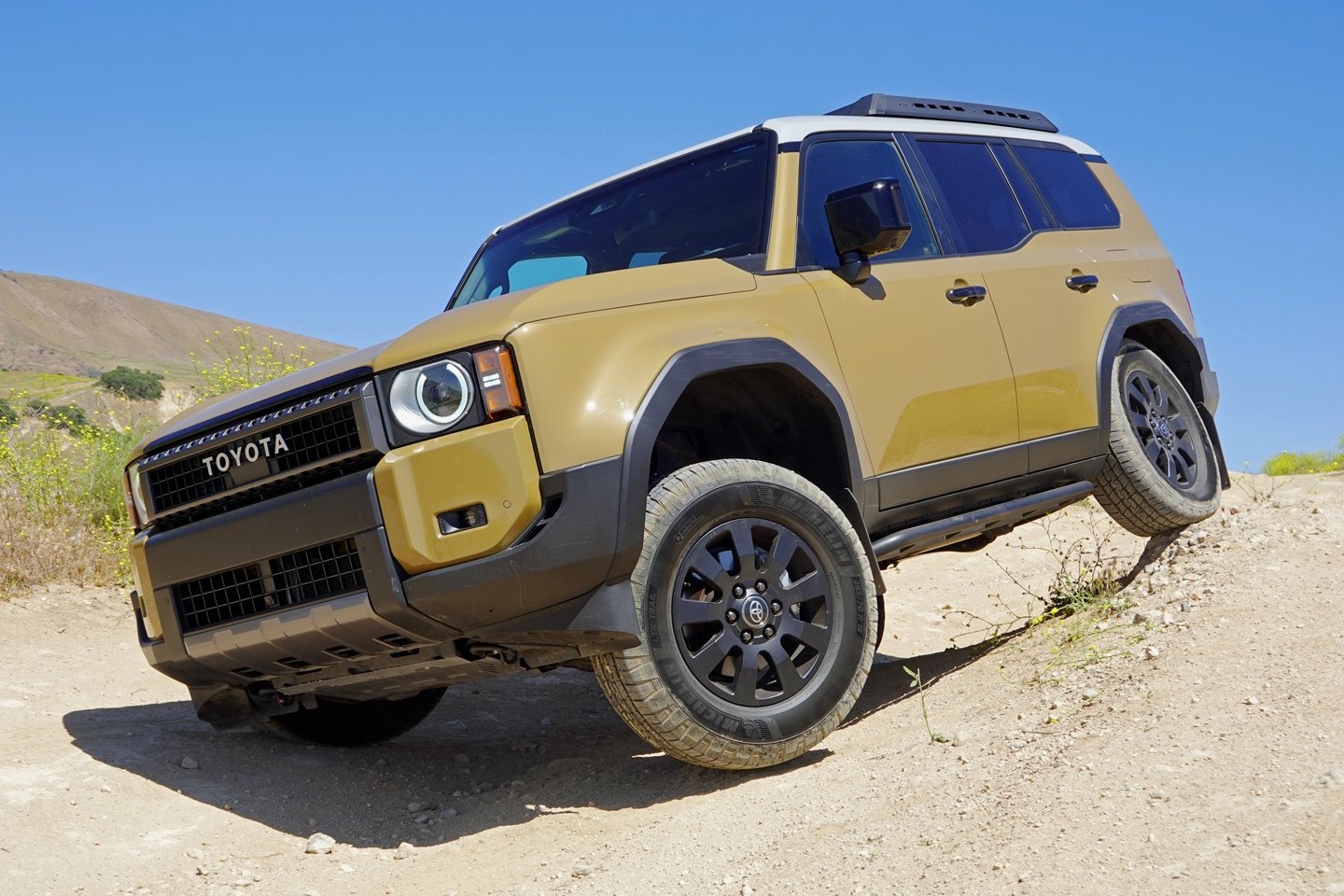
1. Toyota Land Cruiser (Especially the 80 and 100 Series)
The Toyota Land Cruiser has earned a legendary reputation for dependability, particularly in remote and rugged environments. The 80 and 100 series are often cited as prime examples of this durability, thanks to their inline-six and V8 engines that are known to last several hundred thousand miles.
In particular, the 4.2-liter 1HD-T and 4.5-liter 1FZ-FE engines have been praised for their longevity. These engines were engineered with simple but robust mechanical systems that can handle heat, dust, and even neglect. As long as oil changes and basic upkeep are done, they just keep going.
While the engine is often the last thing to go, the body doesn’t always keep up. Rust is a major issue, especially for Land Cruisers driven in areas with heavy snowfall and salted roads. Frame rot can become serious enough to render the vehicle unsafe, even if the engine is running perfectly. The undercarriage and wheel wells are usually the first to show signs of decay. In tropical or coastal climates, salt in the air also speeds up corrosion, particularly on older models that lack modern rust-proofing.
Despite the strong drivetrain, other components can wear out faster than the engine. Suspension bushings, power steering components, and interior materials may start to fall apart after 20 or 25 years. This often leads to a situation where the engine has no problem running, but the vehicle is no longer practical or comfortable to use on a daily basis. For this reason, many enthusiasts will swap these engines into other vehicles or rebuild the frame to keep the original engine running in a safer body.
Still, Land Cruisers remain some of the most respected vehicles for off-road travel and overlanding. Mechanics across the globe are familiar with the platform, and parts are widely available. It’s not unusual to see these trucks still driving strong in parts of Africa, Australia, and South America where reliability is more important than appearance. The engine outliving the body isn’t just a theory with Land Cruisers, it’s something owners regularly witness.
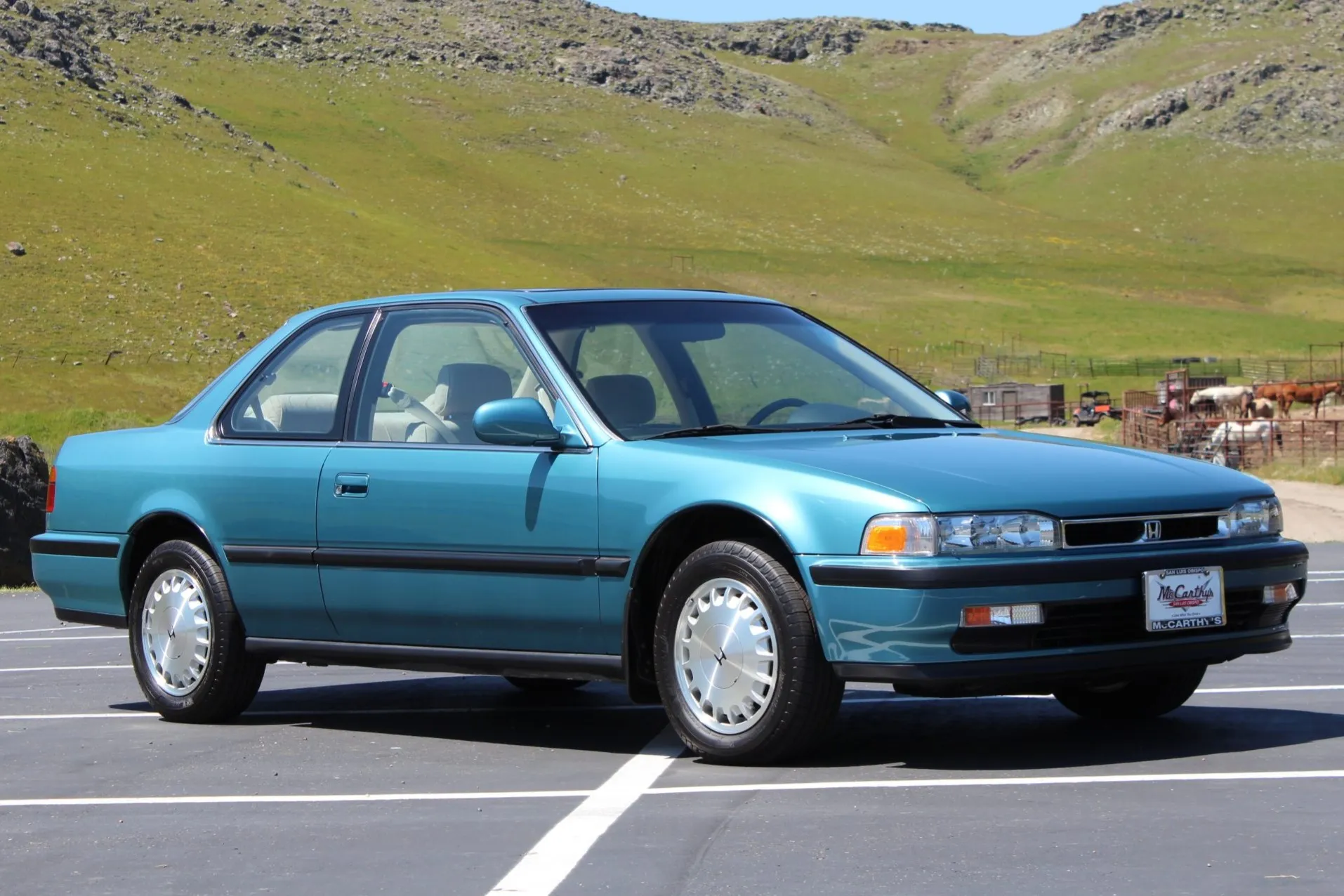
2. Honda Accord (1990s to Early 2000s)
The Honda Accord has been a staple of reliable transportation for decades, particularly during the 1990s and early 2000s. During this time, the F-series and later the K-series engines proved to be among the most reliable four-cylinder engines in the world. Known for smooth operation and excellent fuel economy, these engines rarely failed when maintained properly. The F22B and F23A engines in particular could easily go over 300,000 miles with minimal repairs. They don’t require exotic parts, and their design makes them easy to service.
However, the body and frame of these Accords have not always stood the test of time. Rust is a common issue, especially in northern climates. The rear quarter panels are especially vulnerable, and once rust starts there, it can spread to the subframe. Eventually, structural integrity becomes a concern, even as the engine still performs as if it’s got years of life left. Paint quality on these models also tended to fade or peel, making the car look older than it actually was.
Aside from rust, the interior and electronic components can also start showing their age before the engine does. Power windows, HVAC controls, and sunroofs often fail or operate intermittently. While these are minor issues, they add up and make the vehicle less appealing over time. Yet, many owners choose to overlook these flaws because the engine continues to run reliably, especially for commuting or delivery purposes.
Mechanics often recommend keeping these Accords for their engines alone. In fact, many of these engines are swapped into other vehicles or even used in racing because of their reliability and power potential. Despite their modest factory performance, they are capable of being tuned or turbocharged to high horsepower levels. But even when left untouched, they simply last. That’s what makes them such standout examples of engines outliving the vehicle around them.

3. Ford Crown Victoria
The Ford Crown Victoria is a favorite among taxi companies, police departments, and anyone who values a bulletproof drivetrain. At the heart of this car is the Ford Modular 4.6-liter V8 engine, which has been praised for its toughness and simplicity. These engines have been known to go well over 300,000 miles, especially when used for long-distance driving. Because they were designed for fleet use, they’re built to handle abuse and high mileage with ease.
Unfortunately, while the engine can keep on running, the body of the Crown Victoria doesn’t always fare as well. Frame corrosion, especially around the rear control arms, can become a serious safety issue. Older models are especially prone to rust in regions where salt is used on the roads. While some vehicles are retired due to engine problems, it’s far more common for them to be decommissioned because the frame has become unsafe or the suspension has failed.
The rest of the car also tends to wear out in a predictable pattern. Interior plastics become brittle and crack, the cloth seats lose support, and electrical systems begin to fail. Despite all that, the engine and transmission combination can remain surprisingly trouble-free. It’s not uncommon to see Crown Vics used as rural work vehicles or by enthusiasts who strip down the car and repurpose it with a new body or upgraded frame.
Because of its long production run and wide usage, parts for the Crown Victoria remain easy to find and affordable. This has kept many of these vehicles on the road far longer than expected. The engine is often the last piece standing, running reliably while the rest of the car gives out. For those willing to put in the work to replace rusted components, the engine alone makes it worth keeping around.
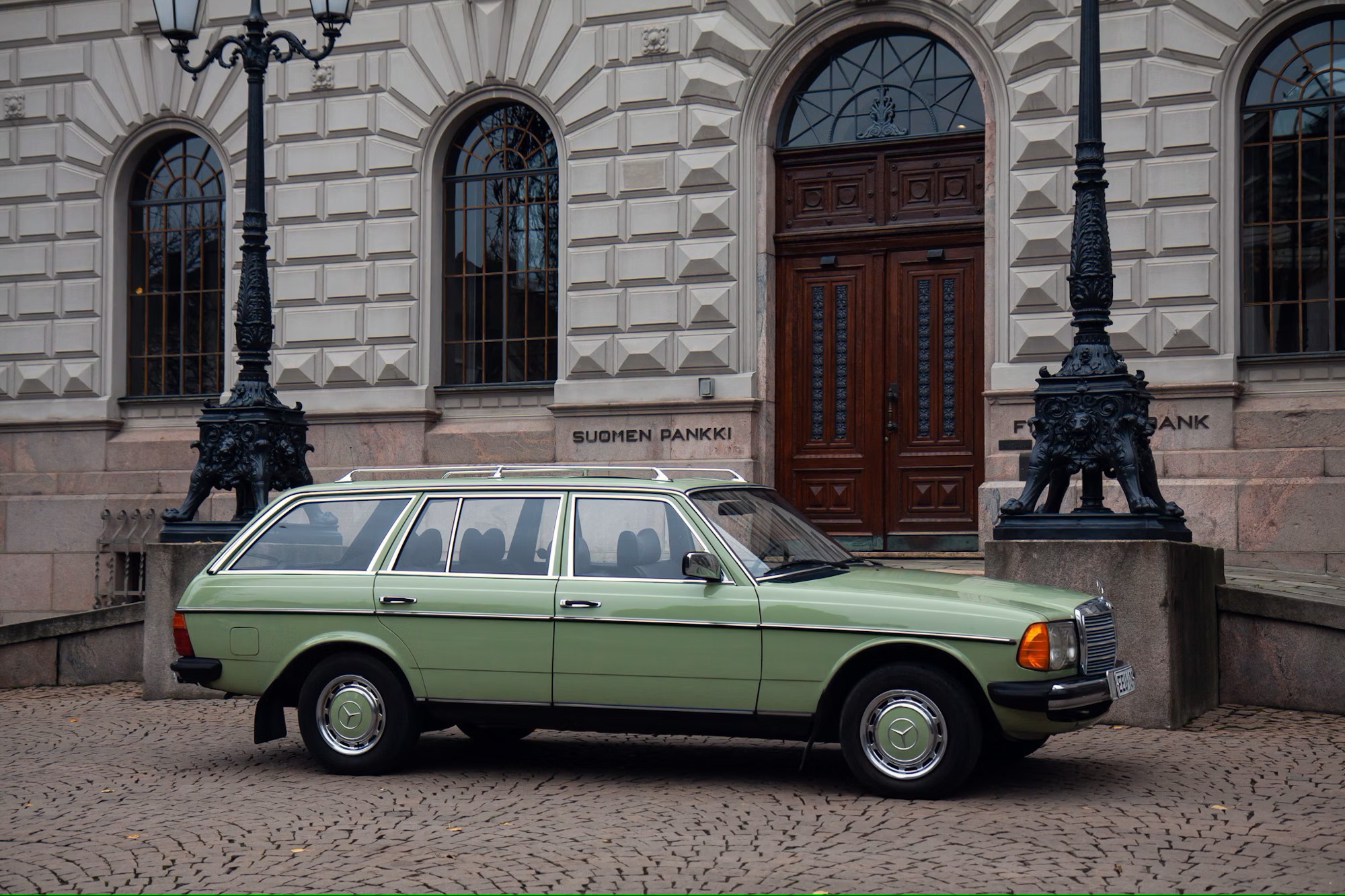
4. Mercedes-Benz W123 (240D and 300D)
The Mercedes-Benz W123 series, particularly the diesel-powered 240D and 300D models, are known for engines that seem nearly indestructible. These vehicles, built in the late 1970s and early 1980s, came with inline-four and inline-five-cylinder diesel engines that were extremely under-stressed. With proper oil changes and valve adjustments, it’s not rare for these engines to run beyond 500,000 miles. They’re slow by modern standards, but they make up for it with reliability and ease of repair.
What often doesn’t last, though, is the body and undercarriage. Rust is a serious problem, especially in cars that weren’t stored in dry climates. The floors, wheel arches, and rocker panels tend to rot away before the engine even shows signs of age. Mercedes did not heavily rustproof these vehicles during production, and the thin sheet metal has not held up over decades of weather exposure. You’ll find many W123s with pristine engines sitting in junkyards solely because the frame gave out.
Another point of failure in these vehicles lies in the electrical and interior systems. Power window regulators often break, the climate control systems are known to malfunction, and the seats tend to collapse over time. These issues don’t affect drivability directly but make the car feel worn and outdated long before the engine gives up. Mechanical components like the transmission and brakes are solid but do require attention around the 200,000-mile mark.
Even with their faults, the W123 is a favorite among diesel enthusiasts. The engine’s durability and simplicity are major selling points. In many developing countries, these cars are still in use as taxis or private vehicles, often with extremely high mileage. Their engines continue to function well even after being transplanted into other vehicles or modified for non-automotive uses like generators or marine engines. They’re one of the clearest examples of an engine that far outlasts the car it was originally installed in.
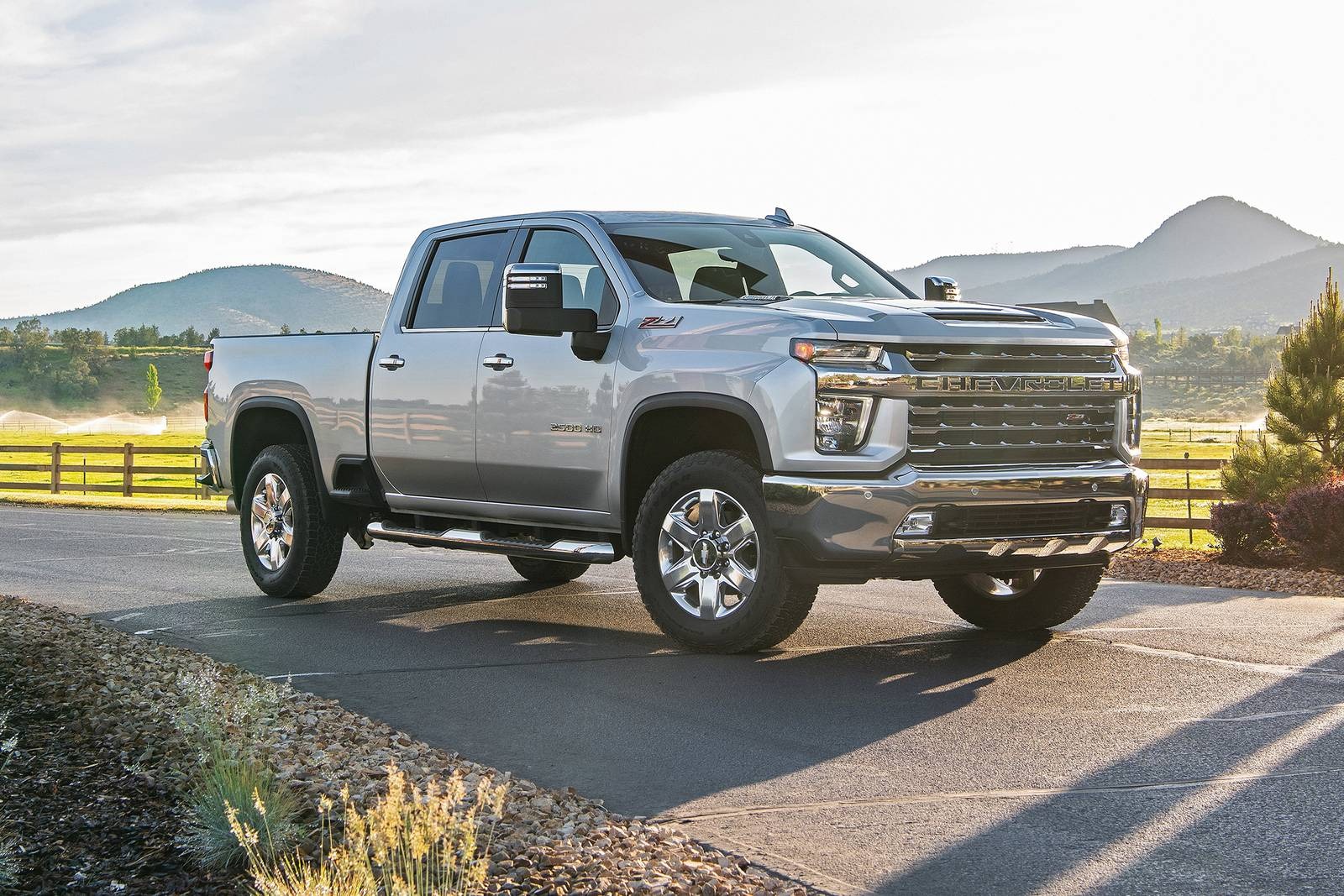
5. Chevrolet Silverado/GMC Sierra (1999–2007 Classic)
Chevy’s LS-based V8 engines, particularly the 5.3L Vortec (LM7), are often referred to as nearly impossible to kill. Found in millions of Chevrolet Silverado and GMC Sierra trucks from the late ’90s through the mid-2000s, these engines were designed for workhorse duty. With simple pushrod architecture and tough internals, they’re known to last 300,000 miles or more with only basic maintenance. Oil leaks and intake manifold gasket issues are common, but rarely engine-ending.
The weak point in this generation of GM trucks is the body. Rust is notorious, especially in northern states. The rear wheel wells, rocker panels, and cab corners are the first to go, often leading to holes large enough to see through. The frame itself can also rust to the point of structural failure. For many owners, the body begins to deteriorate long before the engine shows any signs of wear, making it a frustrating situation when the truck is mechanically sound but no longer road-safe.
Interior quality also suffered during this era. Dashboard plastics crack, door handles break, and seat fabrics tear easily. While none of these are catastrophic failures, they contribute to a feeling of aging that doesn’t reflect the condition of the engine underneath. Many owners opt to perform “body swaps” or invest in patch panel repairs just to keep their truck on the road and take advantage of the reliable engine.
These engines are so beloved that they’re frequently used in performance applications and engine swaps. From hot rods to custom 4×4 builds, the 5.3L Vortec continues to live on well past the life of the original truck. With a solid maintenance routine, it’s not unusual to see these engines outlive even two or three truck bodies over their lifetime.
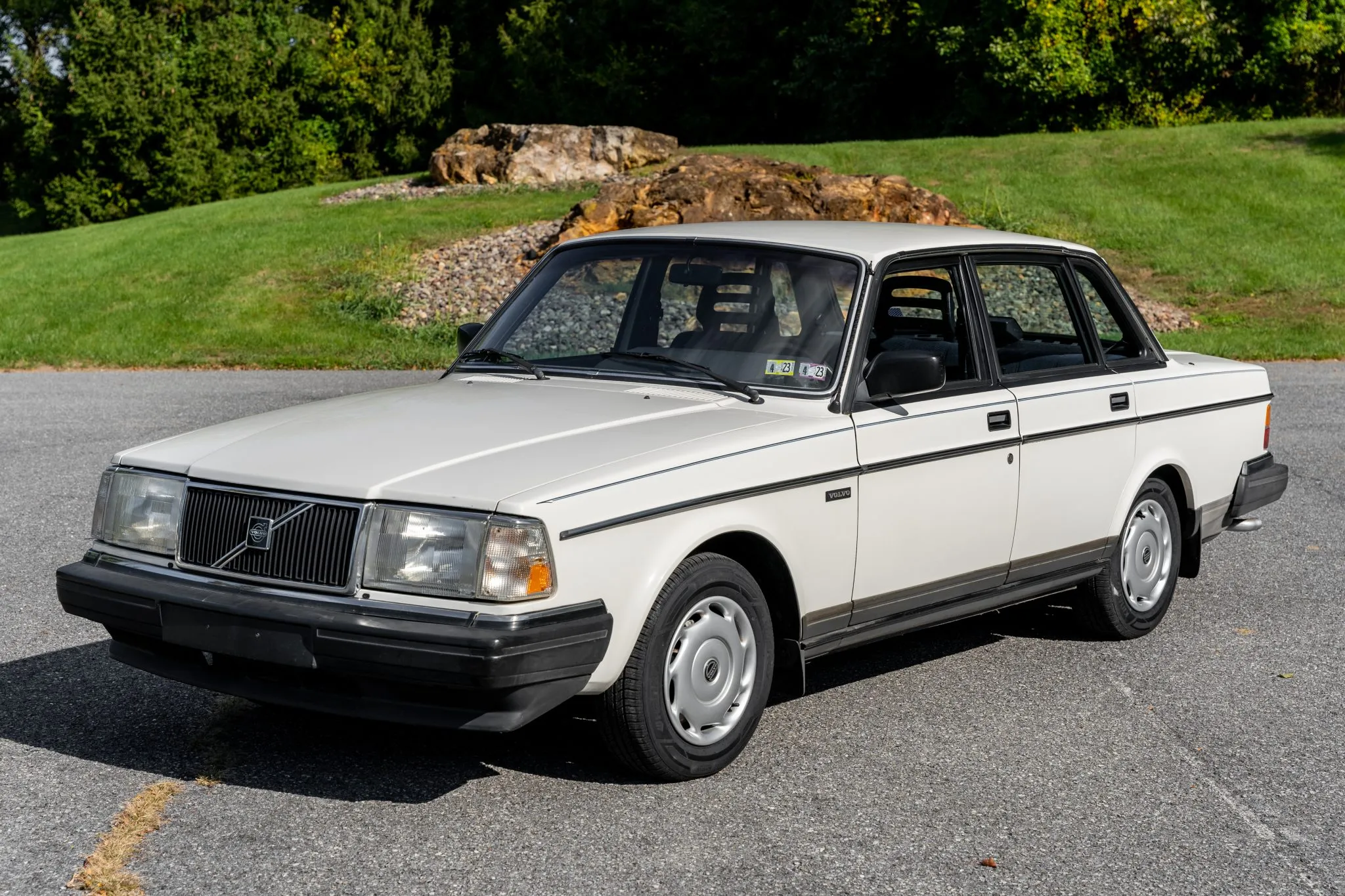
6. Volvo 240
The Volvo 240, produced from the mid-1970s through the early 1990s, is another classic example of a car with an engine that far outlasts the rest of the vehicle. The B21 and B230 engines used in these cars are known for their simplicity and rugged construction. Owners routinely report mileage above 400,000 miles with no major internal work. These engines were designed with longevity in mind, using thick iron blocks and conservative tuning to prioritize lifespan over power.
What didn’t stand the test of time quite as well was the body. While Volvo did a better job rust-proofing than some manufacturers, the lower door panels and undercarriage still suffer in wet or salty climates. Paint tends to fade badly, and over time, the car can look rough even when it’s running great. Some models were plagued with water leaks that led to floor rust from the inside out, compromising structural integrity while the drivetrain remained rock-solid.
Interior durability also varies. While the seats and dashboard were well-made, the heater blower motors often failed and were notoriously difficult to replace. Electrical systems, especially in the later years, became more complicated and less reliable. Still, compared to the standards of the time, these cars held up well, and the engine often stood as the most reliable part of the entire package.
Today, many Volvo 240s are still on the road, often looking worse for wear but driving as reliably as ever. The engines are popular with enthusiasts for their ability to be turbocharged or swapped into other platforms. Mechanics appreciate how easy they are to work on, and their longevity has made them legends among DIY car owners. It’s not rare to see a 240 with rusted-out floors and sagging headliners but an engine that starts on the first turn every morning.
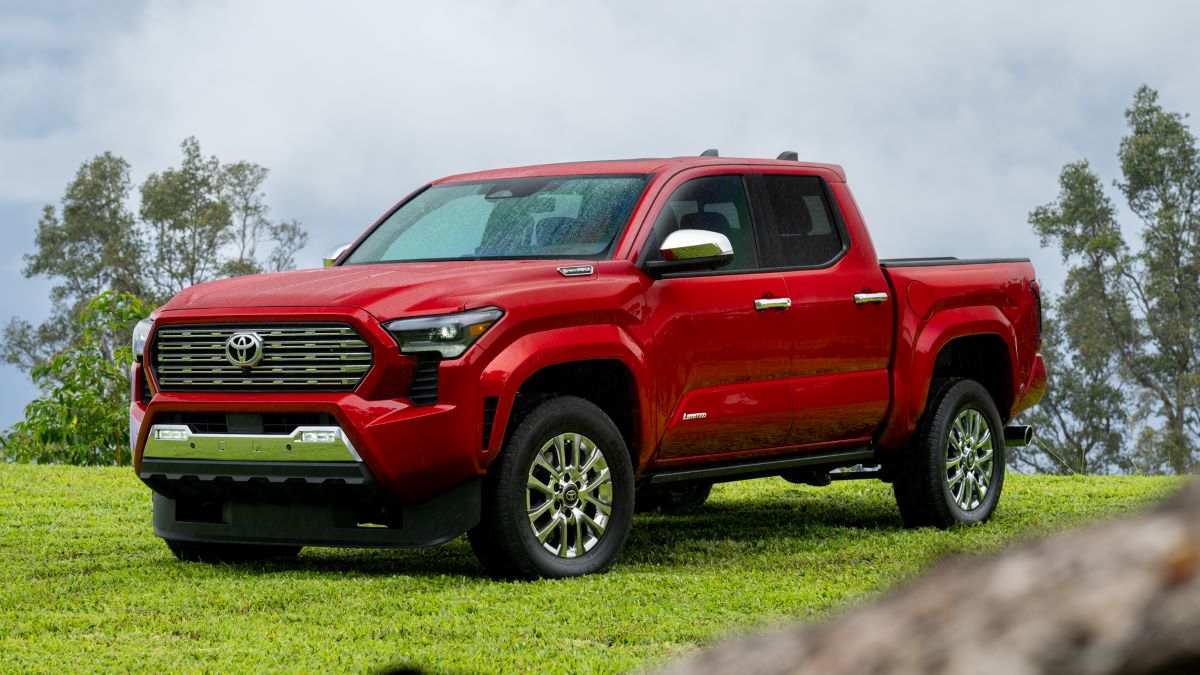
7. Toyota Tacoma (1995–2004)
The first-generation Toyota Tacoma came with a range of bulletproof engines, but the 2.7-liter 3RZ-FE inline-four and 3.4-liter 5VZ-FE V6 are the most respected. These engines have earned a reputation for being nearly indestructible. Owners routinely report driving over 300,000 miles with minimal repairs beyond regular oil changes and timing belt replacements. They’re also known for handling off-road abuse without complaint.
The issue lies not with the engine, but with the frame. Toyota issued a massive recall over frame rust in this generation of Tacoma, as entire sections would rot out, especially in the rear. Some trucks were so compromised they were bought back by Toyota or deemed unsafe to drive. It’s a frustrating situation for owners, as the truck might run perfectly but fail safety inspections due to frame corrosion.
Interior durability was average, but not exceptional. Seat fabrics wore thin, dashboard plastics cracked in the sun, and door seals often failed with age. Still, most of these were cosmetic or minor issues. The drivetrain rarely needed serious attention, and the engine continued to run long after the rest of the truck began to feel used up. Some owners replaced the entire frame just to keep their reliable engine on the road.
These engines are so dependable they’ve become a staple in off-road circles and have even been used in boat conversions and industrial equipment. For those who can find a rust-free model or are willing to do frame work, the Tacoma’s engine can serve for decades. Many owners will tell you that by the time they retired their truck, the body was falling apart, but the engine was still eager for more.
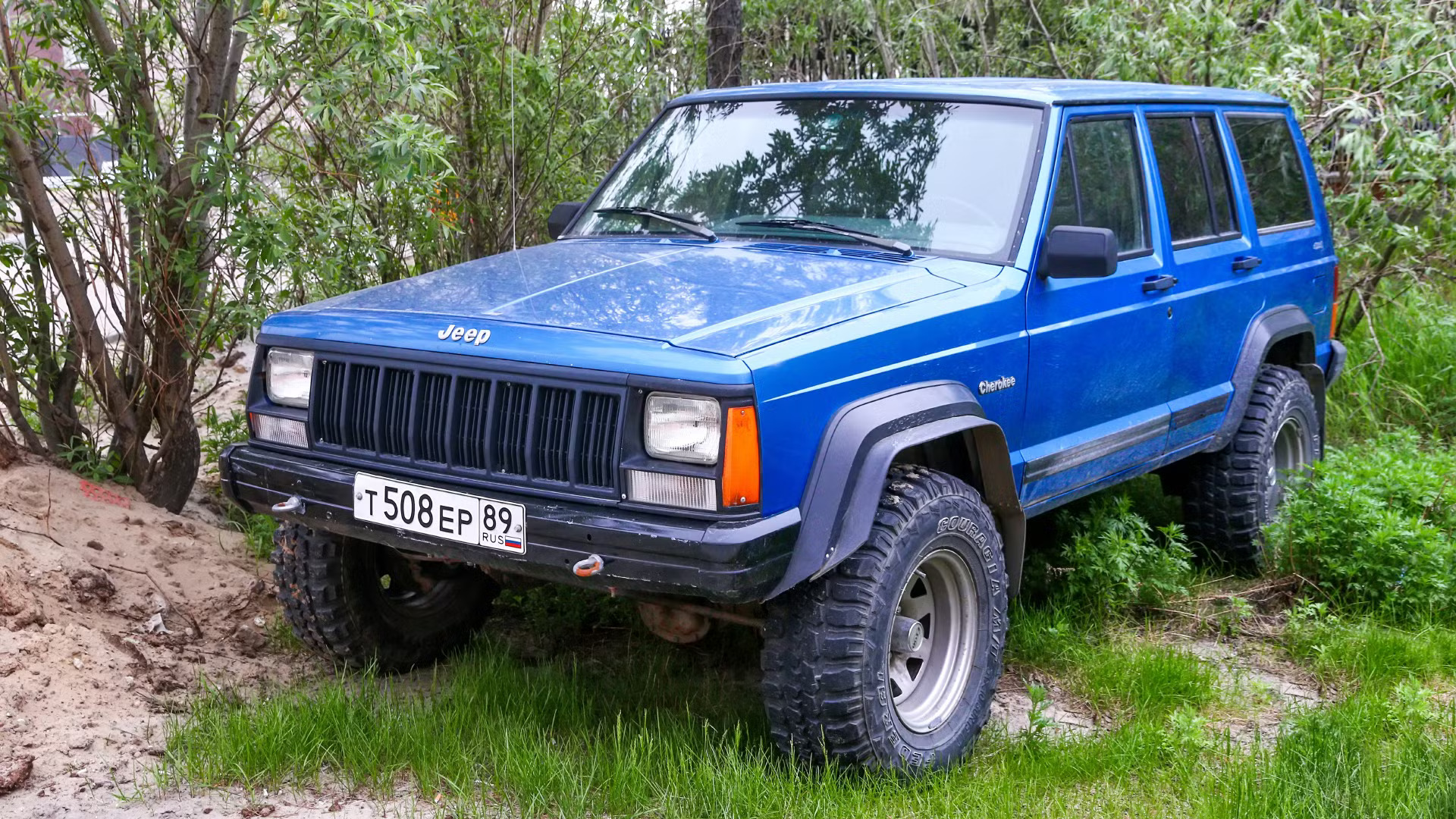
8. Jeep Cherokee XJ (1984–2001)
The Jeep Cherokee XJ’s 4.0-liter inline-six engine is one of the most durable ever made. Originally based on an older AMC design, this engine was refined by Chrysler and became known for running seemingly forever. It was torquey, easy to work on, and could shrug off high mileage and hard use. Many XJ owners have logged over 300,000 miles on the original engine with only basic maintenance like oil changes, water pumps, and spark plugs.
The rest of the vehicle wasn’t as durable. Rust plagued the unibody frame, especially in the rocker panels, rear quarters, and floor pans. Once rust started, it was often difficult and expensive to stop. Even moderate rust could cause structural weakness in the frame rails and mounting points, making the Jeep unsafe to drive even if the engine purred like new.
Other systems also gave out early. The electrical system, especially on later models, was prone to gremlins. Power windows and locks often failed, the headliners sagged, and the HVAC system became unreliable. Suspension bushings and steering components wore out quickly if the Jeep was used off-road. Still, despite all that, the engine kept running like a champ.
Today, the XJ is popular among off-road enthusiasts, in large part because of that 4.0 engine. It’s a favorite for engine swaps and off-grid vehicle builds because it can handle heat, cold, and abuse without issue. Unfortunately, most remaining XJs on the market suffer from rust, and it’s getting harder to find clean examples. But when you do, chances are the engine is the best part of the deal.
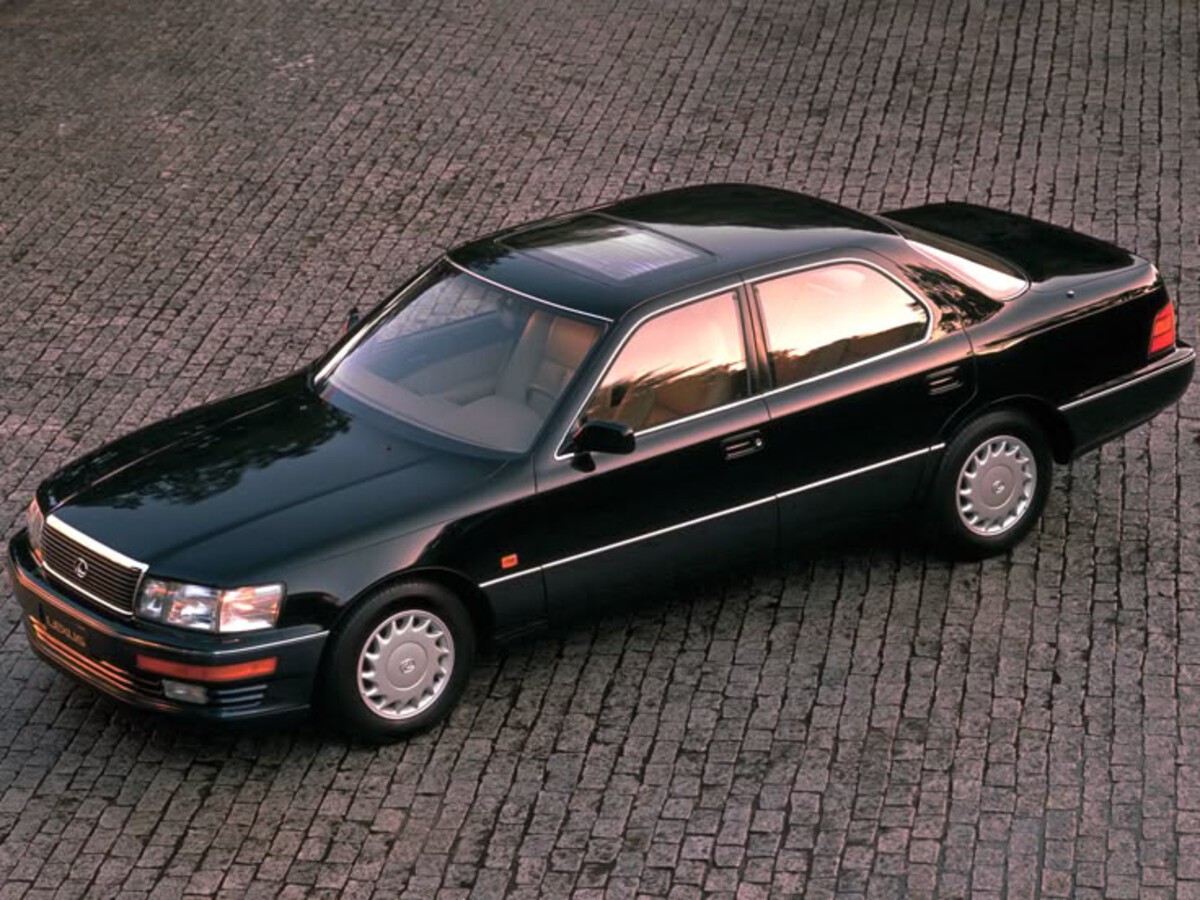
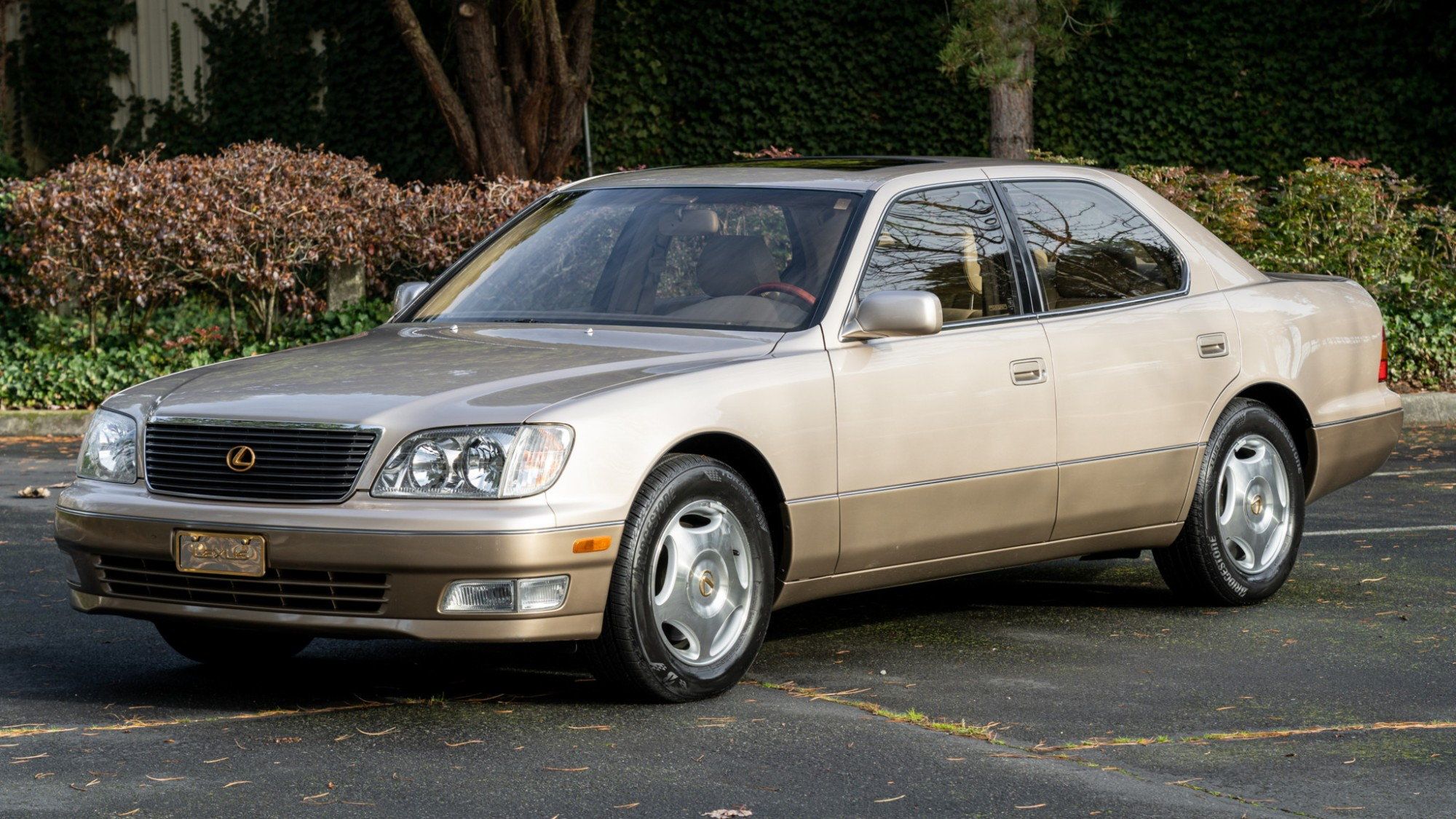
9. Lexus LS400 (1990–2000)
The Lexus LS400 was Toyota’s flagship luxury sedan and came equipped with the now-famous 1UZ-FE 4.0-liter V8 engine. This engine is widely considered one of the most over-engineered powerplants of the 1990s. Built with a forged steel crankshaft, aluminum block, and non-interference timing belt design, the 1UZ was designed to run smoothly, quietly, and reliably over long distances. It’s not uncommon to see these engines still running with over 400,000 miles on the odometer.
What often doesn’t last quite as well is the body and interior. While the LS400 had excellent build quality, the suspension components and electronics tend to age faster than the engine. Air suspension systems in higher-end trims frequently fail, leading to an uncomfortable ride unless converted to traditional struts. Interior materials like leather seats and headliners can show wear over time, especially in models that weren’t garage-kept. The paint, while decent, can oxidize and fade after two or three decades, particularly in sun-exposed regions.
The LS400 also suffers from failing door actuators, dim instrument clusters, and broken power antenna motors. These issues aren’t fatal, but they do make the car feel older and less luxurious than it once was. Despite these faults, the drivetrain remains strong. Transmission problems are rare, and the engine often keeps pulling well past the point where most owners are ready to move on. This is part of what makes the LS400 such a favorite among budget luxury buyers and project car enthusiasts.
Many LS400s are now used for engine swaps or repurposed for racing builds due to the 1UZ’s durability. In fact, it’s not rare to see one powering a drift car or track build long after the original Lexus shell has been retired or stripped for parts. The engine’s reliability combined with its smooth power delivery ensures that, in most cases, it’s the last thing to go. While the body may fall apart or become outdated, the engine often still feels like it has years left in it.

10. Dodge Ram 2500/3500 (1994–1998 12-Valve Cummins)
The 12-valve 5.9-liter Cummins diesel engine found in the Dodge Ram trucks of the mid-1990s is one of the most respected diesel engines ever put into a pickup. Known for its mechanical simplicity, fuel efficiency, and ability to handle massive amounts of torque, the 12-valve Cummins is a favorite among truck owners and diesel enthusiasts. It uses a mechanical injection system, which means it can operate without any electronic controls. This makes it incredibly easy to maintain and highly durable.
Unfortunately, the body of the truck around it did not age as gracefully. Rust is a huge problem for this generation of Dodge Rams. The bed sides, cab corners, and rocker panels are especially vulnerable. In snow-prone states, these trucks can develop serious corrosion issues that affect the frame and suspension mounting points. Many trucks have been scrapped not because the engine failed, but because the frame was too far gone to justify repair.
Interior build quality also lagged behind competitors. Dashboards were notorious for cracking, seats wore out quickly, and the HVAC systems often needed frequent repairs. Electronic components like power locks and windows were not very reliable either. While these issues don’t stop the truck from running, they make it far less pleasant to drive over time. Many owners simply live with these flaws because the engine keeps doing its job.
Because of the engine’s strength, these trucks hold their value well even when in poor cosmetic condition. It’s common to see 12-valve Cummins engines swapped into newer truck bodies or used in off-road rigs, tow vehicles, and even boats. They’re frequently turned into high-horsepower builds as well, thanks to their massive tuning potential. It’s one of the clearest examples in the automotive world where the engine becomes the reason the vehicle lives on, long after the rest has worn out.
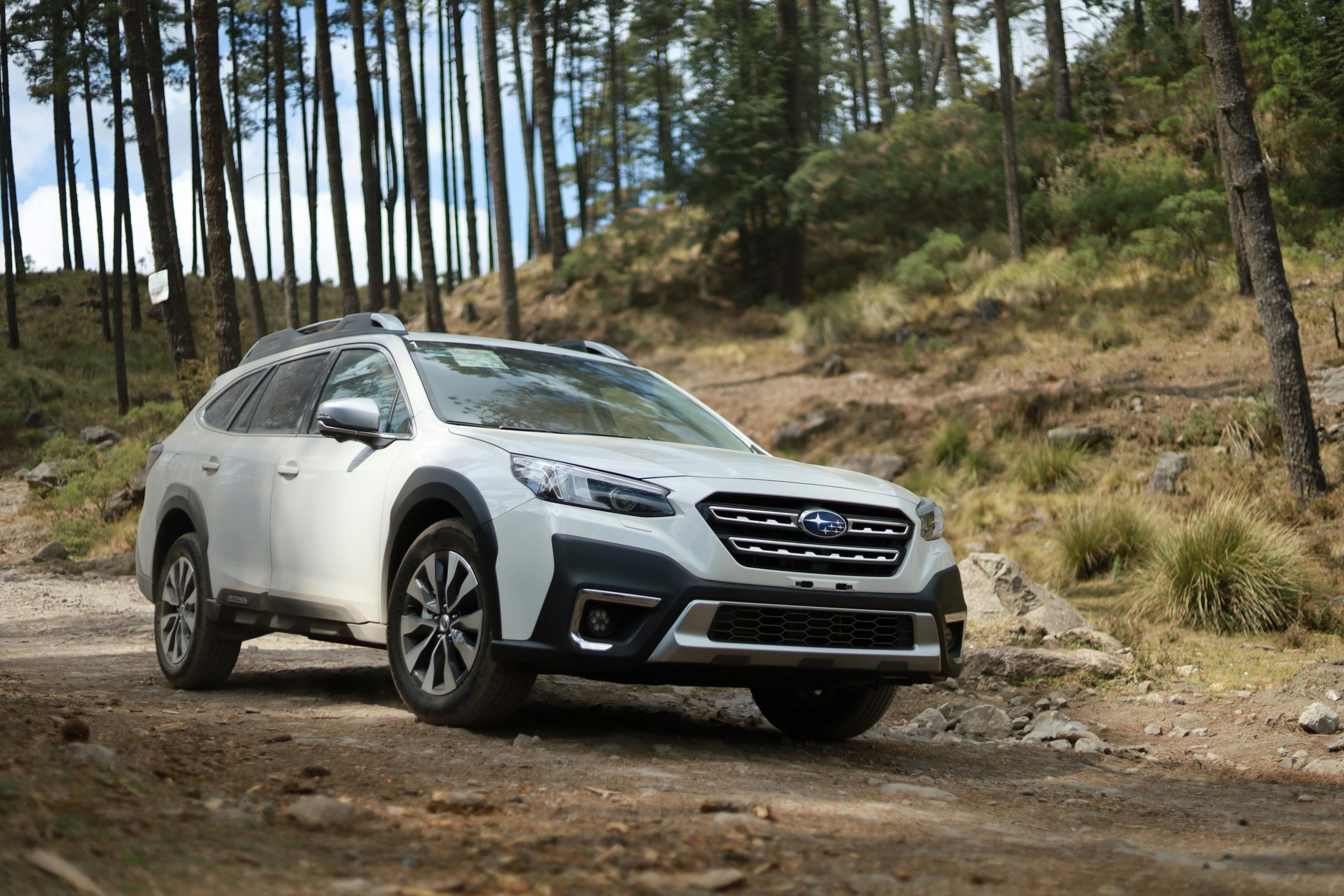
11. Subaru Outback (2000–2004)
Subaru’s EJ25 engine, particularly in the early 2000s Outback models, is a bit of a mixed bag. While it had a reputation for head gasket issues early on, once addressed properly, the engine itself could last well beyond 250,000 miles. With regular maintenance and care, many owners have managed to keep these engines running far past the point when other systems began to fall apart. The flat-four design gives the car a low center of gravity, and its naturally aspirated layout makes it less complex than turbocharged counterparts.
What hasn’t aged well is the body. Rust, particularly around the rear wheel arches and undercarriage, is a frequent issue. The rear subframe can rust through, making the car unsafe to drive even if the engine is in great shape. Salted winter roads accelerate the corrosion process, and since many of these vehicles were sold in colder climates, body failure is a common reason for early retirement. Paint fading and flaking is another aesthetic issue that owners face, even with well-maintained cars.
The interior also shows wear earlier than expected. Cloth seats stain easily, headliners sag, and the dashboard tends to crack over time. Electrical issues like power window failures and aging sensors further reduce the appeal. Even so, the engine continues to work reliably, especially in models that had their head gaskets replaced proactively with better aftermarket or updated Subaru parts.
The engine is also popular for swaps into off-road buggies or small recreational vehicles. Subaru’s AWD system pairs well with the engine, offering consistent performance even in harsh conditions. In many cases, the body begins to rot and fall apart, but the engine still starts every morning, runs smoothly, and shows no signs of giving up. The Outback of this era is a car whose engine, when maintained properly, is likely to see another life even after the original shell has been left behind.
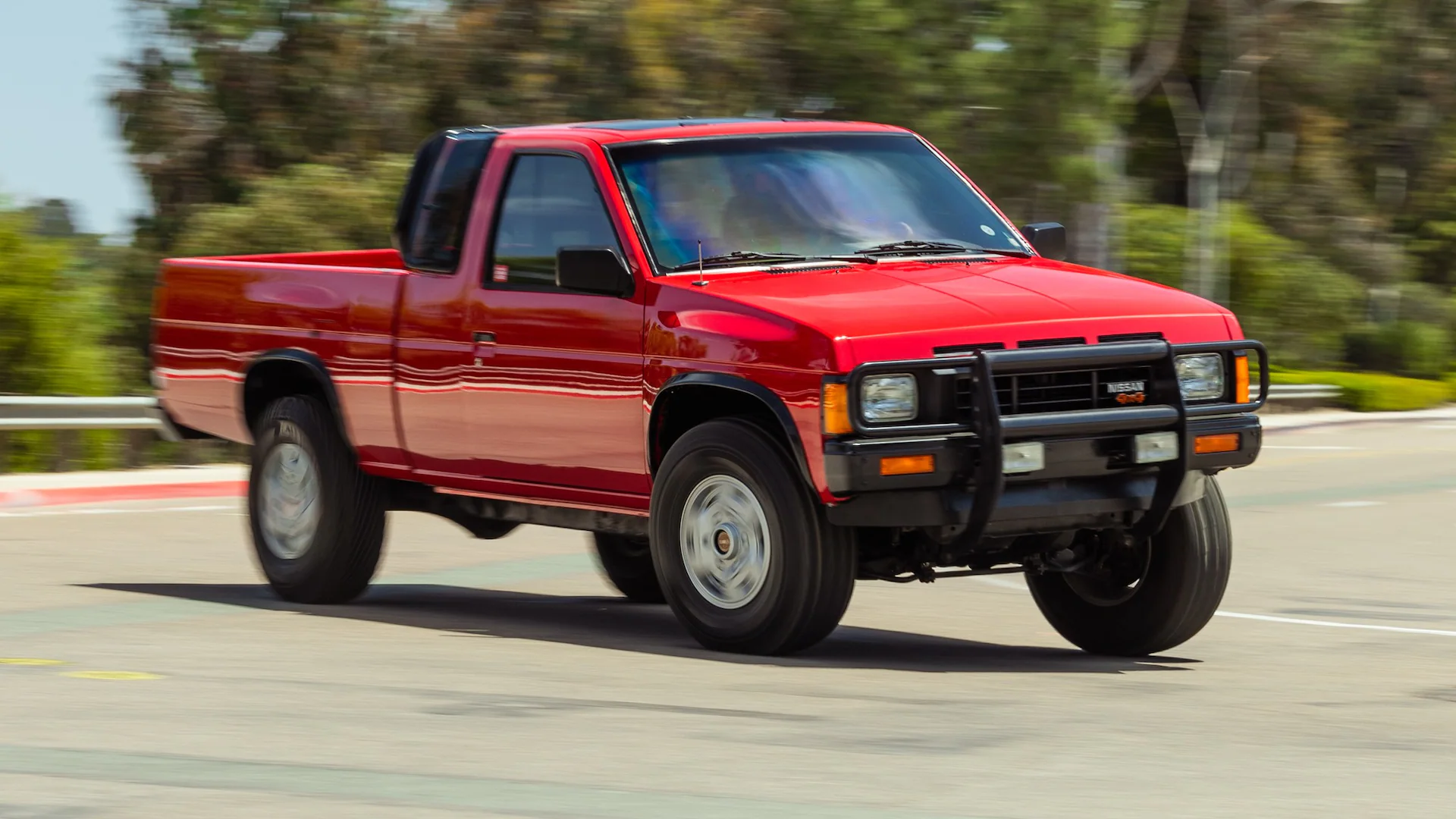
12. Nissan Hardbody (D21, 1986–1997)
The Nissan D21 Hardbody pickup is a textbook case of a reliable engine trapped in a body that doesn’t always age well. The 2.4-liter KA24E inline-four engine is incredibly durable, often reaching 300,000 miles with basic upkeep. It was designed with longevity and simplicity in mind, using a timing chain instead of a belt, and it’s well-known among small truck enthusiasts for its low maintenance costs and resistance to abuse.
Rust, however, is a serious enemy of the D21. The frame and bed are particularly vulnerable, and in many regions, trucks are taken off the road simply because the frame can no longer support safe driving. The rear wheel wells often rust completely through, and floor pans can rot out as well. Even in dry climates, the metal used in these trucks was not heavily protected, making them less resistant to long-term exposure.
Interior components are another area where time takes its toll. While the design is simple and functional, age leads to cracked dashboards, worn-out seats, and failing HVAC controls. The basic trim levels lacked insulation and sound-deadening materials, which made them feel older and noisier as they aged. Even so, many owners put up with the aging cabin because the truck’s engine and manual transmission combination was just so reliable.
These trucks are still prized in rural areas and by people who value a vehicle that just works. The engine has been used in a wide variety of applications, and like others on this list, it often gets swapped into different vehicles or re-used in creative ways. It’s one of those vehicles where the engine will happily outlive the cab it’s sitting in. For many owners, the only reason they ever let go of their D21 is because the rust finally won, not because the engine gave up.
\
Across these 12 vehicles, a clear pattern emerges. While modern cars continue to evolve with new technology and refined materials, some older models were built with a level of mechanical toughness that’s hard to match. These engines weren’t always the most powerful or fuel-efficient, but they were consistent, simple, and designed with longevity in mind. Many of them continue to run today, often swapped into new frames or kept alive through engine rebuilds.
In many cases, what ends a vehicle’s time on the road is not the engine, but the slow breakdown of everything else: rusted frames, crumbling interiors, outdated safety features, or electrical problems that aren’t worth fixing. But for those who know what to look for, a strong engine can still be the heart of a dependable vehicle, even if the body around it is on its last legs. These vehicles serve as proof that a great engine can outlast almost anything else, including the very vehicle it was built to power.
