
Engine cooling plays a major role in maintaining the long-term health of a vehicle. While many car enthusiasts often focus on performance specs, horsepower, torque, or acceleration times, the cooling system tends to receive far less attention. However, for any internal combustion engine to run efficiently, safely, and reliably, a dependable radiator is essential.
The radiator, serving as the core of the engine’s cooling system, regulates engine temperatures by dissipating heat from the coolant. If a radiator is poorly designed, prone to leaks, or simply not durable, it can shorten the lifespan of the engine and lead to expensive repairs. This is why some car manufacturers go the extra mile in equipping their models with stronger factory-installed radiators.
Certain vehicles are recognized over the years not just for speed or comfort, but for mechanical reliability and cooling durability. These cars, across a wide range of types, sedans, trucks, off-roaders, and SUVs, have earned reputation for withstanding hot climates, heavy towing, extended highway use, and even track performance.
A well-built radiator is often the unseen hero that allows engines to perform under stress without overheating, especially when external temperatures or load demands climb. In many regions around the world where driving conditions are especially demanding, models with tough cooling systems are often sought after.
In this article, we’re focusing specifically on 12 car models that have earned consistent praise and respect for coming equipped with radiators that perform strongly from the factory.
Some of the models listed are workhorses, built with durability in mind from the ground up. Others are performance machines, requiring efficient cooling to handle high-speed runs. There are also a few that balance everyday usability with rugged engineering, allowing them to serve both family and utility roles.
This list covers a broad mix to reflect how radiator reliability is relevant across different categories of cars. What ties all of these models together is that their radiators don’t typically need aftermarket help to do the job they were designed to do.
Their cooling systems have proven effective and reliable, often outlasting expectations. Let’s look at the 12 car models that are often recognized for their factory-strong radiators.
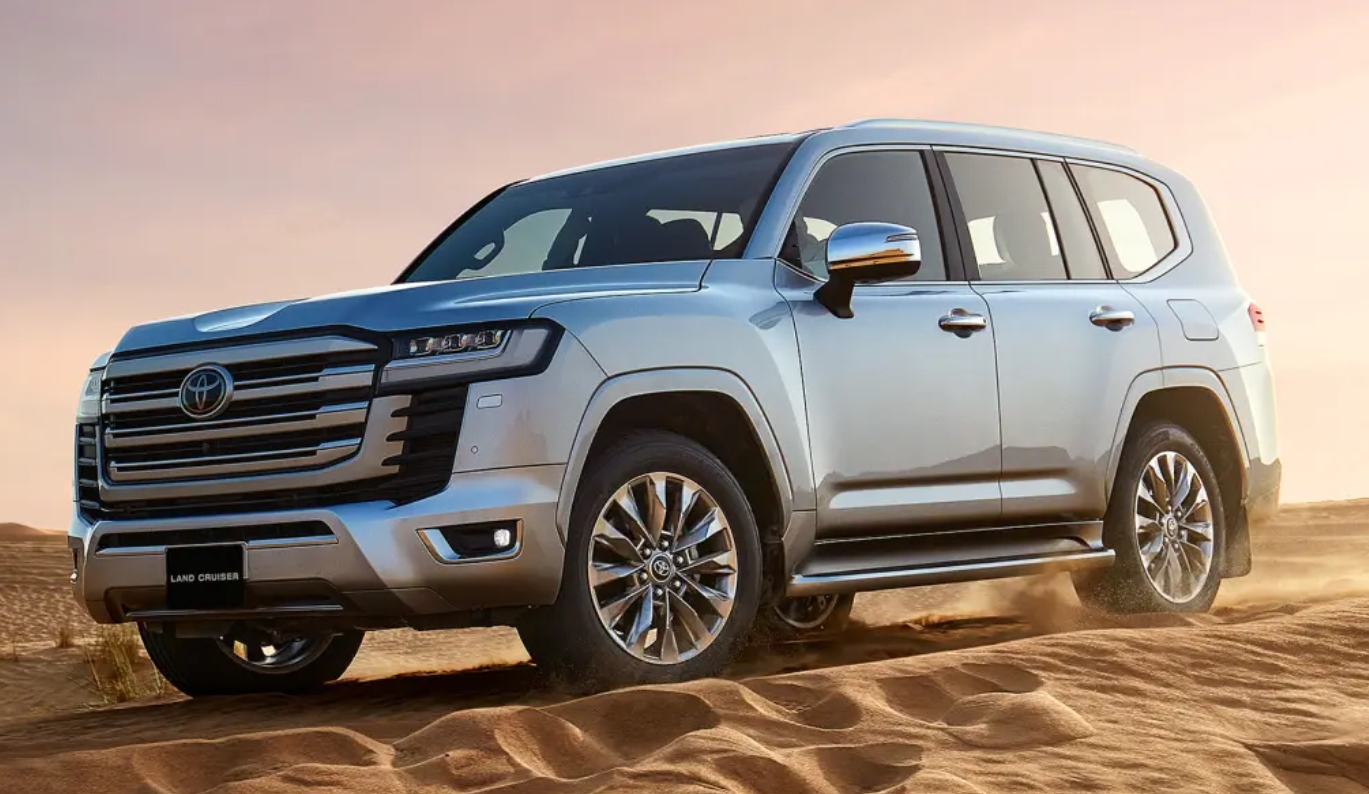
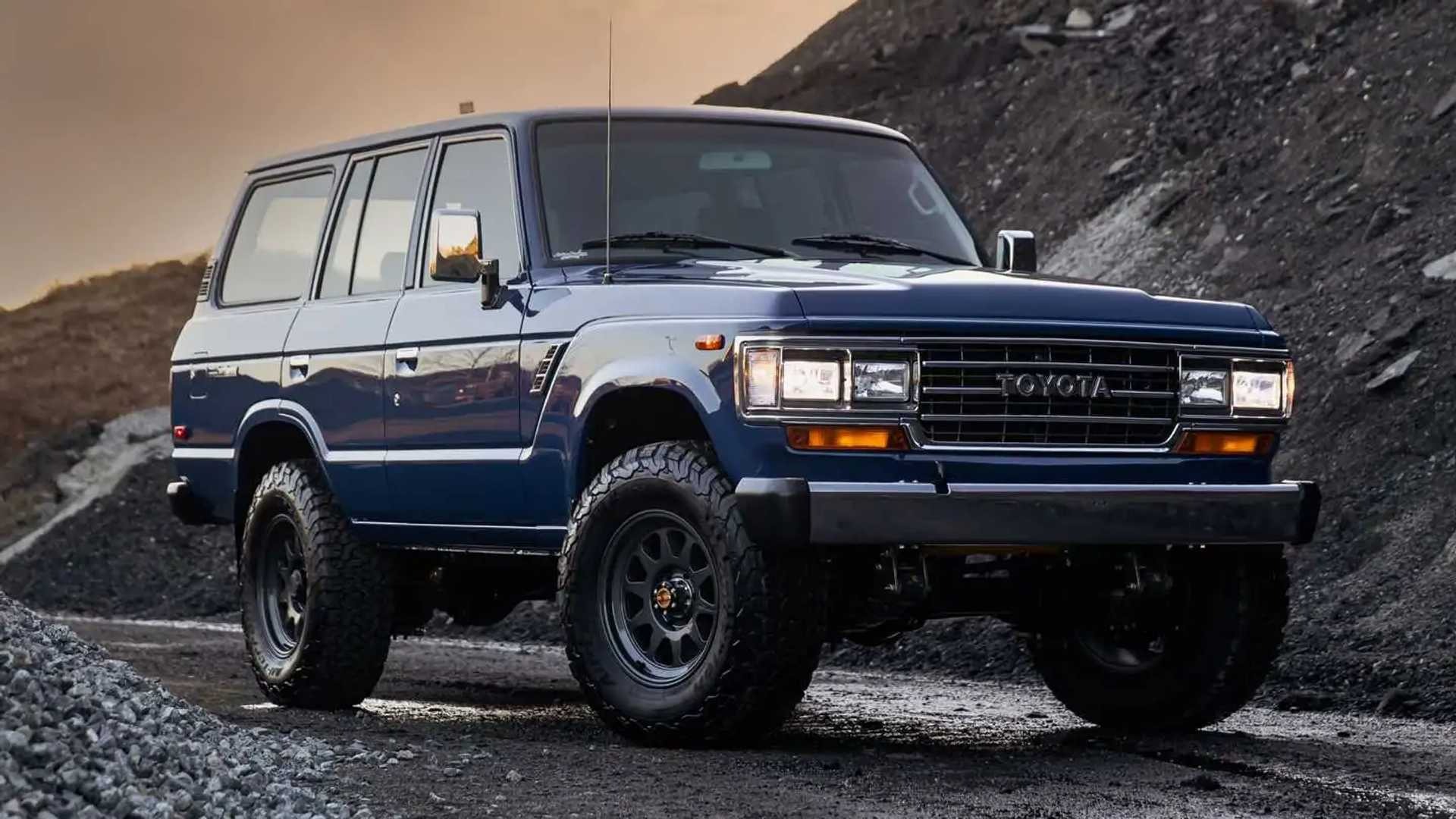
1. Toyota Land Cruiser
The Toyota Land Cruiser has long been synonymous with long-haul durability. Its radiator is no exception. Built for some of the harshest terrains and weather conditions on Earth, the Land Cruiser’s factory cooling system is made to withstand intense engine heat without giving in to failures.
Whether it’s desert driving or mountain climbing, the vehicle maintains a stable temperature without the need for constant monitoring or aftermarket modifications. The large aluminum radiator is engineered to provide consistent cooling even during extended climbs and heavy towing, which is critical in expedition-style use cases.
Drivers who use their Land Cruisers for off-road adventures regularly praise the reliability of the stock radiator. It’s common to see these vehicles go well past 200,000 miles with minimal issues related to cooling.
The factory design allows for rapid heat exchange and is built to handle extended idling, which is crucial in off-road situations where airflow can be limited. The cooling fan and radiator combo is designed with redundancy in mind, ensuring the vehicle stays functional even in the most remote regions.
Many earlier models, such as the 80 and 100 Series, featured copper-brass radiators that offered exceptional heat transfer capabilities. Later models moved toward aluminum-core radiators for weight savings, but Toyota didn’t compromise on thickness or fin density, keeping cooling performance top-tier.
Owners frequently remark that, unlike other off-road vehicles, the Land Cruiser rarely suffers from overheating problems, even under heavy load and in high-heat conditions.
Additionally, Toyota’s approach to manufacturing radiators for the Land Cruiser involves high-quality materials and pressure-tested components. Leaks, warping, or clogging issues are uncommon if the system is maintained correctly. That consistency in quality is a major reason why these vehicles are trusted worldwide by humanitarian groups, military operations, and remote field workers.
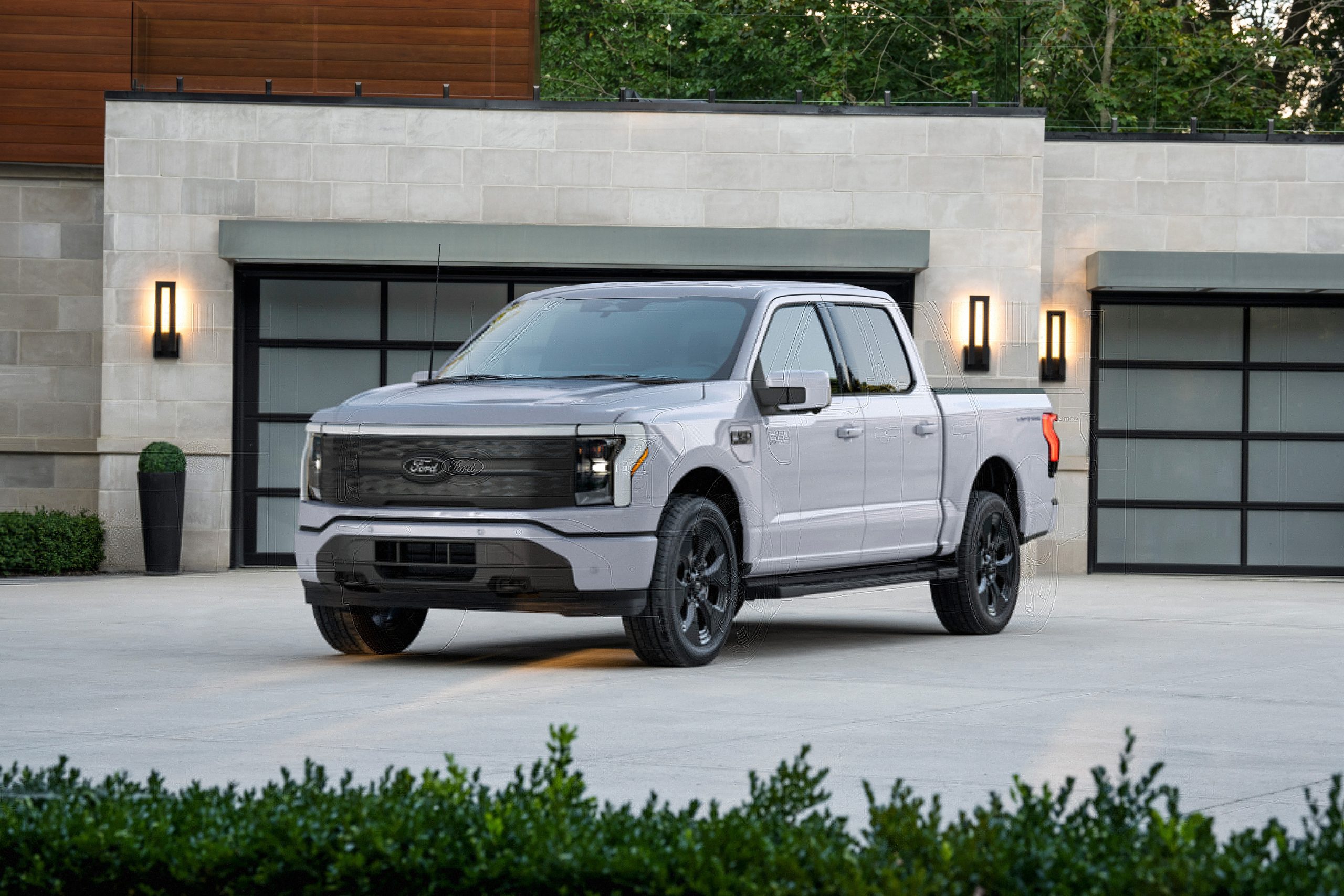
2. Ford F-150
The Ford F-150 has been America’s best-selling truck for decades, and a large part of its reputation comes from its reliability in tough work environments. The cooling system in the F-150, especially in its higher tow-rated trims, features a factory radiator that’s capable of handling serious loads.
Whether it’s pulling a trailer or navigating stop-and-go traffic in a hot climate, the F-150 keeps its cool. That’s not by accident; Ford engineers have consistently prioritized cooling in their design philosophy. Across generations, the F-150 has come with radiators sized appropriately for its engine options, including V6 EcoBoost models and the larger V8 variants.
The radiator core dimensions and fin spacing are optimized to handle thermal loads across a wide RPM range. Even turbocharged engines, which are more prone to heat buildup, benefit from radiators designed to handle sustained boosts in pressure and temperature without losing efficiency. This is essential for truck owners who expect performance under strain.
One area where the F-150 stands out is its attention to cooling redundancy. Some trims include auxiliary coolers in addition to the main radiator, allowing for better thermal regulation during towing or heavy hauling.
Even in base models, the radiator’s size and coolant flow capacity exceed the typical needs of everyday driving, which helps explain why F-150s maintain engine longevity over years of hard use.
Moreover, the factory radiator’s durability is backed up by field performance. It’s common to find F-150s used in construction, farming, and delivery sectors running smoothly even after years of abuse.
While regular maintenance helps, the radiator itself is not prone to early failure or corrosion issues that plague some of its competitors. That robust factory performance saves owners from needing to upgrade to aftermarket options unless extreme modifications are made.
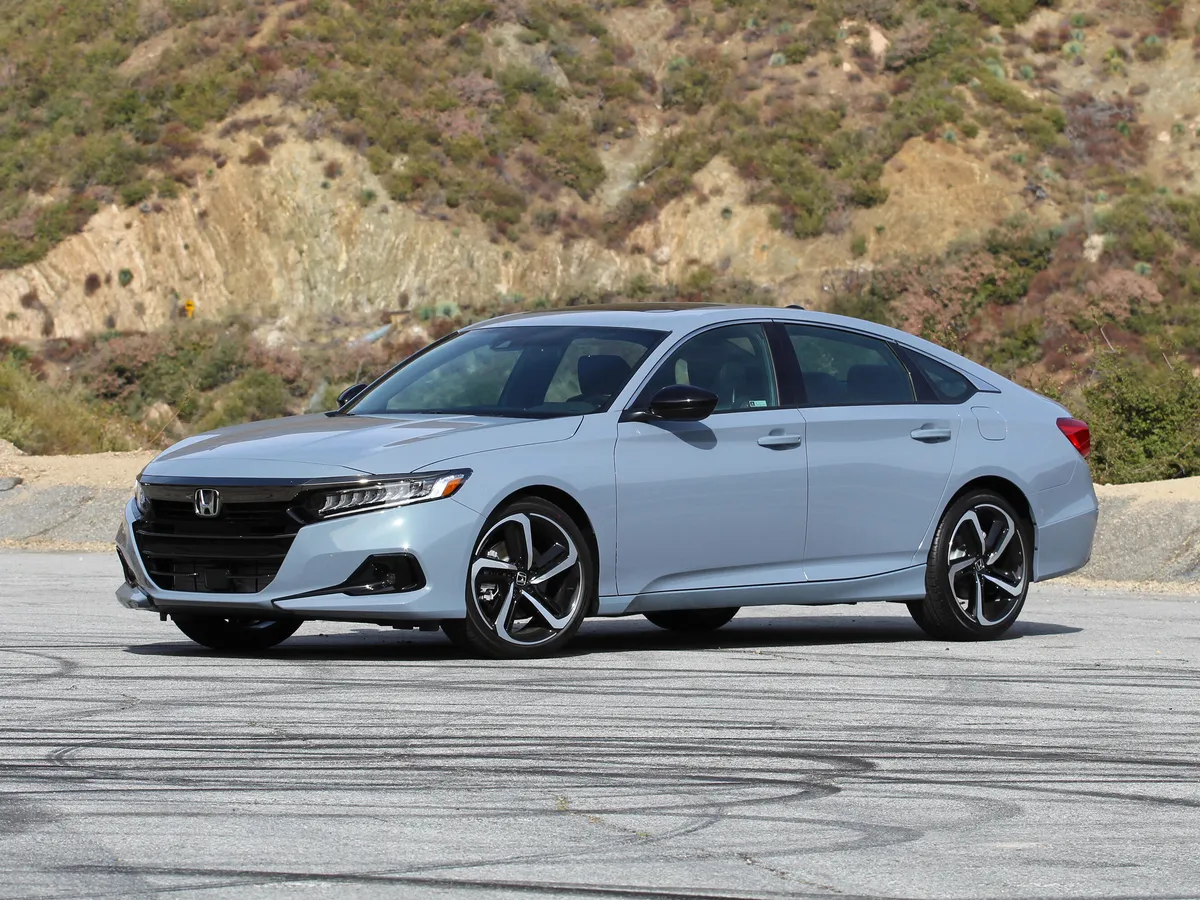
3. Honda Accord
The Honda Accord is not a truck or SUV, but its radiator still deserves attention for how well it handles daily wear over time. Unlike many midsize sedans, which can struggle in high-traffic or high-heat conditions, the Accord’s factory radiator maintains efficiency across a wide range of driving conditions.
Honda has always emphasized engine cooling as a key to engine longevity, and it shows in how well these systems perform in real-world situations. One standout feature of the Accord’s radiator is how well it supports the vehicle’s fuel efficiency goals without sacrificing heat control.
Modern Accords, especially those with turbocharged engines, use compact but effective radiators with multi-row aluminum cores. These are paired with electronically controlled fans that adjust to driving load and outside temperature. That makes them incredibly responsive and reliable in keeping the engine operating within the optimal temperature range.
The long-term reliability of the Accord’s cooling system is a point of pride for many owners. Overheating complaints are rare, even for vehicles with high mileage or those frequently driven in urban stop-and-go traffic.
Many older Accords with over 150,000 miles still retain their original radiators without any performance drop. This longevity is due in part to Honda’s focus on using quality materials, sealed fittings, and efficient design without overcomplicating the system.
Another factor worth mentioning is ease of maintenance. The factory radiator is positioned for accessible servicing, and its components are less prone to early failure.
Leaks from weak seals or plastic degradation are uncommon, and with basic upkeep, these radiators remain trouble-free for years. For a daily driver that’s expected to last well past 10 years, that kind of reliability from a factory component makes a big difference.
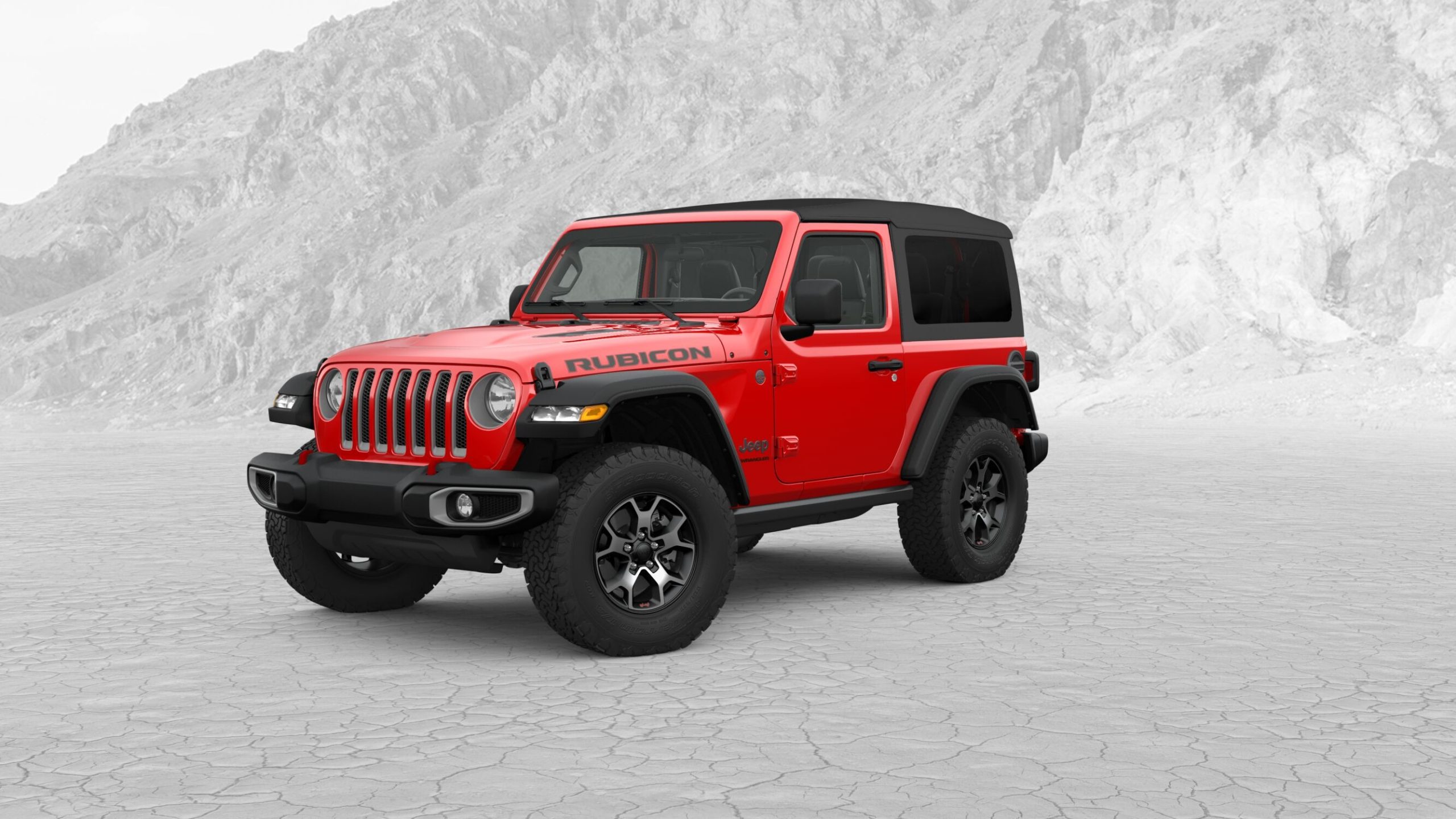
4. Jeep Wrangler
The Jeep Wrangler is purpose-built for off-road use, and its radiator has to reflect that mission. The cooling system is put to the test in rock-crawling, mud-slinging, and high-climb environments where airflow can be inconsistent and engine loads are high.
Fortunately, Wranglers have long been equipped with factory radiators that are up to the challenge. The system is designed not just for cooling under normal conditions, but for surviving punishment when airflow is compromised by debris or slow speed.
The factory radiator in the Wrangler is mounted to allow maximum exposure to air while still being protected from direct rock hits and mud spray. Jeep engineers chose high-capacity cores with solid aluminum builds in recent models, especially the JK and JL generations.
Even the earlier TJs had durable copper and brass radiators that held up well to off-road abuse. This emphasis on structural integrity ensures that coolant continues flowing under conditions where other vehicles would falter.
Heat soak is another challenge in off-road situations, especially when shutting off the engine after a demanding climb. The Wrangler’s factory fan system, combined with its radiator, manages heat dissipation well even during idle.
Engine temperature drops efficiently, reducing the risk of boil-over or head gasket stress. These are critical factors for off-roaders who may not always have the option of parking in ideal conditions.
It’s also worth noting how well the Wrangler’s radiator holds up under modifications. Many owners add winches, light bars, and skid plates, yet the factory radiator still manages to maintain engine temps within range.
That’s not always true of other off-road vehicles, where upgrades require cooling enhancements. The Wrangler’s stock setup is simply more forgiving, which makes it a favorite in the 4×4 community for both beginners and experienced off-road drivers.
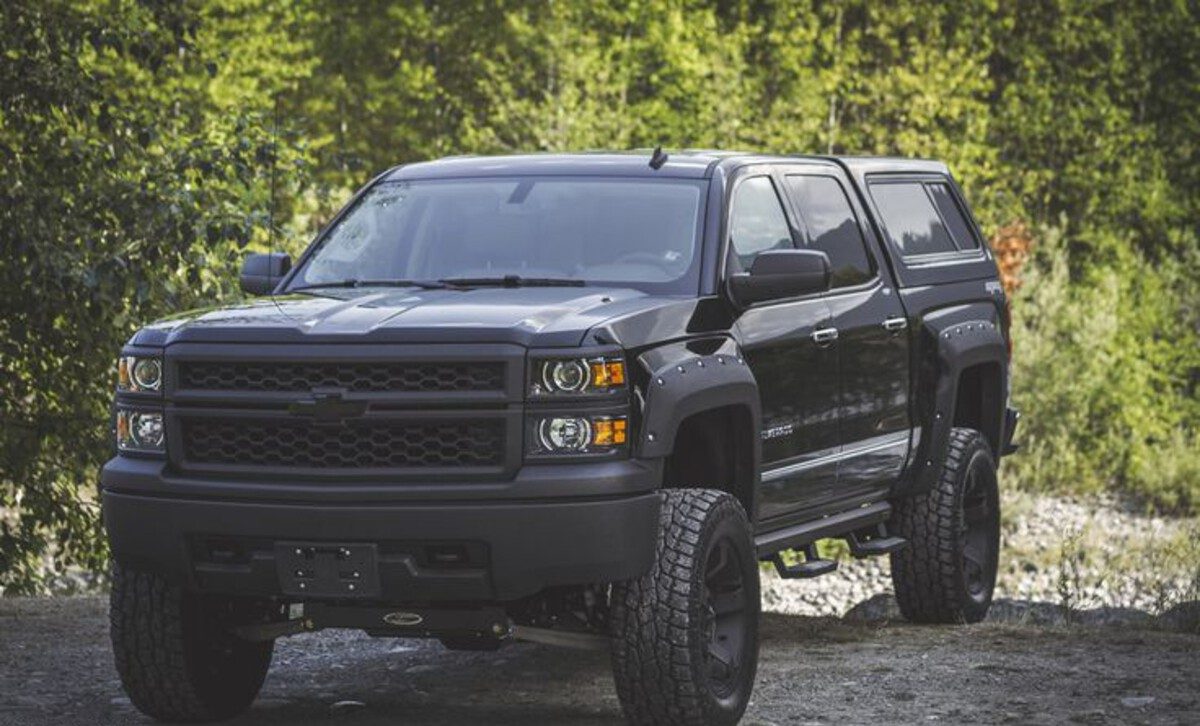
5. Chevrolet Silverado 1500
The Chevrolet Silverado 1500 is another full-size pickup that has built a reputation on performance under stress. As with other trucks in its class, it’s frequently used for hauling, towing, and long-distance driving under load.
Its factory radiator is one of the key reasons it manages to deliver reliable service under those conditions. Designed with large-capacity cores and thick aluminum walls, the radiator can dissipate heat quickly even in high-output engine trims such as the 6.2L V8.
What sets the Silverado’s cooling system apart is how it’s built for workload diversity. It doesn’t matter if the truck is pulling a trailer up a steep grade, idling for long periods on a job site, or navigating traffic in hot urban climates, the radiator remains consistent.
This is partly due to the cooling fan system, which is calibrated for multiple engine demands and communicates with the transmission cooler and auxiliary systems for balanced temperature regulation.
The Silverado’s radiator also demonstrates resilience in colder conditions. Unlike some cooling systems that suffer from cracking or leaking in freezing temperatures, the factory unit in the Silverado maintains structural integrity across seasonal changes.
This makes it a dependable choice in northern climates where thermal cycling can be particularly harsh on vehicle components. GM’s use of durable hoses, seals, and mounts prevents failure in extreme cold as well as heat.
Fleet operators and long-time owners often note that even after extensive mileage, the radiator performs well with only basic coolant flushes. The coolant pathways resist clogging, and internal corrosion is minimized through the use of quality materials and controlled chemistry.
As a result, Silverado owners are often able to go years without needing any major work on the cooling system, giving the vehicle excellent long-term cost efficiency.
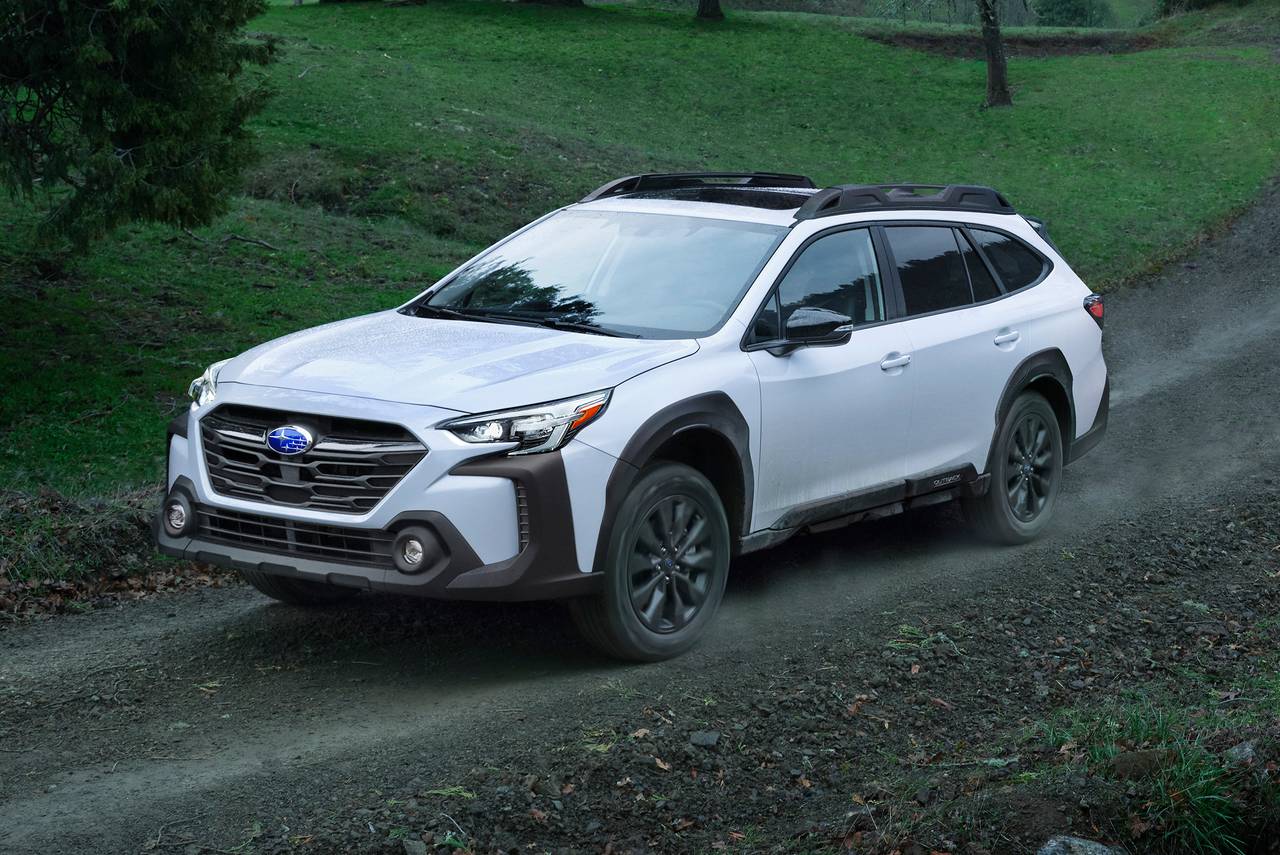
6. Subaru Outback
The Subaru Outback may not be a traditional off-roader or high-performance car, but it earns its place on this list thanks to its exceptional cooling reliability. Subarus, especially those with boxer engines, require unique radiator designs to maintain temperature balance across horizontally opposed cylinders.
The Outback handles this challenge well with a well-proportioned radiator that is both durable and efficient, even in areas with extreme elevation changes or summer heat. One strength of the Outback’s radiator is how evenly it distributes heat across the engine bay.
The cooling fan system and radiator work in tandem with the flat-four engine layout to ensure consistent thermal regulation. Whether the vehicle is climbing through mountain passes or idling in a parking lot, engine temperature remains within range. The system is designed to avoid hot spots, which can otherwise cause wear or damage over time in flat engines.
In terms of build quality, the Outback’s radiator features thick end tanks and wide core spacing that resists clogging and physical damage.
While some modern radiators use more plastic components to save weight, Subaru balances this with structural aluminum core designs that don’t suffer premature failures. Even models with higher miles and original radiators tend to show no major performance drop when properly maintained.
The cooling performance is especially important in areas where Outbacks are most popular, such as the Pacific Northwest, Colorado, and Northeast states.
These regions see heavy snow, altitude changes, and seasonal heat, a triple threat for any vehicle’s cooling system. The Outback’s radiator handles it all without needing aftermarket reinforcement, making it a favorite among outdoorsy drivers who value mechanical dependability.
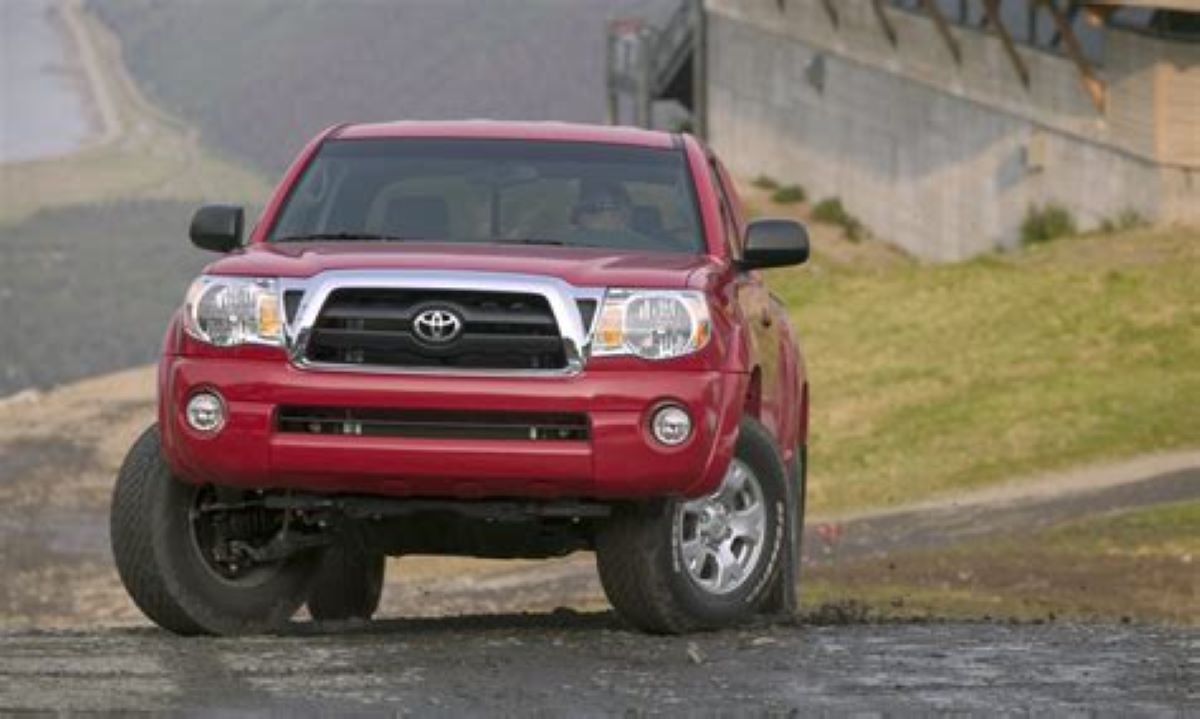
7. Toyota Tacoma
The Toyota Tacoma has developed a loyal following for its simplicity, toughness, and ability to handle difficult driving environments without breaking down.
Much like the Land Cruiser, the Tacoma’s factory radiator is designed with real-world stress in mind. Whether it’s crawling over boulders in the desert or running long miles on the highway, the Tacoma’s radiator holds up remarkably well without assistance from external cooling accessories.
One of the advantages of the Tacoma’s radiator is its size-to-engine ratio. Even on base trims, the radiator is oversized relative to the vehicle’s output, allowing it to maintain low coolant temperatures during extended use.
The V6 variants in particular benefit from a strong cooling system that keeps the engine operating efficiently during towing or during summer conditions with air conditioning running at full blast.
Build quality is another strong point. The Tacoma’s radiator uses thick gauge aluminum with high-density fins for faster heat exchange. The hoses and clamps provided from the factory are often rated for higher pressure and temperature fluctuations than what’s seen in competitor trucks. This has a direct impact on how long the system remains leak-free and functional, especially in off-road or overlanding use.
Owners also note that the radiator rarely becomes a point of failure, even with heavy use. Some drivers put their Tacomas through tens of thousands of miles of dirt trails, river crossings, and steep mountain terrain, all while retaining the original radiator. That’s rare in the world of mid-size trucks, where many others tend to struggle with temperature control unless upgraded.
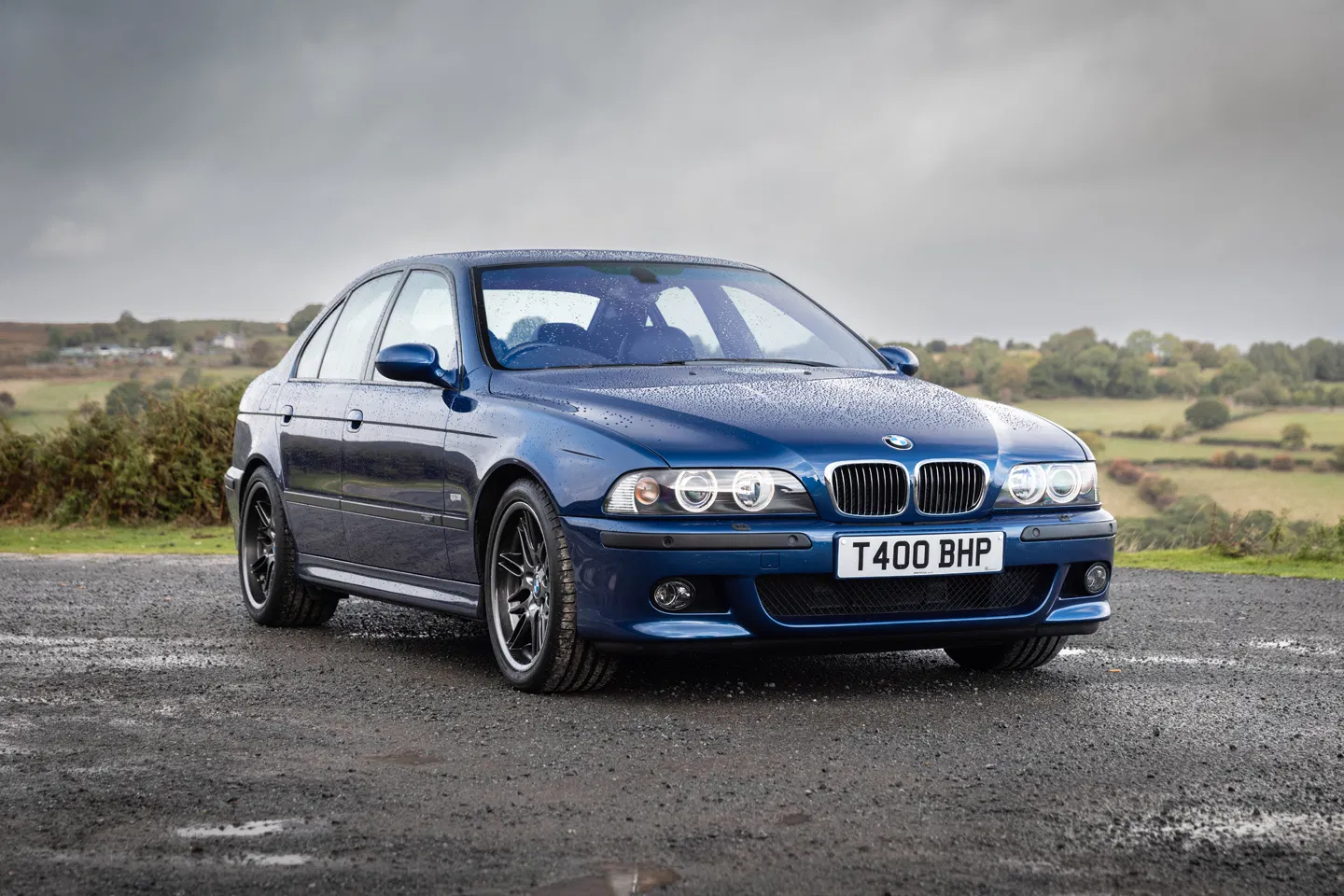
8. BMW E39 5-Series
Among European sedans, the BMW E39 5-Series has a well-documented reputation for engineering precision, including in its cooling system. While some BMW models are criticized for cooling problems, the E39 stands out as a model that balances performance with factory-installed radiator strength. The radiators in the E39 are built to handle both aggressive driving and long-distance touring, especially in the 530i and 540i variants.
The key to the E39’s cooling system performance lies in its layout. The radiator sits in a high-efficiency airflow path, allowing for quick cooling without depending too heavily on fan operation.
Combined with high-flow water pumps and thermostats, the E39’s system is designed to react quickly to temperature changes, making it ideal for driving at speed or through city traffic. The radiator itself has a wide surface area and strong coolant capacity, which reduces heat buildup during extended use.
Many drivers praise the factory system for its ability to recover engine temperature quickly after high-load conditions. For example, in spirited driving or during summer driving in traffic, the engine temperature remains remarkably steady.
When well maintained, the radiator resists cracking, even in older models with over 100,000 miles. The build includes high-grade aluminum cores with strong plastic end tanks that don’t degrade quickly if coolant is replaced regularly.
Although the E39’s cooling system needs attentive upkeep, it is rare for the radiator to be the weak point. Water pump failures or thermostat issues are more common, while the radiator continues to perform well past its expected service life. Enthusiasts often recommend retaining the original radiator as long as there are no signs of leaking or clogging, which speaks volumes about its factory strength.
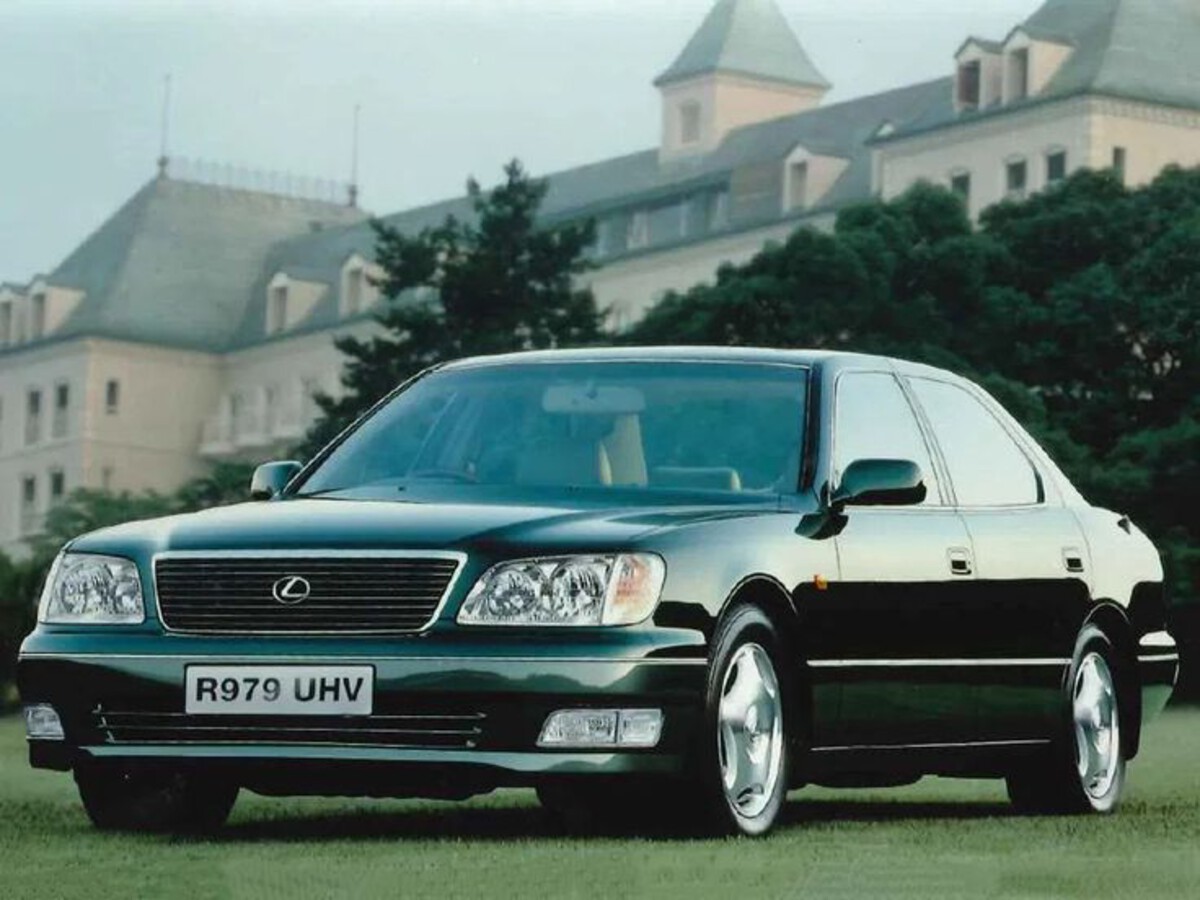
10. Lexus LS400
The Lexus LS400 may be a luxury sedan, but its cooling system is anything but fragile. Built with Toyota’s famous attention to quality, the LS400 features a robust factory radiator designed to support the vehicle’s smooth and powerful V8 engine.
Unlike many luxury sedans that require heavy aftermarket support to maintain ideal engine temps, the LS400’s original radiator does the job year after year, often without issue.
The aluminum core radiator in the LS400 provides ample heat exchange capacity for the 1UZ-FE engine, which is known for both refinement and durability.
Cooling performance remains consistent whether the car is cruising on the freeway or sitting idle in traffic with the air conditioning on. This is largely due to the thoughtful design that balances airflow, fan speed, and coolant volume to create a very stable thermal environment.
Reliability is one of the hallmarks of the LS400’s design, and the radiator reflects that. It’s not uncommon for owners to report 200,000+ miles with the original unit still functioning perfectly. The hoses and clamps used in the factory setup are also of high quality, meaning they rarely become the weak point in the system. Even in hot climates, LS400s rarely suffer from overheating a testament to how well the radiator does its job.
In addition to performance, Lexus made sure the radiator could be serviced easily. Access is straightforward, and replacements (when finally needed) are inexpensive and simple to install.
This means the factory radiator remains the best option in many cases, outperforming several aftermarket options that don’t match the original unit’s balance of strength and heat transfer capability. For those seeking a reliable luxury sedan that doesn’t skimp on cooling system quality, the LS400 remains a standout.
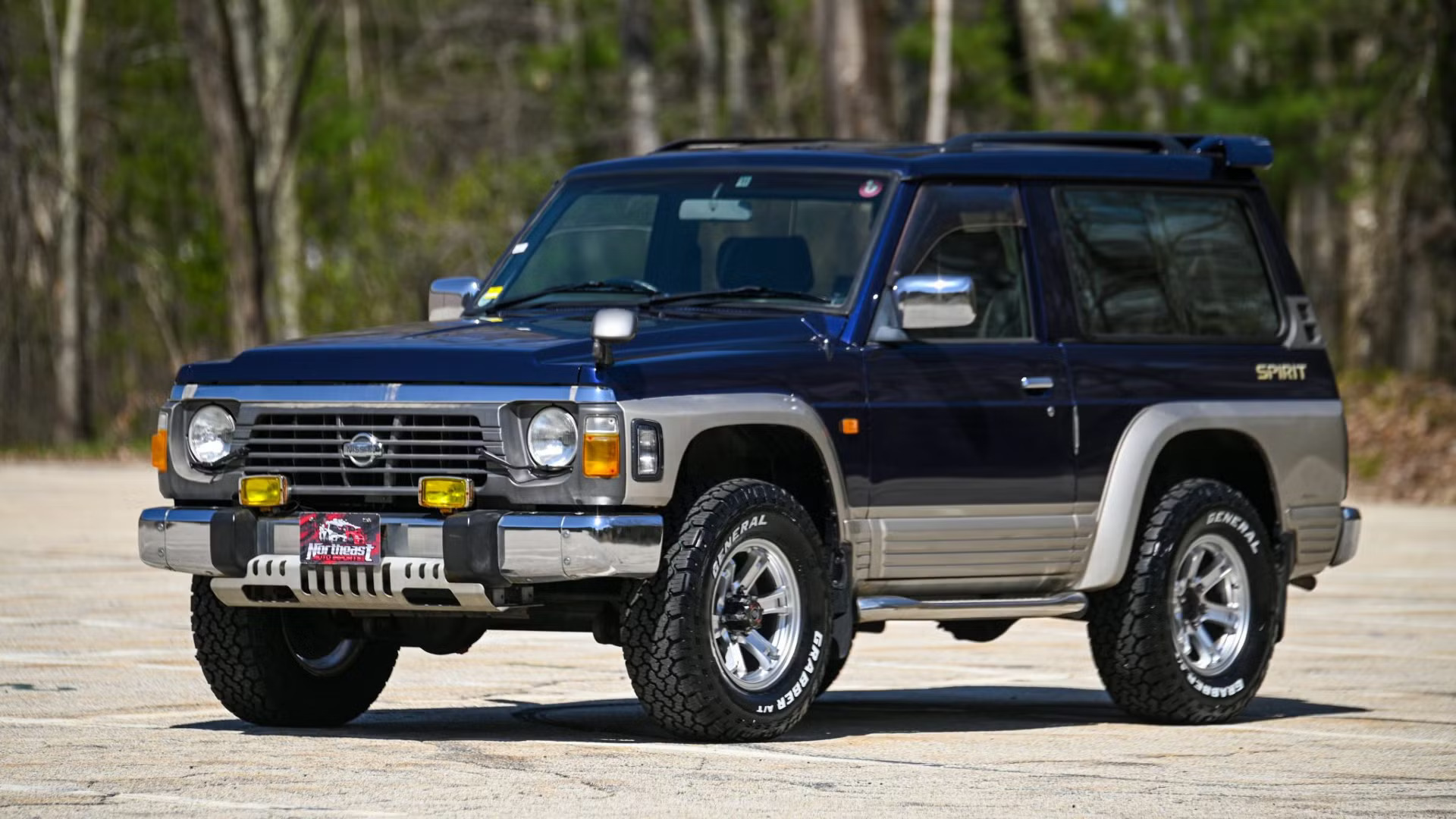
11. Nissan Patrol
The Nissan Patrol is another global off-road icon, particularly known in regions like the Middle East, Australia, and Africa. These are environments where high heat and rough terrain are daily challenges, and the Patrol’s cooling system was designed to meet them head-on.
From its earlier generations to more recent models, the factory radiator has proven capable of keeping large inline-six or V8 engines cool under intense pressure.
The Patrol’s radiator is generally larger and thicker than those in comparable SUVs. It’s built to handle long-distance driving through deserts, river crossings, and rocky trails.
High coolant capacity and strong pump circulation help prevent heat buildup during slow, demanding climbs or prolonged idling in scorching conditions. Many Patrols also come with dual-fan systems that kick in when airflow is restricted, further supporting engine cooling without external intervention.
Build quality is a huge part of the Patrol’s reputation. The radiator features solid aluminum construction with thick tanks and wide cooling fins. Even under constant exposure to dust, sand, and mud, the system resists clogging and performs well. The use of high-quality gaskets and tightly sealed components means leaks are rare, even with hard use over long periods.
In real-world conditions, the Patrol has proven itself time and again. It’s not unusual to see these vehicles in remote areas operating with high engine loads and little mechanical support.
The radiator’s dependability is a key reason why so many aid organizations and explorers choose the Patrol. When replacement is eventually needed, many owners still go back to OEM units because of their proven track record and long-lasting performance.
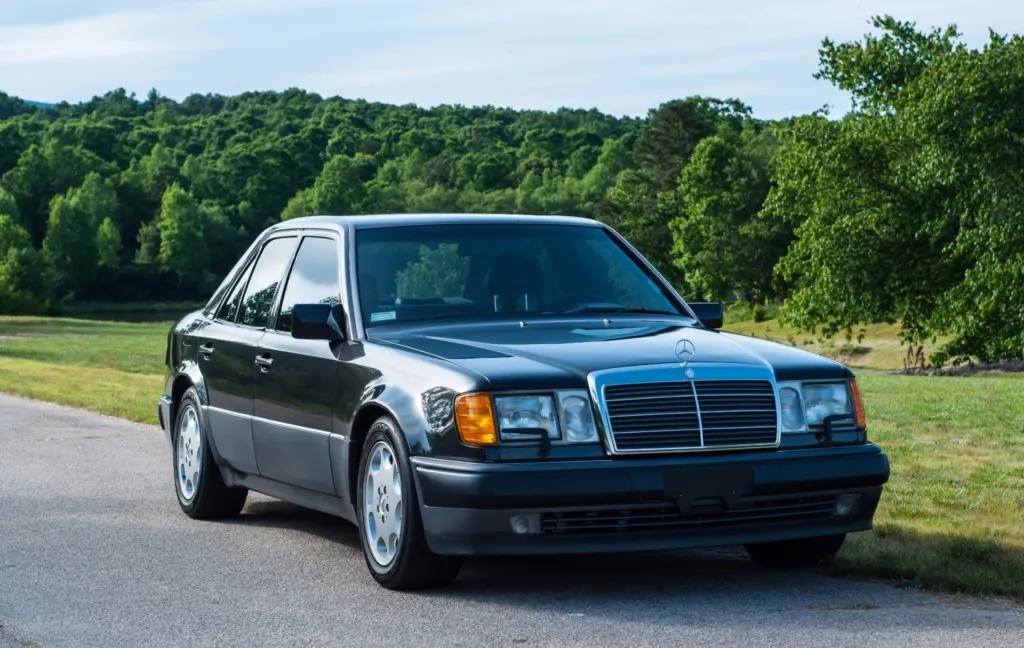
12. Mercedes-Benz W124
The Mercedes-Benz W124 is often considered one of the most overbuilt sedans ever made. Produced between the mid-1980s and mid-1990s, this car was engineered during a time when Mercedes prioritized mechanical longevity over cost savings.
The radiator reflects that philosophy. Designed to support both four-cylinder and six-cylinder engines, the W124’s cooling system is surprisingly strong for a luxury sedan.
One reason the radiator stands out is the use of high-grade materials. The core is made from aluminum, while the tanks are reinforced and built to handle pressure without expanding or cracking.
The system is also designed with an oversized capacity for its engine displacement, meaning coolant circulates efficiently and the engine rarely comes close to overheating under normal or even spirited driving.
Owners of these vehicles often remark on how little attention the radiator needs. When maintained with regular coolant flushes and occasional hose replacements, the original unit can last decades.
In fact, there are many documented cases of W124s running with factory radiators well beyond 300,000 kilometers. The design supports smooth operation across wide temperature swings, making it suitable for both city and highway driving.
The radiator’s contribution to engine longevity is not to be overlooked. The inline-six engines in particular, such as the M103 and M104, rely on steady temperature control to avoid head gasket and valve problems.
The W124’s factory radiator allows these engines to run at peak efficiency for many years. That, combined with its ease of service and rare failure rate, makes it a lasting symbol of quality from an era when German engineering set the global standard.
Also Read: 5 Bargain Sports Cars That Stay Reliable vs 5 Headline-Grabbing Models That Fail
Radiator strength isn’t often the headline feature of a car, but for those who prioritize reliability and longevity, it matters a great deal. A factory radiator that can keep up with high temperatures, heavy workloads, or aging engines provides peace of mind and real-world value.
Whether it’s in a luxury sedan like the LS400, a working truck like the F-150, or a rugged off-roader like the Land Cruiser, a strong radiator helps ensure the engine can perform its job without faltering.
All twelve of these vehicles have proven, through years of use and feedback from owners, that their radiators were built to last. That doesn’t mean they’re perfect or immune to neglect, but when maintained properly, they don’t require aftermarket upgrades to deliver the performance most drivers need.
These models represent the kind of thoughtful engineering that’s often missing in many modern vehicles that cut corners for cost or weight.
From urban traffic to wilderness treks and heavy hauling, the radiator quietly does its job. It’s rarely the first thing buyers think about when choosing a car, but it’s one of the systems that determines how long a vehicle will stay dependable. Strong factory cooling systems are not just about avoiding overheating; they’re about preserving engine health, preventing breakdowns, and maintaining performance over time.
If you’re considering a car and long-term reliability is a top concern, look beyond the flashy numbers and check how well the vehicle manages heat. The cars on this list are a reminder that sometimes, the best engineering is the kind that doesn’t draw attention; it just works.
