
When choosing a car for long-term ownership, most people focus on the engine, transmission, and overall mechanical reliability. However, interior durability plays just as big of a role in how a car holds up over the years. One commonly overlooked but essential interior feature is the dashboard.
It’s what you see every time you get behind the wheel, and it’s also the most exposed part of the interior when it comes to sunlight and heat. Cracked dashboards are not only unsightly but also an indication that the car may have been built with lower-grade materials or inadequate UV protection.
Some vehicles are notorious for dashboard deterioration within just a few years. Sun exposure, extreme heat, and poor material choices contribute to premature cracking, warping, or discoloration.
On the other hand, certain car manufacturers have earned a reputation for producing dashboards that remain smooth, intact, and functional for decades, even under heavy sun exposure and long-term use. These vehicles usually combine good design, high-quality plastics or vinyls, and thoughtful climate control inside the cabin.
This article lists twelve vehicles known for their dashboard durability, often lasting well beyond the 10- or even 20-year mark with minimal cosmetic degradation. These models are popular among used car buyers, restorers, and long-time owners who want their cars to look just as good inside as they perform on the road.
Many of them come from brands known for their conservative design philosophy and consistent build quality. Others are surprises, lesser-known for their longevity but have quietly proven themselves among owners and enthusiasts.
Each section will focus on a specific model, giving you insight into why its dashboard stands the test of time. The reasons vary from superior plastics to better assembly and thoughtful climate design.
This isn’t just about luxury cars either. You’ll find models from multiple price ranges and eras, proving that a long-lasting dashboard isn’t exclusive to high-end vehicles. If you’re planning to keep your next car for the long haul, this list can help you make a better-informed decision, especially if you’re tired of seeing cracked and faded interiors.
Also Read: 5 Bargain Sports Cars That Stay Reliable vs 5 Headline-Grabbing Models That Fail
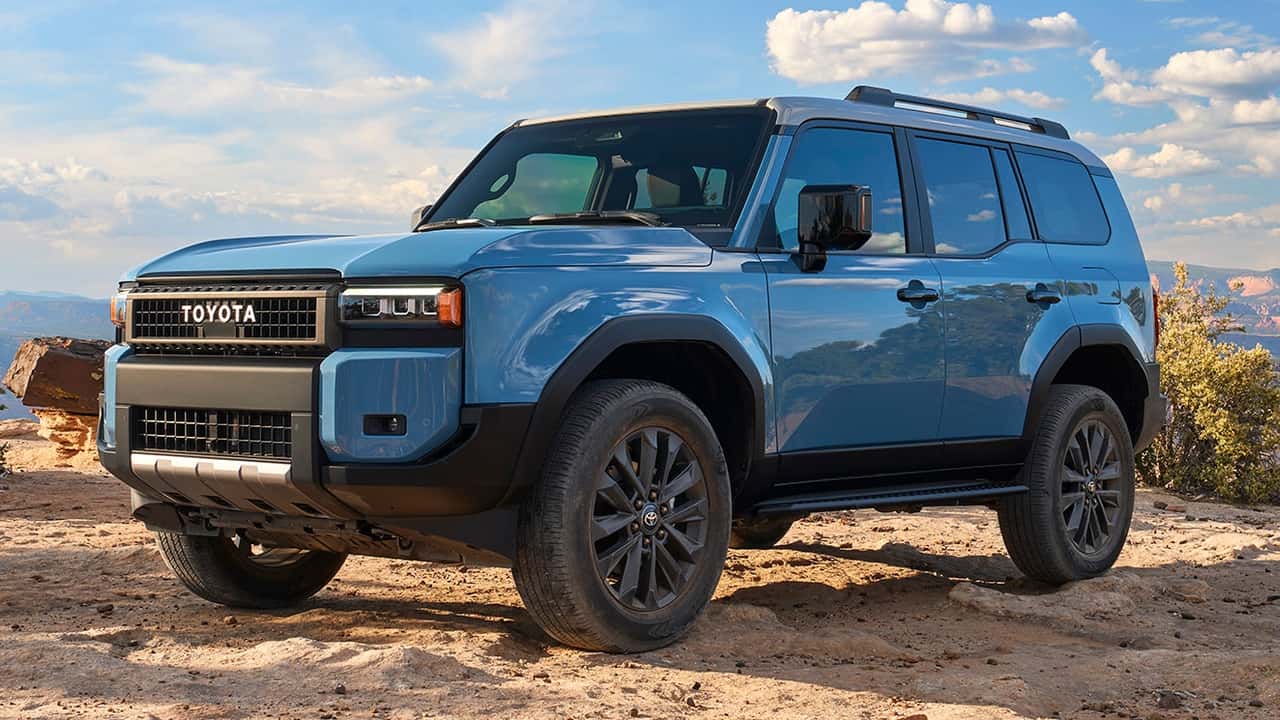
1. Toyota Land Cruiser (80 & 100 Series)
The Toyota Land Cruiser has built a reputation for being nearly indestructible, and its interior durability reflects that standard. The 80 and 100 Series models, particularly those made between the early 1990s and mid-2000s, have dashboards that seem almost immune to time and harsh environments.
This isn’t by accident. Toyota engineered the interiors of these SUVs with the idea that they would be driven in extreme conditions, whether it’s the Sahara Desert or remote parts of Australia.
The dashboard materials in these models use soft-touch plastics that remain intact even after years of UV exposure. Unlike the thin, brittle plastic found in many vehicles from the same era, these dashboards resist cracking and warping.
They often include a matte finish that doesn’t reflect too much sunlight, which not only reduces glare while driving but also minimizes the thermal buildup that typically leads to cracks.
Many long-time owners report that after 15–20 years of use, their dashboards remain intact, even without special care. While sunshades and garage parking can always help, these models don’t require it to stay looking clean.
This level of durability is particularly impressive given how many of these SUVs are driven in extremely hot or cold climates. Toyota’s approach to build quality in these models is consistent throughout the vehicle, not just in the drivetrain.
Even when the seats wear out or the steering wheel shows signs of use, the dash remains solid. This trait contributes to the strong resale value of older Land Cruisers.
Buyers in the used market are willing to pay a premium not just for mechanical reliability but also for a well-preserved cabin. These SUVs serve as proof that high-quality interiors don’t have to be flashy, they just need to be built to last.
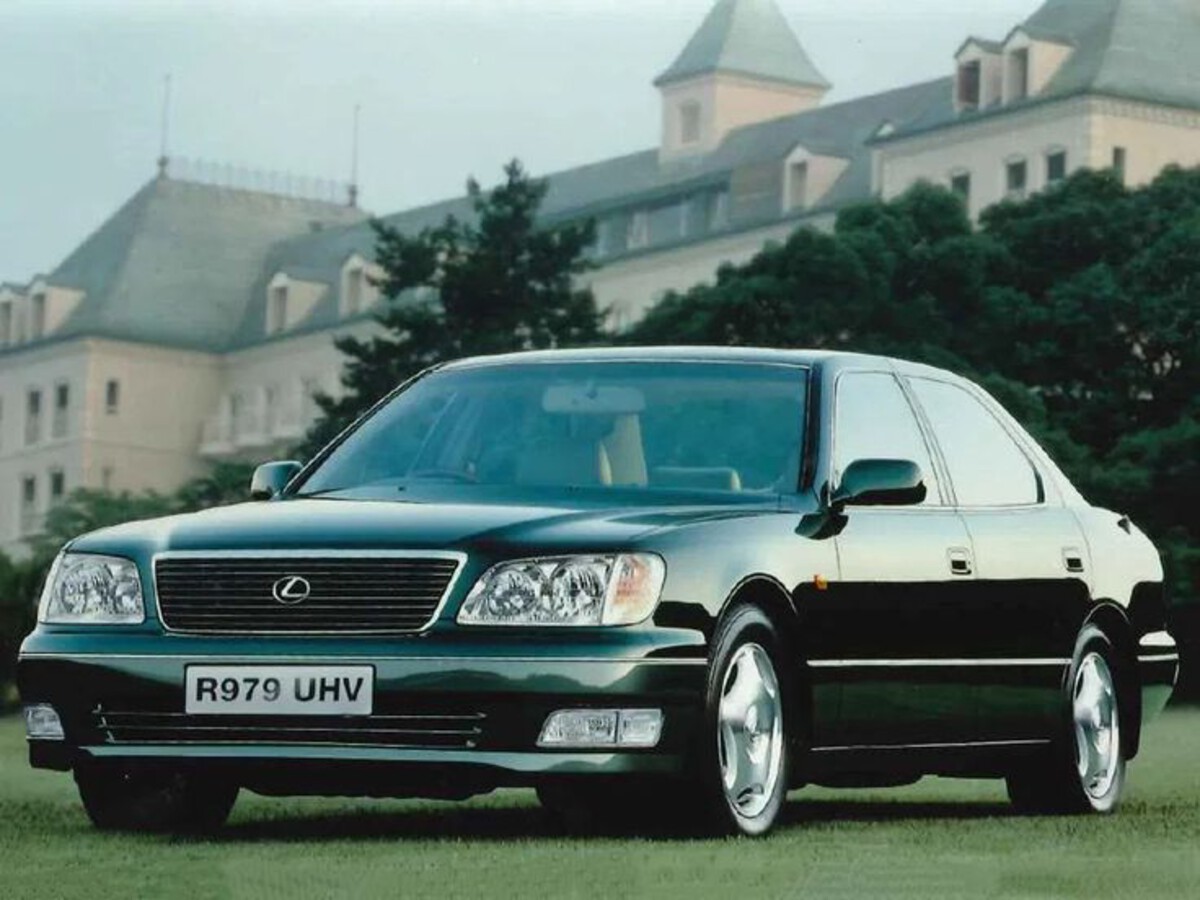
2. Lexus LS400
The Lexus LS400 was a game changer when it debuted in 1989. Designed to challenge German luxury vehicles, it set new standards for quality and refinement.
One of the most impressive aspects of the LS400 was its cabin, which included an ultra-durable dashboard that still holds up today in many original-owner cars. Toyota’s luxury division paid particular attention to materials during the design phase, and the result is evident decades later.
The dashboard on the LS400 uses a premium-grade vinyl and soft-touch material that resists UV damage far better than what was common in the 1990s.
Its layered construction helped prevent heat stress from affecting the surface, reducing the chances of cracks and warping. The interior design was also understated and ergonomic, meaning fewer exposed seams or thin plastic trim pieces that typically fall apart over time.
Owners of early LS400s often praise not only the quality of the ride but also the condition of the interior, which looks newer than cars made ten years later.
Even in regions with intense sunlight, such as the southern U.S., these dashboards maintain their shape and appearance. This durability adds to the vehicle’s reputation as a high-mileage champion, often exceeding 300,000 miles with proper maintenance.
Another reason the LS400’s dashboard holds up is the vehicle’s excellent insulation and climate control. The interior doesn’t overheat easily, which reduces stress on all materials inside.
When combined with the high level of fit and finish, the dashboard has little room to flex or shift, two factors that often contribute to cracking. For those restoring older luxury cars or considering a reliable long-term sedan, the LS400 is still hard to beat, not just under the hood but also inside the cabin.
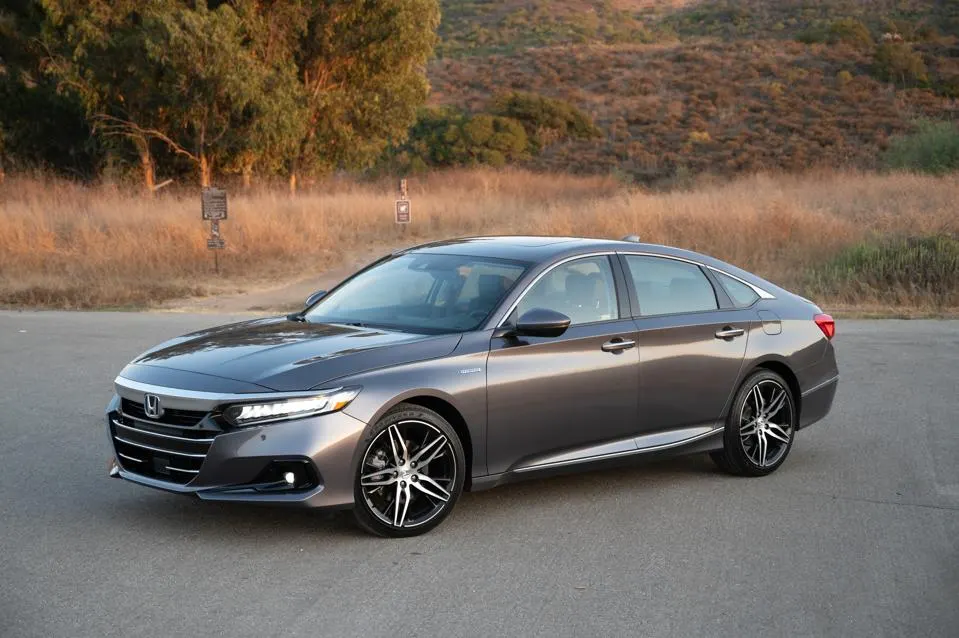
3. Honda Accord (1990s and Early 2000s)
Honda’s commitment to long-lasting design shines clearly in the Accord models from the 1990s through the early 2000s. These cars became popular not only for their dependability but also for their interiors, which managed to remain solid and clean-looking even after decades of use.
The dashboard was no exception. Made from high-density materials with solid construction, it was built to resist both wear and environmental damage. The dashboard designs during these years were clean and purposeful, without excessive vents or gimmicky contours that might weaken over time.
Honda used a hard-yet-resilient plastic blend that resisted cracking, even in hotter climates. Although the material was firmer than soft-touch dashboards found in more luxurious cars, it aged much better than many of them. This was especially true in base models, where fewer trim components meant fewer places for deterioration to begin.
These Accords often serve as daily drivers, work commuters, and even first cars for new drivers. Despite the heavy use, their dashboards remain largely intact.
That’s partially due to the quality of materials, but also because Honda avoided using weak adhesives or thin coatings that peel under heat. The entire interior, including the dashboard, was engineered with longevity in mind rather than short-term aesthetics.
Even after 20–25 years, it’s common to find Honda Accords with their original dashboards free of significant damage. This level of durability is appreciated by owners who may not have the time or budget to baby their car’s interior with dashboard covers or climate-controlled garages. It’s another reminder of how attention to detail in design pays off in the long run.
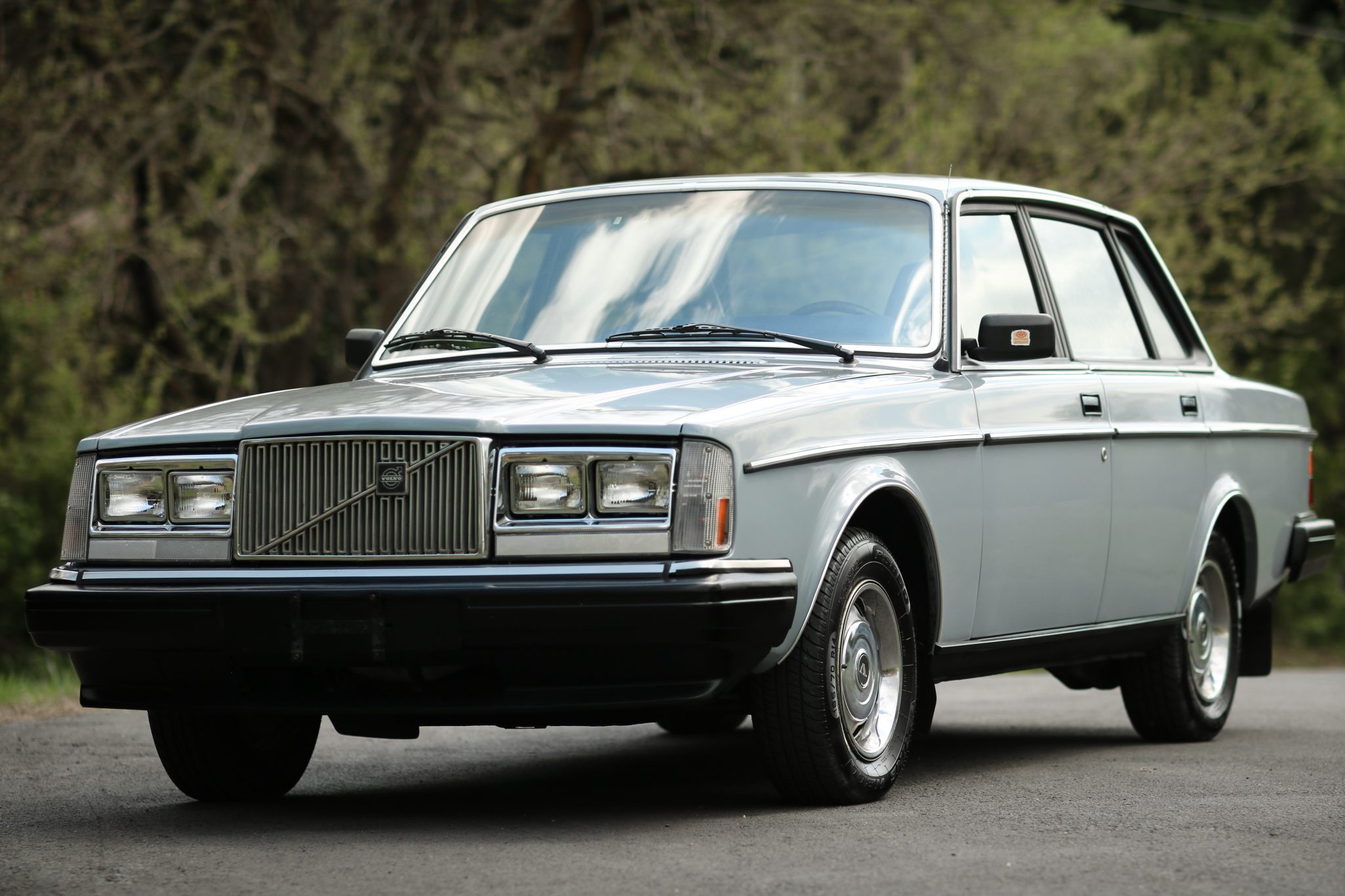
4. Volvo 240
The Volvo 240 is often remembered for its boxy shape and tank-like build, but those who’ve owned one also know it as a car with an impressively durable interior.
Produced from the mid-1970s through 1993, the 240’s dashboard was designed with Scandinavian practicality and harsh climate conditions in mind. As a result, many original examples still sport crack-free dashboards even after 30 or 40 years.
Rather than chasing design trends, Volvo focused on function. The dashboard was simple and flat with clean lines, reducing surface stress and avoiding complex molding shapes that could fail over time. The materials used were thicker than most cars in the same price range and included plastic composites that resisted UV degradation better than expected, especially for the era.
Unlike other cars from the ’70s and ’80s that often suffer from sun-bleached and broken interiors, the Volvo 240 maintained a level of consistency. Owners in northern climates had the advantage of fewer UV-related issues, but even in southern areas, the dashboards fared better than expected.
Some owners believe the quality was over-engineered, possibly because Volvo treated interior safety and durability with the same seriousness as crash protection. Another interesting point is that even when the rest of the interior starts to wear, upholstery, carpets, door panels, the dashboard usually remains a highlight.
This is partly why 240s remain a favorite among vintage car lovers who want a usable classic. The durability of the interior gives the whole car a well-kept appearance, even if the paint fades or the trim shows signs of age. As a long-term vehicle, the Volvo 240 proves that durability and simplicity go hand in hand.

5. Toyota Camry (Late 1990s to Mid-2000s)
The Toyota Camry has long been regarded as one of the most reliable sedans on the market, and this reputation extends beyond the engine and transmission.
Models produced from the late 1990s to the mid-2000s were especially strong when it came to interior quality, including dashboards that resisted cracking far better than most cars from that time. Owners have consistently noted that even with minimal upkeep, the dashboards in these models stay intact for well over a decade.
Part of what helps the Camry dashboard endure is its design simplicity. Toyota avoided complicated contours or deep recesses that tend to become weak points over time.
Instead, the dashboards featured wide, smooth surfaces with clean integration of vents and controls. The materials used were not luxury-grade, but they were sturdy and well-fitted, making them far more resistant to warping or separating under heat stress.
Many Camrys from this era are still on the road today, some with well over 200,000 miles, and a good number of them have interiors that have held up remarkably well.
Sun damage is a leading cause of dashboard deterioration, but the Camry’s UV-resistant coating helped minimize that. Even in climates like Arizona or Texas, where sun exposure is relentless, the dashboards generally fare better than those in competing sedans from the same period.
The durability of these interiors has helped keep older Camrys in circulation longer than expected. While the seats or carpets may show their age, the dashboard often remains free of cracks or discoloration.
This not only helps maintain the car’s value but also improves the driving experience. A clean, intact dashboard gives the entire interior a more polished, dependable feel, even if the vehicle is pushing twenty years of use.
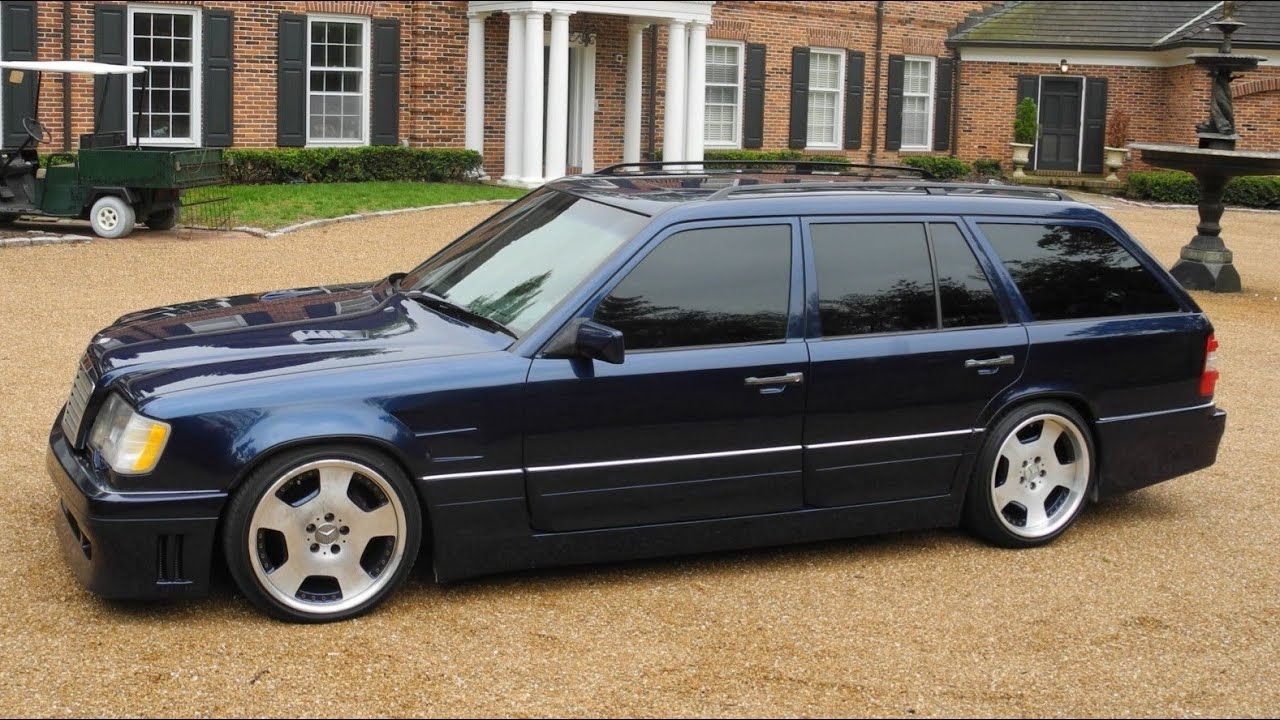
6. Mercedes-Benz W124 (E-Class)
The W124 generation of the Mercedes-Benz E-Class, produced from the mid-1980s to the mid-1990s, is widely considered one of the most durable vehicles the company has ever made.
That reputation isn’t limited to just the mechanical aspects, it extends to the interior as well. These cars featured dashboards that are surprisingly resilient, especially given how long they’ve been on the road. Even today, it’s common to find examples with interiors in great shape, including crack-free dashboards.
Mercedes used a high-grade plastic composite that was thicker than what many competitors used at the time. It wasn’t soft-touch in the modern sense, but it was tough, slightly textured, and bonded well with the understructure.
The surface also had a matte finish that resisted UV reflection and kept heat absorption down. The result was a dashboard that maintained its shape and look over decades, even in regions with significant temperature swings.
Another contributing factor to the longevity of the W124 dashboard is the solid construction of the car’s cabin as a whole. The vehicle was built with tight tolerances, meaning that there was less room for vibration or shifting materials.
This reduced the likelihood of micro-fractures or seams loosening up, both of which can lead to larger cracks over time. The attention to detail in the fitment of interior parts helps preserve the entire structure.
Owners and enthusiasts still praise the W124 for its timeless quality, and part of that admiration stems from how the dashboard still looks solid after 30+ years.
Whether the vehicle has been in a mild European climate or the harsher environments of the southern United States, the dashboards generally outlast those in far newer vehicles. That longevity adds to the appeal of the W124 as a practical classic that’s more than just a nostalgic relic.
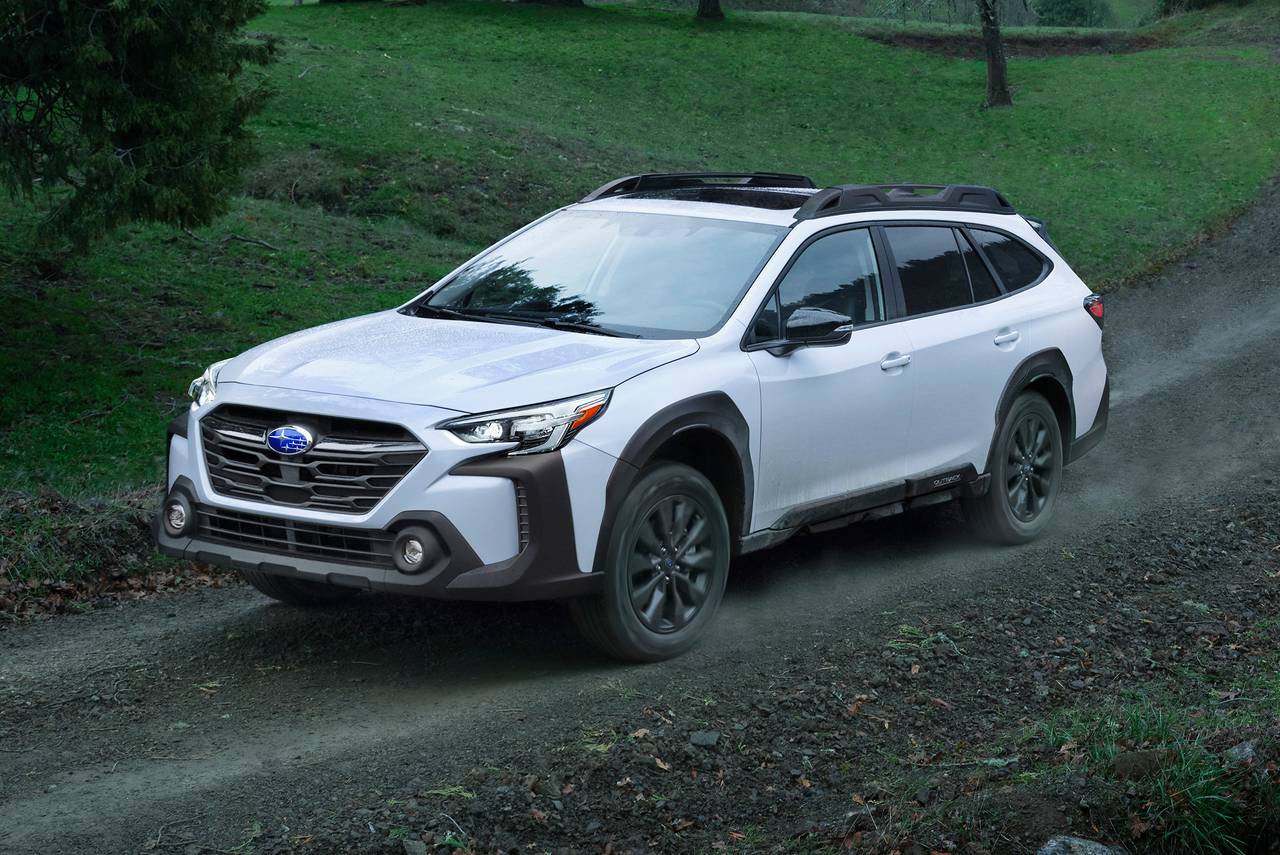
7. Subaru Outback (2000s Era)
Subaru built the early 2000s Outback to handle rugged conditions, and this durability carries over into the cabin. While the brand is more often associated with all-wheel drive and adventure-ready features, the interior quality of these models deserves recognition, especially the dashboard.
The materials used were utilitarian rather than premium, but their durability is what sets them apart. Even with years of outdoor exposure, the dashboards in these cars tend to remain intact.
Unlike many of its competitors in the crossover segment, Subaru didn’t overdesign the dashboard. It’s wide and functional, with a practical layout that minimizes stress points.
The material is a hard plastic blend that resists both fading and cracking. It lacks the soft-touch feel that some drivers may prefer, but that trade-off results in a product that lasts significantly longer under normal conditions.
The real-world usage of these vehicles also tells the story. Many owners use their Outbacks for road trips, camping, and daily commuting. Despite this mixed usage and exposure to outdoor elements like sun, dust, and moisture, the dashboards hold up impressively well.
There are numerous examples of 15- to 20-year-old Outbacks with dashboards that show little to no wear, even without special care or protective covers.
This performance is partly due to the overall climate management inside the cabin. Subaru models tend to have effective insulation and climate systems that help regulate interior temperature, reducing thermal stress on the dashboard.
Combined with robust plastics and secure mounting, the dashboards rarely show signs of weakness. For long-term owners, this helps keep the vehicle feeling stable and well-kept, no matter how many miles it’s traveled.
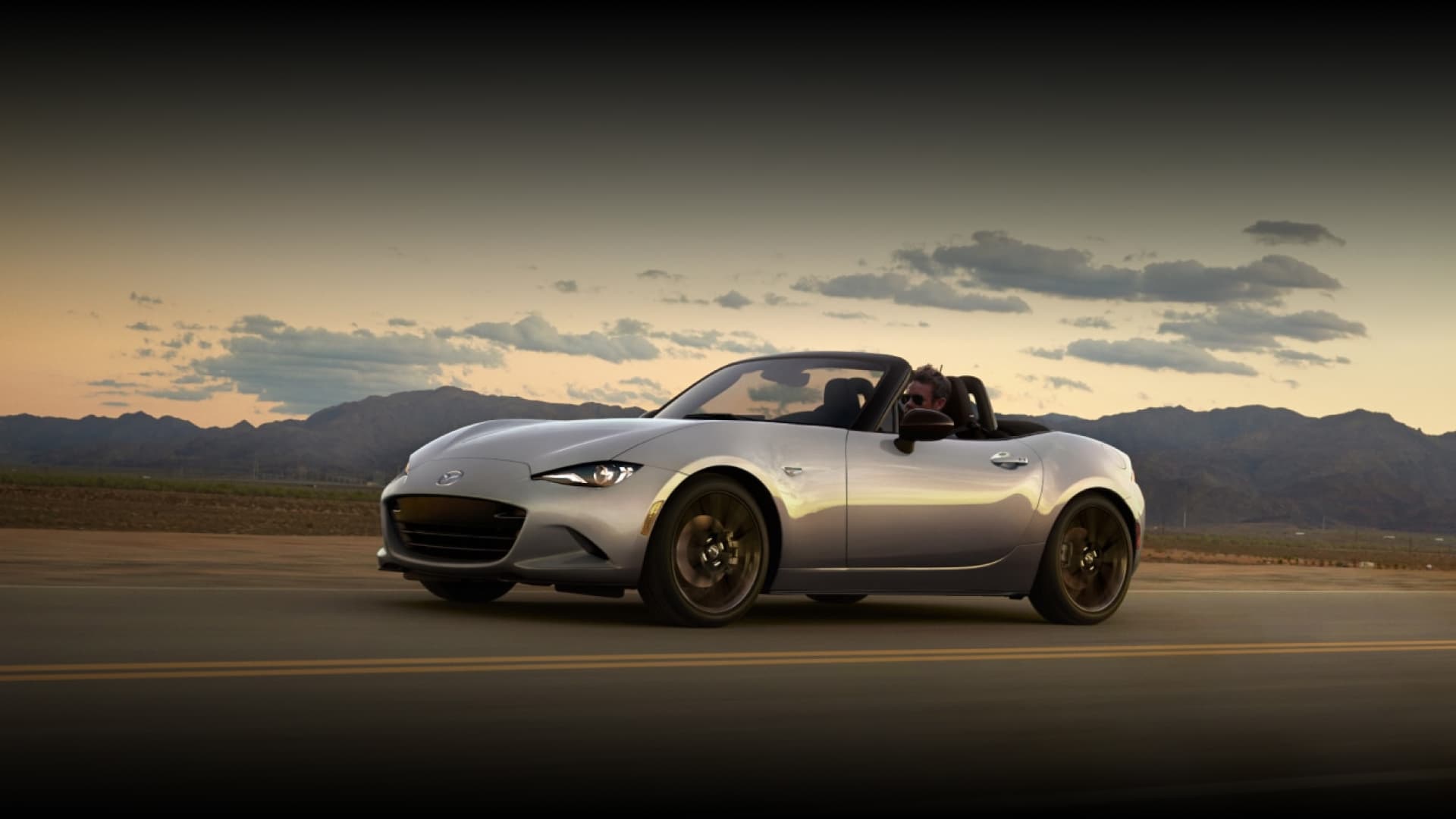
8. Mazda MX-5 Miata (NA and NB Generations)
The Mazda MX-5 Miata, particularly the NA (1990–1997) and NB (1999–2005) generations, earned praise for its lightweight simplicity and driver-focused design.
What many people overlook, however, is the quality of its dashboard construction. Despite being an affordable roadster, the Miata’s interior, including the dash, has stood up to decades of use without falling apart. This is especially impressive given that convertibles are more susceptible to sun damage due to increased exposure.
Mazda chose a simple, driver-centric layout that kept the dashboard low and functional. There weren’t many flashy features or excessive panel cuts, which meant fewer weak points.
The plastic used was tough and UV-resistant, and while not luxurious, it served its purpose extremely well. Even in models that have spent a lot of time with the top down, the dashboard typically avoids major cracking or fading.
A key reason for this longevity is Mazda’s engineering discipline during the development of the Miata. They knew the car would be exposed to more sun than a standard coupe or sedan, so the dashboard needed to be tough.
They selected materials that could withstand frequent heat cycling, and the result is clear in long-term ownership. Plenty of Miatas are still on the road with original, uncracked dashboards.
Miata owners often modify their cars for track use, weekend driving, or long tours. The fact that the dashboard usually doesn’t require replacement or repair is a testament to its solid construction. Whether the car is garage-kept or not, the dashboard tends to last, and this has helped maintain the charm of older Miatas. They still feel inviting to drive, in part because the interior hasn’t crumbled with age.

9. Ford Crown Victoria (Late 1990s to 2011)
The Ford Crown Victoria, especially the Police Interceptor and fleet versions, is known for toughness and longevity. Built to handle abuse from law enforcement and taxi fleets, it was constructed with durability as a top priority.
That same rugged design extends to the dashboard. Unlike many American cars from the same era, the Crown Vic’s dashboard rarely cracks or fades, even after long service lives and high mileage.
The materials used in these models were not luxurious, but they were built to endure. The dash featured heavy-duty plastics with a thick, textured surface that resisted heat damage.
Fleet vehicles often see extensive sun exposure, idling in open lots or being driven constantly. Yet despite these harsh conditions, it’s not uncommon to find 15- to 20-year-old Crown Victorias with dashboards that look nearly new.
Much of this durability comes from Ford’s focus on function over style. The dashboard design was relatively flat and clean, avoiding elaborate shapes that could become stress points.
The climate control systems in these cars were also powerful, helping keep the interior temperature consistent and reducing thermal expansion stress that typically causes cracks. This consistency in cabin temperature had a long-term benefit for preserving materials.
Many Crown Victorias have changed hands multiple times and logged several hundred thousand miles. Despite this, the dashboard often remains one of the few untouched original components.
This is a strong indicator of good design. Whether used by police, cab companies, or civilian owners, the dashboard holds up to years of neglect, cleaning, and sun exposure without the kind of degradation seen in similar vehicles from that era.
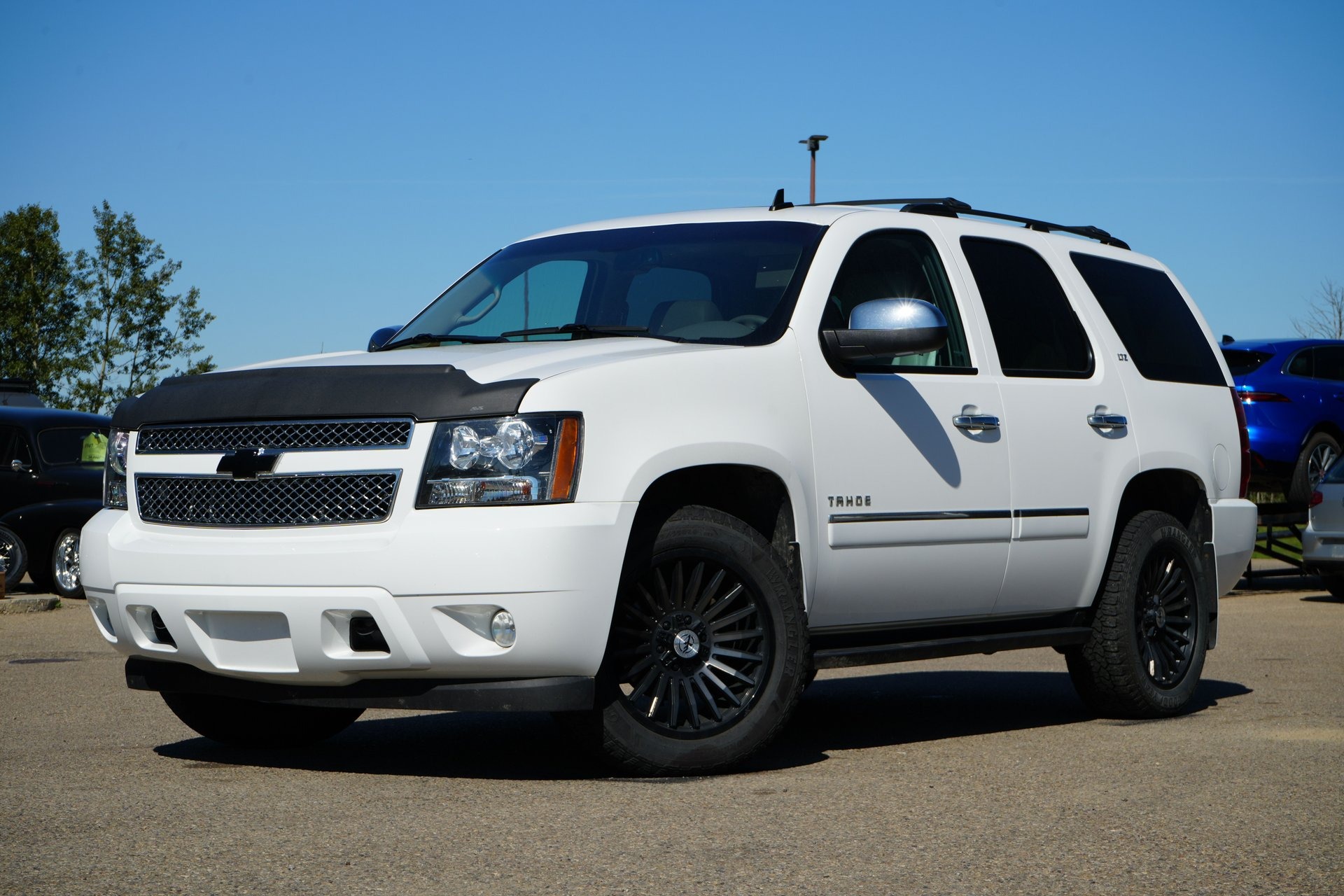
10. Chevrolet Tahoe/Suburban (1990s to Early 2000s)
Chevrolet’s large SUVs from the 1990s and early 2000s were built with families, fleets, and utility in mind. Models like the Tahoe and Suburban were commonly used for everything from road trips to work trucks.
Despite this heavy usage, these vehicles are known for having dashboards that hold up well over time. In contrast to some later GM interiors, the materials used in these early models were thicker and more resilient.
The design of the dashboard was straightforward and tough. Unlike more recent models that suffered from thin, brittle plastics, these earlier versions had solid construction.
The dash sat high but flat, reducing the strain from heat buildup, and the matte surface helped limit UV absorption. Even in regions with hot summers, many of these dashboards remain free from large cracks or warping.
What’s is how often these vehicles see rough conditions. Whether it’s hauling kids, towing boats, or doing off-road work, they’re exposed to vibration, dust, and extreme weather.
Yet their dashboards generally don’t develop the splits or bubbling seen in other vehicles with similar mileage. This is partly due to the physical thickness of the dash material and the simple fastening design that limits movement and wear over time.
These SUVs remain popular in the used market, especially for people looking for a rugged, old-school vehicle with a strong drivetrain and a usable interior.
A clean dashboard can dramatically improve the look of a used Tahoe or Suburban, and with many still sporting their original dash in good condition, it adds to their long-term appeal. For buyers focused on vehicles that can age gracefully, these Chevys still deliver.
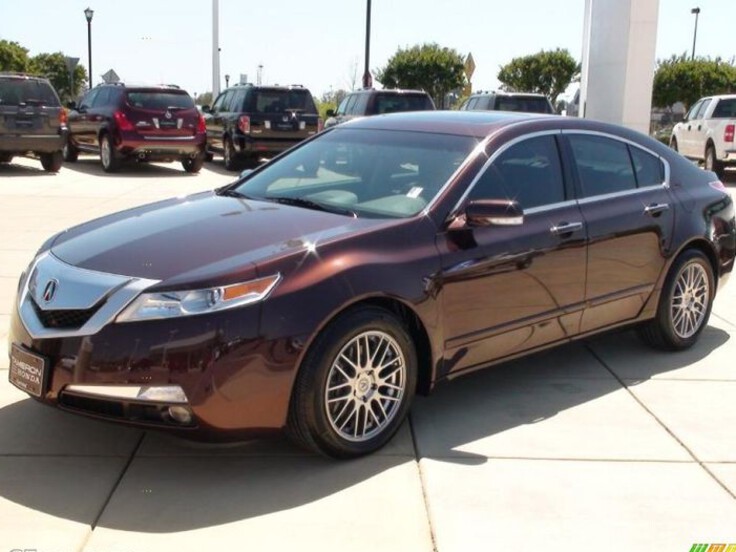
11. Acura TL (2004–2008)
The third-generation Acura TL is widely recognized for blending performance, luxury, and reliability. It also featured one of the more resilient dashboards in the entry-luxury sedan class during its time.
This generation of the TL offered higher-end materials than most mainstream vehicles but stopped short of the fragile soft-touch surfaces that tend to degrade quickly. The result was a dashboard that looked premium yet aged extremely well.
Owners often note how the interior holds up compared to European competitors. Even after 15 or more years, the dashboards in these models rarely exhibit cracks or major fading.
Acura used a sturdy composite covered with a soft-grain texture that wasn’t prone to bubbling or peeling. This was paired with quality adhesives and excellent assembly precision, reducing the chance of internal stress or delamination.
Climate control in the TL was also a factor in dashboard longevity. The cabin cooled and heated evenly, minimizing hot spots that could lead to material fatigue. Acura paid close attention to how heat and humidity would affect the cabin over time. As a result, the dashboard stayed structurally sound, even for owners who lived in areas with more extreme seasonal shifts.
Today, many third-generation TLs are still in daily use, often with over 200,000 miles. The durability of the interior is a major reason they remain attractive in the used market. Unlike many luxury cars that suffer from faded and cracked dashboards after a decade, the TL’s cabin continues to look respectable, adding value for those who want a long-lasting car without constant cosmetic repairs.
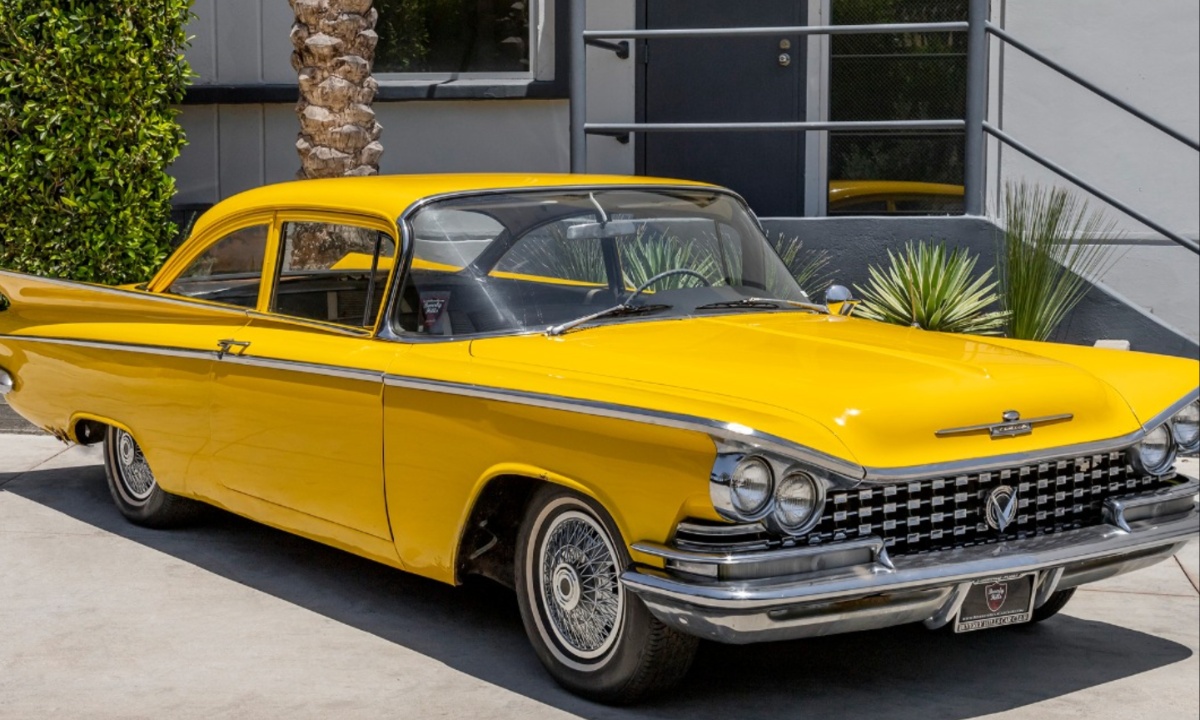
12. Buick LeSabre (1990s to Early 2000s)
The Buick LeSabre has long been considered a reliable and conservative choice for American car buyers. Models built in the 1990s through the early 2000s were particularly well-regarded for their smooth ride, straightforward maintenance, and comfortable interiors. A surprising standout from these years is the dashboard, which in many cases remains crack-free even after decades of ownership.
GM used a higher-grade vinyl in these models compared to their economy brands. The dashboard wasn’t overly complex, but it was well-formed and securely fastened to the structure underneath. This tight fit prevented common issues like rattling, flexing, and surface cracking. The vinyl had a slightly textured finish that held up well against fading and didn’t absorb as much heat as glossier materials often do.
Long-time owners frequently report that their LeSabre’s dashboard has aged more gracefully than expected, especially considering that these cars were often used by older drivers who may not have garaged them or used sunshades. The thick glass and effective insulation helped reduce the greenhouse effect inside the car, which in turn protected the dash from drying out and splitting.
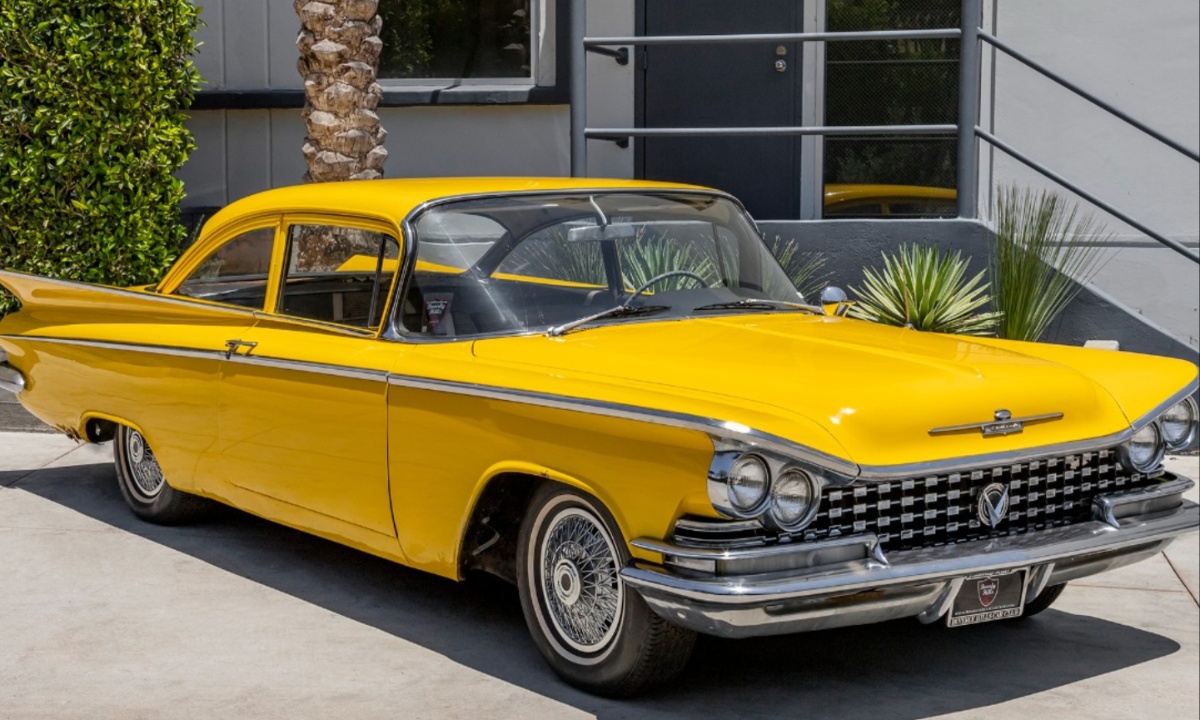
The durability of the dashboard contributes to the overall longevity and value of the car. Even if the paint or fabric shows wear, the clean look of a well-preserved dash can make a car feel significantly newer. For those seeking a reliable, low-maintenance vehicle with an interior that doesn’t fall apart with age, the LeSabre remains a quietly dependable option.
Also Read: 5 Obscure EVs That Hold Value vs 5 Famous EVs That Depreciate Fast
When people shop for a used car or plan to keep a vehicle for the long term, dashboard quality rarely tops the list of considerations. Yet, over time, a deteriorating dashboard can become a constant visual and functional annoyance.
It affects the look and feel of the interior, contributes to rattles and squeaks, and can even impact resale value. The twelve vehicles highlighted above show that dashboard longevity is not tied to price or luxury status; it comes down to smart design, quality materials, and careful engineering.
One consistent trend among these cars is a preference for simplicity and function over flashy or trendy design. Clean lines, durable materials, and well-controlled cabin temperatures play a huge role in preserving dashboards.
Many of the vehicles on this list used thicker plastics or vinyls that weren’t as soft or luxurious as those found in high-end models but aged far better. Others included soft-touch surfaces done correctly, with proper UV resistance and internal support that prevented bubbling or shrinking over time.
It’s also worth noting that dashboard durability isn’t always aligned with the rest of a car’s reputation. Some vehicles known for outstanding engines or transmission reliability can still fall short when it comes to their interiors.
On the other hand, a few underrated models quietly surprise with their long-lasting, well-constructed dashboards that remain clean and solid after two decades or more. Owners of these cars often find that they don’t have to constantly fix or replace interior parts, making ownership less stressful and more affordable.
In the end, choosing a car with a strong dashboard design adds up over time. It’s a small part of the vehicle, but one that’s front and center every day. Cracked dashboards aren’t just an eyesore, they can become safety hazards as they splinter or interfere with airbags.
The vehicles in this list prove that it’s possible to have both mechanical and cosmetic durability, offering a complete ownership experience that lasts well beyond the average lifespan of most modern vehicles.
