
Fuel efficiency has become a major factor in car ownership, especially as fuel prices fluctuate and environmental awareness continues to rise. For many drivers, hybrids offer the best of both worlds: the reliability and convenience of gasoline combined with the fuel savings of electric support.
While new hybrid models come with the latest features, they often carry a premium price. On the other hand, the used hybrid market is full of vehicles that not only offer excellent mileage but have also proven themselves through years of performance and owner experience.
Many people shy away from buying used hybrids due to concerns about battery life, long-term reliability, or outdated technology. However, several hybrid models have stood the test of time. These vehicles consistently deliver 40 miles per gallon or more, even after years of use.
Some of them have minimal maintenance needs, while others come with reputations for lasting well beyond 150,000 miles with regular care. The key is knowing which models are worth considering. It’s not always about the newest year or the highest price tag. Sometimes, an older model can still outperform newer vehicles in practical ways that matter most: reliability, fuel economy, and comfort.
This article highlights twelve used hybrid cars that still average 40+ MPG and are considered smart choices in today’s market. These vehicles span multiple categories, from compact sedans to hatchbacks and even a few compact crossovers. Each one has been chosen not only for its advertised fuel efficiency but also based on real-world usage, owner feedback, and general affordability.
If you’re looking for a used car that won’t drain your wallet at the pump, the following models deserve serious consideration. These are not just any hybrids. These are dependable, well-reviewed vehicles that can still meet or exceed the 40 MPG mark with the right care and driving habits.
Also Read: 10 Cars That Don’t Blow Head Gaskets Before 200K
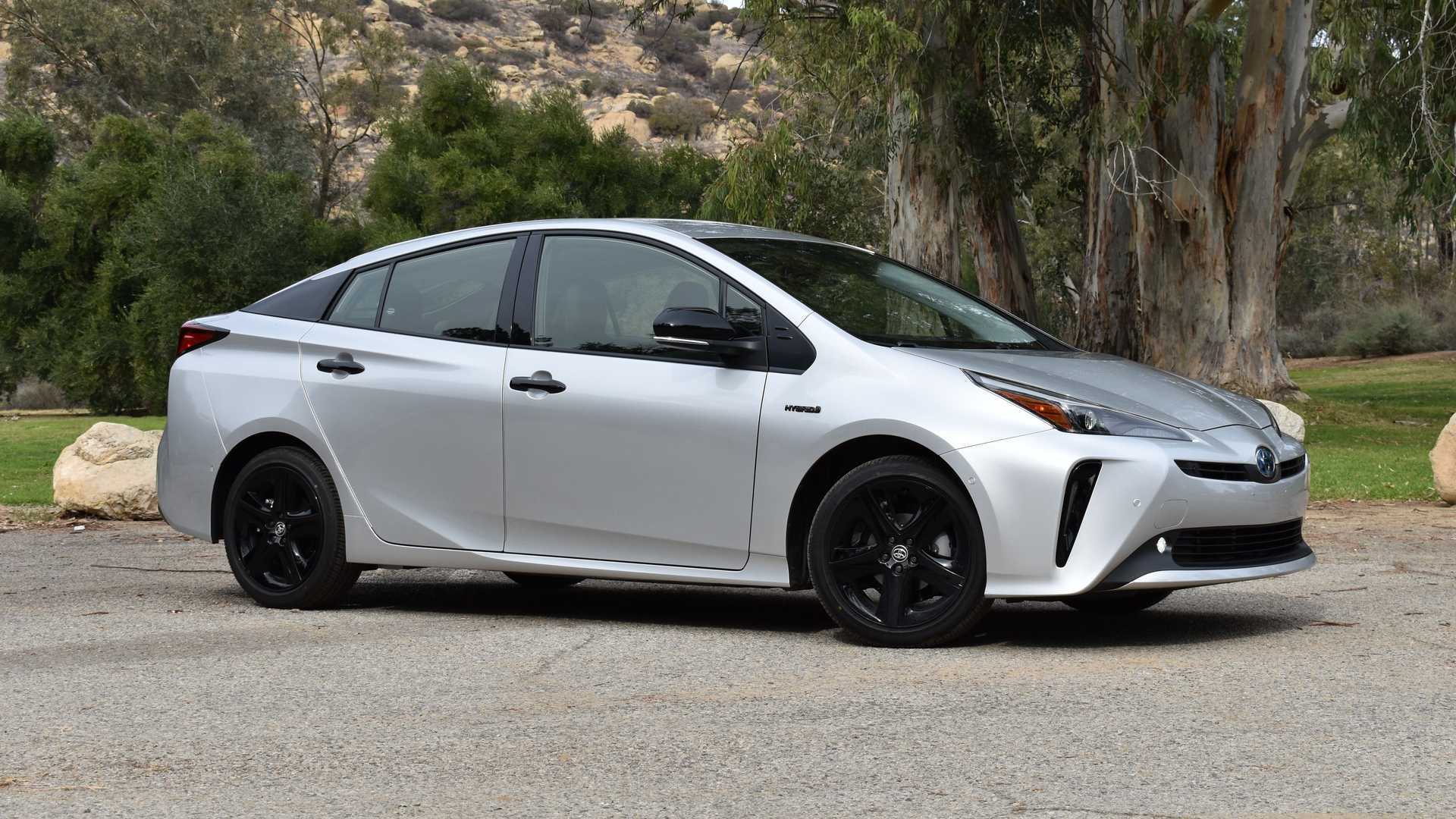
1. Toyota Prius (2010–2015)
The Toyota Prius is probably the most recognizable hybrid in the world. By the time the third generation rolled out in 2010, Toyota had refined the hybrid powertrain to a point where it became an industry standard.
The 2010–2015 models routinely achieve 50 MPG or more in combined driving. Even with higher mileage, many owners report consistent fuel efficiency that doesn’t drop much over time. The Prius uses a 1.8-liter Atkinson-cycle engine paired with an electric motor and a nickel-metal hydride battery, a combination known for its durability.
One of the biggest advantages of this generation is its practicality. The hatchback design allows for a spacious cargo area, making it ideal for small families or drivers who need room for gear. Rear legroom is decent, and the layout is functional rather than flashy.
While interior materials may not impress luxury car fans, they hold up well over time. Controls are simple, the center display is easy to read, and most models come with helpful extras like keyless entry and Bluetooth.
Battery longevity is a common concern for used hybrid buyers, but this generation of the Prius generally holds up well. Many have gone well beyond 150,000 miles without major battery issues. In cases where battery replacement is needed, refurbished options are widely available and not as expensive as some assume. Independent shops and Toyota-certified mechanics can handle most issues at reasonable rates. This means the total cost of ownership remains low, even years after the initial purchase.
As a daily commuter, the 2010–2015 Prius stands out for its balance of economy and practicality. It doesn’t need premium gas, and maintenance is straightforward. With regular oil changes and attention to tire condition, the Prius keeps going. It’s not a car that excites, but it’s one that rarely disappoints. For anyone wanting a dependable hybrid that consistently exceeds 40 MPG, the Prius remains the gold standard.
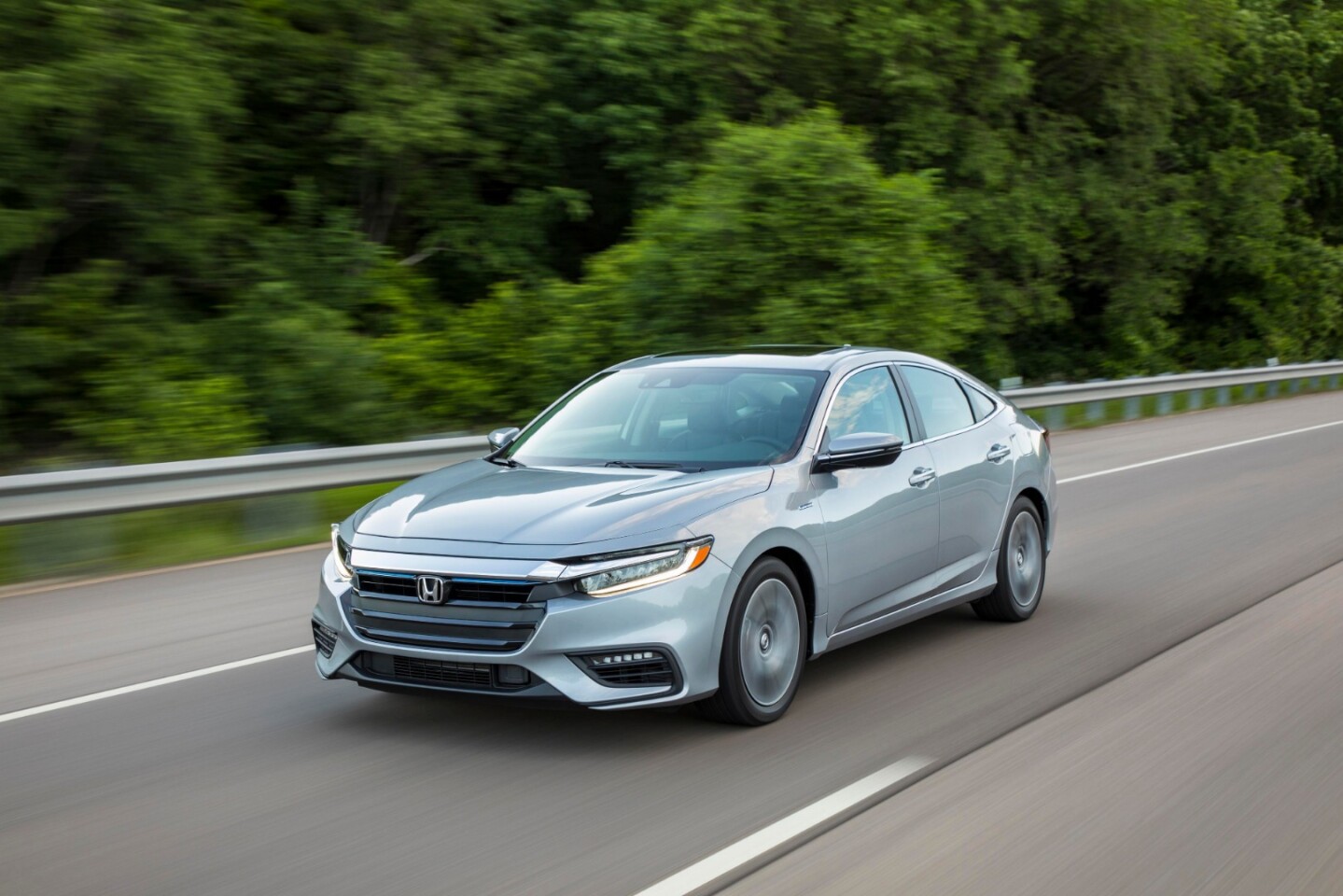
2. Honda Insight (2010–2014)
The second-generation Honda Insight was Honda’s answer to the growing popularity of the Prius. It features a more traditional design compared to the first generation, along with improved comfort and functionality. This model uses a 1.3-liter engine combined with an electric motor, known as Honda’s Integrated Motor Assist (IMA) system. On paper, it delivers around 41–44 MPG combined, but careful drivers can often push that higher with efficient habits and light loads.
This version of the Insight is smaller than some competitors, making it especially well-suited to city driving and tight parking. It’s not as spacious as the Prius, but it makes up for that with a lower purchase price and excellent maneuverability. The interior is basic but functional, with a unique dashboard display that gives real-time feedback on how efficiently you’re driving. This alone helps drivers adjust habits and get better mileage over time.
One downside of the Insight is its modest power. Acceleration can be sluggish, especially when merging or climbing hills. However, the trade-off is worthwhile for those who value efficiency over performance. The ride quality is decent, though road noise can be more noticeable than in more insulated vehicles. Regular maintenance like oil changes, tire rotation, and air filter replacement will keep the Insight running smoothly for years.
For used car buyers on a budget, the 2010–2014 Honda Insight provides a lot of value. It’s among the most affordable hybrids on the used market and still delivers above 40 MPG consistently. The battery system, while not as advanced as Toyota’s, tends to be reliable with proper care. Many owners have logged over 100,000 miles with minimal trouble. It’s a solid, dependable choice for anyone who prioritizes efficiency and wants a hybrid that’s easy on the wallet.
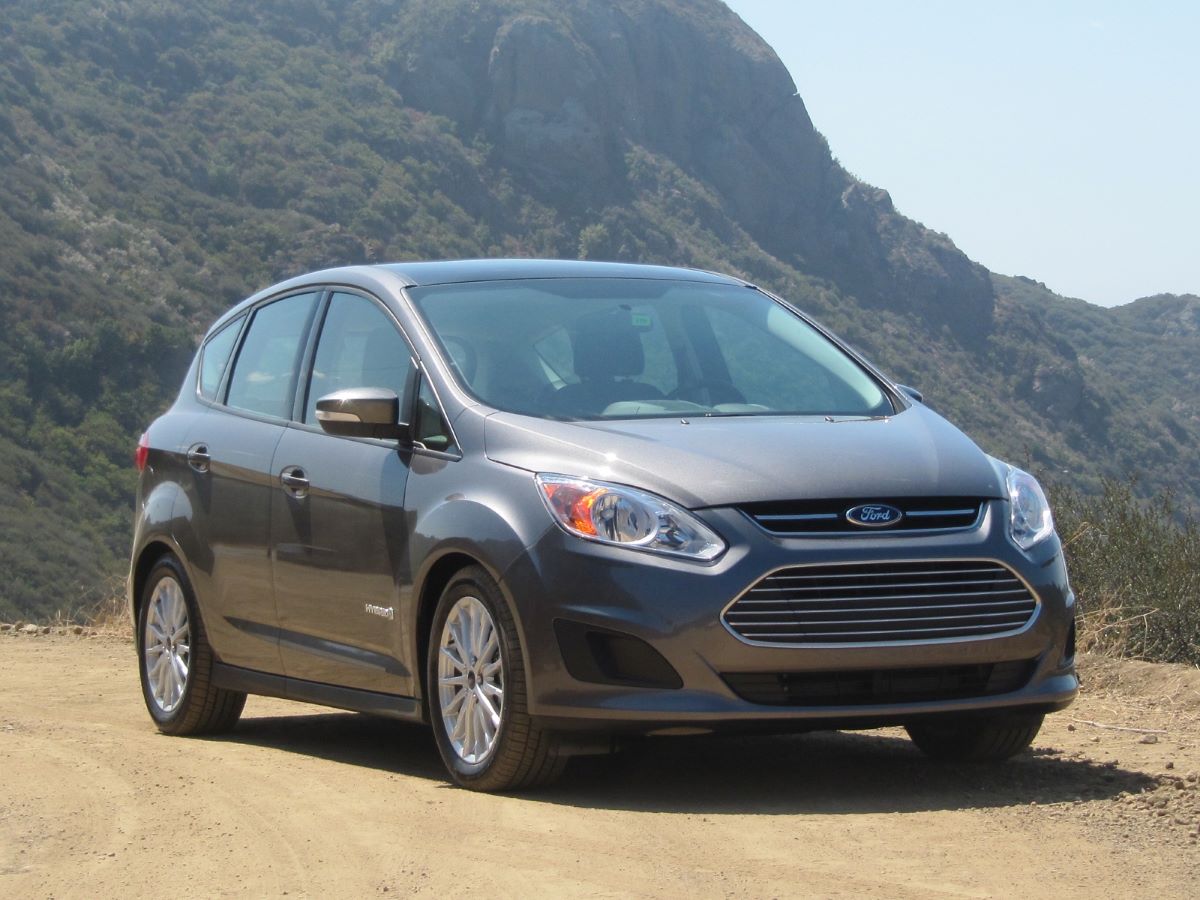
3. Ford C-Max Hybrid (2013–2016)
The Ford C-Max Hybrid offers something a little different in the hybrid world. It combines fuel efficiency with a taller, wagon-like body that provides excellent interior space and versatility. Introduced in the U.S. in 2013, the C-Max uses a 2.0-liter four-cylinder engine paired with an electric motor. Ford claimed it could get 47 MPG, but real-world usage tends to settle around 40–42 MPG, which still meets the mark for this list.
One of the biggest appeals of the C-Max is its interior. It feels more upscale than many hybrids in its class, with soft-touch materials and a more refined design. There’s also more headroom and cargo capacity compared to compact sedans. The seating position is higher than a typical car, offering a better view of the road, which many drivers appreciate. It’s almost a hybrid in disguise, looking more like a European MPV than a traditional compact.
Driving dynamics in the C-Max are a pleasant surprise. The steering is responsive, and the ride is smooth. It doesn’t feel underpowered, and the transition between gas and electric is almost seamless. Some drivers report that highway fuel efficiency can dip slightly below 40 MPG, but city driving tends to balance that out, especially if you’re light on the accelerator. This model is also fairly quiet, with good sound insulation and a more relaxed driving feel.
Reliability is reasonable, though it doesn’t have the same bulletproof reputation as Toyota. However, with regular care and attention to maintenance schedules, the C-Max can last for many years. Battery issues are rare, and Ford’s hybrid system is more durable than some give it credit for. Used models are often priced below competing Toyota hybrids, making this an interesting and affordable alternative that still meets the 40 MPG threshold.
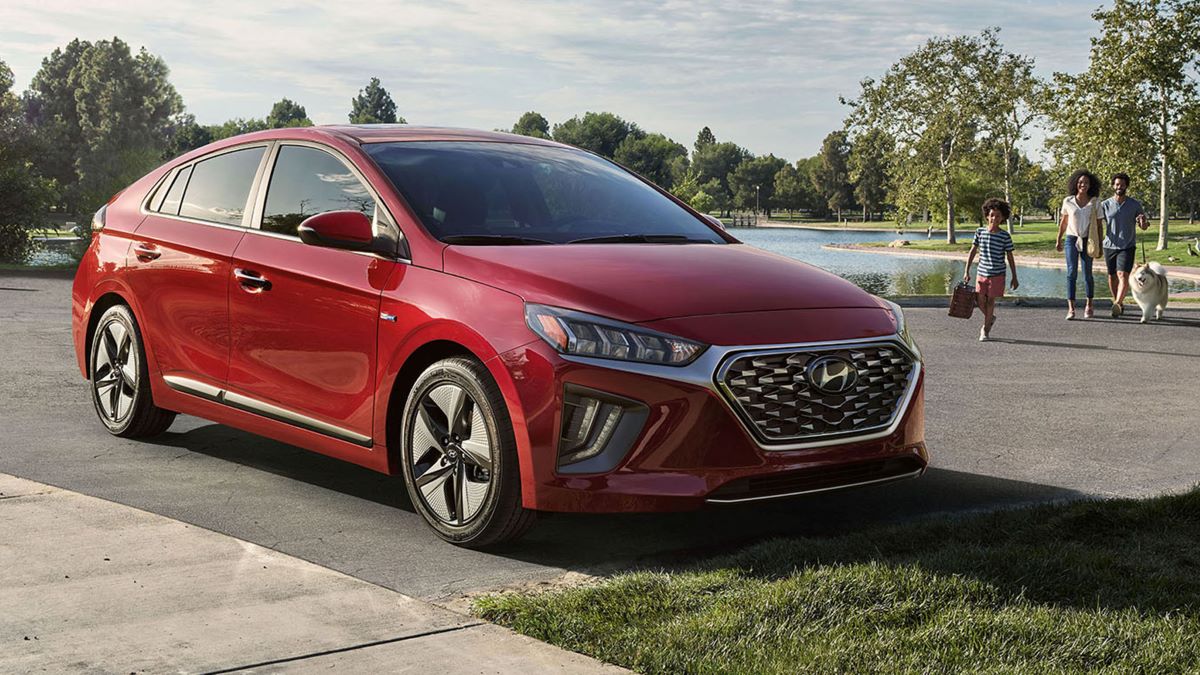
4. Hyundai Ioniq Hybrid (2017–2019)
Hyundai entered the hybrid game relatively late compared to other manufacturers, but the Ioniq made a strong impression when it debuted. Designed to directly compete with the Prius, the Ioniq Hybrid combines modern design, smart technology, and excellent fuel economy. The 2017–2019 models average about 55 MPG in combined driving, far exceeding the 40 MPG minimum and making it one of the most efficient hybrids ever sold.
Unlike older hybrids that sometimes feel like they sacrifice style for efficiency, the Ioniq manages both. It features a sleek hatchback shape with a modern, well-organized cabin. Controls are user-friendly, and most models come equipped with Apple CarPlay, Android Auto, and advanced safety features like lane-keeping assist and adaptive cruise control. The layout is clean, and the materials feel high quality for a compact car.
One of the standout aspects of the Ioniq is its driving experience. It doesn’t feel sluggish or overly “hybrid-like.” Acceleration is acceptable, and the dual-clutch transmission offers a more natural feel than a continuously variable transmission. The suspension is tuned for comfort rather than sportiness, but it handles city streets and highways with ease. Hyundai also offers a long warranty, which is a plus when shopping used.
Battery reliability in the Ioniq is excellent. Hyundai’s confidence in their hybrid technology is reflected in the warranty coverage, and the lithium-ion polymer battery tends to hold up well. Used models from 2017–2019 are becoming more affordable and offer serious fuel savings over time. For buyers looking for a newer hybrid that doesn’t compromise on efficiency or modern features, the Ioniq is a top choice.
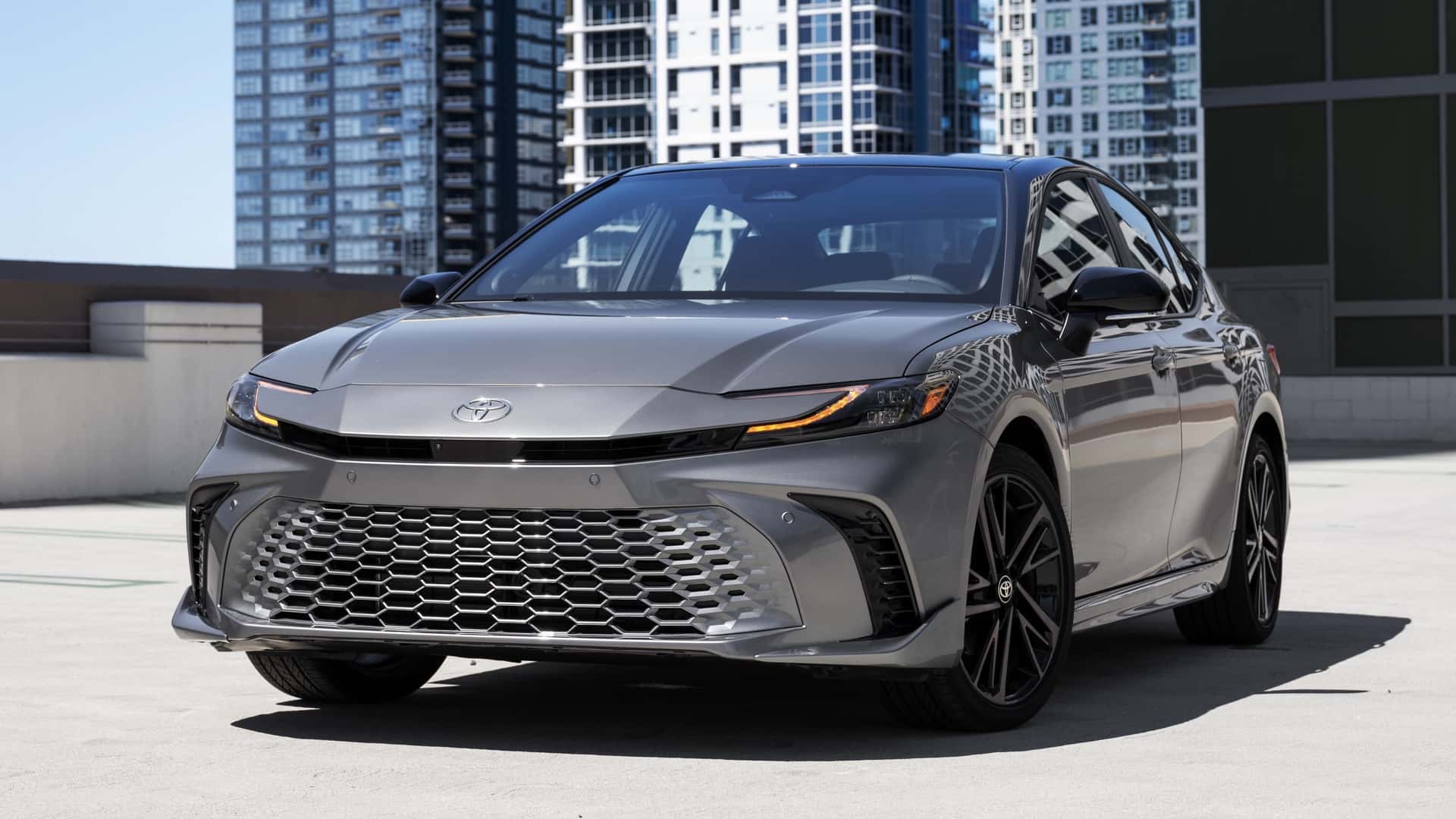
5. Toyota Camry Hybrid (2012–2017)
For those who prefer a midsize sedan over a compact hatchback, the Toyota Camry Hybrid provides a larger, more comfortable ride while still achieving excellent fuel economy. The 2012–2017 models are part of the seventh generation and offer an average of 41–43 MPG combined, depending on trim and driving habits. With Toyota’s proven hybrid technology under the hood, these Camrys strike a solid balance between space, comfort, and efficiency.
Unlike some hybrids that feel designed solely around gas savings, the Camry Hybrid doesn’t sacrifice power or driving enjoyment. It uses a 2.5-liter four-cylinder engine coupled with an electric motor to produce a combined 200 horsepower, giving it better acceleration than many other hybrids. The ride is smooth, the cabin is quiet, and handling is predictable. It’s a car designed for daily driving that doesn’t make the driver feel like they’re compromising for better mileage.
Inside, the Camry Hybrid offers one of the most spacious interiors in the class. Rear passengers get generous legroom, and the trunk space is large enough for long trips or heavy grocery runs. Materials are durable and age well. Most trims offer Bluetooth connectivity, touchscreen controls, and some advanced driver-assist features. Higher trims even include heated seats, a sunroof, and upgraded audio systems, making this hybrid feel more upscale than many competitors.
Reliability is where the Camry Hybrid truly shines. Toyota’s hybrid systems from this era are known for going well past 200,000 miles with proper care. The battery packs have a good track record, and replacement costs are relatively affordable if needed. For families or individuals who want a comfortable, larger hybrid that still averages over 40 MPG, this generation of Camry is a strong and dependable choice.

6. Lexus CT 200h (2011–2017)
The Lexus CT 200h is a premium hybrid hatchback that blends luxury and efficiency. Sharing much of its hybrid technology with the Toyota Prius, the CT offers a more upscale interior and refined driving experience. While it’s no speed demon, it consistently averages around 42–43 MPG, even after years of use. For buyers wanting a hybrid with more style and brand prestige, the CT is worth considering.
The CT 200h uses a 1.8-liter engine paired with an electric motor and an electronic continuously variable transmission (eCVT). It’s tuned more for efficiency than performance, though handling is tighter than in the Prius due to sportier suspension tuning. This makes the CT feel more agile in city traffic and on winding roads. Road noise is well controlled, and cabin insulation helps maintain a peaceful environment during long drives.
Interior quality is where the Lexus badge makes the biggest difference. Soft-touch materials, quality stitching, and a clean layout make the CT feel more expensive than it usually costs on the used market. Standard features include dual-zone climate control, premium audio, push-button start, and a multifunction display. Higher trims may include leather seats, navigation, and a sunroof. The rear seat is tighter than in a midsize sedan, but the hatchback design still allows for practical cargo space.
Durability is another strong point. Like most Toyota-based hybrids, the CT 200h benefits from a reliable battery system and a drivetrain that rarely presents major problems. Regular maintenance is simple and doesn’t cost more than what you’d pay for a typical compact car. It’s a great option for those who want high MPG without giving up comfort or a bit of luxury. For used car shoppers, it presents excellent long-term value.
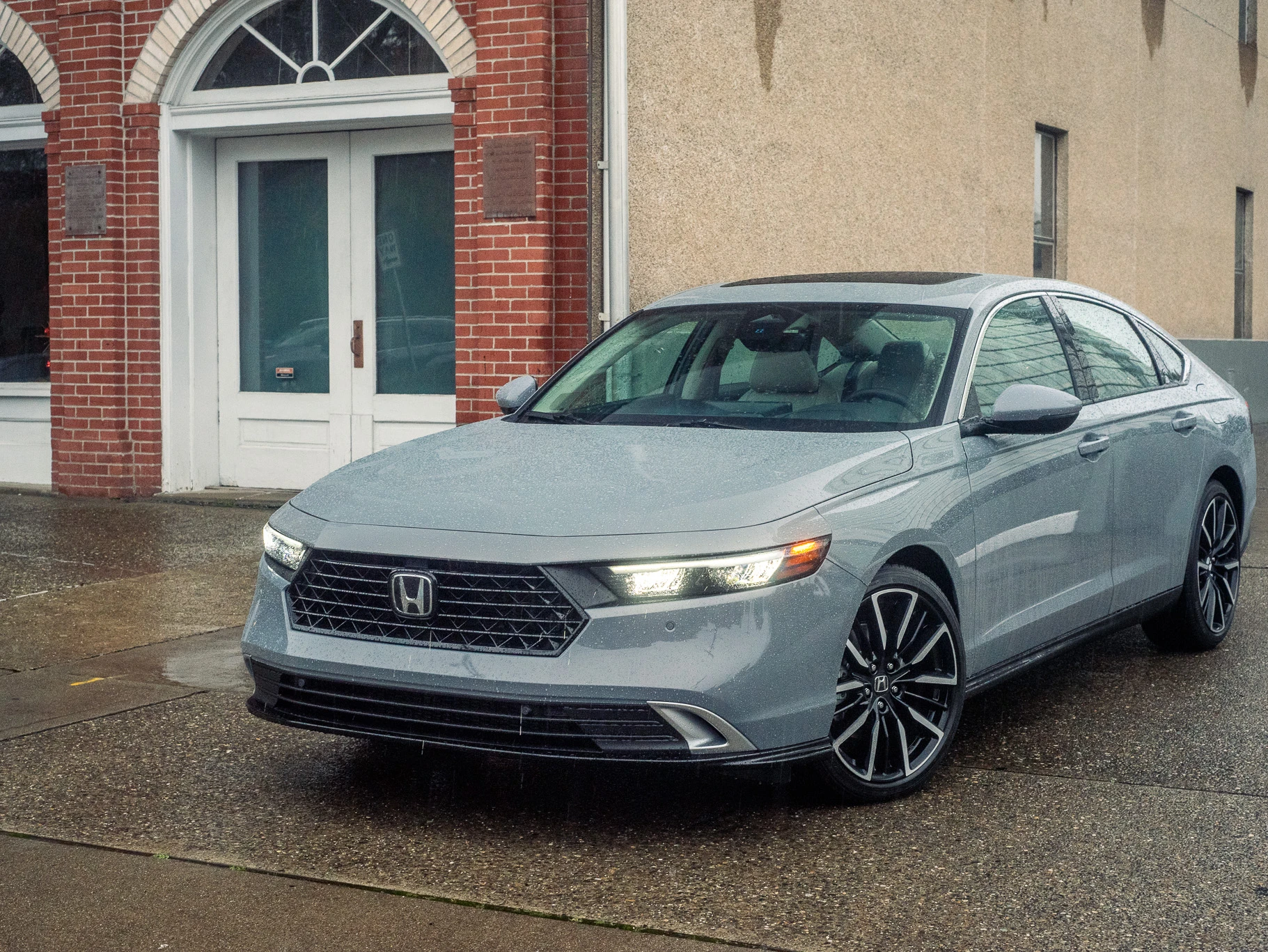
7. Honda Accord Hybrid (2014–2017)
The Honda Accord Hybrid is a midsize sedan that offers the comfort and space of a traditional family car with the impressive fuel efficiency of a smaller hybrid. The 2014–2017 models use Honda’s two-motor hybrid system, delivering a powerful and smooth driving experience with fuel economy averaging around 47 MPG combined. This system sets it apart from earlier hybrids that often felt underpowered or less refined.
One of the most noticeable strengths of the Accord Hybrid is how normal it feels to drive. There’s no awkwardness in transitions between electric and gas power, and acceleration is swift for a hybrid. The electric motor handles low-speed driving efficiently, while the gasoline engine kicks in seamlessly when more power is needed. This makes the Accord Hybrid feel more like a traditional car, which can be a relief for those new to hybrid driving.
Inside, the Accord Hybrid excels in both layout and quality. Honda paid attention to materials, ergonomics, and comfort. The dashboard is clean, the seats are supportive, and there’s plenty of room for five adults. Trunk space is slightly smaller than in the regular Accord due to the battery placement, but it’s still practical. Features like keyless ignition, touchscreen infotainment, and available driver-assistance systems round out the package.
Honda’s hybrid system has proven to be reliable, with many owners reporting minimal issues even after high mileage. The battery system is well integrated, and most mechanical parts are shared with the regular Accord, which helps keep repair costs manageable. For anyone looking for a fuel-efficient used car that doesn’t feel like a compromise, the Accord Hybrid is a top-tier option in the midsize class.
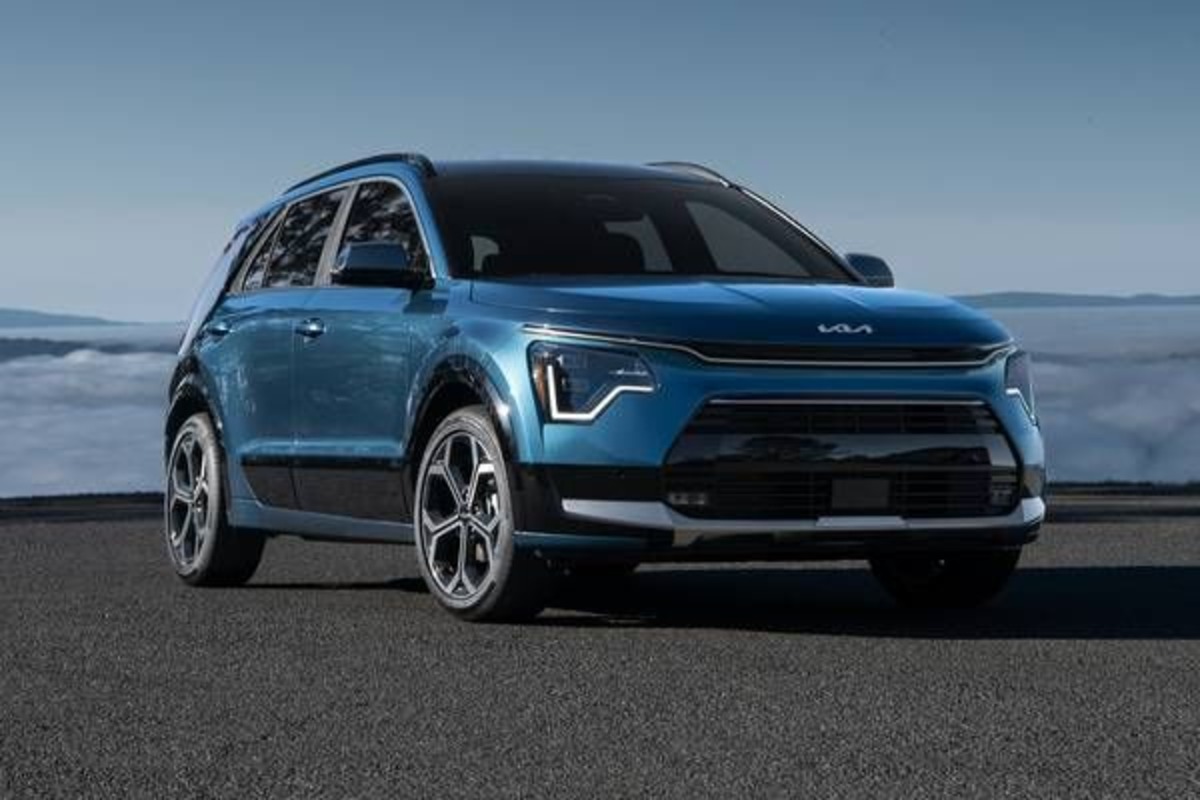
8. Kia Niro Hybrid (2017–2019)
The Kia Niro Hybrid is a small crossover-style vehicle that combines utility with excellent fuel economy. Unlike traditional hybrids that often look like sedans or hatchbacks, the Niro has a more SUV-like stance, appealing to drivers who want a taller driving position and more cargo versatility. Models from 2017–2019 average around 50 MPG combined, depending on trim and driving style.
Despite its SUV shape, the Niro is built to be efficient. It uses a 1.6-liter engine paired with an electric motor and a dual-clutch automatic transmission. The powertrain is responsive and smooth, offering better driving engagement than some eCVT-equipped hybrids. It also helps that the Niro has a relatively low curb weight, which contributes to its high MPG without compromising ride comfort.
The interior space is well-used. There’s more legroom and headroom than in most compact cars, and the rear seats fold flat to provide additional cargo flexibility. The layout is modern and clean, with easy-to-use controls and available tech features like Apple CarPlay, Android Auto, and advanced safety options on higher trims. Build quality is solid, and materials hold up well over time.
Battery performance is solid, and Kia’s warranty gives extra peace of mind for used car buyers. The lithium-ion battery used in the Niro is efficient and reliable, with few reported issues. For those seeking a hybrid that doesn’t feel like a typical sedan but still maintains excellent fuel economy, the Niro Hybrid is a compelling and unique choice in the used market.
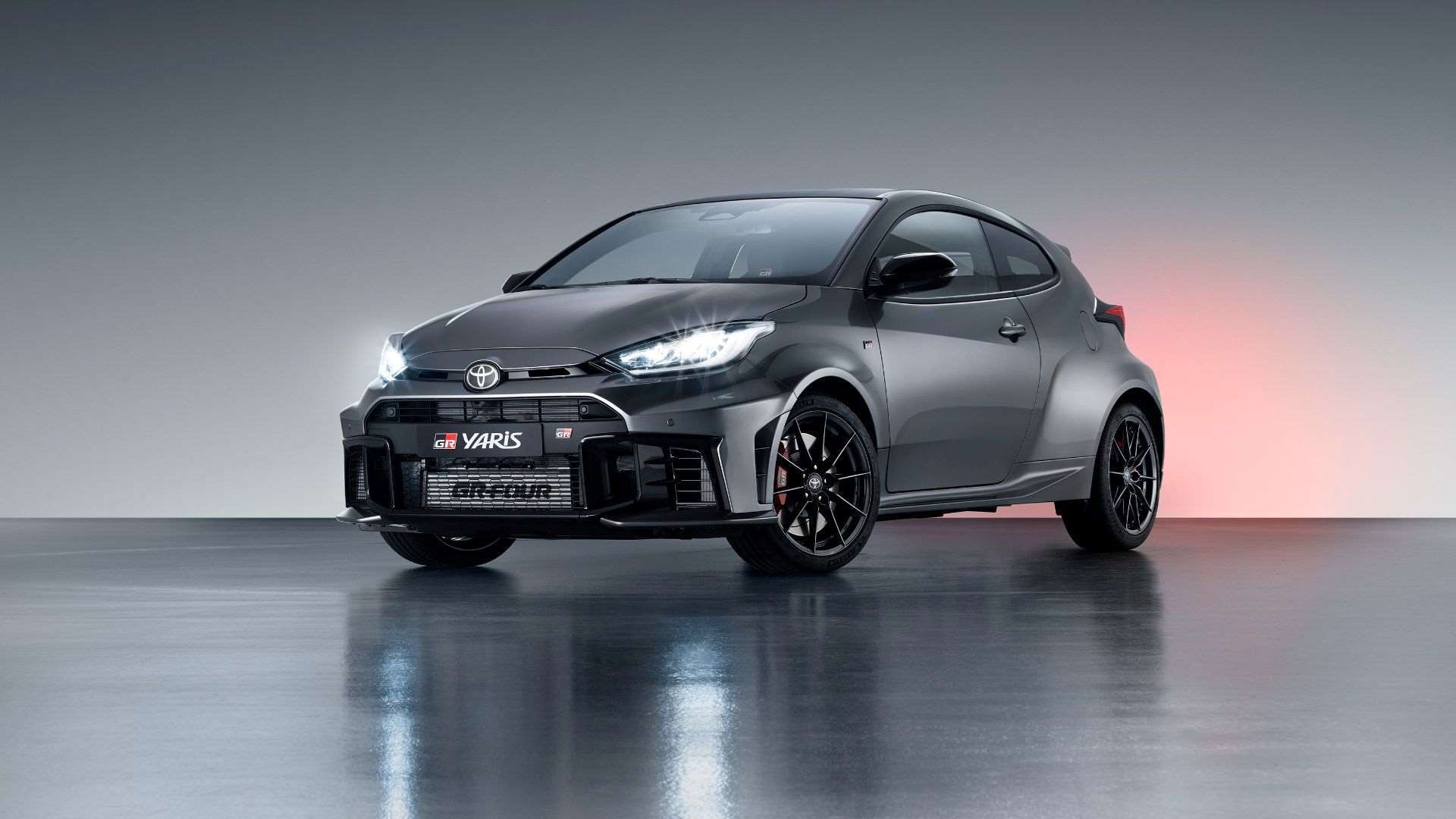
9. Toyota Yaris Hybrid (Europe/Import, 2012–2019)
Though not officially sold in the U.S. during these years, the Toyota Yaris Hybrid is a popular used choice in Europe and in import markets. It’s a subcompact hatchback that delivers an impressive average of 50–55 MPG, making it one of the most fuel-efficient non-plug-in hybrids of its time. Built on a smaller scale than the Prius, it uses a 1.5-liter gasoline engine paired with an electric motor and Toyota’s eCVT transmission.
The Yaris Hybrid’s main appeal is its size. It’s incredibly easy to maneuver through tight urban streets and offers excellent visibility from the driver’s seat. Parking is simple, and the light steering adds to its city-friendly nature. While the rear seat is a bit tight for adults, it’s enough for short trips, and the hatchback layout offers flexibility when it comes to cargo. This car is clearly aimed at those who prioritize efficiency and urban practicality.
One thing that helps the Yaris Hybrid stand out is its build quality. Even though it’s a budget model, Toyota didn’t cut corners in durability. The interior is basic but solid, with good plastics and intuitive controls. It also comes with features like climate control, push-button start, and a touchscreen infotainment system in many trims. It lacks some of the more advanced safety tech seen in newer cars, but it gets the basics right.
In terms of reliability, it’s very similar to the Prius. The hybrid system is less powerful but also simpler, which works in its favor for long-term use. Battery issues are uncommon, and the rest of the powertrain is remarkably low-maintenance. While this car might not be easy to find in every market, it’s a favorite among those who have access to it, especially for commuting or city living on a budget.
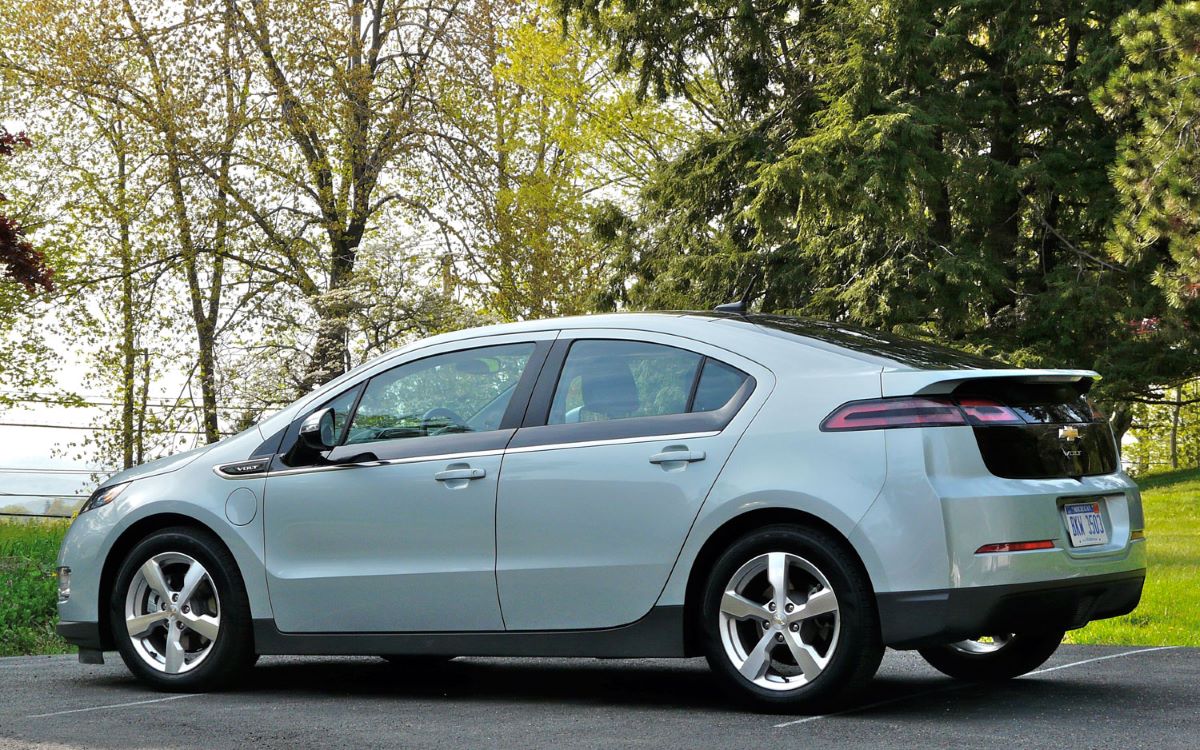
10. Chevrolet Volt (2016–2019)
While technically a plug-in hybrid, the second-generation Chevrolet Volt deserves a spot on this list. After the battery is depleted, the Volt switches over to a gasoline-powered generator that delivers excellent efficiency. Even in extended range mode, many owners report averages of 42–44 MPG, which meets the 40+ requirement. When charged regularly, MPG can be much higher due to electric-only driving.
What separates the Volt from other hybrids is how electric it feels. For most commutes under 50 miles, the car operates purely on battery power. Once the battery runs out, the gas engine kicks in smoothly and keeps you going without range anxiety. The result is a hybrid that offers true electric capability for short trips and dependable hybrid mileage for longer drives.
Inside, the Volt feels modern and comfortable. The interior design is sleek, with a digital instrument panel and a touchscreen interface that supports both Android Auto and Apple CarPlay. It seats four adults comfortably, though the middle rear seat is best left to smaller passengers or short distances. Materials are generally of high quality, and cabin noise is well controlled.
Battery reliability in the second-generation Volt is very good. General Motors made significant improvements over the first-gen model, addressing earlier concerns. With regular charging and basic maintenance, many owners report long-term satisfaction and minimal issues. If you’re okay with plugging in your car occasionally and want a hybrid that truly bridges the gap between electric and gas, the Volt is a smart used choice.
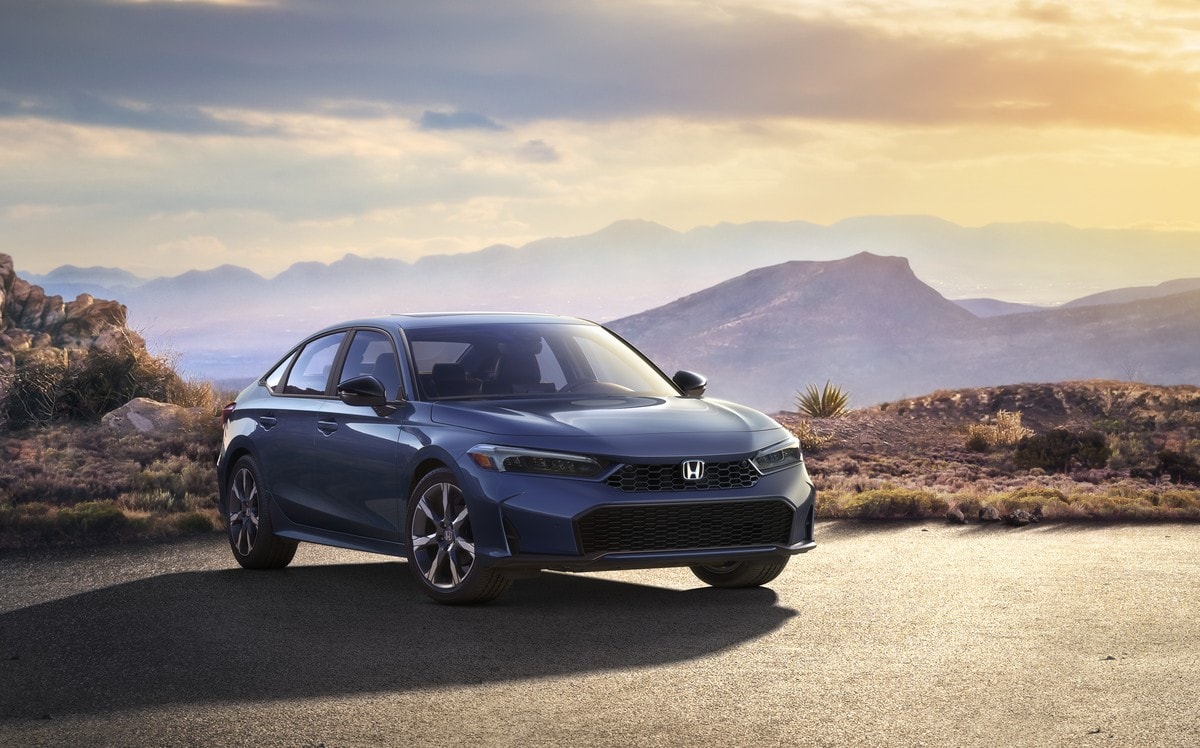
11. Honda Civic Hybrid (2012–2015)
The Honda Civic Hybrid combines the solid reputation of the Civic with fuel-saving hybrid technology. The 2012–2015 models feature a 1.5-liter engine and electric motor with Honda’s Integrated Motor Assist (IMA) system. While earlier versions had some issues, the later models in this generation average 44–45 MPG and come with improved reliability and smoother performance.
One of the strengths of the Civic Hybrid is how familiar it feels to drive. Unlike some hybrids that have unique driving behavior, the Civic feels like any other small sedan. The steering is light, the suspension is well tuned for daily driving, and braking is predictable. There’s minimal learning curve for drivers switching from traditional gas cars, which is a plus for many used buyers.
Inside, the Civic Hybrid is well laid out and thoughtfully designed. Materials are decent for its class, and higher trims offer features like a touchscreen display, navigation, and automatic climate control. The rear seat is roomy enough for adults, and the trunk, while smaller than the gas version due to battery placement, is still usable for regular errands and commuting.
While the IMA system isn’t as robust as Toyota’s hybrid setup, it’s generally reliable when properly maintained. Battery replacements are sometimes needed after 100,000 miles, but costs have come down in recent years. With the right attention, the Civic Hybrid provides a dependable, efficient ride that meets the 40+ MPG standard and remains enjoyable to drive.
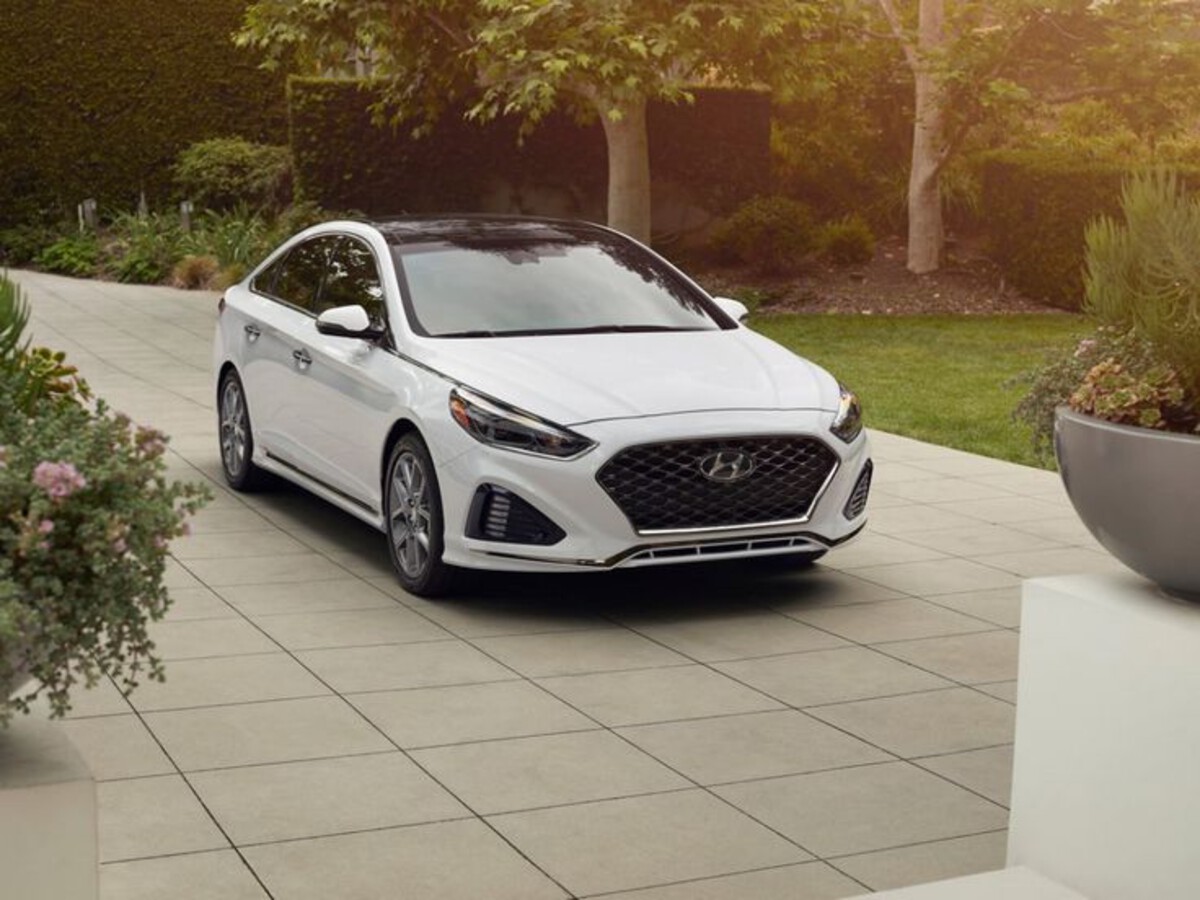
12. Hyundai Sonata Hybrid (2015–2017)
The Hyundai Sonata Hybrid offers a full-size sedan feel with the benefit of strong fuel economy. The 2015–2017 models fall in the second generation of Hyundai’s hybrid systems and deliver an EPA-rated average of around 41 MPG combined. For a car of this size and comfort level, that’s an impressive figure and makes the Sonata Hybrid one of the more spacious options on this list.
The hybrid system uses a 2.0-liter gasoline engine with an electric motor and a traditional six-speed automatic transmission.
This setup provides smoother shifts and a more familiar driving experience than CVT-equipped hybrids. The Sonata Hybrid is quieter than its predecessor, rides more comfortably, and provides decent acceleration for a hybrid sedan.
Interior quality is one of the Sonata’s biggest advantages. Hyundai packed a lot of features into these models, especially on higher trims.
Touchscreen infotainment, smartphone integration, premium audio, and advanced safety features are common, making this hybrid feel more premium than its price would suggest. The cabin is roomy, with ample space for passengers in both front and back seats.
Battery reliability has been good, and Hyundai’s long hybrid warranty adds extra assurance. As these cars enter the more affordable end of the used market, they represent excellent value for buyers wanting size, comfort, and high MPG in one package. Regular maintenance is straightforward, and parts availability is strong. It’s an excellent pick for long-distance commuters or small families who want to save at the pump.
Also Read: 5 Cars with Stainless-Steel Exhaust vs 5 with Rusting Stock Systems
As fuel prices remain unpredictable and more drivers look for ways to cut daily expenses, used hybrids have become a highly practical solution. The models listed in this article are not just efficient on paper—they have consistently delivered real-world results for owners over many years and thousands of miles.
Whether you prioritize fuel economy for a long commute, are looking to reduce your environmental footprint, or simply want a vehicle that doesn’t require frequent stops at the gas station, these 12 hybrids offer compelling advantages.
One of the most reassuring trends is how well these hybrids have aged. From the ultra-efficient Toyota Prius and Hyundai Ioniq to larger options like the Camry Hybrid and Accord Hybrid, these vehicles are no longer considered risky or experimental. They’re dependable, proven, and supported by robust manufacturer reputations.
Many buyers are understandably concerned about battery degradation or expensive repairs, but the track record of the hybrids discussed here tells a different story. When properly maintained, most of these cars continue to perform at a high level, with minimal mechanical failures or loss of efficiency, even at higher mileages.
Another key benefit is variety. There is no one-size-fits-all hybrid anymore. Buyers can find hybrids in nearly every size and body style, from compact hatchbacks and midsize sedans to small crossovers and luxury nameplates. This means that you don’t have to sacrifice comfort, practicality, or driving enjoyment to get excellent fuel economy.
Whether it’s the urban maneuverability of a Honda Insight or the spacious ride of a Hyundai Sonata Hybrid, the market offers something for almost every need. In some cases, these used models even outperform their newer counterparts in value per dollar spent.
Affordability is also a strong point. Most of these hybrids are now priced well within reach of average buyers, and many are eligible for financing, extended warranties, or dealer-certified programs. Lower upfront cost, combined with reduced fuel expenses, makes them an especially good deal for high-mileage drivers, students, or budget-conscious families. Insurance rates tend to be reasonable, and because many of these vehicles were designed with longevity in mind, their parts are often widely available and inexpensive.
The biggest takeaway is this: buying a used hybrid doesn’t mean settling for less. It can be a smart, future-forward decision that pays off every time you fill up the tank. These cars represent a generation of engineering focused on efficiency, practicality, and long-term value. And while hybrid technology continues to evolve, the models featured here already hit a sweet spot in terms of reliability, affordability, and performance.
In short, if you’re searching for a vehicle that saves you money, holds up over time, and still delivers 40+ MPG, the used hybrid market has plenty to offer. The key is to do your research, choose a well-maintained model, and drive it like it was designed to be driven: efficiently. With the right approach, any of these 12 hybrids can serve as a smart, economical partner for years to come.
