
As electric vehicles (EVs) continue gaining ground in the mainstream auto market, one of the most persistent concerns among buyers, especially those living in colder climates, is winter performance. Specifically, how much range an electric crossover retains when the temperature drops.
Cold weather can affect EVs in a few key ways. First, lithium-ion batteries are chemically less efficient at lower temperatures. Second, cabin heating systems in EVs, unlike internal combustion engines, draw power directly from the battery, further depleting range. Lastly, winter tires, snow accumulation, and increased rolling resistance all contribute to diminished efficiency.
These realities make winter range retention one of the top priorities for those living in regions with long, frigid seasons. Not all electric crossovers respond to cold weather in the same way.
Some lose up to 40% of their estimated range, while others are built with systems that help mitigate this loss. Thermal battery management systems, heat pumps, intelligent regenerative braking, and energy-efficient heating solutions all help certain models perform significantly better than others when the mercury drops.
To address this pressing need, automakers have taken steps to insulate batteries, incorporate sophisticated temperature control technologies, and refine drivetrain programming to ensure that winter driving doesn’t become a range-anxiety nightmare.
What sets the following vehicles apart is not only their all-electric powertrain and SUV form factor but also their proven ability to hold onto most of their range even during harsh winter driving conditions.
Each of these models has been recognized either through testing, owner reports, or strong engineering principles as especially resistant to cold-related energy loss.
This article takes a look at 12 electric crossovers that maintain solid range figures in colder months. These aren’t just strong contenders in the EV market generally; they’re especially competent when it comes to efficiency under less-than-ideal weather conditions.
Whether you’re commuting through icy city streets or navigating snow-covered highways, these crossovers are built to go the distance when temperatures fall below freezing.
Also Read: 5 Vehicles With Intuitive Controls vs 5 With Confusing Layouts
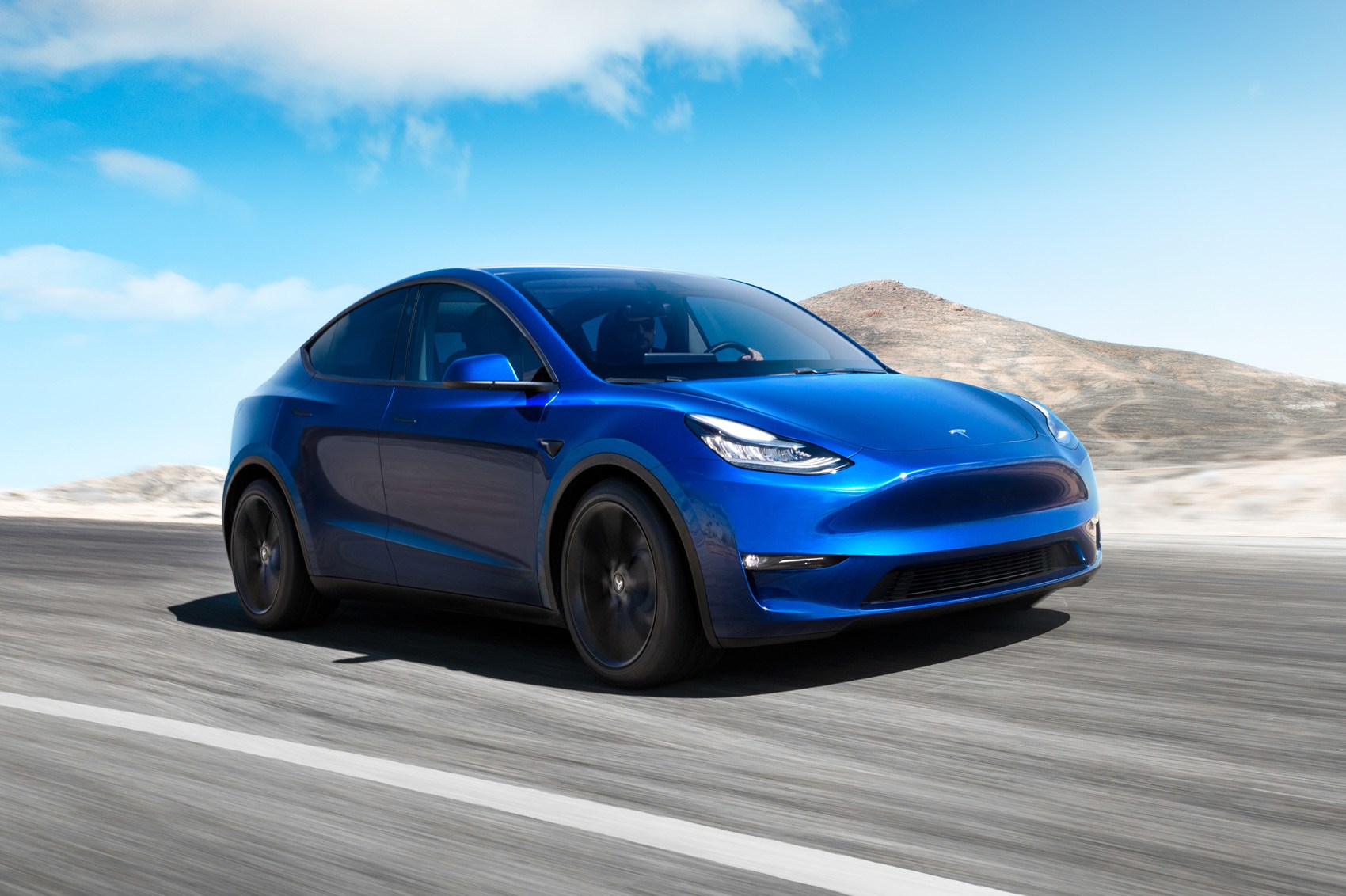
1. Tesla Model Y
The Tesla Model Y is often at the center of conversations around electric crossovers, and for good reason. Its blend of performance, interior space, and range is hard to beat. One of the less-talked-about advantages of the Model Y is how well it performs during the winter months.
Thanks to Tesla’s advanced battery thermal management system, the Model Y can maintain a relatively stable range even in sub-zero temperatures. It automatically preconditions the battery before charging and while driving, which allows for more consistent efficiency in winter.
Another strength is its use of a heat pump instead of a resistive heater. Tesla began integrating heat pumps into the Model Y to reduce the amount of energy consumed when warming the cabin. This change alone makes a noticeable difference in colder climates.
Combined with Tesla’s software intelligence that prioritizes efficient use of battery power, the car knows when to direct heat, when to conserve, and how to balance comfort with efficiency. This smart heating approach reduces one of the biggest sources of range loss.
The Model Y’s all-wheel-drive configuration is another benefit for winter drivers. It’s not just about traction; both front and rear motors work together in a way that improves torque distribution and energy usage depending on the road conditions.
This dynamic power management helps it stay more efficient compared to single-motor designs in similarly sized crossovers. The vehicle’s regenerative braking system is also highly customizable, giving drivers more control on icy roads.
Owners consistently report that the Model Y loses less range in winter compared to many of its competitors.
While no EV is completely immune to cold-weather degradation, Tesla’s engineering and frequent over-the-air updates keep the Model Y at the top of the list for cold climate performance. Whether you’re navigating through city slush or tackling longer highway drives, it remains a reliable and efficient option.
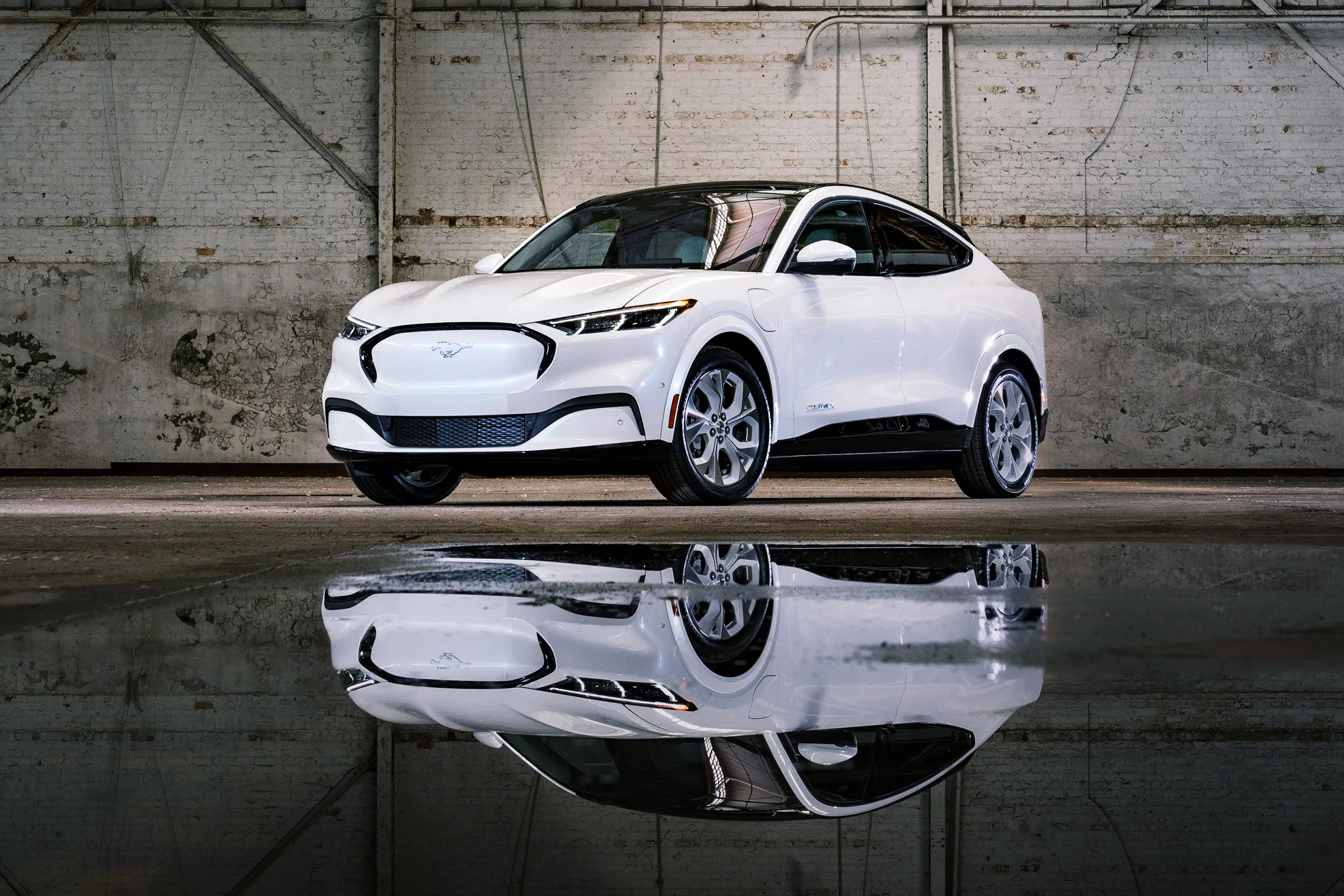
2. Ford Mustang Mach-E
The Ford Mustang Mach-E has been a significant step for Ford’s electrification efforts. Beyond the badge and bold styling, the Mach-E is surprisingly efficient in colder climates. One reason for this is its battery management system, which includes active thermal regulation.
Ford engineered the battery pack with liquid-cooled systems that can maintain stable temperatures even in deep cold. As a result, it retains a good portion of its range in wintry conditions, more so than many might expect from a first-generation electric model.
Another contributing factor is the inclusion of a heat pump in select trims. While not available in all versions of the Mach-E, those that include this component see marked efficiency improvements when cabin heat is in use.
It’s particularly beneficial for drivers in areas with long, cold winters, where heating can become a large percentage of the car’s energy expenditure. When combined with smart software controls, the heat pump allows for quick cabin warm-up without drastically cutting into driving range.
The Mach-E also supports scheduled preconditioning, allowing owners to warm up the battery and the cabin while the vehicle is still plugged in. This means you start your day with a fully charged, warm battery, one that’s more capable of delivering peak performance in the cold.
It’s a feature that adds convenience as well as efficiency and is easy to program through Ford’s mobile app. When used properly, this can significantly reduce winter range loss.
On the road, the Mach-E’s dual-motor all-wheel-drive configuration provides both good traction and optimized energy distribution. The software modulates how much power each axle receives, depending on driving style and terrain.
This contributes not just to a safer drive but a more efficient one. For EV buyers seeking a crossover that doesn’t shy away from winter use, the Mustang Mach-E is a strong performer that marries American muscle heritage with modern-day electric reliability.
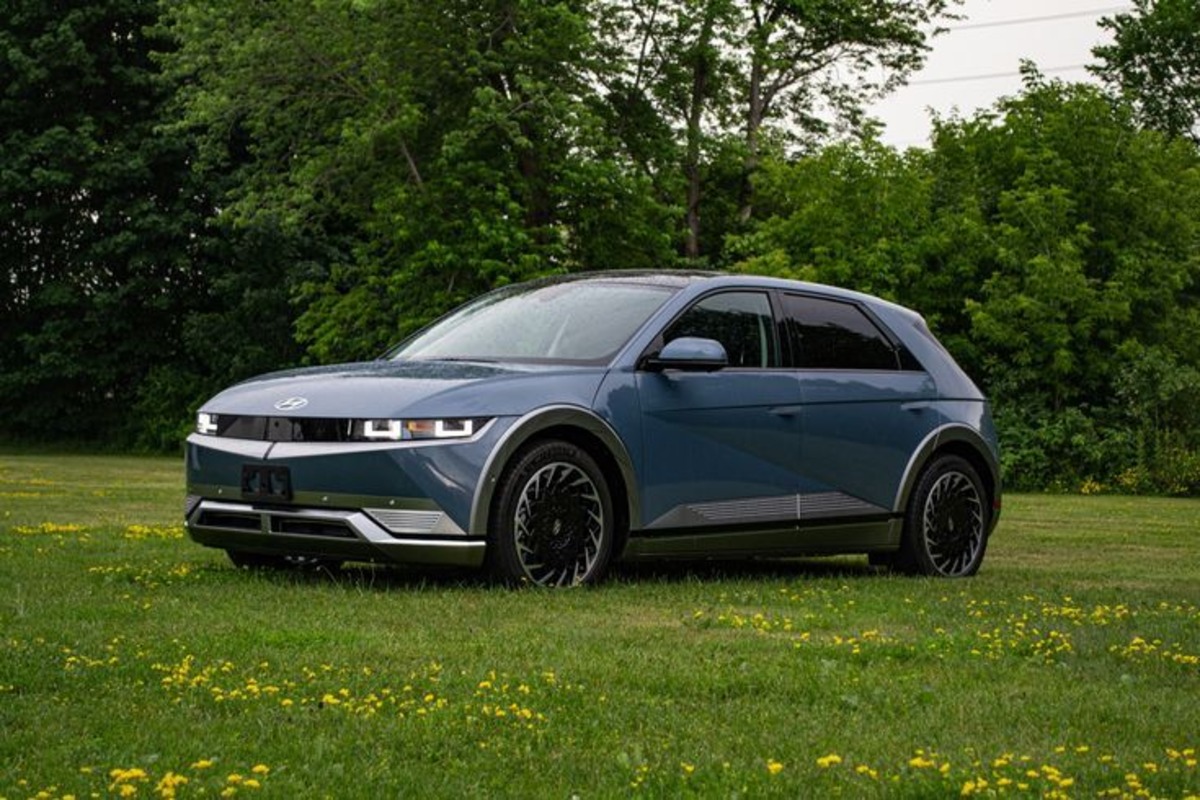
3. Hyundai Ioniq 5
The Hyundai Ioniq 5 has been one of the most acclaimed electric crossovers since its launch, thanks to its futuristic styling, impressive charging speed, and solid real-world efficiency.
When it comes to winter driving, it also manages to keep much of its advertised range, thanks in part to Hyundai’s focus on temperature management within the battery pack. The Ioniq 5 features an active thermal control system, which keeps battery temperatures optimal even in sub-freezing conditions.
Hyundai also integrated a heat pump into many trims of the Ioniq 5. This helps maintain cabin comfort without excessive energy draw from the main battery. Unlike traditional resistance heaters, which consume more electricity, the heat pump system works by pulling ambient heat from the environment.
Even in freezing weather, it can still generate enough warmth to keep passengers comfortable while preserving valuable range. For drivers in colder regions, this difference becomes very noticeable over longer commutes.
One of the unique aspects of the Ioniq 5 is its rapid charging capability, which remains relatively unaffected by cold temperatures due to its battery preconditioning system. When you set a fast charger as a destination in the navigation, the car prepares the battery by warming it up in advance. This leads to faster and more consistent charging speeds, even in the dead of winter. It’s a thoughtful feature that reflects Hyundai’s attention to real-world EV use.
From a driving perspective, the Ioniq 5 handles well on snowy roads thanks to its available all-wheel-drive configuration. It balances performance and efficiency, maintaining traction without being overly aggressive in energy use. The car’s traction control systems are well-tuned, preventing excessive wheelspin while keeping range consumption low. For those looking for a vehicle that remains efficient regardless of season, the Ioniq 5 is a capable and well-rounded choice.
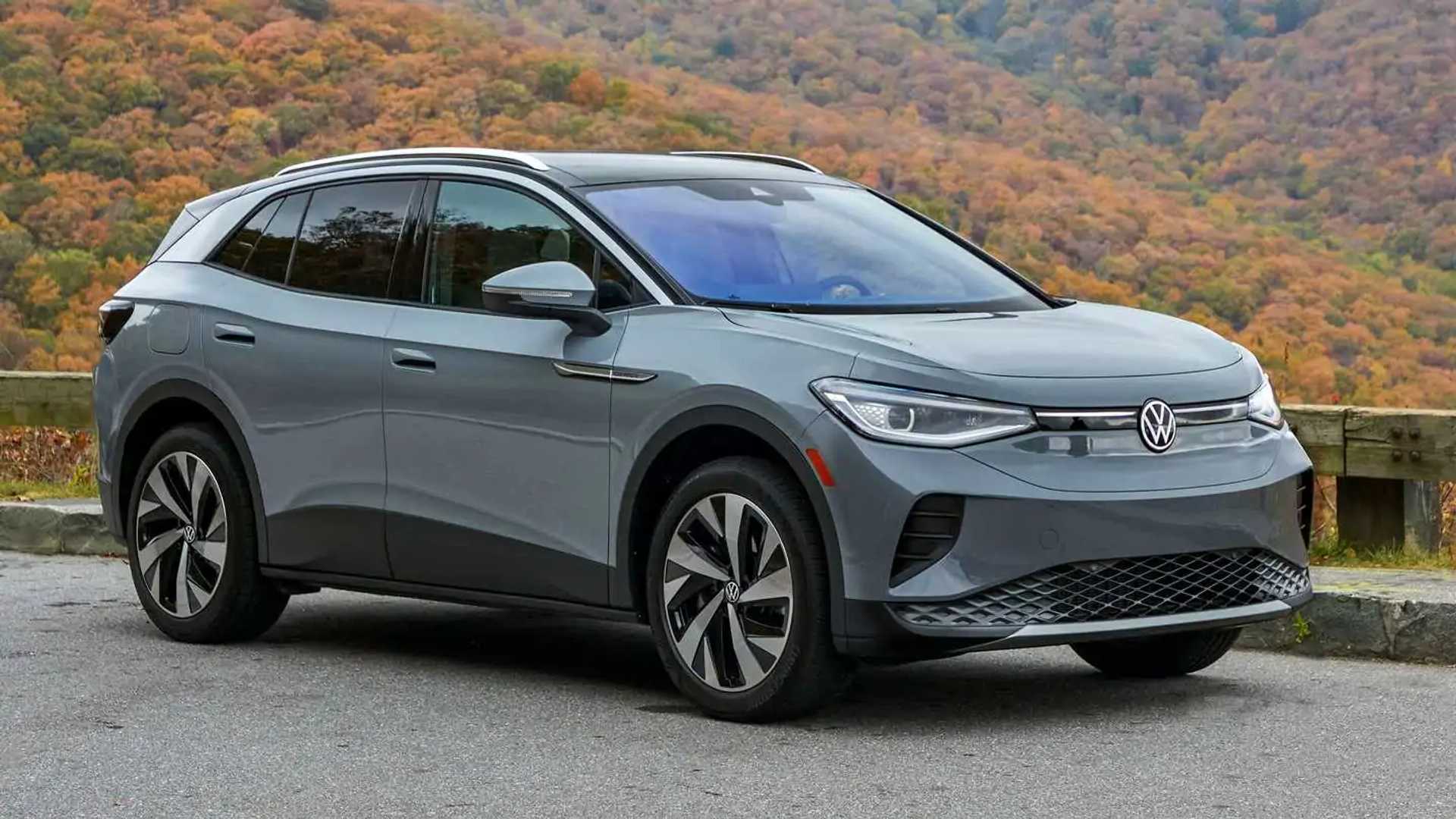
4. Volkswagen ID.4
The Volkswagen ID.4 stands out as one of the most practical and comfortable electric crossovers on the market. When it comes to winter range retention, Volkswagen equipped the ID.4 with a battery thermal management system that helps regulate temperatures and reduce cold-weather efficiency losses.
This system uses liquid cooling and heating to maintain the battery pack within an optimal temperature range, ensuring that the chemical reactions inside the cells remain stable despite frigid conditions.
A feature that supports winter performance is the ID.4’s heat pump system, which minimizes the energy consumed to heat the cabin.
By extracting heat from the environment and transferring it into the vehicle, the heat pump uses less power than traditional resistive heaters. This helps preserve the battery’s energy, allowing drivers to maintain longer driving distances on a single charge during winter months.
Volkswagen also provides an intelligent preconditioning option via its smartphone app. This allows drivers to warm the battery and interior while the vehicle is still plugged in, reducing the energy demand once driving begins.
This is especially important in colder climates where starting with a cold battery can severely affect range. Many owners report noticeable improvements in range retention when preconditioning is regularly used.
The ID.4’s all-wheel-drive variant offers additional winter benefits. It improves traction and stability on icy or snow-covered roads, which indirectly contributes to better range by avoiding wheel slip and inefficient driving behaviors.
The vehicle’s regenerative braking system is tuned to help recapture energy smoothly in winter conditions, balancing safety and efficiency. The ID.4 is an excellent option for those seeking a capable and practical electric crossover that stands up well to winter challenges.
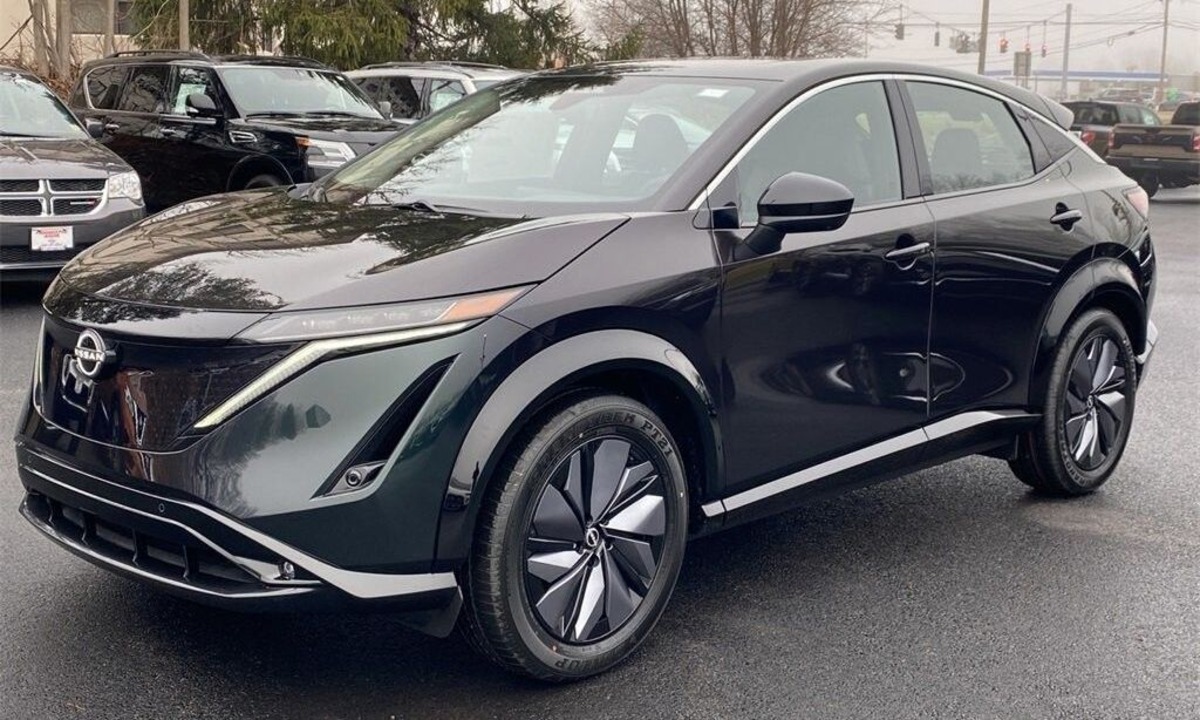
5. Nissan Ariya
Nissan’s Ariya is another electric crossover that handles winter with impressive efficiency. A large part of its capability comes from its thermal management system, which includes liquid cooling and heating for the battery pack. This system helps the Ariya maintain better energy stability during cold weather, preventing the battery from becoming too cold to operate effectively or too warm to ensure safety.
One of the key features that enhances its winter range is the inclusion of a heat pump for heating the cabin. This system draws heat from outside air, significantly reducing the power required to keep passengers comfortable.
This efficiency is critical in cold climates, where heating can account for a major portion of energy usage. Nissan designed the Ariya’s heat pump to operate even at very low temperatures, ensuring the interior remains warm without sacrificing range.
The Ariya also supports scheduled preconditioning. This allows drivers to program the vehicle to warm up the cabin and battery while plugged in before driving. This feature helps optimize range and performance on cold mornings by ensuring the battery is ready to deliver power without excessive energy loss. The intuitive smartphone app makes it simple to set this up, improving convenience alongside efficiency.
On the road, the Ariya’s all-wheel-drive setup balances power delivery to maximize traction while conserving energy. It features multiple drive modes that adjust motor output and energy use based on conditions, which is beneficial in winter driving. Additionally, regenerative braking can be adjusted to suit slippery surfaces, enhancing safety without unnecessarily draining the battery. For drivers seeking an EV crossover that performs well in cold weather, the Nissan Ariya is a competitive choice.
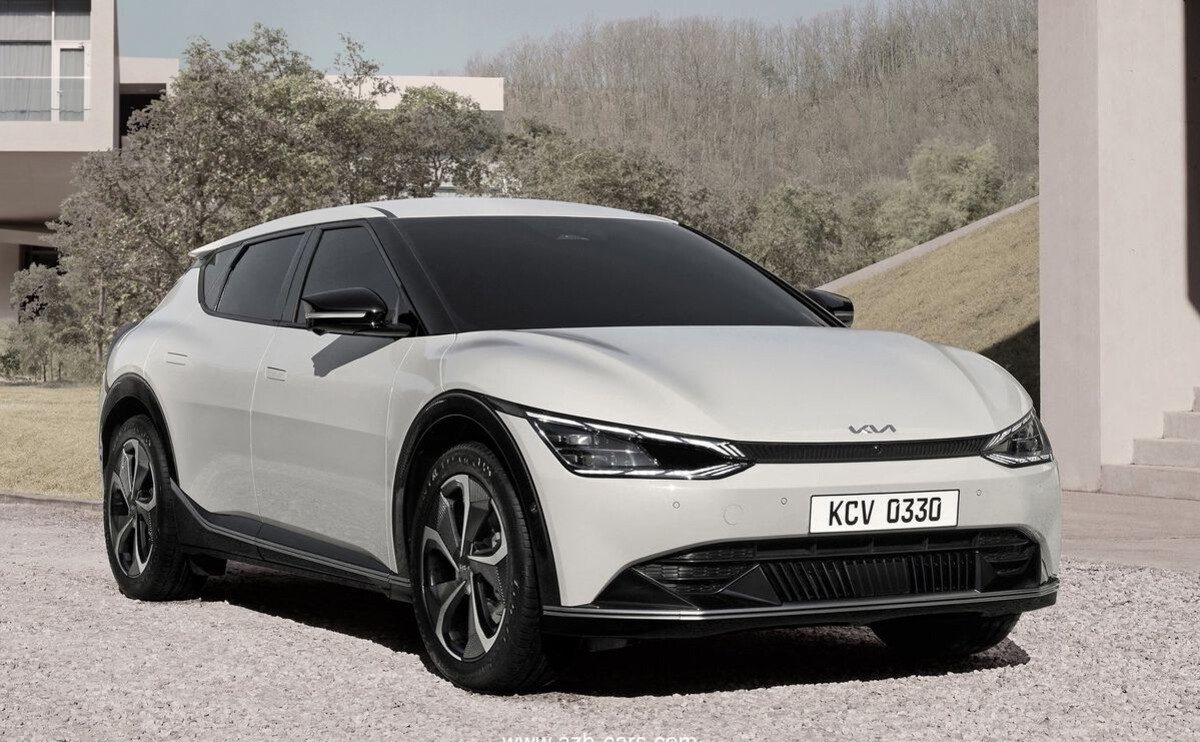
6. Kia EV6
The Kia EV6 is a stylish and high-performance electric crossover that also demonstrates strong winter range capabilities. Its advanced battery thermal management system ensures the battery cells remain within optimal temperature limits, even in freezing weather. By regulating battery temperature, the EV6 avoids the drastic drops in performance and efficiency common to many EVs in cold climates.
Kia also equipped the EV6 with a heat pump, which contributes significantly to preserving driving range in winter. Instead of relying solely on resistive heaters, the heat pump moves heat into the cabin more efficiently, using less battery power. This is especially helpful during long trips in cold weather, where heating demands can otherwise reduce range significantly. Drivers can feel confident that the EV6 manages this energy intelligently.
Another useful feature is the EV6’s preconditioning capability. Through Kia’s smartphone app, drivers can schedule warm-ups of the battery and cabin while the car is plugged in. This ensures that the vehicle starts each trip with a warm battery and comfortable interior, limiting the range loss typically experienced at startup in cold temperatures. This feature is a simple but effective way to increase winter efficiency.
The EV6’s dual-motor all-wheel-drive system is designed to balance traction and energy use. It provides good grip on snow or ice, while modulating torque to avoid wasteful wheel spin. The regenerative braking system is also well-tuned for winter conditions, offering smooth deceleration without compromising stability. Together, these features make the EV6 a well-rounded electric crossover that stays efficient and capable even when the weather turns cold.
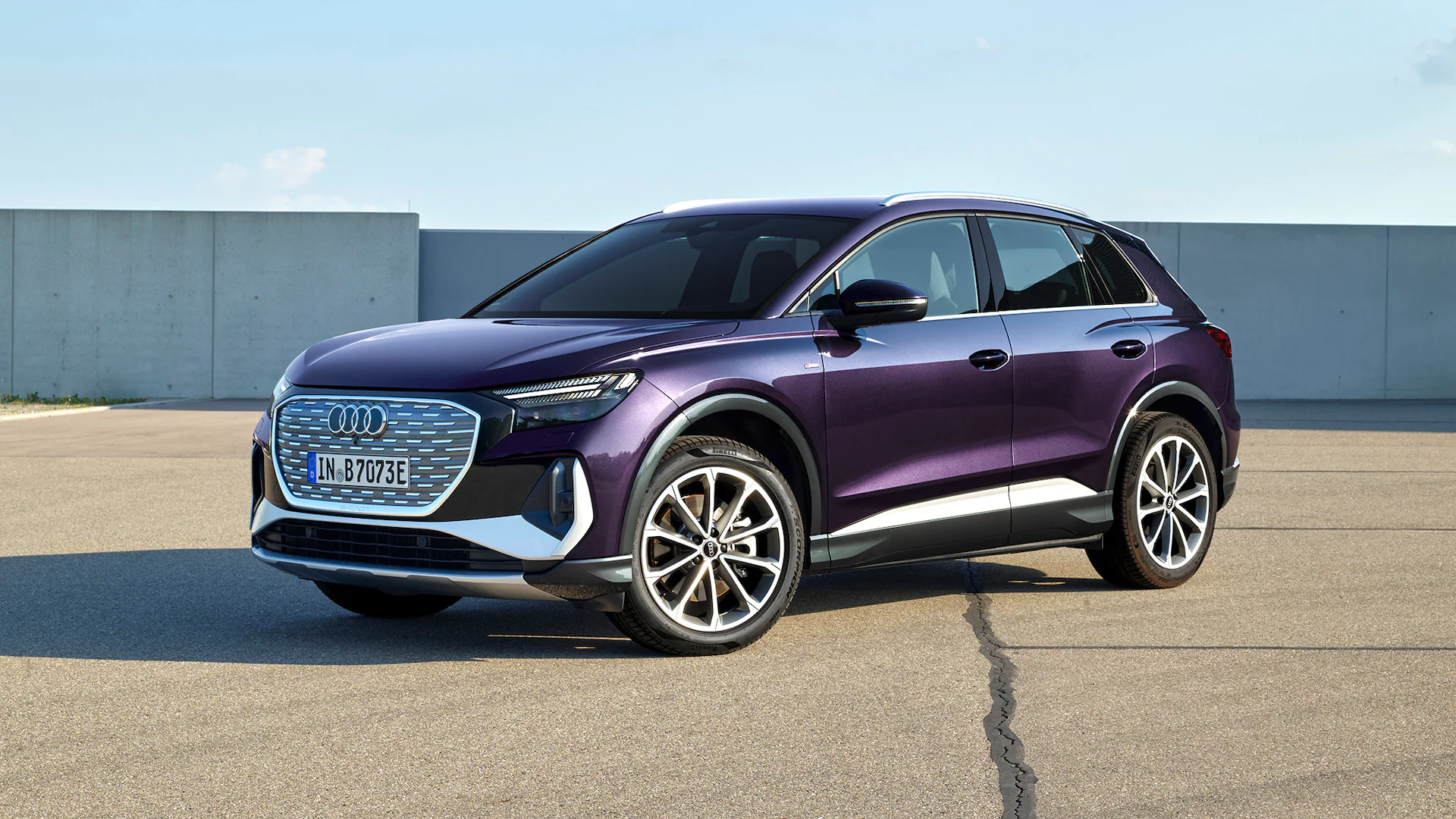
7. Audi Q4 e-tron
Audi’s Q4 e-tron combines luxury with intelligent engineering, including features that help maintain range during winter. Its battery thermal management system uses liquid cooling and heating to keep the battery cells at a steady temperature regardless of outside conditions. This approach ensures consistent battery performance and longevity, which is essential when temperatures fall.
The Q4 e-tron’s heat pump is a crucial component of its winter strategy. Rather than drawing high amounts of energy through resistive heating, the heat pump transfers heat into the cabin in an energy-efficient way. This feature allows the Q4 e-tron to keep occupants warm while consuming less battery power, preserving range on cold days. It’s especially useful in regions where heating demand is sustained for long periods.
Audi also offers scheduled preconditioning via its mobile app, allowing drivers to prepare the car before departure. This can involve warming the cabin and the battery while plugged in, which reduces the strain on the battery during initial driving and improves efficiency. This technology is straightforward to use and significantly benefits drivers facing cold winter starts.
From a driving standpoint, the Q4 e-tron’s quattro all-wheel-drive system provides excellent traction on slippery roads, helping to prevent loss of energy from wheel slip. Its regenerative braking is finely tuned to respond to winter conditions, delivering smooth stopping power while capturing energy effectively. These features combine to make the Q4 e-tron a compelling choice for those who want a luxury electric crossover with dependable winter range.
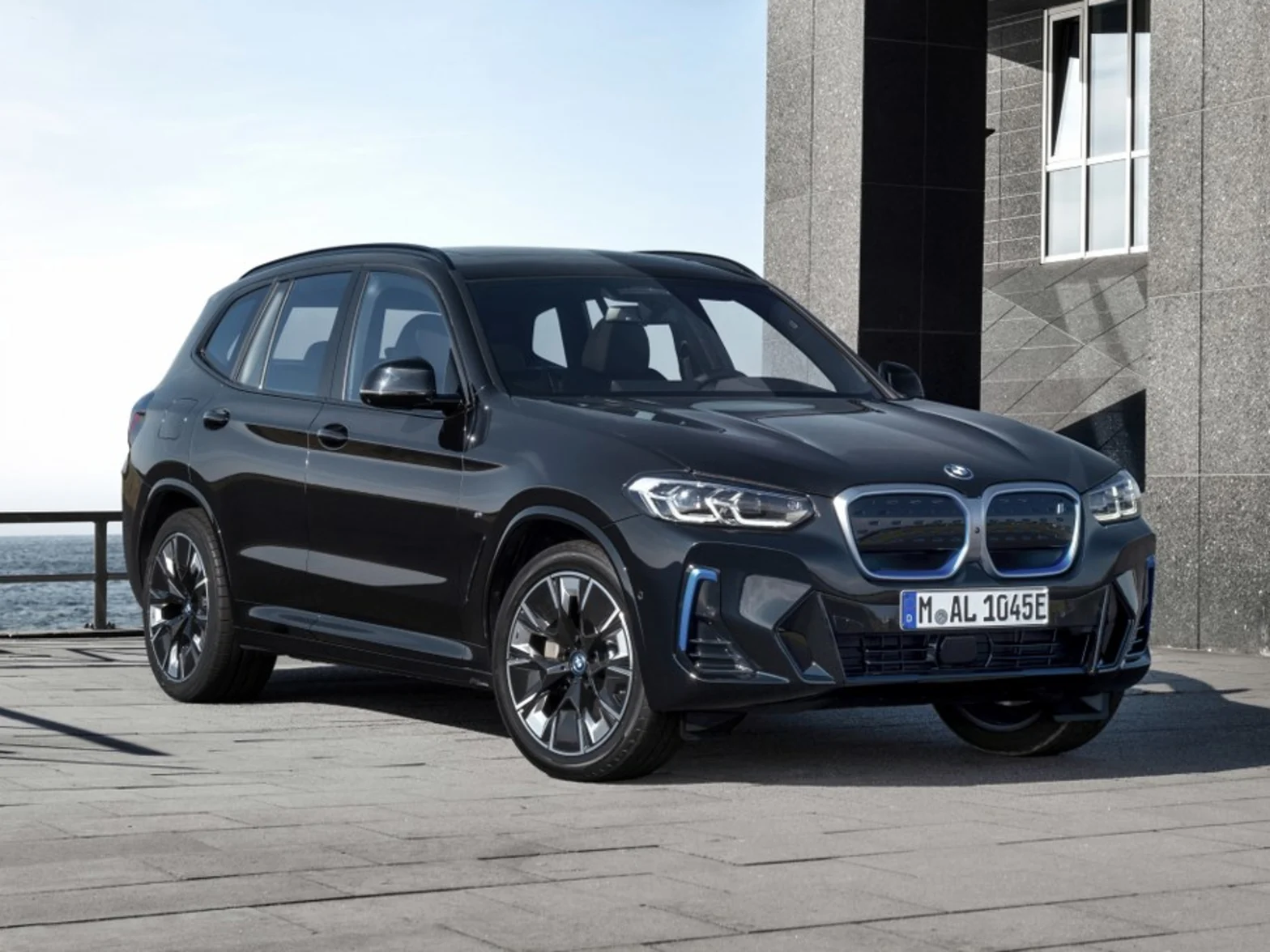
8. BMW iX3
The BMW iX3 is a key player among electric crossovers that manage winter range loss impressively well. Central to its success in colder climates is BMW’s efficient battery thermal management system. This system includes liquid cooling and heating, which actively regulates the battery temperature to avoid the typical performance drops seen in subzero weather.
By maintaining the battery within an optimal range, the iX3 ensures consistent energy output and helps extend the battery’s lifespan, which is particularly important during repeated cold-weather use.
Another important feature contributing to its winter performance is the heat pump technology integrated into the iX3. Unlike conventional resistive heaters, the heat pump efficiently transfers heat from the outside air to warm the cabin, drawing less power from the battery
. This feature is especially useful during prolonged cold spells, allowing the vehicle to maintain cabin comfort without sacrificing a large portion of its driving range. The combination of efficient heating and well-regulated battery temperature makes the iX3 well-suited to harsh winter conditions.
BMW also offers preconditioning options accessible through the vehicle’s infotainment system and remote app. This allows drivers to heat the cabin and battery while the car is still connected to a charger, which minimizes range loss when starting a trip in cold weather. Starting with a warm battery improves power delivery and charging speed, which can be hindered when the battery is cold. Drivers in colder regions appreciate this feature for the enhanced convenience and performance it offers.
The iX3’s rear-wheel-drive system is balanced to provide stable and confident handling in snowy or icy conditions, helping to maintain traction and reduce unnecessary energy waste from wheel spin. The regenerative braking system is also optimized for winter use, delivering smooth and predictable energy recovery without compromising safety. All these elements combine to make the BMW iX3 a strong contender for drivers looking for an electric crossover that holds up well in cold weather.
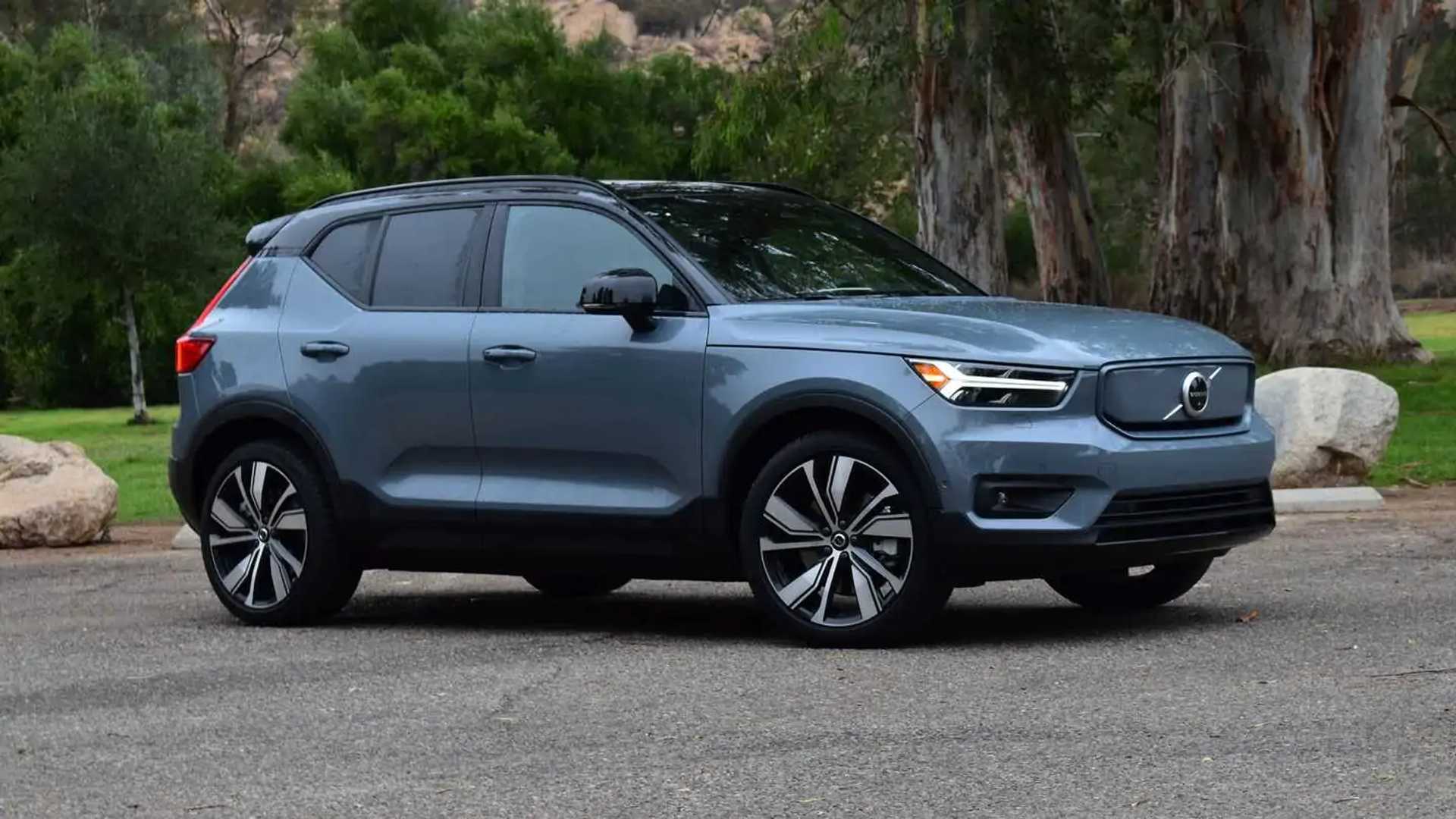
9. Volvo XC40 Recharge
Volvo’s XC40 Recharge blends Scandinavian design with advanced electric technology that proves effective in colder climates. The XC40 Recharge includes a robust battery thermal management system that employs liquid heating and cooling to keep the battery pack at an ideal temperature during winter driving. This regulation prevents the battery’s chemical processes from slowing down too much, which can otherwise result in severe drops in range and performance.
The vehicle’s heating system incorporates a heat pump that dramatically reduces the energy consumption needed to warm the cabin. This system works by capturing heat from the outside air, even when temperatures are quite low, and transferring it inside, thereby conserving battery power. This technology helps the XC40 Recharge deliver consistent heating for the cabin while keeping the electric range more intact than would otherwise be possible.
Volvo supports scheduled preconditioning, enabling drivers to remotely heat the cabin and battery while plugged into a charger. This means the vehicle can start the trip with a fully charged and warm battery, reducing the energy required during the initial phase of driving. This feature is valuable in cold climates where driving efficiency can quickly degrade due to low battery temperatures and the need for immediate cabin heating.
On the road, the XC40 Recharge’s all-wheel-drive system is tuned to provide excellent traction in snowy and icy conditions. It efficiently distributes power to the wheels with the most grip, minimizing energy loss from wheel slip. The regenerative braking system is designed to optimize energy recovery on slippery surfaces, balancing smooth deceleration with maintaining control. These features help the XC40 Recharge maintain a stable and efficient driving experience in winter weather.
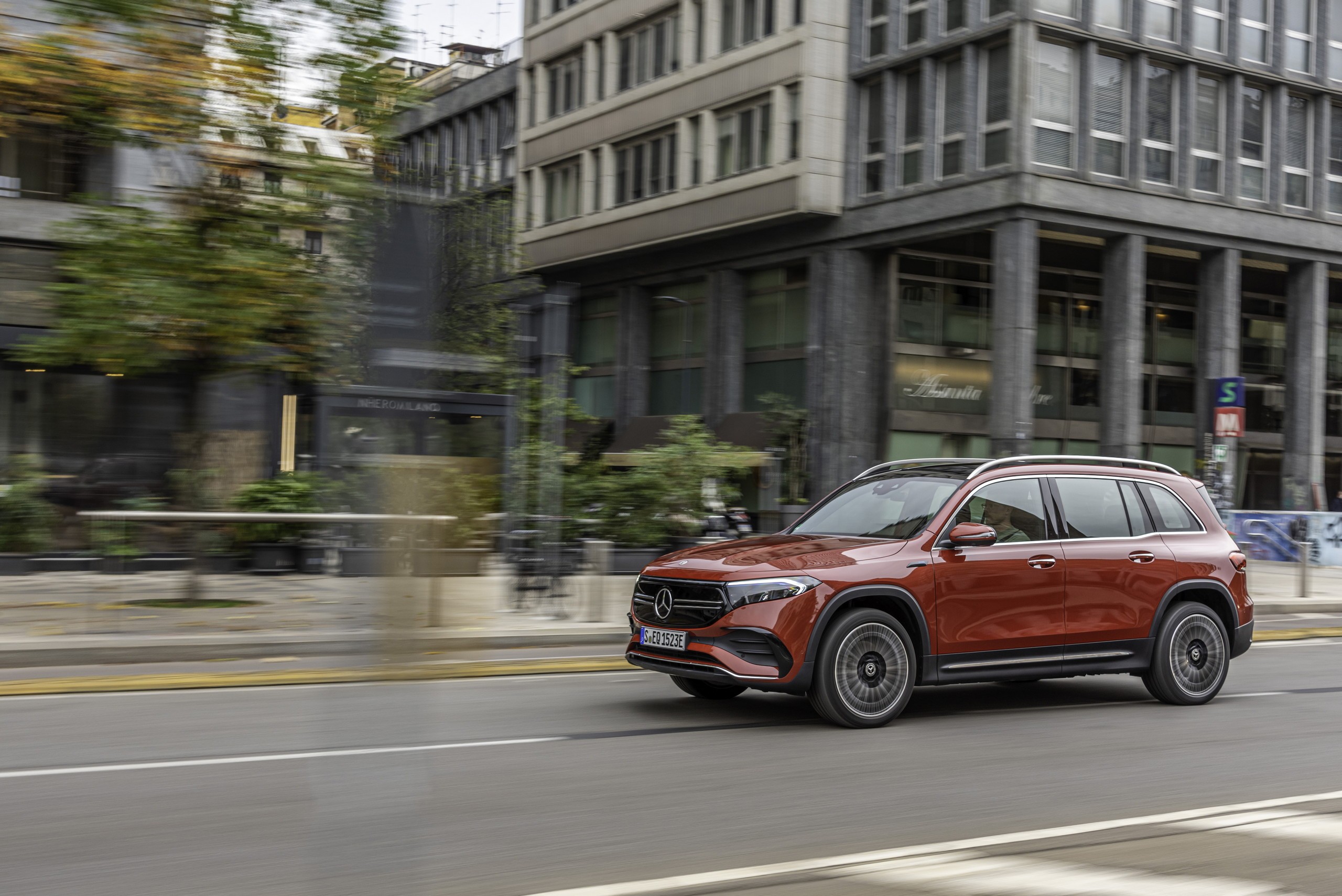
10. Mercedes-Benz EQB
The Mercedes-Benz EQB brings luxury and practicality together in a compact electric crossover, with features tailored to cold-weather driving. One of the key winter-friendly attributes of the EQB is its sophisticated battery thermal management system. This system uses liquid cooling and heating to ensure the battery cells remain at optimal operating temperatures, mitigating the loss of efficiency that typically occurs in cold conditions.
The EQB incorporates a heat pump as part of its climate control system, which is critical for preserving battery range in winter. By using ambient heat from outside air, the heat pump reduces reliance on resistive heaters, which are more power-intensive. This method keeps the cabin comfortable with a much smaller energy draw from the battery, which translates to longer driving distances when temperatures drop.
Mercedes also offers remote preconditioning via their app, allowing drivers to warm the cabin and battery while the vehicle is still charging. This ensures that the car starts each journey with a warm battery and cabin, reducing initial range loss and improving driving performance. This feature can be scheduled or triggered on demand, providing both convenience and efficiency in cold weather.
The EQB’s all-wheel-drive system adds confidence and efficiency in winter driving. It actively manages torque between the front and rear motors to maintain traction on slippery surfaces, which helps prevent energy-wasting wheel spin. The regenerative braking system is calibrated to provide smooth deceleration and maximize energy recovery even when road conditions are challenging. The EQB balances luxury, technology, and winter readiness in an attractive package.
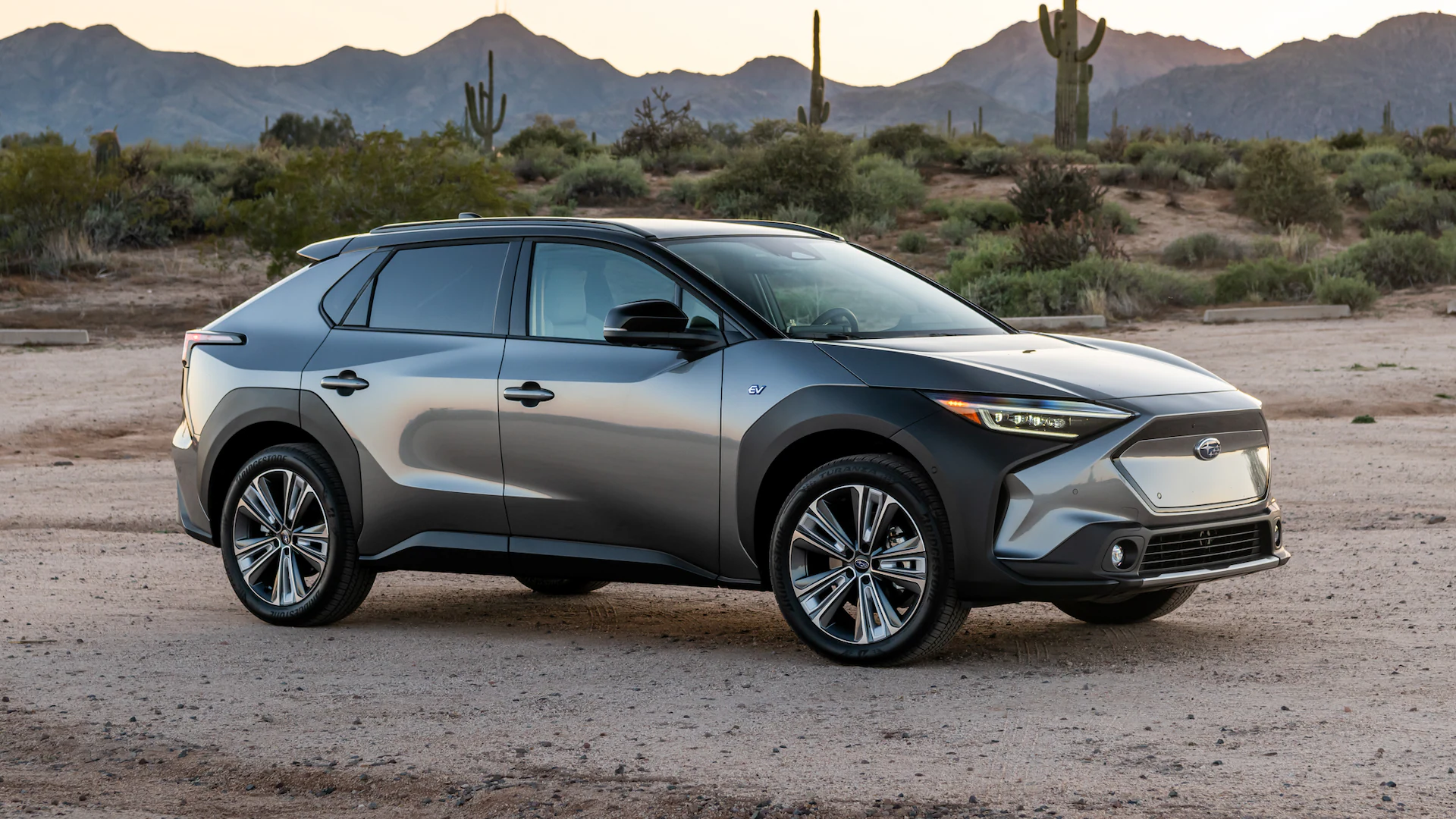
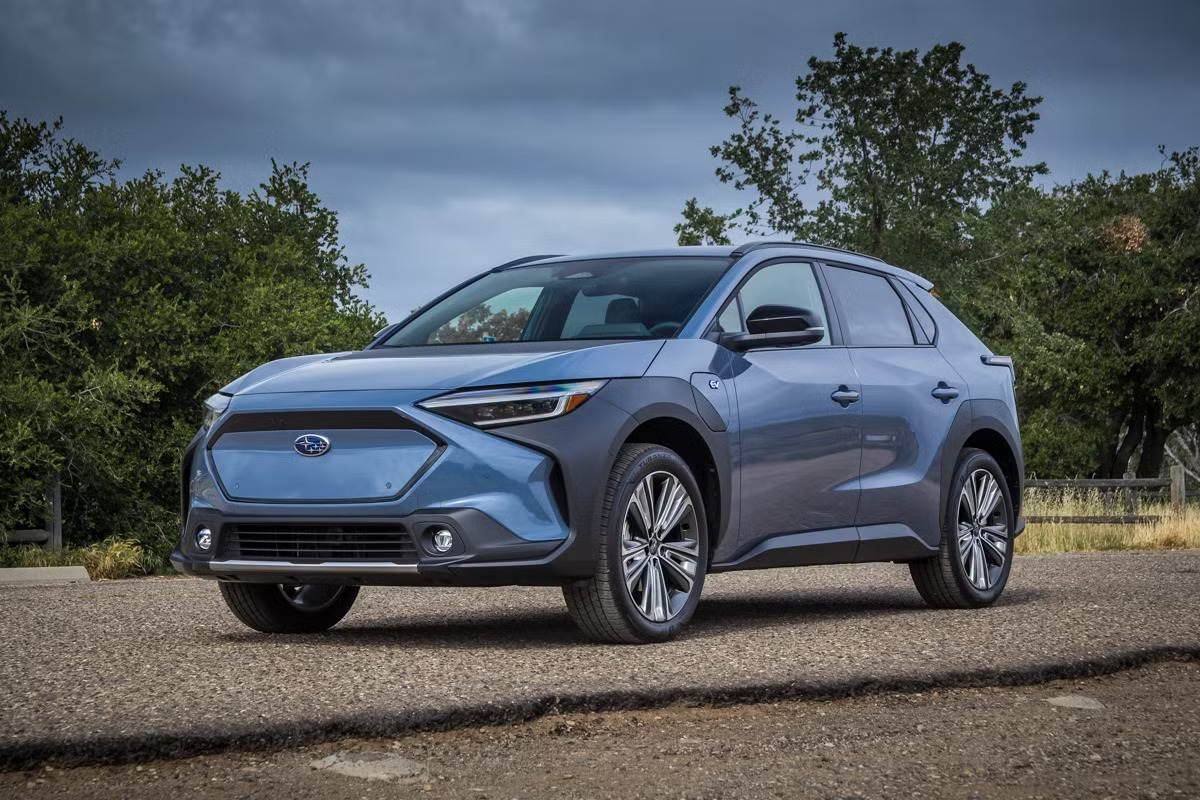
11. Subaru Solterra
The Subaru Solterra is the brand’s first all-electric vehicle and comes with a focus on rugged capability and reliability, including in winter conditions. Its battery thermal management system plays an essential role in retaining range when temperatures fall. Using liquid cooling and heating, the Solterra regulates battery temperature to ensure consistent energy delivery and protect battery health even during extended cold spells.
A standout feature of the Solterra is its heat pump heating system. This system efficiently warms the cabin by extracting heat from the outside air, reducing the energy drain compared to traditional heating methods.
For drivers in cold climates, this means the vehicle can maintain a comfortable interior environment while preserving more battery charge for driving. The heat pump’s efficiency is particularly beneficial during long commutes or extended winter trips.
The Solterra also supports scheduled preconditioning through Subaru’s smartphone app, enabling the car to warm the battery and interior while plugged in.
This reduces the amount of energy required to heat the cabin and improves battery efficiency at startup. For cold-weather drivers, this feature can make a noticeable difference in daily usability and range.
Subaru’s all-wheel-drive system, a hallmark of the brand, is finely tuned for electric power delivery in the Solterra. It provides strong traction on snow, ice, and slippery surfaces, preventing wheel slip and reducing wasted energy.
Additionally, the regenerative braking system offers adjustable settings to suit winter driving conditions, enhancing both safety and efficiency. The Solterra is a solid choice for those who want an electric crossover that combines all-weather capability with modern EV technology.
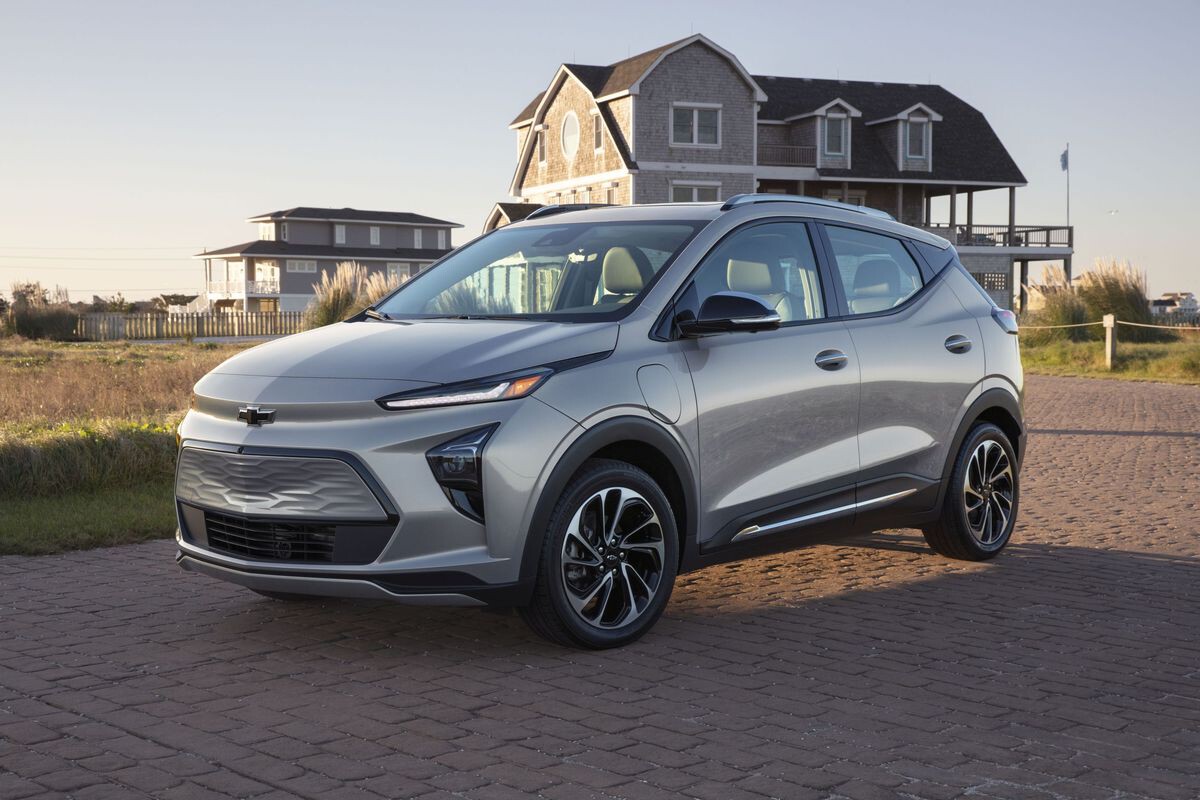
12. Chevrolet Bolt EUV
The Chevrolet Bolt EUV is an affordable electric crossover that performs admirably in winter conditions due to its well-designed battery management and heating systems.
It features an active thermal management system that regulates battery temperature, preventing the kind of efficiency drop commonly experienced when driving in cold weather. This regulation helps the Bolt EUV maintain a usable range even on the coldest days.
One of the reasons the Bolt EUV holds its own in winter is its heat pump technology, which efficiently heats the cabin with less impact on the battery.
The heat pump reduces energy consumption by extracting heat from outside air rather than generating it resistively, which is a more energy-intensive process. This contributes to a more stable driving range during winter months.
Chevrolet includes a scheduled preconditioning feature that allows owners to warm up the battery and cabin while the vehicle is plugged in. Starting the drive with a warm battery and cabin temperature reduces energy losses and improves comfort. The system is user-friendly and accessible through the Chevy mobile app, making it simple to program regular warm-ups during cold seasons.
Although the Bolt EUV comes primarily with front-wheel drive, it still offers sufficient traction for winter driving, especially with appropriate tires.
Its regenerative braking system is designed to recover energy smoothly and efficiently, helping extend range during stop-and-go driving in icy or snowy conditions. The Bolt EUV is a practical and budget-friendly option for those seeking a winter-capable electric crossover.
Also Read: 5 Unknown European Wagons That Last vs 5 Popular Wagons With Problems
Cold weather has long been one of the biggest challenges for electric vehicles, particularly crossovers, which combine the utility of SUVs with the efficiency of electric drivetrains. The drop in battery performance and the added energy demands for heating have often made winter driving a source of anxiety for potential EV buyers.
However, the advancements found in the 12 electric crossovers discussed here demonstrate just how far manufacturers have come in addressing these issues. These vehicles don’t just survive the winter months; they continue to perform reliably and efficiently, proving that electric crossovers can be practical choices no matter the season.
A key takeaway from examining these models is the critical role of battery thermal management systems. Whether it’s liquid cooling and heating or sophisticated insulation and thermal regulation, these systems work tirelessly to keep battery cells within an ideal temperature range.
By doing so, they prevent the chemical reactions inside the battery from slowing down or becoming inefficient. This consistency is vital not only for retaining driving range but also for protecting the battery’s health and longevity during repeated exposure to cold weather. Without effective thermal management, range losses can be severe and unpredictable.
Another important factor that sets these crossovers apart is the use of heat pumps for cabin heating. Heat pumps use ambient heat from the environment and transfer it inside the vehicle, significantly reducing the energy required compared to traditional resistive heaters.
This technology alone has been a game-changer for winter EV driving. It allows occupants to remain comfortable without dramatically sacrificing the miles available on a charge. For drivers in regions where winters are long and cold, heat pumps provide a much-needed efficiency boost, making EV ownership more practical and enjoyable.
Preconditioning features also contribute substantially to winter range retention. By warming the battery and cabin while the vehicle is still plugged in, these systems ensure that the car starts each trip ready to perform optimally.
This minimizes the initial surge of energy needed to heat the interior and battery, which is when range losses tend to be highest. Scheduled preconditioning is an easy-to-use feature accessed through smartphone apps or onboard controls and is a valuable tool in the cold-weather driver’s arsenal.
In addition to these technologies, the all-wheel-drive configurations found on many of these crossovers offer significant winter advantages. Beyond providing improved traction and safety on snow and ice, AWD systems help optimize energy use by intelligently distributing power to where it’s needed most.
When combined with well-tuned regenerative braking systems that function smoothly on slippery roads, these vehicles maximize efficiency and driver confidence in challenging conditions.
When selecting an electric crossover for winter driving, it’s important to consider these features along with personal driving habits and climate specifics. While no electric vehicle is completely immune to cold weather’s effects, those with advanced thermal management, heat pump heating, preconditioning capabilities, and all-wheel-drive configurations clearly have the upper hand. These elements work together to reduce the impact of winter on range and maintain the reliability drivers expect year-round.
The 12 electric crossovers profiled demonstrate that electric vehicles can be practical and efficient even in harsh winter environments. From the Tesla Model Y’s intelligent software and heat pump to the Subaru Solterra’s rugged AWD system, these vehicles showcase how innovation has made cold weather less of an obstacle for EV adoption.
For consumers living in colder climates, these crossovers provide peace of mind, combining the benefits of electric driving with confidence on icy roads. As battery technology and thermal management continue to evolve, the gap between summer and winter range will narrow even further, making electric crossovers a viable choice for all seasons now and well into the future.
