
Electric vehicles have become a significant part of the automotive industry’s transformation over the past decade. As concerns about climate change and fossil fuel dependency grow, electric cars offer a compelling alternative with zero tailpipe emissions and increasingly accessible technology.
The shift from internal combustion engines to electric drivetrains has introduced new challenges and opportunities for automakers, particularly regarding the software that underpins modern electric vehicles. Today’s electric cars rely heavily on sophisticated software to manage everything from battery health and power delivery to infotainment and safety systems. While this reliance on software enhances vehicle capabilities, it also introduces the potential for glitches, bugs, and cybersecurity vulnerabilities.
For many consumers, the promise of electric mobility is tempered by concerns over reliability, especially when it comes to software. Electric vehicles often come with advanced digital interfaces, driver assistance technologies, and complex power management systems.
When these systems function seamlessly, they contribute to a smooth, enjoyable driving experience. However, when software problems arise, they can cause frustration, impact vehicle performance, or even raise safety concerns. Reports of software issues, ranging from infotainment freezes to critical battery management faults, have occasionally surfaced for various electric vehicles, casting doubt on their dependability.
Despite these challenges, there are several electric cars on the market that stand out for their software stability and lack of major issues. These vehicles demonstrate that it is possible to combine cutting-edge technology with dependable software performance, providing owners with confidence in their electric driving experience.
The manufacturers behind these models have invested significant resources in software development, testing, and ongoing support. Their success stories serve as benchmarks for quality and reliability in the evolving EV landscape.
This article focuses on 12 electric cars that have established a reputation for strong software reliability. These vehicles come from a mix of established automakers and newer players, each bringing their approach to software design and maintenance.
Some emphasize simplicity and tested technology, while others integrate advanced features supported by robust software engineering and regular updates. Regardless of their approach, these cars have avoided widespread software-related problems that could undermine the ownership experience.
By highlighting these models, this article aims to provide useful insights for potential electric car buyers and enthusiasts alike. Understanding which electric vehicles have demonstrated software dependability can help buyers make informed choices, especially in a market that is expanding rapidly with new models and technologies.
Moreover, examining the software successes of these vehicles sheds light on best practices in automotive software development and customer support, offering lessons for the entire industry.
In the following sections, each of the 12 electric cars is examined with a focus on their software features, the manufacturer’s approach to software stability, and feedback from users and experts. From Tesla’s Model 3, which combines innovation with ongoing software refinement, to the Volvo XC40 Recharge, known for its safety-first software design, these vehicles represent the forefront of reliable electric mobility. Together, they illustrate that electric cars can be both technologically advanced and dependable, dispelling some of the doubts that have surrounded EV software performance.
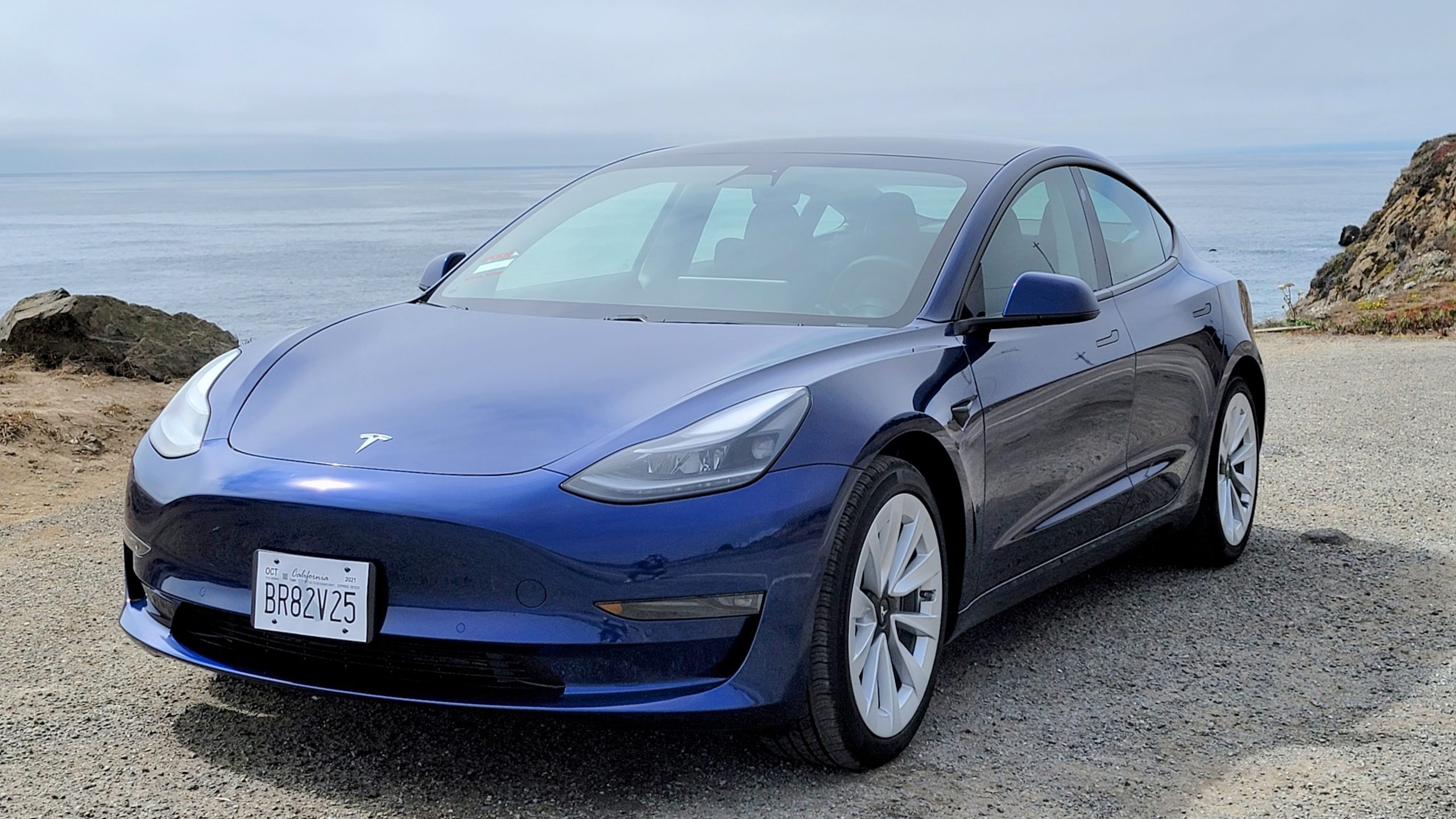
1. Tesla Model 3
The Tesla Model 3 is widely recognized for its blend of performance, affordability, and innovative features. Despite being packed with sophisticated software for autopilot, battery management, and infotainment, it has maintained a solid track record when it comes to software reliability. Tesla’s focus on over-the-air updates ensures that any minor bugs are quickly addressed without requiring dealership visits. This commitment to maintaining software health contributes to its reputation for smooth and trouble-free operation.
One of the key strengths of the Model 3’s software is its seamless integration with the vehicle’s hardware. From controlling the electric motor torque to managing regenerative braking, the software consistently performs optimally under different conditions. User interface responsiveness and touchscreen reliability have also improved significantly through successive updates, reducing the complaints that plagued earlier releases.
Additionally, Tesla’s use of real-time data from its fleet to detect software issues before they become widespread helps prevent major problems. The company’s ability to gather driving data remotely allows it to refine algorithms continuously and optimize system performance. This data-driven approach has kept the Model 3’s software stable and secure, which is crucial for both driver confidence and overall vehicle safety.
While some early owners reported minor glitches with infotainment or autopilot features, these were quickly resolved. Since then, the Model 3 has become a benchmark for EV software reliability, showing that even vehicles with complex systems can maintain strong software health with proper design and support. This has helped Tesla cement its position as a leader in the electric vehicle market.
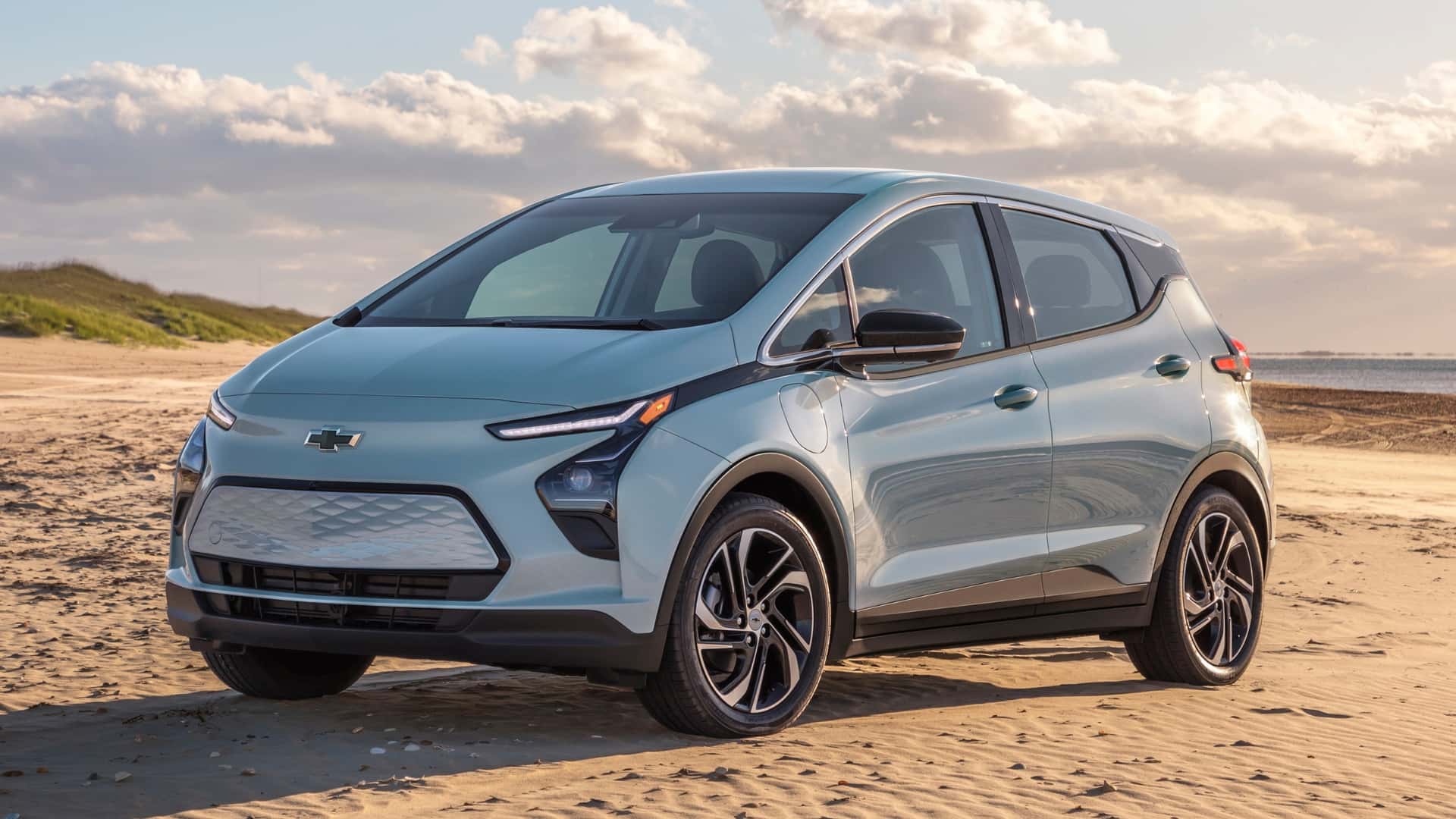
2. Chevrolet Bolt EV
The Chevrolet Bolt EV has earned praise for its straightforward design and dependable performance. Unlike some EVs that push boundaries with highly complex software ecosystems, the Bolt focuses on delivering a solid and user-friendly experience without frequent issues. General Motors, the parent company, has invested in rigorous software testing, especially following early recalls related to battery safety, to ensure the Bolt’s systems operate reliably.
The Bolt’s software handles core functions such as battery management, charging, and power delivery efficiently. Its user interface, while less flashy than some competitors, is praised for simplicity and ease of use. The vehicle’s control systems are responsive and intuitive, contributing to a positive ownership experience. Owners have reported very few problems related to software glitches, and those that did arise were typically addressed promptly through updates.
Another feature is the Bolt’s compatibility with various charging networks and its ability to maintain stable communication with external chargers. This is an area where software quality is vital, as any malfunction could interrupt charging sessions or cause range anxiety. Chevrolet’s software has proven reliable in this regard, helping drivers maintain confidence in their vehicle’s day-to-day operation.
Moreover, the Bolt EV’s software includes well-designed safety features and driver-assistance options that work consistently. While the car may not have the most advanced autonomous capabilities, the systems in place perform as expected, without causing confusion or operational faults. This consistency is key to the Bolt’s reputation as a dependable electric vehicle.
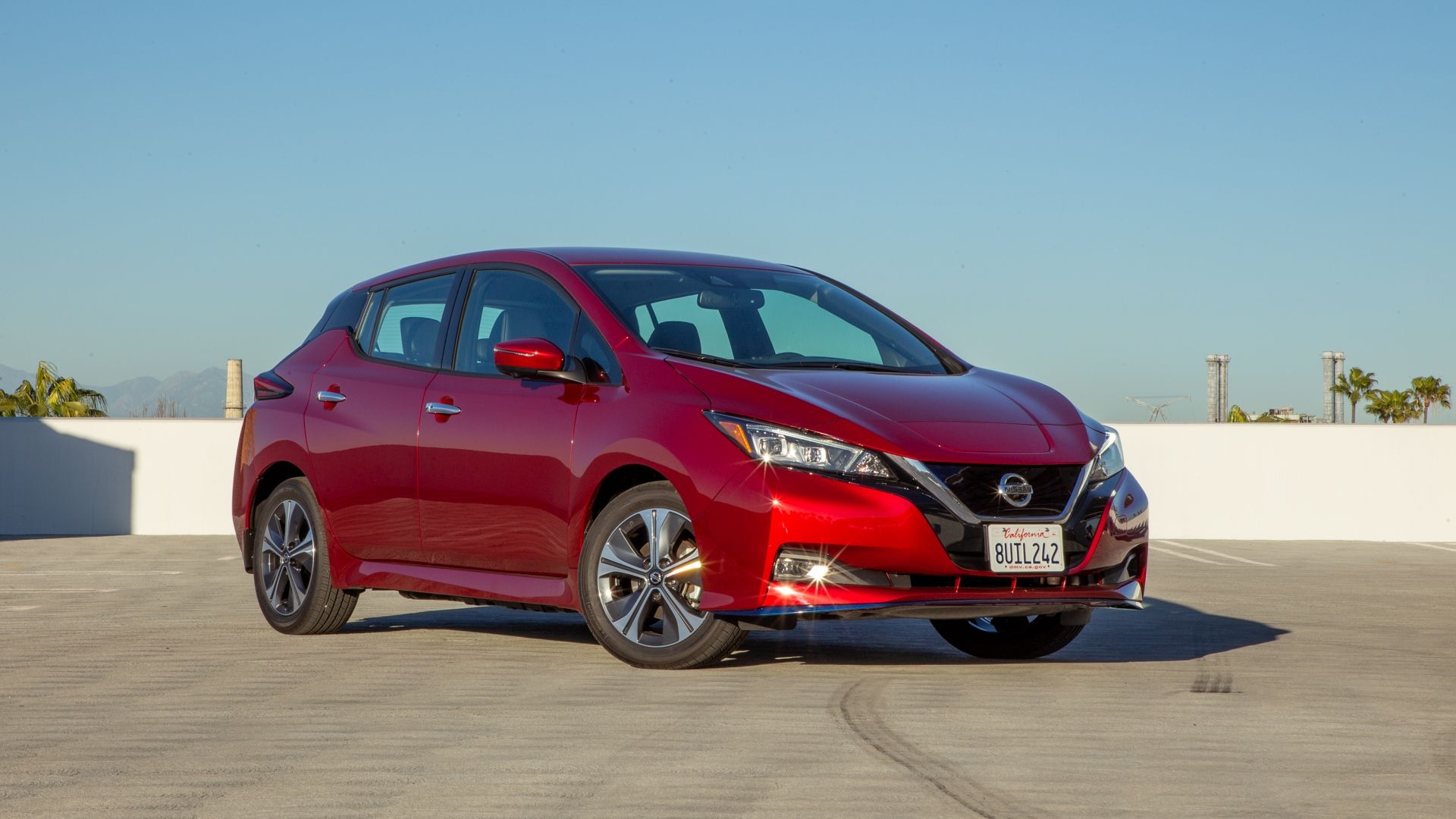
3. Nissan Leaf
The Nissan Leaf is one of the longest-running electric car models and has built a solid reputation for dependability. Nissan’s approach to software in the Leaf has been conservative but effective, focusing on stability rather than cutting-edge, experimental features. This philosophy has contributed to minimal software-related issues being reported by owners over the years.
The Leaf’s software manages essential operations such as battery health, thermal management, and energy regeneration in a reliable manner. Its interface and controls are user-friendly, allowing drivers to access critical information easily without confusion. While the infotainment system has occasionally received mixed reviews, it has not been associated with major software failures or operational interruptions.
One area where the Leaf excels is its well-tested and proven battery management software. By carefully monitoring and regulating battery use, the system helps maximize the vehicle’s longevity and performance. This focus on reliability over rapid innovation means fewer risks of software faults affecting battery safety or driving range.
Additionally, Nissan has provided regular updates and support for the Leaf’s software, ensuring it keeps pace with new standards and user expectations. The absence of widespread software complaints highlights the company’s commitment to maintaining dependable software for this popular electric car model.
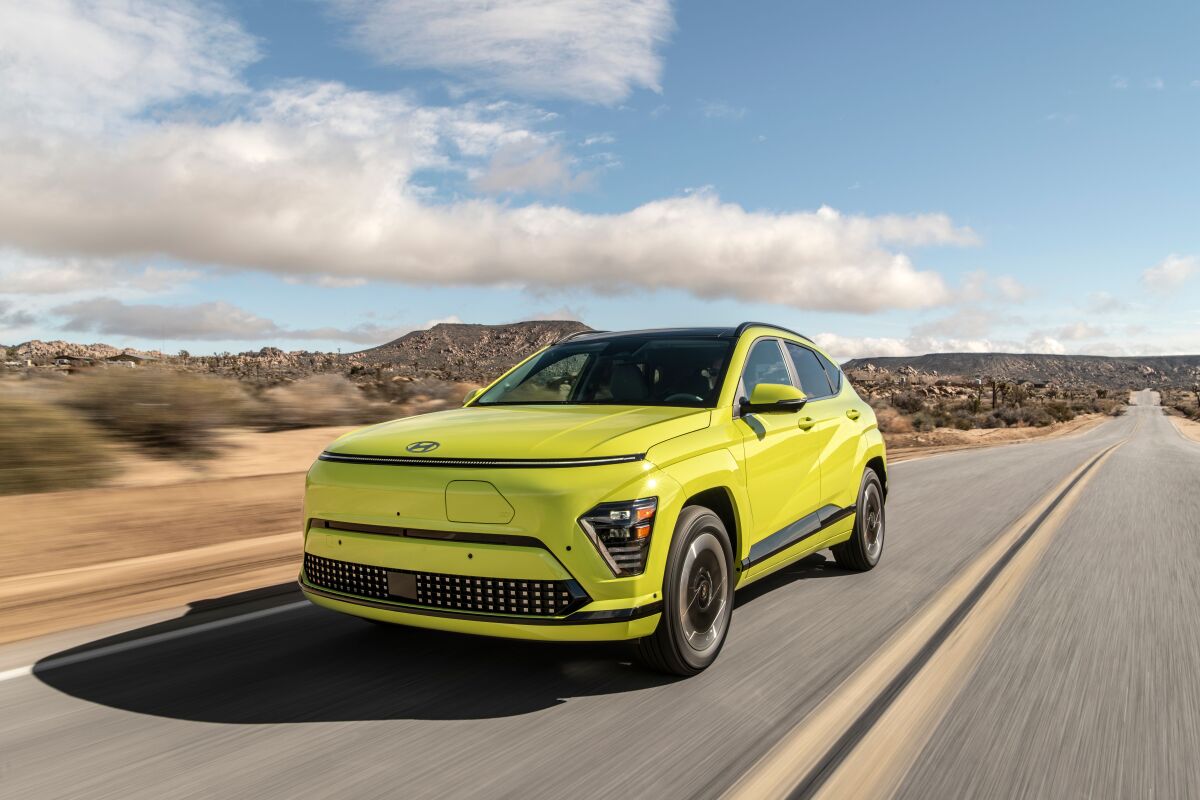
4. Hyundai Kona Electric
The Hyundai Kona Electric combines modern design and efficient performance with software that consistently meets user expectations for reliability. Hyundai has emphasized quality control in its electric vehicle software, resulting in few reports of significant software issues from owners or critics.
Kona Electric’s software effectively manages the electric powertrain and battery systems, ensuring smooth acceleration and dependable range estimates. The car’s infotainment and connectivity systems, which include navigation and smartphone integration, function well with minimal bugs or crashes. Hyundai’s attention to detail in software development has paid off in reducing the number of updates required post-sale.
Furthermore, the safety and driver assistance systems in the Kona Electric operate reliably, helping avoid confusion or malfunction. Features such as lane-keeping assist and automatic emergency braking respond promptly and accurately. This consistent performance supports driver confidence and satisfaction.
Hyundai’s customer feedback process and prompt software updates contribute to the Kona Electric’s trouble-free status. Even as new features are added, the software remains stable and free from the kinds of critical errors that can undermine the driving experience.
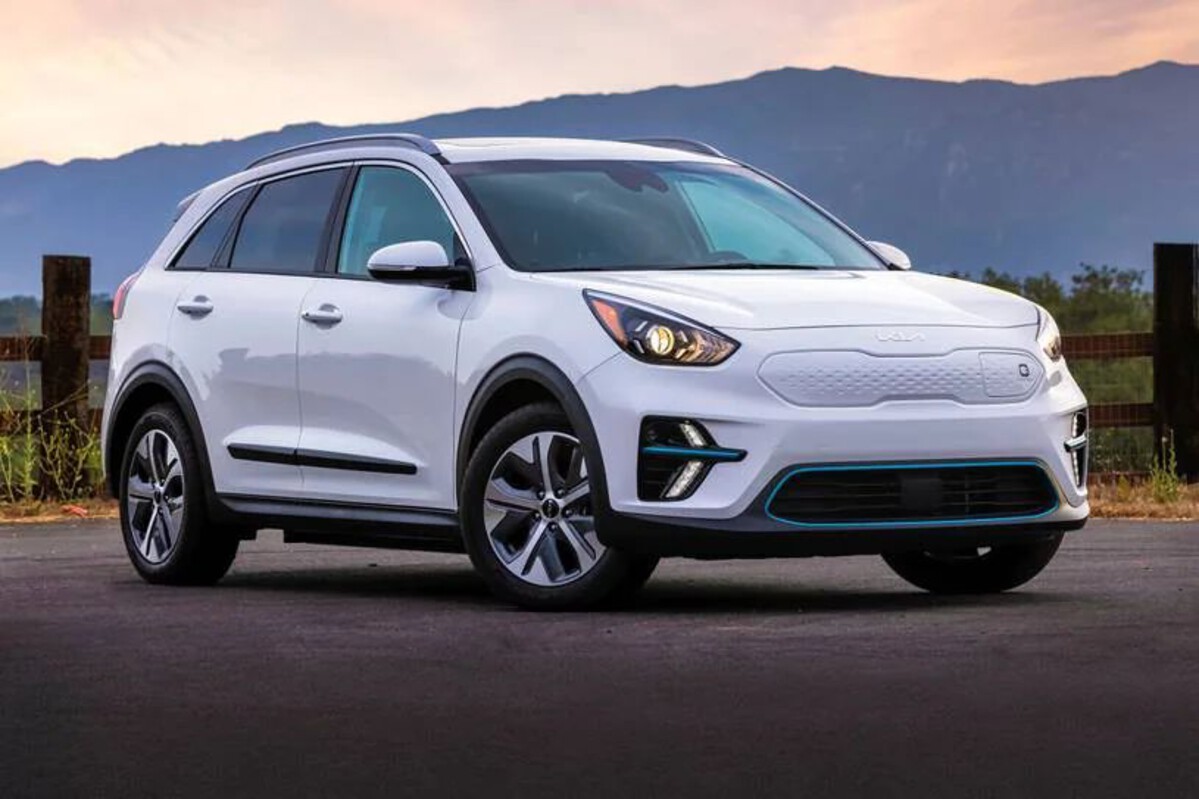
5. Kia Niro EV
Kia’s Niro EV has been recognized for its balanced approach to electric vehicle design and software reliability. The company’s software strategy focuses on delivering dependable core functionality without overloading the system with overly complicated features that could increase risk of errors.
The Niro EV’s software handles battery and energy management smoothly, helping the vehicle deliver consistent range and performance. The user interface is intuitive, with clear access to vehicle settings and driving information. Owners rarely report software-related complaints, and when issues do arise, Kia typically addresses them swiftly through updates.
In terms of connectivity, the Niro EV’s systems integrate well with smartphones and external devices, maintaining stable and responsive operation. This reliability enhances the overall ownership experience and reduces frustrations often caused by glitches.
Kia also prioritizes safety software, ensuring driver assistance features work reliably under a variety of conditions. The software’s consistent performance in this area adds to the vehicle’s reputation as a trouble-free electric car.
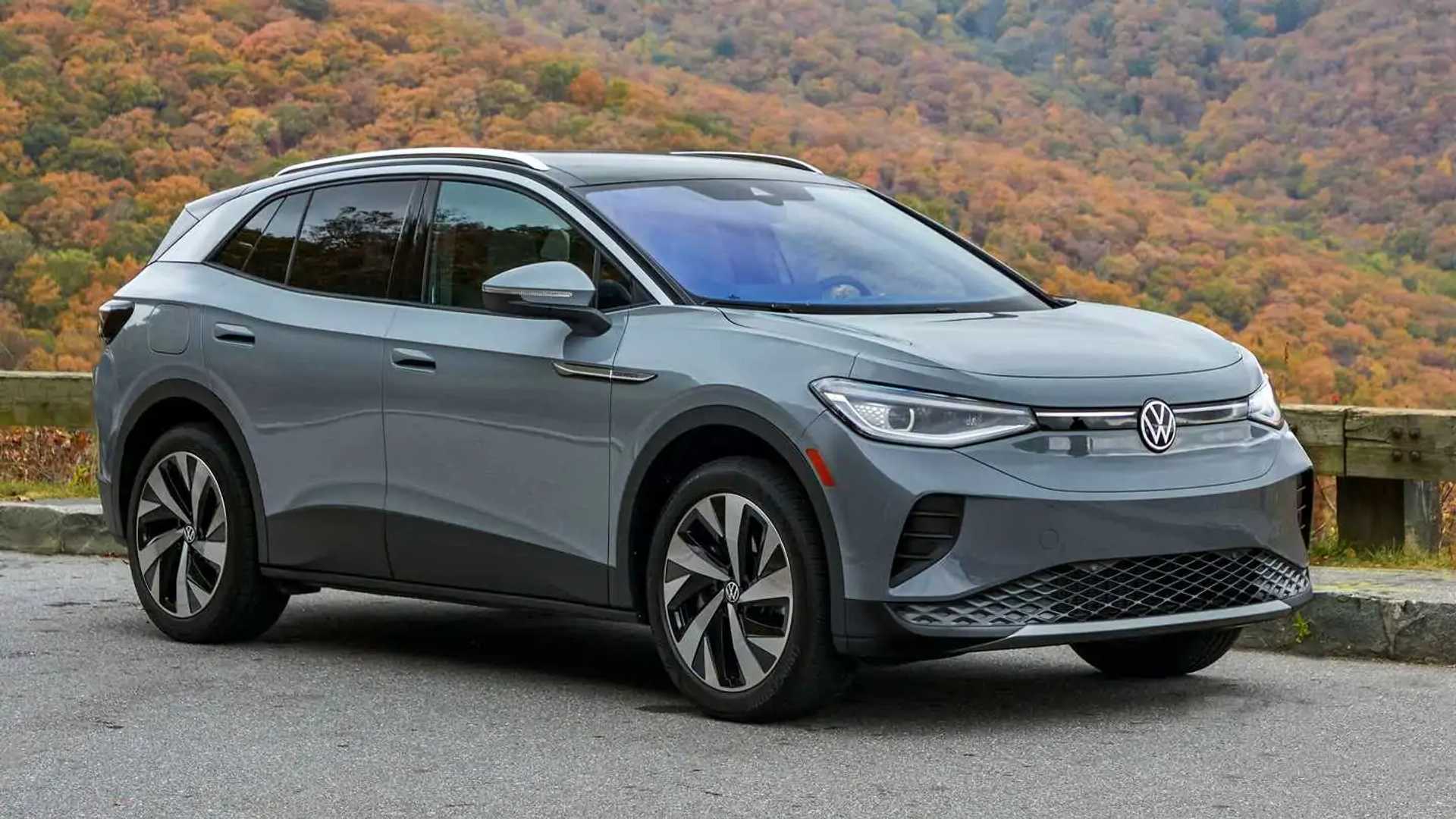
6. Volkswagen ID.4
Volkswagen’s ID.4 represents a newer generation of electric vehicles that aims to combine user-friendly software with solid hardware performance. Although Volkswagen has faced some criticism over earlier software rollouts, the ID.4’s systems have improved considerably, with minimal reports of major issues.
The ID.4’s software efficiently manages battery usage, thermal regulation, and power delivery, providing a smooth driving experience. The infotainment system, which features a large touchscreen and voice control, is responsive and reliable in most conditions. While some minor updates have been necessary, these have not impacted the vehicle’s overall software reputation negatively.
Driver assistance and safety systems in the ID.4 function dependably, contributing to a secure driving environment. Volkswagen has emphasized testing and customer feedback to refine these systems, resulting in software that is stable and effective.
The company’s ongoing software support through updates ensures the ID.4 remains current and free of major glitches. This balance of innovation and reliability makes the ID.4 a solid choice for buyers seeking an electric vehicle with trouble-free software.
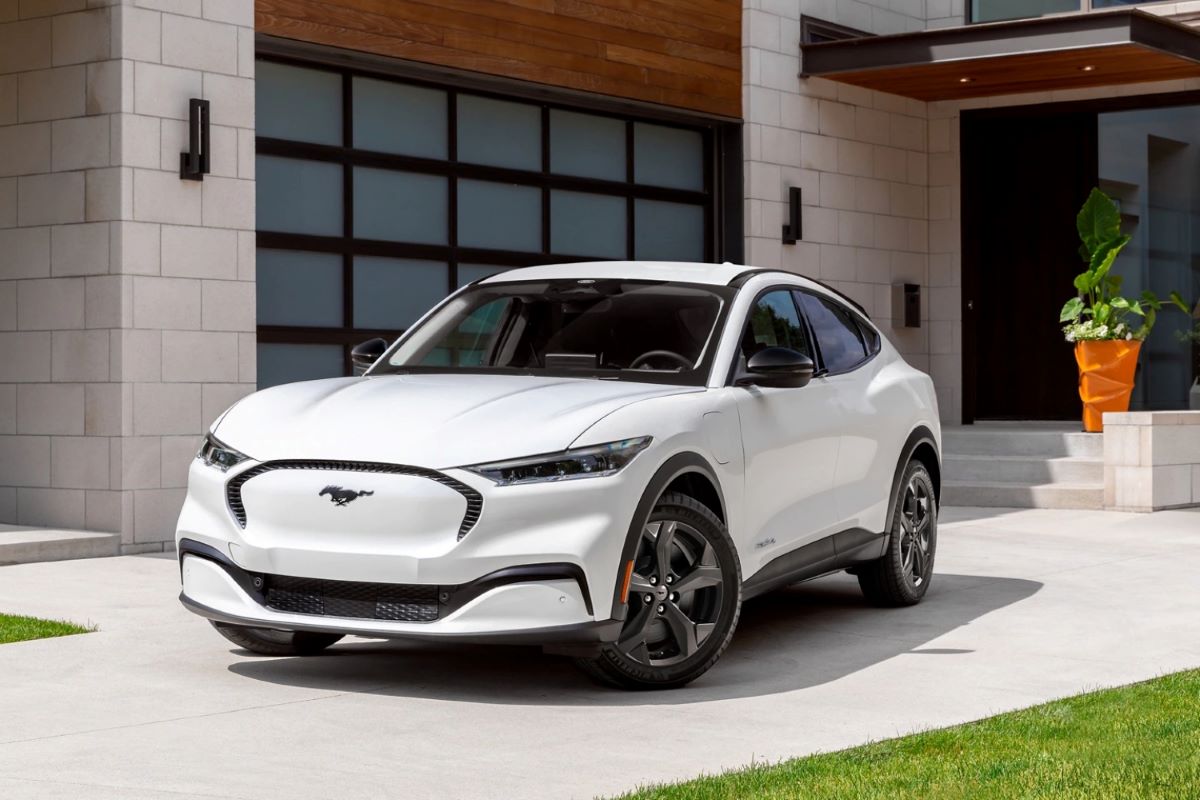
7. Ford Mustang Mach-E
Ford’s Mustang Mach-E is a strong contender in the electric SUV market, combining performance with advanced technology. The software behind the Mach-E has been designed to support a wide range of features without causing significant reliability issues, helping the vehicle stand out for its user-friendly experience.
The Mach-E’s software controls critical functions such as powertrain management, battery efficiency, and regenerative braking effectively. The infotainment system, built on Ford’s SYNC platform, offers a smooth interface and consistent connectivity, reducing complaints about freezes or errors.
Driver assistance features and safety systems in the Mach-E operate reliably, providing accurate alerts and interventions. Ford’s approach to software development emphasizes thorough testing and user experience, contributing to fewer post-release problems.
With regular over-the-air updates, the Mach-E’s software remains up to date, and any minor bugs are addressed quickly. This ensures owners benefit from an evolving system that maintains stability and performance.
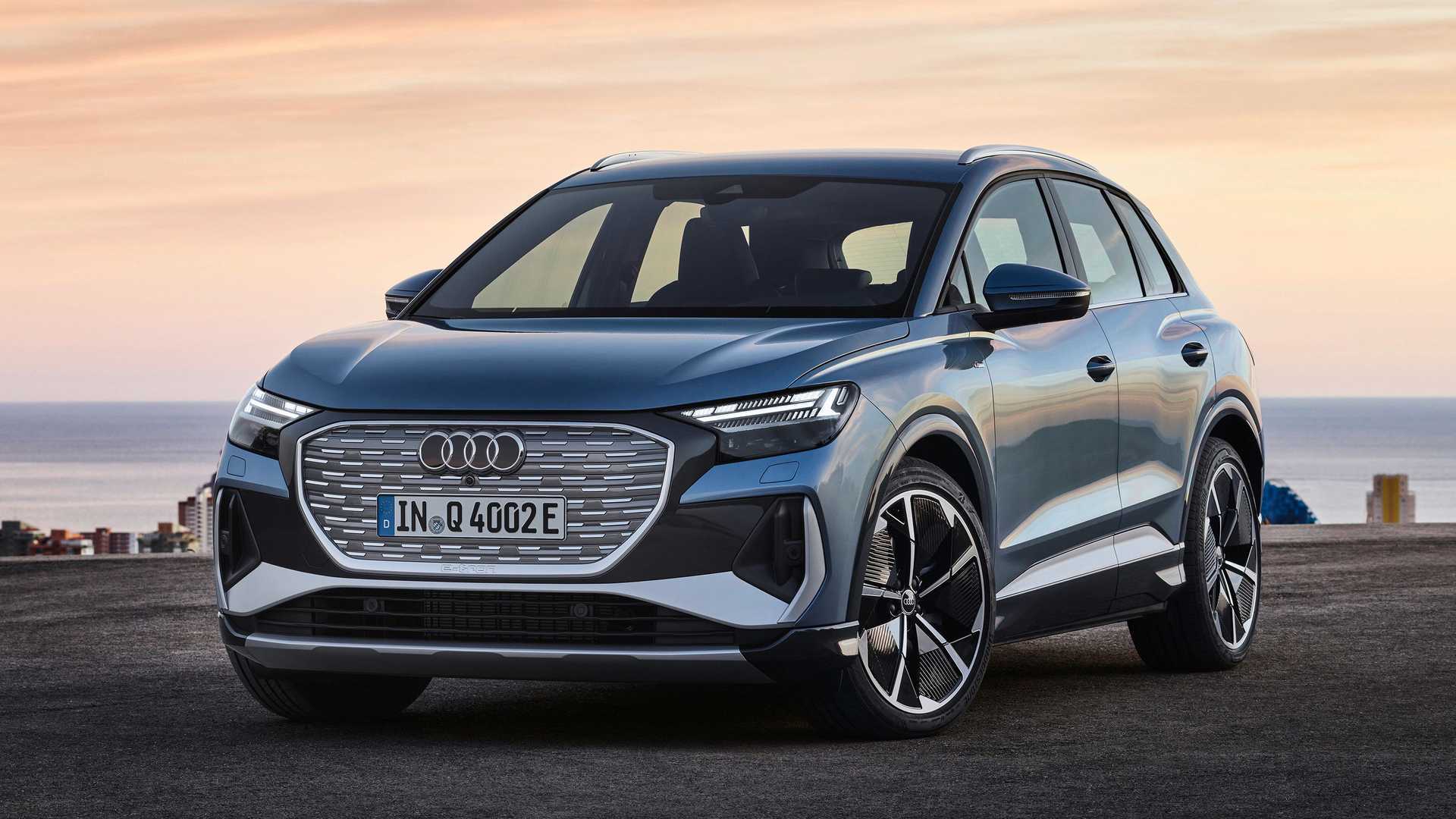
8. Audi e-tron
The Audi e-tron has carved out a niche in the luxury electric SUV segment, with software that reflects Audi’s dedication to precision and reliability. Audi developed the e-tron’s software with an emphasis on seamless integration between hardware and software systems. This includes controlling dual electric motors, managing battery charge cycles, and optimizing regenerative braking to maximize efficiency and performance.
The infotainment system in the e-tron is advanced yet stable. Featuring dual touchscreens and voice command capabilities, the system provides a high level of functionality without compromising reliability. Audi’s developers focused on preventing lag and system crashes that could disrupt the user experience, which has resulted in fewer complaints compared to some competitors. Updates are periodically released to refine functionality and introduce new features without destabilizing existing software.
Driver assistance software in the e-tron is another strong suit. Systems such as adaptive cruise control, traffic jam assist, and parking aids are engineered for dependable operation, enhancing the safety and convenience of driving the vehicle. Audi’s thorough quality assurance process minimizes the risk of software errors that could interfere with these critical functions.
The company’s approach to software maintenance includes over-the-air updates, allowing the e-tron to receive performance improvements and security patches seamlessly. Audi’s combination of cutting-edge features with a focus on software stability helps maintain the e-tron’s reputation as a luxury electric vehicle with reliable digital systems.
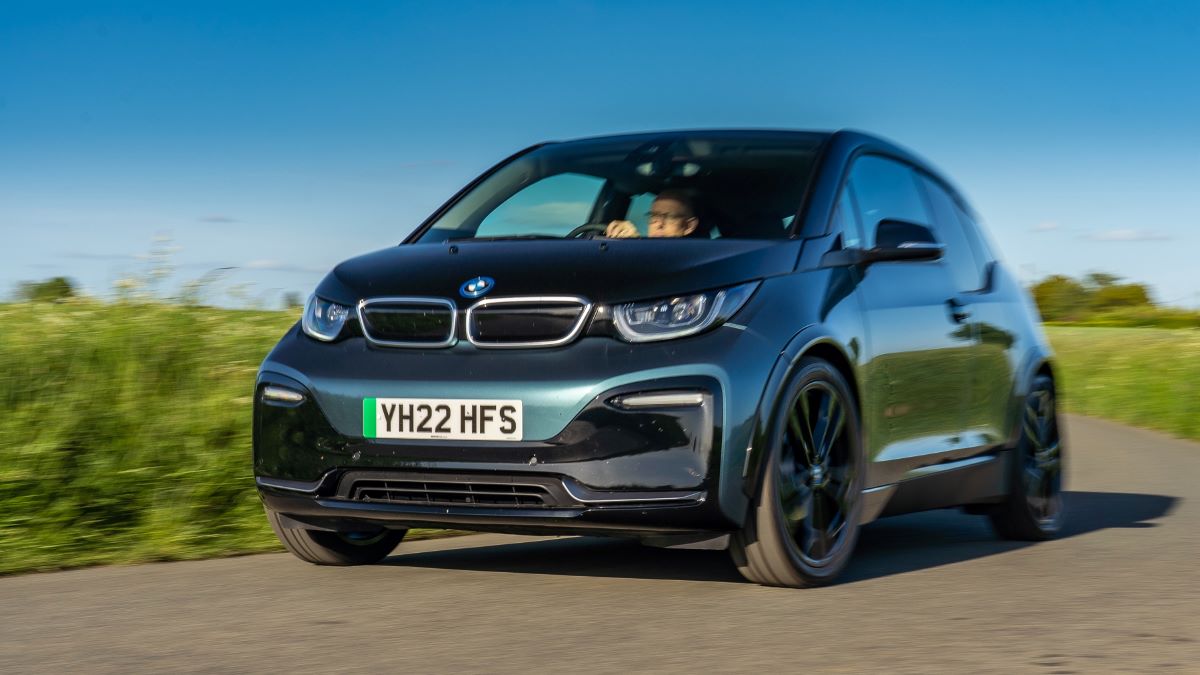
9. BMW i3
The BMW i3 was one of the first modern electric vehicles to enter the market and remains noteworthy for its reliable software. Unlike some newer EVs that aim to impress with numerous high-tech features, the i3’s software focuses on core stability and essential functions.
BMW designed the i3’s system to prioritize safety and smooth operation above all, which has resulted in fewer software-related complaints compared to many contemporaries. The user interface is clear and avoids unnecessary complexity, helping drivers manage battery levels, range, and climate control without frustration.
Battery management software in the i3 deserves special mention. The system carefully regulates charging and discharge cycles to maximize battery health, which is vital for a vehicle released several years ago. This conservative approach to battery software ensures consistent performance and reduces the risks of overheating or premature degradation. As a result, i3 owners have reported solid battery longevity, which in part reflects the effectiveness of the underlying software.
Another advantage of the i3 is its simplicity in driver assistance features. While it lacks the full suite of advanced autonomous systems found in newer models, the ones included, such as parking sensors and collision warning, work consistently and accurately. This reliable performance contributes to a sense of trust in the car’s software systems, even for those who appreciate simplicity over flashy tech.
BMW has continued to support the i3 with software updates over time, addressing minor bugs and ensuring compatibility with evolving infrastructure such as charging networks. These updates are carefully managed to avoid introducing new issues, reflecting the company’s commitment to maintaining a dependable ownership experience. Despite its age, the i3 remains a solid example of how focused, well-designed software can help an electric car maintain reliability through the years.
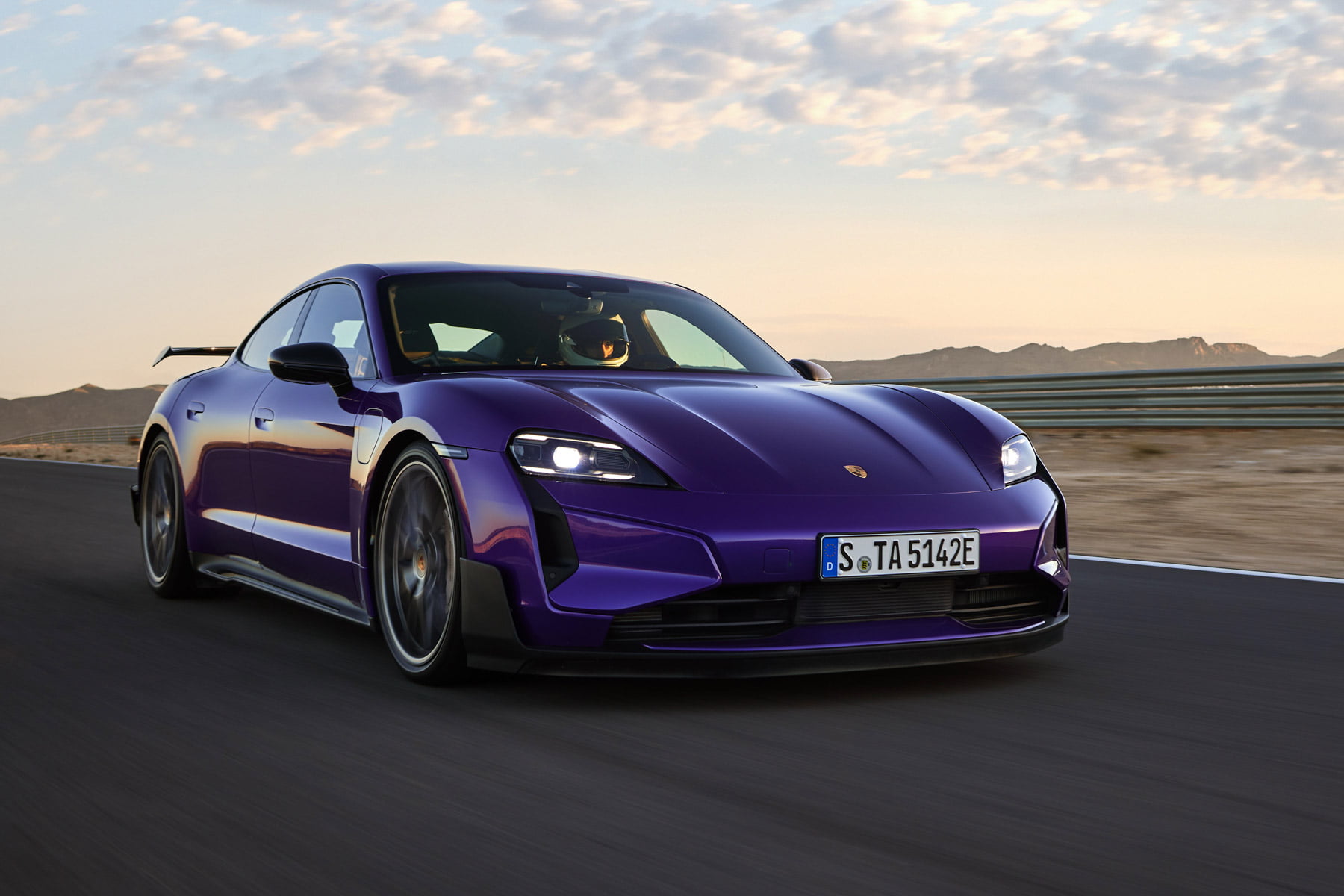
10. Porsche Taycan
The Porsche Taycan stands out as a premium electric sports car that manages to balance cutting-edge technology with software dependability. From the outset, Porsche invested heavily in developing proprietary software capable of managing the car’s high-performance electric drivetrain. This software expertly handles complex coordination between the two electric motors, ensuring instantaneous torque delivery and optimal energy use without compromise to stability or safety.
Thermal management is another area where the Taycan’s software excels. Given the high-performance nature of the vehicle, the battery and motors generate significant heat during spirited driving or fast charging sessions. Porsche’s software continuously monitors temperature sensors and dynamically adjusts cooling systems to prevent overheating. This proactive thermal regulation enhances battery longevity and vehicle reliability, with very few software-related failures reported in this critical system.
The Taycan also features an advanced infotainment system, which provides a luxurious and responsive user experience. The system integrates navigation, media, vehicle settings, and smartphone connectivity with a user-friendly interface. Porsche’s software engineers have paid particular attention to preventing crashes and slowdowns common in high-tech systems. As a result, drivers enjoy a consistently smooth interface that enhances rather than detracts from the driving experience.
In terms of safety, the Taycan incorporates sophisticated driver assistance features such as adaptive cruise control and lane-keeping assist. Porsche’s thorough testing and software calibration ensure these systems operate without false positives or unexpected shutdowns, instilling confidence in drivers. Software updates delivered via over-the-air technology keep the Taycan’s systems current without introducing disruptions, reinforcing its reputation as a reliable high-tech electric car.
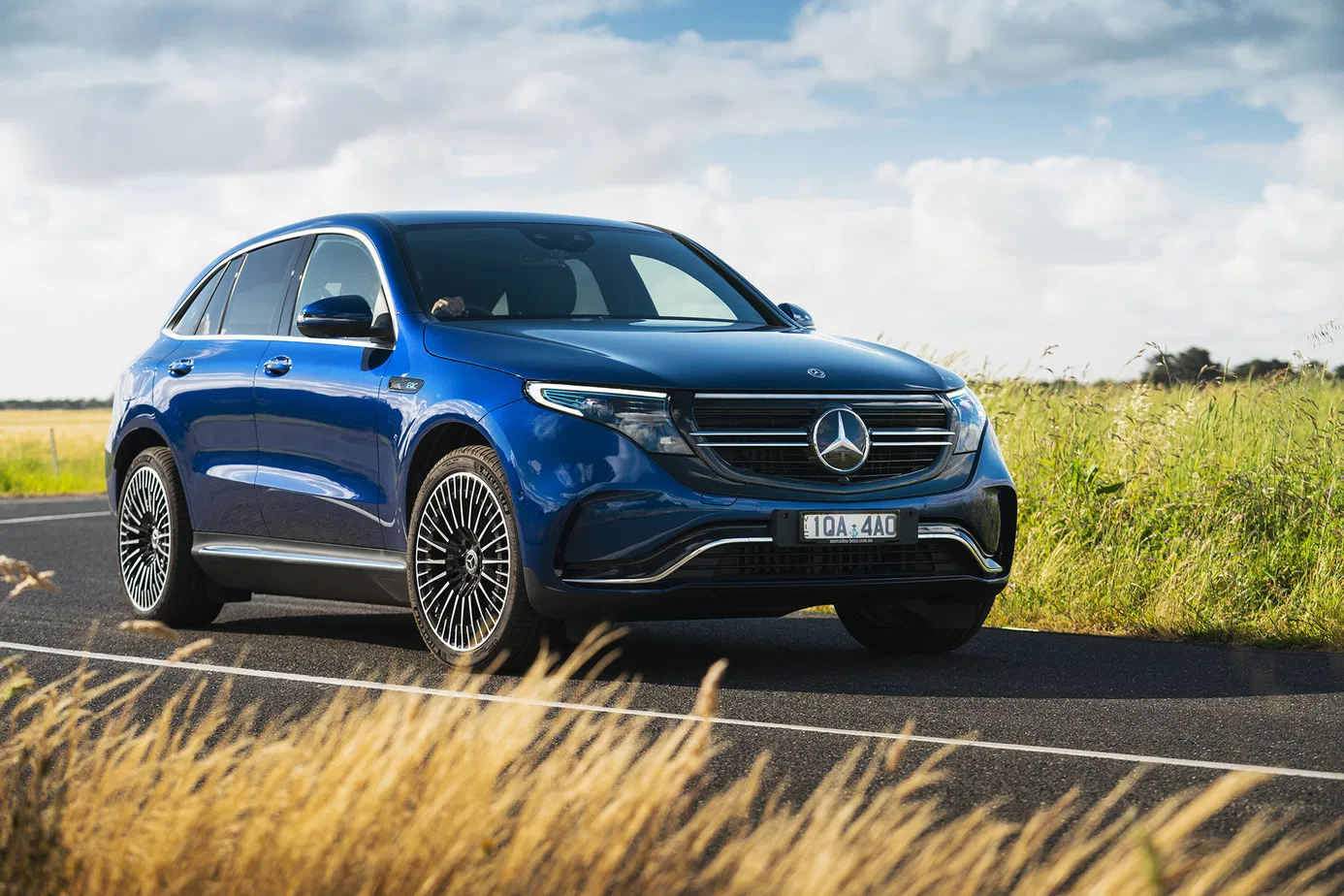
11. Mercedes-Benz EQC
The Mercedes-Benz EQC represents the brand’s serious commitment to electric mobility, and the reliability of its software systems is a key part of its appeal. Mercedes-Benz implemented a robust software architecture designed to manage everything from energy distribution to infotainment with precision and minimal errors. The EQC’s powertrain software is tuned to provide smooth acceleration and seamless transition between different driving modes, creating a refined and controlled driving experience.
The MBUX infotainment system in the EQC is another highlight of its software package. Known for its user-friendly interface and natural voice recognition capabilities, the MBUX system rarely suffers from glitches or freezing issues that plague other high-tech infotainment setups. Mercedes engineers emphasize stability in software design, resulting in a system that remains responsive even during prolonged use or complex tasks like navigation, combined with media playback.
Safety features are integrated deeply into the EQC’s software ecosystem. Systems such as collision prevention assist and blind-spot monitoring work reliably, thanks to rigorous testing and ongoing refinement. This reliability in safety software is particularly important for Mercedes-Benz customers, who expect luxury and peace of mind in equal measure.
Mercedes also offers regular software updates that enhance vehicle performance and security without compromising existing functionality. The company’s ability to balance innovative features with software stability helps the EQC avoid common issues such as system crashes or unexpected errors, maintaining its standing as a premium electric SUV with trustworthy software.
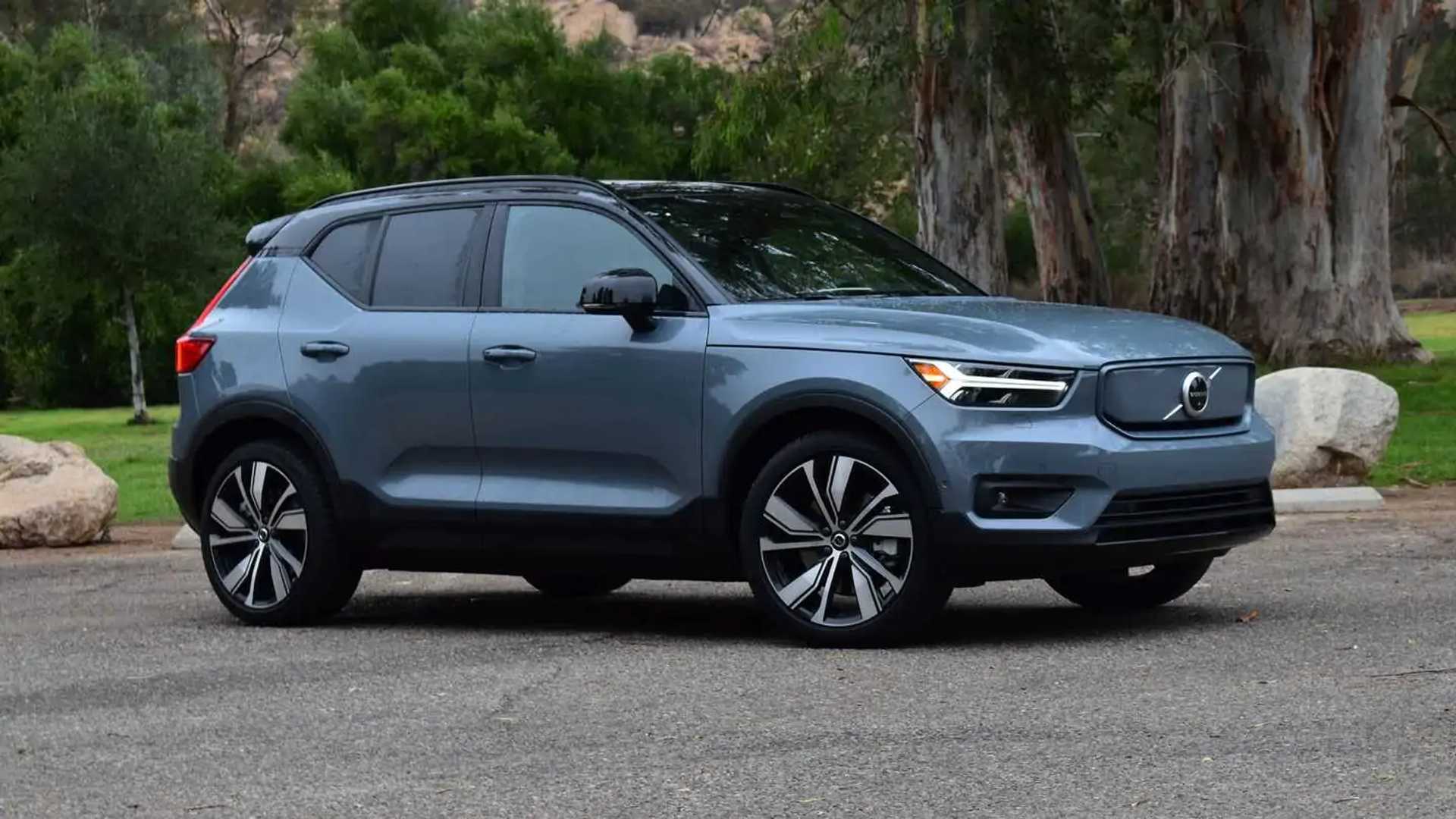
12. Volvo XC40 Recharge
The Volvo XC40 Recharge is a relatively new player in the electric vehicle market, yet it has quickly gained recognition for its reliable software systems. Volvo has taken a pragmatic approach to software design, focusing on safety and user experience. The XC40 Recharge’s software controls core vehicle functions such as battery management and power delivery with remarkable stability, ensuring that drivers enjoy consistent range and smooth acceleration without disruptions caused by software faults.
One of the standout aspects of the XC40 Recharge’s software is its integration with Google’s Android operating system for infotainment. This partnership allows the car to benefit from frequent updates and a familiar, intuitive interface that is responsive and stable. Unlike some proprietary infotainment systems that suffer from lag or crashes, the XC40 Recharge’s setup is praised for its speed and reliability, minimizing the frustrations many EV owners face with software glitches.
Safety remains a cornerstone of Volvo’s software philosophy. The XC40 Recharge features a comprehensive suite of driver assistance systems, all governed by highly reliable software. Collision avoidance, lane-keeping assist, and adaptive cruise control function smoothly, helping drivers avoid accidents and enhancing overall safety. Volvo’s rigorous testing and validation processes minimize false alarms or malfunctions in these systems, which contributes to the vehicle’s trouble-free software record.
Volvo’s commitment to continuous improvement is evident through its over-the-air software update program. These updates not only add new features but also address minor bugs and improve system stability. The company’s focus on maintaining a clean and secure software environment helps ensure that the XC40 Recharge remains a dependable choice for drivers prioritizing both safety and technological reliability.
\
The electric vehicle revolution is well underway, and software plays a central role in shaping the driving experience, safety, and overall reliability of these cars. As the market continues to grow and evolve, the importance of dependable software cannot be overstated.
The 12 electric vehicles discussed in this article demonstrate that it is possible to integrate sophisticated digital systems without sacrificing stability or user satisfaction. These models have proven that careful design, rigorous testing, and responsive updates can result in software that supports both performance and peace of mind.
Each of the highlighted cars approaches software reliability with a distinct strategy. Some, like the BMW i3 and Nissan Leaf, prioritize simplicity and conservative feature sets, resulting in fewer opportunities for software failures.
Others, such as the Porsche Taycan and Tesla Model 3, balance high-tech innovation with robust software maintenance programs, including over-the-air updates that fix issues before they impact the driver. This range of approaches shows that there is no single path to success, but rather a shared commitment to quality and customer satisfaction.
The reputation of these electric cars for software reliability also reflects the broader maturity of the EV industry. Early concerns about digital system stability are increasingly being addressed as manufacturers learn from experience and invest in better development processes.
Continuous improvement through software updates has become a standard practice, allowing vehicles to stay current and resolve minor glitches swiftly. This proactive approach reduces the risk of major software problems and enhances the overall ownership experience.
From an owner’s perspective, choosing an electric vehicle with a solid software track record offers tangible benefits. Drivers can enjoy a smoother interface, fewer unexpected interruptions, and confidence in the safety systems that rely on digital controls. Furthermore, reliable software reduces the likelihood of expensive repairs and downtime, contributing to the long-term value of the vehicle.
Looking ahead, the importance of software will only increase as electric vehicles become more connected and autonomous features advance. The models highlighted here set a strong foundation for future developments, demonstrating that reliability and innovation can coexist. Their success underscores the necessity for manufacturers to maintain rigorous standards for software quality and to prioritize customer feedback.
For anyone considering an electric vehicle today, these 12 models offer reassurance that dependable software is achievable and that the technology supporting electric mobility is becoming increasingly refined. Whether a buyer values advanced driver assistance, efficient battery management, or user-friendly infotainment, these cars provide proven examples of software systems that work well in real-world conditions.
The progress seen in these electric cars serves as a positive indicator for the future of the industry. As software continues to evolve and improve, electric vehicles will not only contribute to a cleaner environment but also offer reliable, enjoyable driving experiences that meet and exceed customer expectations. The journey toward fully integrated, error-free vehicle software is ongoing, but these 12 electric cars prove that the destination is within reach.
