
Hybrid vehicles have become more than just an eco-conscious alternative in recent years. With rising fuel costs, growing awareness about environmental issues, and ongoing concerns about long-term vehicle ownership costs, hybrids have gained traction among drivers who want to balance efficiency with affordability.
What many people still don’t realize, however, is that hybrids can also be less expensive to maintain than traditional gas-powered cars. This might sound surprising given the complexity of their dual powertrain systems, but several real-world factors explain why that’s the case.
Lower brake wear due to regenerative braking, fewer oil changes, and fewer moving parts in some of the components all contribute to reduced upkeep costs.
For budget-conscious car buyers, the price tag is only one part of the equation. Long-term maintenance and repair costs can often make or break the deal.
A cheaper gas-powered car might seem like a better option at first glance, but over five to ten years, that vehicle could drain your wallet in the form of frequent service visits, component replacements, and inefficient fuel usage.
That’s where affordable hybrids stand out. Not only are many of them competitively priced, but they also require fewer repairs, often carry longer warranties, and tend to hold their value longer due to growing demand.
There’s also the issue of wear and tear, which is significantly reduced in hybrid cars. Since the gas engine doesn’t always run, especially in city traffic or during idle times, engine wear is minimized. Regenerative braking means the brake pads last longer than they typically would in a standard car.
These small differences add up over time, creating a measurable advantage in total ownership cost. On top of that, many hybrids are now built using proven platforms with parts that have become more affordable and accessible.
This article highlights 12 affordable hybrid models that not only cost less to buy compared to premium hybrids but also beat traditional gas-powered cars in maintenance costs. Each vehicle in this list has been selected for its balance of reliability, price, and upkeep affordability.
Whether you’re a commuter, student, small family, or simply someone looking to downsize costs without sacrificing practicality, you’ll find solid choices here. Let’s take a close look at each one and see what makes them such smart picks.
Also Read: 5 BMW Engines That Last and 5 That Drain Your Wallet
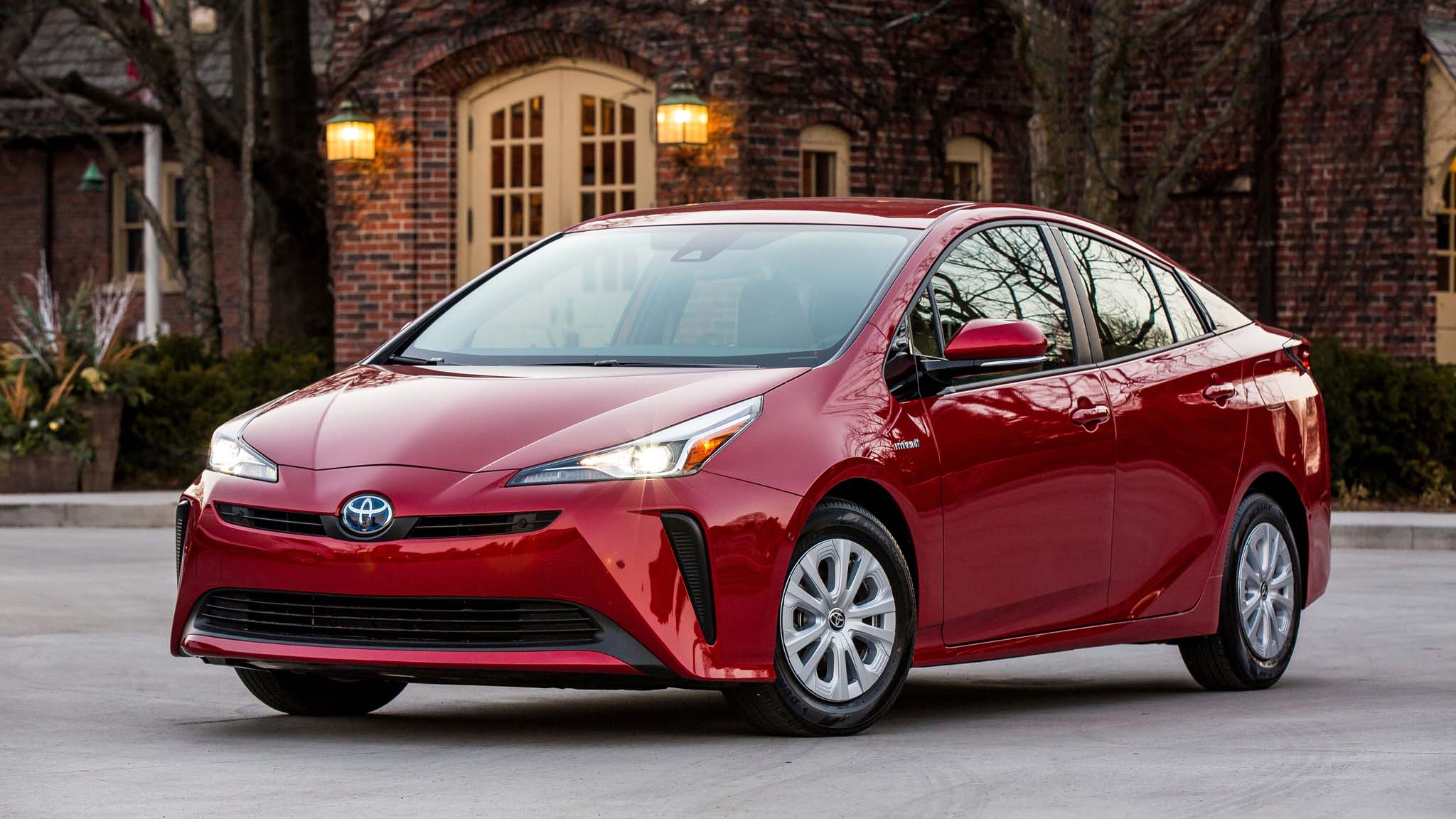
1. Toyota Prius
The Toyota Prius has been at the forefront of the hybrid movement for over two decades, and its reputation for reliability is well-earned. One of the primary reasons the Prius remains one of the least expensive hybrids to maintain is its tried-and-true technology.
The hybrid system in the Prius is based on years of refinement, and Toyota has ironed out most of the issues that newer hybrids might still be working through. This means fewer surprises during ownership and fewer trips to the mechanic for unexpected repairs.
Another benefit lies in how the Prius handles city driving. Because it can operate on electric power alone at low speeds, the gas engine often stays off during short commutes or stop-and-go traffic. This reduces the amount of stress placed on the engine and transmission, resulting in fewer breakdowns over time.
The regenerative braking system also contributes to longer brake life, and owners often report getting over 100,000 miles before needing major brake service. That’s a significant cost saving when you consider how often brakes are replaced in traditional cars.
In terms of parts availability, the Prius benefits from being one of the most widely sold hybrids in history. This translates to affordable replacement parts, widely available repair knowledge among mechanics, and extensive online support communities.
Toyota’s hybrid warranty is also one of the most generous in the industry, covering many components for up to 8 years or 100,000 miles, further reducing unexpected costs during ownership.
Lastly, the fuel economy of the Prius adds indirect maintenance savings by reducing engine usage. Less strain means less wear, and over time, this keeps the vehicle running smoothly with minimal investment. It’s not just about spending less on gas; it’s also about keeping the engine and hybrid system in better condition through lower demand.
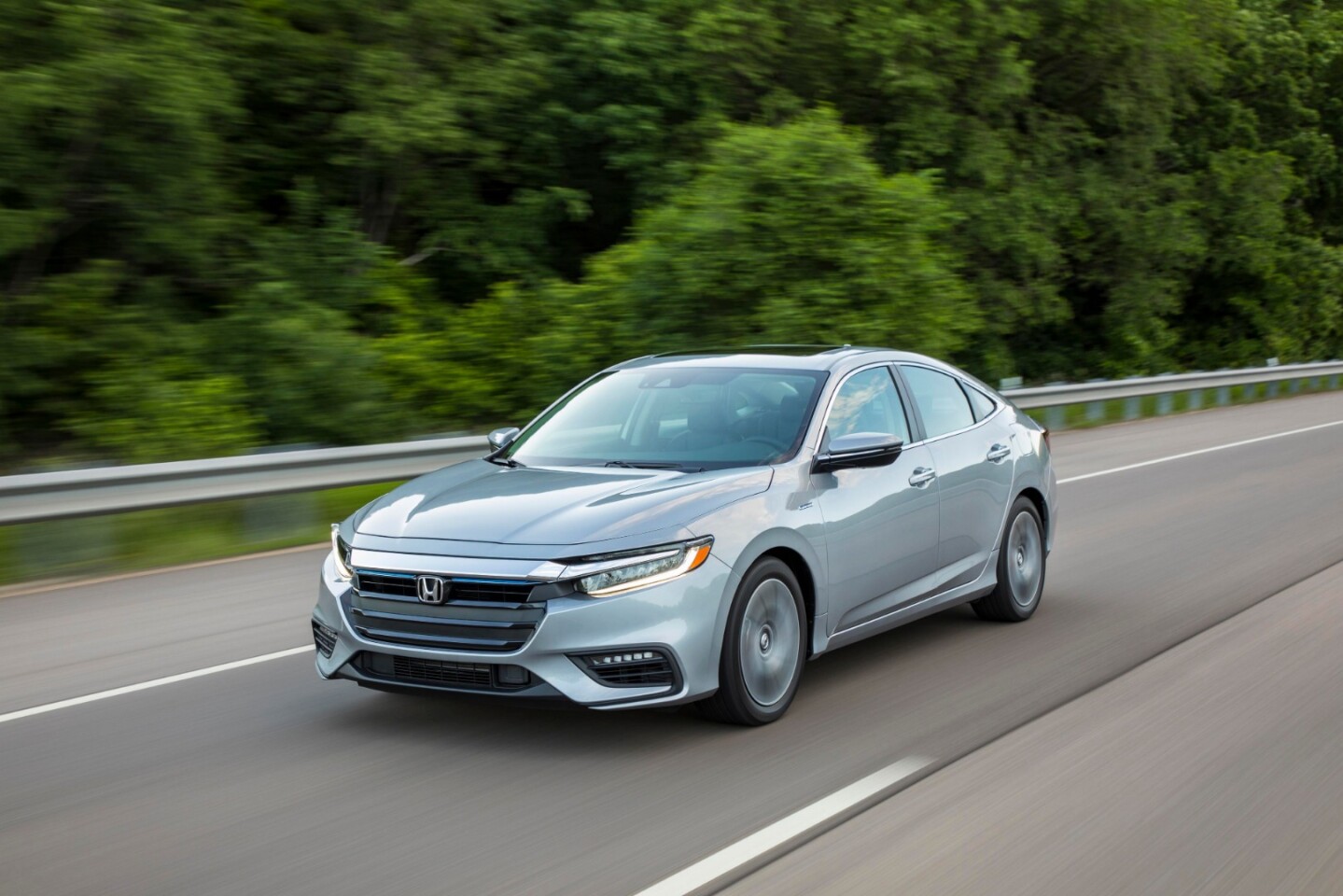
2. Honda Insight
The Honda Insight is another hybrid that combines affordability with surprisingly low upkeep costs. Known for its sleek styling and strong fuel economy, it shares much of its underpinnings with the Honda Civic, a car long praised for its simplicity and reliability.
This relationship with the Civic means the Insight benefits from a mature production line, common parts, and proven systems that have been tested over time. It doesn’t try to reinvent the wheel, and that’s part of what makes it so affordable to maintain.
One area where the Insight shines is in its smooth integration of electric and gas power. The transitions between the two are nearly seamless, reducing wear on the engine and transmission. Since the electric motor does a lot of the heavy lifting at lower speeds, the gas engine often gets a break.
This split workload means fewer oil changes, less strain on engine components, and longer intervals between major maintenance services. Over five years, this can lead to hundreds of dollars saved compared to a non-hybrid.
Honda’s engineering philosophy also focuses on making its vehicles easy to service. The engine bay isn’t cramped with unnecessary complexity, and many common repairs can be performed without specialized tools or excessive labor.
That reduces the cost whether you go to a mechanic or do some of the work yourself. The regenerative braking system also extends the lifespan of the brake pads, allowing owners to go longer between replacements compared to gas-only models.
Finally, Insight owners enjoy the benefit of long-term battery reliability. The hybrid battery is designed to last for at least 100,000 miles, and in many cases, it goes far beyond that.
If replacement is needed, costs have come down substantially, and aftermarket options are widely available. Combined with Honda’s reputation for making vehicles that can go the distance, the Insight stands as one of the smartest hybrid buys for people who want to minimize maintenance costs.
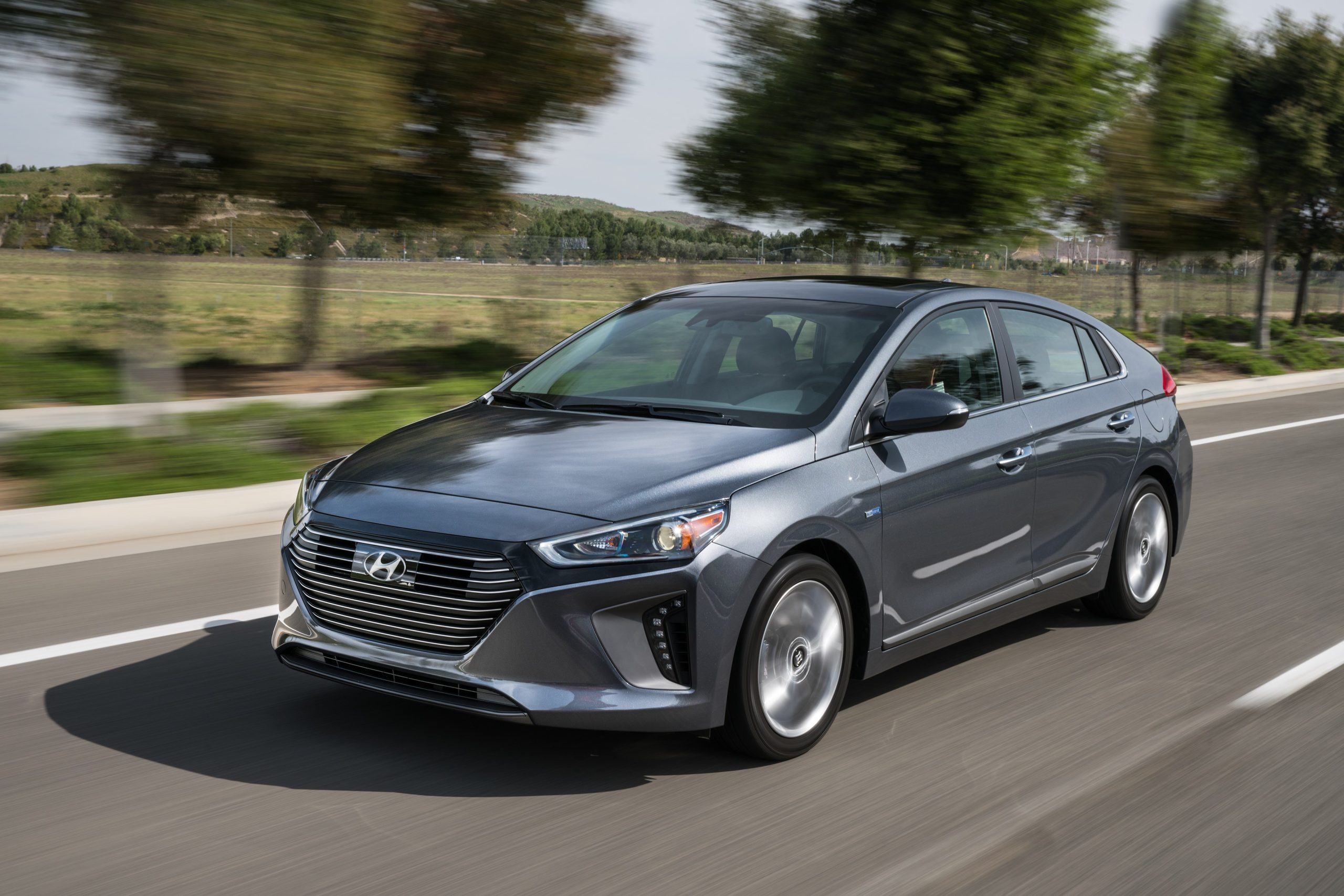
3. Hyundai Ioniq Hybrid
Hyundai entered the hybrid space a bit later than Toyota or Honda, but the Ioniq Hybrid quickly established itself as a serious contender.
With a competitive price, solid fuel economy, and a focus on durability, the Ioniq is an easy recommendation for anyone looking to keep long-term costs in check. It’s not only cheaper than many comparable hybrids, but it’s also easier to maintain thanks to its user-friendly design and generous manufacturer warranty.
One of the biggest advantages of the Ioniq Hybrid is its use of a dual-clutch transmission instead of a traditional continuously variable transmission (CVT).
This gives it a more responsive feel while also contributing to lower maintenance needs. Hyundai’s transmission system is built with simplicity in mind, and many owners report fewer issues over time compared to similar models with CVTs. This can be a big deal for people concerned about potential future repair bills.
Hyundai also backs the Ioniq with a strong warranty package. The hybrid battery is covered for 10 years or 100,000 miles, and the powertrain receives the same treatment.
That level of protection is rare in the automotive world and adds a layer of financial security that most gas-powered vehicles don’t provide. If something does go wrong, it’s more likely to be covered under warranty than in a traditional vehicle, helping owners avoid sudden expenses.
As for daily maintenance, the Ioniq keeps things simple. It requires fewer oil changes than standard gas cars and has a straightforward design that makes fluid checks and minor repairs easy.
The regenerative braking system also means brake jobs will be few and far between. With its blend of thoughtful engineering and customer-friendly policies, the Ioniq Hybrid makes a strong case as one of the best low-maintenance vehicles in its class.
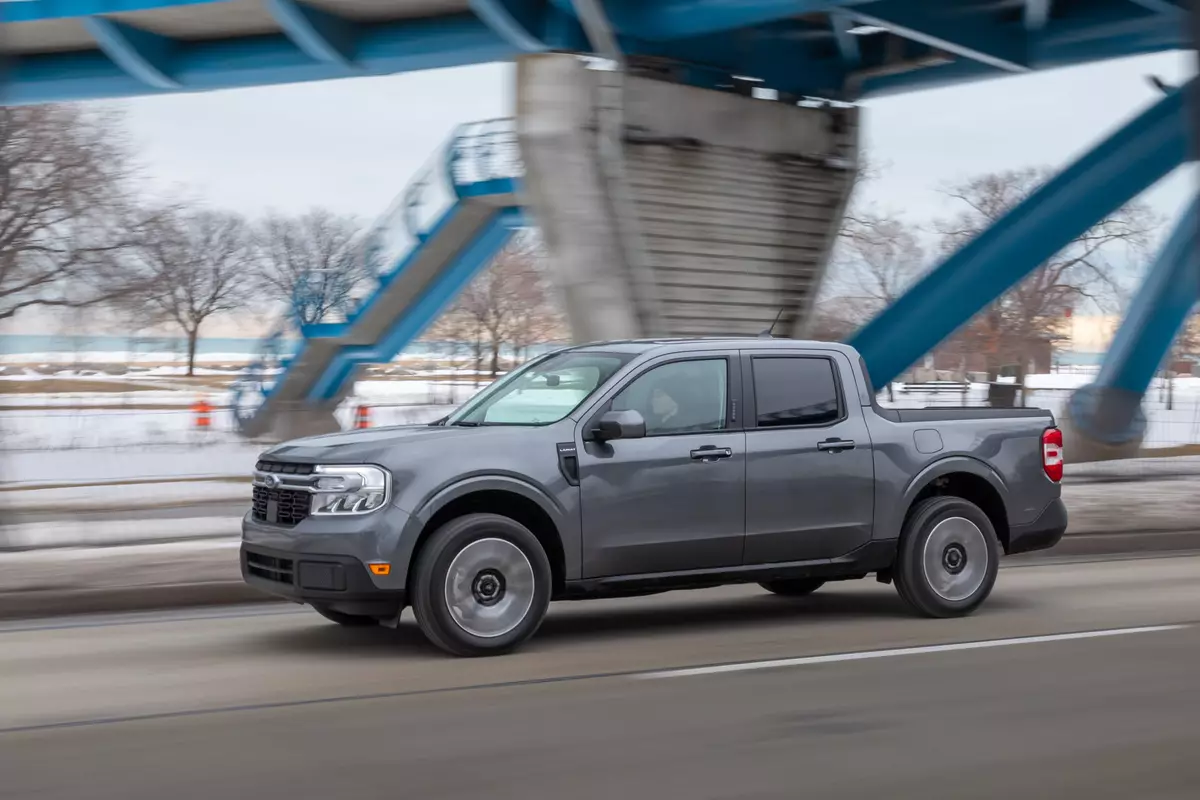
4. Ford Maverick Hybrid
When Ford introduced the Maverick Hybrid, it filled a gap in the market that had long been ignored: an affordable, fuel-efficient pickup truck. What made the Maverick Hybrid stand out wasn’t just its price, but also its cost-saving potential over the long haul. Trucks are typically associated with high maintenance costs, but the Maverick Hybrid defies that expectation through clever engineering and a simplified drivetrain that blends practicality with reliability.
One of the key reasons the Maverick Hybrid is less expensive to maintain is the absence of a traditional four-wheel-drive system in the base hybrid models. This reduction in complexity leads to fewer moving parts and fewer points of failure.
For drivers who don’t need off-road capabilities, the Maverick Hybrid offers a great balance between utility and long-term cost savings. The hybrid system also assists with towing and payload efficiency, reducing strain on the gas engine.
Ford designed the Maverick’s hybrid system with longevity in mind. Its Atkinson-cycle engine is known for being low-stress, and the electric motor helps share the workload during both city and highway driving.
This results in reduced wear on critical components, extending the time between repairs. And because it uses a standard 12-volt battery system alongside the hybrid setup, many minor electrical components are cheaper and easier to replace compared to other hybrid trucks.
Servicing the Maverick Hybrid is relatively simple, with easy access to common components and a strong service network. Ford dealerships across the country are familiar with hybrid systems thanks to models like the Fusion Hybrid and Escape Hybrid, so finding qualified service isn’t a challenge.
The Maverick also benefits from competitive parts pricing, as Ford has invested heavily in making replacement parts accessible and affordable. For those who need a truck but don’t want the headache of constant maintenance bills, the Maverick Hybrid is a rare gem.
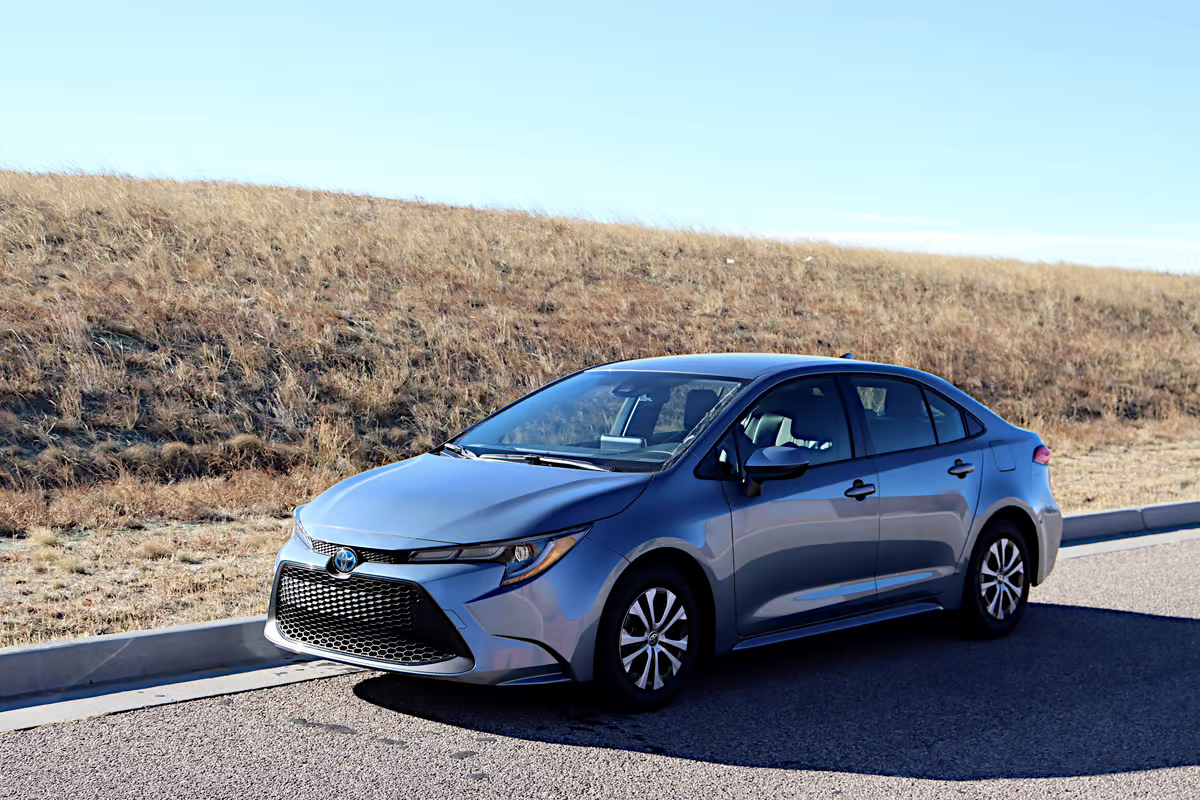
5. Toyota Corolla Hybrid
The Toyota Corolla Hybrid offers a compelling combination of affordability, fuel efficiency, and low maintenance requirements. Sharing much of its underlying hybrid technology with the Prius, the Corolla Hybrid benefits from a platform that has been refined over years of development.
Unlike some hybrids that come with a higher entry cost, this model remains within reach for many buyers who want a practical, dependable car without spending a premium. Its familiar compact-sedan body also ensures that it appeals to a wide range of drivers, from students to daily commuters.
When it comes to ongoing costs, the Corolla Hybrid is a standout. The engine rarely works at full capacity thanks to the assistance provided by the electric motor, especially during start-stop traffic and low-speed driving. This reduces strain on the engine, allowing for fewer oil changes and longer engine life.
Toyota’s hybrid system has been proven to last for hundreds of thousands of miles, and in many real-world cases, owners report minimal issues even after a decade of ownership. The reduced engine usage also extends the life of components like spark plugs and serpentine belts.
Brake wear is another area where the Corolla Hybrid saves owners money. The regenerative braking system allows the vehicle to recapture energy that would otherwise be lost as heat during braking, and this process slows the vehicle without relying heavily on the mechanical braking system.
As a result, the brake pads and rotors tend to last significantly longer than they would on a gas-only version of the same car. That reduces both the frequency and cost of brake-related repairs over time.
Toyota’s strong reputation for durability and its extensive dealer network make the Corolla Hybrid a practical choice for long-term ownership. Parts are widely available, service is affordable, and independent mechanics are very familiar with the brand.
Combined with the vehicle’s stellar fuel economy, the Corolla Hybrid delivers real savings without sacrificing comfort or convenience. For buyers looking for a worry-free hybrid, it stands as one of the most dependable options available today.
Also Read: 5 Fords Built to Last vs 5 That Need Constant Repairs
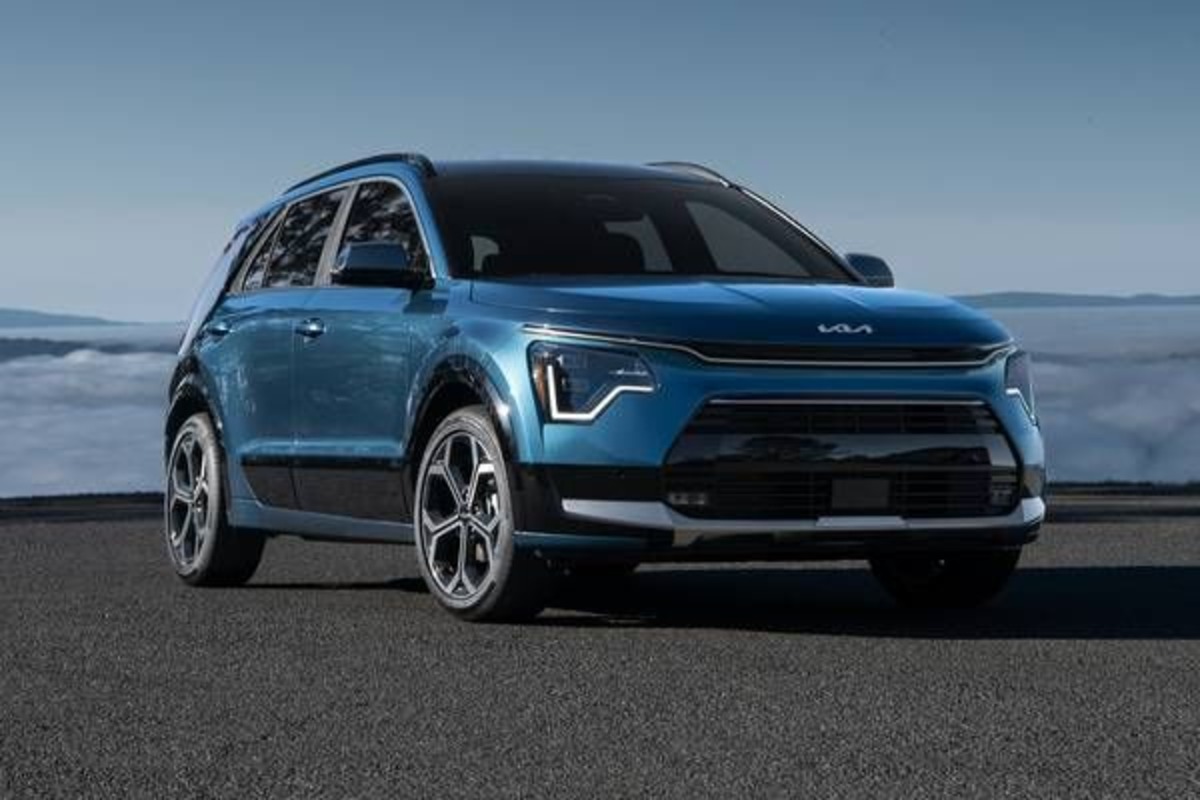
6. Kia Niro Hybrid
The Kia Niro Hybrid offers something a little different from the other hybrids on this list. It’s a compact crossover that delivers SUV-like practicality while still maintaining the fuel savings and low maintenance appeal of a hybrid.
Its raised driving position, roomy interior, and competitive pricing have helped it attract a broad audience. More importantly, Kia has built the Niro with a focus on simplicity and reliability, which translates into a smoother ownership experience with fewer repair headaches.
One of the reasons the Niro Hybrid is so economical to maintain lies in its straightforward powertrain design. Unlike plug-in hybrids or all-wheel-drive systems that can add complexity, the base Niro Hybrid keeps things simple.
Its parallel hybrid system allows the electric motor and gas engine to work together without requiring a complicated transition process. This simplicity reduces the likelihood of mechanical failures and contributes to consistent performance over time. Owners often report years of issue-free driving, which reflects the dependability of Kia’s hybrid setup.
Kia’s industry-leading warranty adds another layer of financial protection for buyers. The 10-year/100,000-mile powertrain warranty and hybrid battery coverage offer peace of mind that is hard to find in traditional gas cars.
This kind of protection can make a big difference, especially for buyers on a tight budget who want to avoid expensive surprise repairs. The lower risk of out-of-pocket costs during the early years of ownership makes the Niro Hybrid especially attractive to first-time car owners or those replacing an older vehicle.
Routine maintenance tasks such as oil changes, brake service, and fluid checks are relatively straightforward with the Niro. The hybrid system also reduces the frequency of these tasks since the engine isn’t always running.
In city driving especially, the electric motor handles much of the load, meaning the engine and brakes experience less wear. With its combination of crossover utility and hybrid efficiency, the Kia Niro Hybrid offers a rare mix of versatility and low cost of ownership.
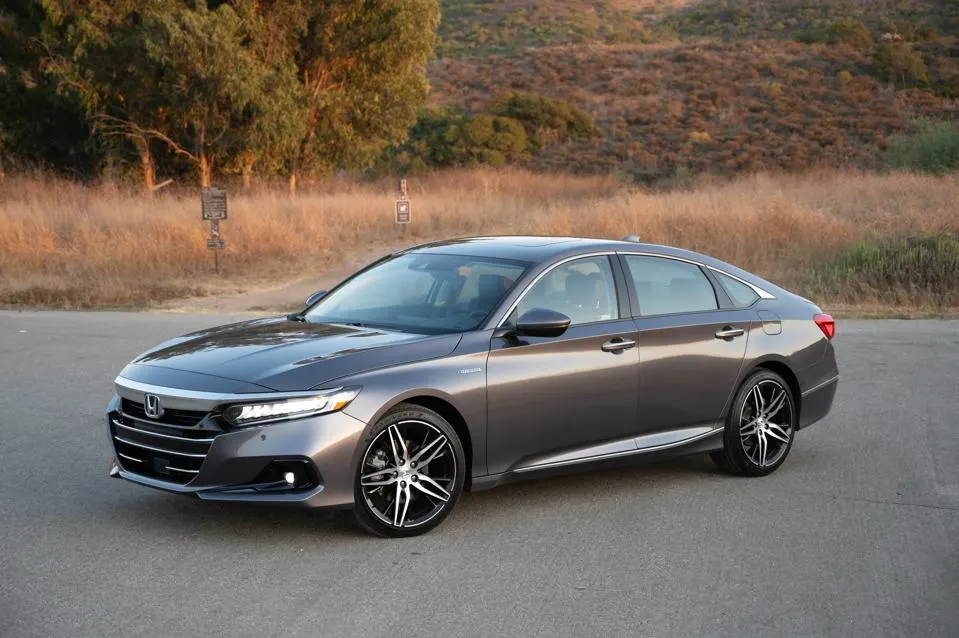
7. Honda Accord Hybrid
The Honda Accord Hybrid blends midsize sedan comfort with one of the most refined hybrid systems available in its class. Known for smooth power delivery and excellent build quality, the Accord Hybrid continues Honda’s tradition of engineering vehicles that last.
Although it’s slightly more expensive than a compact hybrid, it makes up for that with its longevity, spacious interior, and low-cost maintenance over the long haul. For buyers who want a more premium feel without premium upkeep, it’s a top pick.
One of the reasons the Accord Hybrid is so cost-effective to maintain lies in its two-motor hybrid system. This setup eliminates the need for a traditional transmission, which is often a high-maintenance component in gas-powered vehicles. By simplifying the power delivery system, Honda has created a drivetrain that’s more reliable and less prone to costly failures. Fewer moving parts means fewer things can go wrong, and over tens of thousands of miles, this results in reduced repair bills.
The regenerative braking system adds another layer of durability, especially for drivers who frequently encounter traffic or drive in urban environments. By relying on the electric motors to slow the car, the system minimizes use of the brake pads and rotors.
Owners often find they can go longer between brake replacements, which saves money and reduces the inconvenience of service visits. The electric motors also take on some of the acceleration duties, reducing the load on the engine and prolonging its lifespan.
Honda also designed the Accord Hybrid with serviceability in mind. Regular maintenance is straightforward, and the hybrid components have proven to be reliable over long-term use.
The battery pack is compact and well-cooled, reducing the risk of premature failure. Independent shops can often handle most service needs, and replacement parts are affordable compared to luxury hybrids. For drivers who want a comfortable, reliable car with low ownership costs, the Accord Hybrid delivers without compromise.
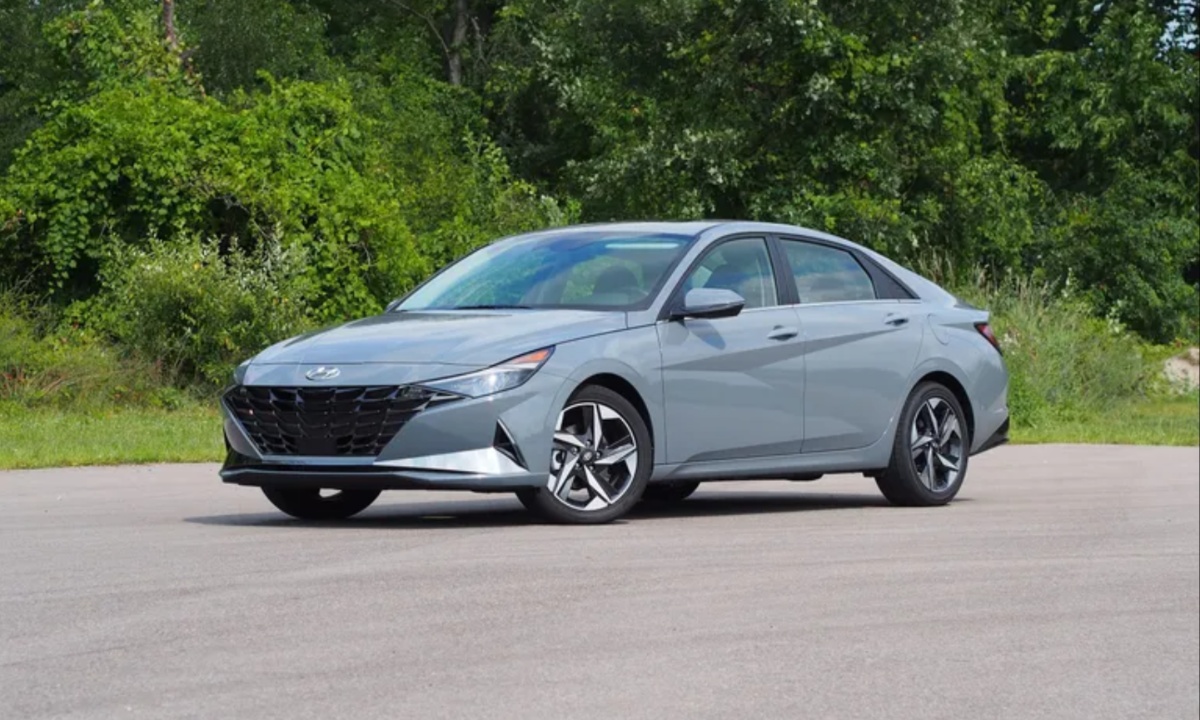
8. Hyundai Elantra Hybrid
The Hyundai Elantra Hybrid is a strong option for drivers seeking fuel savings and reduced maintenance costs in a modern compact sedan. It’s competitively priced, stylish, and comes loaded with features that are often optional on other cars.
But more importantly, it offers excellent long-term value thanks to its dependable hybrid powertrain and affordable service needs. It shares many components with the Ioniq Hybrid, which further supports its reputation for reliability.
The Elantra Hybrid uses an efficient Atkinson-cycle engine paired with a permanent magnet electric motor. This combination delivers strong fuel economy while also reducing the wear and tear typically associated with high-mileage gas engines.
During low-speed operation and stop-and-go traffic, the engine shuts off entirely, allowing the electric motor to take over. This not only conserves fuel but also reduces the frequency of oil changes and spark plug replacements, lowering the total cost of upkeep.
Hyundai’s use of a dual-clutch transmission in the Elantra Hybrid is another key factor in its low maintenance profile. Unlike continuously variable transmissions, which can be costly to repair when they fail, dual-clutch systems are generally more durable and responsive.
Hyundai has tuned the transmission for smooth operation, and early reports from owners suggest minimal issues even after several years of driving. The result is a vehicle that remains enjoyable to drive while also being affordable to own.
Warranty coverage is another strong suit. Like the Ioniq, the Elantra Hybrid comes with a 10-year/100,000-mile warranty on the powertrain and battery. This extensive protection covers most of the big-ticket items that tend to cause headaches in older vehicles.
Routine services such as tire rotations, brake inspections, and fluid changes are simple to perform, and many owners report low service costs even at dealership service centers. The Elantra Hybrid combines technology, style, and affordability in a way that few compact sedans can match.
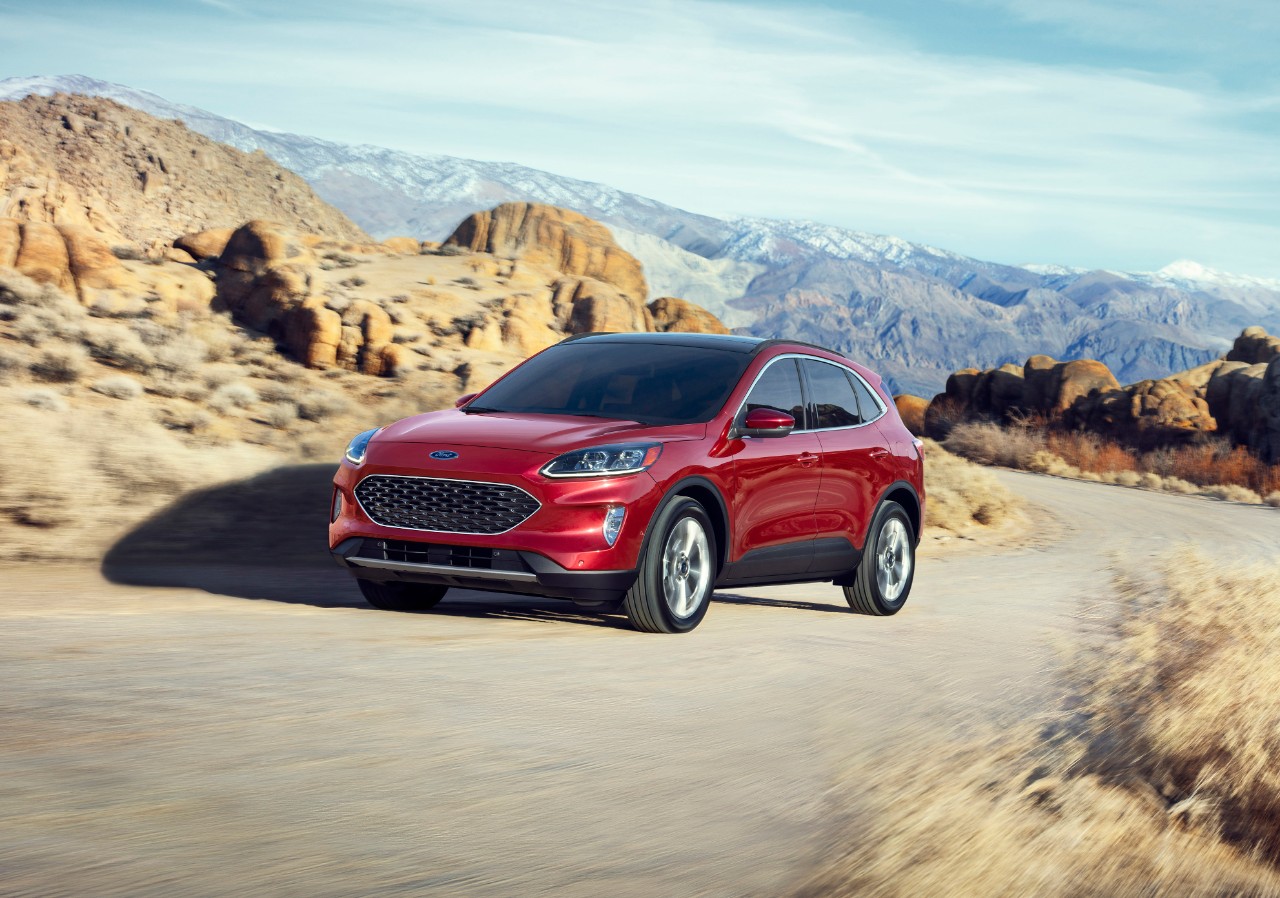
9. Ford Escape Hybrid
The Ford Escape Hybrid is a practical, compact SUV that manages to keep ownership costs down despite offering more space and versatility than a traditional sedan. It’s well-suited for families, commuters, and those who need extra cargo room without stepping into a full-size SUV. By focusing on reliability and fuel efficiency, Ford has built a hybrid that offers real value, both at the dealership and throughout its lifespan.
Ford’s hybrid system used in the Escape is the result of years of development dating back to earlier hybrid models like the Fusion. The system has been tested extensively and refined to reduce complexity and improve reliability.
The electric motor shares the load with the gasoline engine, especially in city driving, which reduces engine wear and contributes to longer intervals between major services. The Escape Hybrid also uses a simplified power-split transmission that has fewer components than a traditional automatic, which means fewer potential failure points.
Braking systems in the Escape Hybrid benefit from regenerative technology, which is ideal for stop-and-go driving conditions. Brake pads and rotors wear down more slowly than they would on a non-hybrid SUV, and in many cases, brake service isn’t required for the first 80,000 to 100,000 miles.
That represents a substantial savings compared to conventional SUVs that are heavier on brakes due to their size. Combined with the reduced fuel costs, the Escape Hybrid is a money-saver in more ways than one.
Ford has also focused on ease of maintenance in the Escape. Engine components are laid out logically, and routine maintenance items such as filters and fluids are easily accessible. The availability of Ford’s service network and the increasing familiarity of technicians with hybrid systems ensure that getting repairs done quickly and affordably is rarely a challenge.
For anyone seeking a family-friendly hybrid that won’t drain their savings on upkeep, the Escape Hybrid is a practical and cost-effective choice.
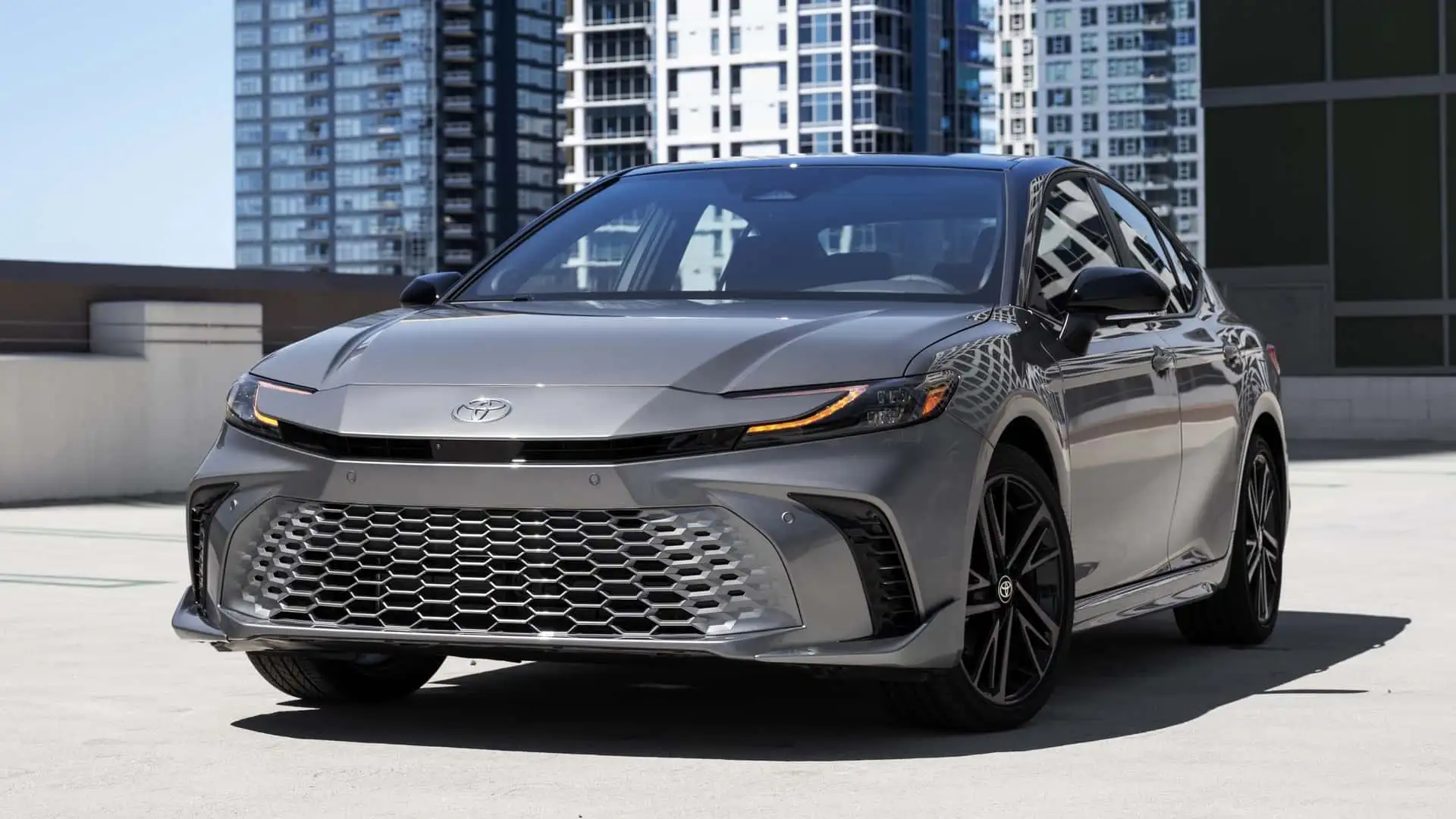
10. Toyota Camry Hybrid
The Toyota Camry Hybrid combines the spaciousness and comfort of a midsize sedan with the proven hybrid technology that Toyota has refined over many years.
While the Camry Hybrid often comes at a slightly higher price point compared to smaller hybrids, its lower maintenance costs over time help balance the initial investment. For drivers who want a reliable, comfortable daily driver with excellent fuel economy and low upkeep, the Camry Hybrid is a strong candidate.
Toyota’s hybrid system in the Camry features a robust combination of an efficient four-cylinder engine and a powerful electric motor. This setup allows the vehicle to switch seamlessly between gas and electric power, or use both simultaneously when needed.
The reduced workload on the engine means fewer oil changes and less wear on internal components like pistons and valves. Over many thousands of miles, this translates into a significant reduction in the frequency and cost of engine maintenance compared to gas-only Camrys.
The regenerative braking system is another area where the Camry Hybrid shines. By capturing kinetic energy during deceleration and converting it into electrical energy to recharge the battery, the system decreases reliance on traditional brakes.
This extends the lifespan of brake pads and rotors, lowering the total maintenance cost. In many cases, owners report going well over 70,000 miles before needing their first brake service, which is considerably longer than typical non-hybrid vehicles.
Toyota’s reputation for long-lasting vehicles is backed by an extensive service network and affordable parts availability. Many independent mechanics are trained and experienced with the Camry Hybrid’s systems, which helps keep repair costs reasonable.
With Toyota’s hybrid battery warranty covering 8 years or 100,000 miles, owners are protected against the most expensive repairs. The Camry Hybrid is a practical choice for anyone who wants a midsize sedan that minimizes maintenance expenses without compromising performance or comfort.
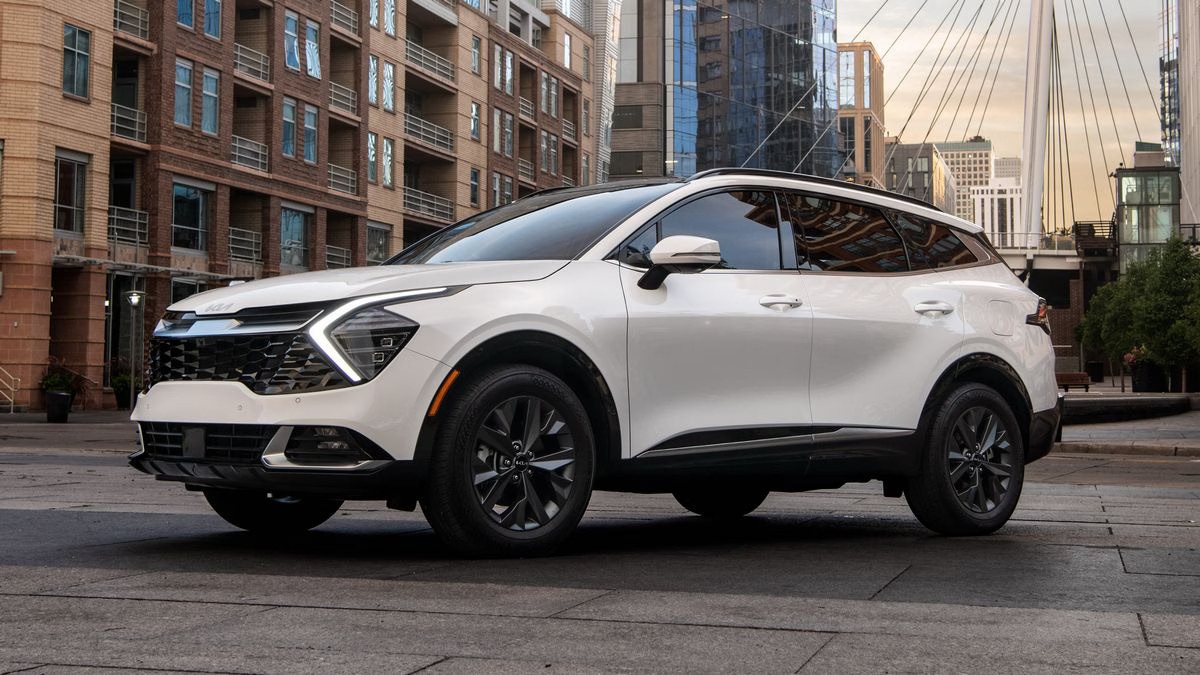
11. Kia Sportage Hybrid
The Kia Sportage Hybrid is an attractive option for those who want the benefits of a hybrid in a versatile compact SUV package. With its modern styling, comfortable interior, and solid fuel economy, the Sportage Hybrid appeals to drivers who need space for passengers and cargo but want to avoid the high fuel and maintenance costs often associated with traditional SUVs. Kia’s hybrid powertrain provides a balance of power and efficiency, and the vehicle is designed to keep upkeep affordable.
Kia uses a parallel hybrid system in the Sportage that allows the electric motor and gasoline engine to work in tandem or separately as needed. This reduces engine stress and lowers fuel consumption, especially in urban driving. Because the gas engine is not running continuously, oil changes and other routine services can be spaced out further than they would be in gas-only SUVs. This reduction in wear and tear helps keep maintenance costs down over the life of the vehicle.
In addition, the Sportage Hybrid’s regenerative braking system helps reduce brake wear. It captures energy during braking to recharge the battery, which means the mechanical brakes aren’t used as heavily.
This translates to fewer brake pad replacements and less frequent rotor service. Considering how often brakes can be replaced on heavier vehicles like SUVs, this is a significant advantage for owners looking to minimize service expenses.
Kia’s industry-leading warranty also adds a safety net for buyers. The 10-year/100,000-mile warranty on the powertrain and hybrid components protects against unexpected repairs, making it a budget-friendly choice for long-term ownership. Combined with a well-built interior and practical design, the Kia Sportage Hybrid is a smart pick for anyone wanting SUV utility without the typical high maintenance bills.
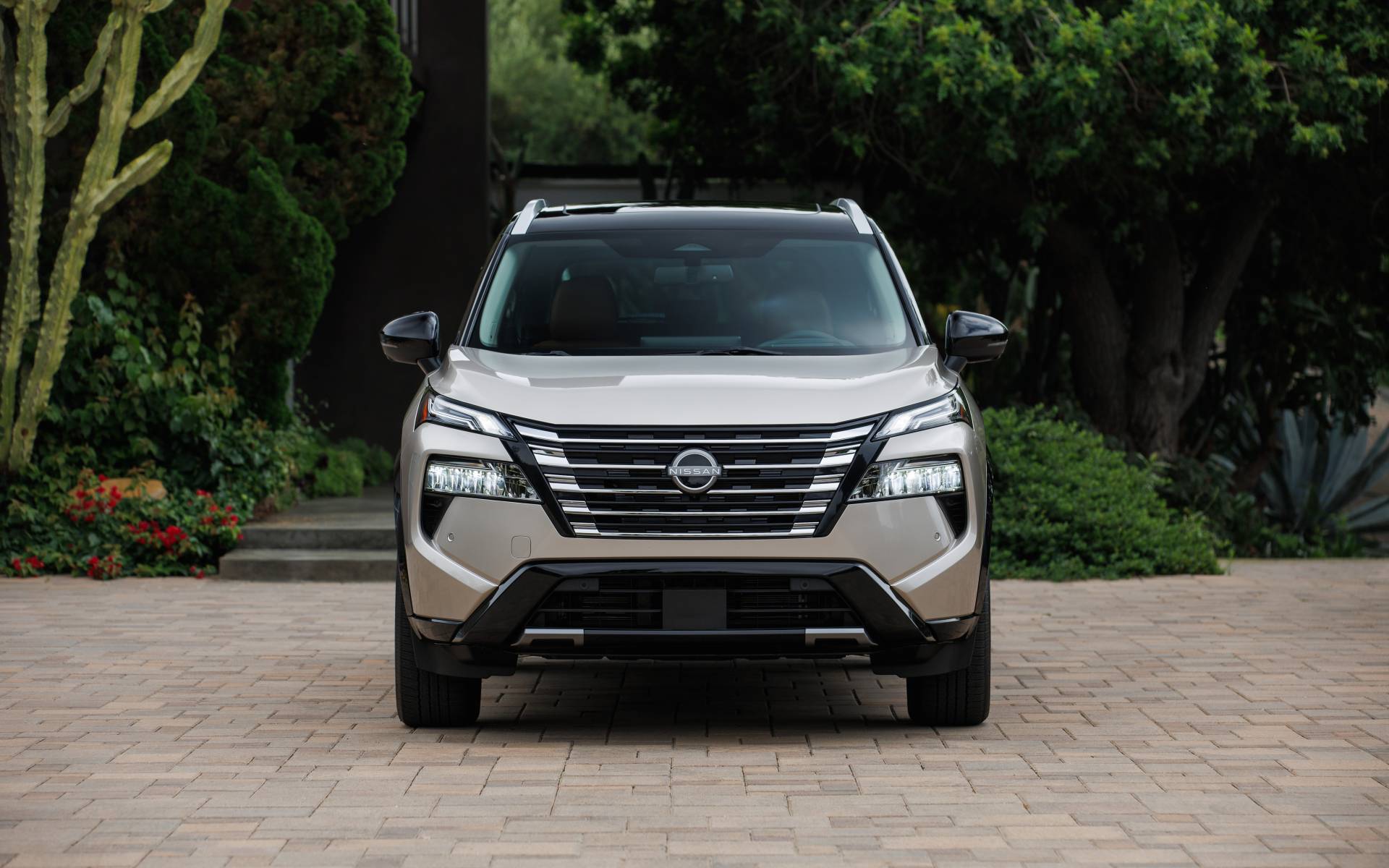
12. Nissan Rogue Hybrid
The Nissan Rogue Hybrid brings together Nissan’s popular compact SUV with hybrid technology to offer a vehicle that is both efficient and affordable to maintain.
It delivers a spacious interior, modern technology features, and competitive fuel economy. For drivers who prioritize low operating costs along with SUV versatility, the Rogue Hybrid stands out as an excellent option.
Nissan’s hybrid system in the Rogue is engineered to reduce engine strain by supplementing power with an electric motor, especially during acceleration and city driving.
This approach lowers the frequency of oil changes and reduces wear on internal combustion components, keeping the engine running smoothly over time. The hybrid system has also been designed with reliability in mind, using proven parts and avoiding unnecessary complexity that could drive up repair costs.
The regenerative braking system further adds to cost savings by extending the life of the vehicle’s brakes. Instead of relying solely on friction brakes, the Rogue Hybrid recaptures energy to recharge its battery, meaning brake pads and rotors last longer.
This benefit is particularly noticeable for drivers with stop-and-go city commutes, where brake wear can be one of the highest maintenance expenses on a traditional SUV.
Lastly, Nissan supports the Rogue Hybrid with a comprehensive warranty that includes coverage for the hybrid battery and powertrain components.
This warranty, paired with Nissan’s widespread dealer network, ensures that owners have access to affordable service and repair options. With a practical interior, competitive fuel economy, and low maintenance demands, the Nissan Rogue Hybrid offers a compelling choice for budget-conscious SUV buyers.
