
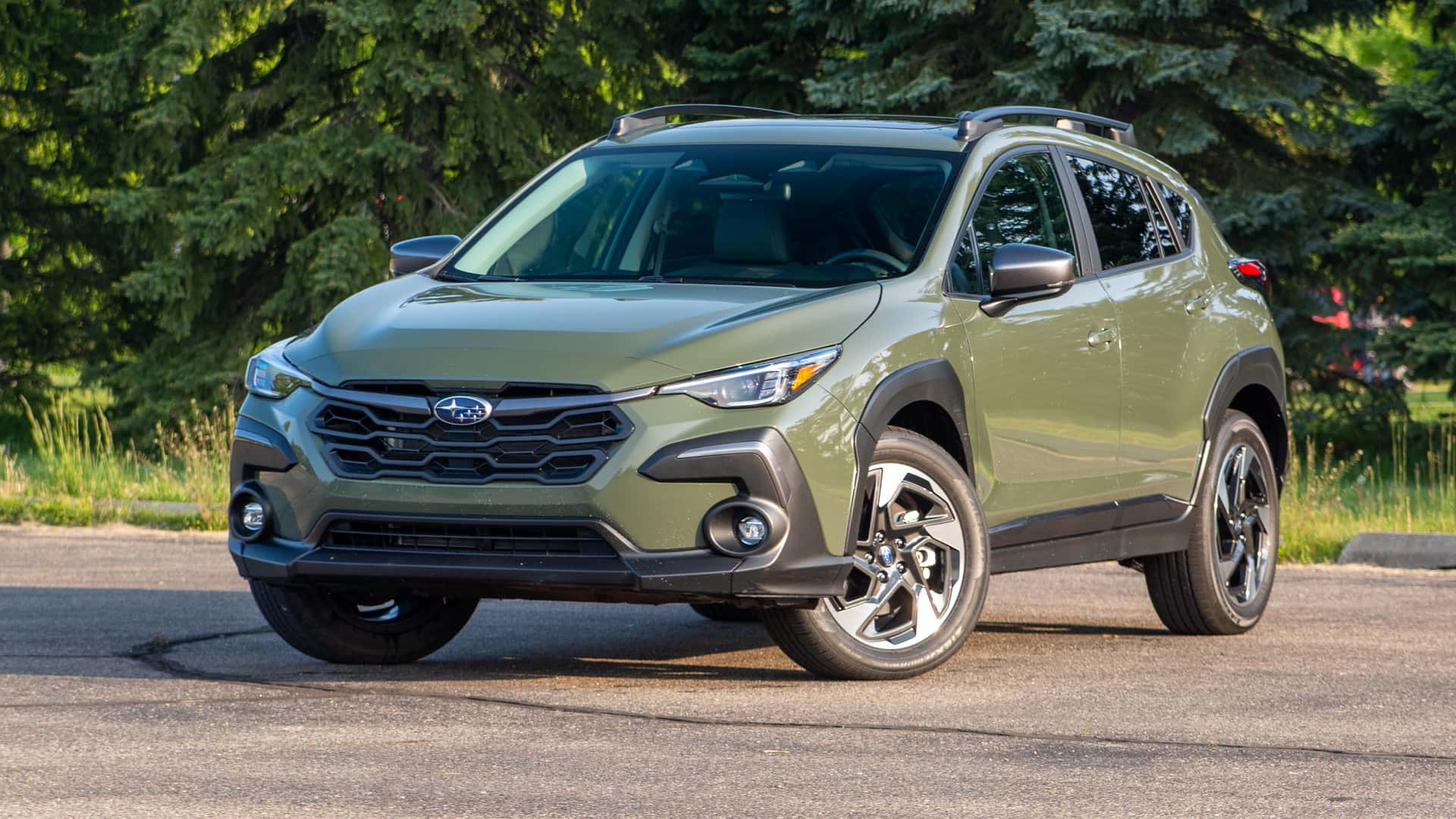
Buying a new car often feels exciting, with the allure of the latest technology, fresh styling, and that “brand-new” smell. However, beneath the surface lies a financial reality that many new car buyers overlook: depreciation.
Depreciation refers to the reduction in a vehicle’s value over time, and it is one of the largest costs of owning a new car. The moment a new car leaves the dealership, it can lose a substantial portion of its value, sometimes as much as 20% to 30% in just the first year.
This immediate loss means that a significant amount of money you spent on the vehicle essentially evaporates, even before you’ve had a chance to enjoy it fully. For budget-conscious buyers or those looking to get the best return on their investment, understanding depreciation is crucial.
Not all cars, however, depreciate at the same rate. Some vehicles hold their value better than others due to a mix of factors such as brand reputation, build quality, reliability, market demand, and even unique characteristics like limited production or cult-like followings.
For example, a rugged pickup truck with a reputation for durability may hold its value much better than a luxury sedan that depreciates quickly due to high maintenance costs and a saturated market. Similarly, fuel-efficient hybrids or popular compact SUVs often retain value better because of strong demand in the used car market.
This uneven depreciation landscape creates an opportunity for buyers to choose models that will retain their value better, thus minimizing their financial loss in the short term.
Choosing a car that depreciates less than $3,000 after its first year can be a smart financial decision for many reasons. For one, it means that your investment is relatively safe compared to many other vehicles that might lose five figures in value over the same period.
This can reduce the cost of ownership, especially if you plan to sell or trade the vehicle within a few years. A car that retains its value well also offers advantages when it comes to financing or leasing options, as lenders and leasing companies tend to favor vehicles with strong resale values. Additionally, insurance premiums can sometimes be lower for cars with high resale values, contributing to cost savings.
The vehicles highlighted in this article represent a range of types and brands, from compact crossovers and reliable sedans to rugged trucks and performance sports cars. They demonstrate that retaining value is not limited to one category of vehicle but can be found across different segments depending on what buyers prioritize.
These models often come from manufacturers with strong reputations for reliability and customer satisfaction, which also reflects in their resale prices. Many are known for their longevity, ease of maintenance, and strong demand on the used market, all factors that slow depreciation.
While depreciation is inevitable, it doesn’t have to be painful. By selecting a vehicle that loses less than $3,000 in value during its first year, buyers can make smarter purchasing decisions that keep more money in their pockets over time.
This article reviews ten such cars that offer exceptional value retention, helping you understand which models make the most financial sense if you want to avoid the steep losses that come with many new cars.
Whether you’re looking for practicality, luxury, off-road capability, or performance, there are options available that won’t break the bank when it comes time to resell or trade.
Also Read: 5 Fords Built to Last vs 5 That Need Constant Repairs
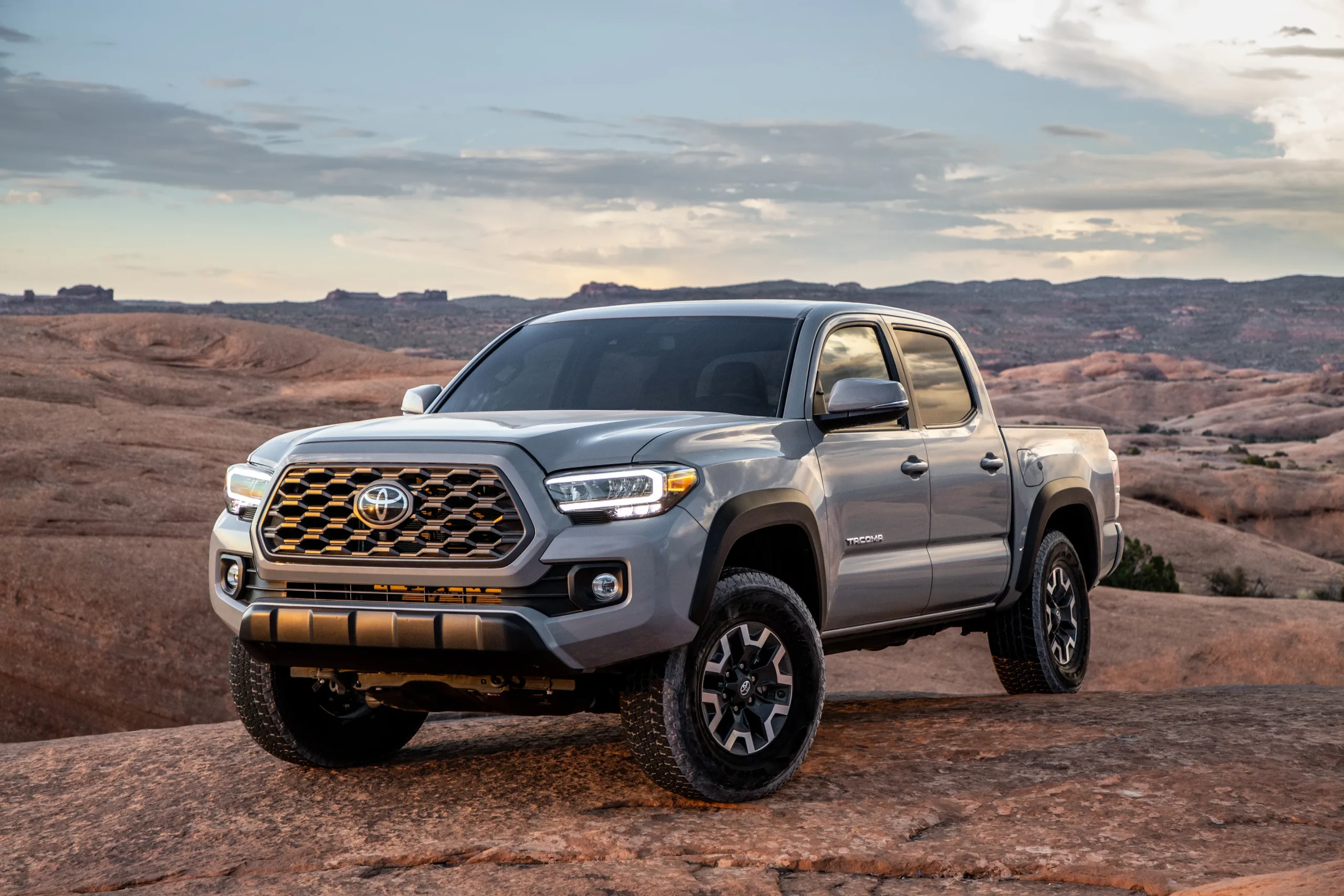
1. Toyota Tacoma
The Toyota Tacoma has long been recognized as a solid investment for truck buyers. Unlike many trucks that can lose a large chunk of their value within the first year, the Tacoma often keeps most of its sticker price.
It benefits from a reputation for reliability and toughness, which keeps demand high even in the used market. Many buyers are willing to pay top dollar for a lightly used Tacoma, sometimes even driving prices up close to new levels.
Another factor that keeps depreciation low is the Tacoma’s longevity. Owners often report crossing the 200,000-mile mark without major issues.
That kind of durability makes it appealing not only to new buyers but also to those hunting for a long-term used option. Its rugged frame, off-road capabilities, and relatively low maintenance costs contribute to its staying power in the marketplace.
The Tacoma also benefits from strong brand loyalty. Toyota has built a solid image of trustworthiness, and many buyers stick with the brand across multiple vehicle purchases. This loyalty creates a self-sustaining cycle in the resale market. As more people trust the Tacoma, demand grows, and resale prices remain high, especially after only one year.
Finally, the Tacoma’s slow redesign cycle keeps it relevant longer. Unlike some brands that frequently overhaul their models, Toyota makes gradual improvements, which helps stabilize used pricing. A buyer purchasing a 1-year-old Tacoma won’t feel far behind the latest model, which helps support its low depreciation numbers in the early years of ownership.
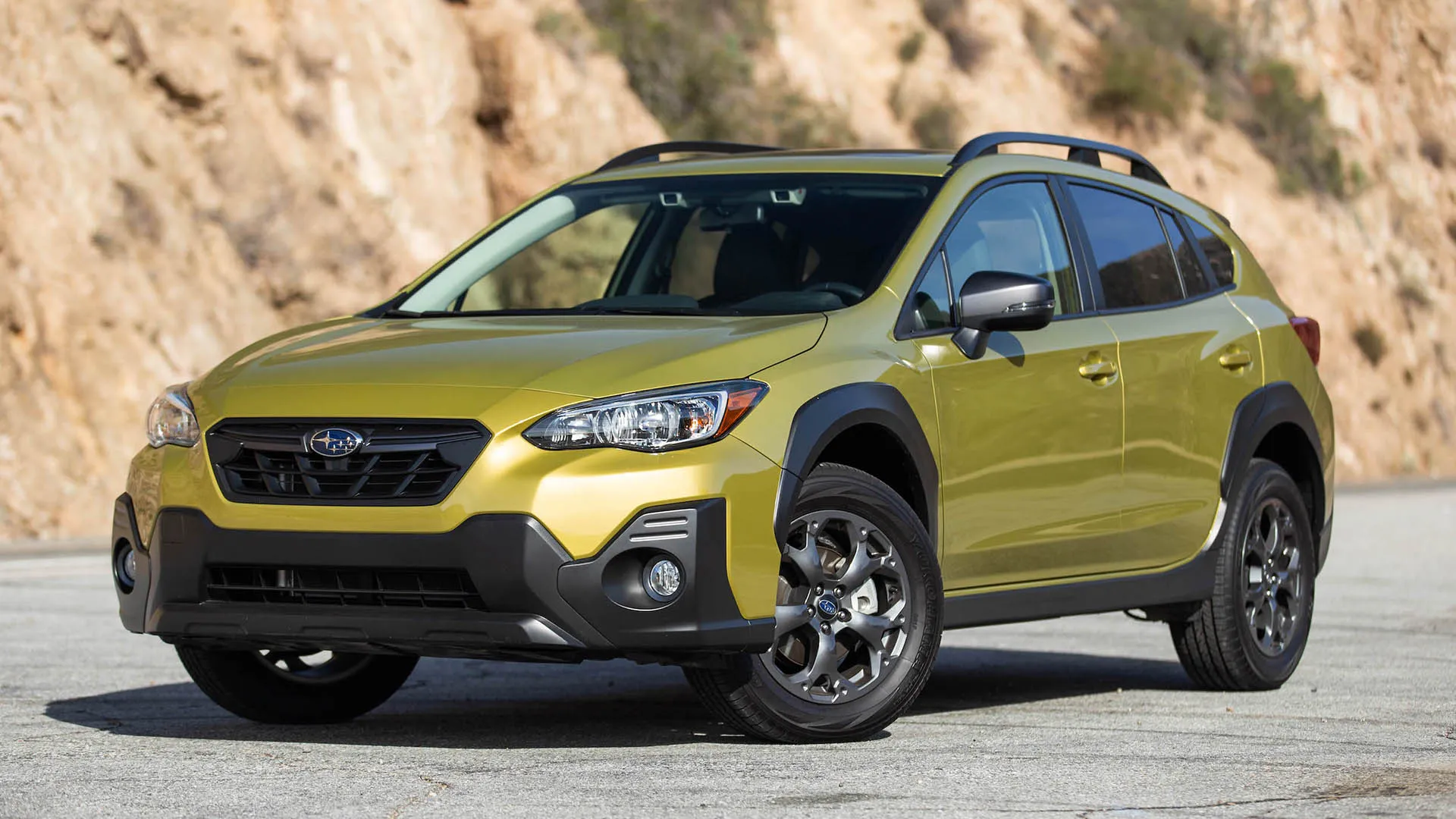
2. Subaru Crosstrek
The Subaru Crosstrek is another vehicle that defies rapid depreciation. This compact crossover combines fuel efficiency with off-road ability and a strong safety record.
It fits a unique niche for those who need more utility than a sedan but don’t want the bulk or fuel demands of a full SUV. Because of its versatility and growing popularity, it tends to hold value exceptionally well after its first year.
All-wheel drive comes standard on the Crosstrek, which is unusual in its class and adds significant appeal for drivers in snowy or wet regions. This feature increases demand on the used market, especially during colder months when drivers seek safer, more capable vehicles.
The combination of all-wheel drive and modest fuel use adds a practical edge, making it a smart buy for cautious shoppers.
Subaru’s reputation for long-lasting engines and dependable drivetrains plays a major role in the Crosstrek’s low depreciation. Buyers tend to trust Subaru for safety and reliability, and the Crosstrek is no exception.
With proper maintenance, it’s not uncommon for this model to last over 150,000 miles with few problems. This kind of confidence in longevity reduces the discount used-car buyers expect, keeping resale prices high.
The design of the Crosstrek also helps maintain its value. It doesn’t follow flashy trends that can look dated within a year or two. Instead, it keeps a rugged, functional appearance that remains consistent across model years. As a result, even a one-year-old Crosstrek still looks and feels like a fresh vehicle, limiting its drop in market value.
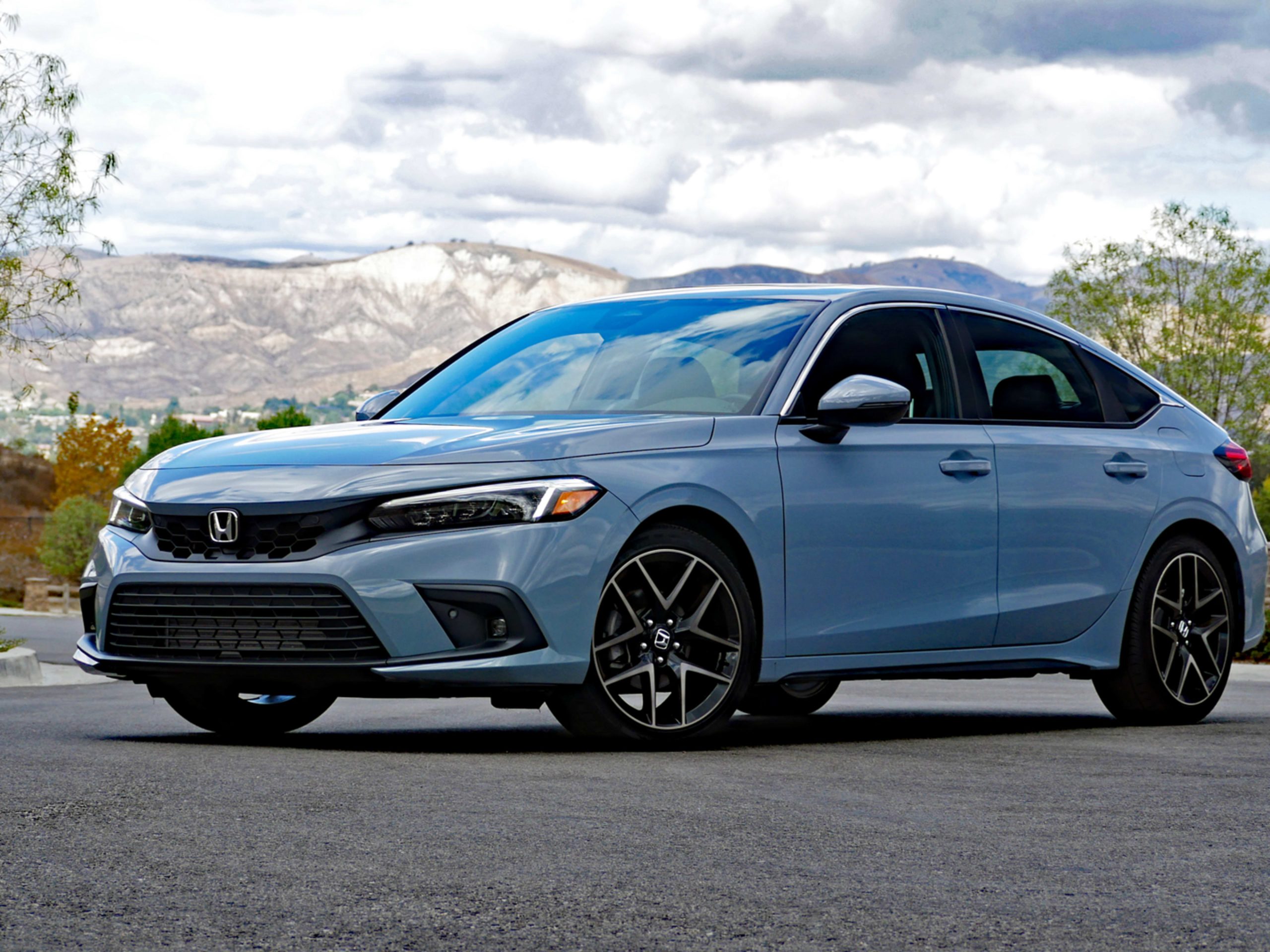
3. Honda Civic
The Honda Civic continues to be a reliable choice for those looking to limit depreciation. Known for its bulletproof reliability and strong fuel economy, the Civic has developed a loyal customer base that consistently ranks it among the best value vehicles year after year. Even after a full year of ownership, the Civic usually drops less than $3,000 in value, outperforming many other compact cars in this category.
Part of what drives the Civic’s low depreciation is its widespread recognition and high volume of satisfied owners.
Many Civic buyers are repeat customers who trust the car for its dependability, ease of maintenance, and low running costs. That reputation fuels high demand in the used market, particularly for recent models with low mileage.
Honda’s careful engineering and attention to build quality also play a large role. The Civic’s engines are known for lasting well beyond 200,000 miles when maintained properly.
Add to that the relatively inexpensive parts and maintenance, and you have a car that’s cost-effective to own and resell. The Civic has also consistently scored well in safety and reliability rankings, which helps it retain value among cautious buyers.
Additionally, the Civic benefits from regular but not radical design updates. Honda tends to refine rather than overhaul, which ensures that older models don’t suddenly look obsolete. This design consistency makes it easier for a one-year-old Civic to fetch a strong price on the resale market, as it still looks modern and offers similar tech to the newest version.
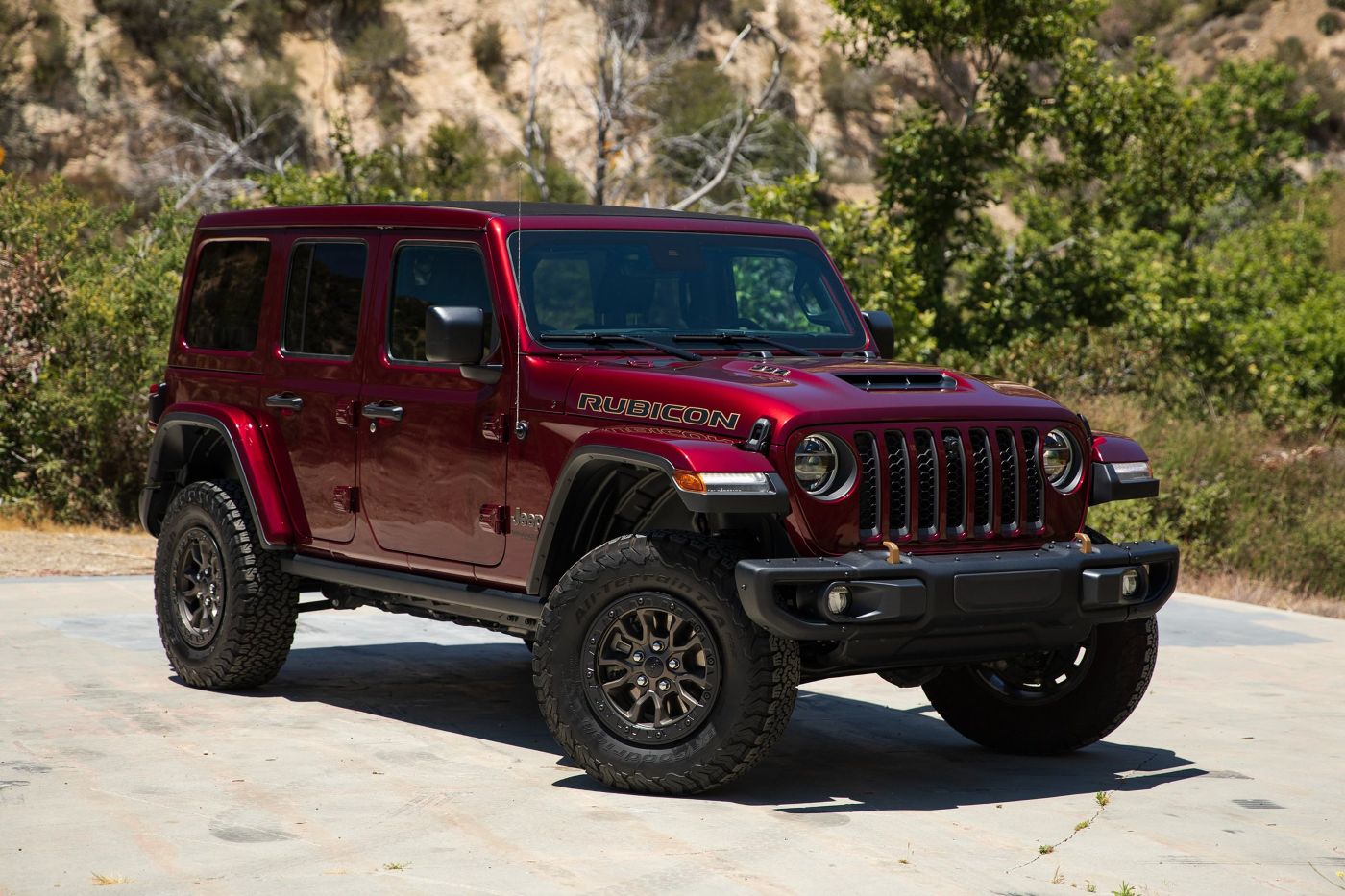
4. Jeep Wrangler
The Jeep Wrangler is one of the most iconic and recognizable vehicles on the road, and it holds its value exceptionally well.
Even after a year of use, it typically loses less than $3,000, a figure that’s rare for off-road vehicles or SUVs in general. Much of that has to do with its reputation, ruggedness, and nearly cult-like following.
Wranglers are designed for longevity and utility, and those traits appeal to both urban drivers and outdoor adventurers. Their off-road capabilities are unmatched in this price range, making them highly desirable across a wide range of buyers. Used models are especially attractive because the Wrangler has a strong aftermarket for parts and accessories, allowing owners to customize their vehicles extensively.
Another reason the Wrangler depreciates so slowly is the consistent demand across all regions and seasons. Whether it’s summer beach driving or winter mountain treks, Wranglers hold their utility and desirability year-round. That consistent demand creates stability in the used market, helping keep depreciation low even after the first year.
Styling also plays a key role. The Wrangler’s design doesn’t change much year to year, and that’s intentional. Jeep keeps the core elements largely the same, with only subtle improvements in tech and comfort. Because of this, a year-old Wrangler looks almost identical to a brand-new one, giving buyers little reason to pay extra for new. This keeps used prices strong and makes it a smart choice for minimizing depreciation.
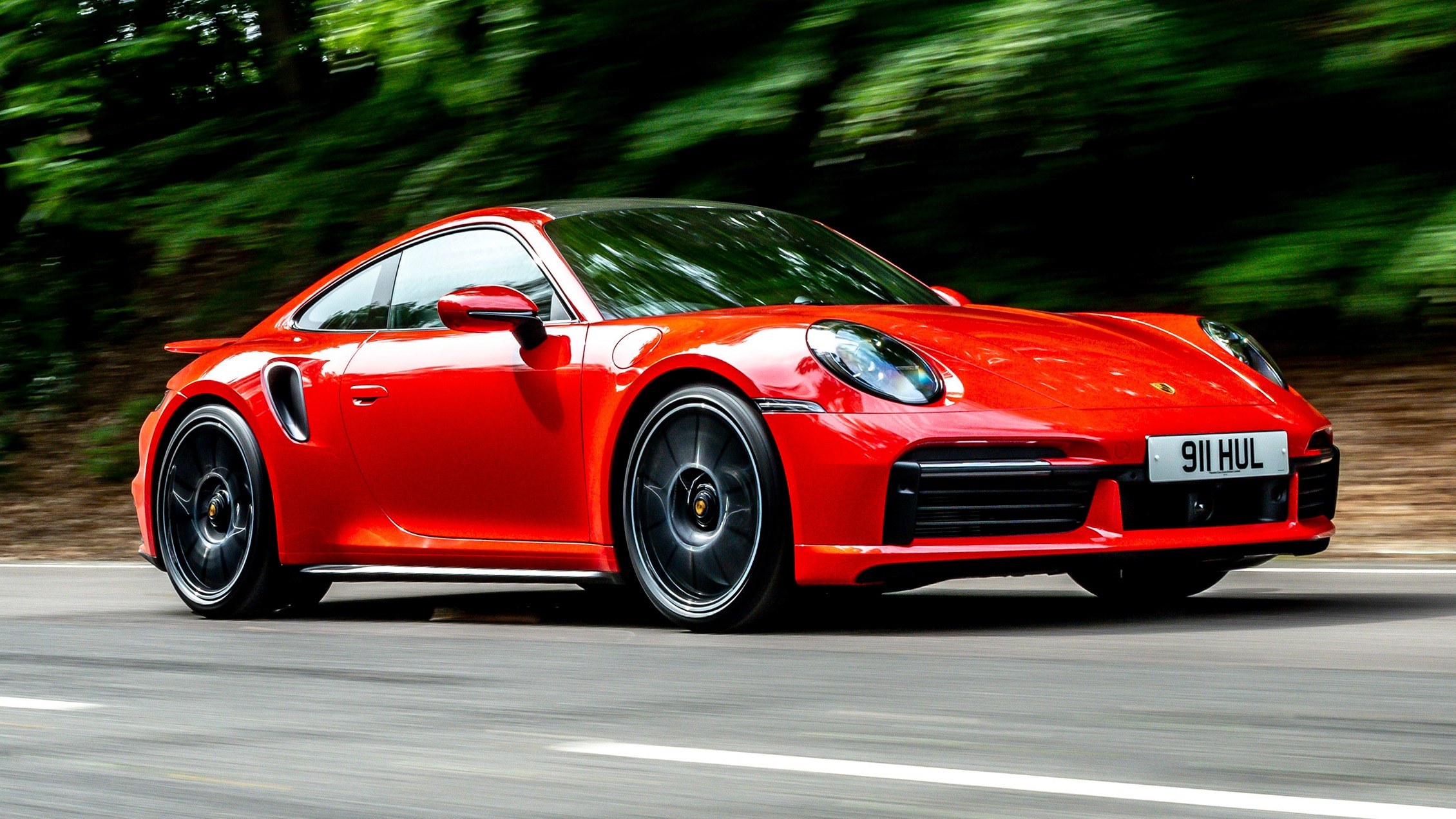
5. Porsche 911
Though it might be surprising, the Porsche 911 is one of the rare luxury sports cars that holds its value incredibly well. Unlike most vehicles in its class, which can drop tens of thousands in their first year, the 911 often depreciates less than $3,000 if well optioned and maintained. This is partly due to its legendary performance, precise engineering, and brand prestige.
Porsche’s engineering philosophy emphasizes quality and longevity, especially with the 911.
These cars are built to last and are often driven well beyond 100,000 miles without major issues. Buyers in the used market understand this and are willing to pay a premium for a nearly new model, keeping resale values high.
The 911 also benefits from being a status symbol that doesn’t age quickly. Its classic silhouette remains largely unchanged across generations, which helps maintain its value. A one-year-old 911 looks almost identical to a new one unless you’re closely comparing model-year specifications. That means fewer visual cues for age, which limits buyer bargaining power.
Another key factor is production control. Porsche limits the number of 911s produced each year, creating scarcity and preserving demand. This balance ensures that even lightly used 911s don’t flood the market. When demand stays steady and supply remains tight, depreciation naturally slows, especially within the first year of ownership.
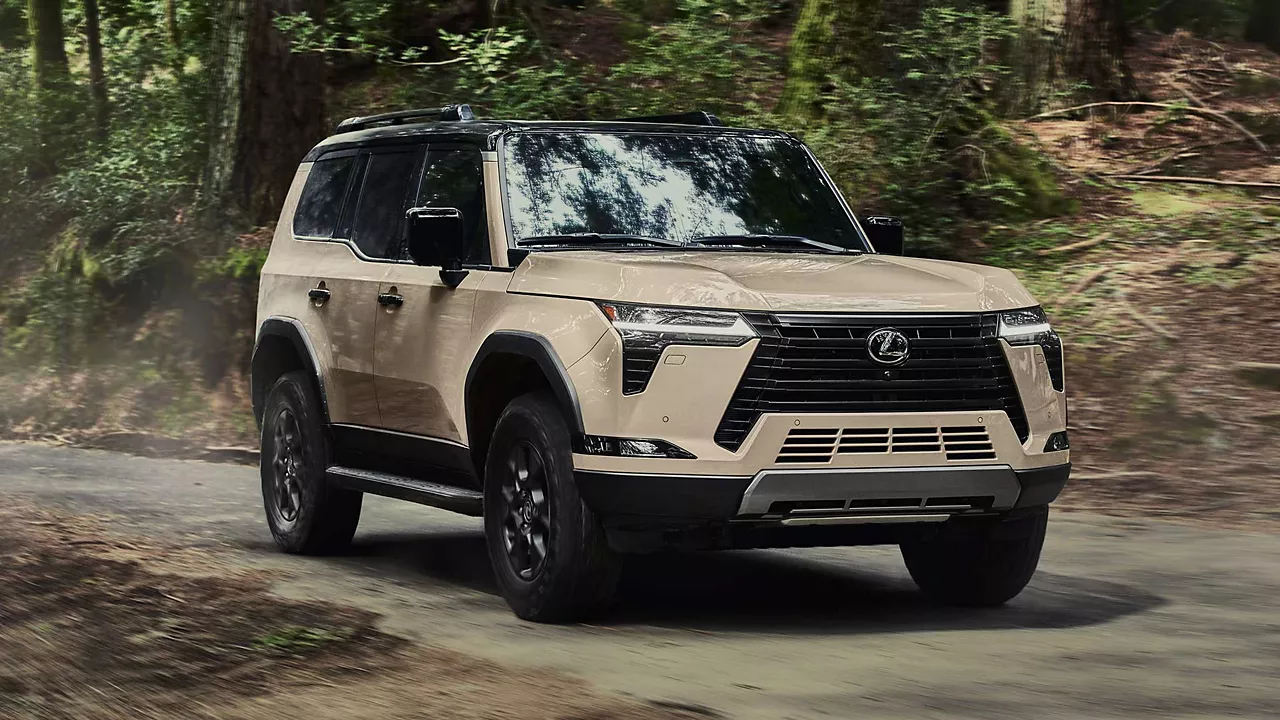
6. Lexus GX
The Lexus GX is a midsize luxury SUV that combines rugged capability with refined comfort, making it one of the vehicles that depreciate less than $3,000 after the first year. Unlike many luxury SUVs, the GX has earned a reputation for durability and long-term reliability, traits that heavily influence resale values.
The SUV’s body-on-frame construction appeals to buyers who want a vehicle capable of serious off-roading yet with the refinement and luxury touches Lexus is known for. This combination is rare in the market and helps keep demand high for used GX models.
Lexus’s renowned reliability ratings boost buyer confidence in the GX. The brand is well-regarded for low maintenance costs relative to other luxury manufacturers, which encourages a wider audience to consider pre-owned models.
When potential buyers see a one-year-old GX, they know they are getting a vehicle that is still virtually new in performance and appearance but at a reduced price that isn’t significantly less than new. This confidence in the Lexus nameplate keeps depreciation low as owners can expect strong trade-in values or resale prices.
Another aspect that supports the GX’s value retention is its powerful V8 engine, which appeals to those seeking towing capacity and performance. The GX’s capability to tow large trailers, boats, or campers without compromise adds a practical appeal that’s hard to beat in the luxury segment. This utility, combined with an upscale interior, means the SUV serves both daily commuter needs and recreational lifestyles, expanding its market reach and reducing depreciation.
Finally, Lexus maintains a steady design language for the GX, making it a vehicle that remains relevant and desirable without frequent redesigns. The longevity of the styling helps one-year-old models remain visually appealing and competitive against newer versions. This consistency, paired with the vehicle’s reputation and capabilities, explains why the Lexus GX tends to hold its value exceptionally well in the first year of ownership.
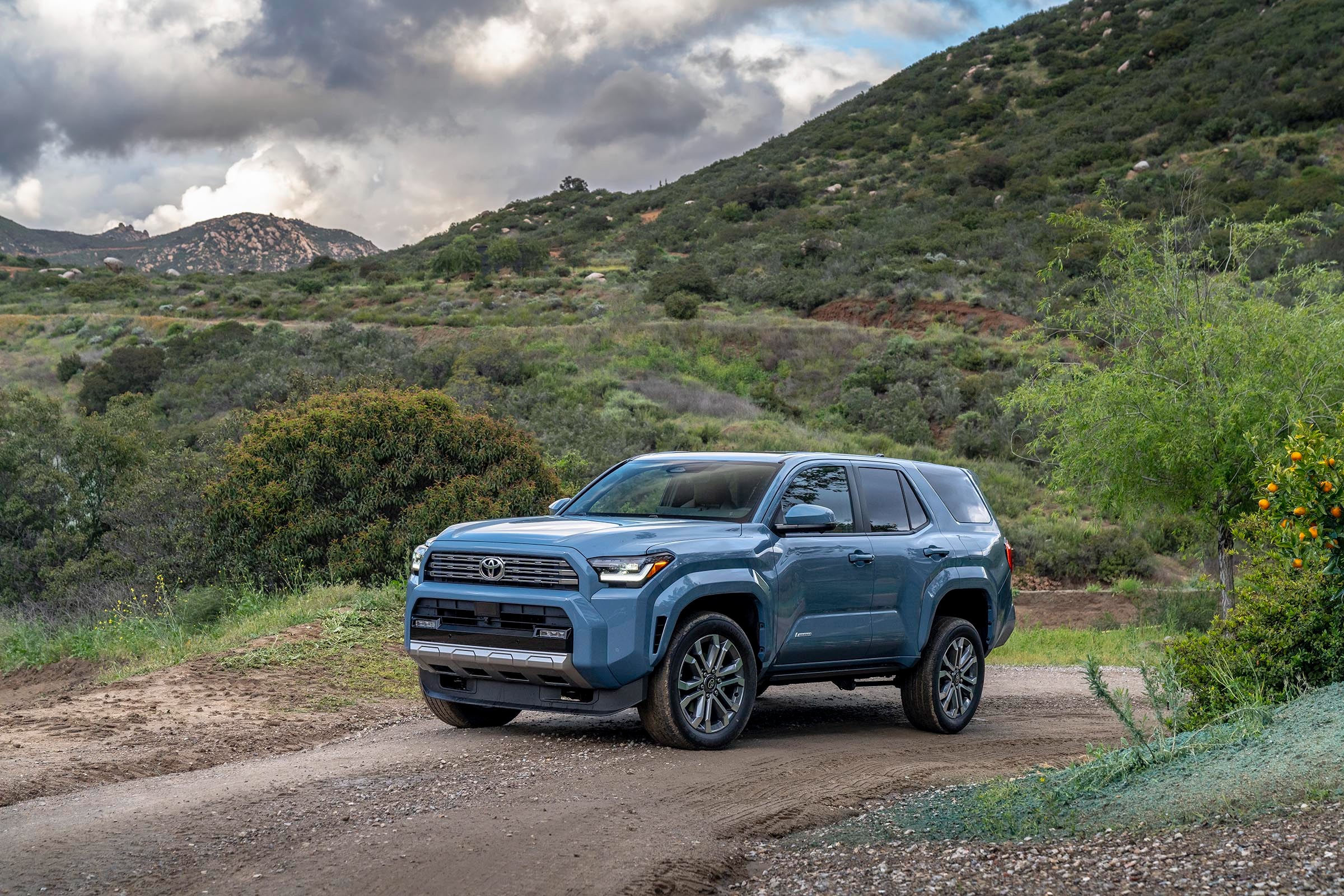
7. Toyota 4Runner
The Toyota 4Runner is a mid-size SUV that has built a loyal following over decades, largely because of its legendary durability and off-road prowess. Buyers who choose the 4Runner often seek a vehicle that can handle rough terrain while also providing the comforts of a daily driver. This dual nature creates a strong demand in the used car market, allowing the 4Runner to retain value better than many competitors after the first year.
The 4Runner’s robust construction is a significant factor in its slow depreciation. It features a body-on-frame chassis, an uncommon trait among modern SUVs, which makes it more rugged and longer-lasting than many unibody competitors. Buyers who prioritize longevity and reliability often look for the 4Runner as a used option, especially when one is only a year old and still carries most of its original warranties and new car freshness.
Toyota’s reputation for building vehicles that require minimal maintenance and run efficiently for many miles supports the 4Runner’s resale value. The combination of a proven V6 engine, four-wheel-drive capability, and a well-designed suspension system makes it a vehicle that appeals to adventure seekers, families, and commuters alike. These broad use cases expand its buyer pool, keeping demand and prices stable in the resale market.
The 4Runner also benefits from a conservative design approach that keeps its appearance timeless. Unlike many SUVs that try to chase flashy trends, the 4Runner stays true to a rugged aesthetic that resonates with enthusiasts and everyday buyers. This lack of drastic yearly changes ensures that a 12-month-old 4Runner looks current, which reduces the perceived depreciation and encourages owners to trade or sell at strong prices.
8. Honda CR-V
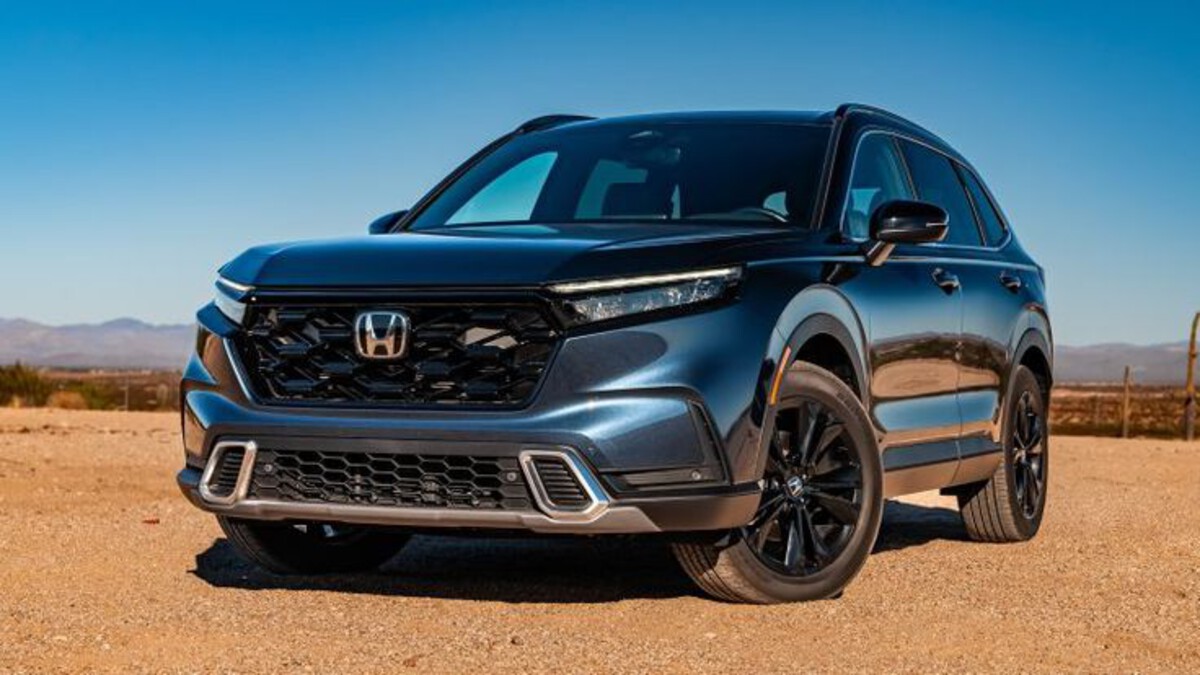
The Honda CR-V is one of the best-selling compact SUVs in the United States, and for good reason. It offers a blend of fuel efficiency, interior space, reliability, and comfort that makes it an ideal vehicle for a wide range of buyers. These qualities also contribute to its ability to retain value well, with depreciation typically staying below $3,000 after the first year for many models.
One of the CR-V’s strongest points is its consistent track record of reliability. Honda has engineered the CR-V with durable components and practical design features that keep repair and maintenance costs low. This reliability attracts a large audience, including families, commuters, and even fleet buyers who want a dependable vehicle with low operating expenses. The resulting strong demand in the used market helps maintain resale prices close to new car values.
Fuel economy is another major selling point that influences depreciation. The CR-V’s efficient engine options, including hybrid variants, appeal to drivers looking to save money on gas without sacrificing space or versatility. As fuel prices fluctuate, vehicles like the CR-V that combine efficiency and utility become more attractive, especially in the resale market, further supporting its value retention.
In addition, Honda consistently updates the CR-V’s technology and safety features with each model year, but the changes are evolutionary rather than revolutionary. This steady refinement means that a one-year-old CR-V still feels modern and competitive compared to brand-new models. Buyers don’t perceive a significant loss in value because the vehicle continues to meet or exceed expectations in comfort, safety, and connectivity.

9. Chevrolet Corvette
The Chevrolet Corvette is an American sports car icon, and it maintains value surprisingly well in its segment, often depreciating less than $3,000 in the first year for recent models. This is unusual for high-performance sports cars, which typically suffer steep drops in value as soon as they leave the dealership. The Corvette’s blend of performance, style, and relatively affordable price point helps sustain demand in both the new and used markets.
One factor that helps the Corvette hold its value is its status as a true sports car with powerful engine options and sharp handling. Enthusiasts prize its V8 engines, aerodynamic styling, and track-ready features. This passionate fan base keeps demand high, even for used Corvettes, ensuring that owners don’t face dramatic depreciation during their first year.
Additionally, the Corvette offers a level of technology and luxury that rivals many European sports cars but at a significantly lower price. Buyers who want performance without the premium price tag often choose the Corvette, which creates a strong market for nearly new models. The combination of performance and value attracts buyers who want the latest features but are willing to pay less by purchasing a gently used car.
Chevrolet’s commitment to maintaining the Corvette’s classic design cues alongside modern updates also supports its resale value. The Corvette’s shape is iconic, and buyers know that a year-old model looks almost indistinguishable from the newest version. This continuity helps ensure that the market doesn’t heavily discount Corvettes after one year, preserving their value better than many other sports cars.
10. Toyota Prius
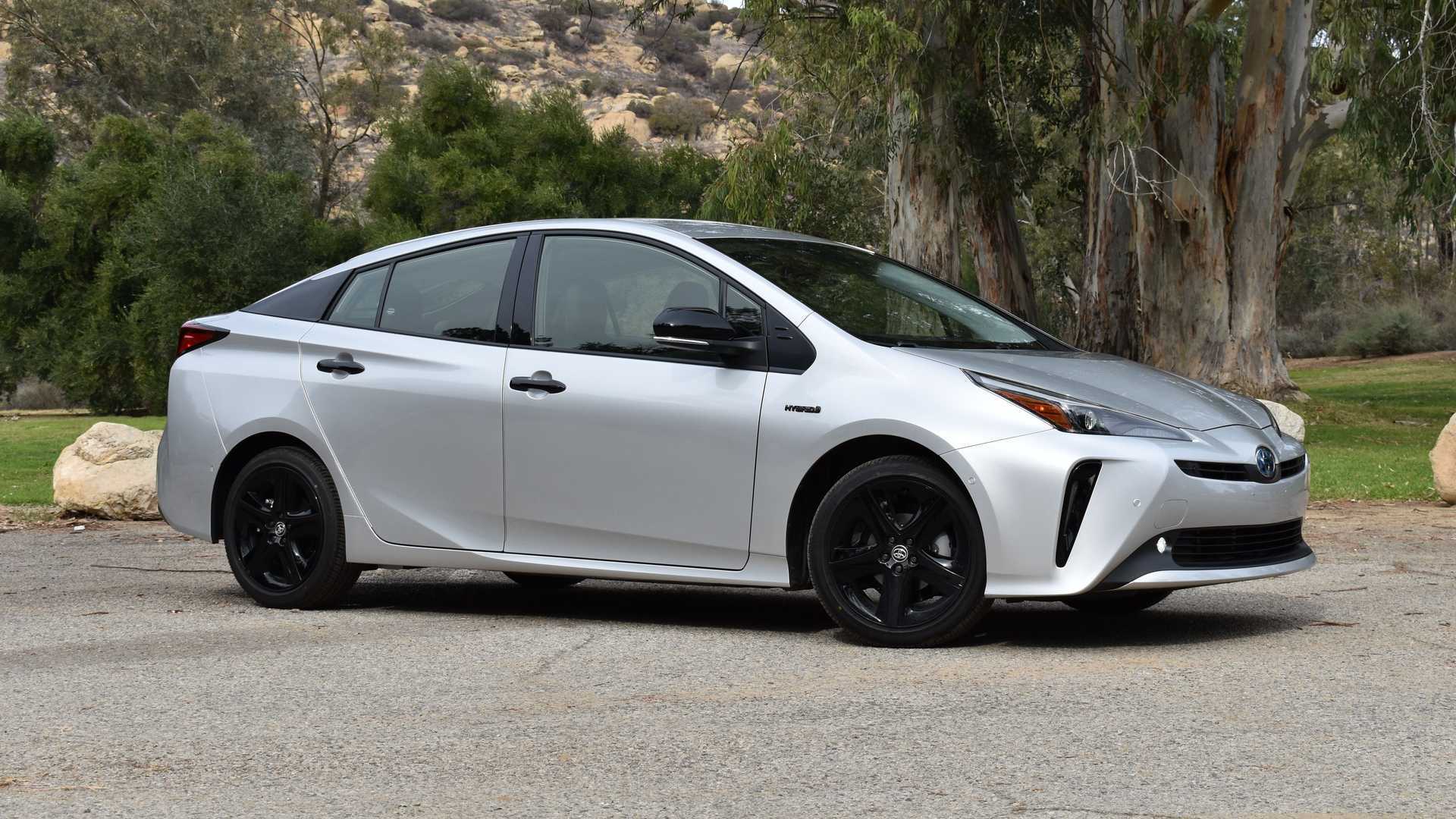
The Toyota Prius has long been a leader in hybrid technology and fuel economy, making it a vehicle that often depreciates less than $3,000 after the first year. Its pioneering hybrid system, combined with Toyota’s reputation for reliability, gives the Prius a unique position in the market. Buyers appreciate its ability to drastically reduce fuel costs while still offering a comfortable and practical ride.
The Prius’s value retention is heavily tied to its exceptional fuel efficiency. As gas prices rise or fluctuate, demand for hybrids like the Prius tends to increase, bolstering used car prices. Drivers who want to save money on fuel over the long term often look for slightly used Prius models, which helps maintain resale values.
Toyota has continually improved the Prius over multiple generations without straying from its core mission of efficiency and reliability. This steady evolution means that a one-year-old Prius will still offer competitive technology and performance compared to brand-new models. Buyers are less inclined to heavily discount slightly used Priuses because they retain most of their appeal and utility.
The Prius also benefits from being a practical, no-nonsense car with a proven track record for low maintenance costs. Many owners report spending less on repairs and upkeep than with comparable vehicles, which keeps demand steady. Its spacious interior, easy handling, and strong safety ratings round out the package, helping it hold value better than many other hybrids or small cars.
Also Read: 5 BMW Engines That Last and 5 That Drain Your Wallet
Understanding depreciation is an essential part of the car-buying process that can save you significant amounts of money over time. The vehicles discussed in this article prove that it is possible to purchase a new car without suffering a massive hit in value after just one year of ownership.
By focusing on models that depreciate less than $3,000 in their first year, buyers can make informed decisions that protect their financial interests while still enjoying the benefits of a new or nearly new vehicle. These cars come from manufacturers that have built solid reputations for reliability, quality, and enduring appeal, factors that continue to attract buyers even in the used car market.
The importance of depreciation extends beyond just resale value. It impacts the total cost of ownership, including insurance rates, loan financing, and lease agreements. Cars that retain their value well often cost less to insure because insurers view them as lower risks in terms of theft or damage.
Furthermore, lenders are more willing to offer favorable loan terms on vehicles with strong resale values, since these cars hold collateral value better. Leasing companies also set monthly payments based in part on expected depreciation, so choosing a car that holds value well can mean lower monthly lease costs. All of these financial considerations highlight why depreciation matters so much for anyone looking to make a smart automotive investment.
The ten cars highlighted showcase the diversity of options available to buyers seeking to minimize depreciation. From the rugged Toyota Tacoma and 4Runner, which are built to last and appeal to adventure lovers, to the reliable and fuel-efficient Honda Civic and Toyota Prius, which meet the needs of commuters and environmentally conscious drivers, there is something for almost every lifestyle.
Luxury and performance are not excluded, either, with vehicles like the Porsche 911 and Chevrolet Corvette demonstrating that even high-end sports cars can hold value exceptionally well under the right conditions.
What ties these vehicles together is more than just low depreciation; it’s the combination of brand trust, proven durability, and consistent market demand. These factors work in tandem to create strong resale markets that keep used prices high. Buyers who prioritize these traits often find themselves with a vehicle that continues to meet expectations well beyond the first year of ownership. This longevity translates into a better ownership experience and less financial worry when it’s time to sell or trade in.
When purchasing a car, it’s easy to get caught up in sticker prices, financing deals, or the latest features. However, considering depreciation alongside these factors can significantly improve your financial outcome. Cars that hold their value well allow owners to recoup a larger portion of their initial investment and often come with lower ongoing costs. This holistic approach to car buying is especially important for anyone who plans to keep their vehicle for a shorter time or wants to maximize value at resale.
In conclusion, while no car is immune to depreciation, some models stand out by depreciating less than $3,000 after the first year. These cars represent smart investments for a wide range of buyers, balancing reliability, performance, and market demand to retain value better than most.
Whether your priority is durability, fuel efficiency, luxury, or sporty driving, you can find a vehicle that meets your needs without sacrificing your financial well-being. Choosing one of these cars means more than just buying a vehicle—it means making a decision that safeguards your money and offers peace of mind for the years ahead.
