
Hybrid vehicles were once seen as a niche solution for eco-conscious drivers or those seeking to stretch their fuel budget. But over the past decade, the hybrid segment has evolved dramatically. It’s no longer just about getting a few extra miles per gallon; today’s hybrid cars come with strong performance, stylish designs, advanced safety features, and most importantly, a much-improved track record when it comes to resale value.
While it’s true that some hybrids depreciate more quickly than their gas-powered siblings, others have proven to be surprisingly strong when it comes to maintaining value over time.
Many drivers looking to buy a hybrid today are understandably concerned about what their car will be worth three to five years down the road. Trade-in value matters, especially if you’re the type who leases vehicles or upgrades every few years.
Historically, hybrids were hit hard by early depreciation, primarily due to concerns about battery longevity, higher repair costs, and limited public understanding of hybrid systems. But as reliability improved and consumer confidence grew, several standout models emerged that manage to hold their value exceptionally well.
This article covers ten hybrids that consistently perform well on the resale market, even several years after purchase. These vehicles are selected based on a combination of long-term reliability, battery durability, brand strength, and owner satisfaction. We’re focusing on models that don’t leave you disappointed at the dealership when it’s time to trade them in. Each one has developed a reputation for being more than just a smart fuel-sipper; they’re smart investments, too.
Whether you’re eyeing a hybrid SUV, sedan, or hatchback, the choices listed here offer peace of mind and solid trade-in returns. No one wants to spend thousands on a vehicle only to lose half of its value in two years. These ten hybrids have shown that it’s possible to go green and still keep your wallet relatively intact when it comes time to part ways. Let’s look at the models that truly deliver when it comes to long-term value.
Also Read: 5 Rare Diesel Cars That Keep Running vs 5 Common Diesels With Early Turbo Failures
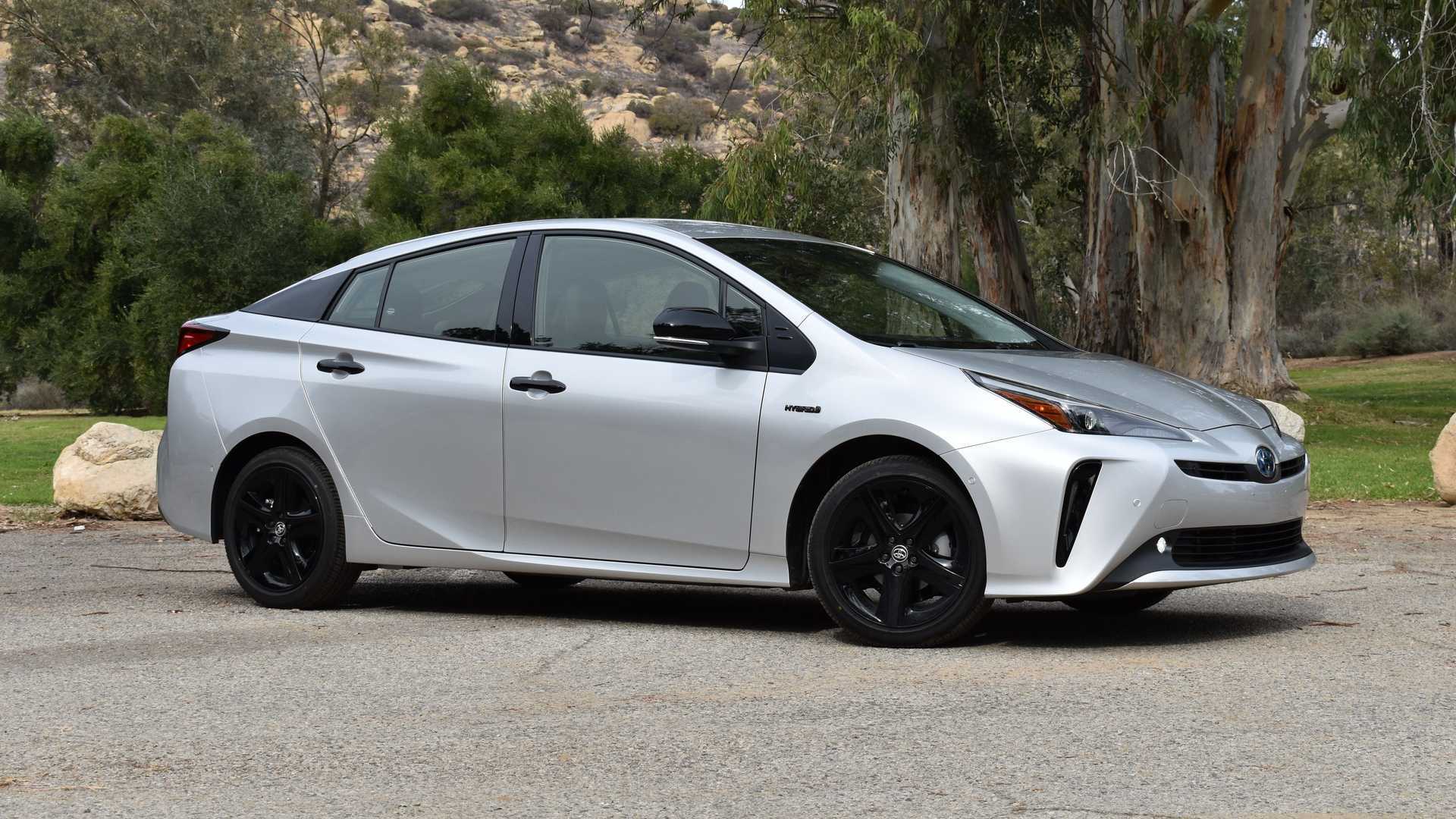
1. Toyota Prius
The Toyota Prius has long been the poster child of the hybrid movement, and for good reason. It consistently ranks high in fuel economy, reliability, and customer satisfaction. Despite its polarizing design, the Prius has remained a favorite in both the new and used markets.
Its trade-in value remains strong because of its well-documented reliability and reputation for lasting well beyond 150,000 miles without major issues. This long-term dependability makes it appealing to second-hand buyers, keeping its resale prices higher than average.
Another factor that helps the Prius retain value is Toyota’s hybrid technology. Toyota was among the first to bring hybrid vehicles to the mainstream, and they have continuously refined the system over the years. This has resulted in a battery and drivetrain that inspires confidence among buyers and appraisers alike.
Since parts and servicing are widely available and affordable, future owners don’t have to worry as much about expensive repairs. That sort of predictability plays a key role in maintaining higher trade-in prices.
The Prius also benefits from a dedicated customer base that spans generations. Many Prius buyers become repeat customers, and their loyalty drives demand in the used car market. With a strong network of enthusiasts and long-standing popularity among environmentally conscious drivers, the Prius continues to be seen as a safe choice. Even older models from five to seven years ago can still fetch surprisingly decent prices at trade-in.
Finally, it’s worth noting that the Prius has diversified over the years, offering multiple trims, plug-in variants, and even AWD models. This gives it broader appeal and helps keep demand strong across different buyer types.
Whether someone is looking for a basic commuter or a more tech-loaded hybrid with premium features, there’s usually a Prius model that fits the bill. This variety supports better long-term value and consistent demand in both private sales and trade-in scenarios.
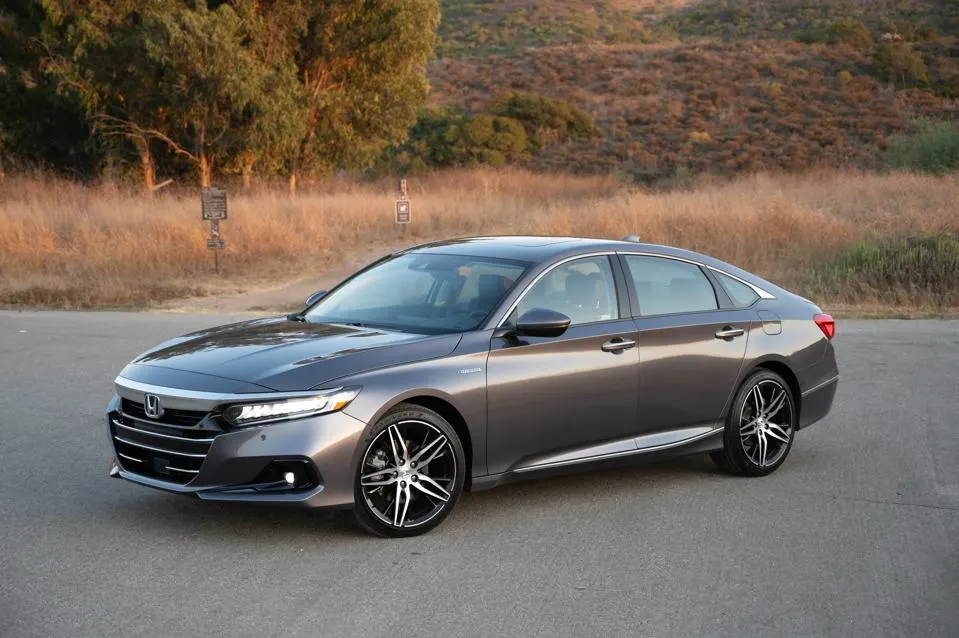
2. Honda Accord Hybrid
The Honda Accord Hybrid is a mid-size sedan that blends efficiency with everyday usability, and it does it without compromising resale value. Its reputation for reliability is a major reason why the Accord Hybrid performs so well when it’s time to trade in.
Honda has built its name on making dependable, long-lasting vehicles, and the hybrid version of the Accord is no different. With careful engineering and a strong build quality, it’s common to see these cars exceed 200,000 miles with minimal issues.
Another big factor is how well the Accord Hybrid competes in its segment. It offers a comfortable ride, solid interior materials, and strong safety features. Many owners appreciate that it feels just as refined and roomy as the gas-only Accord but comes with the added benefit of improved fuel economy.
Since hybrid technology doesn’t compromise space or practicality in this model, it appeals to a broader audience in the used market. That appeal helps keep trade-in values solid.
The vehicle also stands out for offering a seamless hybrid experience. Some hybrids feel clunky when transitioning between electric and gas power, but the Accord Hybrid manages this almost unnoticeably.
It’s a driving experience that feels natural to most, even those new to hybrids. This smoothness builds trust in the technology, encouraging used buyers to consider it more seriously. That trust translates into better resale figures and greater trade-in leverage.
In recent years, Honda has improved the infotainment system, driving dynamics, and cabin quality in the Accord Hybrid. As a result, newer models have become even more desirable.
With a strong mix of comfort, efficiency, and dependability, the Accord Hybrid has carved out a niche in the resale market. Dealers are often eager to take these in on trade, knowing they won’t sit long on the lot. That’s a clear sign of a vehicle that holds its value.
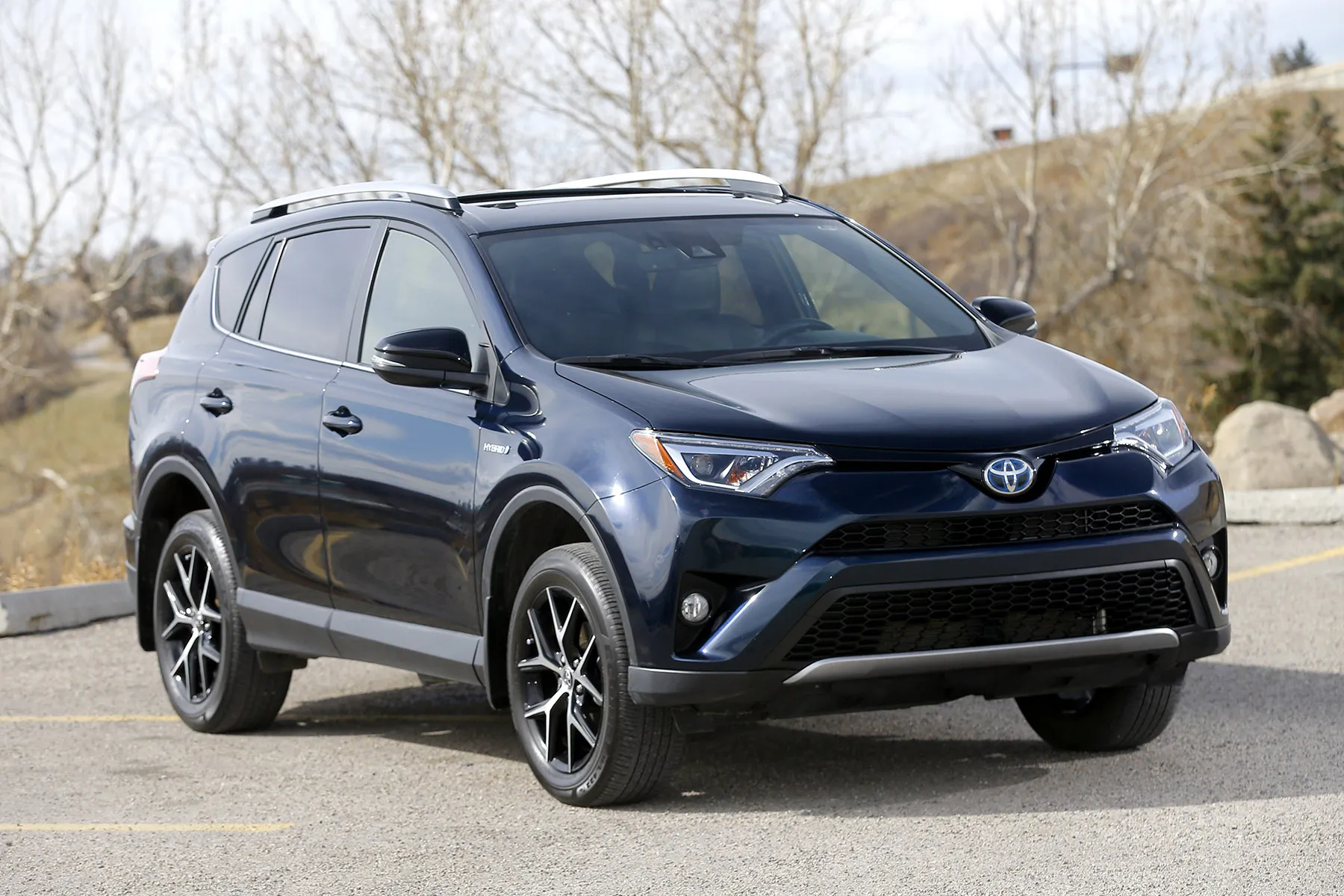
3. Toyota RAV4 Hybrid
The Toyota RAV4 Hybrid is a compact SUV that checks a lot of boxes for today’s drivers: it’s practical, fuel-efficient, reliable, and built by a brand with a strong resale history.
All of these factors combine to create a hybrid that doesn’t suffer much when it comes to trade-in value. The RAV4 Hybrid often ranks among the best in its class for resale performance. Its strong demand in both new and used markets helps maintain its value better than many other hybrid SUVs.
One reason it retains value so well is Toyota’s trusted hybrid system. The RAV4 Hybrid uses a refined and proven setup that’s shared across several of Toyota’s hybrid models.
This gives potential buyers confidence that they’re not taking a risk by going hybrid. Coupled with low reported maintenance costs and above-average reliability scores, this SUV gives owners a good reason to stick with it or trade it in with confidence.
The RAV4 Hybrid also benefits from being incredibly versatile. It offers ample cargo space, available all-wheel drive, and solid towing capability for a hybrid. These features make it more than just a fuel-efficient city car; it’s a viable option for families, adventurers, and commuters alike. That versatility makes it attractive to a wider range of buyers when it hits the used market, which pushes trade-in values higher.
Another key point is the RAV4 Hybrid’s strong resale reputation. Industry sources consistently list it as one of the top vehicles for value retention across three to five years of ownership. It helps that Toyota continues to update the model with the latest tech, comfort features, and safety systems. As a result, even older versions still feel modern, which keeps demand steady and trade-in quotes competitive.
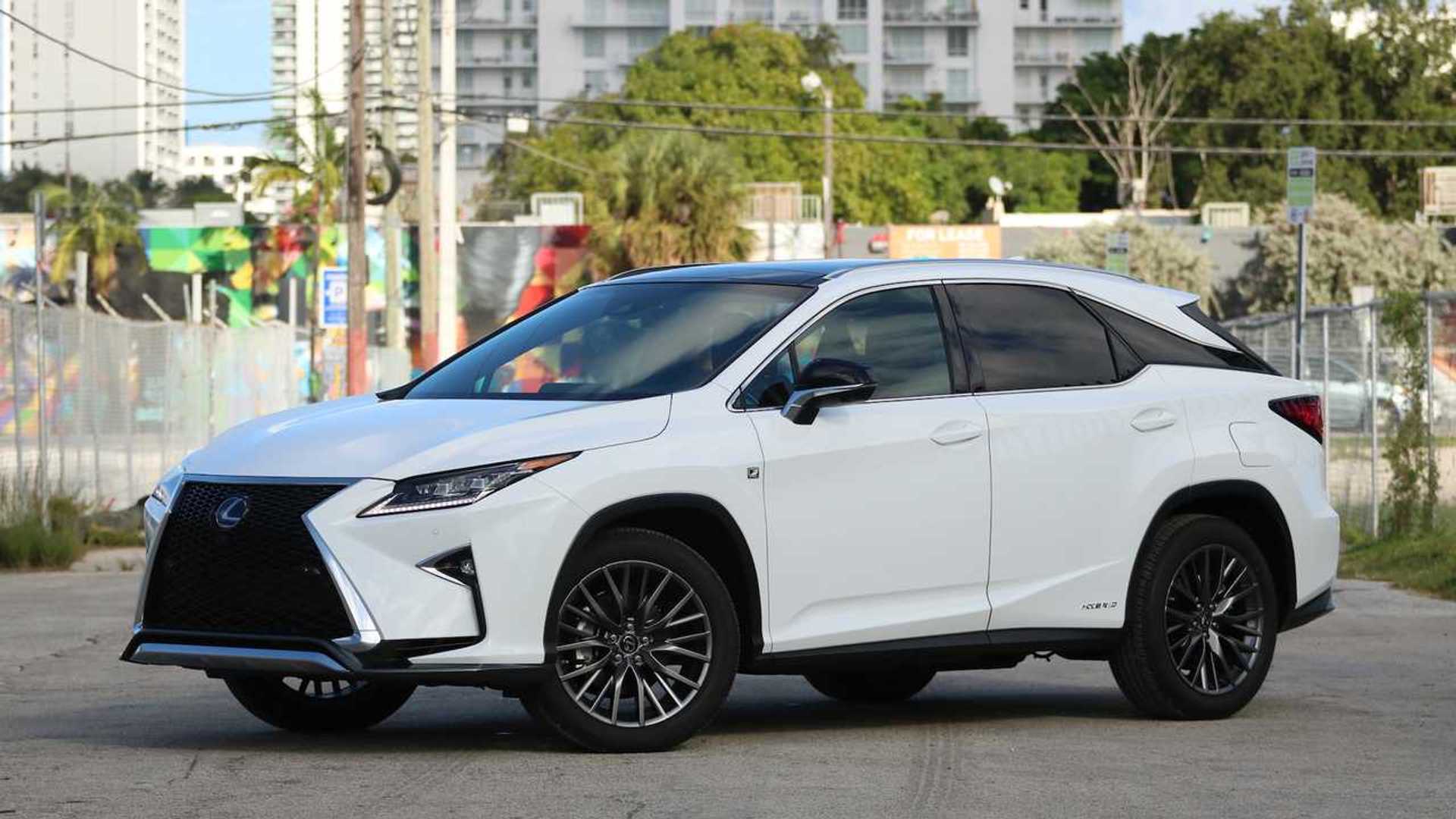
4. Lexus RX Hybrid
Luxury vehicles typically depreciate quickly, but the Lexus RX Hybrid breaks that trend. Known for blending premium comfort with hybrid efficiency, this SUV stands out in the resale market.
Lexus, being Toyota’s luxury division, inherits Toyota’s engineering strengths but adds a layer of refinement and features that appeal to more upscale buyers. That combination is rare among hybrids and contributes significantly to its high trade-in value.
The RX Hybrid benefits from a long-standing reputation for reliability. Lexus has consistently been ranked among the top brands for quality and durability, and the RX is one of its most trusted models.
When buyers see a Lexus badge, especially on a hybrid, they’re more inclined to believe in the long-term value of the vehicle. That trust helps support stronger used pricing and gives owners better trade-in offers compared to other luxury hybrids.
Another key factor is the RX Hybrid’s smooth and quiet ride. Owners often mention that the vehicle feels refined and isolated from road noise. Combined with a plush interior, it creates a luxury experience that doesn’t fade quickly with time. As a result, even a three- to five-year-old RX Hybrid still feels luxurious, which helps it compete strongly in the used market and retain a good percentage of its original value.
The model’s consistent popularity and limited depreciation also stem from its well-rounded design. It offers a mix of practicality, prestige, and performance that appeals to both first-time luxury buyers and longtime Lexus fans.
With its combination of a hybrid powertrain, reliable build quality, and upscale features, the RX Hybrid continues to be a safe place to park your money. Dealers recognize this and are usually willing to pay more for clean trade-ins in this category.
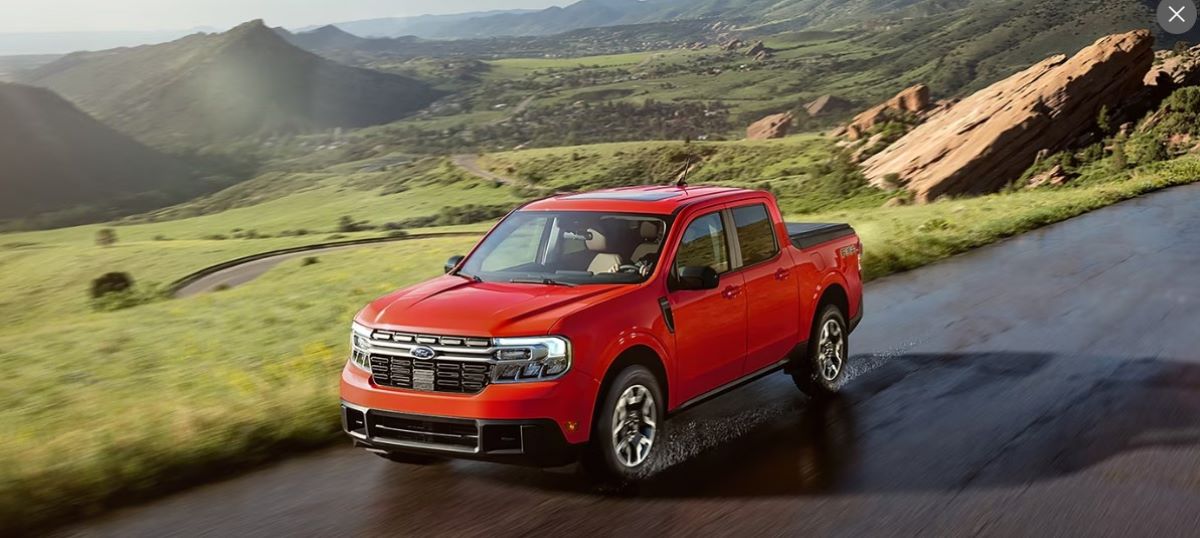
5. Ford Maverick Hybrid
The Ford Maverick Hybrid has quickly established itself as a game-changer in the small pickup segment. It brought something new to the market by offering a hybrid truck with impressive fuel efficiency, a low starting price, and practical features. What makes the Maverick Hybrid stand out in terms of trade-in value is how well it manages to fill multiple roles.
It appeals not just to traditional truck buyers but also to those who might have otherwise considered a crossover or compact SUV. That wide appeal translates directly to strong resale interest and healthy trade-in values.
Another factor that supports the Maverick Hybrid’s trade-in performance is its unique place in the market. There simply aren’t many direct competitors offering hybrid trucks at this price point, especially not ones that are as well-executed as the Maverick.
The demand for used models is high because new models can be hard to find due to supply constraints and ongoing demand. As a result, people looking to get their hands on one are often willing to pay a premium for lightly used units, which drives up the value for trade-ins.
The Maverick Hybrid also benefits from the Ford brand’s renewed focus on technology and practicality. While past hybrids from Ford didn’t always have the best reputation, the Maverick has turned that perception around.
It’s seen as reliable, rugged enough for daily utility tasks, and efficient enough for city dwellers. This blend of qualities gives it staying power on the resale market. Buyers are looking for something that feels new but doesn’t require new-car prices, and the Maverick Hybrid checks that box.
Lastly, the Maverick Hybrid’s affordability from the outset works in its favor when it’s time to trade in. Since its initial cost is lower than many other trucks or hybrids, the percentage of value retained over time often looks much better.
Owners can walk into a dealership knowing they won’t take a huge loss after just a few years of ownership. That feeling of value protection contributes to the vehicle’s growing popularity in both the new and used markets.
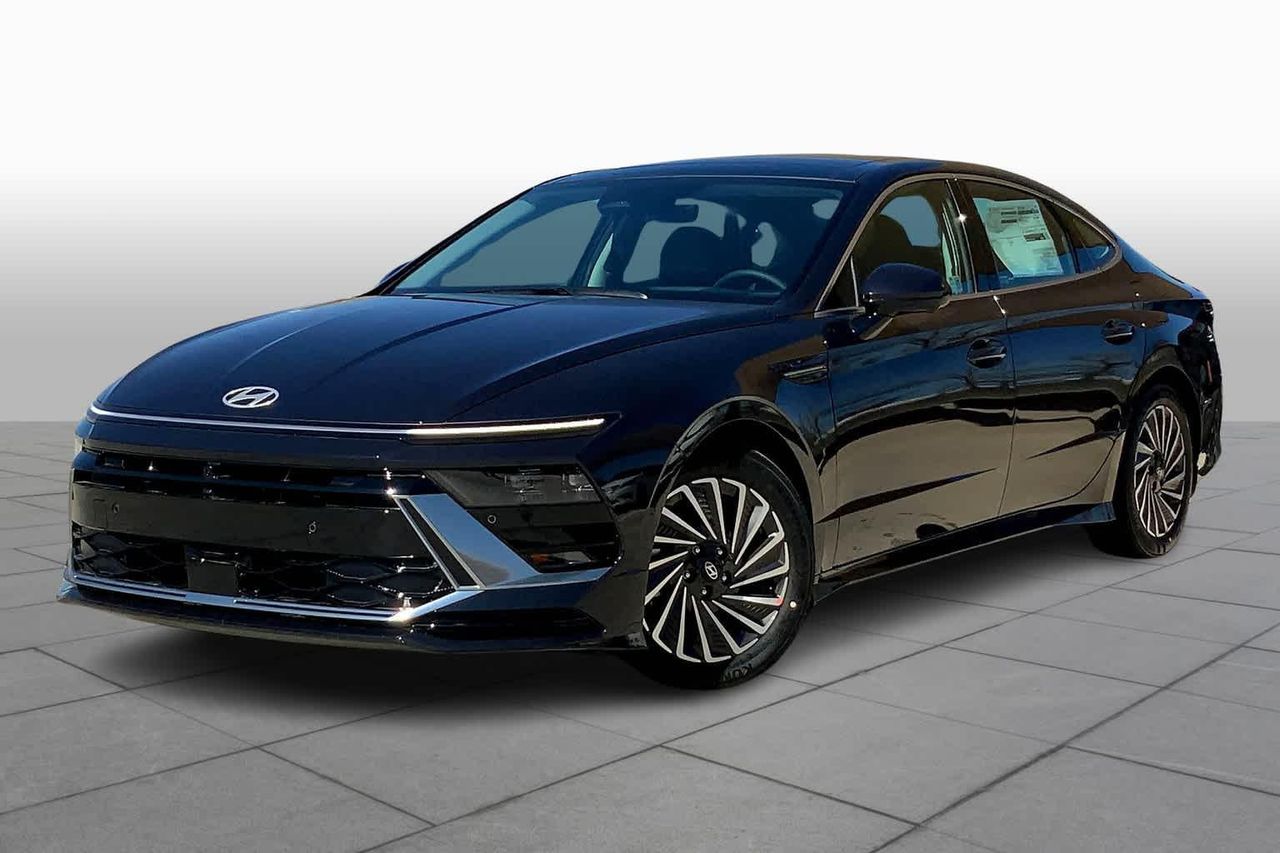
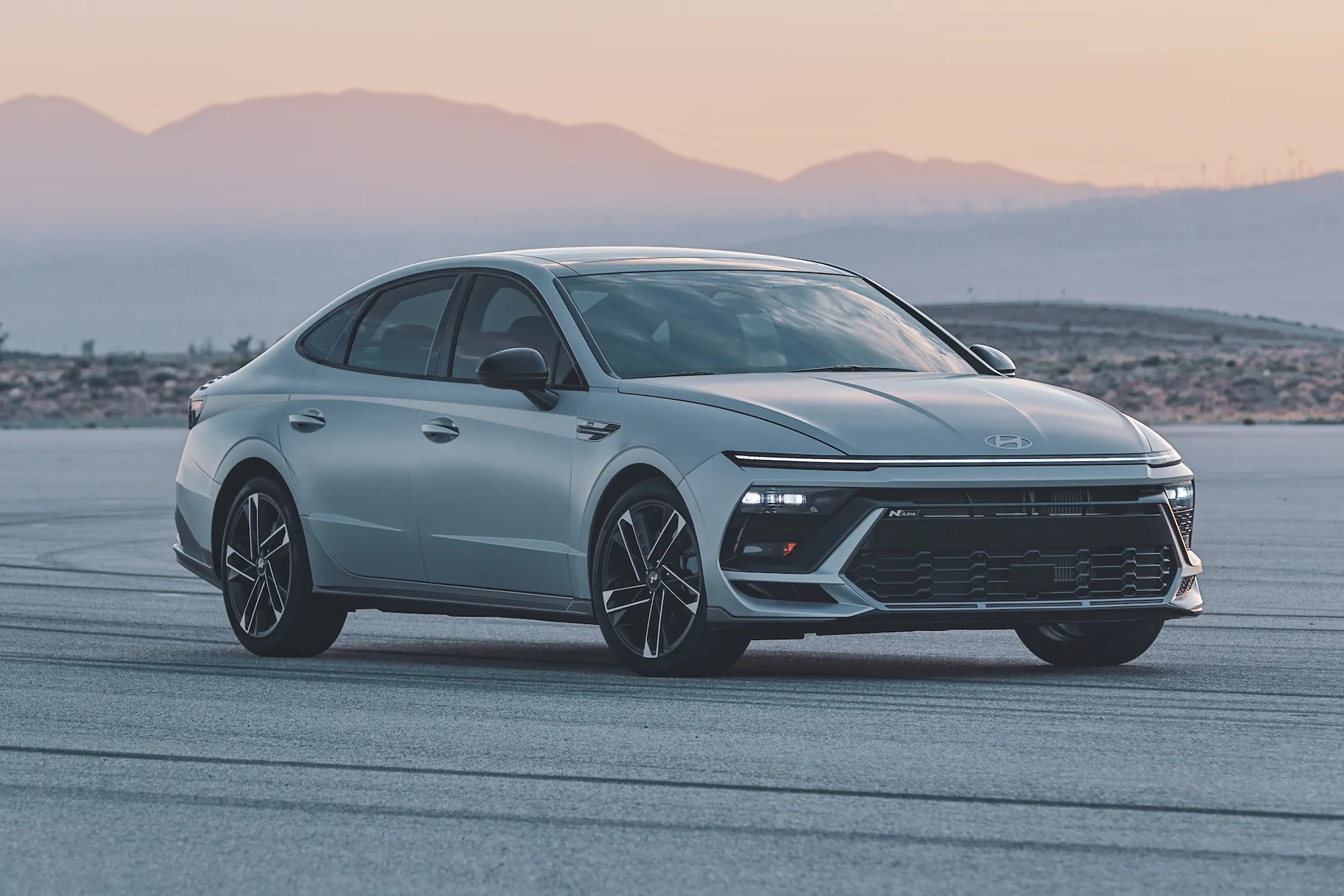
6. Hyundai Sonata Hybrid
The Hyundai Sonata Hybrid combines eye-catching design, solid engineering, and fuel efficiency in a midsize sedan package. What makes it even more impressive is how well it holds its value compared to earlier hybrids from the same brand.
Hyundai has made great strides in quality and customer trust over the past decade, and the Sonata Hybrid is a strong example of this progress. It delivers on style and function while managing to keep trade-in losses minimal for its segment.
One major selling point that boosts its resale value is the extensive warranty coverage Hyundai offers. With a 10-year powertrain warranty and a long hybrid battery warranty, many used Sonatas are still under factory coverage when they reach the second owner.
This reduces the perceived risk for buyers and strengthens demand in the used market. When trade-in time comes around, this buyer confidence allows owners to get more value than they might expect from a non-luxury hybrid sedan.
The Sonata Hybrid also stands out for its refined cabin and high-tech offerings. Features such as a digital instrument cluster, panoramic sunroof, and a user-friendly infotainment system make it feel more upscale than the price suggests.
These amenities help the car appeal to a wider range of buyers looking for a budget-friendly used hybrid with modern touches. That appeal supports trade-in values since cars with desirable tech features tend to resell faster and for more money.
Finally, the Sonata Hybrid has benefited from improved brand reputation over time. While Hyundai once struggled with perceptions of being a budget brand, models like the Sonata Hybrid have helped shift that view. Buyers now see Hyundai as a serious competitor to Toyota and Honda, especially in terms of reliability and design.
That brand transformation is crucial for long-term value, and it’s one of the reasons why the Sonata Hybrid is now a respectable choice for those who care about retaining value over the years.
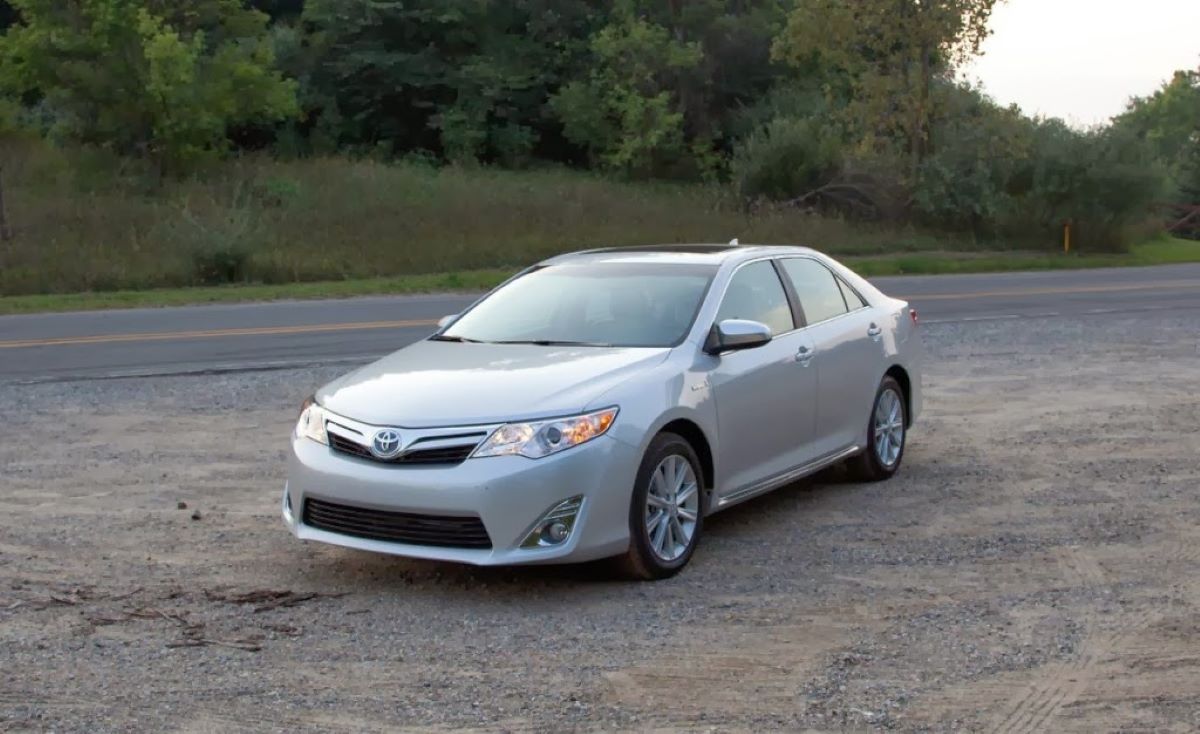
7. Toyota Camry Hybrid
The Toyota Camry Hybrid delivers exactly what buyers expect from a mid-size sedan: comfort, dependability, and value. For years, the standard Camry has been one of the top-selling sedans in the United States, and the hybrid variant only adds to that legacy by improving fuel economy without changing the car’s core strengths.
Because it combines Toyota’s reputation for durability with real-world efficiency, the Camry Hybrid has developed a strong resale reputation and often leads its class in trade-in value retention.
Another key reason why it retains value so well is the consistency of Toyota’s hybrid technology. Unlike some competitors that change their systems frequently, Toyota has taken an evolutionary approach.
This means that buyers know what they’re getting when they look at a used Camry Hybrid, and they know it will perform predictably. That predictability makes it easier to trade in because dealerships know the car’s systems are proven and reliable, reducing uncertainty on their end.
The Camry Hybrid also benefits from broad market appeal. It works for families, commuters, fleet buyers, and retirees alike. That kind of versatility keeps demand high in the used market, which is a critical factor in trade-in valuation.
There’s always someone looking for a clean, well-maintained Camry Hybrid, and that consistent interest prevents the kind of price drops that plague less popular hybrids. Dealerships see these cars as safe bets, and they’re often willing to pay a premium to get them on the lot.
Lastly, the Camry Hybrid’s trim options play a role in its resale success. Buyers can choose from several different configurations, including LE, SE, and XLE trims, each offering a different mix of performance and features. This variety makes it easier to match with buyer preferences, keeping used units moving off dealer lots.
When it’s easier to resell, the trade-in offers naturally improve. The Camry Hybrid has earned its reputation as a dependable, efficient sedan that doesn’t punish owners at the dealership when it’s time to upgrade.
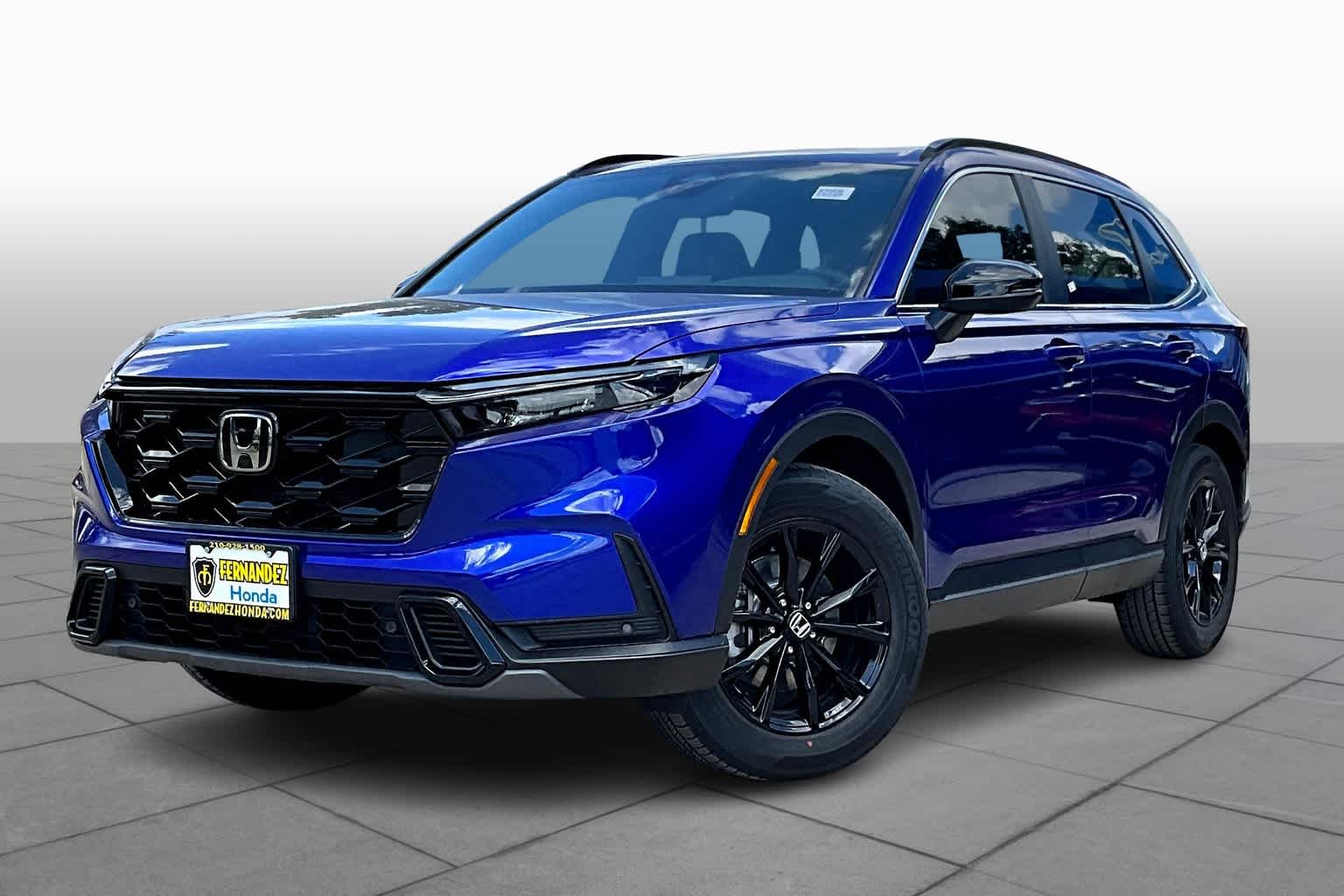
8. Honda CR-V Hybrid
The Honda CR-V Hybrid builds on the strong foundation of the gasoline CR-V, which has long been a best-seller in the compact SUV segment. By adding a hybrid powertrain, Honda has created a vehicle that maintains the CR-V’s strengths while reducing fuel costs. Owners who opt for the hybrid version often find that they don’t sacrifice much in terms of performance or practicality. This balance is what makes it a smart choice for buyers and helps ensure that trade-in values remain competitive.
One of the biggest reasons the CR-V Hybrid holds its value is Honda’s solid reputation for quality. The hybrid system used in this model has been refined from other successful applications, including the Accord Hybrid. This familiarity means there’s less uncertainty in the used market about how the hybrid system will age. As a result, second-hand buyers are more willing to pay for it, which raises the value for those looking to trade in.
The CR-V Hybrid also stands out for offering good interior space, strong safety features, and a smooth ride. These traits make it a top pick for families and commuters alike. The hybrid model doesn’t feel compromised in any of these areas, which helps maintain demand across a wide range of buyers. That demand plays directly into trade-in value, because dealerships want inventory that appeals to as many people as possible.
Furthermore, the CR-V Hybrid benefits from Honda’s strong resale history. For years, Honda has been recognized for building vehicles that last and retain value.
The CR-V Hybrid continues this tradition by proving to be a well-rounded, reliable SUV with the added benefit of hybrid efficiency. This ongoing brand strength gives both buyers and dealers confidence, and it ensures that owners won’t face a steep drop in value when they decide to move on to their next car.
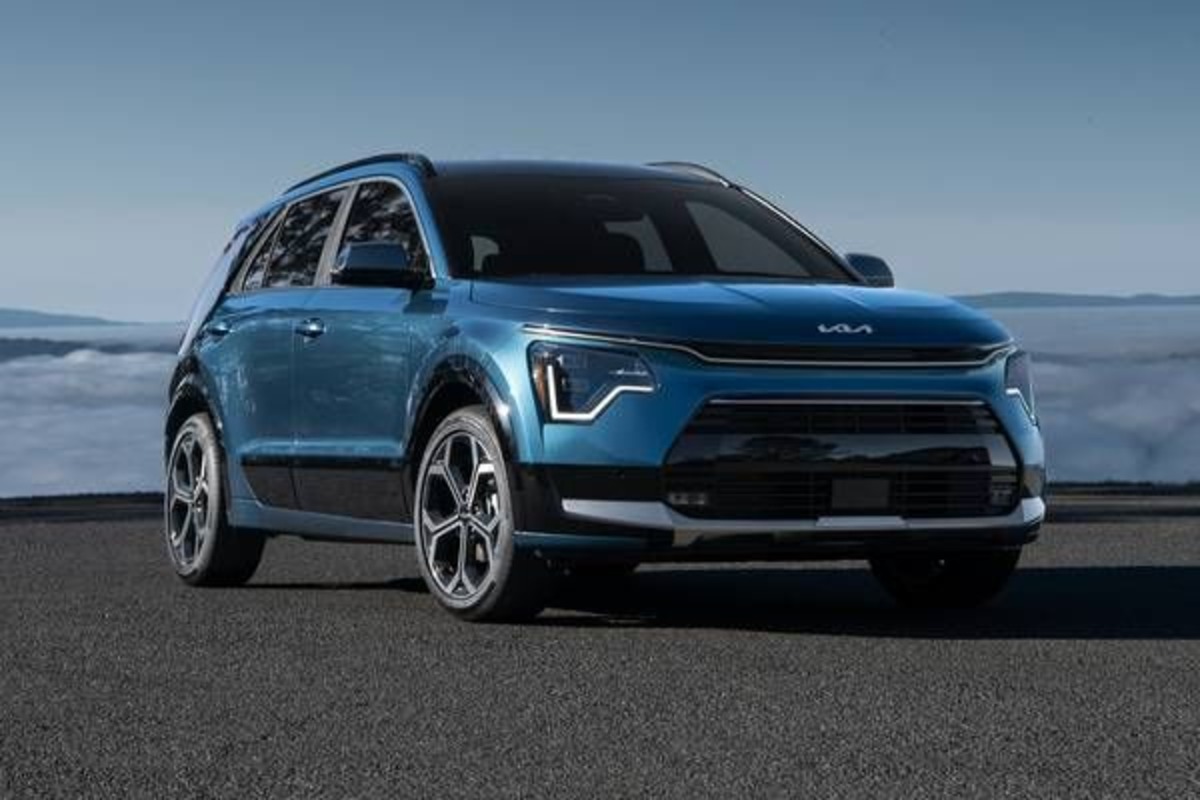
9. Kia Niro Hybrid
The Kia Niro Hybrid is a compact crossover that manages to combine practicality, fuel efficiency, and affordability in a well-designed package. Its relatively low starting price and low running costs make it an attractive option for budget-conscious buyers, and that appeal carries over to the used market.
What sets the Niro Hybrid apart in terms of trade-in value is how well it manages to stay relevant across multiple ownership cycles. Unlike many budget hybrids that lose appeal quickly after purchase, the Niro remains desirable thanks to its solid feature set and usable design.
One major advantage the Niro has is its format. It’s not a sedan and not quite a traditional SUV, it occupies a sweet spot in between. This crossover-like profile gives it wider market appeal, as it serves drivers who want the efficiency of a car but the flexibility and upright stance of a small SUV.
That shape, combined with a fuel economy rating that regularly exceeds 50 mpg for city driving in some trims, helps maintain interest among buyers. This kind of demand helps keep trade-in values stable over time, especially as fuel prices fluctuate and buyers seek efficiency.
Kia’s warranty coverage also plays a significant role in boosting the Niro’s value retention. With a 10-year/100,000-mile powertrain warranty, many used Niro models on the market are still covered under factory protection.
This reduces buyer anxiety when shopping used and increases dealer confidence when offering trade-ins. That layer of security is something you can’t undervalue in a resale context; it effectively reduces the perceived risk of ownership, which almost always leads to higher trade-in quotes.
The model’s feature list adds to its strength. Many Niro Hybrid models come with standard features like Apple CarPlay, Android Auto, advanced driver aids, and intuitive infotainment interfaces. These tech inclusions make it feel modern even several years into its life cycle, which is a major advantage in the resale market.
Buyers today place a high value on connectivity and safety, and the Niro Hybrid delivers on both fronts. That makes it easier to resell and gives owners an edge when negotiating trade-in deals at dealerships.
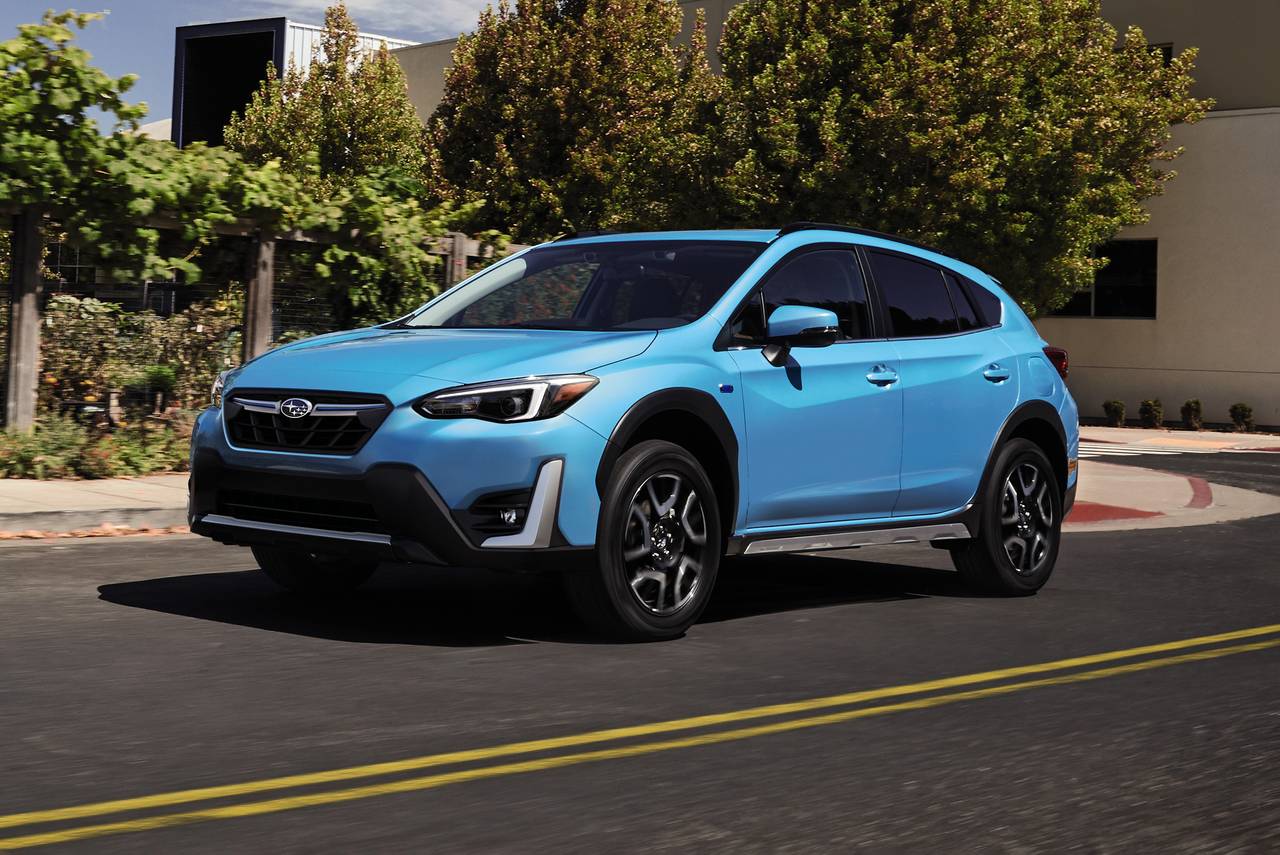
10. Subaru Crosstrek Hybrid
The Subaru Crosstrek Hybrid is a plug-in hybrid that combines Subaru’s legendary all-wheel-drive system with the added benefit of electric assistance. While plug-in hybrids often experience higher depreciation due to limited understanding in the broader market, the Crosstrek Hybrid manages to avoid that trend.
It holds its value better than most plug-ins in part because it still offers everything people love about the gas-powered Crosstrek, ruggedness, versatility, and all-weather confidence, but adds improved efficiency for city driving. This balance makes it more attractive to used buyers and helps support stronger trade-in values.
Another unique advantage the Crosstrek Hybrid holds is brand loyalty. Subaru has one of the most committed customer bases in the auto industry. People who buy Subarus often stick with the brand for life, and they’re often looking for used models when the new ones are in short supply or priced out of reach.
That dynamic creates consistent demand for certified pre-owned Subarus, including hybrids. When demand is reliable and consistent, trade-in values tend to stay healthier, and that’s exactly the case with this model.
Additionally, the Crosstrek Hybrid offers practicality that many plug-ins lack. It still provides ground clearance, cargo flexibility, and a go-anywhere personality, which are major selling points for drivers in rural or snowy regions. It’s not just about saving gas, it’s about owning a hybrid that doesn’t force you to give up capability.
That makes it stand out from many other plug-in options, which often sacrifice performance and utility for electric-only range. Buyers appreciate that they don’t have to compromise, and that appreciation shows up in resale prices.
Lastly, the Crosstrek Hybrid benefits from Subaru’s reputation for safety and quality. The brand consistently earns high marks from safety organizations, and the hybrid variant includes many of the same driver-assistance features found in more expensive models. It also retains its rugged styling, which hasn’t gone out of fashion.
These qualities contribute to stronger desirability in the used market, which means owners can expect trade-in values that are better than average, especially when compared to similarly priced plug-ins with less brand strength.
Also Read: 5 Little-Known Wagons That Last vs 5 Trendy SUVs That Don’t
Hybrid vehicles have come a long way since their early days. No longer viewed as underpowered or niche alternatives, many of today’s hybrids offer a strong combination of performance, fuel economy, and everyday practicality.
As buyers have become more educated and trusting of hybrid systems, a few standout models have proven that going green doesn’t have to come at the cost of future resale value. The ten hybrids highlighted in this article demonstrate that it’s entirely possible to enjoy low running costs now without suffering a major loss when it’s time to trade in.
Each of these hybrids succeeds for different reasons. Some, like the Toyota Prius and Camry Hybrid, benefit from longstanding reputations for bulletproof reliability and brand trust. Others, like the Ford Maverick Hybrid and Subaru Crosstrek Hybrid, offer unique layouts and features that make them appealing to niche audiences with practical needs.
Then there are models like the Lexus RX Hybrid and Honda Accord Hybrid, which combine comfort and technology in ways that elevate their status in both new and used markets. No matter the category, these vehicles manage to retain value by consistently meeting or exceeding buyer expectations.
Trade-in value is influenced by many factors, including brand reputation, reliability, available features, and how well a car performs its intended function. Vehicles that avoid steep depreciation tend to be those that maintain their usefulness and appeal over time.
Features like strong safety ratings, a smooth hybrid system, extended warranty coverage, and market demand all play critical roles. Buyers looking to protect their investment would do well to consider these factors, and the models listed here are proof that those attributes pay off when ownership ends.
For drivers looking to make a smart financial choice in the hybrid space, this list offers a reliable starting point. These models don’t just offer efficiency and lower emissions; they provide peace of mind that the money spent won’t disappear when it’s time to move on.
Whether you’re upgrading to a new model, switching to a different brand, or downsizing your vehicle, choosing a hybrid that holds its value well can make a big difference. It’s not just about how a car performs today, it’s about how it performs when it’s time to say goodbye.
