
Mixing coolants is a mistake that seems harmless at first, but it can create a chain reaction that leads to serious engine trouble. This becomes especially critical in trucks, where engine durability is everything. Heavy use, extended hauling, and long-distance driving push truck engines harder than most other vehicles on the road.
When the wrong coolants are mixed, it doesn’t just reduce performance; it corrodes metal, clogs internal passages, and leads to gasket failure. The consequences aren’t just mechanical. Replacing a blown head gasket or a warped cylinder head can cost thousands of dollars in parts and labor. Even worse, the truck could be stranded on the job or during a long trip, leading to missed deadlines and towing bills.
What’s troubling is that this kind of failure often doesn’t show up immediately. Owners and technicians might top off coolant in good faith, unaware that they’re mixing incompatible types. Many coolants contain different additives, some organic, some inorganic, that react badly with each other when combined.
They can gel, form sediment, or create acidic conditions that eat away at seals and gaskets. The truck may run fine for weeks before overheating or losing compression. By the time symptoms appear, serious damage may already be done. Certain truck models are more sensitive to these coolant issues than others, especially those with aluminum heads or complex cooling systems.
What follows is a breakdown of 10 trucks known for being particularly prone to head gasket problems when mixed coolants are used. This list includes both diesel and gasoline models, ranging from light-duty pickups to heavier work trucks.
The goal isn’t to point fingers at poor engineering, but to highlight real-world cases where the wrong coolant choices have led to expensive repairs. Many of these problems could have been prevented with a better understanding of what goes into the radiator. If you own or work on any of the trucks listed below, it’s worth double-checking what coolant you’re using and what was in there before.
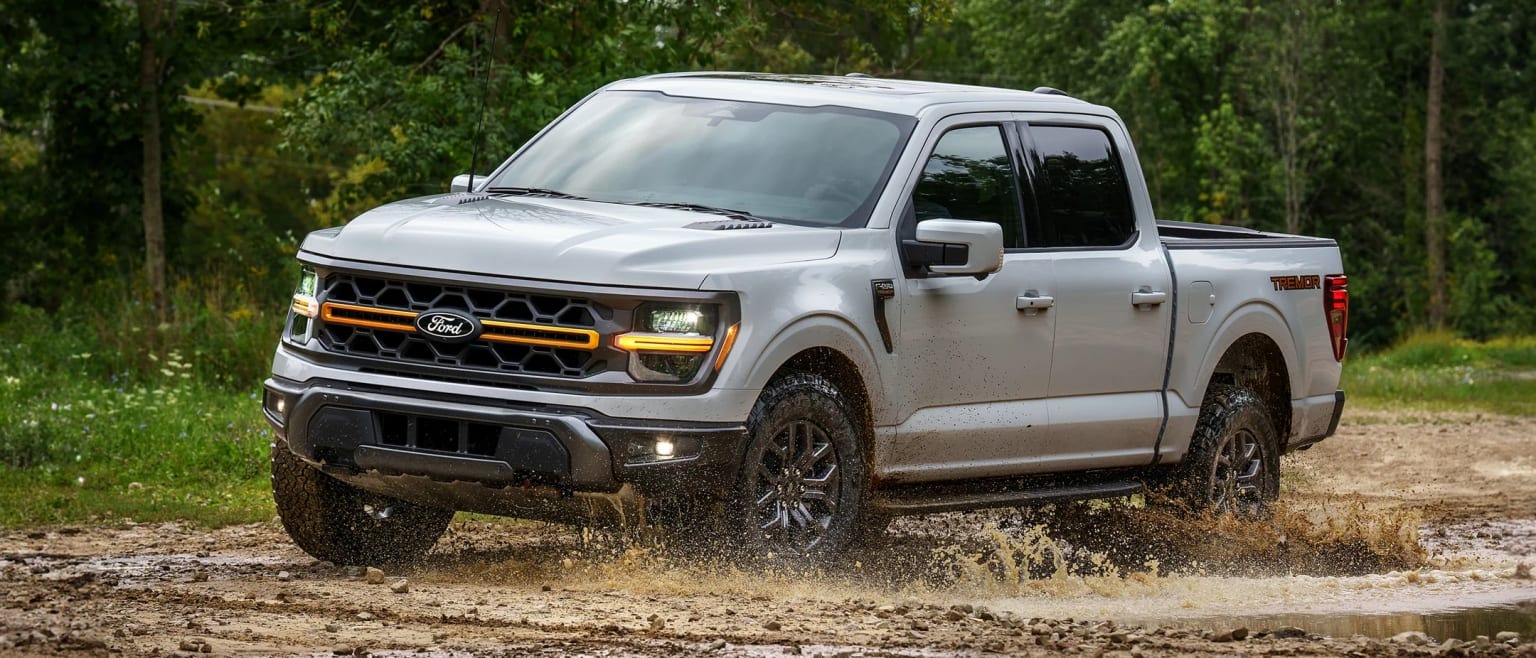
1. Ford F-150 (5.4L Triton V8)
The Ford F-150 equipped with the 5.4L Triton V8 is notorious for head gasket issues, and the problem gets worse when incompatible coolants are introduced. This engine already has a history of heat-related problems. The aluminum heads tend to expand more than the iron block, putting constant pressure on the gaskets.
When mixed coolants create internal sludge or corrosion, the cooling system struggles to dissipate heat effectively. Over time, the engine begins to run hotter than normal, especially under towing loads, eventually warping the heads and blowing the gaskets.
Coolant compatibility plays a larger role than most owners realize. The factory coolant for this engine is typically a gold-colored Motorcraft blend, with specific inhibitors for aluminum. Introducing green or orange coolants, even in small amounts, disrupts the chemical balance.
The result isn’t just a color change, it’s a breakdown of protective films inside the engine. Those thin layers are what protect aluminum surfaces and gasket interfaces from corrosion. Without them, the head gasket materials degrade rapidly, allowing coolant and combustion gases to mix.
Another reason the F-150 is vulnerable is the complexity of its cooling system. There are multiple flow paths, sensors, and temperature-sensitive components. When sludge builds up from mixed coolants, blockages form in the heater core, radiator, and passages through the cylinder heads.
That causes uneven temperature distribution across the engine. Some areas run hot while others stay cool, further stressing the gasket seals. The owner might not even notice until white smoke appears from the tailpipe or the coolant reservoir starts bubbling.
It’s easy to overlook the damage caused by coolant mix-ups because the symptoms don’t always show right away. But once a head gasket leaks, repairs are both costly and time-consuming. For the Triton V8, that means pulling the heads, replacing gaskets, machining warped surfaces, and sometimes replacing the timing chains or tensioners if coolant contamination gets that far. Sticking with the correct Motorcraft coolant and avoiding aftermarket blends is the best way to protect this engine long term.
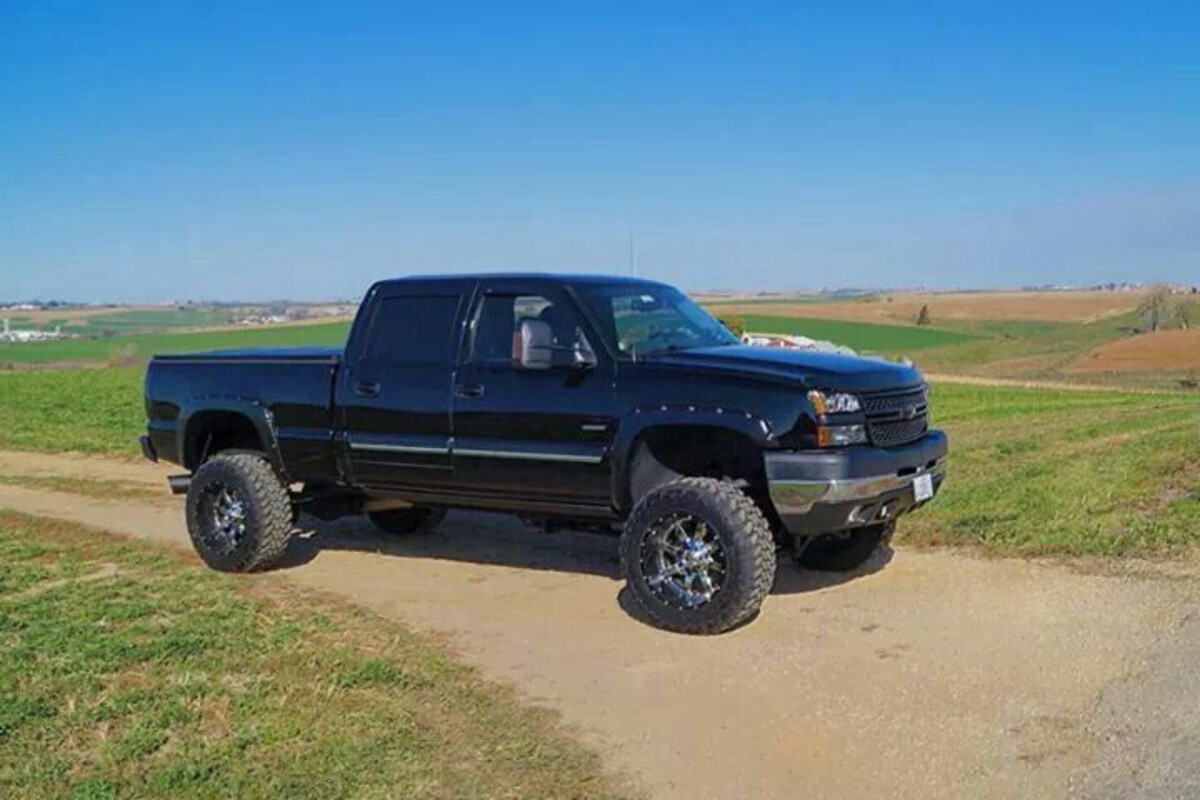
2. Chevrolet Silverado 2500HD (6.0L Vortec V8)
The 6.0L Vortec engine used in the Silverado 2500HD is widely regarded as durable, but it is not immune to issues caused by mixing coolants. This engine is designed around GM’s Dex-Cool coolant, an orange-colored organic acid-based formula. While Dex-Cool works well when used on its own, it becomes problematic when mixed with traditional green or yellow coolants. The chemical reaction creates a thick, sludgy gel that clogs the radiator, heater core, and even the water pump.
Gasket failure in the 6.0L engine often comes after this cooling system contamination. The build-up restricts coolant flow, especially in the cylinder heads, where temperatures can spike under heavy loads. As heat cycles increase in severity, the head gasket material begins to break down. Small leaks start to form, allowing coolant into the combustion chamber or oil into the coolant. Left unchecked, this results in misfires, overheating, and catastrophic engine damage.
Another challenge with this engine is its use in work-related environments where maintenance is often rushed or handled inconsistently. A quick top-off with the wrong coolant may seem harmless at the time, especially when the truck is needed back on the road. But even a one-time mistake can disrupt the coolant chemistry enough to cause problems down the line. Once the chemical structure of Dex-Cool is compromised, it no longer provides the protective barriers that GM intended for this engine.
When repairs are needed, they’re rarely simple. The Vortec 6.0L’s head bolts are torque-to-yield, requiring precise replacement and re-torquing procedures. Machining the heads and flushing the contaminated system adds to the cost. Replacing the radiator and heater core may also be necessary if sludge buildup is extensive. The best way to avoid all of this is to stick with OEM coolant and keep the cooling system flushed and clean, something that seems basic but becomes critical with this engine.
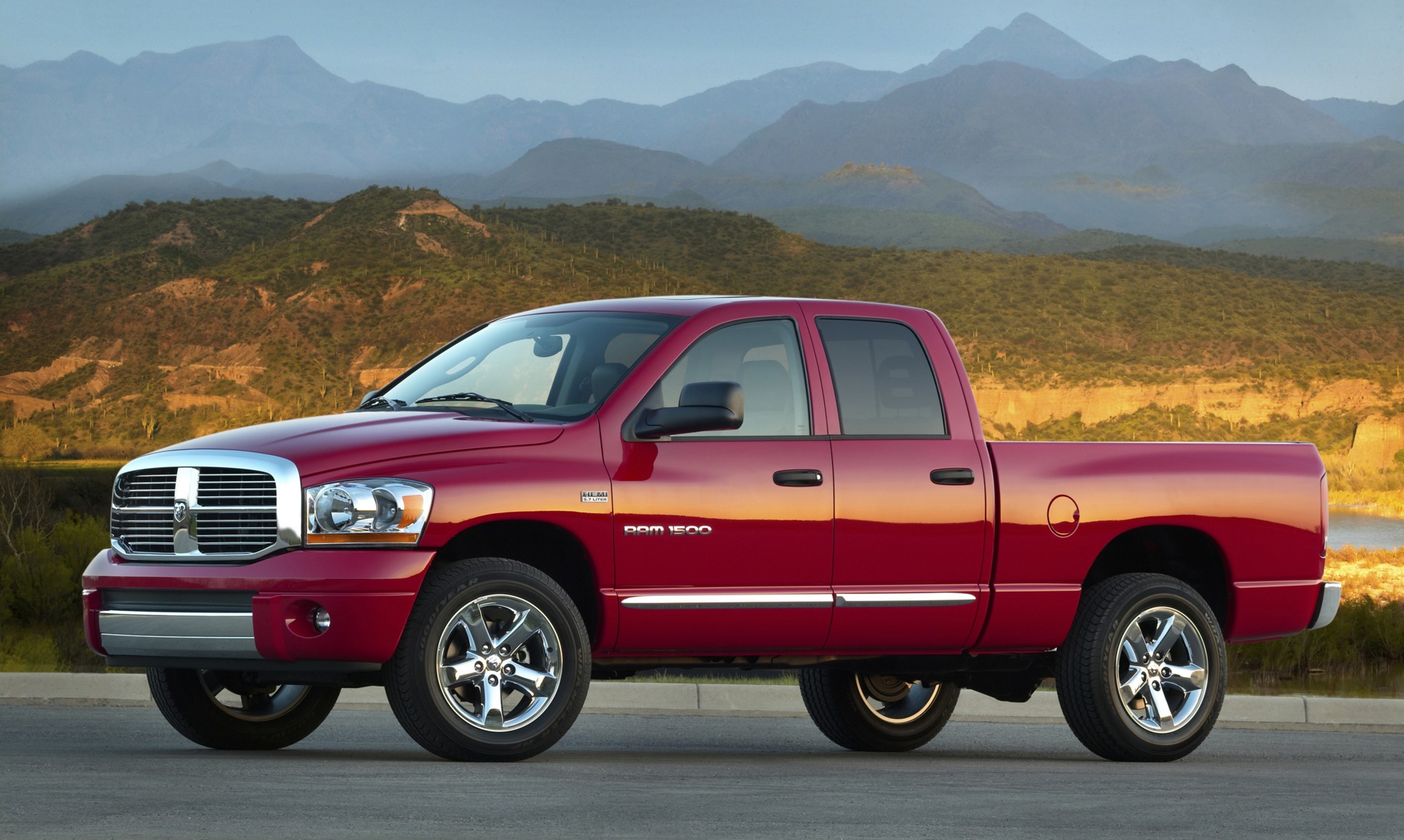
3. Dodge Ram 1500 (4.7L Magnum V8)
The Dodge 4.7L Magnum engine used in Ram 1500s from the early 2000s is another example of how coolant mixing can lead to expensive head gasket repairs. This engine was built with a narrow cooling margin. It runs warm under normal conditions and does not tolerate restricted flow or chemical imbalances in the coolant. Once foreign additives enter the system, the protective corrosion inhibitors start to fail, and localized overheating becomes a risk.
Chrysler’s HOAT (Hybrid Organic Acid Technology) coolant is what this engine requires. It’s not the same as GM’s Dex-Cool or standard green antifreeze. The HOAT formula includes silicates and organic acids balanced in a specific way to prevent corrosion in aluminum parts. When mixed with other types, the inhibitors can cancel each other out, allowing scale and corrosion to form around the head gaskets. This affects the seal and creates channels for coolant and oil to cross-contaminate.
The 4.7L engine is especially vulnerable to sludge buildup near the rear of the cylinder heads, where coolant flow is often weakest. When passages are blocked, steam pockets form. These hot spots warp the heads and break the seal between the head and the block. Some owners report symptoms like a sweet smell from the exhaust, milk-colored oil, or bubbles in the coolant reservoir, signs that combustion gases are entering the cooling system.
Repairs are tough on this engine because of its tight engine bay and the difficulty in removing the heads without taking out accessories and brackets. Once coolant contamination occurs, it’s not enough to just fix the gaskets, you also need to flush every part of the cooling system and ensure no residual mixed coolant is left behind.
Going forward, only the correct Mopar HOAT coolant should be used. It’s not just a matter of following instructions, it’s the only way to prevent repeat failure in this specific engine design.
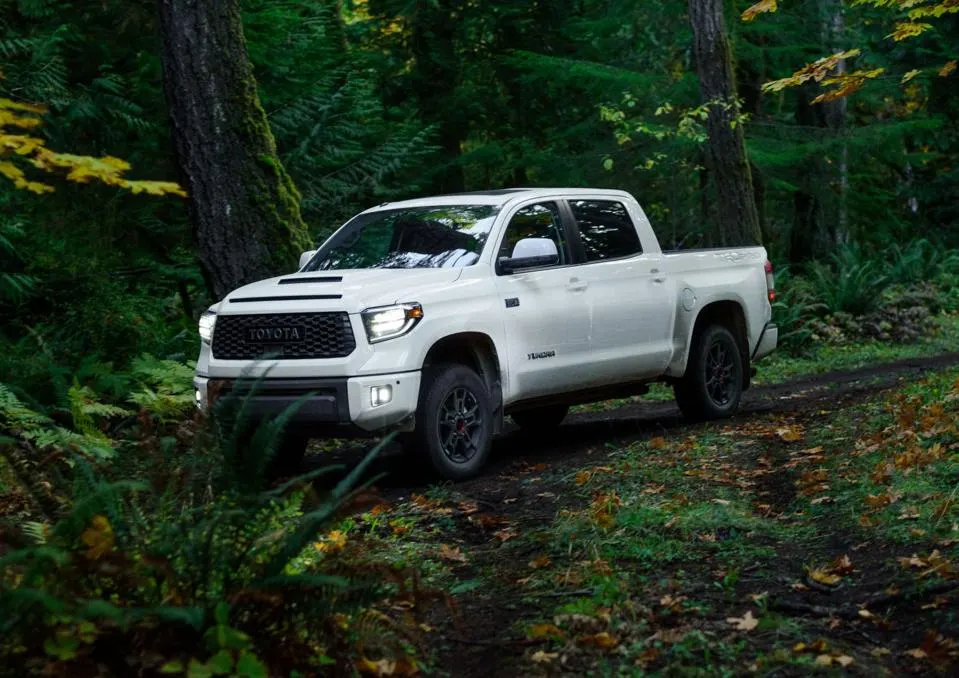
4. Toyota Tundra (5.7L i-Force V8)
Toyota’s 5.7L i-Force V8 in the Tundra is known for its power and reliability, but improper coolant maintenance has led to more head gasket issues than many realize. This engine is designed with very tight tolerances, which makes it efficient but also sensitive to overheating. When incompatible coolants are used, the mixture often leads to scale formation and internal corrosion, especially in the cylinder head area.
Toyota’s red or pink long-life coolant has a unique phosphate-based formula, free of silicates or borates. Mixing this with green or orange coolants throws off the chemistry, often resulting in a grainy sludge that clogs the thermostat, radiator, and heater core. With reduced coolant flow, temperatures begin to spike, especially during towing or driving in hot climates. Once that starts happening, gasket sealing surfaces begin to suffer.
What makes matters worse is how subtle the symptoms can be at first. Drivers may not notice anything wrong until they start seeing white smoke from the exhaust or coolant disappearing without a visible leak. Sometimes it shows up as a persistent check engine light caused by a misfire or knock sensor warning. In many cases, the damage is already done by the time the owner investigates. The head gasket allows combustion gases to leak into the cooling system, pushing coolant out and causing further overheating.
Repairing head gasket failure in the 5.7L engine is a significant job. It often requires removing the intake manifold, timing components, and even engine mounts to gain proper access. Any sludge or mixed-coolant residue must be completely flushed from the system to avoid re-contaminating the new gaskets.
Toyota specifically warns against using anything but their approved long-life coolant, and for good reason, it’s not just a suggestion but a requirement for this engine to perform as intended.
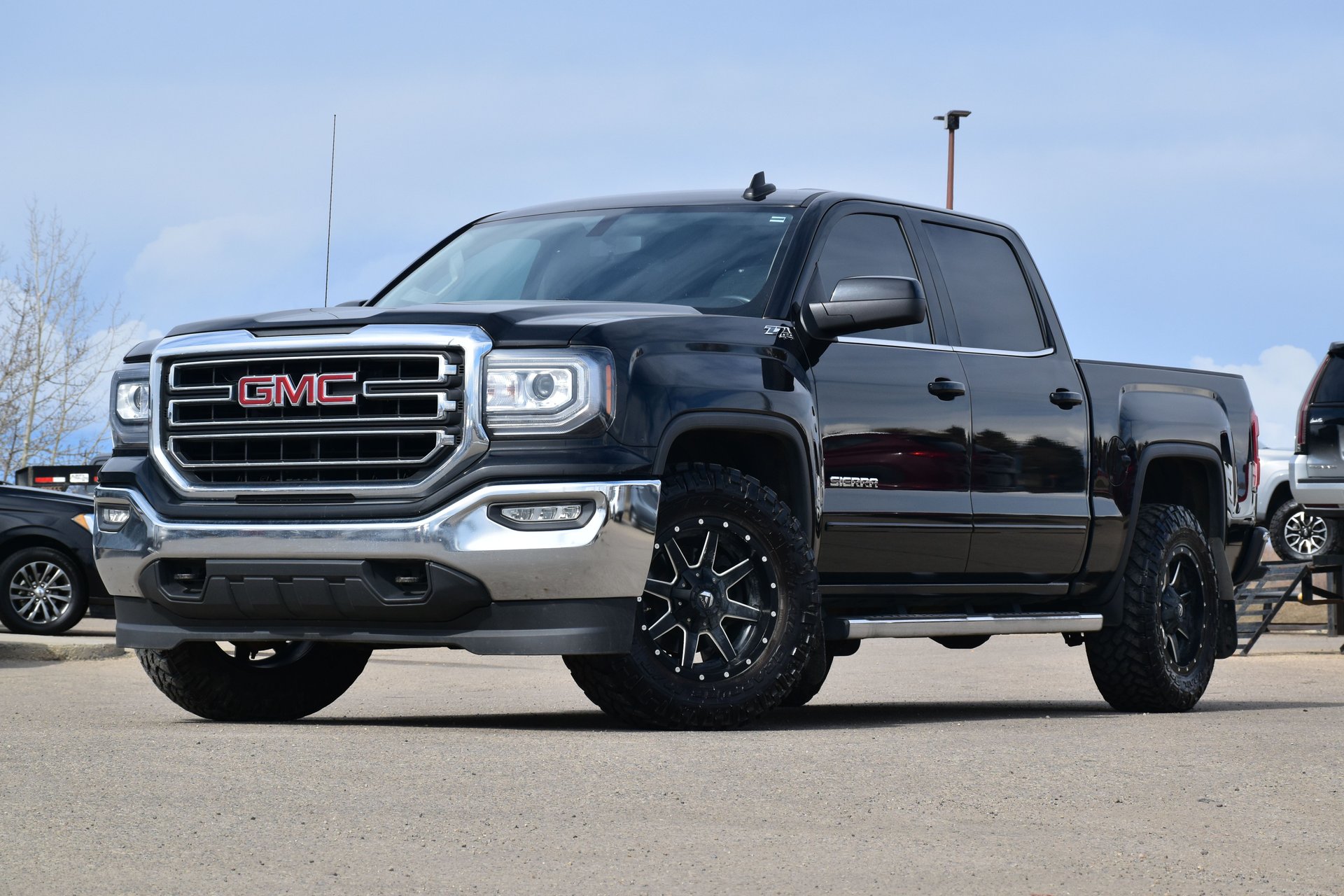
5. GMC Sierra 1500 (5.3L Vortec V8)
The 5.3L Vortec engine in the GMC Sierra 1500 is one of General Motors’ most widely used small-block V8s. While it’s generally a solid performer, especially in the mid-2000s models, it does not handle coolant neglect or mixing very well.
This engine was originally designed with Dex-Cool in mind, a coolant formula that, while effective under controlled conditions, is notoriously reactive when combined with other types. The 5.3L relies on consistent cooling system performance because it features aluminum heads on a cast-iron block, a combination that makes it more prone to thermal cycling and expansion differences, putting strain on the head gaskets over time.
When green conventional coolant is added to a Dex-Cool system, even in small amounts, the result is often a thick orange sludge that forms in the radiator and coolant reservoir. This sludge eventually circulates throughout the system, coating the inner walls of coolant passages and obstructing flow through vital areas like the heater core and thermostat housing.
Reduced flow means higher temperatures at the head surfaces, which gradually weaken the gasket seal and allow combustion gases or oil to mix with coolant. The issue may begin with intermittent overheating or rough idling, but it can rapidly escalate to full-blown gasket failure.
Another issue with the Sierra’s 5.3L Vortec is that some early versions used head gaskets that weren’t particularly robust. Even without coolant contamination, these gaskets were known to deteriorate after long mileage. When chemical degradation from mixed coolants is added to the equation, the deterioration happens much faster.
The gaskets can become brittle and start to crumble along the coolant ports. Once that happens, coolant can leak into the oil passages or the combustion chamber. The engine may develop lifter tick, white smoke, or a loss of coolant with no visible leaks, classic signs of a blown head gasket.
Repairing the 5.3L after such a failure can be labor-intensive. It involves draining and flushing the contaminated coolant, removing the heads, checking for warpage, replacing gaskets, and carefully cleaning out all sediment. Radiator replacement is often needed, too.
The factory strongly recommends sticking with Dex-Cool and not introducing any universal or conventional antifreezes. While some aftermarket coolants claim to be compatible, they still carry a risk, especially if there’s any residual Dex-Cool left in the system from previous fills. It’s safer and cheaper in the long run to play by the factory’s rules.
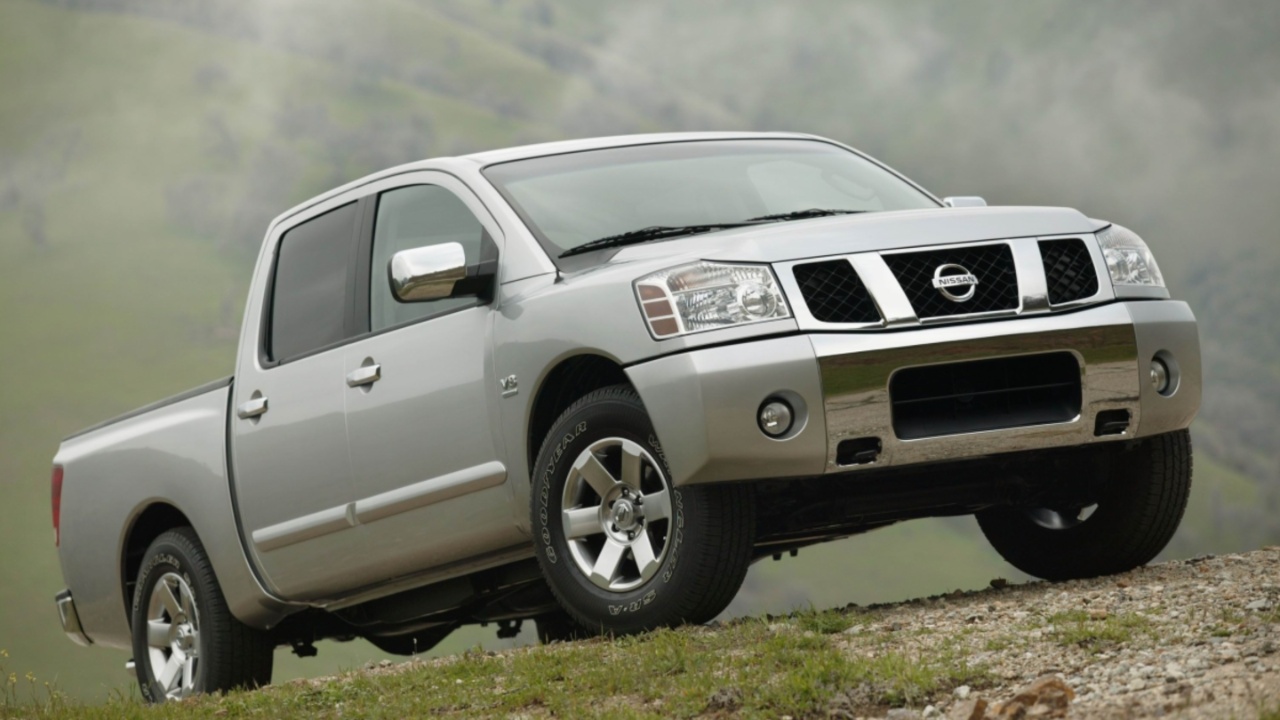
6. Nissan Titan (5.6L Endurance V8)
The 5.6L Endurance V8 found in the Nissan Titan is another engine that suffers when coolant choices are made carelessly. Nissan uses a blue long-life coolant formulated specifically for aluminum-intensive engines. This coolant is free of silicates and borates and is designed to protect aluminum components while resisting cavitation in high-speed water pumps.
Mixing this with traditional green coolant, or even with orange extended-life varieties from other brands, often leads to chemical instability. That instability, in turn, compromises the gaskets that seal the combustion chamber from the coolant passages.
Titan owners who’ve experienced head gasket failure often report seeing early signs like random misfires, a rise in engine temperature under load, or coolant slowly disappearing from the reservoir. The problem often begins in the gasket material itself, which becomes chemically weakened by the mixed coolant.
Once the integrity of that gasket is compromised, combustion gases begin to seep into the cooling system. Bubbles in the radiator or overflow tank are often the first sign. As pressure builds, it can actually push coolant out of the radiator and into the overflow bottle, leading to overheating even when the system is topped off.
Another issue with the Titan’s engine design is how closely coolant passages run alongside the combustion chambers. This means that even small leaks in the gasket can lead to rapid coolant loss into the cylinders. Once coolant begins entering a hot combustion chamber, it vaporizes instantly, and over time, this causes pitting or erosion in the head surface.
Eventually, the engine will misfire more frequently, and the exhaust may emit visible white vapor, classic symptoms of a failed head gasket. This condition is worsened by any prior use of mixed or contaminated coolant that has reduced flow efficiency or allowed corrosion to begin.
The cost of repair for a blown gasket in the 5.6L V8 isn’t minor. The heads need to come off, and often the surfaces have to be machined due to heat-related warping. The intake manifold has to be removed, and the water pump is usually checked for damage from sludge buildup.
Nissan explicitly advises using only their factory blue coolant, and in many cases, the warning is printed on the radiator cap itself. Ignoring that advice often leads to head gasket problems that take time and money to fix, all due to a mistake as simple as using the wrong jug of coolant.
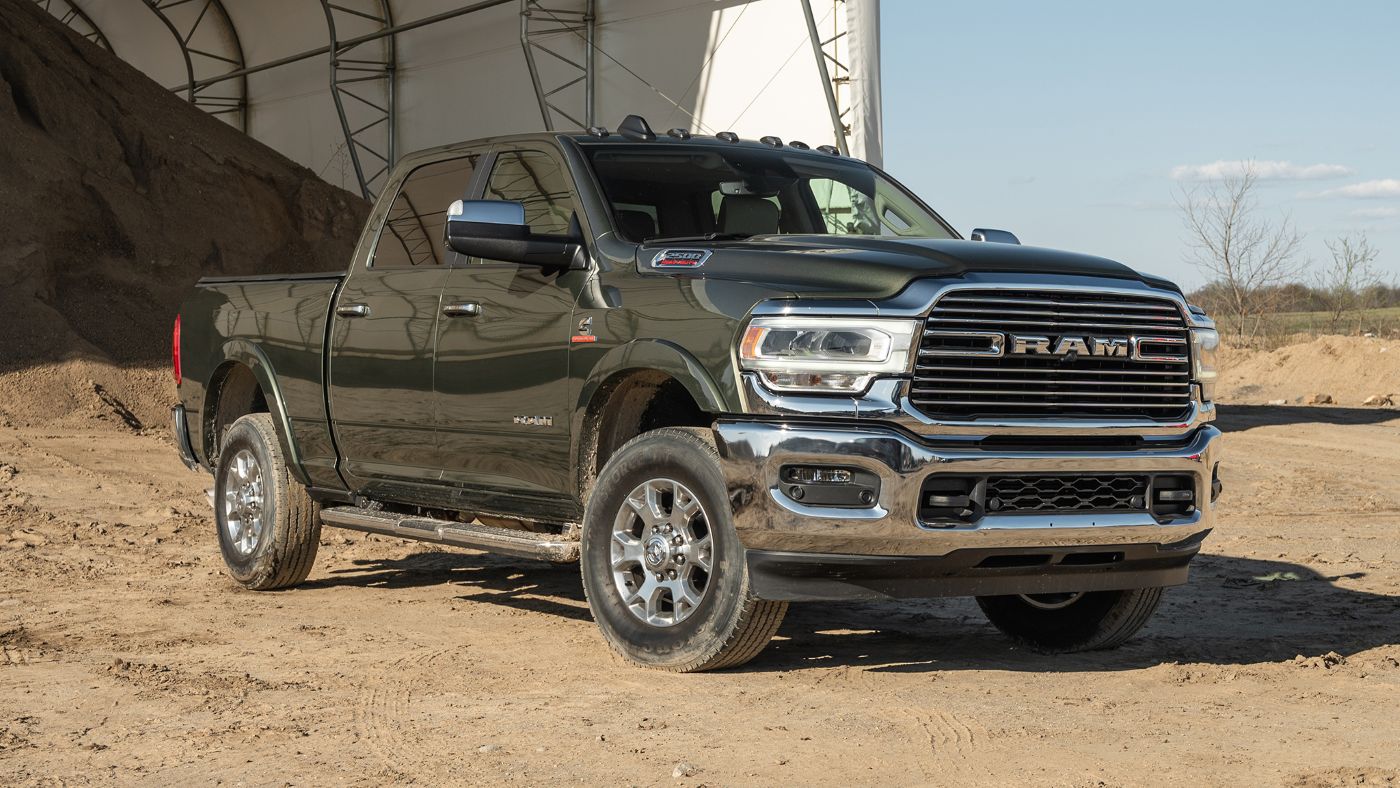
7. Ram 2500 (6.7L Cummins Turbo Diesel)
The 6.7L Cummins Turbo Diesel in the Ram 2500 is a workhorse engine, trusted by contractors, farmers, and long-haul drivers alike. Despite its legendary durability, this engine is extremely sensitive to improper coolant use. It comes from the factory with a specialized heavy-duty OAT (Organic Acid Technology) coolant, formulated to handle the extreme pressures and temperatures of diesel combustion.
Mixing this with older-style green or even some orange coolants may seem harmless at first, but can quickly turn into a costly disaster. Coolant mixing in this engine doesn’t just clog the radiator, it affects the gasket seals under the high cylinder pressures typical of diesel operation.
When incompatible coolants combine inside a 6.7L Cummins, the chemical reaction often leads to gelatinous deposits that line the inside of coolant passages. These deposits inhibit proper flow through the EGR cooler, the turbo water line, and the upper cylinder head passages.
This creates localized hot zones that the engine control system cannot properly monitor. As a result, the engine may seem to run normally, but internal components are being exposed to uneven thermal conditions. Over time, this warps the cylinder head and allows combustion gases to seep through the head gasket, often unnoticed until serious performance issues arise.
One of the key signs of a developing gasket problem in the 6.7L Cummins is the presence of pressure in the cooling system long after the engine has cooled down. Technicians often use a pressure tester or even observe bubbling in the overflow reservoir as an early diagnostic clue.
By then, coolant may already be leaking into the oil or out the exhaust. With the amount of torque and combustion pressure this engine generates, even a small gasket failure can cause rapid deterioration. In extreme cases, the head can crack near the gasket line, making the repair far more expensive.
Repairing a blown head gasket on this engine is a significant task. The cylinder head is massive and requires a hoist to remove. The turbo system, fuel lines, EGR system, and multiple wiring harnesses all need to be disconnected. That’s not even including the labor involved in cleaning out sludge caused by the mixed coolant.
Once the system is opened up, a full flush is required, along with new gaskets, bolts, and sometimes even a new radiator if it’s been clogged. Cummins specifies a particular coolant formula for a reason. Straying from it introduces risk not just to gaskets but to the entire cooling system.
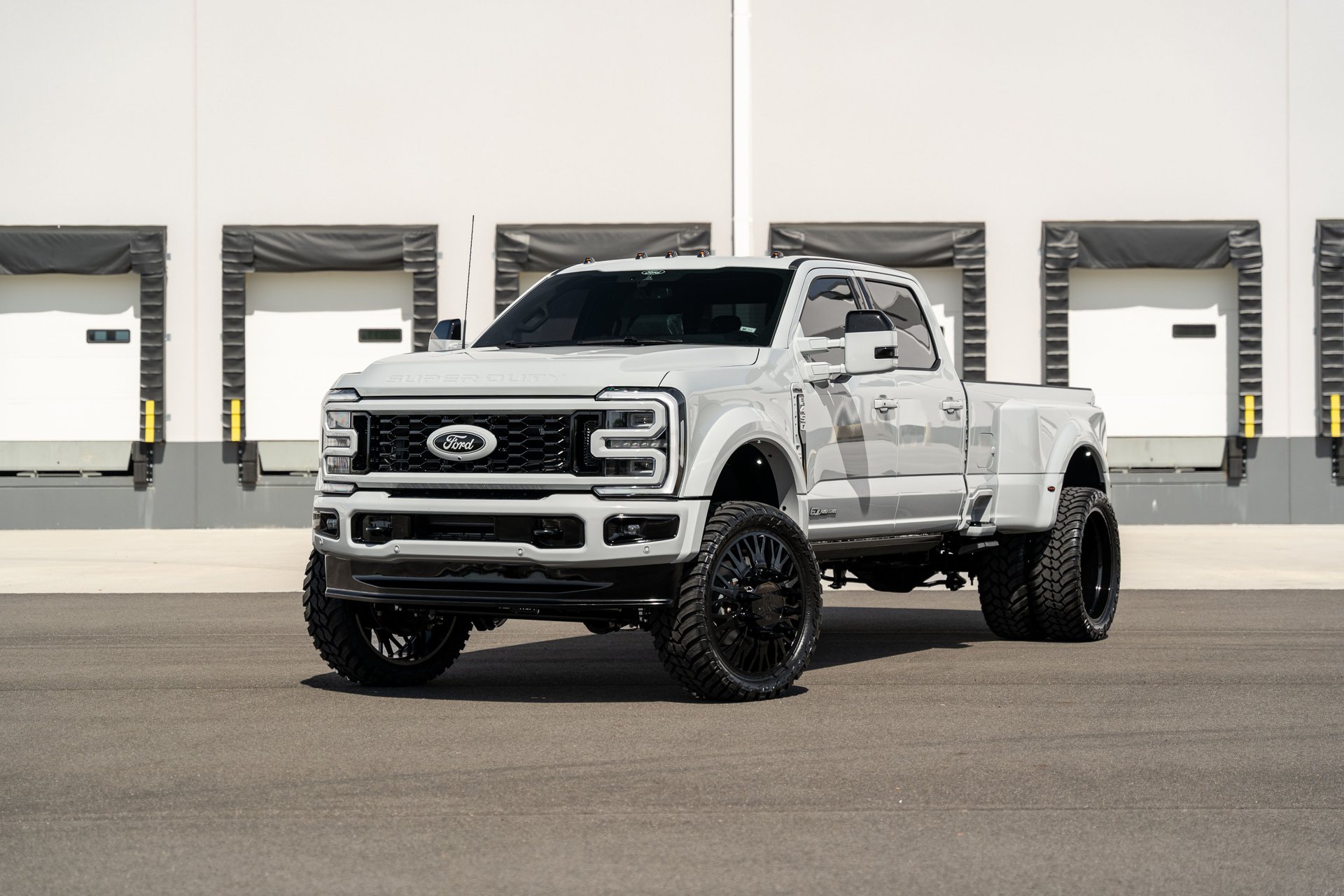
8. Ford Super Duty (6.0L Power Stroke Diesel)
The 6.0L Power Stroke diesel engine used in Ford Super Duty trucks from 2003–2007 has become infamous for its head gasket issues, and mixed coolant is a key contributor to those failures. This engine operates under extremely high cylinder pressure, especially after aftermarket tuning or EGR delete modifications.
Ford originally filled this engine with a gold-colored Motorcraft coolant, but many owners and shops switched to other coolants over time, especially when performing performance upgrades. The mistake often comes when people top off with green or red coolants, not realizing that the mixture undermines the additives that prevent internal corrosion and gasket degradation.
The 6.0L engine is already complex, with an oil cooler and EGR cooler that both rely on proper coolant flow. When the coolant becomes contaminated by incompatible mixtures, it often turns into a thick goo that blocks coolant flow through these critical parts. The oil cooler is the first to suffer, leading to elevated engine oil temperatures.
Once the coolant can’t circulate properly through the EGR cooler, it creates steam pockets in the cylinder heads. These hot spots are a leading cause of head gasket failure in this engine. Once that seal is broken, combustion gases enter the cooling system and push coolant into the overflow bottle under high pressure.
A common sign of head gasket failure in the 6.0L Power Stroke is a coolant reservoir that constantly vents pressure or loses coolant without any visible leak. Some drivers also experience loss of power, rough running, or a milky appearance in the oil.
These symptoms can be misdiagnosed as EGR failure or a bad oil cooler, but often the root cause is a head gasket compromised by overheating, itself caused by coolant blockage or chemical breakdown. Mixed coolants not only accelerate this process, they often trigger it.
Fixing a blown head gasket on a 6.0L is no small job. The cab often has to be lifted off the frame to access the engine properly. This “cab-off” service is time-consuming and expensive, involving hours of labor and careful reassembly. Upgraded head gaskets, ARP head studs, and a new oil cooler are usually installed during the repair.
All of this can often be traced back to a simple decision to add the wrong coolant. Ford and diesel specialists consistently recommend sticking with the factory Motorcraft coolant or a proven aftermarket equivalent, and flushing the system thoroughly if any cross-contamination has occurred.
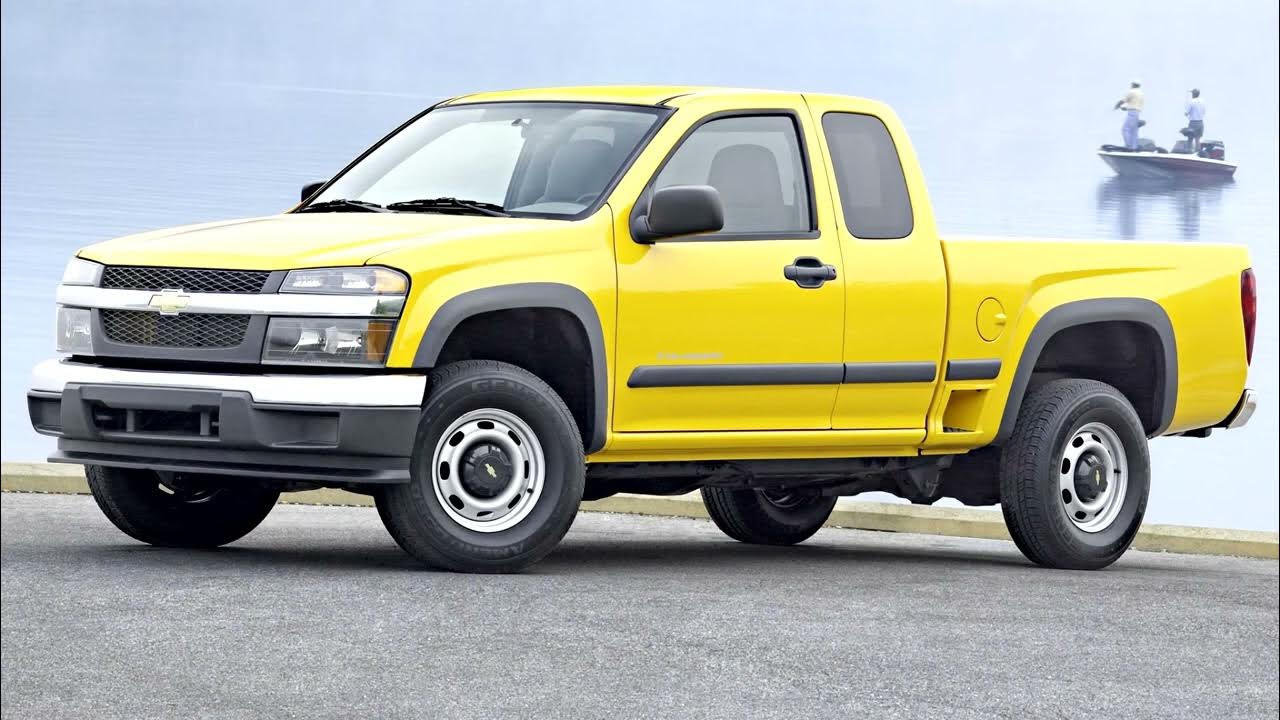
9. Chevrolet Colorado (3.5L/3.7L Inline-5)
The first-generation Chevrolet Colorado with the 3.5L or 3.7L inline-5 engine is often overlooked in conversations about head gasket failures, but it deserves a place on this list, especially when coolant issues are involved. GM filled these engines with Dex-Cool from the factory, a coolant that was supposed to last 5 years or 150,000 miles under normal driving conditions.
However, the long-life label sometimes gave owners and technicians a false sense of security. When someone unknowingly topped it off with green or yellow antifreeze, the result was usually the formation of sludge or rust-colored buildup, particularly in the radiator and heater core. This cooling disruption often leads to head gasket breakdown over time.
What made these engines vulnerable was the inline configuration with a long cylinder head and a narrow block. That design led to uneven heat distribution under load, especially when coolant wasn’t circulating properly due to blockage from mixed antifreeze or old sludge.
The head would gradually warp at one end more than the other, eventually creating gaps where the head gasket could no longer seal. This opened the door to coolant leaking into the combustion chamber or exhaust gases entering the coolant system. Once that happens, symptoms typically include overheating on long drives, bubbling in the overflow tank, or a fluctuating temperature gauge.
Early symptoms are easy to miss, and many drivers only realize something is wrong when the truck starts consuming coolant without leaking. In some cases, the vehicle will start to misfire on startup, especially when coolant has pooled in one of the cylinders overnight.
The check engine light may come on with misfire codes or lean condition codes, and mechanics often begin chasing the wrong problem. Only with a pressure test or exhaust gas test in the coolant system does the real issue become clear. That’s usually when the head gasket is confirmed to be leaking, and at that point, extensive damage may already be done.
Repairs on these engines can be deceptively complex. Because of the tight packaging in the engine bay, a lot of disassembly is required just to access the cylinder head. Once the head is off, it almost always needs to be machined flat again, and the cooling system has to be flushed to remove any remaining sludge.
The radiator and heater core are commonly replaced as well. And yet, all of this starts with the common mistake of mixing coolant types. GM’s warnings about using only Dex-Cool weren’t just marketing; they were a cautionary flag meant to avoid exactly this kind of failure.
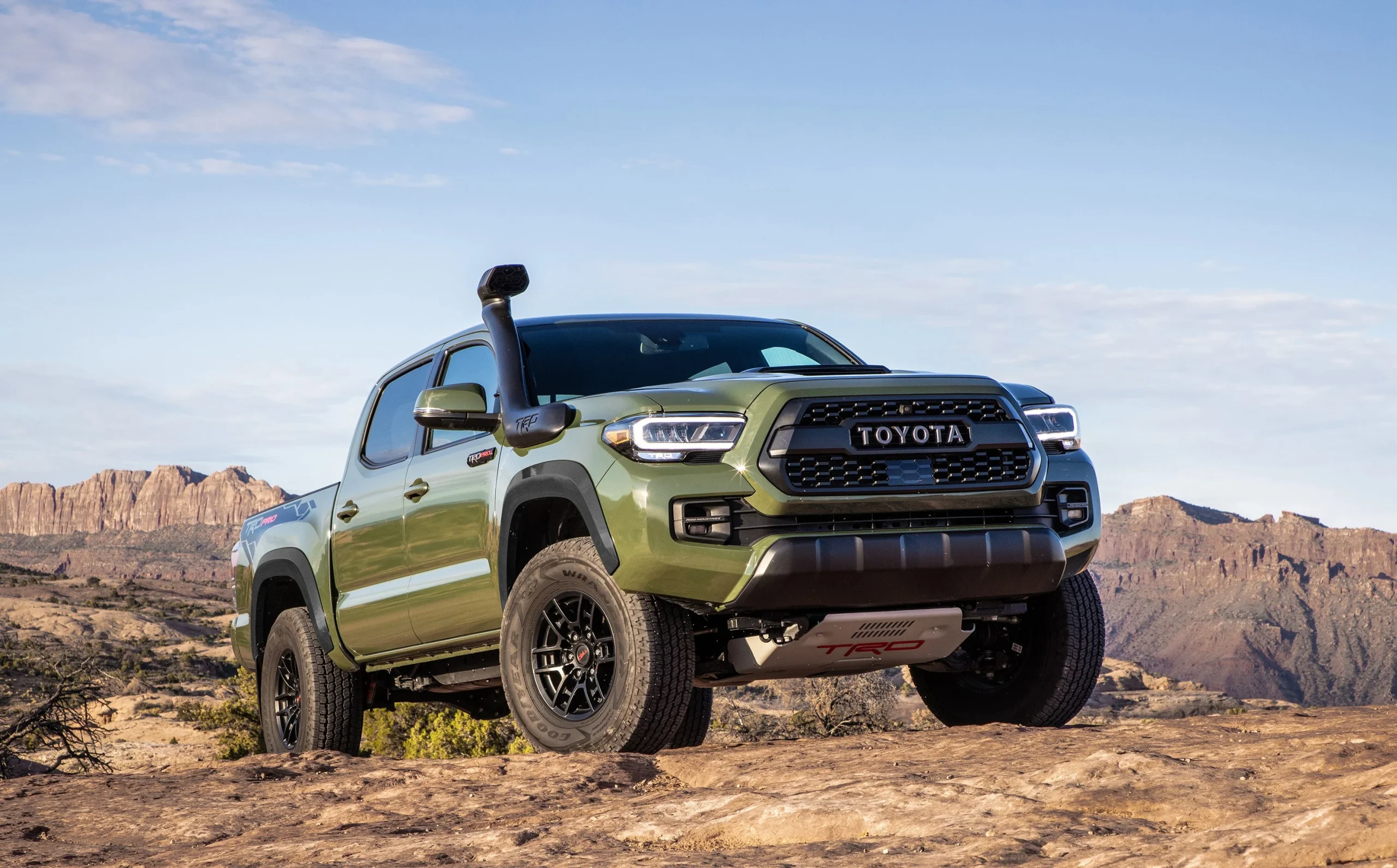
10. Toyota Tacoma (3.4L V6 5VZ-FE)
The 3.4L V6 engine in older Toyota Tacomas is often praised for its reliability, and with good reason; it’s been known to run past 300,000 miles with proper maintenance. But even this well-built engine has its weak point, and one of them is the sensitivity of its cooling system to contamination, especially from mixed coolant types.
Like most Toyota engines, it’s designed to use a specific red or pink coolant that contains phosphates and no silicates. When mixed with conventional green or “universal” coolants, the result is often internal buildup and corrosion that leads to overheating and, eventually, head gasket failure.
The 3.4L V6 uses a cast iron block with aluminum cylinder heads, a combination that requires stable coolant chemistry to avoid galvanic corrosion. When coolants with different additives are combined, the protective film that prevents corrosion on aluminum surfaces begins to break down.
Over time, corrosion can form at the gasket mating surfaces, especially in the front cylinders, which are exposed to higher thermal loads. Once corrosion or pitting begins, the head gasket begins to leak, sometimes externally, but often internally into the combustion chamber or oil passages. The engine may still run fine, but over time, coolant loss and overheating occur more frequently.
Another aspect of this failure pathway is the buildup of scale inside the cooling passages. When incompatible coolants are used, the silicates and phosphates can combine into deposits that coat the walls of narrow passages inside the heads and intake manifold. This buildup restricts flow to the rear of the engine, causing uneven heating.
It’s a slow but damaging process. As the gaskets weaken, drivers may notice symptoms like bubbling coolant, increased idle temperatures, or faint exhaust smells in the cabin due to coolant vapor making its way through the heater core system. All these are signs that the engine is no longer sealing properly and needs immediate attention.
The repair process on the 3.4L V6 involves removing the intake and timing components, pulling the heads, and often machining them to correct any warping. It’s also recommended to replace the water pump and thermostat, especially if they show signs of coolant contamination or scale buildup.
A full coolant flush is mandatory to remove all traces of mixed coolant, and using Toyota’s specific long-life red or pink coolant is the only way to restore the protective chemistry the engine relies on. Even though engines like the 3.4L V6 are vulnerable when the wrong fluids are introduced. It’s a preventable mistake with expensive consequences.
