

Hybrid vehicles combine internal combustion engines with electric motors to offer greater fuel efficiency, fewer emissions, and quieter operation. One of the critical but often overlooked components in hybrid vehicles is the inverter, which helps convert electricity from the battery into usable power for the electric motor.
Like any electronics, inverters generate heat during operation. To manage this heat, automakers integrate a dedicated cooling system that uses a special type of coolant. This system is separate from the engine’s cooling loop and is essential for the long-term reliability of the hybrid system.
Many hybrid owners, especially those unfamiliar with the technology, mistakenly assume that regular engine maintenance alone is enough. They often forget or ignore the inverter coolant, which plays a significant role in the health of the electric drive system.
As a result, neglecting to change the inverter coolant at the recommended intervals can lead to premature failure of vital components. The inverter, being an expensive part to replace, becomes a common failure point if not adequately cooled. When the coolant degrades or becomes contaminated, the cooling efficiency drops, leading to overheating and eventual damage to the inverter or related electronics.
Car manufacturers typically recommend changing inverter coolant every 50,000 to 100,000 miles, depending on the make and model. Some hybrids have a simple system with a shared coolant loop, while others include dedicated coolant pumps, filters, and reservoirs for inverter cooling.
A failure in this system may not immediately trigger a warning light, which is why many owners miss early signs of trouble. Over time, heat stress shortens the lifespan of key hybrid components, and owners may find themselves facing costly repairs that could have been easily prevented with routine maintenance.
This article identifies twelve hybrid models that are particularly vulnerable to early inverter failure when the inverter coolant is not changed at proper intervals. Each model has been widely used and praised for efficiency, but under the hood, they demand special attention to cooling.
These vehicles are not poorly designed, but they are more sensitive to heat buildup than others. If you own or are considering buying any of these models, understanding the importance of inverter coolant maintenance could save you from thousands in repair bills and the inconvenience of hybrid system failure.
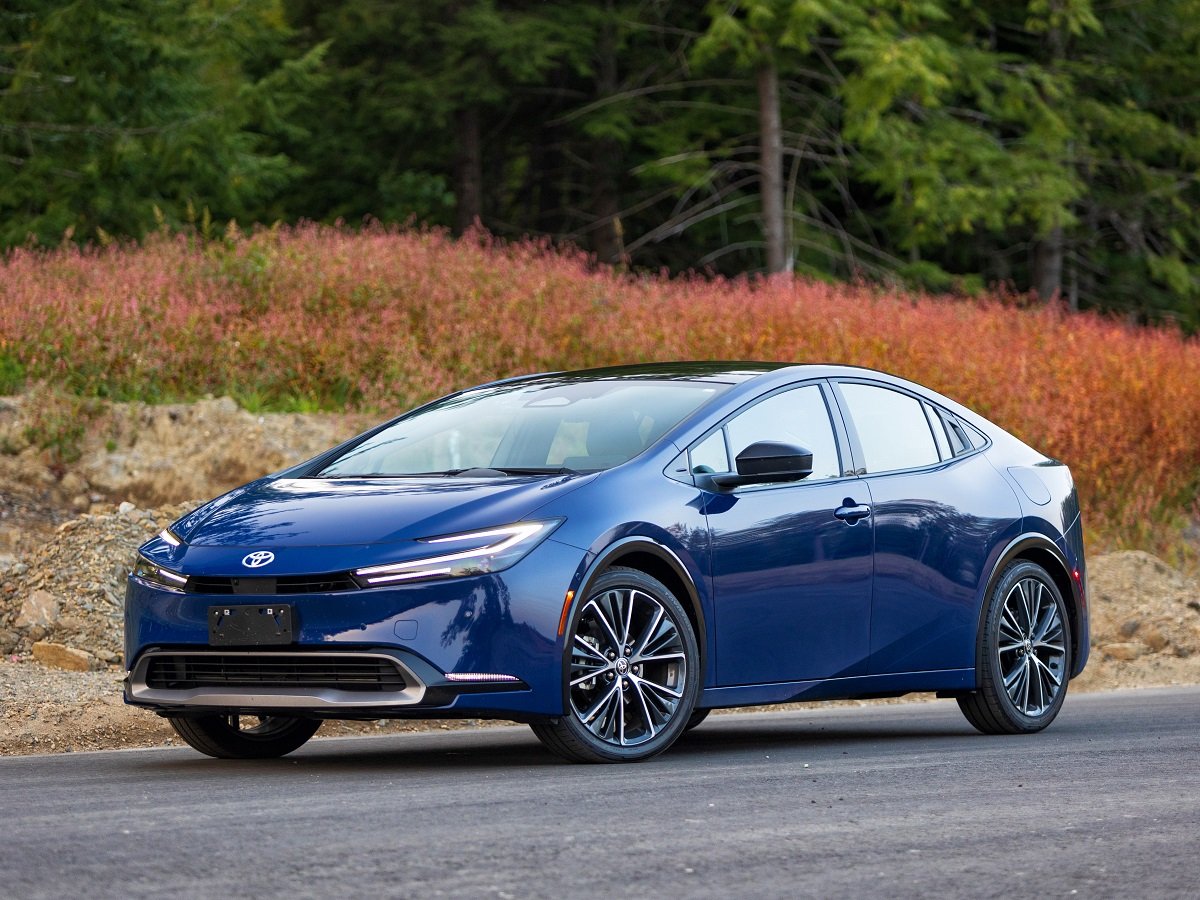
1. 2004–2009 Toyota Prius (2nd Gen)
The second-generation Toyota Prius is one of the most well-known hybrids globally. It helped mainstream hybrid technology, but many of these older models are showing their age in ways owners didn’t expect. One of the most overlooked components is the inverter coolant loop.
These cars have a dedicated pump that circulates coolant through the inverter system. If this pump fails or the coolant degrades, the inverter can overheat without immediate symptoms. Owners may not notice the issue until the vehicle enters a limp mode or the inverter completely fails, leading to repair costs that can easily top $2,000.
Failure to change the inverter coolant every 60,000 to 100,000 miles is a major reason for breakdowns. These early Priuses rely on a relatively simple cooling loop, but that doesn’t make it less important. As coolant ages, it loses thermal capacity and may allow deposits to build up inside narrow cooling channels.
If those passages get clogged or restricted, the inverter’s ability to shed heat drops drastically. A warning light might not appear until after damage has already occurred, so proactive maintenance is crucial.
Compounding the issue is the age of these vehicles. Most are now approaching two decades of use, and unless the previous owners maintained the system well, corrosion or contamination can be present in the cooling lines. Changing the coolant and checking the inverter coolant pump is something any owner of this generation should prioritize. A failing pump may run quietly and not trigger a fault code until temperatures spike, which can happen quickly during highway driving or hot weather.
For owners who intend to keep their Prius long-term, it’s not enough to focus on oil changes or battery health. The inverter system is just as critical and far more sensitive to overheating than traditional engine components. Replacing the coolant, inspecting hoses, and verifying the pump function every few years should be considered basic upkeep, not optional service.
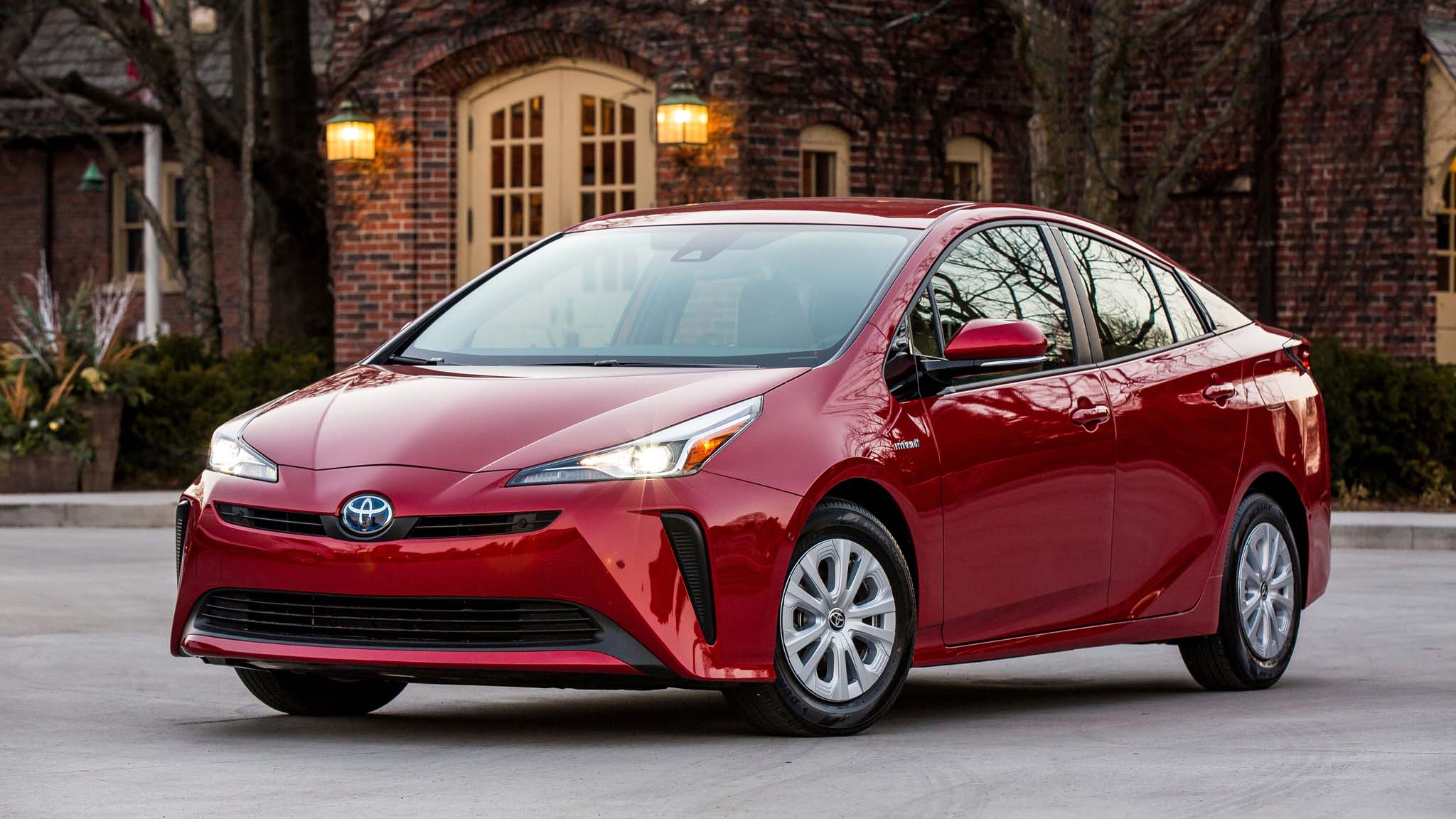
2. 2010–2015 Toyota Prius (3rd Gen)
The third-generation Prius improved on many fronts, including fuel economy and interior design. However, it also introduced some complexity in its cooling systems. The inverter coolant system in this generation uses a separate electric pump, and over time, that pump becomes prone to failure, especially when the coolant is not changed regularly.
Many mechanics have noted that inverter failures in these models often trace back to ignored maintenance intervals or old coolant that has lost its effectiveness.
This generation’s cooling loop has more components than the previous version, making it more sensitive to neglect. The coolant not only regulates temperature but also helps prevent electrical shorts in the power electronics.
If the fluid becomes contaminated, it can create conductivity problems, increasing the risk of component damage. Owners who think of coolant as something related only to engines may not realize that failing to replace the inverter coolant puts the entire hybrid system at risk.
A common symptom in these vehicles is the sudden shutdown of the hybrid system, often accompanied by warning lights for overheating or power loss. What’s alarming is that such a shutdown can happen without any prior noticeable issues. During summer months or heavy acceleration, the inverter works harder and gets hotter.
Without proper coolant, it can cross safe operating temperatures within minutes. Unfortunately, the fix is not cheap, and few shops can rebuild or repair an inverter at the component level.
Toyota did address some of these issues with software updates and redesigned pumps in later years, but that doesn’t eliminate the need for maintenance. Even if the pump works fine, old coolant lacks the additives required to manage heat transfer effectively. Owners should treat the inverter coolant system with the same seriousness as engine oil, especially as these cars rack up miles and the original coolant ages well past its service life.

3. 2007–2011 Honda Civic Hybrid
The Honda Civic Hybrid from this era is known for its reliability, but it has one major weak point: its hybrid power electronics tend to run hot. The inverter and motor control units in these vehicles are compact and efficient, but they depend heavily on adequate cooling.
The inverter system uses its coolant loop, and Honda specifies a replacement interval that many owners overlook. When coolant is not changed, the vehicle’s hybrid electronics are exposed to excessive heat stress, leading to early failure.
One of the challenges with this generation of Civic Hybrid is that inverter overheating doesn’t always produce immediate symptoms. In some cases, owners report a slow decline in fuel economy or intermittent warning lights that vanish after a restart.
These signs are easy to dismiss, especially if they don’t affect drivability at first. But the root cause is often thermal fatigue from degraded coolant that can no longer keep temperatures stable under heavy electrical load.
By the time the vehicle starts experiencing major hybrid issues, such as stalling, poor acceleration, or system shutdown, the damage is usually done. Inverter modules are costly and difficult to replace, often requiring dealer-level service.
It’s not unusual for repair bills to approach or exceed the value of the car, especially if the battery system is also due for replacement. These cascading failures make it all the more important to follow Honda’s guidance on coolant service.
Another factor that worsens the problem is poor circulation due to sediment buildup in the cooling loop. As coolant ages, particles can settle and clog narrow passages inside the inverter. This restricts flow and limits cooling efficiency, causing temperatures to rise more quickly than they should. Flushing the system and refilling with the correct coolant type is a simple preventative measure that can add years to the lifespan of the hybrid system.

4. 2012–2016 Ford C-Max Hybrid
Ford’s C-Max Hybrid is often praised for offering a responsive driving experience and roomy interior, but owners have reported several issues related to its high-voltage components, especially the inverter. The cooling system in the C-Max is more complex than it appears, and the inverter loop is easily compromised when coolant is neglected. When overheating begins, it typically does not trigger a warning light until damage has already occurred.
Unlike some simpler hybrid systems, the C-Max uses a series of electric coolant pumps and thermostatically controlled valves to manage inverter cooling. These parts rely on clean, effective coolant to maintain optimal performance. When the coolant ages or becomes contaminated, it can cause pump wear, valve sticking, or even electrochemical corrosion inside the inverter. All of these can lead to expensive failure scenarios if ignored.
Many C-Max owners are unaware that inverter coolant should be changed at all, assuming instead that the system is sealed for life. While Ford’s official guidance may not highlight frequent changes, real-world experience shows that vehicles used in hot climates or for long commutes are at higher risk of thermal stress.
Once the inverter is damaged, the hybrid system becomes unstable, with frequent loss of power and warning messages that can’t be cleared without repair.
Service shops familiar with this model often recommend replacing the inverter coolant every 60,000 miles or less, especially if the vehicle has experienced high load conditions. The system is sensitive enough that even minor clogging or air pockets can lead to overheating. A simple drain and refill can prevent thousands in repairs and is a step that most owners can complete with basic tools and patience.

5. 2013–2017 Ford Fusion Hybrid
The Ford Fusion Hybrid shares many powertrain components with the C-Max and exhibits similar cooling-related concerns. In particular, the inverter system in these models has been prone to overheating when the coolant is not replaced on time.
The design integrates electronic control modules closely packed, requiring a stable cooling environment to avoid heat-related degradation. Aged coolant or poor circulation has been linked to thermal stress that eventually shortens the inverter’s lifespan.
A major problem with these hybrids is that they don’t provide early, specific indicators when inverter cooling is failing. Drivers might notice a warning light that seems generic or sudden drops in performance under load.
In some cases, the vehicle might even stall and fail to restart, especially during hot weather or extended drives. Investigations often reveal that the inverter suffered heat damage, and the root cause was degraded or insufficient coolant flow.
Fusion Hybrid owners frequently assume that regular engine coolant checks are enough, not realizing that the hybrid system uses a separate circuit. If this system develops air pockets, leaks, or sediment buildup, the electric pump may begin to work harder or stop functioning altogether.
Pump failure is common when old coolant is left too long, particularly in climates with extreme temperatures. Once the pump goes out, the inverter quickly follows if the issue isn’t caught in time.
While Ford dealerships do perform inverter coolant replacements, it’s rarely discussed unless the customer asks directly. This leads to long intervals between coolant changes, sometimes over 100,000 miles, which is risky for a hybrid that sees heavy use. Independent mechanics often recommend 50,000–60,000 mile intervals for inverter coolant to avoid surprise failures. If you’re planning to keep your Fusion Hybrid well into six figures on the odometer, changing the inverter coolant should be a top priority.
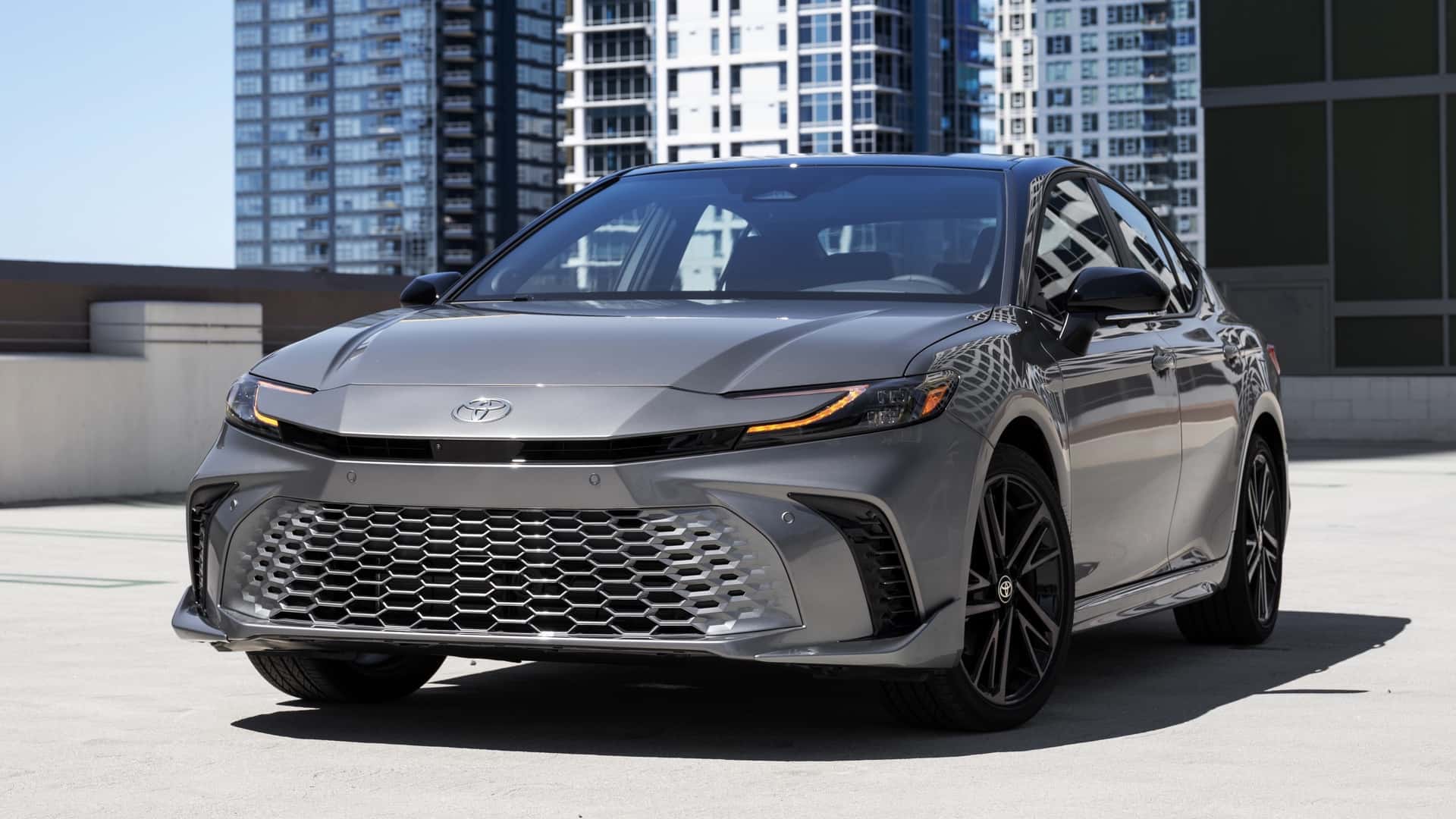
6. 2006–2011 Toyota Camry Hybrid
The early Toyota Camry Hybrid was one of the first mainstream midsize sedans to offer hybrid power, using technology derived from the Prius. It shares much of its electrical architecture with the second-generation Prius, including the use of a separate inverter cooling system.
Over the years, many owners of this vehicle have experienced sudden inverter failure due to lack of maintenance on the coolant system. Often, it happens without warning, and the result is a vehicle that won’t drive or starts intermittently.
The inverter in this model has its own pump and reservoir. If the coolant isn’t changed as recommended, the fluid starts to degrade, and heat is no longer dissipated properly. This gradual thermal build-up weakens internal components like capacitors, resistors, and wiring. As the heat cycle repeats over thousands of miles, microscopic damage becomes major. Replacing the entire inverter can cost well over $2,000, which is often more than the vehicle is worth in higher-mileage examples.
Another issue is that the pump in these early hybrids was not particularly robust. Over time, sediment buildup from old coolant puts extra strain on the pump motor, which can cause early failure. A failed pump is sometimes hard to detect without diagnostic tools. The vehicle may seem to run fine until the next heat wave, when the inverter can no longer regulate temperature. By then, the damage is often irreversible.
Maintaining this generation of Camry Hybrid involves more than just changing oil and filters. The inverter coolant should be replaced at least every 60,000 miles to keep the hybrid system in working order. Owners who proactively maintain the coolant loop often find their hybrids last well beyond 200,000 miles without major issues, while those who ignore it can face unexpected breakdowns.
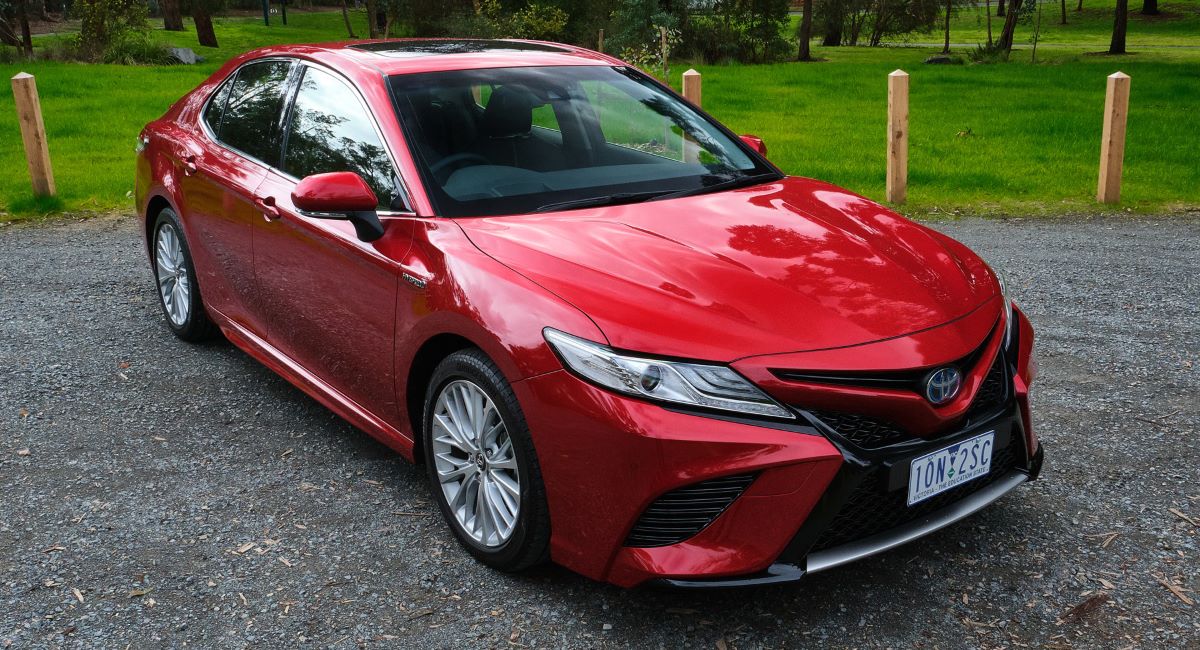
7. 2014–2017 Honda Accord Hybrid
Honda’s Accord Hybrid offers a unique two-motor hybrid system, with a focus on electric drive for low-speed cruising. While the system delivers impressive fuel efficiency, it puts considerable demand on the inverter and power electronics.
These components are cooled through a dedicated loop, and over time, heat can become a major concern if the inverter coolant is not properly maintained. Many of these vehicles are now reaching high mileage and are beginning to show failures related to inverter thermal stress.
When the inverter cooling loop is neglected, the system is prone to overheating, especially under heavy acceleration or during high ambient temperatures. The coolant can degrade chemically, losing its ability to transfer heat and protect against corrosion.
Without clean coolant, internal metal surfaces can begin to pit or corrode, creating conductivity issues or damaging the electronics. What begins as a slow decline in performance can escalate into full hybrid system shutdown.
One sign of coolant problems in the Accord Hybrid is increased fan noise or the sensation that the engine is cycling more frequently to compensate for battery or inverter issues. These symptoms are easy to misinterpret unless the system is inspected.
The inverter itself is a sealed, complex part that’s expensive to replace. Even with a warranty, labor and diagnostic costs can mount quickly once the system starts to fail.
Honda recommends a relatively long interval for coolant replacement, but real-world usage suggests a shorter cycle is safer. Many hybrid owners choose to flush and replace the inverter coolant every 50,000 miles to reduce the risk of overheating. Given the cost of inverter components and the fact that most Accord Hybrids are used as commuter vehicles, the investment in timely coolant changes pays off by preventing electrical failures.
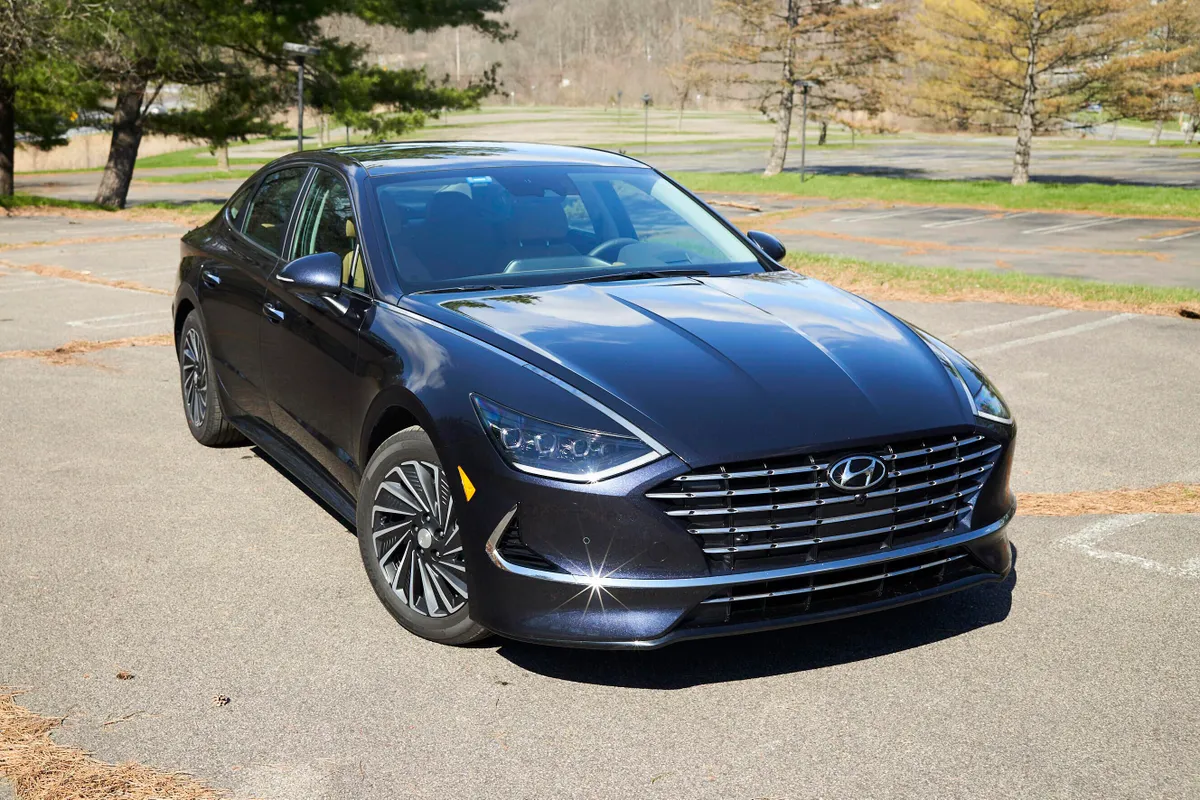
8. 2011–2015 Hyundai Sonata Hybrid
Hyundai’s early hybrid attempts were ambitious, combining a lithium-polymer battery with a traditional automatic transmission. The Sonata Hybrid uses an electric motor and inverter setup that runs hot during normal operation, particularly in stop-and-go driving or long uphill climbs.
The cooling system for the inverter is critical, and when neglected, this system becomes a major weakness. These vehicles have developed a reputation for early inverter failure, and many of the cases are directly linked to inadequate coolant maintenance.
Unlike some hybrid systems that rely on a shared cooling loop, the Sonata has a dedicated path for the inverter. It includes an electric pump, sensors, and a separate radiator. If the coolant isn’t changed, the risk of sediment buildup and scaling inside the loop increases. These deposits reduce flow, cause pump strain, and lower the heat transfer capability. When the inverter begins to overheat, it may shut down the system to protect itself, but repeated overheating cycles still degrade the internal electronics.
Many owners report a pattern: reduced fuel economy, warning lights, and eventual system failure. Sometimes, inverter failure is sudden, without much warning. Replacement costs can be very high, and in some cases, vehicles have been scrapped rather than repaired due to cost. These are preventable issues if the inverter coolant is replaced consistently and the system is checked for leaks or blockages.
Hyundai service manuals recommend checking the inverter coolant condition at regular intervals, but this often gets skipped during routine visits. Drivers who take initiative to replace the coolant every 50,000–60,000 miles generally avoid the worst issues. In warmer climates, the interval might need to be even shorter. Keeping the system clean and filled with factory-spec coolant is essential for long-term reliability.

9. 2017–2020 Kia Niro Hybrid
The Kia Niro uses the same platform as the Hyundai Ioniq, including its hybrid drivetrain and cooling architecture. Its inverter is compact, efficient, and tightly integrated with the battery management system. However, this system generates a substantial amount of heat and relies on precise temperature regulation to function properly. As with its Hyundai cousin, the Niro’s inverter has proven to be sensitive to degraded or insufficient coolant.
The inverter coolant circuit uses an electric pump and its reservoir. Over time, coolant breakdown can result in particles forming inside the system, which may clog narrow passages and reduce heat exchange. In high-mileage Niros, this has led to premature inverter wear or failure. Once the inverter is compromised, the vehicle’s hybrid functionality either becomes unreliable or stops altogether. In colder weather, poor circulation may not show symptoms immediately, but the issue escalates during summer months.
Another factor to consider is how owners use these vehicles. Many Niros are used for city commuting, ridesharing, or delivery, which means they spend hours in low-speed conditions with frequent acceleration and idling. This puts continuous strain on the inverter, especially if the cooling loop is underperforming. Without timely coolant replacement, the stress accumulates faster than in highway driving conditions.
Kia recommends inverter coolant changes at wide intervals, but given field reports from independent mechanics, a shorter schedule is advisable. Flushing the coolant every 60,000 miles or sooner ensures the pump, radiator, and inverter components stay protected. For hybrid systems with high energy flow and tight packaging, even small drops in cooling performance can cause long-term damage.
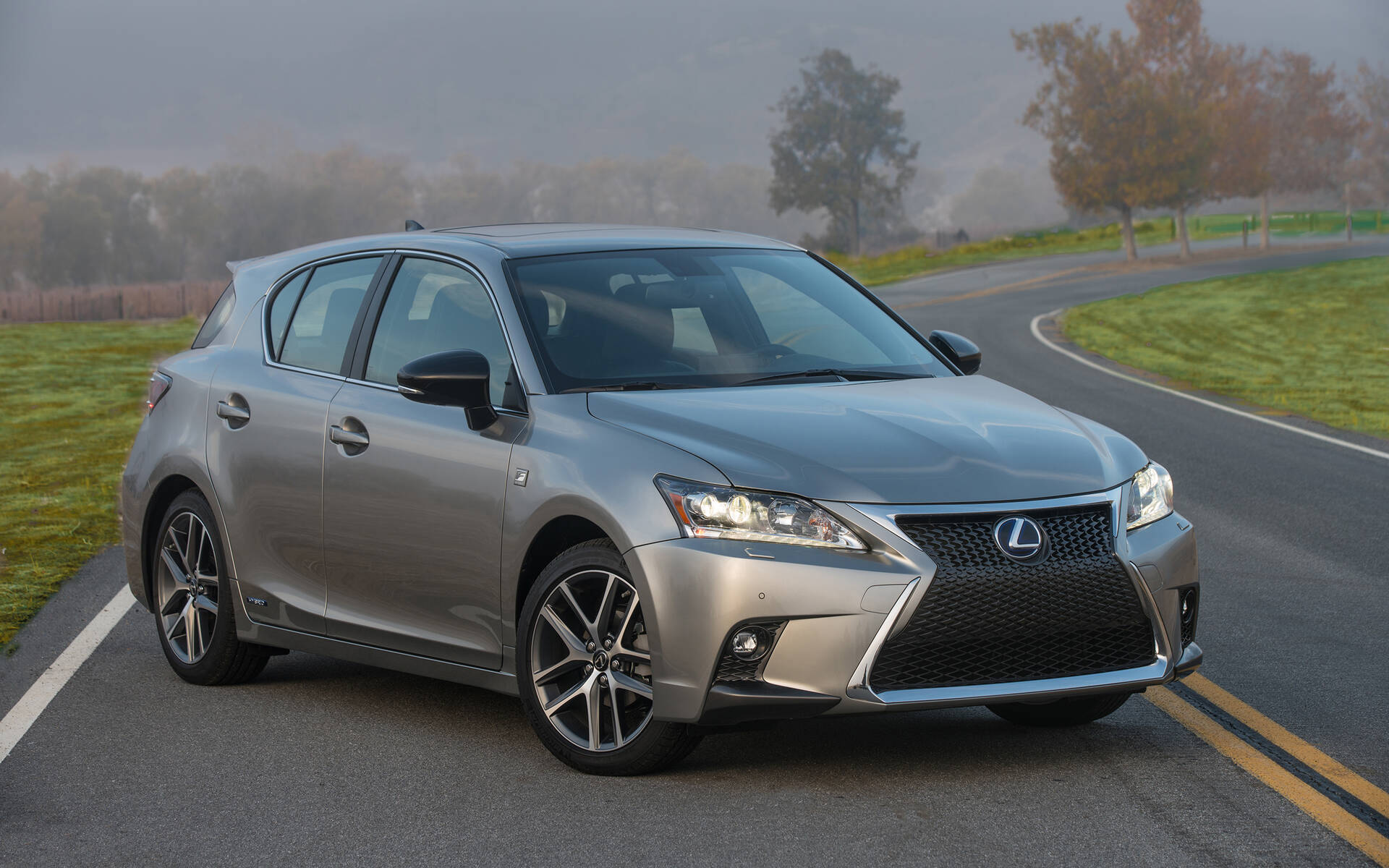
10. 2011–2017 Lexus CT 200h
The Lexus CT 200h is a premium compact hybrid built on the same platform as the Toyota Prius, and it shares much of its hybrid hardware, including the inverter and cooling system. Many owners are drawn to the CT 200h for its upscale features and proven efficiency.
However, just like the Prius, the inverter coolant system requires attention to prevent costly failures. While the vehicle may feel solid and low-maintenance, failure to replace the inverter coolant on time is one of the most common causes of hybrid system failure in this model.
One reason this problem is so widespread in the CT 200h is that the vehicle rarely gives obvious early signs of inverter cooling issues. Owners often assume that a luxury hybrid takes care of itself, but the inverter pump and cooling circuit need fresh coolant to prevent heat stress.
Old coolant leads to scale buildup and internal corrosion, which both affect heat dissipation. Eventually, the inverter overheats and shuts down, leaving the vehicle stranded or forcing it into reduced power mode.
The system in the CT 200h includes a small inverter radiator and an electric pump. These components can become strained when coolant is neglected.
Even if the coolant level remains stable, its chemical properties break down over time. A fresh coolant replacement restores thermal conductivity and corrosion inhibitors. Without this maintenance, hybrid components age faster than necessary, and inverter damage becomes inevitable in high-mileage vehicles.
The fix is relatively simple, but Lexus doesn’t always emphasize inverter coolant service during regular visits. That responsibility often falls on the owner or an independent mechanic. A drain and refill every 50,000 to 60,000 miles is sufficient to prevent most problems.
For a vehicle that was designed to last over 200,000 miles, skipping this step puts a hard limit on lifespan. Keeping the inverter cool is one of the few things an owner can do to ensure that their hybrid performs like new well into the future.

11. 2016–2020 Toyota RAV4 Hybrid
Toyota’s RAV4 Hybrid has become a popular choice for drivers seeking SUV practicality with hybrid efficiency. While the system is largely reliable, it incorporates a more powerful inverter to handle the additional weight and load of an SUV platform.
This inverter gets hotter during high-demand conditions, particularly when climbing hills or towing. The inverter cooling loop is critical to system health, and when the coolant isn’t changed as needed, failures become more common than many expect from a Toyota.
Owners often don’t realize that the inverter system is separate from the engine’s cooling loop. This leads to coolant being ignored for years, even as the miles pile on. As the coolant ages, it begins to thicken and can leave residue inside the inverter’s cooling passages.
This reduces the ability of the system to regulate heat. When inverter components are exposed to repeated thermal stress, they begin to fail internally, often without setting any specific trouble codes until total failure occurs.
One of the first signs of inverter cooling issues in the RAV4 Hybrid is a drop in performance. The engine may work harder than usual, the hybrid battery may drain quickly, or warning messages related to the hybrid system might appear intermittently. If ignored, these symptoms become more severe, and full inverter replacement may be required. These units are expensive, and Toyota does not typically repair them at the component level.
For drivers who use their RAV4 for long-distance trips or carry heavier loads, inverter coolant maintenance is especially important. Heat builds faster under stress, and clean, effective coolant is the first line of defense. A coolant flush every 60,000 miles ensures the pump, radiator, and inverter operate at peak efficiency. While this might seem like an unnecessary cost during regular service, it prevents far greater expenses later.
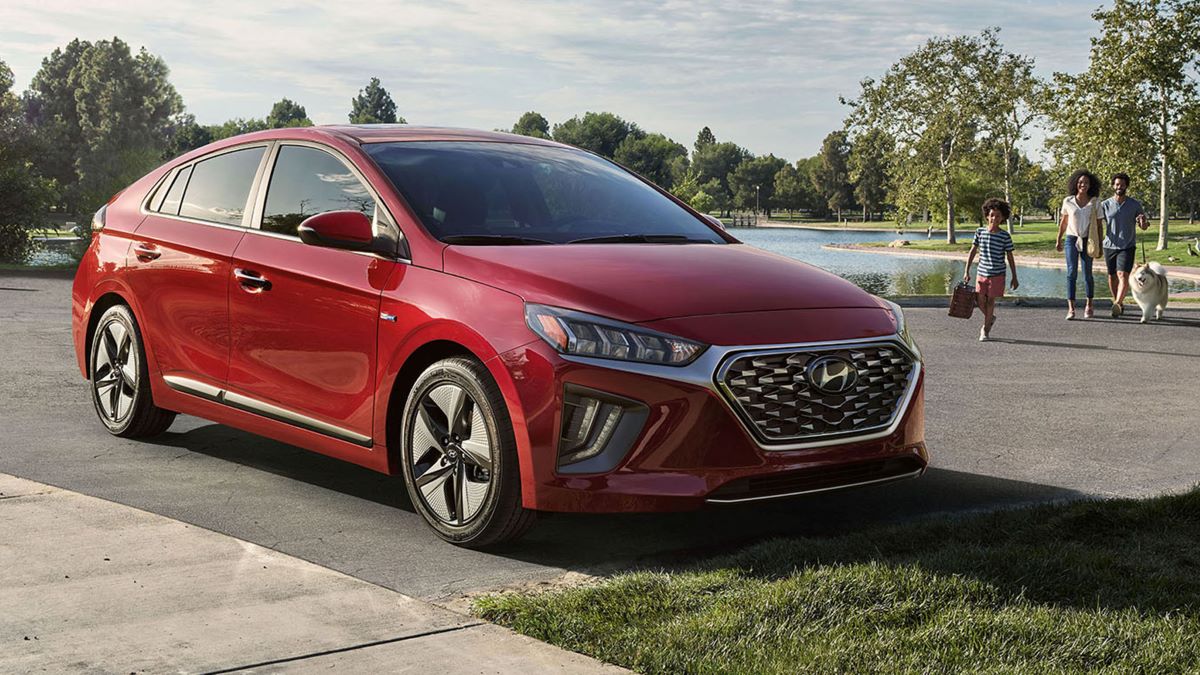
12. 2017–2022 Hyundai Ioniq Hybrid
The Hyundai Ioniq Hybrid is one of the most fuel-efficient vehicles on the market, with a high-tech hybrid system that depends heavily on precision cooling. Its inverter is tightly integrated into the powertrain and operates at high temperatures, especially during hot weather or sustained acceleration.
While the system is advanced, it’s also vulnerable to failure if the inverter coolant is not maintained. Many Ioniq owners are unaware that this coolant should be changed regularly, leading to preventable breakdowns.
Hyundai designed the Ioniq to use a dedicated cooling loop for the inverter and hybrid electronics. This system relies on an electric pump and compact radiator, both of which need clean coolant to function properly. As coolant ages, it begins to lose its heat transfer ability and protective additives.
Left unchanged, this leads to gradual overheating of the inverter. The vehicle may begin to show subtle signs of distress, like reduced efficiency, intermittent warning lights, or longer engine run times, but these symptoms are easy to overlook.
If coolant is neglected for too long, inverter failure becomes a real possibility. In such cases, the hybrid system may shut down entirely, and the vehicle may revert to gas-only mode or become undrivable.
Repairs for the inverter are expensive and time-consuming, often requiring specialized tools and software. These failures are especially frustrating for owners who assume their hybrid will run reliably for 200,000 miles without issue.
Preventing inverter damage in the Ioniq is simple but often skipped. A coolant flush every 50,000 to 60,000 miles ensures clean flow through the entire system and keeps temperatures in the safe range.
This is particularly important for drivers in warmer climates or those who drive at higher speeds frequently. By investing in this small maintenance step, owners can avoid large bills and keep the Ioniq running smoothly for years to come.
