
All-wheel-drive (AWD) technology has become an increasingly sought-after feature in modern vehicles, appealing to drivers who value enhanced traction, improved handling, and the confidence to drive in diverse road conditions. From snowy mountain roads to wet city streets, AWD systems provide a significant safety advantage by distributing power to all four wheels, reducing the likelihood of slipping and skidding.
However, while AWD may be a common feature, its durability and reliability vary widely among different makes and models. Some AWD cars are built with superior engineering, strong components, and proven powertrain layouts that allow them to function effectively for many years without major issues.
Conversely, other AWD vehicles may have underlying design flaws, complex systems prone to failure, or components that wear out prematurely, leading to frequent repairs and frustrated owners.
This article compares two groups of AWD cars: those with a reputation for lasting a long time with minimal problems, and those known for constant mechanical breakdowns. By examining these vehicles side by side, readers can better understand what makes some AWD systems more reliable than others and make smarter choices when shopping for their next car.
Reliability in AWD cars is more than just about the AWD system itself. It involves the interplay between the drivetrain, engine, suspension, electronics, and even manufacturer support. Vehicles that “last forever” often benefit from simpler, well-tested AWD designs combined with high-quality materials and engineering rigor.
Maintenance plays a crucial role, too, as vehicles designed with ease of servicing in mind tend to retain their reliability longer. On the other hand, AWD cars that constantly break are frequently hindered by overly complicated systems, expensive-to-replace parts, or electronic components that are sensitive to wear and environmental factors.
For many buyers, the decision to invest in an AWD car includes weighing the benefits of all-weather capability against the potential for costly repairs. Understanding which vehicles have demonstrated strong reliability over time and which tend to falter can save drivers money and stress in the long run.
This article’s recommendations draw from years of automotive expertise, owner feedback, and long-term reliability studies rather than current market trends or brand popularity alone. Different model years and specific trims may have variations in quality, but the vehicles highlighted here exhibit consistent patterns when it comes to their AWD systems’ longevity or shortcomings.
The goal is to offer a balanced view of the AWD vehicles that have proven their worth over time as well as those that commonly suffer from mechanical woes. Next, we will discuss five AWD cars known for their enduring reliability, followed by five AWD vehicles that frequently encounter mechanical difficulties.
5 All-Wheel-Drive Cars That Last Forever
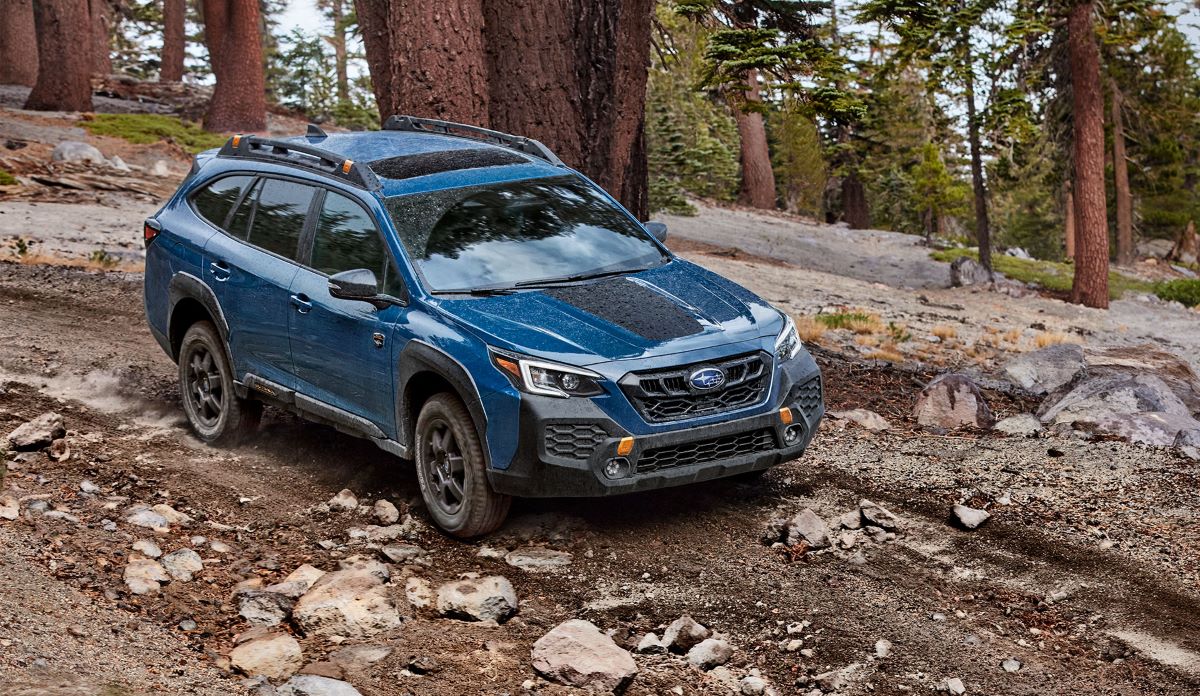
Subaru Outback
The Subaru Outback has earned a legendary status among AWD vehicles for its remarkable ability to endure heavy use over many years without significant mechanical failures. Standardizing a symmetrical AWD system across all trims, Subaru ensures that the power delivery is balanced evenly between the front and rear wheels, offering consistent grip and stability in varying conditions.
The horizontally opposed “boxer” engine design lowers the vehicle’s center of gravity, contributing to improved balance and handling while reducing stress on drivetrain components. This layout not only enhances driving dynamics but also helps the engine and AWD system to remain stable and reliable, even when subjected to rough terrain or challenging weather.
Owners frequently report that with regular oil changes, fluid inspections, and timing belt replacements, the Outback can reliably exceed 200,000 miles, making it a preferred choice for those who prioritize longevity and all-weather capability.
Subaru’s design philosophy extends beyond just the engine and drivetrain to include durable suspension components and a well-built chassis, which minimize wear and tear over time. This durability makes the Outback particularly appealing to drivers in colder climates or rural areas, where rough roads and adverse weather conditions can accelerate the deterioration of less robust vehicles.
Additionally, Subaru parts are generally affordable and widely available, which simplifies routine maintenance and repairs. The vehicle’s strong community support, with forums, clubs, and enthusiast groups, also plays a role in prolonging its lifespan, as owners share advice and tips on keeping their AWD systems running smoothly.
Compared to other AWD cars that may suffer from frequent transfer case or differential failures, the Outback’s AWD system has proven itself reliable and resilient through decades of real-world use.
Another factor contributing to the Outback’s longevity is Subaru’s continuous improvements in AWD technology and powertrain robustness. Over successive generations, the company has refined its AWD system to minimize friction losses and increase mechanical efficiency, reducing component wear.
Preventative maintenance schedules are well-documented, and mechanics familiar with Subaru’s design can easily diagnose and address potential issues before they lead to breakdowns.
Subaru’s focus on simplicity and durability rather than excessive technological complexity often translates to fewer electronic problems or expensive sensor failures. The Outback’s AWD system is a solid choice for anyone seeking a vehicle that combines off-road capability with proven long-term reliability.
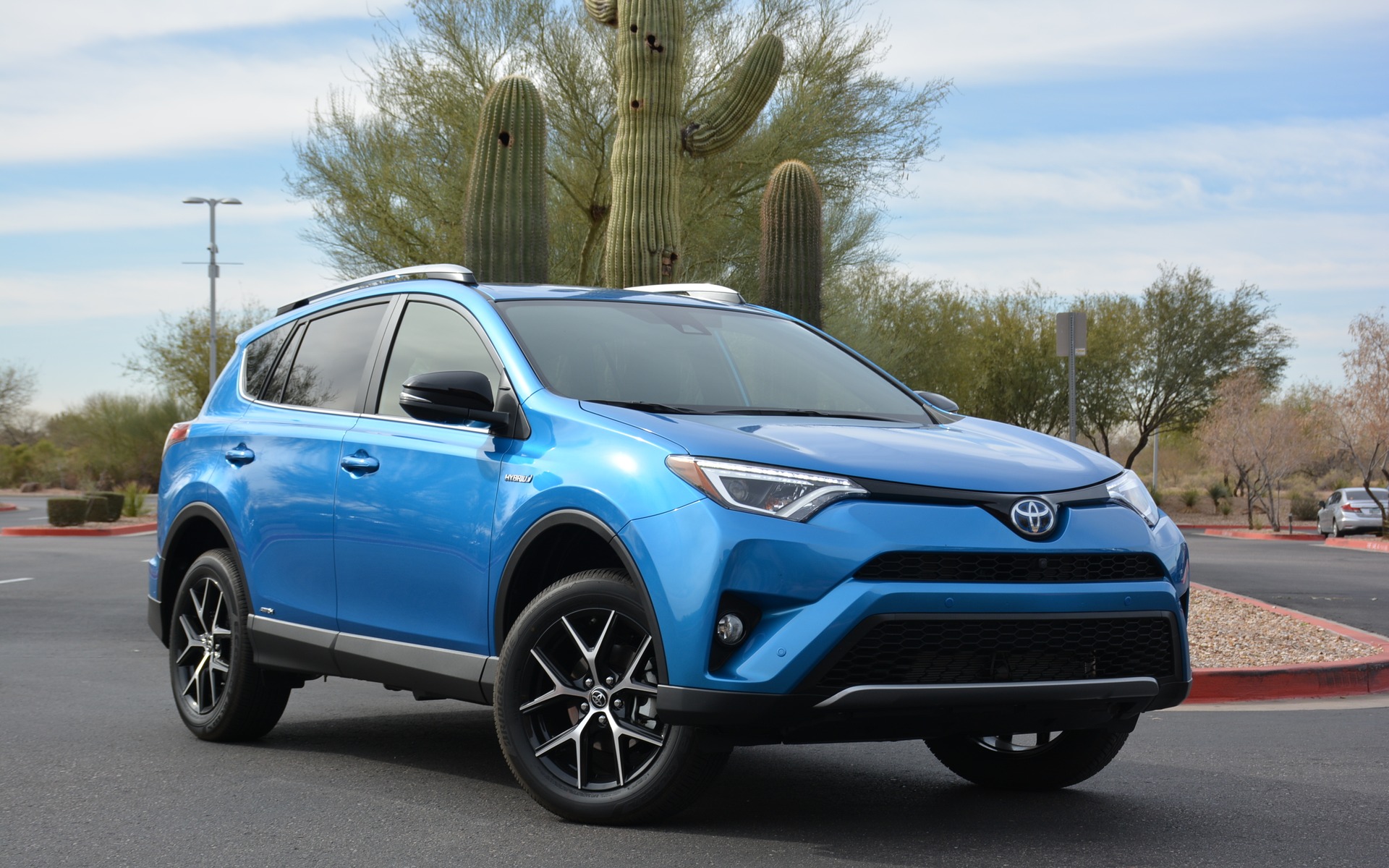
Toyota RAV4
The Toyota RAV4’s AWD variants have long been recognized for their dependable nature, benefiting from Toyota’s reputation for engineering reliability and practical design. Toyota utilizes an on-demand AWD system that primarily powers the front wheels but seamlessly transfers torque to the rear wheels when traction is compromised.
This approach limits drivetrain wear by engaging AWD only when necessary, enhancing fuel economy while preserving component longevity. The RAV4’s efficient and straightforward AWD design means fewer moving parts are engaged continuously, which reduces the risk of overheating or mechanical failure in the transfer case and rear differential. As a result, owners often experience fewer unplanned repairs and enjoy reliable AWD performance for hundreds of thousands of miles.
Toyota’s manufacturing precision and quality control are well-known in the automotive world, and the RAV4 benefits from these strengths. The vehicle’s engine and transmission are designed to work harmoniously with the AWD system, preventing excessive stress on any single component.
The RAV4’s popularity has also led to a vast service network and plentiful replacement parts, which helps keep maintenance costs down and turnaround times short. Drivers frequently praise the RAV4 for its smooth operation and consistent performance, whether driving through urban traffic or snowy backroads.
Importantly, Toyota’s conservative approach to technology means the RAV4’s AWD system avoids unnecessary complexity, which can otherwise introduce points of failure.
Moreover, the RAV4’s build quality is complemented by a focus on safety and driver assistance features that enhance vehicle reliability. Many AWD models come equipped with stability control, traction control, and other electronic aids that work alongside the AWD system to optimize handling and prevent accidents. These technologies not only improve safety but also reduce the likelihood of drivetrain damage caused by wheel slippage or sudden torque spikes.
Long-term owner reports confirm that with routine maintenance, such as timely fluid changes and inspections, Toyota RAV4 AWD vehicles maintain their integrity and functionality for extended periods. This combination of mechanical simplicity, quality manufacturing, and proactive design makes the RAV4 a standout in the realm of long-lasting AWD cars.
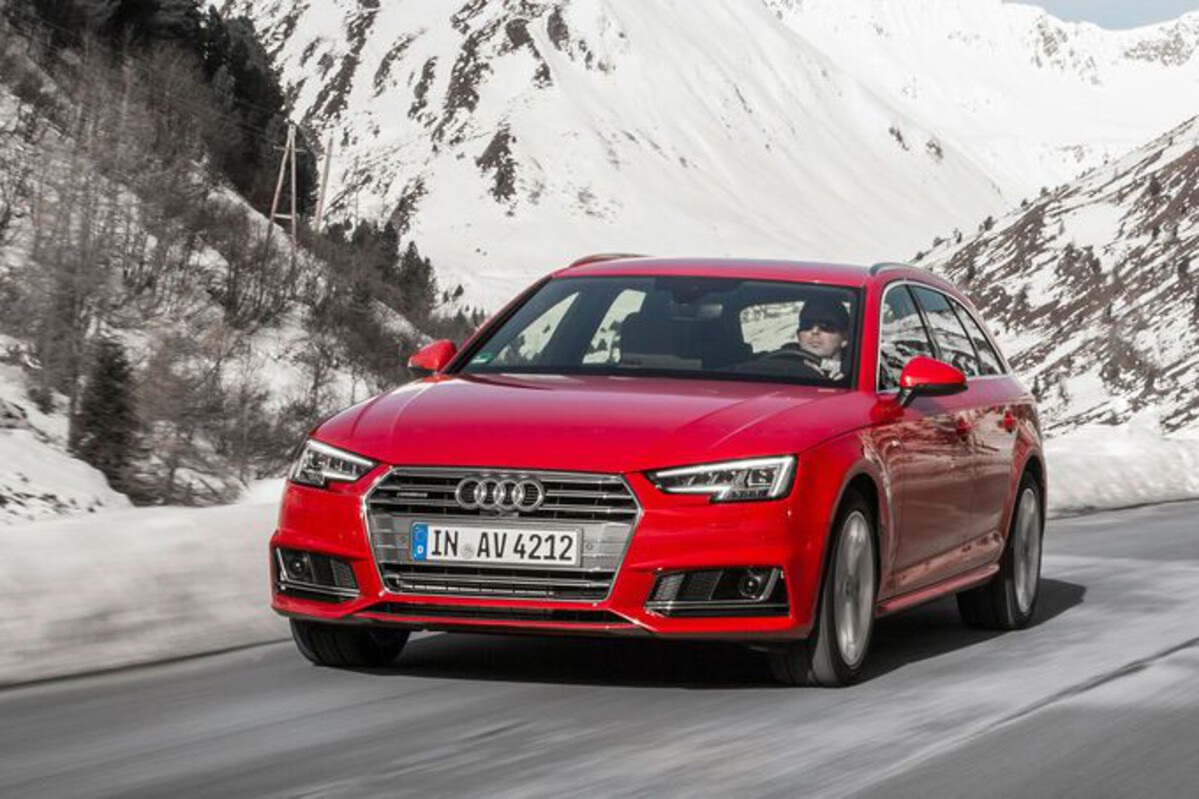
Audi Quattro Models
Audi’s Quattro AWD system is renowned for its performance, but it is equally respected for its durability when properly maintained. Unlike many on-demand AWD setups, the Quattro system is a full-time AWD design that constantly distributes power to all four wheels, offering exceptional traction and handling in all conditions.
The system uses a central differential that intelligently balances torque between the front and rear axles, and some variants incorporate a mechanical limited-slip differential for enhanced cornering and control. Audi’s engineering excellence ensures that the Quattro system components, including the transfer case and differentials, are constructed with high-quality materials and precision machining, which contributes to their longevity.
While the complexity of the system demands regular maintenance, such as fluid replacements and periodic inspections, owners who follow recommended service intervals often report that their Quattro AWD systems remain reliable beyond 150,000 miles.
The Audi brand’s luxury focus means the company invests heavily in refining AWD technology to ensure smooth power delivery and durability. While some luxury vehicles may sacrifice reliability for performance, Audi strikes a balance by engineering Quattro systems that are both capable and resilient. The availability of specialized service centers and a large network of experienced mechanics helps Audi owners maintain their vehicles correctly.
Enthusiasts appreciate that Quattro systems can withstand demanding driving conditions, including spirited driving and all-weather use, without premature wear. Over the years, Audi has refined the Quattro system through various generations, improving the durability of the mechanical components and enhancing the system’s ability to self-diagnose issues early, which helps prevent serious damage.
In addition to mechanical strength, the Quattro system benefits from Audi’s approach to vehicle durability, which includes high-quality suspension, chassis components, and electronics. This integration reduces stress on the drivetrain and prevents failures that could arise from vibrations or misaligned components.
Audi vehicles also often feature robust cooling systems for the transfer case and differentials, which help maintain optimal operating temperatures and extend component life.
While repair and maintenance costs can be higher compared to more mainstream AWD cars, the Quattro system’s durability and performance justify the investment for many owners. Audi’s Quattro AWD models are a prime example of AWD systems that can last a very long time when cared for properly.
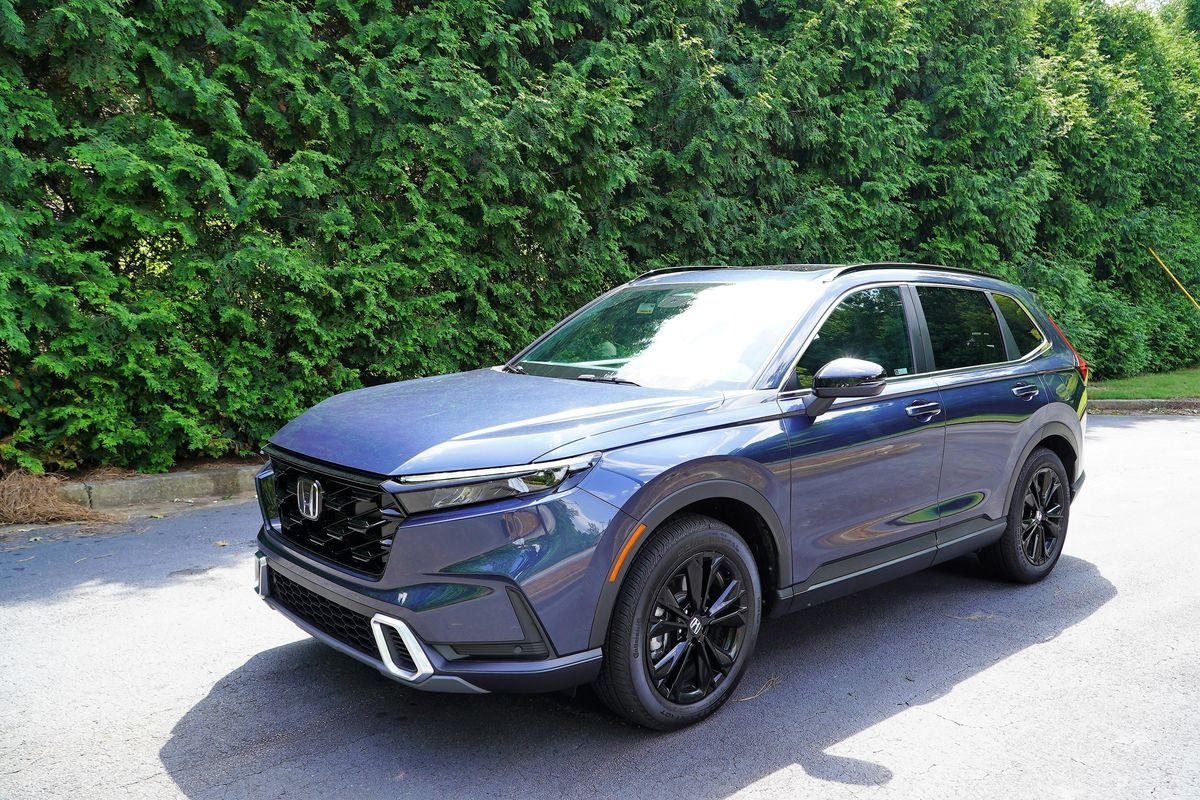
Honda CR-V AWD
The Honda CR-V, particularly in its AWD versions, is widely recognized for combining practicality with solid reliability. Honda’s approach to AWD involves a real-time system that engages the rear wheels when the front wheels begin to slip, offering traction when necessary without continuously taxing the drivetrain. This setup reduces wear on AWD components compared to full-time systems, contributing to a longer operational life.
Honda engines and transmissions are known for their mechanical efficiency and robustness, and the CR-V benefits from this engineering philosophy. Many owners attest to their AWD CR-Vs performing reliably past the 150,000-mile mark with regular maintenance such as fluid changes, tire rotations, and occasional inspections of the transfer clutch mechanism.
Honda’s commitment to simplicity and efficiency extends to the CR-V’s AWD system design, avoiding unnecessary electronic complexity that might increase failure points. The vehicle’s AWD system is responsive and intuitive, activating precisely when needed to help maintain control on slippery or uneven surfaces.
This reliability is further enhanced by Honda’s quality control and manufacturing standards, which ensure that components meet stringent durability requirements before reaching consumers.
Additionally, the CR-V enjoys broad aftermarket support and a large service network, making it easy and affordable to keep the vehicle in good working order. This is an important factor for owners who want dependable AWD without the risk of costly or difficult repairs.
Beyond the AWD system itself, the CR-V’s build quality, including suspension and chassis components, contributes to its ability to withstand years of use with minimal issues. Owners often comment on the vehicle’s comfortable ride and consistent performance, even in adverse weather, which builds confidence in its longevity.
While no vehicle is completely immune to repairs, the Honda CR-V AWD has a well-earned reputation for delivering dependable service with relatively low ownership costs. This makes it an excellent choice for individuals and families seeking a balance of AWD capability, fuel efficiency, and durability.
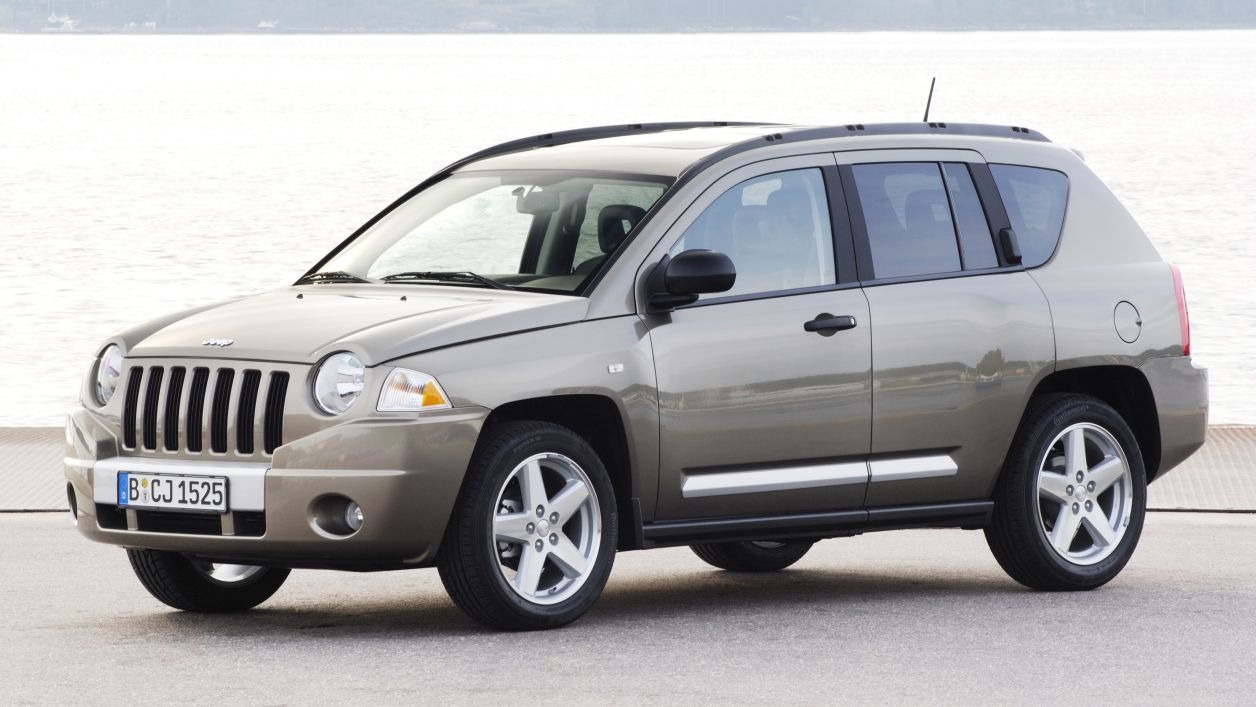
Jeep Grand Cherokee (Older Models)
While Jeep’s newer Grand Cherokee models have had mixed reviews regarding reliability, older versions equipped with AWD are frequently celebrated for their toughness and longevity. These vehicles were designed with off-road capability and ruggedness in mind, featuring robust transfer cases, solid axles, and durable drivetrain components that can withstand challenging terrain and heavy use.
Many Jeep enthusiasts have reported driving their AWD Grand Cherokees for over 200,000 miles with only routine maintenance and minor repairs. The simplicity of the mechanical systems in these older models, combined with Jeep’s long history of producing off-road vehicles, means that many parts are durable and easier to service than those in more modern SUVs laden with electronics.
The Grand Cherokee’s body-on-frame construction adds to its durability, allowing the vehicle to absorb stress and impacts better than unibody designs common in many crossover SUVs. This sturdier platform, paired with reliable AWD hardware, makes older Grand Cherokees popular among drivers who require vehicles that can endure heavy-duty use, including off-roading, towing, and driving in harsh weather.
The availability of aftermarket parts and accessories also extends the lifespan of these vehicles, as owners can replace or upgrade components to improve reliability. Jeep owners often take pride in maintaining their Grand Cherokees meticulously, which further contributes to their reputation for lasting a long time.
Moreover, the older Grand Cherokee’s AWD system avoids some of the pitfalls seen in more recent models, such as excessive reliance on electronics or complex transfer cases prone to failure. This simplicity often translates into fewer mechanical problems and lower repair costs over the vehicle’s lifespan.
Although these vehicles may not offer the refinement or fuel economy of newer SUVs, they excel in durability and toughness. For drivers who prioritize a rugged, long-lasting AWD vehicle with the ability to handle off-road adventures and adverse conditions, the older Jeep Grand Cherokee remains a respected option.
5 All-Wheel-Drive Cars That Constantly Break
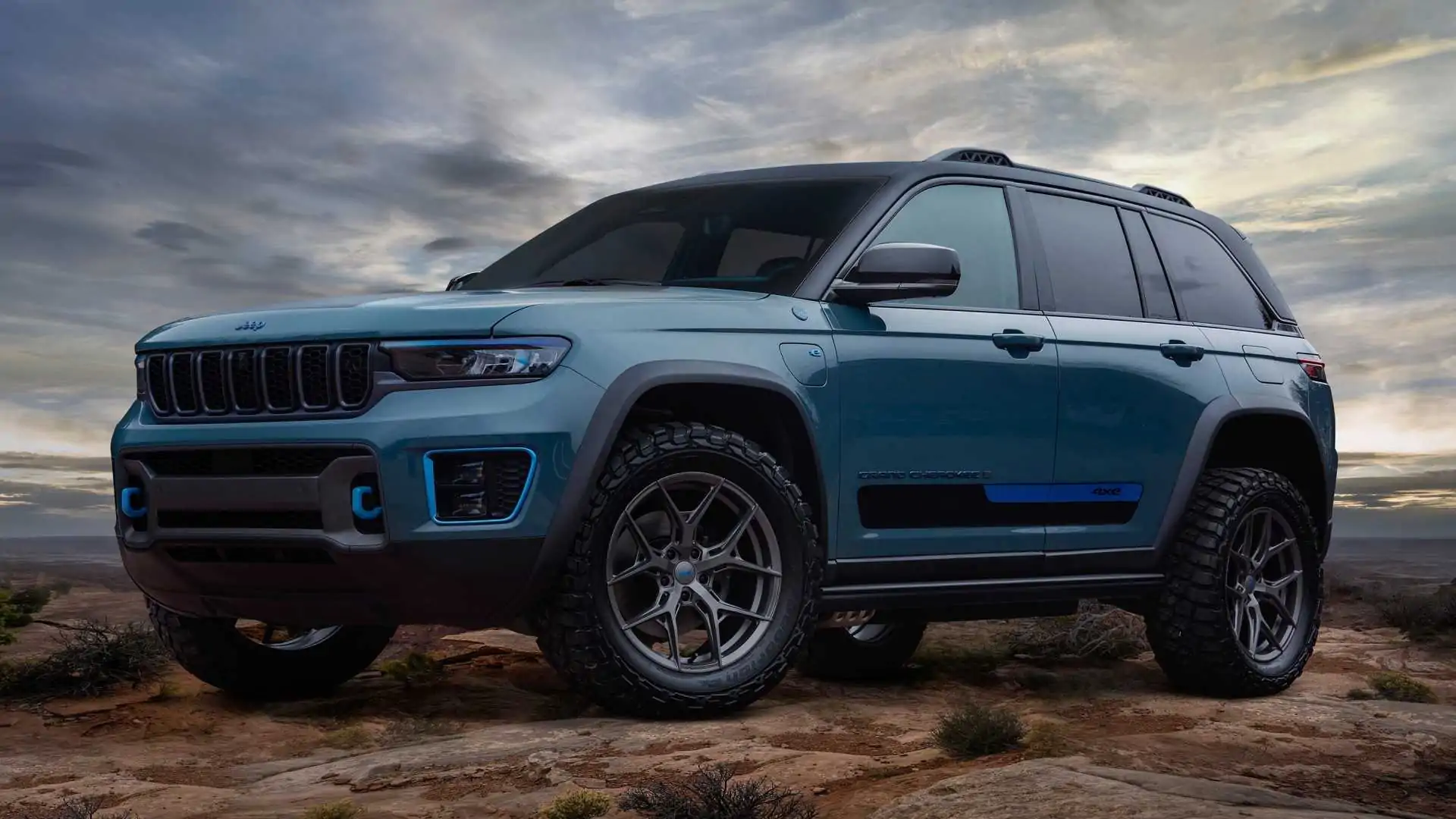
Jeep Cherokee (Recent Models)
Recent Jeep Cherokee models equipped with AWD have garnered a less favorable reputation for reliability, particularly when it comes to the durability of their AWD systems.
Owners frequently report issues such as transfer case malfunctions, sensor failures, and drivetrain noises that emerge well before the expected lifespan of the vehicle. These problems often require costly repairs or part replacements that diminish owner satisfaction and confidence in the vehicle.
Jeep’s legacy as a maker of rugged off-road vehicles contrasts sharply with these newer models’ struggles, which seem to stem partly from increased electronic complexity and less durable AWD components. Additionally, some owners have experienced inconsistent AWD engagement, causing the vehicle to behave unpredictably on slick surfaces.
One of the critical issues is the reliance on sophisticated sensors and control modules to manage the AWD system, which can be sensitive to environmental factors like moisture, dirt, or temperature extremes. This complexity increases the chances of electronic glitches that interfere with normal AWD operation.
Repairing these systems often requires dealership visits and expensive diagnostic tools, leading to higher maintenance costs and longer downtime. For many buyers, the frequent breakdowns and expensive fixes detract from the appeal of the Cherokee as an AWD vehicle, making it a less reliable choice compared to competitors.
Beyond mechanical problems, the newer Jeep Cherokee’s reputation is further harmed by inconsistent build quality and occasional recalls related to drivetrain components. This lack of reliability has led some owners to report feelings of uncertainty and frustration with their vehicles, especially when AWD failures occur during critical driving situations like heavy rain or snow.
While Jeep continues to update and improve its models, the recent Cherokee AWD systems have yet to achieve the robustness expected from a brand with a strong off-road heritage. Prospective buyers should be cautious and consider alternative AWD vehicles with more proven reliability.
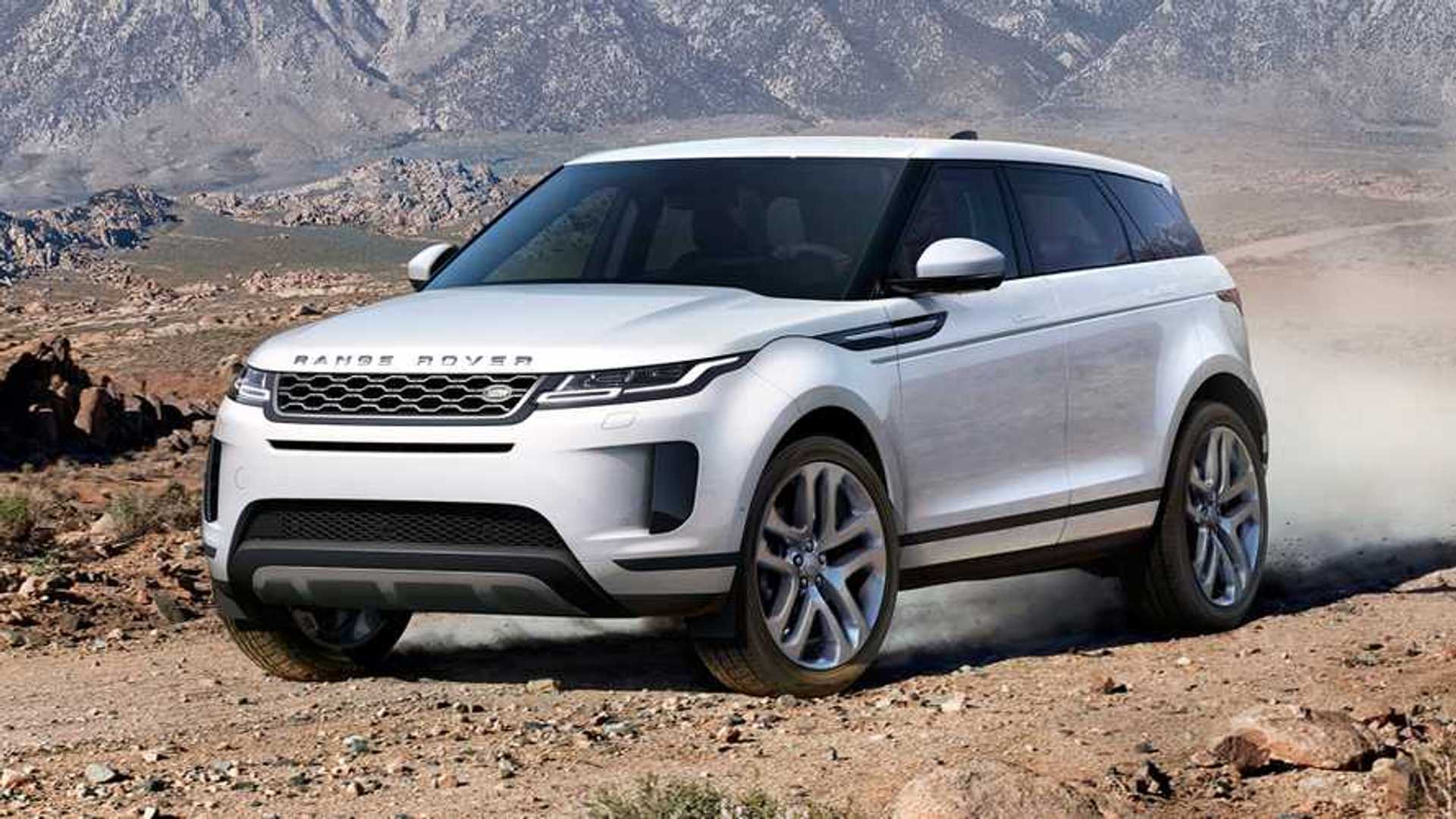
Land Rover Range Rover Evoque
The Range Rover Evoque presents an appealing mix of luxury styling and off-road capability, but its AWD system has been criticized for frequent reliability issues. Many owners have reported repeated problems with the AWD transfer case, which sometimes fails prematurely or exhibits erratic behavior.
These mechanical failures are often coupled with electrical glitches affecting the sensors and control modules responsible for AWD engagement. Land Rover’s complexity and penchant for advanced technology can backfire, as the integration of intricate electronics with the drivetrain increases the potential for malfunction.
Consequently, the Evoque requires extensive and costly maintenance to keep its AWD system operational, which may discourage buyers seeking long-term reliability.
The vehicle’s AWD components are exposed to substantial stress, especially if the Evoque is regularly driven off-road or in challenging conditions. However, the transfer case and other drivetrain parts sometimes lack the robustness expected at this price point, resulting in repairs that are both frequent and expensive.
Additionally, Land Rover’s dealer network and repair costs tend to be higher than average, making ownership an expensive proposition when persistent AWD problems arise. Many owners find that despite the Evoque’s impressive capability and comfort, the reliability concerns surrounding its AWD system limit the vehicle’s appeal.
Moreover, the Evoque’s AWD-related troubles are compounded by occasional software updates that fail to fully resolve underlying mechanical issues. The complexity of the system requires advanced diagnostic equipment and specialized knowledge, which not all repair shops possess.
Owners often report long wait times for parts and repairs, adding to the inconvenience and dissatisfaction. While the Evoque shines in terms of luxury and performance, its AWD system remains a weak link that requires careful consideration before purchase. Those seeking a trouble-free AWD vehicle might be better served looking elsewhere in Land Rover’s lineup or in competing models.

Volkswagen Tiguan
The Volkswagen Tiguan’s AWD versions are known for their comfortable ride and solid driving dynamics, but the AWD system has been a source of ongoing reliability complaints. Many Tiguan owners experience transmission-related issues, such as delayed or rough shifts, transfer case leaks, and failure of components within the AWD drivetrain.
Electrical problems affecting AWD engagement are also common, leading to inconsistent power delivery and warning lights on the dashboard. These persistent troubles often result in expensive repairs that can discourage owners and diminish the vehicle’s long-term value. Although the Tiguan provides a pleasant driving experience, its AWD system tends to require more attention and maintenance than many competitors.
Volkswagen’s AWD system in the Tiguan is relatively complex, combining mechanical and electronic components that can be sensitive to wear and maintenance neglect. Problems such as leaks in the transfer case fluid seals or failure of the actuator responsible for shifting torque between axles are frequent.
Repairing these components can be costly, especially if the issue goes unnoticed and causes secondary damage to the transmission or differentials. Moreover, because the AWD system involves sophisticated sensors and control units, diagnosing problems can require specialized diagnostic tools and skilled technicians, which not every repair shop has. This situation often leads to higher repair bills and longer wait times.
The Tiguan’s reliability issues are particularly troubling because they affect a vehicle positioned as a mainstream compact SUV, where buyers expect dependable performance without excessive repair costs. These AWD system failures may undermine the vehicle’s reputation, leading owners to seek alternatives when their warranty expires.
Although regular maintenance and fluid changes can reduce some risks, the Tiguan AWD system remains vulnerable to mechanical and electronic failures that compromise reliability. For consumers who prioritize trouble-free AWD, the Tiguan may not be the best choice, especially when there are more robust competitors in the segment.
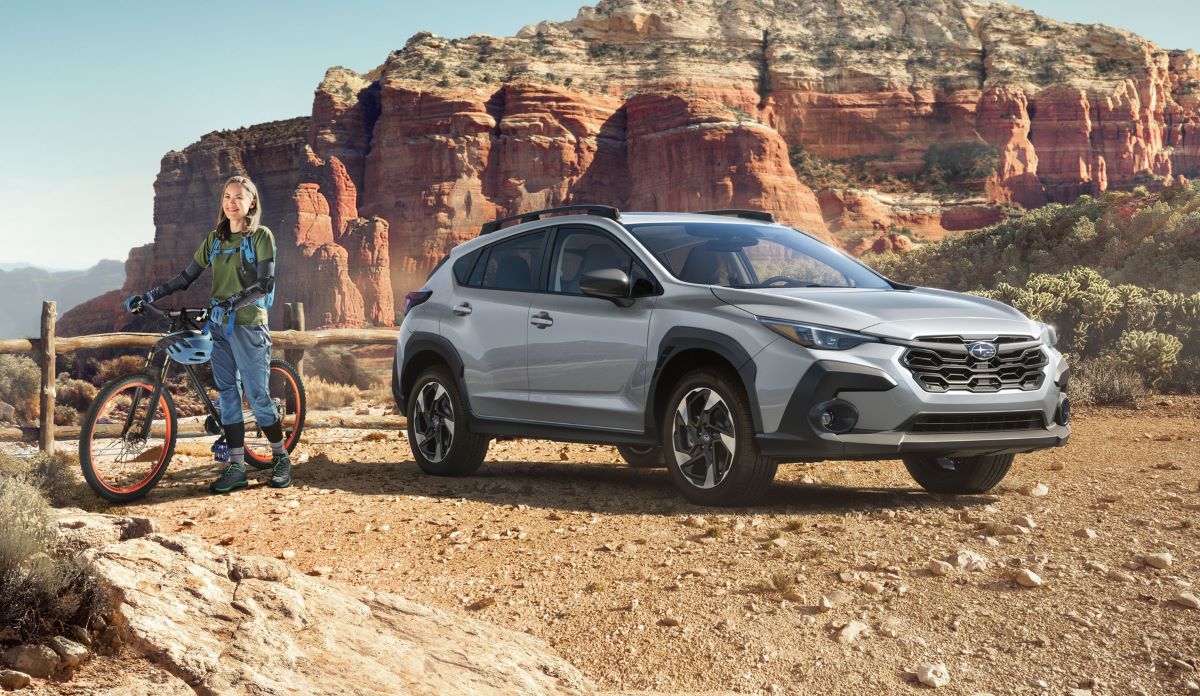
Subaru Crosstrek (Earlier Generations)
While Subaru is widely praised for its dependable AWD systems, earlier generations of the Crosstrek experienced reliability challenges related to AWD components. Many owners reported issues such as premature wear of the transfer case, driveline vibrations, and even failures within the AWD coupling mechanisms.
These problems sometimes led to a loss of power delivery to the rear wheels or jerky engagement of the AWD system, which not only impacted drivability but also required costly repairs.
This was somewhat surprising given Subaru’s strong reputation, and these issues highlighted that not all AWD systems within the brand performed equally well. The earlier Crosstrek models with these flaws serve as a reminder that even reputable manufacturers can produce less reliable AWD variants.
The complexity of the Crosstrek’s AWD system in those years contributed to some of the issues, as it involved hydraulic clutches and sensors that were prone to failure or malfunction. The transfer case fluid could degrade faster than expected, leading to internal wear and eventually system breakdown.
Drivers sometimes experienced driveline noises or vibrations that indicated deeper AWD problems, which could become severe if not addressed promptly. Repairing or replacing these AWD components was often expensive and inconvenient, leading some owners to reconsider their choice of vehicle. However, Subaru has made improvements in subsequent generations, addressing many of these concerns with updated AWD hardware and electronics.
Despite these early setbacks, the Crosstrek remains popular for its versatility and capability, and many newer models have improved AWD reliability significantly. However, prospective buyers of used earlier Crosstreks should be cautious and consider having the AWD system thoroughly inspected by a knowledgeable mechanic before purchase.
Understanding the specific model year and maintenance history is essential to avoid inheriting an AWD system prone to frequent breakdowns. This example underscores the importance of continuous engineering refinement and attentive ownership to ensure AWD systems live up to their reputation.
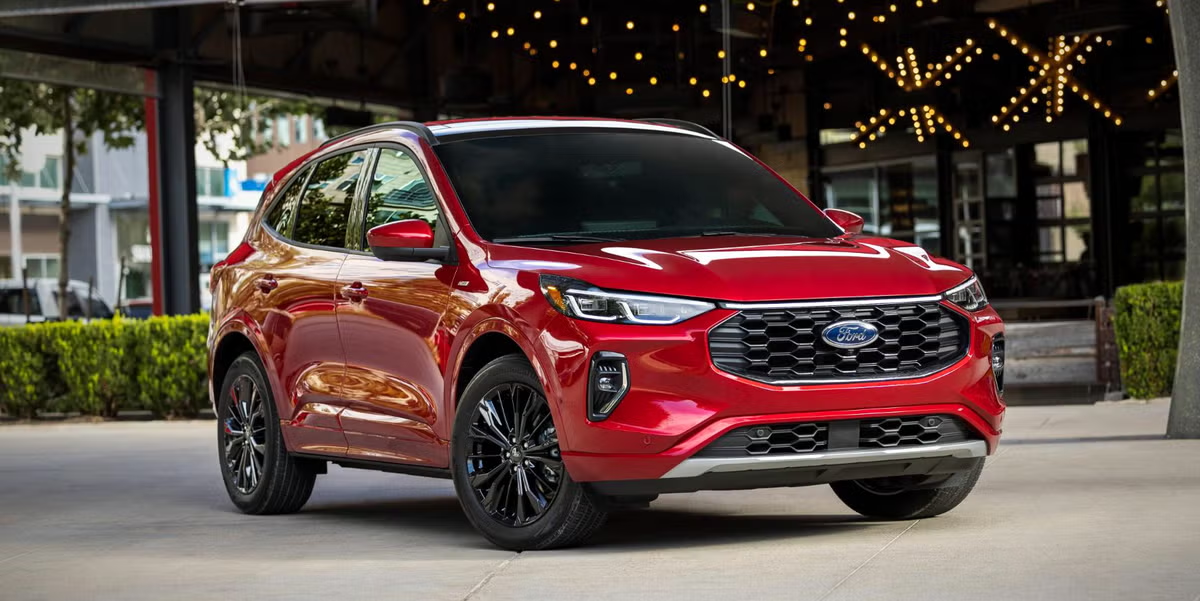
Ford Escape
The Ford Escape’s AWD models, particularly in earlier generations and some recent years, have developed a reputation for problematic AWD system reliability. Owners have reported various issues, including transfer case failures, sensor malfunctions, and erratic AWD engagement that undermines confidence in the vehicle’s traction capabilities.
These mechanical and electronic problems often manifest as warning lights, unusual noises, or drivability issues that require dealer intervention and costly repairs. Some AWD components in the Escape are known to wear out faster than expected, causing unplanned downtime and significant maintenance expenses. These reliability concerns have affected owner satisfaction and resale values, making the Escape’s AWD system less desirable compared to more robust alternatives.
Ford’s AWD system in the Escape is designed as an on-demand setup that engages the rear wheels when front wheel slippage is detected. However, this design relies heavily on sensors and actuators that can be sensitive to environmental contamination or component fatigue.
When these parts fail or provide inaccurate data, the AWD system may fail to activate properly, leading to traction loss in slippery conditions. Repairing or replacing these components often involves specialized diagnostics and part availability challenges, especially outside major service centers. The vehicle’s complexity and integration of electronics increase the likelihood of system glitches that degrade reliability.
Additionally, the Escape’s AWD troubles are exacerbated by inconsistent quality control and manufacturing variations across different model years. While some versions have fewer reported problems, others experience frequent AWD system failures that diminish driver confidence.
These issues are particularly problematic for drivers who depend on AWD for safe driving in winter or rough terrain. Despite Ford’s efforts to improve reliability in newer models, the Escape’s AWD system has not consistently met the durability standards set by some competitors. Buyers prioritizing long-term AWD reliability should carefully research specific model years and consider other options in the compact SUV segment.
Also Read: 10 Bikes That Were Supposed to Be Recalled but Never Were
The industry of all-wheel-drive vehicles is broad and varied, with some models offering exceptional longevity and reliability, while others face frequent mechanical challenges that can frustrate owners and inflate maintenance costs.
Understanding these differences is crucial for anyone considering an AWD vehicle, as the technology itself is complex and its durability depends heavily on the engineering choices, component quality, and overall design philosophy behind each model.
Vehicles like the Subaru Outback, Toyota RAV4, Audi Quattro models, Honda CR-V, and older Jeep Grand Cherokee stand out as examples of AWD cars that have proven their ability to last for many years with minimal major repairs. Their success stems from factors such as well-balanced drivetrain designs, robust mechanical components, simpler electronic systems, and the manufacturers’ commitment to quality and ease of maintenance.
On the other hand, several AWD vehicles, including recent Jeep Cherokee models, the Range Rover Evoque, Volkswagen Tiguan, earlier Subaru Crosstrek generations, and certain Ford Escape years, illustrate the pitfalls that can accompany more complex or less refined AWD systems.
These vehicles often suffer from electronic failures, premature wear of key drivetrain components, and transfer case problems that require expensive repairs or even system replacements.
Increased technological complexity without corresponding reliability improvements can make these AWD systems vulnerable to breakdowns, especially if maintenance is irregular or if the vehicle endures harsh driving conditions. Furthermore, repair costs and parts availability can exacerbate ownership challenges, particularly for luxury or niche vehicles with sophisticated AWD setups.
For prospective buyers, the choice of an AWD vehicle should be carefully weighed against these reliability considerations against other factors such as driving style, climate, and budget.
Those living in areas with frequent inclement weather or rough terrain may find that investing in a proven, durable AWD system provides peace of mind and better long-term value, even if it means paying a bit more upfront or sacrificing some modern conveniences.
Conversely, buyers attracted to newer or more luxurious AWD models must be prepared for the possibility of increased maintenance demands and should research specific model years thoroughly. Preventative maintenance, timely fluid changes, and professional inspections remain essential regardless of the vehicle chosen to maximize the lifespan of any AWD system.
