
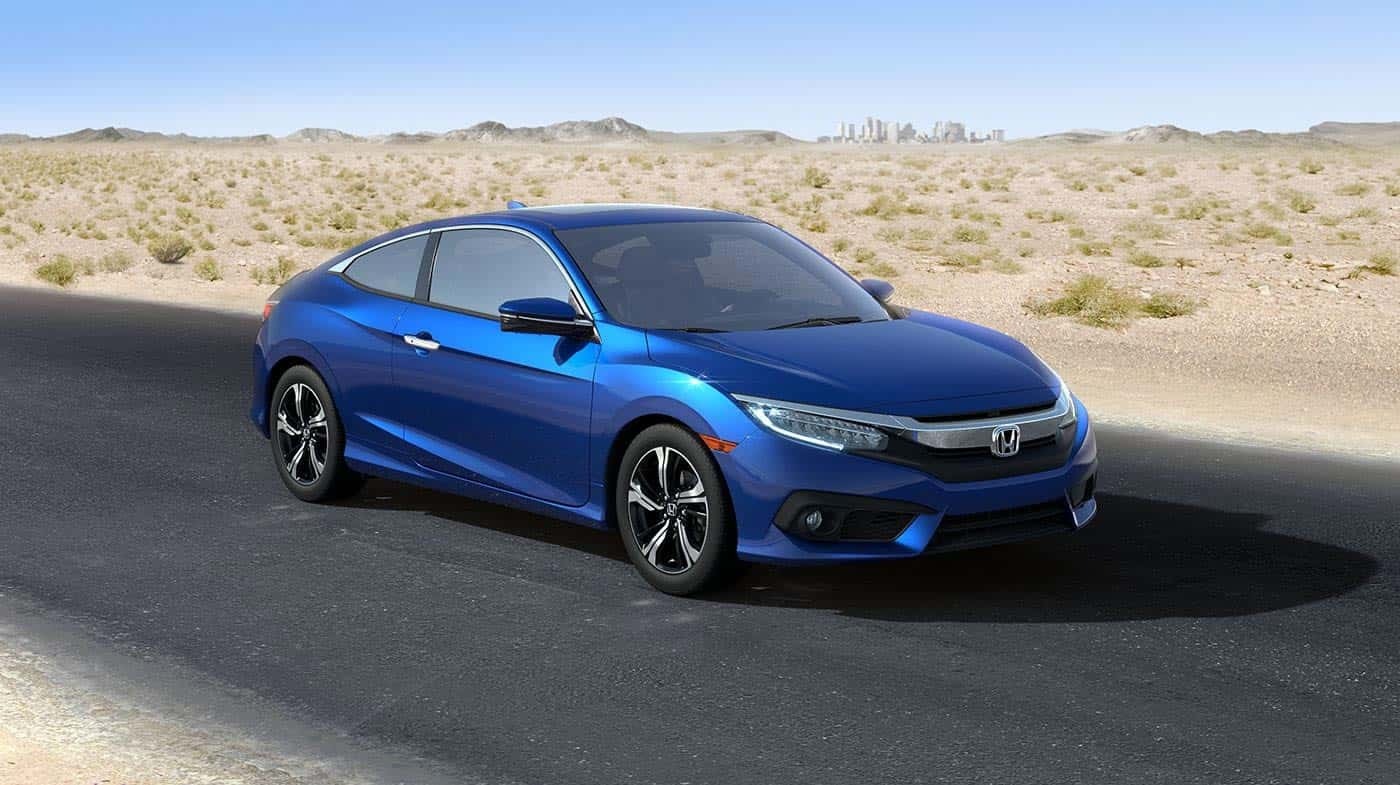
For most people, buying a car, especially a used one, is all about finding the right balance between price, reliability, and practicality. Affordable sedans often fit this bill nicely. They’re generally fuel-efficient, widely available, and cheap to maintain.
But while many buyers spend time comparing fuel economy numbers or checking for mechanical issues, one aspect of car ownership often gets overlooked until it’s too late: rust. Specifically, rust underneath the car, where you might not look until there’s already a problem.
Corrosion isn’t just about a few flakes on the wheel wells or some bubbling paint around the fenders. The real danger lies in what happens to the subframe, brake lines, suspension components, and floorpan. Rust in these areas doesn’t just hurt resale value; it can make a car unsafe to drive.
Suspension parts can separate, brake lines can fail, and structural elements can weaken to the point that the car won’t pass inspection. Worse yet, many of these issues don’t appear until years after the initial purchase, which means buyers are often blindsided when repair costs skyrocket or safety becomes compromised.
In regions where winters bring snow and ice, road salt is commonly used to keep streets safe. That salt, however, is brutal on vehicles. It accelerates rust, especially on cars that don’t have proper underbody protection. Living in the Northeast, Midwest, or even parts of Canada often means battling corrosion as much as you battle traffic.
Yet not all sedans suffer the same fate. Some models have proven themselves remarkably resilient to rust, even after years of exposure to harsh conditions. Others, however, have developed a reputation for crumbling from beneath, often starting with the parts you can’t easily see.
It’s easy to get caught up in the numbers when shopping for an affordable car. You see the price, the mileage, and maybe even a clean Carfax report. But those don’t always reveal rust that’s been quietly spreading beneath the surface. You won’t always hear it during a test drive. And unless you’re putting the car on a lift or taking it to a mechanic you trust, you might drive off the lot completely unaware that the car has only a few more winters left in it.
Some automakers have gone the extra mile to build rust resistance into their designs, even on their budget models. They use better coatings, smarter drainage systems, and improved materials to keep rust from getting a foothold. Others, whether due to cost-cutting or poor design, have failed in this area, leaving thousands of owners with vehicles that decay far too early in their life cycles. It’s not just a matter of luck. Rust resistance is a result of design choices made at the factory. And once a car starts rusting in key areas, it’s difficult and expensive to reverse.
This article aims to shed light on which affordable sedans have stood the test of time when it comes to resisting rust, and which ones are known to rot underneath far sooner than expected. We’re not just talking about isolated incidents or bad luck.
These patterns have been seen across multiple model years, in multiple regions, and across thousands of vehicles. If you’re in the market for a used sedan or planning to keep your current one for the long haul, knowing this information can help you make a smarter, safer, and more cost-effective choice.
In the following sections, we’ll go over five sedans that are well-regarded for their ability to resist corrosion, followed by five that are notorious for developing rust-related problems. Whether you’re buying, selling, or just trying to understand your car better, these insights will help you see what lies beneath the surface.
ALSO READ: 10 Worst Cars to Trust After 100K Miles That Often Disappoint Drivers
5 Affordable Sedans That Don’t Rust
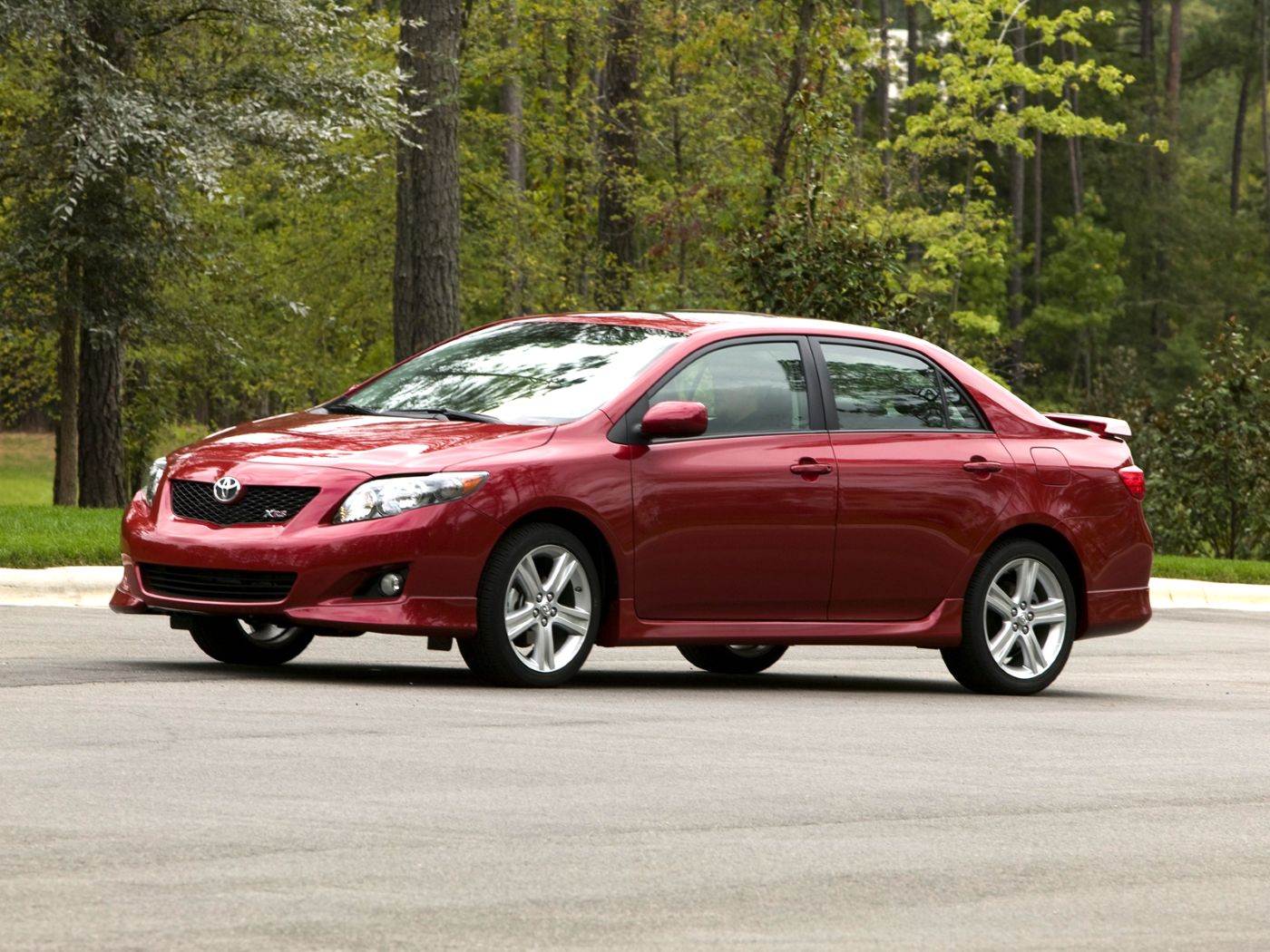
1. Toyota Corolla (2009–2019)
The Toyota Corolla is often cited for its durability, and rust resistance is part of the reason why. Owners living in the Northeast or Midwest frequently report that their Corollas, even with over 200,000 miles, have clean underbodies. This isn’t just luck. Toyota applied a reliable undercoating treatment and designed the car with minimal moisture traps, especially around the rocker panels and rear wheel wells. These design decisions matter in places where road salt eats away at vehicles during the winter.
Many Corolla owners from northern regions say the suspension components and subframes hold up well. While brake lines can always corrode over time on any vehicle, they’re routed smartly in the Corolla to reduce direct exposure. Drainage is also effective, so water doesn’t sit and stagnate in hidden crevices. This model line also tends to have a smooth underbody with fewer metal-on-metal joints where rust often starts. As a result, even after multiple winters, you can find these cars structurally sound.
The body panels are also built with enough anti-corrosion protection that even untreated Corollas resist bubbling paint and flaking around the wheel arches. It’s not that the metal is magical, but Toyota’s build quality in this era made rust prevention a part of the car’s identity, not an afterthought. You’re unlikely to find major rust issues in Corollas from this generation unless the vehicle was neglected or damaged.
For budget-conscious buyers who need a long-lasting vehicle that doesn’t require constant attention underneath, the Corolla is one of the safest bets. It may not be flashy or loaded with high-end features, but the basic engineering is designed for longevity, especially when it comes to structural integrity.
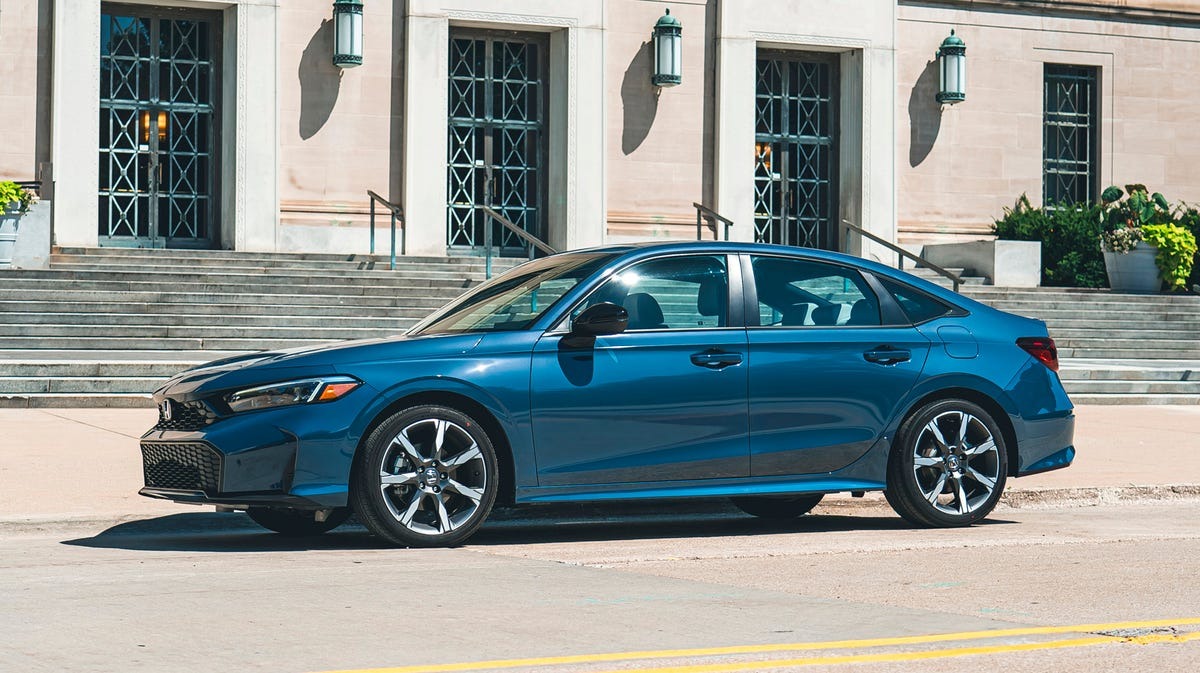
2. Honda Civic (2012–2020)
The Honda Civic has built a strong reputation not just for its engine reliability, but also for its surprising resistance to rust, especially in models from the early 2010s onward. Honda made noticeable improvements in rust protection compared to earlier generations that had more issues with underbody corrosion. While previous models struggled in snowbelt areas, this generation showed a marked improvement thanks to factory undercoatings and better drainage design.
One of the major strengths of the Civic is its thoughtful engineering beneath the car. The subframe and floorpan are better sealed than earlier versions, reducing the risk of water intrusion. Unlike some models that have exposed weld seams under the car, the Civic minimizes direct metal exposure to slush and salt. The design around the front wheel wells also limits the accumulation of salty debris, which can otherwise speed up the corrosion process.
While no affordable sedan is completely immune to rust, the Civic holds up well in northern climates. Mechanics often note that it takes a decade or more before serious underbody rust becomes an issue, and even then, it tends to be surface rust rather than structural damage. Brake lines and fuel lines are usually in solid condition even in high-mileage Civics from this period.
For buyers who want both style and substance, the Civic’s combination of good looks, affordability, and long-term durability makes it a standout. Its resale value remains strong partly because it resists the kind of decay that shortens the life of many competitors.
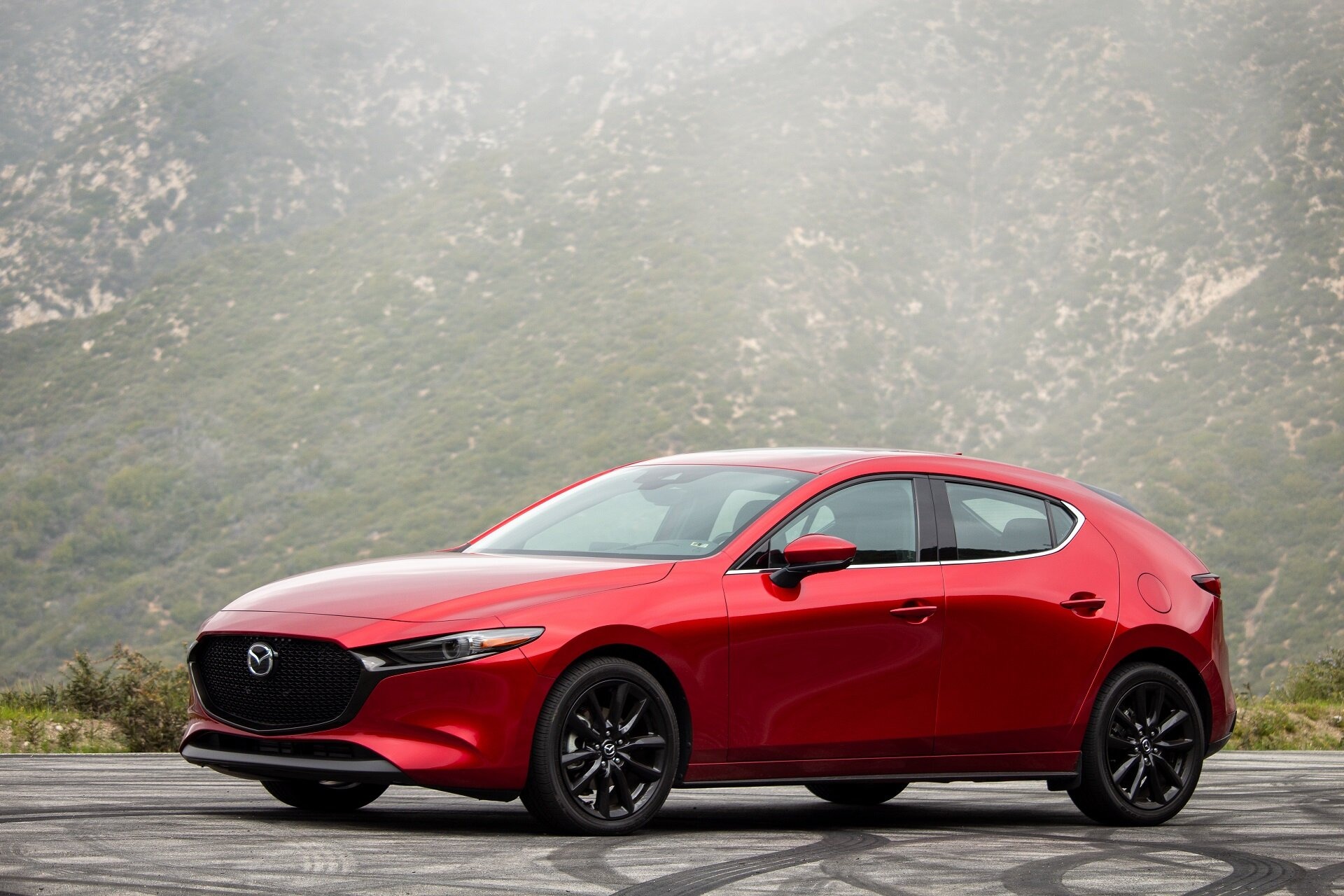
3. Mazda3 (2014–2018)
Mazda used to have a bad reputation when it came to rust. But that began to change in the mid-2010s with the introduction of the third-generation Mazda3. This model featured a new design philosophy and, more importantly, better materials and underbody protection. Mazda clearly learned from past mistakes, and it shows. The 2014–2018 Mazda3 is far more rust-resistant than its predecessors.
This generation uses galvanized steel panels throughout the body, and the underbody areas were treated with anti-corrosion coatings at the factory. In addition, Mazda worked on better wheel well liners and rear fender protections, two areas that were notorious for catching debris and moisture in older models. These improvements meant that buyers in rust-prone regions started to report longer-lasting body integrity and cleaner frames.
While some surface rust may still develop on bolts or exhaust parts, the core structure, including rocker panels, frame rails, and subframes, tends to remain intact. The design ensures water doesn’t get trapped in corners where it would take years off the vehicle’s life. Even if the paint chips, the galvanized steel resists deep oxidation much better than bare metal would.
Mazda3 owners now enjoy a compact sedan that’s not only stylish and fun to drive but also capable of surviving the rough conditions that typically turn budget cars into rust buckets. For people who ruled out Mazda due to corrosion concerns in the past, this generation deserves a second look.
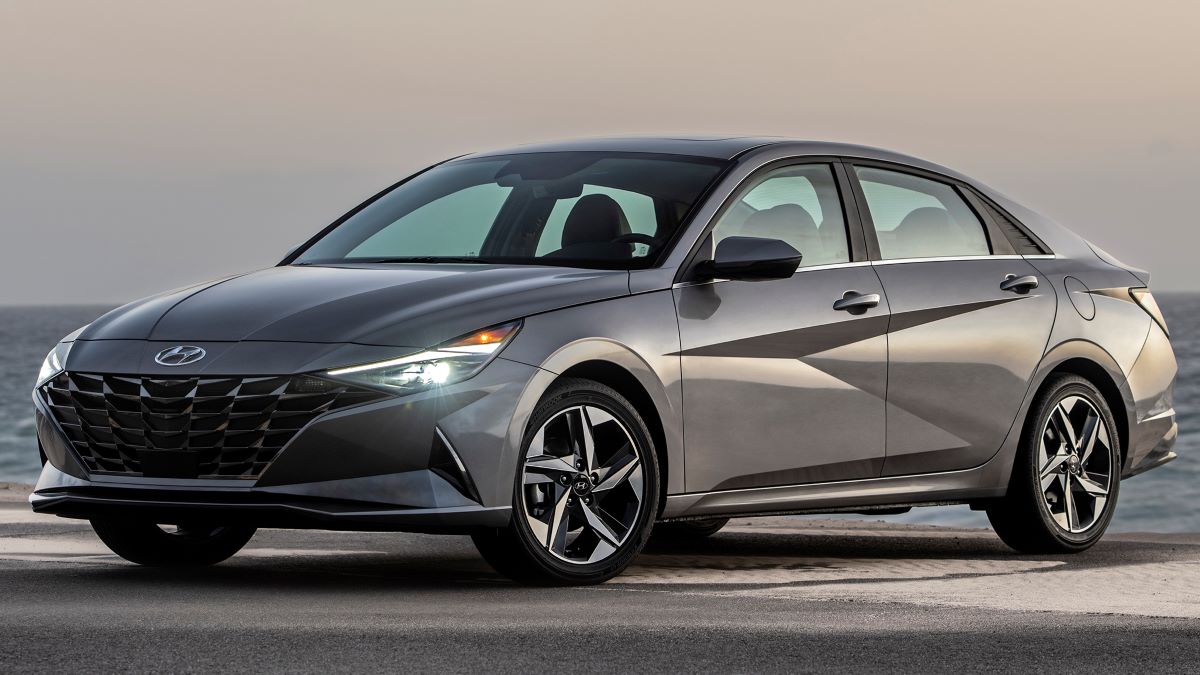
4. Hyundai Elantra (2013–2019)
The Hyundai Elantra from this era is a surprise addition to the list. Older Hyundai models often struggled with rust issues, but improvements made in the early 2010s dramatically changed that. The sixth-generation Elantra (2013–2019) showed consistent improvement in body and frame durability across different climates. Hyundai added better corrosion-resistant materials and improved drainage systems, which resulted in fewer complaints from cold-weather owners.
A key design shift involved the use of more plastic fender liners and coated brake lines. These changes might sound minor, but they go a long way in slowing the spread of rust. Wheel wells are better protected, and snow-packed slush doesn’t cling to exposed metal as easily as it did on older models. This generation also improved how the underbody was sealed from the factory, meaning fewer areas where water could intrude and linger.
Underbody inspections of Elantras from this range often show minimal rust after several winters. Sure, surface rust can still appear on exhaust components or brackets, but the structural elements, where rust matters most, remain strong in most cases. The improvements don’t make the car bulletproof, but they do make it competitive with more established brands.
If you’re looking for a budget-friendly used sedan with solid corrosion resistance, the Elantra of this generation holds up better than many would expect. It’s an affordable choice that doesn’t punish owners with early frame rot or structural weakness.
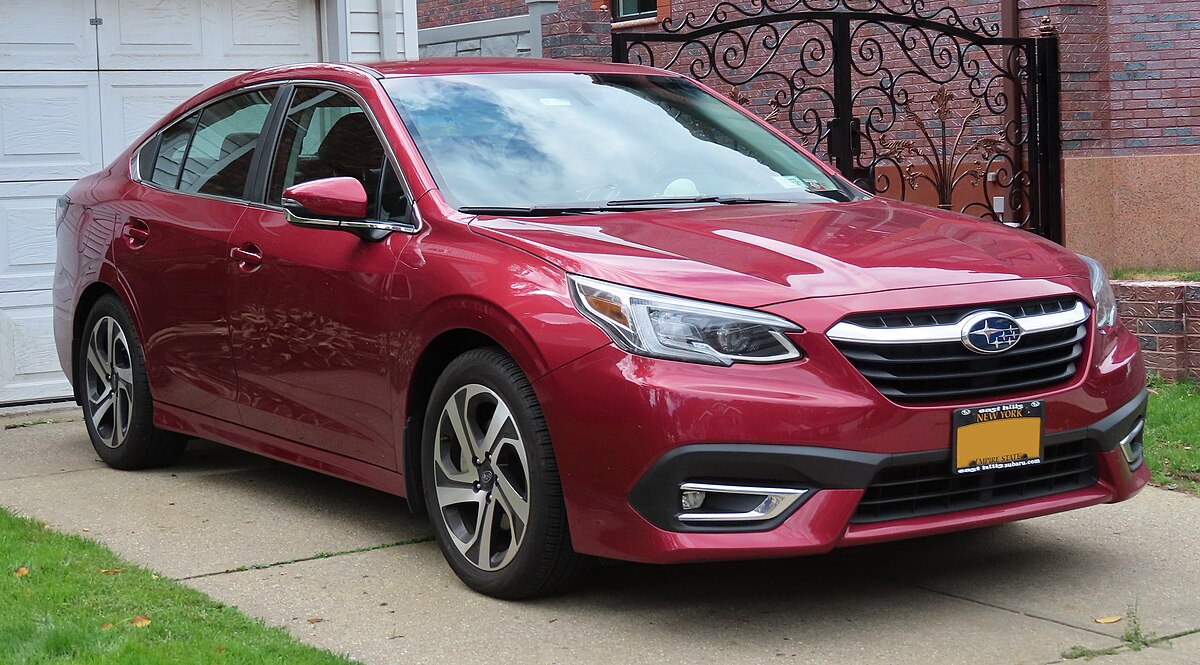
5. Subaru Legacy (2010–2017)
Subaru is often known for its all-wheel drive systems and rugged appeal, but some of its models also stand out for better-than-average rust resistance. The Legacy sedan, in particular, holds up well underneath when compared to rivals in the same price range. From 2010 to 2017, Subaru focused on reducing corrosion complaints by treating the body with improved coatings and improving drainage around critical joints.
This generation of the Legacy featured thicker undercoating from the factory, a major improvement over earlier models. Combined with better sealants around pinch welds and seams, the car doesn’t trap moisture the way previous Subarus often did. Additionally, brake and fuel lines were placed higher along the chassis to reduce their exposure to salt-covered roads. That positioning has paid off for long-term reliability.
The rocker panels and rear quarter areas, which are common rust spots on many sedans, remain solid in most Legacy models of this era even with winter exposure. These design improvements reflect Subaru’s response to feedback from cold-weather regions like Canada and the northern U.S., where customers were frustrated with earlier corrosion issues.
Subaru’s all-wheel drive might be the headline feature, but for rust-conscious buyers, the real value lies underneath. The Legacy is a midsize sedan that combines rugged winter capability with frame and body durability, making it one of the smarter choices for buyers who want their affordable sedan to last well past 200,000 miles.
5 Affordable Sedans That Rot Underneath
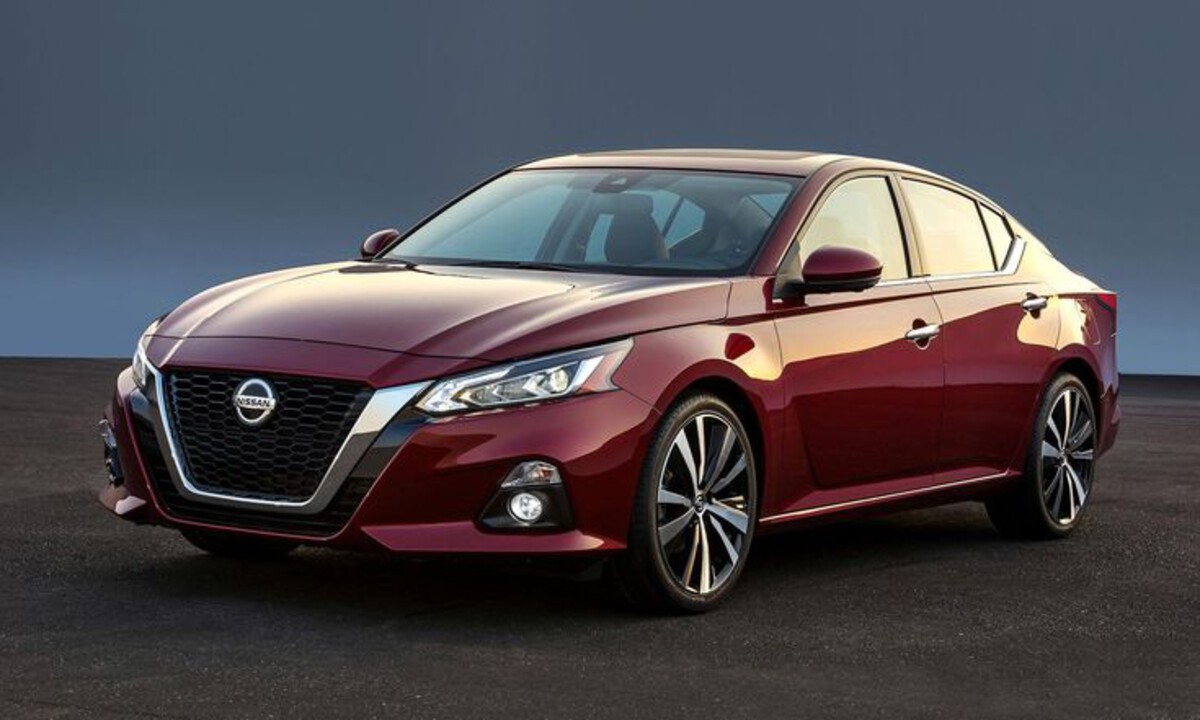
1. Nissan Altima (2007–2012)
The Nissan Altima from this generation often looks good on the outside but hides serious corrosion underneath. Owners in northern states frequently report subframe rust that compromises safety well before the vehicle hits high mileage. It’s not uncommon for the front subframe to rot through near the control arm mounts, causing alignment issues or even dangerous driving conditions.
The problem starts with poor drainage and weak coatings. Saltwater from roads collects in key areas of the underbody and stays trapped. Over time, this accelerates corrosion not just on the frame, but also on fuel and brake lines. Nissan did not prioritize undercoating in this generation of the Altima, especially on base trims, and it shows after just a few winters.
The rocker panels are also vulnerable. Once they begin to rust, moisture seeps in further and compromises structural rigidity. Some owners have had to pay thousands to replace rusted subframes or scrap their vehicles entirely. Others have encountered major suspension component failures due to corrosion that wasn’t visible until parts began breaking.
Even if an Altima looks cosmetically clean, its underbody may be hiding extensive damage. This generation is a warning for used car buyers: a low purchase price isn’t worth it if rust turns the vehicle into a money pit within a year or two. Unless the car has received aftermarket rust protection, it’s better to avoid this model entirely in colder climates.
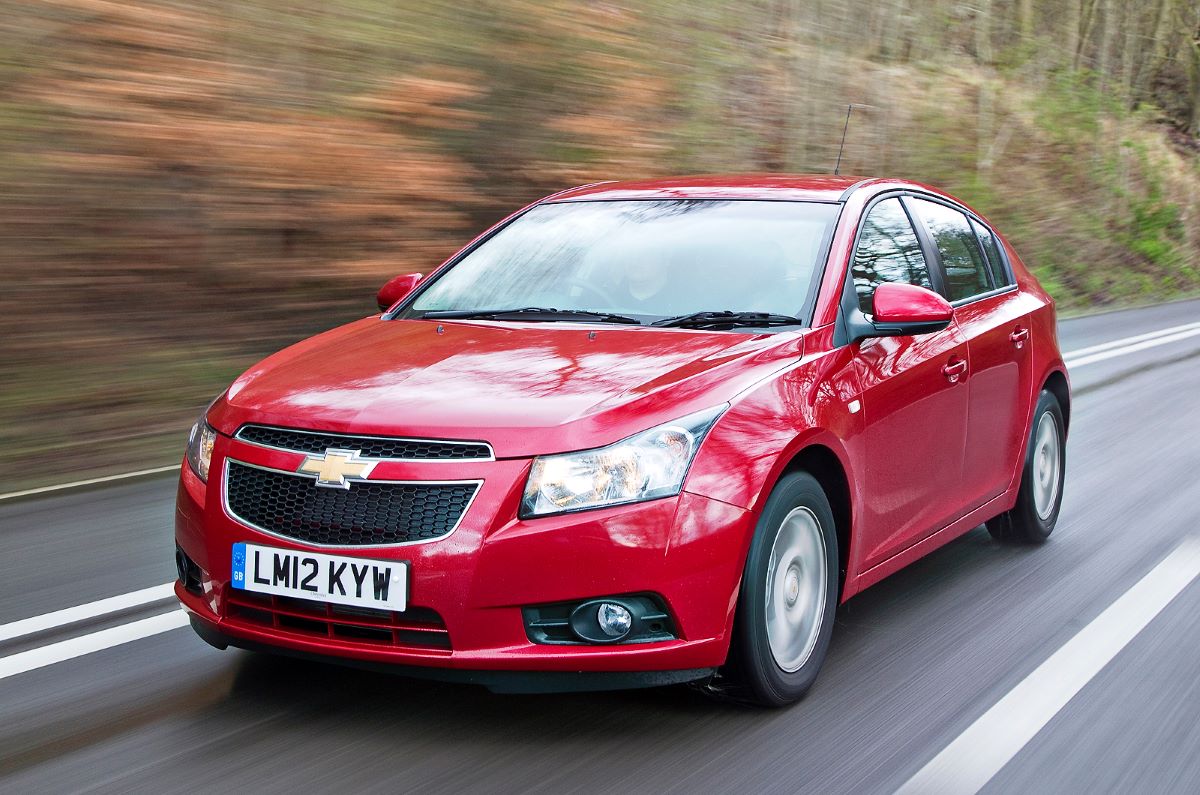
2. Chevrolet Cruze (2011–2016)
The Chevy Cruze was marketed as a smart, affordable sedan for young drivers and commuters. But over time, its underbody tells a different story. In rust-prone areas, this model tends to develop serious corrosion problems, particularly in the rear suspension mounts and subframe. It’s not just cosmetic rust; some Cruze owners have had to deal with complete structural failures.
A weak spot on the Cruze is the rocker panel and inner wheel arch area. These parts are notorious for trapping moisture and road salt. GM used spot welds and overlapping metal seams in these regions, which allow salt to creep in and start corrosion from the inside out. Once rust sets in, it spreads quickly. Body shops often uncover more damage than expected once the car is lifted.
The fuel and brake lines also show early corrosion signs in this model. The lack of protective routing or coating in some areas makes these lines vulnerable. Mechanics in snowbelt states have often noted that replacing these components becomes necessary far sooner than expected.
For people considering a Cruze as a budget-friendly used vehicle, it’s essential to check underneath. A good-looking exterior doesn’t mean much if the undercarriage is flaking apart. If rust is already visible, it’s usually the tip of the iceberg. Without rustproofing done shortly after purchase, this car won’t hold up in climates with winter road salt.
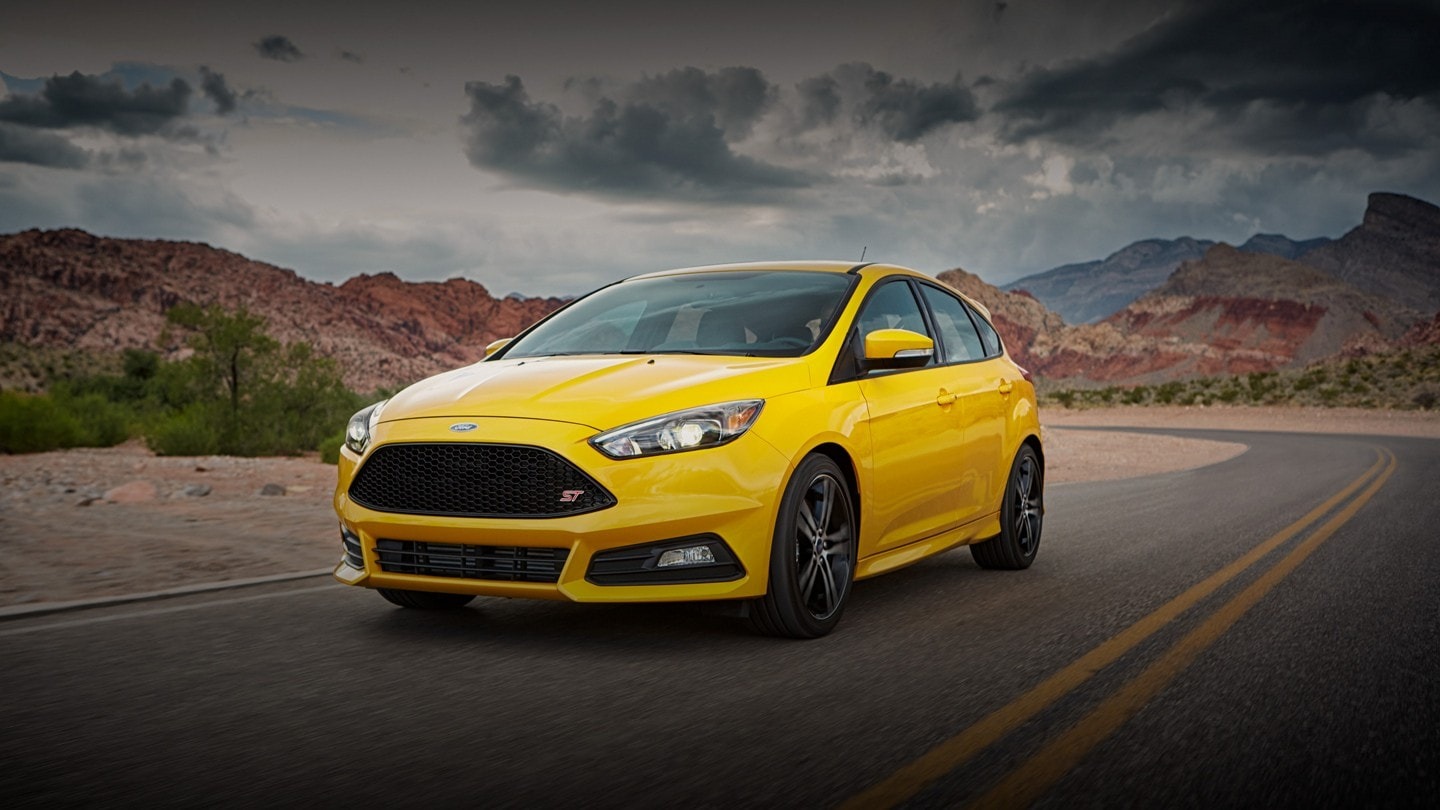
3. Ford Focus (2008–2011)
The Ford Focus from this era was widely sold and popular among budget buyers. However, it has not aged well in terms of rust resistance. In snowbelt states, it’s common to find heavy corrosion on the rear suspension mounts, undercarriage, and subframe after just a few winters. This rust affects the safety and integrity of the car well before mechanical parts start to wear out.
Ford did not invest in proper underbody protection for this generation of the Focus. Drainage holes were minimal, and the paint used on the underside of the body was thin and prone to chipping. Once the protective layer breaks, the metal underneath is exposed to salt and moisture. Without a robust barrier, corrosion sets in quickly and spreads aggressively.
Rear wheel wells and rocker panels are weak spots. These areas often look fine until the paint bubbles or flakes off. By then, the rust has already made its way underneath the seams. In some Focus models, entire chunks of rocker panel have broken off after just six or seven winters on the road.
Even if the engine runs well, a Focus with severe underbody rust loses its resale value and safety rating. In fact, some Focus owners have reported that the frame was too far gone to repair affordably, forcing them to junk their vehicles prematurely. For buyers in northern states, this is one model that may not be worth the risk unless it has been treated with aftermarket rust prevention from day one.
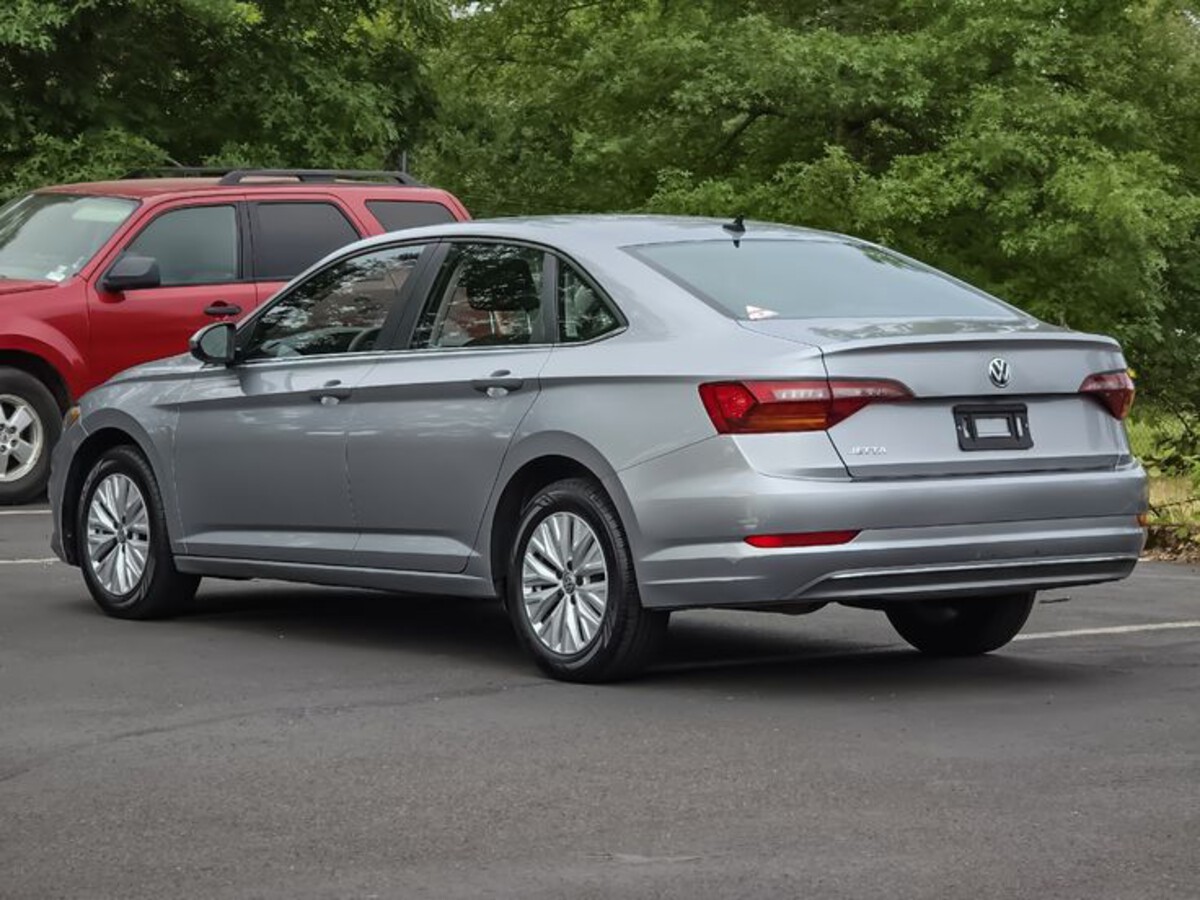
4. Volkswagen Jetta (2006–2010)
Volkswagen is known for producing stylish and fun-to-drive sedans, but the Jetta from this generation hides some long-term durability issues, particularly when it comes to rust. While the body panels often hold up, the underbody is another story entirely. Subframe and floor pan corrosion is a well-documented issue in areas that use salt during winter.
A major problem with this generation is how moisture tends to pool around suspension mounts and underbody seams. Volkswagen used foam insulation in some panels, which traps moisture and accelerates rust from the inside out. This design flaw is hard to catch during a casual inspection. By the time rust is visible from underneath, the damage is often extensive.
Brake line corrosion is also common on these models. Some lines are routed through low and exposed areas without enough protective shielding. In snowy areas, this results in early failures that can be both dangerous and expensive to fix. The cost of replacement is often higher than in competing models, adding financial pressure on budget-conscious owners.
While the car might offer a good driving experience, the long-term cost of ownership climbs quickly once rust becomes an issue. Unless you’re buying one from a dry climate or a garage-kept vehicle, this generation of Jetta is best approached with caution. A clean exterior and working engine won’t help much if the floorpan starts falling apart underneath.
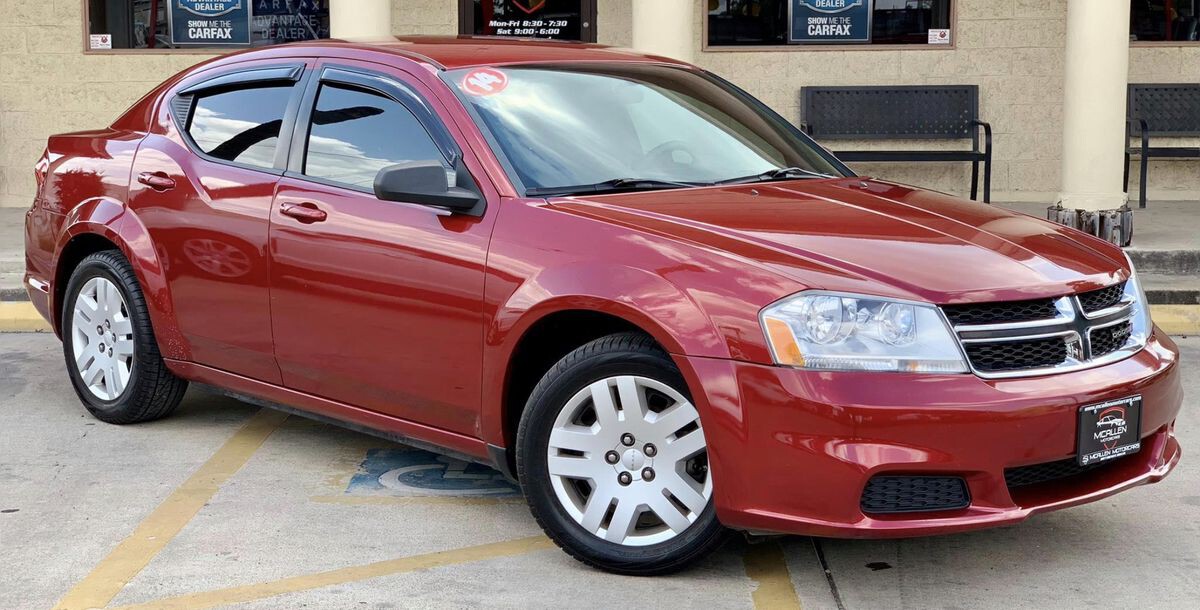
5. Dodge Avenger (2008–2014)
The Dodge Avenger was marketed as a bold-looking, affordable mid-size sedan, but its underbody tells a different story over time. While it offered decent performance and a comfortable ride, the lack of corrosion protection underneath made it especially vulnerable in northern climates. Many Avenger owners report severe rust issues that begin around the rear suspension and rocker panels within just five to seven years.
One of the Avengers’ main weaknesses lies in its minimal underbody coating. The factory-applied layer was often thin and inconsistent, leaving plenty of metal exposed. Combined with poor drainage near the rear wheel wells, moisture tends to build up and sit for long periods, giving rust an ideal environment to spread. Even moderate exposure to road salt can cause significant deterioration.
Another vulnerable area is the subframe. In some Avenger models, mechanics have noted rust holes forming near critical mounts, leading to expensive repairs or even failure to pass inspection. In more severe cases, parts of the rear subframe separate entirely, affecting the alignment and stability of the vehicle. Brake line and fuel line rust are also frequently mentioned, especially in vehicles without added rustproofing.
Owners often find themselves caught off guard. Since the body panels may still appear clean, the problems underneath aren’t always visible until it’s too late. Some try to patch affected areas, but rust typically returns quickly. For drivers in dry climates, the Avenger might be fine. But in areas with snow and salt, this sedan doesn’t offer the long-term durability that buyers expect from a daily commuter.
ALSO READ: 10 Worst Cars to Trust After 100K Miles That Often Disappoint Drivers
Rust isn’t something you think about when you first fall in love with a car. It’s not part of the shiny marketing or a line item on the spec sheet. No one brags about their sedan’s subframe coating or drainage design. But once rust sets in, it’s hard to think about anything else. It affects how the car drives, how safe it feels, and how long it can stay on the road. For owners of affordable sedans, where every repair bill matters, rust can be the silent factor that turns a good deal into a bad decision.
As we’ve seen, some manufacturers have clearly taken the issue of rust prevention seriously, even on their lower-priced models. Toyota, Honda, Mazda, Hyundai, and Subaru have all made noticeable improvements in how they design, coat, and protect the underbody of their sedans.
These models are not immune to corrosion, but they resist it much better than most. That resistance pays off in real terms: longer lifespan, fewer expensive repairs, and better resale value. When a car holds together well underneath, it tends to hold its value and its usefulness.
The Toyota Corolla and Honda Civic, for instance, are not just reliable in terms of engines and transmissions. Their thoughtful design extends to areas most people don’t see. They’re less likely to develop dangerous rust near the control arms, fuel lines, or rocker panels.
The same can be said for Mazda’s more recent models, which learned from earlier mistakes and now include better underbody protection. Hyundai’s improvement over time, especially in the Elantra, shows how far a brand can come when it takes corrosion seriously. And Subaru’s Legacy, with its thicker coatings and smarter design, proves that a car built for winter driving should be built to survive winter roads too.
On the other side, we have vehicles that simply weren’t built with rust in mind. The Nissan Altima, Chevrolet Cruze, Ford Focus, Volkswagen Jetta, and Dodge Avenger are all examples of sedans that have earned a reputation, not just in isolated stories, but through consistent feedback from owners and mechanics alike.
These models often develop rust in key structural areas long before they should. Some owners are forced to abandon their vehicles not because of engine trouble or major accidents, but because the underbody rusted out in ways that couldn’t be repaired affordably or safely.
In many cases, it’s not even about how well the car was cared for. Even with regular washing and good maintenance, some of these models just weren’t designed to resist the type of corrosion that comes with salted roads and wet winters. That’s why it’s so important for buyers in those regions to think ahead. A cheaper car upfront might end up costing more down the road if rust becomes a recurring issue. Spending a little more on a model that holds up underneath could save you thousands in the long run.
Used car buyers especially need to be aware of this. A clean title and nice paint job might look good on the surface, but it’s what’s underneath that counts. Lifting the car, inspecting the wheel wells and subframe, and checking known rust-prone areas can reveal a lot about a vehicle’s future. And if you’re buying from a region known for harsh winters, the importance of rust resistance only grows.
Rust might not be the most exciting part of car ownership, but it could be the most important if you plan to keep your sedan for the long haul. Knowing which models hold up and which ones fall apart isn’t just trivia. It’s the difference between a car that serves you well for a decade and one that gives up halfway there. Choose wisely, and you won’t just save money, you’ll stay safer and enjoy peace of mind every time you hit the road.
