
Luxury SUVs are often seen as a symbol of comfort, status, and performance. While most vehicles tend to lose their luster and feel dated as they rack up miles, some luxury SUVs defy this trend, maintaining a sense of freshness and modernity even after 150,000 miles on the odometer.
These vehicles often achieve this through a combination of durable engineering, timeless design, and cutting-edge technology that ages well. The ability of these SUVs to continue delivering a refined driving experience, strong performance, and contemporary features years into their lifecycle makes them stand out in a crowded market.
Owners of such vehicles often report that their SUV feels almost like new despite the high mileage, creating a strong sense of loyalty and satisfaction.
One key factor behind the lasting appeal of these SUVs is their build quality. The materials used inside the cabin remain intact without excessive wear, and the ride quality stays smooth, thanks to advanced suspension systems designed to handle long-term use without degrading.
This craftsmanship not only keeps the interior environment pleasant but also ensures that the driving experience does not become rough or noisy. Moreover, the engines and drivetrains in these vehicles are typically engineered for longevity, offering consistent performance and fuel efficiency even as the miles add up. This mechanical resilience helps maintain that “new car” feeling, where responsiveness and power delivery remain on par with a much younger model.
Another reason these SUVs continue to feel modern is their timeless design language. Instead of chasing every fleeting trend, manufacturers of these models often incorporate elegant, understated styling that ages gracefully. This approach ensures that the SUV does not look outdated or awkward as design trends evolve.
Inside, the user interfaces and controls tend to be intuitive and straightforward, resisting rapid obsolescence caused by complicated tech setups. Even infotainment systems, although less advanced than current models, offer enough functionality and responsiveness to feel relevant and capable.
Finally, the reputation and after-sales support of the manufacturers behind these SUVs contribute to their enduring appeal. Brands with strong commitments to quality and customer satisfaction provide parts, service, and updates that help keep these vehicles running smoothly for years.
This dedication to ownership experience means that even a luxury SUV with 150,000 miles can continue to feel fresh, reliable, and enjoyable. The following section will explore five specific luxury SUVs that embody these qualities and maintain a “new” feeling despite significant mileage.
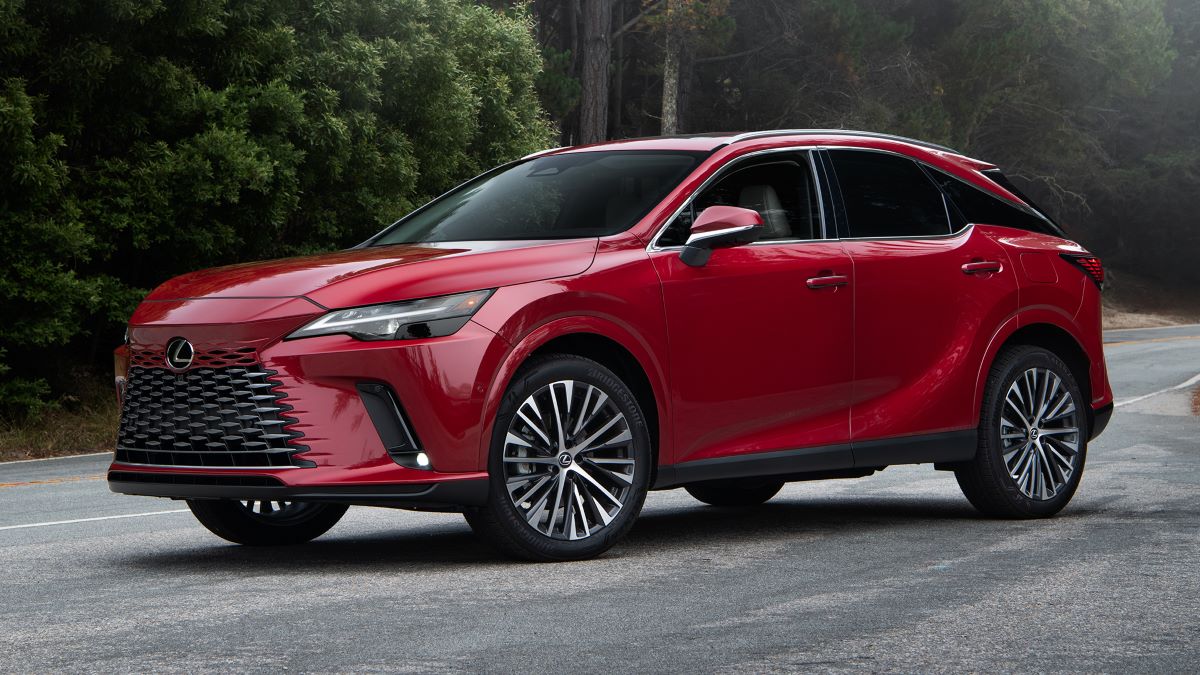
1. Lexus RX
The Lexus RX has built a reputation over the years as one of the most reliable and comfortable luxury SUVs on the market. What sets it apart is its remarkable ability to retain a sense of newness even when crossing the 150,000-mile mark.
Owners often praise the RX for its smooth ride, quiet cabin, and robust powertrain, all of which contribute to a feeling that the vehicle is still fresh and capable. The hybrid variants, in particular, offer a blend of efficiency and performance that remains competitive well beyond typical mileage thresholds.
Inside the cabin, the RX is known for using high-quality materials that resist wear and tear. The leather seats, soft-touch plastics, and solid trim pieces maintain their appearance over the years, and the layout of the dashboard is both functional and attractive.
Even though the infotainment system might seem dated compared to the latest models, its simplicity ensures that it remains usable without frustrating glitches or lag, preserving a sense of modern convenience.
Mechanically, the RX benefits from Toyota’s well-documented reliability and engineering prowess. The V6 engine and hybrid powertrain options are durable and maintain smooth operation, providing consistent acceleration and handling.
Suspension components also hold up well, resulting in a ride that doesn’t become harsh or unstable over time. Additionally, Lexus vehicles typically have fewer costly repairs than many competitors, which helps maintain ownership satisfaction and the perception of a vehicle that feels cared for and fresh.
The RX’s exterior design contributes to its lasting appeal, too. While it has evolved stylistically over generations, the core design philosophy emphasizes elegance and aerodynamic efficiency without relying on gimmicks that can age poorly.
This means the RX continues to look sophisticated and current, even years into its life. For owners who seek a luxury SUV that feels reliable, comfortable, and new despite high mileage, the Lexus RX remains a top choice.
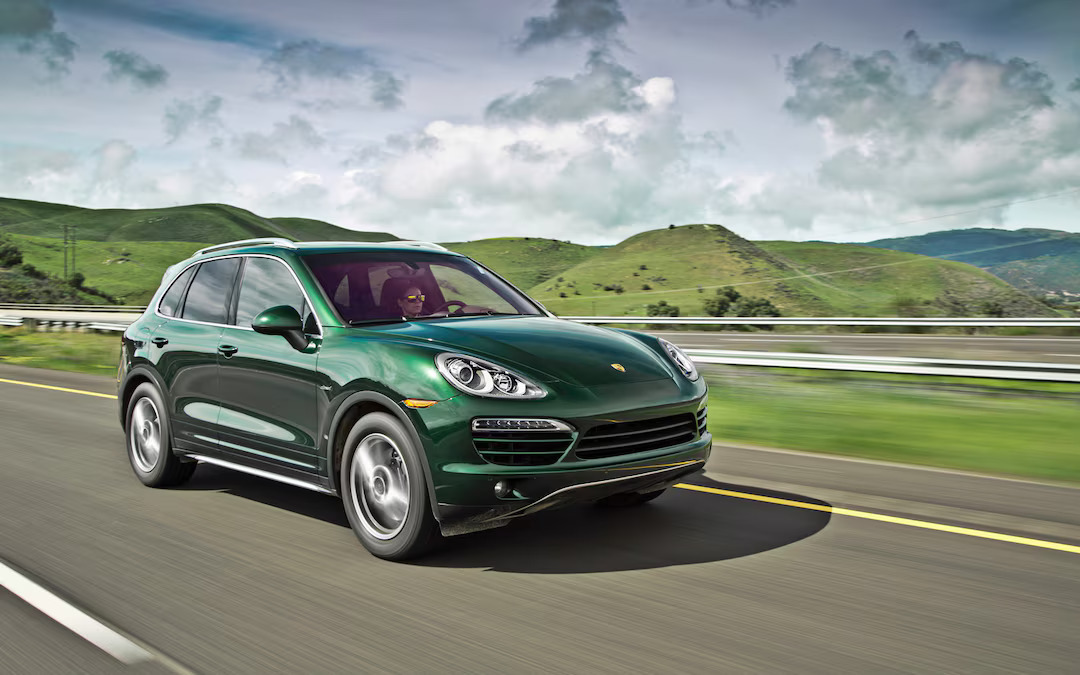
2. Porsche Cayenne
The Porsche Cayenne is a luxury SUV that blends performance and refinement in a way few others can match. Known for its sporty driving dynamics, the Cayenne also maintains an almost-new feeling even when the odometer hits 150,000 miles.
This SUV’s engineering excellence, combined with a strong focus on quality and driver engagement, results in a vehicle that defies the typical wear and tear associated with aging cars.
Inside, the Cayenne’s cockpit offers a driver-focused experience, using premium materials that resist aging. Soft leather, solid metal accents, and carefully crafted controls maintain a high-end feel over time.
While the technology may not be the latest, Porsche’s interface design is straightforward and responsive, ensuring the driver still enjoys an engaging and comfortable environment without tech-related frustrations. The cabin also remains quiet and well-insulated, preserving that “fresh from the showroom” sensation.
Performance-wise, the Cayenne benefits from robust engines and finely tuned suspension systems that continue to deliver sharp handling and smooth ride quality well past 150,000 miles. Routine maintenance is key, but when properly cared for, the Cayenne’s drivetrain and chassis show little decline in capability.
This mechanical resilience is a testament to Porsche’s commitment to engineering vehicles that don’t just age gracefully but maintain a visceral connection with the driver.
Aesthetically, the Cayenne manages to retain its appeal due to timeless proportions and clean lines that avoid trends that quickly become outdated. The design is sporty yet elegant, ensuring that the SUV feels relevant and stylish long after its release. In sum, the Porsche Cayenne is a luxury SUV that stays exciting and fresh, making it one of the few models that can feel new even with 150,000 miles on the clock.
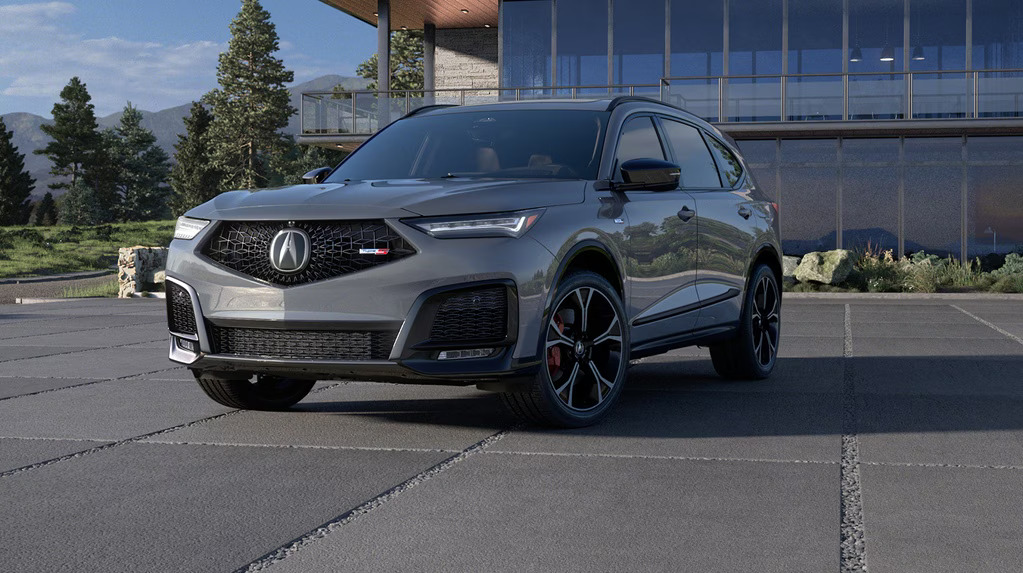
3. Acura MDX
The Acura MDX has long been appreciated for its balance of luxury, reliability, and value. What makes it stand out in the luxury SUV segment is its ability to feel fresh and modern well into the higher mileage ranges. The MDX’s reputation for mechanical durability is backed by years of solid performance, making it a vehicle that owners can trust to keep delivering a pleasant driving experience over time.
One of the MDX’s strengths is its spacious and well-appointed interior. The materials used are resilient, and the cabin layout is logical and easy to use, which helps maintain a sense of comfort even as the vehicle ages.
While its infotainment system is not the most cutting-edge, it remains functional and straightforward enough to avoid becoming a source of frustration. This usability factor contributes to the vehicle feeling less dated compared to some competitors.
On the mechanical side, the MDX is powered by reliable V6 engines and supported by a smooth-shifting transmission, both of which tend to hold up well under extended use.
The suspension system is designed to absorb road imperfections effectively, helping preserve a smooth ride even as components age. Acura’s reputation for longevity and reasonable maintenance costs also plays a role in keeping the MDX feeling new from an ownership perspective.
From a design standpoint, the MDX uses clean and practical styling that doesn’t rely on flashy or overly aggressive lines. This approach helps the SUV maintain a contemporary appearance longer than models that chase fleeting design trends. The MDX offers a well-rounded package that continues to satisfy owners looking for a luxury SUV that doesn’t feel old or worn out, even after many miles.
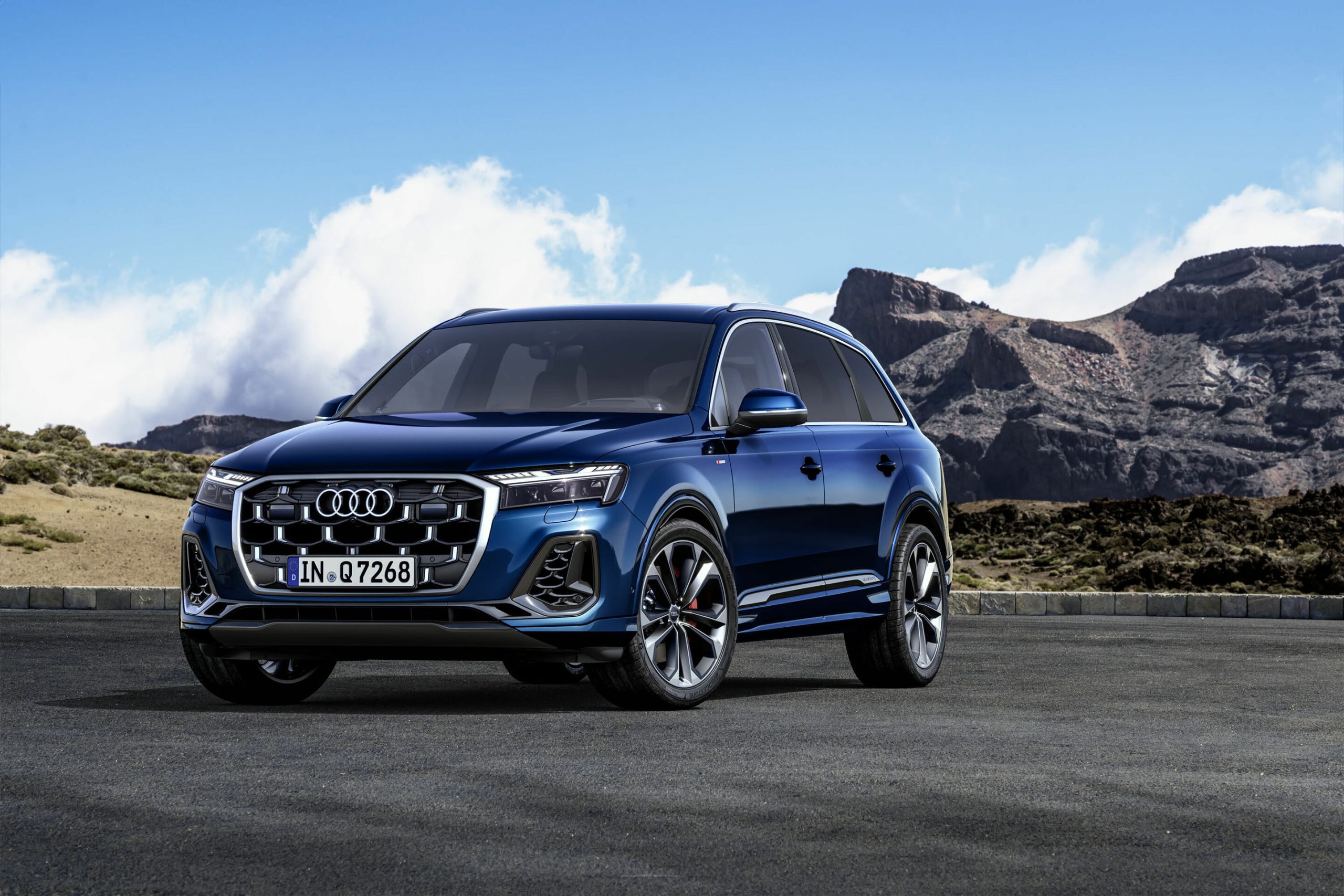
4. Audi Q7
The Audi Q7 is a full-size luxury SUV that combines advanced technology with sophisticated design. Despite its age and mileage, the Q7 can maintain a fresh feeling on the road, thanks to its high build quality and thoughtful engineering. Audi’s commitment to craftsmanship shows in the materials and feel of the vehicle, which remain impressive well past the 150,000-mile mark.
Inside, the Q7 cabin is filled with premium materials, from soft leathers to finely detailed trim pieces that resist wear. The design is elegant and modern, with a focus on driver comfort and ergonomics.
Even older models benefit from Audi’s clean interface and well-designed controls, which help avoid the frustration of outdated technology. The cabin environment remains quiet and comfortable, preserving the sense of a fresh and refined vehicle.
Mechanically, the Q7 is powered by strong engines and features a sophisticated all-wheel-drive system that continues to provide confident handling and stability after many miles. The suspension remains compliant and supportive, helping to ensure a smooth ride over a variety of road surfaces. Proper maintenance is key, but when cared for, the Q7 holds its performance and comfort well over time.
The exterior design of the Q7 emphasizes sleekness and elegance, with clean lines that have aged gracefully. The SUV manages to look current and stylish even years after its initial release, thanks to a restrained yet distinctive appearance. The Audi Q7 stands out as a luxury SUV that can keep its new-car feeling well into the higher mileage ranges, providing a premium experience for long-term owners.
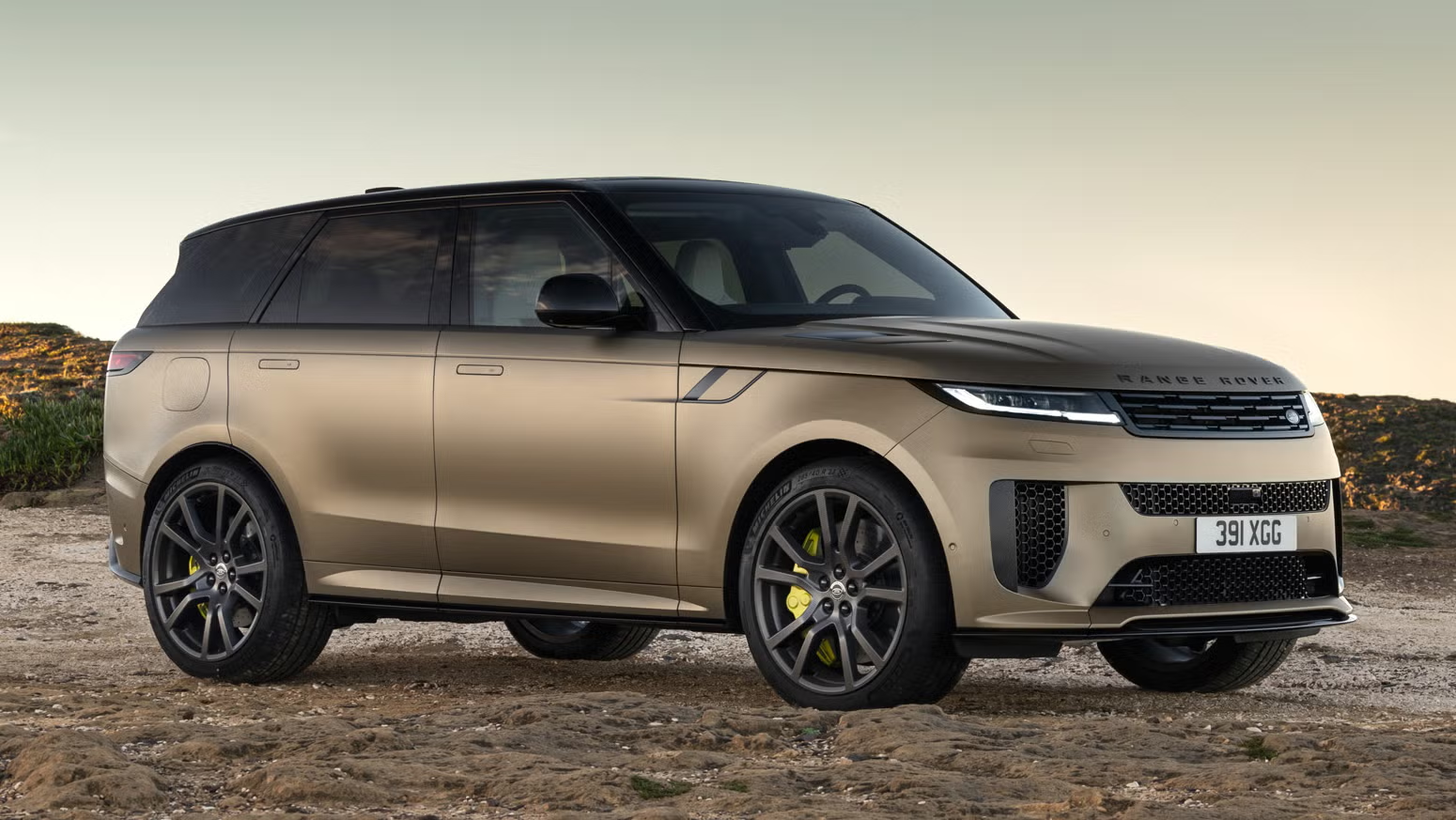
5. Land Rover Range Rover
The Range Rover is synonymous with luxury and off-road capability, and its ability to maintain a fresh and modern feel at high mileage is impressive. Although Land Rover has had some variability in reliability, well-maintained Range Rovers continue to impress with their combination of comfort, technology, and presence on the road even after 150,000 miles.
Inside, the Range Rover offers a sumptuous interior, featuring premium leather, wood, and metal accents that wear well and retain their luxurious look over time. The cabin is spacious, quiet, and designed for comfort, creating an environment that still feels special years after purchase. The technology may not be the latest iteration but is typically functional and responsive enough to avoid feeling outdated.
From a mechanical standpoint, the Range Rover’s engines and suspension are engineered to handle diverse conditions while maintaining a smooth ride. Though maintenance can be more intensive, the payoff is a vehicle that continues to deliver powerful performance and a composed driving experience. This durability is central to the SUV’s ability to feel fresh and relevant after significant mileage.
The Range Rover’s exterior styling is bold but classic, with design cues that have evolved subtly to stay modern without alienating traditionalists. This balance helps it maintain a commanding presence and a look that does not age prematurely. As a luxury SUV, the Range Rover remains a strong contender for those seeking a vehicle that retains its newness and allure even beyond 150,000 miles.
Also Read: 10 Reliable Older Hybrids That You Can Count On
5 Luxury SUVs That Feel Old at 50K
Luxury SUVs are expected to offer a blend of comfort, style, and technology that remains fresh and engaging well into their lifespan. However, several models disappoint in this regard, starting to show their age or lose their premium feel far earlier than owners would expect.
When an SUV begins to feel old or worn out at just 50,000 miles, it can lead to dissatisfaction, a decline in perceived value, and a less enjoyable ownership experience. The reasons for this early aging vary but often include inferior build materials, outdated or frustrating technology, mechanical wear, and design choices that don’t age gracefully.
Cabin materials play a significant role in how a vehicle ages, and some luxury SUVs rely on plastics or fabrics that degrade or look cheap after moderate use. Surfaces that scratch easily, seats that lose firmness, and controls that become sticky or less tactile contribute to the perception of a vehicle feeling worn out.
Technology, which is a major selling point in luxury vehicles, can quickly become obsolete or frustrating if the infotainment system is slow, unintuitive, or prone to glitches. These factors erode the premium experience and make an SUV feel old before it really should.
On the mechanical front, some models have suspensions that wear out prematurely, causing a rougher ride or increased noise that diminishes comfort. Engine performance can also decline if components are not built for long-term durability or if maintenance is costly and frequent.
A vehicle that requires frequent repairs or exhibits signs of mechanical degradation early on no longer feels like a luxury product, and this can heavily influence owners’ perceptions. Additionally, some vehicles suffer from styling that was trendy at launch but quickly becomes outdated, making the SUV look old in comparison to fresher rivals.
The following profiles of five luxury SUVs that tend to feel old or worn out around 50,000 miles highlight these issues in more detail. These models serve as cautionary examples for potential buyers and illustrate how early signs of aging can impact long-term satisfaction and vehicle value.
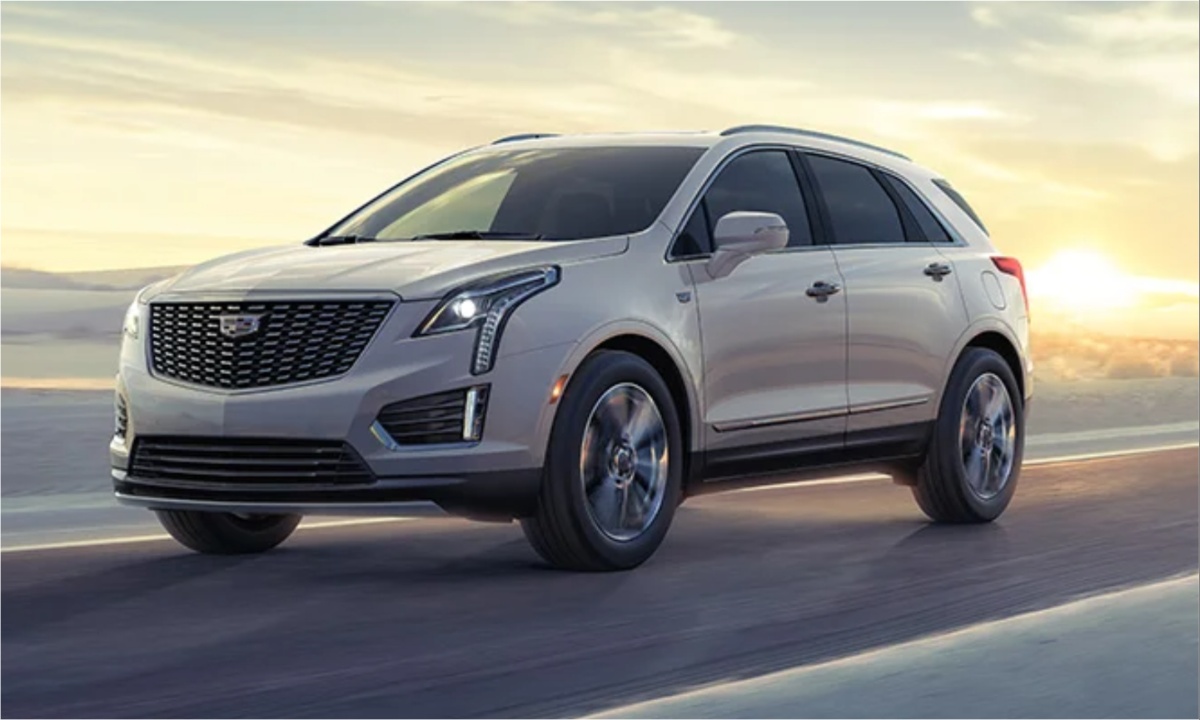
1. Cadillac XT5
The Cadillac XT5 is often praised at launch for its quiet cabin and stylish design, but it struggles to maintain that premium aura as mileage climbs. One of the main issues that owners report is the relatively rapid deterioration of interior materials. The leather seats, which initially feel soft and luxurious, can become creased and worn in a surprisingly short time.
Hard plastics on the dashboard and door panels tend to scratch or scuff easily, reducing the upscale feel that Cadillac strives to offer. Over time, these signs of wear combine to make the cabin feel less like a sanctuary of luxury and more like a tired daily driver.
The infotainment system in the XT5 is another area where the SUV shows its age early. Although it offers the expected suite of features at launch, many users find the interface slow to respond and difficult to navigate.
Over time, software updates have failed to fully resolve these issues, leaving the system feeling clunky and outdated when compared to competitors that provide faster, more intuitive setups. This can be particularly frustrating during daily use, as the infotainment system is a major touchpoint between the driver and the vehicle’s technology.
Mechanically, the XT5 is equipped with powertrains that deliver adequate performance but are let down by a suspension that loses its composure sooner than expected. Drivers report that the ride becomes firmer and less refined as mileage increases, with an increase in road noise and vibrations filtering into the cabin.
These mechanical factors, combined with a higher-than-average cost of repairs and maintenance for the brand, reduce the ownership experience and contribute to the feeling that the XT5 ages prematurely.
Visually, the XT5’s styling, though modern at launch, does not have the timeless quality seen in some rivals. The design can start to feel generic or uninspired after a few years, especially as other manufacturers introduce more eye-catching and aggressive looks.
This aging design language can make the SUV appear dated in a competitive luxury segment where fresh styling often influences resale value and owner pride. As a result, the XT5 is a luxury SUV that can begin to feel old and less desirable even at just 50,000 miles.
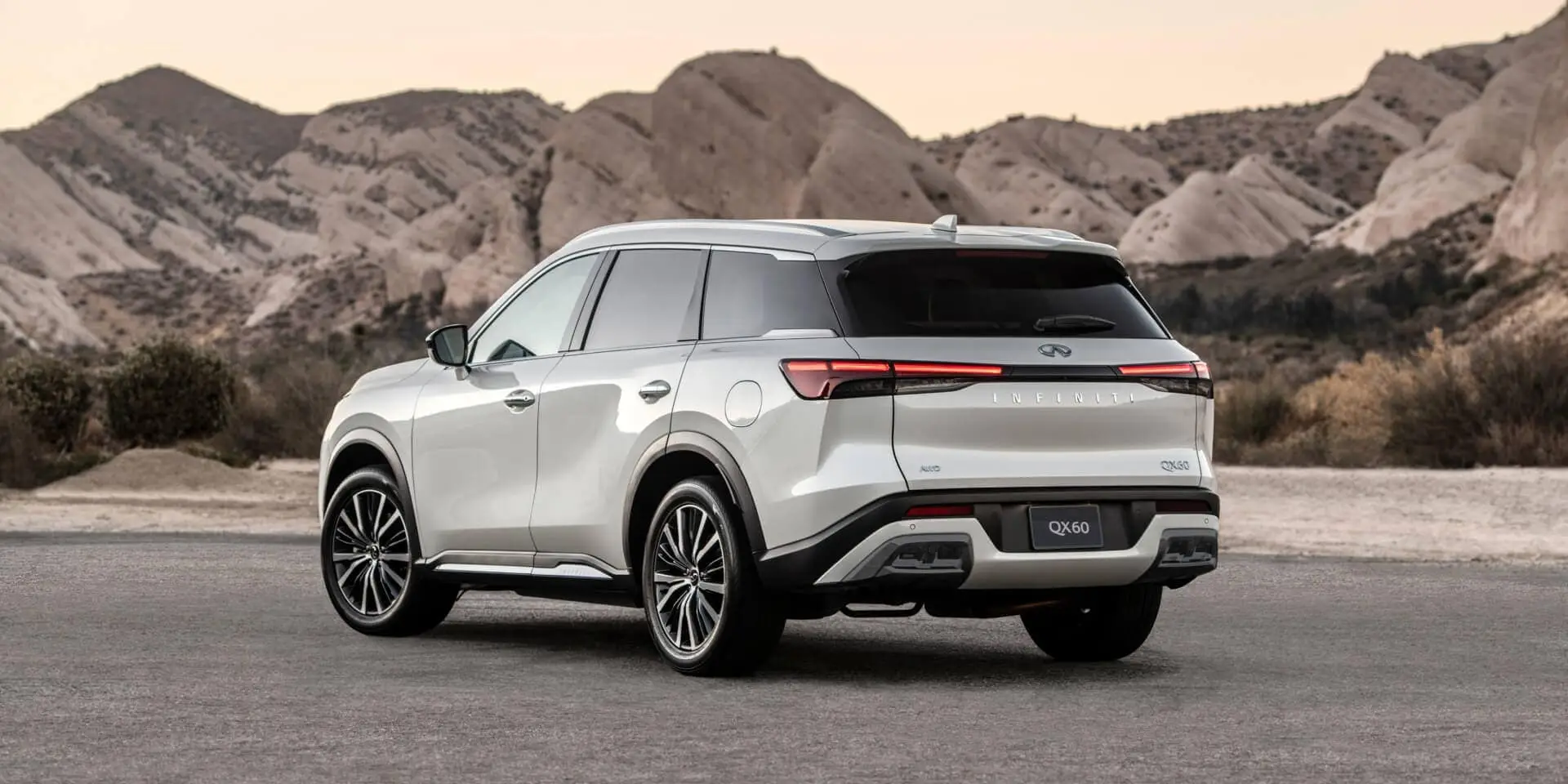
2. Infiniti QX60
The Infiniti QX60 is known for its smooth ride and family-friendly interior, but it struggles to maintain a sense of modernity and freshness beyond moderate mileage. One of the more glaring issues lies in the interior quality, where materials that initially seem solid and upscale tend to degrade faster than expected.
Seat cushioning can lose firmness, and surfaces may develop scuffs and scratches that make the cabin feel worn. This is particularly noticeable when compared to other luxury SUVs that use more durable materials designed to hold up well under frequent use.
The infotainment and control systems in the QX60 have drawn criticism for their complexity and occasional lack of responsiveness. Many users find that the interface is not very intuitive, with menus that are difficult to navigate and input lag that can slow down basic functions like navigation or media control.
This technological aging makes it difficult for the QX60 to keep pace with rivals that provide smoother and more user-friendly infotainment experiences, contributing to the vehicle feeling outdated and frustrating to use well before its time.
On the mechanical side, while the QX60’s powertrain is generally dependable, some owners report that the suspension begins to feel less refined as mileage increases. The initially smooth and composed ride can become harsher, with more road imperfections felt inside the cabin.
This decline in ride quality reduces driving enjoyment and detracts from the premium feel. Additionally, maintenance and repair costs can rise, especially as certain components wear faster than anticipated, making ownership less appealing.
From a styling perspective, the QX60 features a design that is relatively conservative and safe, which may appeal to some buyers initially but lacks boldness or distinctiveness. As newer models from competitors push the envelope with sharper lines and more aggressive details, the QX60’s look can start to feel bland and dated within a short timeframe.
This aging appearance, combined with the interior and technology shortcomings, means the Infiniti QX60 can seem older and less desirable than its mileage would suggest.
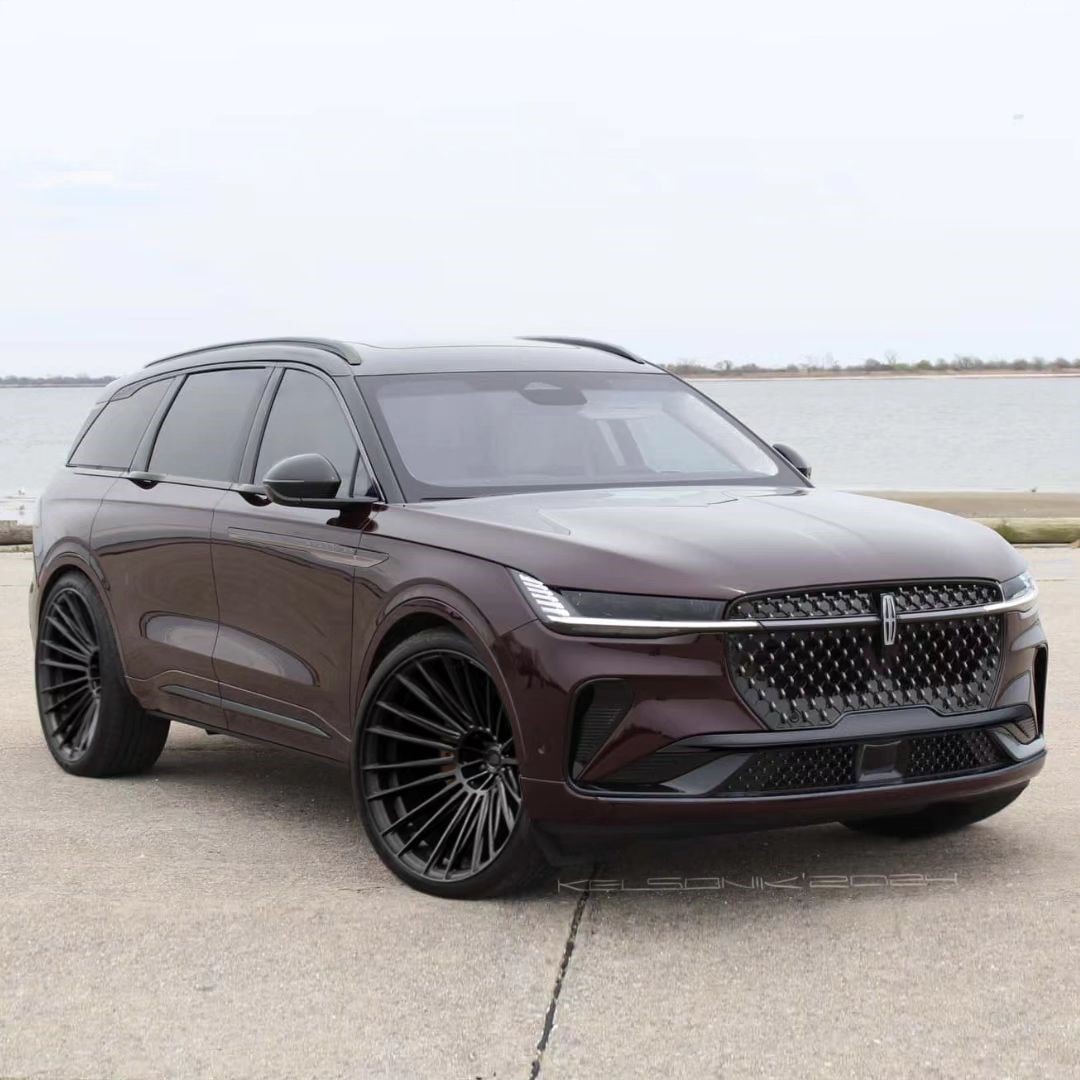
3. Lincoln Nautilus
The Lincoln Nautilus has earned praise for its quiet cabin and focus on comfort, but it often struggles to maintain a fresh and modern vibe beyond relatively low mileage. One of the most common complaints from owners is related to the interior materials, which sometimes fail to live up to the expectations of a luxury vehicle.
Leather surfaces and soft-touch materials may start to show signs of wear, including fading and creasing, while harder plastics and trim pieces might lose their finish or feel less solid over time. This early degradation of the cabin environment undermines the feeling of luxury that Lincoln aims to provide.
Technology in the Nautilus is another weak spot when it comes to aging gracefully. The infotainment system, while feature-rich, is sometimes sluggish and less intuitive compared to rival brands. Drivers report that menus can be confusing, and the touchscreen response time is slower than expected, causing frustration during routine use.
Software glitches and limited updates exacerbate these issues, making the technology feel out of date at a relatively early stage in the vehicle’s life. Since infotainment is a major interface between the driver and the car, these issues have a large impact on the perceived freshness of the SUV.
Mechanically, the Nautilus offers a comfortable ride initially, but some owners note that noise levels increase and suspension components feel less composed as mileage accumulates. The ride quality can become less smooth, with bumps and road irregularities more noticeable inside the cabin. This decline in mechanical refinement, combined with the potential for rising maintenance costs, can diminish the ownership experience and contribute to the impression that the vehicle feels older than its actual mileage.
Styling for the Nautilus tends to be traditional and conservative, which can work against it when newer, more daring designs hit the market. The SUV’s look can quickly feel dated, particularly in a segment where buyers expect bold and modern aesthetics. This combination of aging interior materials, lagging technology, mechanical wear, and conservative styling means that the Lincoln Nautilus often starts to feel old and less special around 50,000 miles.
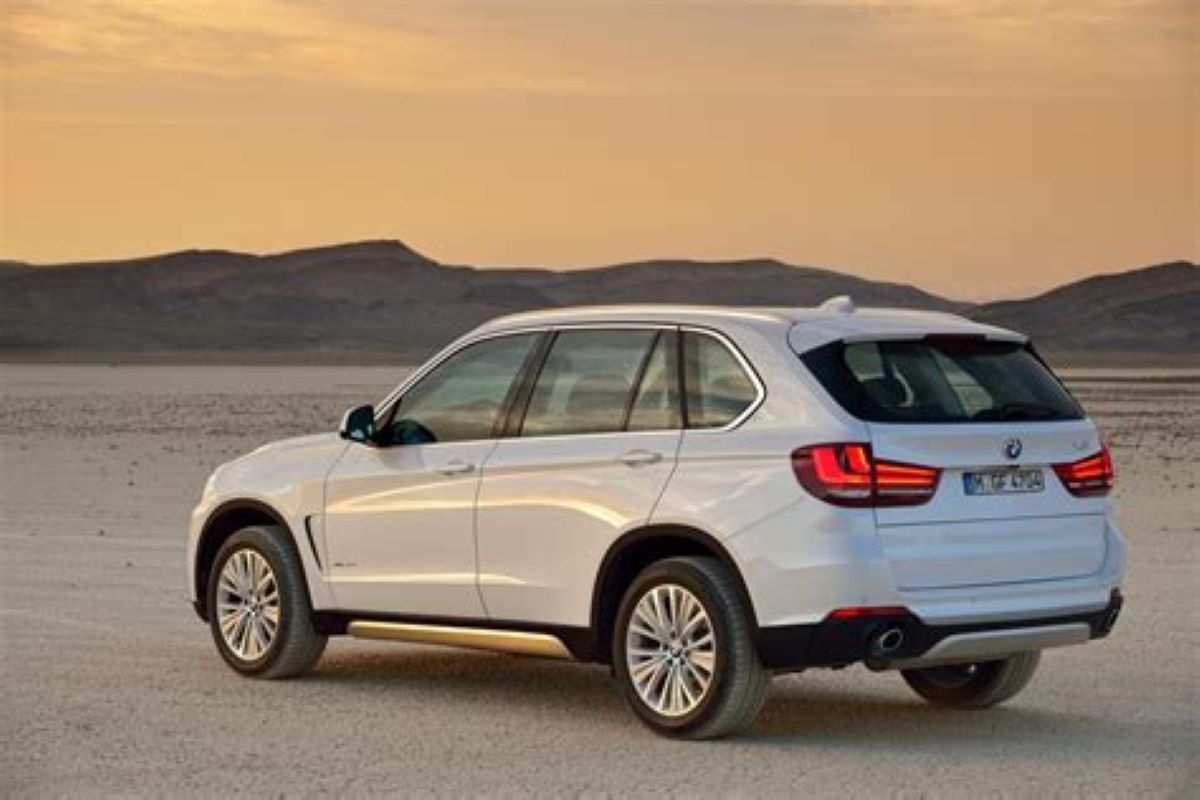
4. BMW X5 (Older Generations)
The BMW X5 has long been a symbol of sporty luxury SUVs, but older generations of this model have earned a reputation for aging poorly once they reach moderate mileage. The first noticeable area is the interior, where materials that initially feel premium can degrade faster than anticipated.
Leather seats often develop creases and lose their original suppleness, while plastics and trim pieces might show scratches or a worn finish. These factors combine to lessen the interior’s luxurious atmosphere and create an impression of wear that can surprise owners.
Technology in older X5 models also contributes to the SUV’s early aging. The infotainment systems that once felt cutting-edge are now considered slow and clunky, with interfaces that are not particularly intuitive. Navigation systems can lag, and driver assistance features might lack the refinement or responsiveness found in newer vehicles.
Because these systems are integral to the driving experience, their obsolescence significantly impacts how modern and fresh the vehicle feels over time. Support and updates for these older systems are often limited, which only hastens their sense of obsolescence.
From a mechanical perspective, suspension components in these older X5s can wear relatively quickly, leading to a decline in ride comfort and handling precision. Owners sometimes report increased road noise and a rougher ride as mileage approaches the 50,000-mile mark.
In addition, BMW maintenance and repair costs tend to be on the higher side, making ownership less economical and less enjoyable as the vehicle ages. These factors reduce the feeling of refinement that buyers expect from a luxury SUV.
Styling for older X5 models, once considered bold and aggressive, has not aged as gracefully as some competitors’ designs. The boxy, bulky proportions that once set the SUV apart may feel outdated or less aerodynamic, causing the vehicle to look out of place next to newer, more streamlined models. This aging design, combined with interior and mechanical decline, results in an SUV that feels worn and dated well before many owners anticipate.
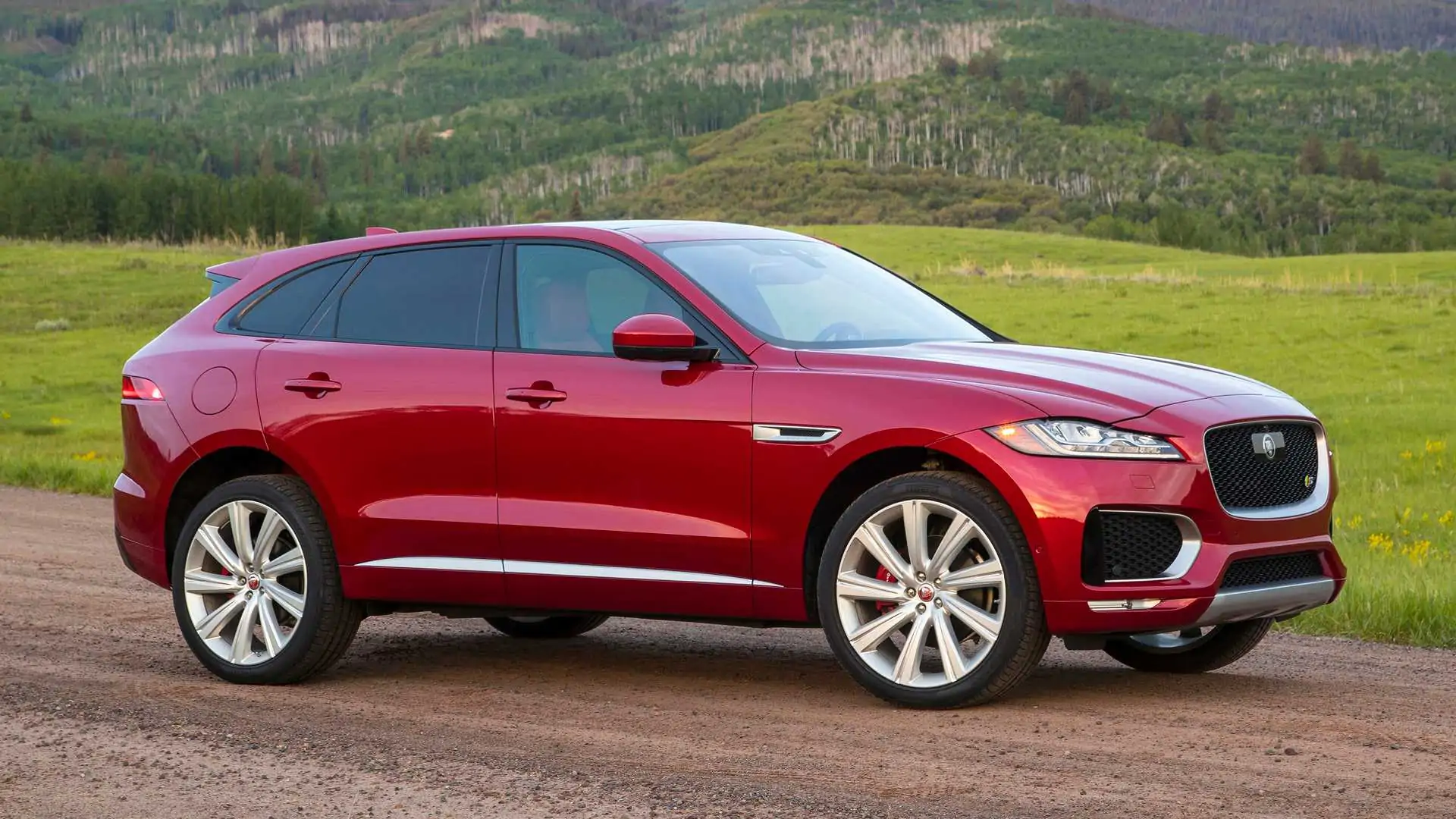
5. Jaguar F-Pace
The Jaguar F-Pace stands out for its sporty styling and engaging driving dynamics, but it has struggled with maintaining a fresh and premium feel beyond moderate mileage. One area where this is most evident is the interior, where quality can be inconsistent.
Some owners note that certain materials show premature wear or fail to meet the high standards expected from a luxury brand. Fit and finish may suffer, with rattles or squeaks developing over time, all of which undermine the upscale atmosphere within the cabin.
Technological aging in the F-Pace is also a concern. The infotainment system and driver assistance features are frequently described as slow or cumbersome, with delayed touchscreen responses and interfaces that are not particularly user-friendly.
Software updates have been inconsistent, leaving the system behind newer competitors who continually refine their technology. This lag in technological relevance plays a significant role in making the vehicle feel outdated and frustrating to use, well before it reaches high mileage.
Mechanically, the F-Pace can develop issues related to suspension wear, drivetrain components, and electronics after moderate use. These problems often lead to a harsher ride and increased repair costs, which diminish the ownership experience. The driving dynamics that make the F-Pace enjoyable when new can be compromised as components age, leading to a less satisfying experience behind the wheel. Reliability concerns also factor into the perception that the vehicle ages prematurely.
Stylistically, the F-Pace is designed with aggressive and sporty lines that are eye-catching at launch but can become polarizing over time. What some see as distinctive can start to feel less timeless and more like a styling trend that has passed. This aging exterior appearance, combined with interior quality and mechanical issues, causes the F-Pace to feel old and less refined at a mileage level where many competitors still feel fresh and competitive.
Also Read: 10 Reliable Older Hybrids That You Can Count On
When it comes to luxury SUVs, longevity isn’t just about the number on the odometer; it’s about how well a vehicle maintains its sense of refinement, comfort, and modernity over time. Buyers expect these vehicles to continue offering a premium experience well beyond the early years of ownership.
The difference between SUVs that feel new at 150,000 miles and those that feel worn out or outdated at just 50,000 miles often comes down to build quality, design choices, technology, and mechanical durability. While some luxury SUVs impress with materials that age gracefully, intuitive and updatable technology, and robust mechanical components, others fall short in one or more of these critical areas, leading to a rapid decline in their perceived value and ownership satisfaction.
The five luxury SUVs that retain their fresh feel even after extensive use demonstrate that attention to detail in materials, engineering, and technology integration can make a substantial difference. These models typically incorporate durable interior surfaces that resist wear, infotainment systems that evolve with software updates, and suspensions designed to maintain comfort over many miles.
They also tend to feature design languages that age well, avoiding overly trendy styling that quickly falls out of favor. Such vehicles provide a sense of pride and continued enjoyment for their owners, making them worthwhile investments for those seeking both luxury and longevity.
Conversely, the SUVs that tend to feel old at just 50,000 miles often suffer from a combination of factors that undermine their premium status. Interior materials may show signs of wear and tear much sooner than expected, technology can become frustrating and outdated quickly, and mechanical components might lose their refinement, leading to a harsher ride and increased noise.
Design choices that seemed modern at launch may appear dated as competitors refresh their lineups with bolder, more timeless aesthetics. This early aging diminishes the ownership experience and can impact resale value negatively, making these models less appealing in the long run.
For prospective buyers, understanding which luxury SUVs maintain their appeal over time can be crucial in making a smart purchase decision. While initial impressions matter, how a vehicle performs and feels after tens of thousands of miles often determines true satisfaction.
Choosing a luxury SUV that ages well can ensure that the vehicle remains a source of comfort, style, and cutting-edge technology for years to come, rather than becoming a reminder of compromise and frustration. In the competitive luxury SUV market, longevity of experience is a vital part of true luxury.
