
Steering is one of the most fundamental and direct ways a driver interacts with their car. While engines deliver power, brakes provide control, and suspensions offer stability, it is the steering wheel that tells the vehicle where to go. A responsive and tight steering system can make a car feel nimble, agile, and completely under control.
On the other hand, a loose or vague steering setup can make even a powerful or otherwise capable car feel dull and untrustworthy. For drivers who care about how a car behaves on the road, whether carving through curves, handling evasive maneuvers, or just providing confidence at highway speeds, steering precision makes a substantial difference.
Some cars are built with driving enjoyment and feedback in mind, and these often feature well-tuned hydraulic or electric steering systems, paired with rigid chassis and thoughtfully engineered suspension geometry. These cars tend to hold on to their steering accuracy and tightness well beyond their early years.
When built right, even older or high-mileage examples of these vehicles still provide solid, confidence-inspiring input through the wheel. These vehicles are usually favored by enthusiasts, performance-minded drivers, and those who value a deep connection between man and machine. They reward attentive driving and maintain their road feel long after leaving the factory.
But not every vehicle is built with steering sharpness as a priority. Many modern vehicles, especially those designed for comfort, commuting, or affordability, sacrifice steering feel in favor of easier parking, lighter inputs, and an overall “soft” feel. While this might be acceptable for daily errands and short commutes, it often leads to steering systems that feel vague, disconnected, or even sloppy over time.
Factors such as poor suspension design, weak bushings, cheap tie rods, and overly boosted electric power steering contribute to a numb or deteriorating steering response. In some vehicles, the steering starts out acceptable but quickly degrades as components wear, which can lead to an unsettling or frustrating driving experience.
It’s also worth noting that a steering system doesn’t exist in a vacuum. The tightness of the steering is affected by a wide array of factors beyond the steering rack itself. Chassis stiffness, suspension geometry, bushing quality, wheel alignment, and even the type of tires all play roles in how a car feels through the wheel.
The best cars are those where all of these systems are in balance and built with durability in mind. When done well, steering feel doesn’t fade quickly, and drivers can enjoy that same “new car” precision many years and miles down the line. In contrast, some vehicles begin to lose steering sharpness before even reaching six digits on the odometer.
In this article, we compare five cars that are known for maintaining a tight, reliable, and responsive steering feel with age, versus five cars that have earned a reputation for getting sloppy too quickly. These lists are not based purely on luxury or price, but rather on how well the vehicle preserves its connection to the driver through the steering system.
We focus on models that are common enough for buyers to find on the used market and offer real-world performance in terms of steering longevity. Whether you’re a driving enthusiast looking for a car that stays sharp or simply trying to avoid a vehicle that might leave you with a vague, unpredictable driving experience, this list will help you understand which vehicles tend to maintain their steering feel and which ones tend to fall short.
If you’ve ever driven a car where the steering feels perfectly matched to your inputs, tight through corners, confident on the highway, and responsive at low speeds, you know how satisfying it can be. This article is for those who recognize the importance of good steering and want to know which vehicles deliver that experience, not just for the first 20,000 miles, but for the long haul.
Also Read: 10 Reliable Older Hybrids That You Can Count On
5 Cars That Keep Their Steering Tight
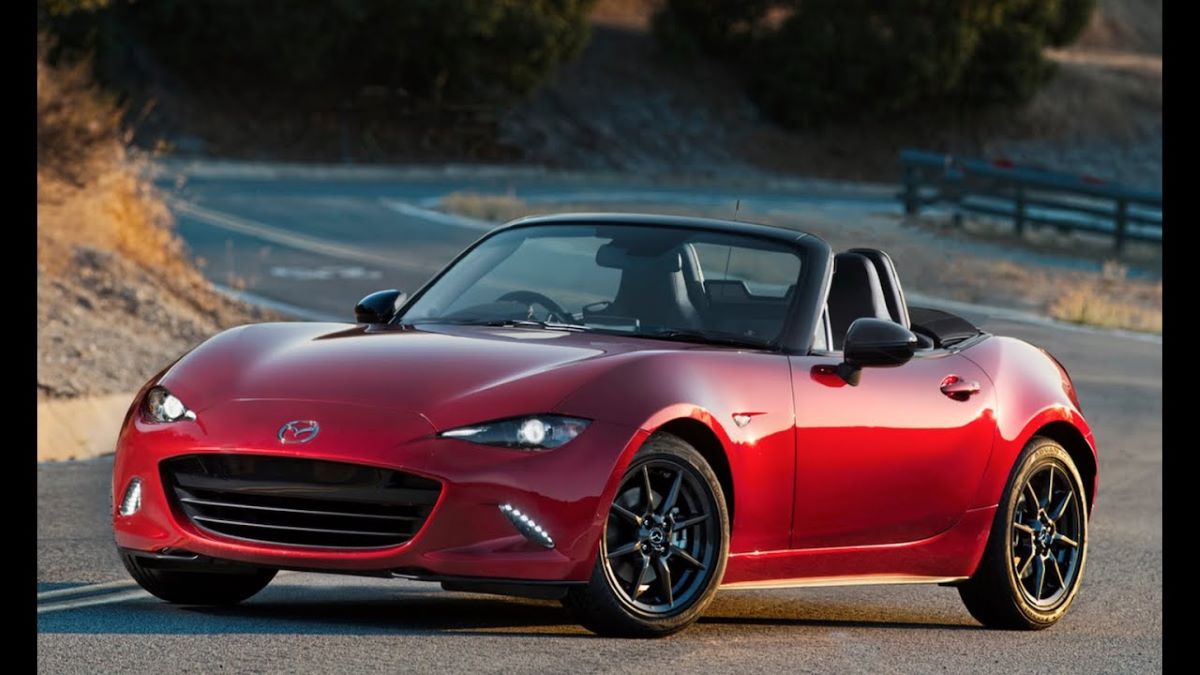
1. Mazda MX-5 Miata
The Mazda MX-5 Miata has long been celebrated as one of the purest driver’s cars available at an affordable price. One of the standout features that contributes to this reputation is its exceptionally tight and precise steering system.
From the original NA generation through the current models, Mazda has prioritized a direct mechanical connection between the driver’s hands and the road. The Miata employs a rack-and-pinion steering system with minimal electronic assistance, which helps maintain a crisp, mechanical feel.
Unlike many modern cars that rely heavily on electric power steering systems that often sacrifice feedback for ease of use, the Miata retains a level of tactile engagement that enthusiasts prize.
What helps the Miata maintain its tight steering over the long term is the lightweight chassis and suspension design, which reduces flex and helps maintain alignment under various loads. The car’s suspension uses high-quality bushings and mounts that resist wear better than many competitors, preventing the loosening or slop that can develop in cheaper components.
Additionally, the steering linkage is straightforward, reducing the chances of excess play developing. This simplicity makes the Miata’s steering feel consistent even after years of spirited driving or high mileage.
The Miata also benefits from a suspension geometry that is tuned for responsiveness and predictability. With precise caster and camber settings, the steering provides excellent feedback, making it easier for drivers to sense grip limits and road irregularities. This responsiveness is not only present in new cars but is retained well in older models, making the Miata a favorite among those who want a car that feels sharp and alive even after hundreds of thousands of miles.
Moreover, the Miata community is passionate about maintaining and improving steering feel. Many owners perform regular maintenance and upgrade suspension components, such as bushings and tie rod,s with aftermarket parts designed to further tighten steering response.
This culture of care and improvement helps keep the Miata’s steering feeling tight far beyond what might be expected from a car in its price range. All these factors combine to create a driving experience where steering precision remains a defining characteristic, making the Mazda MX-5 Miata a benchmark for tight steering in affordable sports cars.
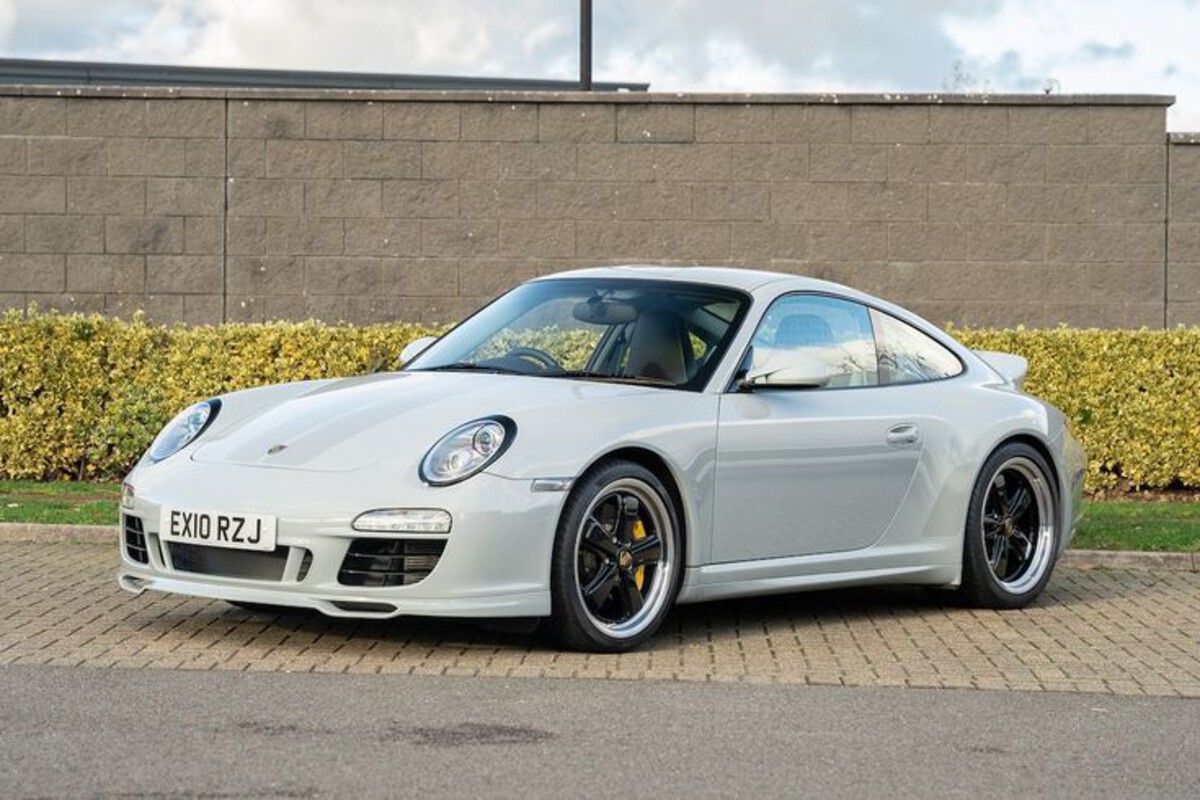
2. Porsche 911 (991 and 992 Generations)
The Porsche 911 has long been synonymous with precision driving, and its steering system is a significant reason why. The 991 and 992 generations, in particular, show Porsche’s mastery of combining advanced technology with mechanical precision to deliver a steering feel that is both tight and communicative.
These models use electric power steering with variable ratios and adaptive feedback systems that adjust based on speed and driving mode. This technology allows the steering to remain light enough for urban driving but still tight and direct when pushing the car hard on twisty roads or the track.
One critical element Porsche engineers focus on is preserving road feedback. Many modern cars lose this due to heavy electronic assistance or overly soft suspension components.
However, Porsche calibrates the steering system’s software and hardware to ensure the driver continues to feel subtle changes in tire grip and road texture. This careful tuning prevents the numbness that can come with electric power steering and keeps the steering sharp and precise.
Beyond the steering system itself, the 911’s chassis is extremely rigid, with carefully designed suspension geometry that minimizes flex and maintains tire contact patches perfectly aligned.
The use of lightweight materials and advanced construction techniques helps ensure that steering inputs translate directly into predictable vehicle responses. This engineering focus on mechanical integrity ensures that the tight steering feel is not lost even after extended driving or high mileage.
Maintenance also plays a role in the 911’s steering longevity. Porsche uses high-quality components that resist wear, and the vehicle’s design makes it relatively straightforward to replace parts if necessary. The result is a car that maintains a firm connection between driver and road, preserving the legendary 911 driving experience over time. Enthusiasts often praise these generations of the 911 for their balance between modern comfort and traditional steering sharpness.
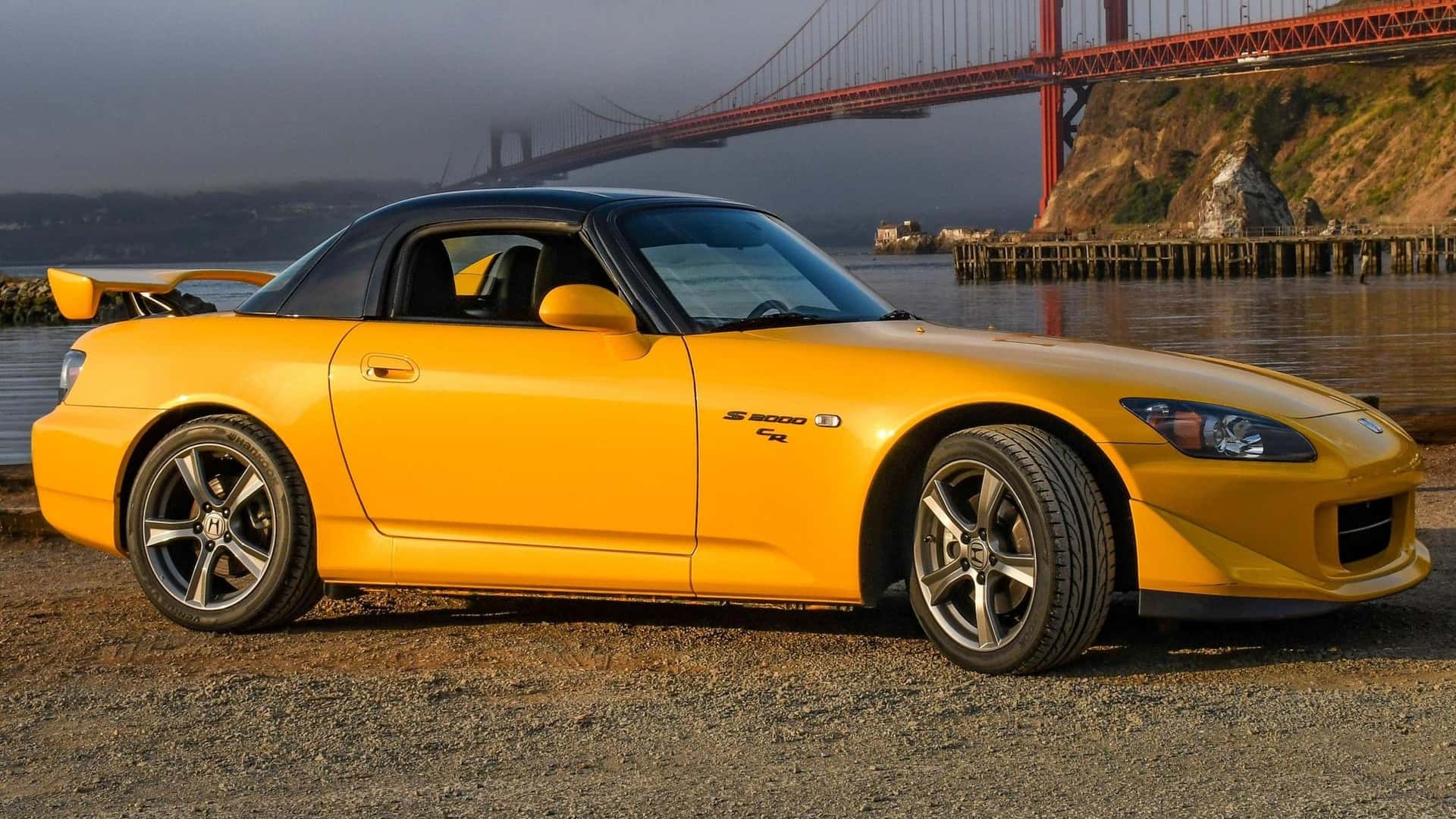
3. Honda S2000
The Honda S2000 remains a legend among enthusiasts for its balanced, sharp, and communicative steering. Unlike many modern sports cars that have shifted to electric power steering, the S2000 uses hydraulic power steering, which is widely praised for maintaining a natural and direct feel.
The system offers a perfect blend of assistance and feedback, allowing drivers to feel connected to the road surface without excessive effort. This mechanical purity is one of the main reasons the S2000’s steering is considered tight and enduring.
A significant contributor to the S2000’s steering longevity is the quality of its components and build precision. Honda engineered the S2000 with robust bushings, mounts, and linkage parts that resist wear and maintain alignment over time.
These durable parts prevent the slack or looseness that often develops in steering systems with cheaper or softer materials. Furthermore, the suspension geometry ensures consistent steering feel, with camber and caster angles optimized for balance and responsiveness.
The S2000’s chassis is rigid and well-balanced, helping maintain consistent suspension behavior and steering feedback. This means that even after aggressive use or high mileage, the car retains a direct and precise steering feel. Drivers report that the S2000 feels connected to the road and responsive to every input, making it a favorite for both spirited driving and track use.
Finally, the S2000’s relatively simple steering system reduces the number of components that can fail or degrade, making it easier for owners to maintain tight steering. The availability of aftermarket parts and community knowledge further helps enthusiasts keep the steering system sharp over time. All these factors make the Honda S2000 a standout example of lasting steering precision in a sports car.

4. BMW M3 (E46 Generation)
The BMW M3 from the E46 generation is often cited as one of the best-handling sports sedans of its era, thanks in large part to its precise steering. This model features a hydraulic power steering system tuned for sharpness and feedback, which many drivers prefer over modern electric setups. The E46 M3’s steering has a mechanical feel that offers excellent road connection and responsiveness, making it a benchmark for driving engagement in a performance sedan.
Part of what helps the E46 M3 maintain tight steering is the chassis and suspension design. BMW engineers built the car with a stiff chassis and high-quality suspension components that maintain alignment and reduce flex under load. This rigidity ensures that steering inputs translate accurately to wheel direction without unwanted play or vagueness. The suspension geometry, including caster and camber settings, further supports a responsive steering feel.
The steering linkage and bushings in the E46 M3 are durable and designed to withstand spirited driving, meaning they tend to resist wear better than those in less sporty models. Many owners report that even well-used M3s maintain a tight steering feel, especially when regular maintenance is performed to replace wear items such as tie rods and bushings.
Finally, the E46 M3 benefits from a tuning balance that allows it to be comfortable on daily drives while remaining sharp and communicative when pushed. This duality makes it popular among enthusiasts who want a car that doesn’t sacrifice steering precision for comfort. The E46 M3 remains a prime example of a vehicle whose steering feels tight and responsive even as the miles add up.
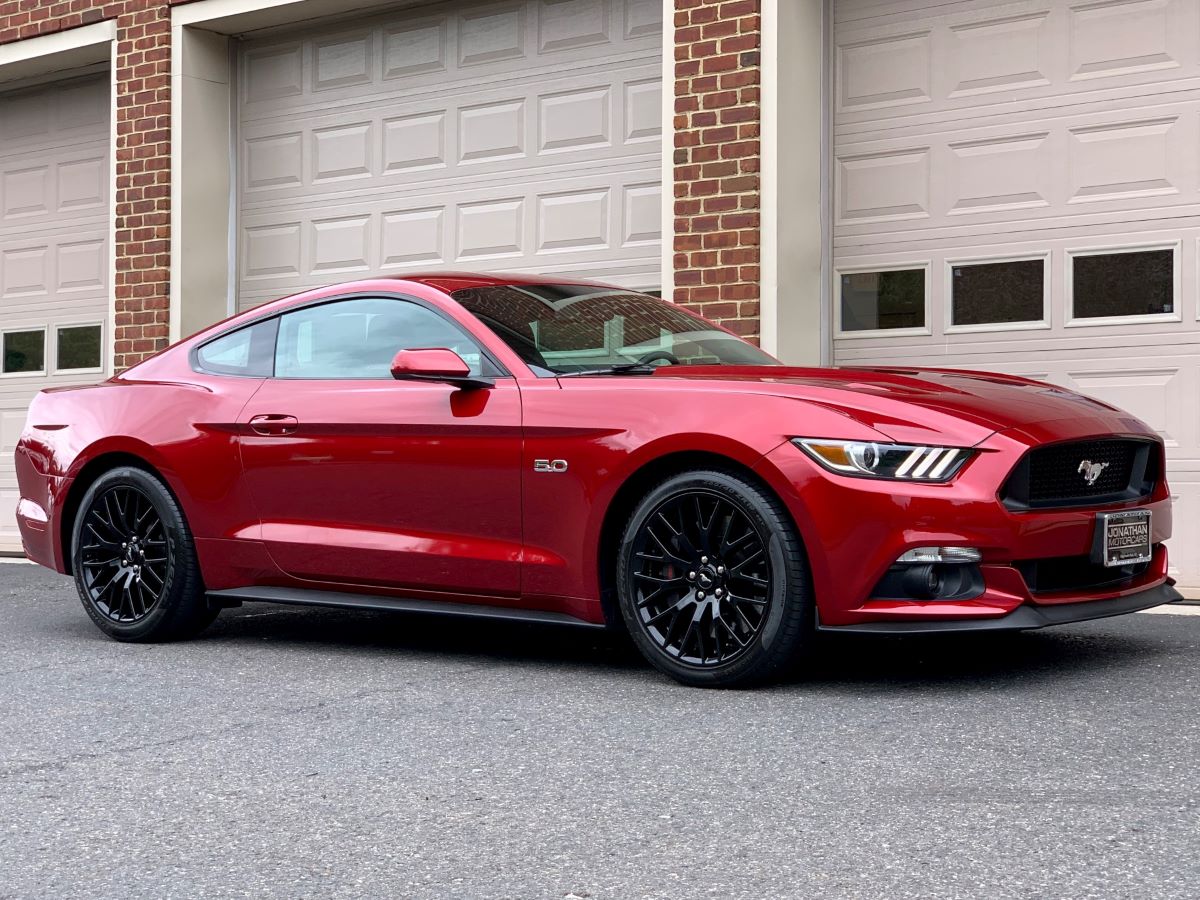
5. Ford Mustang (S197 Generation, 2005–2014)
The S197 generation Mustang marked a turning point for the muscle car, especially in terms of handling and steering. Ford made significant improvements in the steering system to make the Mustang more competitive with sports cars and to appeal to drivers seeking a more engaging experience. The car features a rack-and-pinion steering system with hydraulic power assist, delivering better feedback and a tighter feel than previous generations that used heavier, less precise systems.
This generation benefits from a stiffer chassis and improved suspension components, including redesigned control arms and upgraded bushings. These improvements reduce flex and maintain alignment, which helps the steering feel tighter and more responsive. The geometry was also updated to enhance handling precision, translating into a steering feel that many find sharper than in prior Mustangs.
Enthusiasts often praise the S197 Mustang for its balance between power and control, noting that the steering remains firm and communicative even after extensive use. With proper maintenance, including replacement of wear components like tie rods and bushings, the steering tightness can be preserved or even improved with aftermarket parts.
The availability of parts and the active Mustang community means owners have plenty of options to keep their steering systems in top condition. This makes the S197 generation a solid choice for those who want the classic muscle car style combined with steering precision that lasts over time.
5 Cars That Get Sloppy Fast
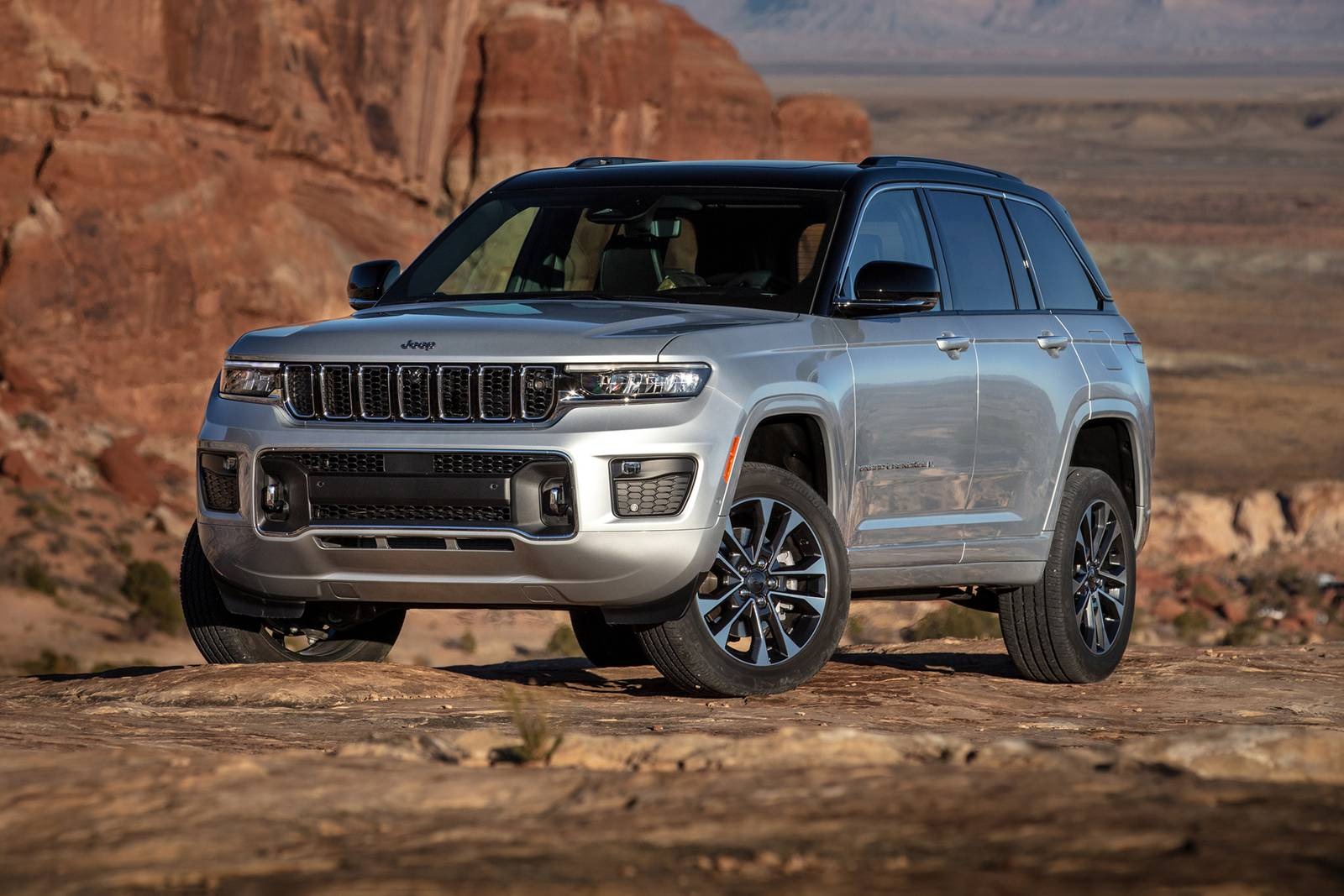
1. Jeep Grand Cherokee (Early 2010s Models)
The Jeep Grand Cherokee from the early 2010s is often criticized for developing sloppy steering relatively quickly. While the vehicle is designed with a focus on off-road capability and comfort, its steering system suffers in terms of precision and feedback as it ages.
The electric power steering system used in these models tends to prioritize ease of steering over tactile communication, which results in vague or loose-feeling steering especially after wear sets in.
The Grand Cherokee’s heavy SUV frame and complex suspension geometry put additional strain on the steering components. Over time, critical parts such as tie rods, bushings, and the steering rack begin to wear out, causing increased play in the steering wheel. This loose feeling can make the vehicle harder to control precisely, especially at highway speeds or on winding roads.
Owners commonly report a progressive loss of steering sharpness, sometimes within just a few years or after moderate mileage. Repairing the sloppy steering often involves replacing multiple components, which can become expensive due to the vehicle’s complexity. Additionally, the software tuning of the electric power steering system often lacks refinement, amplifying the sensation of disconnectedness.
Overall, the Jeep Grand Cherokee’s steering system in these models sacrifices precision for comfort and ease of use. This compromises driver confidence and is a common complaint among owners who expect a tighter feel from a modern SUV.
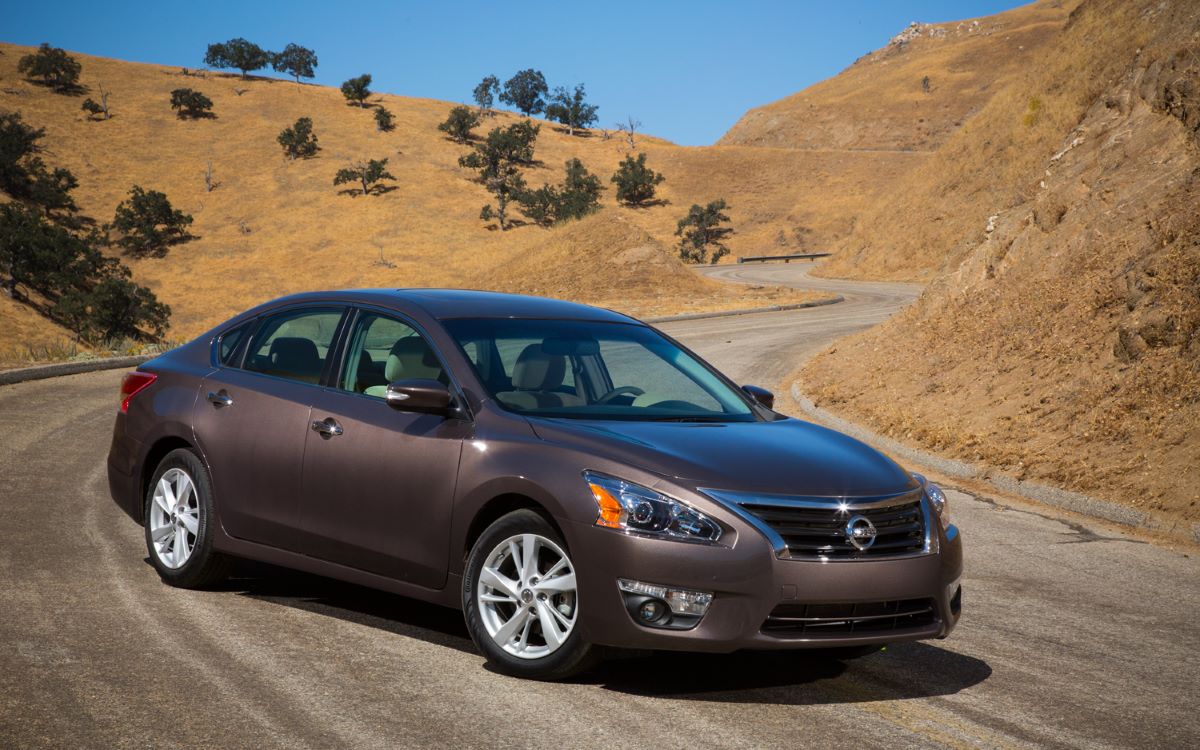
2. Nissan Altima (2013–2018 Models)
The Nissan Altima from the 2013 to 2018 model years is frequently mentioned by owners and reviewers as having a tendency to develop sloppy steering over time.
While the car starts with a steering system that feels adequate for everyday driving, many drivers notice that it becomes vague and loose as mileage accumulates. This degradation is largely due to the electric power steering system and the wear of suspension components.
Nissan’s design emphasizes fuel efficiency and ride comfort, often at the expense of steering feedback and precision. The electric power steering unit, though efficient, sometimes struggles to provide consistent feedback, leading to a disjointed feel between input and response. As bushings, tie rods, and the steering rack wear out, this effect becomes more pronounced.
Owners often report needing to replace suspension bushings or tie rods to regain some firmness in the steering. However, even after repairs, the steering may still feel less tight compared to driver-focused vehicles. The front suspension geometry of the Altima also does not prioritize sharp handling, further contributing to the impression of loose steering as components degrade.
This tendency to develop sloppy steering detracts from the car’s overall driving enjoyment and can make the Altima feel less stable or confident during spirited driving or highway maneuvers.
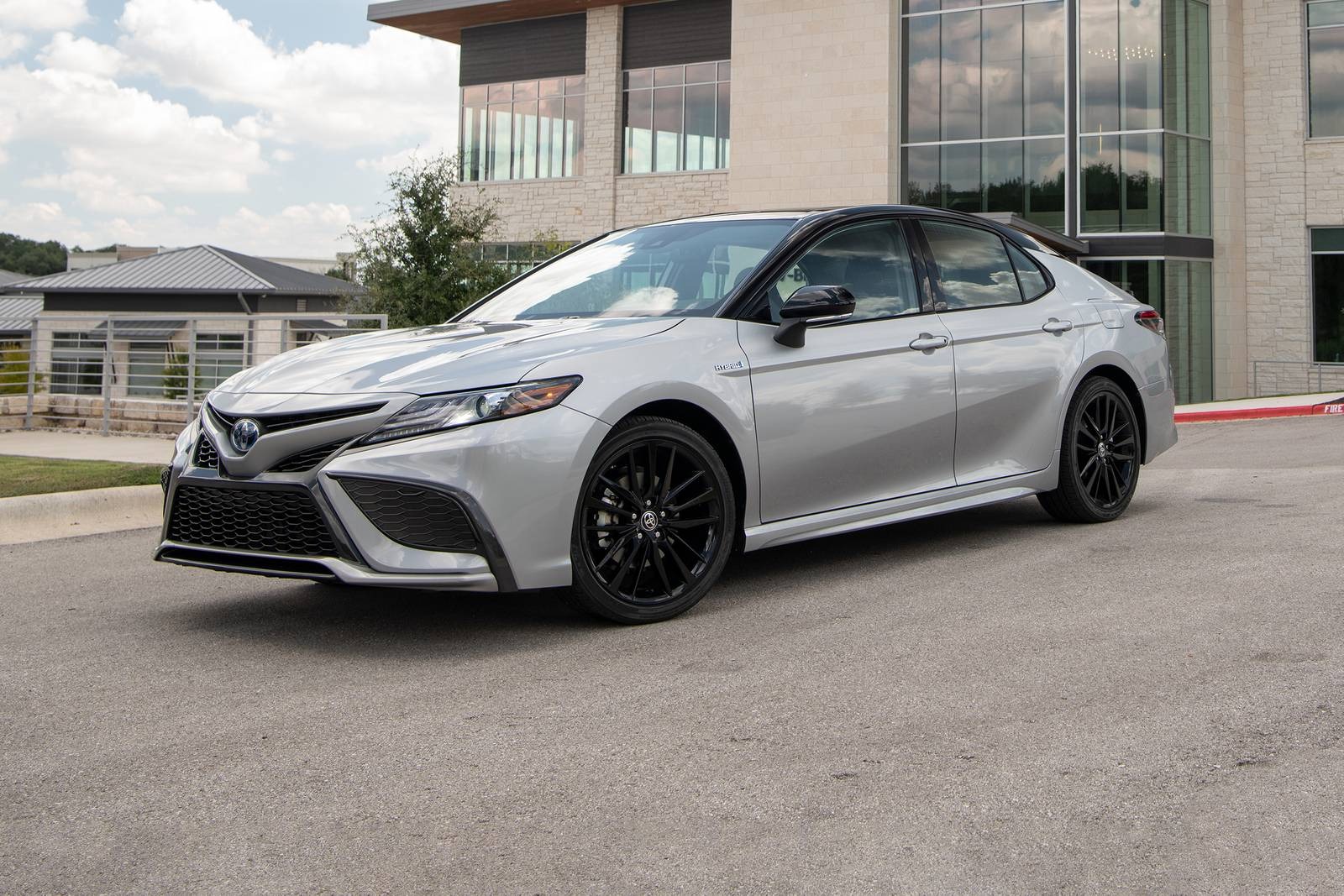
3. Toyota Camry (2007–2011 Models)
The Toyota Camry from the 2007 to 2011 model years is a dependable and comfortable midsize sedan, but it has a reputation for developing loose steering as the car ages. While the steering system is adequate for everyday commuting, the electric power steering unit and suspension components tend to degrade, leading to vague and sloppy steering feel over time.
Toyota designed the Camry with a focus on comfort, smoothness, and reliability rather than sporty handling. This means the steering feel is light and often numb from new, with little feedback to the driver. As bushings, ball joints, and tie rods wear, this vague sensation increases, and the steering wheel develops noticeable free play.
Many owners report that the steering begins to feel disconnected from the road after moderate mileage, especially during highway driving or sudden maneuvers. This loose feeling can reduce driver confidence, even though the car remains safe and predictable in most conditions.
While replacing worn suspension and steering components can improve the steering feel, the overall chassis and steering system design limits how tight the steering can become. For drivers who prioritize steering precision, the Camry is often not the ideal choice.
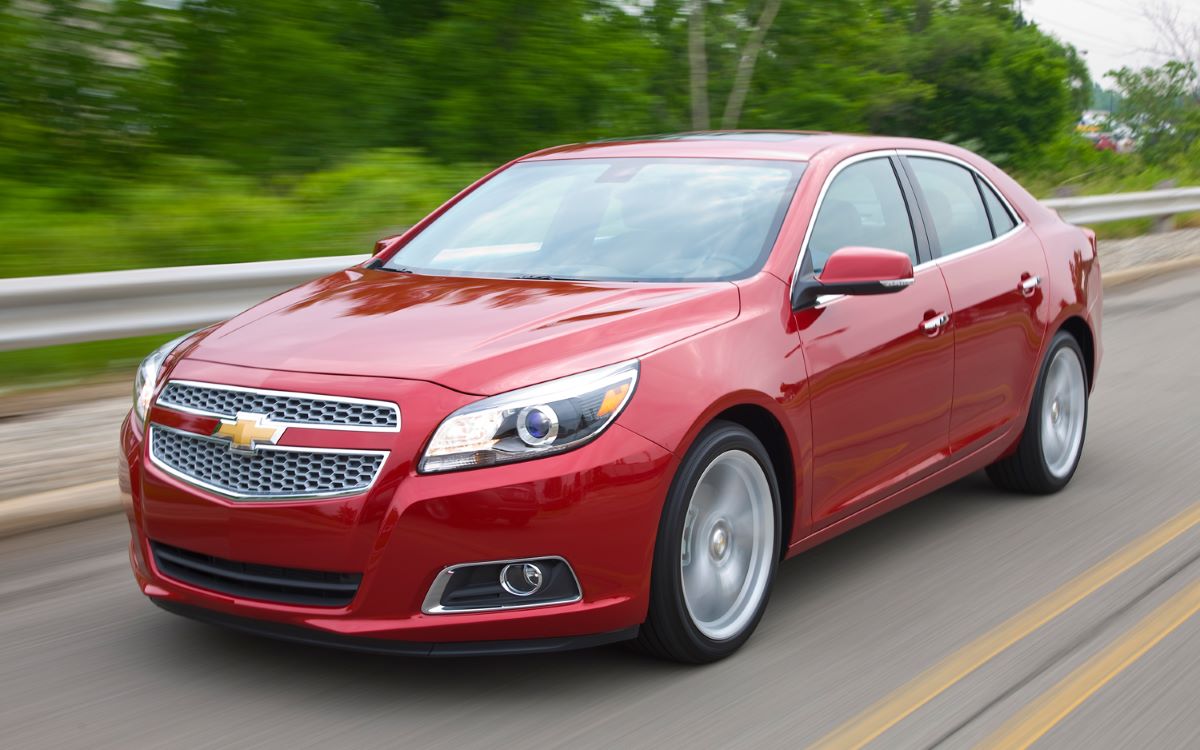
4. Chevrolet Malibu (2013–2015 Models)
The Chevrolet Malibu produced between 2013 and 2015 has been reported to develop sloppy steering relatively quickly. The vehicle’s electric power steering system, while efficient and easy to use in urban environments, often sacrifices road feel and precision. Owners frequently note a vague sensation in the steering wheel that worsens with wear.
The Malibu’s suspension uses softer bushings and components designed to prioritize ride comfort, but this leads to quicker degradation and increased play in the steering system. Tie rods and suspension bushings wear out faster than expected, causing the steering wheel to feel loose and unresponsive. The steering rack itself can also develop play, contributing further to the sloppy sensation.
The overall chassis rigidity and suspension geometry in the Malibu are less focused on sharp handling, which compounds the issue by not providing a strong mechanical foundation for the steering system. Repairs to restore tight steering can be costly and time-consuming, and some owners find the vague steering frustrating for everyday driving.
These factors make the Malibu less desirable for drivers who seek a tight and precise steering feel, especially compared to other midsize sedans that emphasize driver engagement.
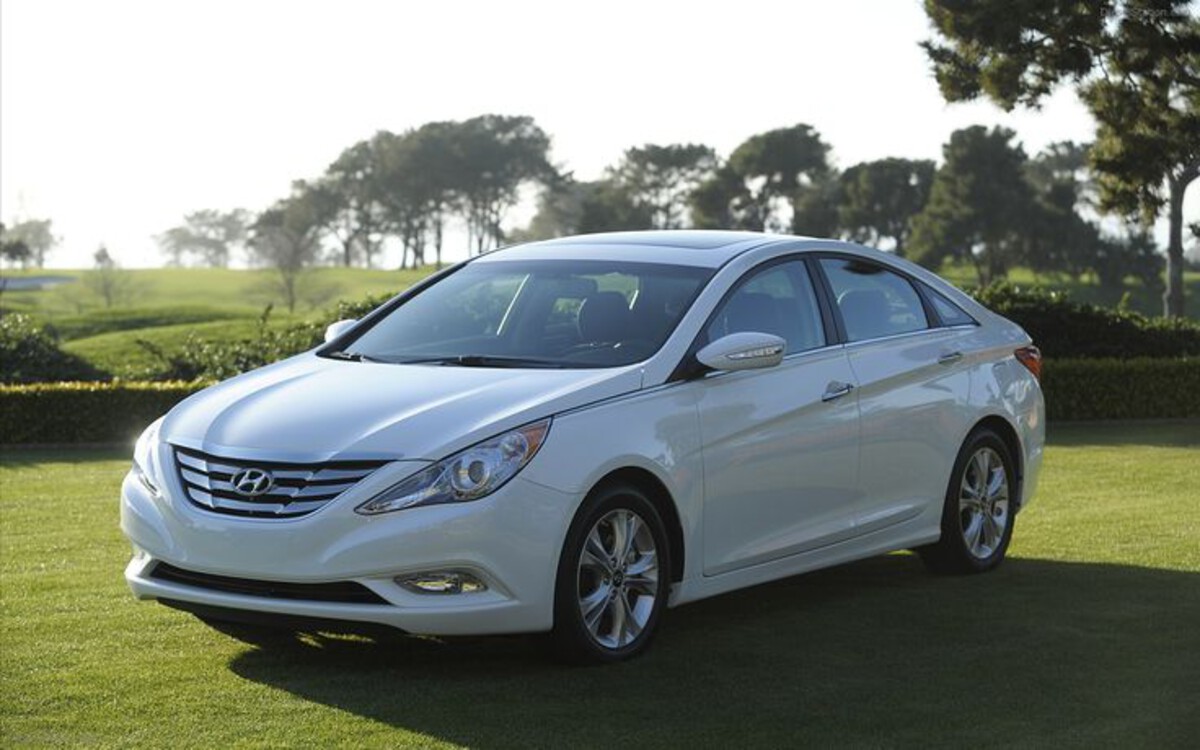
5. Hyundai Sonata (2011–2014 Models)
The Hyundai Sonata from 2011 to 2014 often falls into the category of cars that develop sloppy steering quickly. Its electric power steering system is designed for ease and comfort rather than feedback and precision. This means that even when new, the steering can feel somewhat disconnected, and the problem tends to worsen as parts wear.
The suspension components, particularly bushings and tie rods, are prone to developing play relatively early, especially in areas with rough roads. This wear causes the steering wheel to have excessive free play and less precise feedback. The chassis design and suspension geometry do not emphasize sharp handling, so the steering system has less mechanical support to maintain tightness.
Owners report that restoring the steering to a tighter feel requires replacing several components, but even then, the car’s steering does not typically match that of more driver-focused vehicles. The Sonata’s emphasis on smooth ride quality and affordability means that tight steering was never a primary goal in its design.
As a result, the Sonata may feel loose and vague, particularly after moderate use, making it less appealing to drivers who value steering precision and road feel.
Also Read: 10 Reliable Older Hybrids That You Can Count On
Steering precision is often overlooked in favor of more marketable features like horsepower, touchscreen size, or fuel economy. But for those who truly care about how a car drives, the steering feel is at the core of the experience. A car that holds onto its tight steering through years of use gives its driver an ongoing sense of confidence and connection to the road.
It responds predictably to inputs, holds a line through a corner without excessive correction, and behaves consistently in both everyday driving and more spirited conditions. These qualities are not just desirable, they’re often essential for safety, performance, and enjoyment behind the wheel.
The cars listed as having tight, durable steering systems all share a few common characteristics. First, they were engineered with the driving experience in mind. Whether it’s the Mazda MX-5 Miata’s minimalist philosophy, the Porsche 911’s meticulous attention to balance, or the Honda S2000’s mechanical purity, these vehicles were designed to preserve feedback and control through the steering system.
Second, their manufacturers chose durable materials and components. Sturdy bushings, quality ball joints, and well-designed suspension layouts help these cars maintain their alignment and steering integrity over time. And third, they were built on rigid platforms that resist flex and distortion, especially under stress, which is a key factor in maintaining steering accuracy.
Contrast this with the group of cars known to get sloppy. These vehicles often use components that favor softness and comfort over durability and feedback. Electric power steering, if poorly implemented, can result in vague responses.
Combine that with soft bushings, flexible subframes, or cost-cutting materials, and the result is a steering system that degrades faster than it should. It may not be an issue when the car is new, but as the miles add up, these weaknesses become noticeable. Steering play increases, feedback fades, and the driving experience becomes more disconnected.
Of course, not every driver needs or wants razor-sharp steering. For some, a light and easy feel is perfectly adequate for daily errands or long highway cruises. But it’s important to recognize the trade-offs. The cars with tight, long-lasting steering often deliver more precise handling and make driving feel more rewarding.
Those who go soft too quickly can create frustration, especially when trying to make sudden maneuvers or simply trying to stay centered in a lane at speed. When the steering loses precision, so does the driver’s ability to trust what the car is doing, something that matters more than many realize.
Another factor to consider is maintenance. Even cars known for tight steering will eventually need attention. Tie rods wear out, bushings degrade, and alignments can be lost. The difference is that in the better-engineered cars, restoring that factory-fresh feel is easier and often more affordable.
Replacement parts are accessible, and in enthusiast-focused communities, there are countless guides, tutorials, and upgrades to help keep things tight. On the flip side, some of the sloppier cars may require extensive, costly repairs just to regain a portion of their original feel, if that’s even possible.
Choosing a car based on its long-term steering quality may not be the first thing most buyers consider, but for those who plan to keep their vehicle beyond the warranty period, or who care about how it handles daily, it’s an important factor. It influences comfort, safety, and overall satisfaction. A tight steering feel gives the impression of a solid, well-built machine. A sloppy one can make a car feel tired and worn, even if the rest of it still works well.
In the end, the difference between tight and sloppy steering is not just about driving feel; it’s about how a car communicates with its driver. The best cars keep that communication clear and precise for years, while others begin to mumble far too soon.
Knowing which cars fall into each category can make all the difference in choosing a vehicle that not only performs well but feels great to drive every time you get behind the wheel.
