
When buying an SUV, most people focus on performance, cargo space, and fuel efficiency, but the interior quality plays a far more important role over time than many realize. You spend the bulk of your driving experience inside the cabin. Materials, layout, controls, seating comfort, and build durability all contribute to whether an SUV feels premium years after purchase or becomes a frustrating source of rattles, peeling trim, or sagging upholstery.
A vehicle might look great in the showroom, but that doesn’t always mean it will age well once put to regular use. Some automakers place a strong emphasis on build consistency, material longevity, and user-focused design, while others lean more into flashy features and cost-cutting that can become obvious just a few years down the road.
Wear and tear are part of car ownership, but when certain SUVs show extensive interior deterioration before they even hit 70,000 miles, it raises questions about the long-term value and engineering quality. Owners often report issues like cracking dashboards, faded buttons, rattling panels, loose trim, and collapsing seat cushions, all things that can severely hurt the driving experience.
On the flip side, some SUVs remain tight, refined, and comfortable inside for well over a decade, even when used daily. These vehicles reflect careful planning and execution, with carmakers choosing materials and designs that withstand heat, friction, cleaning, and other environmental factors. Interior quality is a true test of a manufacturer’s commitment to its customers over time.
This article highlights five SUVs known for long-lasting interior quality and five that have struggled to maintain that standard. These rankings are based on common long-term ownership feedback, consistency across model years, and general build reputation.
While any vehicle can have issues depending on usage and maintenance, patterns often emerge over years of production. Whether you’re shopping for a used SUV or just curious about how different models hold up, this comparison offers a clear look at which interiors hold steady and which ones tend to disappoint. Let’s begin with the SUVs that have a strong reputation for holding up inside, even after years of use.
SUVs With Lasting Interior Quality
1. Lexus RX
The Lexus RX is one of the most consistent performers when it comes to interior longevity. From the late 1990s models to today’s latest version, the RX has always maintained high standards in both materials and construction. Owners frequently comment on the soft-touch panels, leather seats that age gracefully, and dashboard designs that avoid squeaks or fading.
Even after ten years, many RX interiors remain remarkably intact. Lexus pays close attention to how everything is fitted inside the cabin. Seams line up, switches feel solid, and seat cushions rarely show early signs of sagging. The result is a refined driving experience that stays enjoyable over time.
Part of the RX’s success comes from Toyota’s conservative but careful approach to engineering. Rather than jumping on every new interior trend, Lexus focuses on tried-and-true materials and ergonomic layouts.
Buttons, climate controls, and infotainment systems are designed for durability as much as convenience. Over the years, there’s been a steady evolution in tech, but the core of the interior has stayed centered on comfort, quietness, and durability. This approach builds customer trust, especially among long-term owners who may keep the car for over a decade.
Lexus also uses real wood trims and high-quality leathers in many RX trims, giving it a premium edge that doesn’t feel artificial. Unlike some competitors that use cheap faux materials, the RX manages to look upscale while aging gracefully.
Even in warmer climates, where sunlight can cause warping or discoloration, the RX tends to maintain its appearance better than average. Interior controls don’t get sticky or faded, and there are few complaints about interior trim failure. This combination of durability and understated luxury gives the RX a solid reputation that continues through each generation.
Another key factor is noise isolation. The RX interior is well-insulated, which not only enhances comfort but also protects interior parts from vibrations that might cause early wear. Cabin silence and comfort tend to reflect how well a vehicle is put together, and the RX proves itself year after year. It’s a strong choice for drivers who value long-term quality and want a cabin that stays polished well past 100,000 miles.
2. Toyota 4Runner
The Toyota 4Runner has built a reputation on rugged reliability, and its interior reflects that same philosophy. While the design may not always be flashy or tech-heavy, the materials used inside are chosen for durability and resistance to wear.
Hard plastics may not look fancy, but they’re tough, easy to clean, and resistant to scratches. This makes the 4Runner especially appealing for families, adventurers, and anyone who wants a vehicle that can handle real-life use without falling apart.
Seats in the 4Runner, particularly in the cloth trims, hold up extremely well under repeated use. Foam padding remains supportive over time, and the stitching typically stays intact even after years of getting in and out with outdoor gear or kids in tow.
Controls for the radio and climate system are large and straightforward, reducing the chance of accidental breakage or wear. These buttons and knobs feel solid, and rarely suffer from the kind of fading or sticky residue found in some less well-built interiors.
Another strength is the consistent quality across model years. Whether it’s a ten-year-old 4Runner or a newer one, the cabin feels built with the same tough standards.
While you won’t find the most cutting-edge design, the practicality of the layout and the robustness of the materials make it a vehicle that ages better than many competitors. Even after off-road adventures or heavy-duty use, the 4Runner tends to keep its interior looking clean with just basic care.
The 4Runner’s cabin noise is also fairly well managed for a body-on-frame SUV. Vibration-related wear is kept to a minimum, and trim pieces rarely come loose.
Cup holders, door handles, and dashboard components remain firmly in place long after the factory warranty ends. Owners who prioritize strength and function over luxury features consistently find the 4Runner to be one of the most satisfying long-term choices in its segment.
3. Honda CR-V
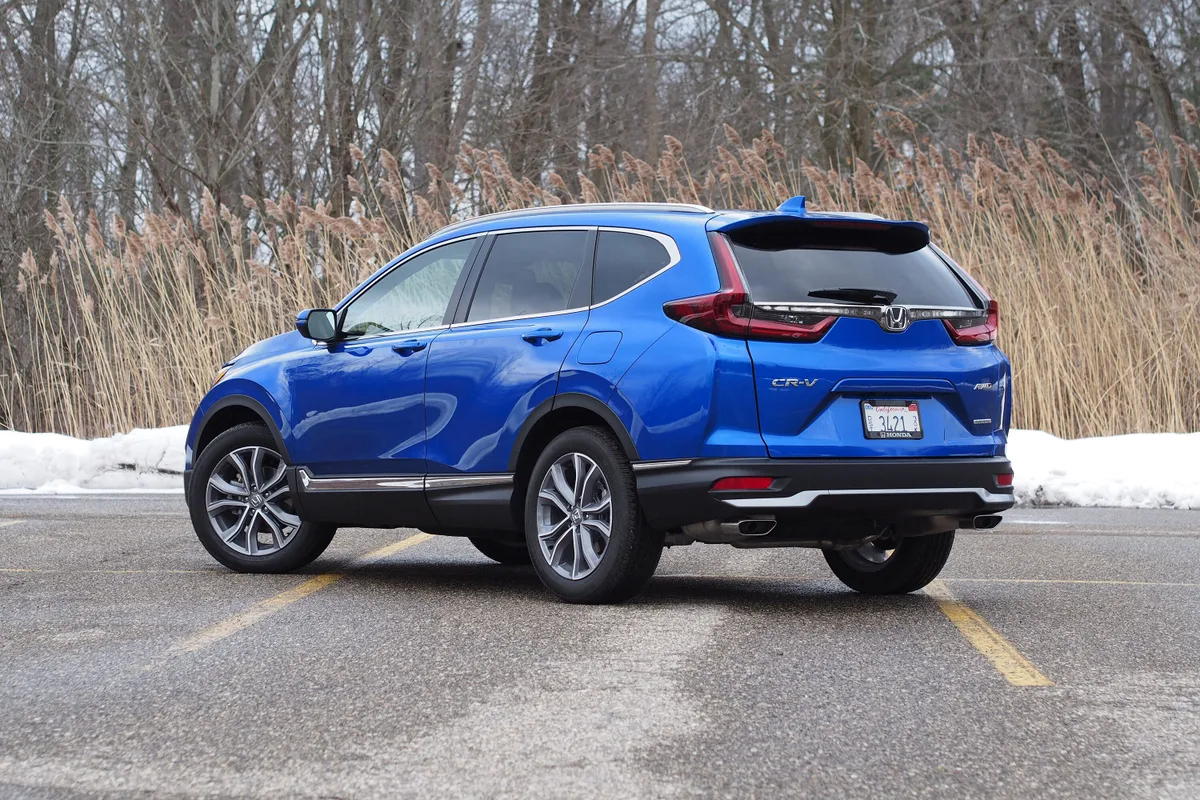
The Honda CR-V has always been a leader in the compact SUV segment, and one of its major strengths is a well-built interior that stays intact over time. While not trying to be luxurious, Honda focuses on functionality and material quality that lasts.
The CR-V interior uses smart design and thoughtful material choices, which results in fewer issues like peeling plastic, rattling panels, or loose trim pieces as the vehicle ages. From earlier generations to the latest models, the CR-V’s interior remains one of the most resilient in its class.
Even the base trims of the CR-V come with materials that resist early wear. Seat fabrics are tightly woven and don’t pill or fray easily. Controls are logically placed and remain responsive years later.
Door panels and dashboards are typically free from warping, cracking, or discoloration, even in cars subjected to daily sunlight or harsh winter conditions. That consistent quality has helped the CR-V earn strong resale values and long-term owner satisfaction.
Another major strength is Honda’s attention to tactile feedback. The knobs, switches, and buttons feel firm and precise, avoiding the cheap, wobbly sensation that plagues many budget SUVs.
This gives the impression of higher quality, even though the CR-V isn’t marketed as a premium vehicle. Honda’s consistency across manufacturing locations and generations has helped it build a solid reputation for interior quality that’s hard to beat in the mainstream market.
CR-Vs are often passed down within families or kept for many years, and the cabin typically holds up to such long-term use. Whether used for commuting, road trips, or as a daily family hauler, the CR-V’s interior usually stays intact with minimal signs of wear.
Owners rarely report loose fittings or upholstery breakdown, which is a testament to Honda’s engineering focus on longevity. That consistency has helped the CR-V remain one of the best-selling SUVs globally.
4. Volvo XC90
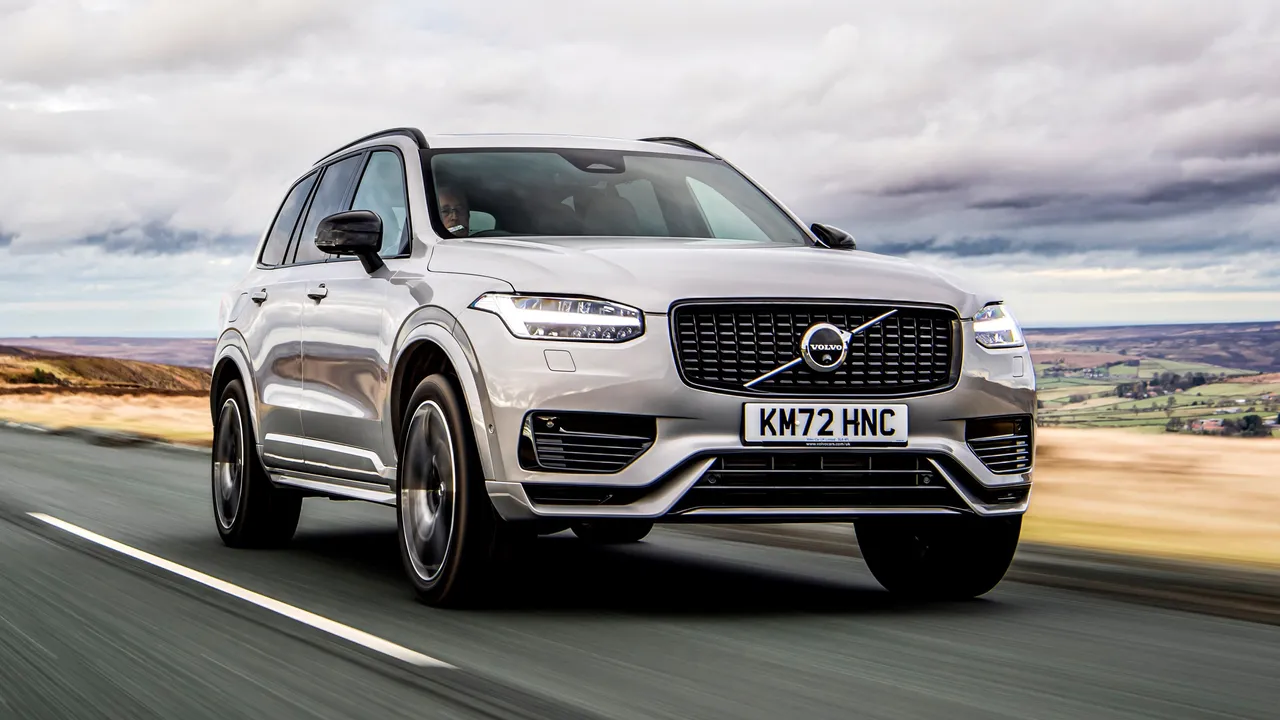
The Volvo XC90 offers a more premium take on long-lasting interiors. Built with Scandinavian sensibility, the cabin focuses on natural materials, subtle elegance, and a clean design that resists looking dated.
Real wood accents, metal trims, and high-end leathers are carefully assembled, and Volvo’s quality control helps ensure that these pieces stay in good condition for many years. While some luxury SUVs look great at first but don’t age well, the XC90 tends to retain its upscale feel over time.
Volvo’s seating is another standout feature. The seats in the XC90 are widely regarded as some of the most comfortable in the industry, and they don’t break down easily.
Cushioning holds up well, leather doesn’t crack prematurely, and even after years of use, stitching and form stay intact. Volvo’s minimalist design also means fewer crevices or complex shapes where dirt can accumulate or damage can occur. This helps preserve the look and feel of the cabin with normal cleaning and use.
Even the center touchscreen and digital displays in the XC90 are designed for long-term clarity and usability. Unlike some rivals where screens become unresponsive or scratched, the XC90’s tech components are well-integrated and durable.
Volvo takes a conservative but intelligent approach to interior tech, which pays off in long-term satisfaction. HVAC vents, door handles, and storage compartments are made with real metal parts in some trims, which helps them avoid the kind of flimsiness found in lower-tier luxury vehicles.
Noise control and interior stability also play a role in long-lasting quality. Volvo uses sound-deadening materials not just for quietness but also to keep everything from rattling or vibrating over time. Even older XC90s tend to feel well-built and composed inside, with very little creaking or panel shifting. For buyers looking at higher-end SUVs that offer durability without sacrificing style, the XC90 is one of the few that delivers on both.
5. Acura MDX
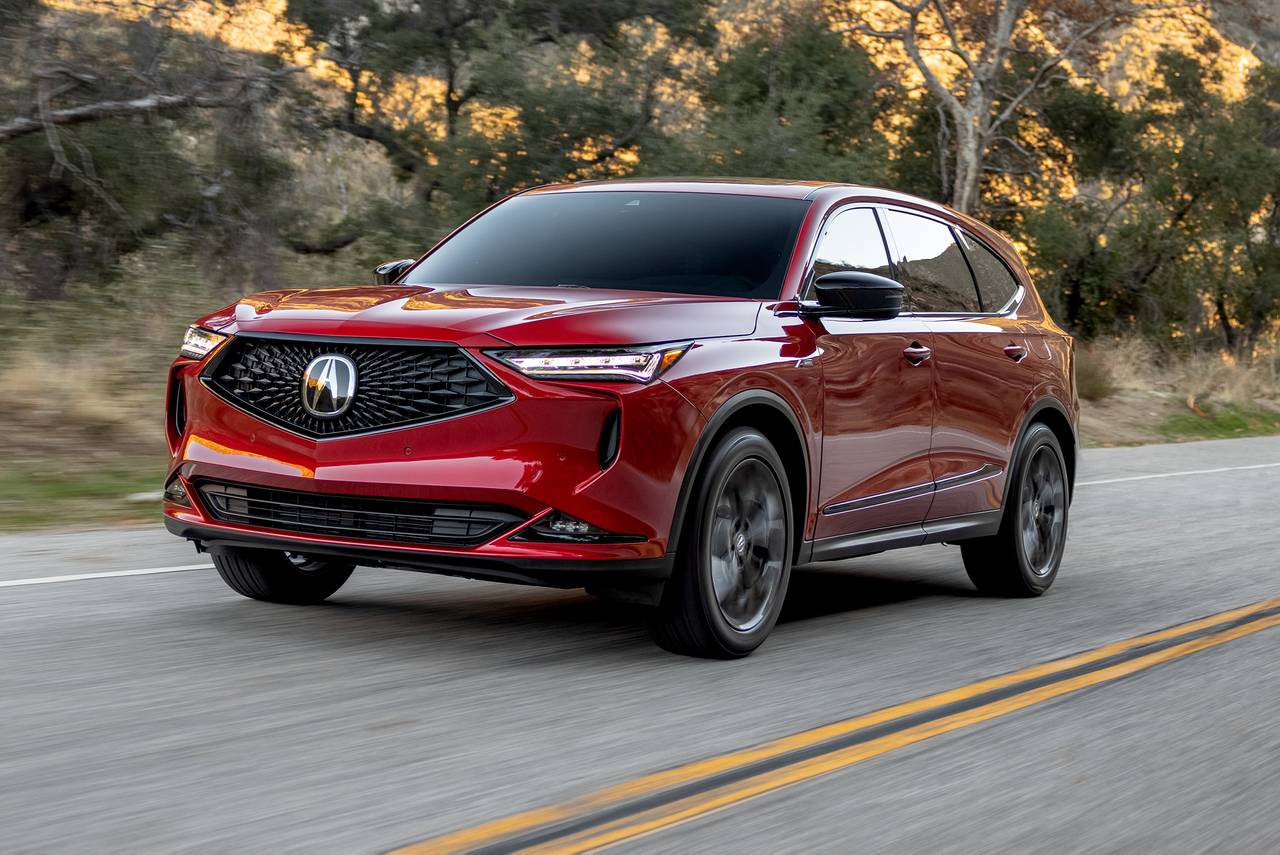
The Acura MDX blends luxury and reliability in a way that few midsize SUVs manage to do consistently. As Honda’s premium brand, Acura brings in upscale touches while maintaining Honda’s long-term durability focus.
This means the MDX interior isn’t just about appearance’s built to last. Owners of older MDX models often comment on how their interiors hold up with minimal fading, no major trim failures, and seats that stay supportive and clean-looking even after extensive mileage.
Materials used in the MDX tend to be carefully chosen for daily usability. Soft-touch plastics, quality leathers, and firm stitching give the cabin a more upscale look than many mainstream SUVs, yet they don’t come with the fragility that some premium brands have.
Whether it’s the buttons on the center stack or the armrests on the doors, surfaces remain in good shape with regular use and normal care. This results in a cabin that still feels upscale long after the initial shine wears off.
Acura also places a strong focus on seat design and interior layout. The MDX seats are built for both comfort and durability. Cushioning maintains its structure over time, leather doesn’t loosen or sag, and the second-row seats slide and fold without wearing down early.
Even in high-mileage MDXs, owners rarely report serious problems with rattling panels or broken trim. This consistency helps the MDX stand out in a category where many premium SUVs begin to show wear faster than expected.
Lastly, Acura’s infotainment systems and displays tend to stay functional longer than many rivals. While some systems feel outdated in terms of software, the actual hardware holds up well without dead pixels or screen failure.
HVAC controls, audio knobs, and steering wheel buttons maintain good resistance and don’t go mushy or stop working easily. For buyers who want a combination of luxury features and long-term interior toughness, the MDX offers one of the most balanced options on the market.
SUVs That Fall Apart Inside
1. Jeep Grand Cherokee (Pre-2022 Models)
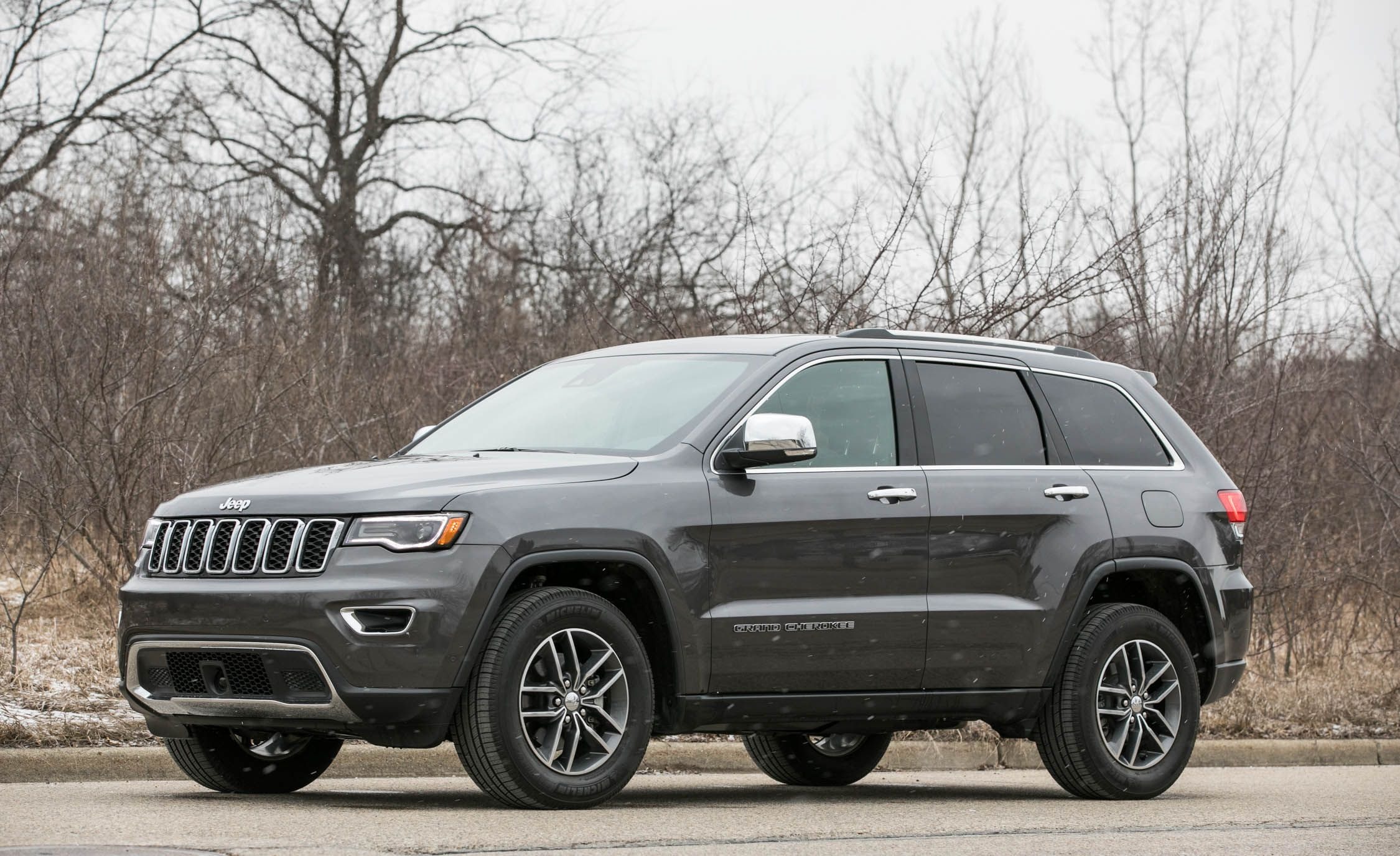
The Jeep Grand Cherokee has often been praised for its off-road capability and bold design, but when it comes to interior durability, especially in models produced before the major 2022 redesign, the results have been far less consistent. Owners of earlier Grand Cherokee models frequently report a wide range of issues that begin showing up even within the first few years of ownership.
One of the most common complaints is the rapid deterioration of interior materials. The dashboard, for example, is known to crack under sunlight exposure, especially in warmer climates. The leather-wrapped parts on the steering wheel and shift knob often peel or fade long before they should, and the glossy black trim elements tend to scratch easily, giving the cabin a worn-out look well before 100,000 miles.
Another frustrating issue in older Grand Cherokee interiors is the fragility of buttons and switches. Window controls, air conditioning dials, and radio buttons often lose their markings or become sticky over time. Some even stop functioning altogether due to cheap internal mechanisms.
The infotainment system has also been known to suffer from lag and failure, with screen delamination being an issue. These problems are particularly disappointing given the vehicle’s price point and its intended positioning as a near-luxury SUV. The gap between styling and actual material quality becomes quite clear after a few years, especially if the vehicle is used daily or exposed to varying weather conditions.
In terms of structural quality, many Grand Cherokee owners have noted that interior trim pieces start to rattle or detach altogether. The pillars near the windshield, plastic door paneling, and even parts of the center console can become loose or creaky, especially if the vehicle is driven on rough roads or used for towing.
This kind of failure isn’t only irritating, it also suggests a lack of proper assembly and quality control. For a vehicle that’s often marketed as rugged and dependable, this lack of interior toughness stands out as a major drawback, particularly for long-term owners who expect more from a Jeep badge.
It’s worth noting that while the post-2022 redesign improved many aspects of the Grand Cherokee, the lingering reputation of the earlier models for interior problems has been hard to shake.
For anyone looking at the used SUV market, the older Grand Cherokee models should come with a warning: while they may look refined on the outside and perform reasonably well, the interior tells a very different story after a few years. What starts off looking luxurious can quickly become a noisy, broken, and frustrating environment for both driver and passengers.
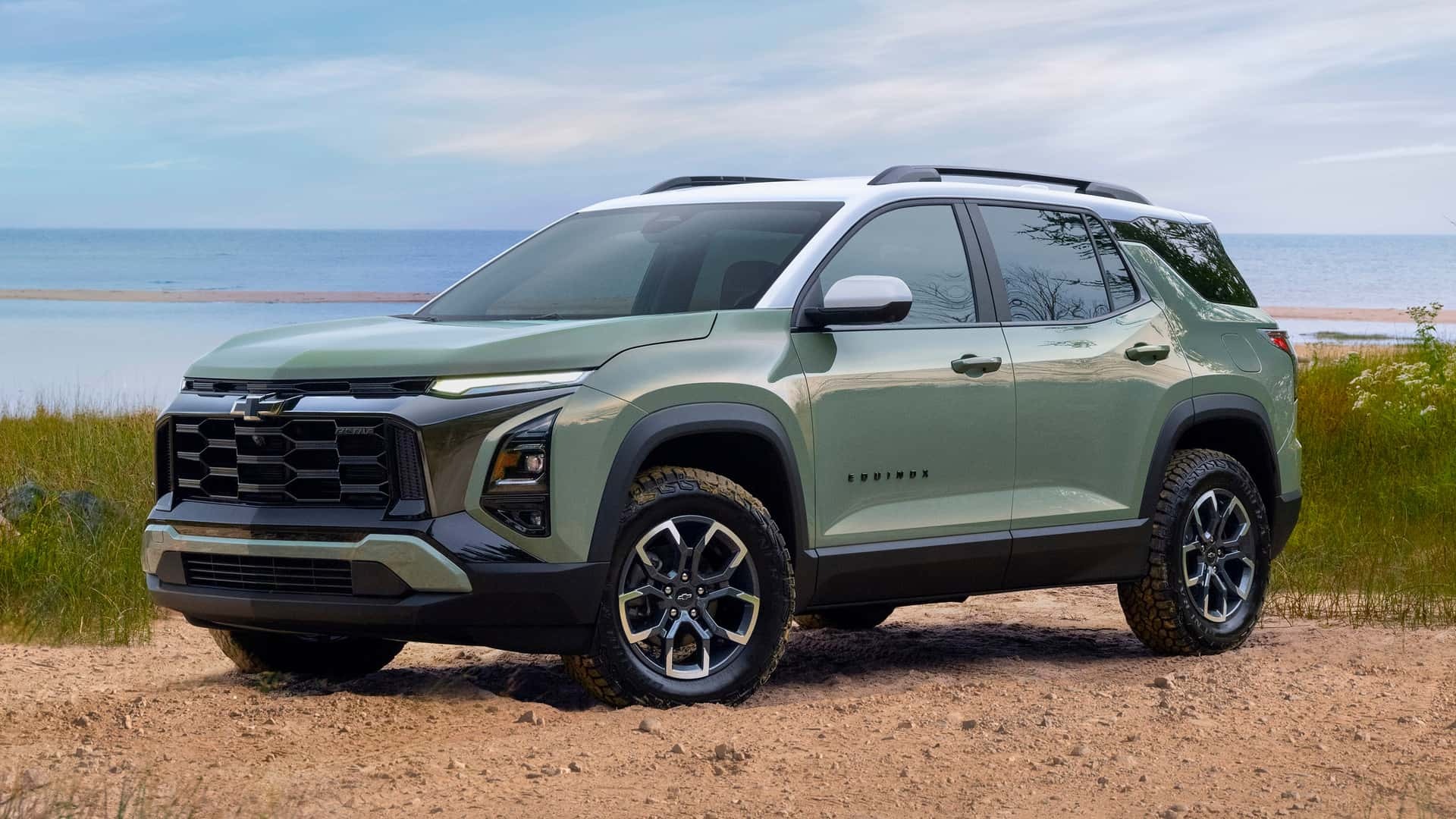
2. Chevrolet Equinox (2005–2017 Models)
The Chevrolet Equinox, particularly from its first two generations (2005–2017), has long struggled with interior quality that simply does not hold up under typical use. While initial impressions may be positive, with a clean layout and seemingly solid plastics, the cabin often begins to break down faster than many competitors.
One of the most glaring problems is the wear and tear on the seats. Base models, which often feature cloth upholstery, suffer from seat fabric that wears thin, tears easily, or develops a permanent sag in the cushioning. Even the upgraded leather options in higher trims are prone to cracking and discoloration with age, especially if exposed to direct sunlight or inconsistent cleaning.
Dashboard materials are another weak point in these models. While they may appear acceptable when new, the plastics used are prone to fading, hardening, and even warping over time. In some cases, the dash will begin to rattle or vibrate, especially on highways or uneven roads.
The buttons on the center console can wear down quickly, with the labels rubbing off or becoming sticky. Owners also frequently report malfunctions in the HVAC system knobs and radio controls, which often feel flimsy from the start. Over time, these components not only feel cheap, they stop working reliably, adding to the frustration.
Fit and finish throughout the cabin often reflect cost-cutting decisions. There’s a noticeable lack of cohesion in how materials meet, particularly around the gear shifter, center console, and door handles. Trim panels have been known to separate or rattle, and glove compartments or cup holders may break from moderate use.
Additionally, many Equinoxes suffer from excessive interior noise, which amplifies every rattle or creak. Rather than aging gracefully, the vehicle gives off a sense of falling apart from the inside out, even when the exterior paint and body may still be in good condition.
These problems are especially troubling considering that the Equinox is often marketed toward families and daily commuters. Buyers expect dependability and ease of use, but many are left dealing with broken interior parts, malfunctioning electronics, and upholstery that looks tired after just a few years.
For budget-conscious buyers, the Equinox may seem like a good value upfront, but it’s often not long before they’re forced to either tolerate an uncomfortable interior or pay for constant cosmetic repairs just to keep the cabin functional.
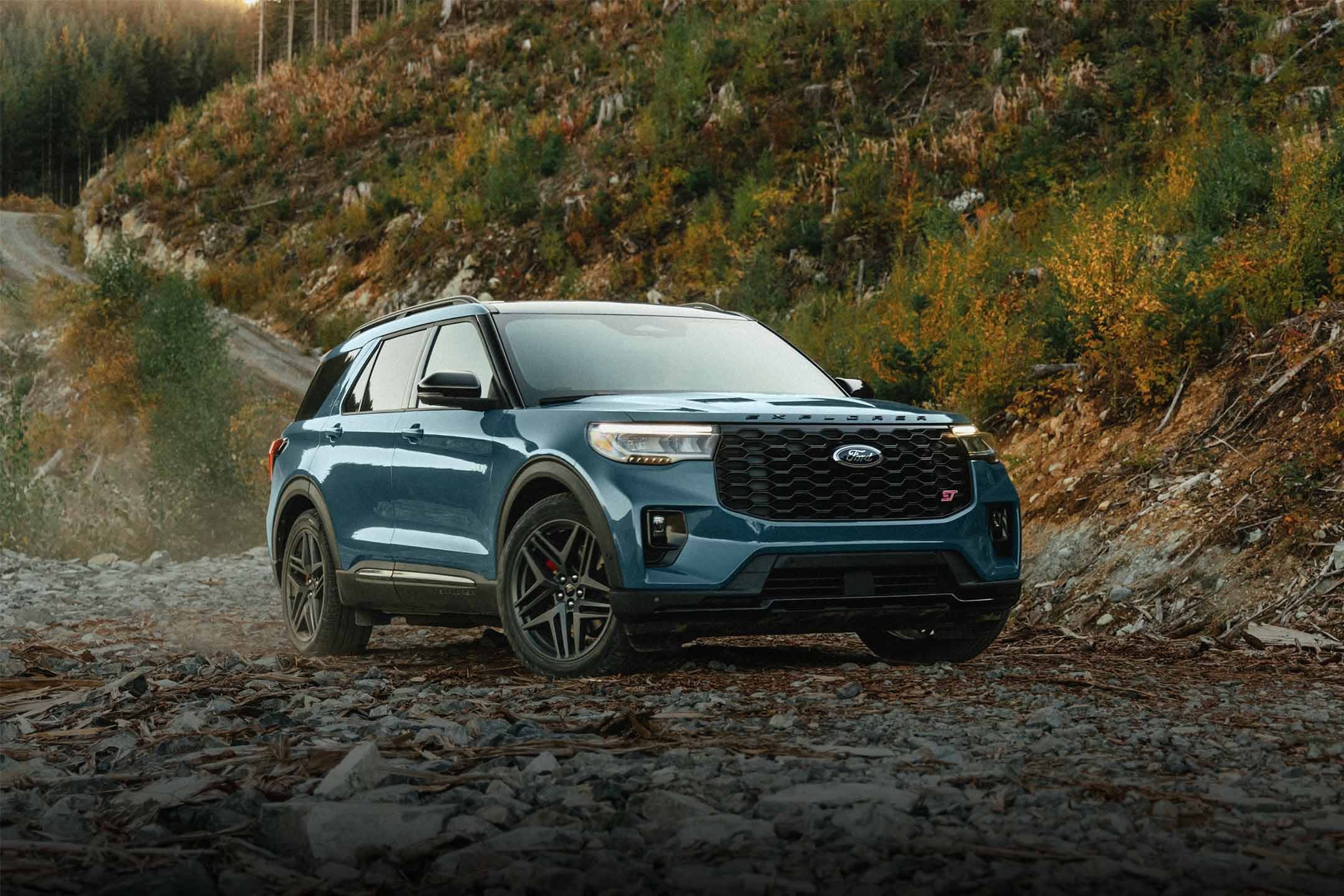
3. Ford Explorer (2011–2019 Models)
The Ford Explorer, especially in its fifth-generation run from 2011 to 2019, represents one of the more frustrating examples of an SUV that looks good on the surface but disappoints over time when it comes to interior durability. Upon launch, many of these models impressed buyers with their bold styling, spacious layout, and available luxury options.
However, it didn’t take long for complaints to surface regarding the build quality and longevity of cabin materials. One of the first issues to show up in many Explorers is bubbling or peeling dashboard material. In particular, the dash cover can separate from the structure underneath, creating unsightly bubbles or warps that only get worse with exposure to heat and sunlight.
The touchscreen interface, part of Ford’s MyFord Touch system during these years, was also a common trouble spot. Many owners experienced lag, freeze-ups, and screen failures within the first few years of ownership. While software updates helped in some cases, the physical screens themselves were also prone to scratches, fading, and occasional failure.
In higher trims with added features, such as heated seats or dual-zone climate controls, switches would often become unresponsive or wear down too quickly. For a vehicle positioned as a family-friendly alternative to luxury midsize SUVs, these kinds of issues diminish confidence in long-term ownership.
Seat construction in these Explorers was another sore point. The cushioning in both front and rear seats often flattened out quickly, and some leather seats developed unsightly wrinkles, cracks, or color fading. In more extreme cases, stitching started to separate, making the seats uncomfortable and unattractive.
Second-row seat mechanisms have also been noted for their poor reliability, particularly when used frequently. Folding and sliding functions, which are critical in a three-row SUV, can fail or become jammed over time. For owners who rely on this flexibility for transporting kids or gear, these problems are especially aggravating.
Interior paneling and trim pieces don’t age well either. Rattles and squeaks are common, and the use of glossy plastic or faux aluminum trims often backfires when those pieces begin to chip or lose their finish. The cabin loses its sense of refinement quickly once these issues start to mount.
For a vehicle that often carried a price tag above the average midsize SUV, the Explorer’s cabin performance over time felt like a letdown to many buyers who expected better from the Ford brand. It’s a reminder that appearances alone can’t hide shortcuts in quality.
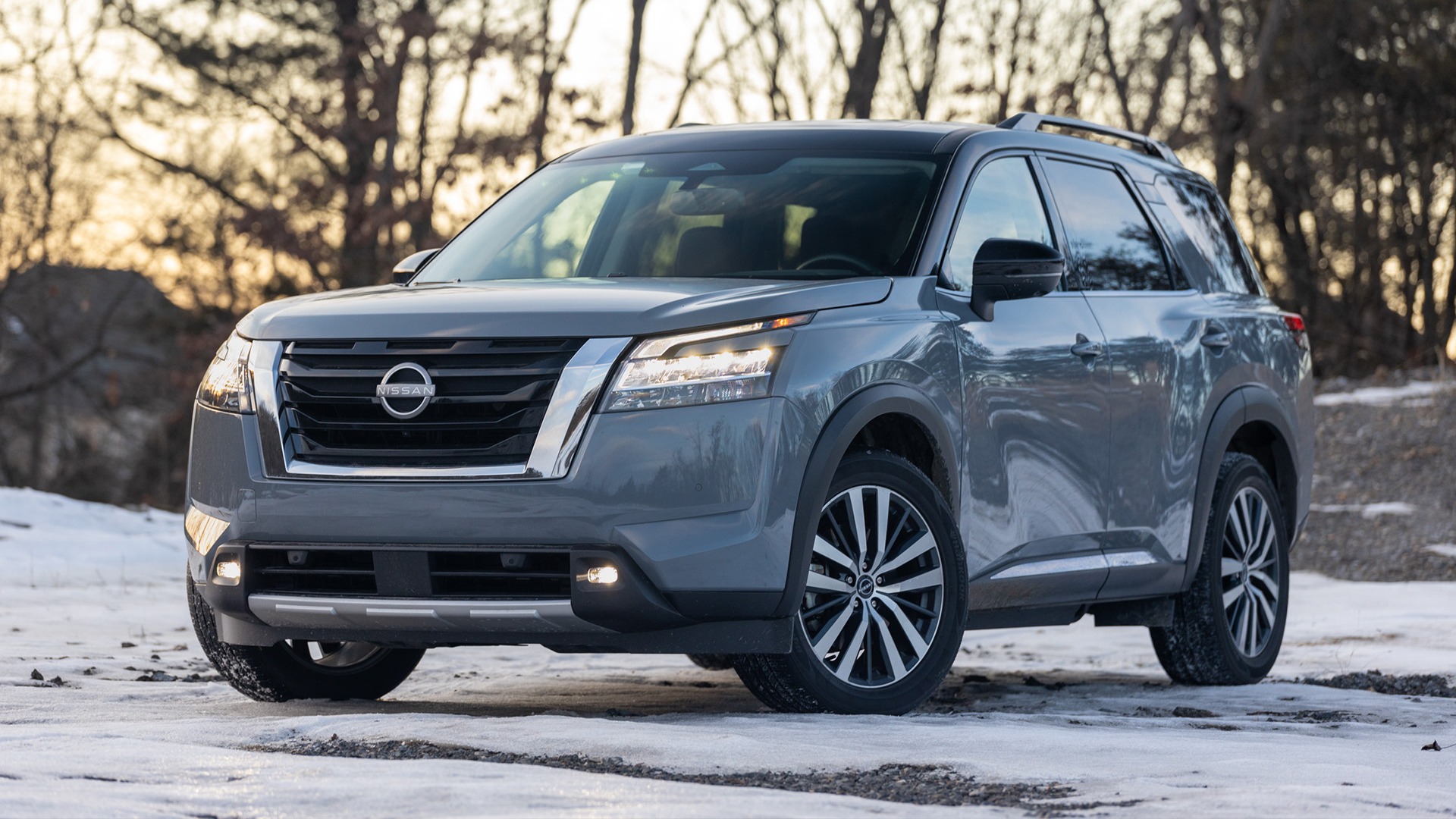
4. Nissan Pathfinder (2013–2020 Models)
When Nissan redesigned the Pathfinder in 2013, it marked a shift from a rugged SUV to a more family-oriented crossover. While this move made sense from a market standpoint, the interior quality did not match the expectations set by its new role. Across these model years, many Pathfinder owners reported disappointing interior durability, with issues that started appearing far earlier than expected.
The most frequent complaint centered around interior plastics and vinyl surfaces, which often scratched or faded after minimal use. Panels along the center console, doors, and dashboard developed scuff marks, while buttons began to lose their texture and labeling.
Seats were another frequent problem area. Cloth options stained easily and showed wear lines quickly, while the leather trim in higher-end models frequently cracked and lost its color. Nissan’s leather quality during this period simply did not hold up well to daily use.
The seat foam, particularly in the third row, degraded rapidly, leaving the seats feeling flat and unsupportive. Parents often noted how difficult it was to keep the interior looking decent, even with regular cleaning. In some cases, seatbacks and headrests came loose or showed signs of poor assembly, reflecting a general lack of durability in both materials and construction.
Electronic components inside the Pathfinder also had reliability concerns. Touchscreens were often sluggish and prone to delamination, where the outer layer would peel or bubble. Climate controls and audio buttons suffered from inconsistent function, particularly in humid or hot climates.
Some owners even reported that air vents broke off or jammed after a few years, further frustrating the experience. These issues reflect poor design execution rather than isolated defects, as they appeared across several production years and trim levels.
Perhaps the most telling indicator of the Pathfinder’s interior weakness is the sheer number of owner forums and service bulletins related to interior wear and failure. While the vehicle delivered reasonable comfort and performance on paper, the interior didn’t offer the quality or lifespan buyers expected from a modern midsize SUV.
Families who expected a durable, practical space were instead faced with a cabin that aged quickly, developed functional issues, and lost its appeal not long after purchase. That experience stands in stark contrast to more carefully built competitors, and it continues to affect the Pathfinder’s reputation in the used vehicle market.
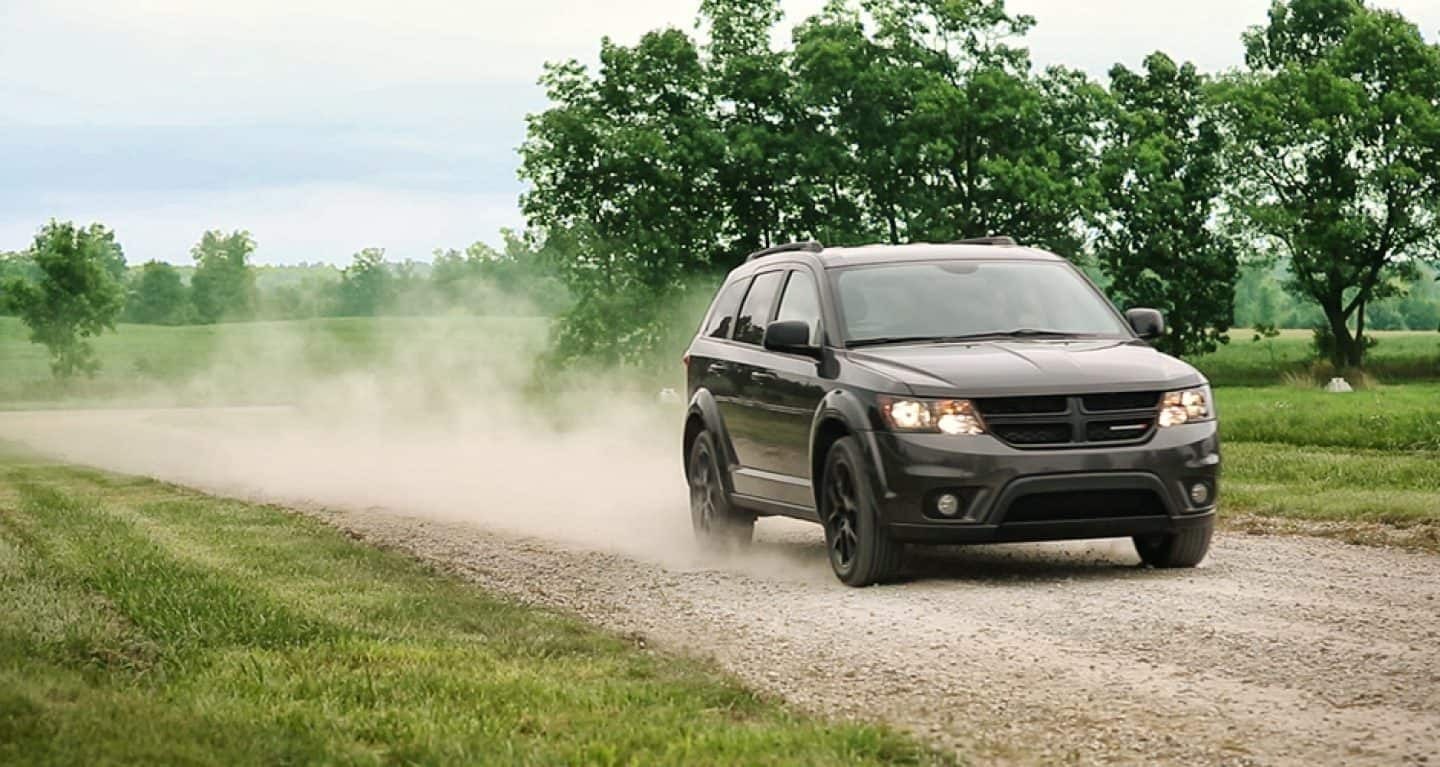
5. Dodge Journey
The Dodge Journey, produced from 2009 through 2020 with very few major updates, represents one of the most frequently criticized interiors in the SUV segment. From its earliest models to its final production year, the Journey’s cabin was plagued with design choices and materials that failed to stand up to normal wear and tear. Most trims featured low-grade plastics that felt brittle and hollow to the touch.
Over time, these surfaces often faded, scratched, or discolored, especially when exposed to sunlight or everyday use. The dashboard, center stack, and door panels were all made of the kind of material that’s hard to clean and easy to damage, creating a car that looked worn-out far earlier than it should have.
The seat quality in the Journey has also drawn consistent negative feedback. Cloth seats in lower trims stain easily and begin to fray around the edges within just a few years. The seat cushions lack density, leading to sagging and discomfort, particularly on longer drives.
In upper trims where leatherette or leather was available, cracking and fading were common problems. Stitching often came loose with repeated use, and the padding in the driver’s seat would compress unevenly. These issues combined to give the cabin a tired and cheap feel, even though the vehicle was designed to serve as a practical family hauler.
Electronic reliability was another weakness in the Journey’s cabin. Infotainment systems suffered from sluggish response times, frequent reboots, and occasional complete screen failures. Climate controls and other switches would become unresponsive or start to stick over time, and power window switches in particular were known to fail.
Some models even experienced interior lighting issues and poorly fitted glove compartments that didn’t close properly. These failures weren’t just cosmetic; they frustratingly affected daily usability. For families counting on the Journey for commuting, school runs, or road trips, the interior breakdowns could become a recurring headache.
Part of the problem with the Journey’s interior longevity was Dodge’s decision to stretch an aging platform and outdated materials across more than a decade of production without significant reinvestment. As other manufacturers were upgrading designs, materials, and technology, the Journey remained essentially unchanged, and that stagnation was reflected in real-world results.
What may have seemed like a budget-friendly purchase often turned into a lesson in frustration as the years went by. Even when well-maintained, the cabin struggled to maintain any sense of quality or refinement, making the Journey one of the weakest long-term performers in the midsize SUV category.
