
As electric vehicles (EVs) continue to rise in popularity, more drivers are looking for affordable options that combine reliability with modern efficiency. Price matters, especially for those stepping into the EV market for the first time. But just as important is the dependability of the vehicle.
What’s the point of saving on gas if the car spends half its life in the shop? The EV industry is growing quickly, but not all models are built with the same attention to quality. Some perform exceptionally well on a budget, requiring minimal maintenance and rarely experiencing mechanical issues. Others, while promising on paper, turn out to be costly in the long run due to persistent problems.
The promise of owning a car that needs less upkeep is a major selling point for electric vehicles. They have fewer moving parts than traditional combustion engine cars, which ideally should mean fewer things can go wrong. But as with any new technology, real-world usage has exposed the gap between engineering claims and actual customer experience.
A handful of affordable EVs stand out for holding up well over time, earning the trust of budget-conscious drivers. These vehicles don’t just cost less upfront; they continue to save money by staying out of the repair shop and on the road.
On the other side of the coin are those EVs that often feel like more trouble than they’re worth. Whether it’s battery issues, electrical faults, or software bugs, some models end up frustrating owners with repeated service visits. It’s not just an inconvenience, it’s a financial and emotional drain. Drivers who bought these vehicles hoping for a smooth, futuristic ride are sometimes left with more stress than they bargained for.
In this article, we’ll look at five budget-friendly EVs known for their reliability and low-maintenance performance. Then, we’ll break down five that have earned a reputation for frequent issues and disappointing customer experiences. This isn’t about brand loyalty or flashy features.
It’s about practical value, mechanical reliability, and real-world performance. If you’re looking to make an informed decision before putting down money on an electric vehicle, this side-by-side comparison might help clarify what’s worth considering and what to avoid.
Also Read: 10 Cars Americans Drive the Most Miles Each Year (and Why They Rack Up the Miles)
5 Affordable EVs That Rarely Glitch
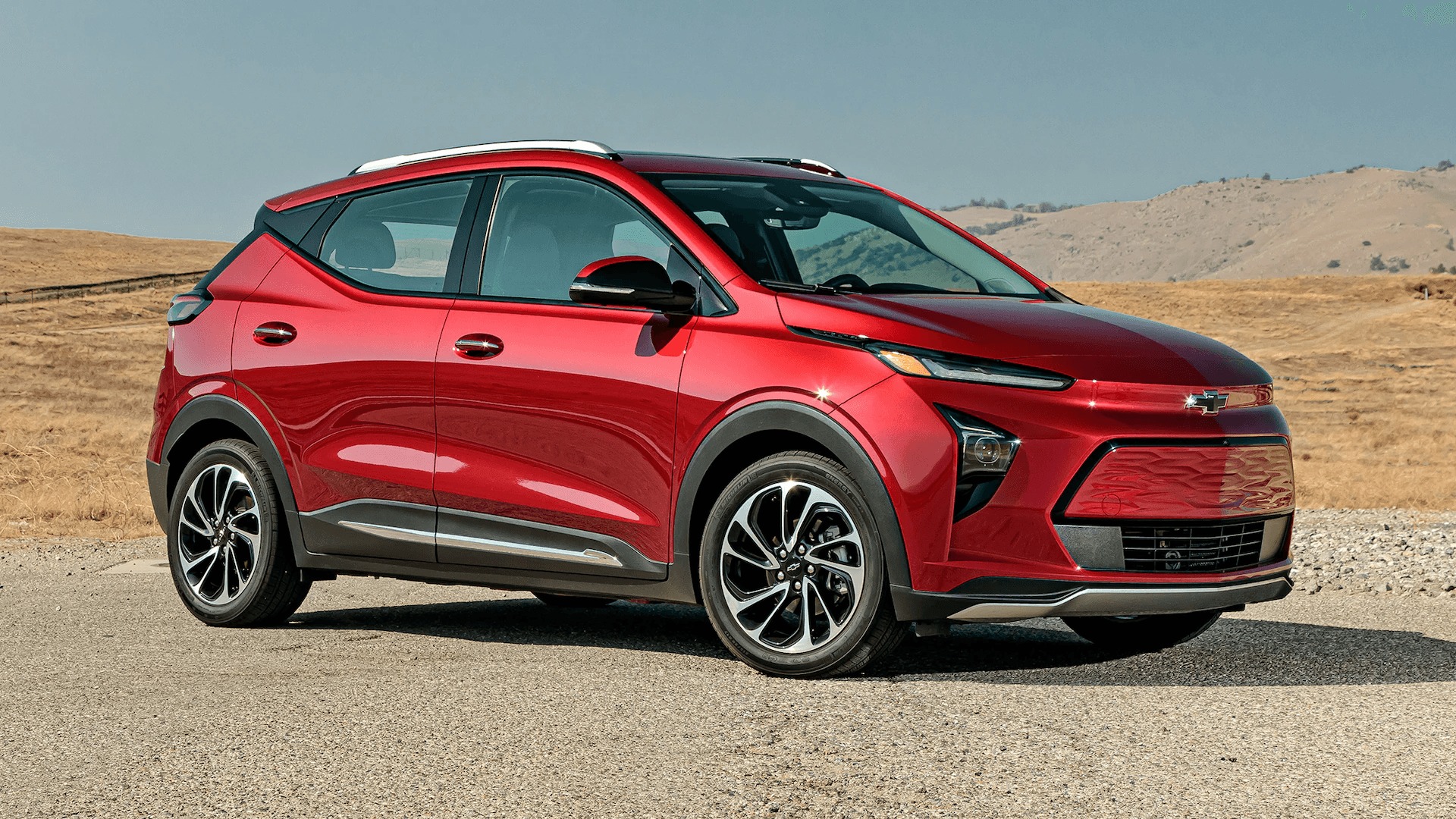
1. Chevrolet Bolt EV
The Chevrolet Bolt EV has quietly built a strong reputation for being a dependable and efficient electric car without breaking the bank. Despite some early challenges in its production years, recent models have proven to be solid daily drivers. It offers an impressive range, practical design, and surprisingly strong acceleration.
Owners of the Bolt EV often highlight how little they’ve had to worry about repairs or software bugs. Once the early battery recall was addressed, the Bolt matured into a reliable option for those who want a no-nonsense EV.
Its simplicity plays a big role in its dependability. The Bolt doesn’t try to load itself with overly complex features that might glitch out. Instead, it focuses on being functional. The charging system is consistent, and the battery has been stable in most newer models.
While it’s not dripping with high-end tech, the essentials work well and keep running without issue. The software interface is easy to navigate, and firmware updates don’t typically break anything. This is important because overly complex interfaces in EVs are often the source of glitches and driver complaints.
One of the best things about the Bolt EV is how it stays affordable not just to buy, but also to maintain. Parts are widely available, and service is familiar to most technicians, especially those within GM networks. Some EVs come with the added burden of specialized repair centers, but Bolt owners rarely face this issue. Even if there’s a rare hiccup, fixing it is rarely a budget-buster.
The Bolt EV gives people what they want in an affordable electric vehicle: dependable transportation that doesn’t demand constant attention. For those who want something practical and efficient, this EV continues to deliver without the worry of constant check-engine lights or system failures.
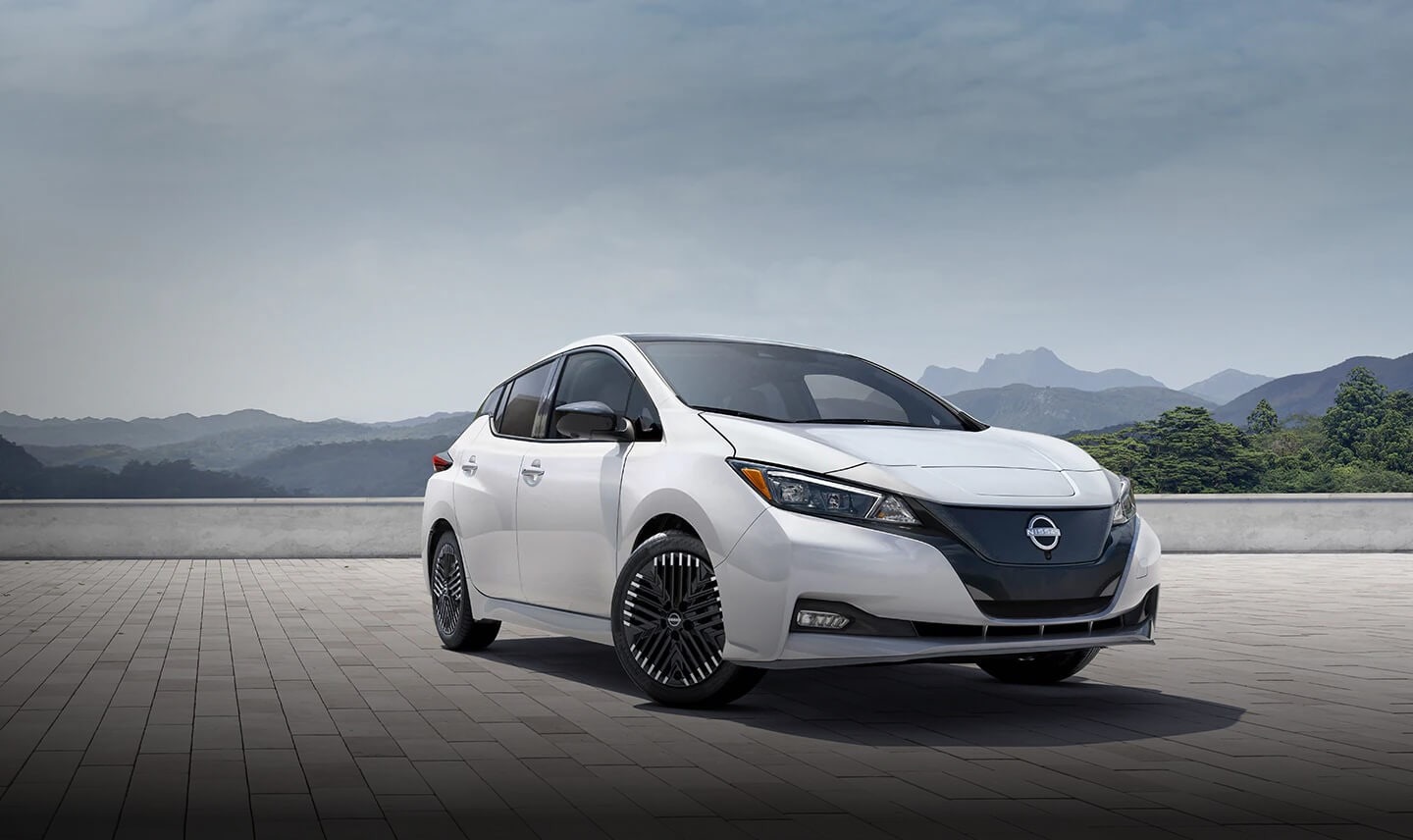
2. Nissan Leaf (Second Generation and Later)
The Nissan Leaf has been a fixture in the EV space for over a decade, and its newer generations have shown real improvement in both performance and reliability. While early models faced criticism for battery degradation and limited range, the second generation onward has corrected many of those shortcomings. It has become a popular choice for people seeking a dependable electric car at a manageable price.
One of the strong points of the Leaf is its minimalist approach to its powertrain and electronics. It doesn’t try to reinvent the wheel. Instead, it sticks with proven hardware and consistent firmware updates that enhance rather than hinder performance.
Many owners report that the Leaf simply works. It charges consistently, drives smoothly, and doesn’t surprise them with unexpected system failures. Unlike some more expensive competitors, it doesn’t overcomplicate its interface with unnecessary features that are prone to error.
Battery durability has improved in newer versions. Nissan’s thermal battery management system may not be as high-tech as others, but for drivers in moderate climates, it gets the job done with minimal stress on the components. Most Leaf owners who drive under regular conditions report few problems over the years, making it a strong contender in the reliability category.
The affordability of the Leaf continues into ownership. Maintenance costs are low, and the lack of mechanical surprises means you can budget more predictably. Even though it doesn’t offer the longest range in its class, it makes up for that with solid construction and dependable operation. It’s a smart pick for those who value long-term consistency more than flash or high performance.
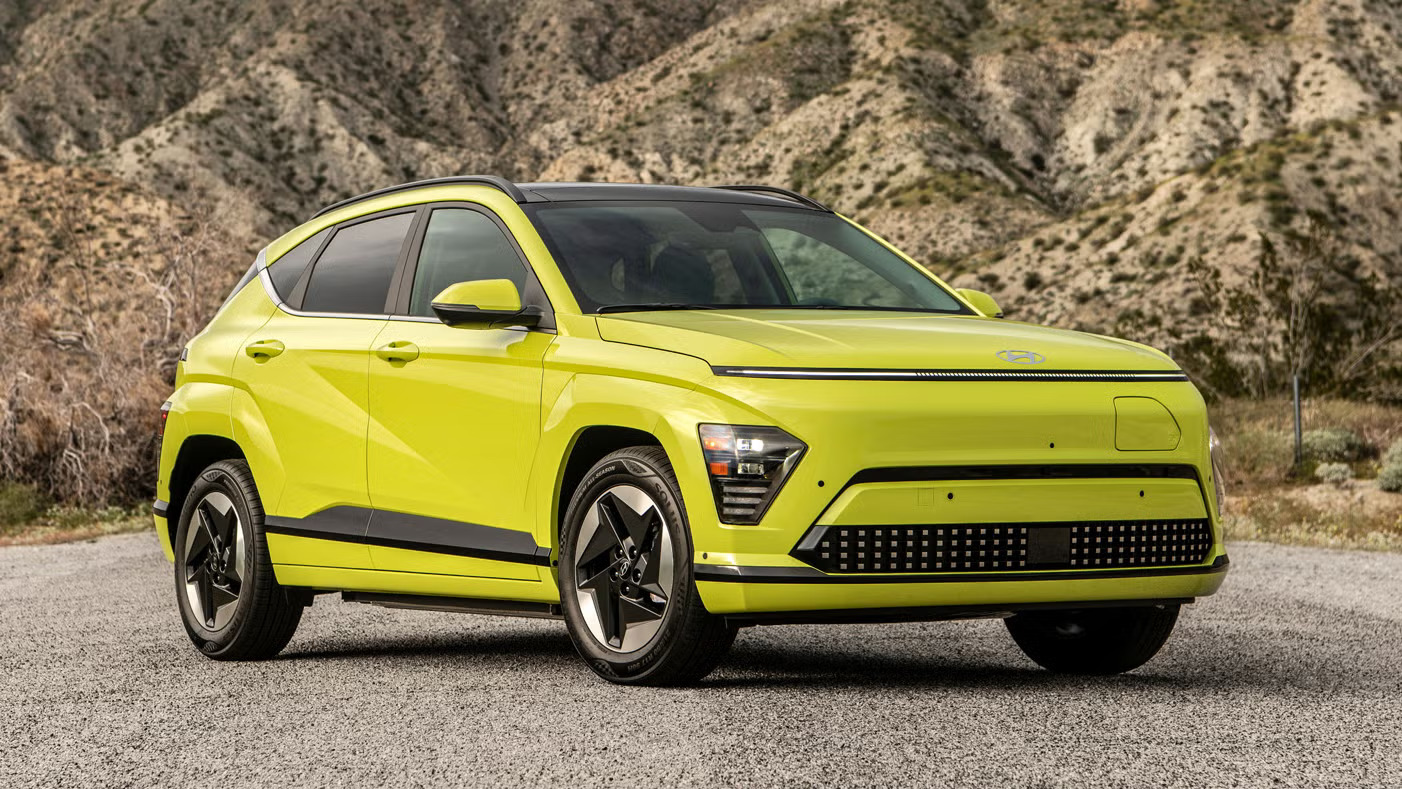
3. Hyundai Kona Electric
The Hyundai Kona Electric hits a great middle ground for those seeking a reliable EV with a little extra style. It delivers a solid range, smooth driving experience, and surprisingly strong build quality for its price. Most importantly, it does this without causing trouble down the road. Owners often praise its reliability, citing few if any serious faults over the years of use.
The battery system in the Kona has been engineered for both safety and longevity. It includes a robust thermal management system that keeps the battery operating in a healthy range, reducing wear and tear.
Unlike some vehicles that experience performance drops or sudden faults in colder or hotter conditions, the Kona tends to stay consistent. Its software is also relatively bug-free, with fewer connectivity or interface problems than many of its competitors.
Hyundai has taken a cautious approach with its EV design, choosing stability over experimentation. This strategy has paid off in real-world usage. Routine servicing is simple, parts are not hard to come by, and the car rarely requires unscheduled repairs. For budget-focused buyers, this kind of consistency is worth more than flashy bells and whistles that can cause future headaches.
Beyond reliability, the Kona Electric offers a pleasant driving experience. Its steering and braking feel natural, and the cabin has a solid, quiet feel that some more expensive EVs struggle to match. It’s a well-rounded package that does what it promises, nothing more, but importantly, nothing less.
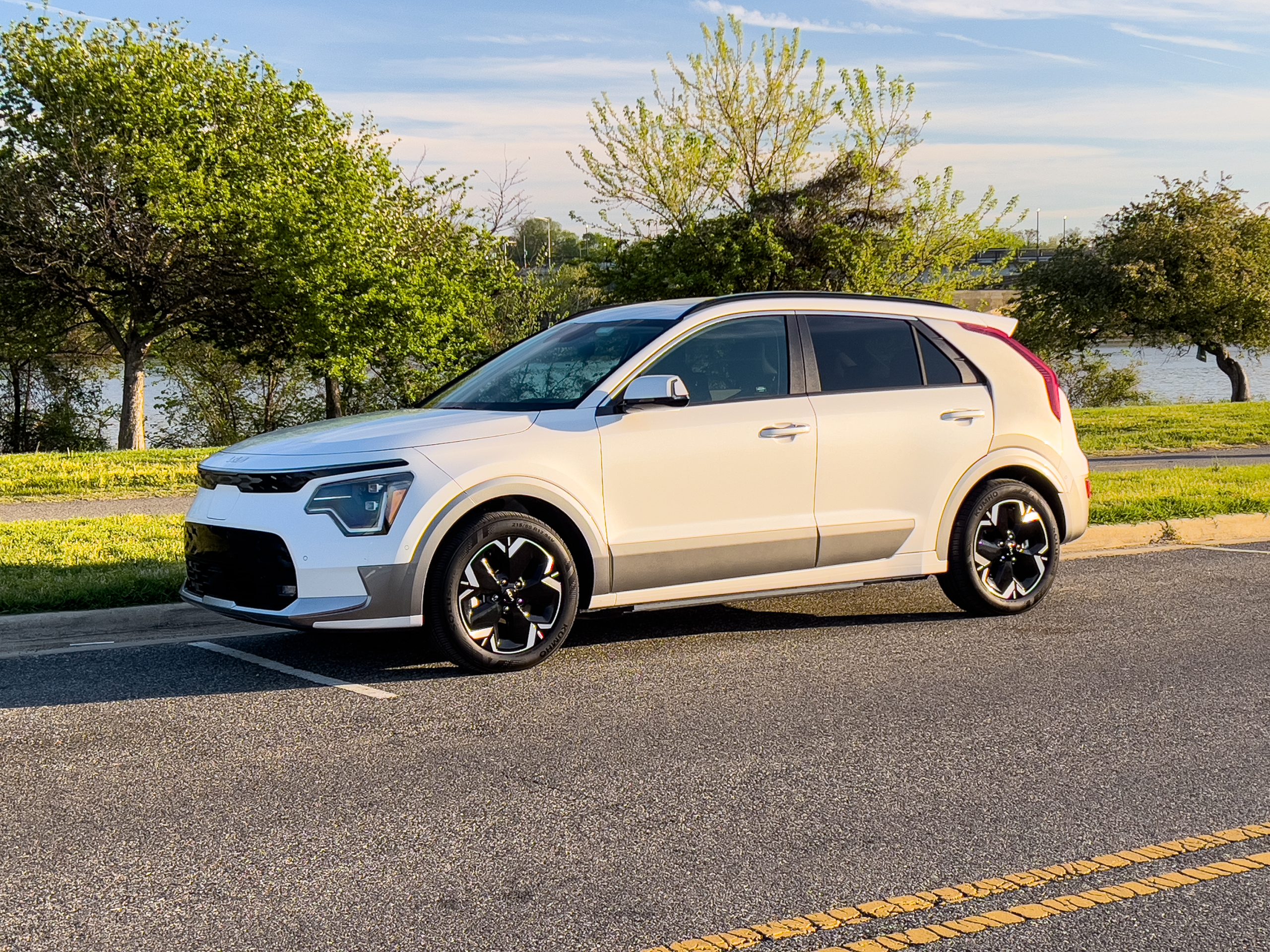
4. Kia Niro EV
Kia has stepped up its game in recent years, and the Niro EV is a perfect example of that progress. As a budget-friendly electric crossover, it offers impressive range, good interior comfort, and crucially, strong reliability. Like the Hyundai Kona, which it shares a platform with, the Niro benefits from a focus on durability over experimentation.
The Niro EV has a mature electrical system that doesn’t suffer from frequent bugs or software malfunctions. Owners rarely report battery issues or sudden system failures. It’s the kind of car that just quietly goes about its job, which is exactly what many people want in a daily driver. The dashboard interface is clean and functional, avoiding the laggy or crash-prone behavior seen in some other EVs in its class.
Charging is also straightforward. The vehicle supports standard Level 2 and DC fast charging, and the ports and connections are known for being sturdy and consistent. You won’t find many reports of charging interruptions or system incompatibilities. This matters when reliability is the goal because a dependable charging experience can make or break an EV ownership journey.
Where the Niro EV also shines is in customer satisfaction surveys. While not flashy or particularly performance-focused, it ranks high with owners for day-to-day ease of use and low-stress ownership. For an affordable EV, that’s one of the best compliments it can receive.
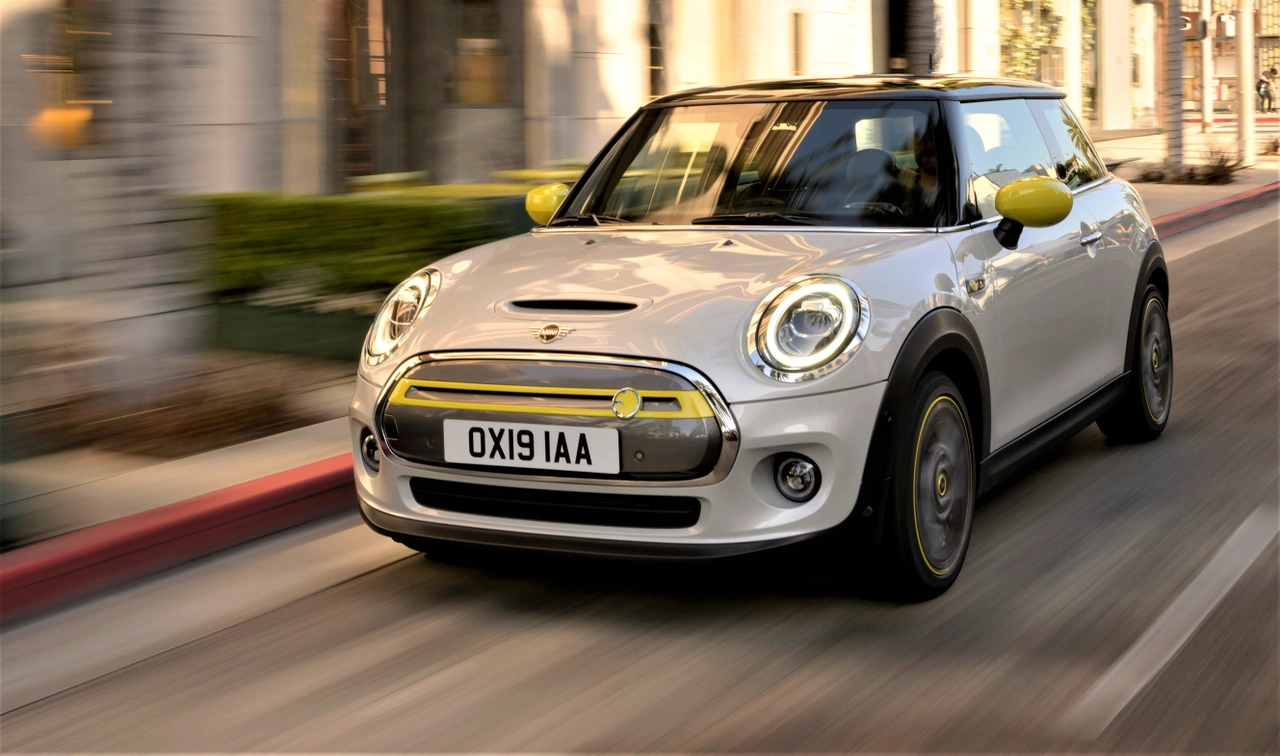
5. Mini Electric (Mini Cooper SE)
The Mini Electric is often overlooked due to its smaller size and limited range, but what it lacks in those areas it makes up for in reliability and consistent performance. For urban drivers who don’t need long highway trips, this car offers a dependable and surprisingly enjoyable experience.
Its short range means the battery isn’t pushed to its limits, which in turn helps prolong its lifespan. The simplicity of the electric system in the Mini Electric is another factor that plays to its favor. It doesn’t try to outdo Tesla or Rivian in high-tech features, and because of that, it avoids many of the common pitfalls associated with overcomplicated electronics.
The user interface is intuitive and rarely suffers from software bugs. Firmware updates are steady and non-disruptive, and basic diagnostics are easy to access and understand. Owners often comment on how little the car demands once they get it home. It’s a plug-and-play experience that keeps working without much fuss.
While the Mini brand is sometimes associated with quirky design choices, the Mini Electric is built with a surprisingly serious focus on quality. The cabin materials are sturdy, the electrical systems don’t fail under pressure, and the vehicle generally holds up well even after years of use. It’s not the right choice for everyone, but for those with short daily commutes, it’s a smart, low-maintenance pick.
5 Affordable EVs That Are Always in the Shop
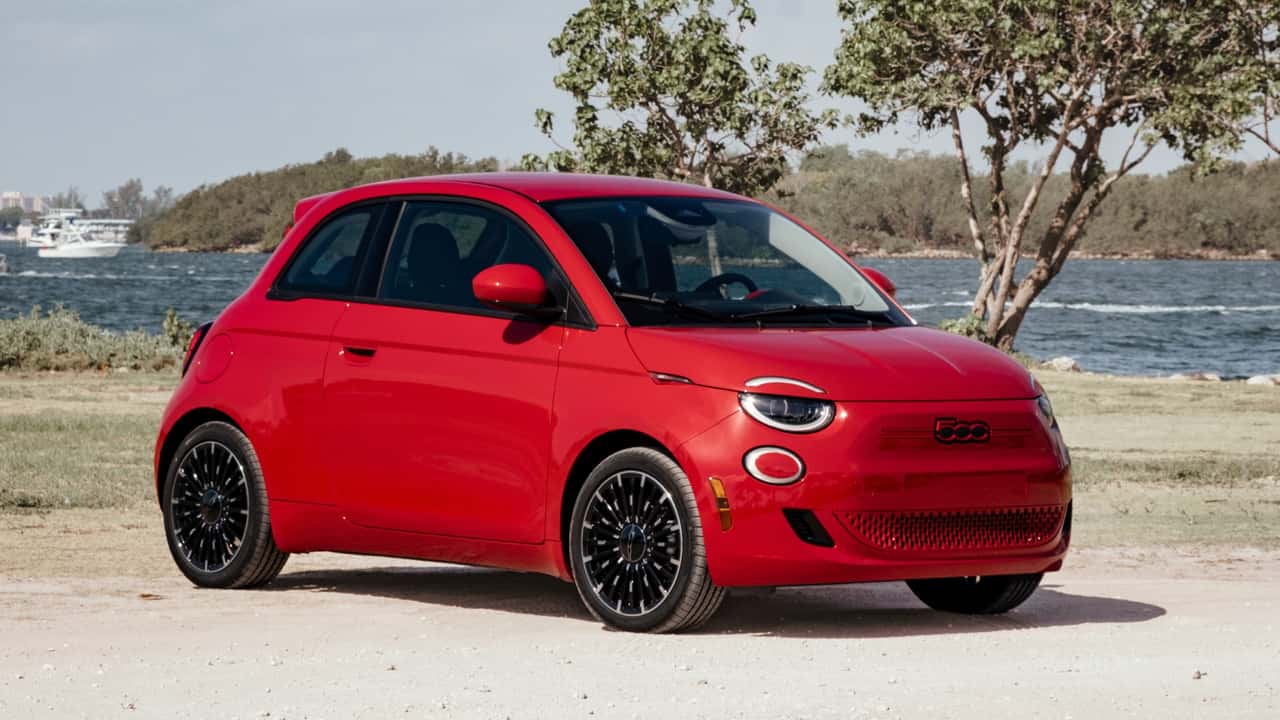
1. Fiat 500e (First Generation)
The original Fiat 500e was one of the early attempts by a traditional automaker to enter the electric vehicle space, but it never quite lived up to expectations. On paper, it seemed like a fun, compact, and affordable city EV, but reality quickly exposed a host of problems that have plagued owners since the start.
This model, especially in its first generation, was often rushed into production more to meet regulatory requirements than to truly compete with purpose-built EVs. That lack of commitment shows in the long list of mechanical and electrical issues that have caused frequent service visits for many owners.
One of the most persistent problems with the 500e lies in its electrical system, which has shown a tendency to fail in unexpected ways. Drivers have reported sudden loss of power, unresponsive acceleration, warning lights illuminating without cause, and inconsistent charging behaviors.
These issues don’t just make the vehicle inconvenient, they create serious doubts about its long-term viability as a daily driver. Add to that a limited range that becomes even less reliable when these systems are malfunctioning, and you’re left with a car that often causes more stress than it saves.
The 500e also suffers from software glitches that interfere with essential functions. The infotainment system is known to freeze or restart randomly, sometimes during driving. Cabin systems like climate control or window defrost can go on the fritz with little warning.
And even after repairs, many of these problems return within months, leading owners to feel trapped in a cycle of diagnostics and downtime. Given the car’s limited dealer support in some regions, getting these issues resolved can be a drawn-out and frustrating process.
Even though it was one of the cheapest EVs available at its launch, the Fiat 500e proves that affordability can sometimes come at a cost. Owners frequently find that the money saved upfront is lost later in repairs and time wasted at service centers. While the car might still appeal to enthusiasts or collectors, it’s hard to recommend it to anyone seeking a reliable and low-maintenance electric vehicle for regular use.
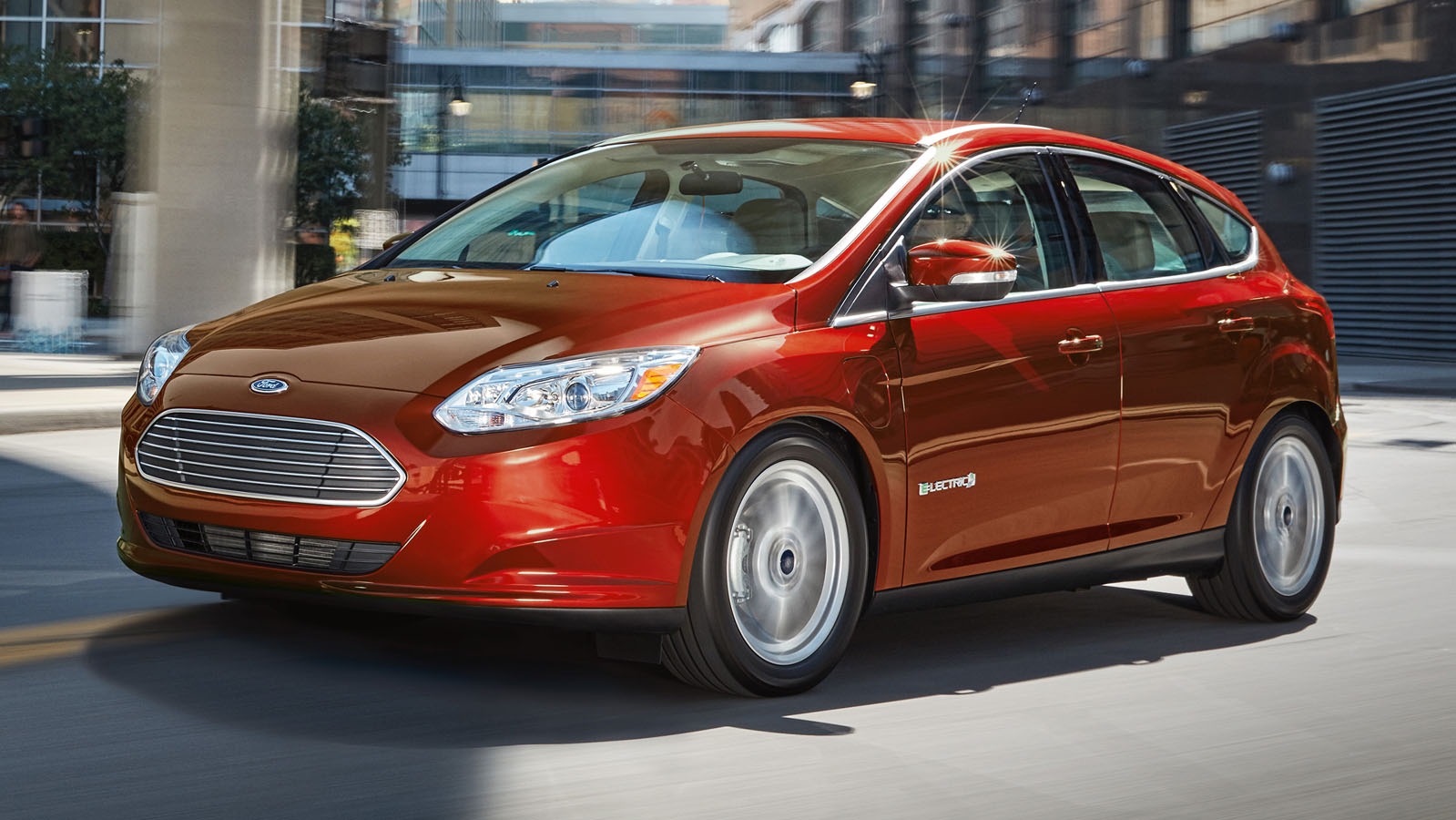
2. Ford Focus Electric
The Ford Focus Electric was another early entry into the EV market by a traditional automaker, and while it looked like a promising adaptation of an already successful compact car, it quickly showed limitations that made it a frequent visitor to service shops.
Unlike modern EVs that are built from the ground up, the Focus Electric was a retrofit of the gasoline-powered Focus platform, which led to a number of engineering compromises that affected both performance and reliability. It never gained wide popularity, and part of that can be traced back to its glitchy behavior and lackluster reliability.
One of the major complaints among owners revolves around the vehicle’s battery management system. It has been known to throw false errors, misreport battery charge levels, or refuse to charge at all, sometimes leaving the vehicle unusable without any clear cause.
Even when fully charged, some Focus Electric units have experienced sudden range drops or even shutdowns, which not only disrupt daily plans but can be a safety concern. Owners have found themselves stranded unexpectedly or left in difficult situations because of these unpredictable failures.
Additionally, the car’s onboard computer system is outdated and prone to failure. Users often deal with faulty displays, unresponsive touchscreen functions, and frequent freezing of the central console.
These may sound like minor issues, but when your charging settings, navigation, and climate controls are all digital, a glitch can significantly reduce the usability of the car. There have also been repeated issues with firmware updates failing or introducing new bugs instead of fixing old ones.
Servicing the Focus Electric can be another headache altogether. Since this car never sold in large numbers, many Ford dealerships lack the specific training or parts needed to resolve its EV-specific issues efficiently.
This often leads to long waits, repeated trips to the shop, and unresolved electrical problems that continue to haunt owners. The Focus Electric might have been a step forward at its time, but it now stands as a cautionary tale of what happens when a car company repurposes a platform for EVs without fully committing to the unique needs of electric drivetrains.
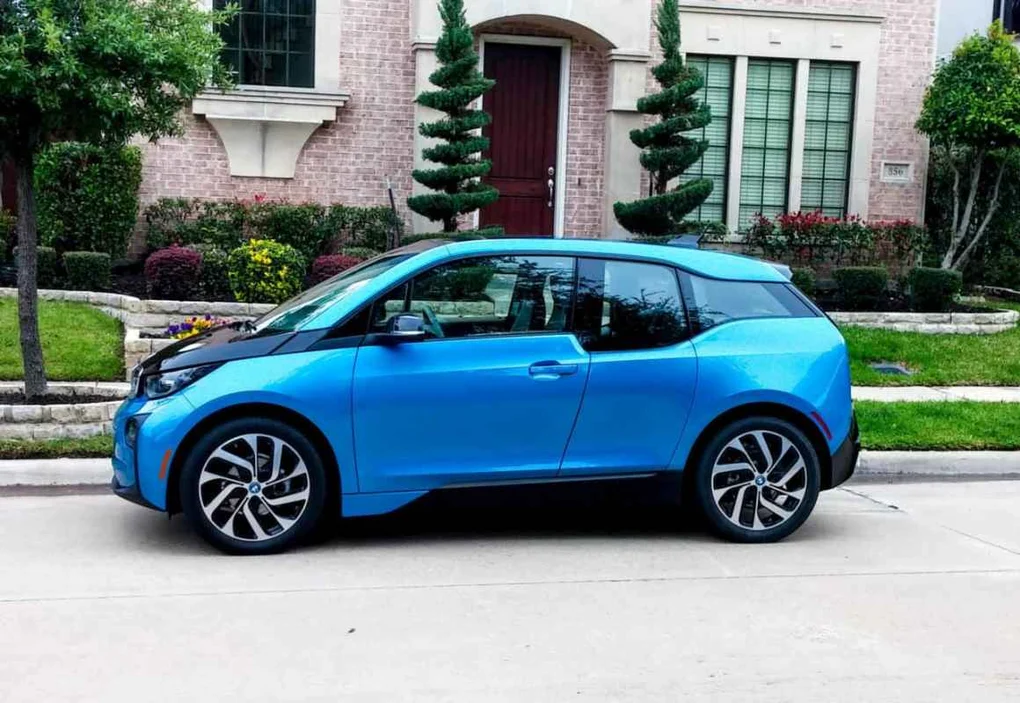
3. BMW i3
At first glance, the BMW i3 appears to be a futuristic, stylish, and environmentally friendly choice for urban drivers. It’s light, agile, and boasts a unique design that sets it apart from just about anything else on the road.
However, despite its innovation and initial praise, the i3 has developed a reputation over time for being one of the more high-maintenance EVs in the affordable category. Owners have voiced repeated frustrations about its reliability, particularly around the electronics and software systems that control nearly every aspect of the vehicle.
The i3 has complex electrical systems, and unfortunately, complexity doesn’t always equal quality. Problems often start with the high-voltage battery system, where owners report sudden power loss, misreporting of range, and difficulty with charging.
There have been cases of the car going into “limp mode” unexpectedly or simply refusing to start. While BMW dealerships are generally well-equipped to handle premium models, the i3’s niche status means that diagnosis and repairs can be time-consuming and, in many cases, expensive, even if the car was affordable to buy secondhand.
Another area of concern is the onboard infotainment and connectivity systems. The i3 uses an older generation of BMW’s iDrive system, and in the electric model, it often lags in responsiveness. Owners have reported system crashes, navigation issues, and problems with Bluetooth and app integration.
Even the climate control systems and regenerative braking settings have shown erratic behavior in some cases, further complicating daily use. These may sound like digital issues, but in a vehicle so reliant on electronics, they impact usability in a major way.
Beyond the electronics, parts and servicing are major sticking points. The unique carbon fiber body and specialized components used in the i3 may be innovative, but they’re also expensive and not widely stocked. If a part fails, especially one related to the electrical system, it can mean weeks of waiting for replacements.
For a car that’s supposed to represent the future, the i3 often feels more like a collection of bold ideas that didn’t hold up well under the strain of real-world use. This makes it one of the most problematic affordable EVs to maintain long-term.
4. Volkswagen e-Golf
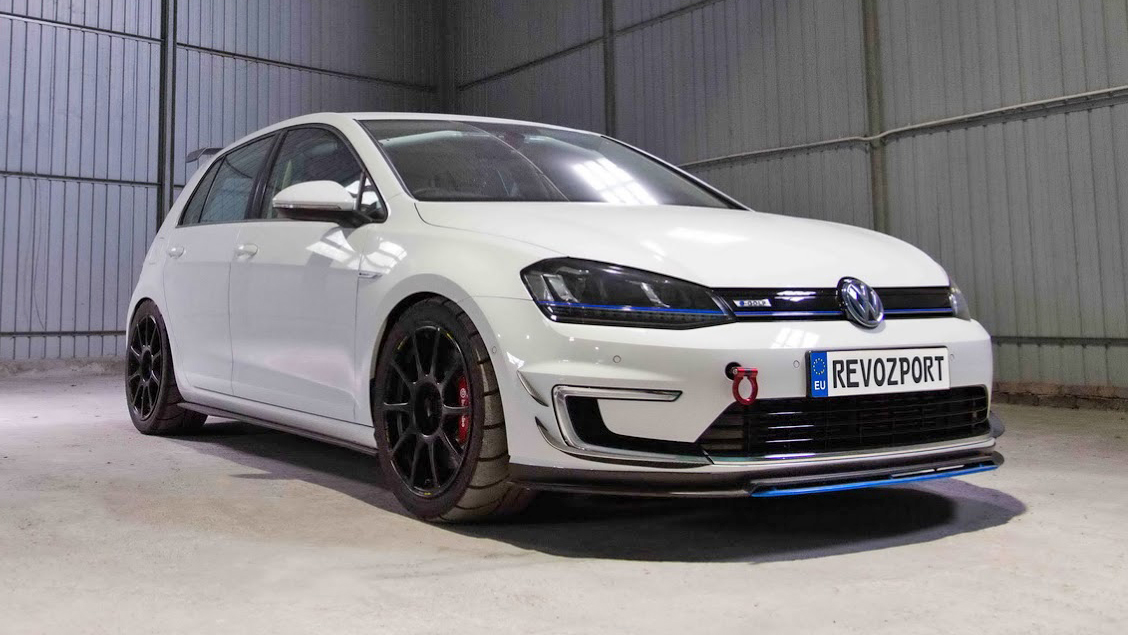
The Volkswagen e-Golf took a familiar and popular vehicle and gave it an electric heart. On paper, this seemed like a win-win: the well-loved Golf platform paired with the quiet, efficient world of electric power.
However, much like the Focus Electric, the e-Golf suffered from the limitations of being built on a platform not originally designed for electric drivetrains. As a result, while it attracted a fair number of fans at launch, it has steadily gained a reputation for issues that frequently land it in repair shops.
Many of the e-Golf’s problems stem from its software systems. Owners have frequently encountered navigation system malfunctions, charging errors, and faulty user interface components.
Some have reported that the system fails to recognize when the car is plugged in, resulting in charging sessions that don’t begin or stop prematurely. These glitches are not just inconvenient; they disrupt the essential routine of EV ownership, which relies heavily on reliable and predictable charging.
Battery performance has also been inconsistent in various climate conditions. While some EVs compensate with active thermal management systems, the e-Golf struggles in colder regions, where battery range drops significantly and charging can become unreliable.
There are also recurring problems with the charging port lock mechanism, which sometimes fails to release or latch correctly, requiring manual overrides or, in some cases, dealership intervention.
The biggest complaint for many e-Golf owners is the cycle of unresolved issues. Problems that are supposedly fixed with software patches often return or lead to new bugs.
The build quality of the car is generally solid in terms of physical materials, but its electrical systems seem less robust. The result is a car that might feel fine for the first few months but eventually starts requiring regular attention. For budget-minded drivers, this ongoing maintenance can become both financially and emotionally draining.
5. Tesla Model 3 (Early Production Years)
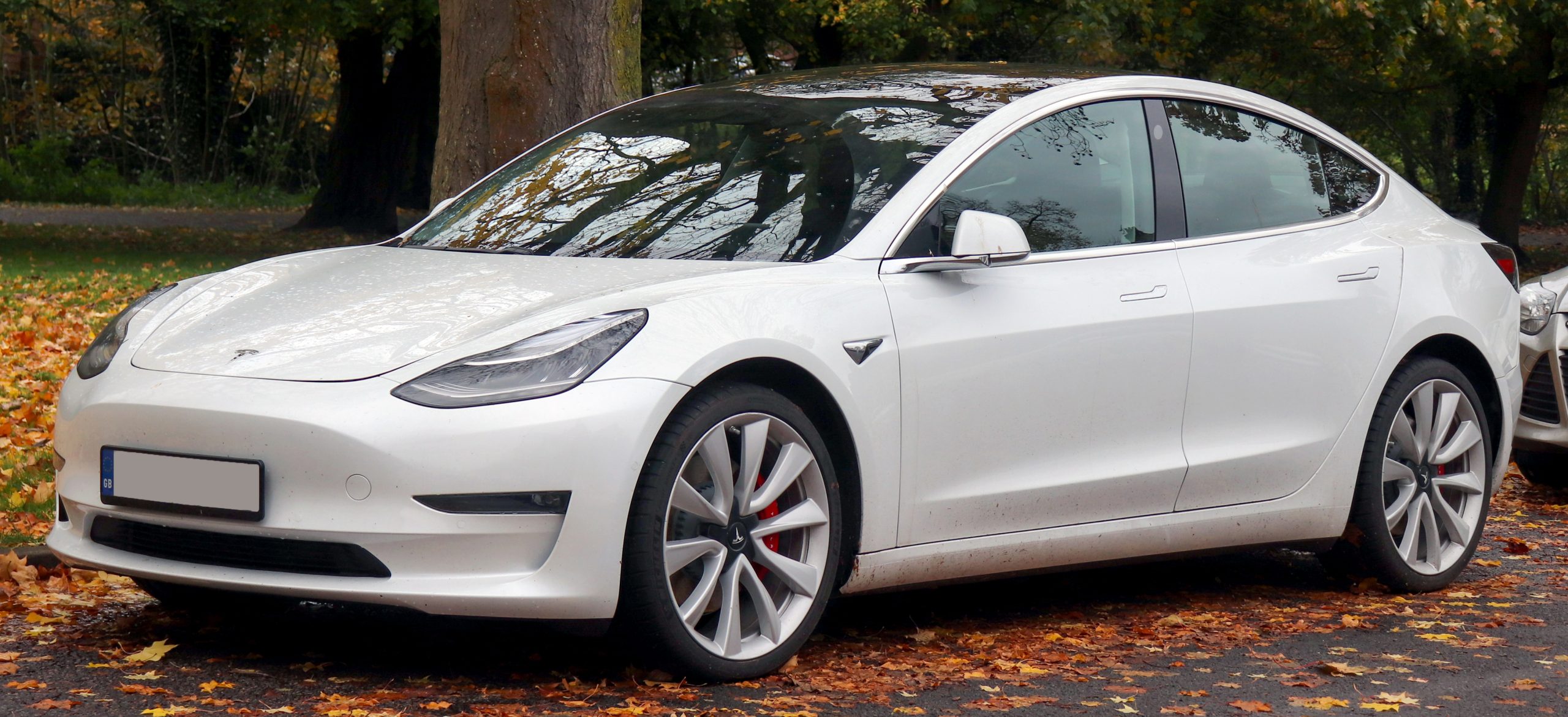
The Tesla Model 3 was a game-changer in the electric vehicle market, bringing futuristic tech, impressive range, and sports-car-like acceleration to a more accessible price point. However, not all Model 3s are created equal.
Early production models, especially those built during the initial manufacturing ramp-up in 2017 and 2018, have been heavily criticized for their reliability, or rather, the lack of it. While newer builds have shown marked improvement, many early adopters found themselves dealing with a stream of frustrating problems that required repeated service visits.
Build quality was one of the most glaring issues. Panel gaps, paint inconsistencies, and loose trim were common in those early batches. While these may seem cosmetic, they often indicate deeper issues with quality control.
Problems extended to the electronics as well. Early owners reported screens freezing or rebooting mid-drive, failed sensors, malfunctioning autopilot features, and phantom braking events. When your entire car depends on a central touchscreen to function, even a short outage can be a major issue.
One particularly common complaint was around the power windows and door handles. Since the handles are electronic rather than mechanical, failures left some owners unable to open their doors at all.
The power windows sometimes failed to align properly or became stuck, and the automatic window drop feature would glitch, causing sealing issues during rain or high wind. These may sound minor, but when they fail regularly, they erode confidence in the car’s daily usability.
Another problem was the difficulty in getting timely service. Tesla’s direct-to-consumer model means limited physical service centers, and many customers reported long waits for appointments, replacement parts, or mobile service. This wasn’t just inconvenient; it could mean being without a car for weeks.
While the Model 3 remains one of the most exciting EVs on the market, the early production years were filled with quality control problems and software bugs that led to frequent shop visits and dissatisfied owners.
Also Read: 5 Cars That Keep Their Steering Tight vs 5 That Get Sloppy Fast
As electric vehicles continue to become more accessible, especially within the budget segment, the differences in reliability between models have become increasingly clear. The dream of owning an affordable EV that requires little maintenance and stays out of the repair shop is entirely possible, but only with the right choice.
Buyers today are not just looking for innovation; they’re looking for consistency, durability, and a car that performs without constant hiccups. The list of five affordable EVs that rarely glitch proves that you don’t need to sacrifice dependability to stay within budget.
These vehicles provide a balanced combination of engineering quality, simplified design, and software that works the way it’s supposed to. They offer peace of mind, which is perhaps one of the most important qualities in a car, electric or not.
Vehicles like the Chevrolet Bolt EV, Nissan Leaf, Hyundai Kona Electric, Kia Niro EV, and the Mini Electric have built strong reputations among everyday drivers. They avoid the flashy risks and instead focus on doing their jobs well. These are not perfect cars, but they’re consistently dependable.
They don’t surprise you with costly repairs, they don’t suffer from constant electronic failures, and they don’t make EV ownership feel like a technical experiment. For most drivers, that kind of reliability is far more valuable than having the latest gadget or the fastest acceleration. Simplicity, solid engineering, and proven systems go a long way in ensuring these EVs spend more time on the road and less time in the shop.
On the other side, vehicles like the Fiat 500e, Ford Focus Electric, BMW i3, Volkswagen e-Golf, and early Tesla Model 3 units remind us that not all EVs are built with the same standards of quality. Some were rushed into production. Others were retrofitted from gas-powered platforms not designed for electric components.
In some cases, software ambitions outpaced what the hardware could support, leading to frustrating, glitch-filled ownership experiences. And when an EV has problems, those problems often aren’t simple. Because the systems are so interconnected, a single fault can impact multiple functions, from basic driving to charging, navigation, and even the ability to unlock the doors.
Affordability is important, but it shouldn’t come at the cost of your time and peace of mind. When evaluating an electric car, it’s not just about the sticker price or even the range numbers. It’s about how often you’re going to have to deal with unexpected issues, how available the support is, and whether the car will do what it promises, consistently, over time.
The cost of constant repairs and time spent at the shop adds up, not just financially but emotionally too. It takes away from the core promise of EV ownership, efficiency, ease, and a sense of progress.
As the market continues to evolve and improve, future models will likely become more reliable across the board. But for now, choosing an EV wisely still requires research and an honest look at real-world performance. Not all affordable EVs are created equal, and knowing which ones truly hold up makes all the difference.
