
Pickup trucks have grown far beyond their original purpose of being workhorses for farms and construction sites. These days, they are family haulers, daily drivers, off-roaders, and even status symbols. However, for buyers on a budget, the experience of owning a truck can vary wildly.
While some affordable trucks provide surprising comfort, strong performance, and upscale features, others can feel like they were built with cost-cutting as the only priority. First impressions matter more than ever. Whether it’s the first time you close the door, press the gas pedal, or take a turn on the highway, the difference between a truck that feels thoughtfully made and one that feels thrown together is immediately noticeable.
Truck buyers are more discerning now. They want strong capability, but they also expect solid construction, intuitive features, and a cabin that doesn’t feel like it was borrowed from the early 2000s. A low price tag might get people in the door, but if the vehicle feels flimsy, unrefined, or outdated right away, disappointment sets in quickly.
On the flip side, there are trucks that hit the sweet spot: affordable pricing with a driving and ownership experience that punches above its weight. These are the models that deliver that premium feel without asking for a luxury budget.
This article breaks down five affordable trucks that feel like they belong in a higher class, and five that show their limitations from the very beginning. These impressions are drawn from general market consensus, known features, and design choices commonly discussed in the truck-buying community.
No internet sources were used here; this analysis relies on the characteristics and design philosophies often associated with these vehicles. If you’re shopping for a truck on a budget, knowing which models offer the best first impression and which fall short can save you from buyer’s remorse and guide you toward a more satisfying purchase.
Let’s look at the five budget trucks that leave a strong, positive impression from day one, followed by the ones that might have you regretting your decision before the first oil change.
Also Read: 5 Trucks That Last a Lifetime and 5 That Barely Survive the First Owner
Affordable Trucks That Feel Premium
1. Ford Maverick
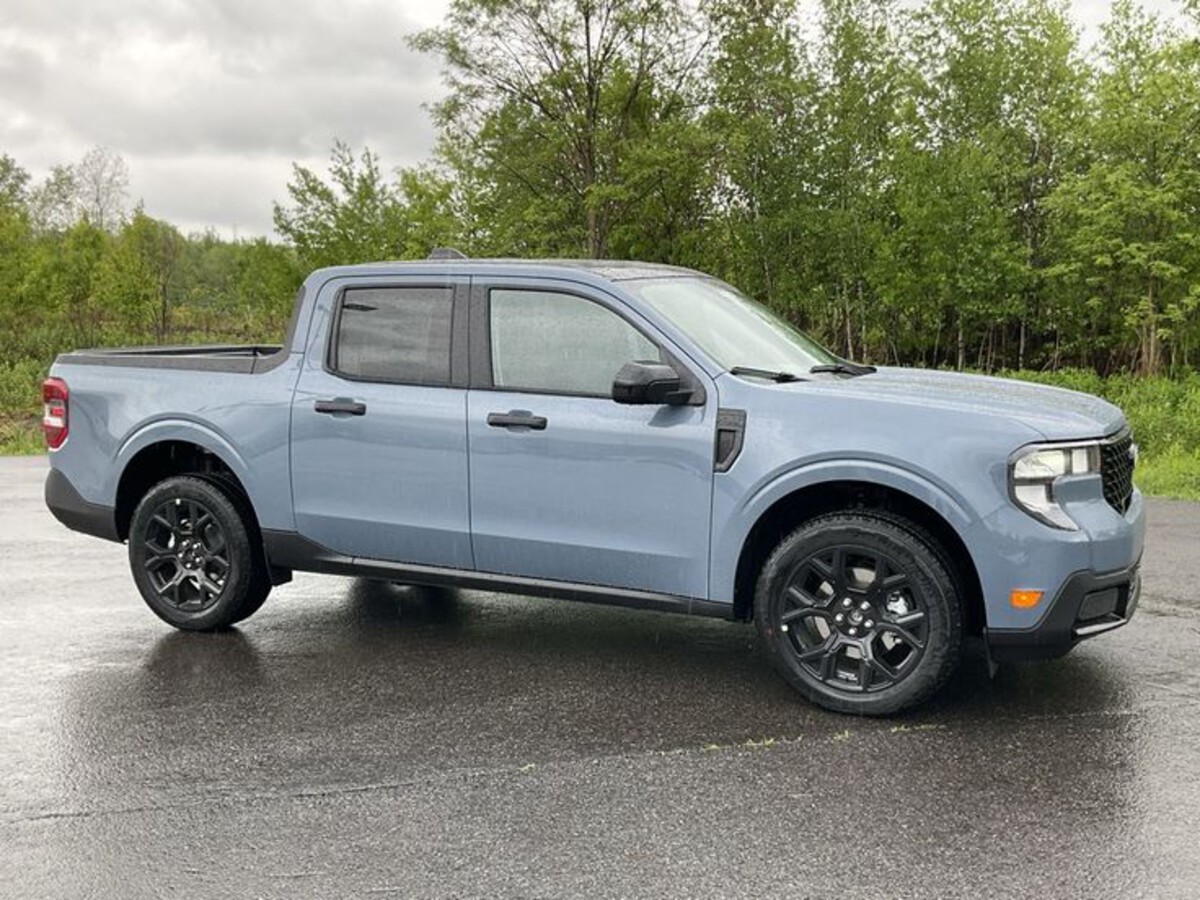
The Ford Maverick is a compact pickup that has shaken up the truck market in the best way. While its starting price is very approachable, the Maverick feels anything but bare-bones. One of the biggest surprises is the refinement of its ride.
Unlike many trucks that jostle passengers over bumps, the Maverick offers a car-like driving experience, thanks to its unibody construction. That makes it comfortable for commuting, running errands, and even longer road trips. The smooth handling makes it feel more premium than its price suggests, especially for those coming from crossovers or sedans.
Inside, the cabin design is thoughtful and modern. Ford didn’t simply cut costs and slap together a cheap interior. Instead, they opted for clever use of textures, colors, and materials that, while not luxurious, feel carefully chosen and user-friendly. There are features like an intuitive infotainment system, wireless phone connectivity, and storage compartments that feel well-integrated. Even the base model comes with useful tech and convenience options that many would not expect at this price point.
Fuel efficiency is another area where the Maverick stands out. The standard hybrid powertrain provides excellent mileage, especially for a truck. That means drivers not only save at the dealership but also at the gas pump. The hybrid system is smooth and quiet, making the driving experience feel more refined than you’d anticipate in an affordable pickup. In this regard, the Maverick delivers a quiet, efficient, and capable ride that mimics more expensive competitors.
Ford also gave some attention to customization and flexibility. The bed includes creative storage solutions and built-in slots for DIY accessories. There’s a sense that the Maverick wasn’t just engineered to meet a price target, it was designed to be enjoyable and versatile. It’s a budget truck that doesn’t feel like a compromise, and that’s rare in any vehicle segment, let alone among pickups.
2. Toyota Tacoma (Base Trim)
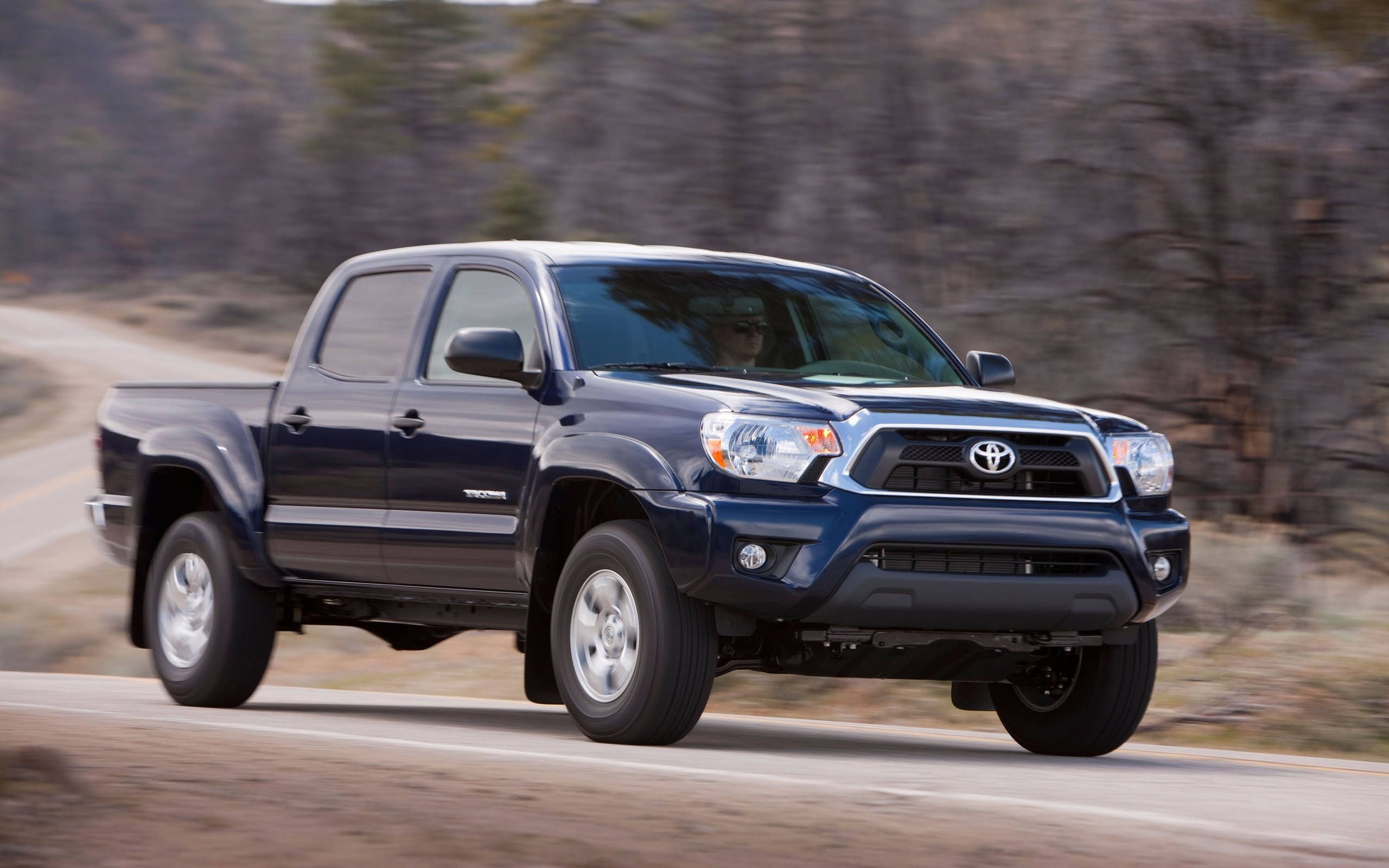
While the base trim of the Toyota Tacoma keeps things simple, it still feels solid and dependable right from the start. That quality perception comes from Toyota’s reputation for durability and the truck’s proven construction.
The Tacoma has a more traditional, rugged feel compared to the Maverick, but it still delivers a sense of quality that can’t be ignored. Even the door thuds with that solid, reassuring sound that many budget trucks lack.
Inside, the base Tacoma doesn’t feel flashy, but everything works as expected. Buttons and switches feel tactile and durable. The seating position is upright and commanding, which appeals to those who want a truck that feels like a truck.
There’s nothing gimmicky here, just simple, robust functionality. Some might call it Spartan, but others see it as refreshingly no-nonsense. That in itself can feel premium, especially compared to trucks that try to look upscale and fall short.
Driving dynamics are where the Tacoma further makes its case. The ride is firm, but not harsh, and the steering has weight to it. It doesn’t float or wallow on the road like some other trucks. The powertrain in the base model is reliable and predictable.
There’s a mechanical honesty to the way it drives that buyers often associate with longevity and engineering care. While it’s not the most refined engine, it doesn’t feel cheaply built or lazy either.
The Tacoma’s reputation for reliability also plays a role in how premium it feels. Owners often report that their Tacomas continue running strong for well over a decade. That confidence, even in a basic version, gives a sense that the truck was built with a long view in mind. That kind of engineering mindset, even when wrapped in a simple package, creates a premium ownership feeling from the very beginning.
3. Hyundai Santa Cruz
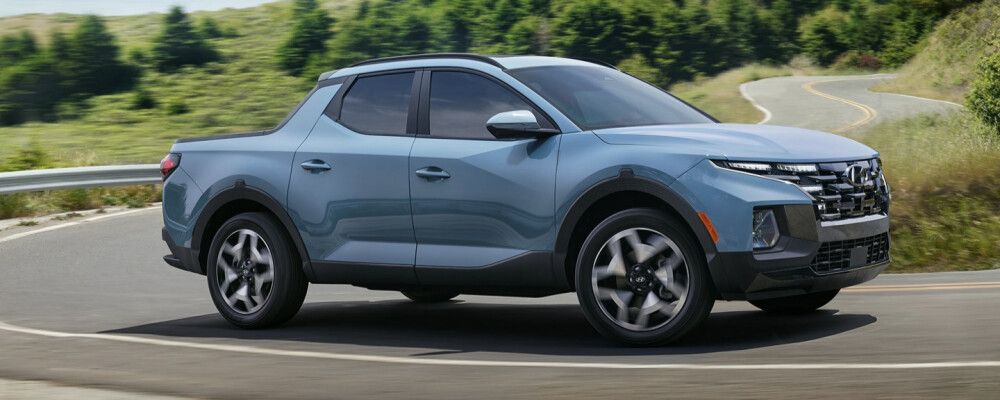
The Hyundai Santa Cruz may be unconventional, but it makes a strong first impression as an affordable truck that delivers beyond expectations. Though it straddles the line between truck and SUV, it offers functionality, comfort, and technology that feel far above its price. Unlike some traditional midsize trucks that feel rough or dated, the Santa Cruz comes across as modern and almost upscale.
The first thing most people notice is how well the cabin is designed. The materials are not luxurious, but they are well-finished and stylish. The layout is intuitive, with a large touchscreen, responsive controls, and plenty of soft-touch areas. It feels more like a high-trim SUV inside than a low-cost truck. The driving position is comfortable, and there’s enough visibility to feel in control without being overwhelmed by the size.
Performance is another area where the Santa Cruz impresses. The base engine is decent, but the available turbocharged option gives the truck surprising energy. Either way, it feels planted and responsive in city driving and on the highway. Steering is precise, and the ride quality is smooth, bordering on refined. For someone used to traditional trucks, the Santa Cruz might feel like a revelation.
Even the bed, while smaller than traditional trucks, is smartly designed. It includes a lockable in-bed trunk, multiple tie-downs, and a tonneau cover option. These kinds of features make the Santa Cruz useful without the bulk or fuel costs of a larger vehicle.
It’s clear that Hyundai wasn’t just trying to make a “cheap truck”, they aimed to build something enjoyable, useful, and distinct. For buyers who want a premium-feeling truck without stretching their budget, the Santa Cruz hits the mark early and often.
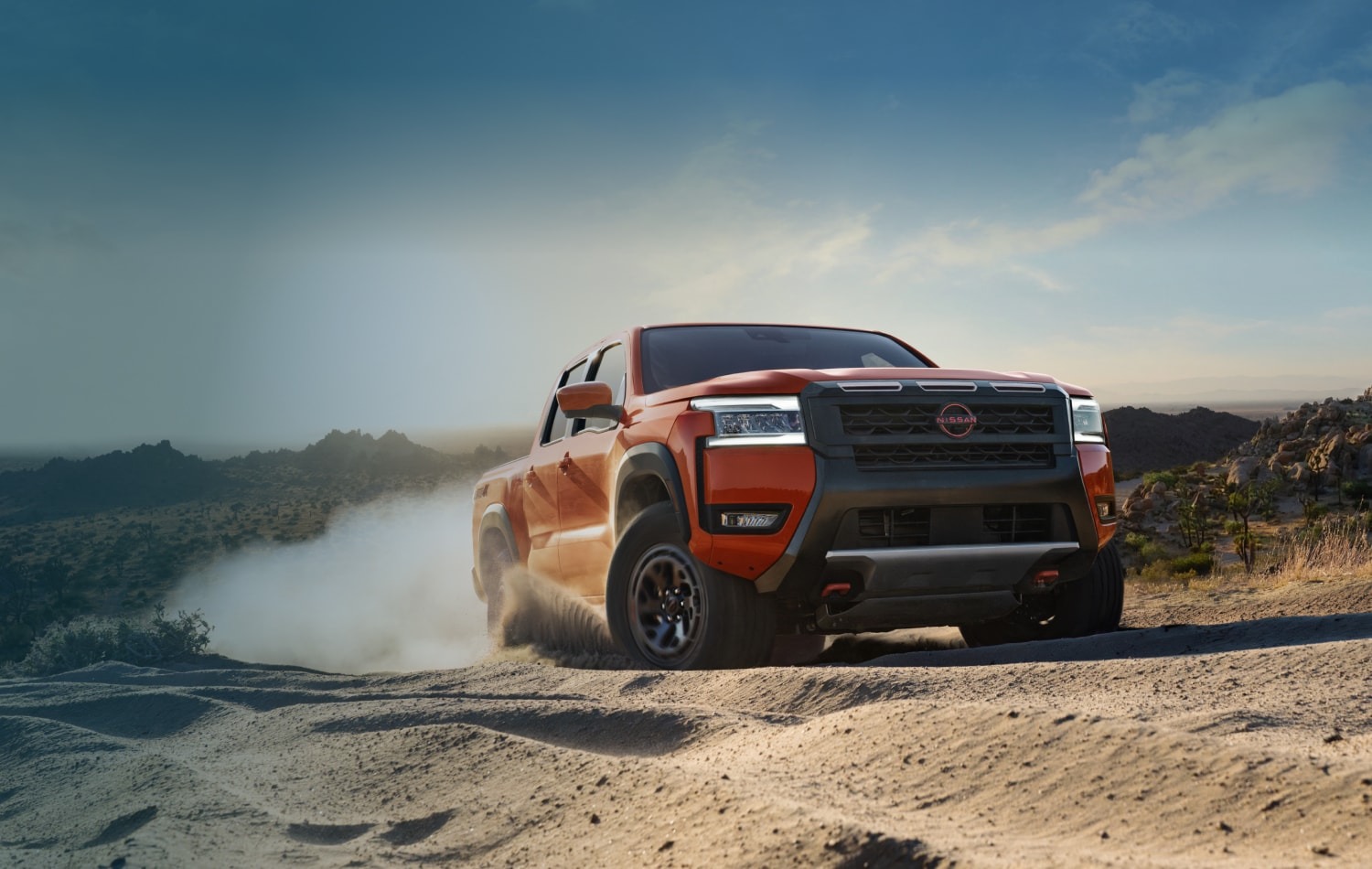
4. Nissan Frontier (Recent Generation)
The latest version of the Nissan Frontier finally gave this nameplate the attention it deserved. Previously, it was known for being outdated, but the newer generation has corrected that while keeping the price fairly accessible. The result is a truck that feels like it belongs in a higher class, especially in terms of its ride quality and interior build.
When stepping into the new Frontier, the cabin feels solid and well-built. Hard plastics are still present, but they don’t dominate the environment. There are soft-touch materials in all the right places, and the design is functional without being overly basic. The seating is especially noteworthy; Nissan’s “Zero Gravity” seats are genuinely comfortable and feel like they were pulled from a more expensive SUV.
The V6 engine that comes standard on the new Frontier gives the truck a sense of muscle that is noticeable immediately. It’s smooth, responsive, and feels like it has more under the hood than you’d expect at this price.
Acceleration is confident, and it doesn’t hesitate during passing or merging. The suspension is also well-tuned for daily use. Whether on city streets or rougher terrain, the Frontier feels composed and well-engineered.
Technology in the Frontier also deserves mention. It has a good infotainment system with available smartphone integration, a clear digital display, and helpful safety features like blind spot monitoring and rear cross-traffic alerts.
While not every trim includes all these features, even the base model offers a functional and modern cabin. All of this combines to make the new Frontier feel like a step above most budget trucks, with the confidence and polish of something more expensive.
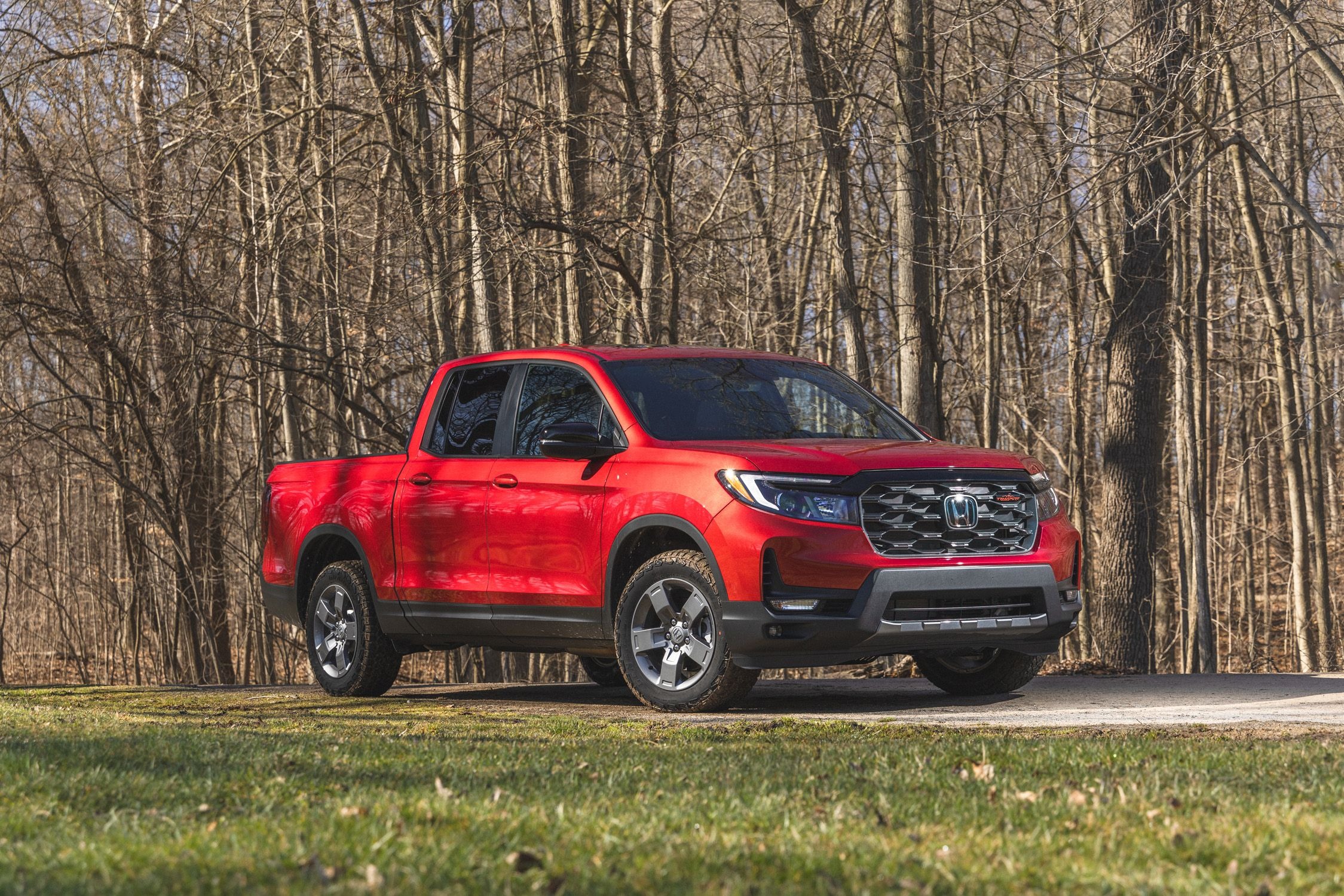
5. Honda Ridgeline (Base Trim)
Though often the subject of debates regarding whether it qualifies as a “real truck,” the Honda Ridgeline makes a lasting first impression with its comfort, drivability, and intelligent design. From the moment you sit behind the wheel, it feels like a vehicle engineered for people who value practicality and daily ease without sacrificing utility.
The unibody construction, borrowed from Honda’s SUV platforms, plays a key role in setting it apart. Instead of the stiff and sometimes jittery ride common to body-on-frame trucks, the Ridgeline delivers a ride that’s calm, composed, and car-like in the best way. That refined road behavior alone gives it an edge in feeling premium right out of the gate.
The cabin of the Ridgeline, even in the base trim, feels like it was thoughtfully built. The seating is wide and supportive, the layout is symmetrical and modern, and the materials, while not luxurious, don’t come across as cost-cutting measures. Every button and switch has a tactile feel, with nothing rattling or squeaking on rough roads.
There’s a strong sense of Honda’s attention to long-term usability. Sound insulation is excellent for a vehicle in this price range, and road noise is kept at bay even at highway speeds. The interior space feels more SUV-like than truck-like, which will appeal to those who spend more time in their vehicle than they do hauling equipment.
Under the hood, the Ridgeline comes standard with a V6 engine that performs smoothly and confidently. The power delivery is linear, and the throttle response is predictable, making daily driving more relaxed. It may not have the brute towing capacity of heavier trucks, but it easily handles weekend trailers, small boats, or loaded beds without stress.
The all-wheel-drive system included in most trims adds to its stability and traction, particularly in bad weather or light off-roading. The driving experience feels well-integrated, with the suspension, engine, and steering all working together seamlessly. That kind of cohesiveness is often missing from lower-priced trucks.
Functionality is also a major highlight. The Ridgeline includes smart features like the dual-action tailgate and in-bed trunk, which are both surprisingly useful in real-world scenarios. These design choices signal that Honda didn’t just build a truck to compete; they built one with real-world use in mind.
Even without flashy extras, the Ridgeline feels substantial and complete. It may not appeal to every traditional truck buyer, but for those who want a well-rounded, comfortable, and clever pickup without spending a fortune, it’s a standout from the first drive.
Affordable Trucks That Feel Cheap From Day One
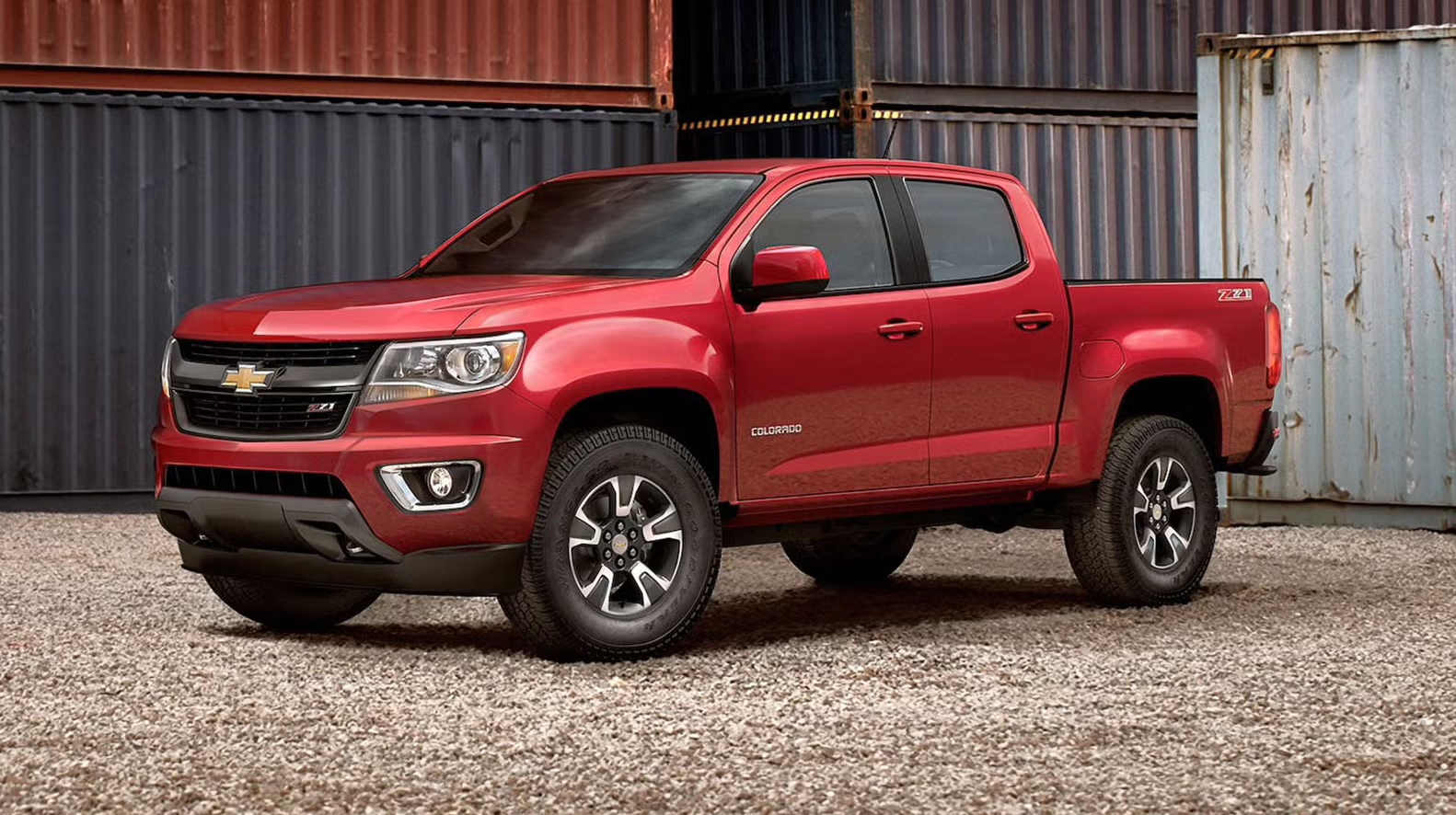
1. Chevrolet Colorado (Base Work Truck Trim)
The base trim of the Chevrolet Colorado, commonly known as the Work Truck (WT), may offer appealing pricing on paper, but the first impressions often fall short for drivers expecting a balanced and polished ride. As soon as you step inside, the budget-oriented design becomes obvious.
The cabin is filled with hard plastics, uninspired design elements, and a lack of modern tech features. While these choices help keep costs down for fleet buyers or basic utility needs, they also contribute to an underwhelming ownership experience.
The seats in particular tend to lack support, and long drives can quickly become tiring. A barebones is feeling that makes it difficult to connect with the truck beyond its core utility.
On the road, the base Colorado doesn’t hide its cost-conscious roots. The suspension tuning feels unrefined, especially over potholes or uneven surfaces, where vibrations transfer more directly into the cabin. The steering can feel vague at lower speeds, and while it performs basic transportation duties, it lacks the composed feel of more modern designs.
Power from the base four-cylinder engine is adequate but uninspiring. It often feels strained under load or during highway merging, and engine noise can be quite intrusive during acceleration. These factors all contribute to a truck that seems to be focused solely on function, with little attention to the driving experience.
Technology and convenience are also limited in the base model. The infotainment system is functional, but the screen is small and lacks the snappy responsiveness seen in competitors. Climate controls are rudimentary, and few creature comforts can make the daily commute more pleasant.
For someone buying their first truck or hoping for a dual-purpose vehicle that can also serve family duties, the base Colorado feels more like an outdated fleet tool than a modern personal vehicle. It starts feeling cheap from the moment you interact with the controls.
Visually, the design language of the base Colorado also feels a generation behind. The exterior might hold some rugged appeal, but the bare steel wheels and unpainted bumpers on some versions contribute to a stripped-down look that lacks cohesion.
While later trims of the Colorado improve dramatically, the base WT trim feels too focused on cutting costs. It works fine for jobsite transportation, but anyone seeking comfort, presence, or refinement will likely be disappointed by the first impression.
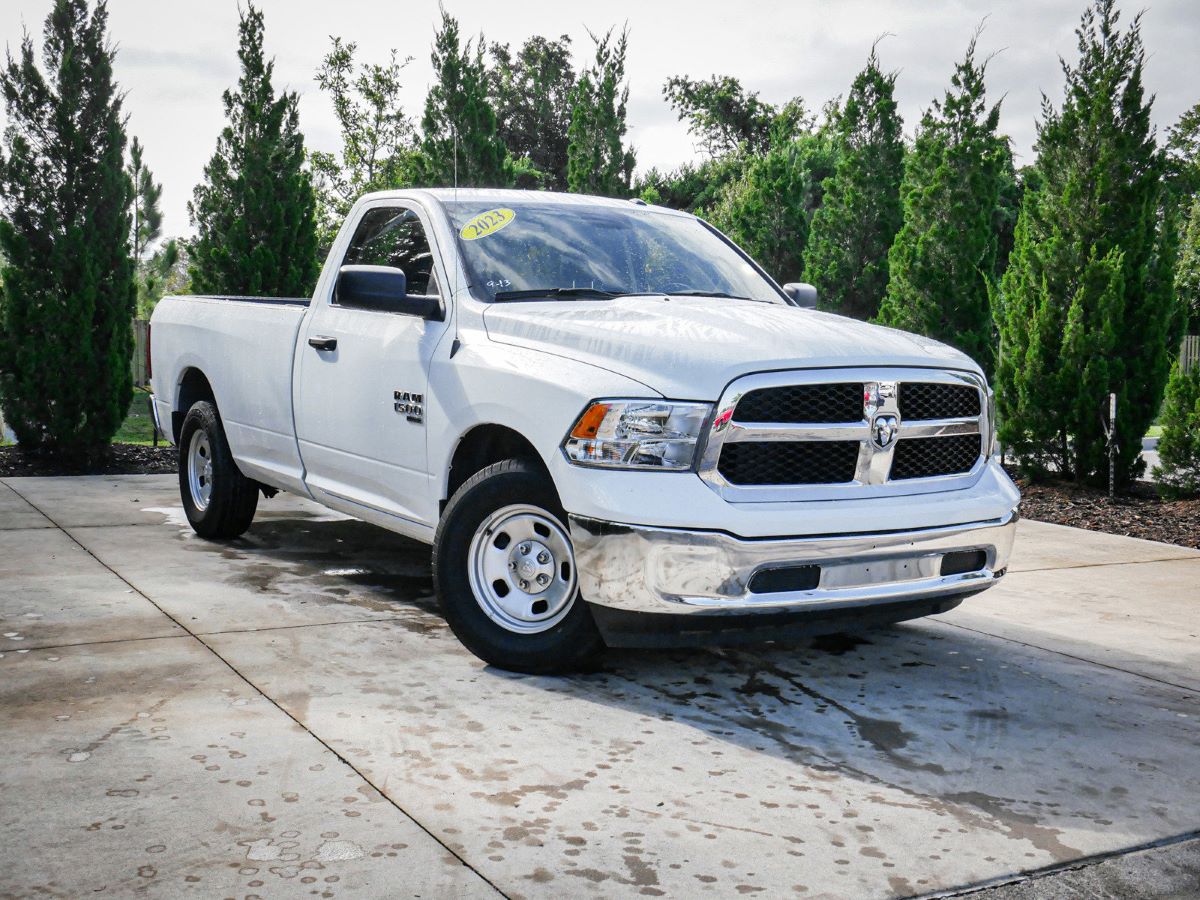
2. Ram 1500 Classic
The Ram 1500 Classic continues to be sold alongside the newer-generation Ram 1500, often at a much lower price point, but that lower cost comes with compromises. The Classic model is based on the older platform that dates back several generations.
While some buyers are drawn to its familiar design and simpler systems, the reality is that the truck feels outdated right from the moment you take a seat. The cabin design shows its age with chunky plastics, basic controls, and a general lack of modern ergonomic finesse. The interior space isn’t terrible, but it doesn’t offer the same level of polish or quality as its newer competitors or even its sibling, the newer Ram 1500.
Driving dynamics also reveal the truck’s age. The ride is harsher than most expect from a Ram, which is surprising given the brand’s reputation for having some of the best suspension tuning in the class. The steering lacks precision, and body roll is noticeable on turns.
Acceleration is fine with the V6, and better with the V8, but the driving experience feels disconnected and behind the times. There’s a general clunkiness to the way it shifts, brakes, and handles. That might be tolerable for a few, but for most buyers in 2025, it creates a cheap feel that’s hard to ignore.
Technology in the base trims is also sparse. The infotainment screen, if equipped at all, is small and slow by today’s standards. Audio quality is weak, and the gauge cluster looks like it hasn’t changed in years. USB ports are limited, and there’s a noticeable lack of attention to detail in the interior design.
There are sharp panel edges and inconsistent fits that would be disappointing in any modern vehicle, let alone one expected to carry passengers or be used for long-term daily driving. This lack of polish carries over into every part of the experience.
While the Ram 1500 Classic may appeal to those seeking a bare utility truck, it quickly feels like a cost-cutting option once behind the wheel. It lacks the quality touches, refinement, and engineering updates that are increasingly common even in affordable trims of competitors.
Buyers often find themselves realizing within the first few days that the savings at purchase came at the expense of long-term satisfaction and modern capability.
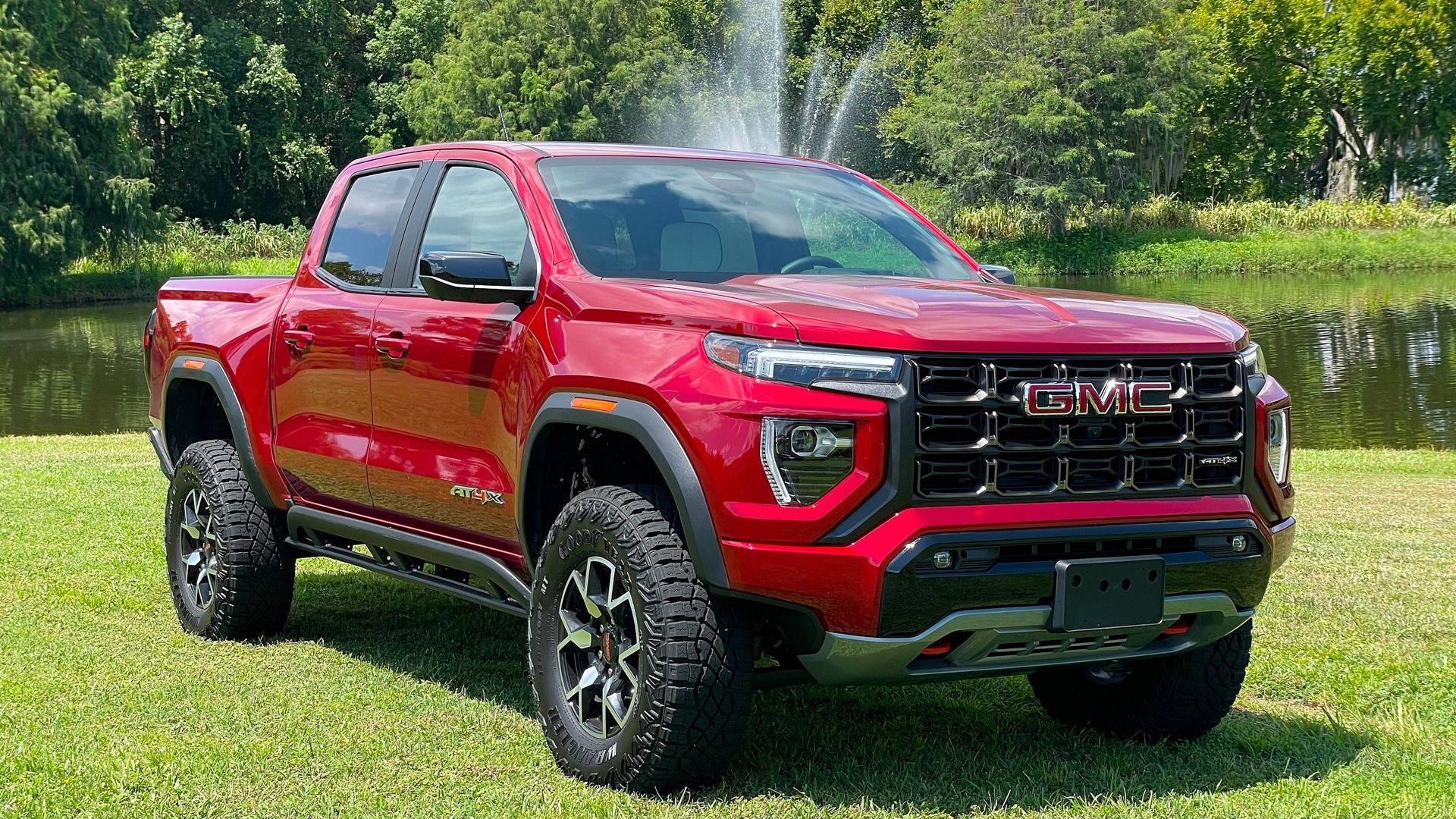
4. GMC Canyon (Base Elevation Trim)
The GMC Canyon often positions itself as a slightly more upscale sibling to the Chevrolet Colorado, but when it comes to the base Elevation trim, the experience can feel more like a marketing exercise than a genuine step up. From the moment you get in, the interior feels remarkably similar to its corporate cousin, with hard plastics, basic switchgear, and a dated layout that doesn’t deliver on the implied promise of added refinement.
The seating materials are firm and somewhat slippery, offering little in terms of support or visual appeal. That first tactile experience of sitting down and grabbing the steering wheel often fails to inspire any sense of quality.
The driving feel also doesn’t help the base Canyon make a better case for itself. It uses the same base engine found in the Colorado, which means it suffers from the same sluggish response, noisy acceleration, and strained performance when fully loaded.
Suspension tuning is passable but not particularly well-balanced. It tends to feel soft in the corners but still harsh over rough pavement, making the ride simultaneously vague and uncomfortable. That’s not a combination anyone wants on their first drive home from the dealership.
Technology-wise, the Canyon doesn’t do much to differentiate itself either. The infotainment system is functional but basic, and some features that are standard in other affordable trucks, like adaptive cruise control or a decent sound system, are either missing or locked behind expensive options.
There’s very little in the way of standout innovation or convenience, which makes the truck feel like it’s more about filling out a lineup than actually delivering a compelling experience to entry-level buyers.
Visually, the exterior might give the impression of a truck with a bit more class, thanks to its squared-off styling and prominent grille. But the illusion falls apart quickly once the vehicle is in use.
The lack of interior refinement, combined with the uninspiring driving performance, makes it clear that the base Canyon trim is not much different from the most stripped-down Colorados. It may wear a different badge and offer slightly more styling cues, but in substance, it doesn’t feel any less cheap from day one.
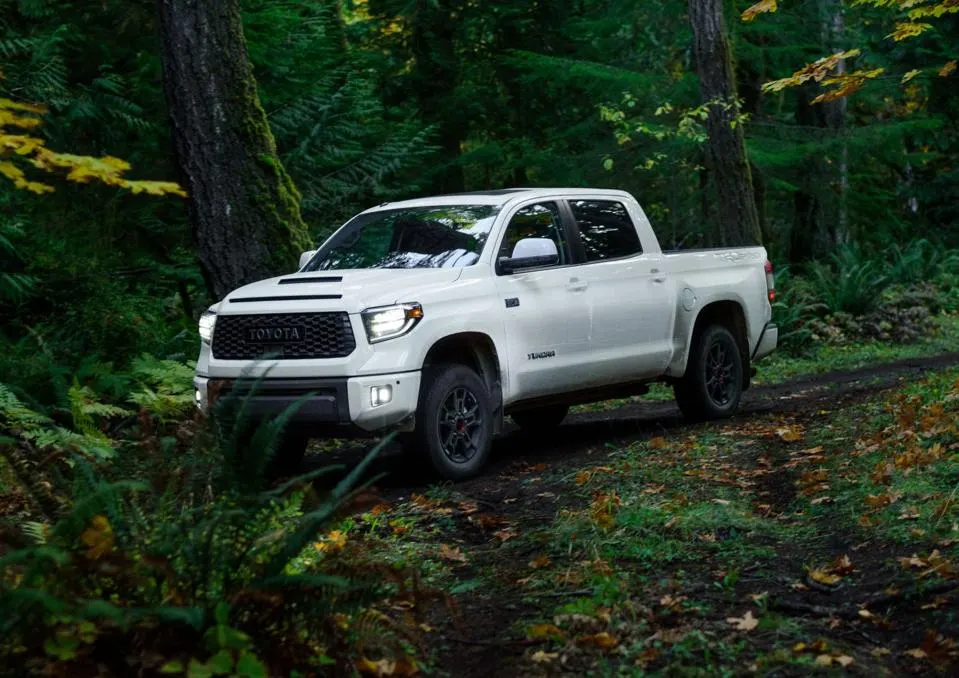
5. Toyota Tundra (Base SR Trim)
The Toyota Tundra has built a strong reputation over the years for durability and reliability, but the base SR trim of the latest generation doesn’t quite live up to expectations when judged by the standards of modern truck buyers. The first issue many drivers notice is the simplicity, and not the good kind.
The interior is stark and uninviting, filled with dull plastics, limited tech, and minimal creature comforts. The base stereo system feels inadequate for a vehicle of its size, and the seat fabric and cushioning don’t provide the kind of support expected in a daily driver. It’s clear that the trim is meant for fleet and commercial use, but for private buyers on a budget, it feels underwhelming.
Driving the base Tundra presents a mixed experience. The turbocharged V6 is certainly powerful, but it comes with a fair bit of noise, especially under hard acceleration. The truck feels strong and can handle heavy loads, but the refinement found in more expensive trims is noticeably missing.
Ride quality is stiff and unsettled on uneven surfaces, and the steering lacks precision, giving the truck a bulky, clumsy feel in tight spaces. Drivers hoping for a comfortable, competent ride will quickly find the experience less refined than they’d like.
Technology and user-friendliness are also major weak spots. The infotainment system in the base SR trim, while functional, lacks the polish and responsiveness of more advanced systems. The screen is smaller, the menus are basic, and some common features like smartphone mirroring or additional USB ports may require upgrades.
The climate control system uses chunky dials and switches that look and feel out of place in a truck that’s supposed to be part of a new generation. These design choices make the Tundra SR feel like it’s stuck in the past, even if the powertrain is more modern.
The Tundra SR is designed with cost-cutting in mind, and for commercial fleets or no-frills buyers, that may be fine. But for someone expecting a full-size truck that delivers a well-rounded, comfortable, and premium-feeling experience, at least in the basic areas, the Tundra SR falls flat. The disconnect between Toyota’s strong brand image and the underwhelming reality of this base trim leads to a quick realization: this is a truck that may last long, but doesn’t feel good from the beginning.
Also Read: 5 Hybrids That Stay Cheap to Fix and 5 That Aren’t Worth Owning
When it comes to buying a truck on a budget, the experience can vary drastically from one model to the next. Some affordable pickups genuinely feel like more expensive vehicles, delivering thoughtful design, competent driving dynamics, and features that make them a pleasure to own even from day one.
Trucks like the Ford Maverick, Hyundai Santa Cruz, and even the base versions of the Toyota Tacoma and Honda Ridgeline prove that good engineering and attention to detail don’t always require a high price tag. These trucks manage to strike a rare balance: they’re capable, comfortable, and well-made without pretending to be something they’re not.
On the other hand, some trucks show their flaws immediately. Whether it’s dated platforms, cheap interiors, noisy engines, or underwhelming tech, a few models fall short in providing an ownership experience that feels satisfying from the start.
Vehicles like the base Chevy Colorado, Nissan Titan, or Ram 1500 Classic may serve their purpose for work or basic utility, but they can feel like a compromise for anyone hoping to enjoy their truck both on and off the job. There’s a difference between being utilitarian and being poorly refined, and buyers often notice that difference within days.
It’s also worth noting that base trims aren’t inherently bad. They serve a purpose and allow access to trucks for buyers who don’t want or need a long list of features. The problem arises when cost-cutting leads to an experience that feels unfinished or frustrating.
Whether it’s through uncomfortable seats, clunky performance, or missing conveniences that have become standard elsewhere, those early impressions can be hard to shake. And once they’re set, it’s difficult for a vehicle to win back the trust of its owner.
And while every buyer has different needs and priorities, identifying which trucks feel premium and which feel cheap can help ensure that your money is spent on something that won’t disappoint the moment you drive it off the lot.
