
Towing a trailer, a boat, or even a heavy load for work requires more than just engine power and a solid frame. One often overlooked but essential component of any towing setup is the tow mirror. Tow mirrors serve as the driver’s eyes, providing a wide and stable view of what’s going on behind the truck and on either side of the trailer.
When these mirrors function properly, they create a safer driving experience by improving visibility and minimizing blind spots. When they’re poorly designed or unstable, they can make every mile more stressful than it needs to be. For people who frequently tow, having tow mirrors that remain steady and provide a consistent field of view isn’t optional; it’s a core requirement.
The problem is that not all trucks come equipped with high-quality tow mirrors. Some vehicles have strong engines and impressive towing capacities, yet fail when it comes to mirror stability and visibility. In real-world driving conditions, particularly at highway speeds or in windy environments, low-quality tow mirrors can begin to vibrate or shake so much that they become almost useless.
This doesn’t just make driving more difficult; it increases the risk of missing vehicles in adjacent lanes, reacting too slowly to road hazards, and making poor decisions during lane changes or turns.
On the flip side, some trucks nail the design and build of their tow mirrors. These vehicles tend to have mirrors that are wide enough for full trailer visibility, strong enough to resist shaking even at high speeds, and smartly integrated with features like blind-spot detection and power extension.
Some of these trucks are engineered from the ground up with towing in mind, and their mirror setups reflect that attention to detail. For professionals, weekend warriors, or even RV travelers, having a truck with high-quality tow mirrors is more than a luxury, it’s a necessity.
This article examines both extremes. We’ll go through five trucks that are known for their solid, dependable tow mirrors that hold firm under pressure. Then we’ll turn to five trucks that fall short in this category, either due to poor design, weak mounting, or mirror systems that just don’t hold up under the stress of towing.
If you’re thinking about buying a truck for towing, this breakdown will help you consider not just the specs under the hood, but the parts that help you safely see what’s behind you.
1. Ford Super Duty (F-250, F-350, F-450)
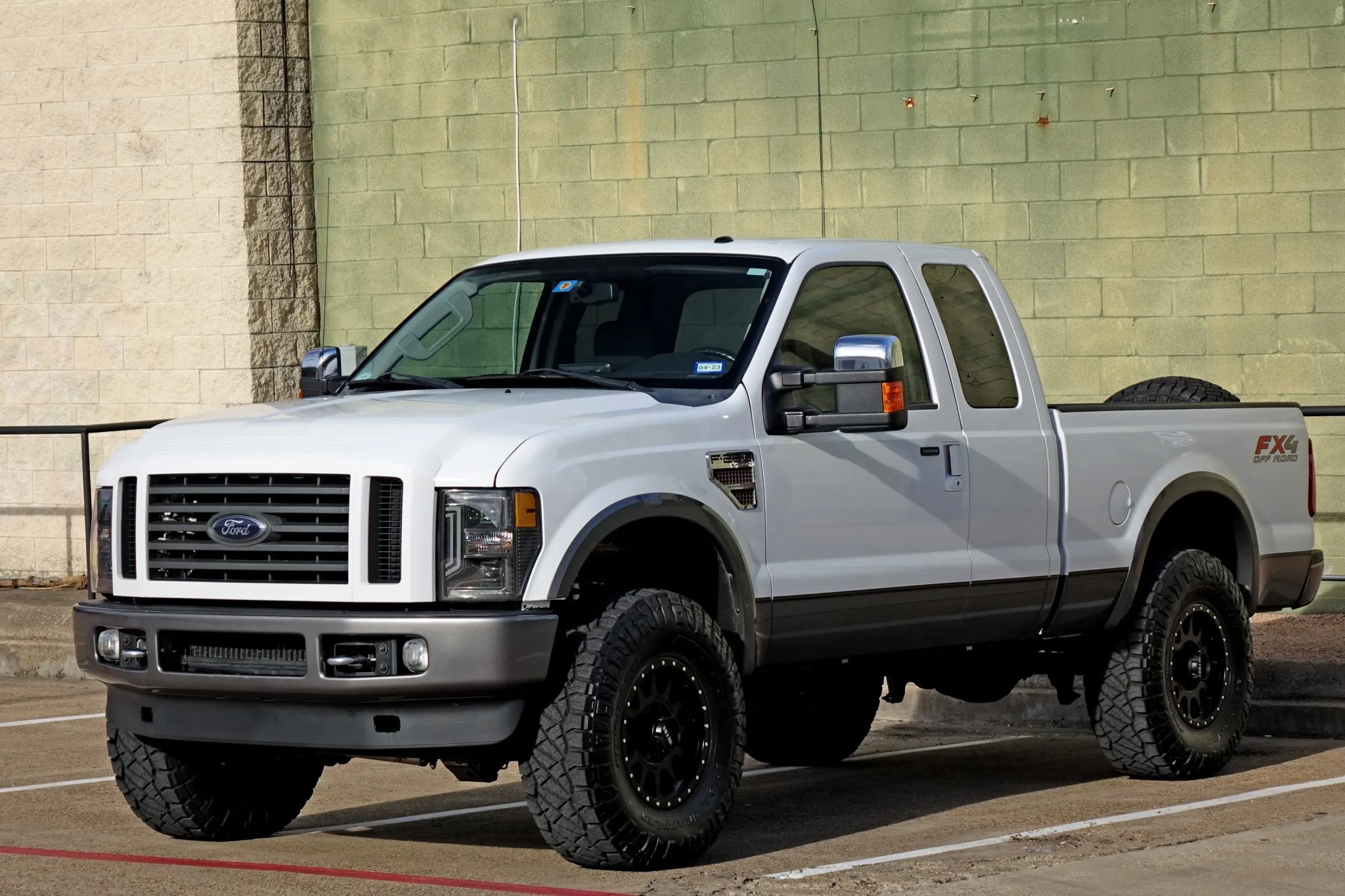
The Ford Super Duty series is widely recognized for its robust towing capabilities, and part of that reputation comes from its excellent mirror design. The tow mirrors on these trucks are some of the best in the industry.
They are large, sturdy, and thoughtfully engineered to reduce vibration even at high speeds or on rough roads. These mirrors extend both manually and with power, allowing the driver to fine-tune their view depending on the size and type of trailer they are pulling.
The mirrors also come with integrated features that enhance safety and visibility. Turn signals, puddle lights, and blind-spot detection systems are all part of the mirror setup on many trim levels.
This makes changing lanes and backing up much more manageable, especially when towing wide loads. In windy conditions or when passing large vehicles, the mirrors remain stable and don’t suffer from the annoying shake that can turn a clear view into a blurry mess.
Ford’s approach to designing these mirrors includes reinforced mounting brackets and a housing that’s built to withstand vibration. Even on older models, the tow mirrors hold up well over time and don’t loosen or become wobbly. Owners who have put these trucks through hundreds of thousands of miles of heavy towing still praise the durability and usefulness of the mirror setup.
Whether used in a work environment or for recreational towing, the Super Duty mirrors are an example of what happens when manufacturers take user feedback seriously. They’re not just big for the sake of being big; they’re stable, functional, and built to stay in place. For anyone serious about towing safety, this truck stands out.
2. Ram 2500 and 3500 HD
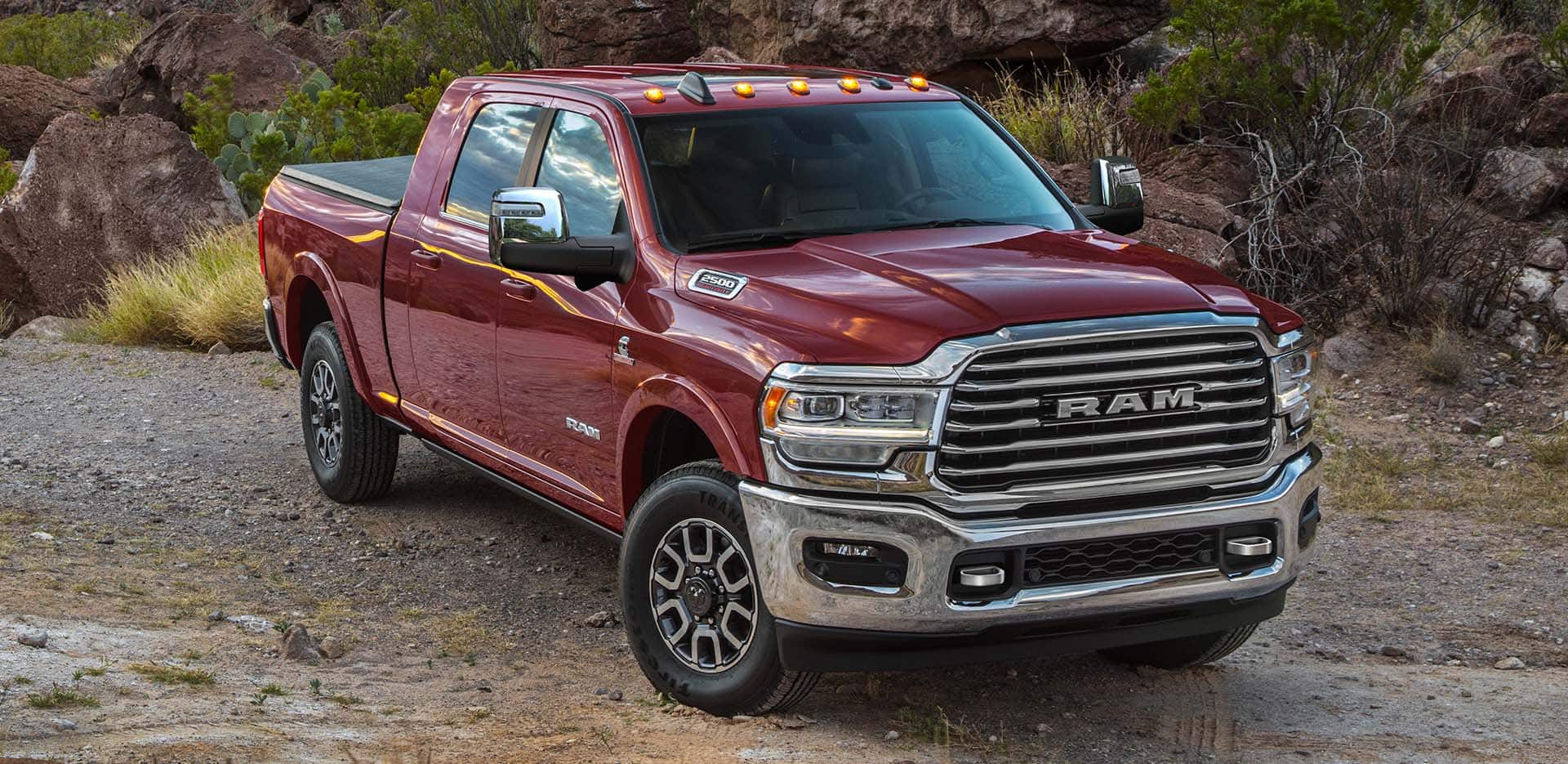
Ram’s heavy-duty trucks have made significant improvements in recent years, especially in terms of towing ergonomics. One of the standout features of these vehicles is their tow mirrors, which are not only solidly constructed but also cleverly designed with a dual-purpose configuration.
Drivers can flip the mirrors vertically for a higher view when towing or keep them in the regular position when not pulling a trailer. This flexibility adds practicality to an already robust mirror system.
The materials used in Ram’s tow mirrors are high-quality, designed to reduce flexing and vibration. Unlike some older-generation Ram trucks that suffered from shaky mirrors, the newer 2500 and 3500 models have addressed these issues directly. Reinforced supports keep the mirror heads firm even at freeway speeds or on uneven terrain. Drivers report a consistent, clear view with minimal motion blur.
Ram has also included modern tech in the mirror system. Features such as power folding, heating elements, LED turn signals, and integrated cameras improve both function and safety. These aren’t just bells and whistles; they directly contribute to visibility, especially in bad weather or low-light conditions. The mirrors are also wide enough to provide a full view of the trailer sides without the need for aftermarket extensions.
Another benefit is the manual override available in case of electronic failure. This is crucial for truck owners who rely on their vehicles in remote areas or under tough conditions. When every second counts and visibility can’t be compromised, Ram’s tow mirror setup gives drivers the confidence they need to stay focused and aware.
3. Chevrolet Silverado 2500HD and 3500HD
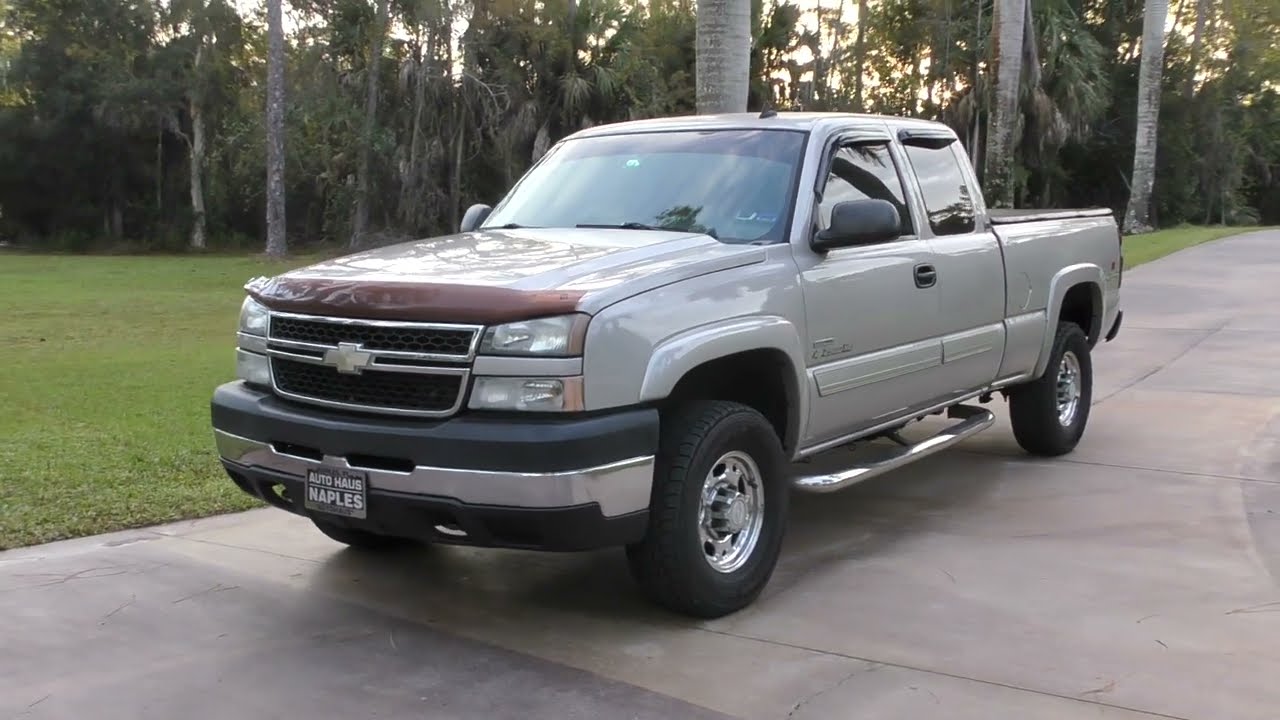
Chevrolet’s heavy-duty Silverado trucks are built to perform under pressure, and their tow mirrors are a strong part of that equation. These mirrors are designed with towing in mind and offer a broad field of view with excellent vibration control. The solid mounting points and thick arms keep the mirrors in place even when towing large fifth wheels or cargo trailers at high speeds.
Chevy has incorporated adjustable convex glass, which provides a wider range of rearward visibility, something critical when pulling long or wide loads. Drivers report that they experience little to no shake while cruising down the highway, and the mirror positioning helps eliminate the trailer’s blind spots. This is especially useful when driving in traffic or trying to merge safely.
Tech integration also plays a big role in making Silverado’s mirrors dependable. The mirrors are often equipped with power extend and retract functions, memory settings, and even trailer length indicators.
These tools are part of Chevy’s broader effort to make towing smarter and safer. The mirrors are well-insulated against wind noise and don’t pick up vibrations from the truck frame, which can be a problem on other brands.
Owners of these trucks often mention how little they have to think about their mirrors, which is high praise. When a mirror works well, you forget it’s there because it doesn’t require constant adjusting or worry. In the Silverado HD lineup, the mirrors are truly plug-and-play: rugged, quiet, and highly effective.
4. Toyota Tundra with Tow Package
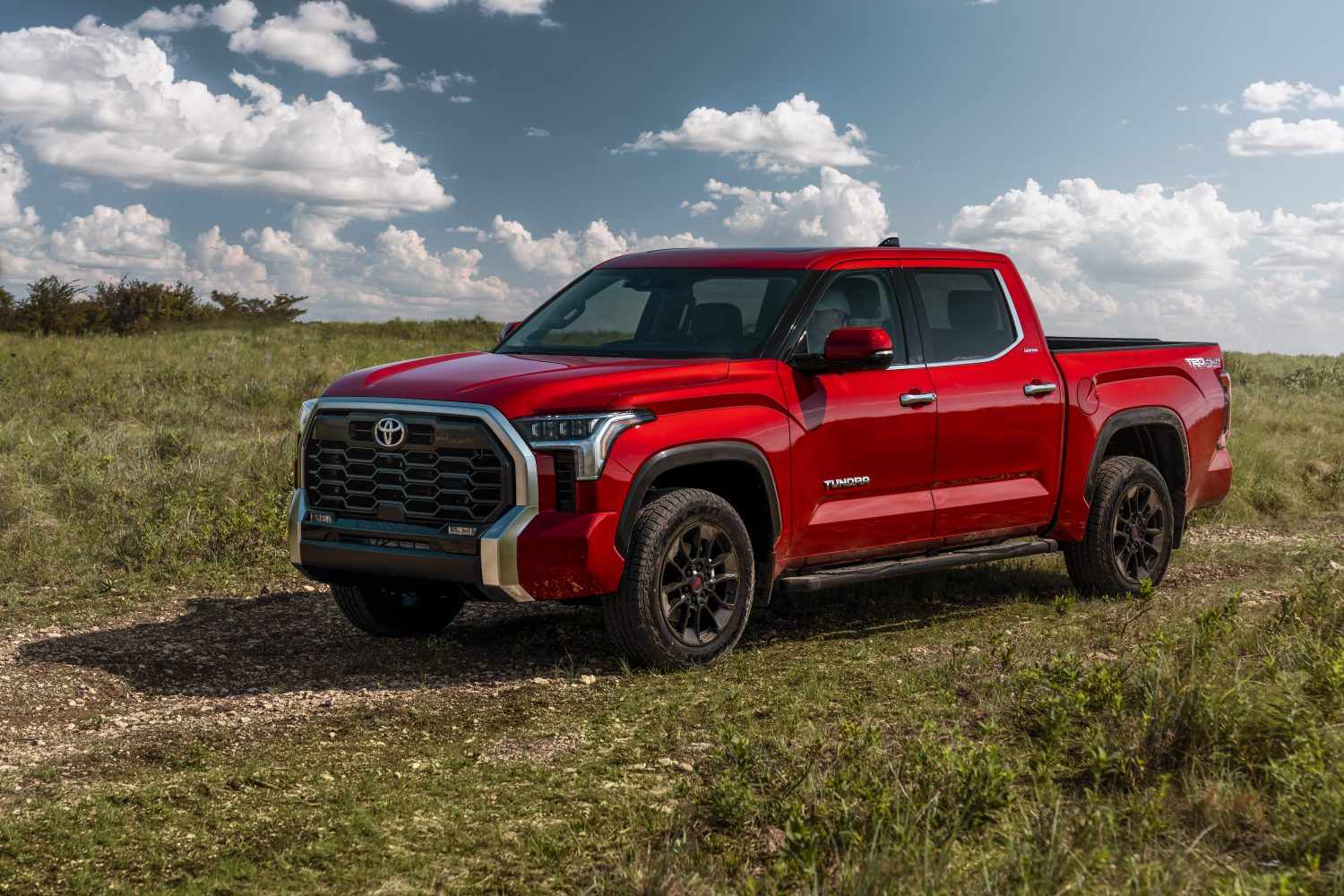
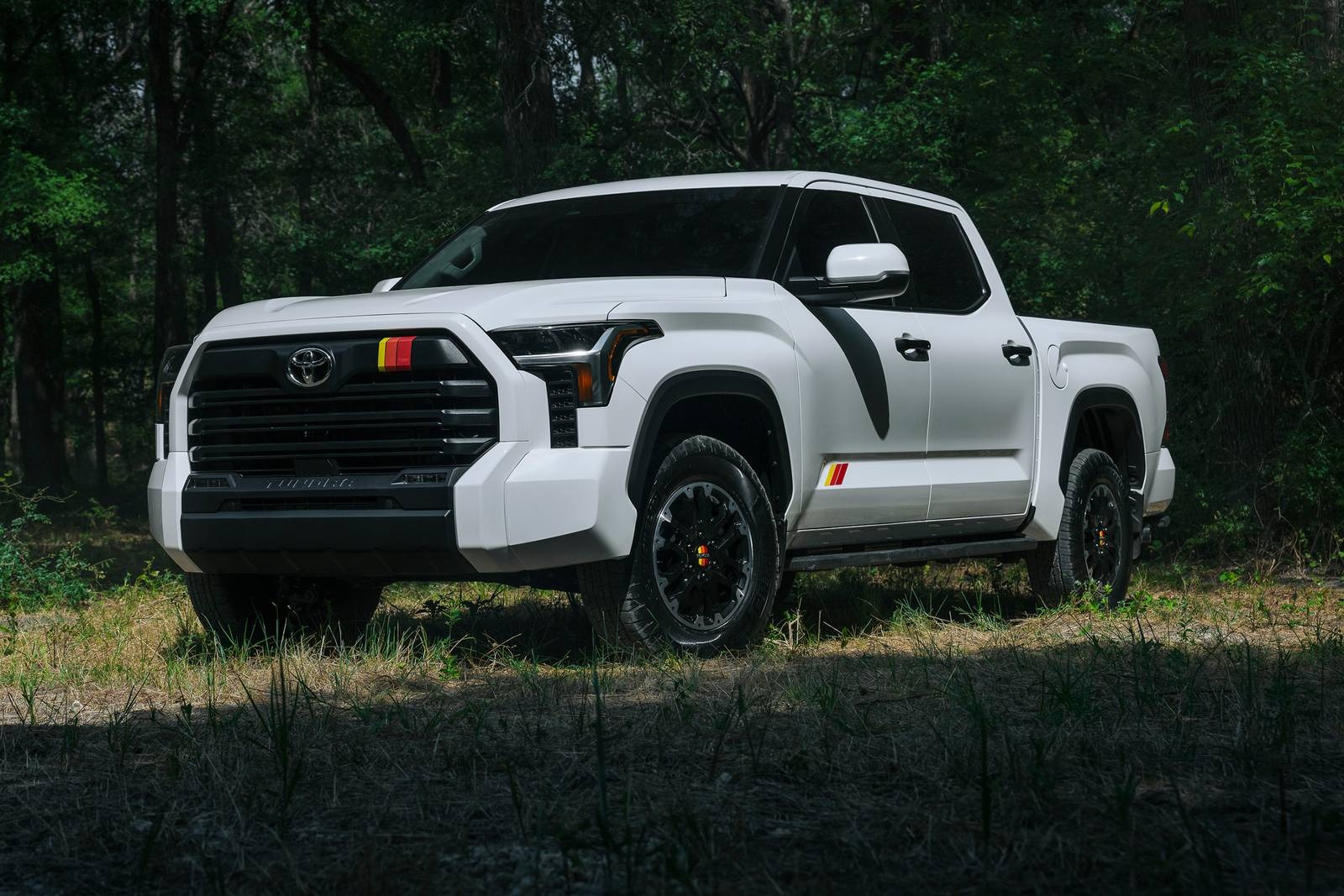
Toyota’s Tundra has earned a loyal following for its reliability and strong build quality, and when equipped with the tow package, it comes with upgraded mirrors that perform quite well under load. While not as massive as those found on domestic heavy-duty models, the Tundra’s tow mirrors are stable, well-mounted, and very practical for moderate towing scenarios like boats, campers, or utility trailers.
The mirror arms are built with a reinforced base that minimizes vibration, even at higher speeds. They extend outward enough to provide a full view of the trailer edges, and the convex lower mirror adds visibility for blind spots. Drivers who use the Tundra for long-distance travel often comment on how little adjustment the mirrors require once they’re properly set.
The mirrors include useful features like integrated turn signals, heating for cold weather, and power adjustments. Although they don’t include some of the high-end features found on domestic trucks, such as power telescoping or cameras, they still get the job done reliably. Their compact yet sturdy design also makes them less prone to wind noise or flexing on the freeway.
For those who tow occasionally but still want confidence in mirror stability, the Tundra with the factory tow mirrors is a smart pick. They might not be overbuilt or flashy, but they are durable, easy to use, and don’t suffer from the shaky glass that plagues some other trucks in its class. Toyota’s attention to build quality shows here.
5. GMC Sierra HD
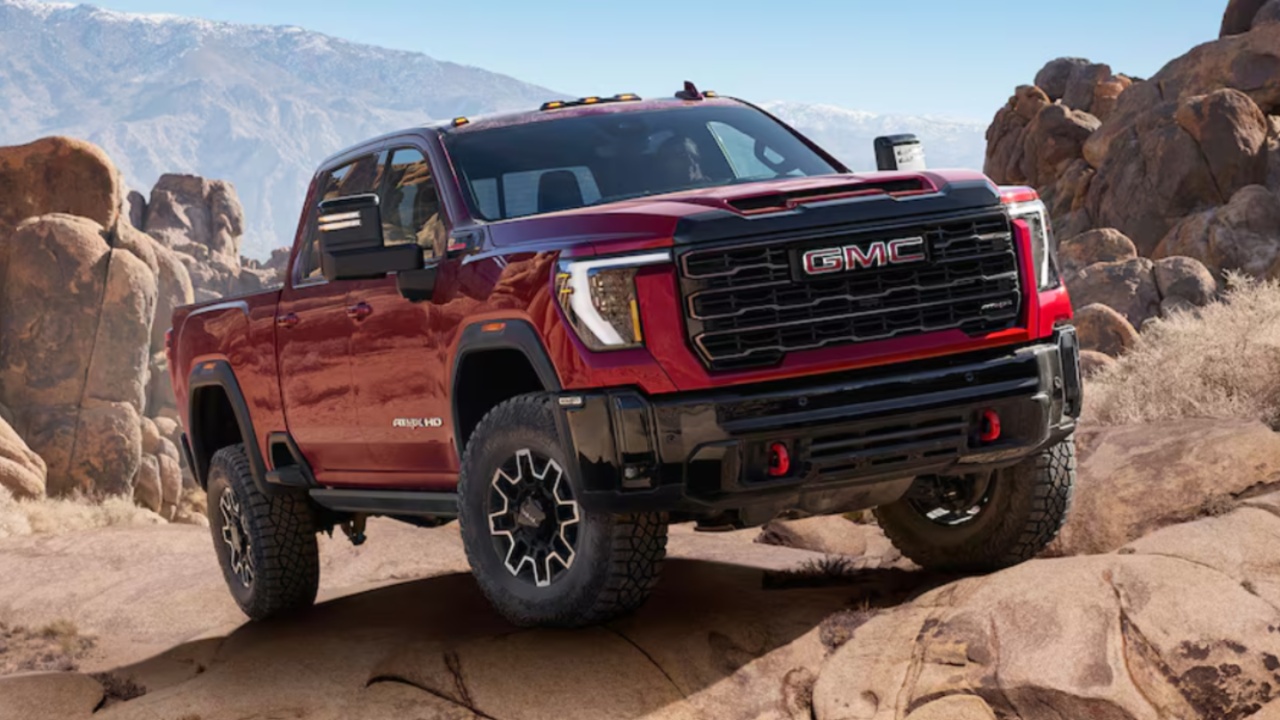
The GMC Sierra HD shares many of its core components with the Silverado HD, but there are a few extra touches that give it an edge, particularly in premium trims. The tow mirrors on the Sierra are some of the most refined in the heavy-duty truck segment. They are strong, large, and filled with features that actually serve the driver, not just add bulk.
The frame of the mirror is thick and sturdy, preventing most vibrations that could distort the driver’s view. Even under the strain of large gooseneck trailers, the mirrors remain firm. Drivers note that the mirror heads don’t shake or sway, even when driving over rough surfaces or into a strong headwind. That level of stability is a direct result of the reinforced arm design and solid integration with the truck’s body.
GMC also includes camera views embedded into the mirror system, blind-spot monitoring, and automatic dimming on some trims. The power extend and fold features are smooth and responsive, making setup easier for solo drivers. When mirrors are part of a smart, fully integrated towing platform, it creates peace of mind that can’t be overstated.
Another strong point is that the Sierra HD mirrors seem built to last. Long-term owners say the mirror mounts and motors continue to work well even after years of use. That kind of durability, paired with excellent function, makes the Sierra HD a top pick for anyone who takes towing seriously and doesn’t want to fight with their mirrors every time they hitch up.
5 That Shake Themselves Loose
6. Nissan Titan XD
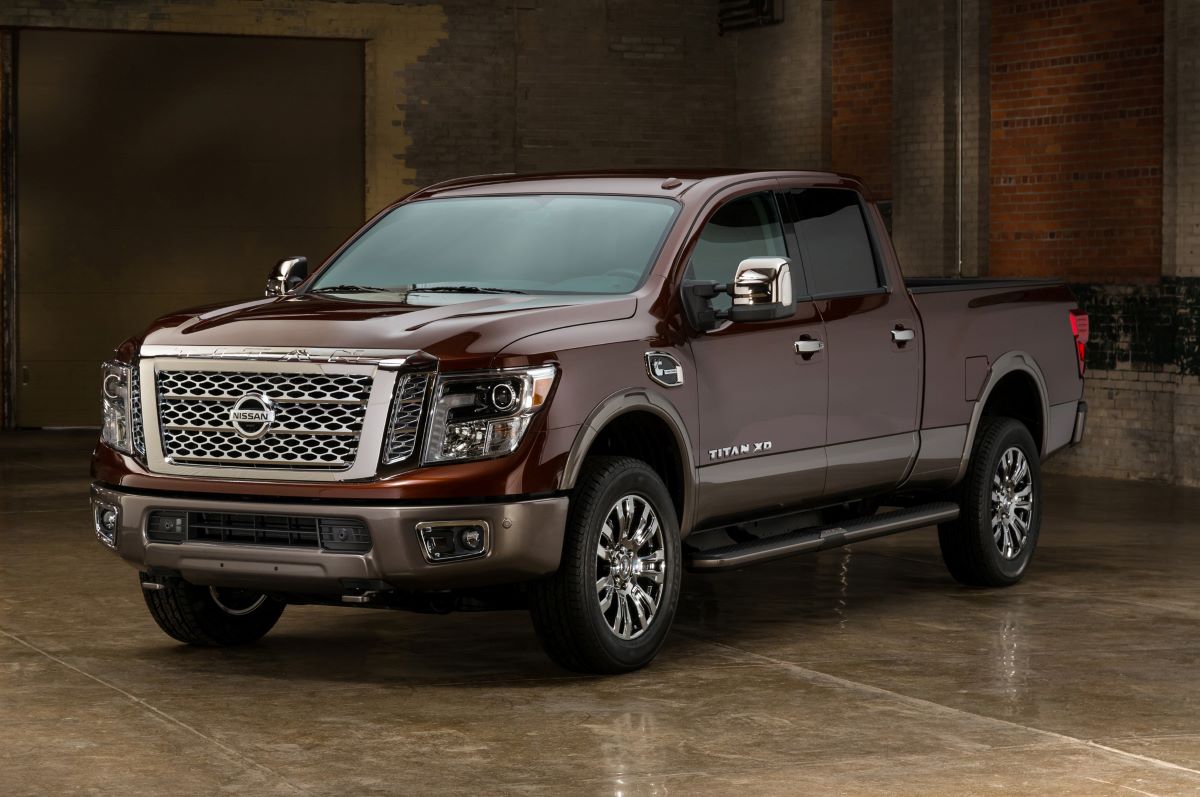
The Nissan Titan XD is a truck that aims to bridge the gap between half-ton and heavy-duty pickups, offering stronger towing capabilities than most light-duty trucks without fully entering the heavy-duty space. While the Titan XD does provide decent pulling power and some useful towing features, its tow mirrors fall short of expectations.
Even on models equipped with towing packages, the mirrors are relatively small and tend to wobble when the truck is in motion. This isn’t just a minor annoyance; it affects how drivers can see their trailers or vehicles approaching from behind. The issue becomes worse when driving at higher speeds or encountering crosswinds, which makes the reflection blur to the point of being ineffective.
A major problem lies in the design and mounting of the mirror arms. They don’t appear to be reinforced strongly enough to handle the additional air resistance that comes from towing wide trailers. Over time, many owners report that the mirror housing becomes loose, which leads to more movement and rattling, even on smooth roads.
While the Titan XD offers features such as heated glass and power adjustability, these benefits are overshadowed by the mirror’s tendency to shake. The result is a truck that may be strong under the hood but weak where it counts in towing safety.
Another aspect that frustrates owners is the limited adjustability and lack of aftermarket support. Since the Titan XD hasn’t achieved the same popularity as trucks like the Silverado or F-250, there are fewer high-quality aftermarket options available to solve the mirror problem.
Some drivers attempt DIY fixes, such as reinforcing the mounts with washers or adhesive, but these are temporary solutions at best. This leaves owners stuck with unstable mirrors unless they want to invest in a fully custom retrofit.
For those who occasionally tow small items, the Titan XD may be serviceable. But if you’re planning on serious towing and value a clear, stable view of your trailer, the mirror performance will likely be a recurring issue. Given how important mirror clarity is for safety and confidence, this drawback limits the Titan XD’s appeal in the towing market.
7. Older Toyota Tundra Models (Pre-2022)
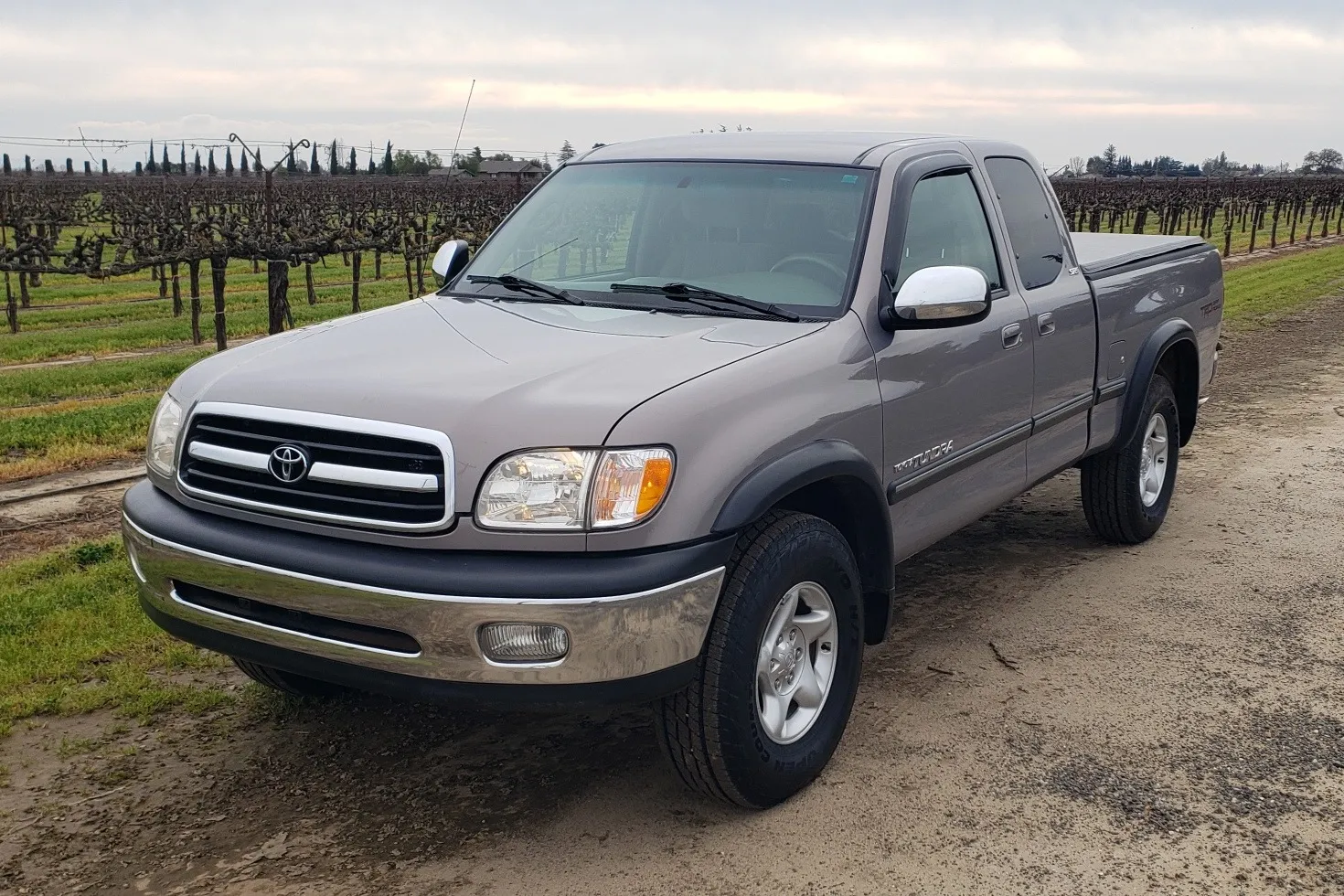
While the newer Tundra with a tow package performs decently, older models, particularly those from the early 2010s through 2021, are known for having inadequate tow mirror systems. Many of these trucks either came without proper tow mirrors or were fitted with smaller mirrors that didn’t provide enough rearward visibility for safe trailer navigation.
In cases where aftermarket mirrors were added, the mounting points and rigidity didn’t match what you’d find on a truck built for heavy towing. As a result, the mirrors on older Tundras often vibrate excessively or require frequent adjustments during a drive.
Drivers of older Tundras commonly report that their mirrors start off fine at lower speeds but begin to shake uncontrollably once the truck hits freeway speeds or encounters wind turbulence from passing vehicles.
This makes tasks like merging and lane changes more difficult and risky, especially when towing a wide trailer. Compounding the issue, many of these older mirror designs lack features like power extension, integrated turn signals, or blind-spot assistance, which further reduces safety and usability.
Some owners attempt to replace the factory mirrors with aftermarket alternatives that claim to offer a tow-ready solution. However, not all of these options are well-built or compatible with the Tundra’s electrical systems.
Poor fitment and low build quality often result in mirrors that are just as shaky or worse than the originals. In other cases, the upgraded mirrors may appear sturdier but still lack the kind of structural reinforcement needed to resist long-term vibration and wind pressure.
For people considering an older Tundra as a tow vehicle, the mirror situation should be a major point of evaluation. The truck may be mechanically reliable and even pleasant to drive unloaded, but if you’re planning on regular towing, the mirror setup could quickly become a headache.
Unless you’re willing to invest in significant aftermarket upgrades and install them carefully, the factory mirrors are likely to shake themselves loose sooner rather than later.

8. Chevrolet Colorado and GMC Canyon
The Chevrolet Colorado and its sibling, the GMC Canyon, are popular midsize trucks that provide good value for general use, but they are not particularly well-suited for towing heavy trailers. One of the most glaring weak points is their mirror setup.
These trucks come equipped with mirrors that are designed primarily for standard driving, and their size and stability are far from adequate when it comes to towing.
They lack the reach, width, and rigidity required to give drivers a full view of their trailer or the adjacent lanes, especially with longer loads. What’s more frustrating is that these mirrors tend to shake significantly when the vehicle is under load or moving at highway speeds.
The problem becomes apparent even when towing moderate-sized campers or boats. The limited surface area of the mirrors doesn’t give a complete view of the trailer’s sides, which forces drivers to make guesswork-based lane changes.
As if that wasn’t bad enough, once the wind picks up or the road gets bumpy, the mirrors begin to vibrate and blur, making it almost impossible to use them reliably. Drivers often report having to stop and readjust the mirrors during long trips, which adds time and frustration to what should be a straightforward experience.
What’s particularly disappointing is the lack of manufacturer-provided towing mirror options. While Chevy and GMC do offer excellent towing mirrors on their larger Silverado and Sierra models, they haven’t applied the same attention to detail to their midsize trucks.
There is no factory tow mirror option for the Colorado or Canyon, meaning that anyone needing improved visibility has to look to the aftermarket. While some aftermarket solutions are decent, many of them are cheaply built and suffer from their own stability issues, compounding the original problem instead of fixing it.
In short, these trucks are not ideal for people who plan to tow regularly. While they offer solid fuel economy and ride comfort, the poor mirror setup can make towing feel stressful and unsafe. For light-duty towing, they may get the job done, but for those needing mirror stability and consistent visibility, the Colorado and Canyon fall flat.
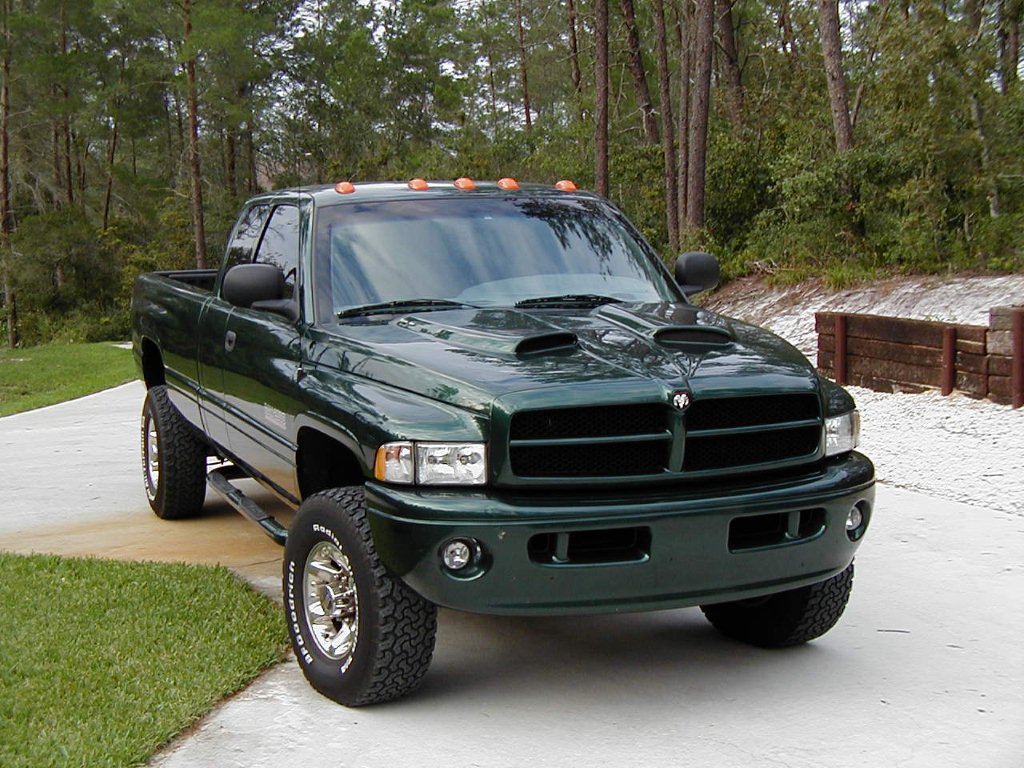
9. Older Dodge Ram 1500 Models (Pre-2013)
Before Ram separated itself from Dodge in branding and redesigned many of its truck features, the earlier Ram 1500 models had serious issues with their tow mirror systems. Trucks from the early 2000s through about 2012 came equipped with mirrors that were not well-engineered for regular towing use.
The standard mirrors were too small and poorly placed, and even the tow mirror upgrades available at the time were known for their tendency to shake or droop over time. Owners found themselves frequently readjusting the mirrors manually because the vibration would cause them to shift out of position during longer drives.
These mirrors also suffered from material fatigue. The internal components, such as the ball joints or the mounts, would loosen with age and vibration, leading to “mirror flop,” where the glass would begin to tilt on its own due to gravity or wind resistance.
When towing, particularly on older highways or rural roads with poor pavement, this could become a dangerous distraction. Drivers often reported needing to slow down or physically hold the mirror in place at rest stops to keep it useful, which is not something that should be required during a tow.
To make things worse, the available mirror upgrades in this era lacked modern convenience features. Most were manually extending or fixed-arm mirrors without any heating, turn signal indicators, or blind-spot assistance. That’s not just a matter of convenience, it’s a real limitation in terms of safety.
Without a stable view and supplemental indicators, a driver towing a 30-foot trailer would be operating at a visual disadvantage every time they changed lanes or turned onto a busy road.
While newer Ram trucks have largely fixed these issues and now feature excellent mirror design, the older models remain problematic. If you’re buying a used truck for towing, this is one of those hidden flaws that may not show up during a test drive but will become painfully obvious once you load up a trailer and hit the highway. The mirrors simply weren’t built to last under real towing conditions, and it shows.
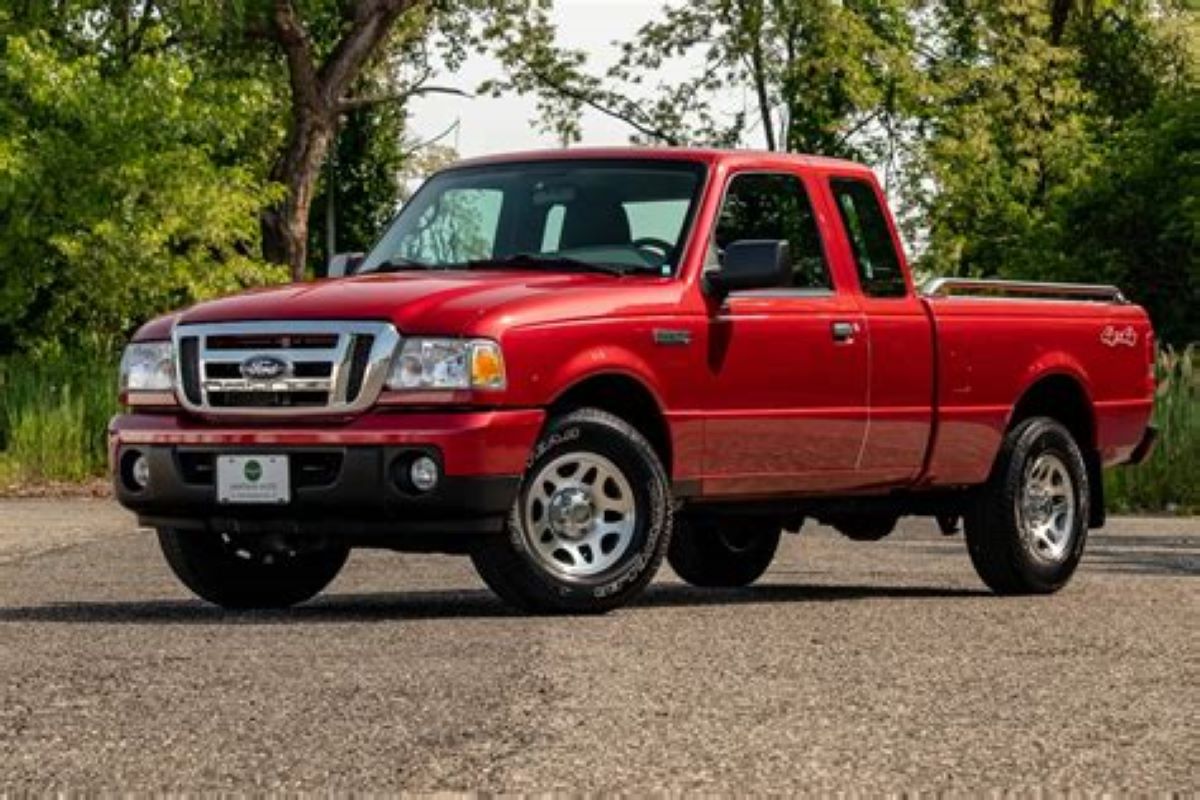
10. Ford Ranger (Recent Generations)
The modern Ford Ranger re-entered the market with decent power and a strong frame for a midsize truck, but the tow mirrors didn’t get the attention they needed. While the Ranger is capable of towing a moderate-sized load, the factory mirrors are designed more for daily driving than for actual trailering.
The mirror size is compact, and they lack the field of view necessary to safely monitor trailer lanes. This might not be a major issue when towing a small utility trailer, but it quickly becomes a problem when you hook up a travel trailer or even a long dual-axle unit.
Drivers frequently complain that the mirrors begin to shake when towing at highway speeds, especially in windy conditions or when passing larger vehicles. The shaking isn’t just annoying, it can become dangerous by blurring your field of view and forcing you to overcorrect or strain your neck to get a clear look.
Unlike its larger sibling, the F-150, the Ranger has no factory option for upgraded towing mirrors. This leaves owners scrambling for aftermarket solutions, most of which are clip-on or strap-based and not always stable themselves.
The real concern comes from the mounting points. The Ranger’s mirrors attach with relatively lightweight supports, and even with aftermarket mirrors, the base can flex under load or during vibration. This isn’t just a cosmetic issue; when the base flexes, the mirror glass wobbles, creating a delayed or distorted image that makes it hard to track vehicles in adjacent lanes. When towing, you need instant clarity, not a blurred guess at what might be in your blind spot.
In short, the Ranger tries to punch above its weight with towing ability but fails to provide one of the most basic safety features in a satisfactory form. If you’re someone who tows infrequently or sticks to short distances, it might be manageable. But for longer trips or frequent towing use, the shaky mirror issue can become a source of frustration and even a safety hazard.
Also Read: 5 Trucks That Last a Lifetime and 5 That Barely Survive the First Owner
Tow mirrors are a crucial yet often underestimated component of any truck used for towing. Their importance extends far beyond simply being a place to check what’s behind you; they are essential tools that provide drivers with the necessary field of vision to make safe decisions while towing heavy loads.
Trucks with strong, stable tow mirrors improve the driving experience by offering clear visibility, minimizing blind spots, and reducing the fatigue that comes from constantly adjusting mirrors during a trip. Conversely, trucks with shaky or poorly designed tow mirrors can increase driver stress, compromise safety, and lead to accidents or near misses on the road.
The five trucks highlighted for their strong tow mirrors, such as the Ford Super Duty series, Ram 2500/3500 HD, Chevrolet Silverado HD, Toyota Tundra with the tow package, and GMC Sierra HD, demonstrate the value of thoughtful mirror engineering.
These vehicles provide mirrors that are not only physically robust but also smartly designed to integrate additional features that improve safety. Features like power extension and retraction, heating elements to prevent fogging, blind-spot monitoring, and integrated turn signals contribute to a comprehensive towing solution.
These trucks offer drivers confidence and peace of mind by ensuring that visibility remains sharp, even under challenging conditions such as high speeds, crosswinds, or rough terrain.
On the other hand, the trucks noted for their tendency to have tow mirrors that shake themselves loose, including the Nissan Titan XD, older Toyota Tundra models, Chevrolet Colorado/GMC Canyon, older Dodge Ram 1500 models, and the modern Ford Ranger, reveal a clear pattern of missed opportunities and design compromises.
In many cases, the mirror assemblies suffer from weak mounting, insufficient reinforcement, or inadequate size and shape, all of which contribute to excessive vibration and a compromised field of view. When mirrors shake or become loose during towing, the driver’s ability to make safe lane changes, monitor trailer clearance, or back up properly is diminished. This can result in unnecessary stops, increased stress, and, in the worst cases, accidents.
Many of these trucks lack a factory tow mirror option altogether or have tow mirrors that are undersized and poorly integrated into the vehicle’s towing systems. This often forces owners to seek aftermarket solutions, which can vary widely in quality and durability.
The problem with aftermarket mirrors is that they may not always address the root causes of vibration, such as poor mounting points or weak arms. Furthermore, installing aftermarket mirrors can add complexity and cost, and sometimes the electrical systems may not be compatible, making the retrofit less seamless than a factory-designed option.
For buyers who prioritize towing safety and convenience, mirror quality should be a significant factor in their truck selection process. It’s not just about horsepower, towing capacity, or bed size.
The ability to maintain clear, steady rearward visibility is fundamental to preventing accidents and making long trips more manageable. Trucks that offer strong, stable tow mirrors often come with other towing-focused features that work together to create a safer towing platform.
In summary, while engine power and frame strength get most of the attention when choosing a towing truck, the mirror system is an equally vital piece of the puzzle. Strong tow mirrors provide drivers with the clarity and confidence they need to handle heavy loads safely and efficiently.
Meanwhile, trucks with shaky or poorly designed mirrors may force drivers to endure frustration and increased risk. Whether you’re a professional hauler, a weekend camper, or someone who occasionally needs to tow, investing in a truck with dependable tow mirrors is a decision that will pay off every time you hit the road.
