
Trucks are built for work. They haul, tow, climb, and crawl through every type of terrain imaginable. But with all that power and utility comes one unavoidable truth: trucks go through parts fast. Among the most commonly replaced components are brake pads, rotors, and calipers.
For some trucks, this isn’t a big deal. Their braking systems are engineered to handle the weight and stress of work, resulting in longer service intervals. For others, it’s a different story. Some trucks seem to wear through pads like shoes on hot pavement, with owners reporting frequent visits to the mechanic just to keep them stopping straight.
Brakes are critical for safety, but they also influence the cost of ownership in ways that aren’t always obvious upfront. A truck that needs new pads every 10,000 miles might seem tough on paper, but that kind of wear adds up, financially and in time spent in the shop.
On the flip side, some trucks surprise owners by going well beyond 60,000 miles on their original pads. These vehicles tend to have smarter brake distribution, better weight balance, and sometimes a bit of good luck in their engineering.
Driving style plays a role, of course. Aggressive drivers will always see faster brake wear regardless of the truck. Towing habits, terrain, and load also make a difference. Still, when comparing similar use-cases, the difference in brake longevity between certain models is surprising.
Some models are just easier on their brakes thanks to thoughtful design, better materials, or less unnecessary weight. Others are simply overbuilt for what most people use them for, and that leads to parts that last a long time.
What follows is a list of five trucks that have earned a reputation for being easy on their brakes and five that are known for chewing through them at a frustrating pace.
This isn’t a ranking, but rather a comparison based on general patterns, owner feedback, and mechanical tendencies. Some of these models might come as a surprise, while others may confirm what experienced truck owners already know. Either way, the difference in brake wear between these trucks is worth understanding.
Also Read: 10 Cars Americans Drive the Most Miles Each Year (and Why They Rack Up the Miles)
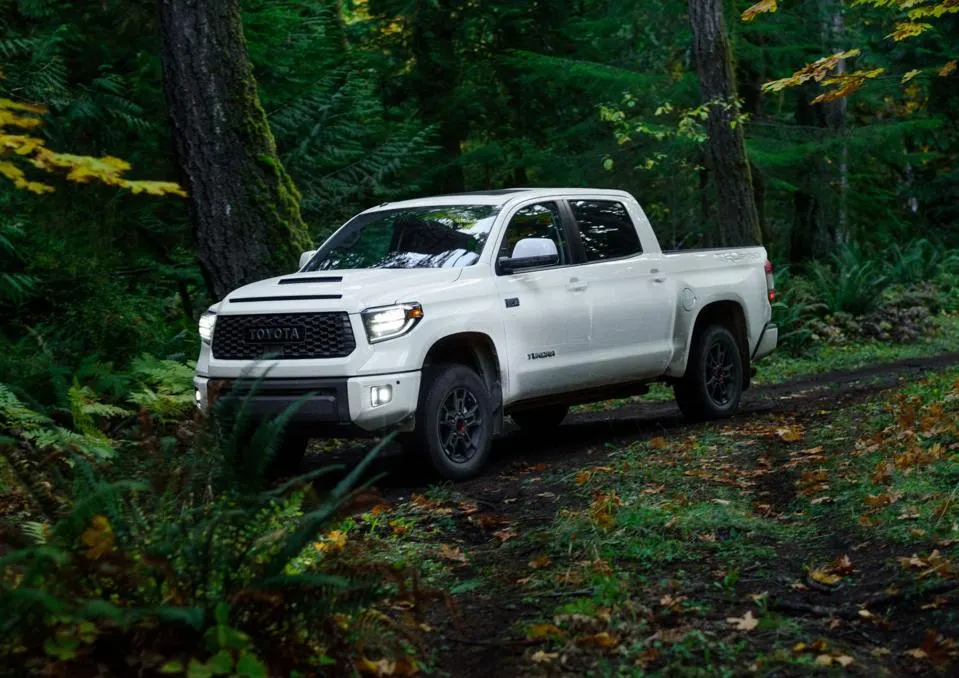
1. Toyota Tundra (RARELY Needs Brake Work)
The Toyota Tundra is known for its dependability, and that reputation extends to its braking system. The factory brake setup is solid, with calipers that rarely seize, rotors that don’t warp easily, and pads that can last upward of 60,000 miles under normal use
. It’s not unusual to hear from Tundra owners who go years without needing a brake job, especially those who don’t tow heavy trailers daily. The build quality and attention to simple, proven mechanics keep problems to a minimum.
One of the key reasons the Tundra does well in this area is that it’s engineered conservatively. The brakes are larger than necessary for most daily driving tasks, which reduces the stress on the components.
Additionally, the weight distribution of the Tundra is fairly balanced for a full-size truck. This helps avoid putting too much pressure on the front brakes, which is often the weak point in many trucks. Because the front brakes don’t have to compensate for poor rear engagement, wear stays even.
Owners who use the Tundra for light hauling and moderate driving often report 70,000 miles or more before needing new pads. The truck’s electronic brake distribution is also smarter than people give it credit for.
It applies braking force based on load and wheel slip, reducing unnecessary pressure when it’s not needed. This kind of intelligent system preserves components over time and avoids the kind of constant wear you see in some less refined setups.
Of course, everything wears out eventually, but with the Tundra, that process is slow and predictable. Shops often mention how little they see these trucks for brake jobs compared to their domestic competitors.
If you’re looking for a full-size truck that won’t have you replacing pads every few oil changes, the Tundra is one of the strongest choices. It may not be flashy in its braking performance, but it’s consistent and surprisingly gentle on the parts that matter.
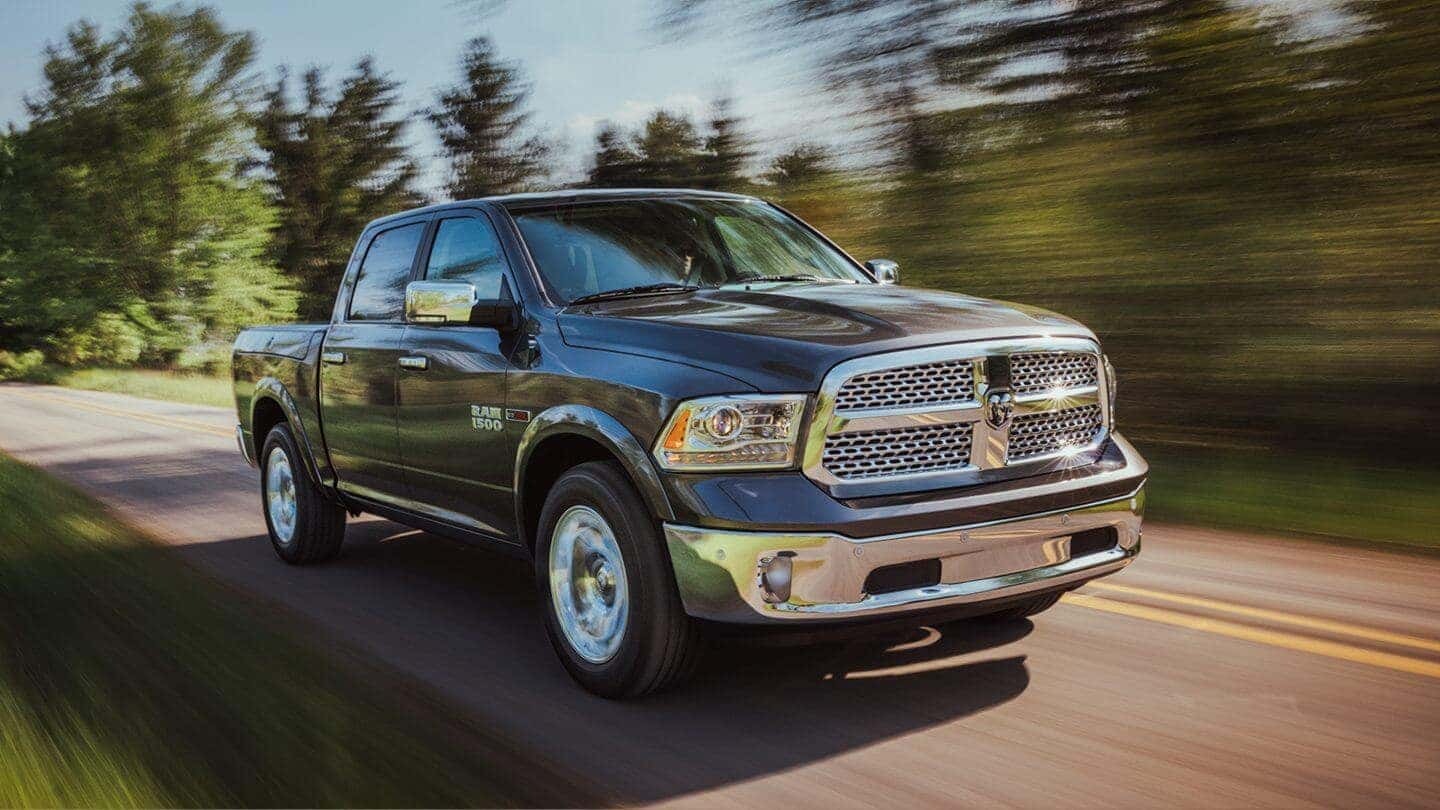
2. Ram 1500 (EATS Pads Every Month)
The Ram 1500 has made big strides in comfort and styling, but one area where it struggles is brake longevity. Owners frequently report needing to replace brake pads and rotors far sooner than expected, sometimes in less than 20,000 miles.
This issue appears across multiple model years and isn’t just limited to high-mileage vehicles. Even newer trucks with light-duty usage tend to show signs of brake wear much earlier than expected, especially in urban environments.
A major contributor to this rapid wear is the Ram’s weight. It’s a heavy truck even when empty, and when you add passengers, cargo, or towing loads, the brakes are under serious stress.
The stock brake components often aren’t robust enough to handle that stress for long periods, especially in stop-and-go traffic. Heat builds up quickly, and heat is the enemy of long-lasting brakes. Warped rotors and squealing pads become common complaints, especially for those who drive in cities or use their Ram for daily commuting.
Some Ram owners have turned to aftermarket upgrades to combat this issue. Larger rotors, performance pads, or even full brake kits can extend the life of the system.
But those upgrades aren’t cheap, and they don’t always eliminate the core issue: a braking system that feels just a bit underbuilt for the truck’s size. The calipers on older Ram 1500s, in particular, tend to stick or fail prematurely, which only adds to the frustration and cost of ownership.
What’s most frustrating is that the truck itself is otherwise well-regarded. The ride quality is among the best in the class, the interior is quiet and well-appointed, and the powertrains are smooth.
But brake jobs become a recurring expense for many owners, souring the experience over time. Until a redesign addresses the weak points in the braking system, Ram 1500s will likely continue to show up frequently in brake shops across the country.
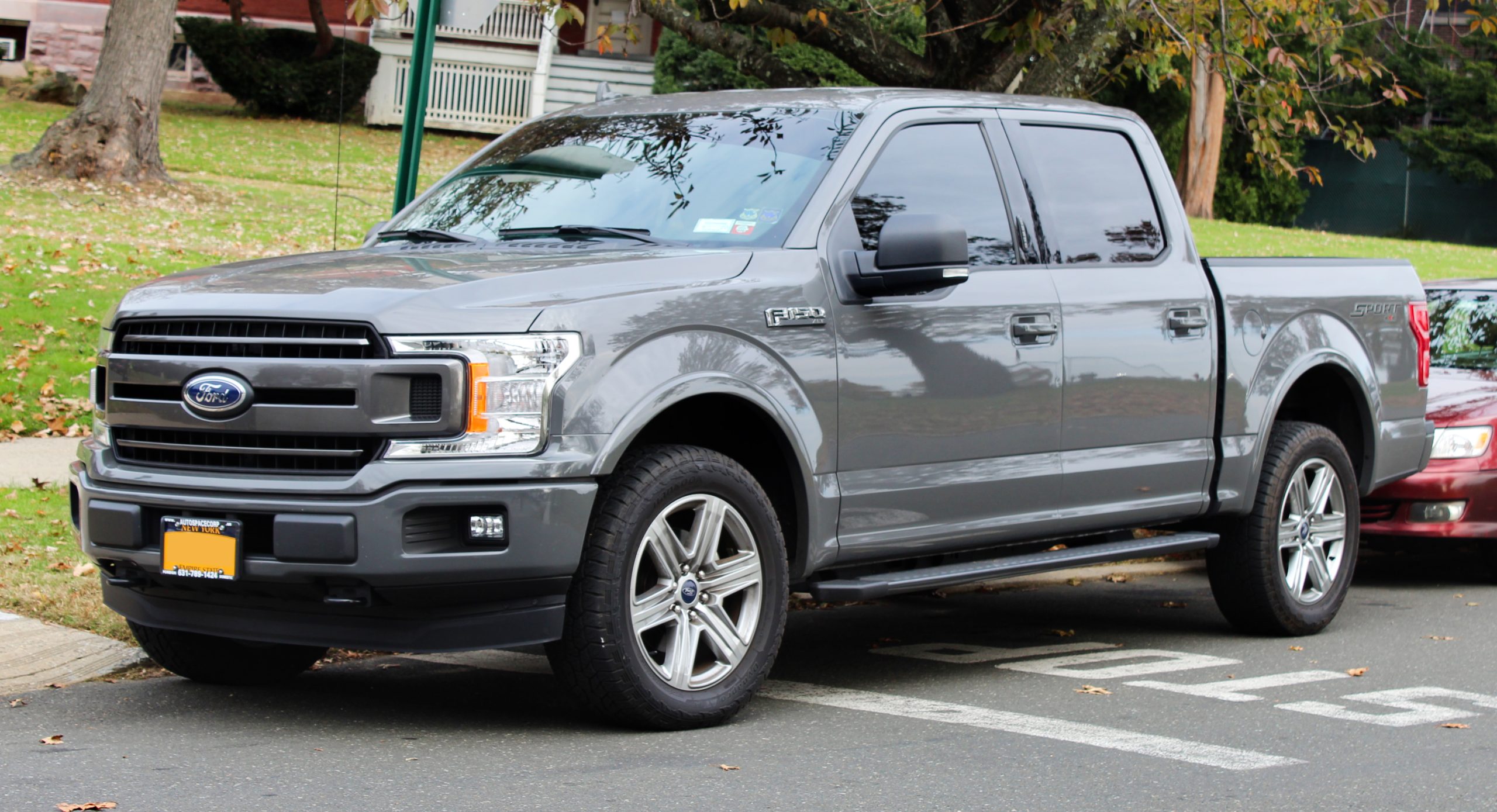
3. Ford F-150 (RARELY Needs Brake Work)
The Ford F-150 is one of the most popular trucks for a reason, and part of that reputation comes from how reliable it is in core maintenance areas, including brakes.
While it’s not completely immune to wear, the F-150 is one of those trucks that seems to handle braking stress well. Many owners go over 50,000 miles on their original pads without issue, especially when the truck isn’t constantly hauling or towing heavy loads. It’s not magic, it’s good design.
Ford has put effort into making the F-150’s brake system durable and easy to service. The rotors are thick enough to handle heat cycles without warping easily, and the calipers apply pressure evenly across the pad surface.
This reduces uneven wear and helps keep the pads alive longer. On top of that, the F-150 is available with multiple drivetrain options, and in many configurations, it ends up being lighter than competitors. That lower curb weight puts less strain on the brakes during routine driving.
The electronic braking system used in modern F-150s also plays a role in longevity. Features like trailer sway control and automatic emergency braking use sensors to apply brake force more intelligently.
That means the system isn’t applying full pressure every time you stop, which reduces stress on the pads and rotors. It’s a level of refinement that pays off over time, especially for owners who drive their trucks daily in mixed traffic conditions.
Another benefit is that when the F-150 does need brake work, parts are readily available and relatively inexpensive. Ford’s focus on serviceability means that repairs don’t take forever, and most shops are familiar with the system.
All of this combines to make the F-150 a low-stress option when it comes to brakes. It might not be flashy in this department, but it gets the job done without constantly draining your wallet.
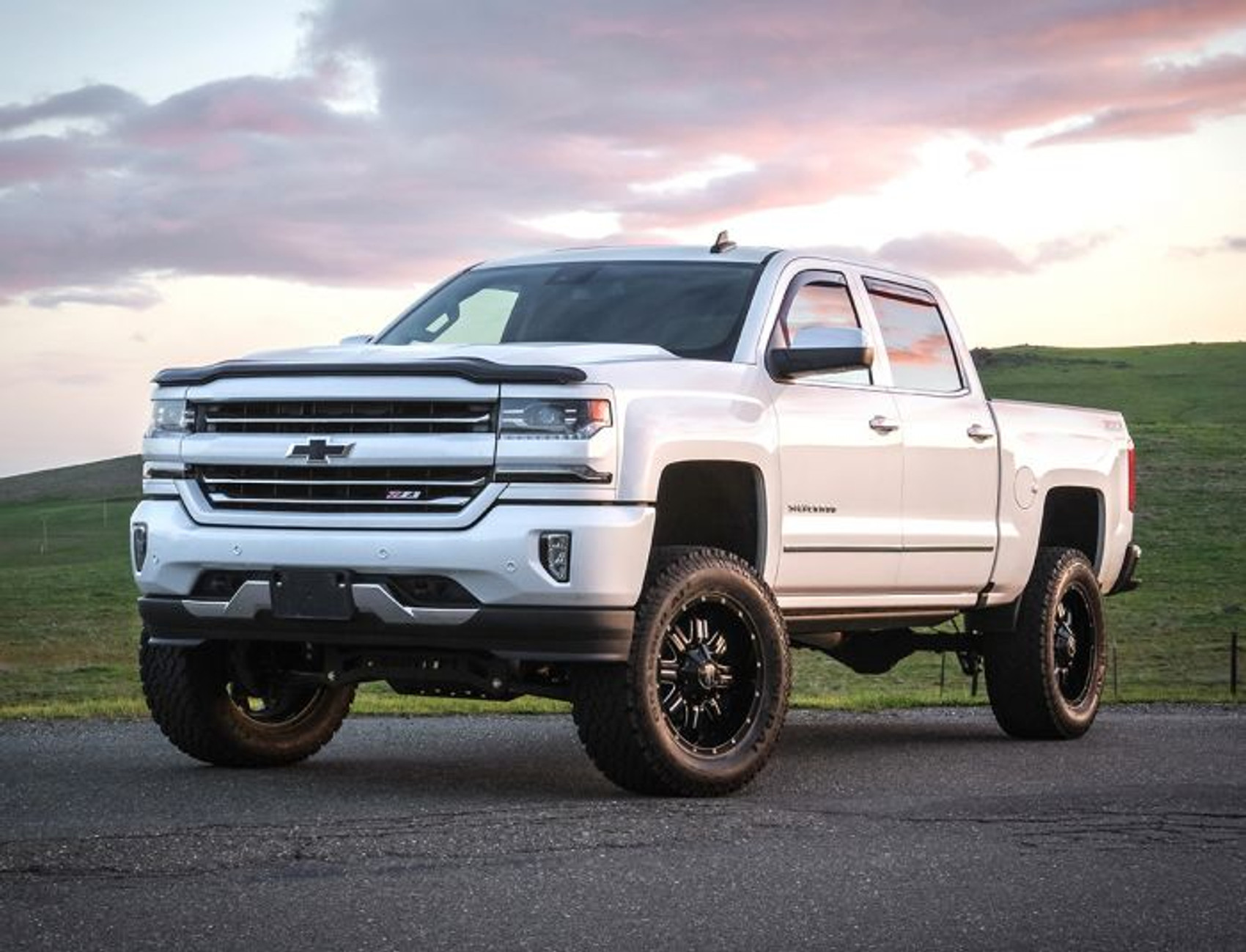
4. Chevrolet Silverado 1500 (EATS Pads Every Month)
The Silverado 1500 is a capable truck in many ways, but brake wear is a common complaint among long-term owners. It’s not unusual for these trucks to go through front pads in as little as 15,000 to 25,000 miles, especially on models used for regular commuting or city driving. For a truck marketed as work-ready, that level of brake wear is disappointing, and it has been a persistent issue across several generations.
One factor that affects brake wear in the Silverado is the vehicle’s front-heavy weight distribution. The front brakes end up doing a lot of the stopping work, especially when the truck is unloaded.
This leads to quicker wear on the pads and often causes rotor warping. Heat builds up during hard stops, and without sufficient cooling or heavy-duty components, that heat shortens the life of everything in the brake system. Drivers who tow frequently notice this issue even more.
Another issue comes from the factory parts themselves. The stock pads and rotors used in many Silverado models are often considered to be of average quality. While they function well when new, they don’t hold up under sustained stress.
Replacing them with higher-end components helps, but again, that’s an added cost for the owner. Some find themselves upgrading brakes sooner than expected just to avoid the hassle of frequent service.
The problem isn’t necessarily that the Silverado is poorly built, it’s that in this particular area, it seems like corners were cut. While newer models have improved in other aspects like powertrain and interior tech, the braking systems still leave something to be desired in terms of long-term reliability.
For owners who put a lot of miles on their trucks or who drive in challenging conditions, the frequent need for brake service becomes a real pain point.
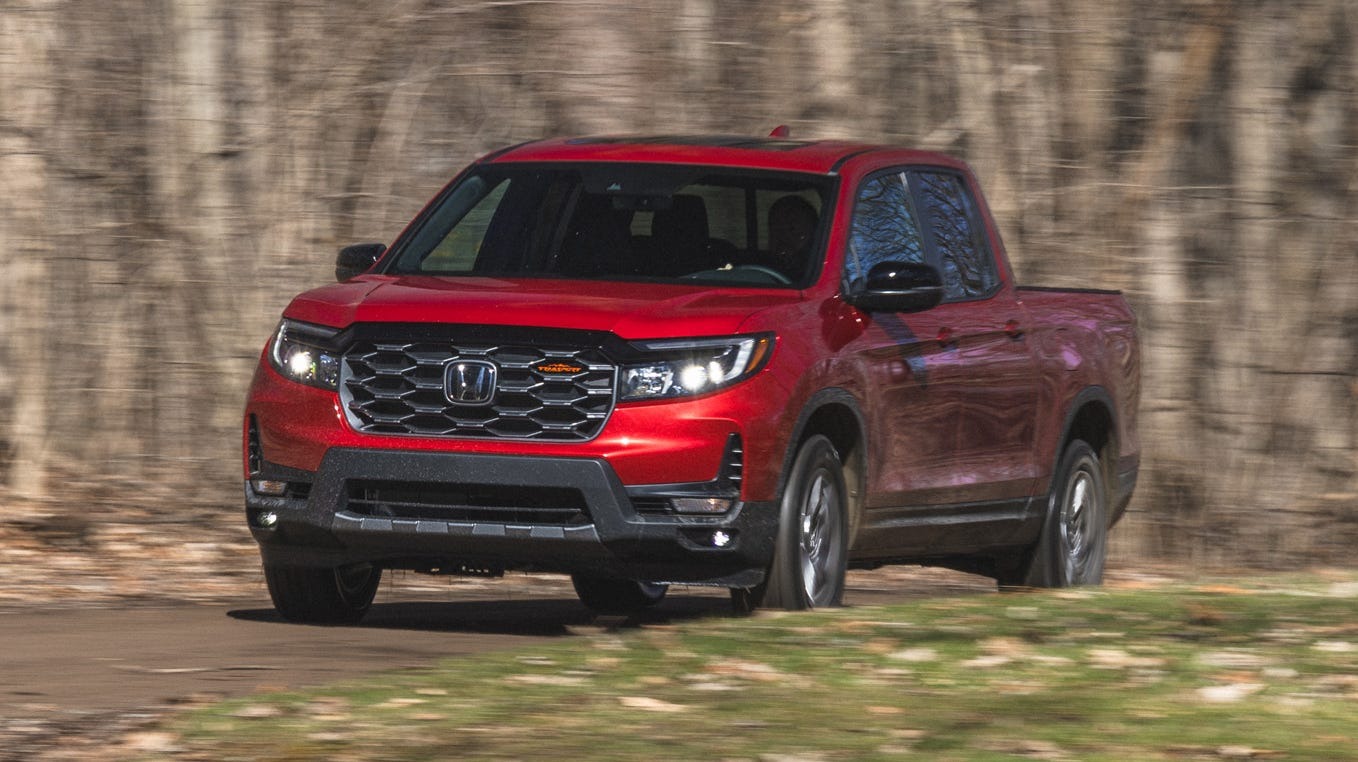
5. Honda Ridgeline (RARELY Needs Brake Work)
The Honda Ridgeline is often overlooked in discussions about trucks because it doesn’t follow the traditional body-on-frame design. But when it comes to brake longevity, this unibody pickup surprises a lot of people.
Thanks to its car-like platform and smart engineering, the Ridgeline tends to be far gentler on its brakes than full-size rivals. Owners routinely report reaching 60,000 miles or more before needing new pads, and even then, the service tends to be simple and inexpensive.
One of the main reasons the Ridgeline enjoys such good brake longevity is its lighter weight. Compared to full-size trucks, the Ridgeline is significantly lighter, especially when unloaded.
That means the brakes don’t have to work as hard during routine driving. Less heat is generated, less material is worn away, and the components simply last longer. For those who use the Ridgeline as a commuter or weekend utility vehicle, this adds up to fewer visits to the shop.
Another factor in the Ridgeline’s favor is Honda’s consistency in using high-quality materials for factory components. The pads and rotors that come standard on the Ridgeline are engineered with durability in mind.
Calipers don’t tend to stick, and rotor warping is rarely mentioned by owners. Everything just functions smoothly, and when replacements are eventually needed, the process is straightforward. That’s not always the case with larger trucks, where warped parts or uneven wear can complicate the repair.
Of course, the Ridgeline isn’t built for heavy towing or extreme off-road conditions, so it’s not facing the same kind of stress as a full-size work truck. But for its class and its typical use case, its braking performance stands out.
It’s the kind of truck you can drive daily without worrying about accelerated wear and tear on the braking system. For many people, that makes it a practical and low-maintenance option that handles its business without drama.
5 That Eat Pads Every Month
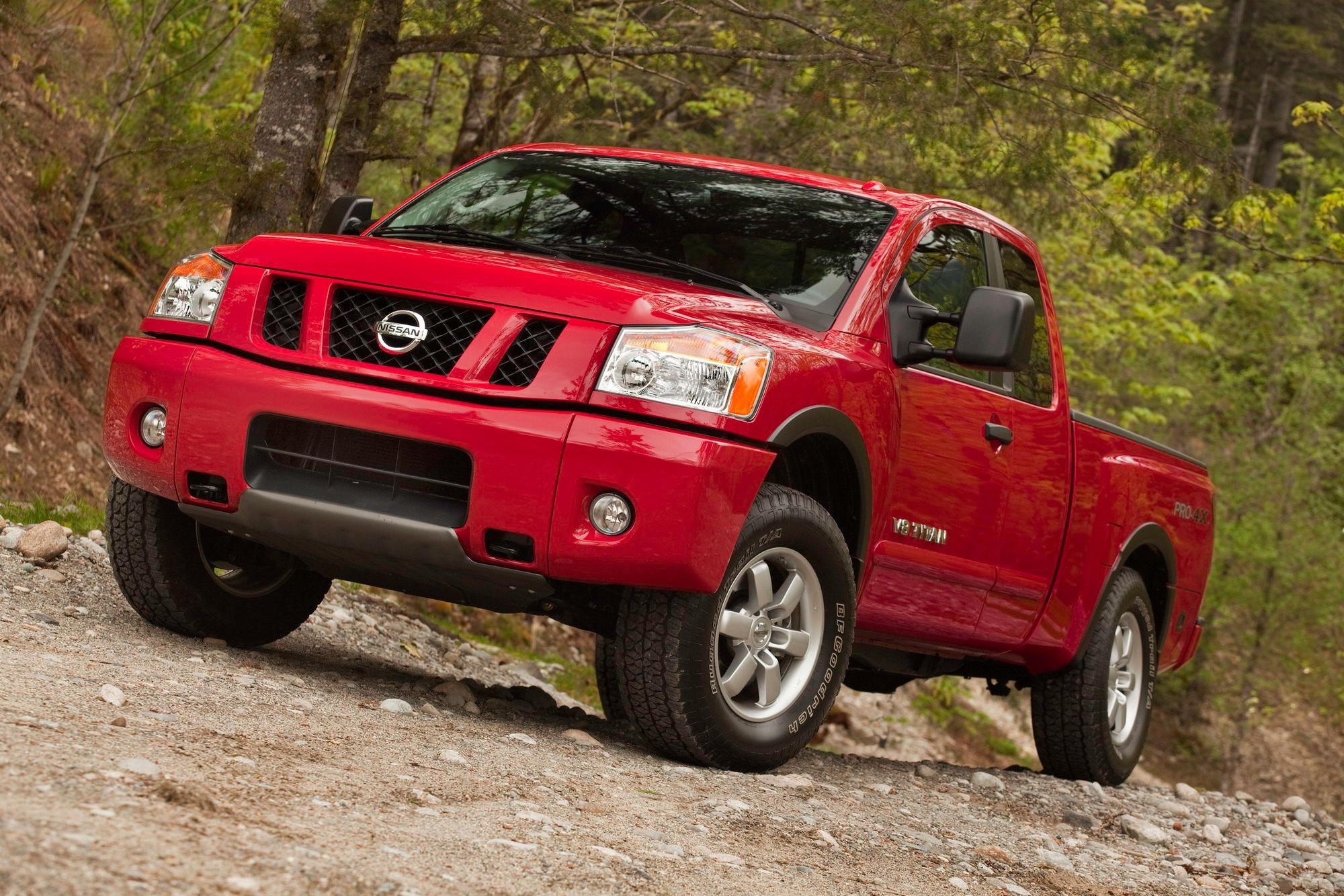
6. Nissan Titan (EATS Pads Every Month)
The Nissan Titan tries hard to compete in the full-size truck market, but one area where it consistently falls short is brake durability. Many owners report going through brake pads and rotors at an alarming rate, sometimes every 10,000 to 15,000 miles, depending on driving conditions.
This frequent wear is particularly frustrating because the Titan’s brakes can also be noisy, with squealing and grinding sounds developing early, even when there’s still life left in the pads.
A big part of the issue is that the Titan feels underbraked for its size. It’s a heavy truck, especially in Crew Cab or 4WD configurations, and yet the factory braking system doesn’t seem robust enough to handle that weight over time.
Heat buildup is a frequent problem, particularly in stop-and-go traffic or on hilly terrain. The rotors tend to warp under stress, and once that happens, the pads wear unevenly and more quickly, setting off a chain of costly repairs.
Some drivers try to solve this by upgrading to higher-quality aftermarket parts. Performance pads, slotted rotors, and even better fluid can help reduce the issue, but those are all band-aids on a system that doesn’t feel properly matched to the vehicle.
The Titan’s braking system hasn’t seen major improvements across generations, and that’s surprising considering how often owners complain about it. Towing especially amplifies the problem, with pads wearing down even faster when any significant load is attached.
What makes the issue even worse is the cost of the service. Titan parts aren’t always as readily available as domestic brands, and labor costs can be higher for less common models.
Combined with the frequency of the repairs, owning a Titan becomes more expensive than expected for those who drive it regularly. Until Nissan updates the braking hardware with something more capable, Titan owners should be prepared to replace brake components more often than they’d like.
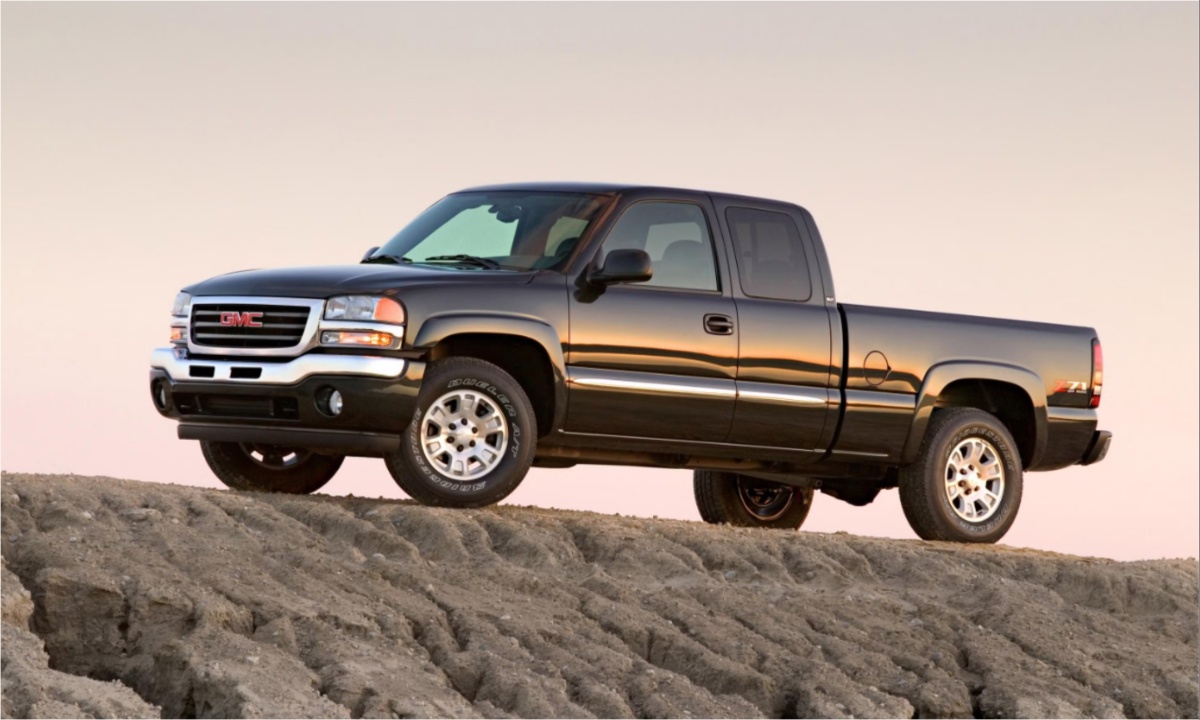
7. GMC Sierra 1500 (RARELY Needs Brake Work)
The GMC Sierra 1500 shares many components with the Chevy Silverado, but it often performs slightly better when it comes to brake wear. That may sound counterintuitive, but differences in trim, tuning, and configuration options can result in a noticeable change in how the brakes hold up over time.
Many Sierra owners report getting 50,000 to 60,000 miles out of their brake pads, with few complaints about warping or noise along the way. One advantage the Sierra has is that many of its higher trims come standard with upgraded brakes compared to base Silverados. These include larger rotors, better pad materials, and improved calipers.
The additional weight of some Sierra trims is offset by these better components, which means less strain on the system during daily driving. This helps explain why so many Sierra owners experience fewer brake issues than their Chevy-driving counterparts.
Another factor is usage. The Sierra tends to attract a different buyer base, often those who prioritize comfort, style, and moderate utility rather than raw workhorse functionality.
As a result, these trucks may not be subjected to the same heavy-duty abuse as other models, which translates to longer brake life. But even in tougher use cases, the Sierra’s braking components seem to hold up better than expected. It’s a pleasant surprise for owners who want capability without constant maintenance.
The feel of the Sierra’s braking system is smooth and controlled. Pedal feedback is solid, brake fade is rare unless you’re pushing it hard downhill with a trailer, and the factory parts usually wear evenly.
This all contributes to a maintenance schedule that feels reasonable. While no truck is truly free from brake wear, the Sierra manages to stretch its service intervals further than many of its competitors, saving owners time and money in the long run.
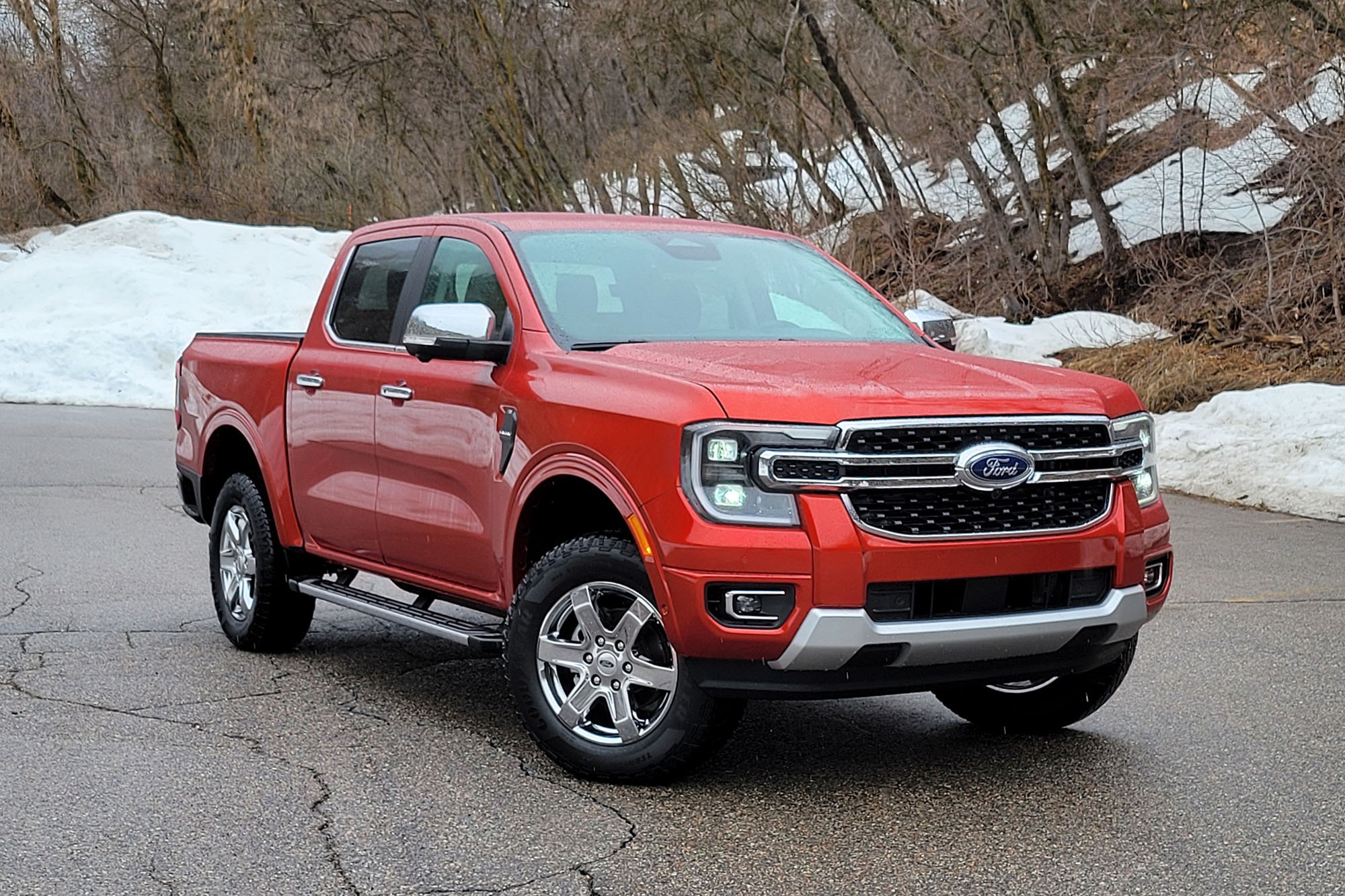
8. Ford Ranger (EATS Pads Every Month)
The Ford Ranger has made a strong return in the midsize truck market, but brake longevity hasn’t been one of its strengths. A consistent complaint among owners is how quickly the front pads wear down, often in under 20,000 miles, and sometimes even sooner. For a smaller truck that isn’t carrying heavy loads all the time, this kind of brake wear raises questions about the system’s design and material quality.
The Ranger’s braking setup seems to suffer from a mismatch between weight and component strength. Even though it’s not a full-size truck, the Ranger is still heavier than many older midsize models.
That added mass puts more stress on the front brakes, which take the brunt of the stopping force. The rear brakes, often drums in lower trims, don’t contribute as effectively, forcing the front pads to do most of the work. This leads to uneven wear, rotor scoring, and the kind of service frequency that gets old fast.
Urban driving conditions make the problem worse. Frequent stops, short trips, and idling in traffic all contribute to heat buildup in the brake system. When brakes don’t have time to cool down properly, the pads degrade faster, and the rotors become more prone to warping.
Some owners try to address the issue with aftermarket upgrades, but these only go so far. The underlying issue of brake bias and part selection remains.
It’s worth noting that the Ranger is otherwise a competent midsize truck. It offers good towing numbers for its class, a modern cabin, and decent fuel economy. But when it comes to brakes, it can be a hassle.
Whether it’s due to design oversights or a cost-saving decision on components, the result is the same: frequent brake jobs and added maintenance costs. Until Ford rethinks the setup or offers better parts from the factory, the Ranger will continue to wear through pads faster than it should.
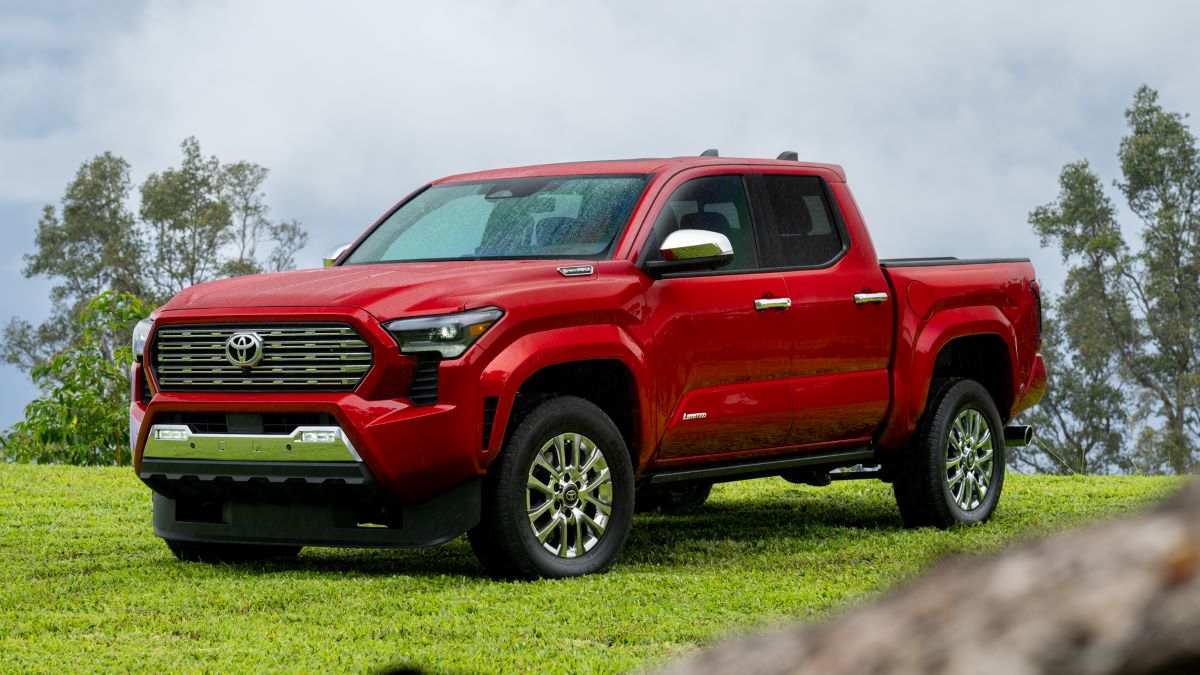
9. Toyota Tacoma (RARELY Needs Brake Work)
The Toyota Tacoma is one of the most reliable midsize trucks on the road, and its braking system plays a part in that reputation. While it doesn’t boast massive stopping power, the Tacoma’s brakes are consistent and long-lasting.
Owners regularly report going 50,000 miles or more before needing to change pads, and rotor issues are rare even after several years of use. This is especially impressive considering many Tacoma drivers take their trucks off-road or use them for light towing.
One of the key strengths of the Tacoma is its simplicity. The braking system doesn’t rely on overly complex components or gimmicks; it just works. The hardware is well-built, with calipers that last, rotors that resist heat deformation, and pads made from solid material.
Because the truck isn’t overloaded with electronics trying to control every braking aspect, the parts wear out more slowly and more evenly. It’s a good example of how reliable engineering can lead to low-maintenance ownership.
The Tacoma’s weight also helps. It’s not as heavy as a full-size pickup, which means the braking system isn’t under constant strain during daily driving. Even with some off-road use, the lighter body and well-distributed weight help avoid excessive heat buildup, which is the main cause of brake wear.
The truck’s design ensures the front and rear brakes work in balance, which avoids the kind of front-end pad destruction that plagues many of its competitors. Finally, Toyota has a reputation for building trucks that go the distance, and the Tacoma is no exception. Brake jobs aren’t something you’ll be doing constantly if you own one.
When the time does come, the repairs are straightforward, parts are affordable, and the job isn’t labor-intensive. For those who value dependability and low ongoing maintenance, the Tacoma continues to be a standout choice in the midsize segment.
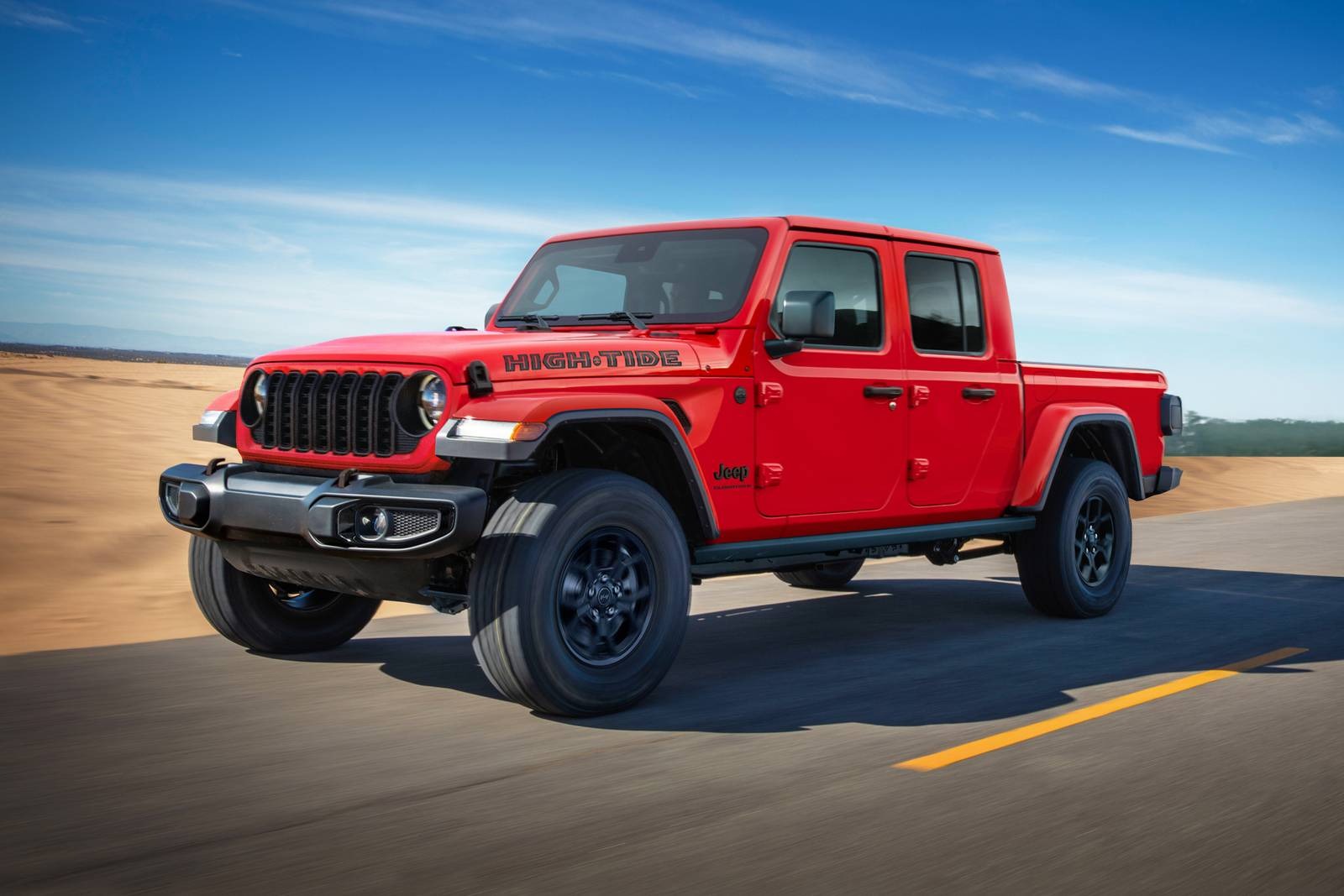
10. Jeep Gladiator (EATS Pads Every Month)
The Jeep Gladiator has a rugged look and solid off-road capability, but it doesn’t do so well when it comes to brake life. Many owners are surprised by how quickly the pads wear out, often well before 20,000 miles.
The combination of weight, off-road gear, and oversized wheels on some trims puts a lot of strain on the factory brake system, which isn’t always up to the challenge. Even drivers who mostly use their Gladiator for highway commuting report premature pad wear.
One issue is that the Gladiator shares much of its platform with the Wrangler, a vehicle known for frequent brake maintenance. The same tendencies show up here: calipers that get sticky, rotors that warp under moderate use, and pads that don’t seem to hold up.
Add to that the taller tires and increased rotating mass, and it becomes clear why the brakes wear out so fast. The truck looks built for abuse, but in this case, the brakes don’t keep up.
Off-roading makes things worse. Braking downhill on dirt or rocks creates a lot of heat in short bursts, especially when crawling or descending steep grades. That heat damages the pads and rotors quickly if they’re not properly cooled. Unfortunately, the Gladiator doesn’t have advanced cooling for the braking system, so it often overheats during heavy use. Even casual trail rides can cause enough stress to shorten the life of the pads significantly.
This issue is frustrating because the Gladiator offers a lot of appeal in other areas. It’s one of the few pickups with true off-road focus, removable doors, and a convertible top. But that versatility comes at a price in terms of upkeep. Brake jobs become a regular part of owning this truck unless you stick to gentle driving and avoid towing. For anyone who plans to use the Gladiator hard, budgeting for frequent brake service is just part of the deal.
Also Read: 5 Cars That Stay Smooth After 100K and 5 That Feel Old Too Soon
When it comes to truck ownership, maintenance plays a huge role in shaping both the experience and long-term satisfaction. Brakes are one of those components that quietly drain time and money when they wear out too quickly. After looking closely at several popular models, it’s clear that not all trucks are equal in this category.
Some seem to go the extra mile—literally—while others make brake service a regular part of the calendar. The difference between a truck that holds up under pressure and one that constantly needs attention can change how you feel about the vehicle as a whole.
Trucks like the Toyota Tundra, Ford F-150, Honda Ridgeline, GMC Sierra 1500, and Toyota Tacoma have earned reputations for low-maintenance braking systems. They’re built with durable parts, benefit from smart design choices, and often enjoy balanced weight distribution that helps prevent early wear.
These trucks don’t avoid brake jobs forever, but they stretch out the time between them in a way that most owners appreciate. When service is needed, it tends to be straightforward, affordable, and expected after many miles of dependable performance.
On the other hand, models like the Ram 1500, Chevrolet Silverado 1500, Nissan Titan, Ford Ranger, and Jeep Gladiator often leave owners frustrated. Brake pads on these trucks can wear down in less than 20,000 miles, sometimes far less, depending on how and where the truck is used.
Even light-duty drivers have reported early pad failure, warped rotors, or squeaky performance. For trucks that are otherwise strong in areas like towing, comfort, or off-road ability, this weakness in brake performance can sour the ownership experience over time.
It’s important to recognize that no truck is entirely free from wear. Driving style, terrain, towing habits, and even climate all affect brake life. But the pattern of early failure in some models shows that certain braking systems are simply not built to last under real-world conditions. In contrast, trucks that manage to combine utility and reliability in their brake systems provide a smoother ownership journey with fewer surprises and fewer repair bills.
When shopping for a truck, it’s tempting to focus on horsepower, towing numbers, or infotainment features. Those specs matter, but so does the long-term cost of ownership. Brakes are a core safety feature, and their failure or poor performance isn’t something you want to deal with frequently.
A truck that requires brake work every few months ends up being more expensive and more frustrating to live with. Conversely, a model with a dependable braking system lets you focus on the road ahead, not the next repair.
Choosing the right truck involves balancing what you need it to do with how often you want to service it. Trucks that treat their brakes like consumables, every oil change may still offer great power or capability, but that comes with a price. The best trucks manage to deliver both strength and reliability without wearing out the basics. For many buyers, that difference can make or break the ownership experience.
