
Hybrid vehicles have become more popular as drivers search for better fuel economy without giving up the practicality of traditional gasoline-powered cars. Over the past two decades, nearly every major automaker has introduced hybrid versions of their best-selling models, aiming to combine performance with efficiency.
While the public often focuses on the environmental benefits and gas savings, there’s another group whose opinions matter just as much: mechanics. These professionals deal directly with the real-world consequences of engineering choices, maintenance complexity, and long-term reliability. Their insights reveal a side of hybrid ownership that isn’t always obvious during a test drive or a spec sheet comparison.
Some hybrid vehicles are a dream for mechanics. They’re built with care, use proven technology, and make routine maintenance relatively straightforward. Others, however, seem like they were designed without much thought for what happens after 100,000 miles.
Complex systems, hard-to-source parts, and poor design decisions can turn a well-reviewed car into a long-term burden. And while many hybrid owners expect their cars to save them money, unexpected repair costs or limited service options can quickly eat into those savings.
Understanding which hybrids are praised by the people who fix them and which ones cause eye rolls in the repair shop can be a huge help to anyone considering a purchase. Whether buying used or new, reliability and repairability are essential, especially when dealing with vehicles that combine two powertrains into one.
Some hybrids are worth every penny, while others are rolling headaches. What follows is a breakdown of five hybrid models that mechanics generally appreciate, followed by five they would rather not see again. The list isn’t just based on brand reputation but considers how these vehicles perform in real-world repair bays. These observations are rooted in day-to-day shop experiences, not just stats or advertising.
Also Read: 10 Cars That Changed U.S. Roads Forever
5 Hybrids That Are Mechanic-Approved
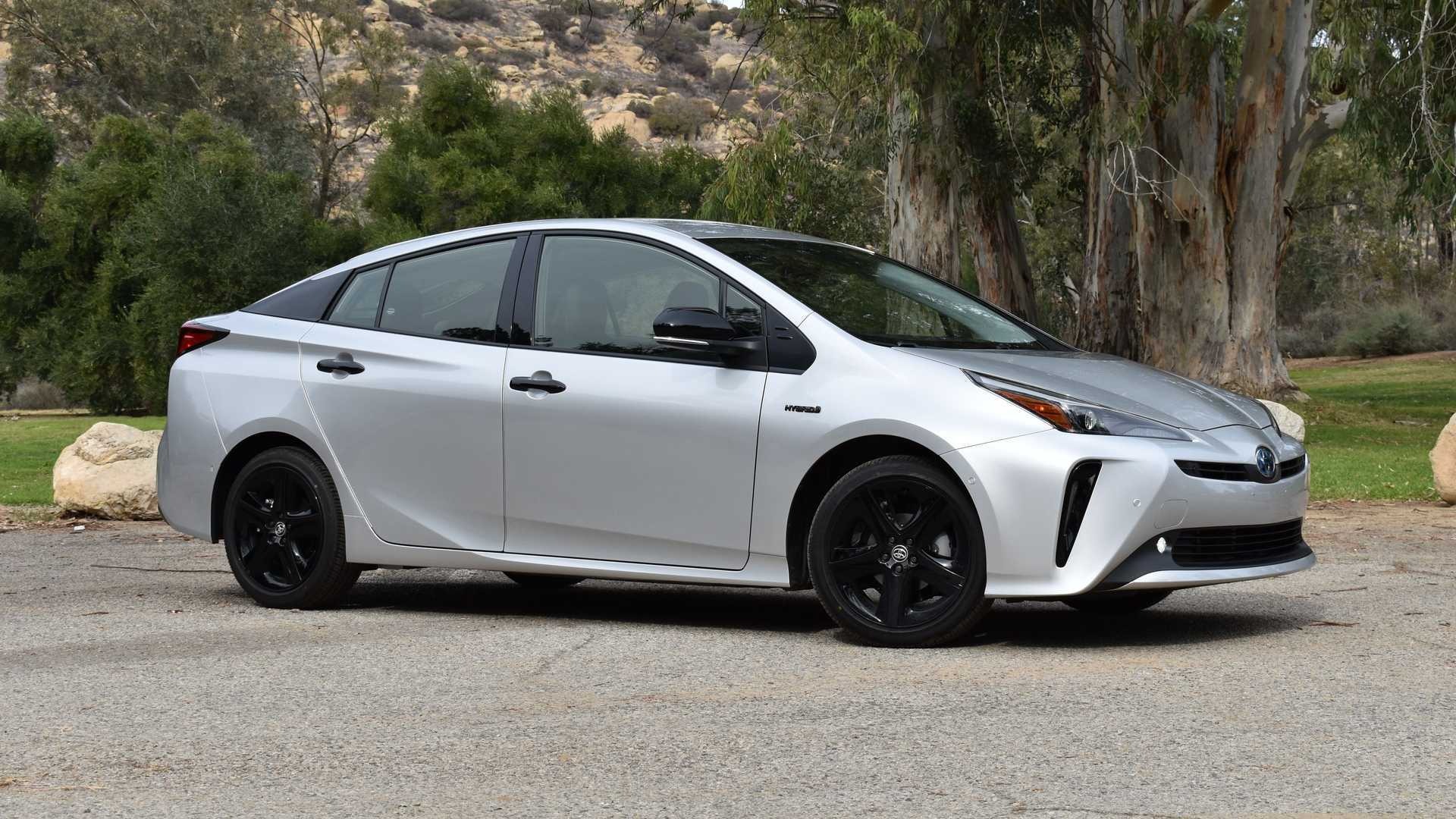
Toyota Prius
The Toyota Prius has earned its reputation over many years and for good reason. It’s not just the poster child for hybrid technology; it’s also a car that mechanics generally like working on. Its hybrid system is one of the most refined in the industry, having benefited from years of steady improvements and field data.
Most mechanics appreciate that the Prius isn’t built to be flashy or experimental. Instead, it sticks to tried-and-true components, often using older technology that has already proven to be reliable. That approach may not excite every driver, but for a mechanic, predictability is golden.
One of the reasons the Prius continues to win over mechanics is that its parts are widely available and often interchangeable across model years. That means lower costs for repairs and easier sourcing when something does go wrong.
The battery packs, while expensive when they do fail, have gotten cheaper over time and are often refurbished for a fraction of the cost of new ones. Because the design hasn’t dramatically changed with each new version, many repair shops have gained extensive experience with the model, making diagnostics and service quicker and more accurate.
From a serviceability standpoint, the Prius tends to have well-organized engine bays and access points. Even though it uses both a gasoline engine and an electric motor, the layout isn’t as cramped or complicated as some competitors. This helps reduce labor costs and turnaround time.
Basic maintenance like oil changes, coolant flushes, and brake service is straightforward, and the regenerative braking system helps extend brake life. Mechanics also appreciate that owners of Priuses tend to maintain them well, which adds to the model’s longevity.
Finally, the Toyota Prius earns praise because it rarely surprises. It’s predictable in the best way: the problems it develops are usually known in advance, allowing proactive repairs.
Whether it’s the water pump, battery life, or software glitches, these issues have been thoroughly documented. There are no big mysteries, no hidden nightmare components, and no “what were they thinking?” design flaws. That sort of consistency is a mechanic’s best friend.
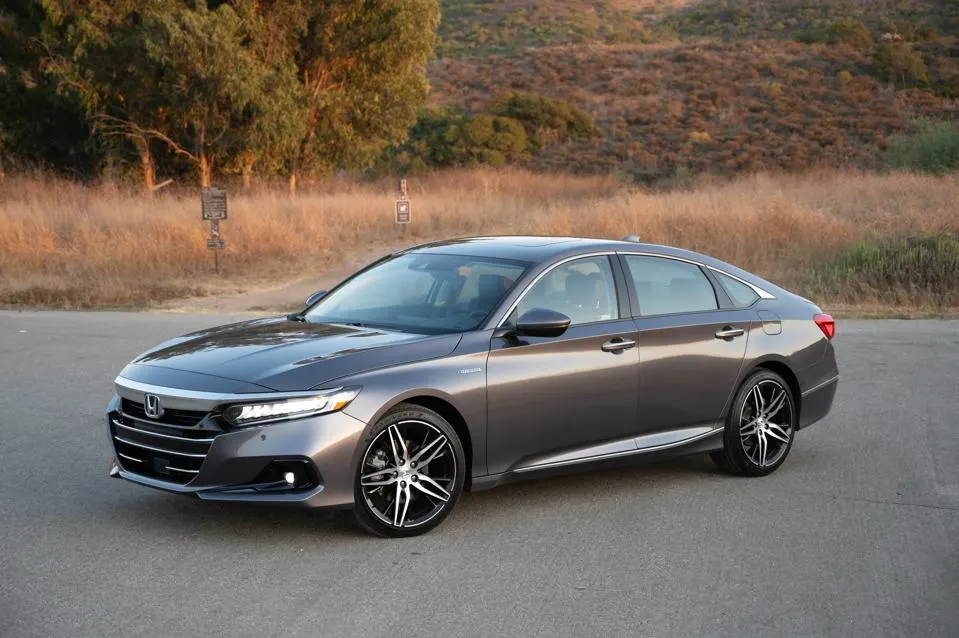
Honda Accord Hybrid
The Honda Accord Hybrid stands out as a solid midsize sedan that doesn’t sacrifice long-term durability for short-term innovation. Mechanics often praise it for maintaining the traditional reliability associated with Honda, even as it incorporates advanced hybrid technology.
It feels more like a standard Accord than a science project, and that’s a good thing when it comes to service and repair. The hybrid system itself is well-integrated and doesn’t overcomplicate the driving or maintenance experience.
One major point of praise is how seamlessly the electric motor and gasoline engine work together. Unlike some hybrids that deliver a jerky transition or rely heavily on software to balance both systems, the Accord Hybrid feels smooth and natural.
That seamless operation is also reflected in its maintenance needs. Mechanics appreciate that routine services like air filters, brake jobs, and fluid changes don’t require specialized knowledge or tools. It’s not a car that punishes independent shops or owners who prefer non-dealer maintenance.
Another area where the Accord Hybrid shines is battery placement and cooling. Honda has learned from earlier models, placing the battery in a location that’s both protected and easy to access.
Cooling systems for the hybrid components are reliable, and failures are rare if basic maintenance is followed. Mechanics note that owners rarely bring these cars in for catastrophic hybrid issues, which speaks to the robustness of the system. Even the electric components, like inverters and controllers, tend to last well beyond warranty periods.
Honda’s conservative approach also means that mechanics don’t need to guess what they’re dealing with. Diagnostic tools easily communicate with the car, and service bulletins are usually clear and effective.
There’s a general sense that Honda engineers considered the long-term life of the car when designing it, rather than just aiming for flashy efficiency numbers. That makes life easier for technicians and gives peace of mind to owners who plan to keep their cars for a long time.

Ford Escape Hybrid (Second Generation)
The second-generation Ford Escape Hybrid, which came out in the mid-2000s, is a bit of a sleeper pick among mechanics. It doesn’t have the same brand recognition for hybrid excellence as Toyota or Honda, but those who’ve worked on it know it’s one of Ford’s better hybrid efforts.
Built during a time when Ford partnered with Toyota for hybrid tech, the Escape Hybrid uses a system that shares DNA with the Prius, offering similar reliability and serviceability. For mechanics, that makes it an easier vehicle to trust and repair.
One of the best aspects of this model is the durability of its hybrid battery and drivetrain. Many of these Escapes have crossed the 200,000-mile mark with minimal issues, especially when properly maintained.
Mechanics note that failures in the high-voltage system are rare, and when problems do occur, they tend to be straightforward to diagnose. The battery cooling system is also solid, avoiding some of the overheating issues found in less well-designed hybrids.
Another bonus is that the Escape Hybrid is built on a traditional SUV frame, which makes physical access to parts much easier. Whether it’s changing the oil, replacing the water pump, or servicing the transmission, technicians don’t have to work in cramped quarters.
The hybrid components are well-placed and don’t interfere much with the gasoline engine systems. For a hybrid SUV, that’s a big plus. Mechanics also note that the regenerative braking system holds up well and reduces wear on the brake pads significantly.
Although it’s an older model now, many of these vehicles are still on the road, especially in city fleets and among eco-conscious drivers who value function over form. Their longevity speaks volumes, and the fact that mechanics continue to recommend them to budget-conscious customers is telling. It may not have the polish of newer hybrid SUVs, but from a repair and reliability standpoint, it’s a strong contender.
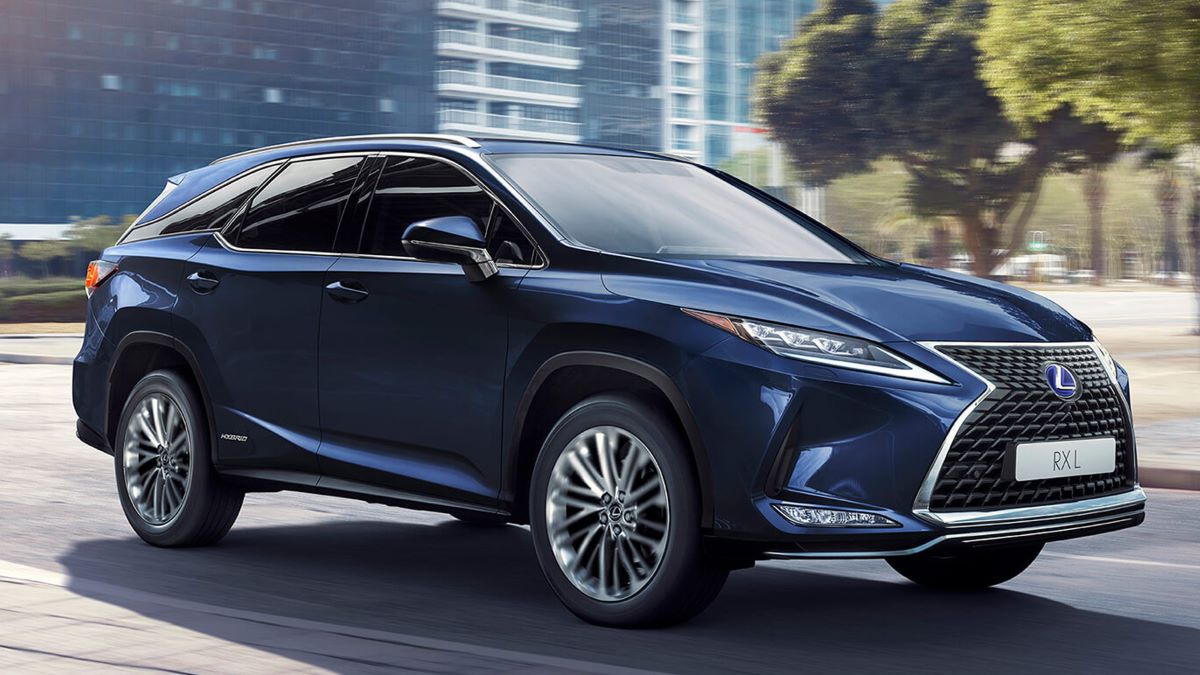
Lexus RX 450h
The Lexus RX 450h is a luxury hybrid SUV that manages to balance performance, efficiency, and reliability in a way that few premium vehicles do. For mechanics, this model is one of the rare luxury hybrids they enjoy working on. It benefits from Toyota’s hybrid technology, which is among the most refined and trouble-free in the industry.
Even though it carries a Lexus badge and has more electronic features than a typical hybrid, it doesn’t stray too far from the dependable engineering that makes Toyota hybrids successful.
One reason the RX 450h earns approval is its solid battery performance. Unlike some luxury hybrids that burn through batteries or require excessive maintenance to keep them running well, the RX 450h has a proven track record of battery longevity.
Even at higher mileage, the hybrid system holds up without major failures. Mechanics note that many owners go years without having to touch any part of the hybrid system, which is rare for a vehicle loaded with as much tech as this one.
Despite being a luxury SUV, the RX 450h isn’t over-complicated in terms of its engine bay or mechanical layout. Routine service items are accessible, and the hybrid components are integrated in a way that feels natural rather than forced.
That makes it less intimidating for mechanics who usually dread premium models with tight engine compartments or confusing wiring. The vehicle’s build quality also helps prevent many of the minor failures that can plague lesser hybrids.
Lexus vehicles often benefit from customers who keep up with scheduled maintenance, and the RX 450h is no exception. This contributes to its good standing in repair shops. Mechanics appreciate not just how the car is built but also the type of owner it tends to attract. The RX 450h is one of the few luxury hybrids that doesn’t make life difficult for the person who has to keep it running after the warranty ends.
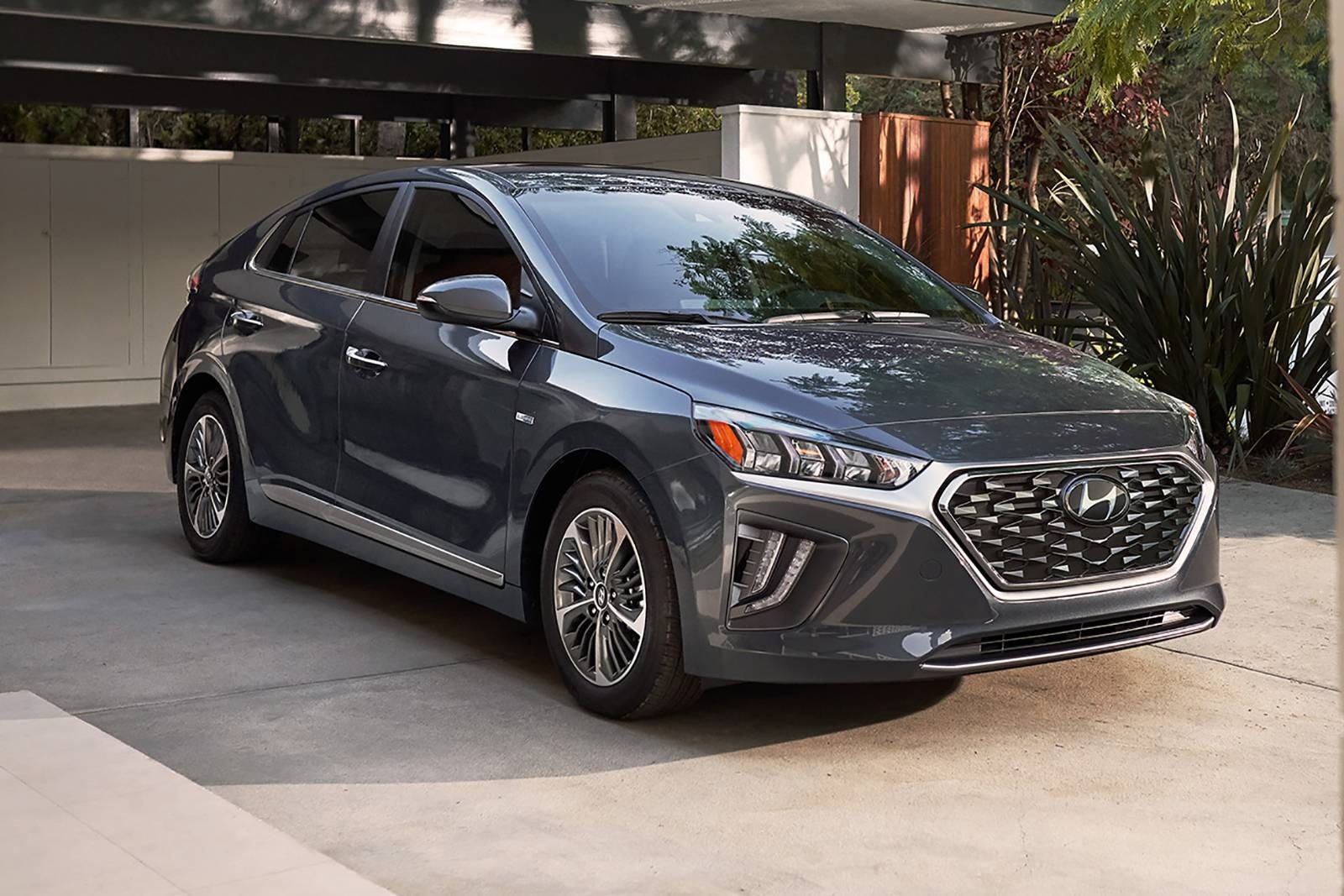
Hyundai Ioniq Hybrid
The Hyundai Ioniq Hybrid might not have the same legacy as the Prius, but it’s quickly gained respect among mechanics. The model takes a very straightforward approach to hybrid technology, avoiding unnecessary complexity and sticking to practical design choices.
This simplicity helps keep service costs low and repair times short. Mechanics often remark that it’s the most “normal” feeling hybrid they’ve worked on in recent years, which is a good sign for long-term reliability.
From a mechanical standpoint, the Ioniq Hybrid uses a traditional six-speed dual-clutch transmission rather than a continuously variable transmission (CVT), which some mechanics prefer.
While dual-clutch systems can be tricky in performance cars, Hyundai tuned the Ioniq’s for smoothness rather than speed, reducing wear and long-term risk. Its hybrid battery is air-cooled and well-protected, and early data shows fewer thermal issues than some older hybrids.
Another strength of the Ioniq Hybrid is its software and electronics. Unlike certain hybrids that require constant firmware updates or are known for quirky electronic bugs, the Ioniq tends to run smoothly.
Diagnostics are also easier, especially with modern OBD tools, and the car usually doesn’t throw random trouble codes unless something genuinely needs attention. That reduces both guesswork and customer anxiety when the check engine light comes on.
Finally, Hyundai has made noticeable improvements in parts availability and service documentation. While early models from the brand suffered from weak dealership support, the Ioniq Hybrid marks a shift.
Independent shops have better access to repair procedures, and parts are no longer a challenge to obtain. Mechanics don’t have to dread working on one, and owners benefit from a vehicle that behaves more like a traditional car while still offering strong fuel economy.
5 That Mechanics Hate
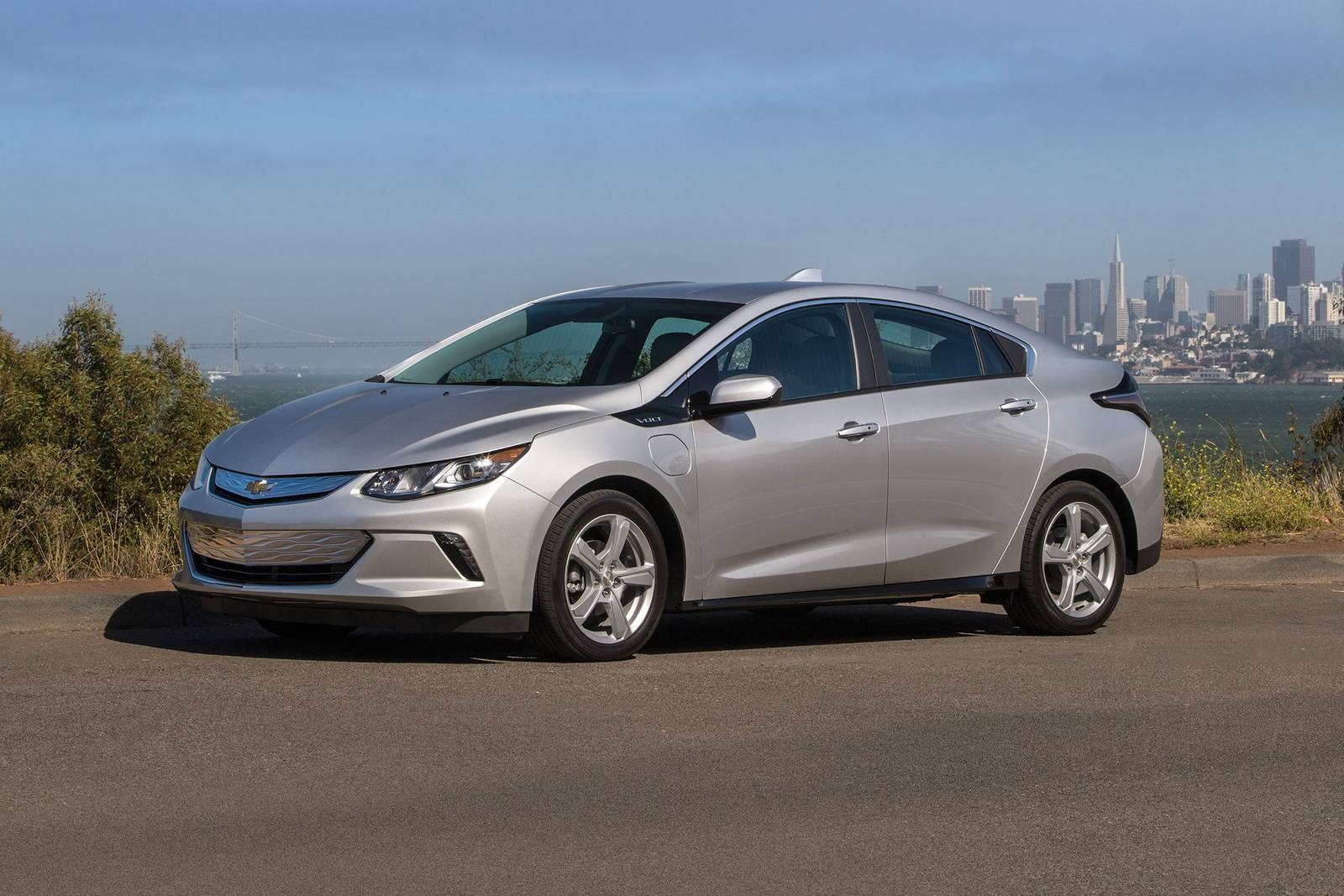
Chevrolet Volt (First Generation)
The first-generation Chevrolet Volt was ambitious. It aimed to change the way people thought about hybrids, introducing a plug-in system with a relatively long all-electric range. While it achieved technological milestones, it also introduced a range of maintenance headaches that mechanics still talk about.
The Volt isn’t necessarily unreliable in a traditional sense, but it’s extremely complex under the hood, and that complexity makes diagnosis and repair more difficult than it should be. The blending of a gasoline engine with a high-voltage battery and multiple software layers creates a situation where even minor issues can lead to lengthy and expensive repair sessions.
One of the biggest frustrations comes from its tightly packed engine bay. There’s very little room to work, and even routine maintenance like replacing the coolant or accessing engine components can require disassembly of parts that shouldn’t need to be touched.
What might be a 20-minute job on another car can become a two-hour ordeal on the Volt. Mechanics who’ve worked on many types of hybrids generally agree that the Volt has one of the more difficult layouts to navigate, and it doesn’t help that the service manual often feels written for engineers rather than technicians.
Another issue mechanics mention is the car’s multiple cooling systems. The Volt doesn’t just have one or two loops; it has four separate ones, each dedicated to different parts like the battery, power electronics, and engine. While this helps with thermal efficiency, it introduces more potential failure points, more hoses to crack, and more components to monitor.
Diagnosing a cooling problem can involve pressure testing each loop separately, and many general repair shops aren’t equipped to handle it properly. Customers often end up going back to the dealership, where labor costs are much higher, further damaging the Volt’s long-term ownership appeal.
While many Volt owners love the driving experience and appreciate the fuel savings, mechanics see the vehicle from a different angle. The overly engineered systems, hard-to-access components, and overreliance on software make it one of those cars they’d rather avoid.
Even though it’s innovative, it’s also impractical from a service perspective. As a result, many shops either charge more for working on Volts or avoid them altogether, which says a lot about their reputation behind the scenes.
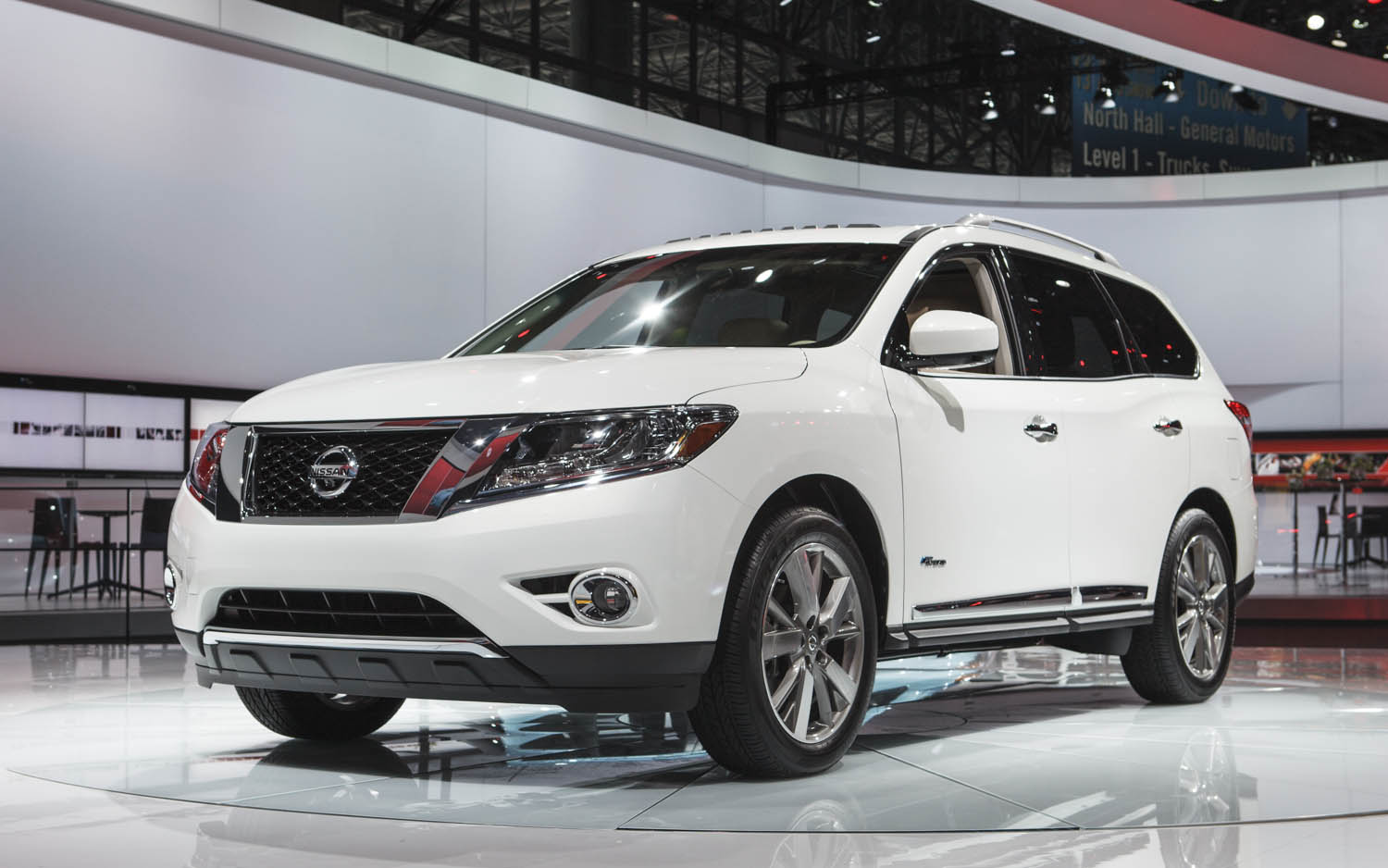
Nissan Pathfinder Hybrid
The Nissan Pathfinder Hybrid is a case of a company trying to jump on the hybrid SUV bandwagon without fully thinking through the long-term implications. It was only offered for a short period and quickly discontinued, largely due to lackluster sales and performance complaints.
But for mechanics, the bigger issue was how poorly integrated the hybrid system was into the existing Pathfinder platform. Unlike Toyota or Ford, which designed their hybrid SUVs from the ground up, Nissan attempted to retrofit a hybrid powertrain into a vehicle that wasn’t meant to be one in the first place, and it shows.
One of the most common complaints is with the vehicle’s hybrid transmission. It’s known to fail well before 100,000 miles and is expensive to replace. Worse yet, it’s not something most independent shops can repair in-house. Many mechanics have to refer owners back to the dealership or source refurbished units, which come with their risks.
This reliance on specialized parts and tools makes the Pathfinder Hybrid unattractive for both shop owners and customers. There’s also the added problem of poor communication between the gasoline engine and the electric motor, leading to a driving experience that feels jerky and unpredictable, something that often prompts more diagnostic time in the shop.
Parts availability is another major hurdle. Since the Pathfinder Hybrid was not a high-volume vehicle, there aren’t many aftermarket or refurbished components available. That means even basic repairs like hybrid control modules, battery packs, or cooling fans can require long lead times and premium prices.
Mechanics often find themselves in a position where they have to explain to the customer that not only will it take weeks to get the part, but the total cost might exceed the value of the vehicle. That’s not a conversation any repair professional wants to have repeatedly.
Finally, the design of the Pathfinder Hybrid lacks the modularity and planning that mechanics appreciate. It feels like a rushed job, with components tucked into awkward places and wiring looms that are difficult to trace.
What could have been a solid competitor in the hybrid SUV space ended up being a short-lived experiment that created frustration for both drivers and repair shops. It’s not just that the vehicle failed in the marketplace, it also failed to earn the trust of the people tasked with keeping it on the road.
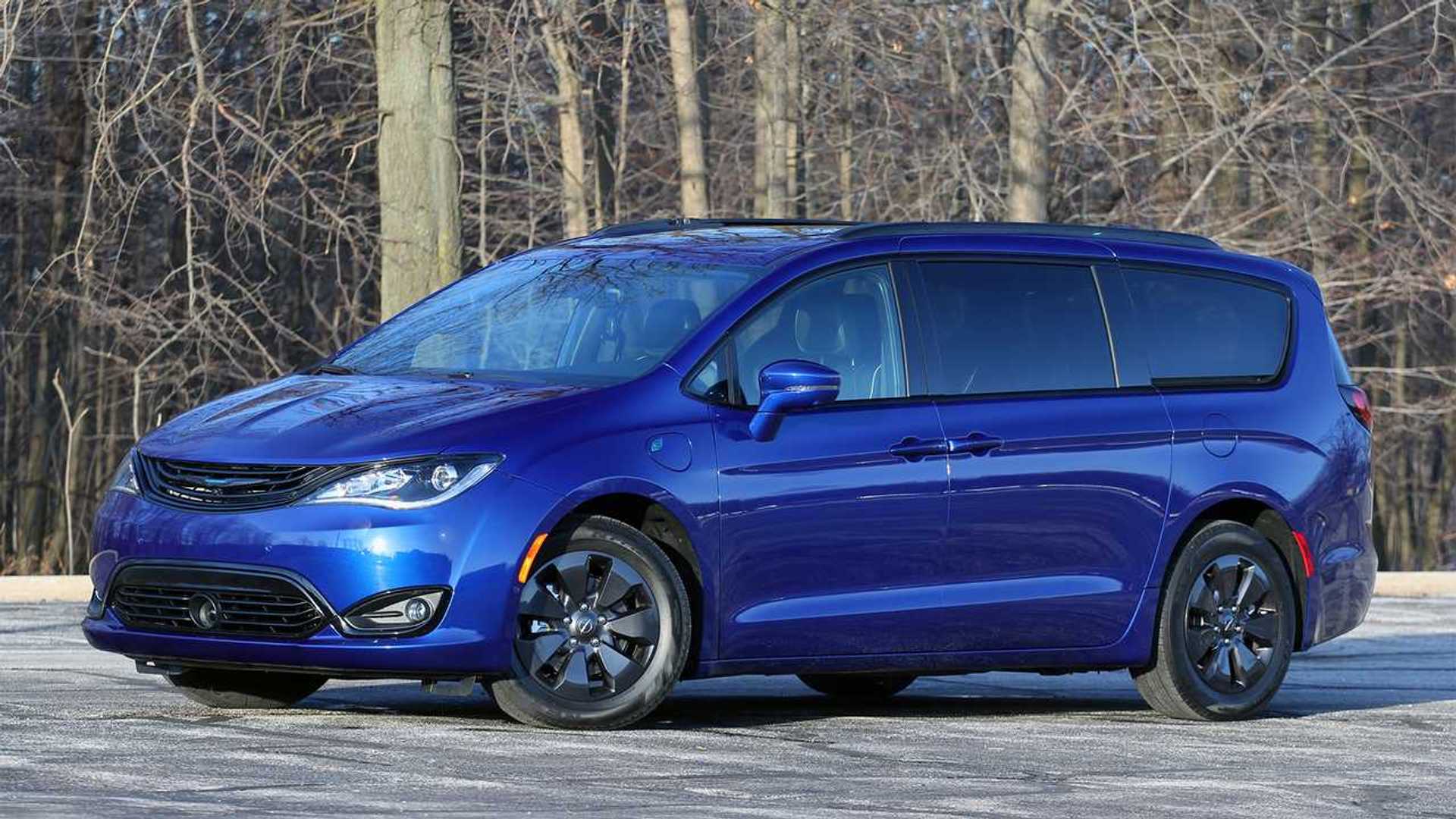
Chrysler Pacifica Hybrid
The Chrysler Pacifica Hybrid had high hopes when it launched, being one of the few plug-in hybrid minivans on the market. On paper, it sounded great: all-electric commuting range, ample interior space, and modern technology. However, mechanics quickly realized that working on this vehicle was a complicated and often frustrating endeavor.
The hybrid system isn’t the only issue; it’s the way it’s integrated with an already complex platform that causes so many service headaches. The combination of advanced electronics, high-voltage components, and Chrysler’s historically spotty reliability record makes it a challenging vehicle to keep in top shape.
The first major concern for technicians is the battery and its placement. It’s located beneath the second-row floor, which might sound smart in terms of packaging, but it introduces multiple challenges when service is required. Removing the battery is a labor-intensive process that involves disassembling interior panels and flooring, making even diagnostic procedures more time-consuming than they should be.
Moreover, the battery cooling system has shown vulnerabilities in hotter climates, leading to premature degradation and unexpected failures. Mechanics report a higher-than-average rate of hybrid battery issues, which is particularly worrying for families looking for long-term value.
Another frustrating aspect is the electrical system complexity. The Pacifica Hybrid relies heavily on software, and it often throws codes that can be difficult to track down. These issues are further complicated by the need for frequent software updates and flash reprogramming, which smaller repair shops may not be equipped to perform.
Chrysler dealerships themselves often struggle to keep up with technical service bulletins related to the hybrid system, leaving independent mechanics in the dark. It’s not unusual for a Pacifica Hybrid to spend multiple days in the shop just for a basic diagnosis.
Finally, the general reliability of the vehicle doesn’t do it any favors. Suspension components, infotainment glitches, and interior rattles plague the model alongside its hybrid-specific problems. Mechanics often feel like they’re playing whack-a-mole, fixing one issue only for another to arise shortly after.
Even though the idea of a plug-in hybrid minivan is appealing, the Pacifica Hybrid hasn’t lived up to expectations. For families relying on their minivan to be dependable and easy to maintain, this model falls short, and mechanics are often the ones left cleaning up the mess.

BMW X5 xDrive45e
The BMW X5 xDrive45e is a performance-oriented plug-in hybrid SUV that showcases what’s possible when luxury and technology collide. However, for mechanics, it represents many of the things they dread about modern hybrids. It’s packed with complicated systems, extremely tight engine bays, and a hybrid layout that requires dealership-level tools and expertise.
While the vehicle delivers impressive performance and fuel efficiency on paper, it comes at a steep cost in terms of serviceability and repair complexity. Very few independent mechanics are eager to take on one of these.
One of the primary challenges with the X5 hybrid lies in its packaging. BMW engineers have crammed a gasoline engine, electric motor, and a high-voltage battery system into a vehicle that’s already tight on space. This leaves very little room for standard maintenance tasks, let alone repairs involving major components.
Tasks like replacing a water pump, working on the cooling system, or even accessing certain sensors can require several hours of disassembly. Mechanics often joke that you need to remove half the front end of the vehicle just to change a basic part, and they’re only half joking.
The hybrid system itself is also highly sensitive to software discrepancies. The vehicle constantly monitors the interaction between its electric and gas systems, and any small imbalance can result in limp mode or error codes that won’t clear without proprietary diagnostic tools.
For most independent shops, that means either turning customers away or taking on the risk of working without the proper equipment, which can lead to mistakes. Even when tools are available, BMW’s software interface is notoriously slow and unintuitive, adding time and frustration to what should be simple jobs.
Adding to the challenge is the cost of replacement parts. Being a luxury European vehicle, everything from sensors to hybrid control units comes at a premium. Even consumable parts like brakes and tires are more expensive than average, and labor times are inflated due to the poor access design.
Mechanics who work on these models often warn customers upfront that any repair—hybrid-related or not—will likely cost far more than they expect. The X5 xDrive45e might be a joy to drive, but it’s not something most mechanics enjoy seeing pull into the shop.

Ford C-Max Hybrid
The Ford C-Max Hybrid had a rocky life from the start. Marketed as Ford’s answer to the Prius, it never quite found its footing with buyers. While some owners liked its upright seating position and hatchback practicality, mechanics often found themselves frustrated with what they considered a poorly thought-out hybrid system.
It wasn’t that the car was always breaking down, but rather that when it did, it was rarely simple to fix. For many shops, the C-Max quickly became a vehicle they preferred to avoid.
One of the biggest complaints is the way the hybrid battery and related components are integrated into the vehicle. The battery is crammed into the rear section, and replacing it requires significant disassembly of trim panels, rear seats, and interior lining.
It’s not a terrible job for someone who’s done it multiple times, but for general repair shops that see one or two a year, it’s a steep learning curve. Adding insult to injury, Ford didn’t build a large ecosystem of replacement parts or streamlined diagnostic support for the C-Max, making it harder to troubleshoot problems quickly.
Another challenge with the C-Max is its regenerative braking system. While regenerative braking itself isn’t a problem, Ford’s implementation tends to be inconsistent, and it often causes premature wear on brake components. Mechanics report caliper and rotor issues more frequently than they see in other hybrids.
Some also mention strange electronic glitches related to the brake booster, which can lead to warning lights, reduced braking performance, or both. Fixing these issues is rarely straightforward and often requires a combination of electrical and mechanical diagnostics.
Finally, the C-Max simply didn’t build a strong reputation for reliability over time. Between recalls, software issues, and inconsistent build quality, it gained a reputation as a car that never quite lived up to its promise.
Mechanics know which cars tend to come in repeatedly, and the C-Max unfortunately made that list in many shops. While not as outright troublesome as others, its combination of mediocre engineering and poor serviceability makes it one of those hybrids that mechanics quietly hope never shows up on their lift.
