
Affordable car maintenance is essential for many vehicle owners who want to keep their expenses low without compromising the reliability of their wheels.
One of the key ways to achieve this is by choosing cars that have cheap parts readily available and do not require mandatory visits to dealerships for repairs or replacements.
Cars with easily accessible, affordable parts offer great value, allowing owners to handle maintenance themselves or at local repair shops without the steep dealer costs.
This approach not only reduces overall ownership costs but also increases the convenience and flexibility for car owners.
When looking for vehicles with cheap parts that don’t require dealer visits, there are several factors to consider.
These include the availability of generic or aftermarket parts, the simplicity of the car’s design, and the popularity of the model, which often translates to parts being widely stocked.
Vehicles that are common and have been in production for many years tend to have parts produced in large quantities, which drives prices down.
Additionally, cars with mechanically straightforward systems tend to be easier and less expensive to repair outside of dealer service centers.
In this article, we will present seven cars known for their affordable parts and independence from dealer-only service requirements.
Each of these cars has earned a reputation for being budget-friendly both to buy and to maintain, making them smart choices for those who want dependable transportation without the worry of overwhelming maintenance costs.
Below, we explore these seven vehicles in detail, providing insights into what makes their parts affordable and accessible, why dealer visits can be avoided, and how these vehicles benefit owners in the long run.
Also Read: 5 Crossovers That Resell Easily at 10 Years and 5 That Nobody Wants After 3
1. Honda Civic
The Honda Civic has been a stalwart in the automotive world for decades, not only for its dependable performance but also for the cost-effective maintenance it offers. One of the main reasons the Civic stands out as a car with cheap parts is its massive popularity and long production history.
Because of this widespread use, parts for the Civic are manufactured in huge quantities by both Honda and numerous aftermarket companies.
This abundance allows car owners to find replacement parts from brake pads and filters to more complicated components like alternators and suspension parts at very reasonable prices.
Another factor contributing to the Civic’s affordability in parts is its simple and proven mechanical design.
The engine and drivetrain are not overly complex, which means they can be repaired or replaced without requiring specialized tools or knowledge typically found at dealership service centers. Routine repairs, such as oil changes, brake jobs, and timing belt replacements, can be executed by local mechanics or even DIY enthusiasts.
The availability of comprehensive repair manuals and the large community of Civic owners sharing tips and repair guides online further reduce the dependency on dealership service. This accessibility empowers vehicle owners to resolve many issues independently or with local help, keeping repair costs low.

Moreover, used Honda Civics are abundant in the market, often accompanied by an extensive inventory of used or refurbished components. This creates additional opportunities to source parts affordably and efficiently without relying on dealership parts pricing.
The Honda Civic’s combination of widespread use, straightforward mechanics, and a large aftermarket parts network makes it one of the best cars where parts are cheap and dealer visits are rarely a necessity.
2. Toyota Corolla
Consistently ranked among the world’s best-selling cars, the Toyota Corolla takes top marks for affordable maintenance and easy access to parts.
Its reputation for durability and simplicity has made it a favorite among drivers who prize reliability but also want to steer clear of high upkeep costs.
The Corolla has been on the road for over five decades, and its fundamental design philosophy has remained largely unchanged, favoring robustness over superfluous technology.
Aftermarket manufacturers and local retailers regularly stock parts for every generation of the Corolla. Common replacement items, including brakes, air filters, spark plugs, and bulbs are priced very competitively.
Even more substantial repairs, like suspension work or starter motor replacements, are often less expensive than on many other vehicles. This cost-friendly approach arises from the car’s widespread use in fleet service worldwide and its unpretentious engineering.
Local mechanics are typically well-versed in Corolla repairs. The relative lack of proprietary electronics means owners rarely face the ordeal of being forced into expensive dealership visits for diagnostics or repairs.
Removing the need for dealer tools or special software translates to a smoother, less costly repair process at neighborhood workshops.
Another upside of the Corolla’s global popularity is the vibrant community of owners who share maintenance advice online. Step-by-step guides for repairs offer clarity to anyone interested in handling basic tasks themselves.
Used parts, too, are almost always within reach due to the car’s sheer numbers. Salvage yards stock Corolla parts from recent models to those dating back decades.
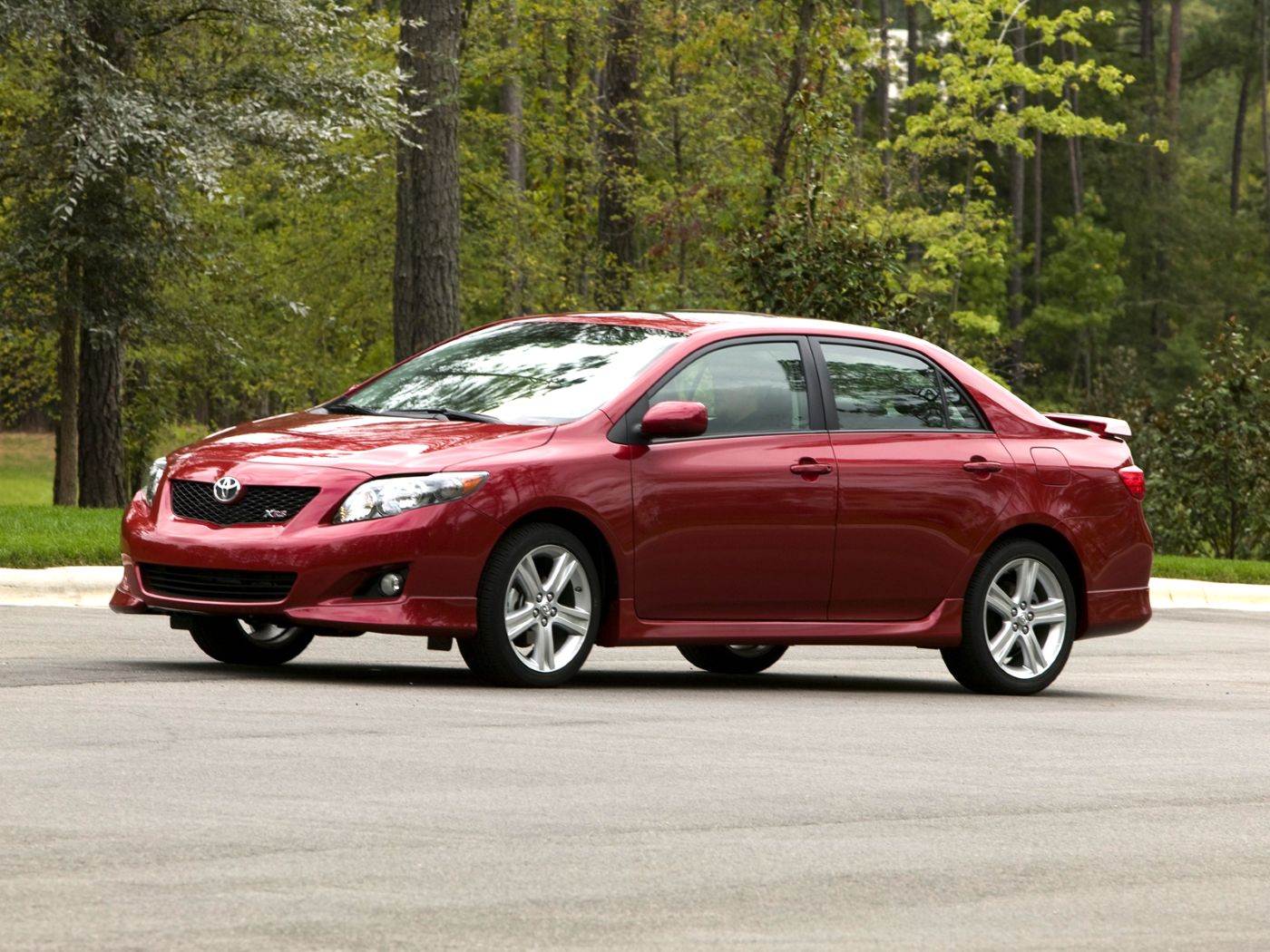
In terms of longevity, many Corollas easily exceed the 200,000-mile mark with only regular maintenance. This trait, combined with unmatched parts availability, makes the Corolla an ideal pick for drivers aiming to minimize both hassle and expense over the life of their car.
Whether driving a new or older model, Corolla owners benefit from a network of support that consistently drives costs down.
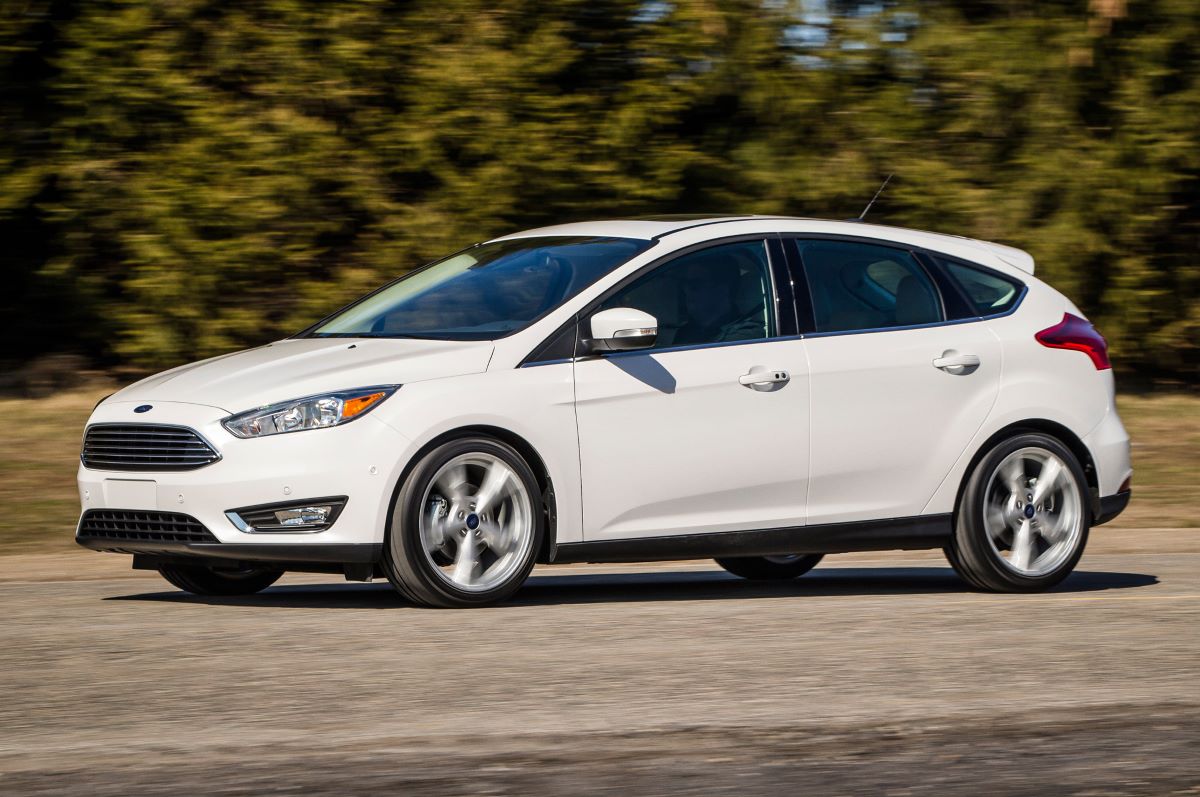
3. Ford Focus
For those seeking an affordable car with cost-effective repairs and wide parts availability, the Ford Focus stands out.
Popular in the United States and many international markets, the Focus enjoys a steady reputation as a practical family hatchback or sedan blessed with easy-to-source components. This popularity has given rise to a massive catalog of factory OEM parts as well as a robust aftermarket industry.
Routine consumables like oil filters, brake pads, and windshield wipers for the Focus can often be found for lower prices when compared to the competition.
The model’s prevalence in used car markets also means major parts, such as transmissions or fuel pumps, are accessible without difficulty. Suppliers cater to the Focus in both new and older iterations, covering almost every maintenance eventuality.
Crucially, Ford designed the Focus with straightforward repairs in mind. Most work can be tackled using standard tools, and the mechanics behind common maintenance procedures like timing belt replacements or alternator swaps are uncomplicated enough for local shops and skilled DIYers.
As a result, Focus owners often find themselves bypassing the hefty markup traditionally associated with dealer service centers.
The presence of the Focus in fleets and rental agencies further amplifies the volume of available parts. Many mechanics are intimately familiar with the car’s design and typical issues.
Free resources and guides are readily available online, offering walk-throughs and tips for tackling even challenging repairs. Drivers benefit from feedback and shared experiences within Focus owner forums, making diagnostics and troubleshooting more accessible.
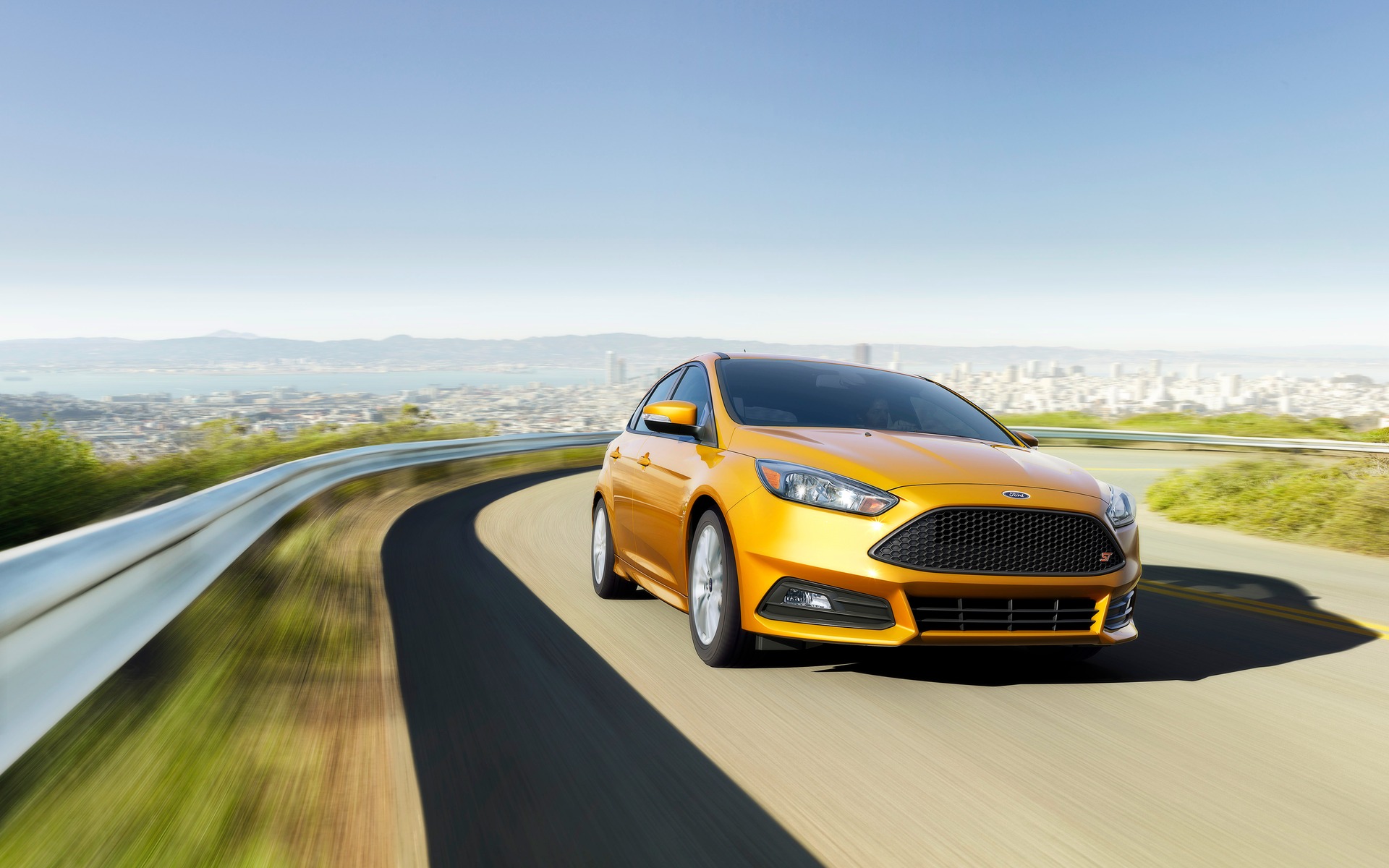
Potential buyers should be aware of some common Focus issues, such as automatic transmission quirks in certain years.
However, the sheer abundance of reasonably priced components and the ease of service counterbalance these drawbacks. For budget-conscious motorists who want a reliable vehicle that doesn’t demand dealer loyalty, the Ford Focus remains a compelling choice.
4. Hyundai Elantra
The Hyundai Elantra has transformed from a little-known competitor to one of the best-selling compact sedans. Its rise is connected to improved build quality, fuel efficiency, and crucially low maintenance costs.
Hyundai’s strategy has been to keep engineering relatively simple, contributing to easy, affordable repairs and fostering fierce competition among parts manufacturers.
Replacement parts for the Elantra are widely stocked by chain retailers, independent shops, and online platforms. Common maintenance parts such as air filters, brake rotors, cabin filters, and spark plugs routinely come at attractive price points.
Even larger items like exhaust assemblies or engine sensors tend to be much more budget-friendly than on similar vehicles.
Hyundai has focused on standardized platforms and accessibility. Most Elantra models can be serviced without special tools or dealer-only equipment.
Mechanics report that suspension parts, starter motors, and alternators are simple to replace. Straightforward diagnostics allow local repair shops, and even home garage enthusiasts, to address most issues.
Unlike some rivals, Hyundai also offers a comprehensive online parts catalog that doesn’t require proof of dealership service. Plus, extensive online forums help troubleshoot problems or offer step-by-step repair advice.
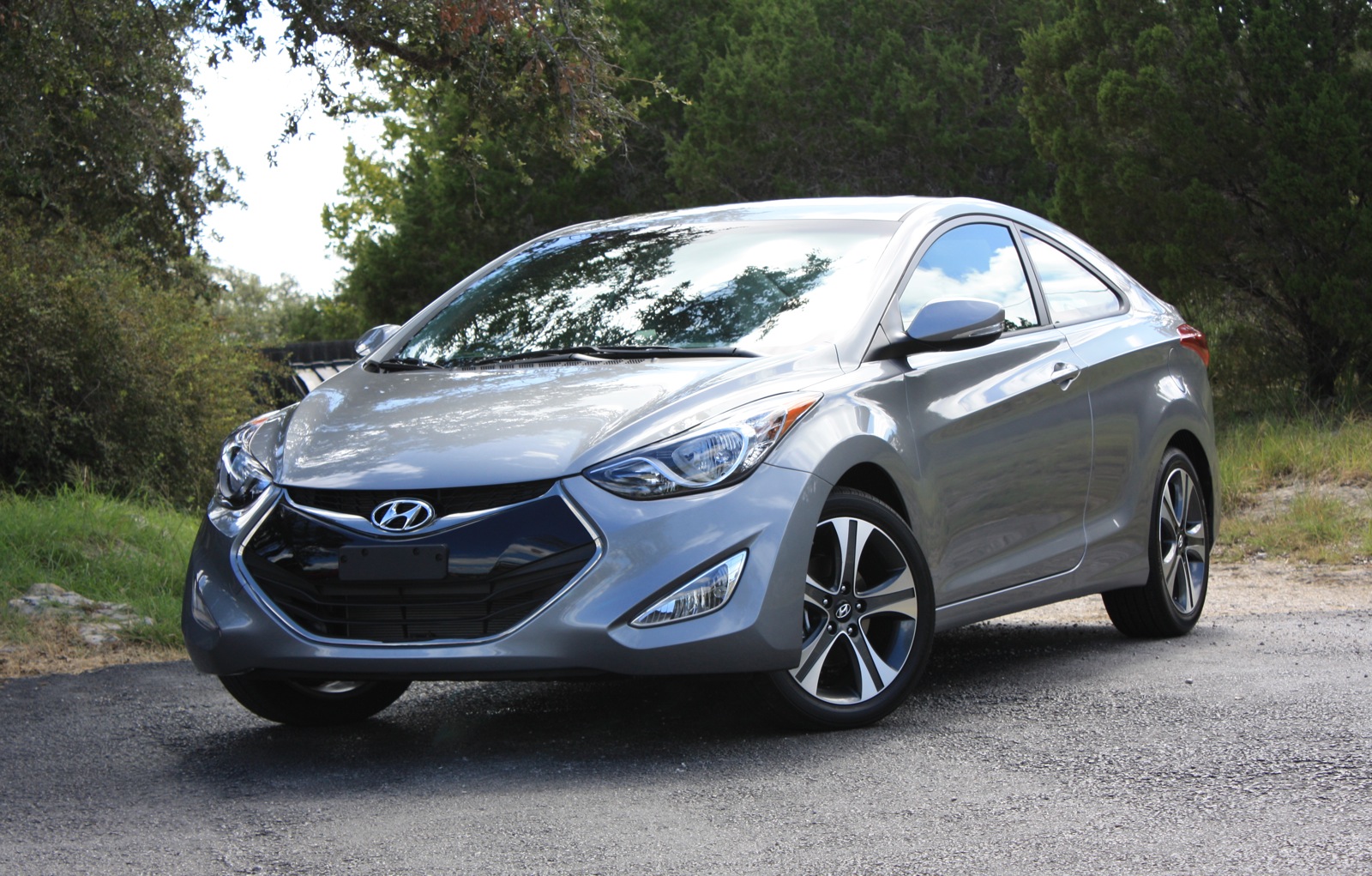
Owners have shared best practices for routine service, ensuring easy access to guidance for oil changes, brake jobs, and electrical repairs.
Even the interior and body parts are easy to procure, meaning drivers can refresh their Elantra’s appearance without significant expense. Used parts markets, including salvage yards and online resellers, offer further value, especially for earlier models.
The Hyundai Elantra’s simple mechanics, widespread popularity, and welcoming price structure for replacement items give owners the freedom to maintain their cars at local workshops or on their own.
The absence of mandatory dealer involvement highlights the Elantra’s reputation as one of the most budget-friendly vehicles available.
5. Nissan Sentra
The Nissan Sentra has long been recognized as a dependable and wallet-friendly compact sedan. Known for its practical design and reliability, it offers a balance between affordability and quality that appeals to many budget-conscious car owners. A big reason for its popularity in the used car market is the consistently low cost of repairs, thanks to parts that are easy to find and inexpensive.
Because the Sentra has been in production for decades, there’s an abundant supply of both OEM and aftermarket parts. Simple wear-and-tear items like brake pads, filters, belts, and spark plugs are widely stocked at auto parts stores and online retailers. Even larger components such as transmissions, alternators, and suspension assemblies are available for reasonable prices compared to other vehicles in its class.
Mechanics often highlight the Sentra’s straightforward design, which makes it simpler to work on than some competitors. Common repairs do not require specialized diagnostic equipment or proprietary tools, so most local repair shops can handle them with ease. This spares owners from the high hourly labor rates of dealership service departments.
Another benefit of owning a Sentra is the large network of owners and enthusiasts who share repair tips, service manuals, and troubleshooting advice. From detailed YouTube tutorials to active Nissan forums, resources are plentiful for those who want to handle basic maintenance themselves.
The Sentra is also commonly found in salvage yards, making it easy to source used parts for cosmetic fixes or cost-effective replacements. Even interior pieces and exterior panels can often be found cheaply.
While some older Sentras may be more basic in terms of features, that simplicity keeps repair costs down. Without unnecessarily complex technology, there’s less that can go wrong and fewer parts that have to be purchased exclusively from dealerships. For anyone aiming for low running costs with minimal dealer dependency, the Nissan Sentra delivers solid value.
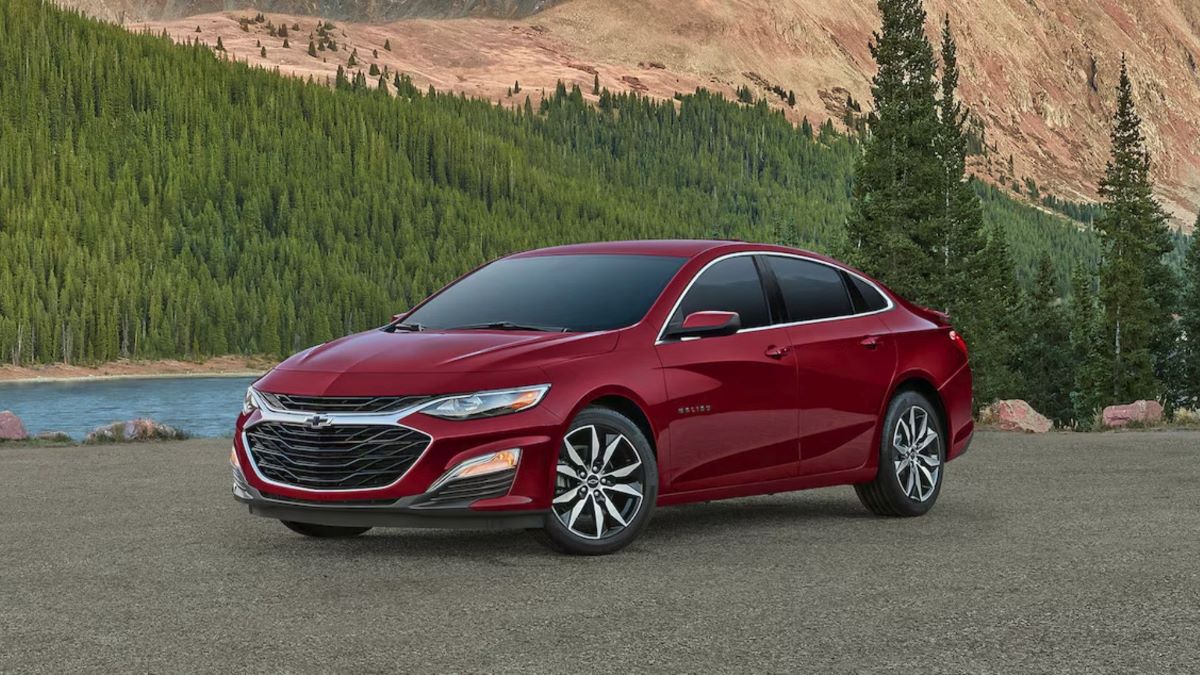
6. Chevrolet Malibu
The Chevrolet Malibu, especially in its more common model years from the mid-2000s onward, is known for being affordable to maintain and repair.
Used extensively as both a family car and in rental fleets, the Malibu benefits from its wide distribution and large production numbers, which mean plentiful parts at competitive prices.
Essential service components like brake pads, filters, belts, and bulbs are widely available in every auto parts store, while more significant items engines, transmissions, fuel systems, can be sourced from aftermarket brands or refurbished suppliers at reasonable rates.
These factors greatly reduce ownership costs compared to vehicles that require dealer-specific parts.
Repair accessibility is another factor in the Malibu’s favor. Many common maintenance tasks are easy for independent mechanics to perform.
Even more involved jobs, such as replacing a water pump or alternator, don’t typically require specialized dealer-only tools. The Malibu’s popularity means mechanics across the country are familiar with its systems, which translates to faster repairs and lower labor costs.
Another advantage of the Malibu’s mainstream appeal is the extensive pool of salvage vehicles. This makes used parts cheap and readily available for interior upgrades, exterior replacements, or mechanical components.
Owners with a DIY mindset often find that with basic tools and some guidance, they can handle small repairs themselves.
Online owner communities provide a valuable source of shared knowledge for troubleshooting or finding affordable parts suppliers.
For those who prefer professional service, plenty of independent automotive shops have experience with the Malibu, eliminating the need for dealership visits in most cases.
If there’s one thing to watch for, it’s that certain Malibu engines from older generations had some known mechanical weaknesses.
However, given the abundance of inexpensive replacement parts and the ease of repair, these potential issues rarely translate into prohibitively high costs. For buyers seeking a midsize sedan with affordable upkeep, the Malibu is a practical option.
7. Mazda3
The Mazda3 stands out as a fun-to-drive compact car that doesn’t punish owners with high maintenance costs. Known for its engaging handling and stylish design, it also delivers when it comes to low-cost parts and dealer independence.
Parts for the Mazda3 are widely available thanks to its international popularity. Everyday consumables like brake pads, spark plugs, air filters, and wiper blades are inexpensive and stocked by virtually every auto parts retailer.
Larger mechanical items, like suspension components or clutches, are also competitively priced from a variety of aftermarket suppliers.
The Mazda3 benefits from straightforward engineering, allowing many repairs to be done without specialized tools. Independent mechanics regularly work on Mazda vehicles, ensuring that owners have alternatives to dealership service.
Even electrical repairs are relatively manageable compared to more complex brands, which helps control labor costs.
Another perk is Mazda’s strong community of enthusiasts and owners who freely share repair guides, part numbers, and upgrade tips. Whether the goal is basic maintenance or a performance tweak, resources are just a click away.
DIY-friendly owners can find instructional videos and step-by-step articles covering everything from oil changes to more advanced engine work.
The used parts market for the Mazda3 is also healthy, with many salvage yards stocking both aftermarket and OEM components. This makes it possible to replace interior trims, bumpers, mirrors, and other body panels for a fraction of dealership pricing.
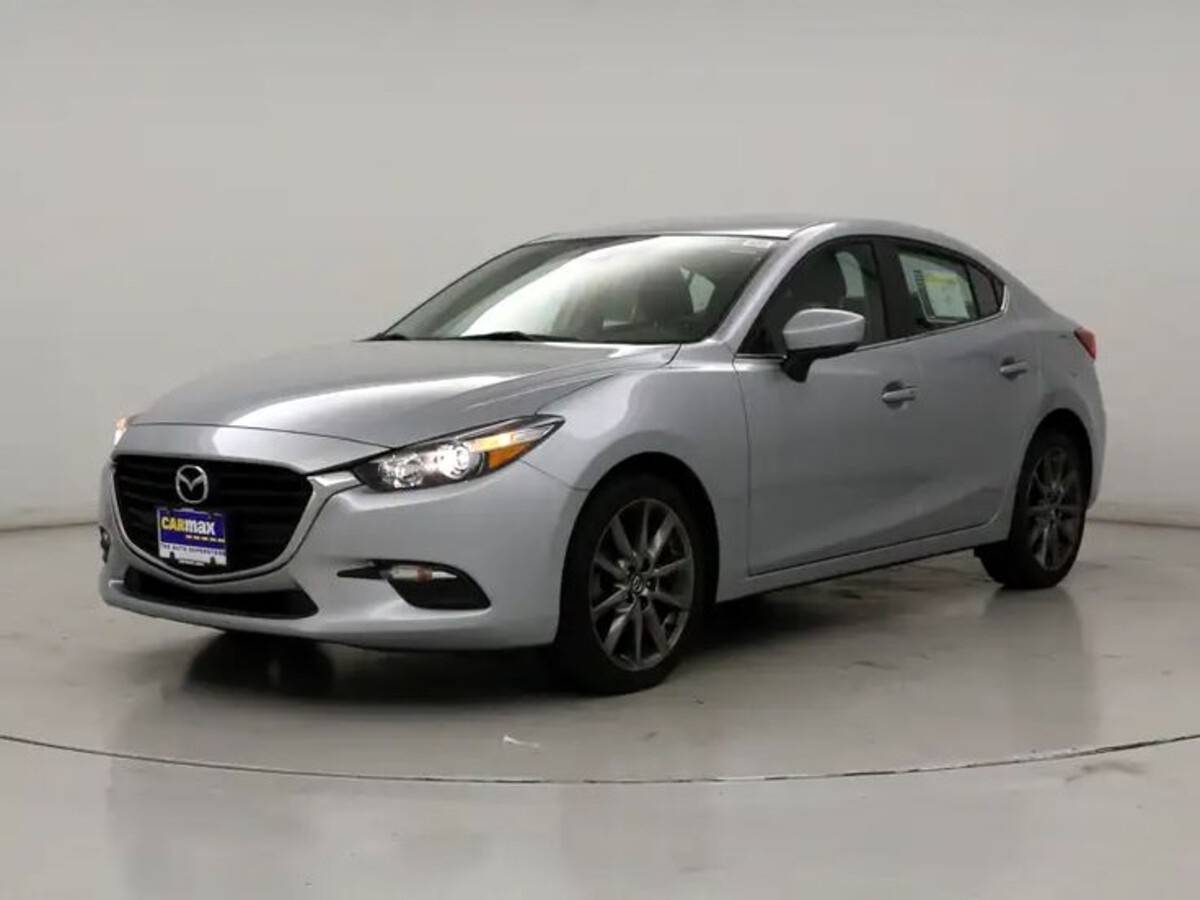
Owners often remark on the Mazda3’s balance of driving enjoyment and cost efficiency. It’s ideal for drivers who want something a little sportier without the burden of high maintenance costs.
With the majority of repairs being dealer-independent, it’s a strong choice for those seeking affordability alongside personality.
Cars with cheap, easily available parts that do not require dealership visits can save owners significant money while offering the freedom to choose independent mechanics or even perform their own repairs.
Seven standout models fit this criteria thanks to widespread production, strong aftermarket support, and simple engineering that avoids dealer-only tools or software.
The Honda Civic, with decades of popularity, benefits from a massive supply of OEM and aftermarket components, making everything from brake pads to alternators affordable and accessible, while a strong owner community offers step-by-step repair advice.
The Toyota Corolla matches this with legendary durability, a vast global presence, and a design that stays refreshingly simple, leading to inexpensive maintenance and plentiful salvage parts.
The Ford Focus, sold extensively worldwide, enjoys an abundant stock of new and used parts, easy-to-handle repair procedures, and support from frequent fleet use that ensures mechanics know their way around it, keeping repairs outside dealer networks simple.
The Hyundai Elantra has risen in popularity for its cost-friendly parts and straightforward layout, with both small and major components competitively priced and widely stocked, plus abundant DIY resources from parts catalogs to enthusiast forums.
The Nissan Sentra, a long-running, reliable compact, offers affordable parts at local stores and online, straightforward repairs that any capable mechanic can manage, and an active owner network that empowers drivers to handle issues themselves.
The Chevrolet Malibu benefits from its history as a family and fleet car, providing easy access to both routine and major mechanical parts, compatibility with numerous used components from salvage yards, and repair processes that rarely demand dealer intervention, though buyers should be aware of certain known issues in older engines that are offset by low-cost replacements.
Finally, the Mazda3 blends driver appeal with low ownership costs, offering inexpensive OEM and aftermarket parts, simple mechanical design, and a community that shares guidance for both maintenance and upgrades, coupled with strong salvage yard availability for cosmetic and structural pieces.
Across all seven cars, common factors explain their low-cost maintenance: long production runs and high sales volumes that flood the market with parts, uncomplicated engineering that shortens repair times and reduces labor costs, thriving aftermarket and salvage networks that push prices down, and active online communities that give owners the tools and confidence to service their cars independently.
Choosing one of these vehicles means not only avoiding the high markup and limited flexibility of dealership servicing but also gaining more control over repair schedules and budgets.
Whether going for a compact like the Civic, Corolla, Sentra, or Mazda3, or choosing larger sedans like the Malibu, Elantra, or Focus, each of these models represents a practical, economical option for daily drivers who value reliable transportation without the strain of high upkeep costs.
Their combination of affordability, availability of parts, and independence from dealerships makes them enduring choices for budget-conscious motorists seeking both short-term savings and long-term value.
Also Read: 10 Cars That Don’t Have Engine Overhaul Horror Stories
