
When shopping for a family SUV, most buyers look at space, comfort, fuel efficiency, safety features, and maybe even towing capability. What often gets overlooked is something far more frequent and expensive over time, brake maintenance.
While it’s easy to ignore during test drives or spec comparisons, how often a vehicle needs new brake pads can have a noticeable impact on your wallet and time.
Some SUVs can go 50,000 to 70,000 miles before needing new pads, while others start squealing at 15,000. That’s not just a small difference; it could mean two or three brake jobs over five years.
Brakes are one of those components that don’t get much attention until they fail or start making noise. For families juggling work, school, weekend activities, and road trips, constant maintenance interruptions can be more than just inconvenient; they become a financial and logistical burden.
The reality is, some SUVs are simply built better when it comes to preserving brake life. Others may have the horsepower, but that performance often comes at the expense of more frequent pad and rotor replacements.
The causes of premature brake wear go beyond driving habits. It’s not always a matter of slamming the pedal too hard. Brake system design, vehicle weight, transmission behavior, wheel size, and even how the electronic driver-assist features function all play a part.
Heavier vehicles typically require more stopping power, and unless they have a well-engineered braking system, the components tend to wear out faster.
Likewise, some SUVs with larger wheels or sporty trims may apply more force through the system, adding stress to the pads and rotors. Even how brake heat is managed can determine whether parts last 20,000 or 60,000 miles.
This article aims to give a clear look at ten family SUVs, five that are gentle on brakes and five that burn through them fast. The vehicles in the first group are known for going long stretches between brake jobs, saving families time and money.
These are the SUVs that tend to have better balance, smoother drive systems, or brake components that simply last longer. The second group includes SUVs that may offer performance, power, or visual appeal but demand more frequent brake pad and rotor replacements.
This is not about bashing any brand or model, and it’s not to say that one SUV is better than another. Every vehicle has strengths and weaknesses.
But when it comes to practical, long-term ownership costs, brake maintenance is an important factor, and for many families, it’s one they can’t afford to ignore.
Whether you’re looking for something dependable that won’t need constant service, or you want to be aware of what kind of wear to expect from a specific model, this list gives you a useful breakdown.
By the end, you’ll have a better idea of which SUVs are easier on your brake budget, and which ones might send you back to the shop more often than you’d like.
Also Read: 10 Cars That Changed U.S. Roads Forever
5 Family SUVs That Rarely Need Brake Jobs
1. Toyota Highlander
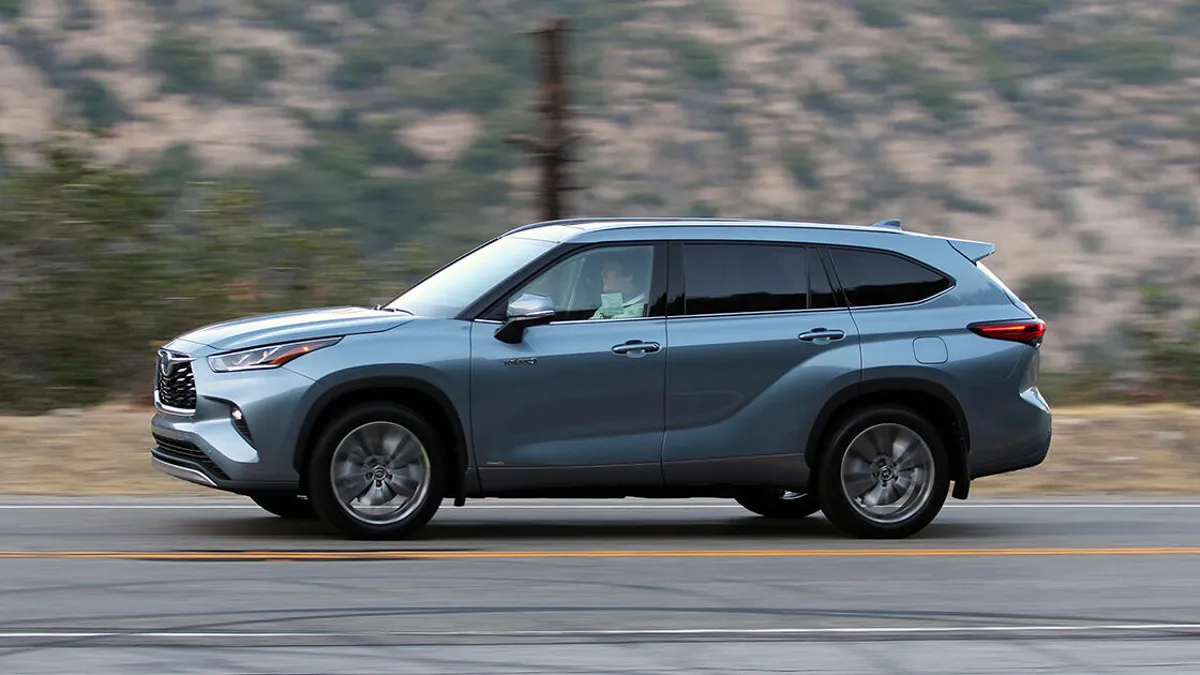
The Toyota Highlander has long been a go-to for families who want a three-row SUV that delivers comfort, reliability, and minimal upkeep. One standout quality of the Highlander is its gentle use of brakes.
Owners regularly report going 50,000 to 70,000 miles between brake pad replacements, which is well above average for a vehicle of this size and capability.
A big reason for this is the efficient design of its braking system, combined with Toyota’s habit of tuning its vehicles for smooth acceleration and deceleration.
The Highlander is also relatively lightweight compared to some of its competitors, which puts less strain on the brake components during regular driving. Toyota’s attention to detail when it comes to the longevity of parts shows up here.
Even the brake rotors tend to last well into six-figure mileage unless subjected to unusually harsh driving conditions. It’s not just a matter of materials, but also how the braking force is distributed across the vehicle.
Another reason this SUV is easy on brake pads is that many families drive it gently. The Highlander encourages a smooth driving style, partly due to its quiet ride and efficient powertrain.
There’s rarely any need to stomp the brake pedal, which translates to much slower wear on pads and discs. The regenerative braking in the hybrid version helps even more, taking pressure off the traditional braking system.
Highlander combines efficiency, quality parts, and smart engineering to keep maintenance needs low. If you’re looking for an SUV that won’t demand a trip to the mechanic every few months for brake work, this one is a safe bet.
The numbers support it, and so do years of real-world experiences from families who rack up the miles without worry.
2. Honda Pilot
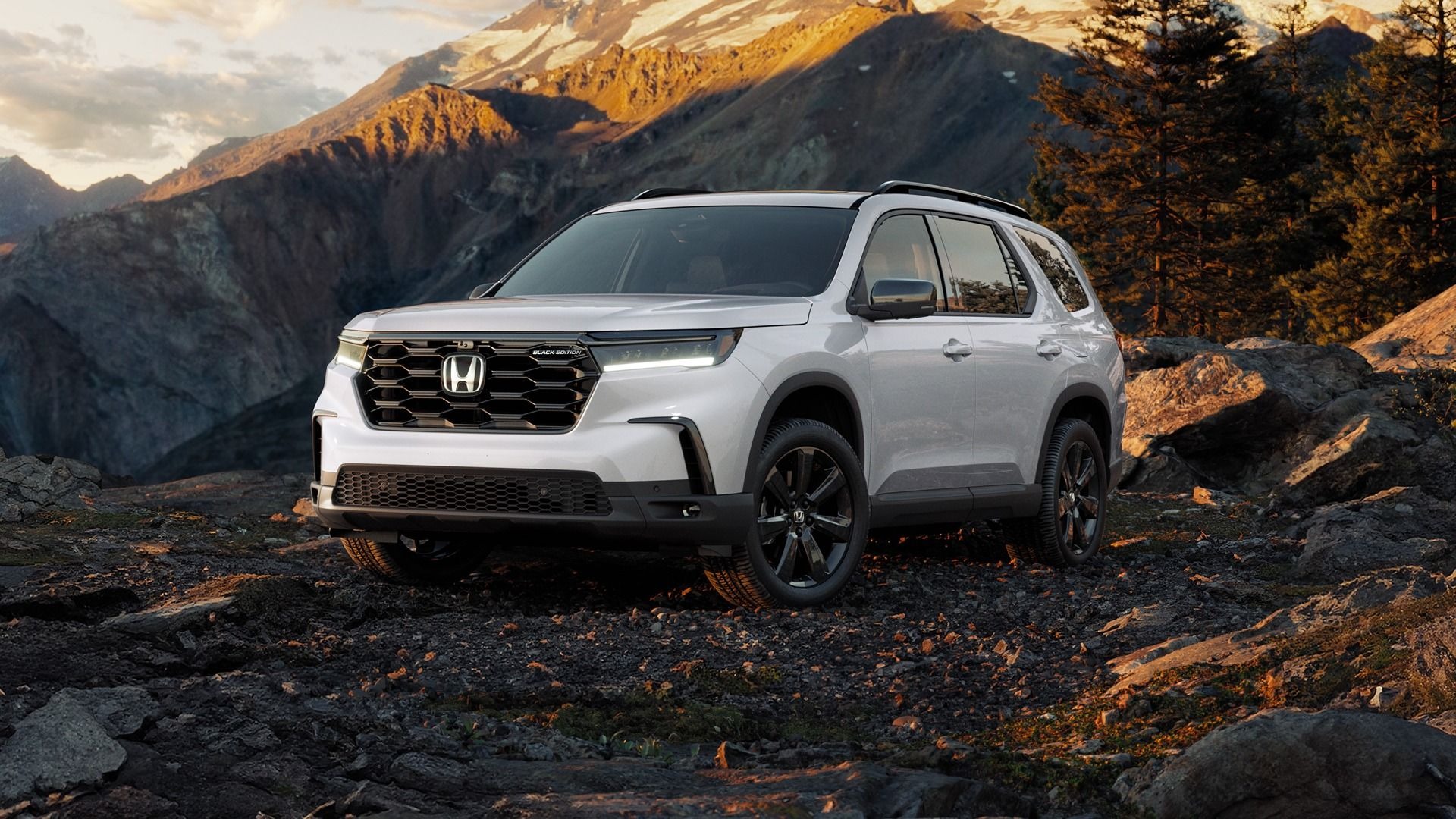
The Honda Pilot is another top choice for large families, and it comes with a strong reputation for low maintenance, particularly in the braking department. This SUV offers roomy seating for up to eight people, solid V6 power, and a predictable driving experience that avoids unnecessary stress on components.
Brake pads on the Pilot often last over 60,000 miles when driven under typical conditions. That’s a big relief for anyone who wants a low-fuss vehicle.
Honda engineers the Pilot with a strong focus on long-term durability. Its braking system features ventilated front and rear discs that handle heat effectively, preventing early wear.
The system isn’t overly aggressive, which also means the pads don’t grind down quickly with every stop. The vehicle’s stable weight distribution and consistent handling reduce the need for hard braking, extending the life of the pads.
The Pilot is often compared with rivals like the Ford Explorer or Chevy Traverse, but one area where it shines brighter is the cost of upkeep, and brakes are a large part of that equation.
Real-world ownership reports consistently highlight how long the pads and rotors last, even in suburban driving conditions with stop-and-go traffic. Honda’s predictable parts supply chain and quality control also make replacements (when eventually needed) affordable and quick.
For families who want to spend more time on road trips than in repair shops, the Pilot delivers. It’s not flashy or particularly sporty, but it does the job well, and you’re unlikely to find yourself at the service center every 10,000 miles for new pads.
It’s a strong performer in the long-term reliability category, and that includes its braking system.
3. Subaru Ascent
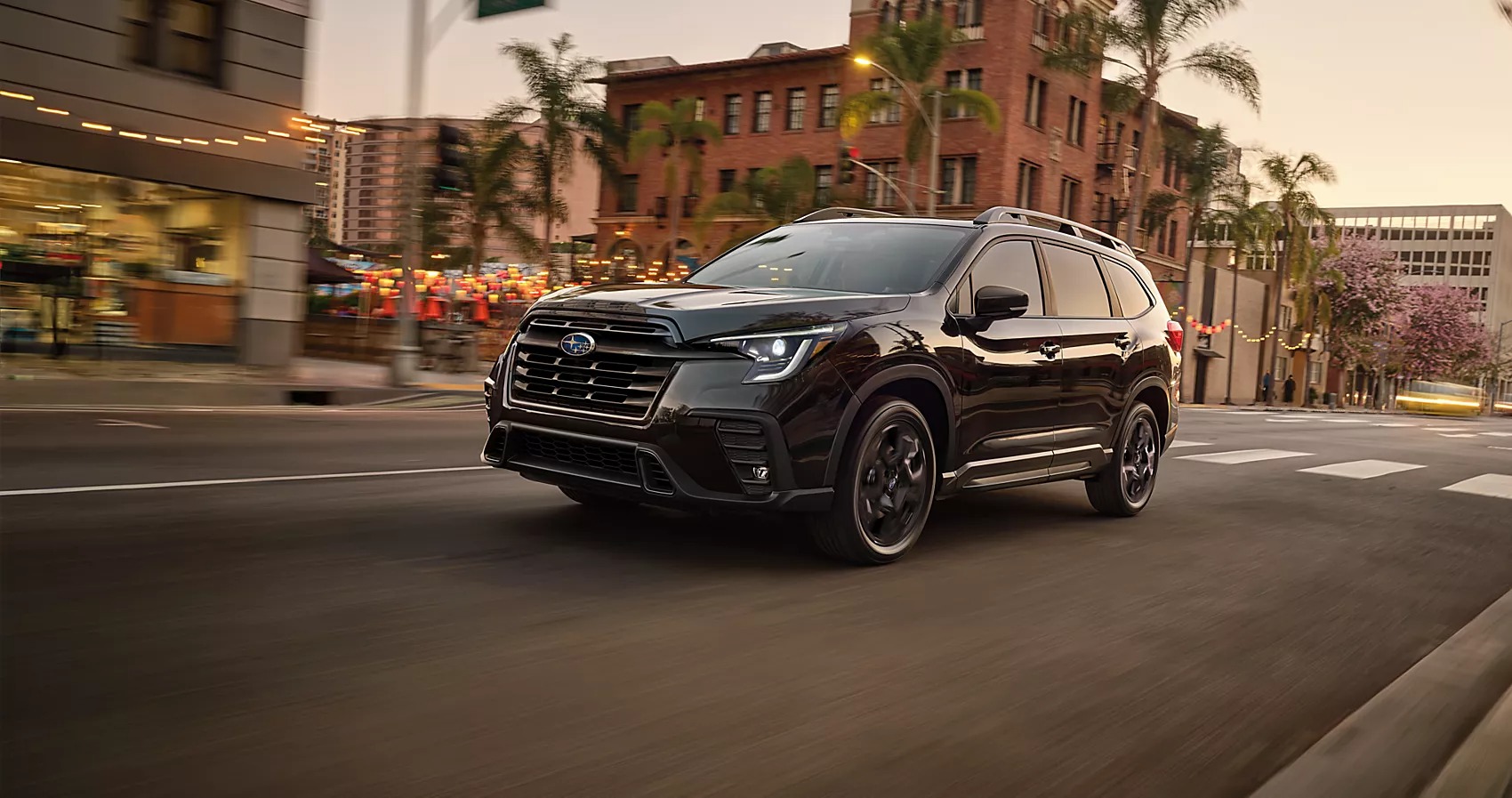
Subaru entered the full-size SUV market with the Ascent, and it came in with a bang. Designed to haul families through snow, mud, and everything in between, it still manages to be surprisingly kind to its brakes.
The Ascent’s brake pads often reach 60,000 miles or more before needing replacement, especially when driven in non-extreme conditions. This comes down to Subaru’s symmetrical all-wheel drive and smooth power delivery, which reduces strain on the brakes.
One advantage Subaru has is its reputation for balance and control. The Ascent is built with that in mind. It’s heavier than some rivals, but its braking system is well-matched to the vehicle’s size and driving style.
It doesn’t feel overpowered or underbraked, which means you’re not forced to compensate with hard braking in everyday driving. That natural, balanced feel contributes directly to longer pad life.
The Ascent also includes features like hill descent control and engine braking assistance, which support the vehicle during downhill driving.
This takes pressure off the brake pads, particularly during mountain trips or hilly commutes. Families living in elevated or rugged terrain especially benefit from this, as their braking components are preserved over time.
One more thing worth noting is the kind of families that drive Subarus. They tend to be careful, safety-minded drivers who prioritize control over speed. That translates into more measured braking, less wear, and fewer unexpected trips to the shop.
If your goal is to get a vehicle that can handle a full load of kids, cargo, and weather conditions, without running through pads like they’re disposable, the Ascent deserves a serious look.
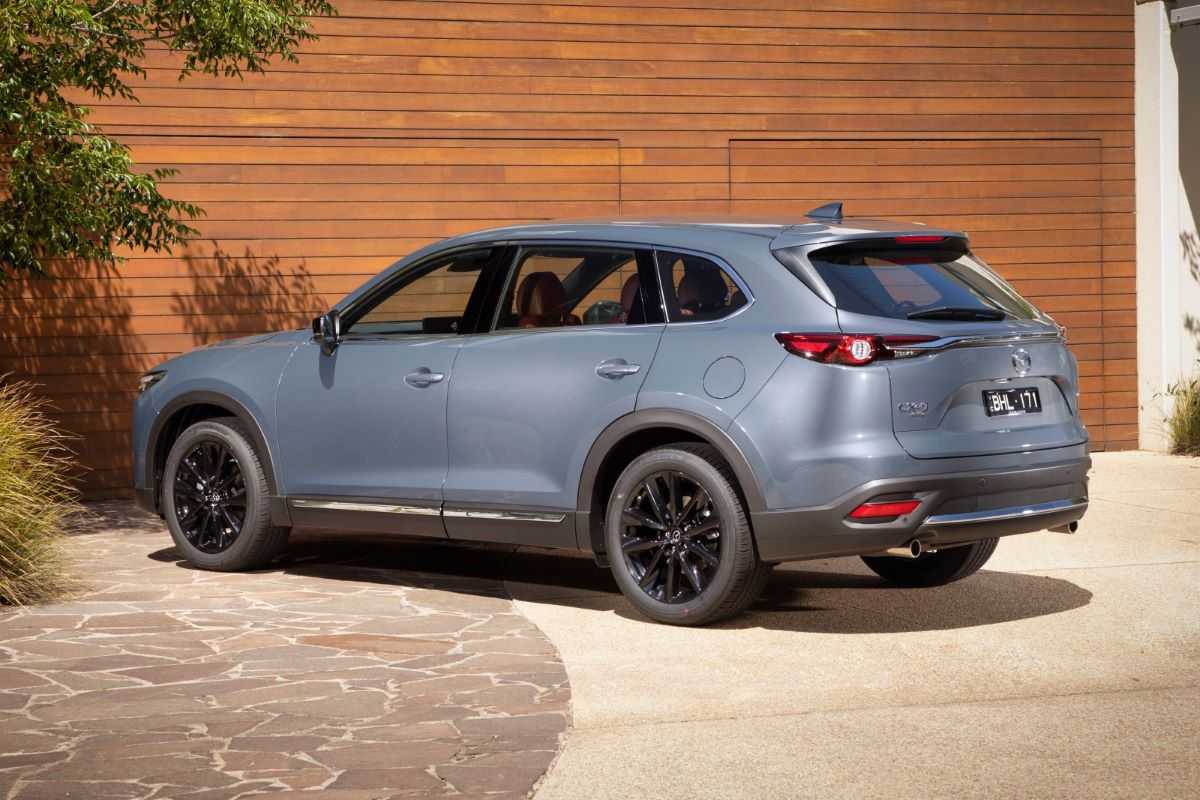
4. Mazda CX-9
Mazda’s CX-9 may not be as mainstream as some of its competitors, but it quietly earns high marks for both its sporty feel and low maintenance needs.
It’s one of those rare three-row SUVs that handles almost like a car, which is part of the reason its brakes last longer than you’d expect.
The CX-9 routinely goes 50,000 miles or more on a single set of brake pads. Owners often report fewer visits to the dealership for brakes than they experienced with previous SUVs.
The CX-9’s lighter weight and tuned suspension help reduce brake workload. It handles corners smoothly and stops predictably, even under a full load.
There’s a sense of balance to how the vehicle drives, which means you’re less likely to need sudden stops or jerky maneuvers. That predictability plays a major role in extending the life of the pads and rotors.
Mazda’s brake system uses high-quality components and effective heat management. In addition, the turbocharged engine in the CX-9 delivers power smoothly, meaning you don’t get that aggressive surge that often leads to heavier brake use. Everything about the vehicle encourages measured, confident driving.
Another reason it’s so easy on brakes is that it appeals to a specific type of driver. Mazda tends to attract people who value handling and control, and that translates into smoother braking habits.
That may seem like a small factor, but when it comes to real-world brake wear, how a car is driven often matters as much as how it’s built. The CX-9 holds up remarkably well in both areas.
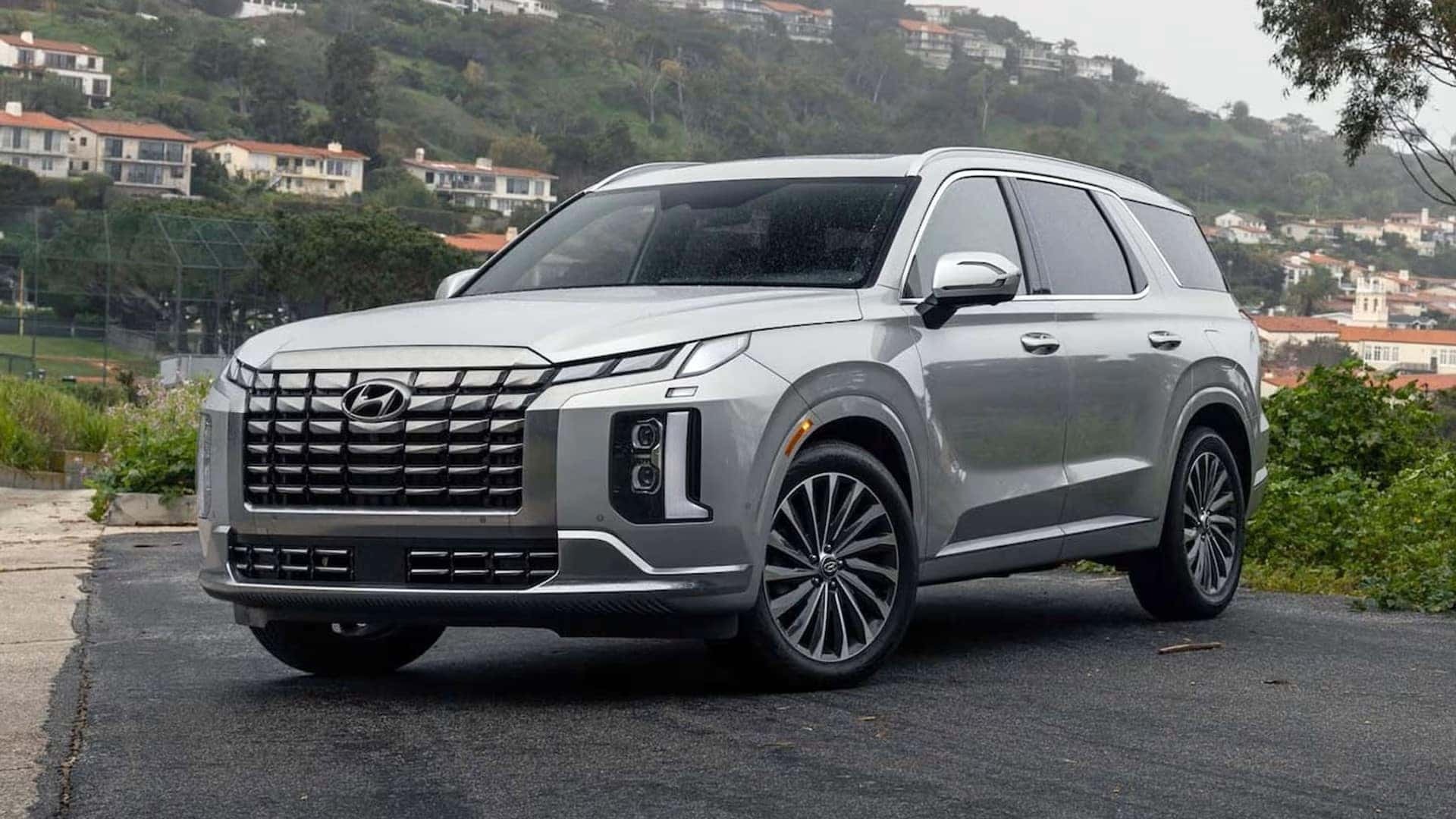
5. Hyundai Palisade
The Hyundai Palisade is one of the newer entries into the family SUV market, but it has quickly built a strong reputation for being dependable and surprisingly gentle on brake components.
Many Palisade owners report brake pad life exceeding 60,000 miles, and rotor wear is also slower than average. Hyundai’s thoughtful engineering on this model includes a braking system that manages heat well and applies stopping force in a smooth, controlled way.
The Palisade is a heavy vehicle, but it doesn’t feel like one behind the wheel. Part of that is due to the tuning of its braking and suspension systems.
Hyundai has managed to give the Palisade a very composed feel, even when loaded with passengers and cargo. This reduces the need for abrupt stops and keeps the pads from overheating or grinding down prematurely.
Brake system durability is also helped by the vehicle’s driving technology. Features like smart cruise control, forward collision braking assistance, and hill start assist all help reduce the load on the driver, and in turn, the brake pads.
The automated systems handle a lot of stop-and-go situations with consistent pressure, avoiding the type of driving that wears pads out fast.
If you’re looking for a modern SUV that provides lots of features, a smooth ride, and low brake maintenance, the Palisade should be high on your list.
Hyundai’s commitment to value includes building parts that last, and the brake system on the Palisade is a clear example of that. You won’t be spending much time at the mechanic replacing pads or rotors if this SUV is in your garage.
5 Family SUVs That Eat Pads Monthly
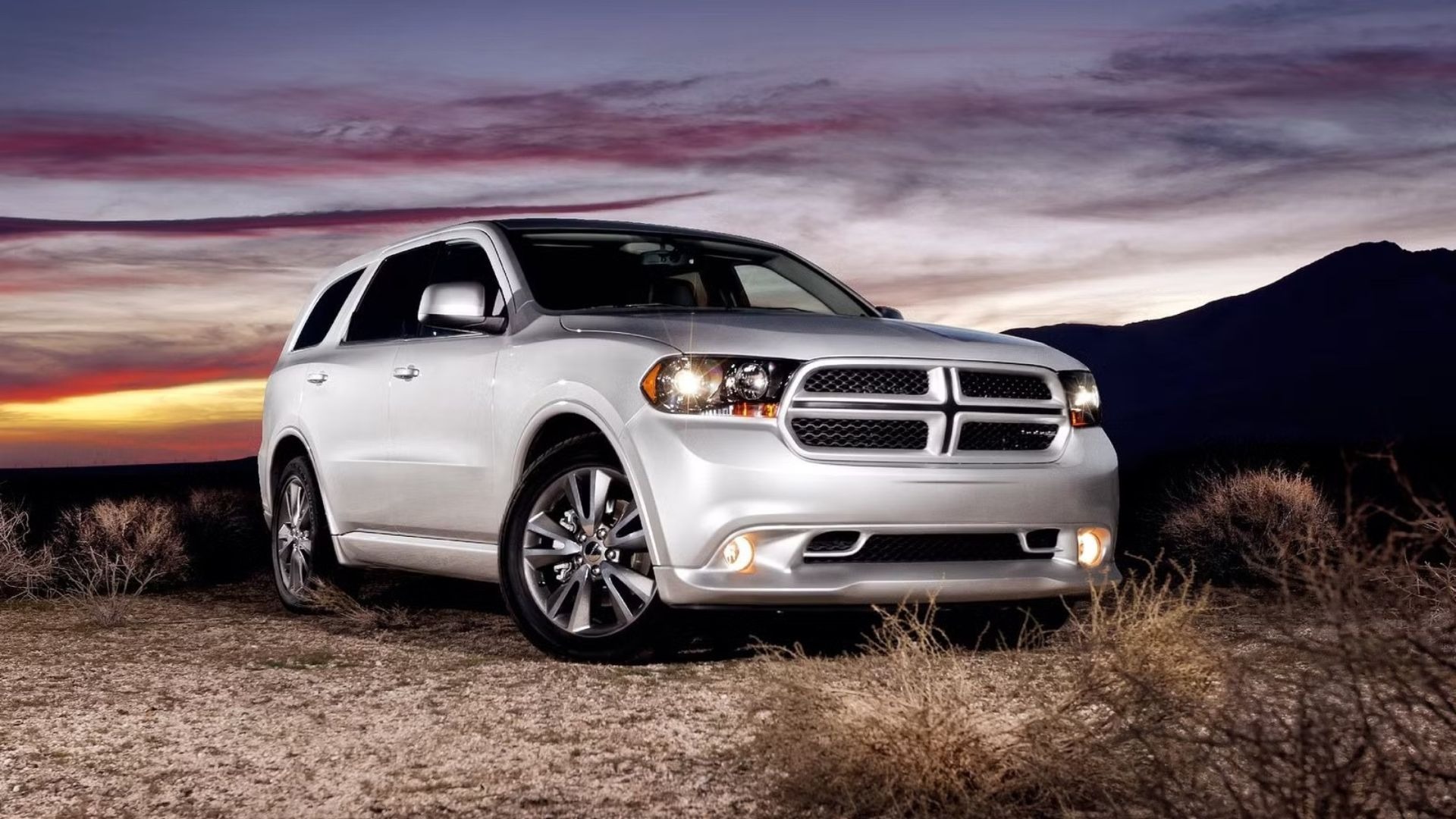
1. Dodge Durango
The Dodge Durango is built to be bold, powerful, and capable of towing, but one major downside for families is how frequently it chews through brake pads.
Owners of the V6 and especially the V8 versions often report needing new pads as early as every 15,000 to 20,000 miles, sometimes even sooner, depending on driving conditions. While it offers impressive performance for a family vehicle, that power comes at the cost of heavier braking and faster wear.
Part of the issue stems from the Durango’s weight. Even the lighter trims are heavier than many rivals, and when you add the larger wheels and towing packages, the strain on the braking system increases.
The more mass a vehicle has, the harder its brakes must work to bring it to a stop, especially in city driving. That constant pressure leads to quicker wear on both pads and rotors.
Another problem is heat buildup. The braking system on the Durango doesn’t dissipate heat as efficiently as others in its class. During extended use, especially in stop-and-go traffic or during towing, brake temperatures rise quickly.
This reduces the effectiveness of the pads over time and can lead to warping of the rotors if not addressed quickly. That means families not only deal with frequent pad replacements but also sometimes face full brake jobs more often than expected.
Durango drivers tend to lean into the vehicle’s power, using it for aggressive driving, towing trailers, or even light off-roading.
These conditions all put the brakes under more stress. It’s a fun SUV to drive, no doubt, but not ideal for those who want minimal brake maintenance. Families might find themselves stuck with a growing list of repair bills if they aren’t prepared for how hard this SUV is on its pads.
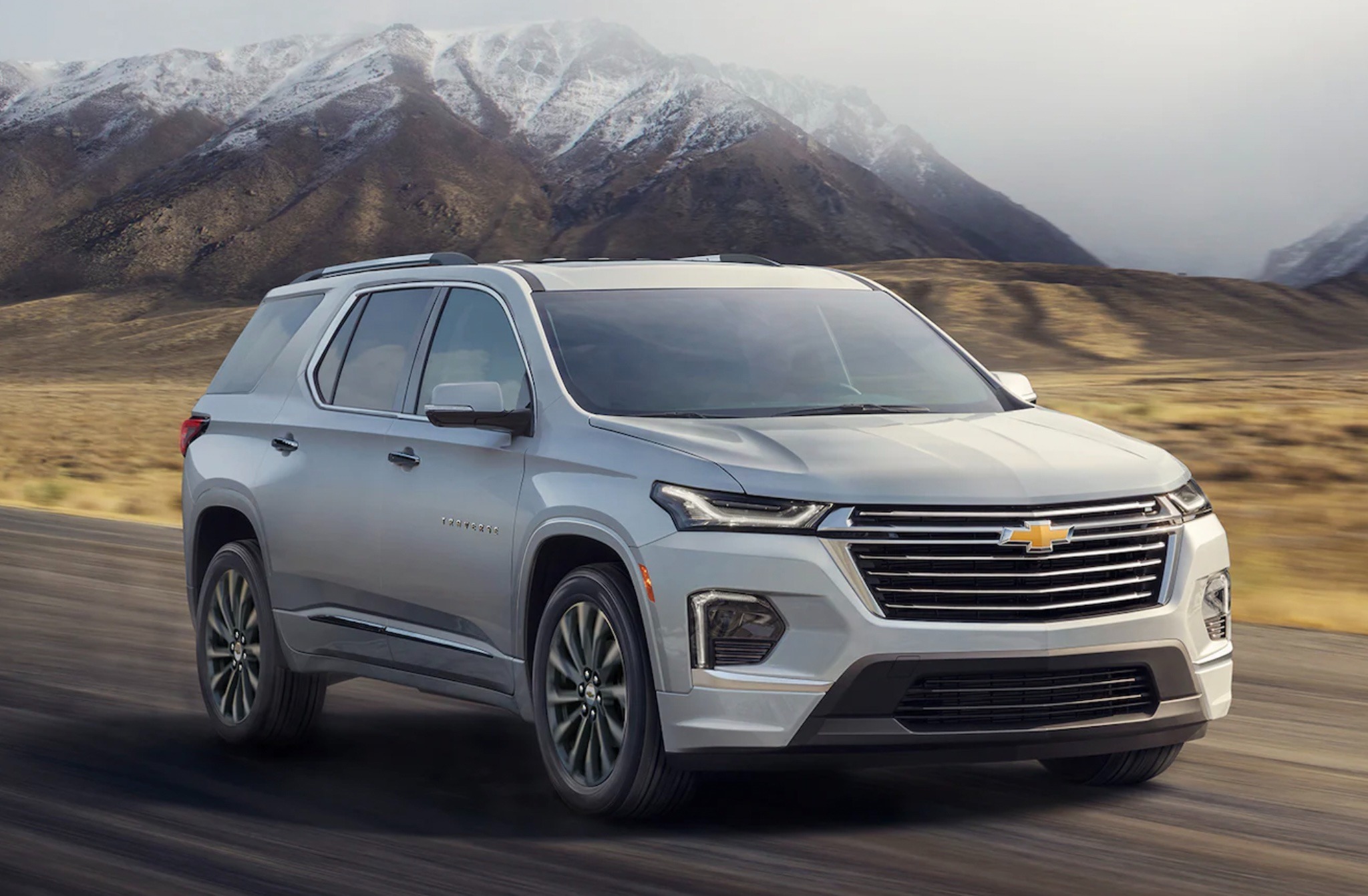
2. Chevrolet Traverse
The Chevrolet Traverse is a favorite among American families due to its spacious cabin and smooth ride, but it’s also known for needing brake jobs more often than most would like.
Reports from long-time owners suggest pad changes are needed every 20,000 to 25,000 miles, which is far more frequent than the average for midsize SUVs. The Traverse is a solid SUV in many ways, but its braking performance and long-term pad life leave something to be desired.
One of the biggest culprits is the size and weight of the Traverse. It’s a large three-row SUV that feels every bit of its size when stopping.
The brakes have a lot of mass to slow down, especially when the vehicle is loaded with passengers and cargo. This leads to more pressure on the pads and a higher rate of wear, especially during city driving or school pick-up lines, where frequent stops are the norm.
Another issue is the design of the braking system itself. The Traverse uses fairly standard components without any advanced cooling or performance features.
While this keeps production costs low, it also means the system doesn’t manage heat or stress particularly well. In areas with hills or heavy traffic, that adds up to brake pads that wear out fast, and if they’re not replaced in time, rotors often follow.
Adding to the challenge is the inconsistency in service life reported by owners. Some report needing new pads as early as 15,000 miles, while others stretch to 30,000 before hearing the tell-tale squeal.
That lack of predictability makes it difficult for families to plan maintenance costs, which can be frustrating when trying to budget for a vehicle you rely on every day. The Traverse may be great for space and comfort, but its appetite for brake parts is a serious downside.
3. Ford Explorer
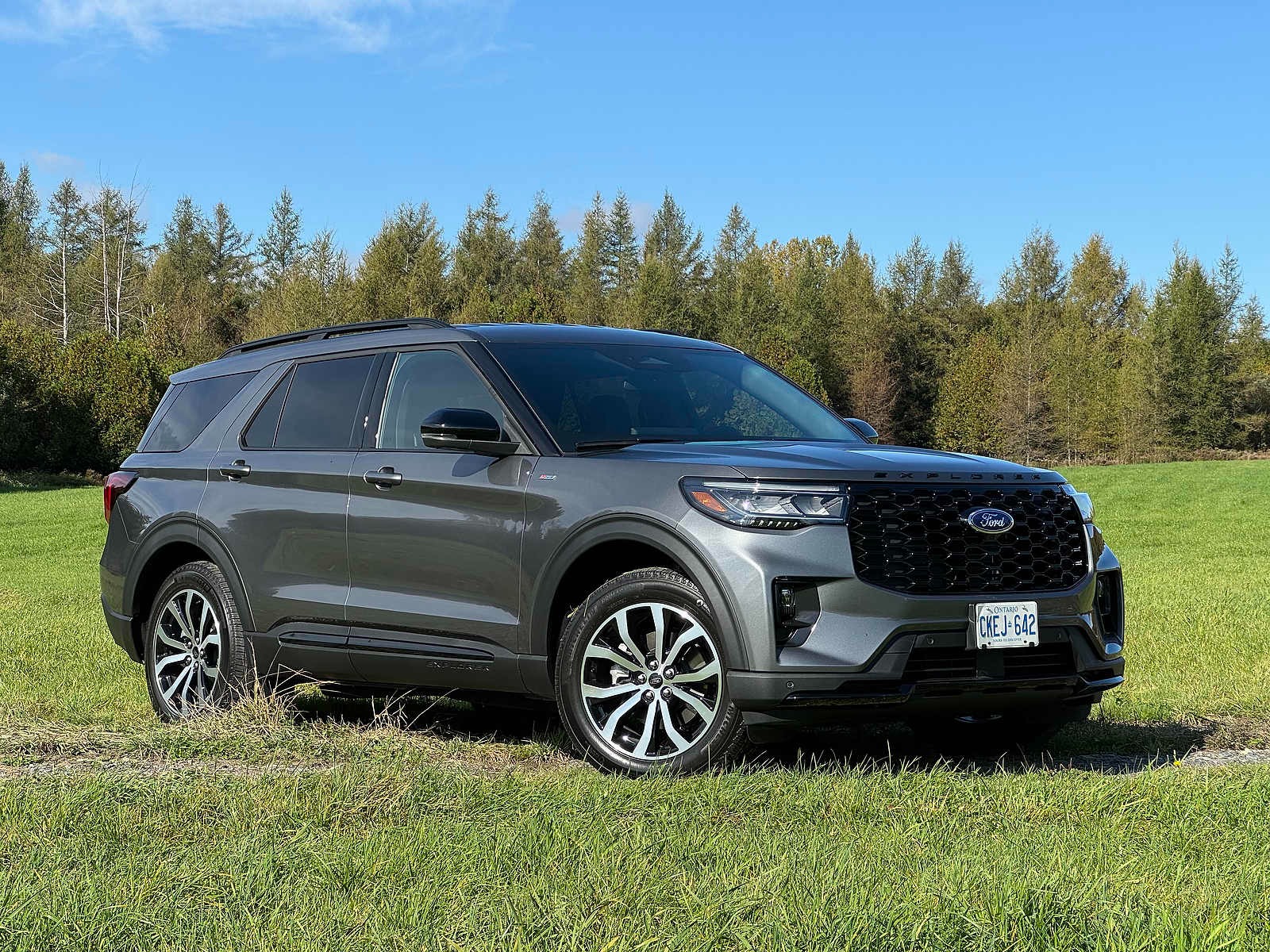
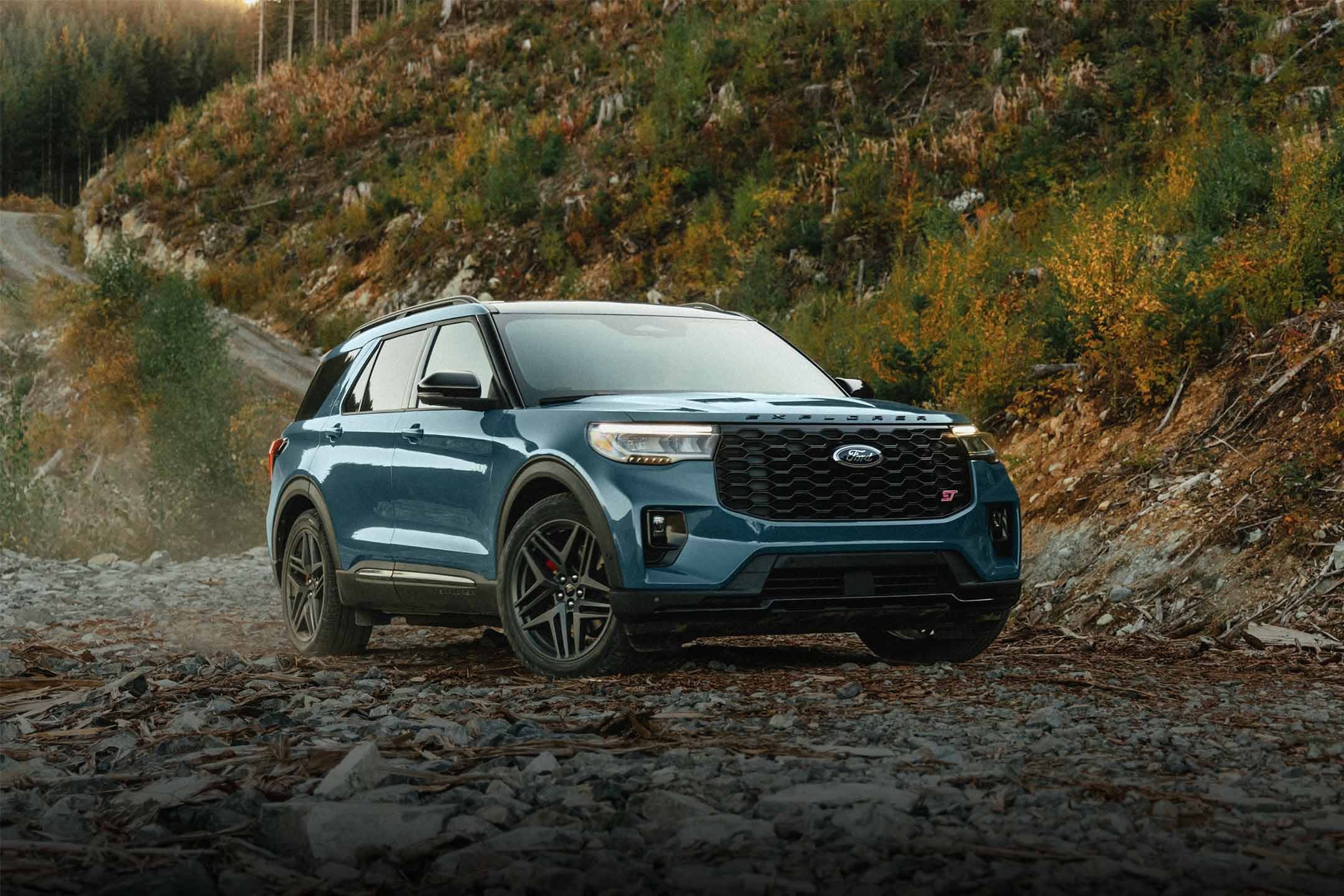
The Ford Explorer has always been a top seller in the SUV market, but it’s also one of the more frequent visitors to the service shop when it comes to brake work.
Many Explorer owners report needing new pads at intervals as low as 15,000 to 25,000 miles, especially in older or high-trim models with larger wheels or heavy use. The problem isn’t limited to one specific generation either; it seems to be a consistent issue across several model years.
There are several reasons the Explorer goes through pads faster than many of its peers. First, its weight and design encourage a more performance-oriented feel, especially in trims like the ST.
That leads to more aggressive driving styles, quicker acceleration, and harder stops. Even in the more conservative trims, the size and curb weight work against brake longevity. Whether it’s a school drop-off or freeway commute, the pads are constantly in action.
The braking system itself doesn’t offer the best heat dissipation, which is a major contributor to fast wear.
Extended braking, especially in mountainous areas or heavy traffic, leads to overheating, which reduces brake efficiency and causes materials to break down faster. Warped rotors are also a frequent complaint, which suggests the setup may not be up to the demands placed on it by daily family use.
To make matters worse, some Explorer models have experienced recalls or complaints related to brake performance. While newer models have improved in some areas, the consensus remains that brake jobs are a frequent part of ownership.
If you’re drawn to the Explorer for its space, tech, and power, just be ready to budget for pads, potentially more often than you expected.
4. Volkswagen Atlas
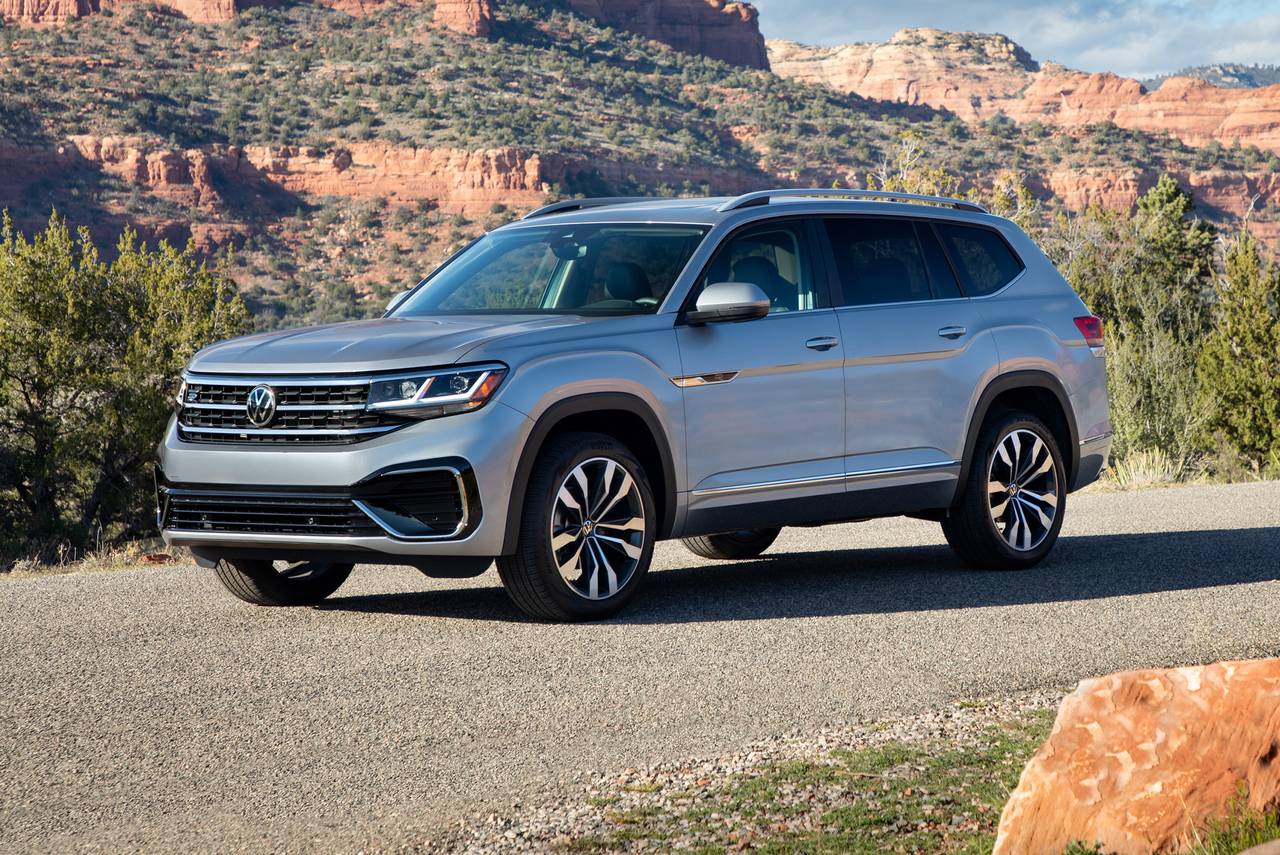
Volkswagen aimed high with the Atlas, offering a midsize SUV that provides generous space, European styling, and a comfortable ride. However, a consistent issue that has plagued the Atlas is its surprisingly short brake pad life.
Many owners report needing replacements in the 15,000 to 25,000-mile range, sometimes sooner, especially in urban environments or with lots of highway traffic. For a vehicle marketed as family-friendly, this can be a costly and annoying problem.
A big part of the issue lies in the weight and layout of the Atlas. It’s a heavy SUV, tipping the scales well above some competitors. That extra weight directly translates into more force needed to stop, especially when loaded with kids, groceries, and luggage.
The pads bear the brunt of that stopping force, wearing down quickly with daily use. Unlike some competitors, the Atlas doesn’t offer a brake system that stands up well to long-term heat or stress.
Another factor is the type of driver the Atlas attracts. Many VW buyers are looking for a more premium experience, so they often opt for higher trims with bigger wheels and more features, all of which increase rolling weight and braking load.
This isn’t just a matter of driver behavior; the mechanical design of the vehicle plays a major role. When even conservative drivers report short pad life, it points to a systemic issue.
Some mechanics have noted that the materials used in the OEM brake components are not particularly long-lasting, especially under the demands of city driving.
Even the rotors can show signs of wear before 40,000 miles, which is earlier than what most families expect. Unless VW makes adjustments in future versions, the Atlas will likely continue to frustrate owners with how often it needs brake service.
5. Jeep Grand Cherokee
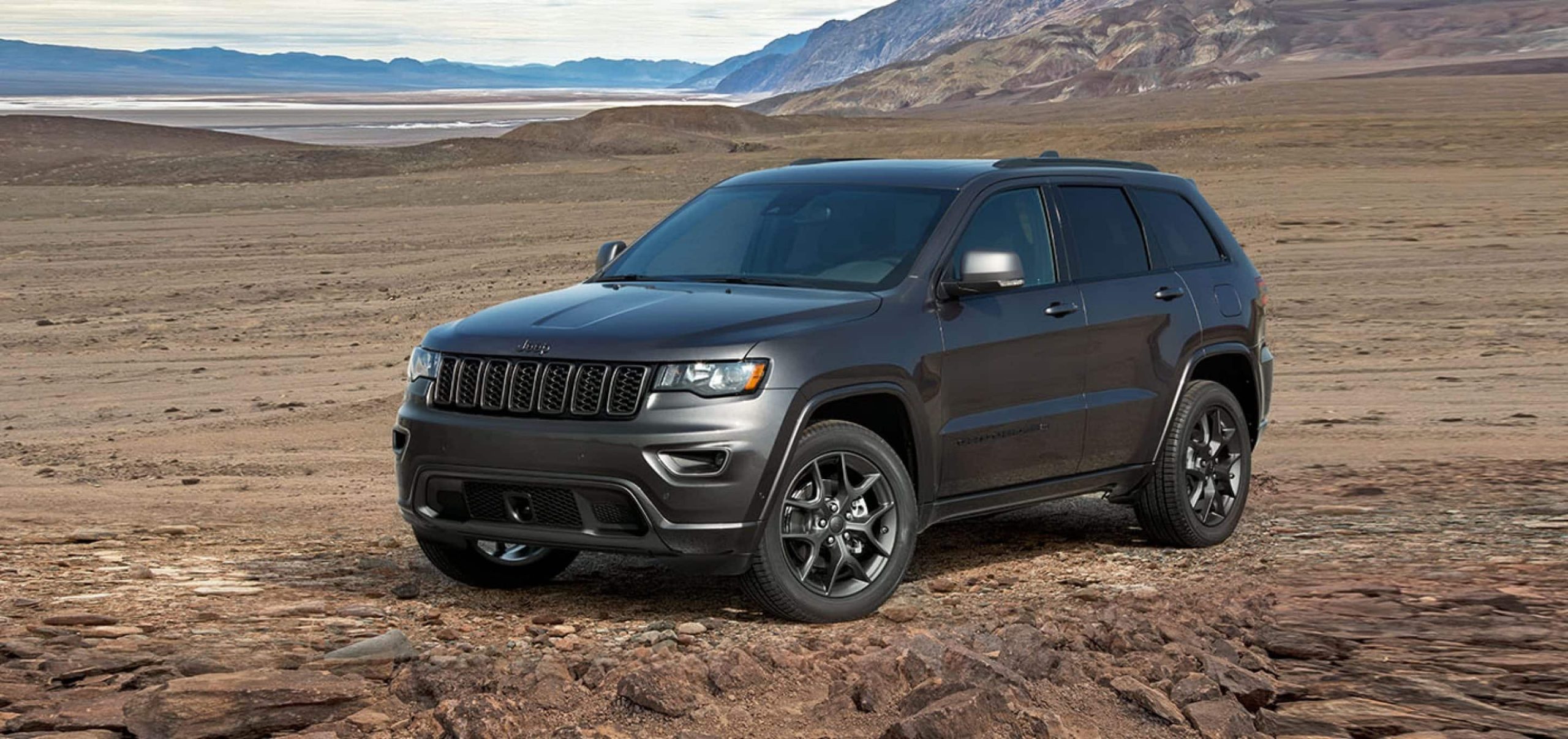
The Jeep Grand Cherokee is known for being a rugged, versatile SUV that blends off-road ability with upscale features. It’s a favorite for adventurous families and those who like a bit of luxury with their utility.
However, this SUV has developed a reputation for needing frequent brake work, especially in trims with the larger wheels or more aggressive powertrains. Many owners see pad replacements as often as every 18,000 to 25,000 miles, much more frequent than average.
The issue is partly due to how the Grand Cherokee is driven. It encourages more spirited driving with its strong engines and quick throttle response. Combine that with a heavy curb weight and large wheels, and you’ve got a vehicle that puts serious pressure on its brakes.
Even for families that stick to city roads, the size and weight of the Grand Cherokee lead to faster pad wear, especially if the vehicle is used for towing or in mountainous regions.
The brake system, while strong in terms of stopping power, doesn’t seem designed with longevity in mind. Brake fade is a common complaint on long downhill drives, and overheating can cause early deterioration of the pads and rotors.
Some drivers even report squealing or vibration issues after only a short period of ownership, which points to materials and build quality that may not be up to long-term family use.
It’s worth noting that higher-performance trims like the SRT and Trackhawk fare even worse in this area, often needing pads in less than 15,000 miles.
That’s not necessarily a flaw; those trims are built for speed, not brake efficiency, but it does affect total ownership cost. Even standard trims tend to suffer, which is disappointing for a vehicle that’s otherwise well-equipped for active family life.
Also Read: 5 Kias That Rarely Fail Tech vs 5 That Always Have Glitches
When families decide to invest in an SUV, the focus is usually on the big-ticket qualities, interior space, fuel economy, crash-test scores, tech packages, and warranty coverage.
Rarely do conversations begin with, “How often do the brakes wear out?” But over time, those seemingly minor maintenance issues start to add up.
For most drivers, replacing brake pads is one of the more frequent and costly maintenance tasks they’ll face.
If you’re changing pads every 15,000 to 20,000 miles instead of 50,000 to 70,000, that could mean an extra two or three visits to the shop throughout ownership. And it’s not just the cost, it’s the hassle, the downtime, and the frustration that come with it.
As this list shows, some SUVs have been engineered with long-term ownership in mind. Models like the Toyota Highlander, Honda Pilot, and Mazda CX-9 are examples of vehicles that offer not only reliability but also sensible brake systems that hold up under daily use.
These aren’t just anecdotal reports; many owners have driven these vehicles for years and tens of thousands of miles without needing brake work.
These models tend to offer smoother drive systems, balanced weight distribution, and less aggressive braking behavior. They don’t wear down parts prematurely, and that results in fewer shop visits and lower lifetime costs.
On the other side of the list are SUVs that may shine in other areas but fall short in brake durability. The Dodge Durango, Ford Explorer, and VW Atlas are capable, well-equipped vehicles, but they come with a cost that isn’t obvious at first glance.
Larger engines, heavier curb weights, or inefficient brake designs all contribute to faster pad and rotor wear. It’s not a flaw in performance, necessarily; some of these SUVs are built for speed and towing, but for the average family, that kind of performance translates into shorter brake life and more frequent repairs.
What’s important here is awareness. No vehicle is perfect, and every SUV will need brake work at some point. But knowing which ones are more likely to require service every few months helps buyers make smarter decisions.
If you have a long daily commute, live in a hilly area, or regularly carry a full load of passengers, the difference in brake longevity could become a deciding factor.
The goal isn’t to scare anyone away from certain brands, but to highlight a cost that many people underestimate during the buying process.
The best family SUV is one that balances features, comfort, safety, and long-term affordability. Brake maintenance is just one part of that equation, but it’s one worth considering, especially for families trying to stretch their budget or avoid unnecessary time at the repair shop.
Whether you choose a model known for brake reliability or decide to accept more frequent maintenance in exchange for other strengths, it’s better to go in with your eyes open. The more you know, the better your ownership experience will be.
