
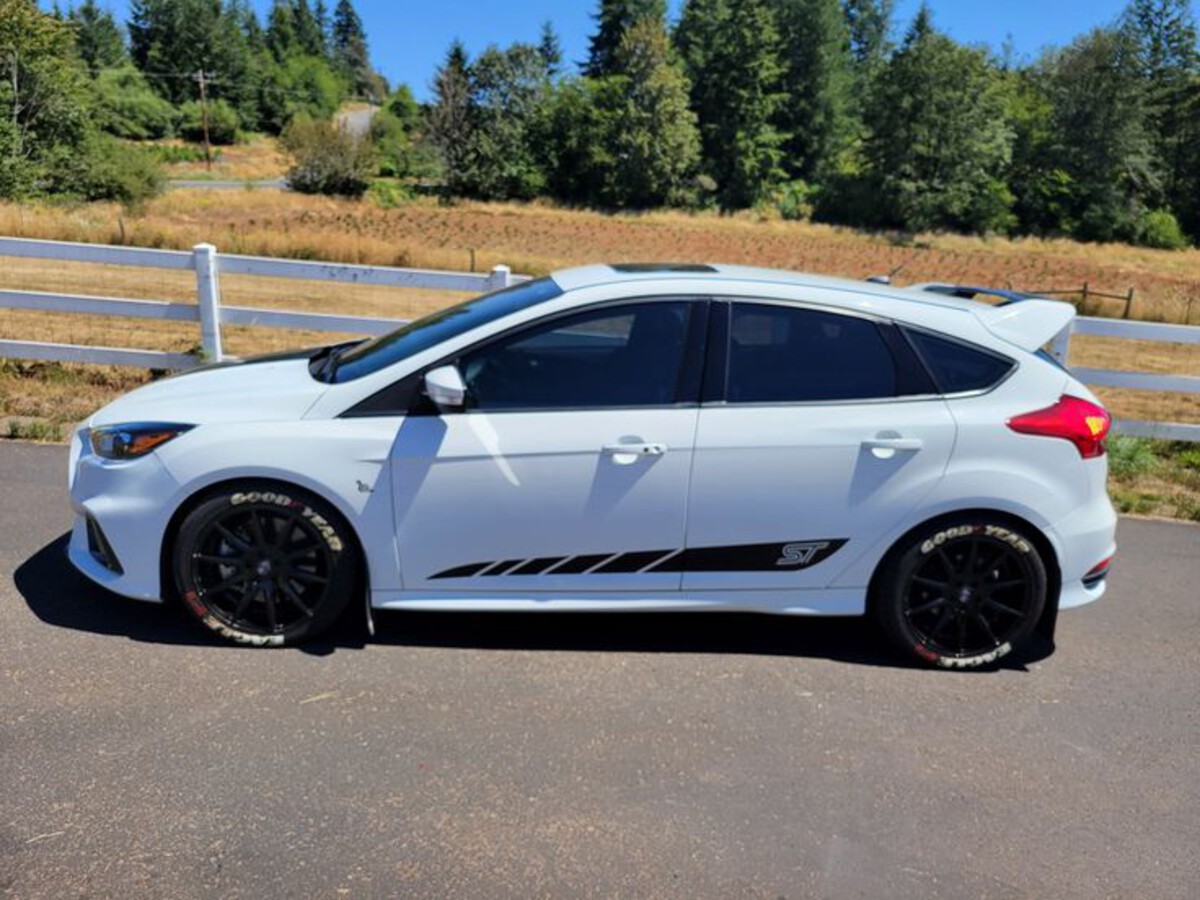
Buying an affordable car isn’t just about the price tag. Maintenance, reliability, and repair frequency play a massive role in the real cost of ownership. Some vehicles may seem like a good deal initially, only to surprise owners later with frequent trips to the mechanic and costly fixes.
Others prove to be trustworthy workhorses, running smoothly for years with only basic upkeep. For many people, especially those on a budget, it’s crucial to choose a car that won’t become a financial burden after a few thousand miles.
While luxury vehicles often steal the spotlight with their flashy features, the most dependable cars are usually modest models from manufacturers that focus on engineering consistency and simple, time-tested components.
There’s a difference between a car that needs routine maintenance and one that is prone to major repairs. Replacing oil, brake pads, and filters is part of normal ownership. But issues like head gasket failures, transmission breakdowns, and electrical system malfunctions can significantly drain your savings.
It’s even worse when those problems start appearing early in the vehicle’s life. Some brands are known for producing reliable vehicles that go 150,000 miles or more without anything major going wrong.
Others, despite appealing marketing, are known within repair shops for being maintenance nightmares, especially after the warranty ends. Understanding these differences can help consumers avoid frustration, unplanned expenses, and time-consuming repair delays.
In this article, we’ll go through five affordable cars that tend to stay out of the repair shop and keep their owners happy. These vehicles are often recommended by mechanics and have a consistent reputation for reliability over multiple generations.
Then we’ll compare them to five budget-friendly models that often seem like good deals upfront but bring more headaches than they’re worth.
While everyone’s experience may vary based on how well a car is maintained, patterns in repair history and owner feedback make these groupings fairly consistent across the board. The cars listed here are not based on the latest market data but reflect long-standing trends in ownership costs and mechanical reliability.
Also Read: 5 Cars With Ample Cargo Space and 5 With Tiny Trunks
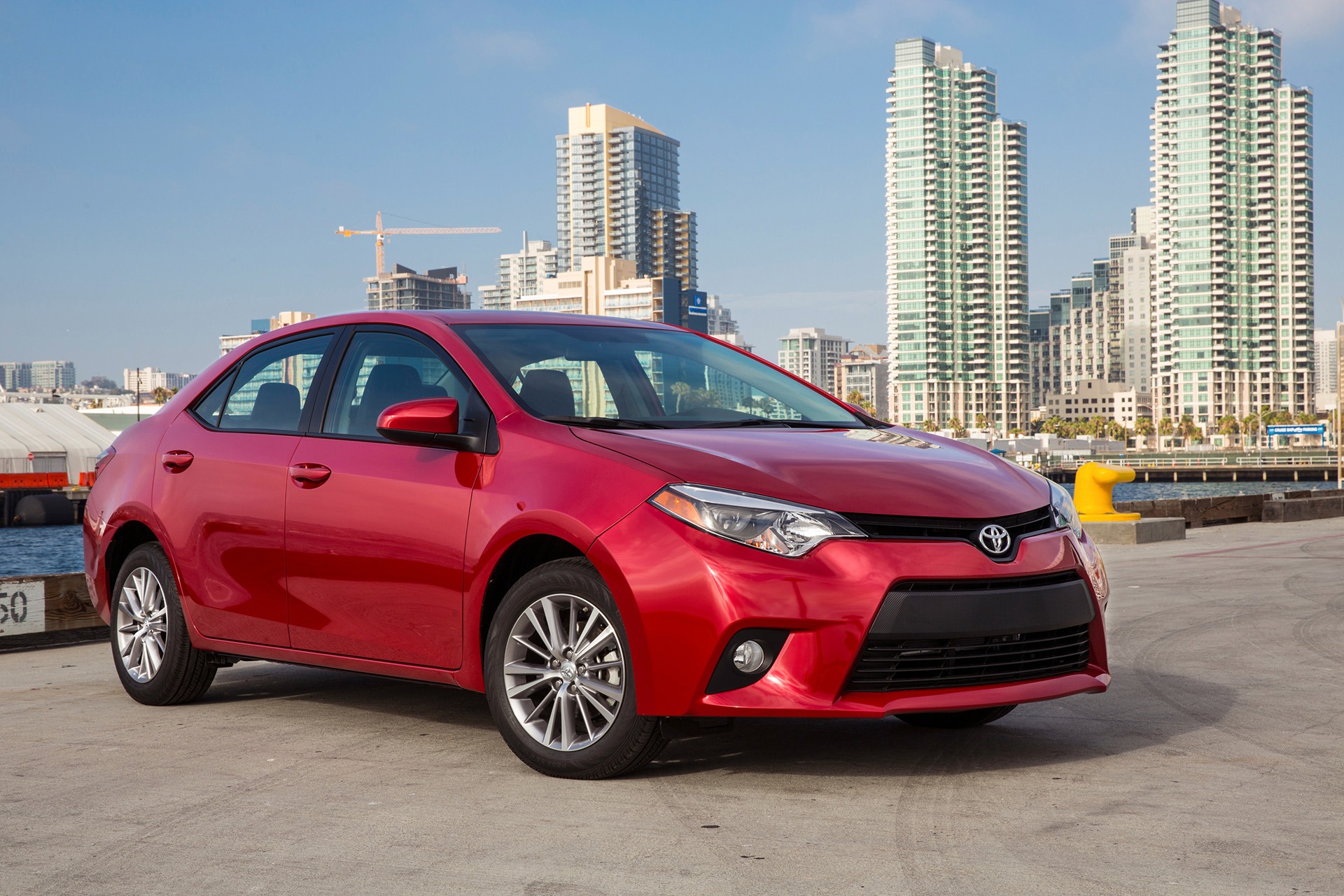
1. Toyota Corolla – Reliable and Economical
The Toyota Corolla has built a reputation for dependability that stretches back decades. It’s not flashy, nor does it promise high-performance thrills, but what it offers is consistency. For budget-conscious buyers, this model has long been a go-to choice due to its strong build quality and minimal repair needs.
Many Corolla owners report hitting 200,000 miles or more with little beyond oil changes and standard wear-and-tear maintenance. The design focuses on durability rather than pushing boundaries, which results in fewer mechanical surprises over time.
Mechanically, the Corolla sticks to proven engine platforms and relatively simple transmissions that rarely give owners trouble. Even as newer generations bring updates in safety tech and efficiency, Toyota has made a point to keep the essential components tried-and-true.
This approach has meant that major breakdowns are rare, especially when owners keep up with routine service. Timing chains instead of belts, solid cooling systems, and well-built suspension components contribute to its long-term reliability. It’s a car that many mechanics respect, mainly because it doesn’t come in often for serious issues.
Affordability also plays a role beyond just the sticker price. Replacement parts for Corollas are widely available and relatively cheap. When something eventually does wear out, it doesn’t cost a fortune to fix. In many cases, independent shops can handle repairs easily, and even DIY mechanics can work on them without needing specialized tools. Insurance costs are generally low as well, adding another layer of cost savings for long-term owners.
From students buying their first car to families needing a second vehicle, the Toyota Corolla continues to be a smart, reliable option. It isn’t a vehicle people typically buy for emotional reasons, but it’s one they tend to hold onto because it simply works. In terms of vehicles that rarely need major repairs, this car sits comfortably at the top of the list, year after year.
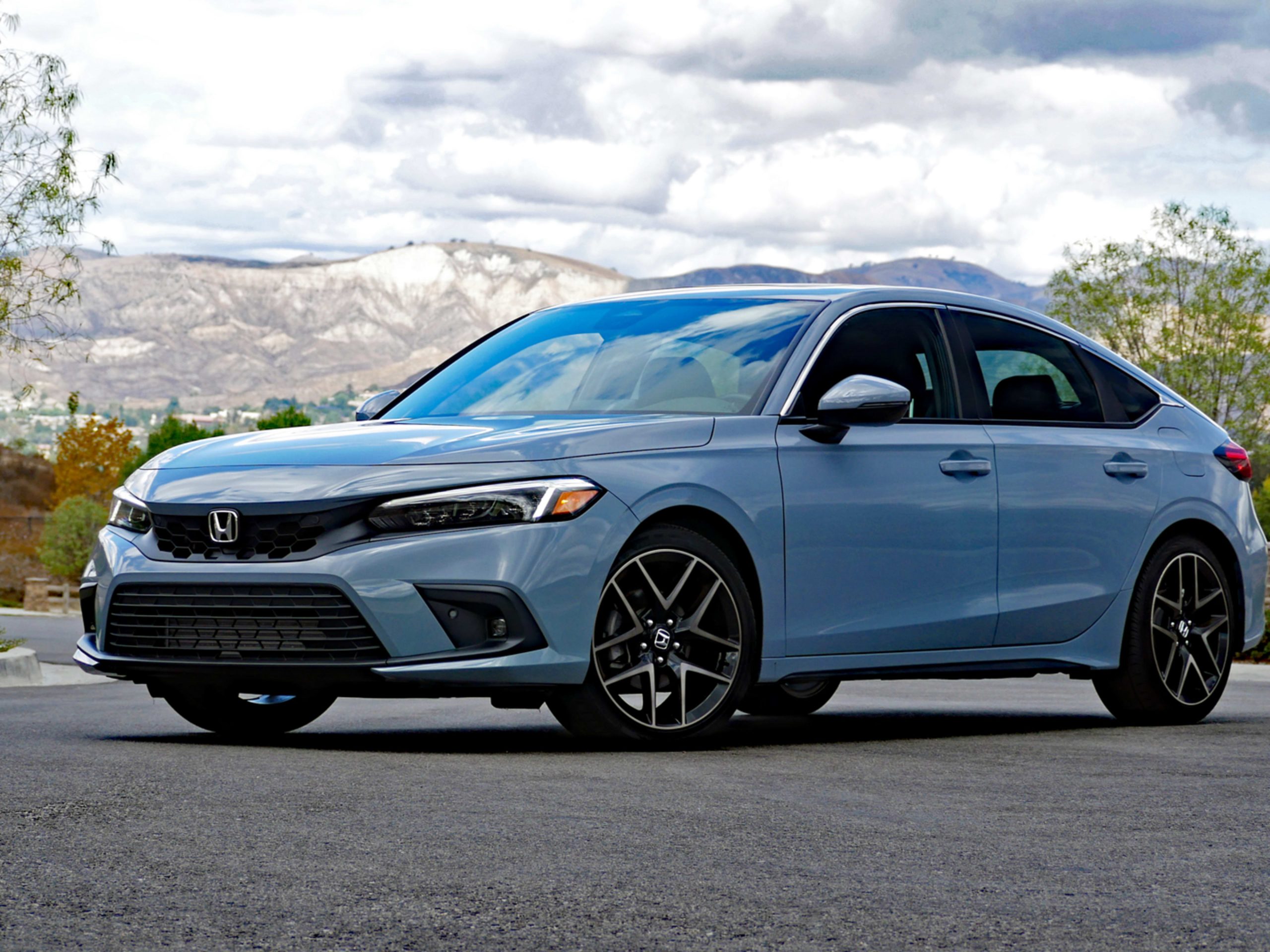
2. Honda Civic – Trustworthy Across Generations
The Honda Civic has earned its place as one of the most respected compact cars, and that reputation has been built on a history of mechanical reliability. Like the Toyota Corolla, it balances affordability with a track record of long-lasting performance.
Owners often praise the Civic for its solid fuel economy, strong resale value, and minimal repair needs over its lifespan. It’s also a car that appeals to a broad audience, from everyday commuters to car enthusiasts who appreciate its modifiable platform.
Part of what makes the Civic so dependable is Honda’s approach to engineering. The engines are known for being smooth and durable, often lasting far beyond 150,000 miles when maintained properly.
The manual and automatic transmissions both hold up well over time, and failures are relatively uncommon compared to other brands. Even the more performance-oriented variants like the Si and Type R have proven durable under spirited driving, which says a lot about the base model’s integrity.
Maintenance costs stay low, and when issues do arise, they tend to be manageable. Brake systems, suspension parts, and engine components are relatively easy to service. Unlike some newer cars that pack too much complexity under the hood, the Civic still manages to keep things reasonably straightforward.
That simplicity helps extend the life of the vehicle and reduces the odds of an expensive trip to the dealership. This is a car that owners often pass down to younger family members or sell to new drivers because it still has years of reliable use left in it.
Even across multiple redesigns, Honda has kept reliability at the core of the Civic’s identity. It may not be the cheapest car in its class anymore, but its ability to resist major repairs over time makes it a strong value. Whether you’re driving an early 2000s model or something from the last few years, the Civic remains a reliable companion for those who need an affordable car without the fear of unexpected breakdowns.
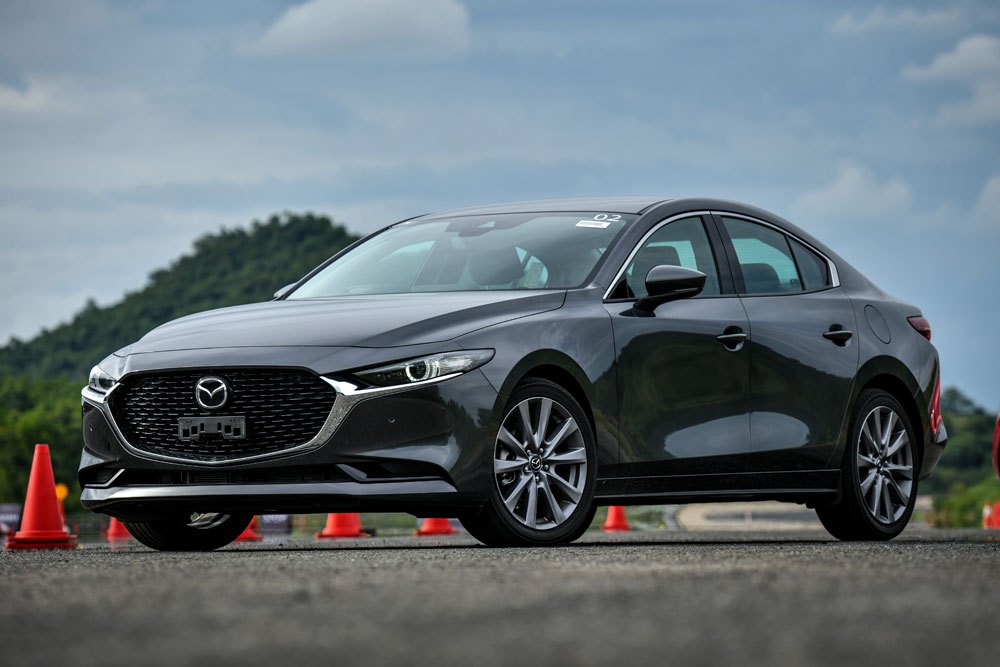
3. Mazda3 – A Reliable Blend of Style and Simplicity
Mazda has carved out a space between practical and fun, and the Mazda3 is a good example of that balance. While not as commonly praised as the Civic or Corolla, the Mazda3 quietly maintains a reputation for reliability, particularly in its earlier models.
It offers a slightly more engaging driving experience while still being affordable and easy to maintain. This combination makes it appealing to drivers who want a bit of personality without sacrificing long-term dependability.
The engine platforms used in the Mazda3 are generally solid. The naturally aspirated versions, in particular, tend to last a long time with proper oil changes and basic maintenance. One area where Mazda gets it right is in keeping the powertrain uncomplicated.
Fewer turbocharged options in the early years meant fewer parts prone to failure. The transmissions, both manual and automatic, are also known for holding up well over time, with very few cases of early failure when fluid changes are done on schedule.
Mazda3 owners tend to report positive long-term ownership experiences, especially when regular maintenance is a priority. Issues like excessive oil consumption or valve problems are rare in most model years.
Suspension and brake systems are durable, and electrical issues are far less frequent compared to similarly priced competitors. Even as the car gets older, it tends to age gracefully, both mechanically and cosmetically, which isn’t always the case with budget vehicles.
One of the added bonuses with the Mazda3 is that you don’t have to sacrifice style for reliability. The interiors are often nicer than expected in a car at this price point, and the driving dynamics offer a more connected feel than the average compact car.
This gives the Mazda3 a unique position on this list: a reliable car that also feels a bit special to drive. It may not have the same household name as some others, but it more than earns its place among affordable cars that rarely demand major repairs.
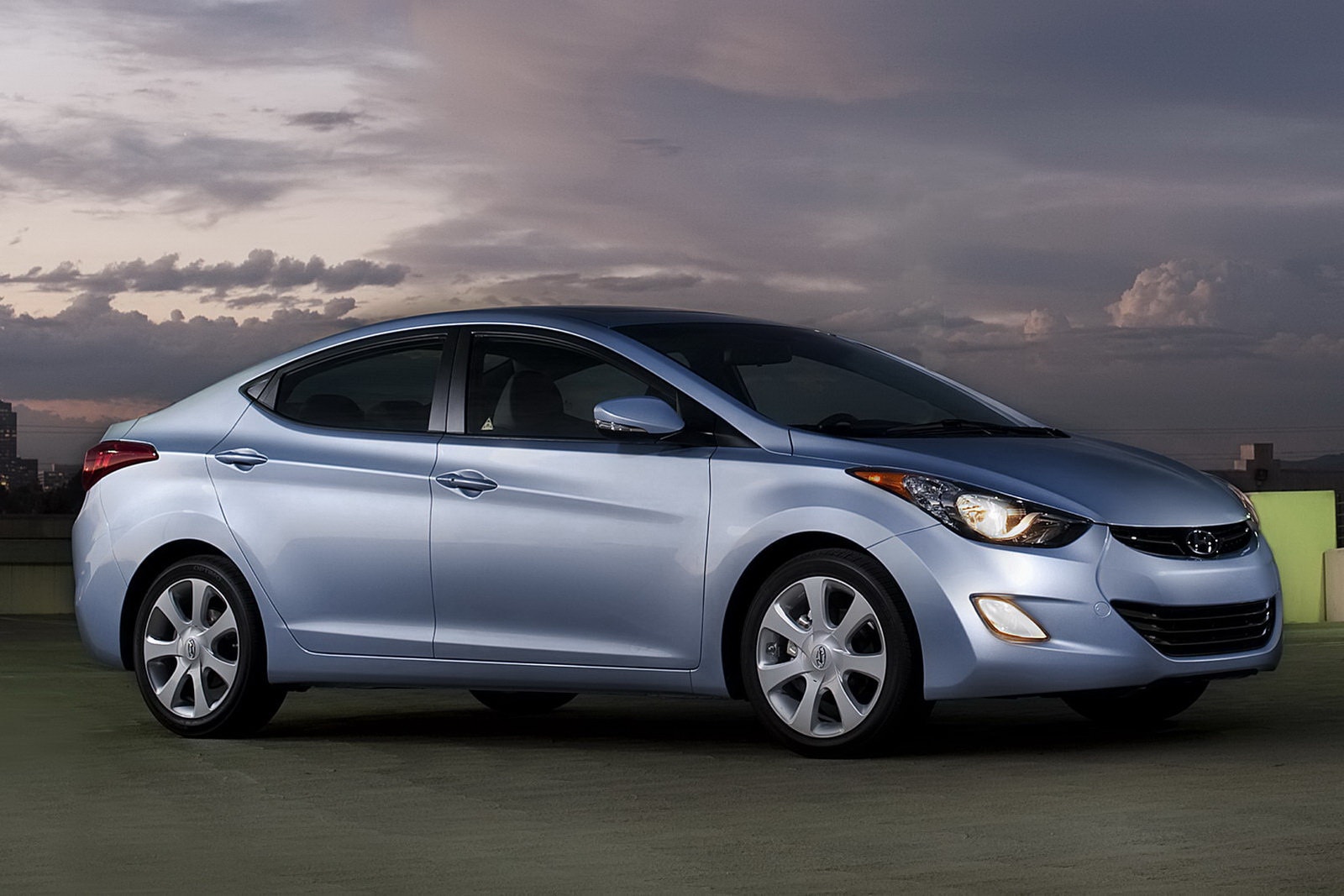
4. Hyundai Elantra (Recent Models) – A Major Turnaround
In the early 2000s, the Hyundai Elantra was not widely praised for reliability. That has changed significantly over the last decade. Starting around 2011 and onward, Hyundai made serious efforts to improve build quality, and it shows.
The more recent generations of the Elantra are surprisingly durable, offering low maintenance costs and very few major repair incidents when properly maintained. It now competes head-to-head with more established Japanese brands in terms of reliability, while still undercutting them in price.
One of the most appealing aspects of the Elantra is its 10-year/100,000-mile powertrain warranty, which gives buyers peace of mind. While warranty terms don’t always reflect actual vehicle quality, Hyundai has been able to back it up with consistent performance.
The engines are efficient and simple, avoiding the kinds of complications that can lead to early failures. Transmissions have also improved, with newer CVTs showing fewer problems than earlier designs from other manufacturers.
Common maintenance for Elantras tends to be basic: tire rotations, oil changes, and brake pads. It’s rare to hear about major repairs like transmission replacements or engine overhauls before the 150,000-mile mark.
When issues do occur, Hyundai has a good record of honoring its warranties and covering significant repairs, which further reduces the cost of ownership. For those who prefer to do repairs themselves or visit local mechanics, the Elantra’s layout is fairly straightforward and doesn’t require expensive diagnostic tools.
Perhaps most importantly, Hyundai has taken feedback seriously. Problems that showed up in older models, such as electrical issues or suspension weaknesses, have been largely resolved in recent versions.
The company made a visible effort to listen to what owners and mechanics were saying, and the Elantra reflects that progress. It’s a good option for anyone looking for a low-maintenance, affordable daily driver that won’t be in and out of the repair shop constantly.
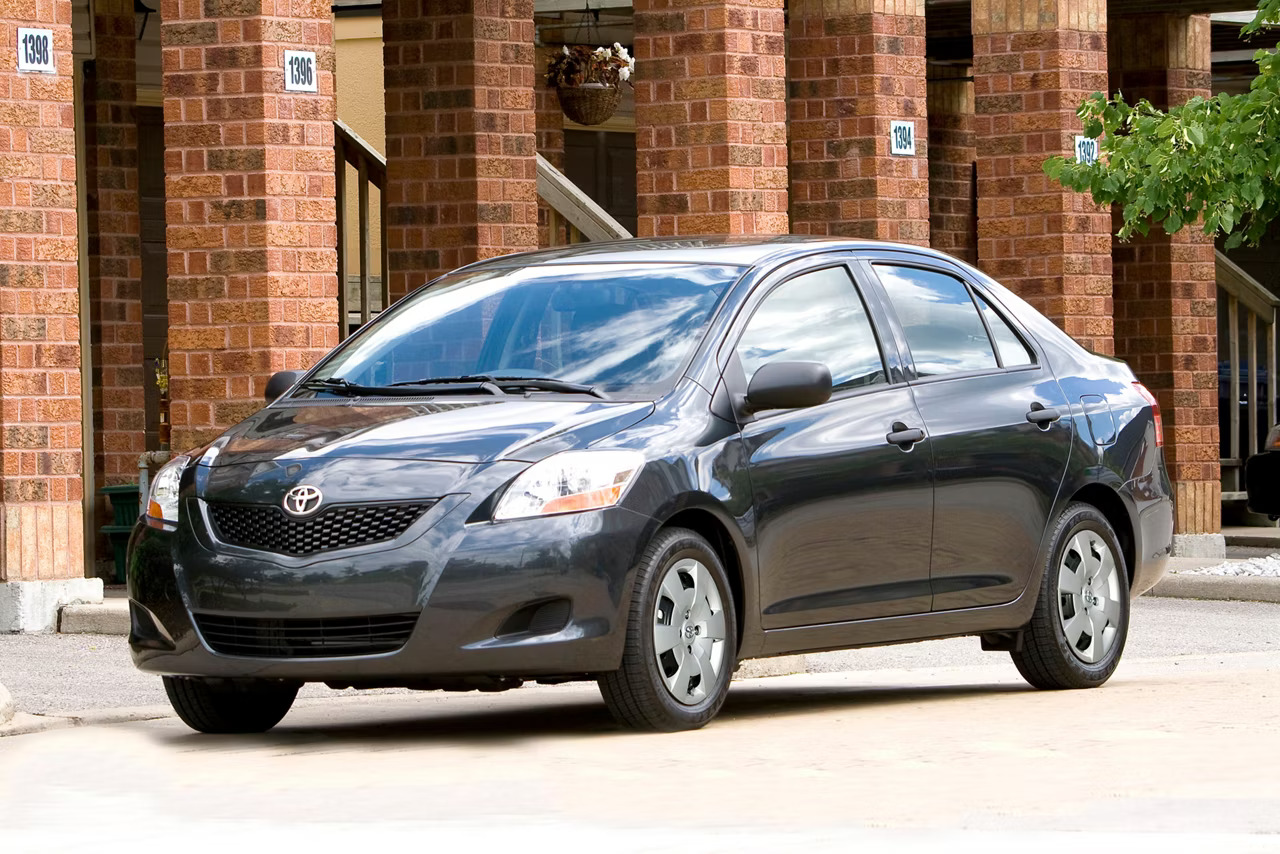
5. Toyota Yaris – Compact and Consistently Reliable
The Toyota Yaris might not be the first name that comes to mind when people think of long-lasting vehicles, but it has quietly built a reputation as one of the most mechanically reliable subcompacts on the road.
With its small size, efficient engine, and simple mechanics, the Yaris avoids many of the problems that plague more complex vehicles. For drivers who don’t need a large car and prioritize reliability over extras, the Yaris is a smart and often overlooked choice.
One of the biggest reasons the Yaris remains so dependable is its basic design. It doesn’t have advanced systems that can malfunction or lead to expensive fixes. The naturally aspirated engines are known to run smoothly well past 200,000 miles when given regular oil changes.
The manual transmissions, in particular, are nearly bulletproof. Even the automatic versions are straightforward and rarely fail. This mechanical simplicity leads to fewer points of failure and lower repair costs.
The Yaris is also known for its low cost of ownership beyond repairs. Fuel economy is excellent, and insurance premiums tend to be lower than average due to the car’s reputation and size.
Replacement parts are cheap and widely available, and many repairs can be done without needing specialized tools or extensive knowledge. For many first-time buyers or drivers who just want a dependable commuter, the Yaris often provides years of use without incident.
Another advantage is that Toyota kept the Yaris consistent over its production run, avoiding risky experiments that sometimes lead to mechanical problems in other cars.
As a result, mechanics are familiar with the platform and know what to expect. It’s not a car that turns heads or impresses passengers, but for someone looking for reliable, low-maintenance transportation, it ranks among the best. It’s a great example of how simplicity and quality engineering can go a long way toward preventing major repair issues.
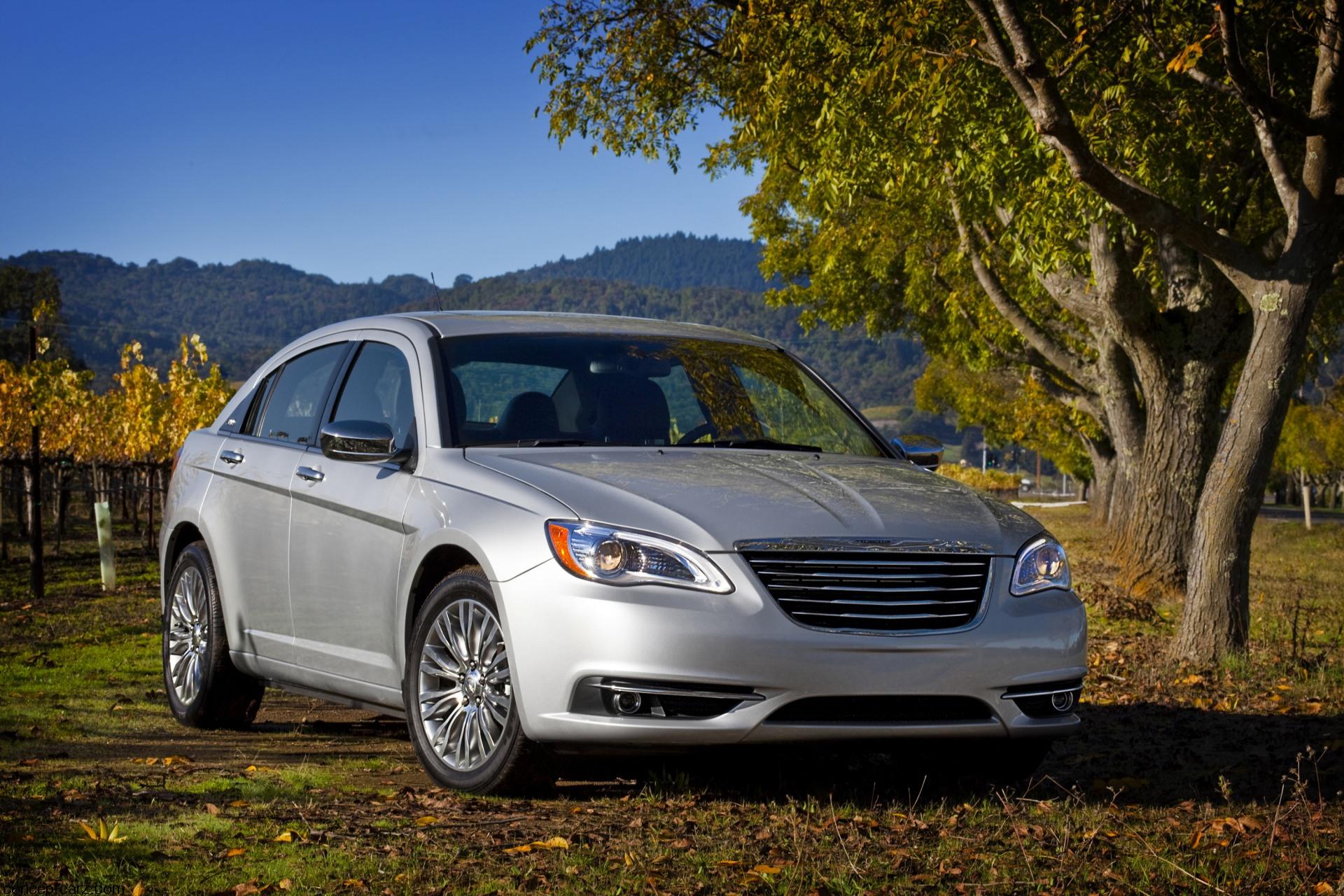
6. Chrysler 200 – A Frequent Source of Frustration
The Chrysler 200 is a vehicle that many buyers were initially drawn to due to its sleek design and attractive pricing. However, what seemed like a value-driven purchase often turned into a headache as repair bills began to mount.
The car has a poor reputation for reliability, particularly in earlier models, and owners have frequently reported issues that go well beyond normal wear and tear. Transmission problems are among the most common complaints, and once those begin, repair costs can be substantial.
One major problem with the Chrysler 200 lies in its 9-speed automatic transmission. Many drivers reported rough shifting, hesitation, and even complete failure of the transmission before reaching 100,000 miles.
These issues weren’t always covered under warranty, and even when they were, replacements sometimes failed again. This led to repeat visits to the dealership, costly out-of-pocket repairs, and a general lack of confidence in the vehicle’s long-term reliability.
The engine choices in the 200 also have their share of problems. The 2.4-liter Tigershark engine has been associated with excessive oil consumption, sometimes to the point of causing engine damage.
That’s not the kind of issue most people expect from a relatively new car, and it contributes heavily to the 200’s poor reputation. Owners who weren’t closely monitoring oil levels often faced costly repairs due to engine overheating or internal damage.
Beyond mechanical issues, the Chrysler 200 has also been criticized for cramped rear seating, awkward proportions, and limited visibility. These design flaws only added to the frustration for owners who felt they were spending more time and money maintaining the car than enjoying it.
For those seeking a reliable, affordable vehicle, the Chrysler 200 often ended up being the opposite: an ongoing source of problems and expenses that made it hard to justify as a smart purchase.
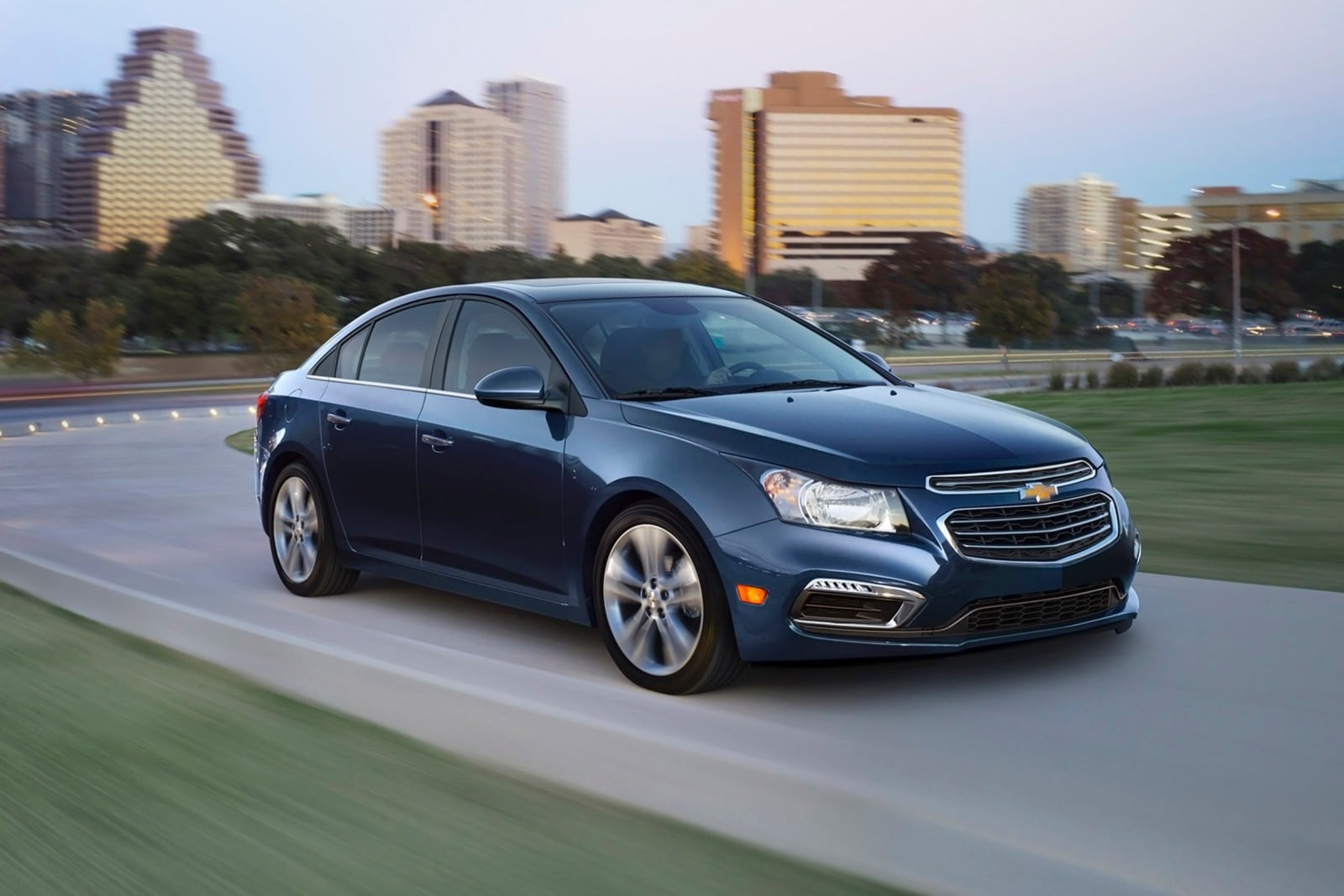
7. Chevrolet Cruze – Promising on Paper, Problematic in Practice
The Chevrolet Cruze was introduced as a modern, fuel-efficient compact car meant to compete with the likes of the Civic and Corolla. At first glance, it offered a lot: sharp looks, a comfortable ride, and advanced tech features.
Unfortunately, once the miles began to pile up, many owners discovered that the Cruze was far from trouble-free. It became known for a range of issues, especially with its engine and cooling system, which led to high repair costs and frustrating ownership experiences.
The most frequent complaints involve the turbocharged 1.4-liter engine, which was marketed as efficient and powerful but often suffered from serious reliability issues. Many Cruze owners reported problems with coolant leaks, water pump failures, and faulty thermostat housings.
These are not minor inconveniences; they can lead to engine overheating and major mechanical damage if not addressed quickly. These issues appeared early in the vehicle’s life, sometimes as soon as 50,000 miles.
In addition to engine problems, the Cruze also had electrical issues, such as dashboard malfunctions, faulty sensors, and problems with the vehicle’s anti-theft system.
These kinds of failures can be especially annoying because they often require dealership diagnostics and aren’t easy to fix at home. Even after repairs, the same issues often resurfaced, leaving owners with a car they couldn’t rely on. For a vehicle aimed at budget-conscious buyers, this kind of unpredictability undercuts any perceived value.
The Cruze’s automatic transmission also garnered complaints, especially in earlier models. Some owners experienced rough shifting or complete failure, both of which are costly to repair.
Add to that recalls, class-action lawsuits, and below-average resale value, and the Cruze ends up being a car that looked good on paper but caused a lot of regret. Buyers who were lured by the styling and fuel efficiency often found themselves wishing they’d gone with something more dependable in the long run.
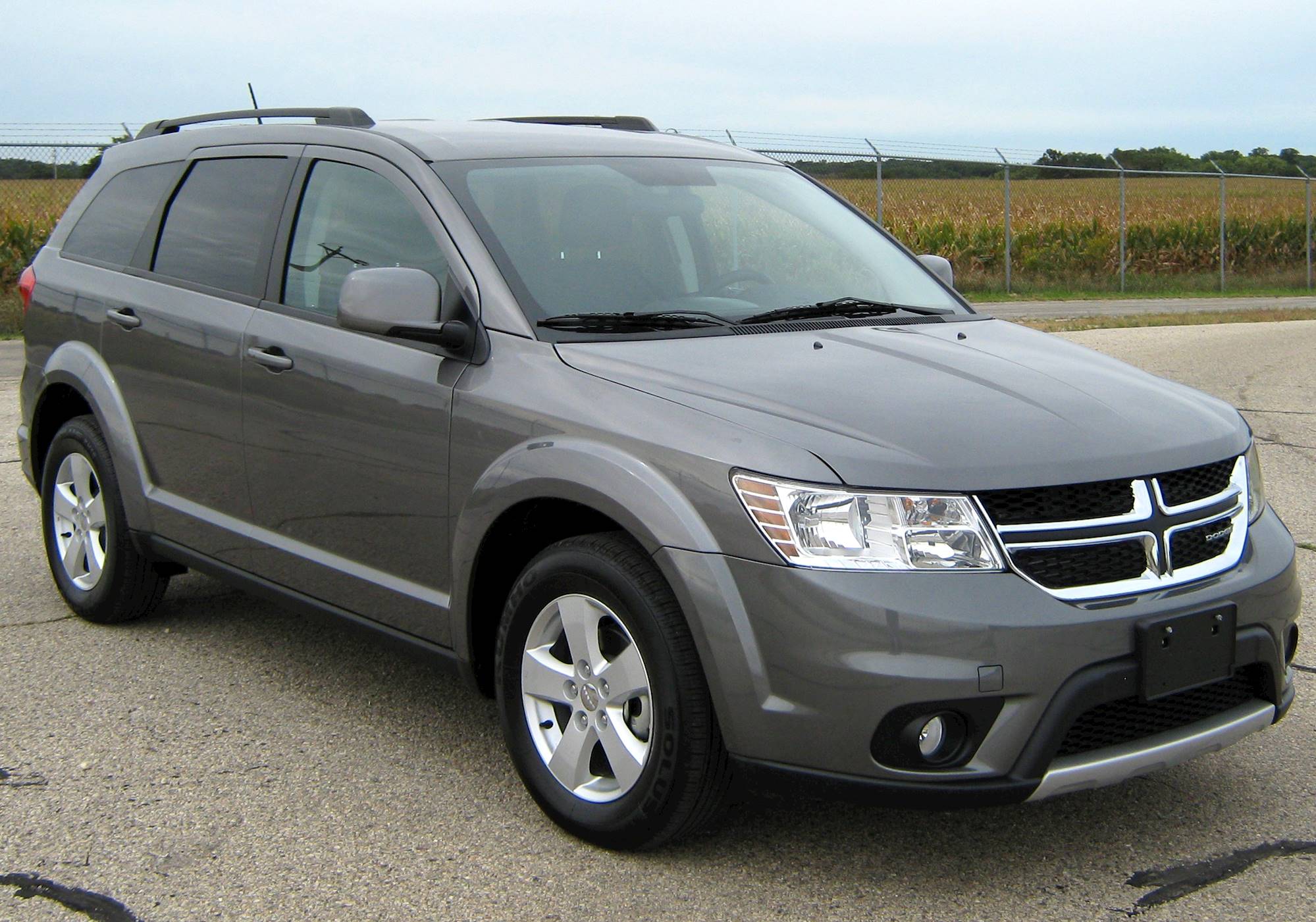
8. Dodge Journey – Affordability That Doesn’t Last
The Dodge Journey was marketed as a versatile and affordable crossover that could fit families, gear, and even small adventures. However, it quickly developed a reputation for frequent repairs and disappointing build quality.
While the low price point attracted many buyers, especially those needing space on a budget, the vehicle’s long-term ownership costs often ended up being far higher than expected. Key systems like the brakes, suspension, and drivetrain have shown consistent weaknesses.
One of the recurring issues with the Journey is its outdated powertrain. While the V6 engine is generally more reliable, the four-cylinder engine commonly paired with a four-speed automatic transmission leaves much to be desired.
The transmission, in particular, is a frequent point of failure, known for rough operation and a relatively short lifespan. Once issues begin, replacements or major overhauls can cost more than the value of the vehicle itself, especially if it’s out of warranty.
The Journey also suffers from premature wear in suspension and steering components. Many owners report replacing bushings, control arms, and tie rods at much lower mileage than expected.
This kind of upkeep isn’t just expensive, it also affects ride quality and safety. Add in braking systems that tend to warp rotors and need replacement more often than normal, and you have a vehicle that ends up costing more than it should to keep on the road.
Interior quality is another weak point. Materials often feel cheap, and problems like broken door handles, malfunctioning infotainment systems, and weak HVAC performance add to the frustration.
Even though the Journey has the space and utility that families want, the amount of repair work required often cancels out those benefits. It’s a vehicle that highlights how a low purchase price can be misleading when long-term reliability is taken into account.
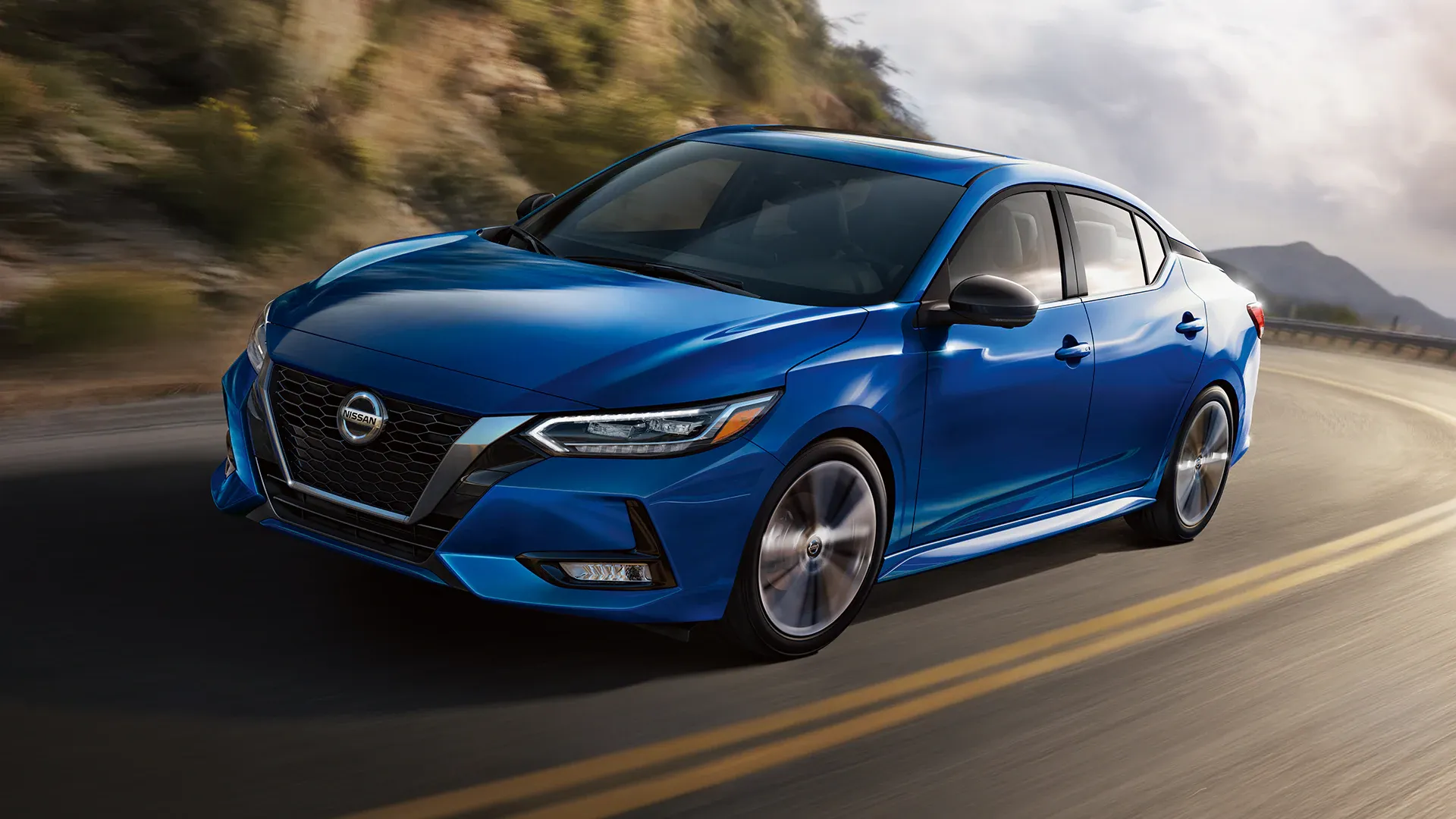
9. Nissan Sentra – A Mixed Bag with Costly Surprises
The Nissan Sentra has long been positioned as a direct competitor to the Corolla and Civic, but in recent years, it has fallen behind in terms of reliability. On the surface, the Sentra seems like a solid budget choice with good fuel economy and a simple design.
However, many owners have experienced frequent mechanical issues, especially with the continuously variable transmission (CVT), which has proven to be a major weak point in several Nissan models.
The CVT used in the Sentra has been the subject of numerous complaints. Drivers often report jerking, lagging, and in many cases, complete failure before hitting 100,000 miles.
Replacing or repairing a CVT is expensive and sometimes not worth it compared to the car’s value. Nissan has faced lawsuits and customer dissatisfaction over these transmission problems, but many buyers still find themselves stuck with an unreliable vehicle and few good options.
Beyond the transmission, the Sentra has had issues with its steering system, including faulty power steering pumps and leaking fluid. Electrical systems also present challenges, with reports of malfunctioning lights, sensor errors, and even stalling caused by computer issues. These kinds of problems tend to show up sporadically and can be hard to diagnose, leaving owners frustrated and dealing with unexpected repair bills.
While the Sentra’s interior and ride comfort are decent for the price, those qualities don’t outweigh the frequent mechanical problems. For a car that is supposed to be affordable and reliable, it often ends up being a source of ongoing expenses.
Nissan has made some improvements in recent model years, but the Sentra’s reputation has been damaged by years of inconsistent reliability. Buyers looking for a worry-free compact car are usually better served by its more dependable rivals.
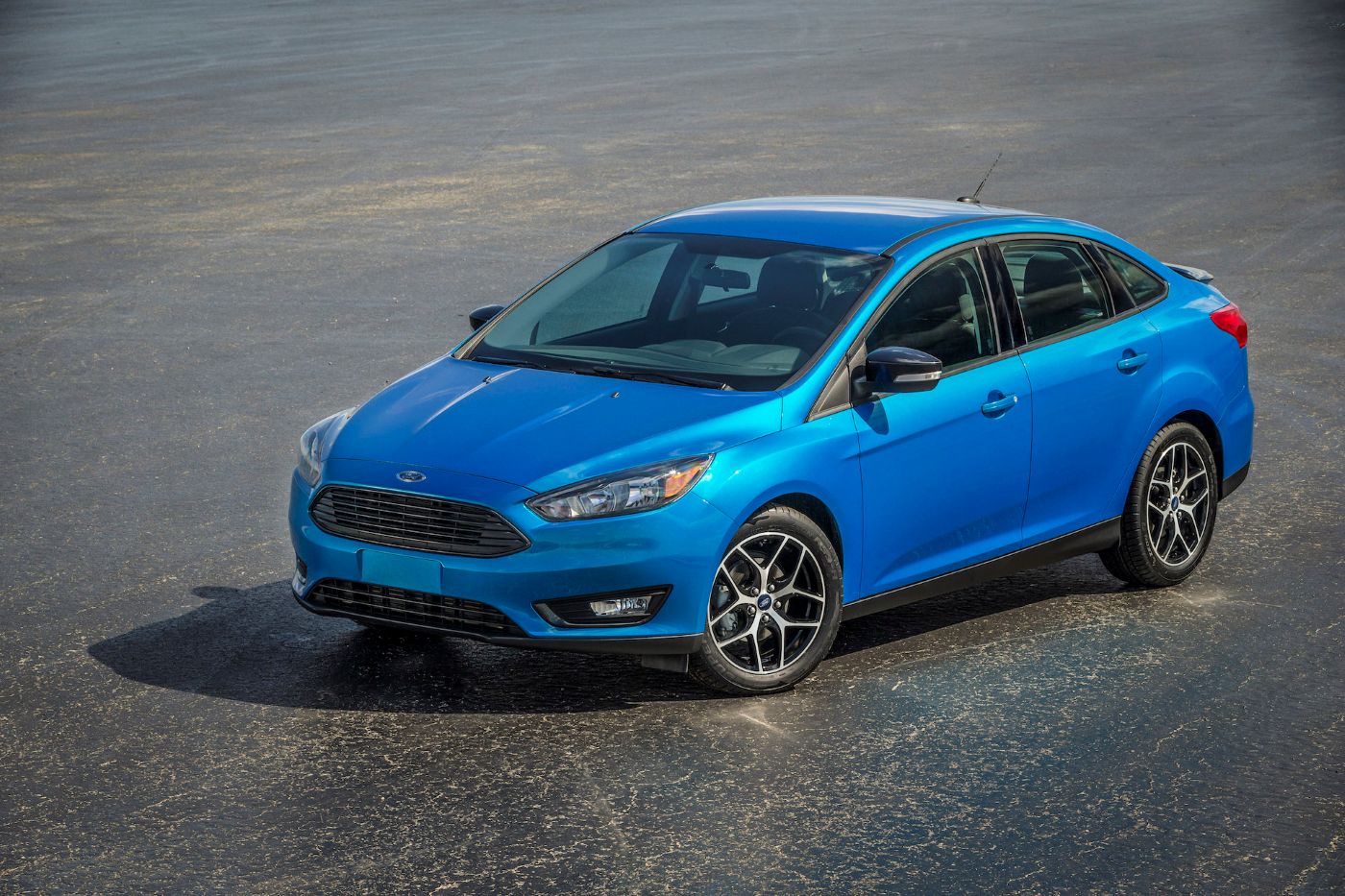
10. Ford Focus – More Trouble Than It’s Worth
The Ford Focus was once a strong contender in the compact segment, especially when it first launched. However, as time went on, it developed significant reliability problems that turned many owners away.
Chief among these issues was the PowerShift dual-clutch transmission, which caused massive headaches for countless drivers. What should have been a fuel-efficient, smooth-shifting car often turned into an unpredictable and costly mess.
The transmission problems were not limited to just a few cases; they affected a large portion of Focus models built between 2012 and 2016. The issues were severe enough that many owners chose to avoid these vehicles altogether on the used car market. Even after multiple software updates and repair attempts by dealerships, the PowerShift transmission remained a source of frustration and unreliability.
Aside from the transmission woes, some Focus owners reported issues with the engine, including coolant leaks and timing chain problems. Electrical gremlins, such as malfunctioning sensors and occasional stalling, also added to the car’s list of reliability concerns.
Suspension components sometimes wore out prematurely, leading to a harsher ride and more frequent repairs. While the Focus offered solid handling and attractive styling, these mechanical flaws significantly undermined its value.
In terms of repair costs, the Ford Focus can become expensive to maintain once major components fail. Transmission rebuilds or replacements are often thousands of dollars, which is disproportionate for a compact car.
When combined with other issues that tend to pop up as the vehicle ages, many owners find themselves regretting the purchase. Those looking for a reliable, affordable daily driver often find that the Focus does not live up to expectations in this regard.
Ford Focus is an example of a car that, despite initial promise, fails to provide the kind of dependability buyers hope for in an affordable vehicle. Its persistent mechanical problems, especially with the transmission, make it a poor choice for anyone seeking a hassle-free ownership experience. It serves as a cautionary tale about how advanced technology, if not executed well, can lead to costly and frequent repairs.
Also Read: 5 Cars With Ideal Cup Holders and 5 With Awkward Holders
When it comes to affordable cars, the distinction between those that rarely need major repairs and those that constantly do can mean the difference between a smooth ownership experience and a constant headache.
Vehicles like the Toyota Corolla, Honda Civic, and Mazda3 demonstrate how careful engineering, proven technology, and straightforward designs can result in reliable transportation that stays on the road for years with minimal issues. These cars reward owners who maintain them regularly but don’t surprise them with unexpected breakdowns.
On the other hand, models such as the Chrysler 200, Chevrolet Cruze, and Ford Focus highlight how attractive prices and modern features don’t always translate into reliability.
Problems with transmissions, engines, and electrical systems plague many of these cars, leading to expensive repairs and frustration. Choosing a budget-friendly vehicle requires careful consideration not only of the upfront cost but also of the history of mechanical dependability.
While every vehicle can have issues over time, understanding common problem areas helps buyers make informed decisions and avoid costly mistakes. Investing in a car with a reputation for reliability can save thousands of dollars and countless hours of inconvenience in the long run. For those on a tight budget, selecting one of the dependable models from this list can be a wise step toward worry-free transportation.
If saving money and avoiding repair shops is a priority, these comparisons make it clear that some affordable cars simply stand out from the rest. Picking a reliable vehicle isn’t about finding the flashiest or newest model but choosing one with a proven track record. Reliability builds peace of mind, and peace of mind is priceless when it comes to everyday driving.
