
Buying an affordable sedan often comes down to making compromises. Shoppers weigh the pros and cons of price, fuel efficiency, design, safety features, and manufacturer reputation. But one major aspect of long-term vehicle ownership that many buyers fail to fully consider is the suspension system.
A car’s suspension isn’t just about ride comfort; it plays a direct role in vehicle stability, handling performance, and tire wear. It’s responsible for absorbing shocks from potholes and uneven road surfaces, maintaining proper alignment, and keeping the tires in consistent contact with the ground.
When the suspension system fails or becomes worn out, the vehicle can become difficult to control, uncomfortable to drive, and unsafe in emergencies. This not only leads to increased repair bills but also compromises the overall driving experience.
For those purchasing budget-friendly sedans, suspension repair costs can quickly become a serious burden. Suspension work, especially when it involves components like shocks, struts, control arms, or bushings, ranges from a few hundred to several thousand dollars, depending on the extent of damage and labor costs.
Frequent issues also mean more time off the road, more visits to the shop, and more frustration for owners. That’s why understanding which affordable sedans are prone to suspension problems, and which tend to remain solid for years, can save buyers both money and headaches in the long run.
Some vehicles are engineered with longevity in mind, using robust suspension designs and materials that stand up well to years of real-world driving. Others, while attractive on the surface due to low sticker prices or stylish features, suffer from poor long-term durability in key areas like the suspension.
In this article, we break down two distinct groups of cars: five affordable sedans that have proven over time to require minimal suspension repairs, and five that are far more likely to end up on a lift for repeated suspension work.
We’ll take a close look at how each car is designed, how suspension components hold up over years of use, and what real owners have reported.
If you’re in the market for a budget-friendly sedan and want to avoid ongoing suspension issues, this guide will give you a clearer picture of what to expect.
Whether you’re buying new or used, knowing which vehicles to trust and which to approach with caution can help you make a smarter, more financially sound decision.
Also Read: 5 EVs That Stay Safe and 5 That Get Recall Notices
5 Affordable Sedans That Rarely Need Suspension Work
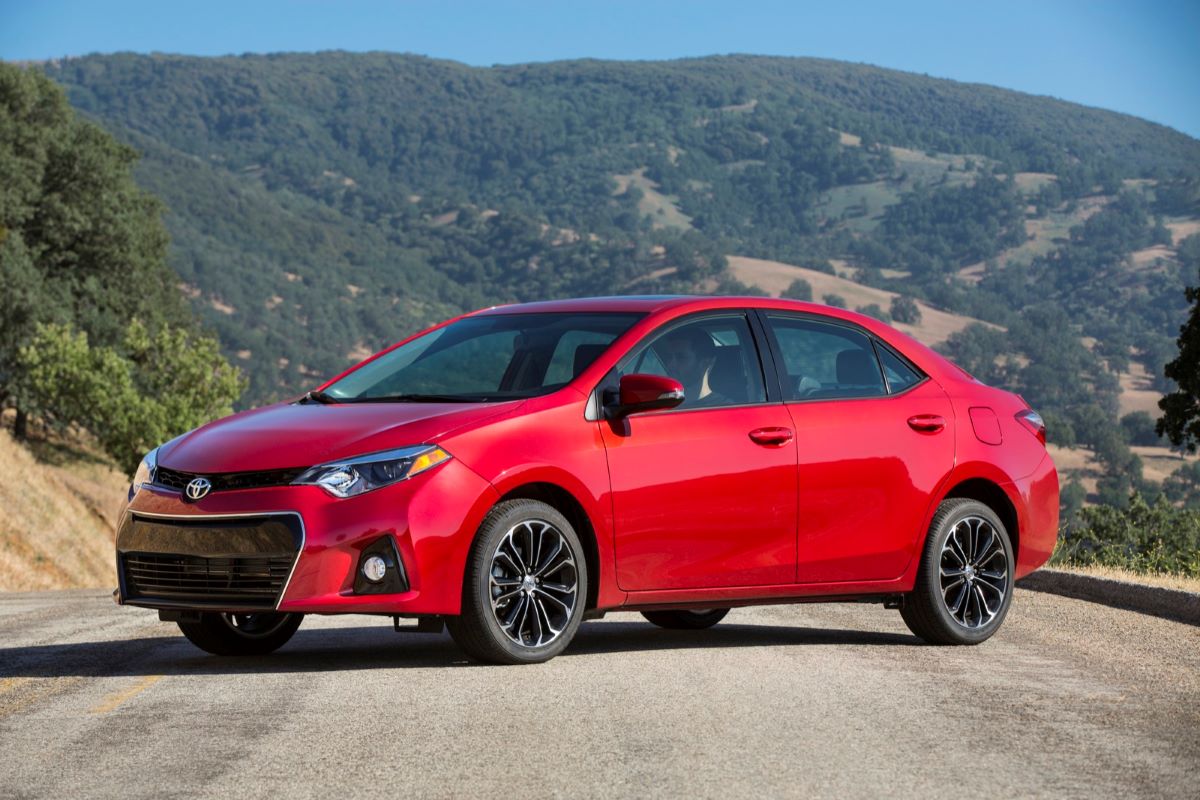
1. Toyota Corolla
The Toyota Corolla has been one of the best-selling vehicles in the world for decades, and with good reason. It’s not just about fuel efficiency or resale value, one of the Corolla’s biggest strengths lies in its mechanical simplicity and reliability, especially when it comes to the suspension system.
Toyota employs a straightforward front MacPherson strut and rear torsion beam design in most Corolla models, and this simplicity works in its favor. Fewer moving parts mean fewer opportunities for failure.
More importantly, Toyota invests heavily in the durability of even the most basic components. The shocks, struts, and bushings in the Corolla are made from quality materials that hold up well over time, and the suspension geometry is tuned to distribute road stress evenly, reducing wear.
What truly sets the Corolla apart is how consistently it performs across a variety of driving conditions. Whether you’re navigating rough city streets, climbing over speed bumps, or cruising on the highway, the Corolla absorbs road imperfections without breaking a sweat.
Drivers commonly report that the suspension feels tight and composed even after many years and tens of thousands of miles. Unlike some vehicles where the suspension becomes noticeably loose or noisy with age, the Corolla remains quiet and smooth.
This resilience directly translates to lower ownership costs. Repairs to the suspension are rarely needed before 100,000 miles if the vehicle is properly maintained, and even when repairs are necessary, parts are widely available and inexpensive compared to other sedans.
Additionally, Toyota’s reputation for meticulous engineering and strict quality control ensures consistency across production years.
This means you’re unlikely to buy a Corolla with hidden defects or design flaws in the suspension system. Toyota doesn’t cut corners in areas like spring tuning or bushing quality, and they prioritize long-term reliability over short-term driving thrills.
For buyers who want a car that simply works, with minimal mechanical drama, the Corolla is a safe bet. It may not offer the most exciting driving dynamics, but it excels in providing long-lasting, reliable transportation with a suspension setup that’s built to endure.
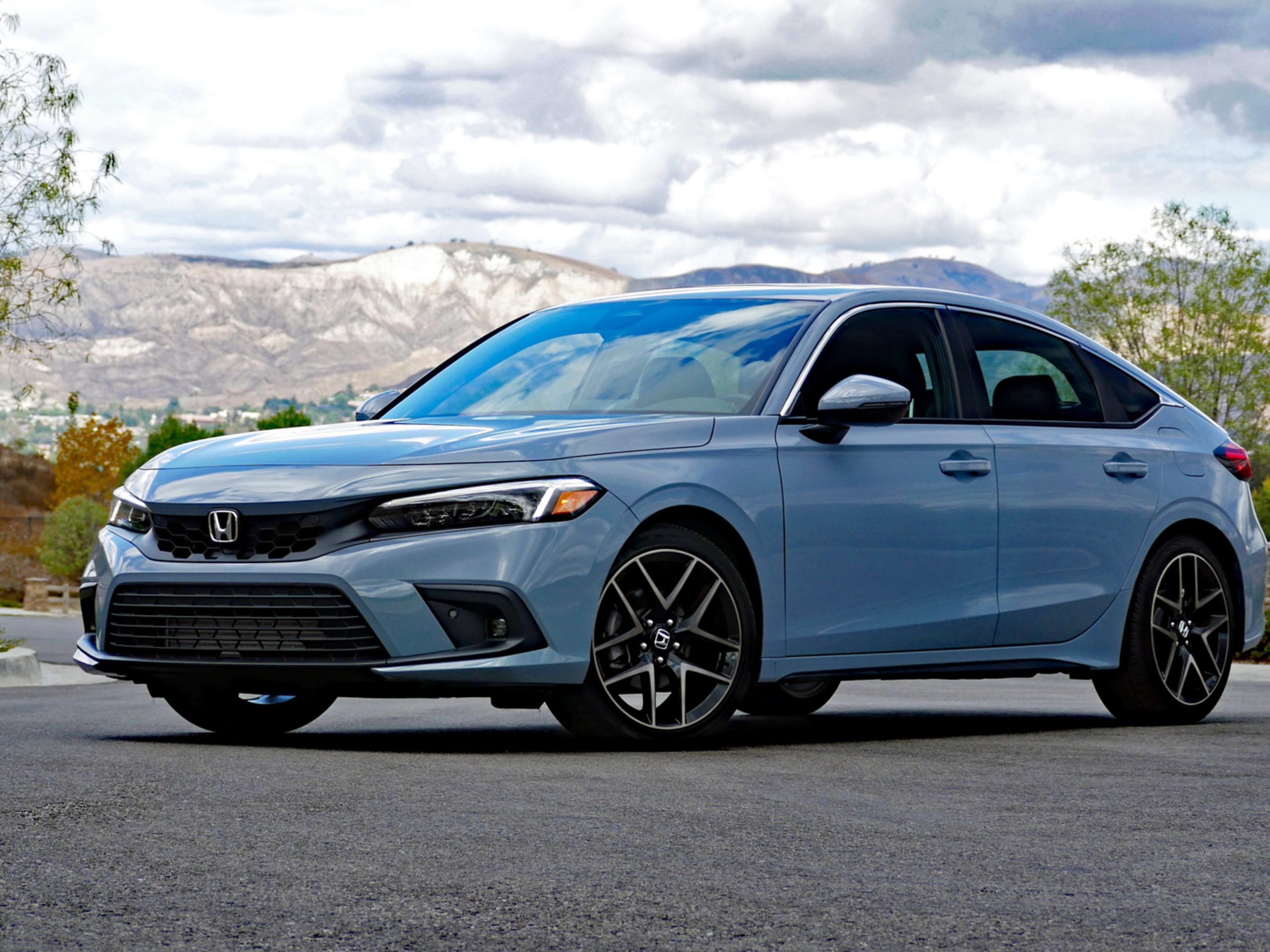
2. Honda Civic
The Honda Civic has earned its place as a household name by consistently delivering quality, practicality, and durability across generations. One of its standout features, often praised by long-term owners and mechanics alike, is its reliable suspension system.
Honda’s typical approach, pairing a front MacPherson strut with a rear multi-link suspension, provides a great balance between handling precision and long-term durability.
Multi-link systems are usually more complex and expensive than torsion beams, but Honda’s implementation is both efficient and robust, with components designed to last well past 100,000 miles under normal driving conditions.
Civic owners benefit from the car’s smart suspension tuning, which avoids extremes. It’s not overly soft, so components don’t constantly bottom out or absorb harsh impacts without support. It’s also not too firm, meaning shocks and struts aren’t constantly subjected to high-speed compression and rebound.
This thoughtful tuning allows suspension parts to live a longer life with less mechanical strain. Moreover, Honda uses high-grade rubber and metal in its bushings and joints, which helps reduce cracking and premature aging.
Ball joints, sway bar links, and control arms all tend to hold up well, with many Civics going years without requiring anything beyond standard maintenance.
Another factor contributing to the Civic’s reputation is its manufacturing consistency. Even older Civics, especially those from the mid-2000s onward, have shown remarkable longevity in their suspension systems.
Honda doesn’t drastically change suspension components with every redesign, which means any minor weaknesses are typically addressed incrementally.
This reduces the chances of being stuck with a model year that has a known defect or common suspension issue. Parts are also plentiful, thanks to the Civic’s popularity, and when repairs are needed, they’re usually straightforward and inexpensive.
The Civic also has a slight edge over competitors because of its driving dynamics. Honda manages to give the Civic a more engaging feel than many other economy sedans, yet it doesn’t sacrifice the comfort or integrity of the suspension system in doing so.
This makes the Civic a rare gem, an affordable car that you can enjoy driving while also avoiding costly suspension problems for years.
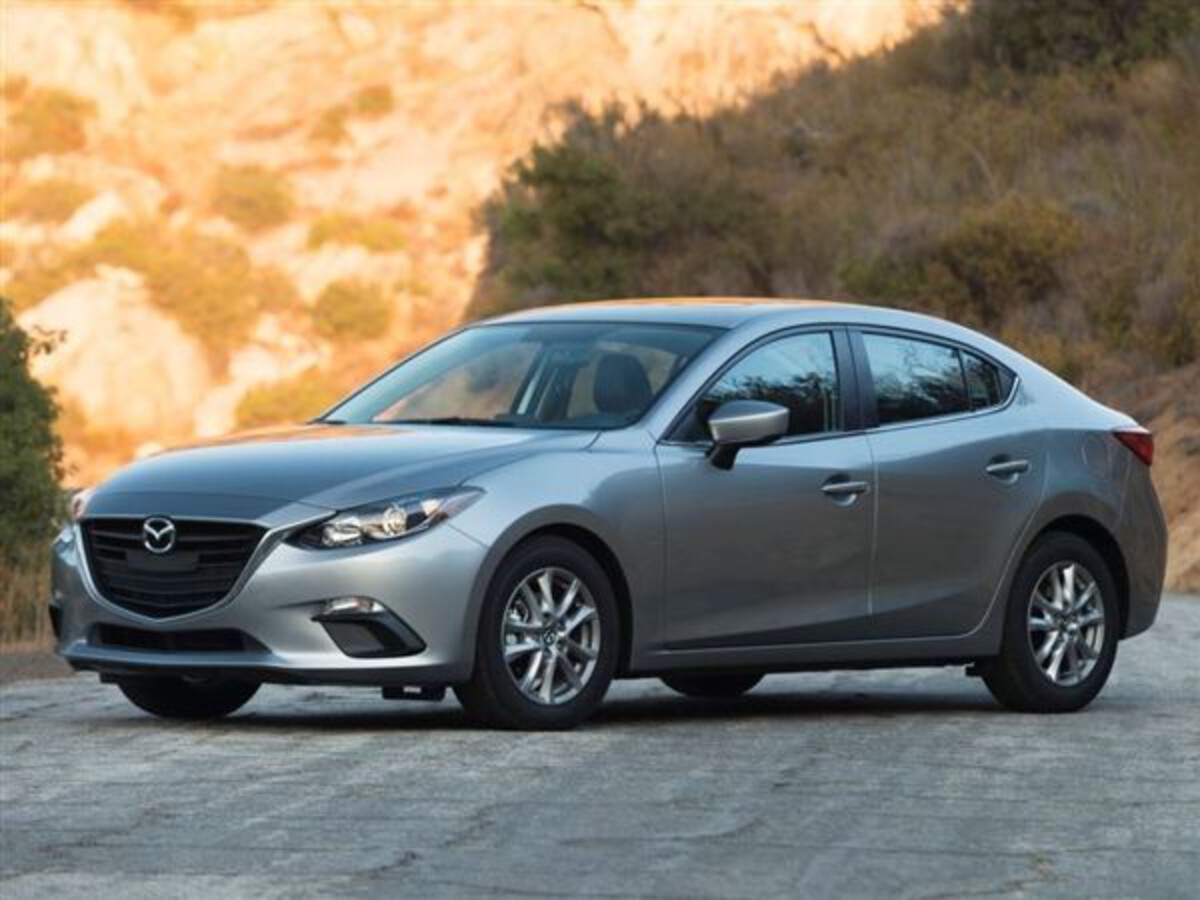
3. Mazda3
The Mazda3 is a standout in the compact sedan market not only because of its sharp design and fun-to-drive nature, but also because of its well-built suspension system.
Mazda has carved out a unique space among affordable sedans by delivering a vehicle that offers above-average driving dynamics without compromising durability.
The Mazda3 features a front MacPherson strut and a rear multi-link suspension system. This setup, though slightly more complex than the simpler torsion beam used by some competitors, offers superior handling and ride quality.
What’s impressive is that Mazda’s attention to build quality and precision engineering allows this more intricate system to remain reliable over time, even under demanding conditions.
Owners often praise the Mazda3 for maintaining ride comfort and handling stability long after the 100,000-mile mark. The suspension does an excellent job of absorbing bumps and road imperfections without introducing excessive noise or vibration into the cabin.
More importantly, Mazda uses robust materials in its struts, dampers, bushings, and control arms, which allows these components to withstand years of stress without premature wear.
The car’s solid chassis and refined tuning also reduce unnecessary flexing or impact shock that might otherwise shorten the lifespan of suspension parts. This contributes to the vehicle’s reputation for requiring fewer suspension repairs, even when driven on less-than-perfect roads or in cities with frequent potholes.
In terms of ownership experience, the Mazda3 is particularly strong because it provides a premium feel without the premium cost, especially in terms of ongoing maintenance.
When suspension issues do eventually arise due to age or mileage, parts are widely available, and most repairs are relatively affordable. There’s also a strong community of Mazda enthusiasts and service technicians familiar with the platform, which means owners rarely struggle to find reliable information or service solutions.
For buyers looking for a sedan that delivers an engaging driving experience without sacrificing reliability, the Mazda3 is one of the best options in the segment.
Its suspension system is not only responsive and well-tuned, but it also holds up better than most competitors in the same price range. That combination of handling and long-term durability makes the Mazda3 a particularly smart buy for anyone concerned with both performance and practicality.
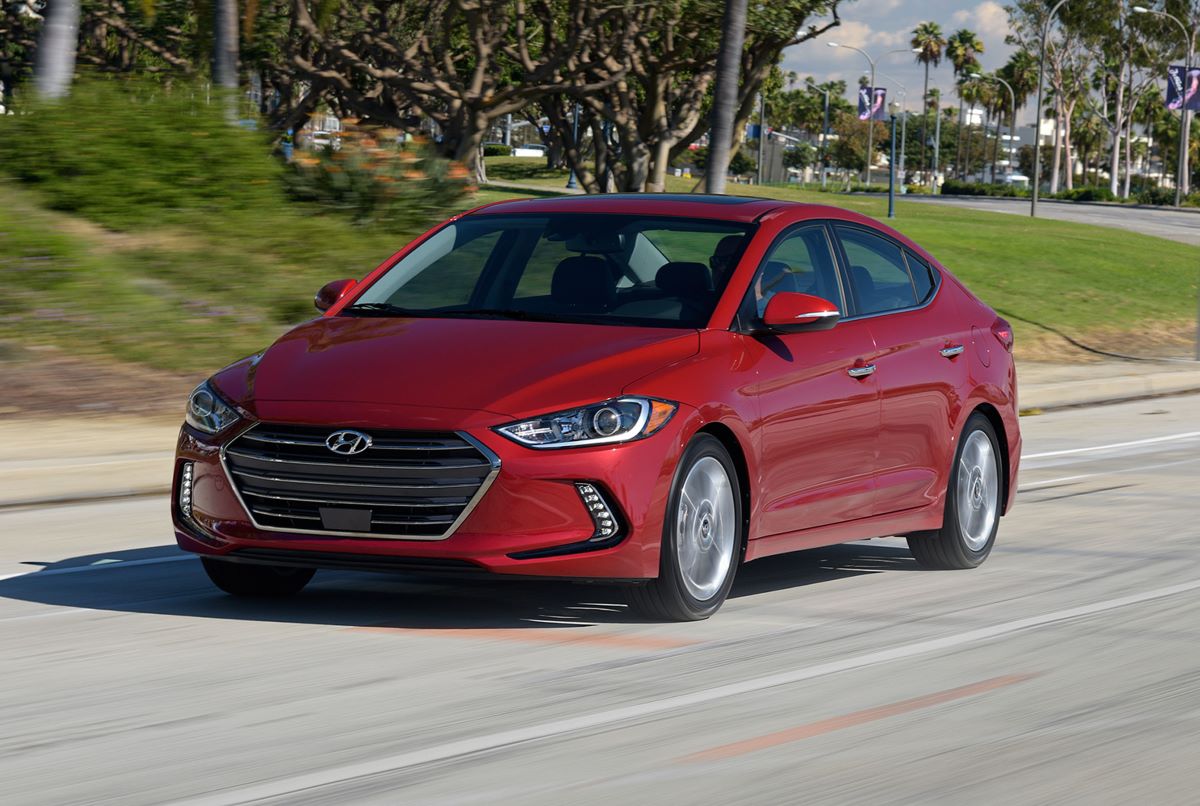
4. Hyundai Elantra
The Hyundai Elantra has quietly evolved over the years from an entry-level, economy-focused vehicle into a polished and reliable compact sedan. One area where Hyundai has made significant strides is in the development and improvement of the Elantra’s suspension system.
Most recent models feature a front MacPherson strut design, paired with a rear torsion beam or, in higher trims, an independent multi-link rear suspension.
While the torsion beam layout is simpler and more affordable to produce, Hyundai has engineered it well enough that it offers both a smooth ride and impressive durability.
What stands out with the Elantra is how long its suspension components last when used under typical driving conditions. Thanks to better materials and higher assembly standards in recent years, the Elantra’s shocks, struts, bushings, and mounts are far more durable than they were in older generations.
Owners frequently report going well past 80,000 or even 100,000 miles without needing any major suspension work. This is in part due to the suspension’s tuning, which leans toward comfort, meaning that the system doesn’t take on excessive strain during daily use.
It’s soft enough to avoid jarring impacts from bumps, yet firm enough to keep the car stable and controlled on the highway. Hyundai’s reputation for backing its vehicles with generous warranties adds a layer of peace of mind.
While the brand’s 10-year/100,000-mile powertrain warranty doesn’t usually cover suspension components in detail, many basic suspension issues that arise early in ownership can still fall under warranty protections, particularly when they are tied to manufacturing defects.
Even when out of warranty, the cost of replacement parts for the Elantra is often lower than competitors, making repairs more affordable should they be needed.
The Elantra may not be the most athletic car in its class, but it delivers a well-rounded driving experience. It handles road imperfections gracefully, and its suspension remains quietly competent even under long-term use.
For buyers who prioritize low running costs, long-term dependability, and comfort over aggressive driving dynamics, the Hyundai Elantra is a practical and reliable choice. The suspension system, in particular, has proven itself to be one of the stronger elements in Hyundai’s increasingly impressive lineup.
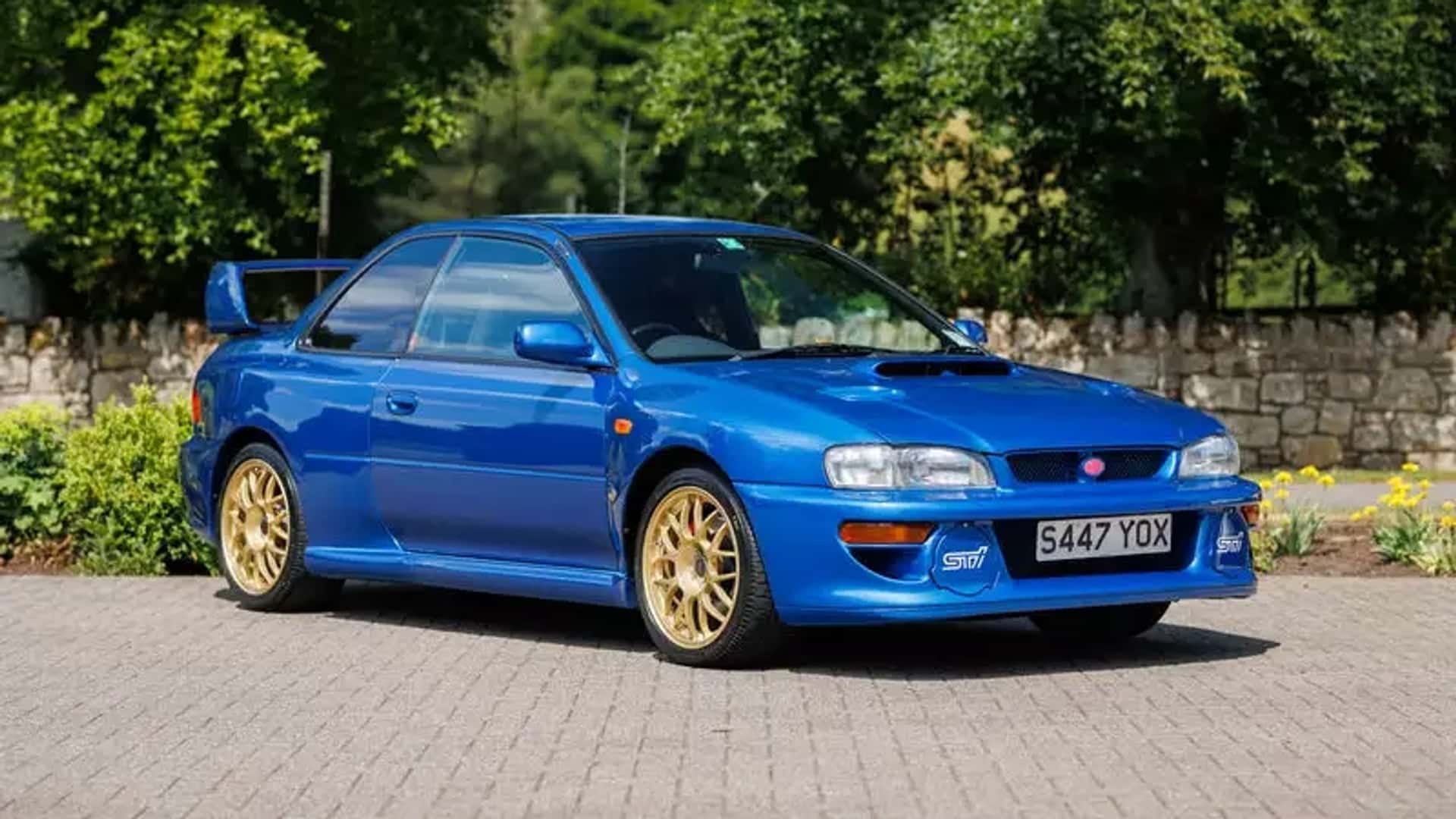
5. Subaru Impreza
The Subaru Impreza is often chosen for its all-wheel-drive system, a standard feature not commonly found in affordable sedans. But one overlooked strength of the Impreza is its robust suspension system, which is built to complement the AWD setup and endure a variety of challenging road conditions.
Subaru employs a front MacPherson strut and a rear double-wishbone or multi-link suspension system, depending on the generation.
This design isn’t just about handling performance, it’s also about strength and resilience, which is crucial when dealing with uneven pavement, dirt roads, snow-covered streets, or wet gravel trails.
Because the Impreza is expected to perform in more rugged environments than many of its peers, Subaru has engineered the suspension with stronger-than-average components.
Control arms, struts, and bushings are reinforced to handle the additional torque and weight transfer associated with all-wheel-drive traction.
This results in a vehicle that not only grips the road well but also shrugs off wear and tear more effectively. Owners living in regions with rough terrain or unpredictable weather conditions often report excellent performance and minimal maintenance needs for the suspension system, even after several years of use.
Another benefit of the Impreza’s setup is how well it maintains ride quality. Despite its more rugged build, the car remains composed and comfortable in daily driving. The suspension smooths out bumps and irregularities effectively, contributing to the sense of stability that Subaru vehicles are known for.
Over time, this translates to fewer rattles, squeaks, or alignment issues, and most drivers won’t notice a decline in suspension performance unless they regularly drive under extreme conditions or completely neglect maintenance.
Subaru also benefits from a loyal customer base and a wide availability of parts and services, which means repairs, if needed, are rarely a hassle. Overall, the Impreza is a great choice for budget-conscious buyers who want more than just basic transportation.
Its suspension system stands up to real-world demands with admirable consistency, making it one of the rare all-wheel-drive sedans that delivers both capability and long-term dependability without racking up repair bills.
5 Affordable Sedans That Always Need Suspension Work
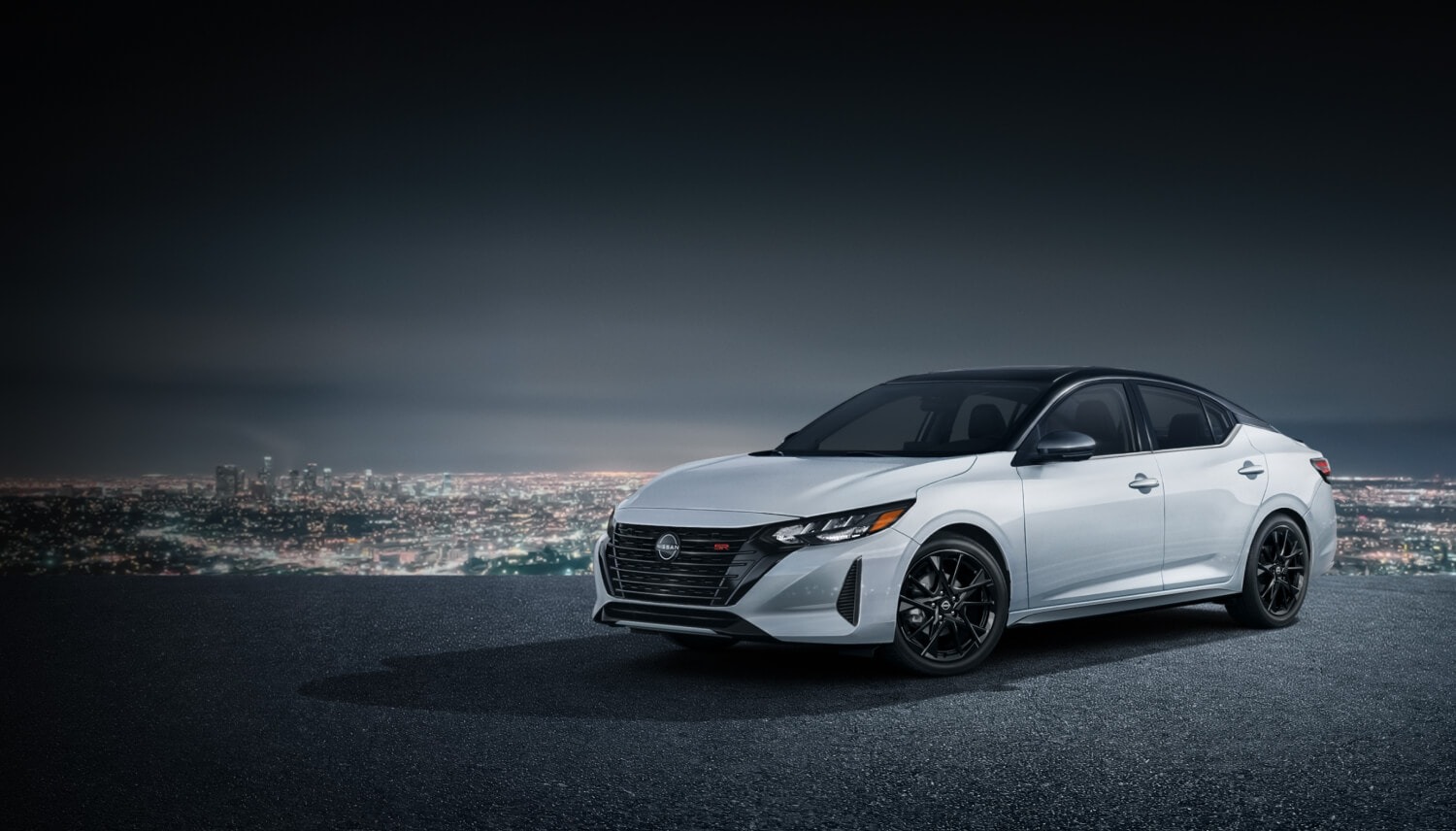
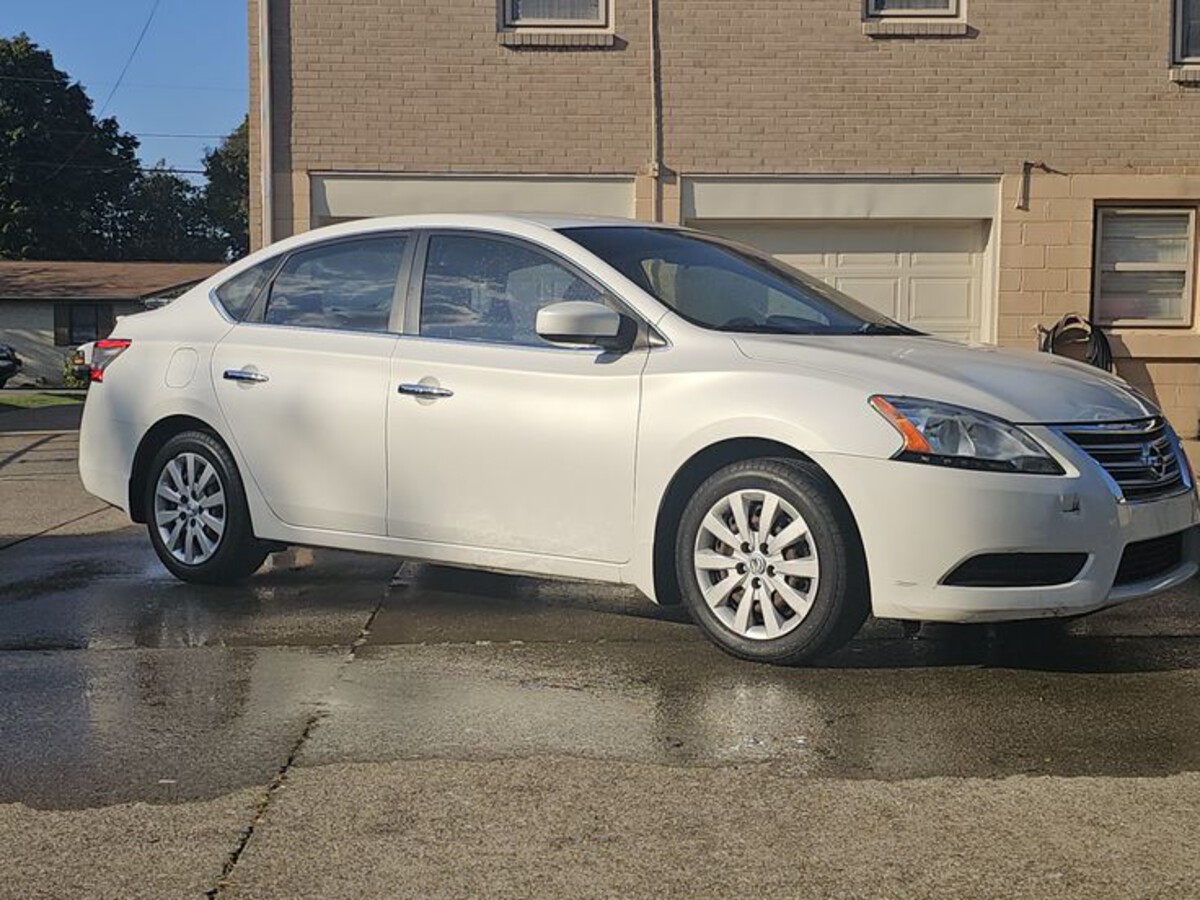
1. Nissan Sentra
The Nissan Sentra has been a staple in the compact sedan market for years, often praised for its fuel efficiency and spacious interior.
However, when it comes to suspension reliability, the Sentra frequently falls short. Many models, particularly those from the early to mid-2010s, have developed a reputation for premature suspension wear.
Common complaints from long-term owners include clunking noises from the front end, excessive vibration, and uneven tire wear, issues often traced back to failing struts, control arm bushings, or sway bar links.
Despite being marketed as a dependable budget car, the Sentra’s suspension system doesn’t seem to hold up well under regular driving conditions, especially in areas with rough roads.
One major factor contributing to the Sentra’s suspension problems is cost-cutting in materials and component design. Nissan has historically aimed to offer low sticker prices to remain competitive, and in many cases, that meant opting for cheaper suspension parts that don’t age well.
Rubber bushings tend to crack early, struts lose effectiveness far sooner than expected, and in some models, control arms have been known to fail at relatively low mileage.
These issues not only lead to expensive repairs but also compromise handling and safety. The car may begin to feel unstable during cornering or exhibit excessive body roll, both of which reduce driver confidence and control.
Another concern for Sentra owners is how quickly these suspension problems can escalate. A small noise or vibration left unchecked can lead to more serious damage if the issue isn’t addressed quickly.
A worn-out bushing, for instance, can affect wheel alignment and result in uneven tire wear, while a failed strut can make the vehicle less responsive and increase stopping distances.
These are not just nuisances; they directly impact the car’s overall safety. Unfortunately, because these issues arise more frequently than with many of the Sentra’s competitors, owners often find themselves in a frustrating cycle of diagnosing, repairing, and re-repairing various components.
The cost of ownership for a Sentra over the long term can rise significantly because of these suspension issues. Even though the vehicle is attractively priced upfront, frequent repairs can quickly erode the financial advantage.
For buyers who are looking for a dependable, low-maintenance ride, the Sentra may disappoint. Unless newer models significantly improve on the durability of their suspension systems, the Sentra will continue to lag behind rivals that offer better performance and reliability without constantly needing trips to the mechanic.
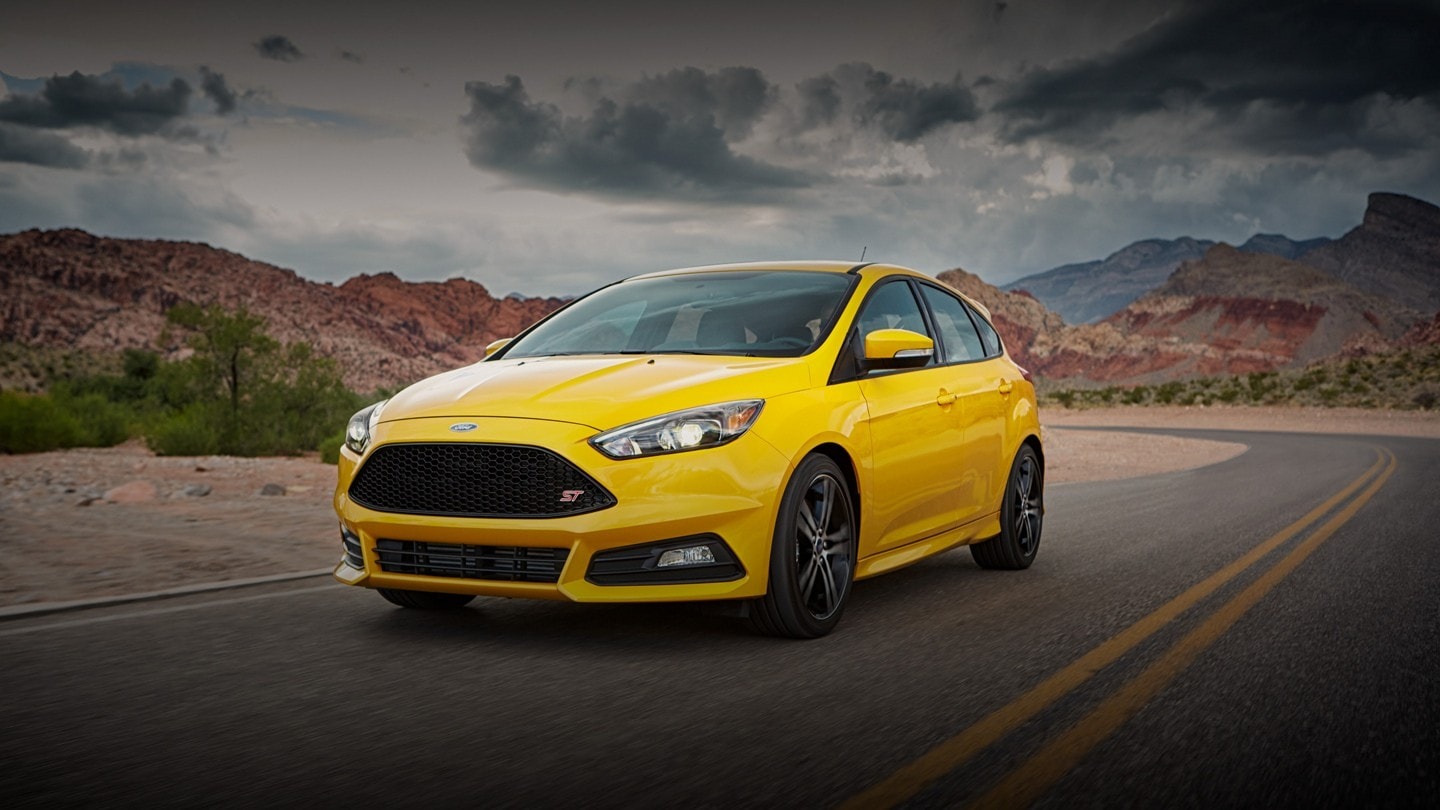
2. Ford Focus
The Ford Focus, particularly models built between 2012 and 2018, is a car that promised a lot: European-style handling, sharp design, and affordable pricing. But beneath its stylish exterior lies a significant weakness: a problematic and often unreliable suspension system.
Many Focus owners have reported issues with worn-out shocks, faulty struts, and noisy control arms far earlier than expected. Some drivers start noticing clunking sounds and rough ride quality well before hitting the 60,000-mile mark.
These problems are especially frustrating because they affect both comfort and control, making the car feel less refined and more fragile as it ages.
A big reason the Focus runs into so many suspension issues is that it tries to do too much in terms of driving dynamics without the component strength to back it up. The car is tuned to feel sporty and responsive, which means the suspension is stiffer than average for the class.
While this might improve cornering on smooth pavement, it also means the shocks and struts take a bigger beating on real-world roads filled with potholes and speed bumps.
As a result, suspension components wear out faster than those on cars with softer, more forgiving setups. Owners often find themselves having to replace sway bar links, bushings, and mounts well ahead of schedule.
There’s also the matter of build quality and consistency. Ford’s assembly and quality control during the troubled Focus years were far from perfect, and many vehicles rolled off the production line with alignment issues or subpar suspension tuning.
This inconsistency only makes the situation worse for owners, as some units develop chronic issues while others remain relatively problem-free.
Even within the same model year, some drivers report multiple repairs by 50,000 miles, while others experience fewer issues. This unpredictability creates doubt and makes it harder for buyers to feel confident in long-term reliability.
While newer Ford sedans and crossovers have shown improvement in terms of engineering and quality control, the damage to the Focus’s reputation is already done. For those considering a used Focus, suspension repairs should be expected.
They are frequent, sometimes expensive, and often frustrating, especially when multiple components start to fail in quick succession. In the end, the Ford Focus is a cautionary tale, proof that a good driving feel means little if the car can’t handle the wear and tear of everyday driving without constant maintenance.
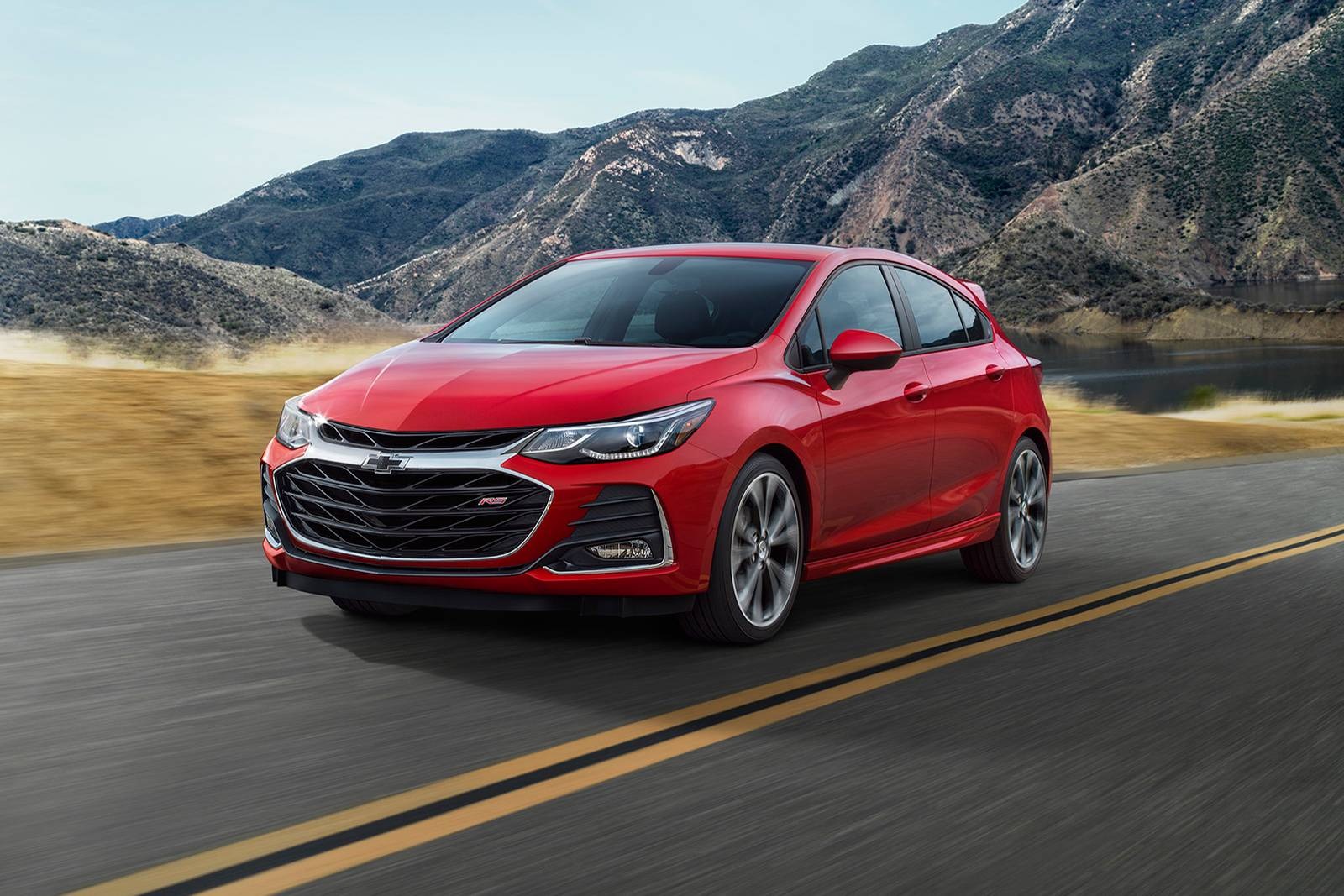
3. Chevrolet Cruze
The Chevrolet Cruze was introduced as a global compact sedan that could compete with the likes of the Civic and Corolla, offering modern styling and a quiet, refined ride.
However, the Cruze has struggled with long-term suspension reliability, and this has become one of the most common complaints among owners.
Despite initial praise for comfort and road noise isolation, real-world durability has proven to be lacking. Many drivers have found that the Cruze’s shocks and struts start to degrade earlier than expected, often around 50,000 to 70,000 miles, leading to increased body roll, reduced ride quality, and annoying noises from the undercarriage.
One of the key issues with the Cruze lies in its suspension component quality. GM’s cost-cutting strategy, particularly in earlier production years, involved the use of lower-grade rubber bushings, thinner metal for control arms, and subpar strut assemblies.
As a result, these parts are more susceptible to failure under normal driving conditions, especially when exposed to rough roads, freezing temperatures, or frequent stop-and-go urban driving.
Even drivers who carefully avoid potholes and maintain regular service schedules often find themselves needing to replace multiple suspension components by the time the car reaches moderate mileage.
The design of the Cruze’s suspension system doesn’t do much to help its cause either. While the rear setup in some trims features a more advanced multi-link design, it still doesn’t hold up well in the long term.
Struts tend to leak, bushings crack or degrade, and tie rods loosen, resulting in a vehicle that feels much older than it is.
These issues are compounded by a somewhat soft suspension tuning that allows excess movement over bumps and dips, placing further stress on already vulnerable components. Combined, these flaws mean more frequent trips to the mechanic and higher-than-expected repair costs.
For budget-minded buyers who chose the Cruze thinking it would deliver low-cost, hassle-free transportation, the reality of frequent suspension problems can be a harsh surprise.
Even though the Cruze offers a quiet cabin and decent fuel economy, its inability to maintain a healthy suspension system over time makes it a less-than-ideal choice for those trying to minimize maintenance and repair expenses.
The long-term ownership experience, unfortunately, falls short of expectations due to the number of suspension-related issues reported across various model years.
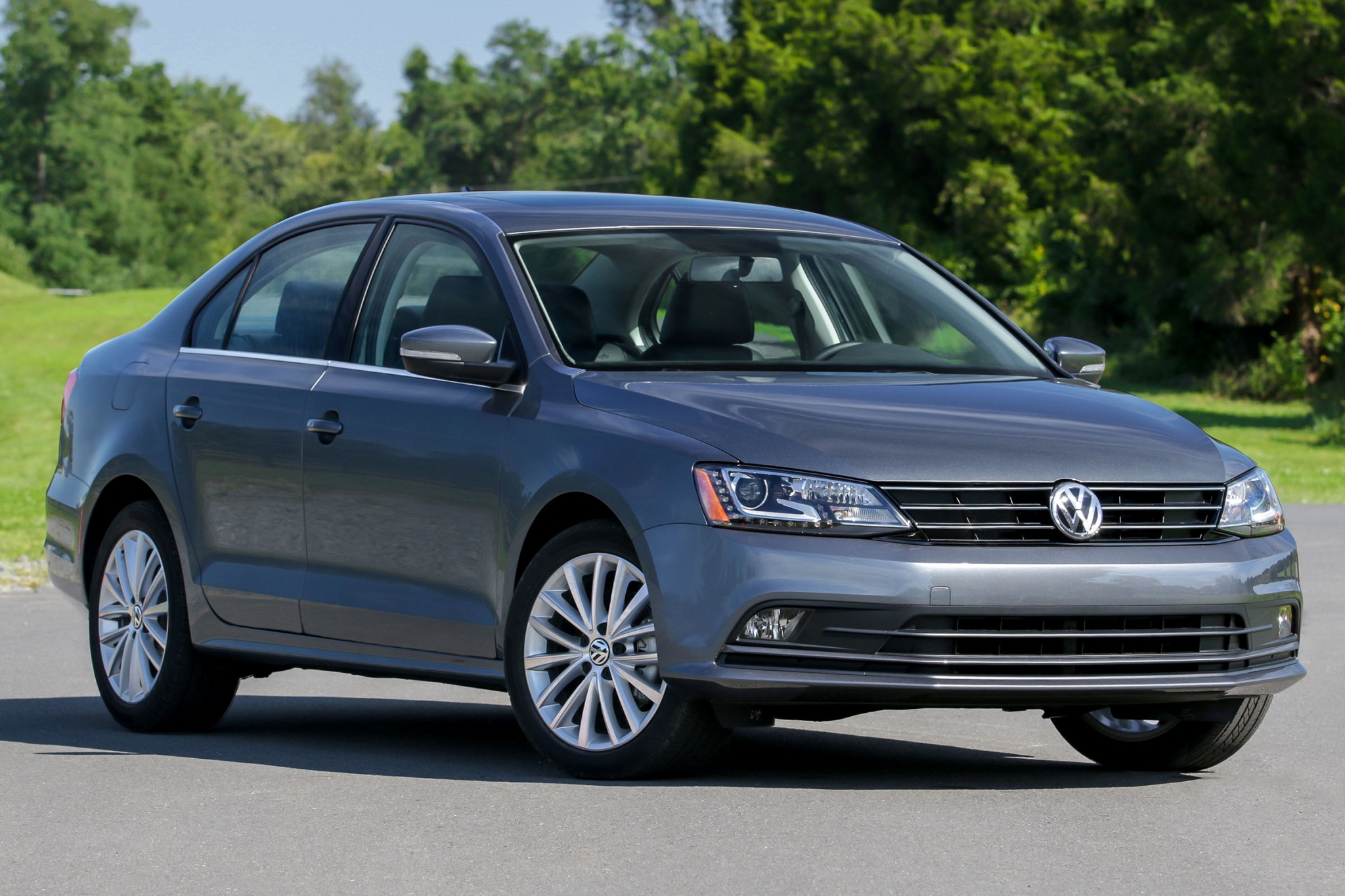
4. Volkswagen Jetta
The Volkswagen Jetta often appeals to drivers seeking European style and driving refinement at an affordable price point. It boasts clean design, tight steering, and a reputation for solid engineering. However, when it comes to long-term suspension reliability, the Jetta does not perform as well as one might expect.
Many Jetta owners, especially those with models built from 2011 through 2017, have reported frequent suspension-related issues, ranging from prematurely worn bushings to failing struts and noisy front-end components.
What starts as a quiet, composed ride can quickly degrade into a rough, creaky, and uncomfortable experience if the suspension components begin to wear out early.
The Jetta’s suspension system features a MacPherson strut setup in the front and a multi-link arrangement in the rear, which in theory should provide a balanced and responsive driving feel.
And while it certainly handles better than some rivals, the complexity of the suspension design also makes it more vulnerable to problems if not engineered and assembled with absolute precision.
Unfortunately, some Jetta models suffer from inconsistencies in build quality and materials. Suspension components like the sway bar links and control arm bushings are known to wear out quicker than expected, particularly in areas with harsh weather or rough roads.
Adding to the problem is the higher cost of repair and replacement parts. Unlike some competitors, where suspension repairs are relatively inexpensive and straightforward, fixing suspension problems on a Jetta can quickly become costly due to the price of OEM parts and labor-intensive service procedures.
This makes even minor issues more financially painful for owners. In some cases, Jetta owners have had to replace entire front-end suspension assemblies before reaching 80,000 miles, a major expense for a car in this category. Even routine components like struts can cost significantly more than average to replace.
