
When shopping for an affordable car, people often look for features like fuel efficiency, reliability, and price. But one of the most important factors that tends to be overlooked is ride quality. Ride quality determines how comfortable the car feels while driving over different types of road surfaces.
It can make the difference between enjoying your daily commute and dreading it. For those who drive long distances or frequently deal with rough or uneven roads, having a car that absorbs bumps well can dramatically improve the driving experience. This is especially true when the car fits within a reasonable budget.
Affordable cars are usually associated with compromises. Manufacturers often have to cut costs somewhere, and suspension tuning is one of those areas that tends to see reductions. Some cars are tuned to feel sportier, sacrificing softness and comfort.
Others may use cheaper components or a simpler suspension setup that doesn’t handle road imperfections very well. But not all budget-friendly vehicles fall into this trap. A few affordable cars surprise drivers by offering a surprisingly smooth and stable ride, showing that comfort doesn’t always have to come at a premium.
On the other hand, some cars may look good on paper but disappoint in real-world conditions. While they might be efficient, well-equipped, or even spacious, their harsh ride can become tiresome quickly.
This can be especially problematic in regions with less-than-perfect road conditions. A stiff suspension, cheap shocks, or minimal insulation from vibrations can lead to a rough and unpleasant ride. In the long run, even a reliable and economical car can start to feel like a burden if it doesn’t offer enough comfort.
This article looks at ten cars that are known for their ride quality, focusing on the affordable end of the market. The first half will highlight five models that manage to offer a soft, composed ride without costing too much.
The second half will cover five cars that may be affordable, but whose suspension tuning or design results in a less comfortable experience. Whether you’re a first-time buyer, a daily commuter, or just someone who appreciates comfort on the road, this list can help guide your next decision.
5 Affordable Cars With Great Ride Quality
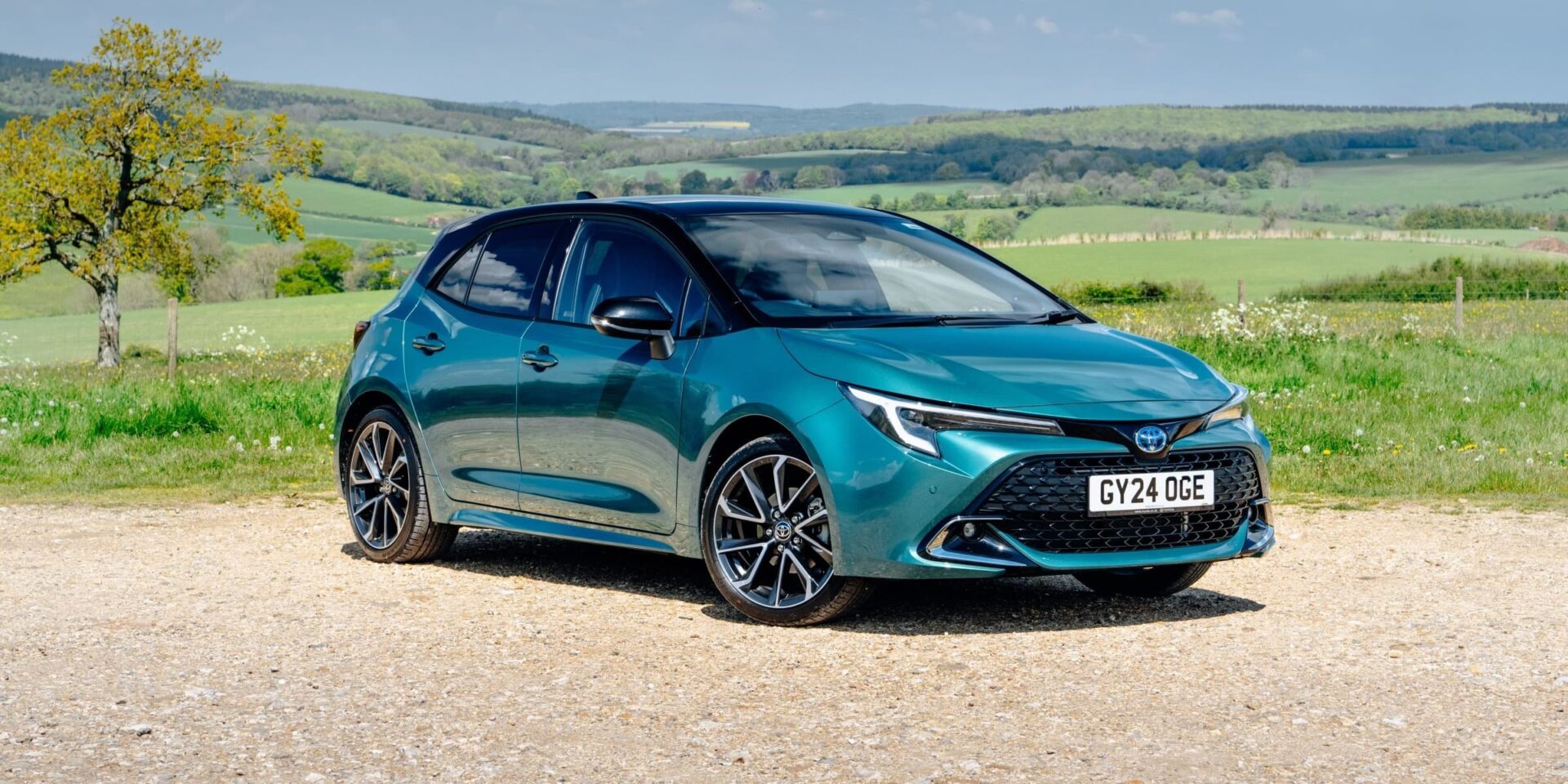
1. Toyota Corolla
The Toyota Corolla has long been known for its practicality, but what often surprises drivers is just how refined the ride can feel, especially in newer models. Toyota has done a solid job with suspension tuning to give the Corolla a soft but controlled feel. The car glides over bumps with minimal harshness, even when driving over potholes or broken pavement.
This quality makes it a strong choice for daily drivers who don’t want to feel every crack in the road. The ride isn’t floaty, but it has the right balance between comfort and firmness, which many drivers appreciate.
One of the reasons the Corolla rides so well is due to Toyota’s focus on noise insulation and suspension geometry. Even in base trims, the cabin feels fairly quiet for a compact car. Sound from the tires and wind is kept to a minimum, and the seat cushioning supports longer drives without fatigue.
The ride quality is especially noticeable on the highway, where the car stays planted without unnecessary body movement. City driving is also pleasant thanks to the smooth response over speed bumps and stop-and-go traffic. It’s not a luxury car, but for the price, it holds its own.
Another benefit of the Corolla’s ride is that it doesn’t come at the cost of handling. The car maintains stability through corners, and body roll is present but well-controlled. Toyota seems to have focused on offering a composed driving experience that leans toward comfort without feeling disconnected.
Even with the standard wheels and basic suspension, the car manages to deliver a quality that feels more expensive than it is. For drivers who value smoothness but don’t want to pay for a larger sedan, the Corolla stands out as a strong pick.
The Corolla shows that comfort doesn’t have to be sacrificed for affordability. It continues to be one of the most balanced compact cars on the market. Whether you’re dealing with potholes in the city or taking longer trips on the highway, it provides a ride that’s easy to live with.
It’s no surprise that many owners cite the Corolla’s comfort as one of their favorite features. When combined with its reputation for reliability and efficiency, it becomes one of the most well-rounded choices in the affordable segment.
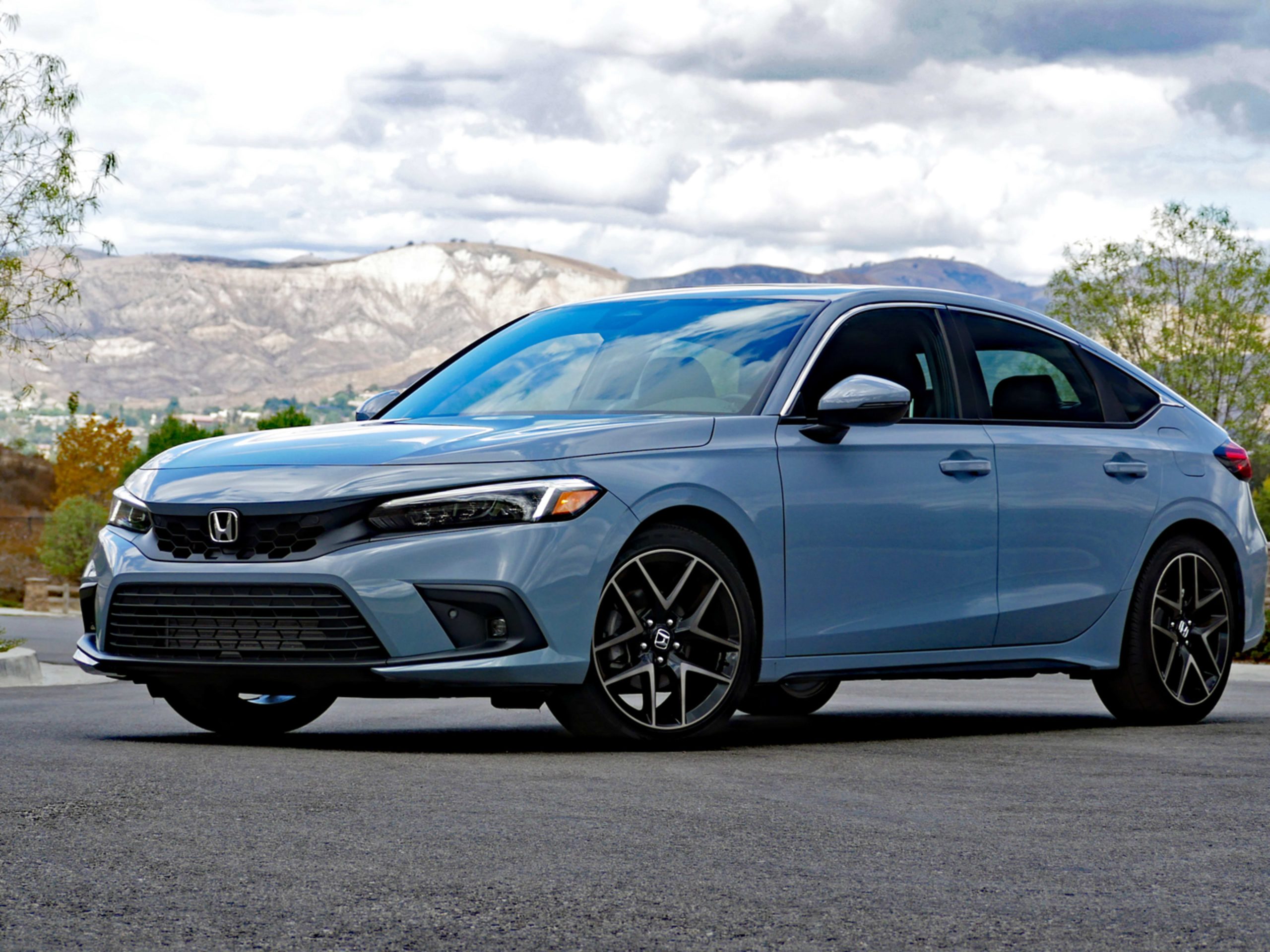
2. Honda Civic
The Honda Civic has evolved over the years into one of the most refined compact cars available. While earlier versions focused more on performance and sharp handling, recent generations have managed to combine that athletic feel with impressive ride comfort.
The suspension is well-calibrated, allowing the car to absorb most road imperfections without jarring the cabin. This makes it a great option for those who want a car that feels engaging but won’t wear them out on longer drives or bumpy roads.
What makes the Civic’s ride especially impressive is the chassis tuning. The structure feels solid, which helps eliminate creaks and rattles that are common in older or cheaper compact cars. This structural strength works in combination with well-damped suspension components to smooth out vibrations.
Even when hitting expansion joints on the highway, the Civic remains composed and stable. The car doesn’t pitch forward during hard braking, and its response to uneven pavement is predictable and controlled. These qualities help reduce driver fatigue and keep passengers comfortable.
The interior plays a role in the experience as well. Honda has used materials and insulation that reduce road and wind noise effectively. While it’s not as silent as a luxury car, the cabin remains reasonably quiet even at higher speeds.
The seating is comfortable and supportive, which complements the smoothness of the ride. Visibility is also good, and the steering has enough weight to feel natural without being overly heavy. The Civic’s ride is one of the many reasons it appeals to a broad range of drivers, from younger buyers to retirees.
Despite its reputation as a sportier compact, the Civic shows that you don’t need to compromise on comfort. Whether you choose the sedan or hatchback variant, the car manages to offer a level of ride quality that competes with some mid-size models. For those looking for an affordable car that still feels refined and mature, the Civic continues to be a top contender. It’s a strong example of how smart engineering can lead to a smoother, more pleasant driving experience without a premium price tag.
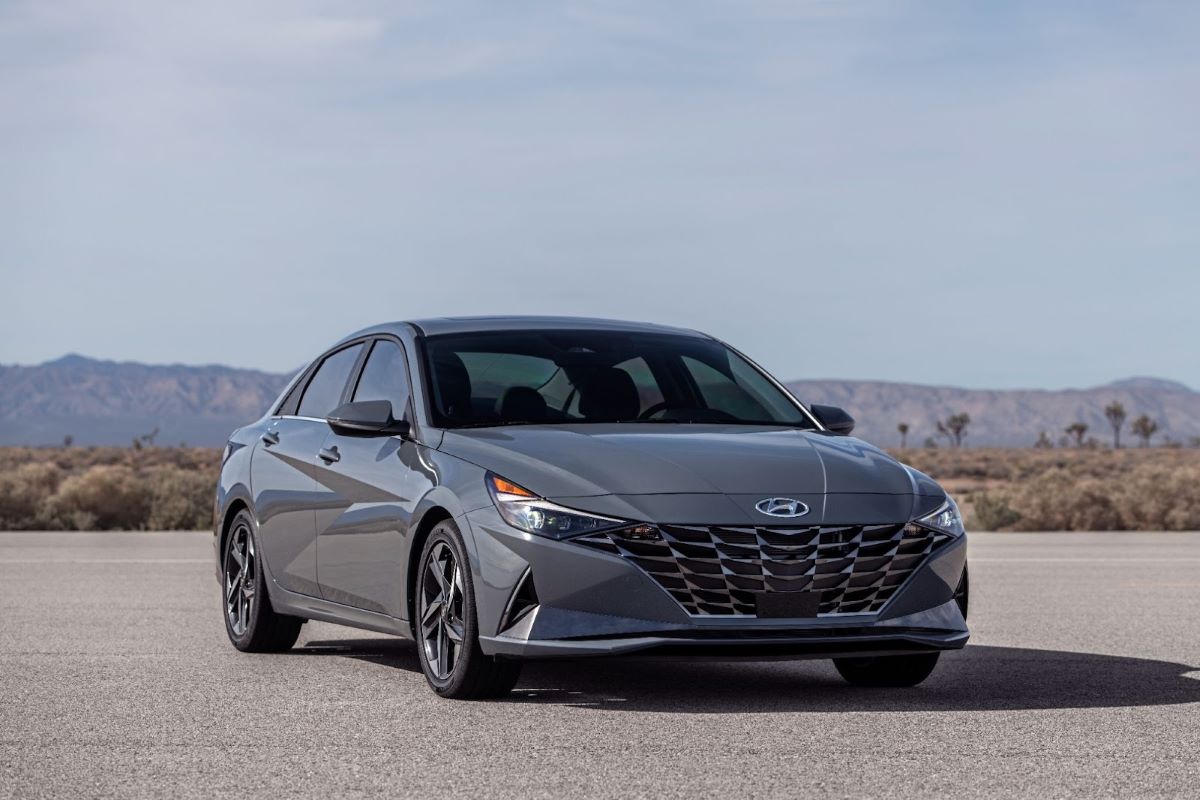
3. Hyundai Elantra
Hyundai has come a long way in the past decade, and the Elantra is a great example of the company’s progress. While earlier models were often criticized for being too stiff or unrefined, newer versions have dramatically improved in ride quality.
The suspension has been softened just enough to make daily driving more enjoyable, without making the car feel disconnected from the road. The result is a vehicle that feels stable and smooth even on uneven pavement, which makes a big difference for commuters or families.
The Elantra’s suspension tuning focuses on absorbing bumps rather than transmitting them to the cabin. Even with the base model, the ride feels more relaxed compared to some of its rivals.
On rough city streets, the car handles potholes and patched pavement with ease. There’s a clear effort to prioritize passenger comfort, and it shows in the way the car responds to poor road surfaces. Drivers who want a peaceful ride without paying for a mid-size sedan will appreciate what the Elantra offers.
Another area where the Elantra stands out is cabin insulation. Road noise is kept to a minimum, especially for a car in its price range. Wind noise is also reasonably well-managed, making highway driving less tiring.
The seats are supportive, and the seating position allows for a relaxed driving posture. These features contribute to the smoothness of the experience, giving the impression of a more expensive car. It’s the kind of car that feels well-suited for long drives and daily errands alike.
Hyundai has also made improvements to the chassis design, which helps improve how the car handles road imperfections. Body roll is well-managed, and the car doesn’t bounce or jitter after hitting a bump.
For drivers who care more about comfort than cornering, the Elantra offers a very attractive package. It proves that you can get a quiet, smooth ride without stretching your budget. It might not have the brand recognition of some of its competitors, but when it comes to value and comfort, it delivers more than expected.
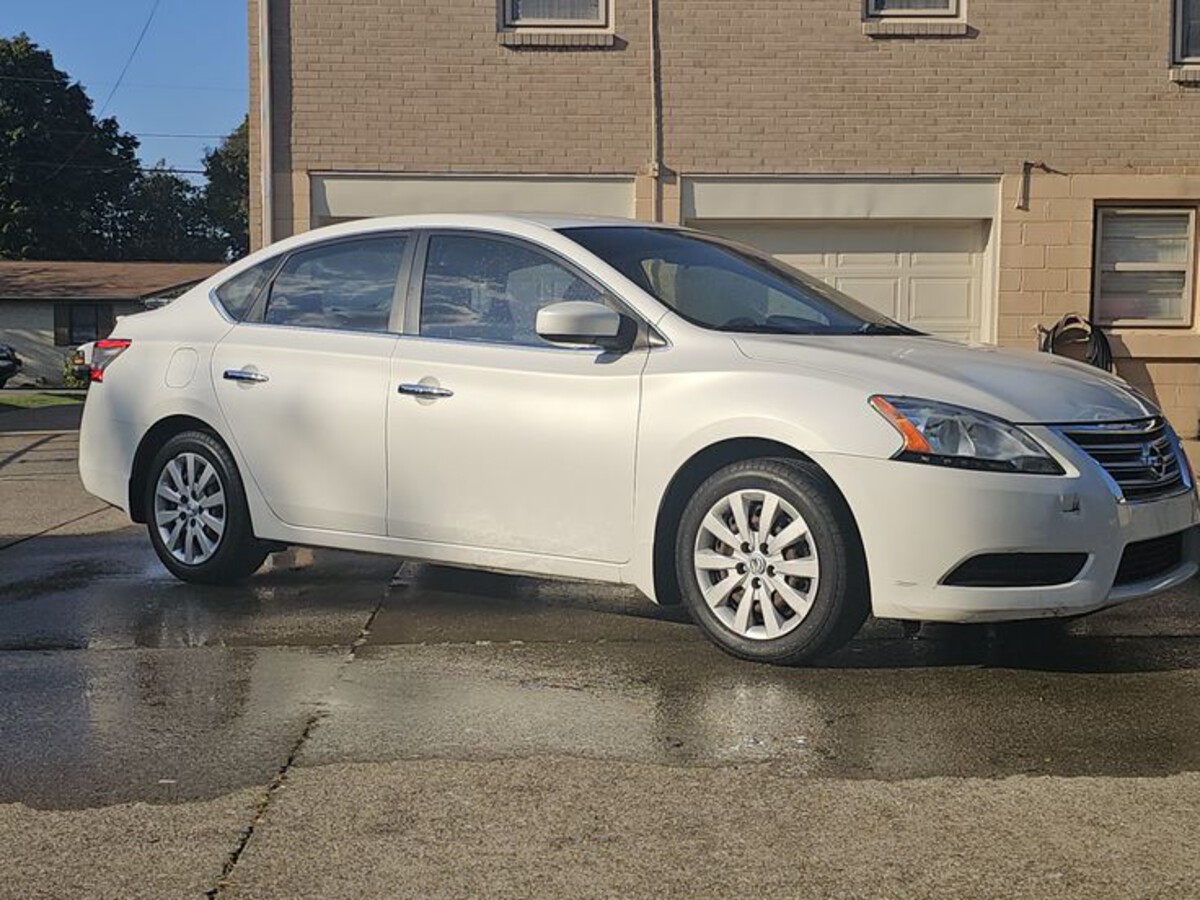
4. Nissan Sentra
The Nissan Sentra has undergone significant changes over the years, with recent versions making noticeable improvements in both design and ride comfort. Where older Sentras might have felt a bit outdated or stiff, the newer ones have been tuned with comfort clearly in mind.
For those looking for a car that handles daily commutes with ease and quietness, the Sentra presents a compelling option. It doesn’t try to be sporty or overly firm, which ends up being a benefit for those who care more about ride quality than sharp handling.
One of the key reasons the Sentra offers such a smooth ride is the refinement of its suspension setup. Nissan chose to go with a suspension that prioritizes comfort, making the car feel soft over bumps and cracks in the road.
Whether navigating city streets or traveling along uneven highways, the Sentra filters out a lot of the harshness that some other compact cars in the same price range fail to manage. Even with standard wheels and tires, it avoids the jarring feeling often found in budget sedans.
Inside the cabin, comfort is further enhanced by the layout and materials. The seats are plush enough to reduce pressure on longer trips, and interior noise levels are relatively low. Nissan has worked on reducing cabin vibration and external sound intrusion, and the results are easy to notice.
Road noise is less intrusive than in many of its competitors, especially when driving over rough surfaces. Passengers often comment on the smoothness of the ride, making it suitable for both solo drivers and families.
In terms of value, the Sentra’s ride quality makes it stand out. While it may not be the fastest or most exciting car in its class, it succeeds in delivering a consistent and comfortable ride every time.
This makes it a strong contender for anyone who spends a lot of time on the road or values comfort over cornering performance. For the price point, it’s one of those rare cars that manages to feel calm and mature without asking for a premium. It’s a reminder that good ride quality isn’t reserved for luxury vehicles.
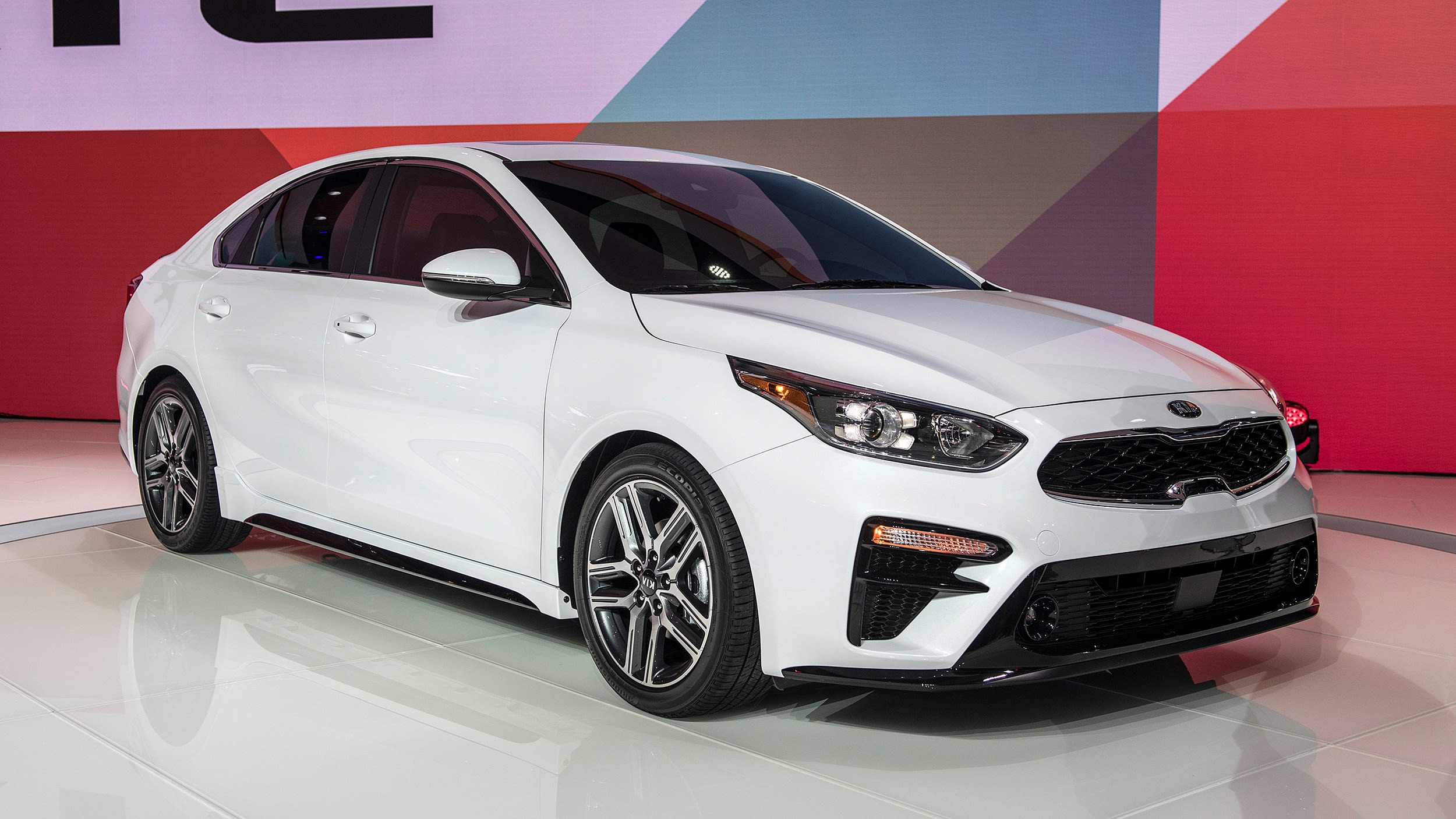
5. Kia Forte
The Kia Forte has become a more refined offering in the compact car segment over the years. While some may still associate it with earlier, less polished models, the current version of the Forte brings much-needed improvements in both ride comfort and road feel.
Kia has spent time fine-tuning the suspension to better absorb imperfections, which is especially useful for drivers in areas with rough or inconsistent road conditions. The car feels surprisingly composed for its price point.
The suspension is neither too soft nor too firm, hitting a sweet spot that many compact cars struggle to achieve. It handles dips, cracks, and potholes with composure, and the shocks seem to react quickly enough to prevent bouncing or instability.
This level of control allows the driver to feel confident in different driving scenarios while still maintaining a sense of calm in the cabin. The ride doesn’t get unsettled easily, which is something budget-conscious shoppers often hope to find in an affordable daily driver.
Comfort in the Forte also extends to the cabin experience. The seats are shaped to provide good support, and the materials used in higher trims help enhance the sense of quiet and ease.
The cabin isn’t luxury-level quiet, but it’s well above average for its class. Kia has improved sound insulation over the years, which pays off in reducing wind and tire noise. This makes long commutes and highway cruising feel less fatiguing. Combined with an easy-to-use infotainment system, the Forte provides a relaxed driving environment.
Perhaps the most impressive thing about the Forte is how balanced it feels. It doesn’t lean too far toward being sporty or overly soft. Instead, it feels like a well-thought-out product aimed at people who just want a pleasant, hassle-free driving experience.
Given its affordability, the fact that it manages to deliver a smooth and controlled ride is a big win for budget-focused buyers. It might not always be the first name that comes up in compact car discussions, but for ride quality, it certainly deserves more attention.
5 Affordable Cars With Rough Suspension
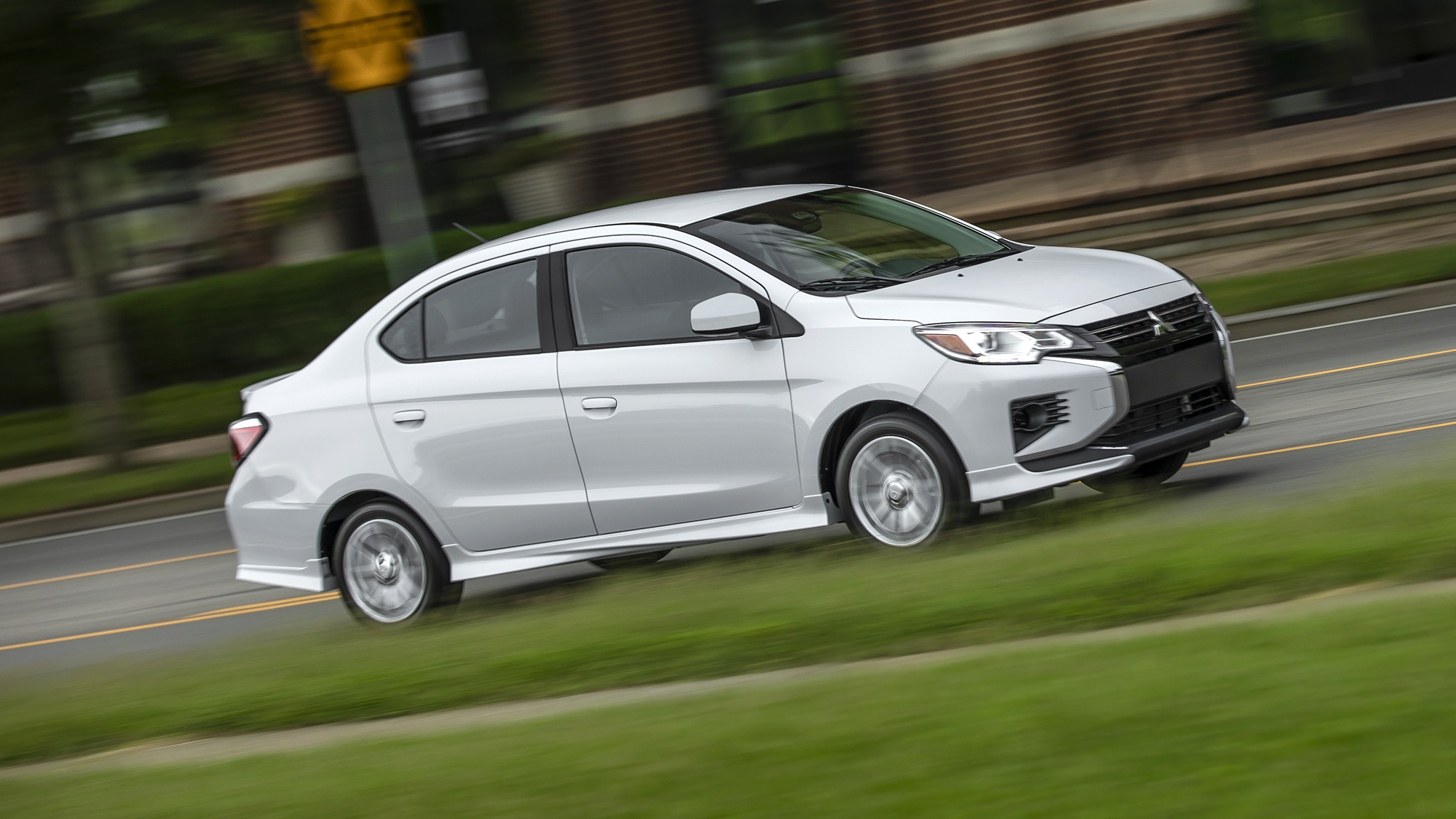
1. Mitsubishi Mirage
The Mitsubishi Mirage is often praised for its low price and high fuel economy, but one area where it clearly falls short is ride quality. The suspension setup in the Mirage is simple and cost-effective, which unfortunately means it struggles to handle less-than-perfect roads.
On smooth pavement, it behaves reasonably well, but once the road becomes cracked, uneven, or potholed, the Mirage’s limitations become immediately noticeable. The ride can feel stiff, choppy, and unsettled, especially for passengers in the rear seats.
Part of the issue is the Mirage’s lightweight design. While that helps with fuel efficiency, it doesn’t do any favors when it comes to ride comfort. The car tends to bounce and shake over imperfections that other cars in its segment would absorb more gracefully.
This makes it difficult to maintain a consistent sense of stability, especially at higher speeds. The light structure also means more road and suspension noise gets transmitted into the cabin, making long drives more tiring than they should be.
The seats and interior layout do little to help the situation. Basic cushioning and minimal sound insulation mean that even small bumps feel more intense than they should. The rear suspension, in particular, lacks the damping quality needed to deal with rough pavement. The result is a car that constantly reminds you of the condition of the road, which can quickly become frustrating. It’s not necessarily a dealbreaker for someone on a tight budget, but it’s worth considering if comfort is a priority.
Despite its affordability, the Mirage shows the downside of cutting corners in the suspension department. While it’s cheap to own and easy to park, it doesn’t provide the smooth ride that many daily drivers need. Anyone considering the Mirage should be aware that the driving experience leans heavily toward function over comfort. If you’re primarily in areas with very well-maintained roads, it may be manageable, but in most situations, the rough ride can make the car feel less enjoyable than its competitors.
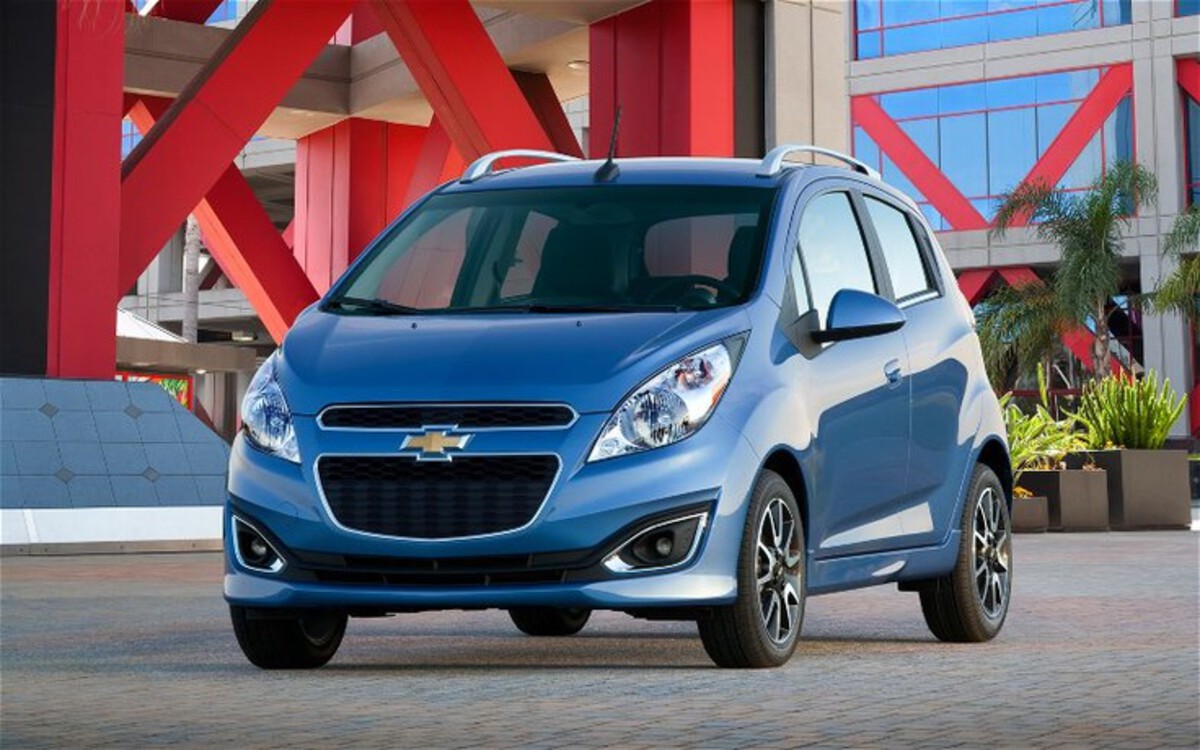
2. Chevrolet Spark
The Chevrolet Spark is another car that attracts buyers with its low price and small footprint, but ride comfort is not its strong suit. Due to its short wheelbase and compact design, the Spark tends to react sharply to bumps and road irregularities. Even minor potholes can send noticeable jolts through the cabin, making it feel unsettled and jittery. While some drivers might appreciate the small size for city maneuvering, the suspension feel is often harsh and unrefined.
The problem is compounded by the firm suspension tuning. To prevent excessive body roll, Chevrolet gave the Spark a relatively stiff setup. While this improves handling to a degree, it comes at the cost of absorbing road imperfections. On highways, the Spark often feels nervous and twitchy, with a constant need for correction.
On city streets, the ride can be jarring, especially when encountering speed bumps or poorly maintained sections. The experience lacks the composure found in even slightly larger or more balanced subcompacts.
Inside the cabin, noise and vibration levels add to the sense of discomfort. While the Spark is meant to be a basic, budget-friendly vehicle, the lack of insulation makes the rough ride even more noticeable.
Road noise is ever-present, and even with music or conversation, it can be difficult to ignore. The seats, while functional, don’t offer much cushioning to absorb shock, which means that every bump feels more exaggerated. This can be especially tiring for passengers during longer drives.
The Spark might be sufficient for short city commutes, but it doesn’t provide the kind of ride comfort that most people expect in a modern car. Even at its price point, other options manage to feel more composed and livable.
For drivers who spend a lot of time behind the wheel or frequently drive over rough pavement, the Spark may not be the most pleasant choice. Its small size has its benefits, but ride quality isn’t one of them.
3. Ford EcoSport
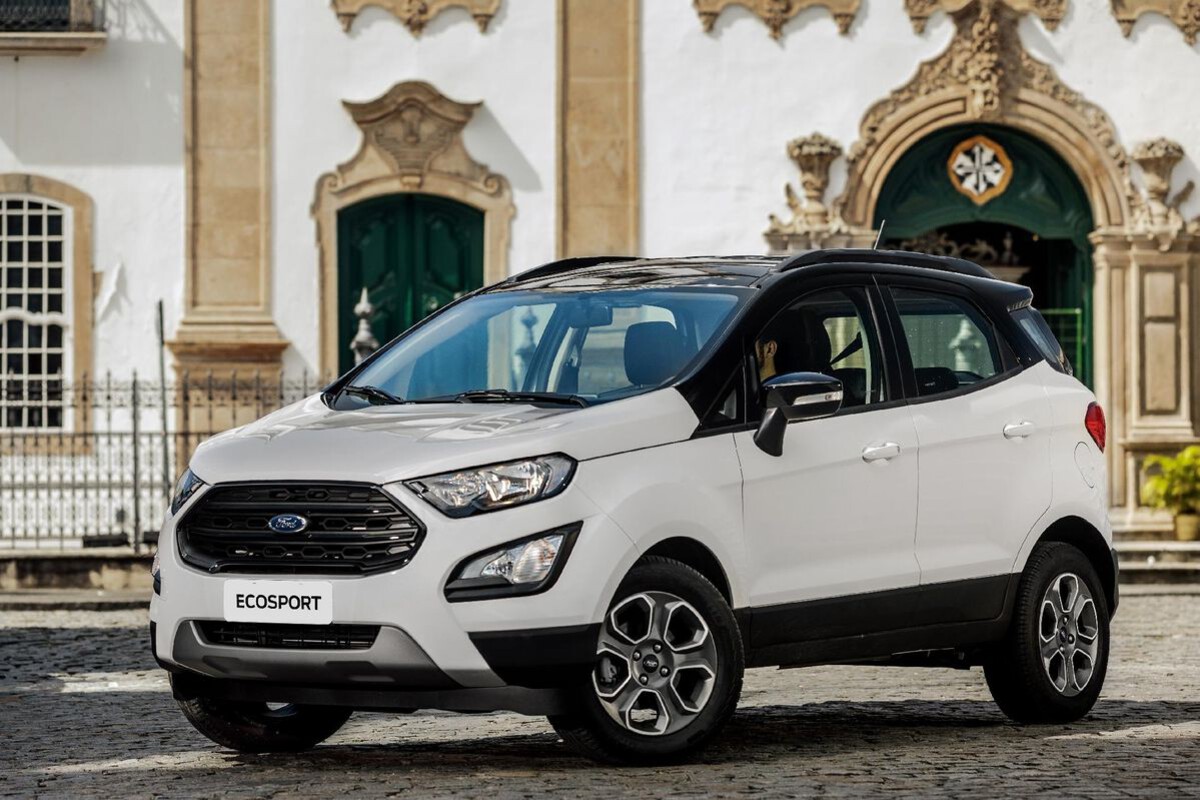
The Ford EcoSport is a subcompact crossover that attempts to bring SUV styling and a high driving position to the budget market. However, one of the biggest drawbacks of the EcoSport is its surprisingly rough and jittery ride.
Many drivers expect crossovers to offer a smoother experience thanks to their size and higher stance, but in this case, the EcoSport does not deliver. The suspension feels stiff, and the car doesn’t manage road imperfections as well as it should.
Part of the issue comes from the short wheelbase and the way the suspension has been tuned. Ford likely intended the EcoSport to feel more responsive and agile, but this has led to a setup that transfers too much road feedback into the cabin.
Even relatively mild bumps can feel sharp, and uneven pavement causes the car to shudder in ways that suggest poor damping. This can become uncomfortable quickly, especially if you’re traveling over cracked roads or city streets with lots of imperfections.
Cabin comfort doesn’t make up for the ride issues, either. Despite having a higher ride height and SUV-like proportions, the EcoSport feels cramped inside. The seats are upright but not particularly supportive, and noise insulation is subpar for a vehicle in this segment.
Road and suspension noise is audible, making the ride feel even rougher and unsettled. This can be especially disappointing for families who expected a smoother experience from what appears to be a small SUV.
While the EcoSport may have some appealing features like its compact size and decent cargo space, the poor ride quality is hard to ignore. It lacks the refinement and comfort that buyers typically look for in a crossover. Drivers who prioritize a quiet, composed ride should be aware that the EcoSport leans far too stiff for its own good. For the price, there are better-riding alternatives that offer more comfort without sacrificing practicality.

4. Jeep Renegade
The Jeep Renegade stands out with its rugged appearance and off-road-ready branding, but that tough image comes with a downside when it comes to everyday ride comfort. While it may handle rough terrain better than some compact SUVs, it doesn’t translate well to daily paved road use.
The suspension setup is firm, and the ride feels choppy and unsettled even when driving over ordinary roads. The same characteristics that might help off the beaten path work against it on smoother surfaces.
One of the biggest complaints from owners and reviewers alike has been the stiff ride and how it handles expansion joints, potholes, and road patches. It tends to bounce or jolt passengers more than expected, which can be frustrating in city or suburban settings.
Jeep’s attempt to preserve the Renegade’s trail capability has resulted in a suspension that doesn’t absorb bumps as softly as many competitors in the same price range. While this might be acceptable for off-road enthusiasts, it’s less ideal for regular commuting.
Inside, the Renegade has a somewhat stylish and functional interior, but it doesn’t offer much in the way of insulation from the road. The cabin can get noisy on highways, and the firm seats do little to cushion the sharpness of the ride. Even at lower speeds, the car communicates every imperfection on the road, making for a less comfortable experience than most buyers might expect from an affordable compact SUV.
For drivers who want that “Jeep look” and the possibility of occasional off-road adventure, the Renegade might still hold some appeal. But for those who spend the majority of their time on city streets or highways, the stiff ride can become a daily annoyance. It’s a good reminder that off-road ability doesn’t always translate into comfort, and that style shouldn’t come at the cost of suspension quality when comfort is a priority.
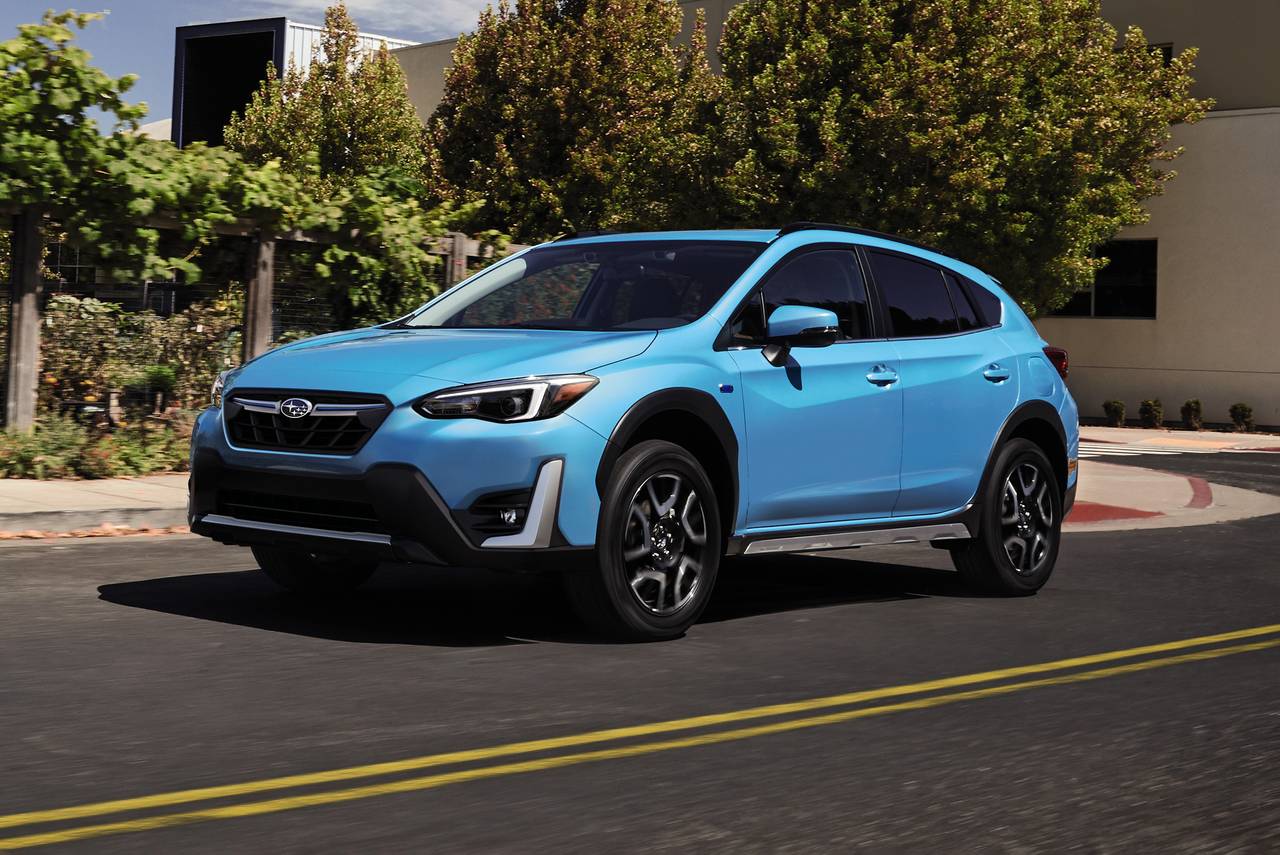
5. Subaru Crosstrek (Base Model)
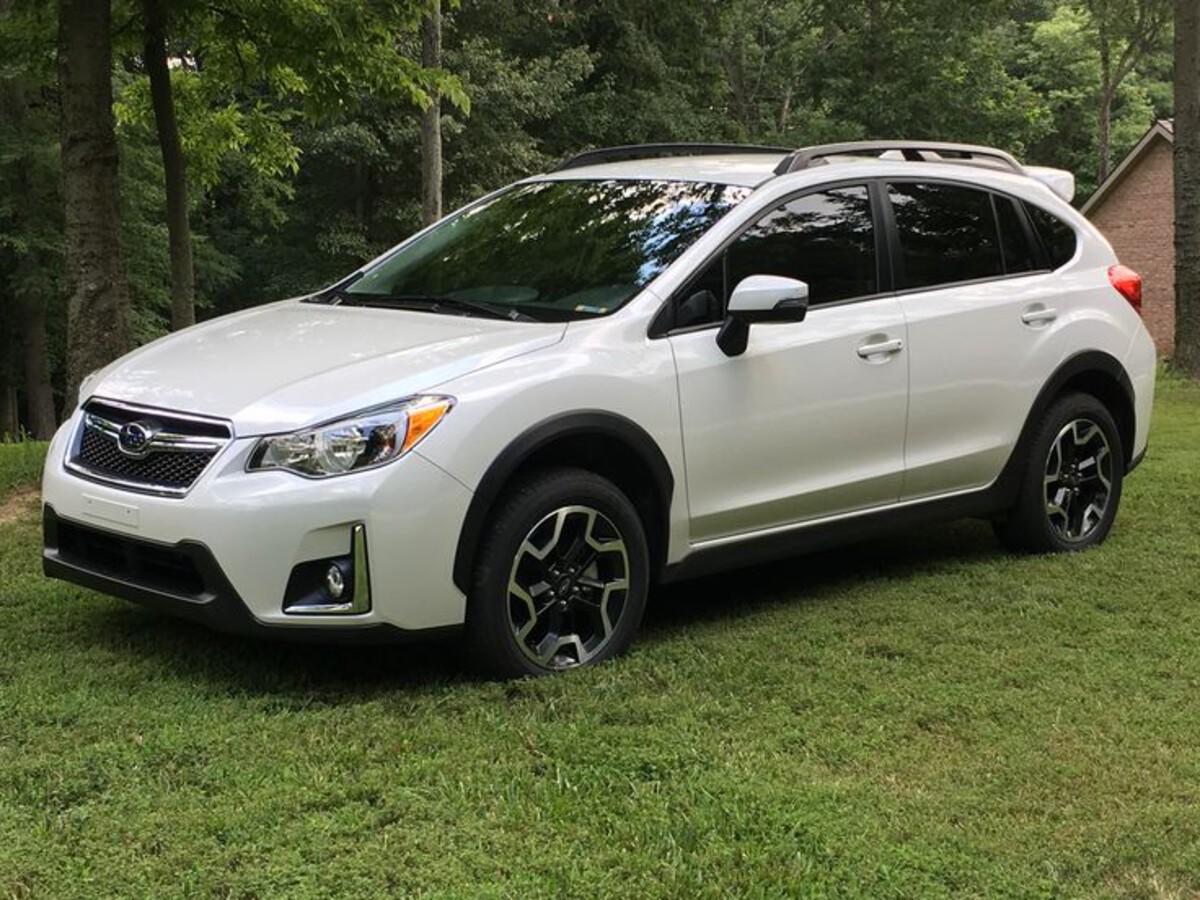
Subaru has built a strong reputation around safety, all-wheel drive, and utility, but not all of its models are equal in terms of comfort. The base version of the Subaru Crosstrek, while capable and reliable, has a ride that many describe as overly firm, especially when compared to similarly priced compact crossovers. The rugged suspension tuning helps with light off-road duties, but that same tuning translates to a rougher ride on paved surfaces.
One of the first things drivers often notice is how the Crosstrek handles potholes and poorly maintained roads. The ride isn’t harsh in a punishing sense, but it’s not particularly smooth either.
There’s a constant firmness that keeps the car from settling over uneven pavement. You can feel the suspension working hard, but it doesn’t always absorb bumps in a way that makes for a calm ride. Over time, this can lead to driver fatigue, especially on longer trips.
Another factor that contributes to the rougher ride is the combination of higher ground clearance and stiffer suspension components. Subaru made these choices to give the Crosstrek some light off-road ability, but for drivers who never leave the pavement, it comes across as a compromise.
On twisty roads, the car feels stable and composed, but on rough city streets, the suspension doesn’t soften the impact enough. It’s a car that handles well, but doesn’t feel as relaxed as many competitors.
Inside, the Crosstrek offers a pleasant interior with comfortable seats, but again, the ride quality tends to be a weak point. The all-wheel drive system adds confidence in bad weather, but it doesn’t improve suspension softness.
While the car performs well in snow or dirt, it’s less enjoyable on patched roads or city potholes. For drivers focused on road comfort, especially those who don’t need off-road capability, the Crosstrek might not offer the smooth experience they expect from a daily driver in this price range.
