
Pickup trucks have become a cornerstone of the automotive market, appealing not just to workers and business owners but to families and individuals who want a blend of utility and comfort. While the market is full of options ranging from heavy-duty to mid-size models, price and reliability often top the list for most buyers.
A good pickup should be able to handle tough tasks, endure miles of hard use, and avoid excessive trips to the repair shop. Unfortunately, not all affordable pickups live up to these expectations. Some offer a tempting sticker price but are plagued with mechanical issues, poor build quality, or components that just don’t age well.
On the other hand, some pickups consistently prove their worth even after years of service. These trucks show up to work day after day, whether hauling loads, towing trailers, or handling rough terrain.
They may not have the latest technology or plush interiors, but they offer something more valuable in the long run: dependability. Many of these trucks can be found on the used market for a reasonable price, making them a smart buy for anyone who wants value without the headache of constant repairs.
This article focuses on ten affordable pickups, split evenly into two groups. The first five are trucks that have earned a strong reputation for reliability, longevity, and performance.
These are the workhorses that still get the job done years after they were built. The second group includes five trucks that often fall short, either because of frequent breakdowns, poor engineering, or premature wear and tear. These are the ones to approach with caution, no matter how good the deal may seem.
The goal here is to give you a clear idea of which pickups you can count on and which ones are more likely to leave you stranded. Whether you’re shopping used or just curious about what separates the good from the bad, this comparison should give you a solid understanding of how affordability and durability intersect in the truck world.
Also Read: 5 EVs That Stay Safe and 5 That Get Recall Notices
5 Affordable Pickups That Run Strong
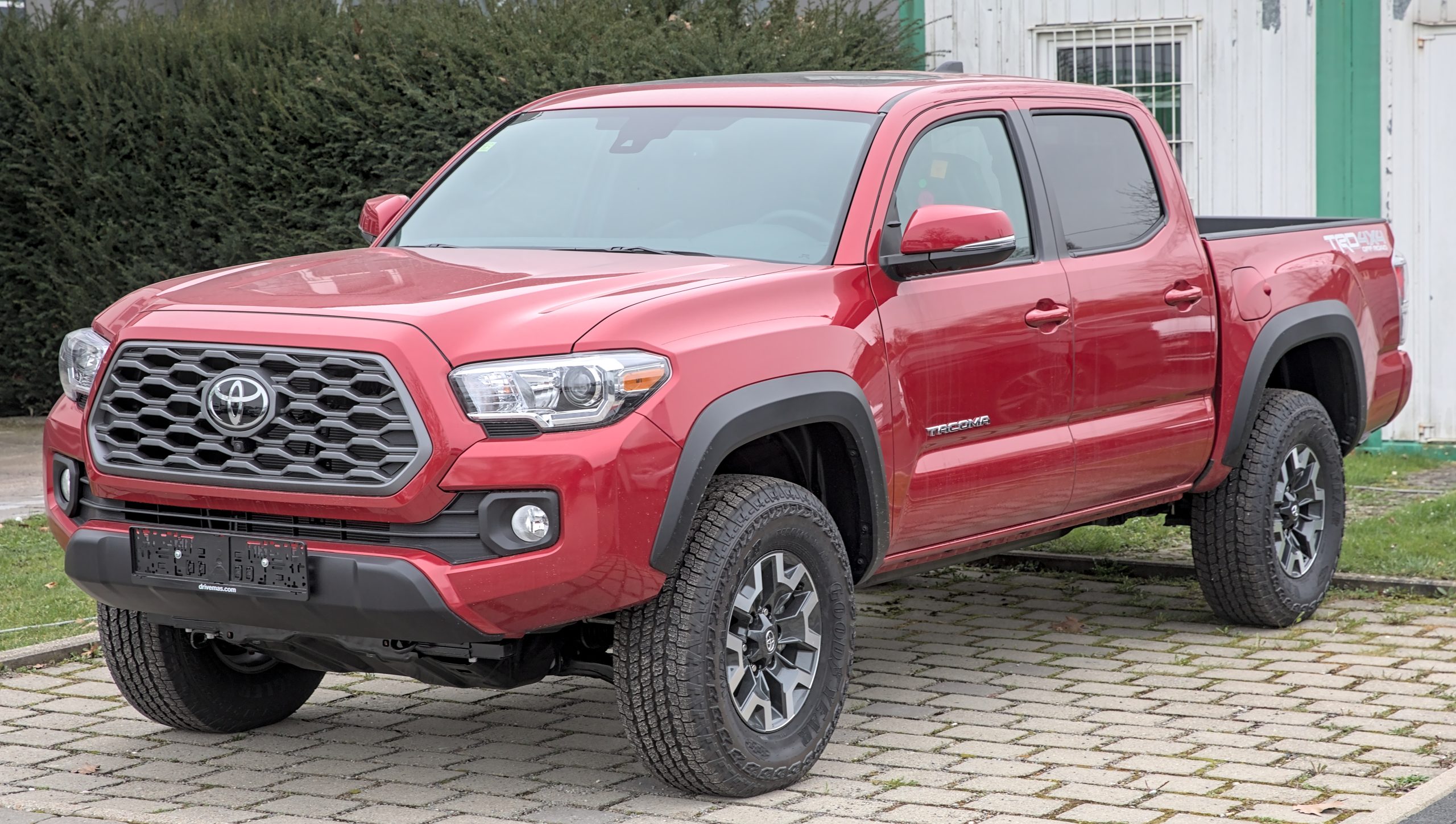
Toyota Tacoma
The Toyota Tacoma has built a reputation over the years as one of the toughest mid-size trucks available. Known for its solid frame, strong resale value, and consistent engine performance, the Tacoma stands out as a long-term investment.
Even early 2000s models are still seen on the road, often with high mileage and minimal mechanical issues. Owners frequently praise its ability to run well past 200,000 miles with basic maintenance, making it a favorite among used truck buyers.
Another reason the Tacoma holds up so well is the simplicity of its design. Toyota has kept the engineering fairly straightforward, which reduces the chance of complicated failures and makes repairs more manageable. While newer trucks have leaned into turbocharged engines and fancy electronics, the Tacoma sticks with proven technology that rarely breaks down. Its engines, especially the 4.0L V6 found in older models, are built for endurance more than flash.
Off-road capabilities also contribute to the Tacoma’s strength. Even in stock form, many trims are equipped to handle rough terrain, gravel roads, and inclement weather. This off-road readiness doesn’t just make it fun to drive in the wild; it also reflects how robust the underpinnings are. Suspension, differentials, and drivetrain components hold up well even under stress, which speaks volumes about the durability.
If you’re looking for an affordable used pickup that you won’t need to baby, the Tacoma fits the bill. It’s not the cheapest option on the used market, partly because people know how well it holds up. But that higher initial cost often pays off when you’re not pouring money into repairs or dealing with breakdowns at the worst possible times.
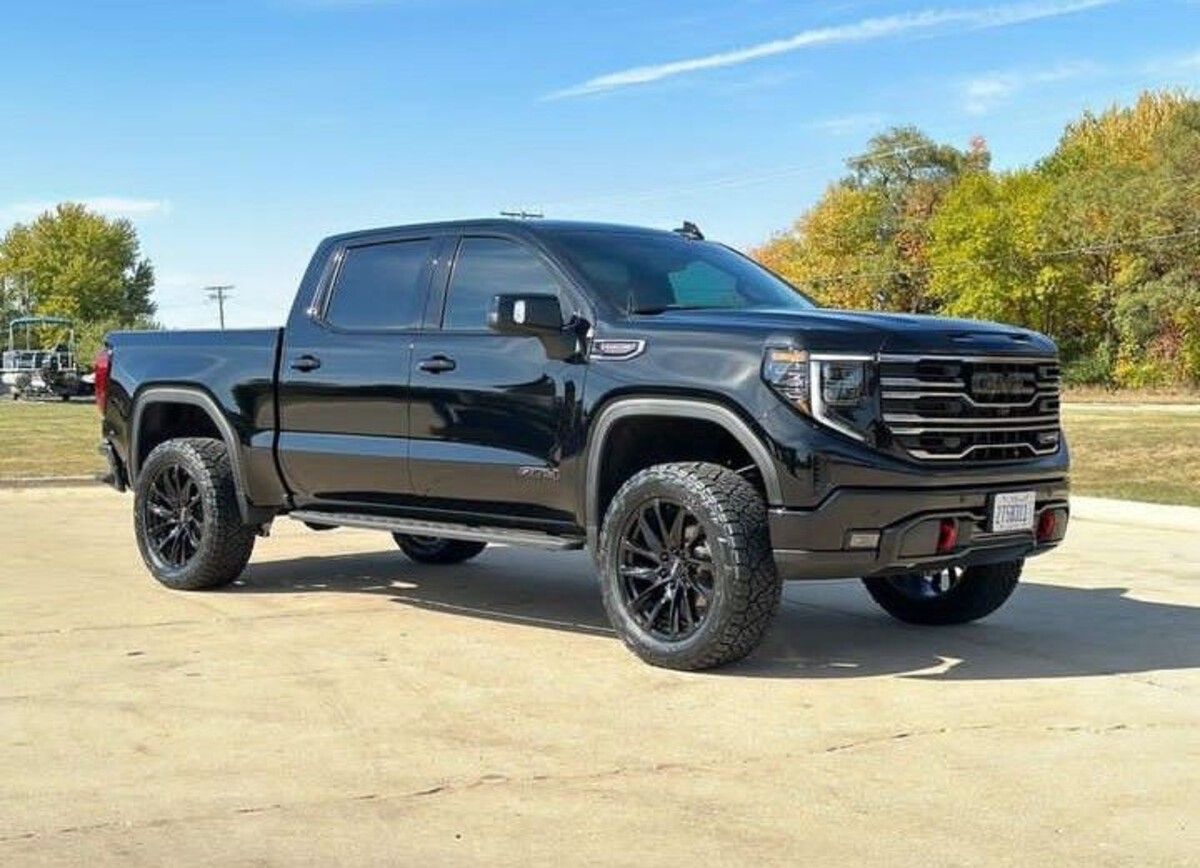
GMC Sierra 1500
The GMC Sierra 1500 shares much of its mechanical DNA with the Chevrolet Silverado, but it brings its own unique style and features to the table. Despite being slightly more expensive when new due to its upscale image, used models of the Sierra often fall within the same affordable price range as the Silverado, especially in older trims.
The real value in the Sierra lies in its proven drivetrains, particularly those from the late 2000s and early 2010s. Models equipped with the 5.3L V8 have shown a remarkable ability to keep running strong over the long haul, often well past 200,000 miles without requiring major engine work.
One of the standout aspects of the Sierra is its consistent build quality. The truck was built with attention to detail in both its mechanical components and fit and finish. While not a luxury vehicle by any means, higher trims like the SLT and Denali offer plush interiors that have aged gracefully over the years.
Even base models benefit from sturdy materials and thoughtful design. Electrical systems are usually straightforward and have fewer gremlins than many competing trucks. This combination of mechanical and interior durability makes the Sierra a compelling choice for buyers who want reliability without giving up comfort.
Another major strength is the Sierra’s chassis and suspension. The frame is rugged and resists corrosion better than some competitors from the same era, especially if the truck has been undercoated or properly maintained. The ride quality is smoother than what most expect from a full-size truck, and steering feedback remains predictable even after years of use.
It tows and hauls confidently, especially when fitted with the towing package. The drivetrain is responsive but not overly sensitive, making it a truck that remains composed whether loaded or empty. This balance of capability and drivability is part of why so many Sierra owners stay loyal to the brand.
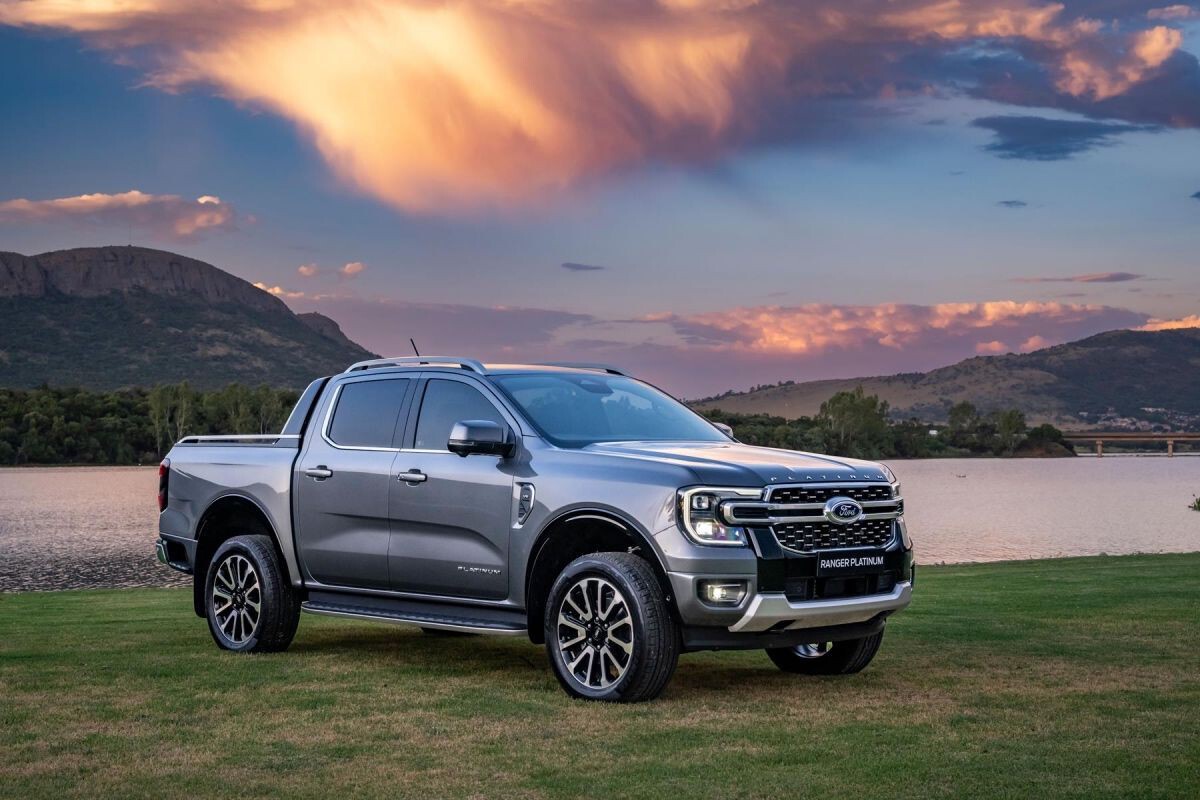
Ford Ranger
The Ford Ranger, particularly the older models from the late 1990s to the early 2000s, is another pickup that’s earned respect for its reliability. These compact trucks are known to be workhorses, especially when equipped with the 2.3L or 3.0L engines.
While not overly powerful, these motors are simple and durable. They hold up well under daily driving and occasional hauling or towing. It’s common to find older Rangers still on the road, having passed the 200,000-mile mark with few major repairs.
Maintenance on these trucks is typically straightforward. Parts are widely available and affordable, and the design makes it relatively easy to work on. This makes the Ranger a favorite for DIY mechanics or anyone trying to avoid high repair bills. The simplicity extends to the interior as well. There’s nothing fancy or luxurious, but everything tends to work as it should, and it ages better than more complicated systems found in modern trucks.
Rangers also benefit from a strong frame and decent ride quality for a truck of its size. While it’s not going to match the capability of a full-size truck, the Ranger is more than capable of handling tasks like moving furniture, towing small trailers, or transporting tools and supplies for a job. Its smaller size also makes it easier to drive and park, which is helpful for urban use.
The older Ford Rangers represent a smart choice for buyers looking for something reliable, inexpensive, and easy to maintain. While newer versions of the Ranger have gone more high-tech, those earlier models still hold their own as dependable vehicles that just keep going, year after year.
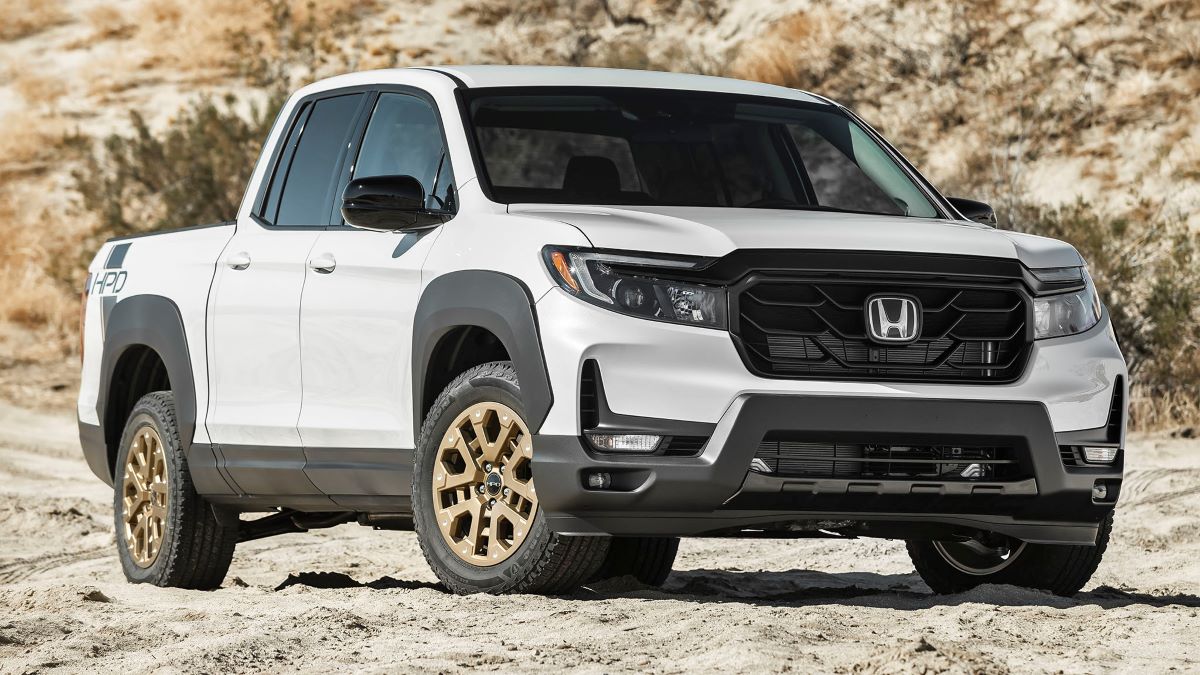
Honda Ridgeline
The Honda Ridgeline is often overlooked in discussions about pickup trucks due to its unibody construction and car-like design, but it has quietly proven itself to be one of the most reliable and practical pickups on the market. Unlike most body-on-frame trucks, the Ridgeline is built more like an SUV, sharing a platform with the Honda Pilot.
This gives it a smoother ride and better handling than most other trucks in its class. For daily driving and light-duty work, it offers a unique balance of comfort, utility, and longevity that’s hard to beat. It’s not built for extreme off-roading or heavy towing, but for those who need a truck for moderate hauling, commuting, or family use, the Ridgeline is one of the smartest choices.
What sets the Ridgeline apart is its engineering quality. Honda is known for building dependable engines, and the 3.5-liter V6 used in the Ridgeline is no exception. This engine has a reputation for running smoothly with minimal issues for hundreds of thousands of miles if properly maintained.
Transmission reliability is also much better than average in this class, especially in the later first-generation and second-generation models. This reliability isn’t just anecdotal either; long-term ownership studies and consumer surveys have repeatedly shown the Ridgeline outperforming many traditional trucks in terms of repair frequency and mechanical problems.
Practicality is another major strength. The Ridgeline features one of the most innovative truck beds on the market, with a lockable in-bed trunk and a dual-action tailgate that opens both downward and sideways. These features make loading, organizing, and accessing cargo far easier than with a traditional tailgate.
It also has a well-designed cabin with spacious seating, high-quality materials, and intuitive controls. Owners appreciate how much utility the Ridgeline provides without sacrificing comfort or ease of use, and that practicality translates to a better ownership experience over time.
Because it doesn’t try to be something it’s not, the Ridgeline avoids the common pitfalls of cheaper trucks that try to overreach. It’s not pretending to be a hardcore workhorse, but rather focuses on being consistently dependable and user-friendly.
That focus has helped it build a solid reputation, especially among owners who keep their vehicles for the long haul. It may not be the flashiest truck on the road, but for those who value reliability over rugged image, the Ridgeline is one of the best affordable options available.
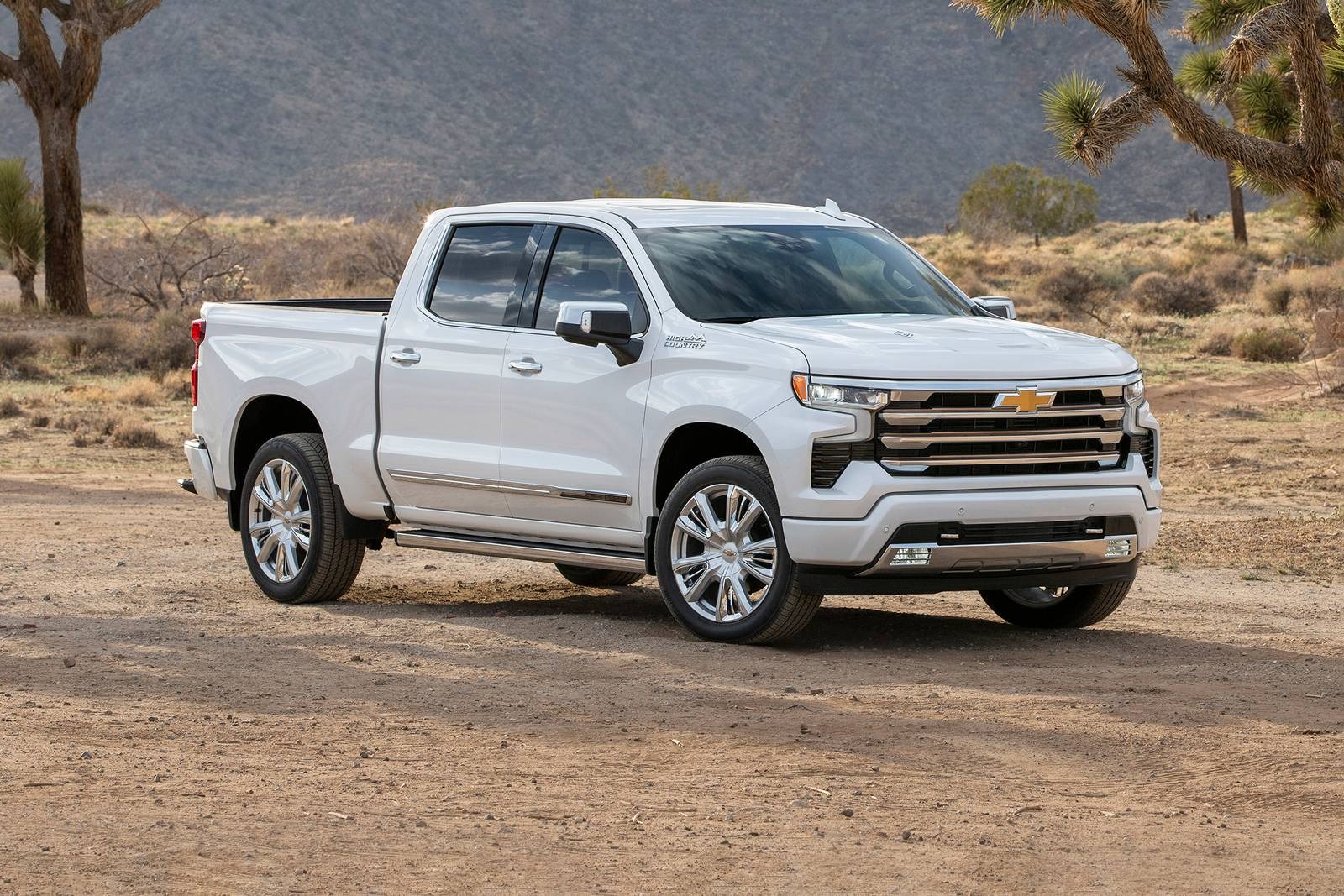
Chevrolet Silverado 1500
The Chevrolet Silverado 1500 has long been a staple in the American truck market, known for its durability and capability across multiple generations. When properly maintained, many Silverado 1500s easily surpass 200,000 miles, especially those equipped with the 5.3-liter V8 engine.
This engine, part of GM’s LS family, has been praised for its longevity, reasonable maintenance costs, and consistent performance. Whether used for towing, hauling, or daily driving, the Silverado tends to hold up well to both regular and heavy use, making it a dependable choice in the affordable truck category.
One of the reasons the Silverado has remained popular is the solid design of its powertrain and chassis. The rear-wheel-drive setup and body-on-frame construction provide a strong foundation, and the suspension is built to handle a variety of loads and road conditions.
Even high-mileage trucks often retain a smooth ride and solid steering feel, which is a testament to the quality of the underlying hardware. While newer models come with more advanced electronics and luxury features, even older versions provide a comfortable, capable driving experience that appeals to both personal and work-related needs.
The Silverado’s maintenance costs are also lower than many of its competitors. Parts are readily available, and the engine bay is spacious and straightforward, making repairs more accessible for those who prefer to handle issues themselves. Routine maintenance items like spark plugs, filters, and belts are inexpensive, and major components tend to be robust.
The truck is also supported by a large aftermarket community, so upgrades and fixes are well-documented, helping owners save money and avoid dealership repair costs when possible.
While no truck is entirely without flaws, the Silverado 1500’s problems tend to be more manageable. Issues like faulty sensors or occasional electrical glitches are not uncommon, but they don’t affect the truck’s core performance or lead to catastrophic failure.
Because of its balance between strength, reliability, and availability, the Silverado remains one of the best values on the used truck market. It’s the kind of vehicle that can do a little bit of everything and continue doing it reliably for years.
5 That Just Don’t Last
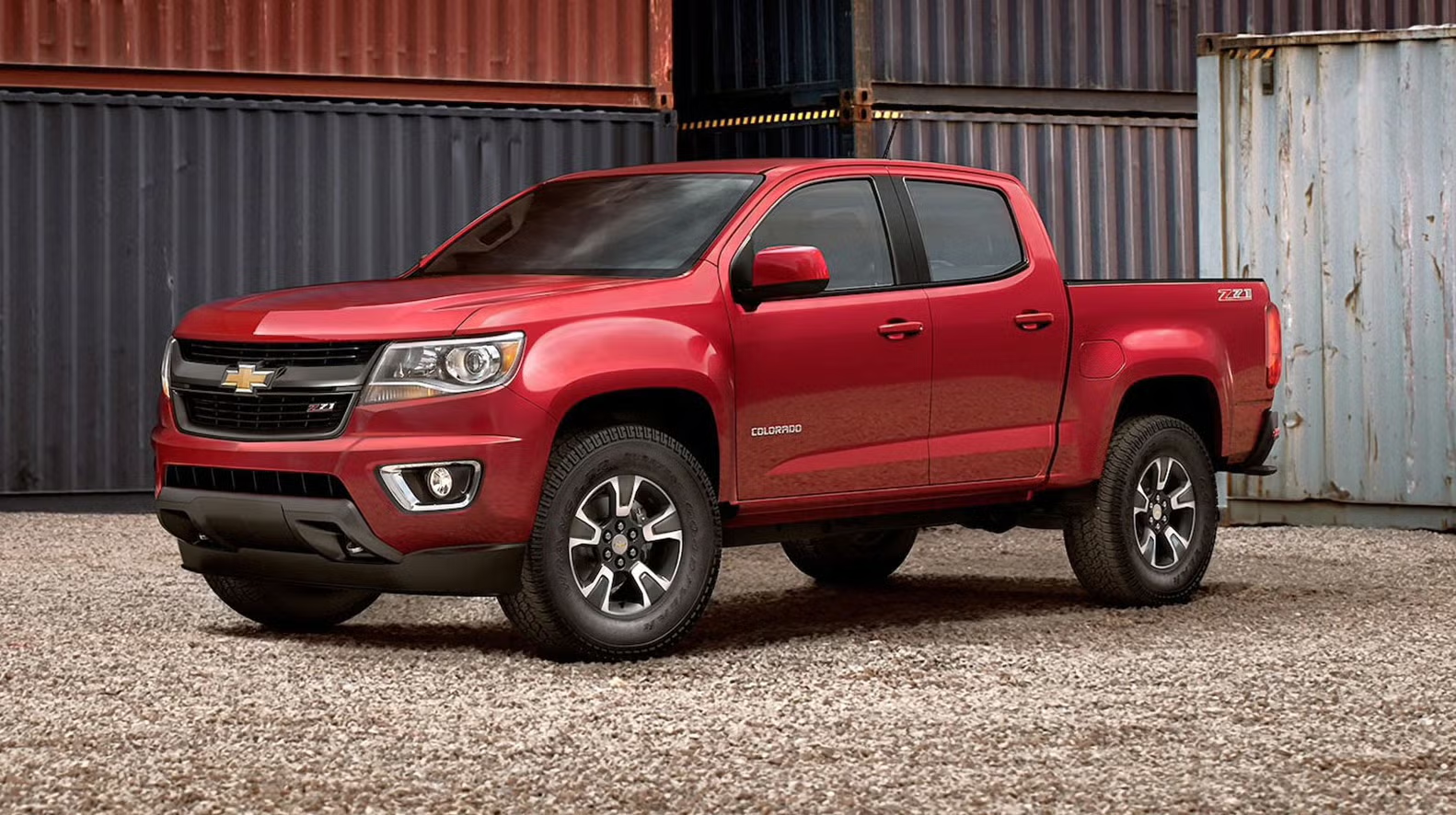
Chevrolet Colorado
The Chevrolet Colorado has been a hit in terms of initial sales, thanks to its size and modern styling. However, when it comes to long-term durability, many owners have run into frustrations.
Early models, especially those from the mid-2000s, were often plagued by electrical issues, failing sensors, and underwhelming engine options. The 2.9L inline-4 engine, for example, was known to be sluggish and less efficient than its competitors. Combine that with frequent reports of transmission troubles, and the long-term value starts to diminish quickly.
Another weak point lies in the truck’s interior and build quality. Many owners report that interior trim begins to fall apart after just a few years of use, especially in trucks that have been used for work. The seats don’t hold up particularly well, and knobs, switches, and dash panels have a tendency to crack or break with regular wear. This kind of aging not only affects comfort but also hurts resale value.
The second-generation Colorado attempted to fix some of these flaws, but even those models have had their share of mechanical complaints. Transmission issues persisted, especially with the 8-speed automatic that came with newer models.
Harsh shifting, delayed engagement, and unexpected slipping are problems that have been reported widely. While warranty coverage helps at first, these issues often resurface after the coverage ends, making repairs expensive and frustrating.
It’s not that the Colorado is entirely unusable. When it’s running well, it can be a decent truck for light-duty tasks. But its history of poor reliability and costly repairs makes it a risky buy if you’re trying to get a dependable pickup without breaking the bank. If long-term ownership is the goal, there are far better options available in the same price range.
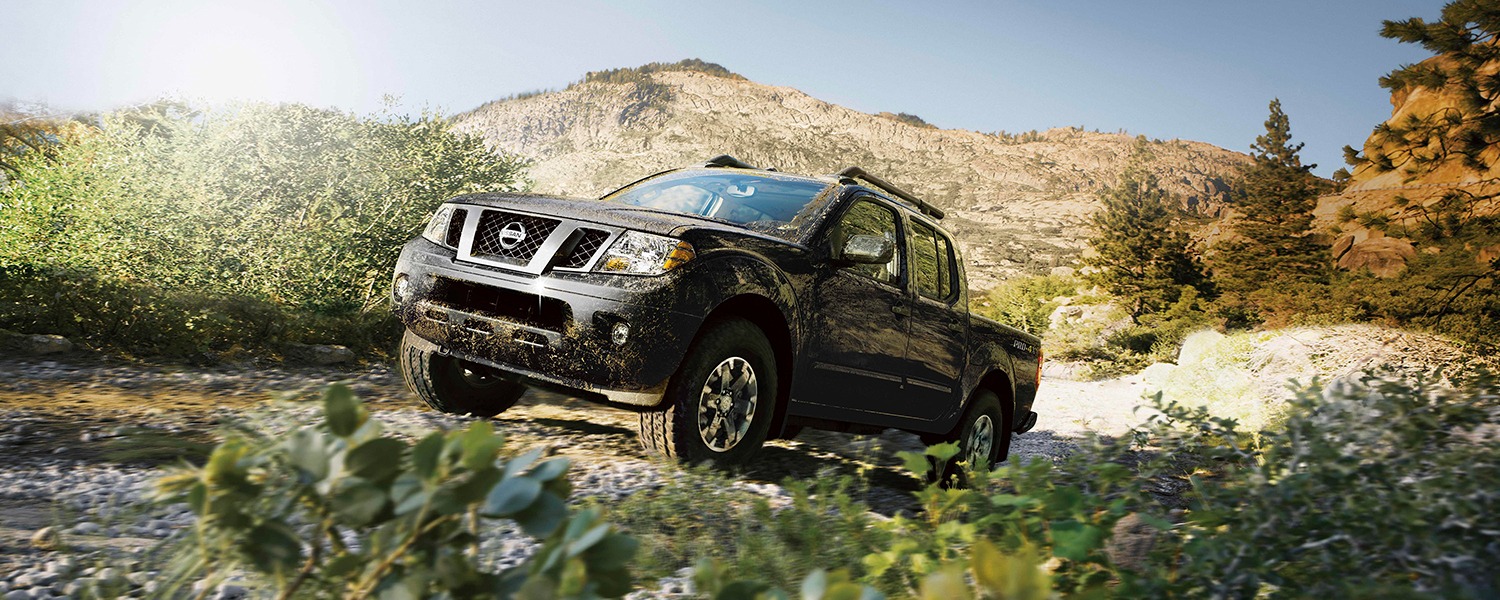
Nissan Frontier
The Nissan Frontier might seem like a good deal on the used market, but reliability has often been hit or miss, especially with certain model years. One of the major concerns comes from the early-to-mid 2000s models that suffered from a well-known issue involving coolant leaking into the transmission. This often resulted in complete transmission failure, a costly and devastating problem for any owner. Despite being widely known, it wasn’t addressed with a widespread recall, leaving many buyers unaware until it was too late.
The truck also suffers from inconsistent build quality. While the exterior design is tough and rugged, it masks a variety of smaller issues that add up over time. Electrical gremlins, failing sensors, and poor-quality materials inside the cabin make for a frustrating ownership experience. Dashboards are prone to cracking, and door handles often break, leaving drivers dealing with constant little repairs that drain time and money.
Fuel efficiency is another weak point for the Frontier. For its size, it tends to drink more gas than you’d expect. Combined with the repair costs and poor resale value, this makes it a tough sell compared to rivals in the same price category. Buyers often report that while it starts strong, the Frontier begins to show signs of wear faster than most competing trucks.
While some newer Frontiers have attempted to improve on these flaws, the reputation of the earlier models continues to hang over the name. It may seem like a bargain at first glance, but unless you’re familiar with its mechanical history or have the budget for potential repairs, this truck can easily become more trouble than it’s worth.
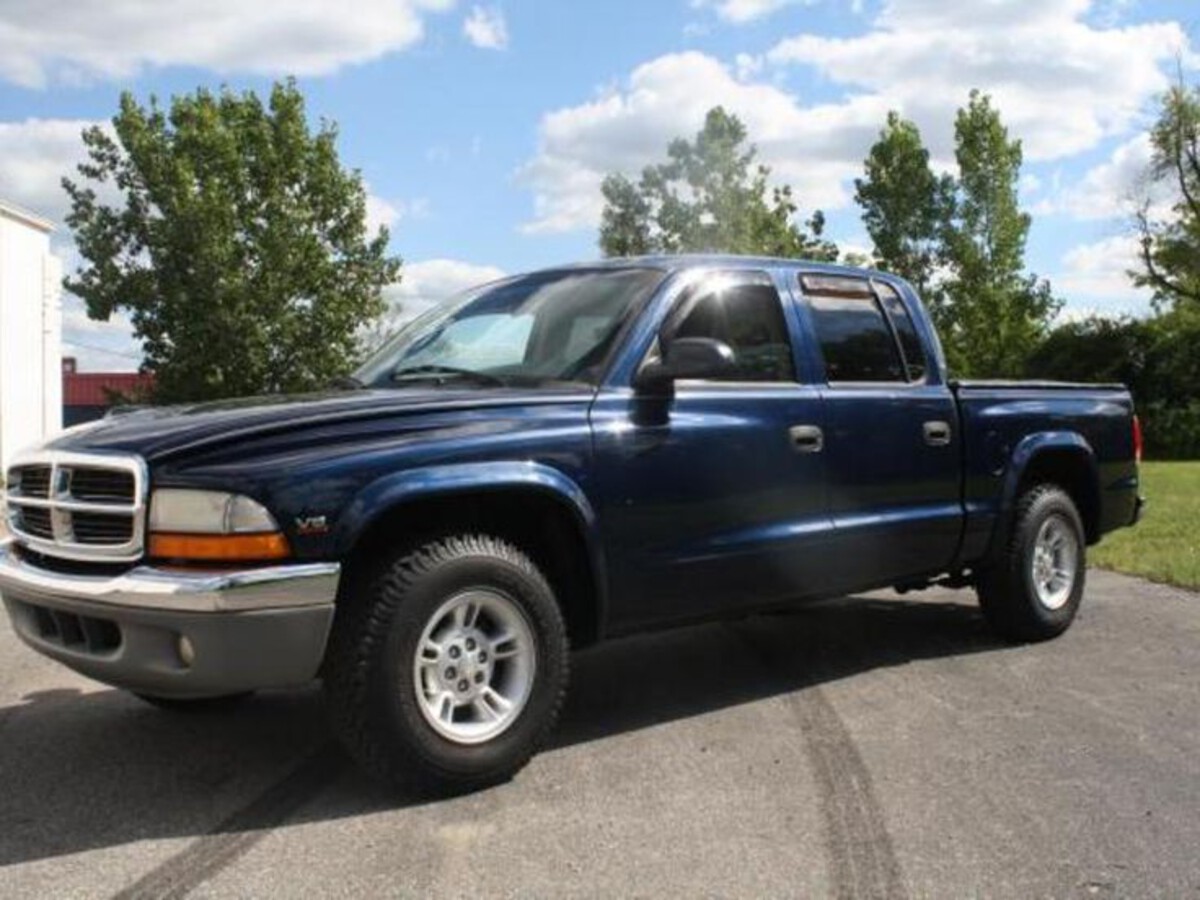
Dodge Dakota
The Dodge Dakota, once praised for bridging the gap between compact and full-size pickups, has unfortunately earned a reputation for unreliability that has stuck with it through the years. Many buyers were initially drawn to the Dakota because of its V8 option, which was uncommon in smaller trucks.
While this added power gave it a certain appeal, especially for light towing and highway driving, the underlying reliability issues often turned that initial excitement into long-term regret. Engine problems, electrical failures, and suspension wear were common, especially in models produced in the early to mid-2000s.
One of the most frequent complaints from Dakota owners centers around engine durability. The 4.7-liter V8, while powerful, suffered from common issues like head gasket leaks, oil sludge buildup, and timing chain problems. These weren’t just minor annoyances; in many cases, they led to major engine repairs or even full replacements before the truck reached 150,000 miles.
Additionally, the automatic transmissions used in the Dakota were far from robust. Harsh shifting, transmission overheating, and early failure became recurring themes in owner reports, with many trucks requiring a rebuild or replacement transmission well before expected.
Build quality was also a sore point. The Dakota’s interior materials felt cheap even when the truck was new, and they wore down quickly with regular use. Door panels, dashboards, and switches aged poorly, especially in work environments or hot climates.
Rust was another issue, particularly in northern states where road salt is common. Frame rust and rotting brake lines have sidelined many Dakotas prematurely. Combined with poor fuel economy for its size and segment, the Dakota ended up being expensive to own and maintain compared to more reliable rivals.
While some enthusiasts still defend the Dakota for its utility and design, those defenses usually come with a long list of caveats. The cost of repairs and maintenance over time often outweighs the benefits of its V8 power or larger bed space.
For anyone looking for a truck that can last for years with minimal trouble, the Dakota is more likely to be a financial burden than a dependable workhorse. There’s a reason it disappeared from Dodge’s lineup and hasn’t made a successful return, it simply couldn’t deliver the lasting value that buyers needed.
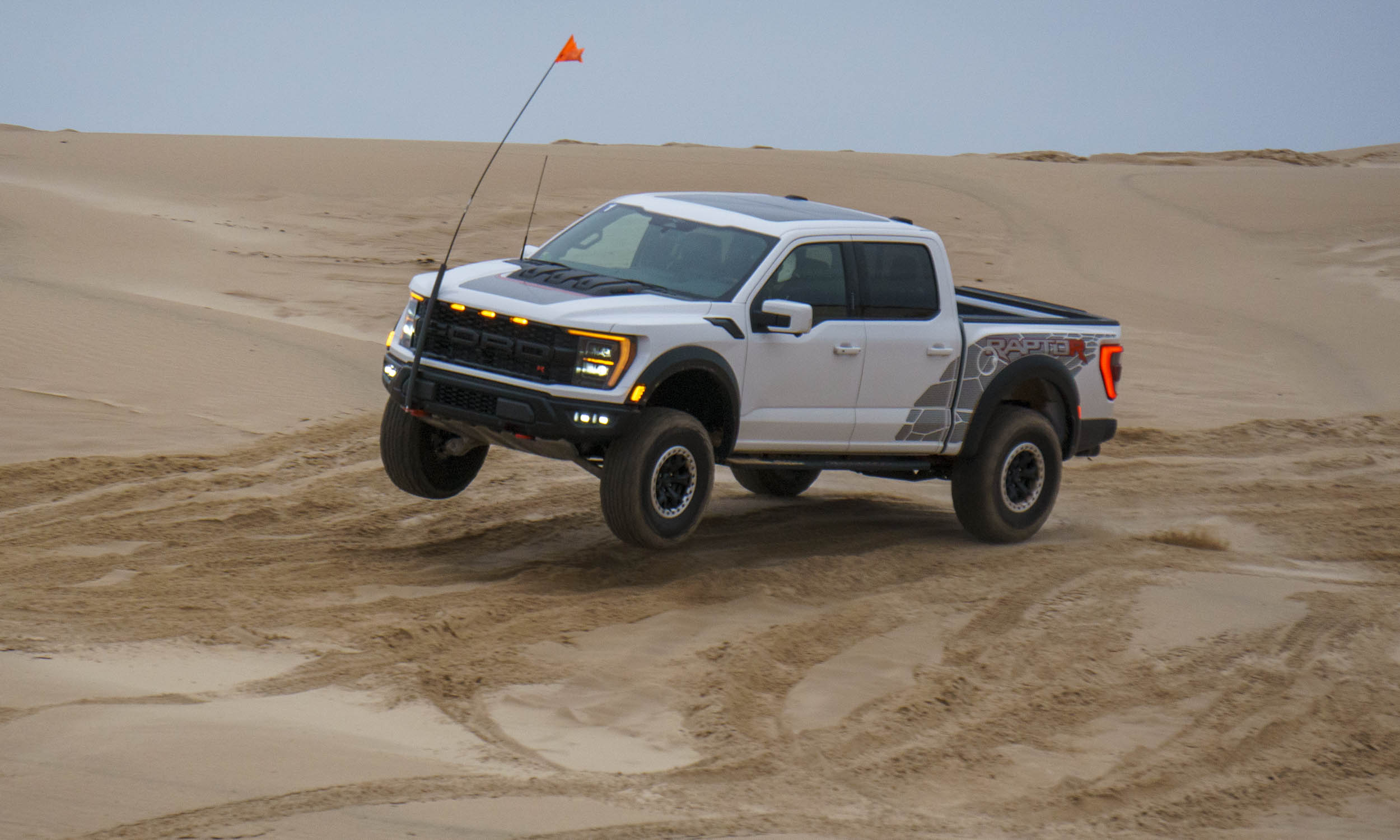
Ford F-150
While the Ford F-150 is the best-selling truck in America and has many dependable years under its belt, not every version of this iconic vehicle lives up to the hype. Certain model years, particularly those from the mid-2000s and early 2010s, suffered from serious issues that affected engine life, transmission behavior, and reliability.
Owners of the 2004–2006 F-150, for example, often dealt with problems related to the 5.4L Triton V8 engine. This engine was known for having issues with cam phasers, spark plug breakage, and timing chain wear, all of which could lead to expensive repairs or outright engine failure.
The spark plug issue became infamous because the plugs would sometimes break off during removal, often requiring a specialized extraction tool or a costly visit to a mechanic. For a vehicle that’s supposed to be simple to maintain, this problem alone scared off many DIY owners.
The ticking noise from cam phaser failure was another common complaint, often signaling deeper internal wear that, if left unaddressed, would escalate into full engine replacement territory. These problems, unfortunately, weren’t rare. Many owners reported them before even reaching 100,000 miles, which is unusually early for such serious concerns in a truck.
Another trouble spot was the transmission. The 4-speed and 6-speed automatics used during these problematic years often developed harsh shifting, clunky downshifts, and even total failure. Valve body wear and torque converter issues became increasingly common in higher-mileage trucks.
While Ford eventually improved these systems in later models, the damage to the reputation of these specific years lingered. Adding to the frustration was inconsistent dealership support and high repair bills that sometimes made it more economical to replace the truck entirely rather than fix it.
This doesn’t mean all F-150s are unreliable. Many versions of the truck, especially those built after 2015 or before 2004, are known for being solid and long-lasting. However, buyers looking at used trucks need to be especially cautious about those troublesome years.
A tempting price might hide a long list of upcoming repairs, and unless a prospective buyer is fully aware of the truck’s service history and has a mechanic check it out thoroughly, it’s easy to end up with a money pit. The F-150 nameplate may be strong, but it’s not immune to problematic stretches.
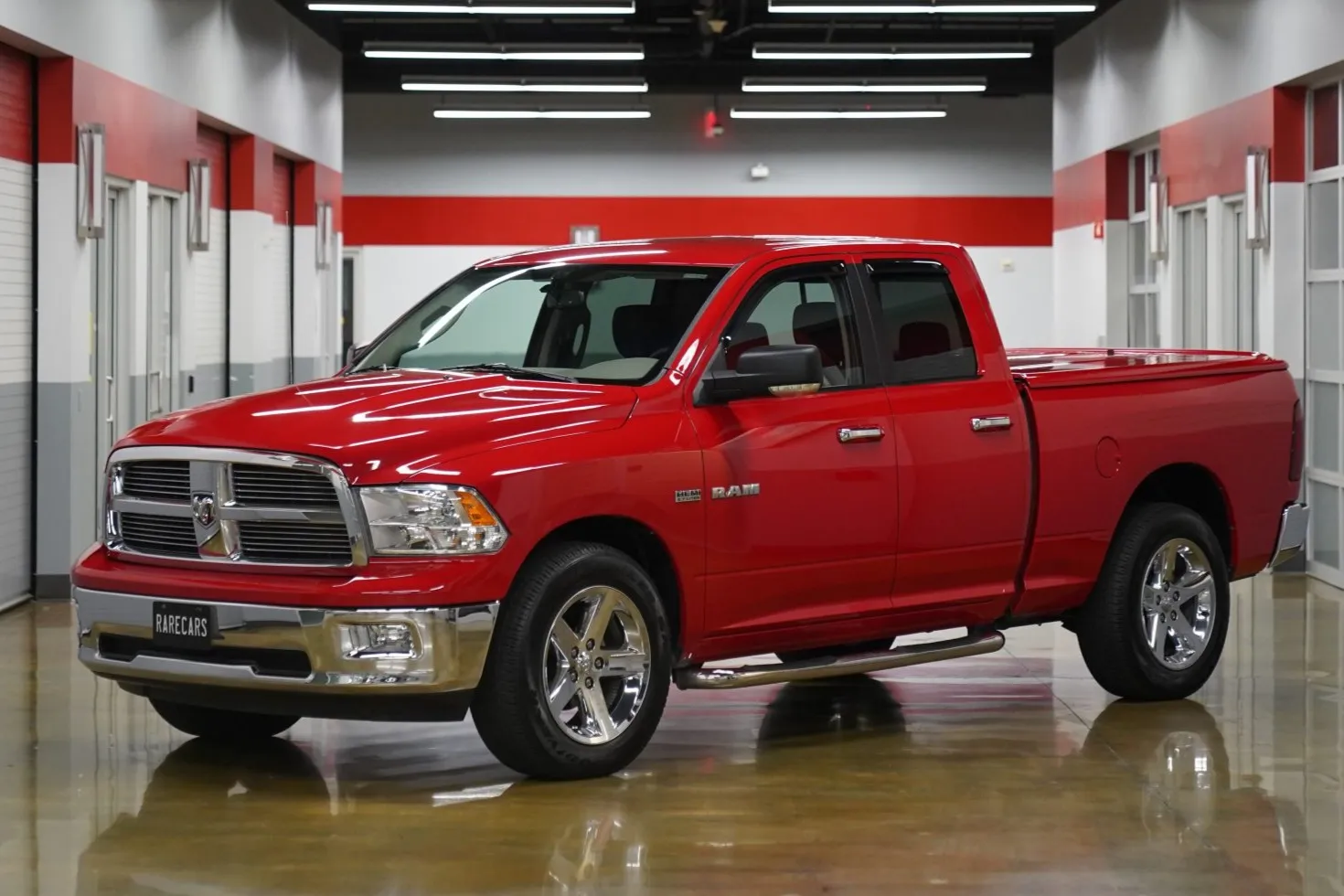
Ram 1500
The Ram 1500, previously known under the Dodge name, has long been admired for its aggressive styling, smooth ride, and strong towing ability. However, reliability has not been its strongest suit, particularly for certain model years between 2001 and 2012.
While the truck looks the part and often drives nicely in its early life, many of these models struggle with long-term durability. Frequent engine problems, transmission failures, and frame rust have caused headaches for owners who bought these trucks thinking they were getting solid value. In too many cases, what started as an affordable option turned into a money pit.
One of the main culprits in the Ram 1500’s reliability issues has been its engine lineup, especially the older 4.7L V8. Known for overheating, head gasket failures, and oil sludge problems, this engine struggled to go the distance in many vehicles. Even routine maintenance didn’t always prevent these issues.
Additionally, the HEMI 5.7L V8, while powerful and smoother than the 4.7L, wasn’t immune to trouble. Valve seat failures, lifter noise, and camshaft wear were common complaints. Combine these issues with finicky electronics, and you have a truck that may look tough on the outside but hides expensive weaknesses under the hood.
Transmission problems were equally troubling. Both the 545RFE and later 65RFE automatic transmissions had a reputation for developing harsh shifts, solenoid failures, and early breakdowns. While some of these issues could be resolved with a transmission flush or reprogramming, others required full rebuilds or replacements, not something a budget-conscious truck buyer wants to deal with.
Even with moderate towing or driving, these transmissions sometimes failed well before 100,000 miles, an unacceptably short lifespan for any full-size pickup. Unfortunately, extended warranties didn’t always cover the cost, and many owners were stuck with multi-thousand-dollar repair bills.
Beyond the drivetrain, build quality was a recurring issue. Rust was a big problem, especially around the wheel wells and undercarriage. Electrical systems were known for acting up, and the interiors aged poorly in many trims, with seat foam degrading and plastic trim cracking or rattling.
