
Choosing a family car is often one of the most important vehicle-related decisions people make. It’s not just about comfort or looks; it’s about long-term reliability, safety, ease of maintenance, and cost efficiency. For families who rely on a car to transport children, handle road trips, and manage everyday errands, durability matters just as much as any high-tech feature or aesthetic touch.
Some cars can easily run for over a decade with proper maintenance, holding up against miles of wear, environmental factors, and the constant presence of young passengers. Others, despite shiny marketing and attractive design, start showing signs of trouble far sooner than expected. Understanding which models tend to last and which tend to give out can save a family thousands of dollars and a good deal of frustration.
The reality is that not all cars are built with longevity in mind. Certain models may offer advanced features or stylish interiors but suffer from engine troubles, transmission failures, or electrical issues as they age. Some are designed more for short-term satisfaction than long-term ownership.
On the other hand, a few manufacturers have built reputations around cars that just keep going. These vehicles might not be the flashiest, but they’re known for outliving others with fewer major repairs, longer lifespans, and stronger resale value. The goal here isn’t to shame poor designs but to offer a practical perspective on how some cars stack up after years of daily family use.
This article focuses on ten vehicles, five known for handling years of family driving with few problems, and five that often begin to fall apart much sooner than expected. All ten have been popular at some point, and many still are. However, popularity doesn’t always equal quality.
A vehicle might sell well because of initial pricing or design, but ownership stories after three, five, or ten years tell a deeper truth. Based on historical performance, owner experiences, and known patterns of longevity, this comparison can help guide a more informed buying decision for families thinking about their next vehicle.
5 Family Cars That Handle Years of Use
1. Toyota Highlander
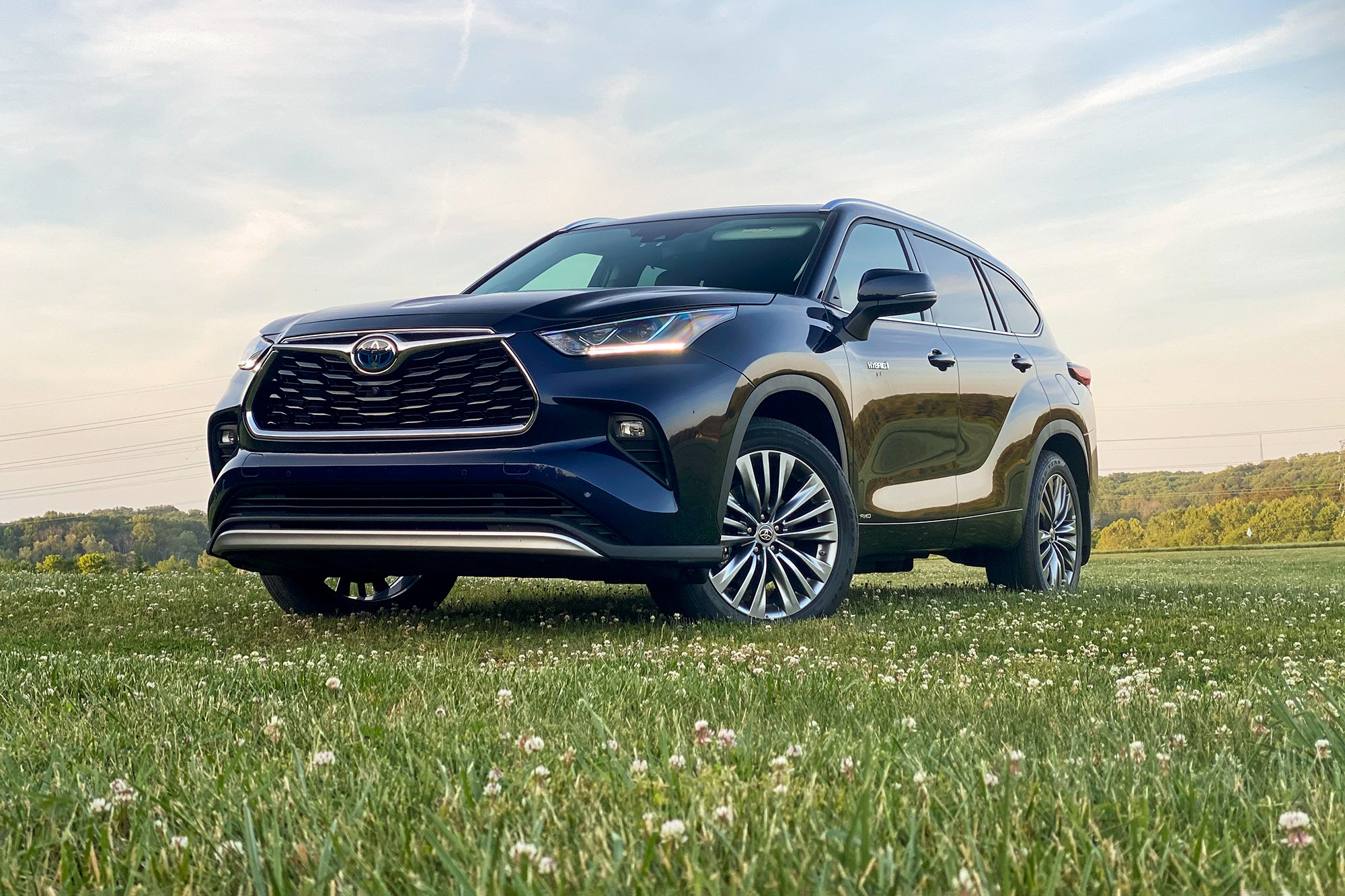
The Toyota Highlander is one of those vehicles that often makes people feel like they got more than they paid for. Families choose it for its size, comfort, and safety, but many don’t expect it to be as durable as it turns out to be. With regular oil changes and reasonable care, Highlanders frequently run for over 200,000 miles without major issues. The engine is typically strong, and the transmission doesn’t tend to show early failure, unlike some competitors in the same category.
Another thing that sets the Highlander apart is how well the interior holds up. Family cars usually suffer heavy wear inside, food spills, scuffs, toys, and more. But Highlander interiors, even several years in, tend to look decent and keep functioning. Door panels don’t fall apart, the seats hold their structure, and controls rarely malfunction. This may sound minor, but for a family with young kids, these things add up.
The driving experience doesn’t significantly degrade with age either. Steering stays tight, suspension remains responsive, and road noise stays low even after a lot of use. This gives it a longer useful life, not just mechanically, but also in terms of comfort and daily drivability. It’s not uncommon to see ten-year-old Highlanders still serving as reliable family haulers without needing major overhauls.
Parts availability and low repair costs are another strength. Since Toyota produces so many Highlanders and many parts are shared with other models, maintenance isn’t overly expensive. The vehicle’s design doesn’t require complex disassembly to fix basic problems, which keeps labor costs down. All of this combines to make the Highlander one of the most reliable family vehicles around.
2. Honda CR-V
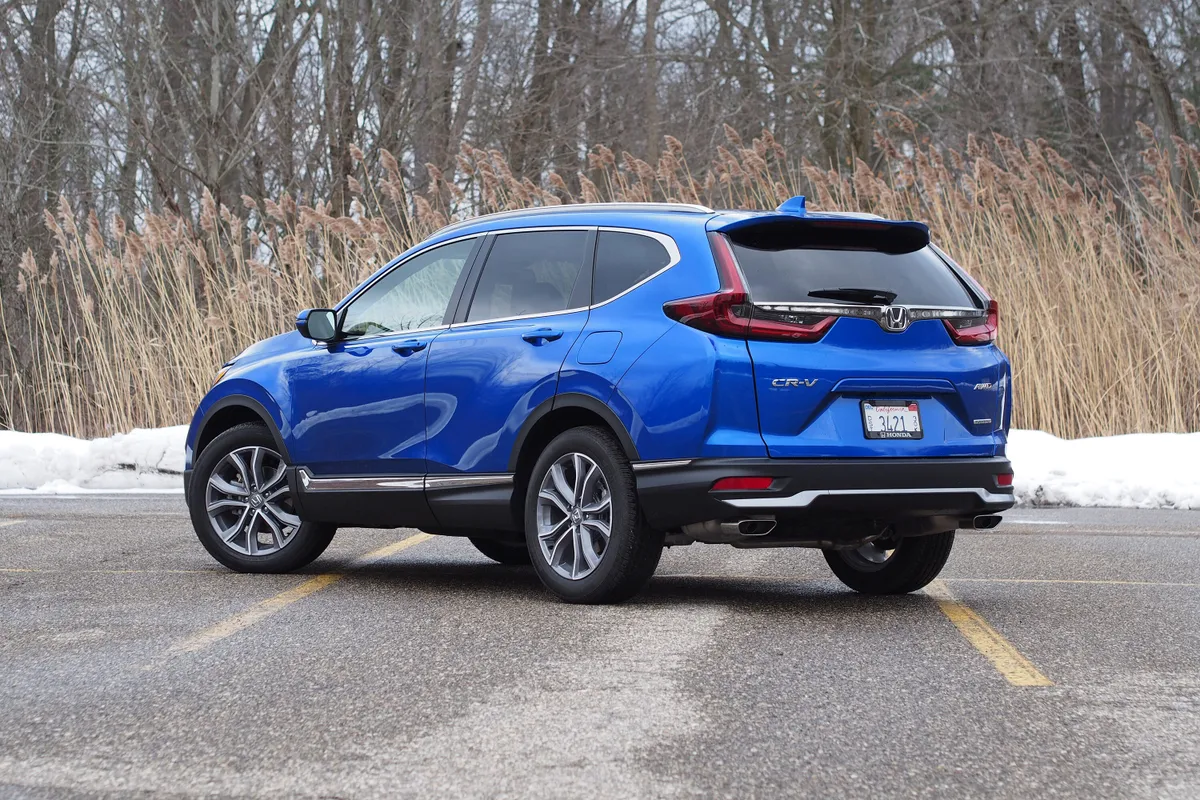
The Honda CR-V has long held a strong reputation for being both affordable and incredibly dependable. It’s not a luxury SUV, and it doesn’t pretend to be. Instead, it focuses on practicality and reliability, which is exactly what many families need. Like the Highlander, the CR-V can easily cross the 200,000-mile mark with minimal hassle if properly maintained. Engine reliability is a strong point, with few models ever suffering catastrophic mechanical issues.
What benefits families in the long term is the CR-V’s fuel economy and minimal maintenance requirements. Even older models get respectable miles per gallon, and their parts are affordable. Many families buy them as a second vehicle, only to find themselves using the CR-V more than their other cars due to its ease of use, low operating costs, and comfortable ride. The seats offer good support, and the layout makes sense for daily use.
The CR-V also holds its value well, which is often a reflection of long-term dependability. It’s a car that people tend to hang onto, and even when sold, they command decent resale prices. That means it doesn’t just save money over time through lower repairs, but also by reducing long-term depreciation. It’s rare to hear of CR-Vs with serious problems before the 150,000-mile mark, and many are still running smoothly long after that.
Lastly, the all-wheel drive system is effective in real-world conditions but doesn’t require the same level of upkeep as some more complex setups. This makes it a reliable choice for families in areas with snow or heavy rain. The CR-V doesn’t try to be something it’s not, it just works, and it keeps working for years.
3. Subaru Outback
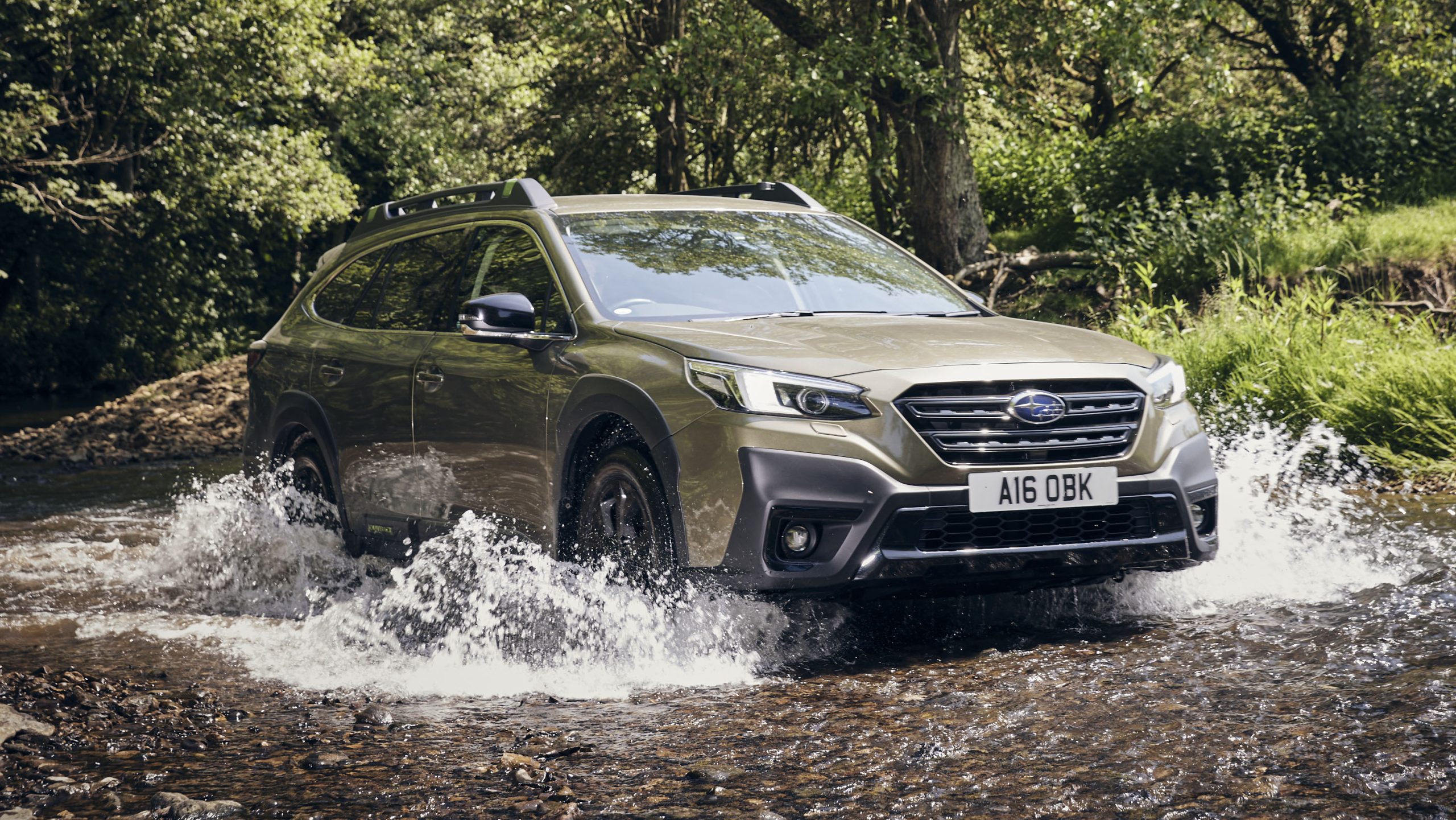
The Subaru Outback is a popular choice for families who need a mix of utility and durability. It bridges the gap between a car and an SUV, offering a lower ride height than a traditional SUV but with many of the same benefits. One of the Outback’s biggest advantages is its standard all-wheel drive, which makes it ideal for families living in less predictable climates. Despite being exposed to harsh road conditions, these cars often show remarkable longevity.
Subaru’s flat-four engine design has been used for decades, and while not the most powerful, it’s known for consistent performance over time. Earlier models had some head gasket issues, but these have largely been resolved in newer generations. When well cared for, an Outback can easily last over 200,000 miles. Many owners report decade-old vehicles still running strong with only regular upkeep and minor repairs.
The Outback’s interior is another strength. It’s practical and durable rather than luxurious, which often works in its favor. Cloth seats wear well, controls stay functional, and space remains a key asset. The trunk is generous for a midsize vehicle, making it excellent for road trips or hauling sports gear, groceries, or luggage for a family of five. These practical details extend the car’s usefulness as a long-term family vehicle.
Its safety ratings are consistently strong, and Subaru’s EyeSight driver assist technology adds to its appeal for families. It’s not the fastest car on the road, but it’s dependable, stable in poor conditions, and unlikely to present major mechanical problems before its time. The Outback is not the cheapest option initially, but it pays off by lasting longer than many others in its class.
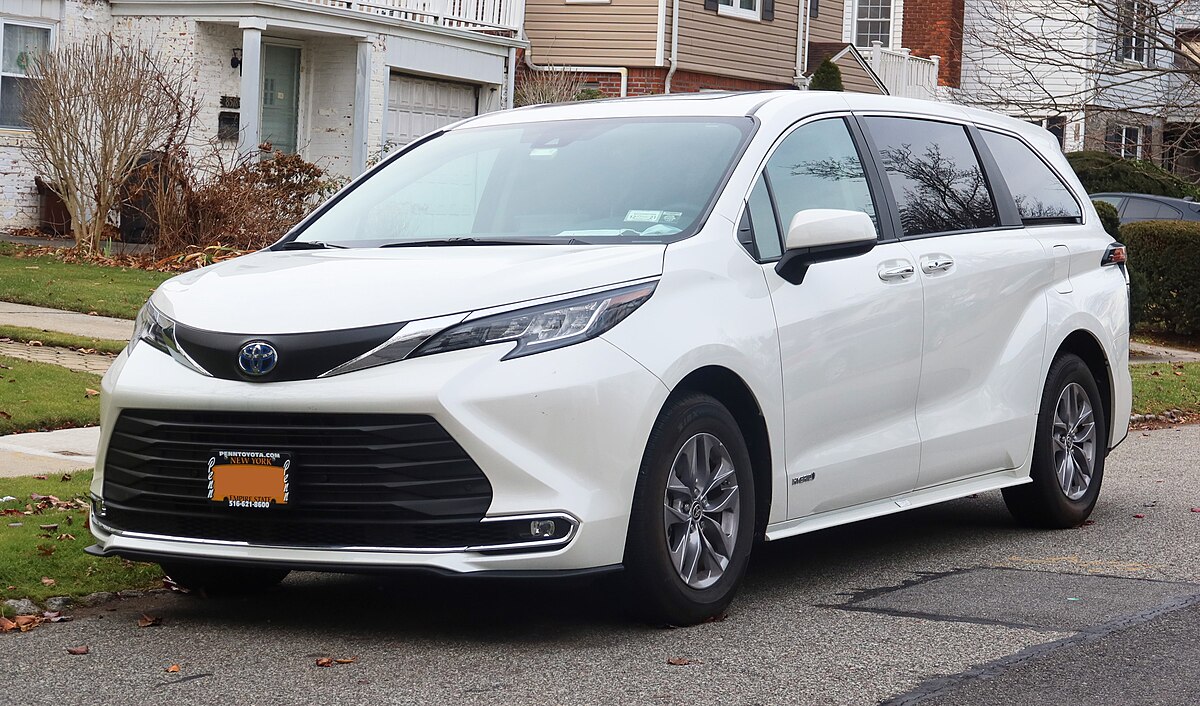
4. Toyota Sienna
Minivans don’t get much praise in a world obsessed with SUVs, but the Toyota Sienna deserves recognition for its long-lasting reliability. For families with more than two kids or a frequent need for extra space, the Sienna is a workhorse. It routinely clocks over 250,000 miles in family hands, often with only routine maintenance. The V6 engine is reliable, the transmission is sturdy, and the build quality is excellent.
What makes the Sienna stand out is how little it asks from the owner. You won’t find yourself constantly scheduling repairs or chasing down hard-to-find parts. Many older Sienna models are still on the road today, performing daily school runs and weekend trips with little more than oil changes and brake service. This makes it a favorite among large families who need something they can count on.
The interior is built for wear. The materials aren’t premium, but they’re resilient. Sliding doors continue working after years of daily use, seats fold and unfold without breaking down, and the climate control system holds up in extreme weather. Even the technology, which can sometimes be the weak point in aging vehicles, continues to perform reasonably well.
Another benefit of the Sienna is its ability to age without becoming dated or difficult to repair. It avoids overly complex systems that could become problematic as the car ages. Toyota designs the Sienna for function, and that design choice makes it one of the most enduring minivans on the market today.
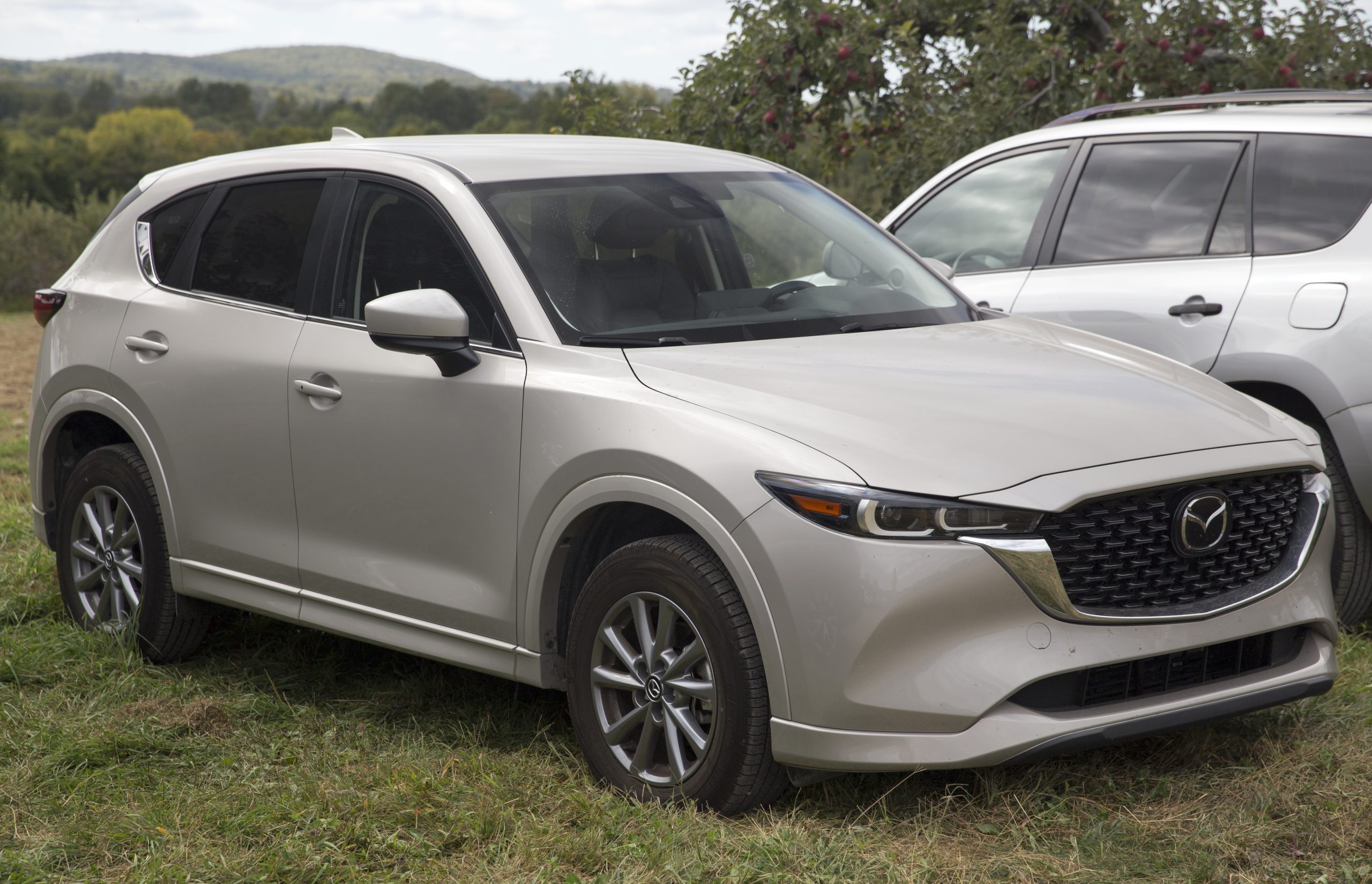
5. Mazda CX-5
Mazda might not always be the first name that comes to mind for reliability, but the CX-5 has proven itself over time. It offers a great balance between driving enjoyment and long-term ownership. Families love it for its responsive steering, quiet cabin, and efficient use of space. But the real strength of the CX-5 is how well it holds up over years of use.
Mechanically, the CX-5 has a solid engine that rarely suffers major failures. Transmission issues are rare, and the suspension system holds up well, even after thousands of miles. The build quality is clearly above average for the price point, and it’s common to see CX-5s with 150,000 miles or more still running smoothly without extensive repairs.
The interior is also impressive. While it feels a bit more upscale than some competitors, the materials are still durable. Families report that the upholstery, controls, and touchscreen systems continue to work well even after years of sticky fingers and regular use. That’s important when you consider how quickly some vehicles start to show wear.
While not the largest family SUV, the CX-5’s compact size is a benefit for many. It’s easy to park, economical to run, and still has enough space for a small family to travel comfortably. It may not be the longest-lasting car on the list, but for the price and driving experience, it offers long-term value that often exceeds expectations.
5 Family Cars That Give Out Quickly
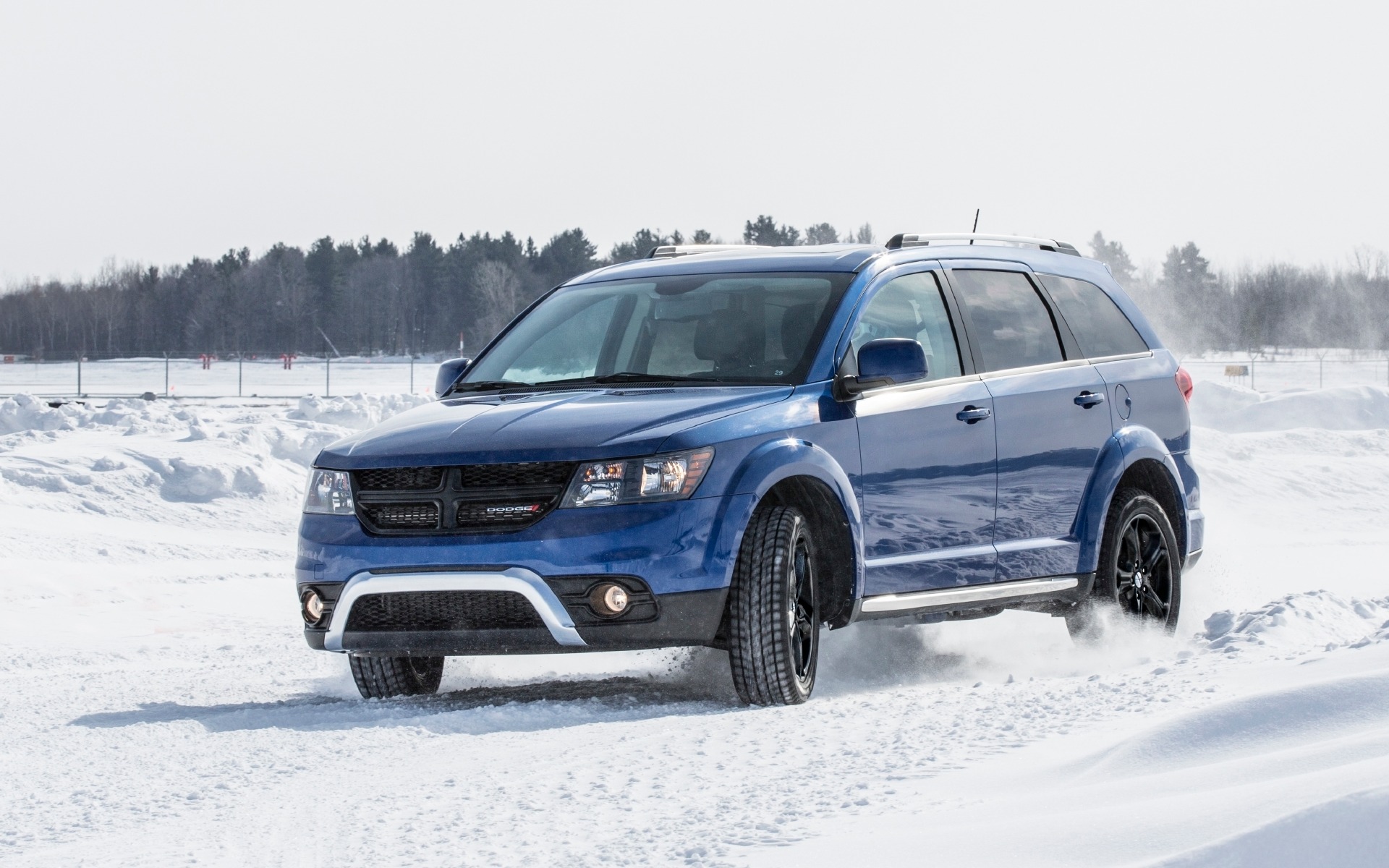
1. Dodge Journey
At first glance, the Dodge Journey seems like a decent family vehicle. It has a low entry price, decent space, and styling that makes it look like a cross between a minivan and an SUV. On paper, it promises a lot for families on a budget. However, this is a car that often begins to show serious signs of decline well before it should.
While it may be fine during the first couple of years, by the time it reaches 80,000 to 100,000 miles, many owners start reporting serious problems. These range from engine troubles and rough shifting transmissions to poorly aging suspension components and failing electronics. It’s a car that was built with cost-cutting in mind, and unfortunately, that becomes apparent too early in its life cycle.
The engine options, particularly the base four-cylinder, feel underpowered for the size of the vehicle. But it’s not just a lack of power; reliability is also a problem. The V6 variant is somewhat better in terms of performance, but it has even been associated with premature wear and mechanical issues.
Transmission complaints are frequent, and many owners report replacements or rebuilds around or even before 100,000 miles. That kind of issue is both expensive and inconvenient, especially for families who rely on their car daily for school drop-offs, errands, and weekend plans. When you have to budget thousands of dollars for repairs before the car is even halfway through what should be its usable life, the value proposition falls apart.
Interior durability also raises concerns. The materials used in the cabin look decent when new, but age poorly. Soft plastics get scratched easily, the seat fabrics wear quickly, and several interior components tend to loosen or break over time.
Technology in the vehicle also lags behind other models in its class, and what’s worse, it often becomes glitchy or unresponsive after just a few years. Infotainment systems freeze, backup cameras fail, and power accessories such as windows and locks start to behave erratically, leading to frustration and additional repair costs.
One of the biggest problems with the Dodge Journey is that it wasn’t updated significantly for years. It soldiered on with outdated components and design features long after competitors had improved. This lack of innovation and attention to long-term quality created a vehicle that simply doesn’t last in the same way others do. While it may seem like a bargain initially, the money saved upfront is often lost in the repair shop or through the early need to trade in for something more reliable.
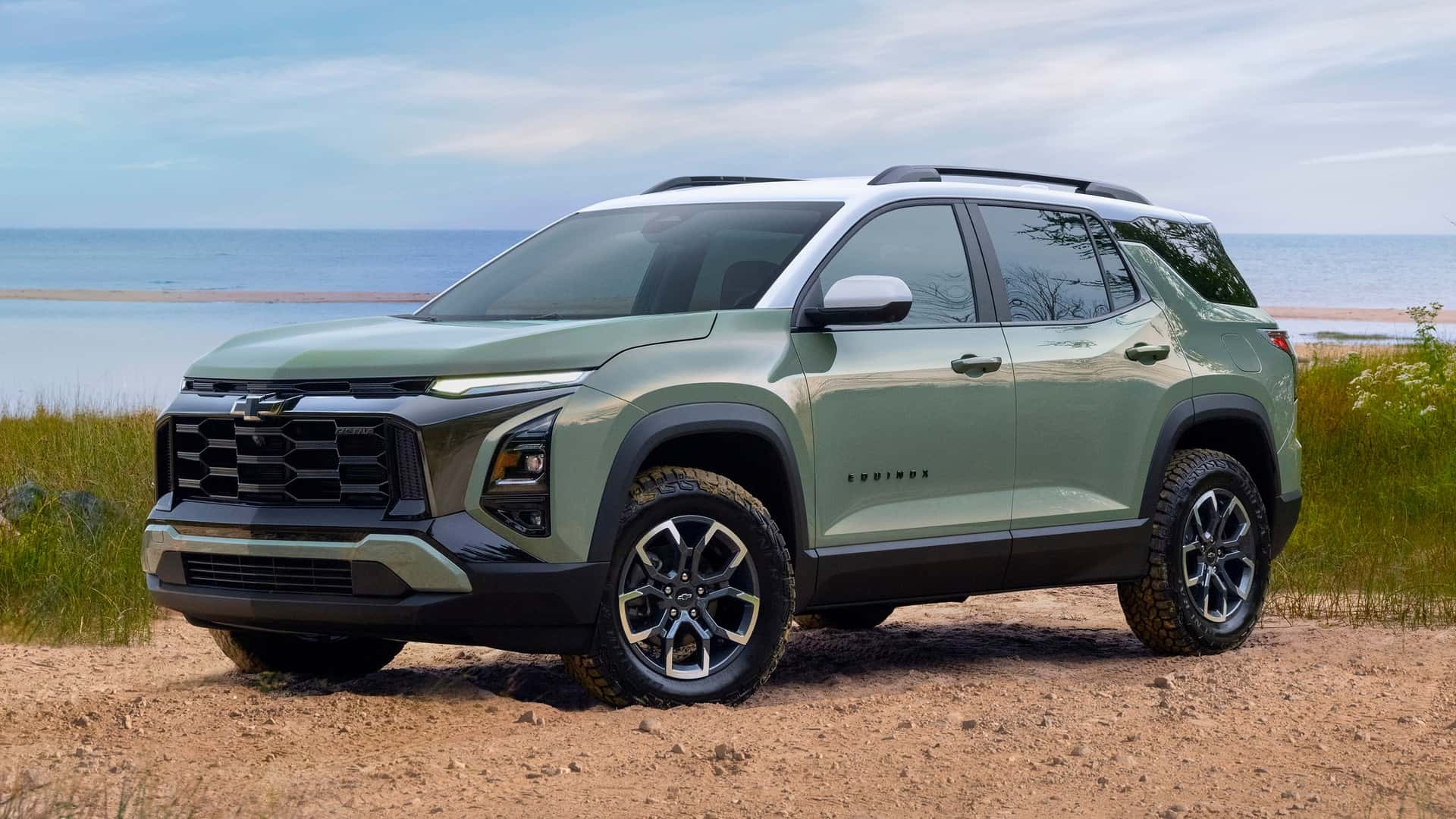
2. Chevrolet Equinox (Early Models)
The Chevrolet Equinox, especially those from the early 2010s, gained popularity quickly due to its size, features, and attractive design. It offered decent fuel economy for an SUV, a smooth ride, and plenty of space, appealing traits for any growing family. However, over time, many owners discovered that beneath the surface, the early Equinox models had several troubling reliability issues.
The most common complaints centered around excessive oil consumption in the 2.4-liter four-cylinder engines. In many cases, the engines would burn through a quart of oil every 1,000 miles or less, which is not only inconvenient but also dangerous if the owner isn’t constantly checking oil levels. Engine damage from running low on oil became an unfortunate reality for many.
Another frequent concern was the early failure of timing chains and related components, particularly in the same 2.4-liter engines. These repairs are not minor, they require hours of labor and can cost thousands, especially if engine damage has already occurred.
For families on a budget, facing this kind of repair bill before even hitting 100,000 miles can turn a good deal into a financial burden. The V6 engine options didn’t have the same oil issues, but they brought their problems, such as transmission troubles and erratic shifting behavior that began appearing far earlier than expected.
Interior quality also disappointed many owners. While the layout is user-friendly, the materials haven’t aged well. Buttons wear down quickly, touchscreen displays become unresponsive, and the seats, especially cloth versions, tend to flatten and fray.
Beyond physical wear, many electronic systems also begin to fail early. Climate control units, sensors, and even power seat controls tend to act up with age, often requiring replacements rather than simple repairs. These issues chip away at the experience and make the vehicle feel older than it is.
Perhaps the most frustrating part for Equinox owners is the inconsistency. Some units seem to run fine well past 150,000 miles, while others are riddled with problems by 70,000. This unpredictability makes it hard for families to rely on the Equinox long-term, and many end up trading them in early to avoid further costs. It’s a car that promised a lot upfront but too often failed to provide the reliability needed for years of worry-free family driving.
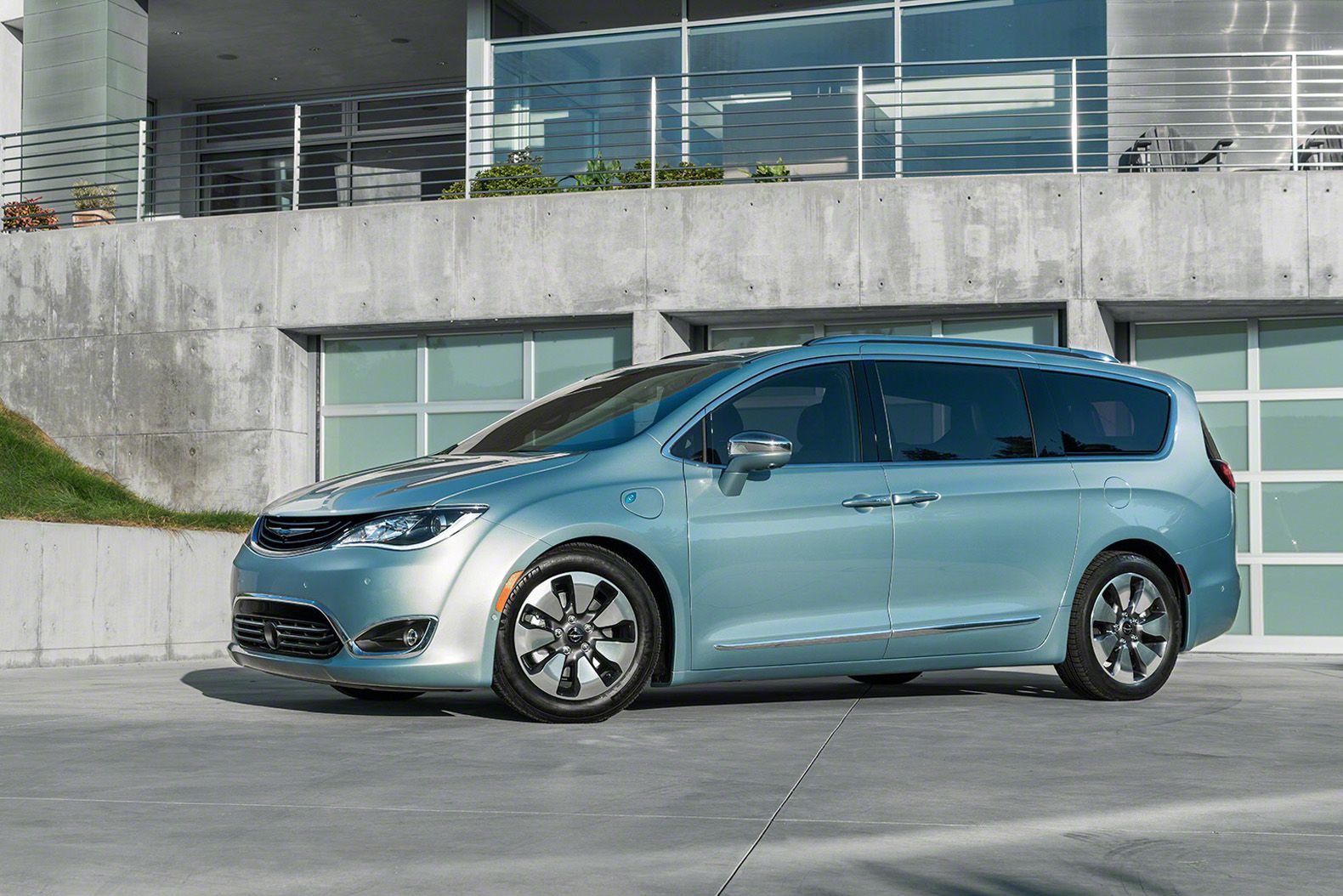
3. Chrysler Pacifica (Early Years)
The Chrysler Pacifica, especially the earlier post-2017 models of its reintroduction, was designed to bring the minivan back into the spotlight. With sleek looks, a modern interior, and advanced tech features, it quickly became a popular choice among families looking for something stylish but still practical.
However, as time passed, many owners began to experience a range of problems that made long-term ownership frustrating and costly. Issues weren’t limited to one part of the car; they showed up in the engine, transmission, electronics, and even body hardware. This widespread issue hurt Pacifica’s reputation and made many families reconsider whether it could go the distance.
One of the more frequent complaints was transmission behavior. Rough shifting, hesitation, and unexpected gear changes were common, sometimes even within the first year of ownership. In some cases, these issues required complete transmission replacement.
The Pacifica’s 9-speed automatic transmission was marketed as a fuel-efficient, modern solution, but it proved to be finicky and difficult to repair. On top of that, various electrical issues plagued the vehicle. Infotainment systems would freeze, power sliding doors would stop responding, and dashboard warning lights would light up with no clear reason or resolution. These aren’t just annoyances; they affect how usable and safe the car feels day to day.
Another area where the Pacifica struggled was build quality. Despite having an upscale design, many of the interior materials didn’t hold up well. Leather seats showed premature wear, trim pieces became loose, and rattles developed early in the car’s life.
Powertrain problems weren’t limited to the transmission, either. Some owners reported engine stalling, difficulty starting, and poor cold-weather performance. These kinds of issues are especially problematic for families who need to depend on their vehicle in all conditions, from early morning school runs to long holiday trips.
To Chrysler’s credit, many of the problems were addressed in later models and through recalls or service bulletins, but for families who bought in early, the experience was often disappointing. A minivan is supposed to represent reliability and practicality. When it becomes a source of frequent trips to the service center, it fails at the very role it’s meant to fill. Early Chrysler Pacificas simply didn’t deliver the dependable experience many families were counting on.
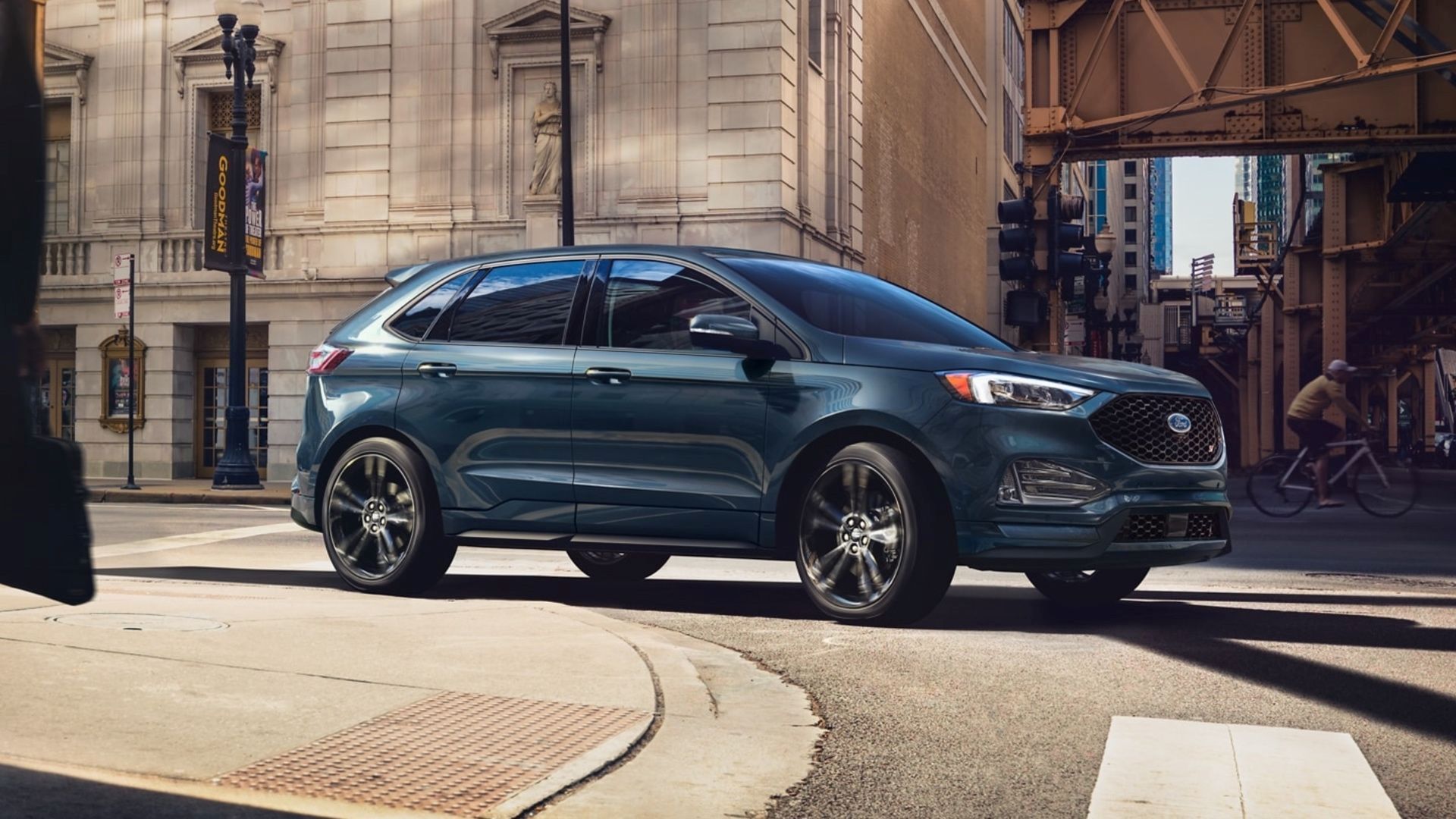
4. Ford Edge (Certain Year Models)
The Ford Edge has always occupied a middle ground between compact and full-size SUVs, making it a popular choice for families who wanted something roomy without going overboard. With sharp styling, comfortable seating, and solid handling, it looked like a smart choice at first.
However, specific model years, particularly around 2011 to 2014, have proven to be far less durable than they should be. Many owners have reported that while the Edge performs well early on, problems start creeping in far earlier than they should for a car in this category. The most issues include engine failures, problematic water pumps, and a slew of electrical gremlins.
One of the most significant mechanical concerns has been the 3.5L V6 engine used in many of these models. The water pump is internal, meaning if it fails, it often leaks coolant directly into the engine, causing catastrophic damage. This kind of design flaw isn’t just inconvenient, it’s financially devastating.
Replacing the water pump in these engines can cost over $2,000, and if caught too late, it can require a full engine replacement. Many owners were unaware of this issue until it was too late, which left them dealing with massive repair costs before the vehicle even hit 100,000 miles.
Beyond the mechanical aspects, the Ford Edge has also been known for persistent electronic problems. Issues with the touch-based infotainment system, faulty sensors, and malfunctioning door locks have all been commonly reported. For families, these aren’t just inconveniences.
They impact daily usage and contribute to a sense that the car cannot be trusted. Add to that problems with premature brake wear, suspension issues, and poor weather sealing that lets water into the cabin, and it becomes clear that these Edges weren’t built to last.
While newer versions of the Edge have improved considerably, the damage to the model’s reputation lingers, especially among families who had bad experiences with earlier models. A car can have all the features in the world, but if it can’t stay out of the shop, it won’t be a reliable companion for long trips, daily commutes, or unexpected detours. For many families, the Ford Edge fell short of the durability they needed.
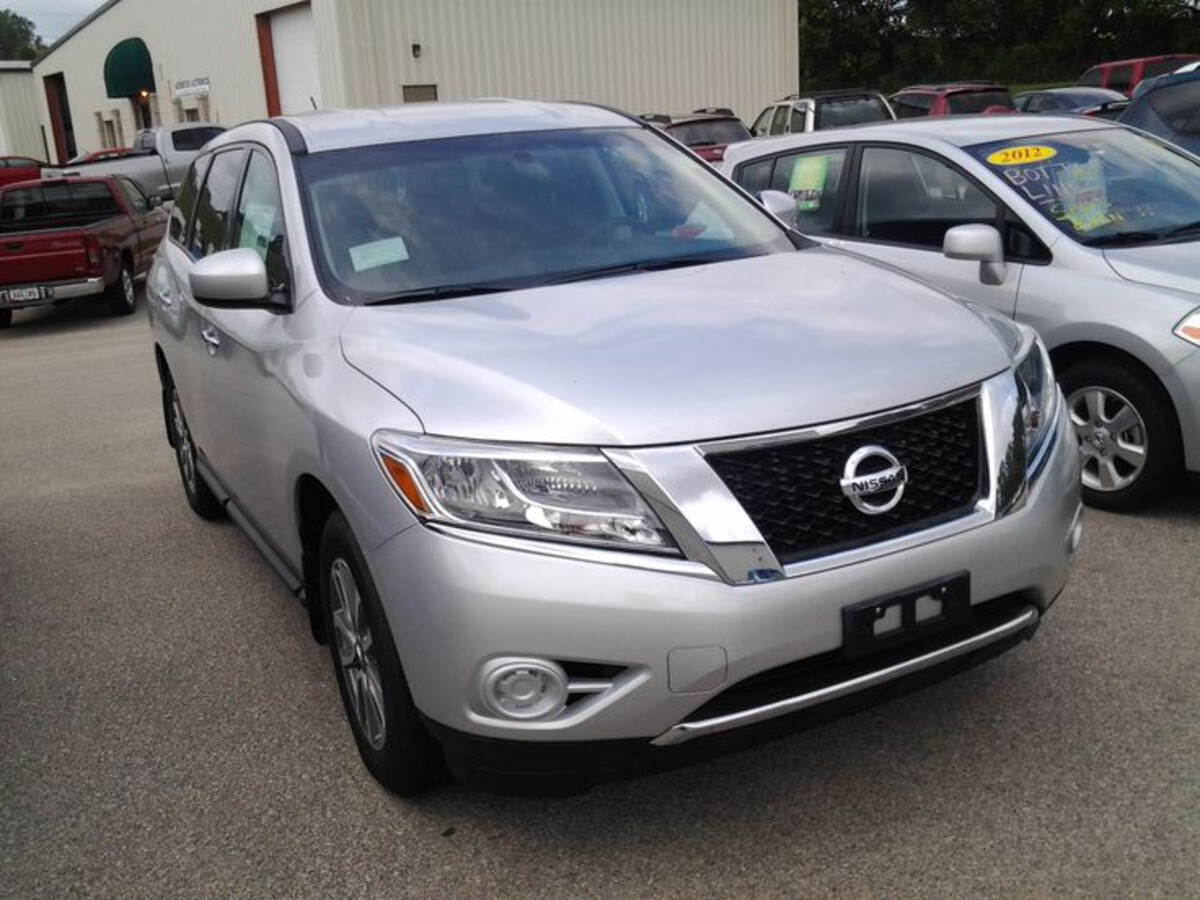
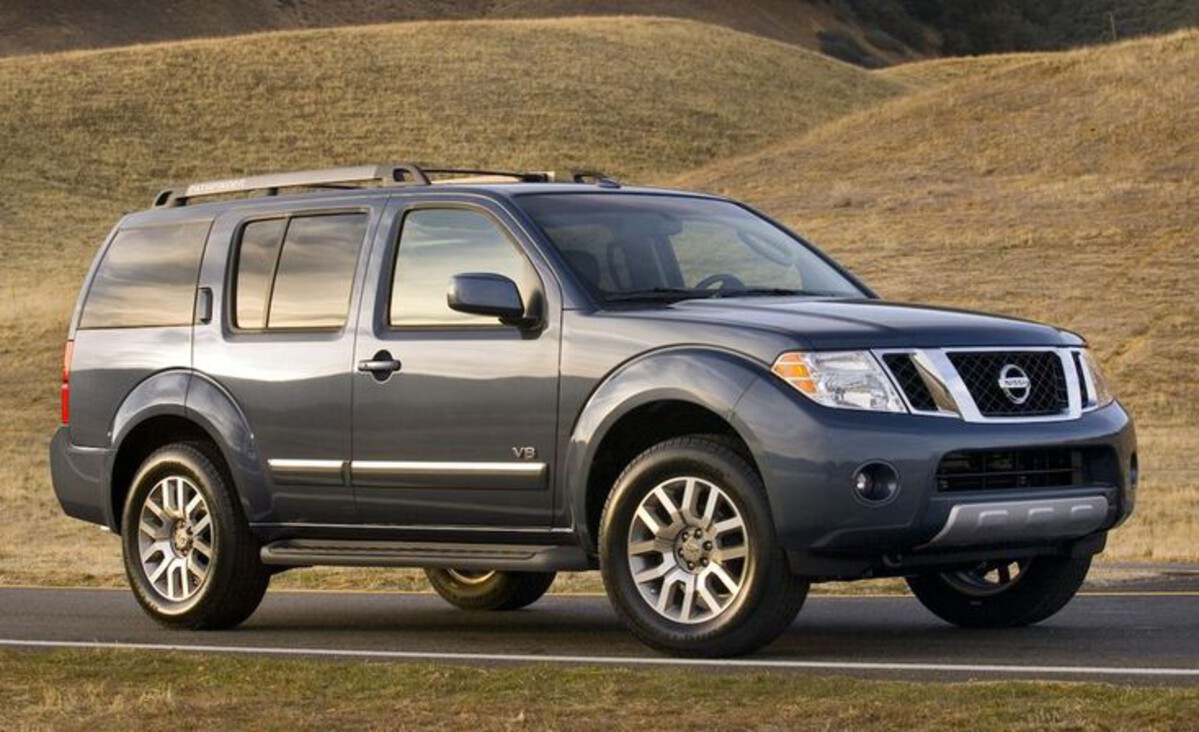
5. Nissan Pathfinder (2013–2016 Models)
The Nissan Pathfinder is a name that once carried a reputation for rugged dependability and off-road toughness. However, with the redesign that began in 2013, Nissan shifted the Pathfinder into a more family-friendly crossover format. While the change helped the vehicle become more mainstream and spacious, it also marked the beginning of a stretch of problematic model years.
These Pathfinders, particularly from 2013 to 2016, have been plagued by serious long-term reliability concerns that have affected many families who expected more from the nameplate. The continuously variable transmission (CVT) used in these models has been the source of ongoing complaints and expensive repairs.
The CVT in these Pathfinders often begins to show symptoms of trouble between 60,000 and 90,000 miles. Owners report shuddering during acceleration, hesitation when shifting, and a general loss of power that makes the vehicle feel unpredictable and unsafe.
In many cases, these issues require a full transmission replacement, an extremely costly repair, often exceeding $4,000. Nissan extended the warranty for the CVT in some vehicles after class action pressure, but for many families, it was too little too late. Even after replacements, some owners experienced recurring problems, raising concerns about the quality of the entire transmission system in those years.
Beyond the transmission, other components in these model years also failed to hold up well. Suspension components wear prematurely, leading to bouncy or unstable rides. The interior materials, while initially attractive, don’t resist wear and tear well. Buttons fade, trim panels loosen, and some electronic features stop working after only a few years.
HVAC systems have also drawn complaints, with reports of uneven cooling, compressor failures, and malfunctioning temperature controls that make summer drives uncomfortable. These issues may not be as severe as a transmission failure, but they add to the impression that the vehicle doesn’t age gracefully.
For families, this kind of unreliability causes disruption and financial stress. A car that is marketed as a dependable family hauler should be able to last through years of daily use without repeated breakdowns or major repairs.
Unfortunately, the Nissan Pathfinder during this period failed to deliver on that promise. While newer versions have improved, these specific model years have left a lasting impression on many owners who expected better from a brand that once stood for resilience and dependability.
