
When it comes to choosing a car on a budget, one of the most overlooked yet critical questions is how well a vehicle holds up after it’s seen some serious miles. Many buyers fall into the trap of judging a car by how it drives in its first 30,000 miles. But the true test of a vehicle’s value shows up much later, when that odometer reads six figures.
Some affordable cars retain their composure, ride quality, steering response, and structural tightness even after 150,000 miles. Others start to feel loose, noisy, and generally worn out well before they even hit the 50,000-mile mark.
For the smart used car buyer or the frugal new car owner who plans to hold on to a vehicle long-term, this matters. A car that feels solid after 150,000 miles usually indicates good engineering, durable components, and build quality that doesn’t fade once the warranty expires. It might not have cost a fortune upfront, but it behaves like something that was designed to last.
On the flip side, there are some cars that seem fine on a dealership lot, but just a few years and relatively few miles later, they develop squeaks, rattles, vague steering, clunky suspensions, and fading interior quality. Even if the engine and transmission are still going, the driving experience suffers. It becomes a car that no longer feels worth driving.
This article takes a practical look at both sides. We’ll highlight five affordable cars that continue to feel confident, planted, and tight well into high mileage. These are the cars you could take for a spin at 150,000 miles and still feel like they have more to give. Then we’ll look at five others that show signs of age too early.
They may look appealing at first, but 50,000 miles later, you’ll wish you’d chosen something else. Whether you’re shopping used or planning to keep your car for the long haul, understanding how these vehicles age could help you make a smarter decision.
5 Affordable Cars That Handle Like New at 150K
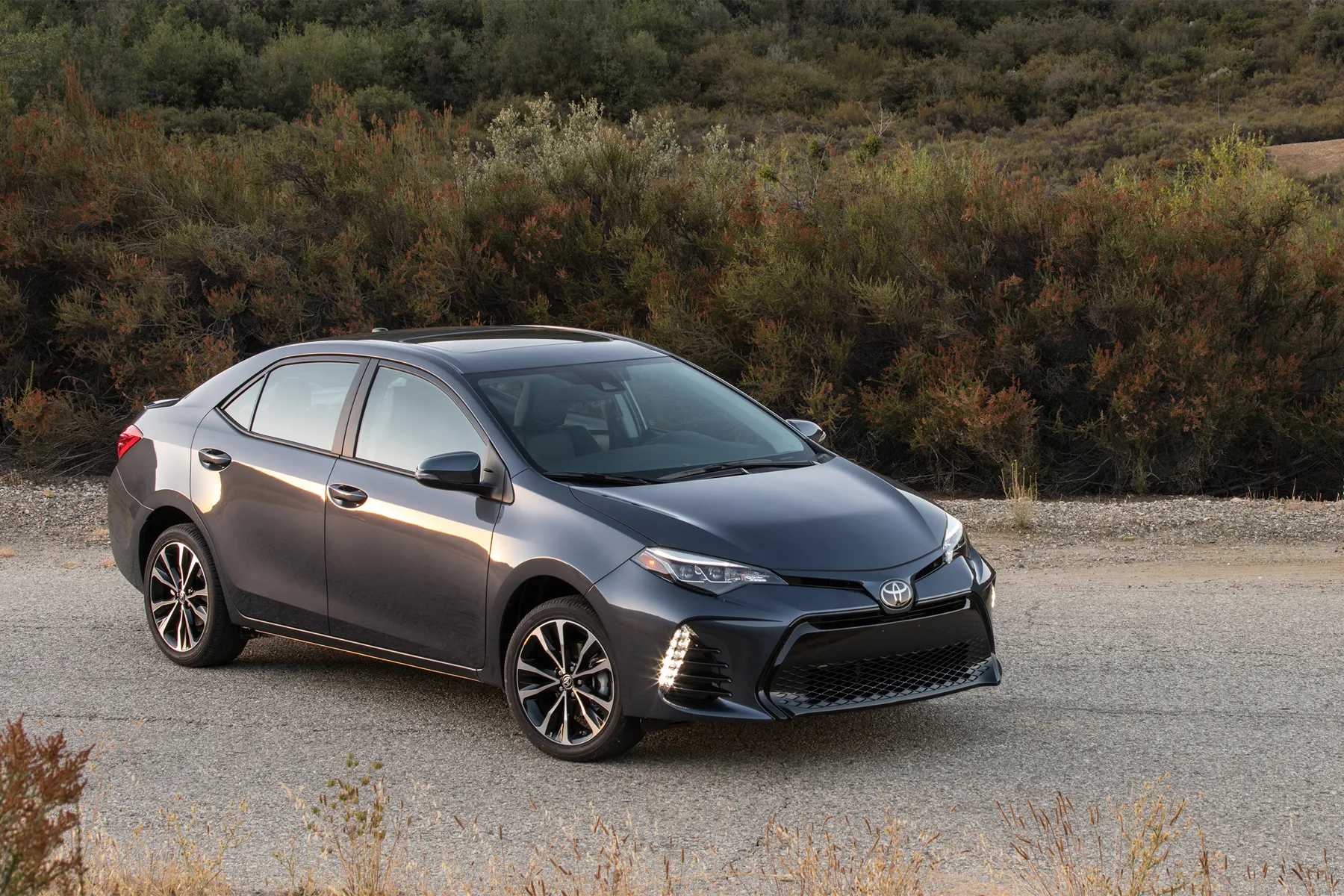
1. Toyota Corolla (2014–2019)
The Toyota Corolla has long been a go-to for people seeking reliable, affordable transportation. But it’s not just about getting from point A to B. What stands out about the 2014 to 2019 models is how composed and solid they remain, even with high mileage.
This generation introduced a more refined chassis and suspension setup, making it more stable at highway speeds and more confident in corners compared to its predecessors. The electric power steering is light but accurate, and it doesn’t degrade much over time, giving the Corolla a sense of familiarity even as the miles add up.
Owners frequently report that their Corollas feel almost unchanged at 150,000 miles, at least in terms of ride quality and handling. There’s minimal body roll, and suspension components seem to hold up exceptionally well, rarely requiring major replacements if maintenance is kept up.
That consistency makes this car a favorite among rideshare drivers and commuters who spend hours behind the wheel. It’s not exciting to drive, but it’s incredibly consistent. More importantly, it doesn’t develop clunks or rattles in the cabin as quickly as many other compact sedans in the same price range.
Interior durability is another strength. The materials are simple but wear-resistant, and the seats maintain their shape and supportiveness. Road noise might increase slightly over time, but structurally, the car feels tight.
This is partly thanks to Toyota’s attention to build tolerances and the use of high-tensile steel in key areas. Even the cheaper trim levels avoid the squeaks and groans that show up in other economy cars. For a vehicle that often costs under $15,000 used, that’s a remarkable level of refinement.
Mechanically, the Corolla uses tried-and-true components, but its real value is in how everything holds together. You can take a 150,000-mile Corolla on a long road trip without feeling like you’re driving a relic. The steering still responds predictably, the brakes still bite evenly, and the chassis remains unbothered by rough pavement. That level of confidence at high mileage is rare, especially in this price bracket.
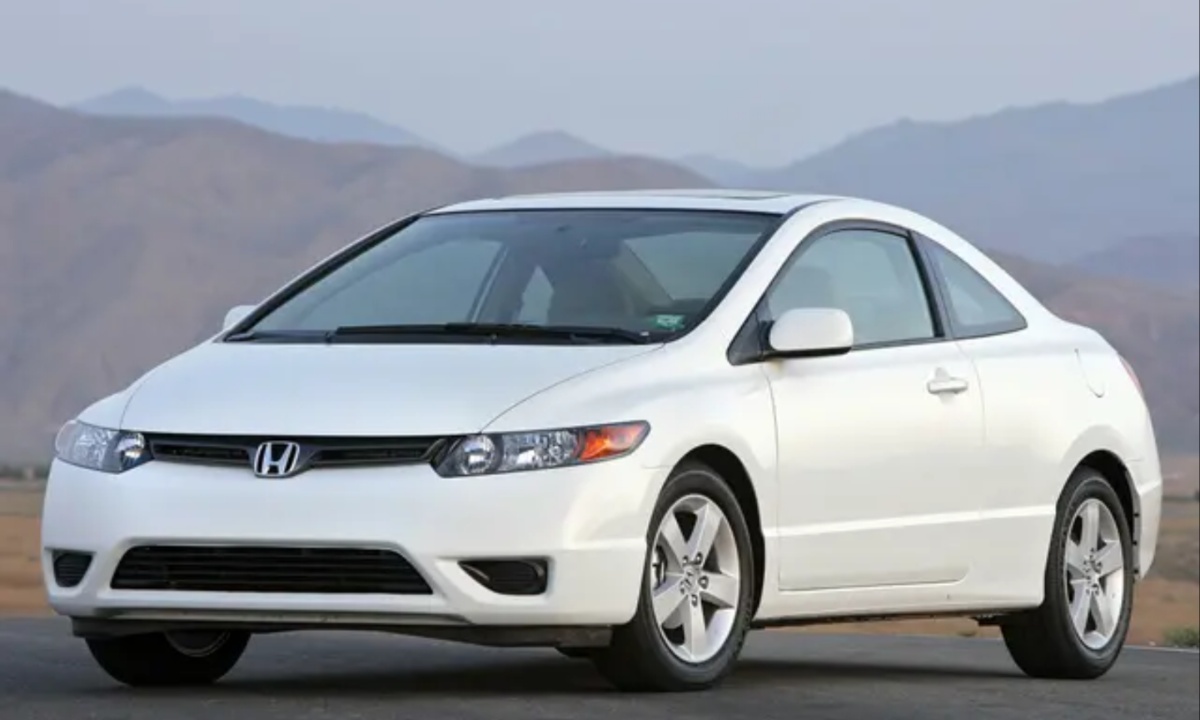
2. Honda Civic (2012–2015)
The 2012–2015 Honda Civic might not be the flashiest model in the lineup’s history, but it shines where it counts. At 150,000 miles, many Civics from this era still offer a driving experience that’s surprisingly taut and responsive.
Honda focused on maintaining a balanced suspension and lightweight structure, which helped keep the car engaging without being harsh. What really stands out is how well the suspension bushings and dampers hold up, which keeps the ride from becoming floaty or disconnected over time.
Steering in the Civic remains quick and accurate, even after years of daily driving. Unlike some cars where steering feel becomes vague as the components wear, the Civic keeps its light but precise touch. Combined with a relatively stiff chassis, this allows the car to retain a sense of agility well past what you might expect.
Whether in the city or on back roads, the Civic doesn’t start to feel sloppy. That’s a big reason why this generation still has a loyal following among budget-minded enthusiasts.
Inside, the materials are durable if not upscale. The dashboard resists fading and cracking, and the seats stay firm even with repeated use. Honda’s engineering shines in the details, like how the door seals continue to block wind noise or how the seat adjustments still work smoothly after a decade.
It’s the kind of long-term usability that doesn’t always make the brochure but really matters when you’re living with a car every day. Even if the infotainment system feels dated, the core functionality of the car doesn’t.
On the mechanical side, the Civic’s engines and transmissions are built for endurance, and they rarely develop quirks if maintenance is followed. But more impressive is how the car still feels “tight” as a whole.
The brakes don’t pulse, the body doesn’t groan over speed bumps, and it still tracks straight without constant correction. For a compact car, it ages gracefully and stays enjoyable far beyond expectations.
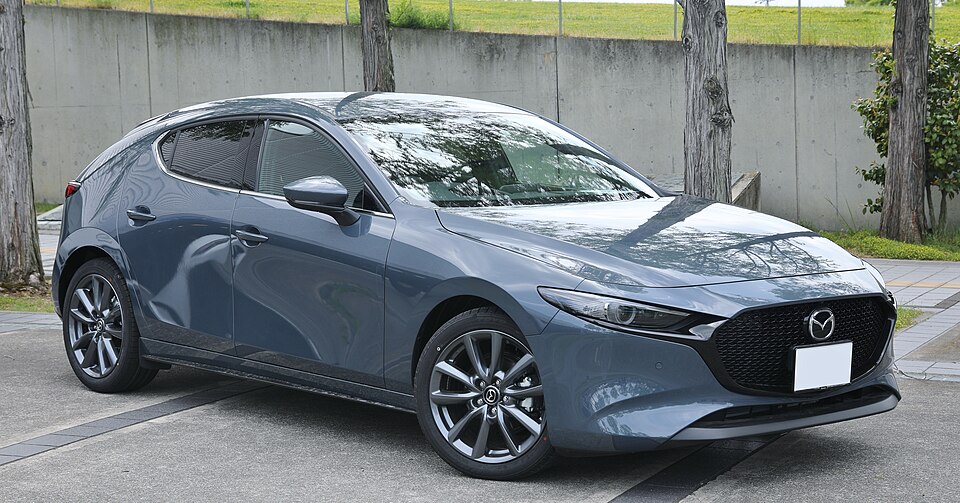
3. Mazda3 (2010–2013)
This generation of the Mazda3 is known for being one of the best-handling compact cars under $20,000 when new. But its appeal doesn’t fade over time. Even with 150,000 miles on the clock, a well-maintained Mazda3 still feels engaging and connected to the road.
That’s largely due to Mazda’s focus on chassis dynamics. The steering is tight and offers more feedback than nearly anything else in its class, and that feedback doesn’t go away with mileage.
What makes the Mazda3 different is the quality of its suspension and steering components. Bushings, struts, and control arms are built to last, and when they do need replacement, they’re relatively inexpensive and easy to service.
Even at higher mileage, the body doesn’t flex or rattle excessively, which helps preserve the car’s road manners. It’s the kind of car that still feels “alive” well into old age, especially if you choose the manual transmission models, which are known for their durability and engaging feel.
The interior might not be luxurious, but it’s ergonomic and holds up well. The dashboard materials resist peeling and fading, and the seats retain their shape. The sense of cohesion inside the cabin helps make the car feel newer than it is.
There’s something satisfying about how everything still fits together snugly, even after years of driving. Many drivers are surprised at how little this car changes in feel, even with significant mileage under its belt.
On top of all that, the Mazda3 has strong build quality that makes it a joy to drive every day. It doesn’t suffer from loose panels or squeaky trim like some competitors.
You can push it hard on winding roads or simply enjoy the precise handling on your daily commute, and it will still respond as if it’s just getting broken in. If you’re looking for a used car that stays fun and functional well into high mileage, this one stands out.
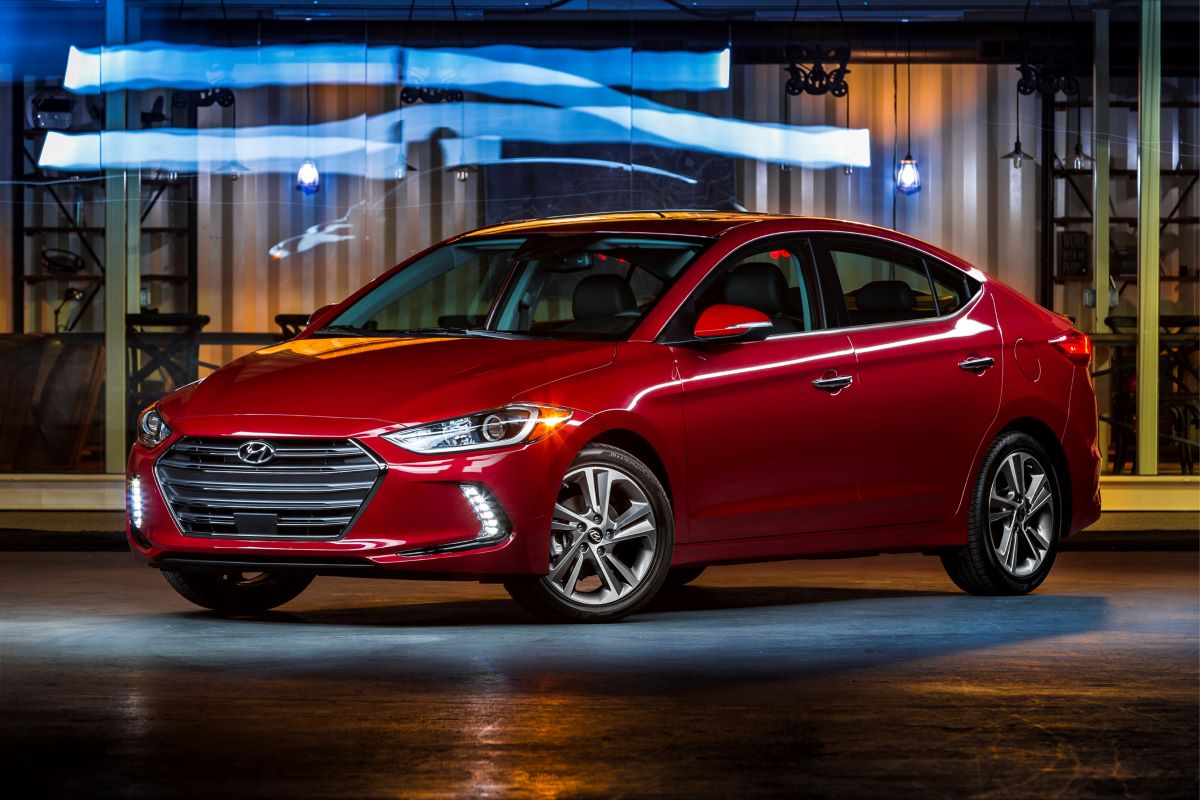
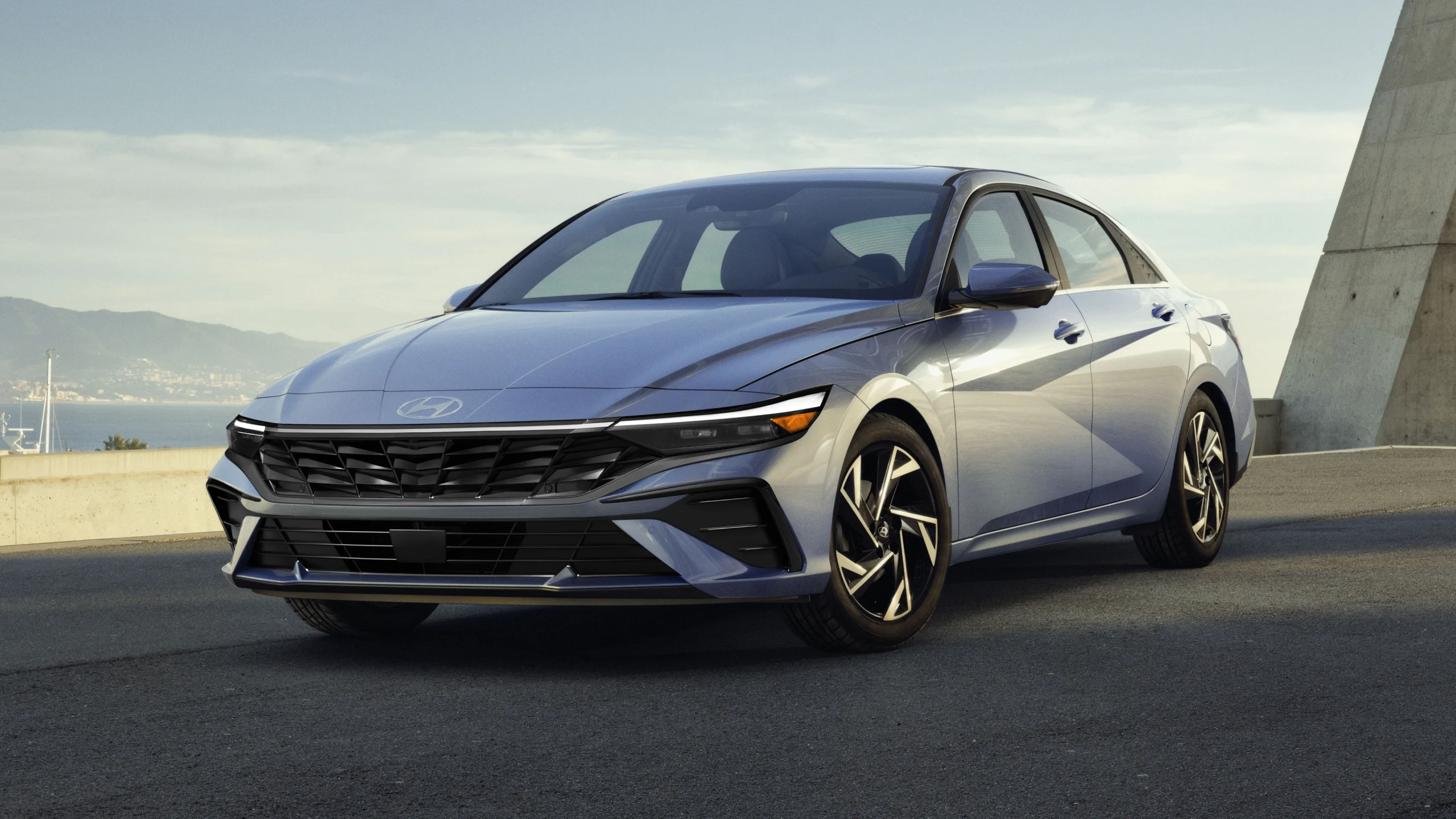
4. Hyundai Elantra (2017–2020)
The Hyundai Elantra has grown over the years from a basic economy car into a serious contender in the compact segment. The 2017–2020 models in particular represent a major leap forward in terms of ride quality and refinement.
What surprises many owners is how well these cars maintain their handling and comfort even at 150,000 miles. Hyundai used better suspension geometry and improved materials, and the result is a car that feels solid over rough pavement and steady on the highway, even after years of use.
One key strength is how well the car’s structure resists flex and creaking. High-mileage Elantras often feel more solid than newer cars from competitors in the same class. This makes The car doesn’t feel fragile or worn down, even when it’s logged thousands of miles. The suspension absorbs bumps without drama, and the steering remains light but controlled. That consistency is rare in this price range, especially for vehicles that can now be found used for under $12,000.
Another factor is the durability of the cabin materials. The plastics and fabrics in this Elantra may not be upscale, but they’re hard-wearing and resistant to scratches, scuffs, and staining that often plague vehicles after years of daily use. Unlike older economy cars, where the dashboard might warp or the door panels loosen, the Elantra’s interior holds together well.
This contributes to a feeling of freshness inside the car, even when it’s covered in the dust and wear that naturally come with 150,000 miles. Owners frequently mention that the seats maintain good support without sagging or tearing, and the controls retain their tactile feedback instead of becoming mushy. This is a subtle but important point: an interior that feels well-maintained helps create the impression that the car is still in good shape mechanically.
Mechanically, the Elantra’s powertrains and suspension components prove to be robust over time. Hyundai’s improvements in engineering and quality control during this generation show in how many cars reach 150,000 miles with minimal issues in handling.
The shocks and struts tend to wear slowly and evenly, which means the ride remains composed rather than becoming bouncy or harsh. The steering system, which uses electric assist, also retains its precision without developing the dead zones or uneven feel that some other vehicles experience after heavy use.
This gives drivers confidence on winding roads and when navigating tight urban corners, even after the car has seen years of service. Furthermore, Hyundai’s longer warranty coverage likely helped motivate better component durability, which continues to benefit owners well past the warranty expiration.
The chassis itself benefits from improved structural reinforcements that reduce flex and noise transmission. This creates a solid foundation for the suspension and helps maintain sharp handling characteristics. On rough or uneven surfaces, the Elantra absorbs bumps without transmitting excessive shock or vibration to the cabin, which enhances passenger comfort and preserves component longevity.
This solid feel can be rare in budget-friendly cars with high mileage, where excessive rattling or vague handling usually takes over. The Elantra’s ability to hold onto its original handling qualities for well beyond 100,000 miles makes it a compelling option for buyers who want a dependable and pleasant daily driver that won’t feel worn out after a few years on the road.
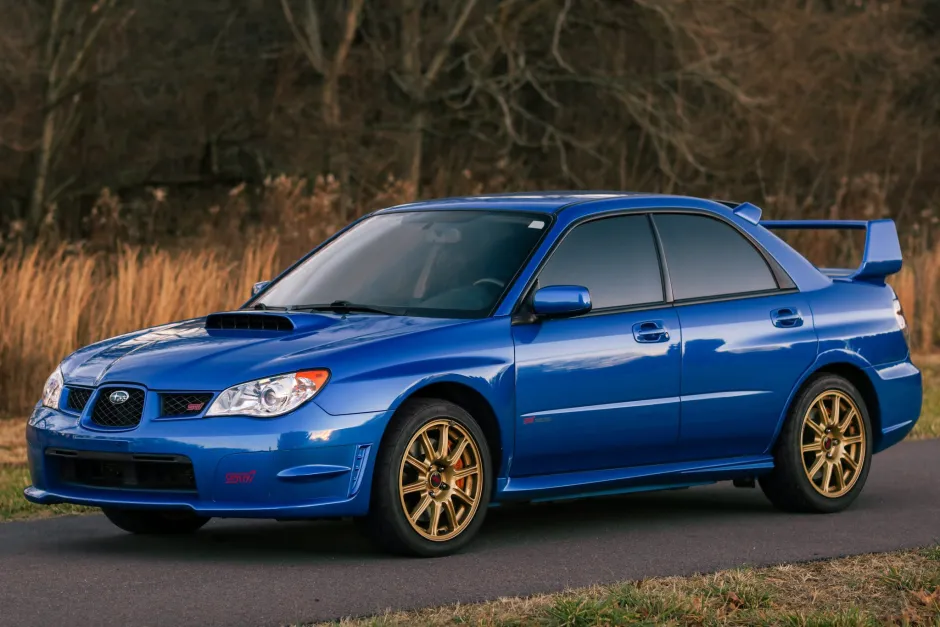
5. Subaru Impreza (2012–2016)
The Subaru Impreza is known for its all-wheel-drive system, but it’s often overlooked how well the chassis and suspension hold up after extended use. The 2012 to 2016 models use a suspension setup that balances comfort and control, which helps the car feel stable and planted at high mileage.
Many owners report that even when their Impreza has passed 150,000 miles, it retains a sense of firmness and composure that’s rare in affordable cars of this age. The AWD system adds confidence in various driving conditions without compromising handling or ride quality as the vehicle ages.
One of the Impreza’s strengths is its symmetrical AWD layout, which distributes power evenly and improves traction while also contributing to a balanced driving feel. This balance persists well into higher mileage because Subaru designed the drivetrain and suspension components to work in harmony, with many parts proving to be surprisingly durable.
Suspension bushings and mounts may eventually require replacement, but the chassis itself remains tight and responsive. This results in a car that doesn’t develop excessive body roll or vague steering characteristics as early as some competitors. The ability to maintain crisp handling through rough roads or bad weather makes the Impreza a favorite for drivers in diverse climates who rely on their vehicles year-round.
The interior materials in the Impreza also age better than expected. Though not luxurious, the cabin’s plastics and upholstery are built to withstand the test of time. Seats retain their cushioning and shape, and the dashboard resists cracking or warping, which helps maintain a feeling of quality even after years of use.
Subaru’s reputation for reliability also means many vehicles in this generation have received regular maintenance and repairs that keep the driving experience intact. This is important because a well-kept Impreza is one that still feels cohesive and solid, rather than a car showing its age prematurely.
From a mechanical perspective, the engines and transmissions in these Subaru models are robust if properly maintained. The handling qualities remain consistent, supported by a suspension that continues to soak up bumps while providing predictable control.
Road noise may increase slightly, but the driving dynamics retain their sharpness, which is a testament to the quality of the vehicle’s initial engineering and ongoing care by owners. For those seeking an affordable all-wheel-drive car that still drives like new well after 150,000 miles, the Subaru Impreza stands out as a strong contender.
5 Affordable Cars That Feel Tired at 50K
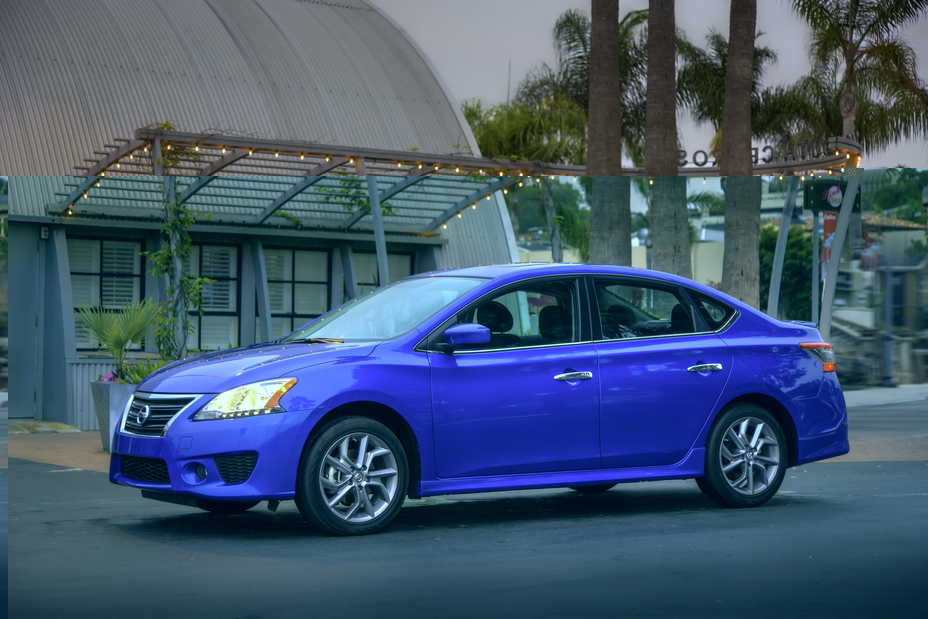
1. Nissan Sentra (2016–2019)
The Nissan Sentra from the mid-to-late 2010s often gets praised for its affordability and fuel economy, but many drivers notice that it begins to show its age much earlier than expected. At around 50,000 miles, the Sentra’s handling and ride quality can start to feel worn and uninspired.
Unlike cars that hold their composure after heavy use, this Sentra generation tends to develop a vague steering feel and a suspension that begins to lose its firmness. The body can feel less rigid, with slight creaks or rattles that grow louder over time. This detracts from driver confidence and can make daily commutes less enjoyable.
The front suspension components, including struts and bushings, wear out quicker than in some competitors, leading to a less responsive ride. Many owners report increased noise over bumps and a general sense of looseness in corners.
This can be frustrating for people who expect a compact sedan to stay steady and predictable, especially when compared to more durable rivals. The electric power steering system, while light, often develops a numb or inconsistent feel, making it harder to gauge road feedback. When combined with a softer suspension setup, the driving experience begins to feel tired and disconnected well before 100,000 miles.
Mechanically, while the engine and transmission might still run adequately, the Sentra’s handling components and chassis feel the brunt of everyday wear quickly. This can lead to a decline in driving enjoyment and a greater need for repairs or replacements.
Owners sometimes note that the car doesn’t inspire confidence on tight turns or at highway speeds due to the lack of precise steering and a body that feels less composed. For a buyer looking for longevity and sustained driving quality, the Sentra can feel disappointing after just 50,000 miles.
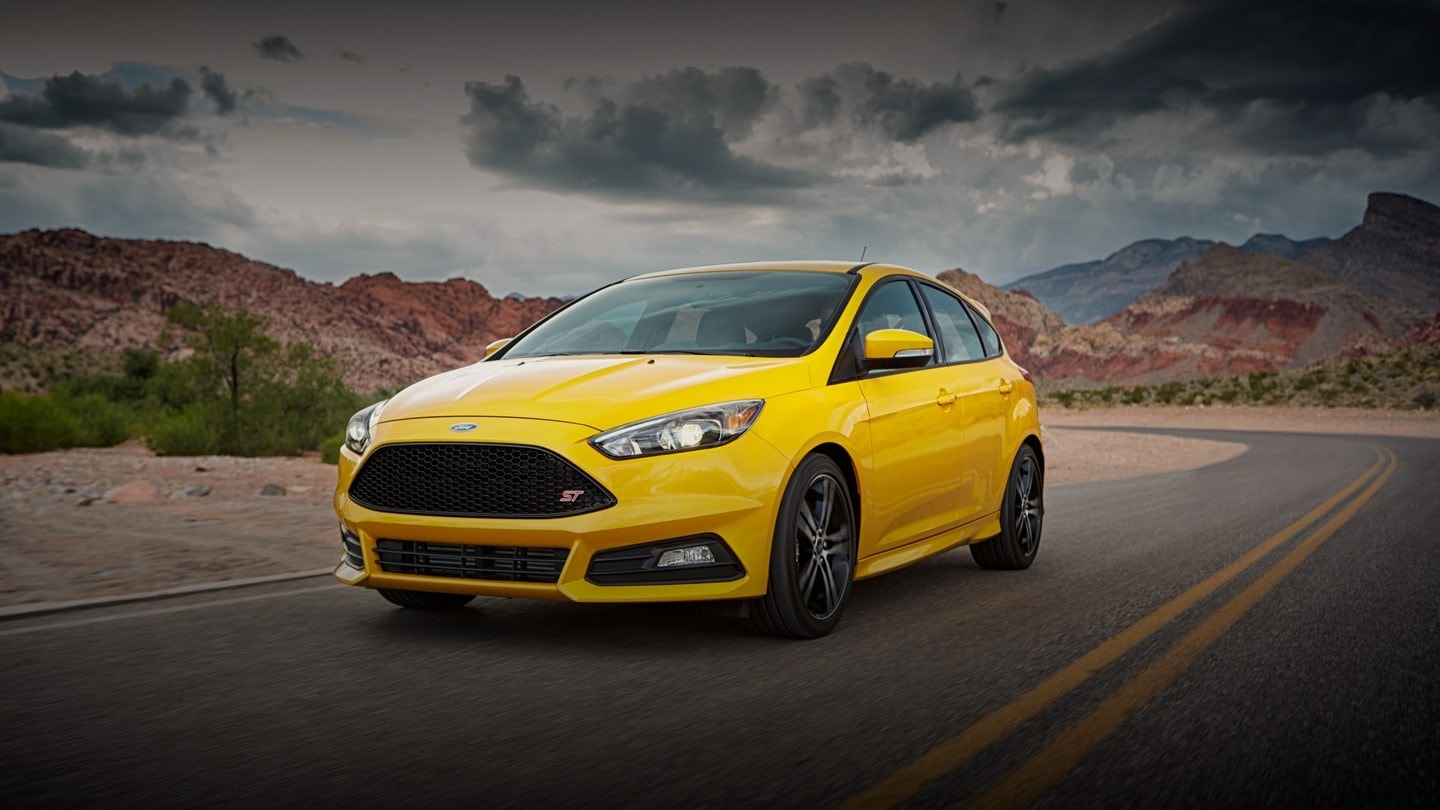
2. Ford Focus (2014–2018)
The Ford Focus in this generation, while initially appealing for its sharp styling and engaging drive, often struggles to maintain its handling quality after hitting the 50,000-mile mark. The tight, responsive feel that the Focus has when new tends to fade quicker than expected. Owners frequently report a deterioration in suspension performance and steering precision relatively early, which can turn what was once an enjoyable driving experience into something less pleasant and less stable.
One major issue lies in the suspension components wearing out prematurely. Struts, bushings, and sway bar links often need replacement well before the 100,000-mile milestone. As these parts degrade, the car’s ride becomes noticeably harsher and less controlled.
This is especially apparent on uneven roads, where the Focus starts to transmit bumps and vibrations to the cabin, losing its earlier composure. The steering system, which initially offers sharp feedback and responsiveness, becomes somewhat vague and less communicative, reducing driver confidence in cornering or quick maneuvers.
Inside the cabin, wear is often visible much sooner than in competing models. The plastics and trim pieces may start rattling or loosening with time, creating a feeling of reduced build quality. The seats may lose firmness and support quicker as well, contributing to driver fatigue on longer trips.
This premature interior wear detracts from the ownership experience, especially given the Focus’s positioning as a compact car with a sportier image. When a car’s interior starts to feel neglected or cheap at 50,000 miles, it affects how the entire car is perceived.
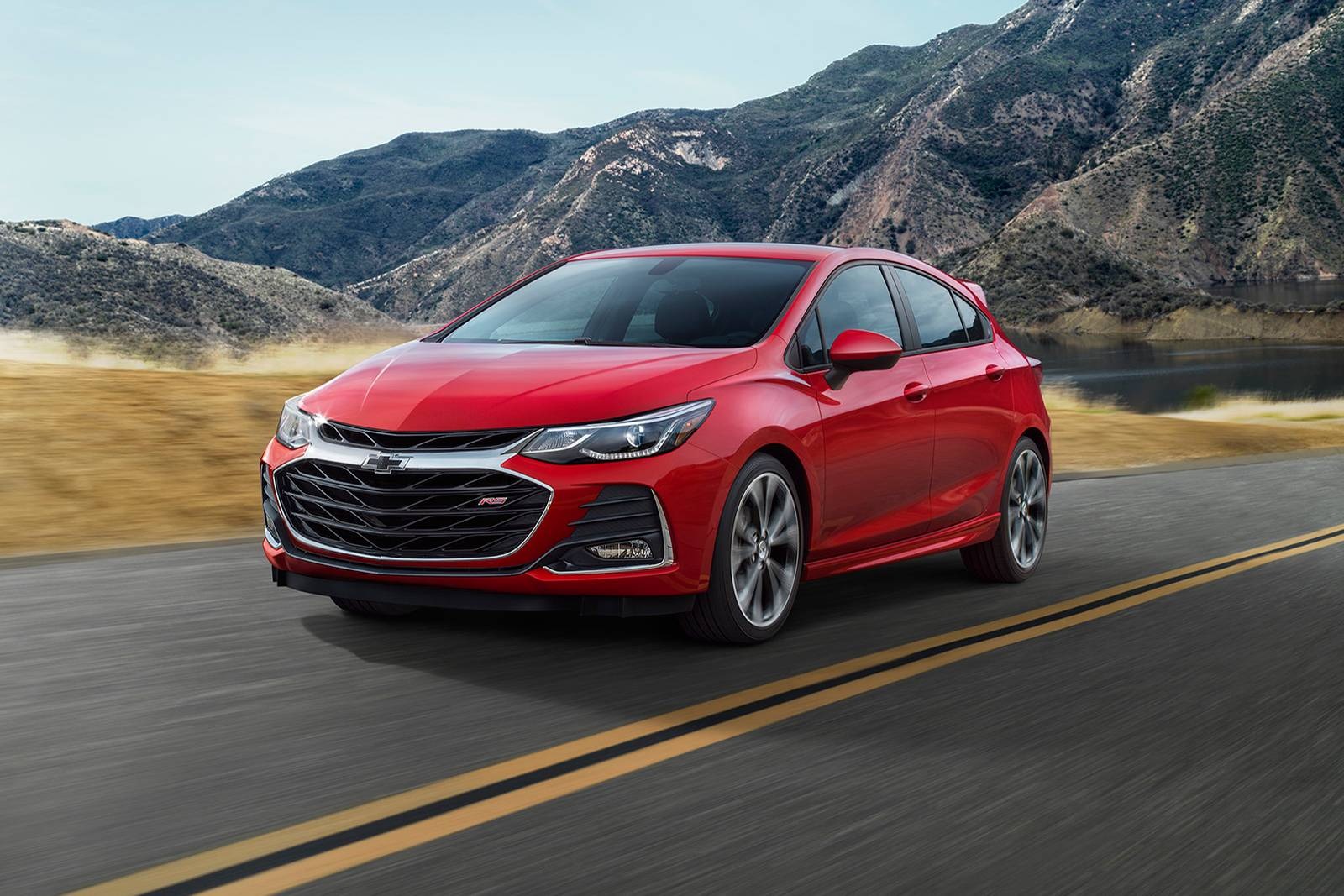
3. Chevrolet Cruze (2016–2018)
The Chevrolet Cruze is a popular compact car, but the models from 2016 to 2018 have developed a reputation for showing signs of wear much sooner than expected. At around 50,000 miles, many Cruze owners report a loss of driving confidence due to handling and suspension deterioration. The initial promise of a smooth, composed ride is often replaced by a vehicle that feels less planted and increasingly disconnected from the road.
One of the main concerns with this generation Cruze is the front suspension, which seems prone to premature wear. This results in clunky noises, less effective damping, and a vague steering feel that can unsettle the driver. The suspension no longer absorbs bumps as well, leading to a harsher ride that transmits road imperfections directly into the cabin.
The body itself can start to feel less rigid, and drivers notice an increase in body roll, particularly in curves or during sudden directional changes. These issues significantly detract from the driving experience, especially when compared to earlier Cruze models or competitors known for durability.
Inside, the Cruze’s cabin materials begin to reveal their shortcomings at relatively low mileage. Plastics can warp, and some trim panels develop rattles that are difficult to eliminate. Seat cushions tend to sag faster than expected, reducing comfort and support.
Additionally, the interior can develop squeaks and rattles that grow over time, contributing to a feeling of fatigue. The combination of a tired ride and an aging interior makes it hard to feel enthusiastic about this car after just a few years on the road.
Mechanically, the Cruze’s powertrain is generally solid, but it’s the aging chassis and suspension that most affect driver satisfaction. The steering, once precise and communicative, often loses sharpness, leading to a less engaging drive.
This is compounded by the early onset of suspension noise and body looseness, which can make the car feel less secure and stable. For drivers prioritizing long-term comfort and handling quality, the Cruze’s tendency to feel tired at just 50,000 miles can be a serious drawback.
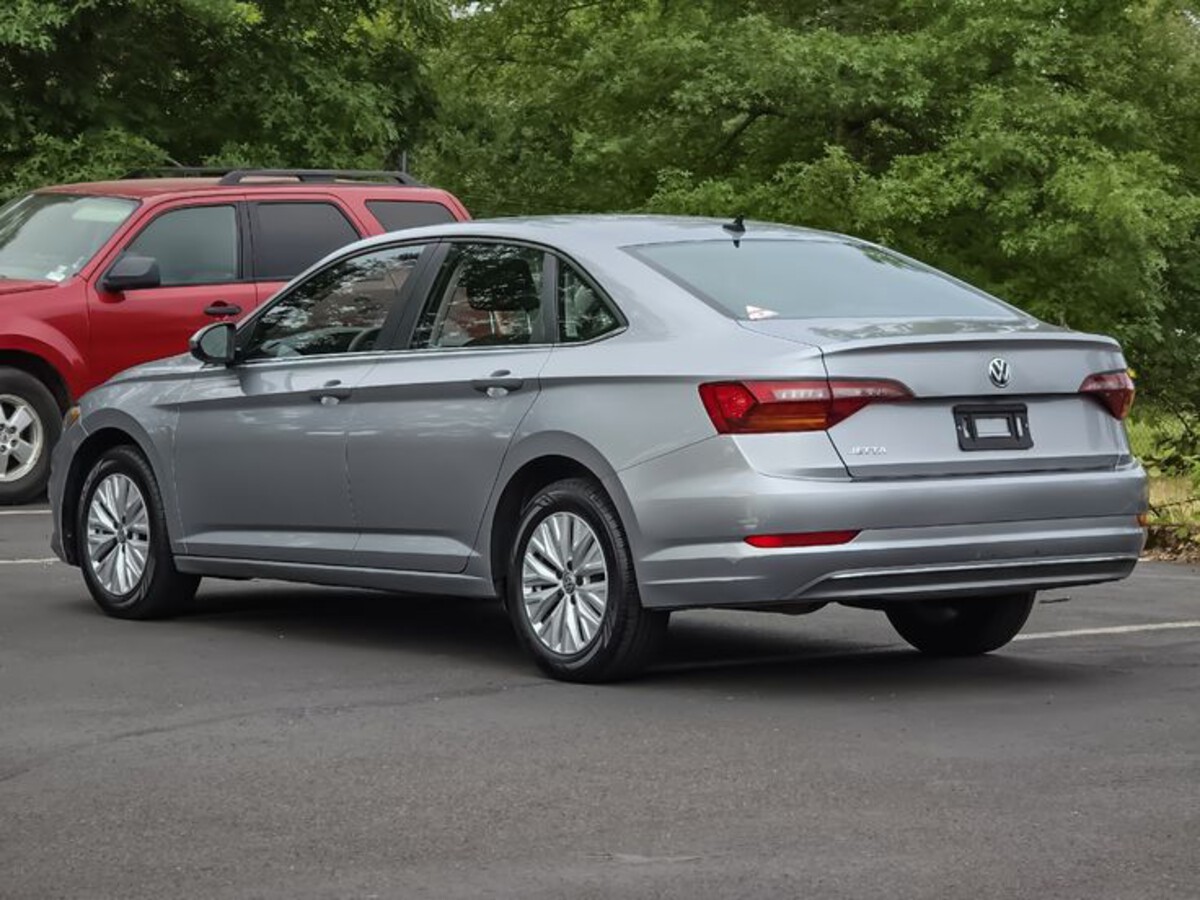
4. Volkswagen Jetta (2015–2018)
The Volkswagen Jetta has always aimed to blend European style with everyday usability, but models from 2015 to 2018 tend to lose some of their handling edge surprisingly early. While the Jetta initially offers a refined ride and confident steering, this tends to degrade noticeably by the time the car reaches 50,000 miles. Many owners find that their Jettas begin to feel less surefooted, with steering that becomes less responsive and a suspension that no longer soaks up road imperfections effectively.
A key issue with this Jetta generation is premature suspension wear. Components such as control arm bushings, shocks, and sway bars can start to fail early, causing the ride to become harsh and noisy. Drivers frequently report that the car develops excessive body roll and a vague steering feel, making tight corners and quick lane changes feel more daunting.
This early degradation affects the car’s confident driving personality, leaving behind a vehicle that feels more cumbersome than it did when new. Unlike earlier models known for solid build quality, this generation’s chassis loses its composure quickly.
Inside, the Jetta’s cabin, while stylish, often shows signs of age sooner than expected. Soft-touch materials can begin to degrade, and plastic panels might loosen or rattle. Seat cushions lose firmness, reducing long-distance comfort.
These interior issues, combined with the declining handling characteristics, create an impression of a car that is aging prematurely. For buyers expecting a long-lasting German-engineered experience, the early onset of wear can be disappointing.
Mechanically, the engines and transmissions generally hold up well, but they can’t compensate for the degraded suspension and steering feel. The Jetta’s promise of a balanced and composed driving experience is undermined by these issues, especially at relatively low mileage.
When a car starts feeling tired after only 50,000 miles, it puts pressure on owners to invest in repairs or accept a decline in ride quality. This can make the Jetta less appealing for budget-conscious buyers or those looking for a vehicle that ages gracefully.
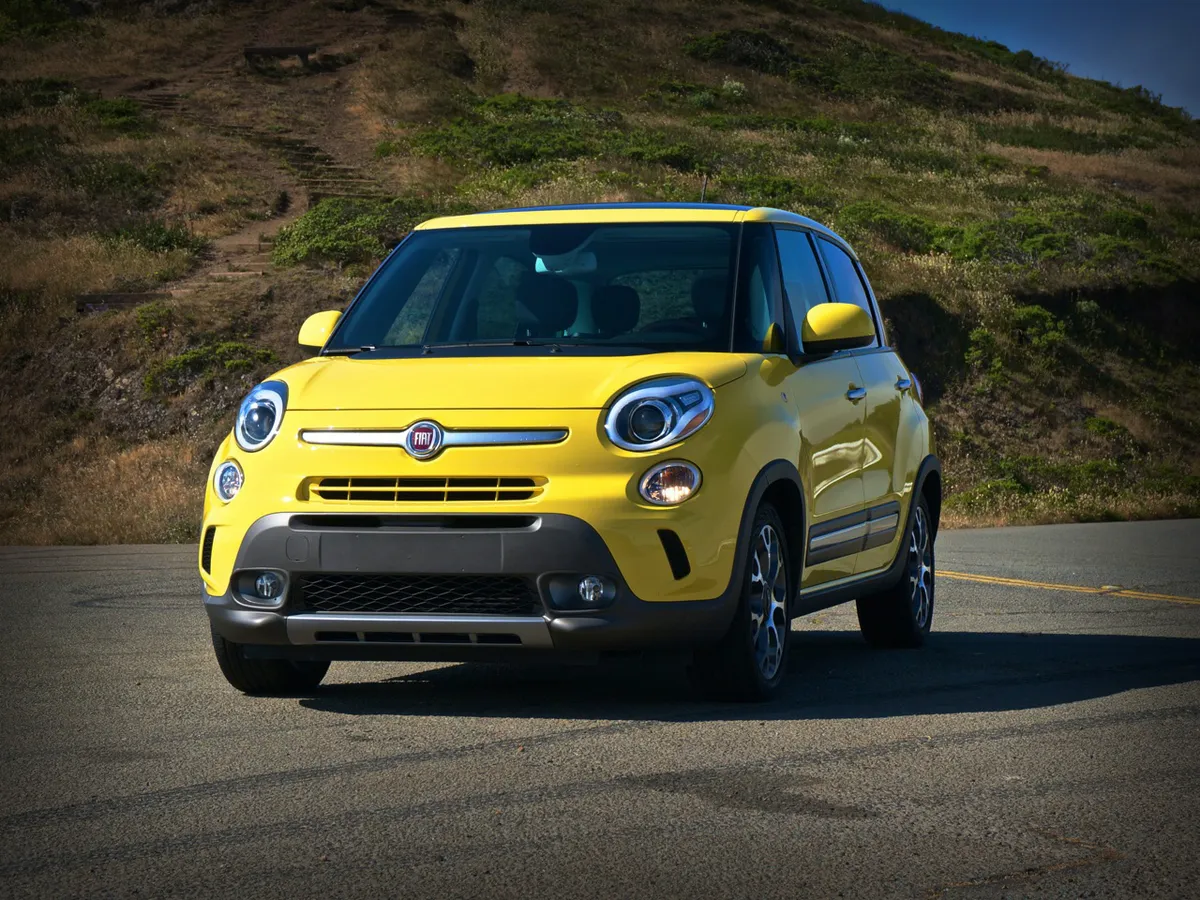
5. Fiat 500 (2012–2016)
The Fiat 500 has a distinctive style and compact footprint, making it attractive in urban settings. However, its handling and ride quality tend to suffer early in the vehicle’s life. By the time this car reaches 50,000 miles, many owners notice that it begins to feel tired, with loose steering and a suspension that no longer absorbs bumps effectively.
The Fiat 500’s small size and lightweight construction mean it relies heavily on suspension and chassis tuning for a connected feel, but these components degrade quickly, resulting in a less engaging drive.
One of the main complaints is that the suspension bushings and mounts wear prematurely, leading to clunks and vibrations that undermine ride comfort. The steering, which is light and nimble when new, often develops a vague or inconsistent feel, especially on uneven surfaces.
This makes the car feel less stable and less confident in turns or at higher speeds. As a result, the Fiat 500’s initially playful character fades faster than many of its competitors, turning the driving experience into something more tiring and less rewarding.
The interior of the Fiat 500 also contributes to the sense of early fatigue. The use of lower-quality plastics and thin materials means rattles and creaks become common by 50,000 miles. Seats lose their supportiveness quickly, and some electronic features may develop glitches or fail.
These issues reduce the enjoyment and convenience of the vehicle, especially on longer drives. The compact cabin, which is a selling point, can start to feel cramped and less comfortable as these problems accumulate.
Mechanically, the Fiat’s engines and transmissions may continue to operate, but the driving experience is compromised by the tired suspension and chassis feel. Owners often report a desire for a firmer, more responsive ride that simply doesn’t return as the car ages.
This early loss of driving confidence means that the Fiat 500 is less suited for buyers who want a car that remains lively and enjoyable after several years of use. Instead, it feels like a vehicle that needs frequent attention and repairs to maintain its initial charm.
