
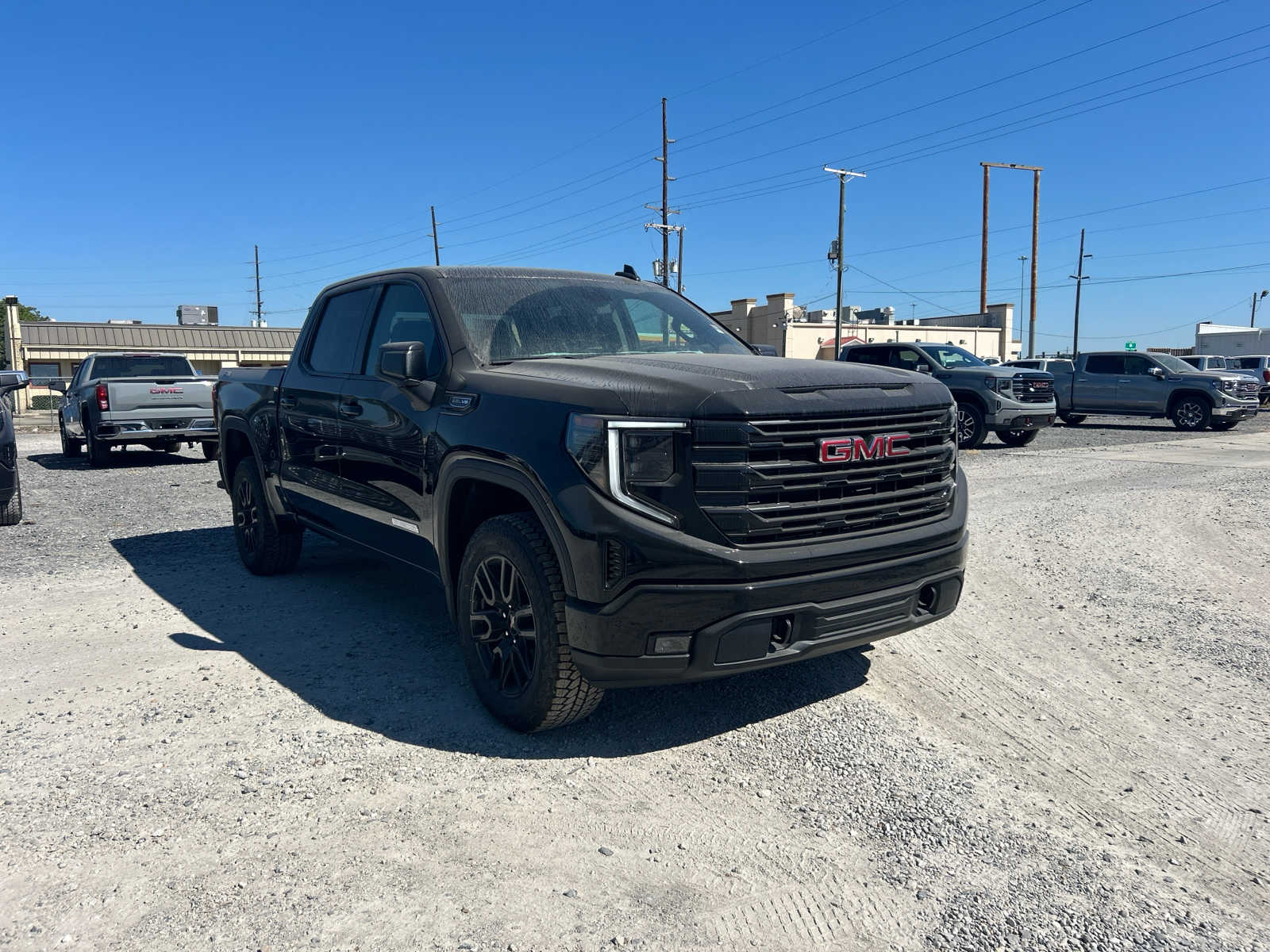
Trucks are built for toughness, hauling power, and off-road capability, but their mechanical reliability is equally important, especially when it comes to how they age and maintain themselves underneath. One of the key signs of a well-built truck is a clean undercarriage that doesn’t drip oil or show signs of excessive grime buildup over time.
On the other side of the coin, certain trucks have developed a reputation for leaking oil as they rack up mileage, regardless of how well they are maintained. These oil leaks can stem from gasket failure, poor design, or problematic engines that develop weak points over time. For owners, oil leaks are more than a nuisance; they can lead to costly repairs, environmental concerns, and reduced resale value.
Trucks experience harsher treatment than the average sedan. Whether it’s towing heavy loads, climbing muddy trails, or enduring freezing winters, they are constantly under stress. This makes the condition of the undercarriage even more telling.
Some trucks manage to stay clean despite all this, thanks to excellent engineering, high-quality seals, and robust drivetrain components. Others, though, seem destined to leave stains on the driveway, drip onto garage floors, or even coat their rear axles in a fine mist of oil and grime. These issues can make long-term ownership frustrating and expensive.
This article compares five trucks that are known for staying clean underneath, even as they age, and five that commonly develop oil leaks, either early or late in their lifespan. These examples are based on widely observed mechanical patterns, customer experiences, and the reputation that each model has earned over the years.
The goal here isn’t just to shame or praise, but to offer insight for buyers and enthusiasts who care about long-term durability and maintenance. Whether you’re in the market for a used truck or just curious about how different models hold up over time, this list should give you a solid idea of what to expect when it comes to keeping things clean or constantly wiping up after your vehicle.
Also Read: 12 Cars That Went From Unpopular to Everyday Sight
5 Trucks That Stay Clean Underneath
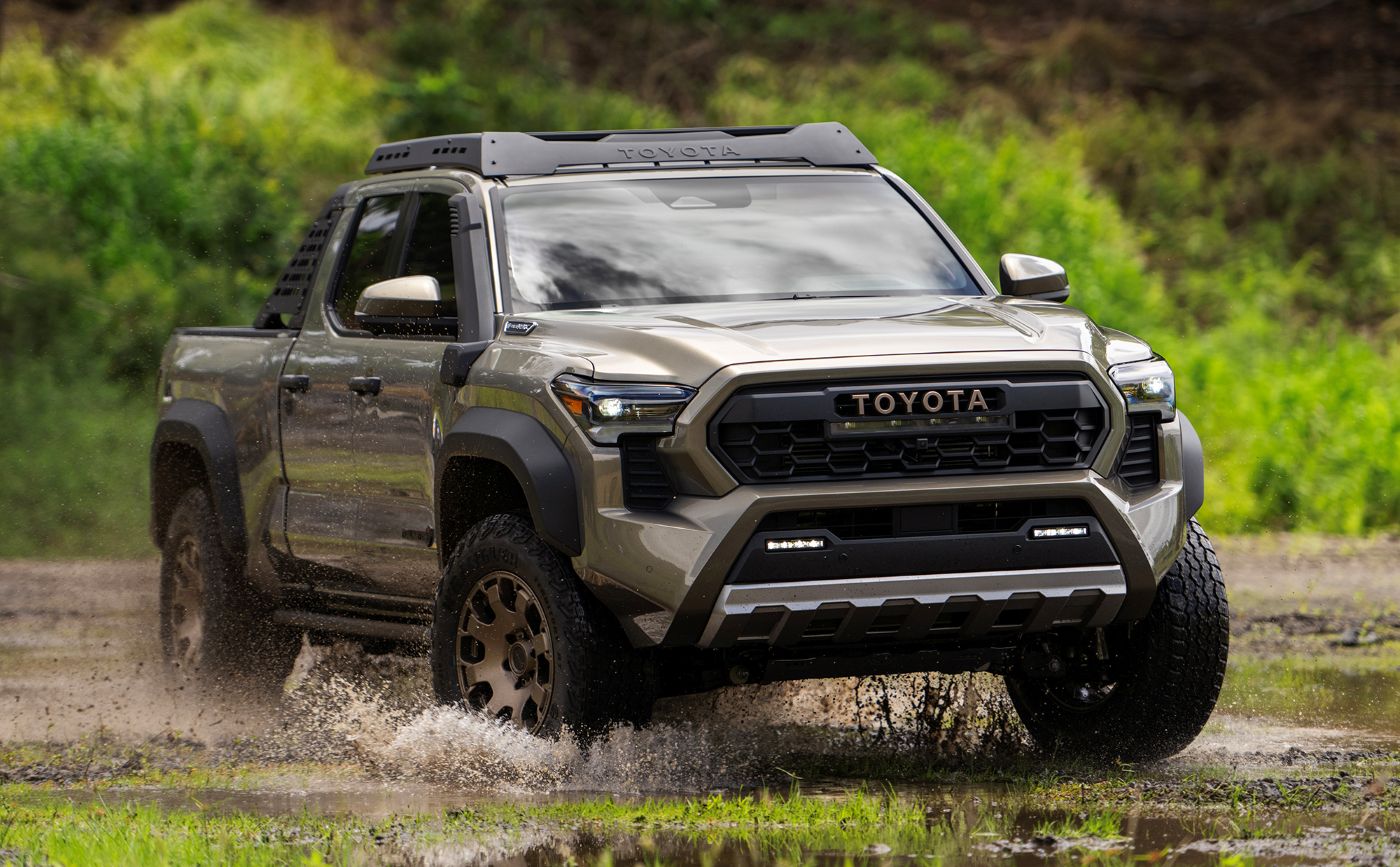
Toyota Tacoma
The Toyota Tacoma has built its reputation on durability, and a big part of that story is how well it resists developing oil leaks. Even with higher mileage, many owners report clean engine bays and spotless garage floors. Toyota’s V6 engines, particularly the 3.5-liter found in more recent models, are tightly sealed and use high-quality materials in their gaskets and valve covers. The design limits exposure of vulnerable components to dirt, water, and road salt, which helps preserve their integrity over time.
Another factor in Tacoma’s cleanliness is its relatively simple engine layout. There’s not a lot of complicated plumbing that can crack, shift, or become a leak point. The oil pan is sturdy and properly sealed, and even the rear main seal, a common point of failure on many trucks, tends to last well into the six-figure mileage range without any issues. Toyota’s strict manufacturing tolerances play a role here as well, helping ensure that seals fit perfectly and stay that way under heat and pressure.
Off-road enthusiasts also praise the Tacoma for keeping its underside surprisingly clean, even after hard use. While mud and debris are expected during trail runs, oil and fluid leaks are surprisingly rare. Many long-time owners note that even after years of use, their frames and drivetrains are mostly free of any oily residue, which is uncommon in trucks of similar age or use.
One additional benefit of Tacoma’s cleanliness underneath is the preservation of other components. Leaking oil can deteriorate rubber bushings, wiring insulation, and hoses. By avoiding oil drips, the Tacoma ends up having fewer secondary failures related to aging or contamination. This results in not only cleaner maintenance but also fewer repair costs down the road. It’s a key reason why the Tacoma has one of the highest resale values in the truck market.
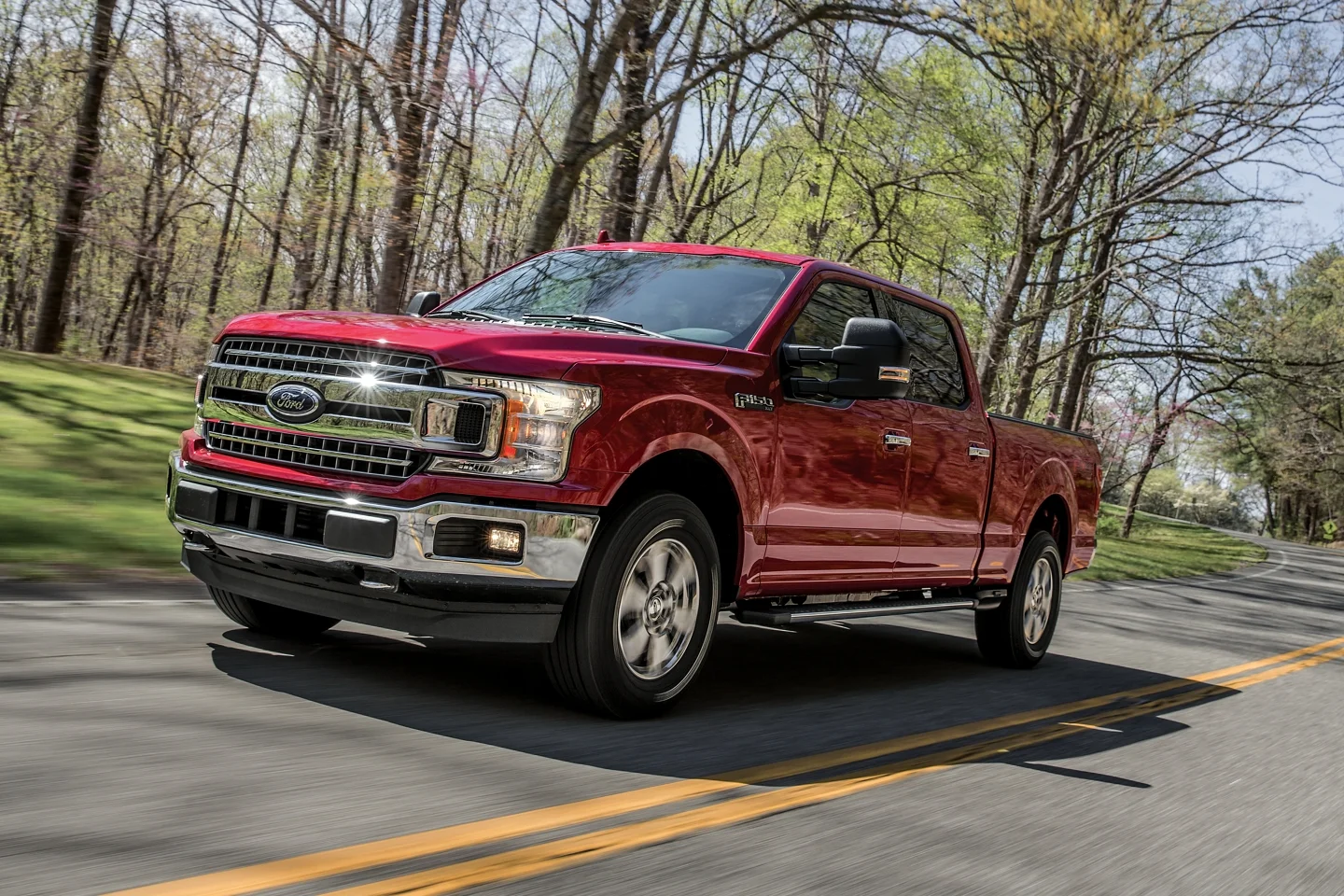
Ford F-150 (EcoBoost V6)
Ford’s F-150 with the EcoBoost V6 has proven to be remarkably good at keeping its underside clean. While the EcoBoost engine has its critics for various reasons, oil leaks aren’t among them. Thanks to a strong focus on modern sealing techniques and high-quality materials, these engines have a lower rate of oil seepage than many others in the half-ton segment. Ford invested heavily in precision manufacturing, and that effort shows when you inspect the undercarriage after 100,000 miles.
The turbochargers are one area where you might expect to see leaks, especially since they generate a lot of heat and pressure. But the EcoBoost design keeps oil and coolant lines well protected and well sealed. Turbo oil feed lines are typically braided and routed in a way that minimizes strain, so failures are uncommon. This contributes significantly to keeping the underside of the truck clean over time.
Owners also benefit from a fairly compact powertrain layout, which allows for tighter packaging and fewer vulnerable spots. The oil pan, timing cover, and valve covers are all well-designed and properly reinforced. While the EcoBoost does have complex electronics and components, these haven’t translated into a higher oil leak rate. The engine’s real challenge is carbon buildup in the intake system, not oil leaks.
Maintenance plays a big role here, and owners who keep up with regular oil changes and use high-quality fluids often report engines that remain leak-free well into high mileage. There are certainly exceptions, but the general reliability of the EcoBoost V6 in this regard makes the F-150 a solid choice for those who hate dealing with oily messes. It’s a bonus to what is already one of the best-selling trucks in the world.
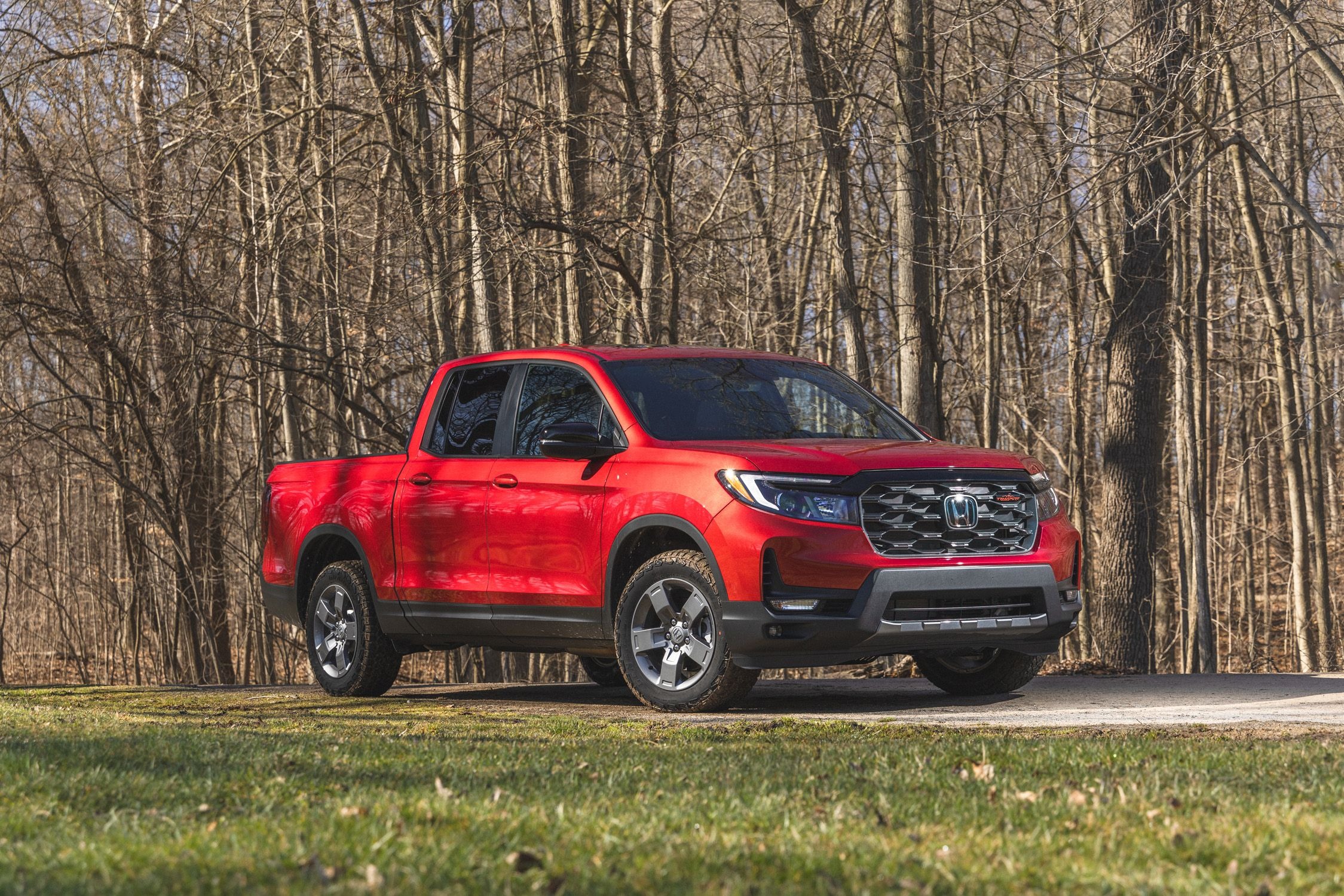
Honda Ridgeline
While not a traditional body-on-frame truck, the Honda Ridgeline deserves recognition for how clean it remains underneath, even as it racks up miles. Its unibody construction often receives criticism from truck purists, but one advantage is tighter engineering tolerances and fewer areas where leaks can develop. The 3.5-liter V6 engine used in the Ridgeline has proven to be extremely reliable and resistant to oil seepage, especially in the first 150,000 miles.
Honda’s attention to detail in sealing and component layout pays off in practical ways. Valve cover gaskets, oil pans, and rear main seals tend to hold up well, and even oil pressure sensors, often weak points in other trucks, rarely fail. The engine is mounted in a way that allows excellent cooling and reduced vibration, both of which help maintain gasket integrity over time. These design choices keep the undercarriage free of oil stains and sludge that tend to build up in leak-prone trucks.
The transmission and all-wheel drive systems are also designed to minimize leaks. CV axles and transfer case seals tend to last longer than on other trucks, and the absence of a solid rear axle removes another potential source of gear oil leakage. Combined with the smooth power delivery of its V6 engine, the Ridgeline simply doesn’t experience the kind of mechanical stress that leads to leaks in more aggressively tuned trucks.
For daily drivers and light-duty users who want a vehicle that stays clean without constant maintenance, the Ridgeline remains a top contender. It may not have the rugged image of some of its competitors, but its cleanliness underneath is a real-world advantage. Owners often report their Ridgelines looking almost new underneath even after years of use, which speaks volumes about its long-term design quality.
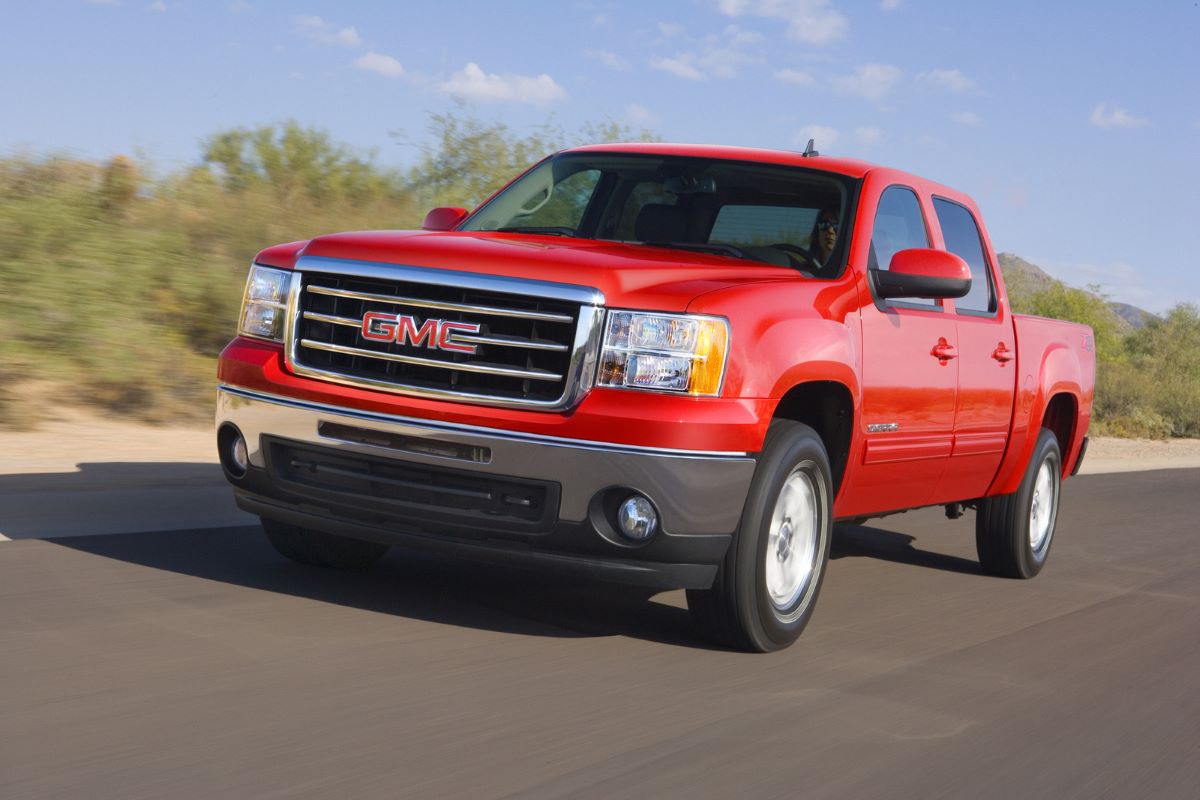
GMC Sierra (6.2L V8 Models)
While its 5.3L sibling struggles with leaks, the GMC Sierra equipped with the 6.2-liter V8 tends to perform much better in keeping its underside clean. This engine, built with premium materials and often used in higher-end trims, receives extra attention during assembly and is less prone to developing early leaks. Owners frequently report that even after significant use, their Sierras remain free of oil seepage in key areas such as valve covers and the oil pan.
One reason the 6.2L V8 does better is the application of improved sealing techniques and updated gasket materials. GM made refinements in the design and placement of seals in this larger engine, which significantly reduced early failure rates. Many trucks with over 150,000 miles still retain their factory gaskets without leaks. This has helped improve the long-term reputation of the 6.2L engine among heavy users.
The engine’s cooler operating temperatures also contribute to longer gasket life. Unlike the 5.3L, which can run hotter under load, the 6.2L manages heat better, especially when properly maintained. This means less thermal stress on sensitive seals and fewer chances of warping over time. As a result, the undercarriage remains clean and free of oil stains that often plague its smaller sibling.
Owners who use their trucks for towing or long highway commutes often note that the engine not only performs well but stays clean doing it. Routine inspections reveal minimal grime or dripping, and it’s not uncommon for mechanics to comment on how dry these engine bays remain. For those seeking a powerful full-size truck without the mess, the Sierra with the 6.2L V8 stands out as one of the cleaner options in its class.
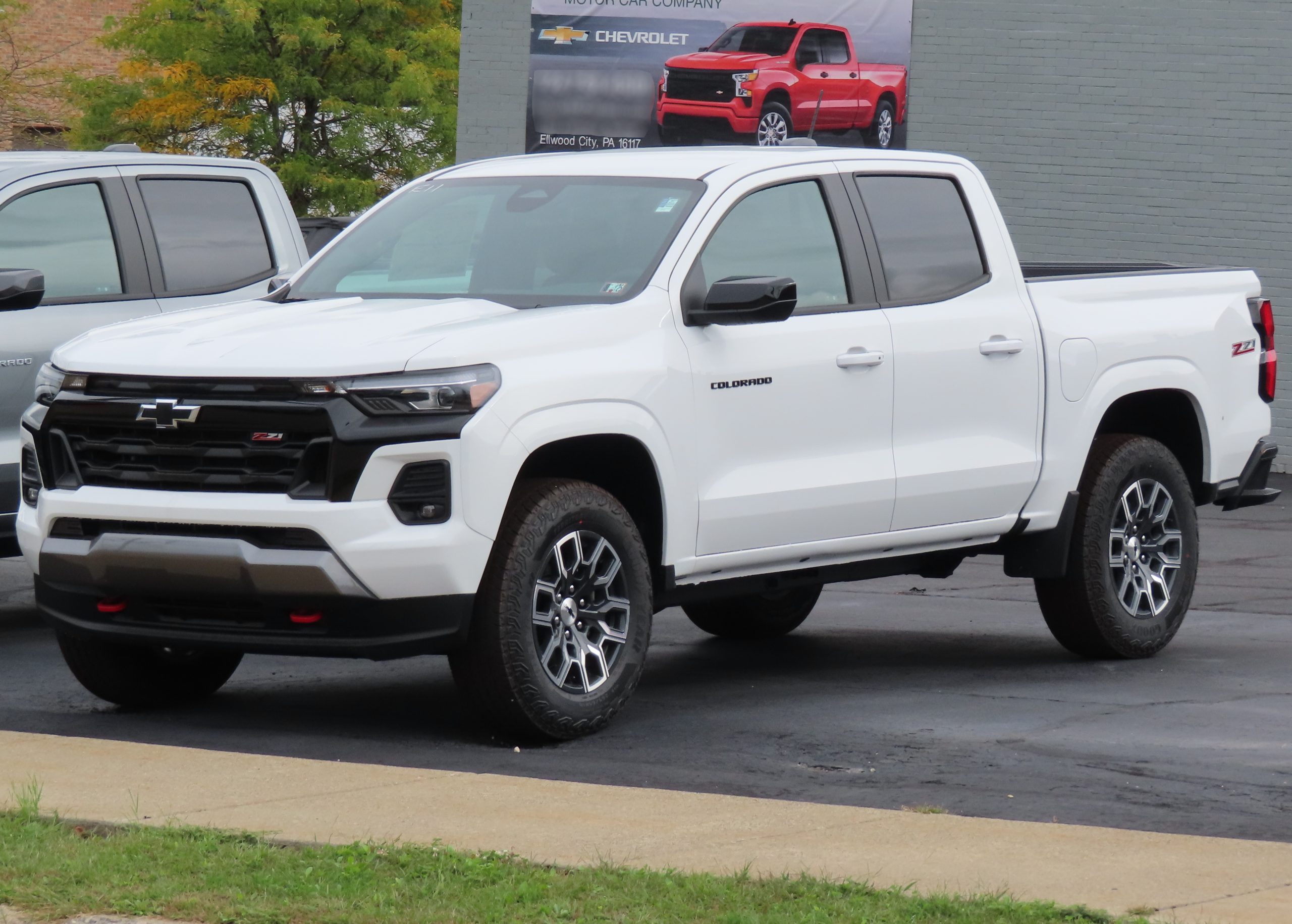
Chevrolet Colorado (2.8L Duramax Diesel)
The Chevrolet Colorado equipped with the 2.8L Duramax diesel engine is not just efficient, it’s also well-sealed and known for staying clean underneath. Unlike many diesel engines that can develop oil or fuel leaks, the 2.8L Duramax has been engineered with strict quality control standards and durable components that resist wear even under heavy use. The design was optimized for reliability and minimal maintenance, which pays off in the long run.
One of the advantages this engine holds is its relatively low operating pressure and temperature compared to larger diesel setups. This reduces stress on gaskets and seals. The oil pan and valve cover are both constructed with quality materials and reinforced for strength. Even the turbocharger system is well-integrated, and the oil feed lines are protected and less prone to failure.
Diesel engines often suffer from fuel system leaks, but the Colorado avoids this with robust high-pressure lines and smart placement. There’s also a factory splash shield that deflects road debris and prevents build-up on sensitive components, which contributes to keeping the undercarriage cleaner for longer. It’s common for owners to inspect their trucks after 50,000 miles and find almost no signs of oil seepage or fuel leakage.
The truck’s powertrain is also relatively compact, allowing better airflow and cooling, which further helps preserve the condition of gaskets. The result is a midsize truck that not only gets impressive fuel economy and towing power but also keeps itself in good mechanical condition. Owners who take pride in a clean and efficient machine will find the 2.8L Duramax Colorado a standout choice in its class.
5 That Always Leak Oil
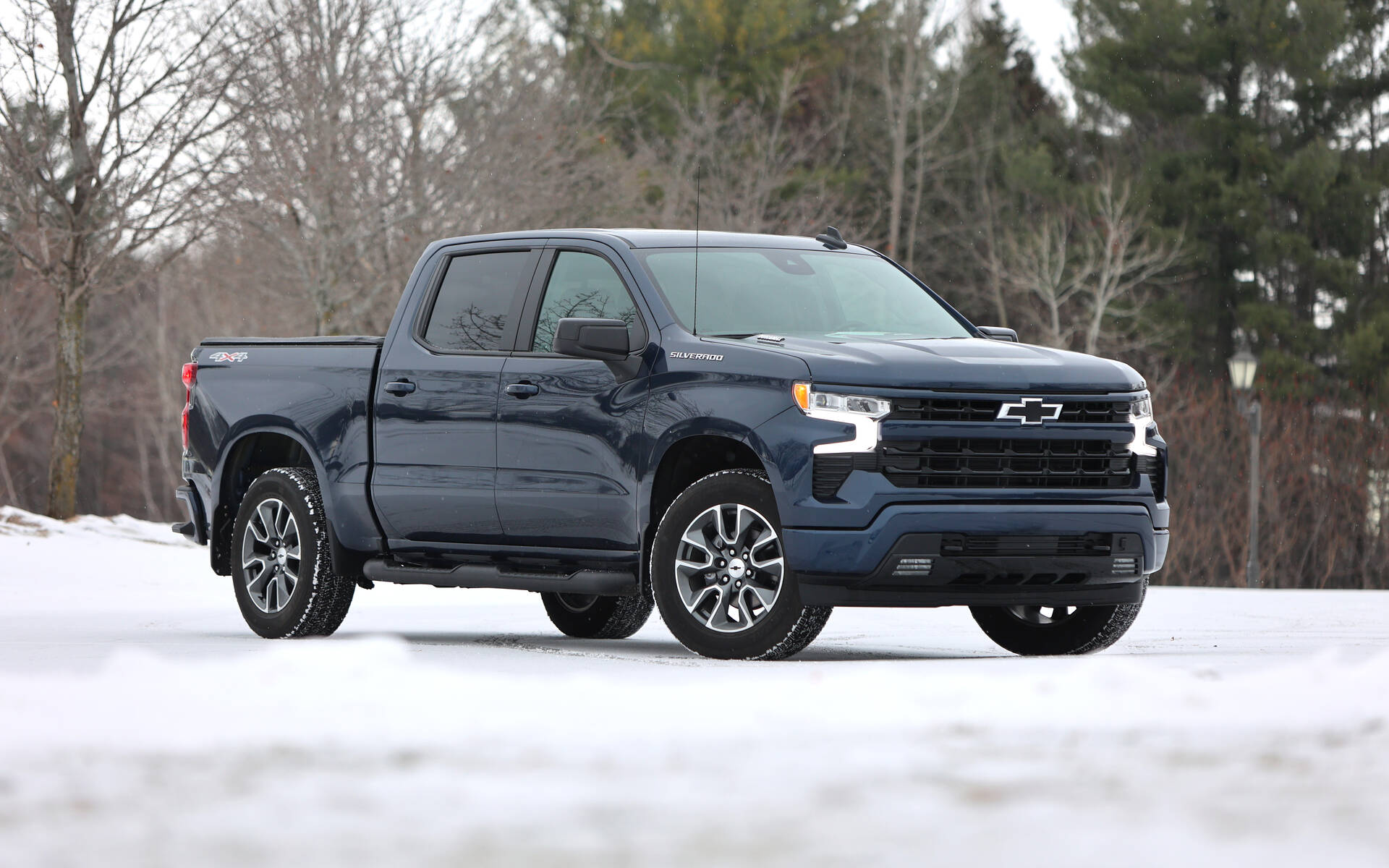
Chevrolet Silverado (5.3L V8 Models)
The Chevrolet Silverado, especially models equipped with the 5.3-liter V8, has become somewhat notorious for oil leaks, especially as they age. These engines are known for issues with valve cover gaskets and oil pan gaskets that tend to seep over time. Some leaks begin to appear as early as 70,000 to 100,000 miles, depending on how the truck is driven and maintained. For many owners, this leads to a cycle of topping off oil rather than repairing the leak due to the labor costs involved.
The problem doesn’t usually start with catastrophic leaks but with slow seepage. Over time, though, these small drips can accumulate on suspension components, the front differential, and the skid plates, creating a messy undercarriage. In colder climates, this oil can mix with road salt and lead to premature rust. GM has made some efforts to address the issue with updated gasket materials, but the basic architecture of the engine leaves too many vulnerable points where oil can escape.
Another common leak point on the Silverado is the oil pressure sensor located at the back of the engine block. When this sensor fails, it can drip oil directly onto the transmission bell housing, making it look like a rear main seal leak. This often leads to misdiagnosis and unnecessary transmission removals. Even when correctly diagnosed, the sensor is difficult to reach and replace, adding to owner’s frustration.
What makes the issue worse is how common it is. A quick search of owner forums or truck maintenance groups shows a consistent pattern of oil leak complaints. While not every Silverado suffers from it, the frequency and persistence of the problem make it one of the more leak-prone full-size trucks. It’s unfortunate, because otherwise the Silverado is a capable, well-balanced truck, but many owners grow tired of wiping down the engine bay or dealing with constant oil stains in their parking spots.
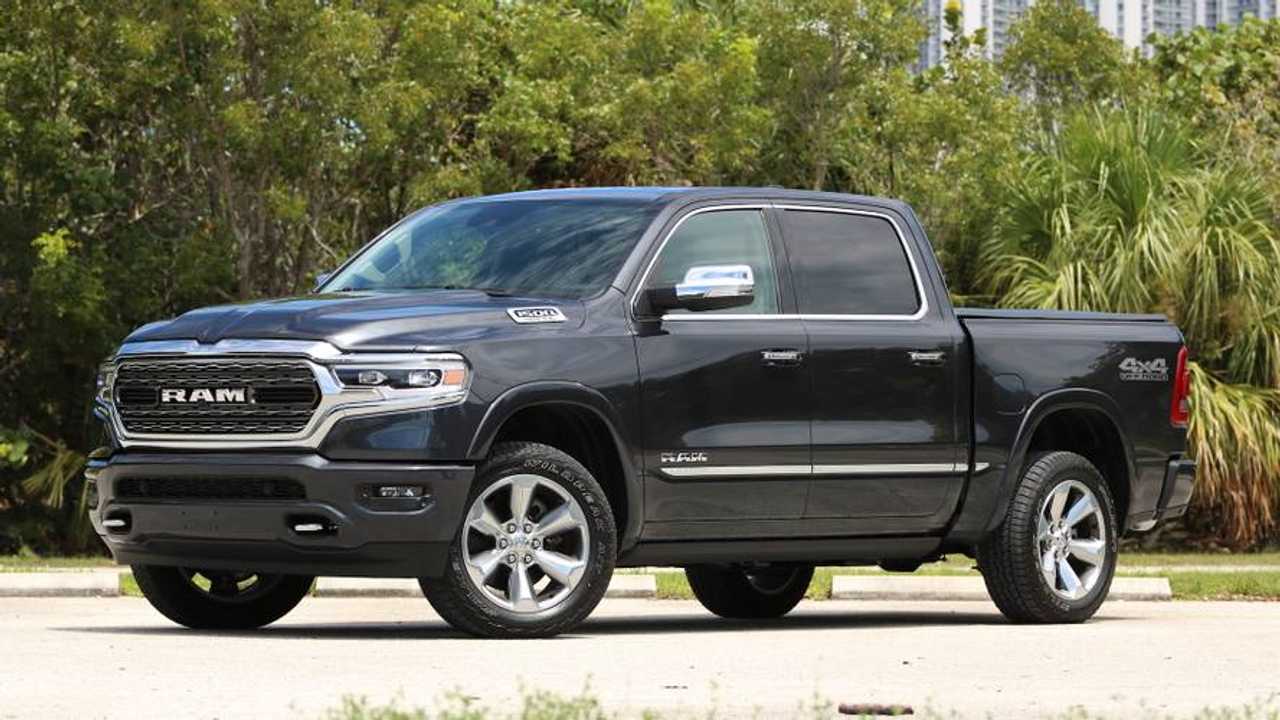
Dodge Ram 1500 (5.7L HEMI)
The Dodge Ram 1500 with the 5.7-liter HEMI engine has a loyal following thanks to its power and performance, but it also has a known tendency to leak oil, especially as it ages. The most common areas for leaks include the rear main seal, valve cover gaskets, and the oil pan. These issues don’t always show up early, but once the truck passes 100,000 miles, they become increasingly likely.
Part of the problem lies in the engine’s design. The HEMI layout generates a lot of heat, especially in the heads and exhaust area. This heat can accelerate gasket wear and cause parts to expand and contract more than in other engines, leading to slow but persistent oil leaks. In some cases, owners report burning oil smells before they ever see a drop on the ground. That’s because the oil often seeps onto hot components and burns off.
Another contributing factor is the PCV system, which can clog or malfunction over time. When this happens, it can increase crankcase pressure and force oil past gaskets that were otherwise doing their job. Unfortunately, this issue isn’t always obvious until the oil loss becomes significant. It can also damage seals in a way that continues even after the PCV system is fixed.
Owners often report frustration not just because of the leaks, but because of the difficulty in reaching some of the affected areas. The rear main seal, in particular, requires removing the transmission, an expensive and time-consuming job. For many, the solution is to live with minor leaks and top off oil regularly. While this may seem manageable, it means the underside of many Ram 1500s ends up coated in a mix of oil and grime, which can cause long-term issues for other components as well.
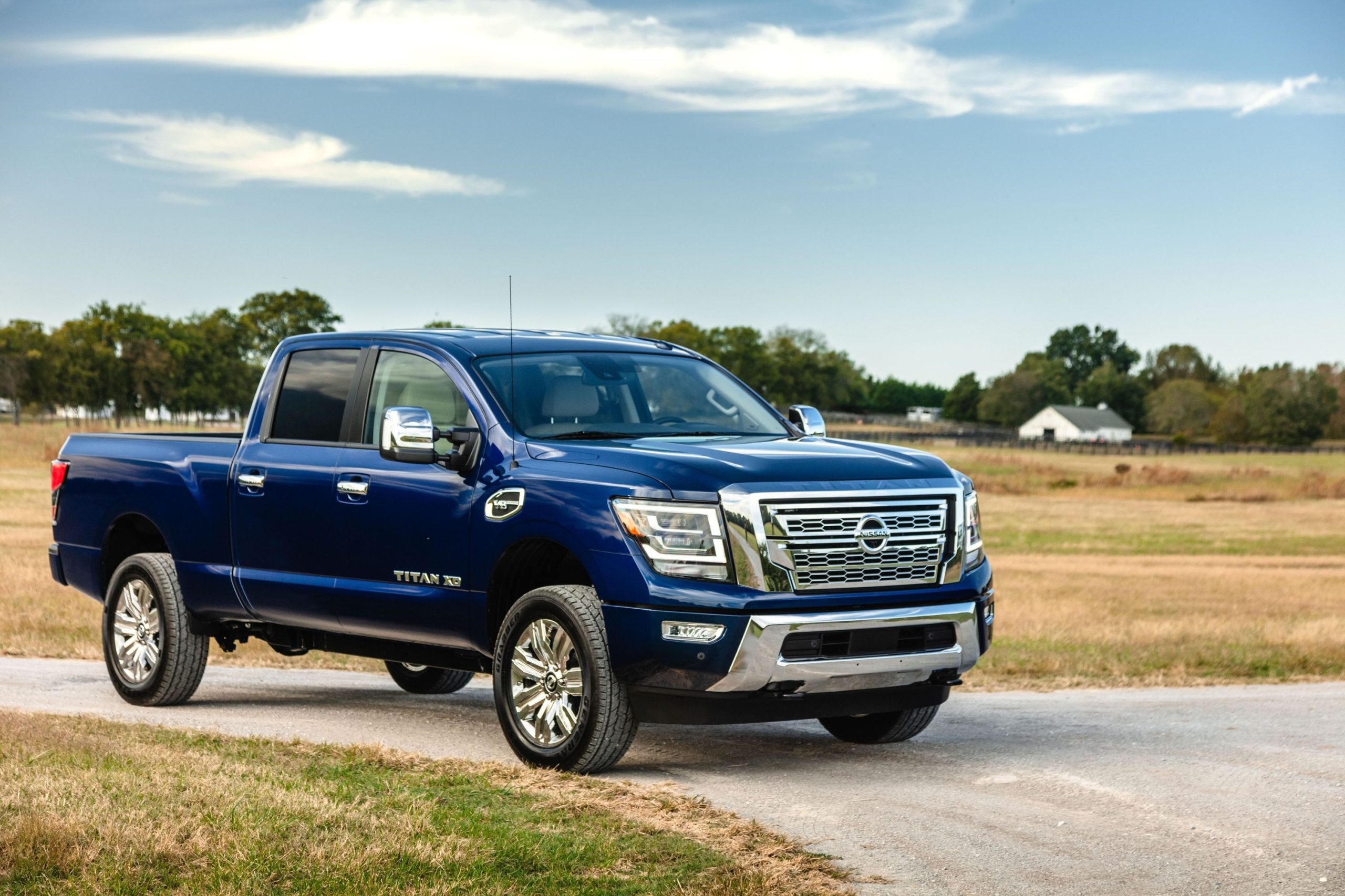
Nissan Titan (5.6L Endurance V8)
The Nissan Titan, particularly those using the 5.6-liter Endurance V8, has developed a reputation for oil leaks as it ages. While the engine itself is powerful and reliable in many respects, it suffers from a few recurring issues that often result in seepage. Valve cover gasket leaks are common, and due to the engine’s design, oil often travels downward and coats various suspension and frame components. Over time, this creates a messy and potentially corrosive situation underneath.
The rear main seal and front crank seal are also known weak points. While these parts don’t typically fail catastrophically, they tend to develop slow leaks after 80,000 to 120,000 miles. Unfortunately, many owners don’t notice until the problem becomes visible on their driveways or noticeable on the frame during an oil change. By that point, cleaning the undercarriage can be time-consuming, and repeated leaking just starts the cycle over again.
Another common cause of leaking in the Titan comes from the oil cooler lines. These are prone to deterioration and cracking over time, especially in warmer climates where heat can degrade rubber seals more quickly. Once these lines begin to fail, they can leak onto the underside of the engine bay and cause additional grime to build up. While these lines are not expensive to replace, they are often overlooked until there’s a visible mess.
The Titan remains a capable truck for towing and hauling, but its track record for keeping things clean underneath is less than ideal. Many used Titans show signs of oil residue around the crossmember, skid plates, and even on the exhaust system. For buyers who don’t want to constantly pressure wash their frame or worry about the impact of long-term oil exposure on bushings and mounts, this is an area where the Titan falls short.
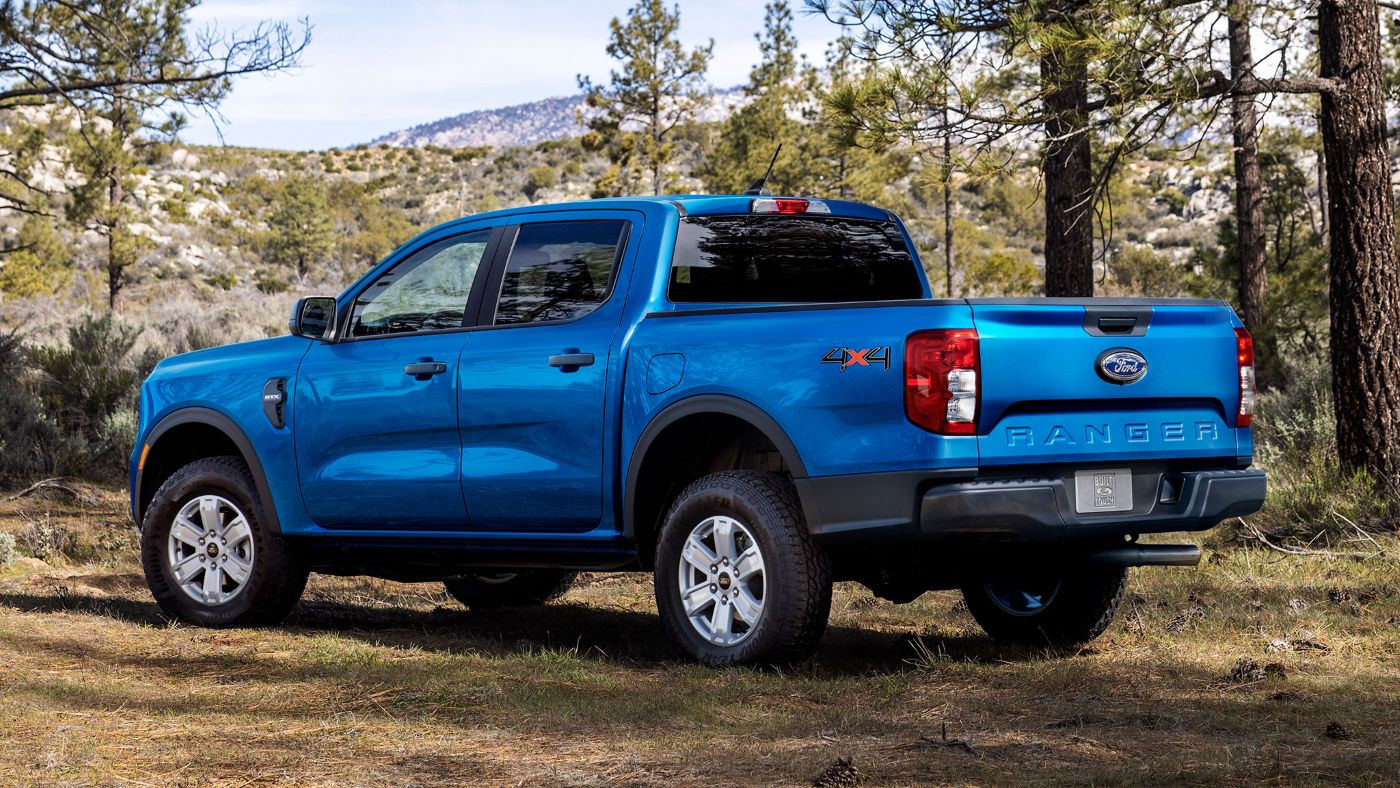
Ford Ranger (Older 3.0L V6 Models)
The older Ford Rangers, especially those equipped with the 3.0L Vulcan V6, were built to last, but they often developed oil leaks as they got older. One of the most common problem areas was the valve cover gaskets, which were prone to hardening and cracking. These trucks were simple in design, but the combination of age and heat cycles meant that many eventually leaked oil from the top end of the engine.
In many cases, the oil would trickle down the engine block and accumulate on crossmembers, steering components, and the oil pan. This not only created a mess but could mask other problems like coolant leaks or transmission fluid seepage. Owners often dealt with the issue by constantly cleaning their engine bays or just ignoring the grime altogether. Given the truck’s reputation for being a “workhorse,” many users were more tolerant of these issues.
Another frequent leak point was the oil pressure sending unit, located at the rear of the engine. It was difficult to access and often failed without warning, leading to both leaks and false oil pressure readings. While replacement wasn’t expensive, it added to the Ranger’s long-term annoyance factor when it came to keeping things clean underneath.
Despite the engine’s mechanical durability, the number of leaks that emerged after 100,000 miles meant that many Rangers had permanently dirty undercarriages. Whether it was oil mist on the differential or dark streaks on the firewall, these signs became all too common. Even though the Ranger held up well structurally, cleanliness underneath was rarely one of its strong points in the older models.
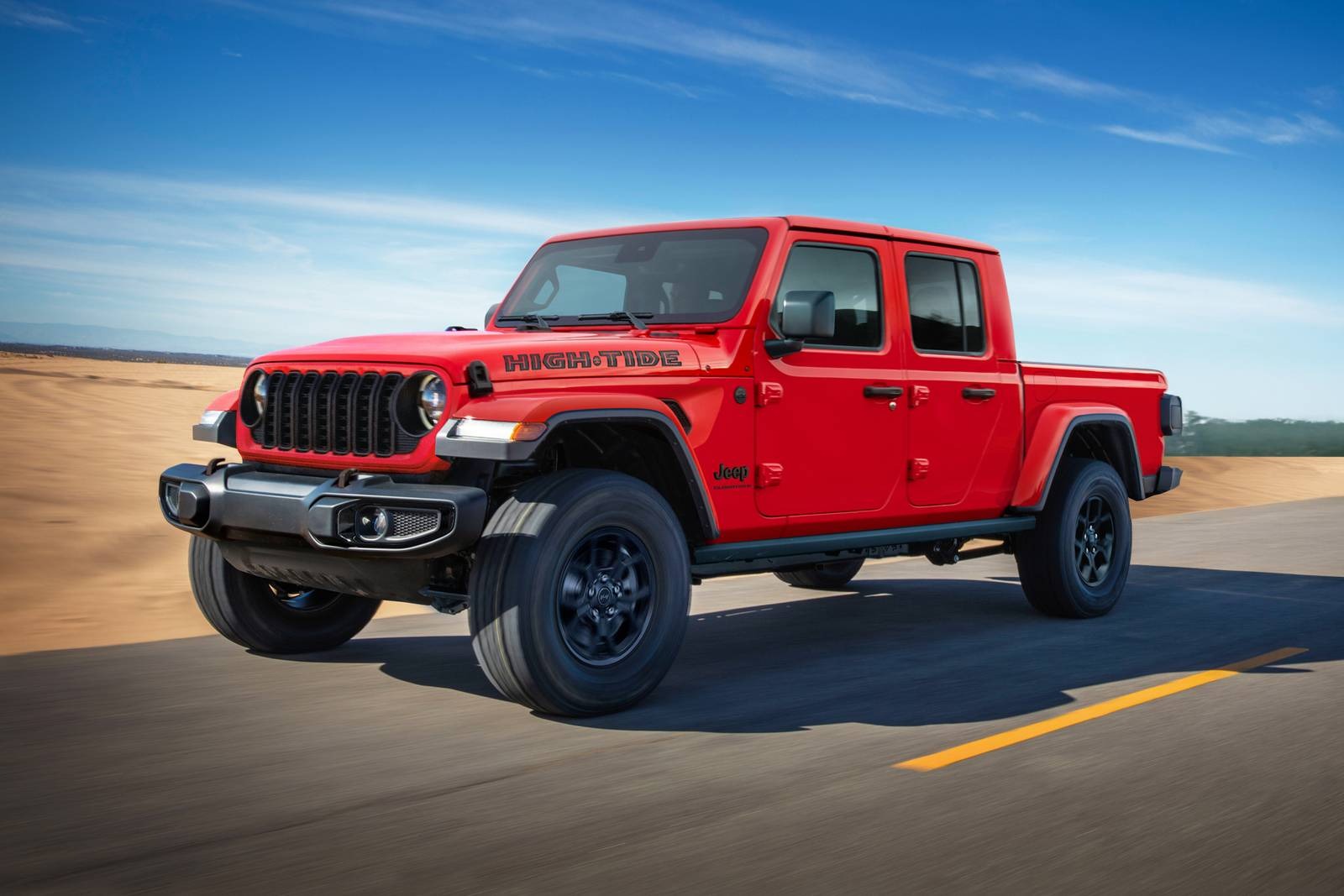
Jeep Gladiator (3.6L Pentastar V6)
The Jeep Gladiator is a newer entry in the truck world, but it inherits many of the same engine traits as the Jeep Wrangler. That includes the 3.6L Pentastar V6, which, while reliable in many ways, has developed a reputation for small but persistent oil leaks. Common points of failure include the oil filter housing, which is made of plastic and prone to cracking, as well as the valve cover gaskets that tend to weep as the engine ages.
The oil filter housing in particular, has become infamous. When it cracks or warps, it allows oil to leak directly onto the engine block and transmission housing. Because of its central location, the leak often looks worse than it is, spreading across multiple components and making the undercarriage look far more contaminated. While the replacement part has since been updated to an aluminum version, many early Gladiators still run the older, failure-prone housing.
Another issue involves the valve cover gaskets, which in the Gladiator’s 3.6L engine often develop slow leaks after moderate mileage. The Pentastar engine’s design places these gaskets under thermal and mechanical stress, especially if the vehicle is frequently driven off-road or in harsh conditions. Over time, the rubber material hardens, cracks, and allows oil to seep out.
The combination of the oil filter housing leaks and valve cover gasket weepage results in a noticeably dirty undercarriage. Owners often report oil pooling around the transmission bell housing or splattered along the frame rails. This leakage can attract dirt and dust, creating thick grime that is difficult to clean and may lead to premature wear on suspension bushings or wiring insulation.
Lastly, while Jeep has made some improvements and offered repair kits to mitigate these issues, many Gladiator owners face the choice of investing in preventative repairs or living with the leaks. For those who want to keep their truck spotless underneath, the Gladiator’s 3.6L engine requires regular inspection and timely gasket replacements to avoid the messy buildup commonly seen in other vehicles with this powertrain.
Also Read: 8 Most Popular Pickup Trucks in the U.S. Ranked by Real Owners
Understanding which trucks tend to stay clean underneath and which ones are prone to oil leaks is essential for anyone considering truck ownership, especially if long-term reliability and maintenance costs are a priority.
The condition of a truck’s undercarriage reflects much more than just cleanliness; it often reveals the quality of the engine’s design, the durability of seals and gaskets, and how well the truck can withstand years of use and abuse. Trucks that maintain a clean underside usually benefit from superior engineering, careful material selection, and thoughtful component placement, all of which work together to prevent oil from escaping and creating a mess.
Trucks like the Toyota Tacoma, Ford F-150 EcoBoost, Honda Ridgeline, GMC Sierra 6.2L, and Chevrolet Colorado 2.8L Duramax demonstrate that it is possible to build a powerful, durable truck that also resists common oil leak problems. These vehicles tend to hold up well over time, preserving not only their mechanical integrity but also their resale value and owner satisfaction.
Clean undercarriages reduce the risk of damage to other parts caused by oil contamination, such as rubber bushings, wiring, and suspension components, extending the life of the truck and reducing maintenance costs.
Conversely, trucks such as the Chevrolet Silverado 5.3L, Dodge Ram 5.7L HEMI, Nissan Titan 5.6L, older Ford Rangers, and Jeep Gladiator 3.6L Pentastar reveal how certain design choices or material weaknesses can lead to persistent oil leaks.
These issues often start with relatively small gasket or seal failures but quickly escalate, coating the underside with oil and grime that attract dirt and accelerate wear. This not only creates an unsightly mess but also raises the likelihood of secondary mechanical problems and increases maintenance expenses over time.
For owners of leak-prone trucks, the challenge becomes one of ongoing vigilance, regular inspections, prompt gasket replacements, and careful monitoring of oil levels to avoid engine damage. For prospective buyers, understanding these tendencies can guide smarter purchase decisions. Opting for trucks known to keep their undercarriage clean can mean fewer headaches and better reliability, especially if you plan on keeping your vehicle for many years.
