
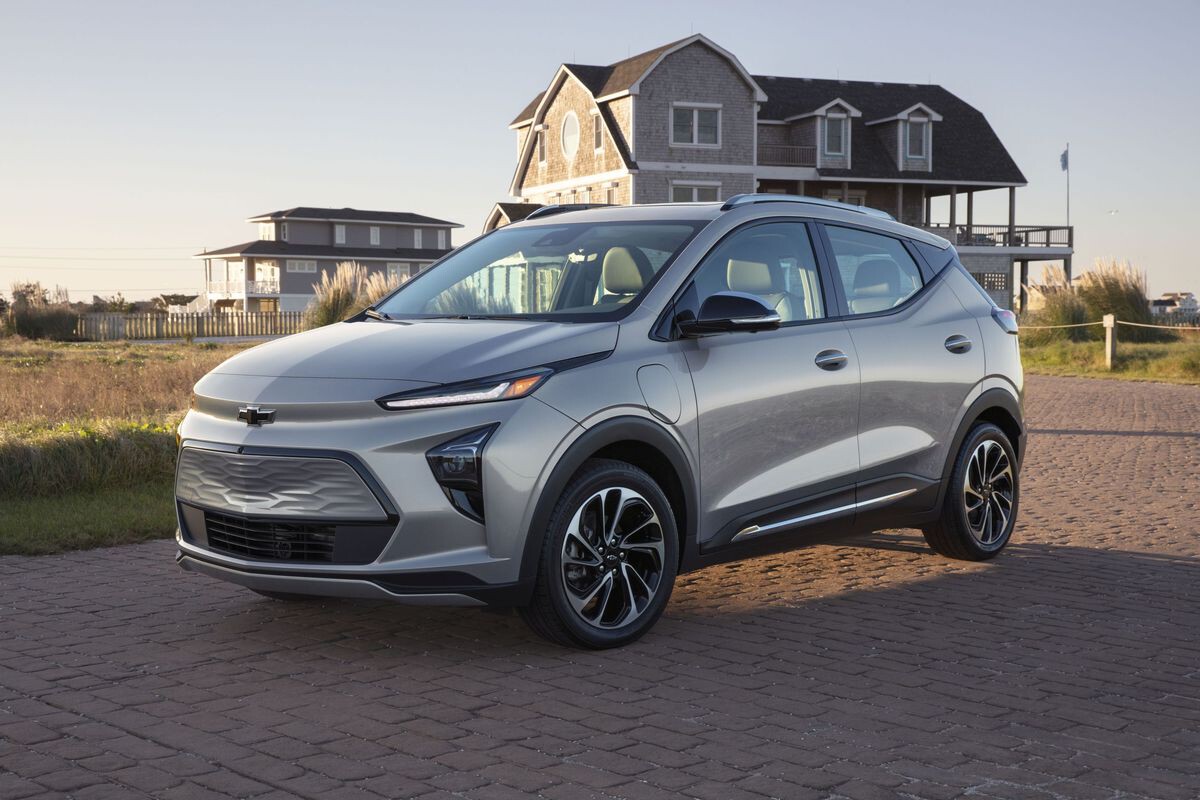
Vehicle recalls are an important part of the automotive industry. They reflect both the complexity of modern vehicles and the responsibility manufacturers have to correct flaws that may compromise safety, performance, or reliability.
While some brands seem to manage quality control with remarkable consistency, others often find themselves addressing problems post-release. A recall notice can be triggered by anything from a faulty airbag sensor to a dangerous braking system flaw, and while these issues vary in severity, their impact on a manufacturer’s reputation is always significant.
Some vehicles, year after year, avoid the recall spotlight. This doesn’t mean they are perfect machines, but it does suggest a higher level of confidence in their production process and long-term durability.
These models tend to have fewer mechanical defects, better testing processes before hitting the market, and a reputation for reliability that’s been maintained over several generations. Buyers of these cars often enjoy peace of mind, knowing that the likelihood of being affected by a major recall is relatively low.
On the flip side, certain vehicles seem to be magnets for trouble. Whether it’s due to rushed development cycles, overcomplicated electronics, or ambitious engineering that fails to meet expectations, some cars keep showing up in recall databases.
For these models, the combination of frequent news coverage and customer frustration makes it harder for manufacturers to maintain buyer trust. Even if a recall is for something minor, repeated issues suggest a larger pattern that consumers notice.
This article takes a closer look at five cars that consistently avoid recall controversies and five others that regularly make headlines for the wrong reasons. The goal isn’t to bash or glorify, but rather to highlight patterns of reliability and unreliability based on general trends, reputation, and long-standing vehicle history.
Whether you’re a prospective buyer, an enthusiast, or someone simply curious about automotive consistency, this comparison can shed light on which vehicles are worth a second look and which ones might deserve a bit more caution.
Also Read: 10 Best-Selling Cars in the U.S. and What Makes Them Stand Out
Cars That Rarely See Recall Notices
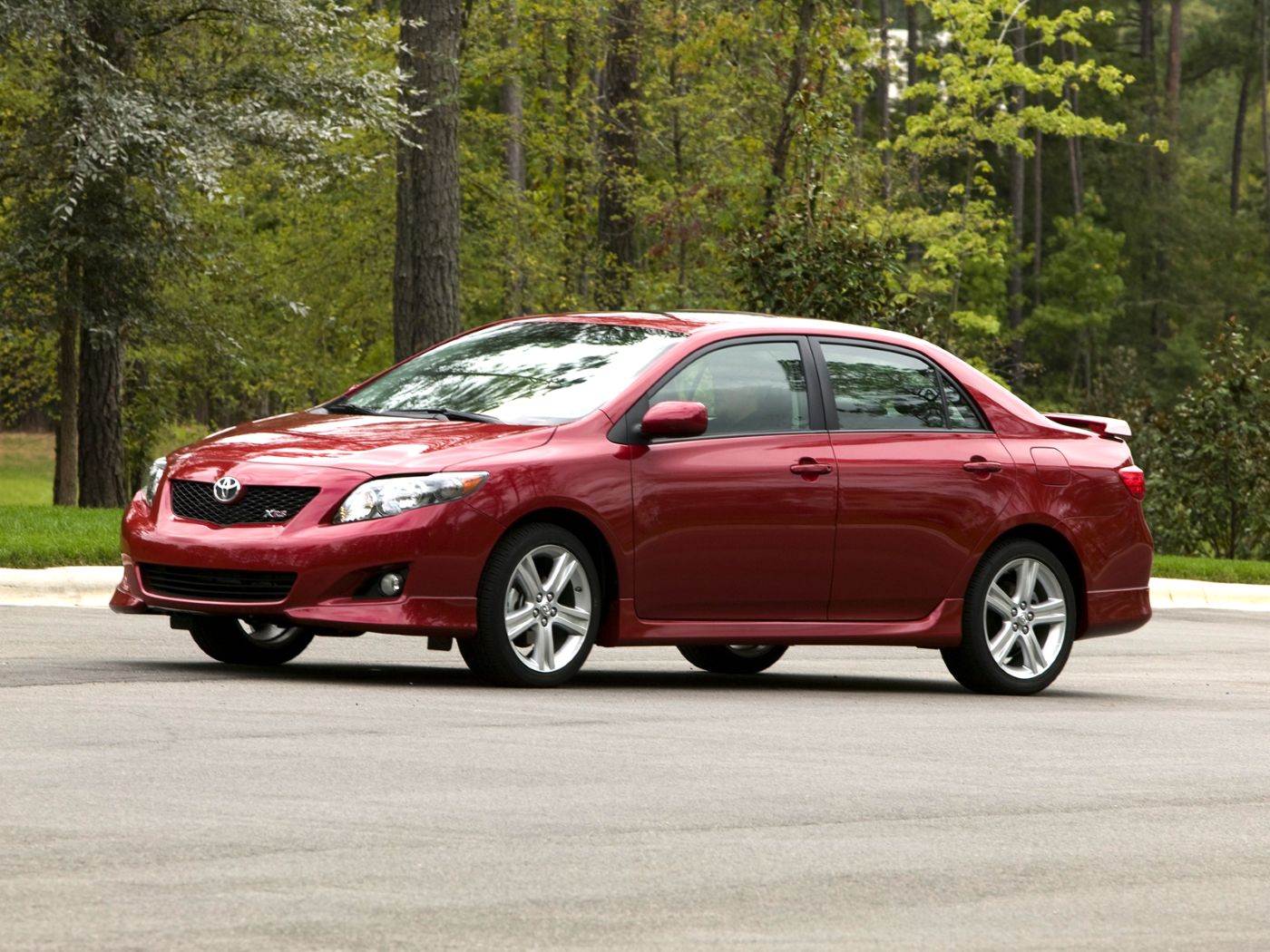
1. Toyota Corolla
The Toyota Corolla has long been seen as a gold standard for reliability. Introduced in the 1960s, the Corolla has evolved over many decades but has remained consistent in one key area: dependability.
It has avoided many of the quality control pitfalls that plague other manufacturers, primarily because Toyota tends to take a conservative approach to engineering and innovation. Instead of constantly pushing boundaries, the brand refines what already works.
The Corolla’s mechanical simplicity has a lot to do with its recall track record. Toyota doesn’t typically overload this model with bleeding-edge tech or unproven systems, which limits the potential for widespread failure.
Even when it integrates new features, Toyota tends to do so gradually, ensuring that every part has been tested thoroughly. That gives the Corolla an advantage in avoiding the unexpected glitches that often trigger recalls in more complex vehicles.
Another factor contributing to the Corolla’s strong recall history is Toyota’s global production standards. The company has rigorous internal quality control protocols, often implementing multi-step inspections and final checks before vehicles leave the assembly line. This focus on minimizing mistakes before the car even reaches the dealer lot plays a big role in the Corolla’s clean record.
Finally, Corolla drivers benefit from long-term part reliability. Key components such as the engine, transmission, and suspension system rarely exhibit the kinds of flaws that would lead to manufacturer-wide recalls.
Instead, any problems that arise are usually minor and addressed through service bulletins rather than full-scale recall campaigns. The result is a car that inspires long-term confidence, both for first-time buyers and long-term owners.
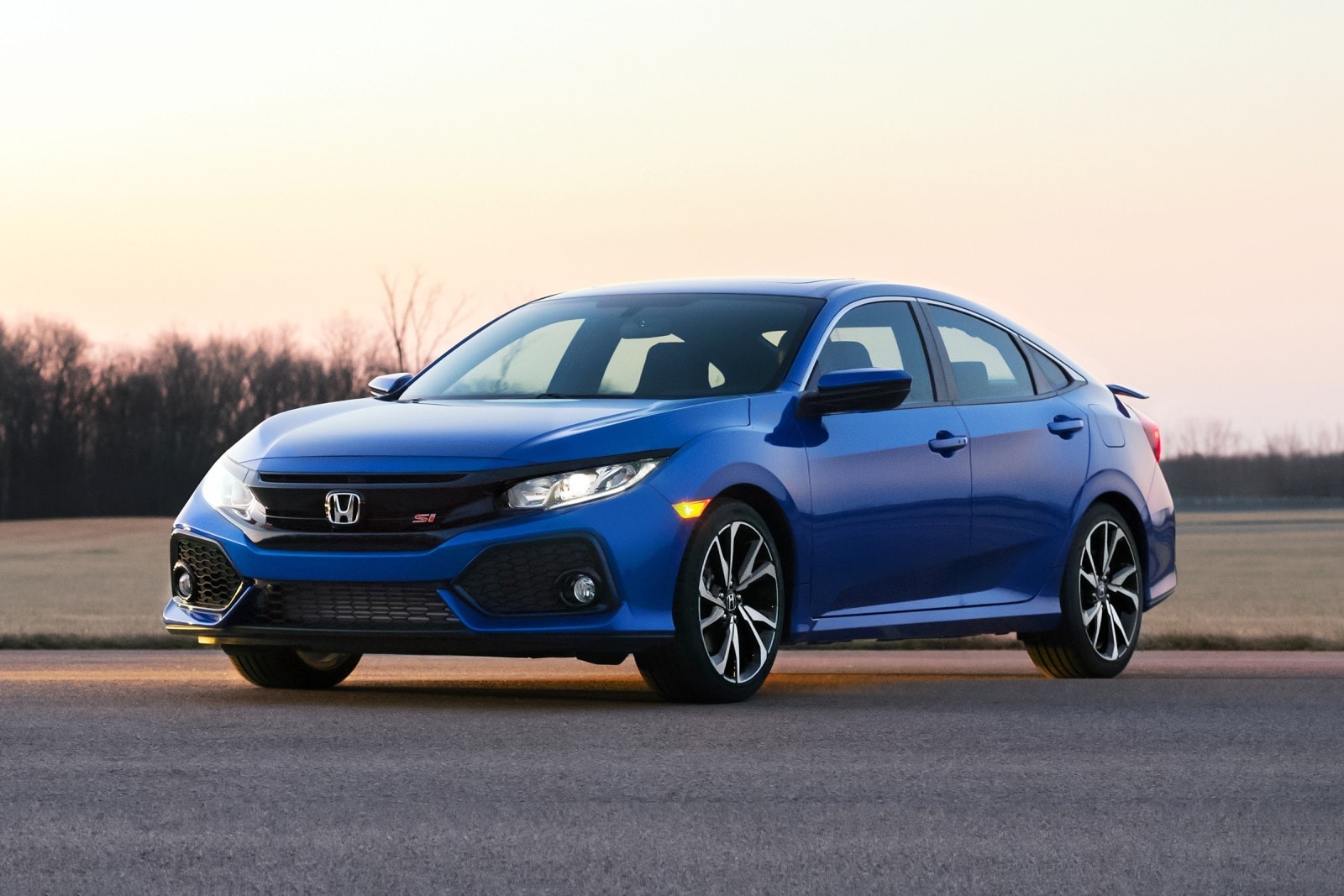
2. Honda Civic
The Honda Civic is another icon in the world of reliable transportation. Much like the Corolla, the Civic owes its reputation to careful engineering and consistent quality control.
Honda has been known for delivering vehicles that perform reliably under a variety of conditions, and the Civic is perhaps the best example of this philosophy. It balances economy with performance and, importantly, with minimal mechanical drama.
One reason the Civic stays away from frequent recall lists is the company’s focus on internal testing and incremental innovation. Honda tends to improve its models steadily, without overhauling everything from one generation to the next. This helps maintain a degree of consistency in the mechanical and electronic systems, reducing the chance of major failures slipping through into the production phase.
The Civic also benefits from a relatively restrained set of features. While newer models do incorporate modern safety and infotainment technologies, Honda generally avoids overcomplicating the design.
That means fewer integrated systems that can go wrong. And when changes are made, Honda often rolls them out carefully, ensuring they don’t interfere with vehicle reliability or create new problems.
Additionally, Honda’s history of solid engine design contributes significantly. Civic engines are often cited as among the most durable in the industry, with many lasting well beyond 200,000 miles with routine maintenance.
Because of this, and because the engines rarely require early replacement or revision, the Civic escapes the kind of mass recalls that plague vehicles with unproven drivetrains or complex powertrain arrangements.
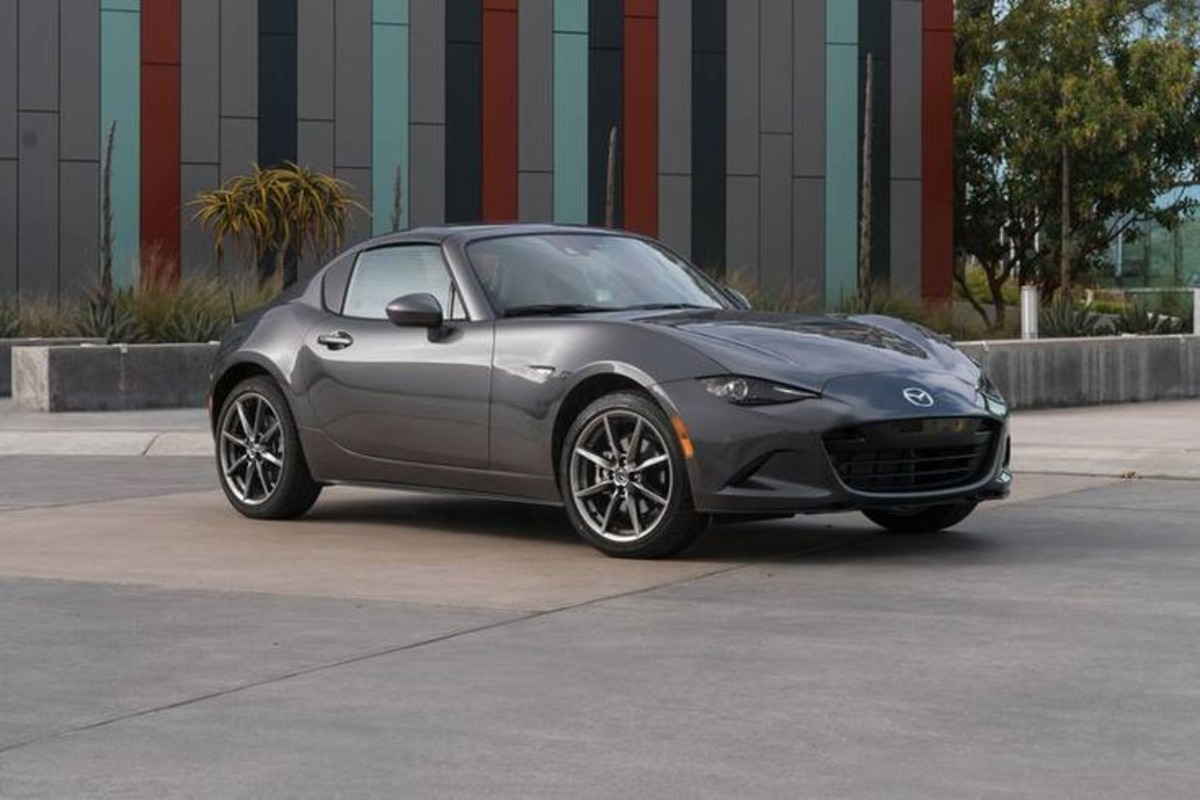
3. Mazda MX-5 Miata
The Mazda MX-5 Miata is a standout not only for its driving enjoyment but also for its exceptional reliability. This lightweight roadster is designed with simplicity in mind, and that engineering philosophy pays off when it comes to long-term durability and recall avoidance. Unlike many sports cars that suffer from overengineering or fragile components, the Miata stays true to its roots by keeping things straightforward.
A major reason the MX-5 avoids recalls is because of its consistent mechanical foundation. Mazda has refined the platform gradually over the years, resisting the urge to completely redesign systems that already function well. The suspension, transmission, and engine components are kept light and effective without being overly intricate, which reduces the likelihood of failure and the need for recall campaigns.
Miata owners also benefit from a loyal and engaged community that often reports minor issues early. Mazda listens to this feedback and responds quickly through internal improvements, service updates, or minor part revisions long before a problem becomes recall-worthy. That proactive approach helps the MX-5 maintain a reputation for reliability even in the performance segment.
The MX-5’s limited production volume also contributes to quality control. Because Mazda doesn’t mass-produce the Miata at the same scale as economy sedans or SUVs, each unit receives more careful attention during the assembly process. That smaller scale allows for higher consistency, which in turn reduces variability that might lead to safety issues or design flaws requiring mass recalls.
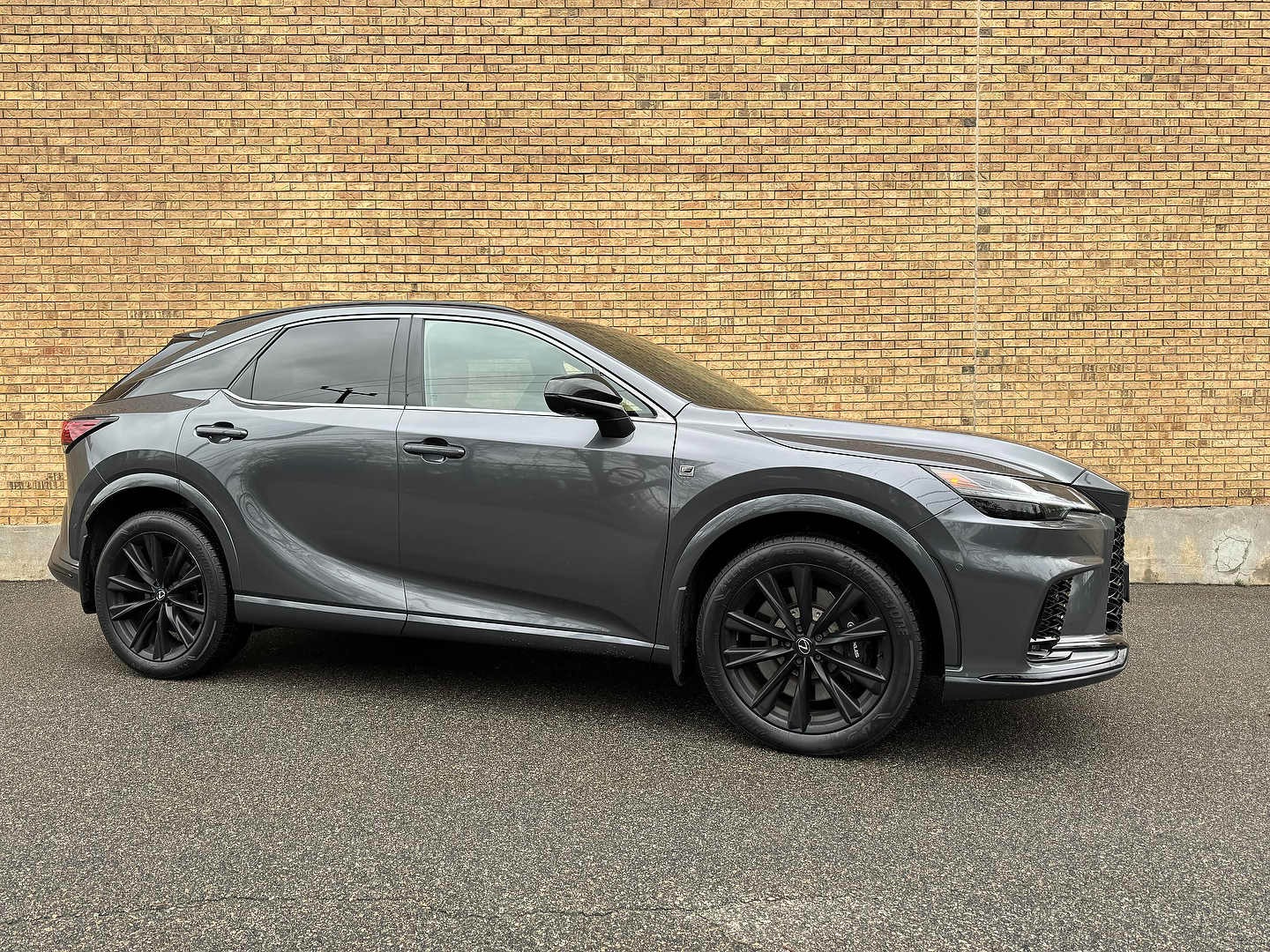
4. Lexus RX
As Toyota’s luxury division, Lexus has a high bar to maintain in terms of both performance and reliability. The Lexus RX consistently ranks as one of the most dependable luxury SUVs on the market. One of the main reasons is that it shares much of its platform and engineering with Toyota models, which already have a reputation for rock-solid construction.
The RX typically avoids recall news due to its combination of proven components and restrained technological features. While it does come equipped with advanced safety systems and infotainment options, Lexus doesn’t push experimental features into the RX before they are fully tested in other models. This measured approach helps keep the risk of technical failures to a minimum.
Another important factor is the brand’s commitment to craftsmanship. Lexus vehicles are built in some of the highest-rated manufacturing facilities in the industry. Attention to detail, precise assembly, and use of quality materials contribute to fewer system malfunctions or build defects. These efforts help prevent the small, often overlooked problems that snowball into larger, recall-worthy issues.
Customer satisfaction also plays a big role in the RX’s low recall frequency. Lexus has built a reputation for responsive service and early intervention. If any issues do arise, they are often resolved quickly through service campaigns or warranty repairs rather than dragging on into full-blown recall notices. This keeps the RX in good standing with both owners and industry watchdogs.
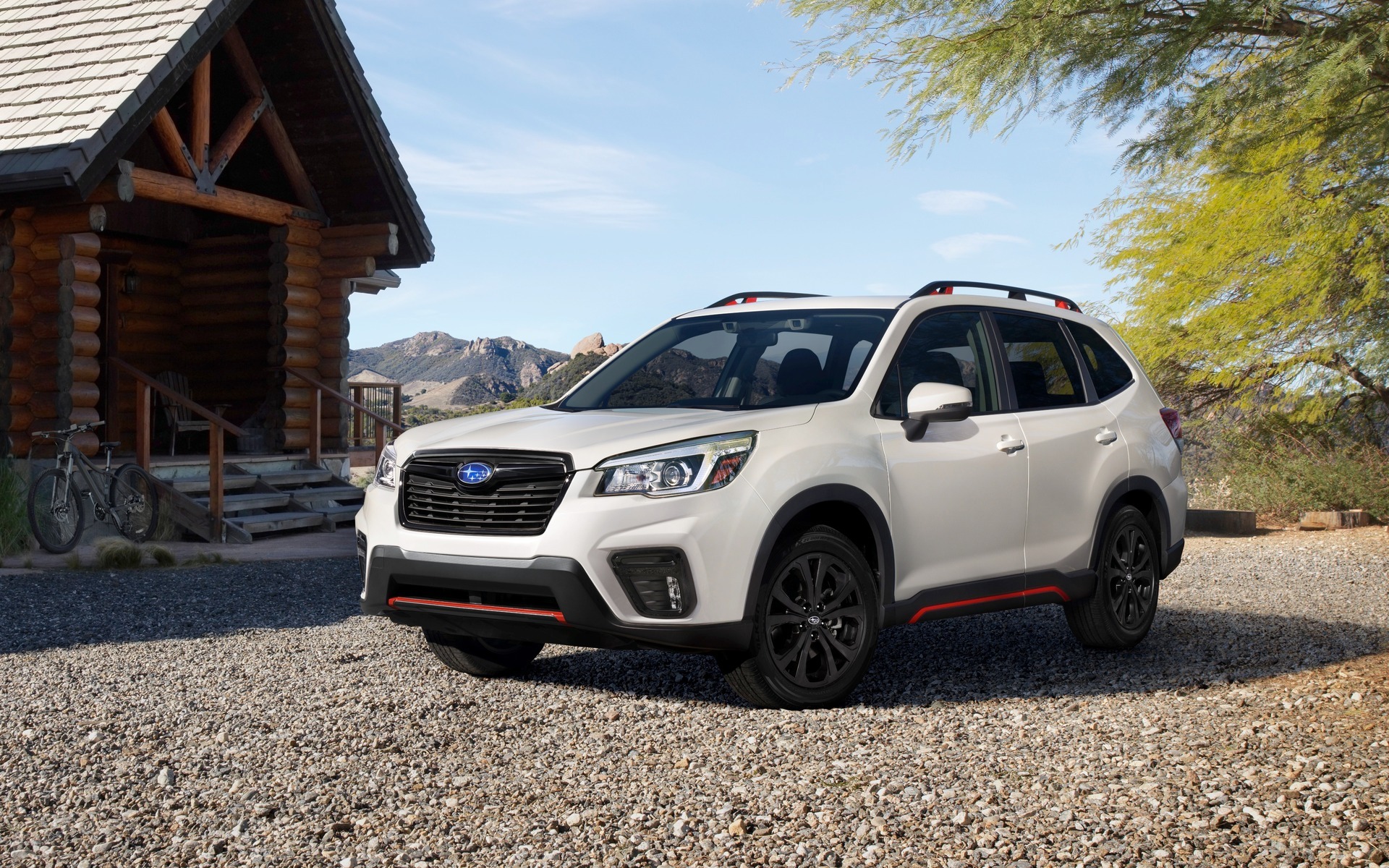
5. Subaru Forester
The Subaru Forester earns a place on this list for its overall mechanical dependability and thoughtful engineering. Though Subaru has had isolated issues with other models in the past, the Forester has managed to maintain a cleaner record.
It has benefited from the brand’s emphasis on safety, especially with systems like Symmetrical All-Wheel Drive and EyeSight Driver Assist, which have proven to be both effective and reliable.
One of the Forester’s strongest points is its engine design. Subaru’s boxer engine layout has been refined over the decades, and in the Forester, it strikes a good balance between performance and reliability. Though the boxer design presents unique maintenance needs, it has rarely been the cause of widespread recall events in this model.
Subaru also tends to avoid radical changes between generations of the Forester, which helps reduce the risk of untested technologies introducing new problems. Instead, it focuses on making steady improvements based on real-world usage and customer feedback. This philosophy reduces the likelihood of unexpected failures that could warrant a recall.
The Forester’s conservative design also supports its track record. It isn’t overloaded with gadgets, nor does it aim to be overly flashy. That practicality means fewer components at risk of malfunction, especially those tied to convenience features or optional packages.
Combined with Subaru’s commitment to vehicle safety and customer trust, the Forester stands as a model that tends to avoid the spotlight when recall news surfaces.
Cars That Can’t Stay Out of the News
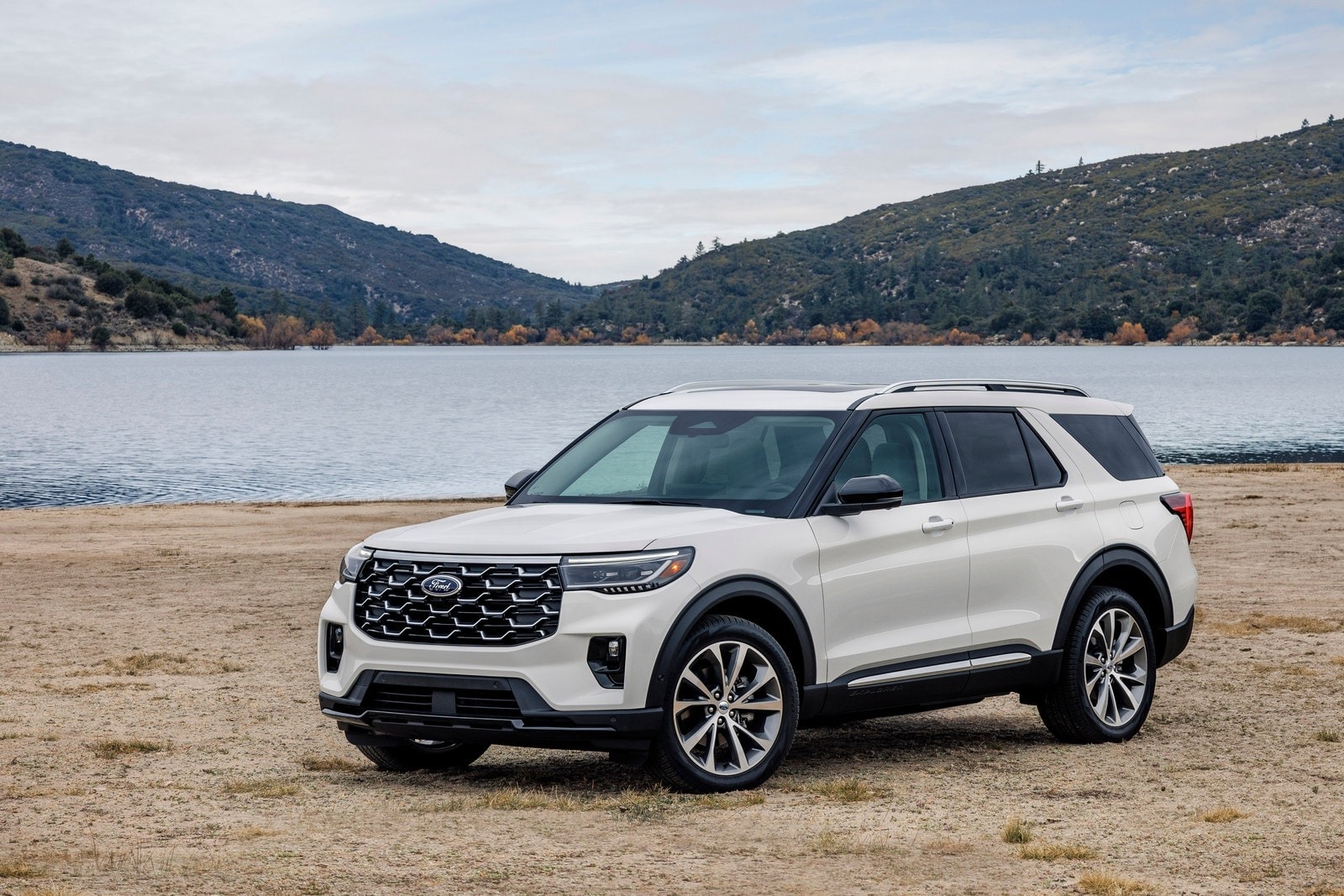
1. Ford Explorer
The Ford Explorer has had its share of both success and scrutiny. In recent years, it has made headlines for repeated recalls involving critical systems such as the drivetrain, suspension, and electronics. One of the main problems is that the Explorer often receives large updates and new technology introductions, which increases the likelihood of design flaws making it into production.
Much of the recall activity around the Explorer is tied to Ford’s rapid model refresh strategy. Each time a new generation is launched, it tends to come packed with new features, often including completely redesigned platforms or drivetrains. While this can be exciting for consumers seeking innovation, it also opens the door to unproven components, causing unforeseen problems.
Owners of newer Explorers have reported issues ranging from power loss during driving to malfunctioning gear selectors and brake problems. These are not just minor inconveniences; many have safety implications, which have forced Ford to issue multiple large-scale recalls. The frequency of these problems has created a sense of unpredictability for those who own or are considering buying the vehicle.
Ford’s attempts to fix these issues have sometimes introduced new ones, further damaging consumer confidence. Instead of one-time fixes, the Explorer’s problems often seem to cascade from one component to another. This pattern is part of why the vehicle finds itself frequently in the news, and why it struggles to shake off the perception of being less than dependable.
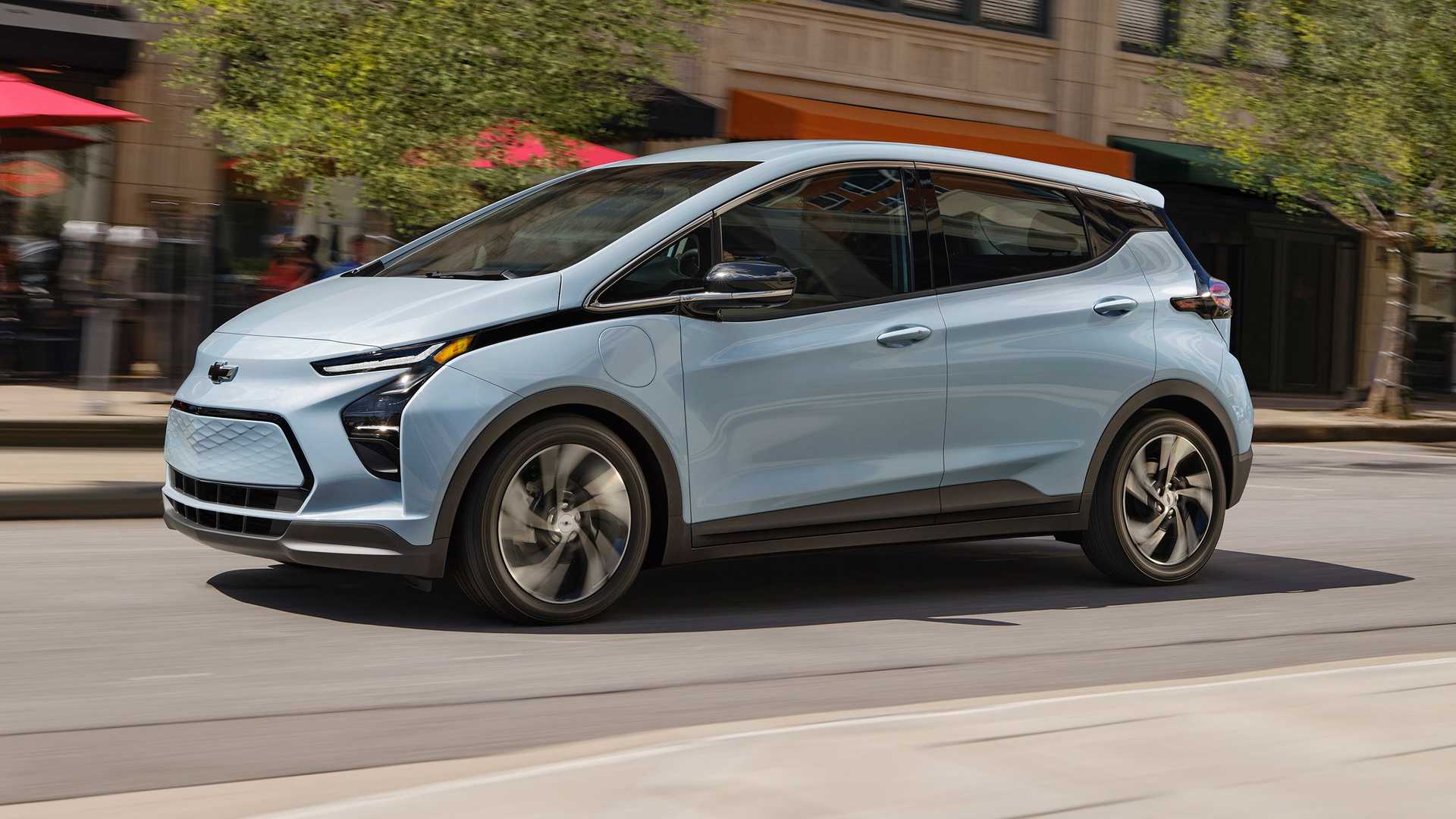
2. Chevrolet Bolt EV
The Chevrolet Bolt EV became a key figure in the electric car movement, offering an affordable all-electric option with a respectable range. However, its promise was overshadowed by one of the most publicized electric vehicle recalls in recent history.
The Bolt’s issue wasn’t minor: battery fires. GM had to recall nearly every Bolt EV ever produced due to a defect in the battery packs supplied by LG, which could cause the car to spontaneously catch fire even when parked.
This was not only a technical challenge but a serious public safety concern. It raised immediate doubts about GM’s ability to manage its EV production, and it placed the Bolt under constant media scrutiny.
What made the situation worse was how GM initially handled the recall. At first, they issued limited guidance to owners, asking them to avoid parking their cars indoors or charging them overnight. This only increased public fear and frustration, especially for owners who relied on the Bolt as a primary vehicle.
Eventually, GM issued a full recall and committed to replacing the battery packs, but the damage to the car’s reputation had already been done. Owners were left with anxiety over vehicle safety, diminished resale value, and inconvenience while waiting for the necessary fixes.
Even after battery replacements began, the issues didn’t completely go away. Some owners continued to report software problems and glitches related to the Bolt’s energy management system.
GM worked to provide over-the-air updates and customer support, but the ripple effects of the recall lasted for months, even years. For a vehicle that was meant to represent GM’s future, the Bolt EV became a case study in how one flaw in a critical component can derail an entire product line.
The Bolt EV is still in production, and GM is attempting to move forward with improvements and newer technology in future models. Yet the original recall left a permanent mark on its image.
This car may not have been inherently flawed in terms of design or performance, but the battery fire issue remains one of the most significant safety-related recalls in modern automotive history. It continues to be referenced in discussions about EV safety, making it a car that remains in the news long after the headlines should have faded.
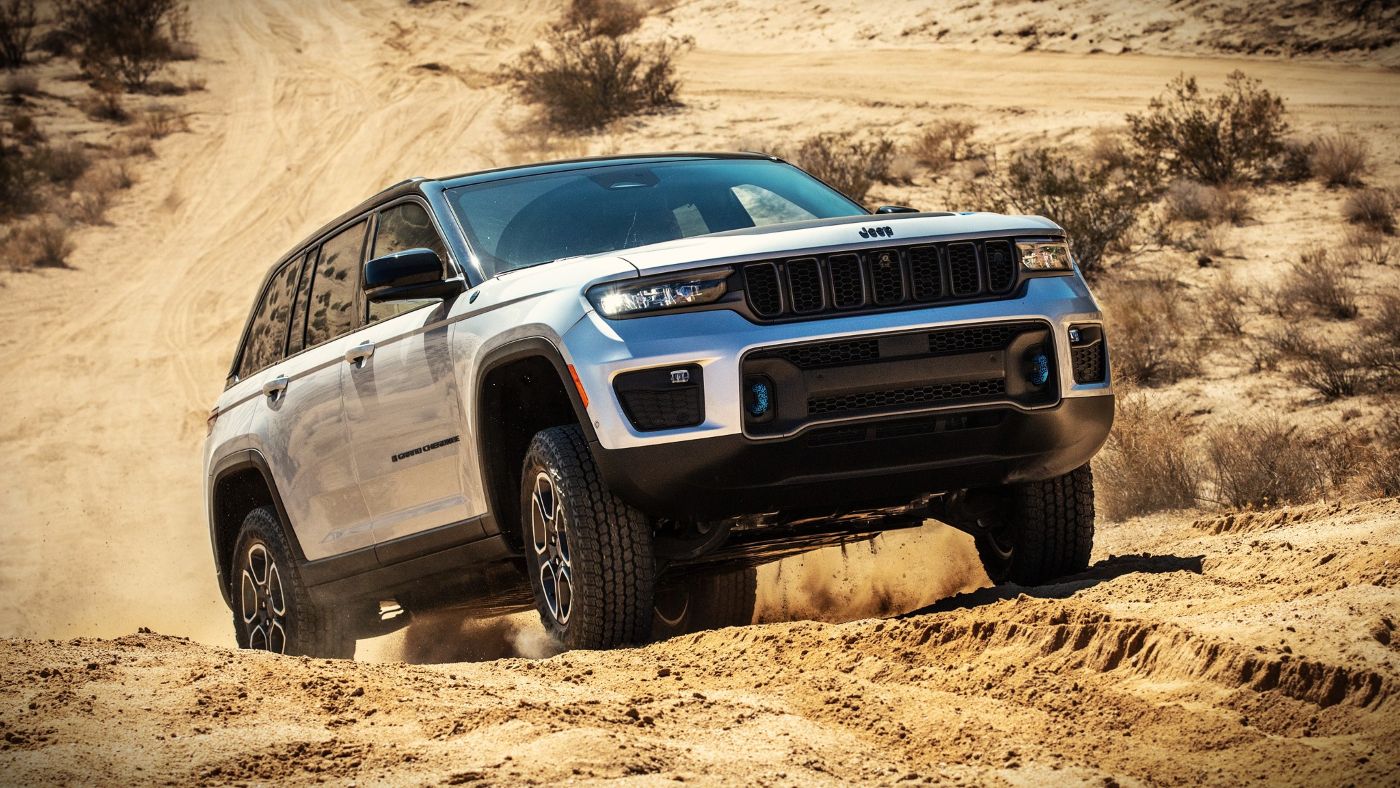
3. Jeep Cherokee
The Jeep Cherokee has seen multiple generations and substantial redesigns, but recent versions have been riddled with issues, particularly those tied to transmission problems and software glitches. One of the most notorious issues involved the nine-speed automatic transmission introduced in recent Cherokees, which became the focus of numerous complaints and eventual recalls.
Owners reported rough shifting, hesitation, and sudden power loss while driving. These issues were not just annoyances; they created dangerous situations, particularly when trying to accelerate or merge into traffic.
Adding to the problems were software issues affecting the electronic gear shifter, which in some cases contributed to roll-away incidents. In one tragic example, a well-known actor was killed when his Cherokee rolled backward in his driveway due to confusion caused by the gear selector.
The subsequent investigation led to a recall and redesign of the system, but public trust had already taken a major hit. Jeep faced intense criticism for implementing a non-standard gear selector design that prioritized style over clarity and safety.
The Cherokee’s problems haven’t been limited to the drivetrain. Electrical issues, infotainment system failures, and erratic behavior in safety assist features have also been common complaints. These recurring problems reflect a larger concern about Chrysler’s quality control practices, especially when it comes to the integration of complex technology.
Jeep, as part of the Stellantis group, has struggled with these system flaws across several of its models, but the Cherokee stands out due to the sheer frequency and variety of its issues.
Even after several updates, the Cherokee’s reputation remains marred. Each new model release is met with skepticism from automotive reviewers and wary buyers, many of whom recall past troubles and worry about the vehicle’s long-term reliability.
While Jeep enjoys a loyal customer base and strong brand recognition, the Cherokee continues to be a source of recall headlines and quality concerns, making it one of those vehicles that never quite escapes its own shadow.
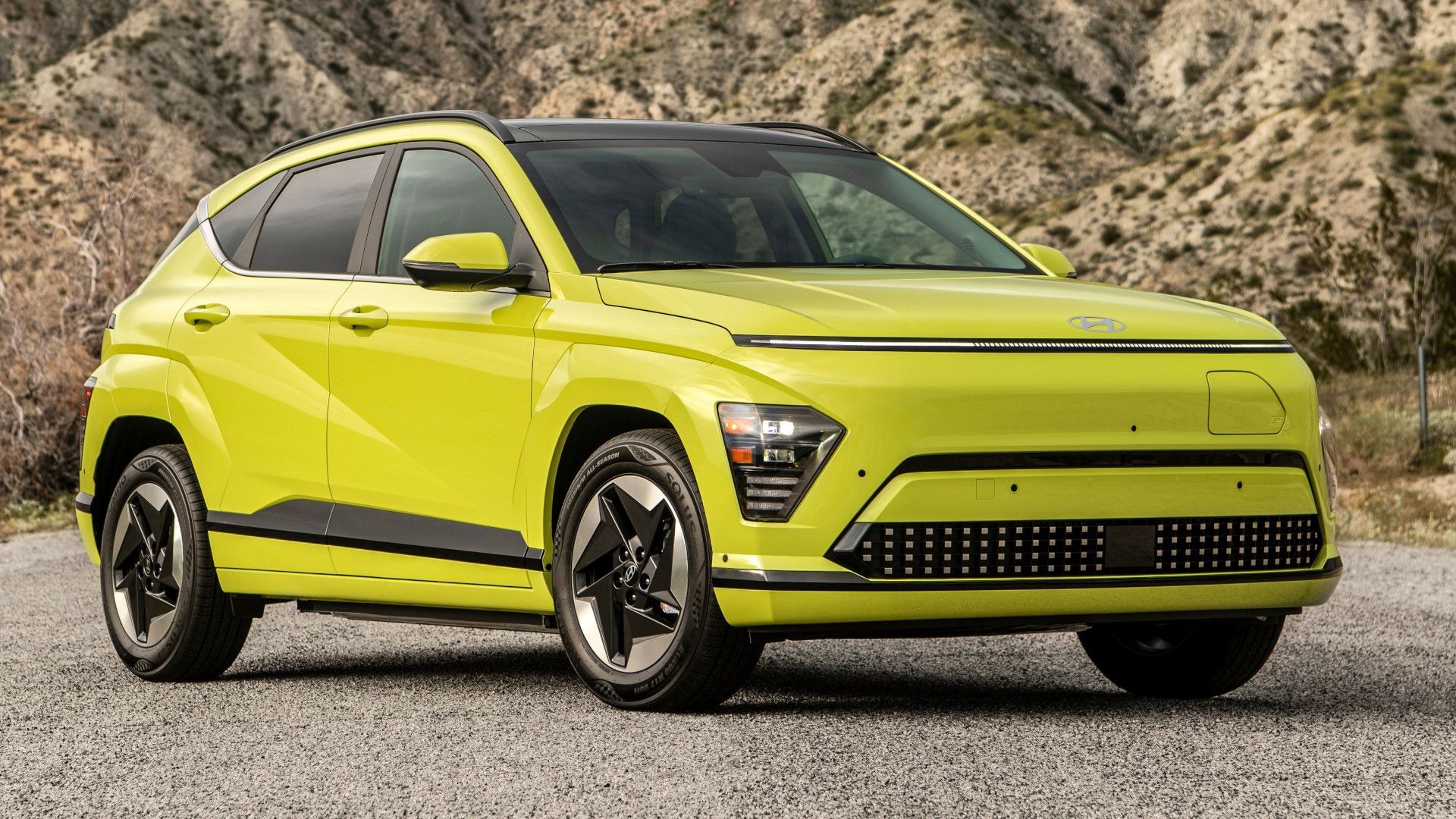
4. Hyundai Kona Electric
The Hyundai Kona Electric initially impressed consumers and reviewers alike with its impressive range and efficiency at a relatively affordable price. For a short while, it seemed like a legitimate contender in the increasingly competitive electric crossover segment. Unfortunately, that momentum was disrupted by a serious recall involving battery fires, much like the issue faced by the Chevrolet Bolt EV.
The Kona Electric’s batteries, also manufactured by LG, were found to have defects that could lead to spontaneous combustion under certain charging conditions, prompting Hyundai to issue a major recall across several markets.
This recall was especially damaging because Hyundai had just begun to establish credibility in the EV space. Owners were told not to charge their cars fully and, in some cases, advised to park them outside to avoid potential garage fires.
The brand, which had built its reputation on improved reliability and value, suddenly found itself under fire, literally and figuratively. Hyundai eventually replaced the battery packs in affected models and updated its battery management software, but the recall and its associated costs dealt a blow to public confidence.
Another issue was the handling of the recall process. Owners in some regions experienced long delays in receiving battery replacements. This left many with vehicles they couldn’t fully utilize or felt unsafe driving.
The delay wasn’t entirely Hyundai’s fault, given the global battery supply constraints, but it didn’t help ease customer frustration. The broader lesson was that launching electric vehicles without thoroughly addressing battery quality assurance can have far-reaching consequences.
Even as Hyundai improves its EV offerings with models like the Ioniq 5 and Ioniq 6, the Kona Electric’s legacy continues to follow it. Many prospective buyers still question whether Hyundai can ensure long-term safety and reliability in its electric line-up. The brand is working hard to move past this chapter, but the Kona Electric remains one of those vehicles that unexpectedly found itself making all the wrong headlines.
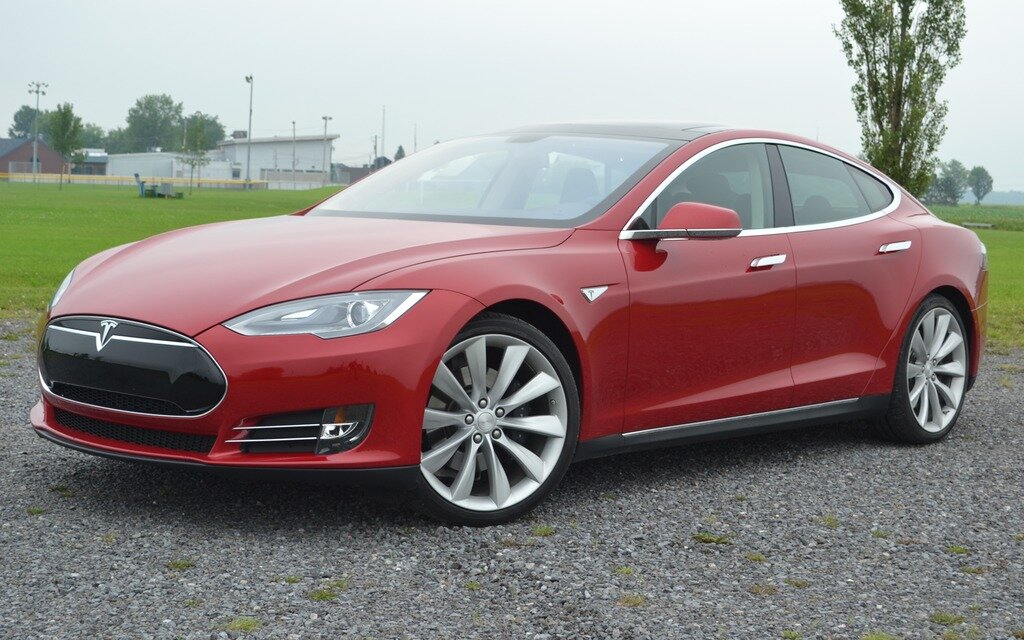
5. Tesla Model S
The Tesla Model S has received acclaim for its performance, design, and role in pushing the electric vehicle movement forward, but it has also seen its fair share of recalls and controversies.
While Tesla often addresses issues through software updates, a unique advantage of its over-the-air capabilities, some problems have required physical recalls, including those affecting steering systems, suspension components, and battery modules.
One of the key concerns is that Tesla often pushes boundaries with cutting-edge technology that hasn’t always undergone the same level of long-term testing as more traditional vehicles.
A high-profile issue involved a recall due to problems with the front suspension components, which could wear out prematurely and affect vehicle handling. Tesla initially resisted the idea that this was a widespread issue, even going so far as to dispute reports made by customers.
However, as more cases emerged and regulatory scrutiny increased, Tesla was forced to acknowledge and address the problem. The back-and-forth with regulatory agencies didn’t help public perception and painted a picture of a company sometimes slow to accept criticism.
Another example came with the touchscreen failures in older Model S vehicles. As the infotainment unit aged, a memory chip responsible for running the system would degrade, leading to black screens, loss of rearview camera function, and other safety-related issues.
After receiving pressure from the National Highway Traffic Safety Administration (NHTSA), Tesla issued a recall to replace the affected components. While Tesla’s ability to issue fixes through software is impressive, it also creates a risk of delaying necessary physical recalls.
Beyond mechanical concerns, the Model S is often the subject of scrutiny due to issues with autonomous driving features. Tesla’s Autopilot and Full Self-Driving systems have been linked to several crashes, and while not all of them are directly due to a flaw in the vehicle, public concern continues to grow.
Regulatory investigations and lawsuits continue to swirl around how Tesla markets these features, and the Model S, as the company’s flagship, often sits at the center of these conversations. As a result, the Model S remains in the news, not just for its innovations, but for the many concerns that come with them.
Also Read: 5 Sedans With the Best Key Fob Range and 5 That Fail At Distance
Recalls are a reality in the automotive world, but how frequently a car ends up under scrutiny says a lot about the manufacturer behind it. Some automakers build their reputations around consistency, durability, and proven engineering. Others prioritize innovation, speed to market, or radical redesigns, and in doing so, sometimes introduce more risk than reward.
The cars that rarely appear in recall databases reflect a deliberate commitment to reliability. Brands like Toyota, Honda, Mazda, Lexus, and Subaru have shown that it’s possible to create vehicles that last, perform well, and stay out of the headlines for all the wrong reasons.
Models such as the Corolla, Civic, MX-5 Miata, RX, and Forester have something in common beyond brand loyalty: a clear understanding of what their customers expect and a production philosophy that avoids unnecessary complication. They demonstrate that reliability doesn’t require sacrificing comfort, safety, or even performance.
By sticking to proven technologies, investing in quality control, and resisting the pressure to constantly reinvent the wheel, these vehicles maintain strong reputations and long-term value. They are often passed from one owner to another without worry, and they continue to serve as benchmarks in their categories.
Conversely, vehicles that frequently face recall issues often reflect a different approach. The Ford Explorer, Chevy Bolt EV, Jeep Cherokee, Hyundai Kona Electric, and Tesla Model S each represent a case where ambition, rapid rollout, or untested innovation led to unintended consequences.
Whether it’s drivetrain failures, battery fires, software glitches, or questionable design decisions, these models have struggled to maintain trust. In many cases, the recalls are not isolated events but part of a pattern that frustrates both owners and dealers. For buyers, that uncertainty can turn an exciting purchase into a long-term inconvenience.
No car is immune to issues. What separates one from another is how often those issues occur, how severe they are, and how quickly and transparently they’re resolved. A recall doesn’t make a car bad, but repeated or widespread recalls signal a breakdown somewhere in the process, whether that’s in design, testing, or manufacturing.
As technology continues to evolve and vehicles become more complex, the gap between dependable and problematic models may grow even wider. For consumers, doing the research and understanding these patterns can make all the difference in choosing a vehicle they can rely on, not just today, but for years down the road.
