
When considering automobiles, the design and aesthetic appeal of a vehicle often weigh just as heavily as its performance and reliability. The way a car looks influences not only a buyer’s first impression but can also affect long-term ownership satisfaction and resale value.
Throughout automotive history, certain cars have managed to preserve their visual appeal despite the passage of time and changing trends, becoming almost timeless icons on the road. Conversely, other vehicles that initially seemed appealing or innovative quickly fall out of fashion due to design choices that do not stand the test of time.
The difference between these two groups of cars is not merely subjective taste but can be traced to how well their design aligns with principles of balance, proportion, innovation, and cultural resonance. A car’s design must walk a fine line between being contemporary enough to feel relevant and classic enough to avoid becoming a fleeting fad.
This article identifies five cars that have successfully maintained a stylish, fresh appearance years after their release, alongside five models whose designs aged poorly and appear outdated almost immediately. This contrast offers insight into what contributes to longevity in automotive styling, as well as cautionary tales about design decisions that rapidly lose appeal.
In analyzing the cars that continue to look stylish, a clear pattern emerges: they often possess a sense of restraint and harmony in their design. Their lines flow naturally, shapes are well-proportioned, and details enhance rather than overwhelm the form.
They tend to avoid over-reliance on extreme angles, large or awkward styling features, and gimmicks that might seem clever only for a short time. These vehicles often feel purposeful and confident without seeming excessive, making their designs feel as appropriate today as they did on the day they were first unveiled.
On the other hand, cars that seem outdated immediately usually suffer from either disproportionate styling, awkward detailing, or an attempt to incorporate design trends that were too radical or poorly executed.
Sometimes these vehicles appear cluttered or confused, as if they were designed without a clear vision or too heavily influenced by fads. In either case, the design fails to resonate with long-term viewers and quickly loses its visual appeal.
The five cars selected for the stylish list each showcase different approaches to design that contribute to their lasting appeal. Some rely on clean, minimalist lines; others embrace subtle nods to heritage combined with modern updates. Each vehicle achieves a timeless presence by carefully balancing tradition and innovation.
Conversely, the five cars deemed outdated demonstrate how certain design choices, whether overly quirky, disproportionate, or excessively complex, can detract from a car’s longevity in terms of style.
Their examples serve as lessons on the pitfalls to avoid when designing vehicles meant to last in the public’s affection. For enthusiasts, buyers, or those interested in automotive aesthetics, this comparison provides meaningful perspectives on how cars succeed or fail in maintaining their visual appeal over time.
Also read: 5 High-Mileage Cars That Stay Cheap to Maintain and 5 That Don’t
5 Cars That Still Look Stylish
1. Mazda MX-5 Miata (ND Generation)
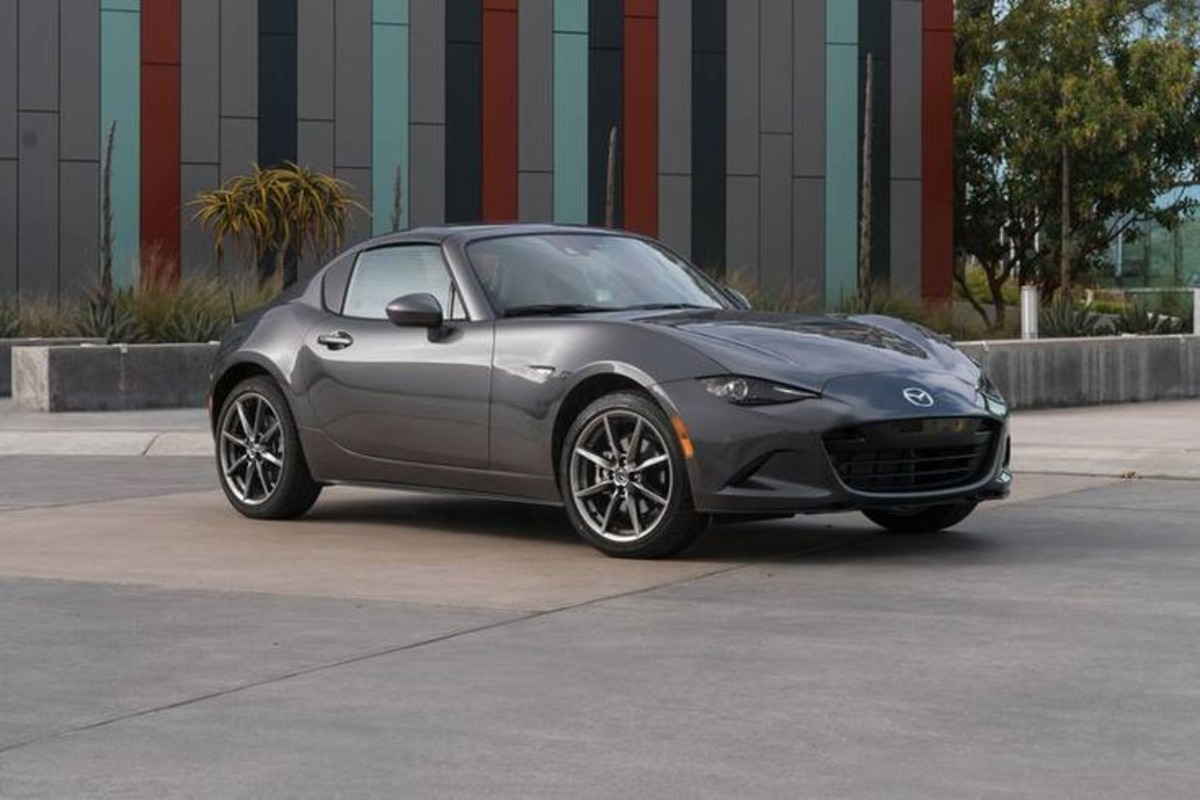
The Mazda MX-5 Miata, particularly its ND generation launched in 2015, remains one of the most successful examples of a car design aging gracefully. Its styling blends classic sports car proportions with subtle modern enhancements that feel current yet timeless.
The compact dimensions emphasize agility and lightness, with a low hood, short overhangs, and a balanced stance that screams driving enjoyment. Unlike many modern sports cars that sometimes grow bulky or overly aggressive, the MX-5 maintains a clean, athletic silhouette.
The front fascia features sharp, narrow headlights that give the car a focused look, while the grille is modest but purposeful, avoiding the oversized or heavily styled grilles so common today. The smooth curves along the body transition naturally from front to rear, with no unnecessary creases or competing lines to distract the eye. This simplicity is key to why the ND Miata’s design feels fresh even years later.
Beyond its shape, the ND generation is for how it integrates subtle styling details that enhance rather than overwhelm. The subtle flare of the fenders hints at muscularity without exaggeration, while the rear end features elegantly shaped taillights and a small spoiler lip that add a sporty flourish without becoming flashy.
The car’s profile remains unmistakably that of a classic roadster but refined for the 21st century. Inside, the design philosophy of simplicity and driver focus continues with a cockpit that balances analog dials with necessary modern technology.
The cabin is compact but ergonomic, reinforcing the vehicle’s purpose as a driver’s car. The mixture of soft-touch materials, straightforward controls, and a minimalist center console supports the car’s clean aesthetic.
Part of why the MX-5 Miata’s ND generation looks stylish is Mazda’s commitment to a consistent design language emphasizing elegance and motion. Its “Kodo” design theme emphasizes flowing lines and dynamic posture, avoiding excessive ornamentation or overly futuristic styling.
This approach has allowed the Miata to avoid the pitfalls of many sports cars that chase extreme trends and end up looking dated when those trends pass.
The ND generation feels like an evolution rather than a departure, retaining a strong identity while incorporating modern design principles. This balance between heritage and modernity is what gives the MX-5 Miata its enduring visual appeal and keeps it relevant in a segment where cars often age quickly.
2. Porsche 911 (991 Generation)
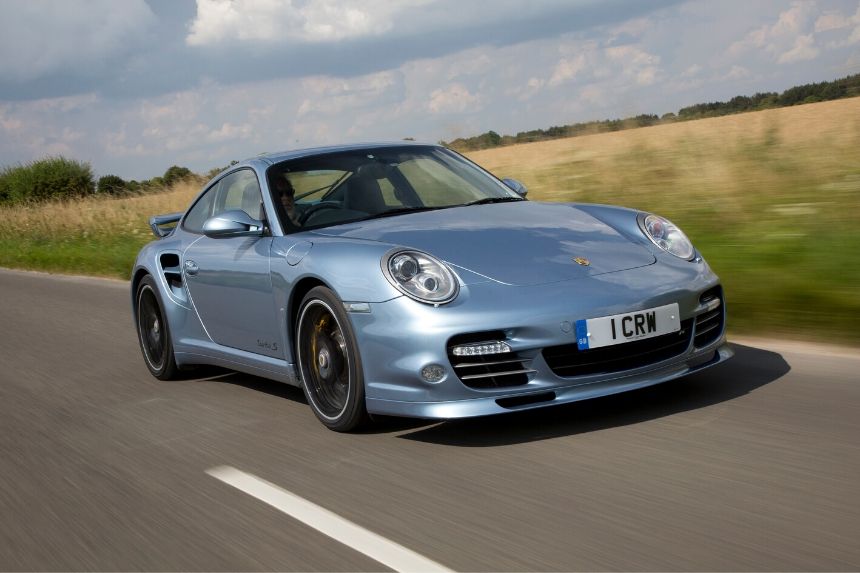
The Porsche 911, especially the 991 generation produced between 2011 and 2019, is a prime example of automotive design that transcends time through subtle refinement. The 911’s basic shape is instantly recognizable, a silhouette built over decades to perfection, and the 991 generation takes this iconic form and polishes it to a fine sheen.
The 991 improved upon the angular edges of the previous 997 generation by softening transitions between body panels and introducing smoother, more flowing curves.
This has the effect of modernizing the car without losing the classic cues that fans and the general public associate with the 911. Its proportions, a wide track, short overhangs, and a sloping roofline remain consistent with the heritage while improving the car’s stance and aerodynamic efficiency.
Porsche’s meticulous attention to detail is evident throughout the 991’s exterior. The headlights, while retaining the traditional round shape, incorporate modern LED technology and subtle design tweaks that maintain their familiar character but appear fresh and modern.
The front air intakes are integrated seamlessly into the bumper, avoiding the harsh divisions that can date other cars. The rear end, featuring clean taillights connected by a thin light bar in later models, adds a touch of contemporary flair while staying true to the 911’s legacy. This careful blend of new and old ensures the 991 does not look like a relic or a dated model.
Inside, the 991 continues Porsche’s reputation for driver-focused interiors that combine luxury with practicality. The dashboard is uncluttered yet equipped with the technology drivers expect, featuring premium materials and a logical layout.
The blend of analog gauges with modern infotainment screens strikes a balance that enhances the driving experience without overwhelming it. This timeless approach to interior design contributes to the 911’s reputation for aging gracefully. The 991 generation embodies the principle that evolution, not revolution, in design can create a car that remains stylish for years to come.
3. Tesla Model S (First Generation)
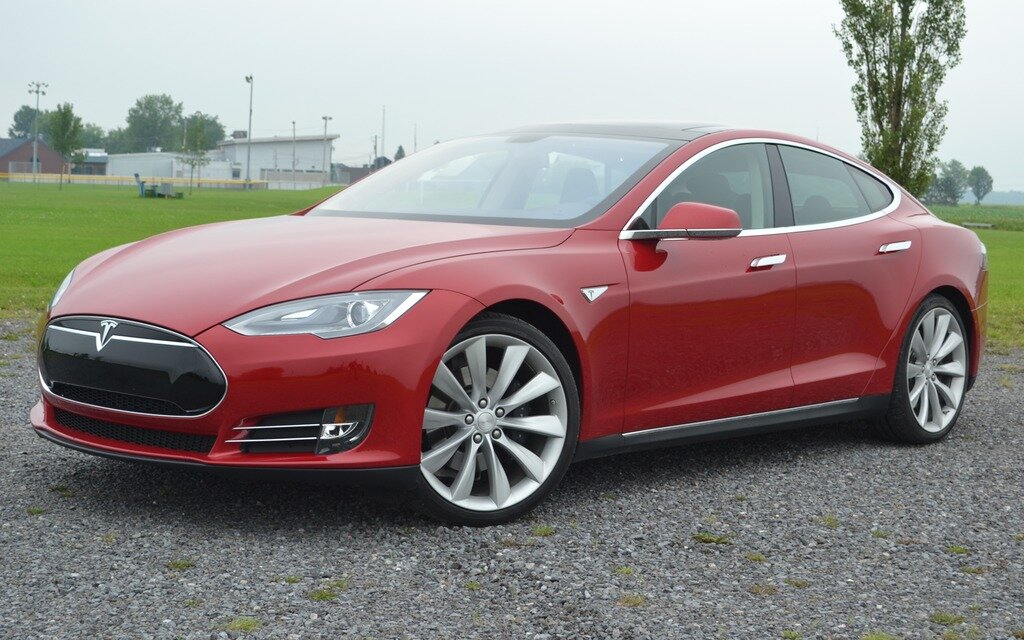
The Tesla Model S, introduced in 2012, shook up the automotive industry not just with its electric powertrain but with a design that combined sleekness and sophistication in a way few electric vehicles had before. Its silhouette is that of a classic luxury sedan, long and low with smooth, uninterrupted surfaces that convey efficiency and elegance.
Unlike many electric cars of the era that went for futuristic or odd shapes, the Model S opted for a timeless profile with subtle aerodynamic aids built into the body. The result is a car that fits seamlessly alongside traditional gasoline-powered sedans while indicating it belongs to a new class of vehicles.
The front of the Model S is distinctive in its absence of a traditional grille, replaced instead by a clean, smooth fascia with just enough detailing to add interest without clutter. This design choice was a forward-looking statement, representing Tesla’s break with convention and setting a trend that many other EV makers have since followed.
The headlights are sleek and modern, blending into the bodywork to emphasize the car’s clean lines. Along the sides, the door handles retract flush into the body, enhancing the streamlined look and underscoring Tesla’s attention to aerodynamic efficiency. The rear features a subtle lip spoiler and clean taillights that match the minimalist approach.
Inside, the Model S introduced a radically different interior design focused on technology and simplicity. The enormous central touchscreen replaced many traditional buttons and controls, providing a futuristic but user-friendly interface. The cabin design is spacious and uncluttered, with high-quality materials that reinforce the car’s premium positioning.
This minimalist, tech-forward interior has aged well because it anticipated trends that many manufacturers are only now adopting. The Model S’s design balances tradition and innovation, making it one of the few electric vehicles to maintain stylishness over a decade.
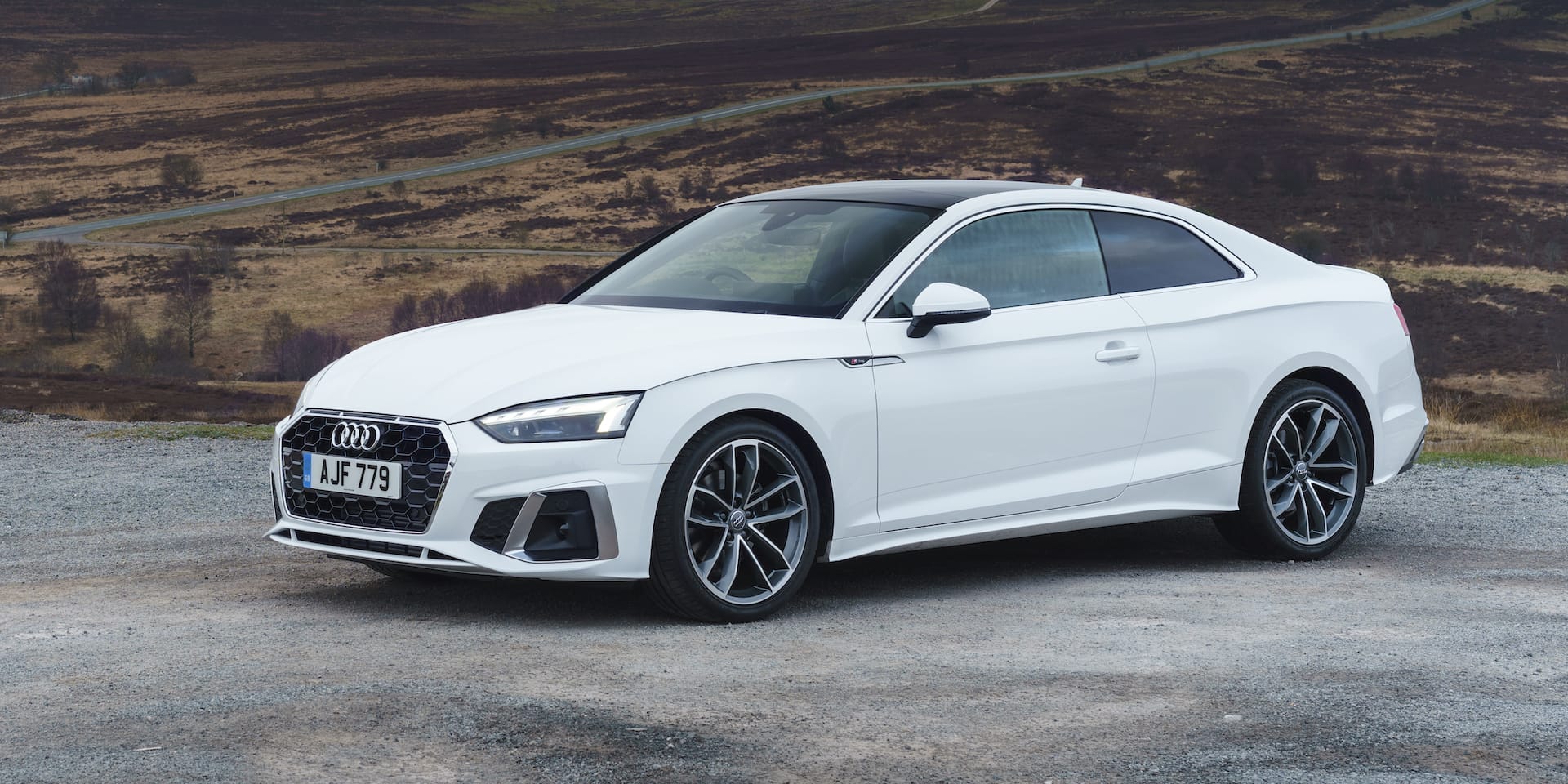
4. Audi A5 (First Generation)
The first-generation Audi A5, launched in 2007, captured the hearts of many buyers with its clean, elegant, and sporty design. The A5’s styling balanced sharp, well-defined lines with a sophisticated simplicity that gave the car a presence on the road that felt both modern and refined.
Audi’s signature single-frame grille dominates the front but is not overbearing, paired with angular headlights that give the car a purposeful, assertive expression. The design successfully communicates a premium, sporty character without resorting to exaggerated features or gimmicks.
Along the sides, the A5 features a strong character line that runs smoothly from front to rear, adding definition to the otherwise simple surfaces without creating visual noise. The coupe’s roofline gently slopes toward the rear, contributing to a dynamic profile that remains elegant rather than aggressive.
The wheel arches are subtly flared, hinting at the car’s performance potential while maintaining a balanced stance. At the rear, the taillights are understated but distinctive, with clean shapes that complement the car’s design philosophy.
The interior of the A5 mirrors the exterior’s emphasis on quality and simplicity. The cockpit is driver-centric, with a logical control layout and high-end materials such as aluminum trim and leather upholstery.
The use of subdued colors and neat detailing gives the cabin a timeless feel, avoiding flashiness that might age poorly. The A5’s restrained approach to both exterior and interior styling has allowed it to maintain a stylish reputation over many years, proving that less can be more when it comes to design longevity.
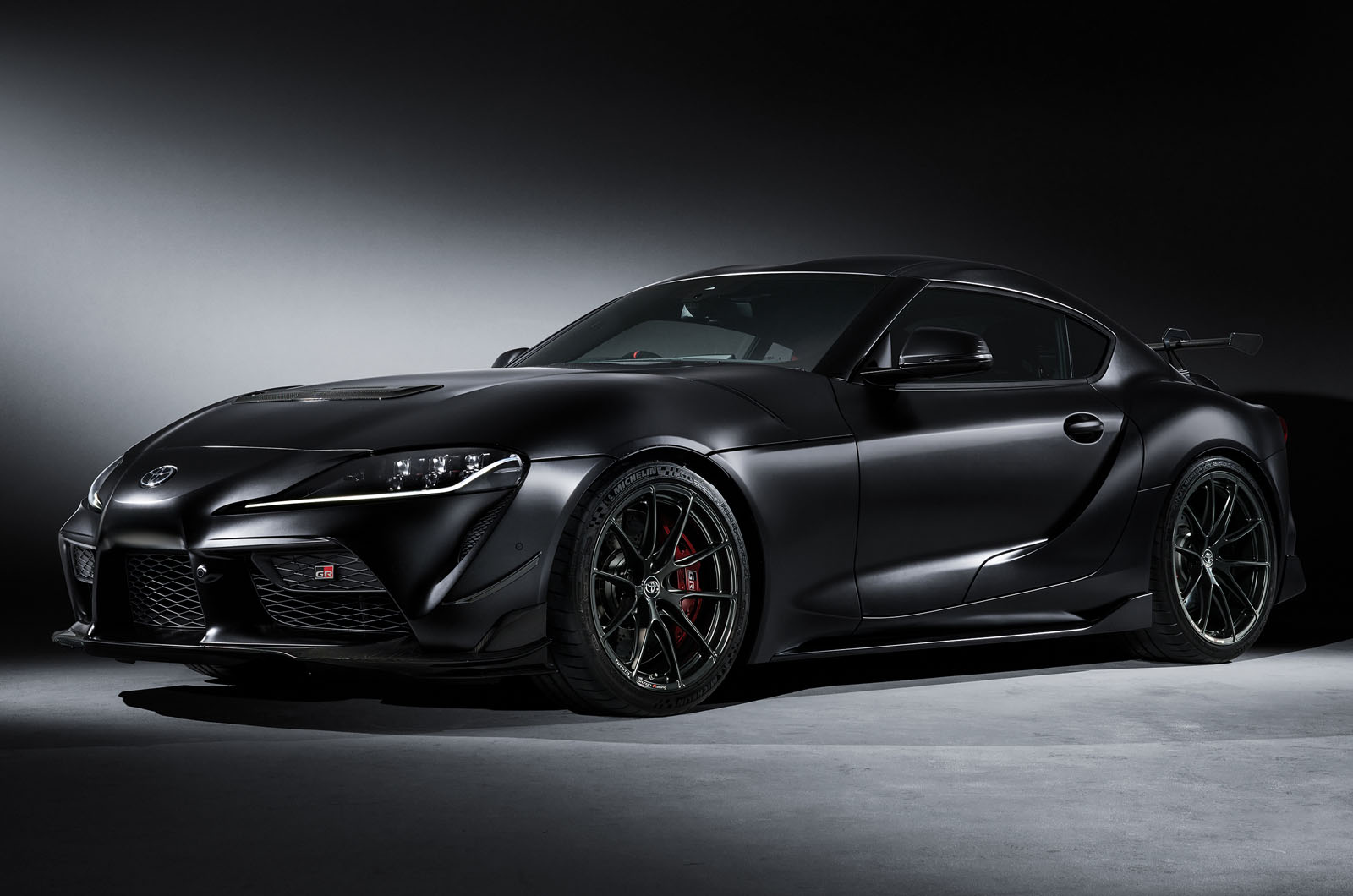
5. Toyota Supra (A90 Generation)
The Toyota Supra A90, introduced in 2019, quickly established itself as a design icon with a blend of aggression, elegance, and performance cues. This car’s styling combines sharp, angular lines with smooth surfaces to create a dynamic and athletic presence.
The front end immediately grabs attention with large air intakes, slim, angular headlights, and a hood sculpted to enhance aerodynamics and cooling. The effect is one of purposeful aggression balanced by sleek refinement.
The Supra’s side profile reveals muscular fenders and a low, wide stance that communicates power and agility. The sculpted side skirts and aerodynamic contours emphasize motion even when the car is standing still. Its roofline slopes smoothly toward the rear, maintaining a cohesive flow that leads to a compact, aggressive rear end.
The rear features thin, horizontally oriented taillights and a diffuser that both add to the sporty image while serving functional aerodynamic purposes. The combination of these design elements results in a car that is unmistakably modern yet respects the Supra’s legacy.
Inside, the A90 Supra offers a driver-focused cockpit designed for both comfort and control. Sport seats, a minimalist yet functional dashboard, and quality materials create an environment that supports the driving experience. The interior blends modern technology with simplicity, ensuring that the car’s focus remains on performance. The Supra’s design demonstrates how mixing contemporary styling with heritage cues can produce a vehicle that looks striking and stylish for years to come.
5 Cars That Look Outdated Instantly
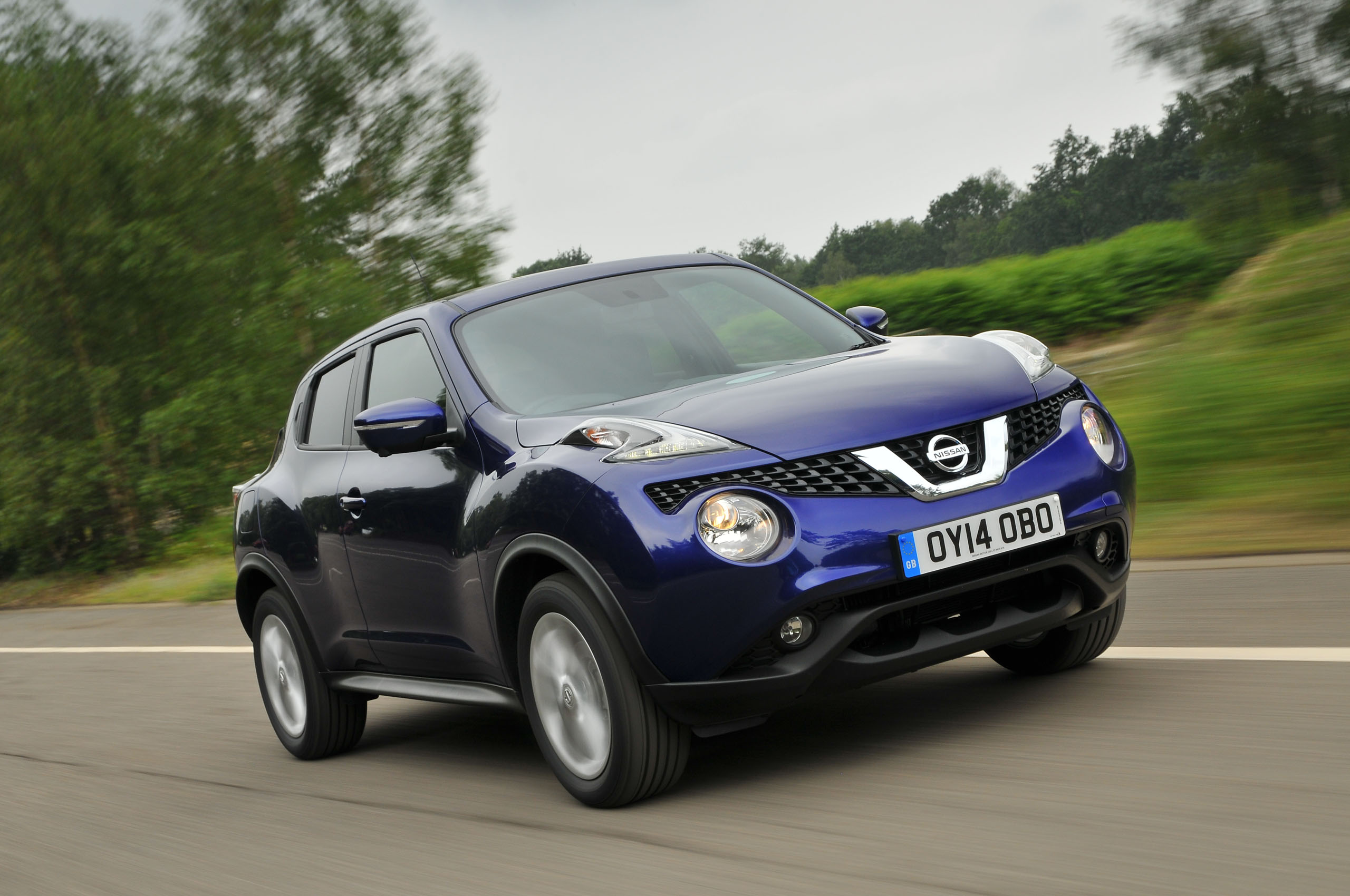
1. Nissan Juke (First Generation)
The Nissan Juke, released in 2010, entered the market with a bold and unconventional design that was divisive from the start. While it was praised for standing out in the compact crossover segment, its styling has not aged well and now often appears awkward and cluttered.
The Juke’s front end is dominated by bulging, stacked headlights that resemble bug eyes, paired with a rounded grille that struggles to find a harmonious balance with the rest of the body. The car’s proportions are peculiar, with a tall, narrow cabin atop relatively small wheels and a compact chassis. This combination leads to a vehicle that feels visually cramped and awkward.
The bodywork suffers from an overuse of design elements that compete rather than complement. Curves and angles clash in a way that creates a busy, almost chaotic look. The rear quarter panels are particularly awkward, with sharply rising window lines that don’t flow naturally into the rear hatch. This disjointed styling makes it difficult for the Juke to appear elegant or sleek, instead giving off a vibe of trying too hard to be different without a clear design focus.
Inside, the Juke’s cabin reflects the exterior’s quirks, featuring unusual shapes and angles in the dashboard and controls. The interior layout feels cramped due to limited space, and many materials used feel inexpensive compared to competitors.
The quirky design details may have seemed playful at launch, but now come across as dated or even gimmicky. The Juke’s styling serves as an example of how pushing the envelope too far in search of uniqueness can backfire, resulting in a look that quickly becomes outdated.
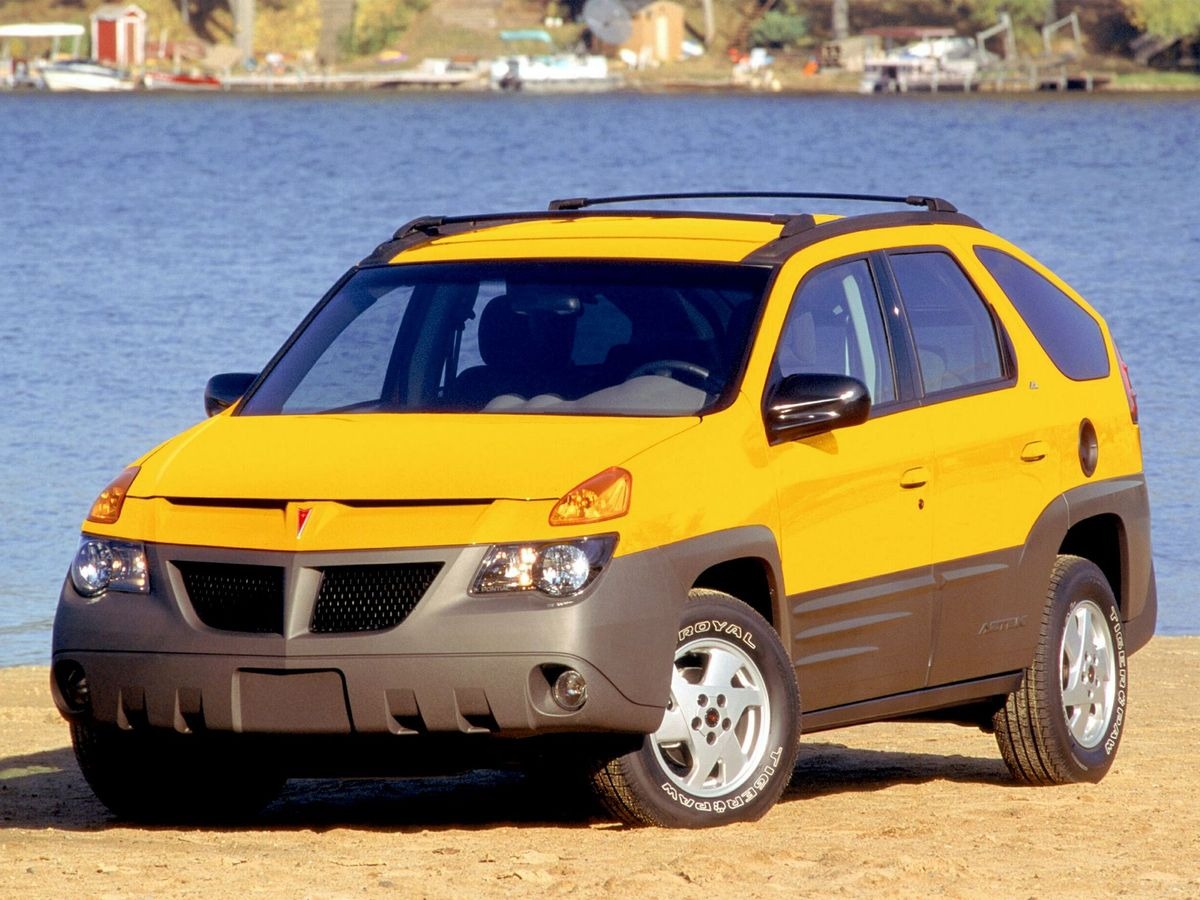
2. Pontiac Aztek
The Pontiac Aztek has become infamous in automotive history as one of the most unattractive vehicles ever produced. Introduced in the early 2000s, its design was a disjointed mix of awkward shapes, inconsistent styling cues, and a confusing attempt to appear both rugged and family-friendly.
The front end is characterized by large, angular headlights set into a high, wide nose that lacks harmony with the rest of the body. Plastic cladding around the lower sections only adds to the vehicle’s visual imbalance and cheapens its appearance.
The Aztek’s proportions work against it; it is tall and broad but appears ungainly because the body panels seem to lack flow or coherence. The large, oddly shaped windows and sharp body lines do not blend well, creating a sense that the vehicle is pieced together from unrelated parts.
The attempt to merge SUV functionality with crossover styling resulted in a car that appeals to no clear audience visually. This confused identity makes it one of the most dated designs on the road, lacking timelessness or even basic attractiveness.
Inside, the Aztek’s interior was practical but uninspired. The materials felt cheap, and the layout was cluttered and confusing. Controls were often difficult to reach or poorly positioned, further diminishing the car’s appeal. The Aztek stands as a clear example of how a lack of cohesive design vision, both inside and out, can doom a vehicle to be perceived as outdated immediately.
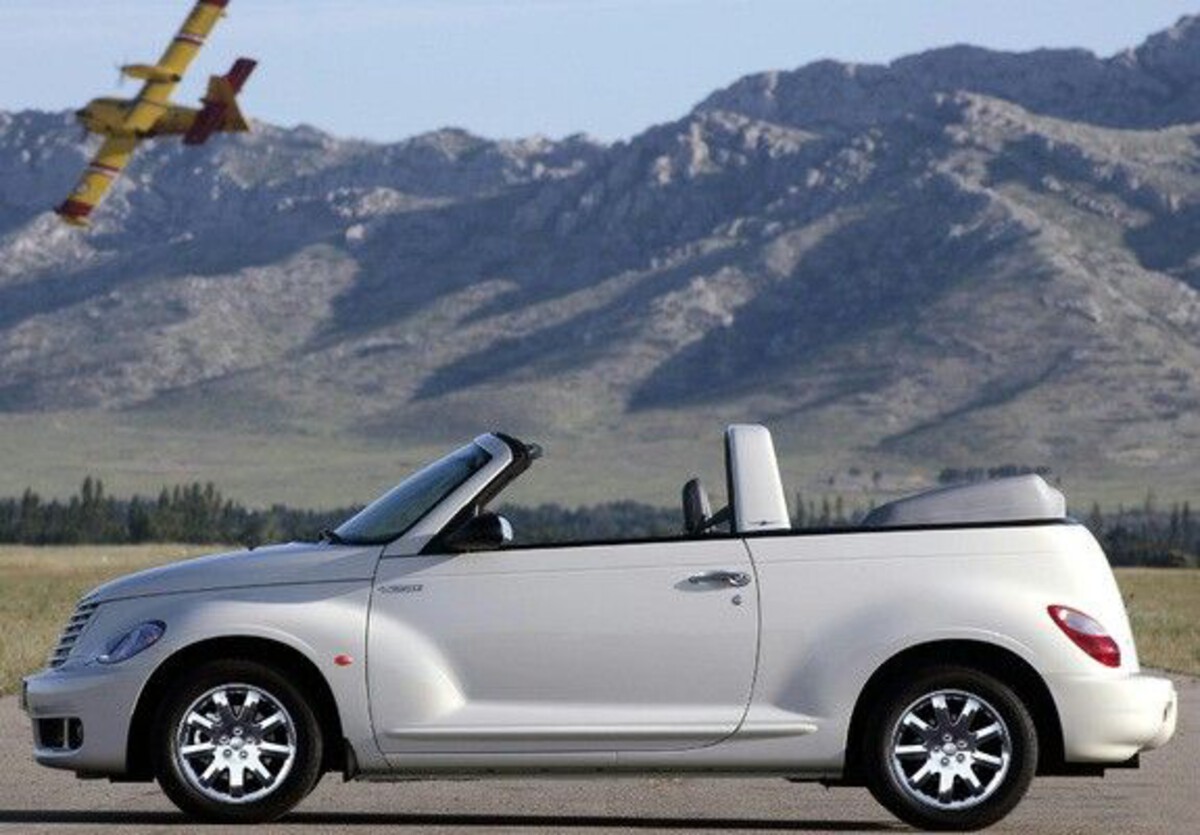
3. Chrysler PT Cruiser
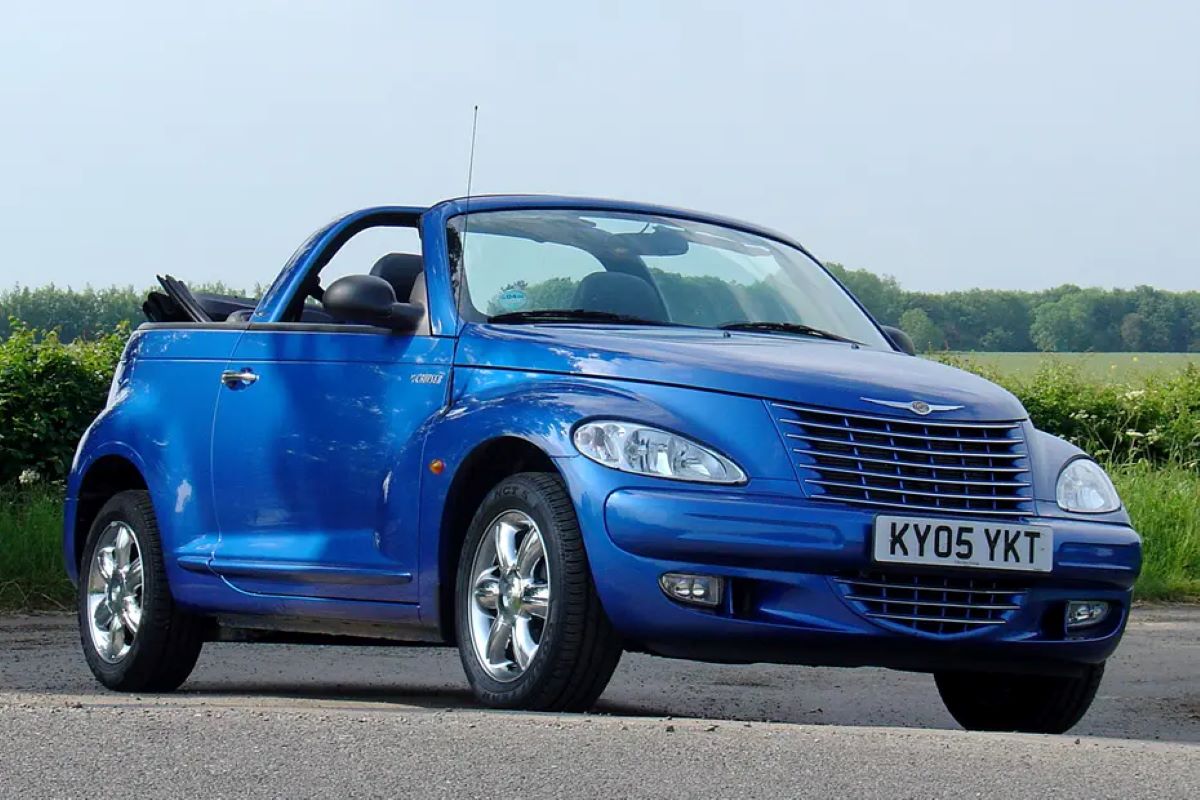
The Chrysler PT Cruiser attempted to capitalize on the early 2000s retro design trend but missed the mark in terms of creating a design that could endure. Its boxy, upright shape, combined with exaggerated retro elements, creates a look that many now find awkward and dated.
The car’s tall roofline and bulbous fenders create an odd set of proportions that do not harmonize with one another. Instead of evoking nostalgia with charm, the PT Cruiser’s styling often comes off as a novelty that hasn’t aged well.
The front fascia, with its large grille and rounded headlights, seems disconnected from the rest of the vehicle’s boxy profile. While the intention was to create a throwback to classic American cars, the design feels heavy-handed and lacks refinement.
The shape lacks the sleekness and balance found in truly timeless designs, making the PT Cruiser appear out of place next to more contemporary vehicles.
Inside, the retro theme continues but fails to impress. The cabin can feel cramped, and the materials used often lack the quality expected for the car’s price point.
The design details inside do not add to a sense of nostalgia but rather highlight compromises in space and functionality. The PT Cruiser’s styling highlights the risks of relying on past design cues without ensuring they are executed with balance and modern sensibilities.
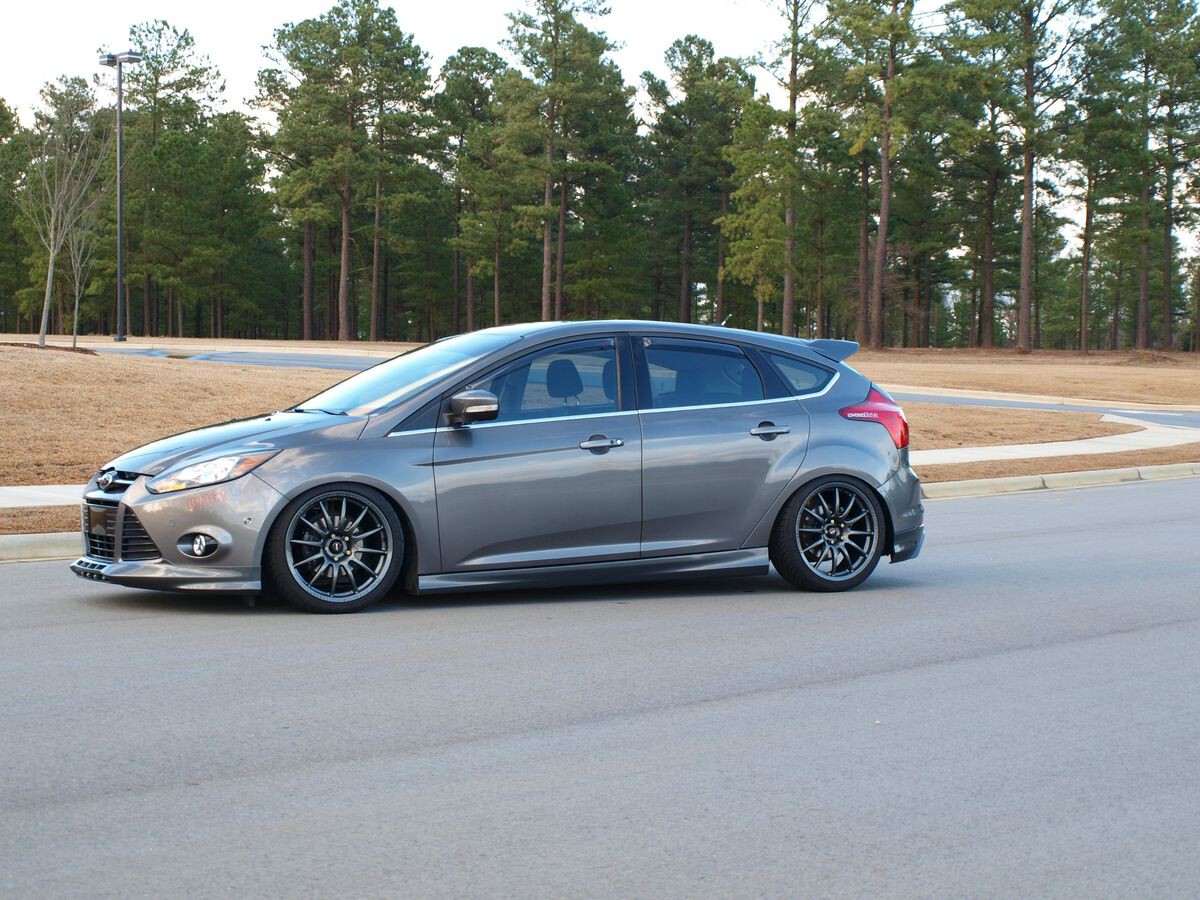
4. Ford Focus (Second Generation)
The second-generation Ford Focus, produced from the late 2000s into the early 2010s, was a popular compact car with some sporty ambitions, but its design hasn’t aged particularly well.
The front end features a large trapezoidal grille and angular headlights that at the time gave the car an aggressive look but now seem disproportionate and busy. The focus on sharp creases and heavily sculpted panels was part of a trend that has since fallen out of favor, leaving the car feeling visually cluttered and less cohesive.
From the side, the Focus presents a body covered in hard lines and folds that lack smooth transitions. This approach contrasts sharply with more modern vehicles that favor clean, flowing surfaces for a more elegant appearance.
The hatchback’s rear is marked by bulky taillights and a bumper design that doesn’t integrate well with the rest of the car, creating a visual disconnect. These design choices make the car appear boxy and awkward rather than streamlined or athletic.
Inside, the second-generation Focus has a dashboard cluttered with buttons and controls that detract from a clean cabin layout. The materials used feel inexpensive compared to rivals, and the interior design lacks a sense of cohesion or modernity.
This combination of busy exterior styling and a cluttered interior ensures that the Focus quickly feels outdated, especially when compared to newer models that emphasize simplicity and refinement.
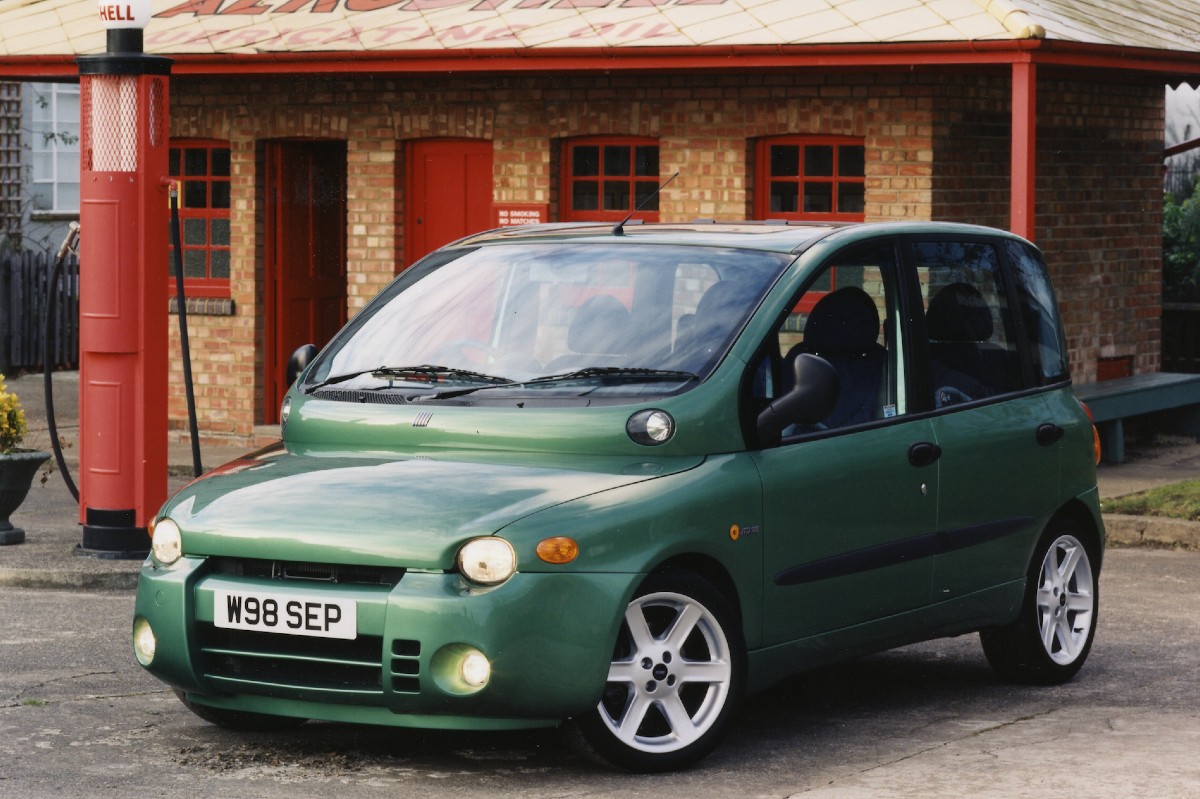
5. Fiat Multipla
The Fiat Multipla is one of the most controversial cars when it comes to styling. Launched in the late 1990s, its distinctive wide body and unusual proportions were designed primarily for practicality, maximizing interior space, but this came at the expense of traditional aesthetics.
The car’s front end features two sets of headlights arranged vertically, with the smaller lights placed above the larger ones, creating a face that many find odd or unsettling. Its wide stance combined with a short, tall body shape makes for an unconventional silhouette that is hard to describe as stylish.
The Multipla’s bodywork appears bulbous and awkward, with windows of varying shapes and sizes that disrupt the flow of the design. The effect is one of imbalance and clutter, with no clear focal point to anchor the viewer’s eye.
While the car was innovative in its interior layout and function, its exterior styling failed to connect with traditional automotive aesthetics or trends, making it one of the most instantly dated vehicles on the road.
Inside, the Multipla continues its focus on functionality over form. The cabin offers excellent space and practicality, but with a design that many find uninspiring and outdated.
The dashboard and control placement do little to enhance the car’s appeal, relying on basic materials and simple shapes. The Multipla is a perfect example of how prioritizing practicality without balancing style can lead to a design that ages poorly and is often the subject of ridicule.
Also read: 10 Cars With AC Systems That Don’t Quit
Automotive design is a complex art form that balances function, aesthetics, and brand identity. A car’s appearance can impact not only initial sales but also long-term desirability and cultural significance. The vehicles examined in this article reflect two very different paths, one leading to enduring appeal, and the other to rapid obsolescence.
The five cars that remain stylish all have something in common: they are well-proportioned, cohesive in their design philosophy, and avoid chasing short-lived trends. These vehicles demonstrate that thoughtful design, whether minimalist like the Tesla Model S or more sculpted like the Toyota Supra, has the power to outlast passing fads and continue to resonate with drivers and enthusiasts for years.
On the other side, the five cars that look outdated almost instantly reveal the risks involved in taking bold design swings without enough attention to longevity. Models like the Pontiac Aztek or Fiat Multipla may have had noble goals in terms of utility or uniqueness, but their visual execution lacked the balance needed to endure.
Unusual shapes, poor proportions, or an overreliance on retro or futuristic gimmicks often lead to designs that quickly lose relevance. These cars might have stood out at launch, but not in a way that lasted or aged gracefully.
What separates timeless designs from those that date quickly often comes down to restraint and vision. A well-designed car doesn’t try to do too much visually. It knows what it is, communicates that clearly, and maintains consistency across the design. When automakers focus on proportion, flow, and character, rather than chasing shock value or short-term trends, the result is often a design that remains attractive across model years and generations.
Style is not just about appearance; it’s about the connection people feel to a car. That emotional response is stronger when a vehicle feels thoughtfully crafted and visually enduring. The most successful designs speak to their era without being confined by it.
As the industry moves forward, influenced by electric vehicles, autonomous technology, and new materials, the importance of timeless styling will only grow. Cars that look good today and continue to look good tomorrow are not just well-designed, they are well-remembered. And in a market full of choices, that lasting impression is worth more than any momentary attention.
