
When shopping for a sedan, most people prioritize performance, reliability, and comfort. It’s not just about how well the car drives off the lot; it’s about how it holds up after thousands of miles and several months of regular use. Some sedans give their owners years of smooth, consistent performance, while others start showing signs of fatigue far too early.
It can be frustrating to invest in a car that feels refined during a test drive but begins to rattle, shimmy, or vibrate after just a year on the road. This can happen due to poor suspension, subpar build quality, or uneven wear of components. The experience of watching your new car gradually lose its polish is something no car buyer wants to deal with.
Some sedans seem to be engineered with longevity in mind. These vehicles retain the same tight steering, quiet cabin, and smooth ride they had on day one, even after 20,000 miles. Then others betray their showroom charm, showing signs of wear that should have taken years to appear.
Road noise increases, steering becomes less precise, and worst of all, an unsettling vibration or shake can develop, especially at highway speeds. This isn’t always a result of owner neglect; it can be baked into the design or material choices made by the manufacturer.
What separates the winners from the losers isn’t just the brand name. Sometimes, lesser-known or budget sedans outperform their premium rivals in long-term drive quality. Factors like chassis tuning, suspension durability, engine balance, and how well the car absorbs road imperfections play a huge role.
It’s not always visible in the spec sheet, which is why real-world feedback and long-term testing are so important. A car that drives well for the first few months but begins to deteriorate quickly doesn’t offer good value, regardless of its features or technology.
In this article, we will look at five sedans known to hold up beautifully even after a year or more of regular use, delivering the same solid drive feel as they did when new. We’ll also point out five that, based on common experiences and mechanical trends, tend to lose their edge too soon, developing vibrations, loose handling, or other problems that compromise the driving experience.
Also Read: 10 Cars That Handle Daily Urban Abuse Without Falling Apart
Sedans That Drive Like Day One
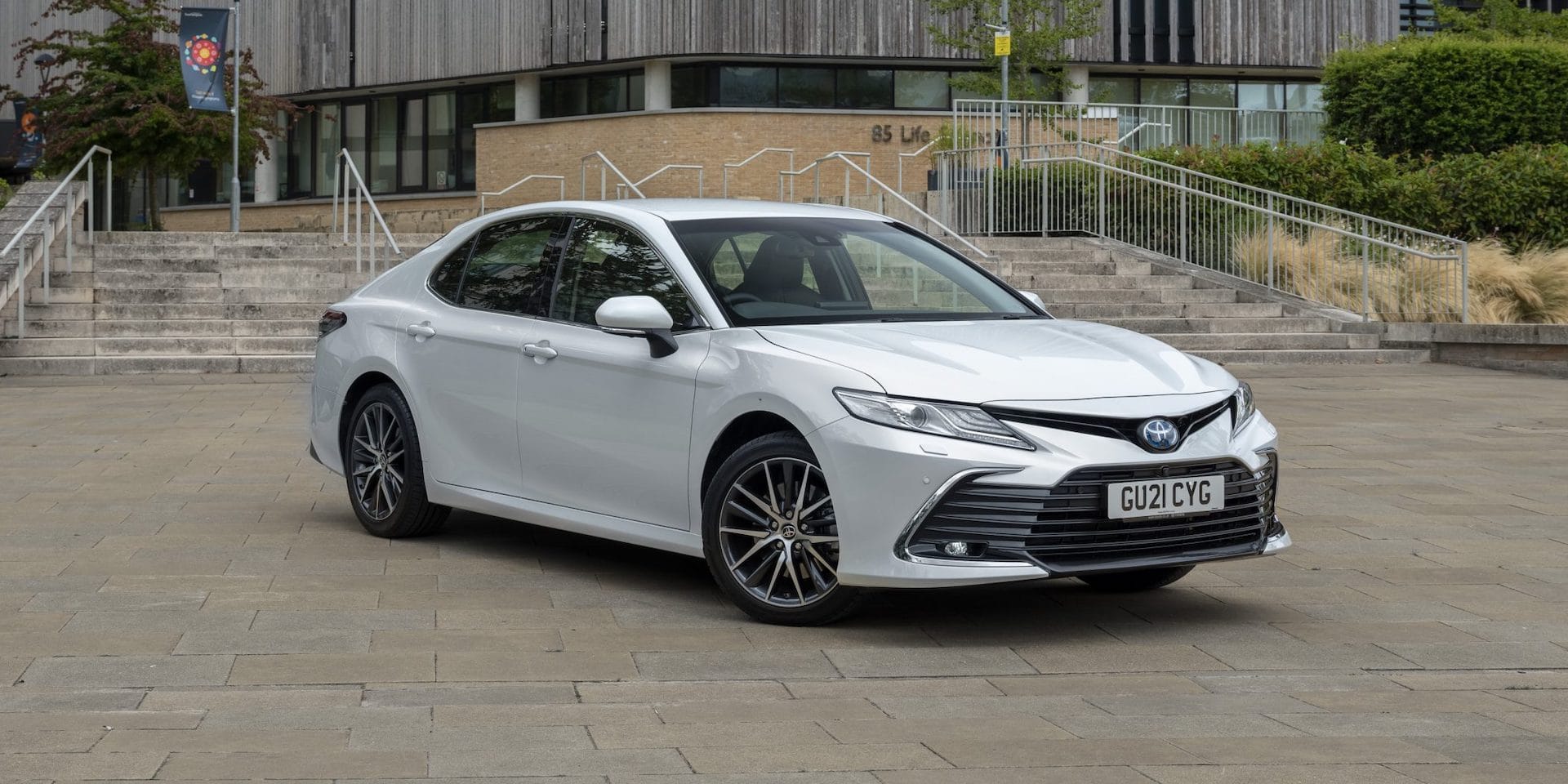
1. Toyota Camry
The Toyota Camry has built its reputation on long-term reliability, but it’s not just about the engine lasting 200,000 miles. This car is known for maintaining its composure even after heavy daily driving.
The suspension system feels just as firm and composed after a year of commuting, and the steering response remains predictable. Drivers often say that the car still feels “tight” even after months of use, which reflects the engineering quality behind the chassis and suspension design.
The interior fit and finish also help with long-term satisfaction. Nothing feels cheap or loose after a year, which helps eliminate the sense of fatigue that can come from creaks, rattles, or vibrations.
Road isolation continues to impress even after many highway miles, and the ride remains as smooth as it was on day one. Unlike many sedans in its class, the Camry doesn’t develop annoying traits like tire roar or steering looseness prematurely.
Maintenance also plays a role here. With regular servicing and proper tire alignment, the Camry remains one of the most composed and balanced sedans on the market. Owners rarely report early suspension wear or drivetrain vibration, and the transmission behavior remains crisp. This contributes to a sense of trust and comfort over time, especially for those who rely on the car for long commutes or business travel.
Even base models maintain their ride quality well. The Camry doesn’t rely on fancy adaptive suspension or advanced tech to stay smooth; it’s built with fundamentally strong components. For this reason, it stands out as a sedan that still feels almost new after its first year, making it a consistent favorite for those who prioritize driving feel and reliability in equal measure.
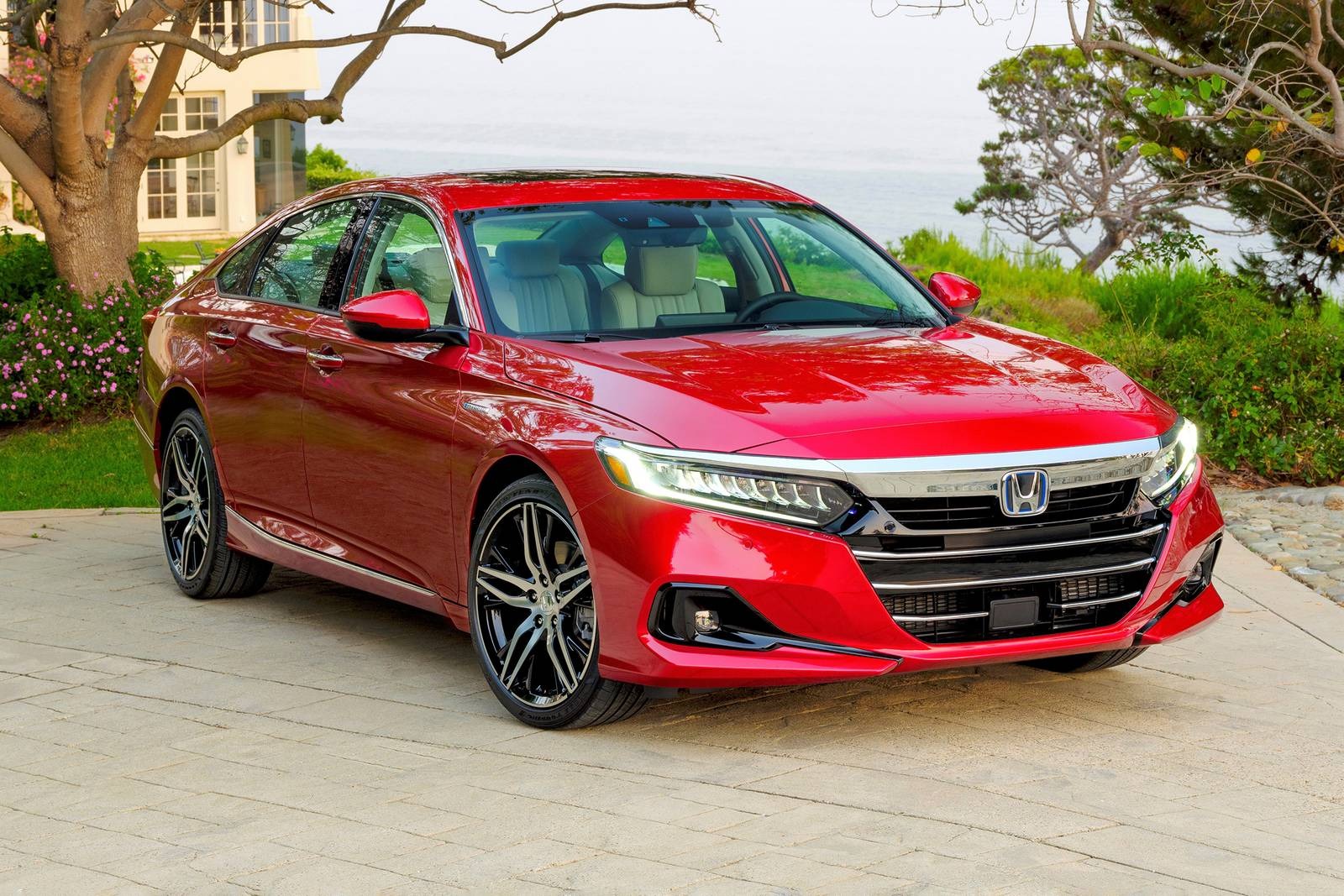
2. Honda Accord
The Accord has always been known as a solid performer, and its driving dynamics hold up impressively over time. Even after 15,000 to 20,000 miles, the ride remains balanced and free from noticeable deterioration. The chassis still feels well-sorted, and the handling remains engaging. This is one of the few sedans in its price range that still manages to feel athletic without compromising comfort, even as the miles accumulate.
Where the Accord shines is in its body structure. Honda’s engineering provides a stable platform that resists the flexing and vibration that often plague other sedans after a year of driving. Structural integrity plays a big role in how the car handles road imperfections and high-speed driving. You don’t get the sense that the car is “loosening up” over time. Instead, the Accord stays planted and confident.
The interior materials help as well. The seats don’t sag, the trim doesn’t rattle, and the doors still close with a reassuring thud after months of use. Even the infotainment system stays responsive and doesn’t develop software glitches, which contributes to the “still new” experience. Honda’s attention to detail in assembly shows up clearly in how little the car changes over time.
In terms of real-world reliability, Accord owners report very few issues with ride quality or steering feel in the first few years. As long as the tires are kept in good condition and routine maintenance is followed, the driving experience remains consistently pleasant. It’s one of those cars you can get in after a year and forget that you’ve put thousands of miles on it because it drives just like it did when you first brought it home.
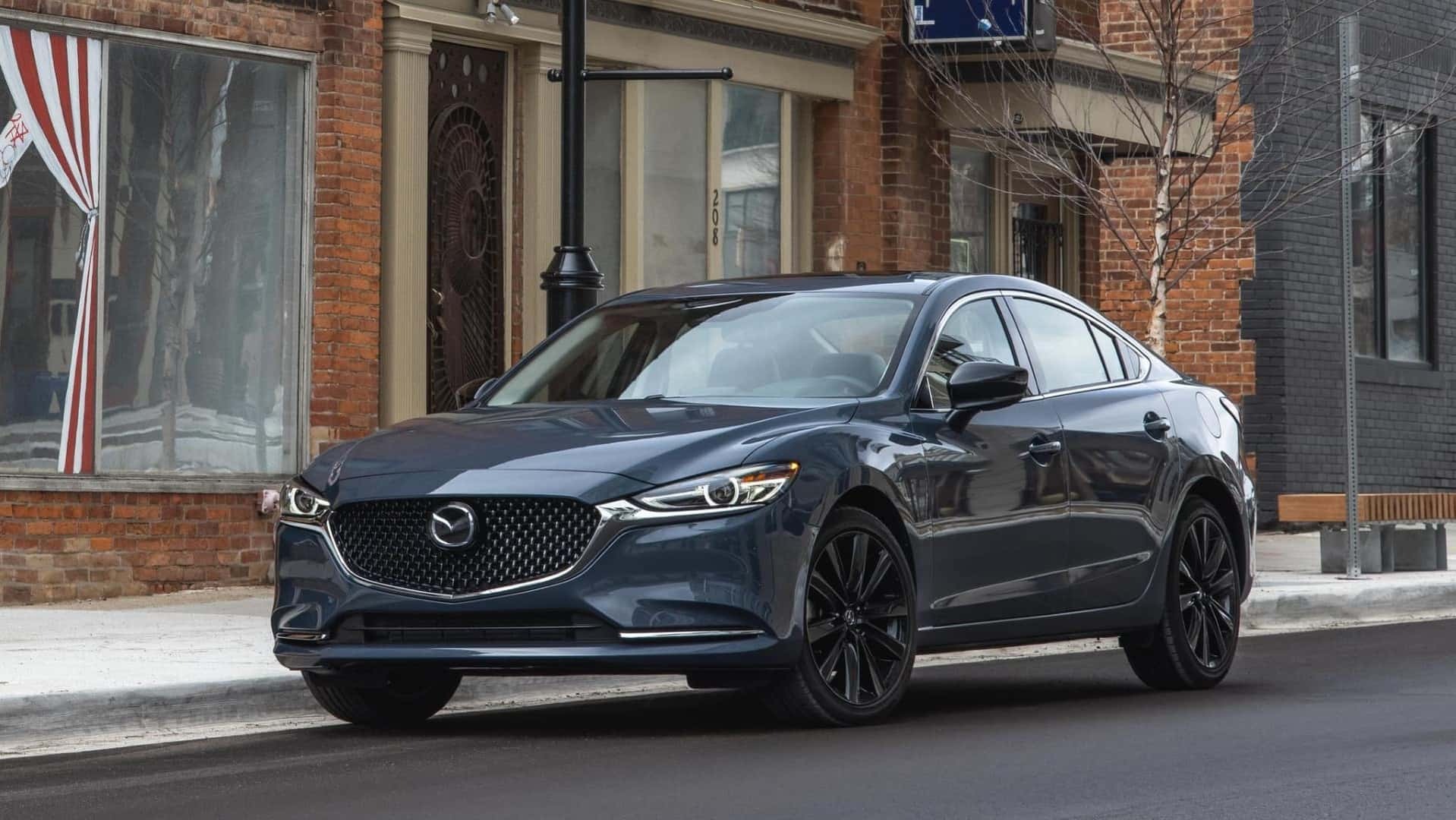
3. Mazda6
Mazda has carved out a unique space in the sedan industry by blending everyday practicality with a more premium driving experience. The Mazda6, in particular, is known for its responsive handling and well-damped ride. What sets it apart is that these qualities don’t fade quickly. Even after a year of use, the car retains its precise steering and sporty yet comfortable suspension feel.
Mazda’s commitment to “driver feel” results in a sedan that seems to age more gracefully than some of its competitors. The suspension components hold up well against rough roads, and the steering remains sharp.
That means even a slightly worn set of tires doesn’t immediately affect the feel of the car, as the underlying chassis is still dialed in. Drivers often remark that the Mazda6 continues to feel tight and composed even when other sedans begin to feel a little sloppy.
Interior build quality supports this as well. The cabin doesn’t develop the small but annoying rattles that plague some other models after a year. The insulation and soundproofing hold up, and the NVH (noise, vibration, and harshness) levels remain low. This adds to the impression that the car is aging slowly, which is a major plus for anyone who values a consistent driving experience.
Even more impressively, Mazda doesn’t rely on electronic systems to mask deficiencies. Instead, the mechanical components are tuned well from the start, meaning there’s less wear and tear to notice later. As a result, the Mazda6 feels just as responsive and rewarding to drive after one year as it did when new, which is a rare quality in this segment.
4. Lexus ES
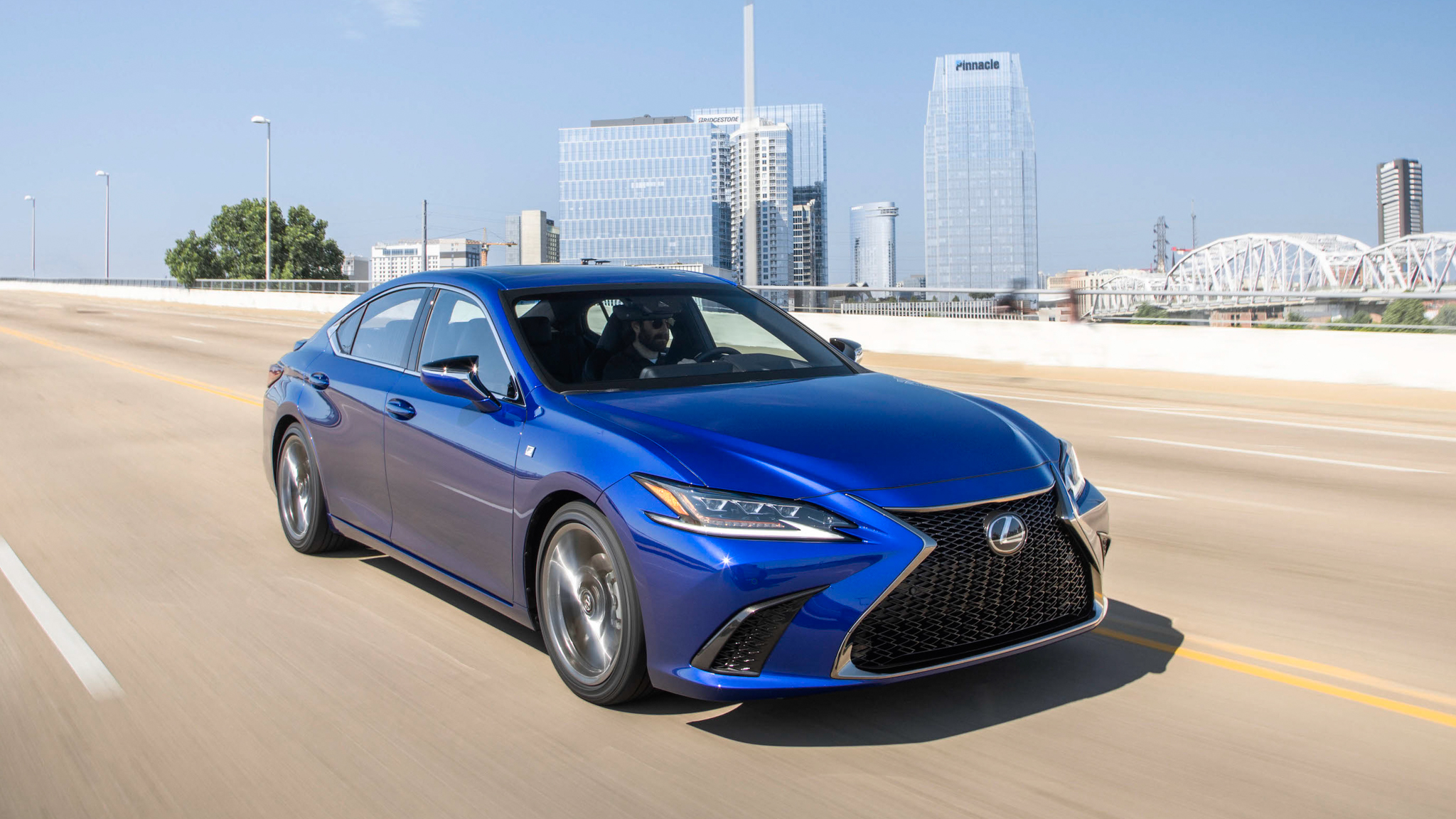
While technically leaning toward the luxury end, the Lexus ES deserves a spot because of how well it maintains its serene driving characteristics. The ES is built on a platform that’s known for its smoothness and quietness, and that doesn’t fade away after a few months. Instead, the car seems to keep its luxurious ride long past the point when other sedans begin to show signs of aging.
Suspension performance remains buttery smooth, and road imperfections are absorbed with little drama even after thousands of miles. Steering feel remains consistent, and there is no sense of play or vagueness that often creeps in with time. Whether you’re commuting or taking long road trips, the ES continues to feel composed and reassuring.
What also sets the ES apart is the minimal cabin degradation. Interior materials remain in excellent condition even after heavy use, and things like seat comfort, climate controls, and infotainment responsiveness all stay consistent. The quietness of the cabin doesn’t decline noticeably, which means that wind and road noise don’t become more pronounced as the months go by.
The ES also benefits from Toyota’s obsessive reliability standards, which extend beyond the engine and transmission. Things like door seals, suspension bushings, and engine mounts are built to last, and it shows. As a result, the Lexus ES continues to drive like a showroom model long after the first year, making it a top choice for buyers who want comfort that lasts.
5. Hyundai Sonata (Latest Generation)
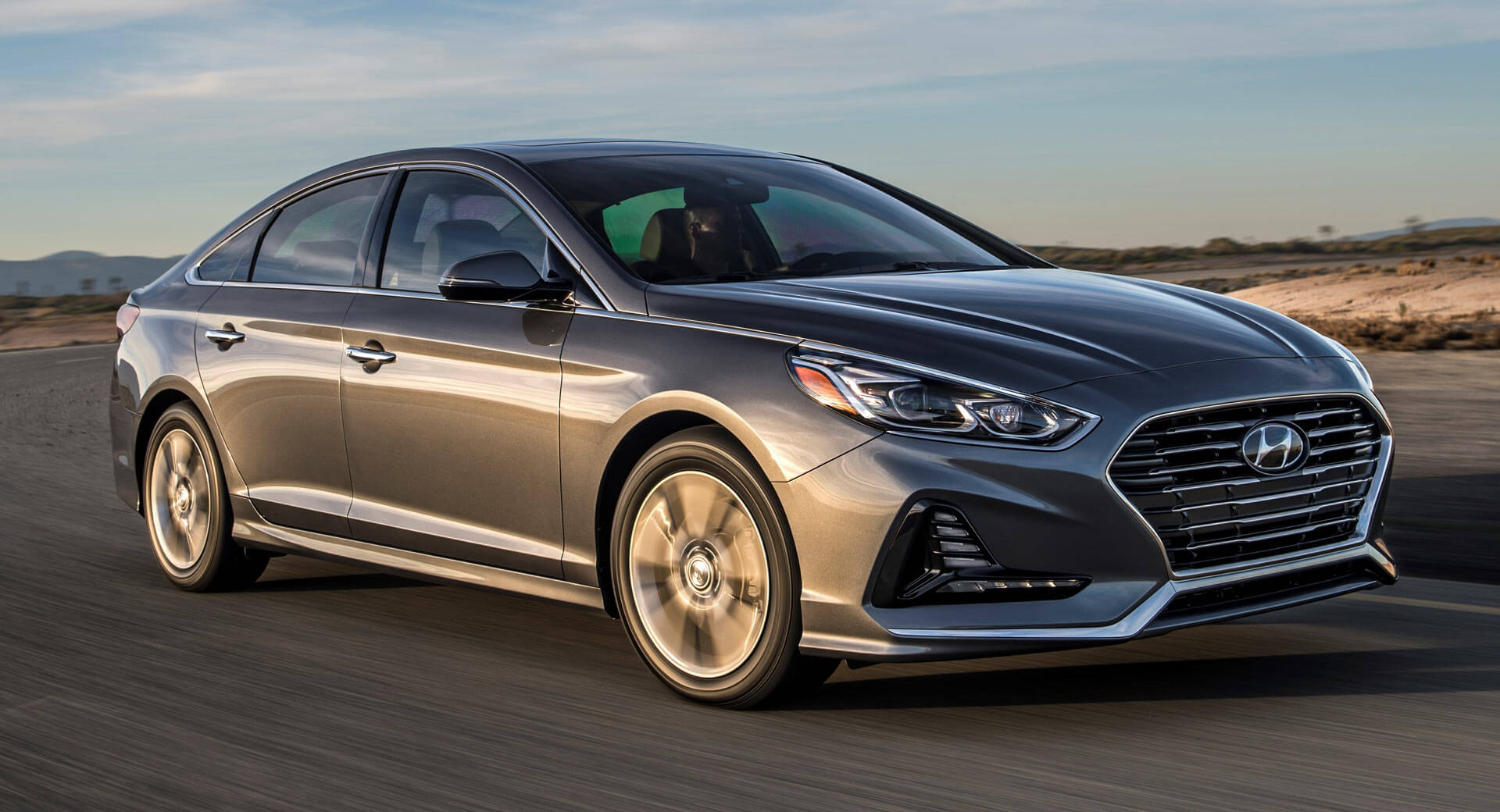
The most recent Hyundai Sonata has impressed both critics and owners with its improved build quality and driving refinement. Unlike earlier models, the current generation doesn’t start to feel cheap after a few months. It holds up well in terms of suspension compliance, road isolation, and driving dynamics. After a year, the car still feels planted, and there’s little degradation in ride comfort.
The steering remains reasonably precise, and there’s none of the mid-life sloppiness that some previous generations were known for. Hyundai has invested in better materials and tighter manufacturing tolerances, and that’s reflected in how well the Sonata maintains its driving feel over time. There’s minimal body flex, and the ride remains free from annoying vibrations or squeaks.
Cabin quality also supports this long-term stability. The dashboard and panels don’t rattle, and the seats continue to offer solid support. The infotainment system doesn’t lag, and the climate control remains responsive. These are small things, but they add up to a driving experience that continues to feel “fresh” well into ownership.
Perhaps most importantly, the Sonata avoids developing issues like early suspension wear or drivetrain vibrations that affect long-term enjoyment. Routine maintenance is straightforward, and the car doesn’t have a reputation for early deterioration. For a car in this price range, it’s impressive how well it continues to drive after a year, making it a strong alternative to more expensive rivals.
Sedans That Shake After One Year
1. Nissan Altima
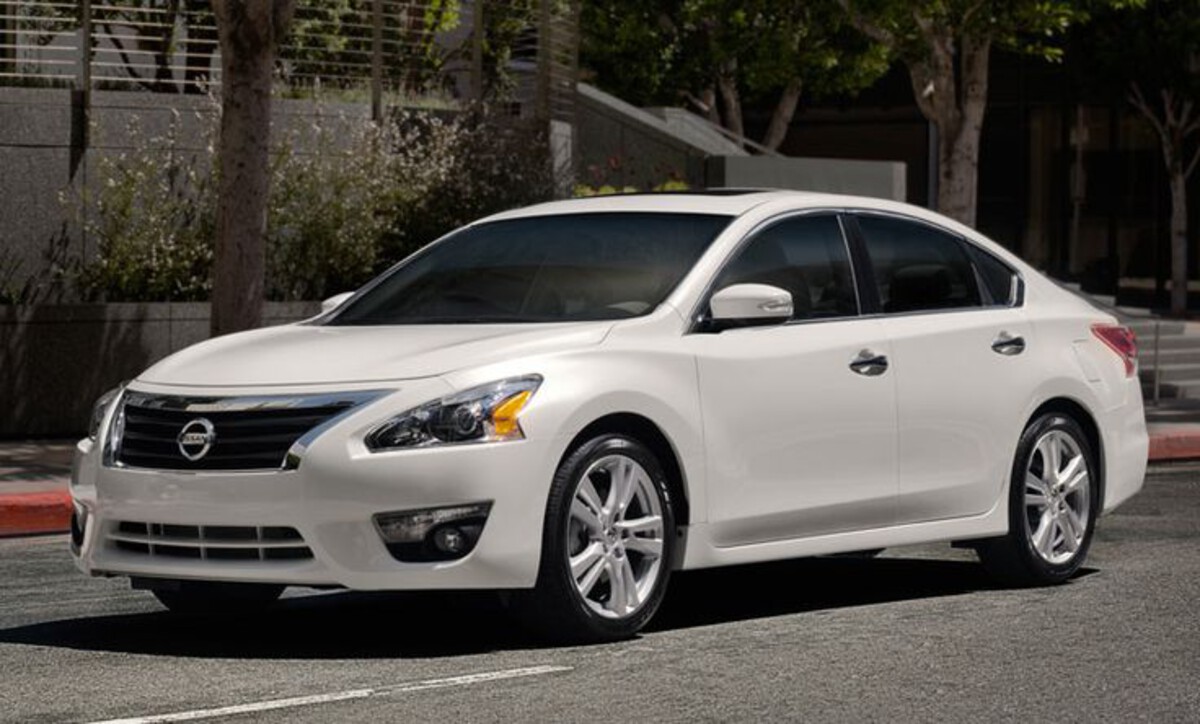
The Nissan Altima has a strong following due to its affordability and fuel economy, but it’s also one of those sedans that tends to lose its initial polish quicker than expected. While the first few months of ownership can feel perfectly fine, many drivers begin to notice a change in ride quality and road behavior not long after.
By the time the car has seen a year of daily driving, particularly in areas with rougher roads or frequent temperature swings, vibrations can creep into the steering wheel and cabin. This often starts subtly, usually when cruising at highway speeds or braking from high speed, but it gradually becomes more noticeable and annoying.
One common issue is related to the CVT (Continuously Variable Transmission) that Nissan uses across much of its sedan lineup. While CVTs can offer smooth acceleration and better fuel efficiency, the version in the Altima is known for producing vibration and odd behavior as it ages.
Even though this might not technically count as a mechanical failure early on, it contributes to a “shaky” feel that makes the car seem older than it is. Drivers often describe a sensation of the car being less composed under acceleration or when climbing hills, and the noise that accompanies it doesn’t help matters.
Suspension wear can also show up relatively early, particularly with models that are driven frequently on less-than-ideal roads. The ride becomes noticeably less smooth, and small bumps that were once barely noticeable can start to send shocks through the chassis.
This isn’t necessarily due to poor design alone, but also reflects cost-cutting in component quality. After a year, the Altima can feel like it’s lost the tightness and comfort that originally made it appealing in the dealership.
Interior rattles tend to creep in, too, especially in the door panels and dashboard area. This further contributes to the feeling that the car is aging faster than it should.
While the Altima remains a good value for some buyers, especially those who focus on price and space, its ability to retain a smooth and quiet ride after a year leaves something to be desired. For drivers who expect their car to feel the same at month 12 as it did on day one, the Altima can be a letdown.
2. Chevrolet Malibu
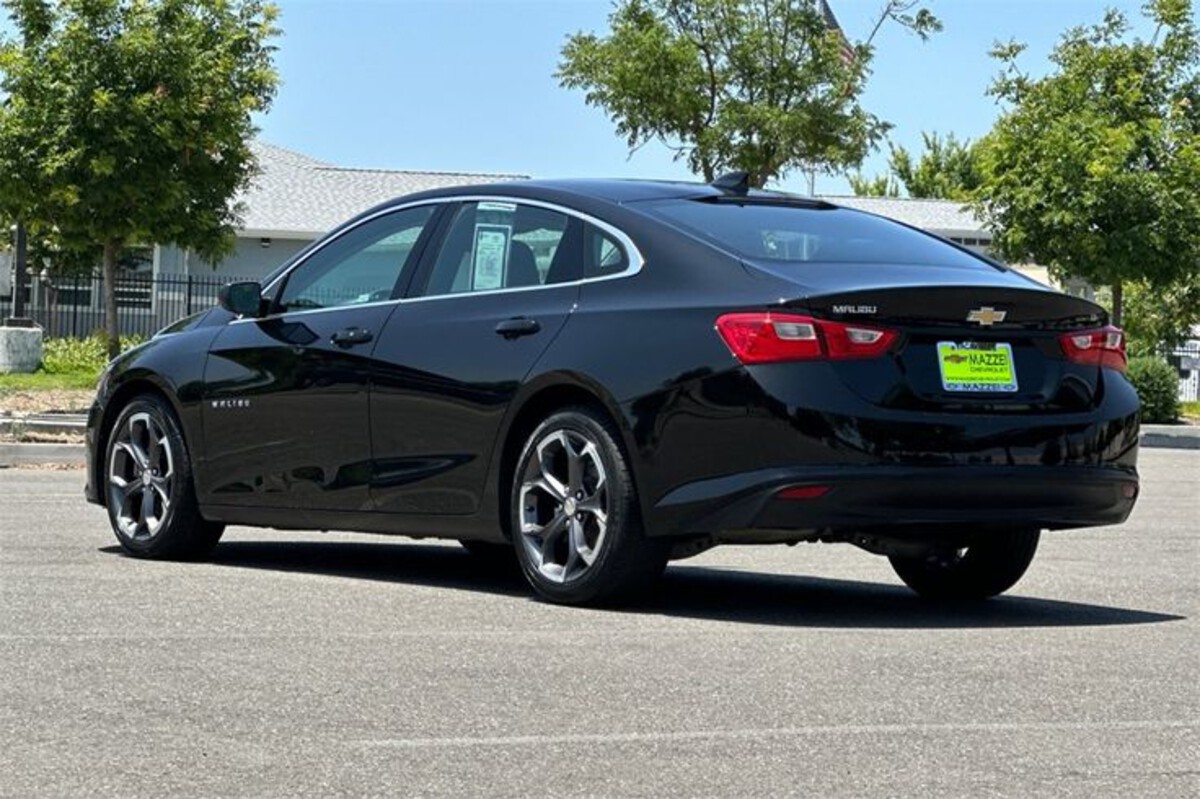
The Malibu, once a strong player in the midsize sedan market, has fallen behind in recent years when it comes to long-term refinement. While its initial driving experience is reasonably pleasant, especially in the first few thousand miles, issues often begin surfacing surprisingly early.
One of the more commonly reported complaints is an increase in cabin vibration and steering wheel shimmy, especially when the car is idling or at lower speeds. While not necessarily a sign of catastrophic failure, these sensations degrade the comfort and confidence of the driving experience.
Some of this can be attributed to drivetrain and engine mount behavior. Even when the car is properly maintained, many Malibu owners report that engine vibrations become more noticeable within the first year of ownership.
These vibrations can translate through the pedals and even into the seat base, creating an experience that’s both fatiguing and frustrating. The automatic transmission can also begin to shift more roughly or inconsistently, contributing to a sense that the car is aging faster than expected.
The suspension is another area where the Malibu doesn’t hold up particularly well. Over time, the ride becomes harsher, particularly in models equipped with larger wheels. Bumps that were once dampened adequately begin to transmit more energy into the cabin.
Road imperfections are felt more acutely, and this can even lead to some instability at higher speeds. The sense of control and composure that the car once had becomes diminished, leading to a more fatiguing driving experience.
Interior materials also don’t help the situation. While the cabin may look decent initially, many of the touchpoints and panels begin to develop creaks or rattles within the first year. The seats, too, can begin to feel flat or unsupportive as the foam compresses.
Taken together, these small issues result in a sedan that just doesn’t age as gracefully as it should. For drivers expecting long-term smoothness and confidence, the Malibu falls short of its competitors.
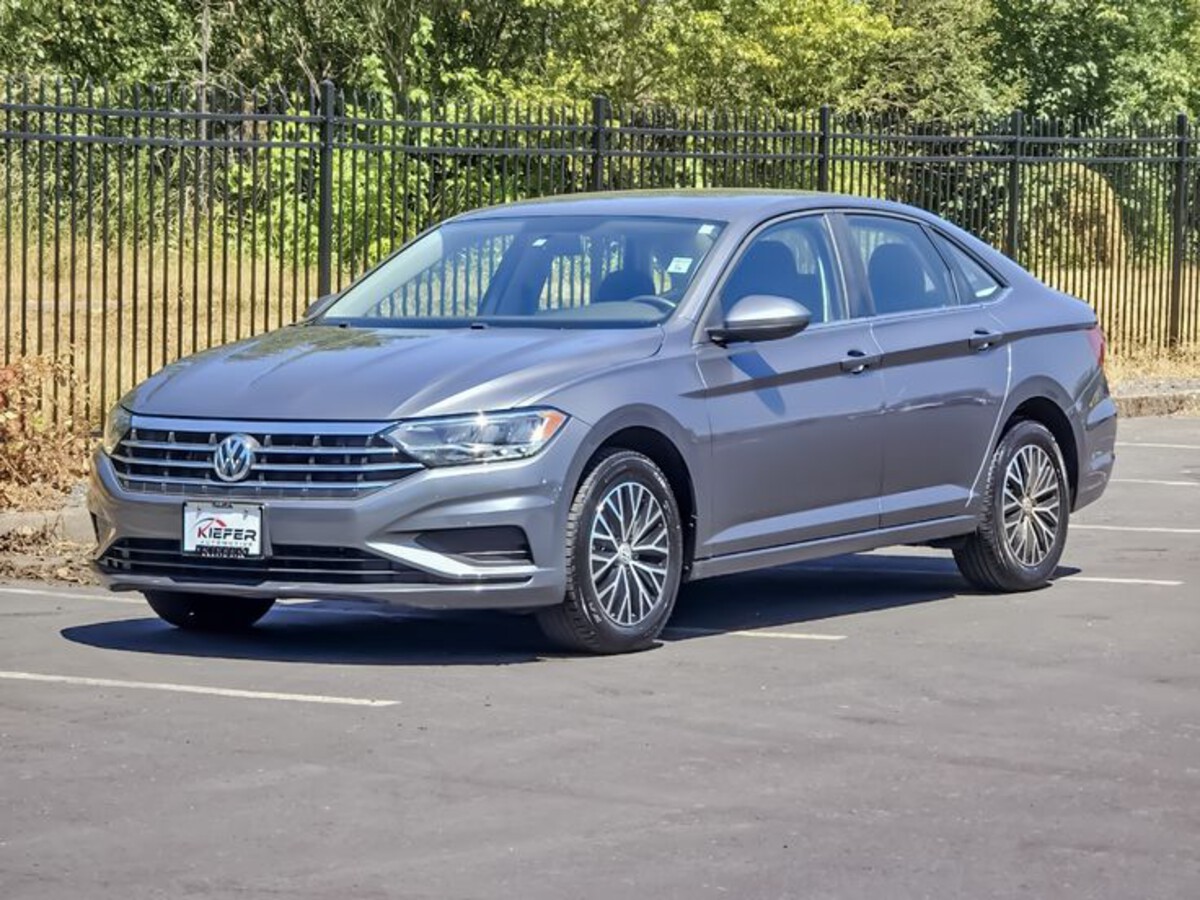
3. Volkswagen Jetta
The Volkswagen Jetta presents itself as a more upscale option in the compact sedan space, often boasting European-style handling and design. And while it does deliver an enjoyable driving experience out of the box, that experience can degrade noticeably within a year for some owners.
The issue isn’t usually tied to one dramatic failure but rather to a steady decline in ride quality and mechanical consistency. For a vehicle that positions itself as slightly premium, the early signs of vibration or chassis looseness come as a disappointment.
One key area of concern is the suspension system. While initially well-tuned, it seems to be vulnerable to wear and tear earlier than expected. Over time, small bumps start feeling harsher, and the once-balanced ride begins to feel uneven.
This effect is more pronounced in colder climates where roads are more brutal and suspension bushings wear faster. Within a year, the tight, composed feel starts to give way to a more jittery and unsettled ride, especially at highway speeds or over less-than-smooth surfaces.
Transmission behavior can also become less refined over time. Some Jetta owners report that gear changes in the automatic transmission become less smooth and that throttle response grows inconsistent.
While this may not always be a mechanical problem, it creates a disconnect between the driver and the car. When combined with increased road noise and vibration, the driving experience no longer feels as cohesive or confident as it did when new. In a car that emphasizes its driving feel, this kind of degradation is especially noticeable.
Interior trim quality is another source of frustration for some. While Volkswagen is known for clean and appealing interior design, it doesn’t always translate to long-term durability. Panels can start to creak, and there have been complaints of dashboard and door trim developing noises within the first year.
These noises can make the car feel older than it actually is, and they undermine the perception of quality. The Jetta is a car that shows promise early on but has trouble maintaining that same level of refinement once it starts racking up mileage.
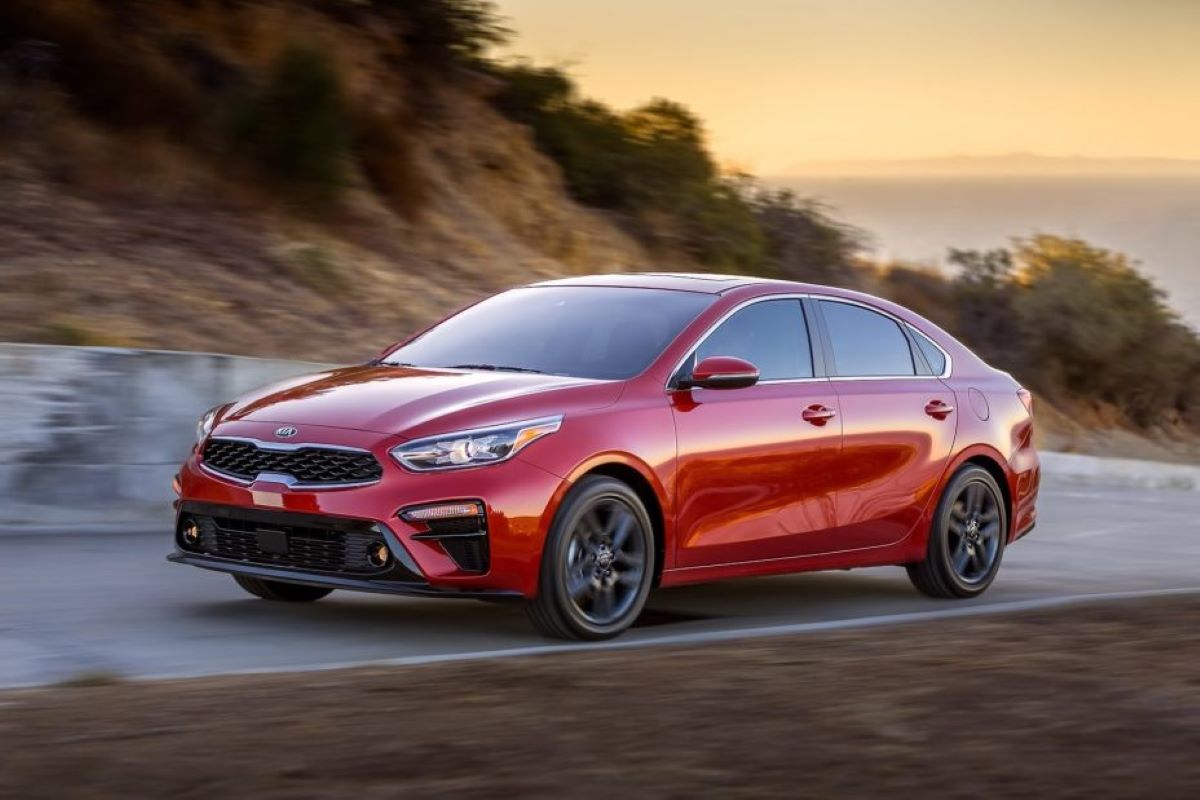
4. Kia Forte
The Kia Forte has improved significantly in recent generations, especially in terms of features and technology. However, the driving experience tends to degrade quicker than one might expect.
Although it starts out feeling modern and solid, many drivers notice early signs of decline in comfort and mechanical behavior after about a year of regular use. The Forte’s suspension tuning is part of the issue. It leans toward the firm side, which initially feels sporty, but that firmness doesn’t age well as the components wear.
After months of daily driving, the ride quality starts to feel brittle. The suspension becomes less effective at absorbing imperfections, which means more vibrations make their way into the cabin.
This leads to a rougher experience on once tolerable roads. It’s not uncommon for drivers to notice an increase in steering vibration or slight instability at highway speeds as the car wears in. The Forte doesn’t necessarily break down, but it loses that fresh, tight feeling surprisingly early.
Noise isolation also becomes more of a problem over time. While the cabin starts out feeling reasonably insulated, road noise and wind intrusion increase within the first year, especially at higher speeds.
This may be due to lower-grade door seals or acoustic insulation that doesn’t hold up as well as it should. When combined with the firmer ride, this noise creates an environment that feels less refined than it did originally. What once felt like a refined economy car begins to feel just like an economy car.
Interior build quality doesn’t help the situation. Though Kia has made strides in design and technology, some of the materials used in the Forte tend to wear quickly. Buttons can become unresponsive, plastics may develop squeaks, and seat cushions can lose their shape and support.
These may seem like small complaints on their own, but they combine to create a vehicle that feels older than its age. While the Forte has its strengths, maintaining a like-new driving feel is not one of them.
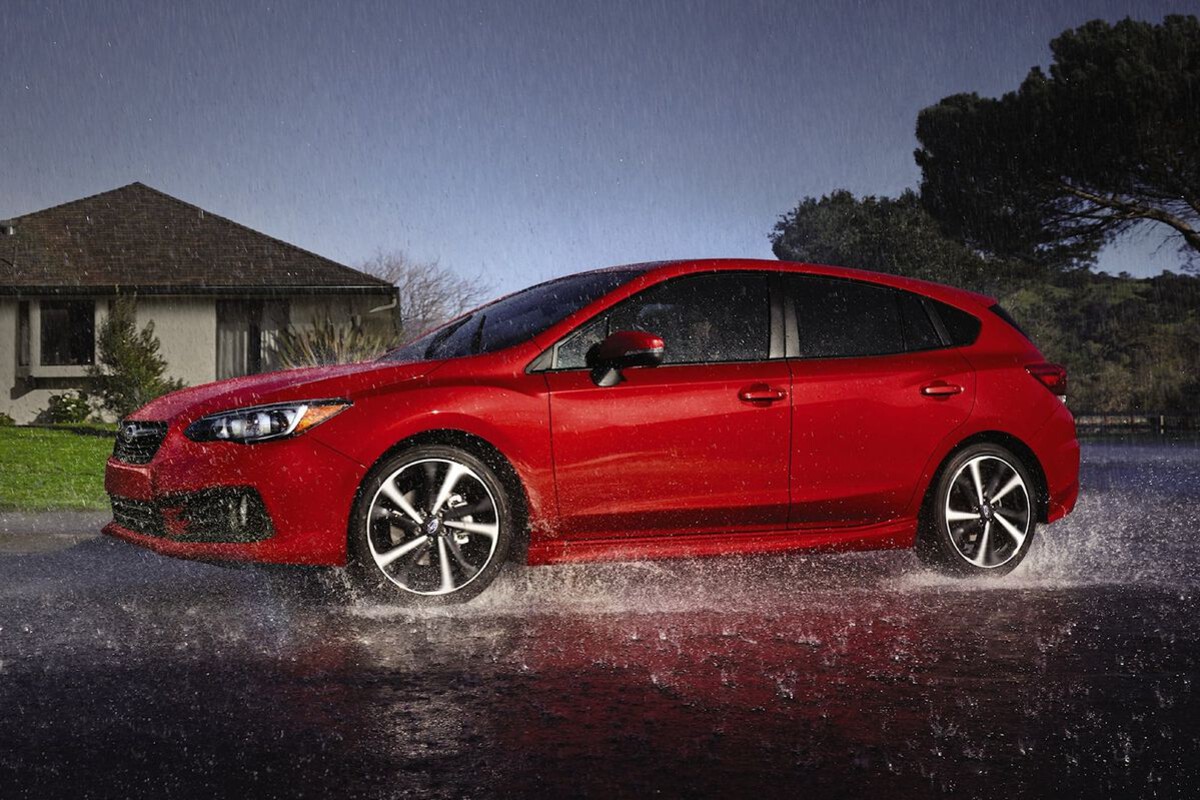
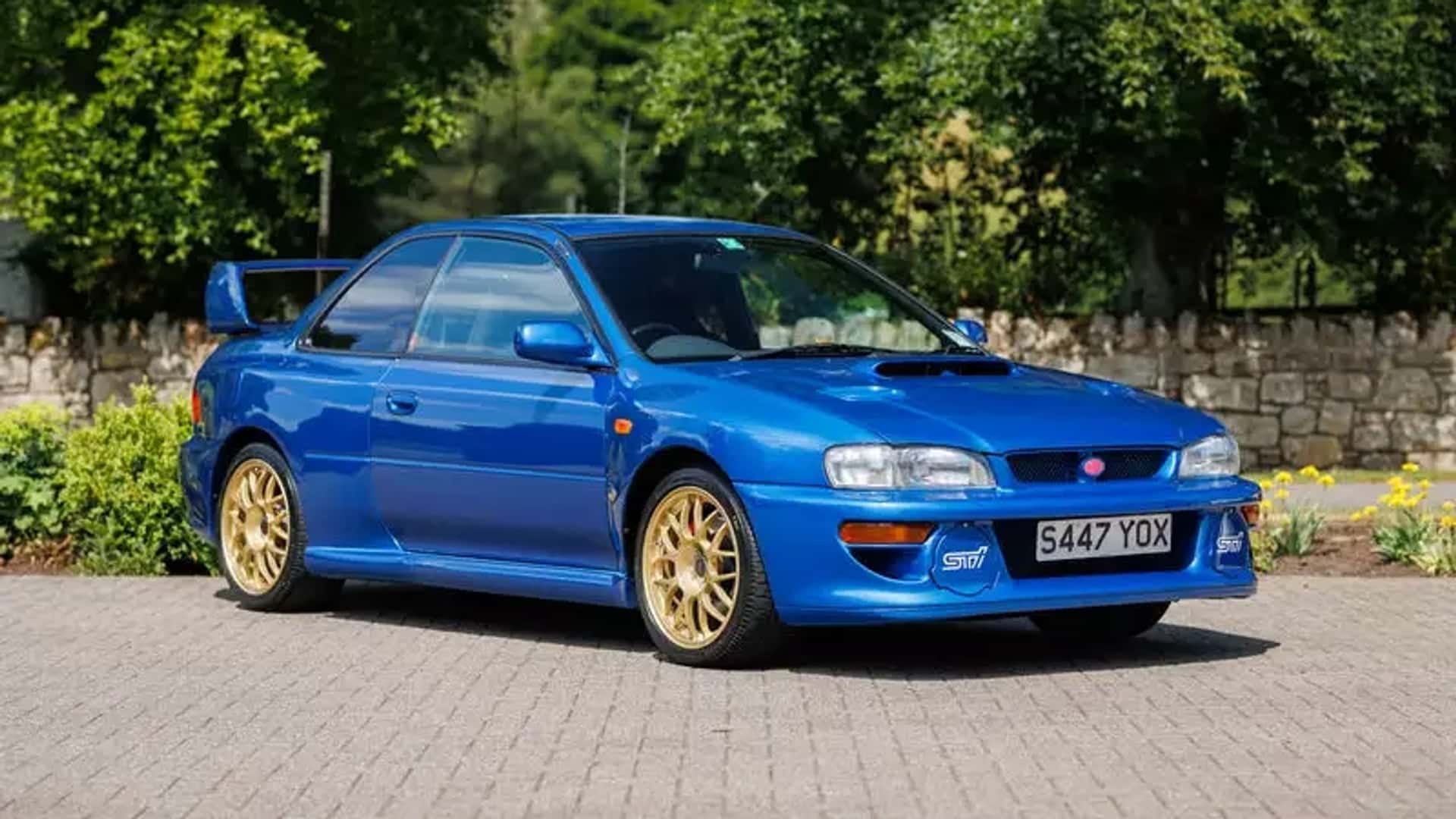
5. Subaru Impreza (Older Models)
Subaru has a loyal fan base and a reputation for all-weather reliability, especially thanks to standard all-wheel drive in the Impreza. However, not all Imprezas hold up equally in terms of long-term ride quality.
Older models in particular, even those only a few years back, have shown a tendency to develop shakes, vibrations, and cabin noise far sooner than expected. Within a year, many owners begin to notice a decline in ride comfort and an increase in mechanical harshness.
One factor is the suspension setup. Subaru has historically used a relatively soft suspension, which can wear quickly with regular use, especially in urban areas with bad roads. After thousands of miles, the car begins to bounce more over bumps, and body control suffers.
The ride becomes less composed, and drivers may feel a constant jiggle on roads that previously felt smooth. This unevenness can feel unsettling, especially when driving at speed or cornering.
The drivetrain can also be a source of early-age vibration. Subaru’s flat-four engine layout offers some unique benefits, but is also known to transmit more vibration through the chassis compared to inline engines.
When the engine mounts or other related components begin to wear, the vibration can intensify, especially at idle or during acceleration. Within a year, some drivers report feeling the engine’s hum more prominently than they did when the car was new.
Interior aging is another issue. While Subaru focuses on function over flair, the materials used in older Imprezas often start to degrade quickly. Trim panels may rattle, and door seals can let in more wind noise as they age. Even the seats can lose their comfort over time, leading to a more tiring ride.
The Impreza’s strength lies in its all-weather capability, but when it comes to maintaining a smooth and quiet driving experience after a year, it has struggled in the past. Newer models have made improvements, but older ones are a clear example of a sedan that doesn’t always hold up as well as expected.
Also Read: 5 Cars With Fast Climate Response vs 5 With Slow HVAC
Choosing the right sedan isn’t just about how it performs during the test drive; it’s about how it holds up over time. A car that drives smoothly and confidently in its first few months should ideally maintain that same level of refinement for years.
The sedans that continue to feel solid, composed, and comfortable after a year reflect thoughtful engineering, durable materials, and quality assembly. Models like the Toyota Camry, Honda Accord, Mazda6, Lexus ES, and Hyundai Sonata demonstrate that a well-built car can maintain its driving feel far beyond the showroom phase.
On the other hand, sedans like the Nissan Altima, Chevrolet Malibu, Volkswagen Jetta, Kia Forte, and older Subaru Impreza models tend to show signs of wear too soon. Vibrations, road noise, and interior rattles start to creep in, undermining the driving experience.
These issues might not lead to major breakdowns, but they affect daily comfort and satisfaction. For many buyers, how a car feels after a year matters just as much as how it feels on day one.
Paying attention to long-term quality can make the difference between owning a car that’s still a pleasure to drive and one that quickly becomes a disappointment. Smart buyers look beyond the spec sheet and consider the full ownership experience.
