
When buying an affordable car, many people focus heavily on price, fuel economy, maintenance costs, or horsepower. While those are all essential, seat quality often gets overlooked. Yet for anyone who spends more than a few hours a week behind the wheel, seat comfort and support can make or break the entire driving experience.
This isn’t just about soft versus firm; it’s about how well the seats support your body over time, especially on longer drives or in stop-and-go traffic. Some budget-friendly cars surprisingly offer firm, supportive seating that keeps your posture aligned and reduces fatigue.
Others, though, come with plush but poorly designed cushions that make you sink like you’re on an old living room couch. That may feel cozy at first, but it quickly turns into a sore back and strained muscles after just 30 minutes.
Seat structure is more than a luxury feature. It plays a big role in posture, circulation, and even how safely a driver can maintain control of the car. Firm seats often give better feedback from the road and help reduce the feeling of floating, especially when cornering.
They also provide a sense of stability, especially for people with lower back pain or those who commute daily. On the flip side, soft, saggy seats might initially seem inviting.
But these “sofa-style” seats often lead to poor spinal alignment, shoulder strain, and an droopy posture that can make you more tired than the drive should be. This is particularly noticeable in budget-friendly models, where cost-cutting measures sometimes sacrifice ergonomic integrity.
This article breaks down five affordable cars known for having sturdy, supportive seating and five others with seats that tend to sink and offer little long-term support. These aren’t high-end luxury models. These are vehicles people buy when budgets are tight, but daily driving is a must.
Whether you’re commuting to work, doing ride-share, or just need something practical and dependable, the quality of your car’s seating could affect your health and driving comfort far more than you think. Let’s look at which affordable cars offer that reliable firmness, and which ones feel a little too much like a worn-out couch on wheels.
Also Read: 10 Vehicles With Great Visibility for Short Drivers
5 Affordable Cars With Sturdy Seats
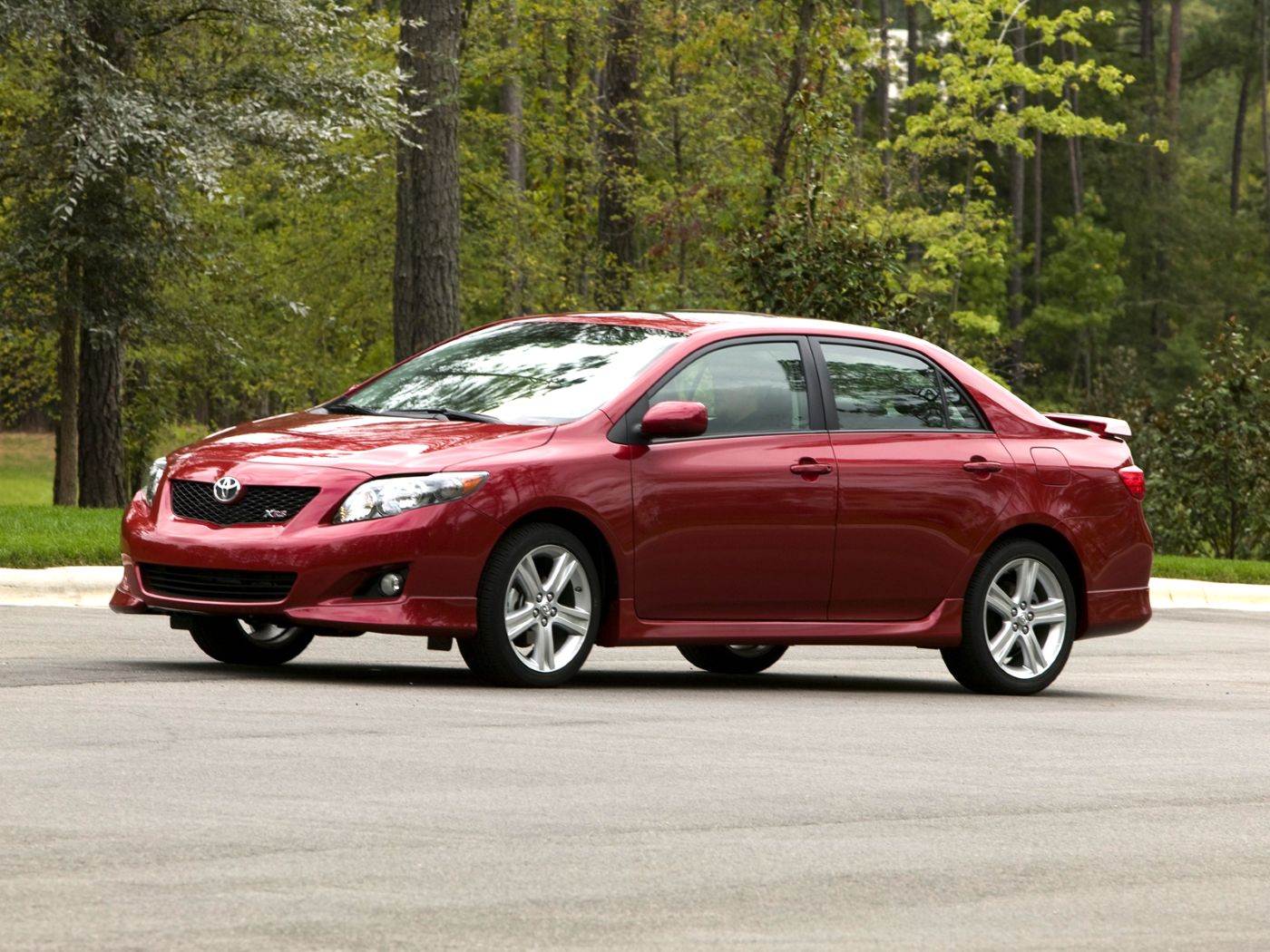
1. Toyota Corolla
The Toyota Corolla has built a reputation around practicality and dependability, but one often-overlooked aspect of its design is the firmness and structure of its seating. Unlike many cars in the budget segment, the Corolla’s front and rear seats offer a supportive structure that stays consistent across long drives.
This is particularly useful for drivers who spend hours commuting or making deliveries. The seats offer dense foam padding that doesn’t compress too easily, and it helps maintain proper posture over time without feeling overly hard.
Corolla seats are often praised for their ergonomic alignment. The seatback angle and the position of the lumbar support are thoughtfully designed, even in base trims. This makes it easier to maintain an upright and comfortable driving position.
The bolstering on the sides may not be aggressive like in a performance car, but it is enough to keep the driver in place during quick turns or rougher roads. People with chronic back issues often find this firmness to be a real benefit, even though it might feel a bit stiff at first.
Rear passengers are not left out either. The back seats in the Corolla maintain a similar firmness, which is helpful during long car rides with family or friends. There’s minimal sagging, and the seat cushions don’t feel like they lose their shape after months of use. Toyota has managed to keep the balance between affordability and practicality while making sure that drivers and passengers get the right kind of support.
It’s also worth noting that the material used in Corolla seats contributes to this feeling. The cloth upholstery in the lower trims is tight and firm, rather than stretchy or loose. That gives the seat a more structured feel. Even though this might seem like a small detail, it plays a big role in how the seat holds up over time and how it affects the experience of owning and driving a Corolla.
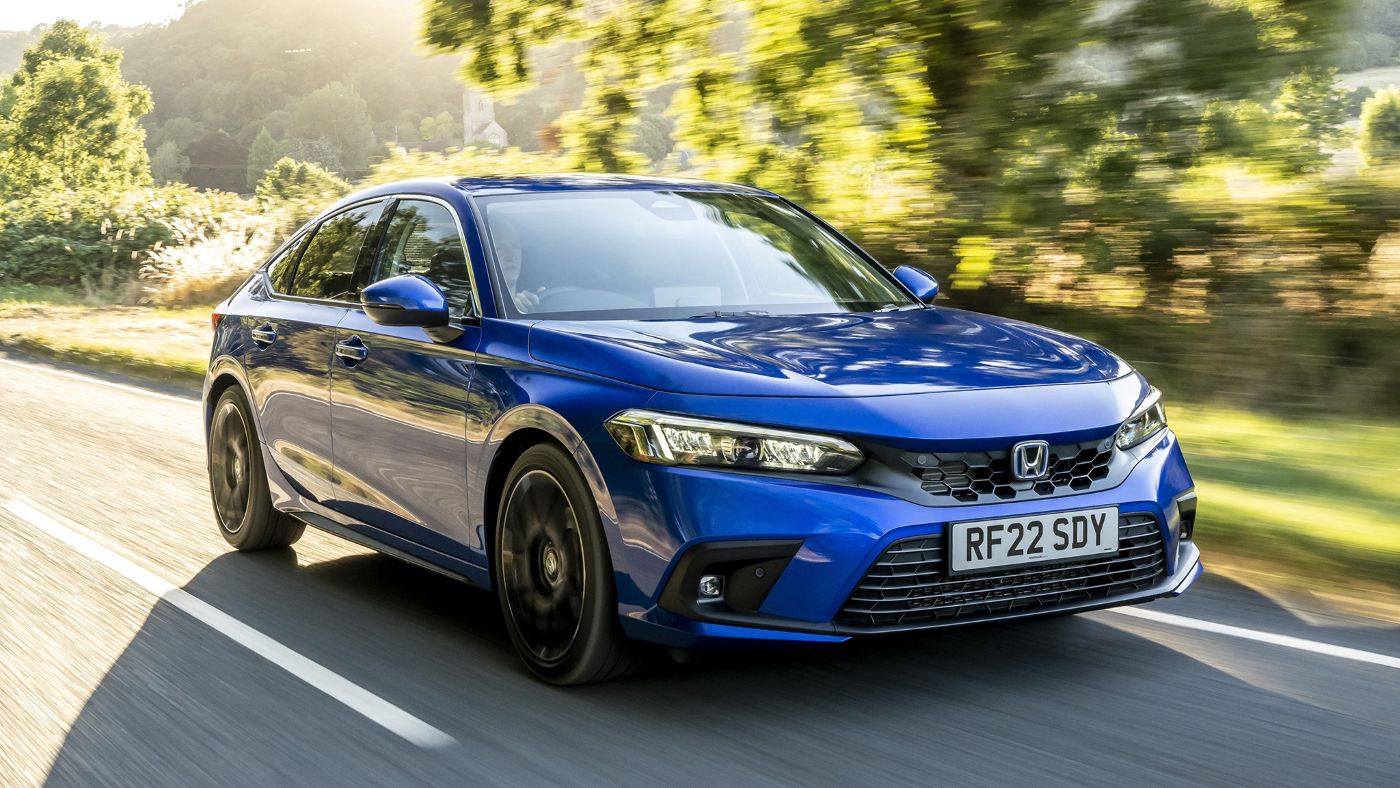
2. Honda Civic
Honda has consistently put attention into driver ergonomics, and the Civic is no exception. Even in the lower-priced trims, the Civic delivers seat quality that feels like it belongs in a higher tier.
The seat cushions are firm without being rigid, which creates a comfortable base for both short city drives and extended highway trips. There’s a balance that Honda strikes particularly well in the Civic between support and flexibility, which leads to less back pain over time.
What sets the Civic apart is the thoughtful design of the seat shape itself. The base has enough length to support most thighs fully, preventing the kind of numbness or tension that happens in shorter cushions. The seatback provides natural lumbar alignment without the need for powered controls in most models. Drivers who sit upright or even slightly reclined will notice that the back remains in consistent contact with the seat, reducing muscle strain.
Honda also uses padding that resists compression. Over time, many budget cars begin to lose their firmness as seat foam degrades, but the Civic’s materials hold their structure longer than expected for the price point. That means after a few years, you’re still getting the same level of support. It’s a major plus for anyone keeping their car for more than just a lease term.
Finally, Honda’s cabin layout contributes to the seat’s effectiveness. The steering wheel, pedals, and gear shifter all align well with the driving position, which enhances the comfort of the seat itself. You don’t have to stretch or twist awkwardly while seated. Everything is within reach, which reduces fatigue even further. For the price, very few cars offer this level of driver-focused design in their seating.
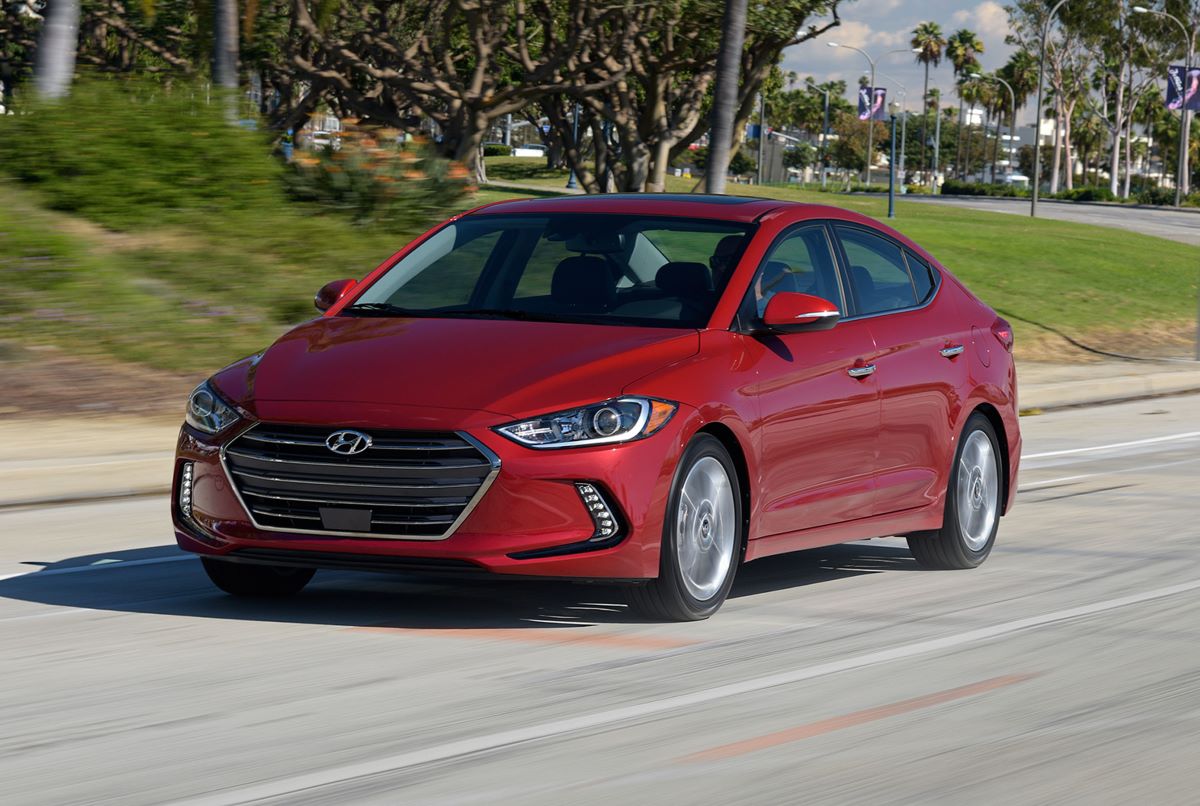
3. Hyundai Elantra
The Hyundai Elantra has evolved quite a bit in recent years, moving from an economy car to a legitimate contender in the compact sedan market. One of the areas where it has quietly excelled is seat structure. The Elantra’s seats tend to be firmer than many competitors in its class, giving drivers a sense of solid support that doesn’t fade over time. This makes a big difference during long commutes or road trips.
The firmness isn’t the only standout feature. The Elantra seats are shaped to follow the natural curve of the spine. The lumbar area in particular is well-contoured, which can help reduce lower back fatigue. This kind of support is usually only found in more expensive cars, yet Hyundai has made it standard even in the more affordable trims. This shows a real commitment to driver comfort that goes beyond surface-level design.
Even after extended use, the seat cushions in the Elantra hold up well. The foam density remains intact, and the upholstery resists sagging. Many owners report that even after several years of ownership, the seats look and feel nearly new. That’s not something you often hear about cars in this price category. Hyundai has invested in materials that don’t degrade too quickly under daily use.
Another bonus is that Hyundai often includes decent bolstering in its seat design, even if you’re not driving a sport model. The side supports help keep you in place without squeezing too tightly, offering a subtle sense of control when cornering.
Combined with the supportive base and back, it gives the seat a well-rounded feel. You won’t mistake it for a performance seat, but it does the job better than many higher-priced rivals.
4. Mazda3
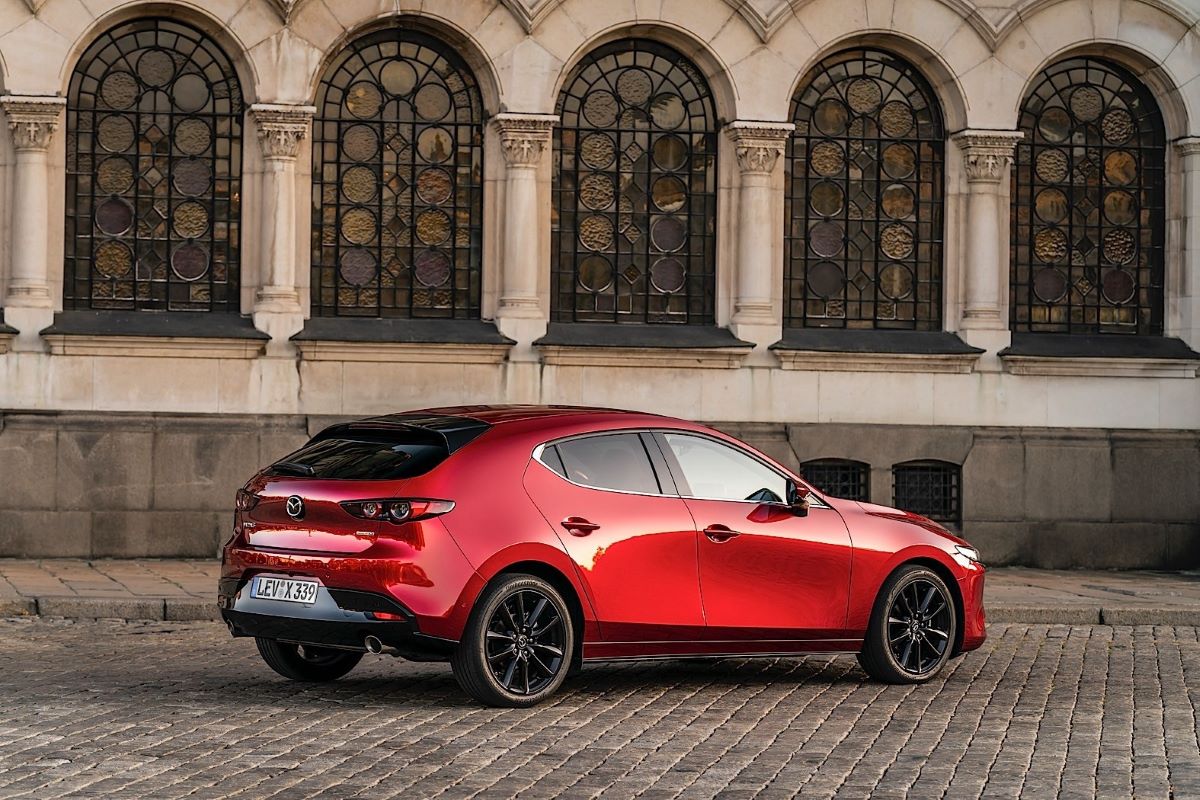
Mazda’s approach to driving goes beyond steering and engine tuning. Even in the budget-friendly Mazda3, the seats reflect a focus on driver engagement and support. Mazda has engineered the seating in the Mazda3 to keep the driver firmly in place while promoting healthy posture. The seats are snug, supportive, and contour well to the human body, which helps reduce fatigue on longer drives.
The structure of the seat base is solid without being uncomfortable. It feels built into the car, almost like it’s part of the chassis itself. This gives the driver a more connected feeling with the road and helps reduce the bouncing or shifting feeling you sometimes get in softer seats. It’s a subtle touch, but it adds a layer of confidence when driving, especially in tighter turns or at highway speeds.
The seatbacks are equally impressive. They feature a gentle curve that supports the spine without forcing the driver into an awkward position. Whether you’re tall or short, the shape adjusts well without needing complicated power adjustments. This simplicity is part of the Mazda philosophy: make it work well, rather than just look good on paper. It pays off in real-world driving comfort.
Passenger seating isn’t ignored either. The rear seats offer similar firmness and shape, making the Mazda3 a solid choice for anyone who drives with friends or family frequently. It’s a car that manages to feel sporty without sacrificing comfort. If you’re looking for a compact car with firm, supportive seats that encourage better posture, the Mazda3 is one of the strongest options out there in its price range.
5. Subaru Impreza
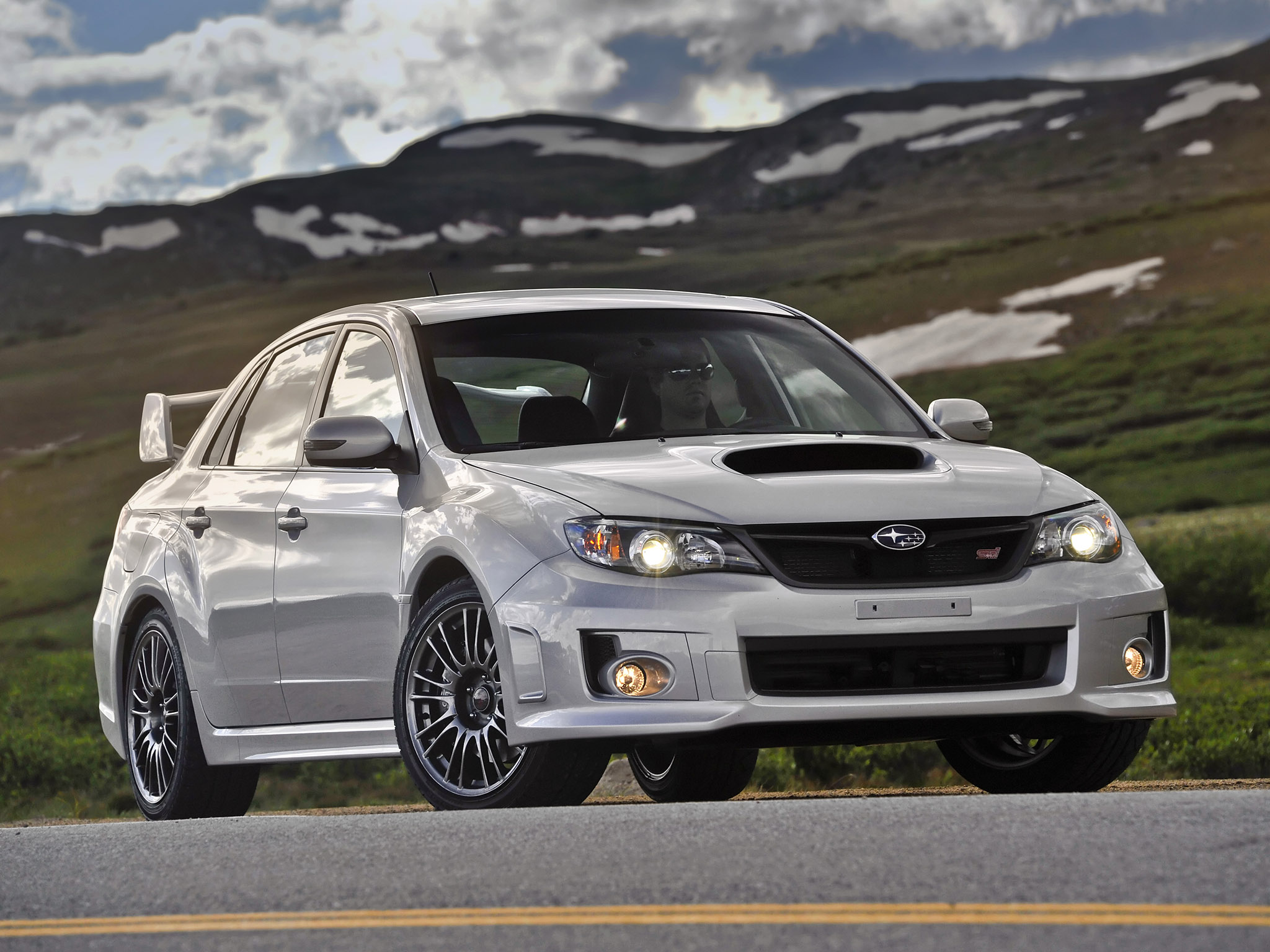
The Subaru Impreza often flies under the radar in conversations about seating, but it shouldn’t. Known for its all-wheel drive system and rugged reliability, the Impreza also features seats that feel far more substantial than those in many of its price-range competitors. The front seats, in particular, offer good firmness and a balanced shape that caters to a wide variety of body types.
The seat cushion in the Subaru Impreza is dense and maintains its shape well, even under daily use. It doesn’t sag or flatten easily, which is something many budget cars struggle with over time. That consistent firmness supports the thighs evenly and helps reduce leg fatigue during longer drives.
Subaru designed these seats for function over flash, and the result is a chair that holds up to real-world use without feeling cheap or poorly padded. It also benefits from smart fabric choices that resist wear and provide a bit of grip so you don’t slide around while cornering.
Back support is where the Impreza sets itself apart. The seatbacks are shaped with a firm lumbar area that doesn’t require a power adjustment to be effective. Whether you’re sitting upright or slightly reclined, the backrest offers a stable feel that encourages good posture without forcing you into an uncomfortable angle.
It’s the kind of seat that feels natural to sit in, even after an hour or two behind the wheel. For people who drive in mixed conditions, city, highway, and occasional rougher roads, the support helps minimize the need to constantly shift around to find a comfortable position.
The cabin ergonomics also contributes to how well the seats function. Subaru aligns the pedals, wheel, and gear shifter logically with the driver’s natural reach. This means the seat doesn’t have to compensate for poor positioning elsewhere. It lets the driver relax into the seat rather than lean or twist.
And unlike some compact cars, the Impreza’s cabin gives enough shoulder and leg room to feel comfortable without needing extra adjustments or added cushions. The whole setup feels like it’s designed for longer-term comfort rather than just a plush initial impression.
Even the rear seats benefit from Subaru’s focus on firmness and function. While backseat passengers don’t usually get the same ergonomic treatment, the Impreza still offers upright, supportive seating that doesn’t collapse under weight. It’s one of the few compact sedans where passengers don’t immediately complain about soft or awkward cushions in the back.
For families or rideshare drivers who need something durable and comfortable for all passengers, the Impreza’s seat design quietly stands out as one of the better options in the affordable class.
5 Affordable Cars That Sink Like Sofas
6. Nissan Sentra
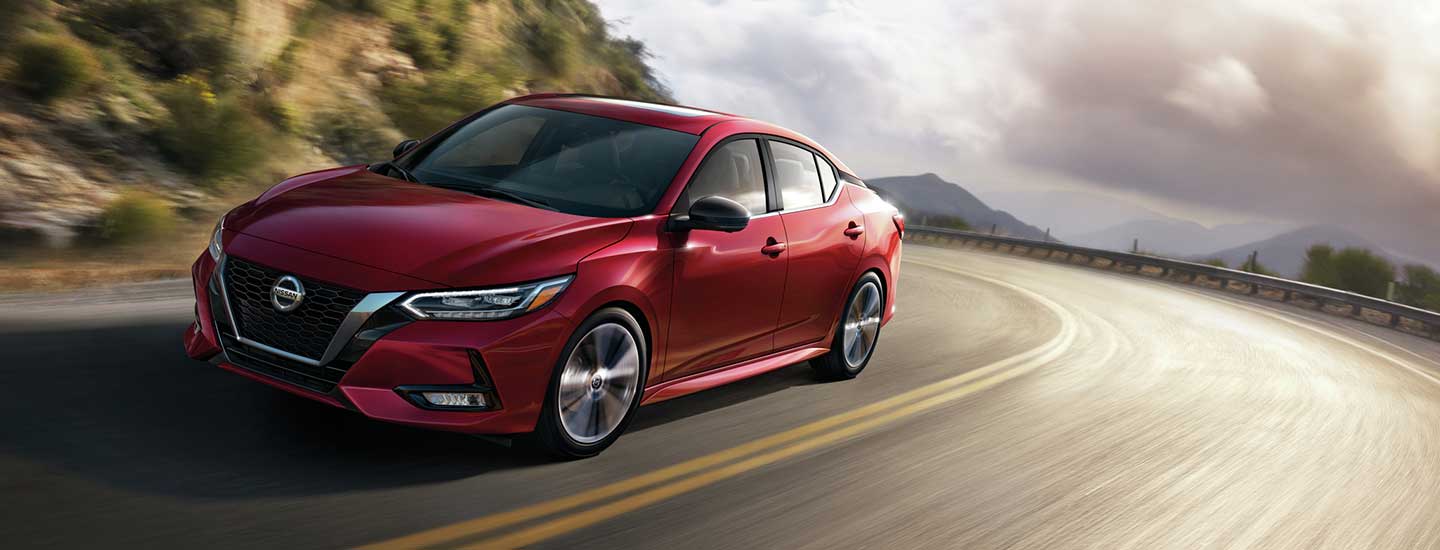
While the Nissan Sentra has improved in many areas, like styling and tech features, one of its persistent weaknesses has been the seating. On the surface, the seats look well-padded and inviting, but once you spend more than thirty minutes in the car, the lack of proper support becomes clear.
The cushions are soft to the point of being spongy. While that might feel relaxing at first, it quickly becomes uncomfortable due to the absence of firmness and shape retention. It’s the kind of seat that makes your posture collapse after a short drive.
The seatback lacks the structural support needed to keep your spine in a healthy alignment. Instead of offering resistance to help you sit upright, it caves inward, pulling your back into a slouched position.
This becomes especially noticeable during longer drives or in stop-and-go traffic. Drivers often find themselves adjusting and re-adjusting to avoid sore spots, which defeats the purpose of having a comfortable seat in the first place. The lack of lumbar support, especially in base trims, only makes matters worse.
Rear passengers face a similar issue. While the Sentra offers decent legroom, the seats themselves feel like soft benches rather than sculpted cushions. The foam compresses quickly under pressure, and it doesn’t spring back effectively.
Over time, the seats can start to look worn and feel uneven, particularly in high-use situations like carpools or ride-sharing. This creates not only a comfort issue but a quality perception problem. It gives the sense that corners were cut in materials and design.
Another problem with soft seats like those in the Sentra is that they reduce your road feedback. Drivers may not realize it at first, but overly soft cushions can create a “floating” sensation, especially during turns or quick lane changes. You don’t feel as connected to the car or the road, which can subtly affect your driving confidence. For people who prioritize ergonomics and long-term seat comfort, the Sentra can be a disappointment despite its other strengths.
7. Chevrolet Spark
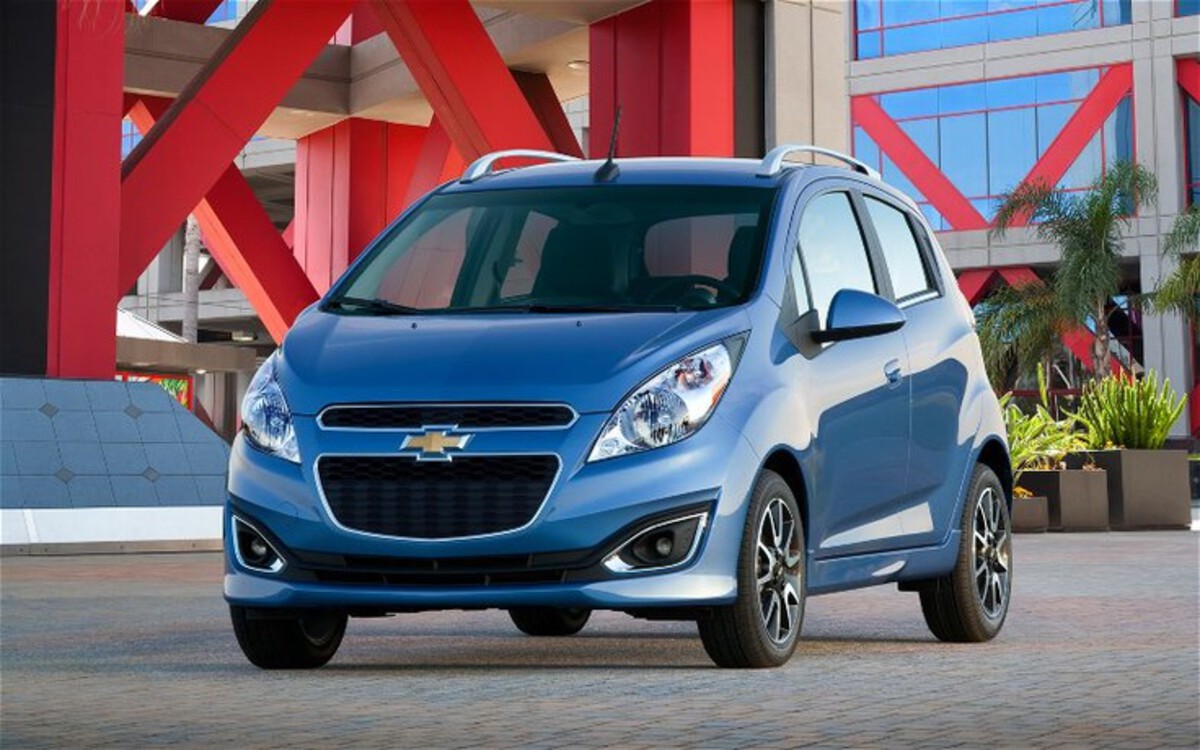
The Chevrolet Spark has always aimed to offer ultra-affordable city driving with compact dimensions and a no-frills design. Unfortunately, the seat quality reflects that minimalism to an uncomfortable degree.
The front seats in the Spark are flat, thin, and lacking in any sort of meaningful support. The foam used in the cushions feels soft initially, but bottoms out quickly. Once that happens, all that remains between you and the vehicle frame is a layer of fabric and very little else.
The seatbacks are just as problematic. There is minimal contouring, and the shape feels like a straight panel with a pad thrown over it. There’s almost no lumbar support, and the headrests are awkwardly placed, often forcing the driver’s head forward in a way that strains the neck.
This lack of ergonomic consideration becomes a real issue on anything longer than a short errand. Many owners report adding aftermarket cushions or lumbar pads just to tolerate longer drives.
Rear seating is even more compromised. While space is naturally limited in a car this small, the rear bench is incredibly soft with almost no reinforcement. Any adult-sized passenger will feel the lack of structure immediately.
The entire rear row feels like an afterthought, meant more for occasional use than regular comfort. It’s hard to imagine long rides in the Spark without some level of physical discomfort setting in fairly quickly.
Chevrolet kept the cost low by cutting corners in many areas, and the seats are clearly one of them. For someone who only drives a few miles a day or uses the Spark as a second car for short trips, it might be tolerable. But for anyone who sits in traffic, commutes more than 30 minutes, or needs to transport passengers regularly, the soft, unsupportive seats in the Spark will likely become a major frustration point rather quickly.
8. Kia Rio
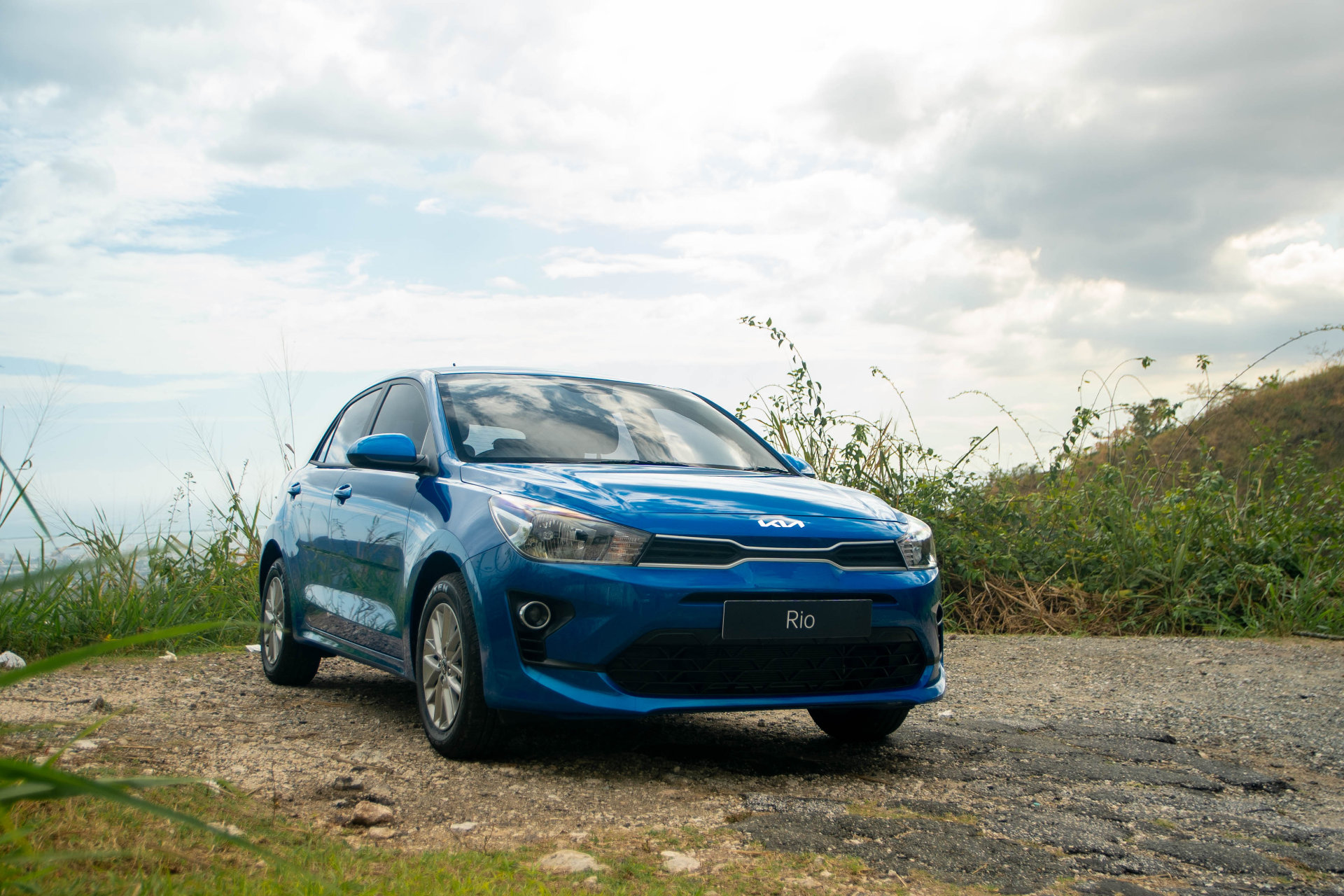
The Kia Rio is often praised for its affordability and modern looks, but seat comfort has long been a weak point. At first glance, the seats seem plush and well-designed, but extended time behind the wheel reveals just how soft and structureless they are.
The padding feels like a foam cushion on a lawn chair: light, overly compressible, and lacking the reinforcement needed for proper support. This causes your hips and lower back to sink lower than ideal, tilting your pelvis awkwardly and leading to discomfort over time.
The seatbacks in the Rio do little to help the situation. While they’re not the worst in terms of alignment, they are far too yielding. Once you press your back into the cushion, it simply gives way instead of pushing back with resistance.
This lack of firmness results in poor spinal support, and the more time you spend driving, the more you find yourself leaning forward or repositioning to regain some structure. It’s tiring and inefficient, especially if you drive daily.
Rear seat passengers won’t fare much better. The rear cushions are soft and shallow, which means taller riders or those sitting for long periods will start to notice the same discomfort as those in front.
There’s also the issue of seat angle; the backs are angled too steeply for many passengers to sit upright comfortably. Instead, you feel like you’re reclining even when you’re not, which may sound relaxing but doesn’t help for rides beyond a few miles.
While Kia has done a great job modernizing the Rio’s technology and exterior styling, the seating remains one of the clearest signs of cost-cutting. These seats are made to feel nice in a test drive, not to support someone for the long haul. For a vehicle that’s often purchased by students, commuters, or budget-conscious families, the Rio’s lack of supportive seats feels like a real letdown in an otherwise solid package.
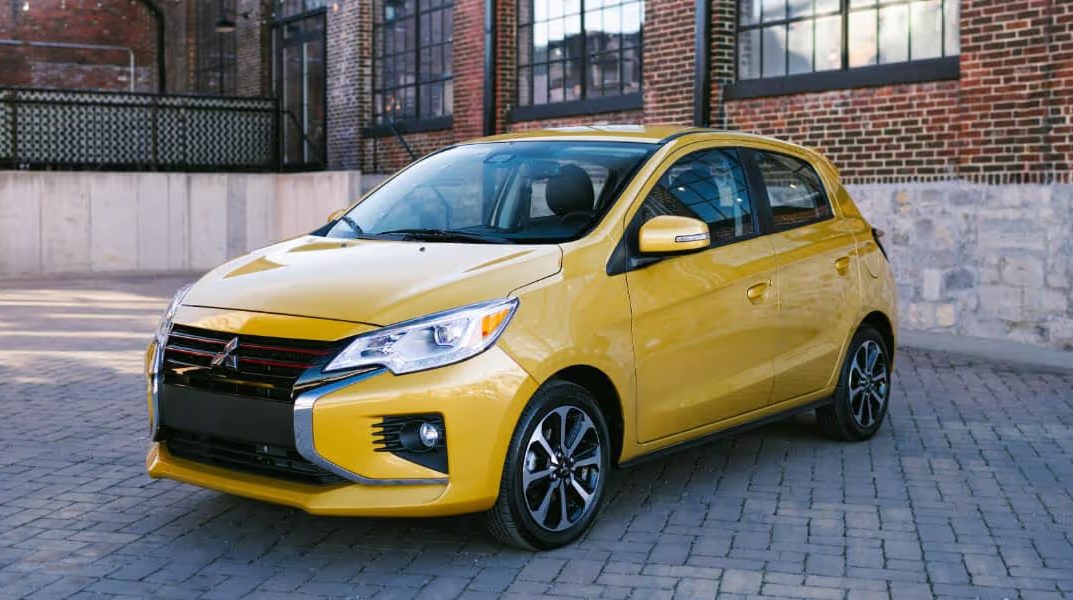
9. Mitsubishi Mirage
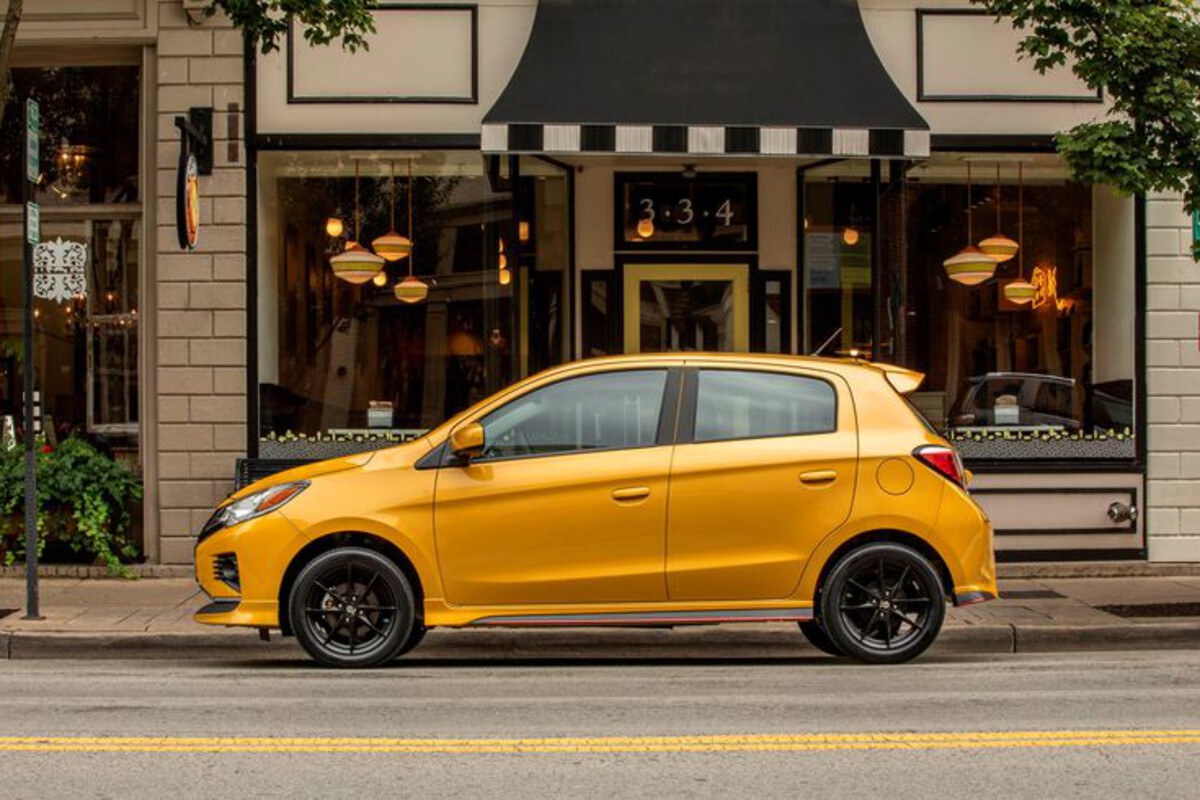
The Mitsubishi Mirage is one of the least expensive new cars on the market, and unfortunately, that bargain pricing is reflected clearly in its seating. The front seats are some of the thinnest and least structured you’ll find in any modern vehicle
. The seat bottoms are soft and shallow, offering little support to your thighs and virtually none to your hips. This creates a constant “sinking” feeling where your weight compresses the foam completely, leaving you to feel the hard base underneath.
The seatbacks don’t help either. They have almost no lumbar curve and offer zero reinforcement. Most drivers report needing additional cushions to stay upright or simply to avoid a sore back.
For tall drivers, the problem is even worse, as the seat fails to provide support beyond the mid-back. It often feels like the cushion is trying to fold around you rather than support you. After 20 minutes of sitting, even short drives can feel exhausting on your spine and shoulders.
Rear seats in the Mirage are just as underwhelming. The bench-style seating is flat, overly soft, and completely unsupportive. Passengers tend to slide around on turns, and there’s a constant need to readjust due to the lack of bolstering.
It feels more like sitting on a padded bench than in an automotive seat designed for safety and comfort. While rear space is acceptable for a car this size, the experience is one of minimal effort toward comfort.
The Mirage is a good example of how affordability can come at the cost of basic comfort. If you rarely drive or only use the car for ultra-short trips, it may not be a dealbreaker. But for anyone spending real time behind the wheel, the lack of seat support becomes a daily issue that’s hard to ignore.
Over time, the constant sinking feeling and absence of ergonomic support can lead to lower back pain, poor posture, and even fatigue that affects concentration on the road. No matter how frugal or fuel-efficient the car may be, discomfort like that adds up, physically and mentally. You start to dread longer drives and even find yourself considering whether short trips are worth the hassle.
That’s a sign of poor design, not just frugality. It’s hard to recommend the Mirage to anyone who plans to use it as a daily driver for more than a few miles at a time. While the price tag may be appealing, the seat quality makes it one of the least comfortable budget options on the market.
10. Volkswagen Jetta (Base Trim)
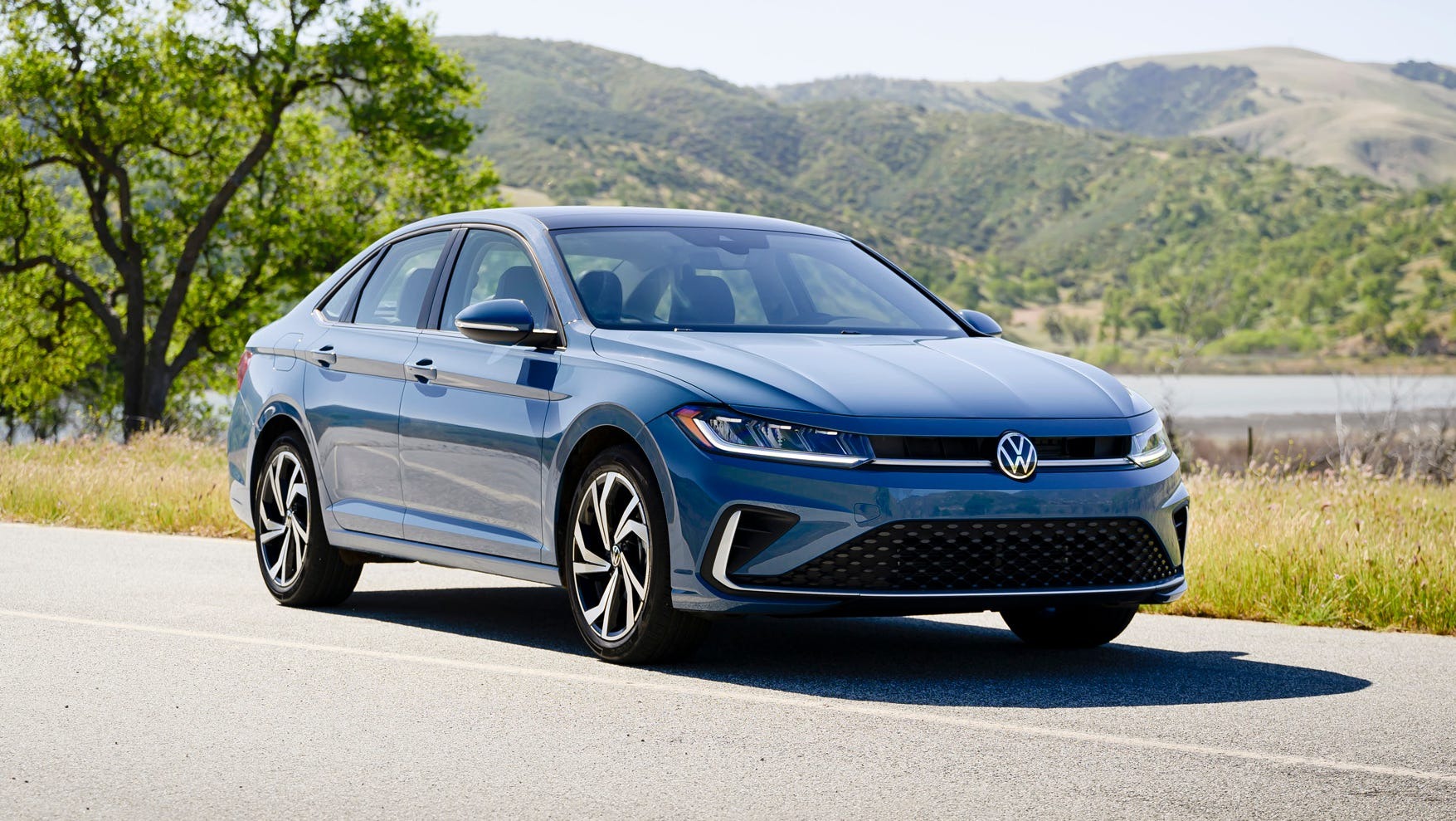
The Volkswagen Jetta is a bit of a surprising entry on this list because its higher trims feature some genuinely excellent seats. However, in the base model, the cost-cutting becomes noticeable, especially in the seating department.
The seats look premium at first glance with their clean stitching and smooth cloth materials, but sit down and the problems start to show. The foam cushioning in the base Jetta feels overly soft, and it doesn’t provide the kind of structured support many drivers expect from a car with VW’s reputation.
The issue lies in how the seat responds to pressure. Instead of holding the driver up in a stable, upright posture, the base Jetta seats allow the driver to sink in unevenly, especially around the lower back and thighs.
This leads to a collapsed sitting position that encourages slouching. Over time, this contributes to both back and hip discomfort, especially during long commutes. The seat back doesn’t push back with the firmness you’d expect; it simply yields, like a worn-out office chair that’s lost its spring.
Rear seats in the base Jetta are slightly better in terms of firmness, but they still fall into the “too soft” category. There’s a broad, flat feel to the bench, and while it’s wide enough to be spacious, it lacks bolstering and contour.
Passengers won’t find themselves sinking as much as in the front, but they will feel unsupported, particularly on longer rides. It’s the kind of setup that feels fine for short urban trips but grows tiring if you’re spending an hour on the highway or more.
Another subtle problem with these softer seats is how they affect the driving feel. A firm, supportive seat can keep the driver planted and more in tune with what the car is doing on the road. In contrast, the base Jetta’s seats dull this connection.
You get less feedback from the road, less physical control, and more movement in your seating position with every turn or bump. While Volkswagen gets a lot right in its engineering, the base Jetta seats fall short of the sturdy standard many buyers expect, especially from a brand that usually emphasizes the driving experience.
