
The car industry has long been obsessed with the idea of longevity, but not all vehicles age the same. While some cars remain solid, reliable, and modern-feeling well into their second decade, others seem to lose their charm and functionality after just a few years.
It’s not always about mileage or maintenance, it often comes down to engineering quality, build materials, design choices, and the original intent behind the vehicle. Buyers looking for long-term value are often surprised by how some models resist the passing of time, while others degrade at a pace that leaves owners frustrated and disappointed far earlier than expected.
A car that “feels new” at ten years isn’t just about having working parts. It’s the sum of quiet cabins, solid interiors, smooth rides, and up-to-date features that still serve their purpose. These are cars that don’t creak, rattle, or feel worn every time the driver takes the wheel.
On the other hand, cars that “feel 20” at year three tend to suffer from a combination of premature wear, poor material choices, fast-aging tech, and cost-cutting that becomes very apparent with regular use. These aren’t necessarily unreliable or broken cars, they just feel much older than they should.
In this article, we’ll look at five vehicles that hold up incredibly well over a full decade and five that seem to show their age far too early. Whether you’re a used car shopper or someone looking to buy new and keep it for a long time, knowing which models wear time gracefully, and which don’t, can help make a smarter decision.
We’re basing these assessments on general build quality, how they age in appearance and function, and what long-term owners typically report. Some surprises may be here, and some names will come as no shock to people familiar with real-world ownership stories. There’s a certain satisfaction that comes with owning a car that still feels like a premium product years later and an equal level of frustration when the new-car feeling fades before the warranty does.
Also Read: 10 Vehicles With Great Visibility for Short Drivers
5 Cars That Feel New at 10 Years
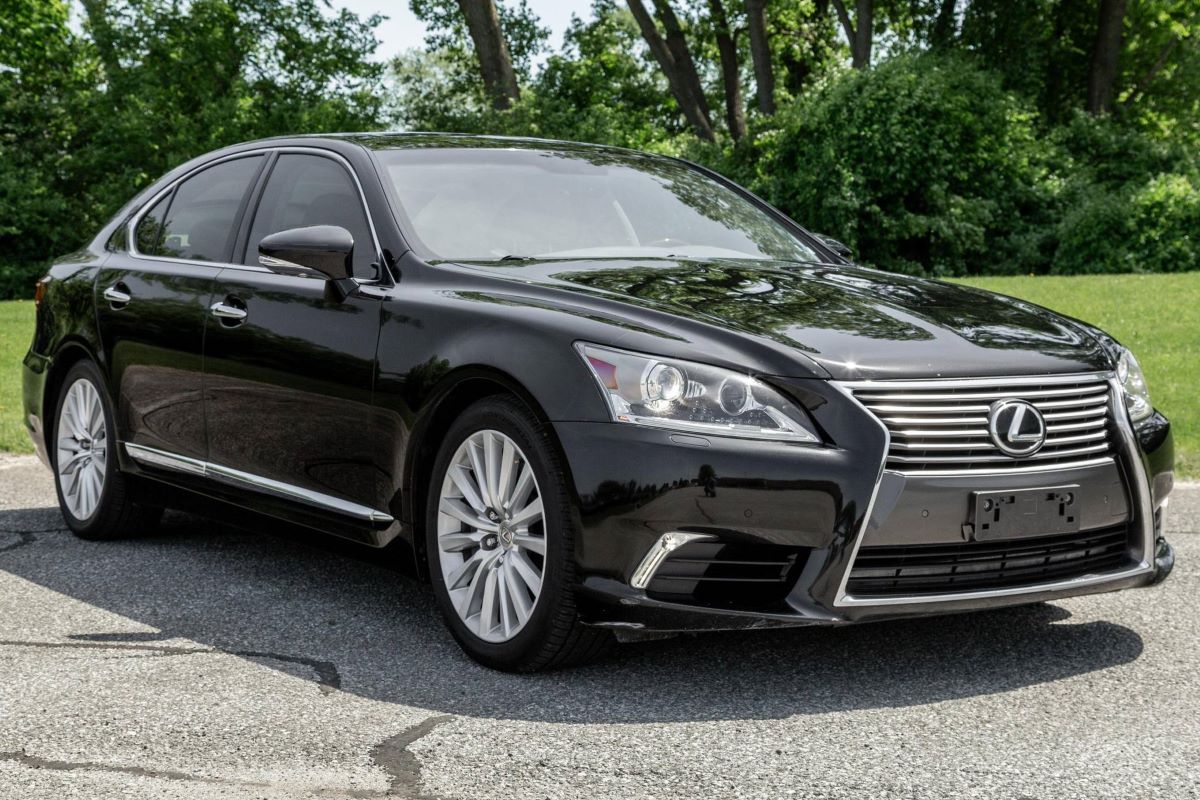
1. Lexus LS460
Lexus has earned a reputation for building durable, refined cars, and the LS460 is a standout example. Owners often report that this full-size luxury sedan feels solid and smooth even after a decade. The ride remains soft and composed, and the interior holds up better than many European counterparts. The leather used in the cabin doesn’t crack easily, and the dashboard controls, although conservative by today’s touchscreen-heavy standards, are responsive and reliable. The attention to detail in materials and fitment has helped this car age gracefully.
What separates the LS460 from other high-end sedans is its avoidance of complex electronic gimmicks that age poorly. While it has all the necessary luxury features, it doesn’t lean so heavily into bleeding-edge tech that becomes outdated in a few short years. This approach means fewer headaches for long-term owners. You’ll still find heated and cooled seats, a comfortable driving position, and a whisper-quiet cabin even at highway speeds. It feels composed, and it drives with the kind of confidence that never really diminishes.
Mechanically, the LS460 is built for the long haul. The V8 engine, while not the most fuel-efficient, is reliable and smooth. Transmission issues are rare, and suspension components tend to last longer than one might expect for a luxury car. Lexus engineering tends to lean conservative, favoring proven parts over untested innovation. That restraint is exactly why this car continues to perform and feel new long after others begin to break down or feel worn.
In terms of aesthetics, the LS460 doesn’t look dated. Its styling is understated, but that works in its favor. It doesn’t chase trends, and that helps it maintain a sense of class as the years go by. Many owners say they don’t feel any urgent need to replace their LS even after a decade because nothing about the car feels tired. From the way the door shuts to the firmness of the controls, it still offers a near-new experience that makes it a favorite for people who keep their cars for the long run.

2. Toyota 4Runner
The Toyota 4Runner is a rare example of an SUV that seems to resist the effects of aging both visually and mechanically. It’s a body-on-frame SUV, and while that makes it feel a bit old-school, it also makes it exceptionally rugged.
Many owners of ten-year-old 4Runners say the vehicle still drives like it did on day one. Doors close with a reassuring weight, buttons and knobs still feel solid, and off-road capabilities remain intact without the need for constant repair or recalibration.
One reason the 4Runner ages so well is because Toyota didn’t try to reinvent the wheel with its design. It focuses on tried-and-true engineering, and most models don’t overwhelm drivers with technology that ages poorly.
There are no fragile air suspensions, complex infotainment systems, or unnecessary electronics that become obsolete in just a few years. Instead, the cabin is full of physical buttons, a basic touchscreen, and simple controls that continue to function well.
From a mechanical standpoint, the 4Runner is famous for its durability. The 4.0-liter V6 engine is not the most powerful or efficient, but it’s reliable and doesn’t ask much of its owners. The 5-speed automatic transmission is equally robust. Even the interior materials, while not luxurious, are hard-wearing. The seats hold up under heavy use, and the plastics are thick and durable rather than soft and fragile.
The vehicle’s rugged design and slow evolution mean that even older models still look relevant on the road. A ten-year-old 4Runner doesn’t scream “outdated” the way some crossovers do. It remains a favorite for adventurers and families alike, thanks to its balance of reliability and utility. When people describe a ten-year-old 4Runner, they often talk about how tight and stable it feels, almost as though it hasn’t aged at all. That’s not something you can say about most vehicles a decade into ownership.
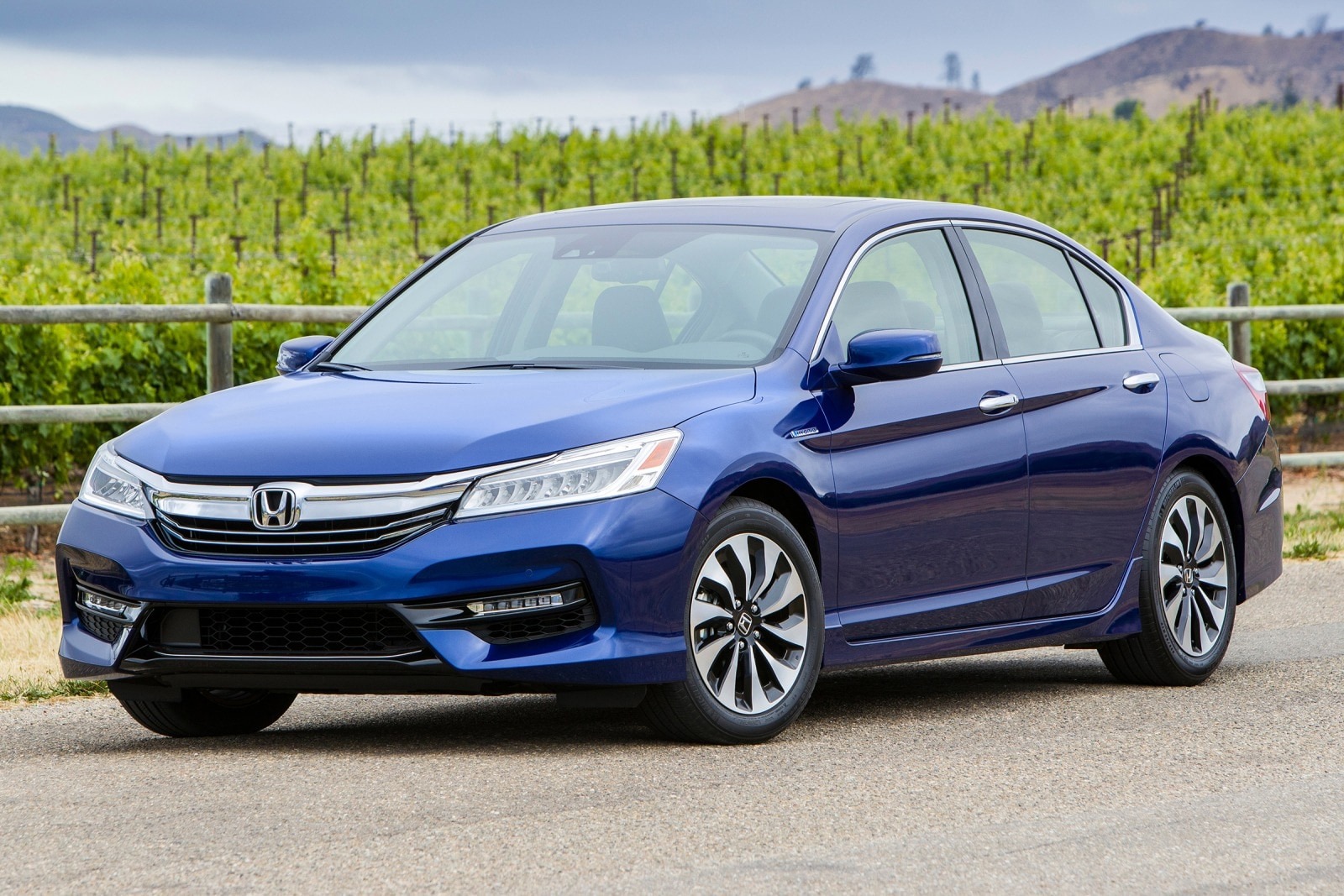
3. Honda Accord (2013–2017)
The Honda Accord has always been known for reliability, but the generation sold from 2013 to 2017 deserves special praise for how well it holds up over time. After ten years, many of these cars are still going strong with original drivetrains and minimal interior wear. The suspension feels stable, the controls remain crisp, and the car continues to offer a driving experience that feels far newer than its age might suggest.
One key advantage for the Accord is its build quality. Even though it’s a mainstream midsize sedan, Honda didn’t cut corners during this generation. The interior materials feel upscale for the class, and they age very well. Soft-touch plastics, quality fabric or leather, and solid switchgear help prevent the car from feeling old or flimsy. Many owners report that even after a decade, there are no rattles or squeaks, and all electronics still function as expected.
Performance-wise, the naturally aspirated four-cylinder engine remains smooth and reliable with basic maintenance. The available V6 is even more powerful and equally long-lasting. These engines were not plagued with turbo-related issues or oil consumption problems. Honda’s engineering focus was on dependability, and it paid off. The transmissions, whether automatic or manual, also stand up well over time.
Design-wise, this generation of Accord avoided trends that aged poorly. The styling is clean and mature, and while it may not turn heads, it doesn’t embarrass its owners either. Inside, the controls are intuitive, and the dual-screen setup, while slightly dated, is functional. What makes this car feel “new” after ten years isn’t flashiness, it’s the consistency in performance, comfort, and usability that never really goes away.
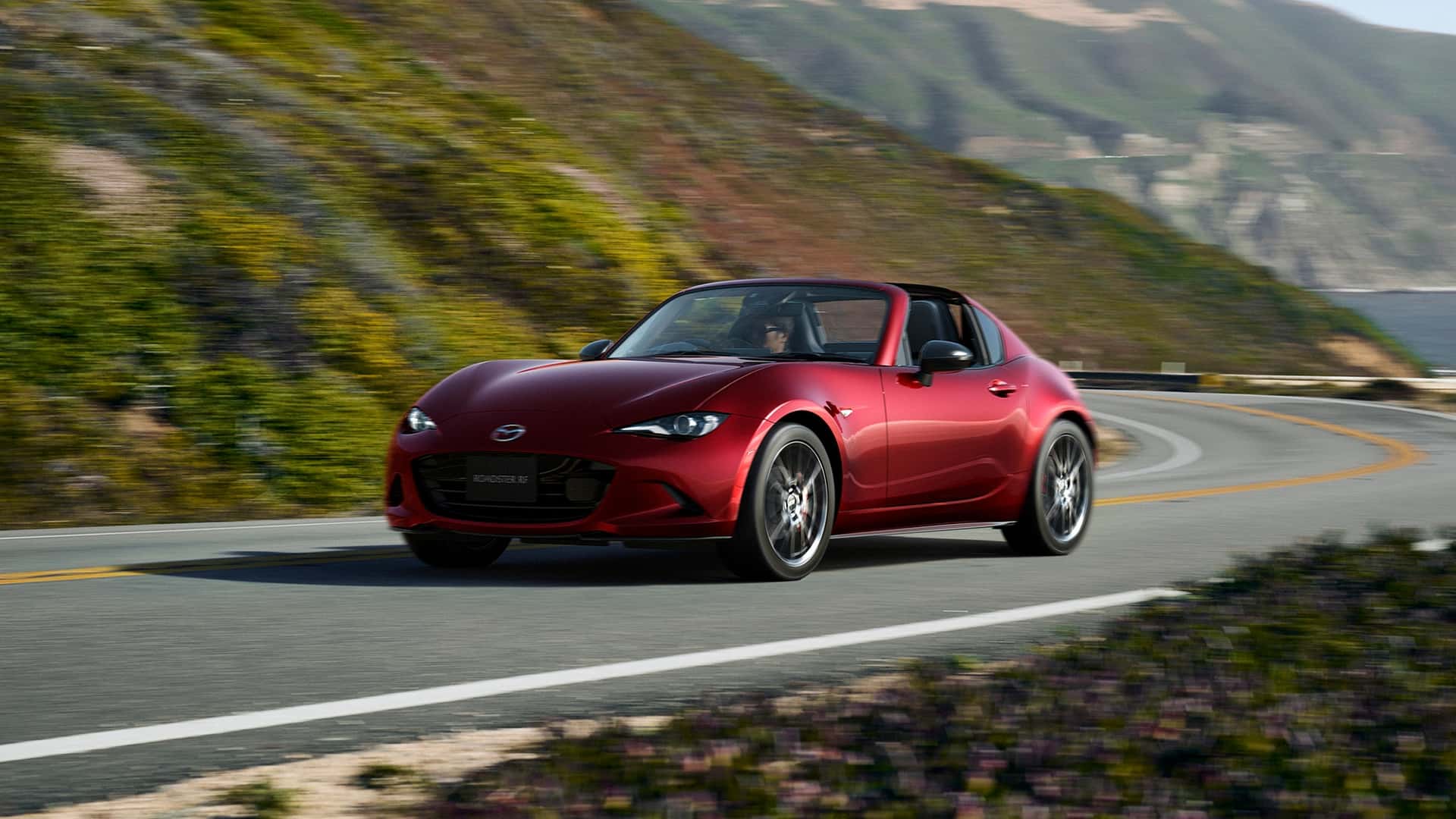
4. Mazda MX-5 Miata
The Mazda MX-5 Miata is a lightweight, fun-to-drive sports car that doesn’t just age well, it almost refuses to age at all. Ten years into ownership, many Miata drivers report the car feels nearly identical to when it was new.
The lightweight design contributes to reduced wear on components, and the mechanical simplicity ensures long-term reliability. Enthusiasts often say the steering still feels tight, the shifter remains precise, and the suspension keeps its sporty bounce without becoming harsh.
Miatas benefit from a design philosophy that prioritizes engagement and simplicity. There’s no complicated air suspension, no layers of unnecessary tech, and no sense of overcomplication.
That makes it easier for the car to remain consistent over the years. The interior materials, though basic, are durable. The cloth tops on soft-top versions hold up well with minimal care, and roadster owners often note that even the cabin feels as fresh and responsive after a decade as it did when new.
Mechanically, the engines in the Miata are bulletproof if maintained properly. With fewer stress points and a naturally aspirated setup, they don’t suffer from the same issues turbocharged engines sometimes do. Brakes, suspension components, and drivetrain parts also tend to last longer than expected because the car is so light. Less weight means less stress, which translates to a longer-lasting driving experience.
Styling is another reason the Miata continues to feel fresh. Its proportions are classic, and it doesn’t rely on aggressive design language that quickly goes out of fashion. A ten-year-old Miata doesn’t scream “old sports car.” Instead, it looks like a well-kept roadster.
Drivers consistently say that every time they get behind the wheel, even after years of ownership, they’re reminded why they bought it in the first place. That kind of consistency is rare and is part of what makes the Miata such a standout among long-term vehicles.
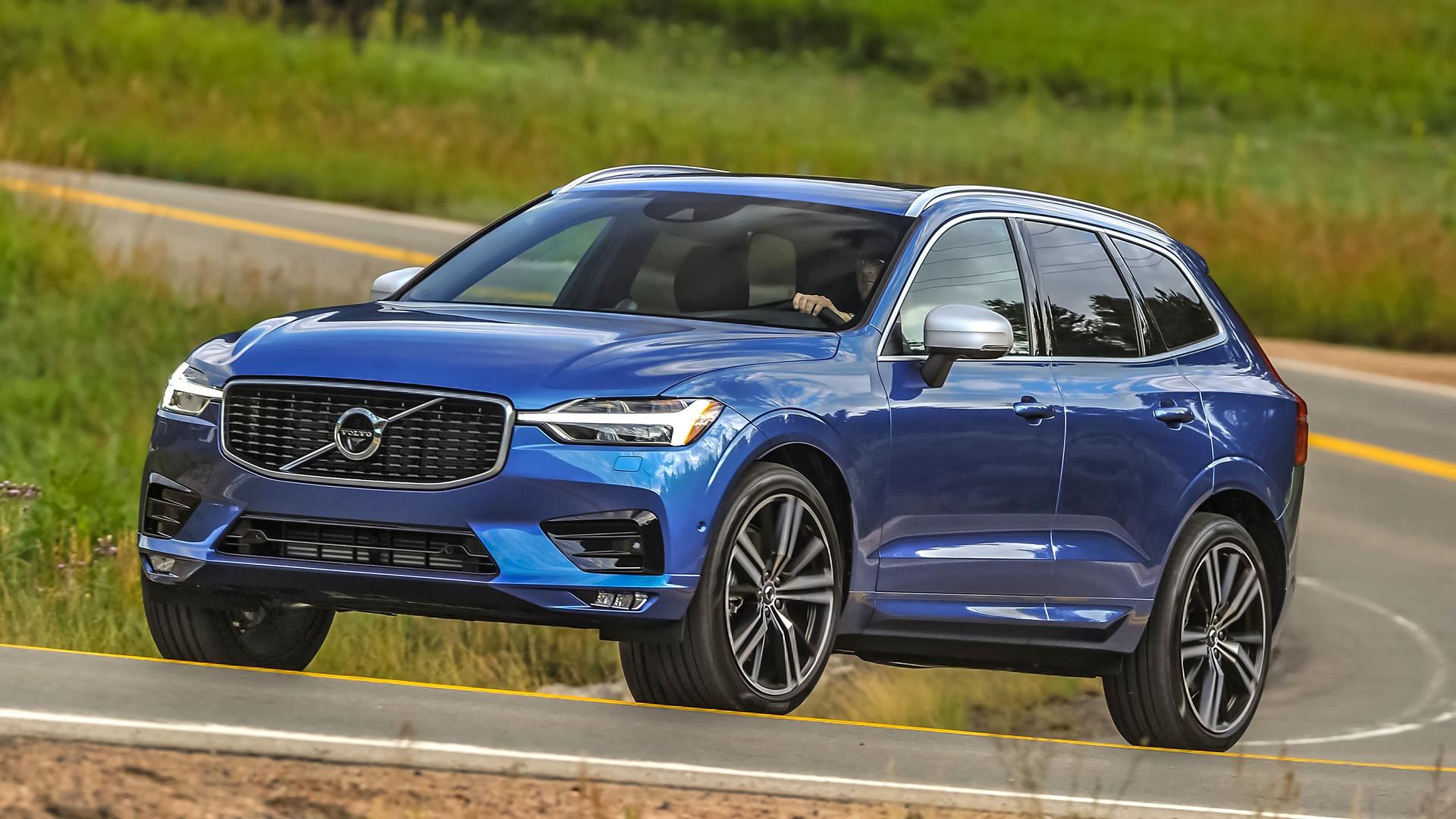
5. Volvo XC60 (2012–2015)
The Volvo XC60 from the early to mid-2010s is a vehicle that manages to retain its premium feel even after ten years of daily use. Volvo built this model with a focus on long-lasting safety and comfort, and it shows. From the soft yet supportive seats to the thoughtful layout of the cabin, the XC60 was engineered for real-world use and comfort rather than short-term aesthetics.
The materials used throughout the interior are high-quality and designed to last. Leather seats, if maintained, remain supple, and the dashboard and trim pieces rarely show major signs of aging or cracking. Drivers who’ve owned this model for a decade often comment on how quiet the cabin still is, with minimal road noise and barely any rattles, testaments to Volvo’s strong insulation and solid chassis construction.
Mechanically, the XC60 offers reliable powertrains that aren’t over-complicated. Whether it came with a five-cylinder turbo or one of the later four-cylinder engines, most units have proven durable when properly maintained. Volvo focused on tuning these engines for smooth, manageable performance rather than pushing extreme horsepower, which helped reduce stress on engine components over time.
The transmission, though not the fastest-shifting, holds up well into high mileage, and the all-wheel-drive system rarely presents problems with standard upkeep. It’s also worth noting that Volvo’s safety tech, even from a decade ago, still functions well and doesn’t feel antiquated compared to newer systems. Many long-term owners report that features like lane-keep alerts, adaptive cruise control, and blind-spot monitoring continue to work effectively even years after the original purchase.
Volvo’s design philosophy plays a big part in how the XC60 ages. Its styling has always leaned toward clean, Scandinavian simplicity rather than flash. This approach means it avoids looking dated. Even older models still have a modern and upscale curb appeal. Inside, the minimalist center stack with its floating console design feels distinct and thoughtfully arranged.
The intuitive controls, combined with clear digital displays and durable switchgear, help the interior maintain a fresh feeling. Owners often say the cabin still feels modern and well-organized, even if newer infotainment systems have become more advanced since this model’s release. It’s this balance of simplicity and high-quality execution that makes the XC60 such a strong candidate for a long-term keeper.
From a comfort standpoint, the XC60 is hard to beat. The suspension tuning walks a fine line between sporty and soft, offering a smooth ride without being floaty. The steering feels planted, and the car tracks well on highways, making long-distance travel a pleasant experience even many years after purchase.
It’s also a car that doesn’t feel “used up.” Even at 100,000 miles, well-maintained examples drive with the refinement of a much newer vehicle. Features like heated seats, dual-zone climate control, and a well-damped suspension system contribute to an experience that doesn’t degrade quickly. All these qualities combine to make the XC60 a rare example of a luxury SUV that doesn’t feel like it’s just holding on, it feels like it’s still delivering what it was built to do.
5 Cars That Feel 20 at Year 3

1. Jeep Renegade
The Jeep Renegade, despite its attractive styling and branding, is one of those vehicles that tends to age far too quickly. Within just a few years of ownership, many drivers begin to notice that the cabin materials wear rapidly, with door panels, armrests, and seats showing signs of use and fatigue.
The plastics inside are especially prone to scratching and fading, and the fit and finish don’t stand up to even moderate use. Switchgear starts to feel loose, and there’s often a noticeable increase in cabin rattles. The small infotainment screen, while functional, becomes sluggish over time, and some owners experience early failures in touchscreen responsiveness and Bluetooth connectivity.
Within three years, the interior environment begins to feel tired and cheap, with many owners saying it feels like a vehicle that’s been driven for over a decade.
Mechanically, the Renegade also suffers from inconsistencies. While it’s marketed as a rugged small SUV with off-road capability, the underlying platform is shared with compact front-wheel-drive cars, and that mismatch shows. Suspension components wear quickly, particularly in colder climates or on rougher roads.
Engine performance degrades noticeably in some models, with the turbocharged 1.4-liter engine being particularly temperamental. Many users report jerky throttle response, poor fuel economy compared to competitors, and premature issues with the nine-speed automatic transmission. These problems give the car a feeling of fatigue and unpredictability that’s normally associated with much older vehicles.
Another major issue is noise. After a few years, road and wind noise increase significantly, especially around windows and doors. The insulation seems to degrade quickly, and many owners report that driving on the highway becomes a noticeably louder and more uncomfortable experience over time.
This, combined with the aging interior and mechanical quirks, gives the Renegade a sense of being worn out far earlier than it should be. Even with low mileage, these cars can feel as though they’ve been through years of heavy commuting, potholes, and neglect, when in reality, they’ve just been doing daily duty for a few years.
2. Chevrolet Spark
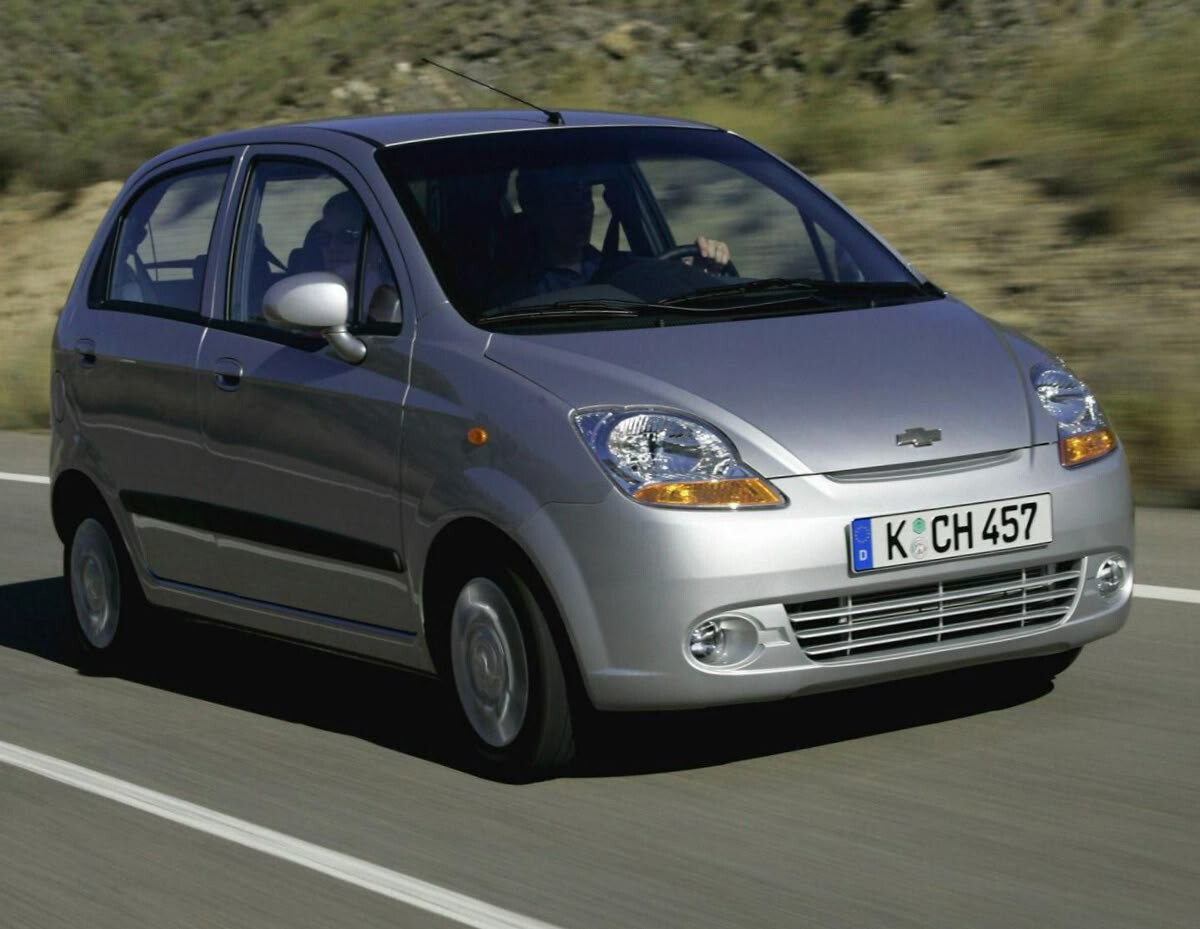
The Chevrolet Spark is one of the most affordable new cars on the market, but that affordability comes at a cost, especially when it comes to how quickly the car begins to feel aged. Within a short time, many Spark owners notice that the small car doesn’t hold up well under regular driving conditions.
The lightweight build, thin body panels, and basic suspension setup all contribute to a driving experience that starts to feel tinny and unstable after only a couple of years. The door seals can begin to fail early, leading to increased wind noise. The interior, already sparse when new shows wear quickly, with thin seat cushions, easily scratched plastics, and cabin noise that only gets worse over time.
Under the hood, the Spark is not known for robust mechanical performance. The small engine and continuously variable transmission (CVT) work fine when new, but they can feel tired after just a few years. The engine is noisy even under light throttle, and over time, this noise becomes more intrusive as components wear.
The CVT is especially susceptible to performance degradation, and many owners report lag, surging, or inconsistent throttle response by year three. Unlike more refined compact cars, the Spark doesn’t mask its age well, it simply becomes more difficult to drive comfortably as the years go by.
One of the biggest complaints from long-term Spark owners is the rapid aging of the infotainment system and basic electronics. While the touchscreen interface was a selling point initially, its responsiveness tends to degrade quickly, and software glitches become common. Physical buttons wear smooth, and simple features like window switches and door locks begin to feel cheap and flimsy.
Climate control knobs loosen, and air conditioning performance drops in efficiency, making the car feel like an old beater instead of a relatively young commuter car. These changes in tactile feedback significantly reduce the sense of quality and control, creating a dissonance between the car’s actual age and how it behaves on the road.
3. Nissan Sentra (2016–2019)
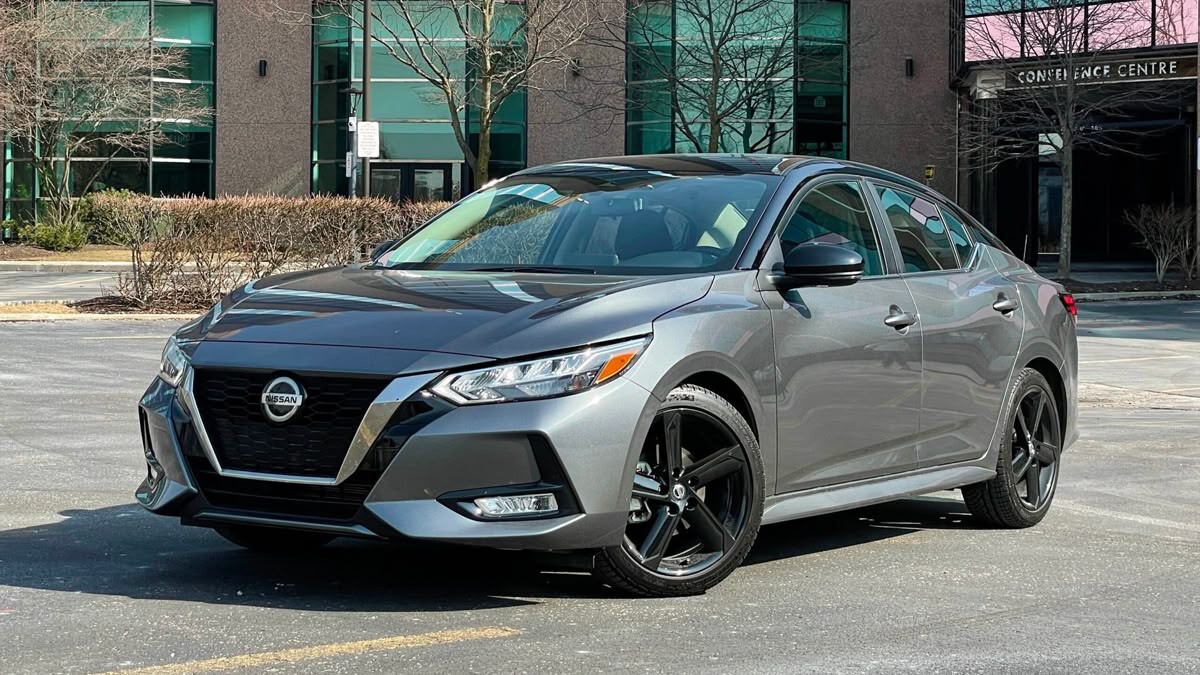
The Nissan Sentra from this period is a car that seems to age in dog years. While it appears decent on paper, with a comfortable ride, reasonable interior space, and competitive pricing, the actual ownership experience tends to deteriorate rapidly.
By the third year, many Sentra owners begin noticing excessive wear on seat fabric, center console trim, and steering wheel surfaces. The dashboard, often made from hard, low-grade plastic, is especially vulnerable to discoloration and scratching. Buttons can become sticky or unresponsive, and cabin rattles increase with time.
These are not isolated complaints, they’re fairly common among owners who drive their Sentra daily. The result is a vehicle that feels neglected and used up, even when it’s only a few years old and has average mileage.
The biggest concern, however, lies under the hood. Nissan’s decision to use a continuously variable transmission (CVT) in the Sentra has been problematic for years. While CVTs can offer efficiency advantages, Nissan’s units in this generation have become infamous for premature failure or degraded performance.
Many drivers begin experiencing shuddering, slipping, or strange noises by year three, even before hitting 50,000 miles. The cost to replace or repair the transmission often comes as a shock, especially for a car marketed as affordable and practical. This single component can ruin the driving experience, leaving the car feeling hesitant, noisy, and outdated well before it should.
Another issue that accelerates the feeling of age is the Sentra’s outdated driving dynamics. Even when new, the steering lacks precision, the brakes feel spongy, and the suspension tuning is overly soft. These flaws become more apparent as the components wear, making the car feel less composed and increasingly difficult to enjoy.
Drivers often comment that the car becomes “floaty” or “loose” on the highway over time, and this lack of stability contributes to a sense that the car is aging faster than it should. It doesn’t inspire confidence, and even basic commutes can feel like a chore in a Sentra that has just a few years of wear.
4. Fiat 500L
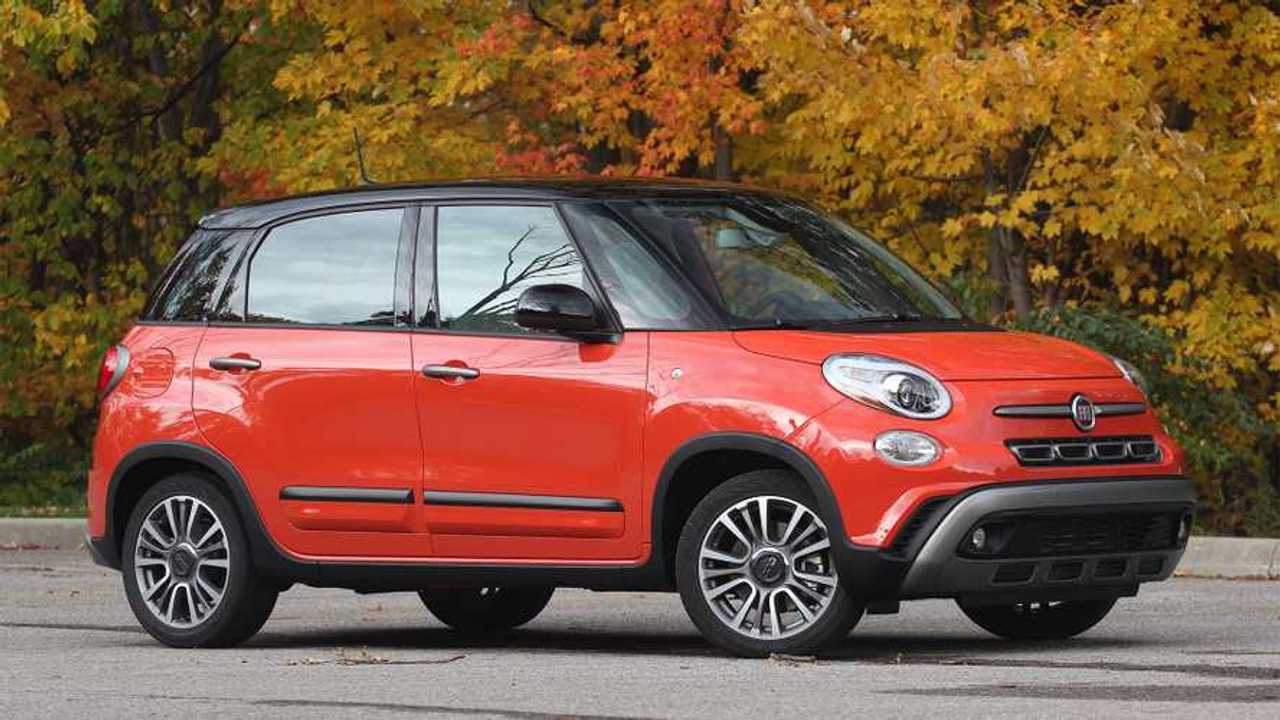
The Fiat 500L tried to bring European flair and practicality to the compact MPV market, but its long-term aging process has been disappointing for many owners. Within just a few years, the car tends to feel drastically older than it is. The biggest culprit is the interior, where build quality fails to match competitors.
The dashboard creaks with minimal pressure, the seat cushions lose their form quickly, and armrests and switches degrade in feel and responsiveness. Many 500L owners report sagging door panels and fading trim even before the car’s first major service is due. What begins as a quirky and charming cabin quickly turns into one that feels neglected and brittle.
Mechanically, the Fiat 500L is also problematic. Its turbocharged 1.4-liter engine is not only underwhelming in power but also susceptible to performance degradation. Turbo lag increases over time, and owners often experience hesitation under the throttle that worsens with age.
The dual-clutch automatic transmission (in earlier models) doesn’t age gracefully either, with complaints of jerky shifting, inconsistent engagement, and early clutch wear. These issues combine to create a driving experience that feels strained and out of sync, characteristics you’d expect from a ten-year-old car, not one that’s still under extended warranty.
Another issue is electrical reliability. Fiat’s use of aging electronic components means that features like the touchscreen, backup camera, and climate controls begin showing signs of trouble far too early. Freezing displays, failed sensors, and blinking error messages are all too common in the 500L, and they often appear before year three.
The complexity of diagnosing and fixing these problems is compounded by the limited availability of parts and qualified technicians familiar with the Fiat brand, especially in North America. This leads to long repair times and rising ownership frustration, as small malfunctions become chronic annoyances.
5. Mitsubishi Mirage
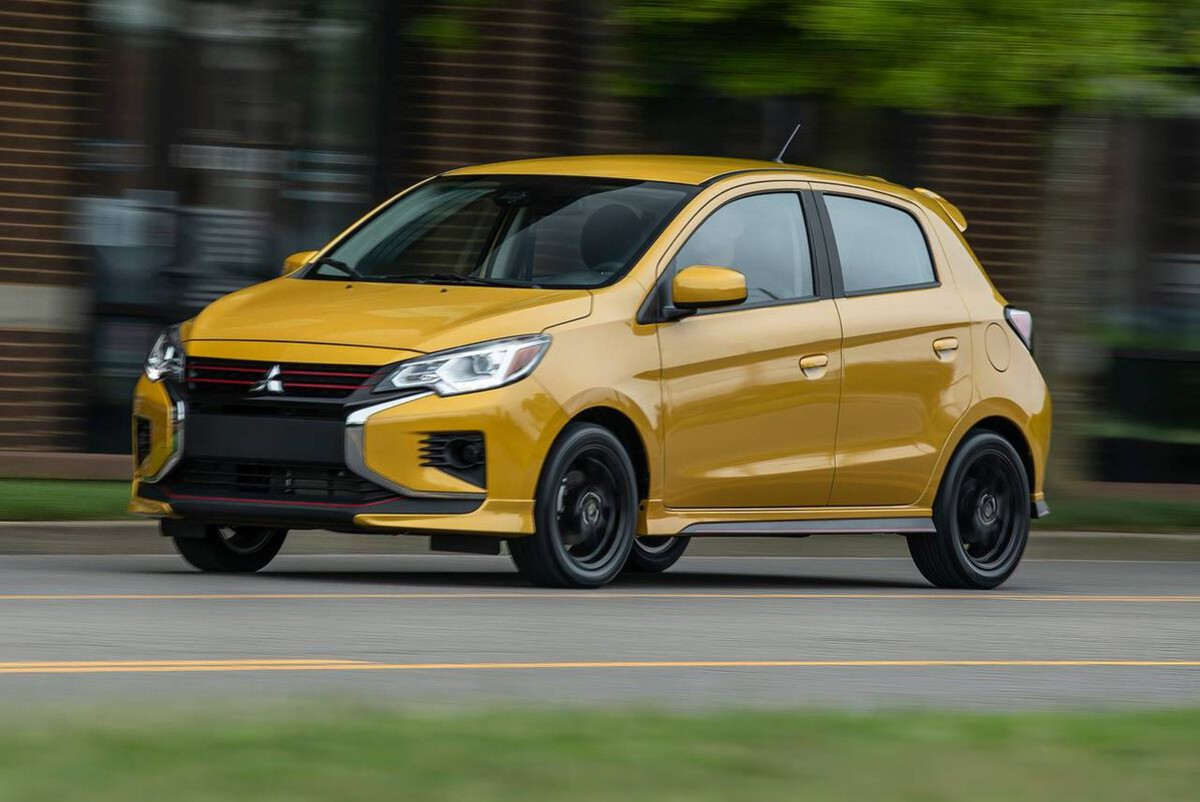
The Mitsubishi Mirage might be one of the cheapest new cars you can buy, but with that low entry cost comes one of the fastest aging processes in the industry. Within three years, it’s not uncommon for owners to feel as though they’re driving a car that’s at least a decade old.
The Mirage suffers from extremely basic interior materials, minimal sound insulation, and rough driving dynamics that only worsen with time. Even when new, the cabin feels sparse, but after a few years, the fabric seats wear down, plastic trim gets scuffed and faded, and rattles become a normal part of the daily commute. The air conditioning system can lose effectiveness quickly, and the thin carpeting and liners begin to come loose under regular use.
From a mechanical standpoint, the Mirage’s small three-cylinder engine is economical but not built for long-term comfort. It’s loud, vibrates at idle, and lacks the refinement found in even slightly more expensive competitors. These traits only get worse with age.
The CVT transmission, a point of contention among Mirage owners, is particularly prone to early wear. It creates a droning, rubber-band-like acceleration experience that can become increasingly unpleasant as the car ages.
Brake components and suspension bushings also seem to degrade faster than expected, contributing to a sense of looseness in the drive. On uneven roads, the car begins to bounce and clatter in ways that make it feel untrustworthy, even if it technically still functions.
The Mirage also struggles to maintain its value in appearance. The compact dimensions and toy-like styling, while charming to some, do not hold up aesthetically over time. Paint fades quickly in sun-exposed areas, wheels rust, and exterior trim can detach or warp after harsh weather exposure.
The thin sheet metal is also prone to dents, which become hard to ignore after a few years. The car begins to look like it’s from another decade, even if it’s only been out of the showroom for a short time. These visual signs of wear add to the growing sense that the car is aging at double speed.
