
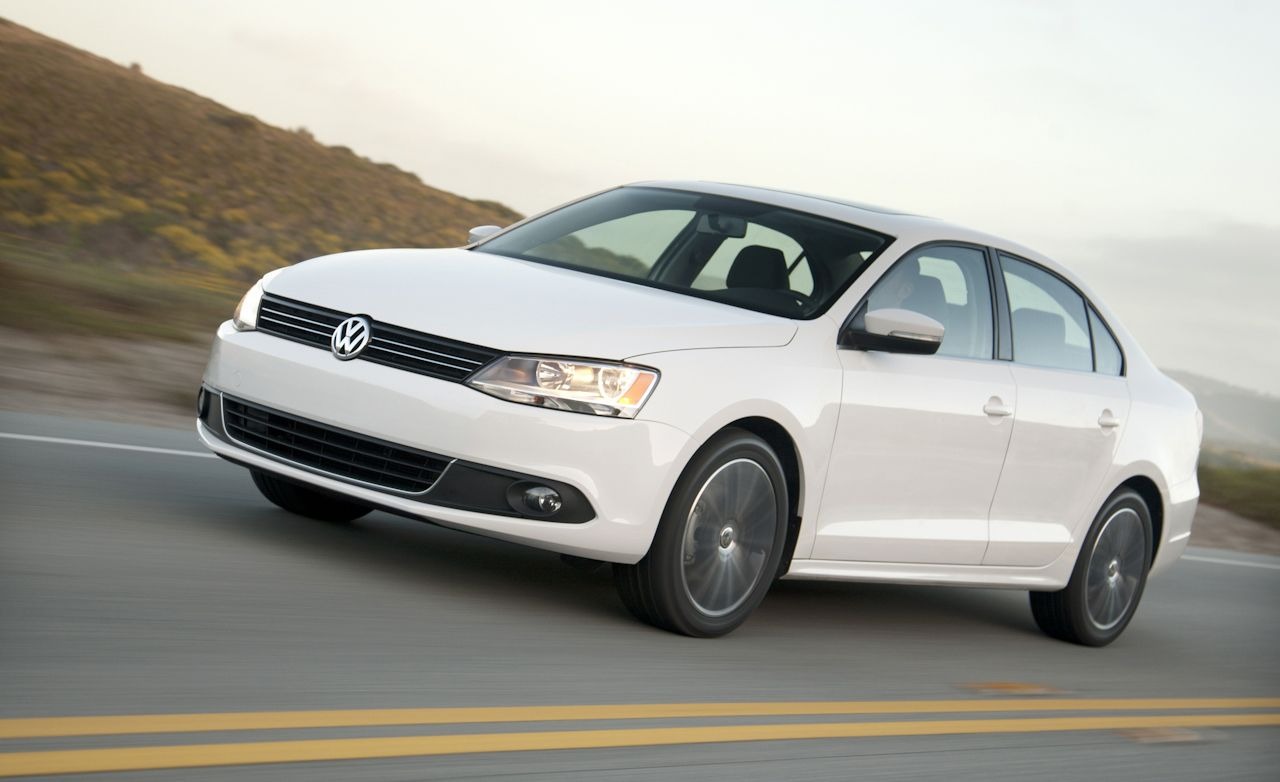
When selecting a sedan, many buyers focus on factors like design, performance, or fuel efficiency, but one of the most important aspects often overlooked is the noise level inside the cabin. A quiet sedan can vastly improve the driving experience by creating a comfortable and relaxing environment where drivers and passengers can enjoy conversations without raising their voices or listening to unwanted distractions.
Whether it’s road noise from tires, wind noise around the windows, or mechanical sounds from the engine and suspension, excessive noise can quickly turn a pleasant ride into an annoying ordeal.
The materials used in construction, the quality of assembly, and the engineering of sound insulation all contribute significantly to how quiet a sedan feels. Quiet cabins generally indicate a higher level of craftsmanship and attention to detail, giving the vehicle a premium feel even if it isn’t a luxury brand.
Conversely, sedans that creak and rattle suffer from loose panels, inadequate fastening, or cheaper materials that degrade over time. These noises can start as minor annoyances and escalate into constant irritations that make even short trips unpleasant. When doors, dashboards, or interior trim pieces shift and rub during driving, they generate persistent sounds that can be difficult to fix without significant repairs or modifications.
Such issues are often symptoms of less rigorous manufacturing processes or compromises made to reduce cost. Furthermore, creaks and rattles can impact the perceived durability of the vehicle, leading owners to question the long-term quality of their investment. This problem is particularly common in aging cars or certain budget-friendly models, where the trade-off between price and refinement becomes evident.
Understanding which sedans stay quiet and which are prone to these unwanted noises is essential for anyone seeking a sedan that feels solid, comfortable, and enjoyable to drive. Quietness is especially crucial for daily commuters, families, or anyone who spends a lot of time on the road and values peace.
In this article, we will highlight five sedans known for their quiet cabins, demonstrating what well-engineered noise isolation looks like. Then, we will discuss five models that have gained a reputation for creaks and rattles, explaining where these noises come from and why they persist. This comparison will help buyers make informed choices based on noise levels and interior quality, helping them avoid frustration and enjoy a more pleasant driving environment.
The differences between quiet and noisy sedans can be vast, often reflecting the priorities of the manufacturer and the level of attention paid during the design and assembly stages. By looking closely at these ten vehicles, prospective buyers will gain insight into how build quality, material selection, and engineering approaches impact the driving experience.
The goal is to provide a balanced view that goes beyond performance specs and styling, focusing on something just as important: how comfortable and serene a sedan can be when you’re behind the wheel or riding as a passenger. Whether you want a car that feels like a quiet retreat or simply want to avoid rattles and distractions, this guide aims to steer you toward the best choices on the market.
Also Read: 10 Vehicles With Great Visibility for Short Drivers
5 Sedans That Stay Quiet
1. Lexus ES
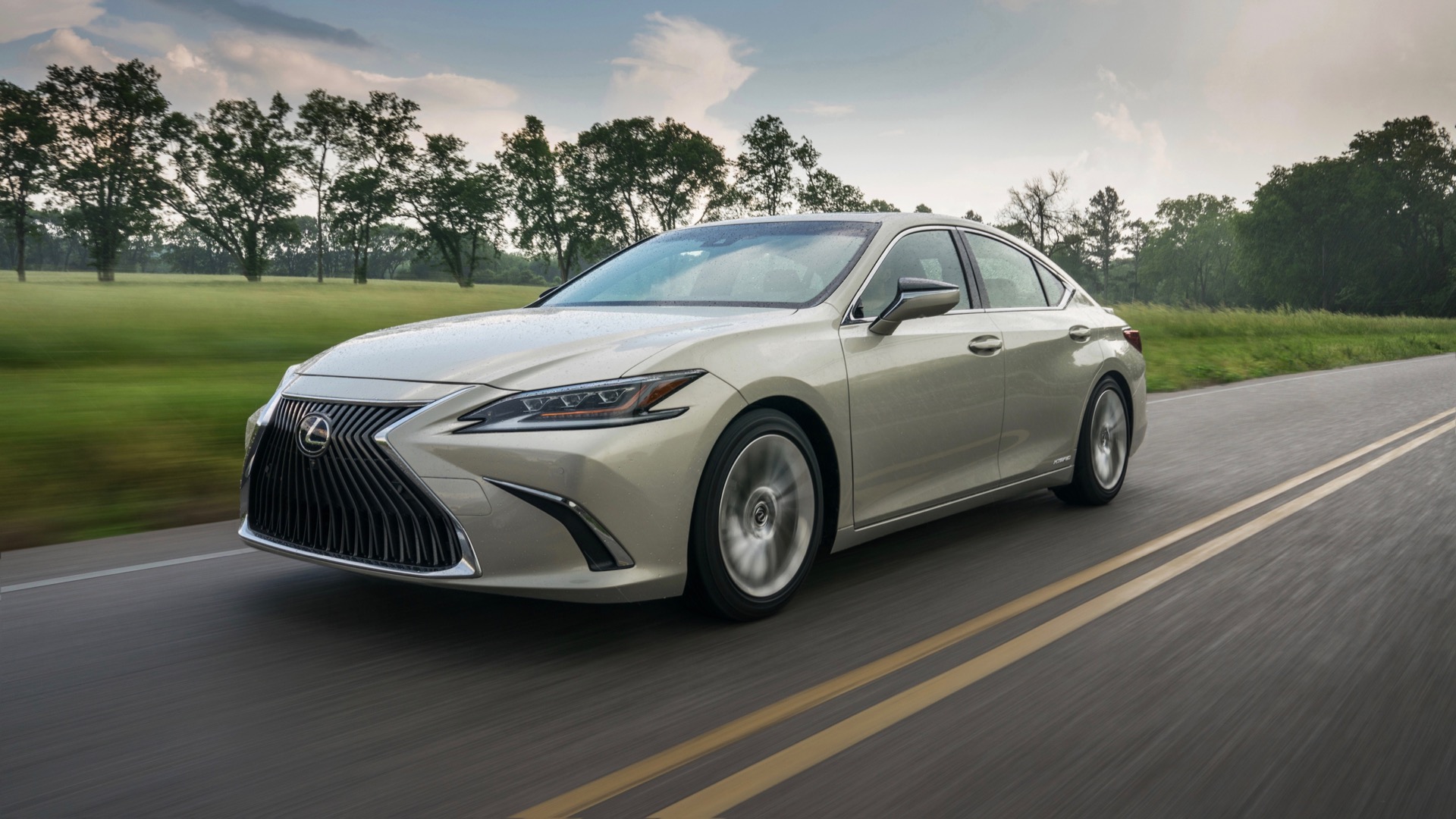
The Lexus ES is often considered a benchmark for quietness in the midsize luxury sedan segment. Its reputation stems largely from the brand’s strong focus on comfort and refinement. From the moment you step inside, the difference is noticeable; the cabin feels solid, with tight panel gaps and premium materials that don’t shift or flex when the car is in motion.
The suspension system on the ES also plays a critical role in maintaining this quiet atmosphere. Tuned for comfort, the suspension absorbs road imperfections with minimal vibration transfer to the cabin. This prevents the rattling and creaking noises that sometimes accompany rough roads in less well-built cars.
Under the hood, the Lexus ES offers smooth and quiet powertrains. Whether equipped with the V6 engine or the hybrid powertrain, both options run with minimal mechanical noise and vibration. The engines are insulated with thick engine covers, and the hybrid system benefits from electric motor operation that produces virtually no sound at low speeds.
This quiet engine operation complements the rest of the car’s sound insulation efforts perfectly. Additionally, the ES often features active noise cancellation systems that electronically reduce low-frequency noise within the cabin, adding a modern layer of refinement. This combination of mechanical and technological noise control measures makes the Lexus ES one of the quietest, most relaxing sedans on the road today.
Finally, Lexus’s commitment to quality control and attention to detail ensures that the quietness of the ES is not a fluke but a consistent feature. The materials used are durable and well-finished, and the vehicle assembly process minimizes gaps and loose parts that could cause rattles.
Owners frequently praise the ES for its tranquil ride, noting that it feels like a sanctuary from the outside world. For buyers who want a sedan that excels in quiet without compromising luxury or reliability, the Lexus ES remains a top contender and a trusted choice in its class.
2. Toyota Avalon
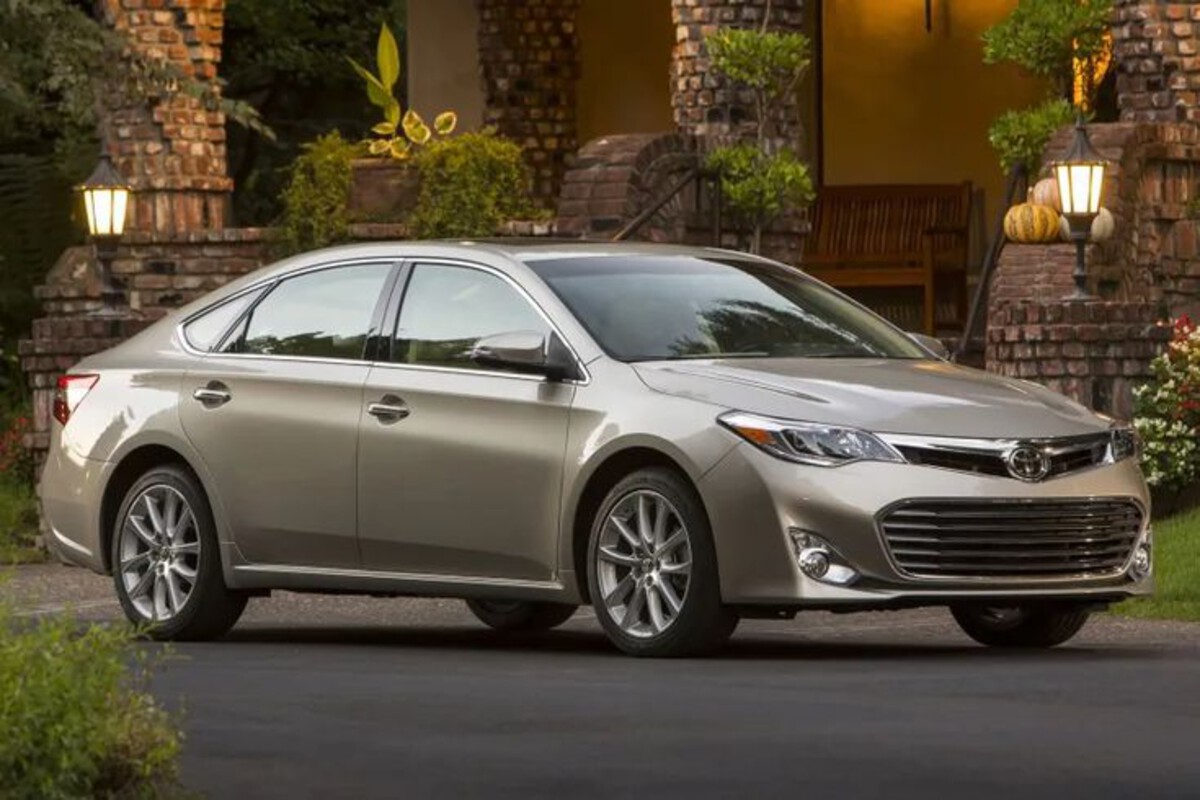
The Toyota Avalon has long been admired for offering a quiet and comfortable ride at a reasonable price point, bridging the gap between mainstream and luxury sedans. One of Avalon’s standout features is its ability to reduce outside noise significantly, creating a calm and spacious cabin where occupants can unwind.
Toyota achieves this by using thick, multi-layered sound insulation materials throughout the body and carefully designing door seals that tightly shut out wind and road noise. The car also features acoustic glass that further minimizes the intrusion of harsh sounds, particularly noticeable when driving on highways or in windy conditions.
Beyond insulation, the Avalon’s chassis and suspension are carefully engineered to contribute to a smooth and quiet ride. The suspension system uses soft springs and well-damped shocks to absorb road irregularities effectively, reducing the transfer of vibrations and bumps into the cabin.
This tuning not only improves comfort but also prevents the type of noise that arises from parts shifting or rubbing against each other. The suspension’s ability to handle rough roads quietly means that the Avalon remains composed in a variety of driving environments, from urban streets to rural highways. Passengers benefit from a serene environment that is often compared favorably to more expensive luxury cars.
Inside the cabin, Toyota prioritizes the use of quality materials that reduce noise generation and transmission. Soft-touch plastics, plush carpeting, and padded panels all help eliminate the creaks and rattles common in less carefully built vehicles.
These well-secured panels maintain their position even during sharp turns or over rough surfaces, preventing the annoying noises that many drivers find distracting. The seats themselves are crafted to isolate vibrations and offer excellent support, further contributing to the sense of peace within the car. This attention to detail helps the Avalon stand out as a quiet sanctuary for both driver and passengers.
Mechanically, the Avalon’s engines are designed to run smoothly and quietly. The available V6 powerplant offers a refined balance of power and silence, while the hybrid variant operates even more quietly thanks to its electric motor assist. Engine noise is muffled by thick firewall insulation and acoustic engine covers, helping keep the powertrain’s sounds from reaching the passenger compartment.
This quiet mechanical operation adds to the sense of calm, making the Avalon an ideal choice for those who want a reliable, spacious sedan without having to sacrifice noise comfort. Its reputation as a quiet and well-built sedan is a significant reason it continues to attract buyers seeking value and comfort.
3. Honda Accord
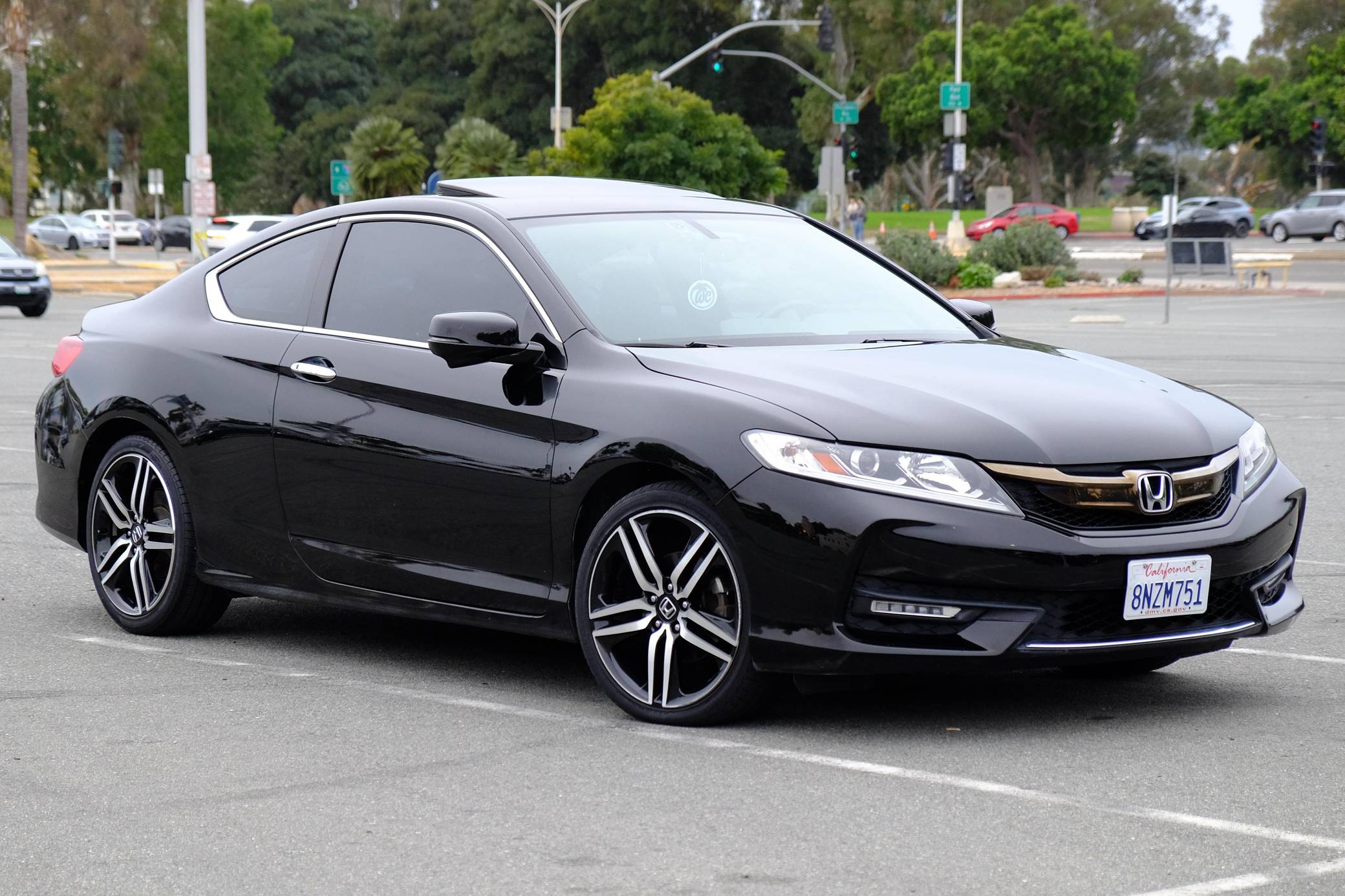
The Honda Accord is a staple in the midsize sedan market, offering a practical blend of performance, comfort, and quietness. Though it is not marketed as a luxury vehicle, the Accord frequently impresses buyers with how well it manages noise inside the cabin.
Honda incorporates a range of noise reduction features to keep both road and wind noise under control, making the Accord a surprisingly peaceful place to spend time. The body is designed to reduce turbulence around door seals and window edges, which helps keep wind noise low even at highway speeds. Additionally, sound-absorbing materials are placed strategically in the firewall, floors, and pillars to further dampen sound intrusion.
The suspension plays a crucial role in the Accord’s quietness. Honda engineers have tuned the suspension system to absorb bumps and rough pavement without transmitting harsh vibrations into the cabin. The suspension components work together with the tires and chassis to isolate occupants from road imperfections, which helps minimize rattling and creaking noises.
This tuning results in a smooth ride that is comfortable for daily commutes or longer trips, while also maintaining a firm enough feel to provide good handling characteristics. Inside the cabin, panel gaps are tight, and materials are chosen to resist squeaking or rattling, helping maintain the quiet environment over time.
Under the hood, the Accord offers multiple engine choices, including turbocharged four-cylinder and hybrid powertrains. These engines are designed to run smoothly and quietly, with modern engineering techniques reducing mechanical noise.
Honda also includes additional noise-reducing features such as acoustic glass for the front windows and additional padding around the firewall, making the Accord one of the quietest sedans in its class. Owners appreciate how the cabin stays calm and inviting, allowing them to focus on driving or relax without distractions.
This quietness, combined with Honda’s reputation for reliability and fuel efficiency, makes the Accord a popular choice for those seeking a practical yet refined midsize sedan that can stand up to daily use without getting noisy or creaky.
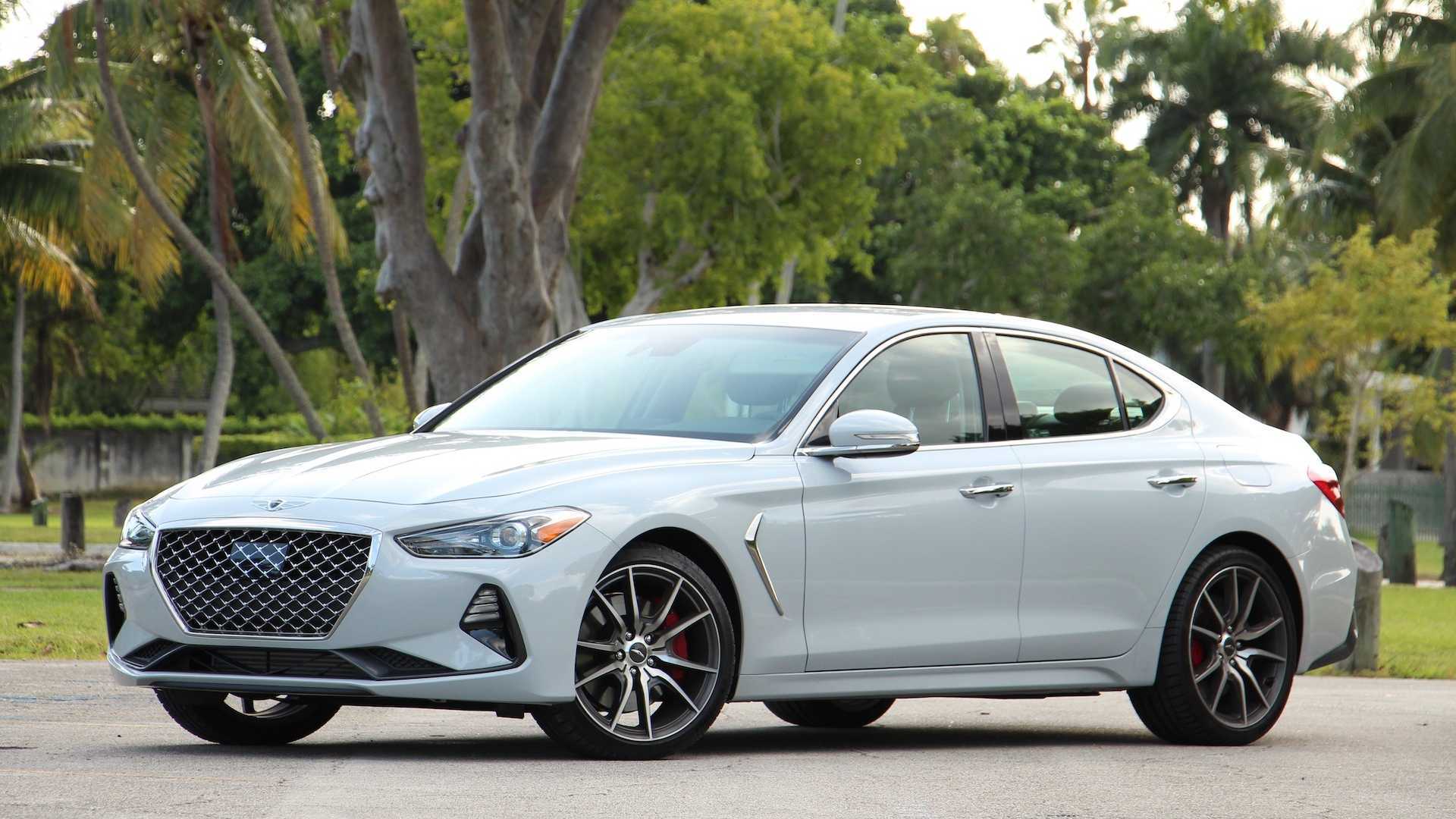
4. Genesis G70
The Genesis G70 has emerged as a compelling luxury compact sedan that combines sporty performance with excellent build quality and refinement. One of the G70’s strong points is its quiet cabin, which rivals those of more established luxury brands.
Hyundai’s luxury division has invested significantly in sound insulation technologies and premium materials to ensure that occupants experience a tranquil ride. The G70 uses thicker acoustic glass to reduce wind noise and applies sound-deadening materials throughout the doors, floor, and roof areas. These measures keep unwanted external noise at bay, even when driving at high speeds or on rough pavement.
The suspension setup in the G70 is carefully engineered not only for agility but also to isolate vibrations and road noise from the cabin. The use of adaptive dampers allows the suspension to soften bumps and absorb imperfections, preventing rattling and creaking noises that are common in lesser-built cars.
This balance between sportiness and comfort results in a ride that is both engaging and serene. Inside the cabin, the fit and finish are excellent, with high-quality plastics, leather, and metal trim pieces tightly secured to avoid any shifting or noise during driving.
Under the hood, the G70 offers turbocharged four-cylinder and V6 engines that are both powerful and refined. These powertrains feature modern noise reduction components, such as insulated engine covers and balance shafts, that help keep mechanical noise low.
The exhaust note is sporty but controlled, contributing to a pleasant driving experience without intruding into the cabin with harsh sounds. This careful tuning ensures that performance does not come at the expense of refinement or quietness.
Active noise cancellation technology is also a part of the G70’s arsenal for creating a peaceful cabin environment. Microphones inside the car detect unwanted sound frequencies and speakers emit counteracting waves to cancel them out, further reducing noise levels.
This combination of soundproofing materials, advanced suspension, smooth powertrains, and electronic noise control allows the Genesis G70 to provide a quiet, refined ride that many competitors struggle to match. For drivers who want a compact luxury sedan with both character and calm, the G70 is an excellent choice.

5. Mercedes-Benz E-Class
The Mercedes-Benz E-Class has a long-standing reputation for being one of the quietest and most refined sedans on the market. This is largely due to Mercedes’ commitment to luxury, quality, and engineering excellence.
The E-Class features extensive sound insulation throughout the vehicle’s body, including multi-layered door seals, thick laminated glass, and noise-absorbing materials in the firewall, floor, and roof. These components work together to create a cabin that feels insulated from the harsh noises of the outside world, providing a calm environment for driver and passengers alike.
The suspension system on the E-Class is designed to handle road irregularities with grace and silence. Adaptive air suspension or advanced damping systems absorb bumps and vibrations before they can reach the cabin, significantly reducing rattles and creaks.
The vehicle’s chassis is engineered for rigidity, which prevents panels from flexing and rubbing together, a common cause of annoying noises in less well-built cars. The fit and finish inside the cabin are exceptional, with precise assembly that ensures panels stay firmly in place, preventing squeaks or movement over time.
Under the hood, the E-Class offers a variety of smooth and quiet engines, ranging from efficient four-cylinder turbocharged units to powerful V6 and V8 engines.
These powertrains employ advanced noise-reducing technologies such as insulated engine covers, balance shafts, and turbochargers designed for quiet operation. The engine sound is refined and controlled, contributing to a peaceful cabin atmosphere even during brisk acceleration. This makes the E-Class suitable for drivers who demand both performance and serenity.
Active noise cancellation is another feature Mercedes-Benz incorporates to maintain the E-Class’s quietness. This system uses interior microphones and strategically placed speakers to neutralize unwanted noise frequencies, further enhancing the sense of calm inside the vehicle.
Combined with the car’s physical soundproofing, the result is a driving experience that feels like a retreat from the outside world. The Mercedes-Benz E-Class continues to set the standard for quiet luxury sedans, offering a level of peace and refinement that few other vehicles can match.
5 Sedans That Creak and Rattle
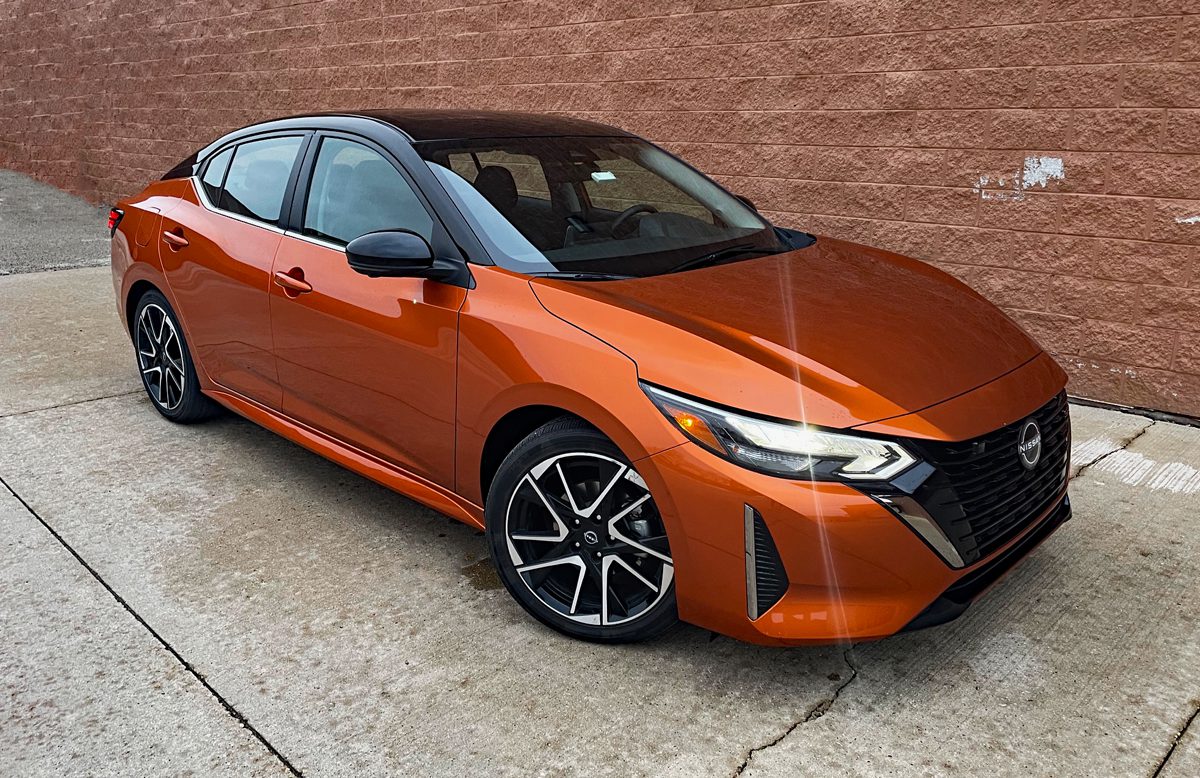
1. Nissan Sentra (Older Models)
The Nissan Sentra has long been popular as an affordable and practical compact sedan, but some of its older models have earned a reputation for annoying creaks and rattles that can make the driving experience less enjoyable. Owners commonly report that as these cars age, interior noises become more noticeable and frequent.
These noises often originate from door panels, dashboard areas, and loose trim pieces, creating a constant distraction on even smooth roads. The rattling can be especially pronounced when driving over bumps, making it hard to ignore.
A significant factor contributing to these problems is the materials used in the Sentra’s interior, particularly in earlier generations. The cabin features harder plastics and thinner panel materials that tend to shift or flex with temperature changes and vibrations from the road.
Over time, fasteners and clips that hold these panels in place can wear out or break, allowing panels to move and create rattles. Additionally, the Sentra’s door seals and window fitment may not be as precise as in more expensive models, allowing wind noise to mix with internal creaks.
The suspension design on some older Sentras also plays a role in increasing cabin noise. The suspension may transmit road imperfections more directly into the vehicle body, which amplifies vibration and rattling sounds inside the cabin.
Engine noise is generally louder in these models compared to more refined competitors, which adds to the perception of a less quiet interior. The four-cylinder engines in the Sentra tend to produce noticeable mechanical noise during acceleration, making the interior environment less peaceful.
Many Sentra owners attempt to fix these issues through repairs such as tightening loose panels, replacing worn clips, or adding foam padding to reduce rattling. While some of these fixes provide temporary relief, the underlying design and material limitations often mean that creaks and rattles return. For buyers who prioritize a quiet cabin and long-term comfort, older Nissan Sentras may fall short of expectations due to these persistent noise problems.
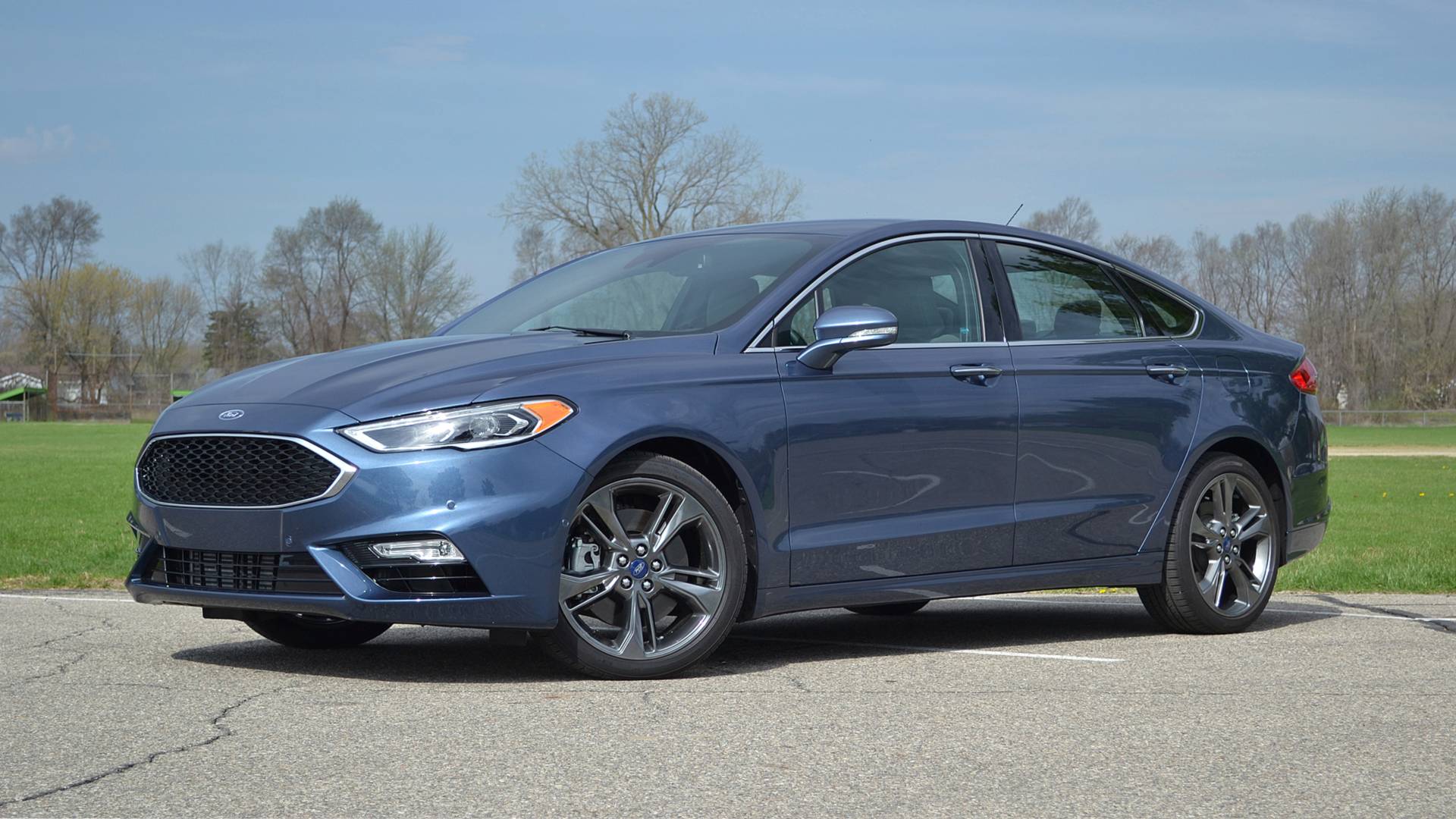
2. Ford Fusion (Early Models)
The Ford Fusion, especially in its earlier generations, is known for delivering solid driving dynamics and a comfortable ride but sometimes struggles with interior noise issues like creaks and rattles. Owners have reported that dashboard panels, door trims, and the center console can produce noticeable noises during driving, which increase in frequency and intensity over time. These sounds become more apparent on rough roads or during sharp turns, where parts inside the cabin flex and rub against one another.
One of the main reasons for these noises is the quality of materials and assembly in early Fusion models. While the car features an attractive design and a pleasant interior layout, some plastics used are hard and prone to shifting with changes in temperature or movement.
Clips and fasteners that hold panels in place can loosen or wear out, creating space for panels to move and create rattles. Additionally, wiring or loose components behind the dashboard are common sources of annoying noises in these cars.
Many owners resort to temporary solutions like taping, foam inserts, or tightening screws to mitigate the rattles. While helpful, these fixes often do not fully eliminate the problem because they do not address the root causes in the design or materials used. For buyers looking for a sedan with a quiet and solid-feeling cabin, early Ford Fusions may not be the best choice without significant attention to these noise issues.
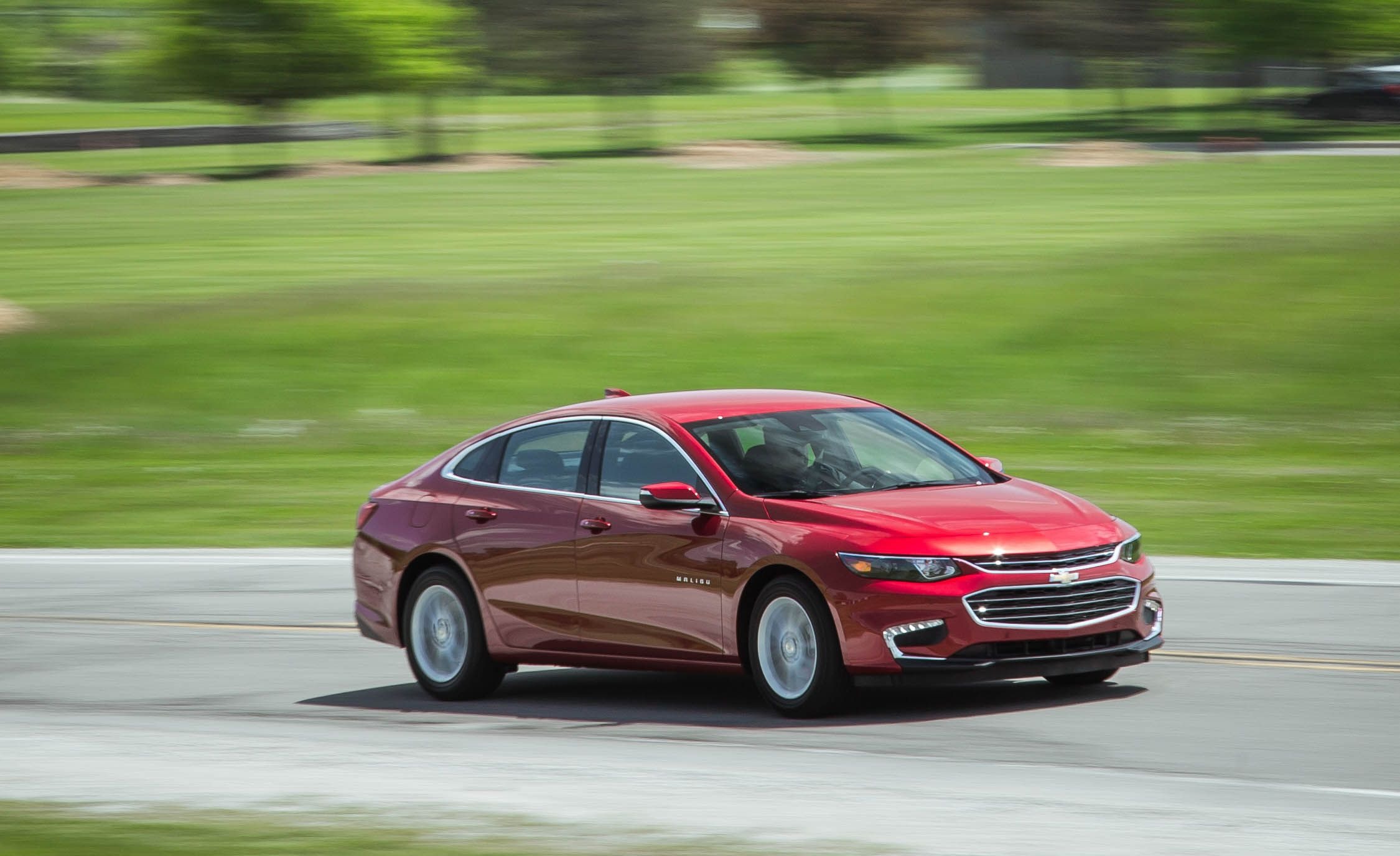
3. Chevrolet Malibu (Certain Years)
The Chevrolet Malibu has been a competitive option in the midsize sedan segment, but some model years have faced criticism for their tendency to develop creaks and rattles inside the cabin.
These noises are typically noticed as the car ages, especially on rough roads or during quick acceleration and braking. Owners often describe hearing rattles from the dashboard, door panels, or center console areas that detract from the driving experience and lower the perceived build quality.
The sources of these interior noises can be traced back to the materials and assembly methods used in certain years of the Malibu. Some plastic components are prone to flexing or shifting with normal vibrations, while clips and fasteners securing panels can loosen over time.
Door seals and window fittings may not always be tight, allowing noise to enter the cabin and mix with the rattles from loose trim. These factors combine to create a less-than-ideal environment, especially when compared to competitors that use more robust materials and precise assembly.
The Malibu’s suspension and chassis setup, while adequate for handling and comfort, sometimes transmits road vibrations more directly to the cabin. This amplification of external vibrations can worsen the perception of rattles, making the interior feel noisier than expected.
Engine noise itself is generally manageable, but when combined with creaky interior panels, the cabin environment suffers. Many owners have reported that the rattles become a consistent annoyance and detract from the vehicle’s otherwise solid qualities.
Fixing these issues often involves aftermarket solutions or dealer repairs aimed at tightening panels or replacing worn components. However, these repairs sometimes offer only temporary relief because the root cause, such as design compromises or lower-quality materials, remains unaddressed.
Consequently, owners might experience recurring rattles that require repeated attention. For those shopping for a midsize sedan with a quieter and more solid cabin, some model years of the Chevrolet Malibu may not meet expectations, especially if minimizing interior noise is a priority.
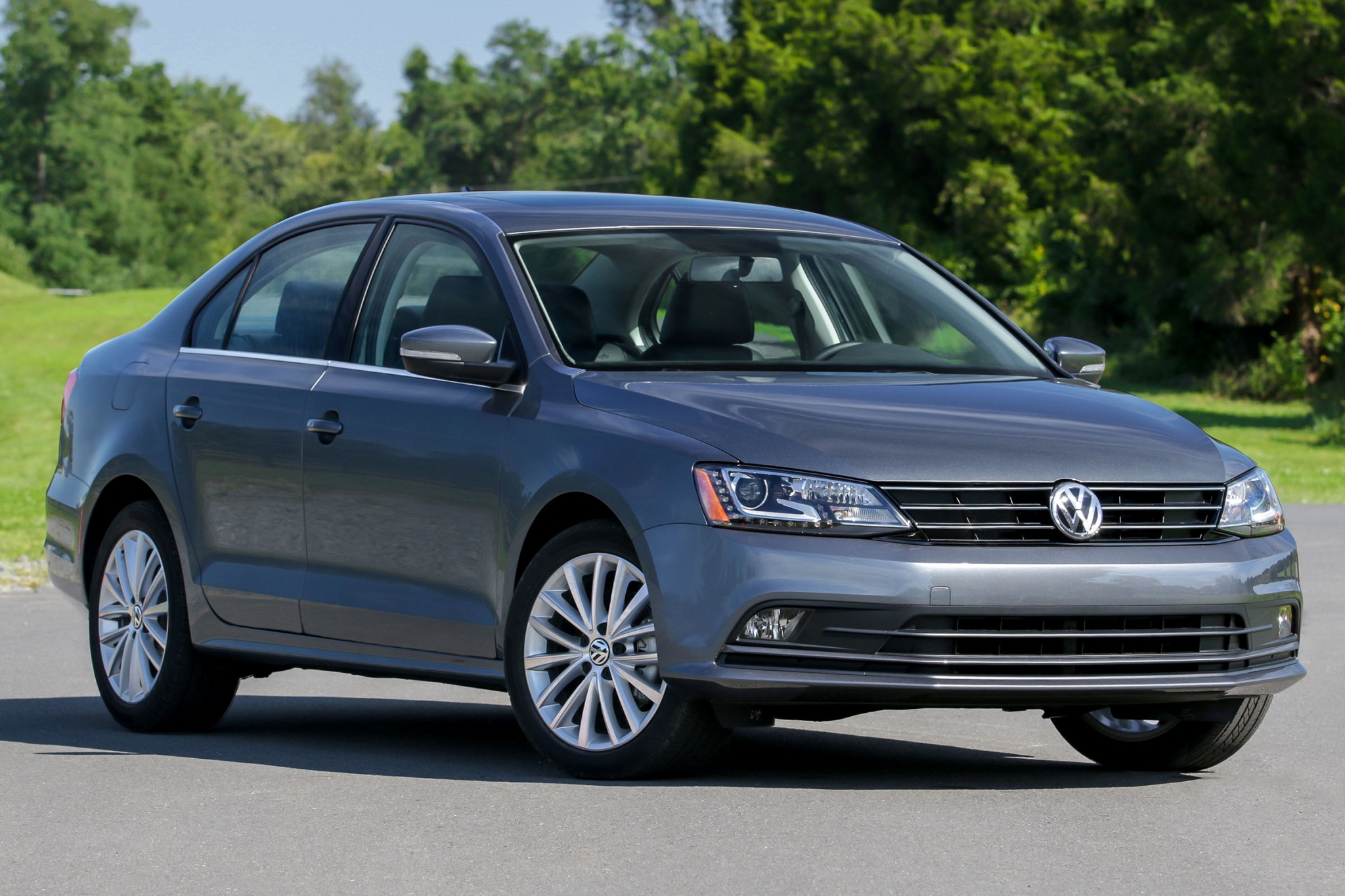
4. Volkswagen Jetta (Older Generations)
The Volkswagen Jetta has a loyal following, thanks to its European styling, engaging driving dynamics, and practicality. However, some older generations of the Jetta have been known to suffer from annoying interior noises such as creaks and rattles.
These sounds often become more prominent with age and mileage, detracting from the otherwise enjoyable driving experience. Owners frequently report that the dashboard and door panels are the primary sources of these rattles, which can worsen on uneven roads or during quick maneuvers.
Several factors contribute to the Jetta’s noise issues in older models. The interior uses a mix of hard plastics and less robust fastening mechanisms that can loosen over time. Temperature fluctuations and road vibrations cause these materials to expand, contract, and shift, generating squeaks and rattles.
Moreover, some components inside the door and dashboard areas can slightly misalign due to normal wear, causing them to rub against adjacent parts. These problems become more evident with use, and owners may notice the cabin noise increasing as the vehicle ages.
The suspension setup on these older Jettas, while tuned for sporty handling, can also transmit road imperfections more directly into the chassis. This makes the cabin more susceptible to vibration-induced noises. Engine noise is moderate but can add to the sense of a less insulated cabin when combined with interior rattles. While Volkswagen’s build quality has improved in newer models, earlier Jettas may require attention and maintenance to reduce interior noise.
Owners often try to mitigate these noises by tightening screws, replacing clips, or adding foam padding behind panels. These DIY solutions can help, but don’t always eliminate rattling completely.
As a result, buyers seeking a compact sedan with a refined and quiet cabin should carefully inspect older Jetta models for interior noise issues and consider whether they are prepared to address potential creaks and rattles over time.
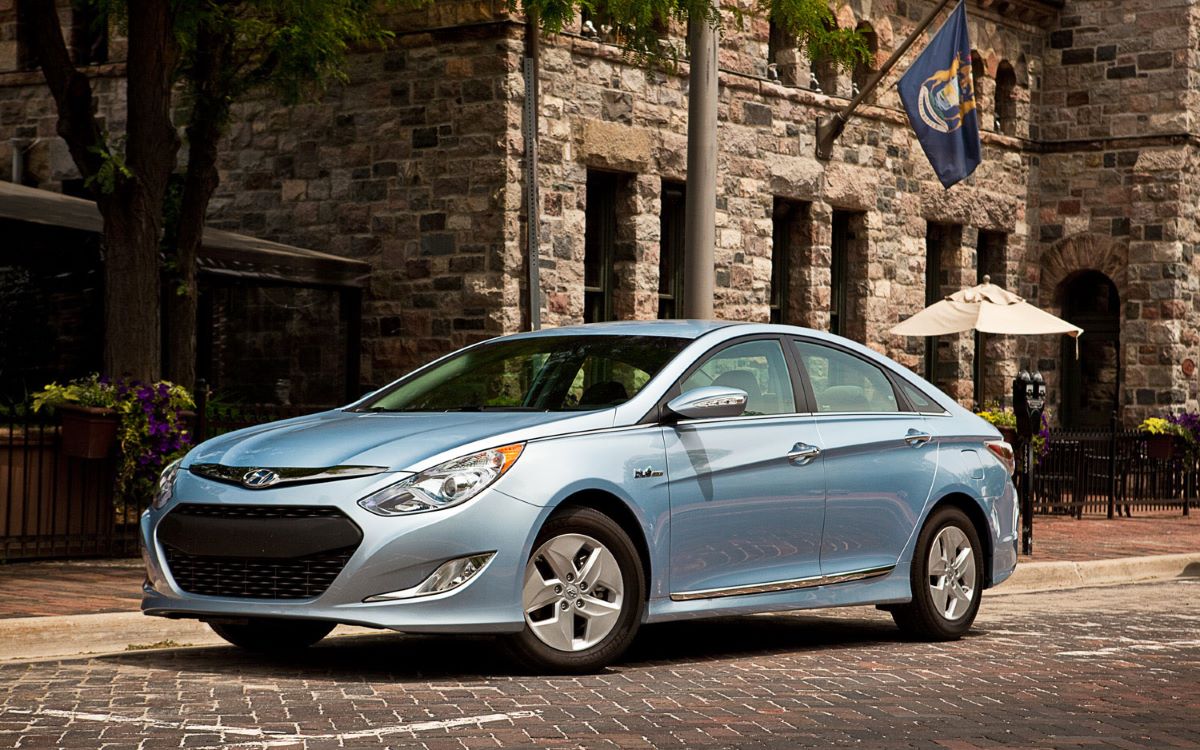
5. Hyundai Sonata (Earlier Models)
The Hyundai Sonata has made great strides in recent years toward improved refinement and quality, but earlier models sometimes struggled with creaks and rattles inside the cabin. These noises tend to develop as the vehicle ages and can come from various sources, including the dashboard, door panels, and center console.
Drivers and passengers may find these sounds distracting, especially on rough roads or when accelerating and braking. Such noises impact the perception of the car’s build quality and comfort.
One reason for these interior noise issues in early Sonatas is the use of cheaper plastics and less rigorous assembly processes. Panels may not fit together as tightly as desired, and fasteners can loosen with repeated vibration and temperature changes.
Over time, this leads to shifting panels and gaps that produce rattles and creaks. The door seals and window fit may also allow wind noise to infiltrate, adding to the feeling of a less quiet cabin. These material and assembly limitations are more common in Sonata models from the early 2010s and before.
The suspension system, while generally comfortable, sometimes transmits road imperfections into the cabin with more vibration than competitors.
This vibration can exacerbate the rattling and creaking of interior panels. Additionally, the engines in earlier Sonata models can be noisier, especially under acceleration, which adds to the noise level inside the car. While Hyundai has improved engine insulation and noise control in later versions, these older models show their age in terms of cabin quietness.
