
Driving through the desert is not something every vehicle can handle. While the roads might look smooth and the skies endlessly blue, there is an invisible test unfolding every minute under the brutal summer sun. The heat doesn’t just affect the surface temperature; it punishes engines, wears out tires, and challenges cooling systems to their limits.
In these conditions, trucks are either proven warriors or they fall apart, piece by piece. It’s not just about how tough a vehicle looks on the outside; it’s about how its components hold up when the temperature gauge climbs past 110 degrees and stays there for hours.
Truck owners who live or work in desert environments, from Arizona to Nevada, from the Middle East to the Australian Outback, don’t have the luxury of guessing whether their vehicle can make it through a scorching summer. They need something that won’t just survive but perform.
Whether hauling supplies, crossing dunes, or idling for long periods with the AC blasting, a truck must manage internal temperatures, protect electrical systems, and stay mechanically intact under prolonged pressure. That’s not something every manufacturer gets right.
On the flip side, some trucks simply aren’t built for this level of abuse. Some models, no matter how impressive on paper or how popular on the road, end up faltering when pushed to the extremes. Overheating engines, failing air conditioning systems, warped interiors, and electrical glitches become frustratingly common. These aren’t necessarily “bad” trucks, but in a desert climate, their weaknesses become impossible to ignore.
This article breaks it down clearly. First, we’ll focus on five trucks that have built a solid reputation for withstanding harsh, hot conditions, vehicles that consistently perform in the face of extreme heat. Then we’ll look at five that tend to fall short, not because they lack power or features, but because they can’t manage prolonged high temperatures without problems arising. If you’re buying a truck to take on a desert summer, these are the lists to keep in mind before making a final decision.
Trucks That Survive Desert Heat
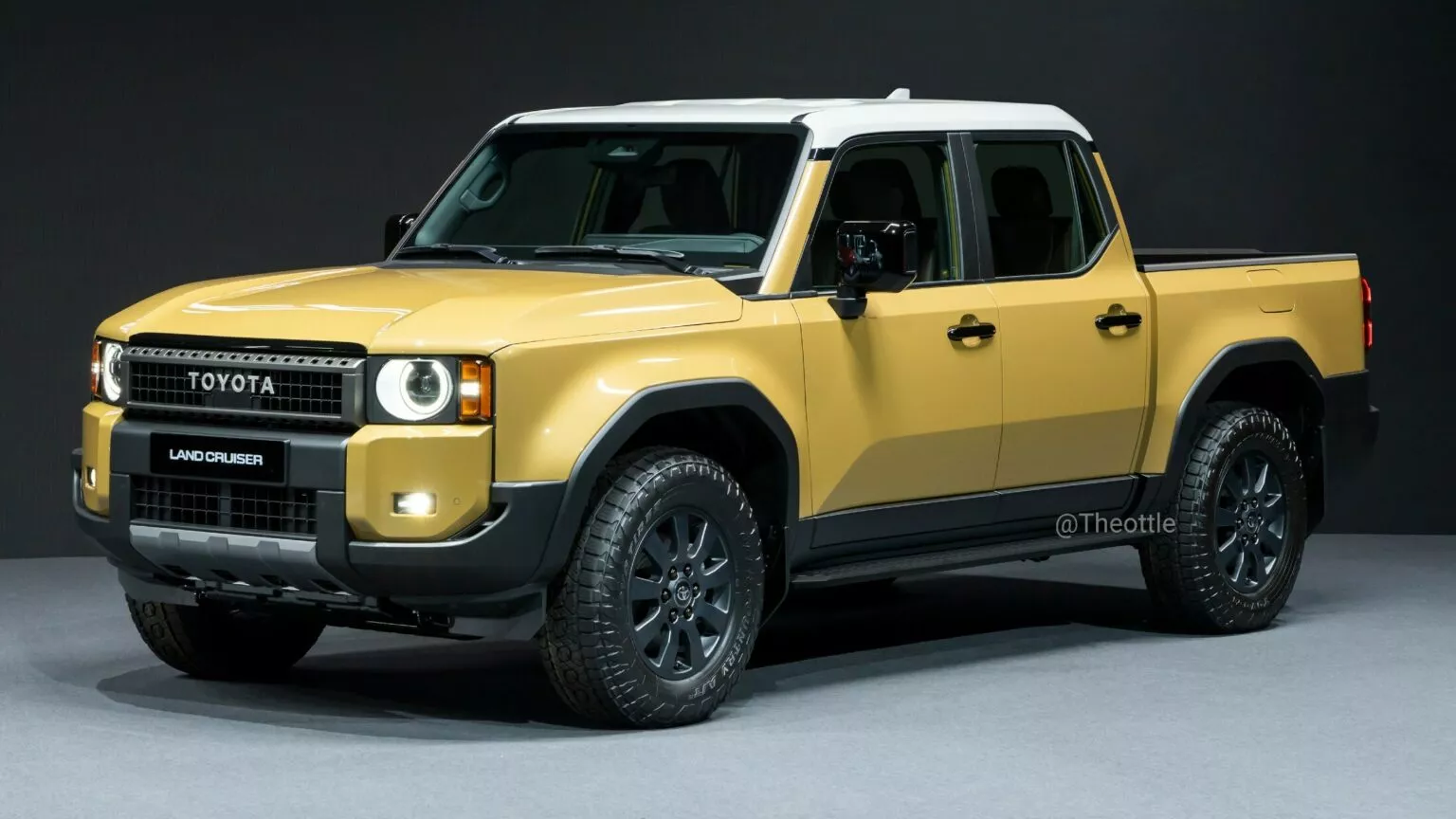
1. Toyota Land Cruiser Pickup
The Toyota Land Cruiser pickup is rarely flashy or filled with luxury, but what it offers is durability in its purest form. In regions where the mercury can hover above 115 degrees for days on end, the Land Cruiser remains functional and calm. This truck’s reliability in hot weather is due to its rugged engineering and straightforward mechanics.
The engine doesn’t rely on complex electronics that are prone to heat failure. Instead, it uses time-tested components that have proven to handle high temperatures over extended periods. The radiator and cooling systems are also built larger than average, offering more breathing room under pressure.
One of the most practical advantages of this truck is its ability to function with minimal maintenance in places where service stations are miles apart. Its diesel engines are especially heat-resistant, built for long idles and dusty conditions.
You can load it up, push it through soft sand, and run it across rocky, sun-baked trails, and it’ll come back in one piece. That’s not a coincidence; Toyota designed this model with harsh regions in mind, knowing its primary customers are in the Middle East, Africa, and parts of Australia.
Another strength is the simplicity of the interior. There’s less plastic trim to warp, fewer digital displays to glitch out in extreme heat, and the ventilation system is old-school but effective. It’s not trying to be a luxury vehicle. That may not appeal to everyone, but in a desert setting, it’s a huge advantage. Less to break, less to melt, and more time spent driving rather than repairing.
In summary, the Land Cruiser pickup doesn’t try to impress with modern gimmicks. Its focus is function, strength, and reliability. Whether for work, rescue, or exploration, it has built its name in some of the hottest and roughest climates on Earth. And it continues to be the go-to choice where the road disappears into sand and the heat never lets up.
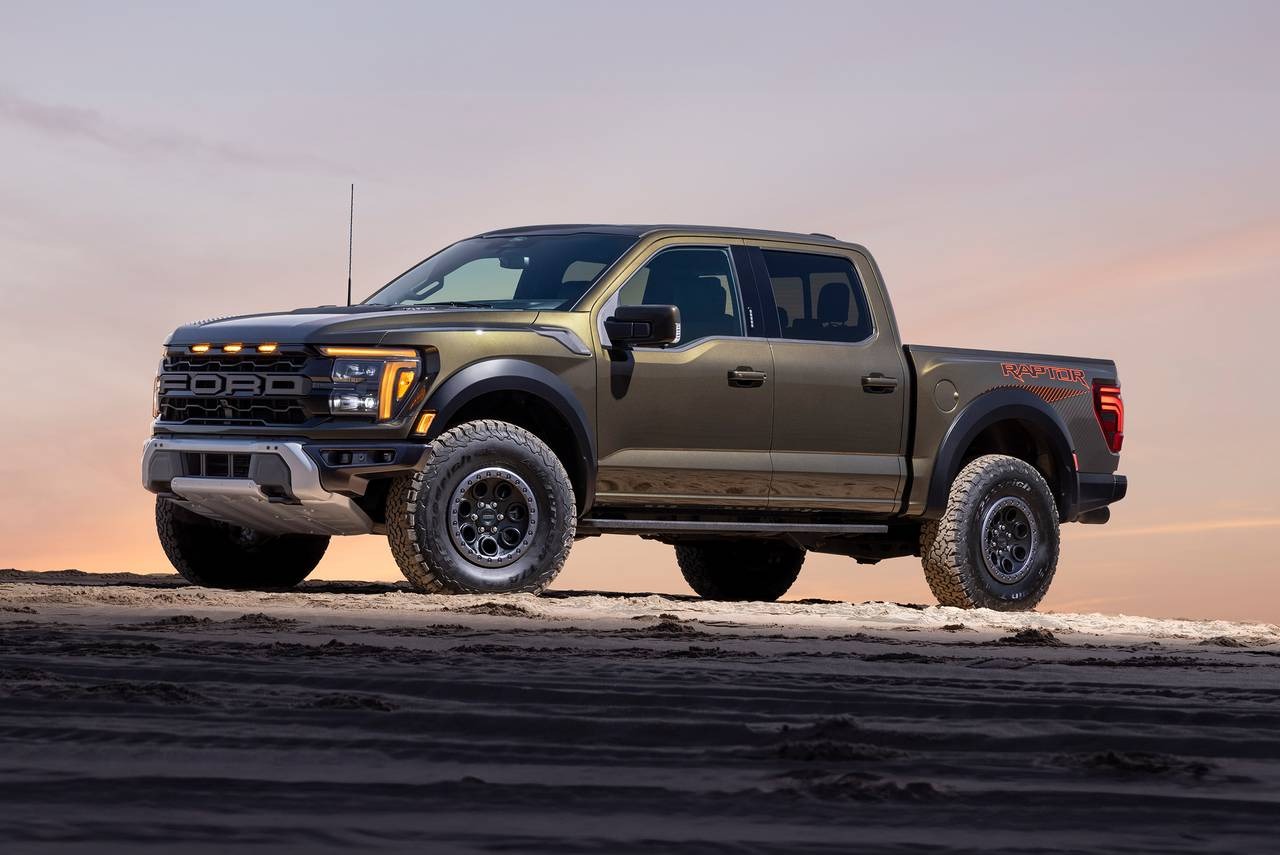
2. Ford F-150 Raptor
The Ford F-150 Raptor combines speed, power, and off-road capability with enough rugged engineering to stand up to serious heat. This truck was designed not just for off-roading but for off-roading at high speeds in environments where other trucks would overheat before lunchtime. With a twin-turbocharged V6 engine, high-performance cooling system, and upgraded suspension, the Raptor handles desert environments like a seasoned runner pacing through a marathon.
What makes the Raptor excel in desert heat is its dedicated cooling setup. The intercoolers, oil coolers, and transmission coolers are oversized and purpose-built. These allow the truck to keep temperatures under control, even when it’s being pushed aggressively through sand dunes or up steep desert hills. It also comes with a specially calibrated ECU that adjusts performance parameters to keep things within safe limits, avoiding sudden overheating.
The Raptor’s air intake system is another highlight. Its elevated positioning and specially designed filters keep the system clear even when surrounded by dust and sand. And in desert environments, clean airflow is just as important as cooling. Sand can choke a weak system quickly, but the Raptor anticipates that and counters it effectively. That’s a design trait borrowed from rally and off-road racing, where reliability and speed must go hand in hand.
Inside, the cabin remains stable. With dual-zone climate control, heat-resistant materials, and seats that are built to avoid overheating, driver comfort doesn’t suffer. That may not sound critical, but when a truck is expected to work long hours in extreme heat, the driver’s endurance becomes part of the vehicle’s effectiveness. The F-150 Raptor succeeds because it doesn’t treat extreme heat as an afterthought; it’s part of the original blueprint.
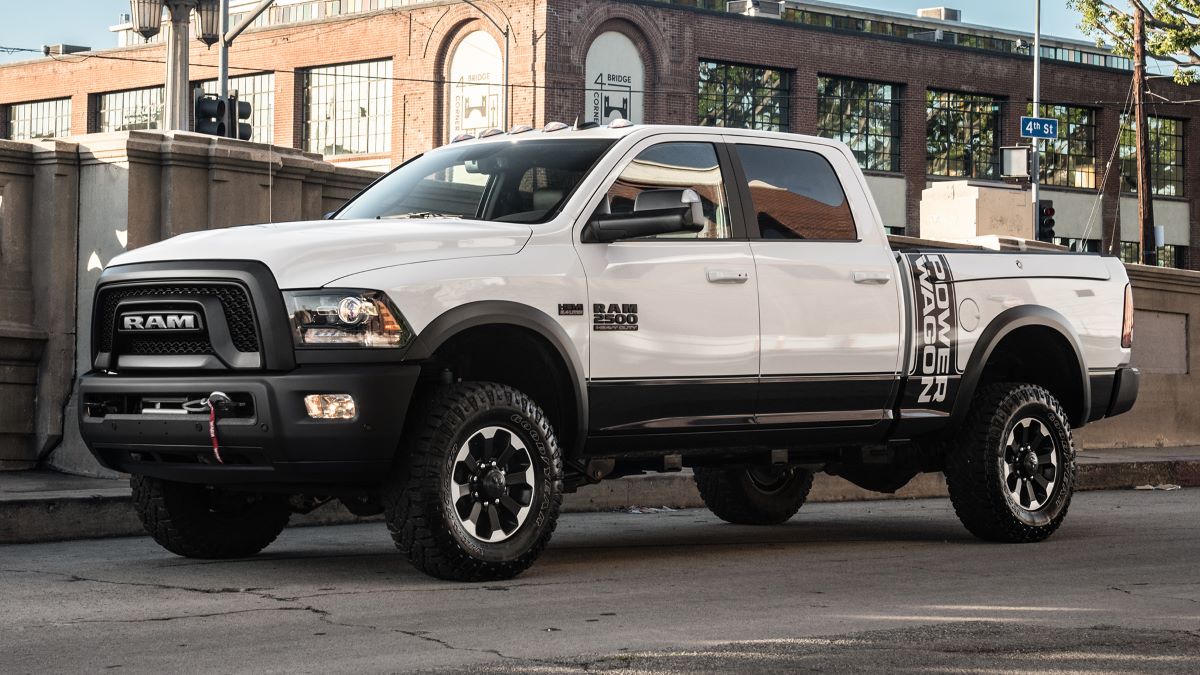
3. RAM 2500 Power Wagon
The RAM 2500 Power Wagon is a heavy-duty truck that doesn’t mind getting dirty or hot. With its aggressive off-road tuning, this truck can take punishment and ask for more. It features a 6.4L HEMI V8 engine that provides enough torque to climb dunes and pull weight without overheating. What sets the Power Wagon apart in high-temperature scenarios is its durability across the board, from the engine bay to the suspension to the cooling system.
Its transmission and engine cooling systems are robust, offering consistent performance even when towing in triple-digit temperatures. The truck is equipped with thermal management software that intelligently adjusts gear shifts and engine output during intense use, helping to keep it operating smoothly. This allows it to maintain power without pushing components too hard. Many trucks begin to lose responsiveness or show stress after long hours in the heat. The Power Wagon, however, keeps pace.
The undercarriage is also well protected, which matters when driving in dry, sharp terrain that can chip away at sensitive parts. And its four-wheel-drive system doesn’t falter under heat or dust. That’s one of the lesser talked-about traits of a heat-surviving truck, how well its traction systems behave after exposure to scorching ground and high surface temperatures. The Power Wagon’s durability here is clear, offering consistent traction and minimal mechanical complaints.
The interior offers ample comfort, but more importantly, it’s built for function. Climate control is efficient, and the truck doesn’t rely heavily on flashy materials that might degrade under heat. If you need a vehicle that can haul, climb, and drive all day in a hot environment, the Power Wagon stands as a strong, dependable choice. It may not be the fastest or lightest truck on the list, but it handles heat like it was born in it.
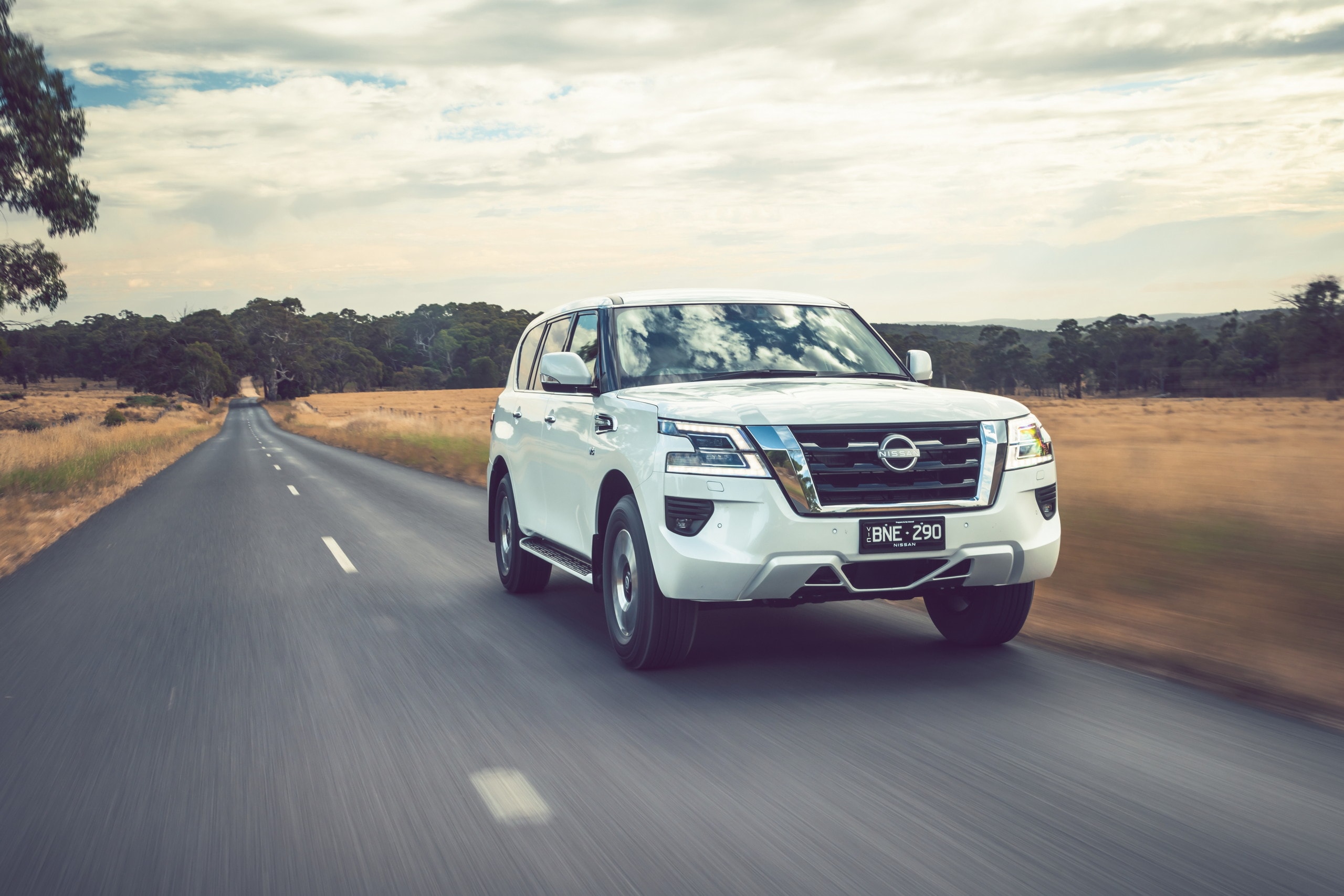
4. Nissan Patrol Pickup
Though not as commonly seen in North America, the Nissan Patrol Pickup is a staple in many desert-heavy regions, especially in the Middle East and parts of Africa. This truck is tough in the most old-school way. It’s built with simplicity and heat tolerance in mind. Its naturally aspirated diesel engine doesn’t rush but rarely fails, even when subjected to the intense solar pressure of desert summers. The truck’s boxy, functional design makes it a favorite for people who need durability over luxury.
Unlike many newer models that integrate complicated electronics and numerous heat-sensitive sensors, the Patrol Pickup keeps its systems minimal. That’s an advantage in harsh climates. Fewer electronics mean fewer chances of heat-induced glitches. The air conditioning system is built with durability and long-lasting output as a core requirement. You’ll find these trucks running all day in heat that would sideline others.
The suspension is firm but effective, able to keep the truck balanced even in uneven, dry, and rocky terrain. That’s often where heat creates problems, not just through temperature but through constant bouncing and surface vibration that wears on suspension joints. Nissan’s engineers knew the Patrol Pickup would face this regularly and built it to last. Even the tires are chosen for heat resistance, offering slow wear and less risk of blowouts.
One more strength lies in the simplicity of parts replacement. In many desert regions, the availability of service centers is limited, and parts must be swapped quickly. The Patrol Pickup’s straightforward design makes that possible. It’s easy to repair, easy to maintain, and doesn’t require advanced diagnostic tools to identify problems. That’s a big win when you’re hours from a garage, and the sun is baking the ground beneath your feet.
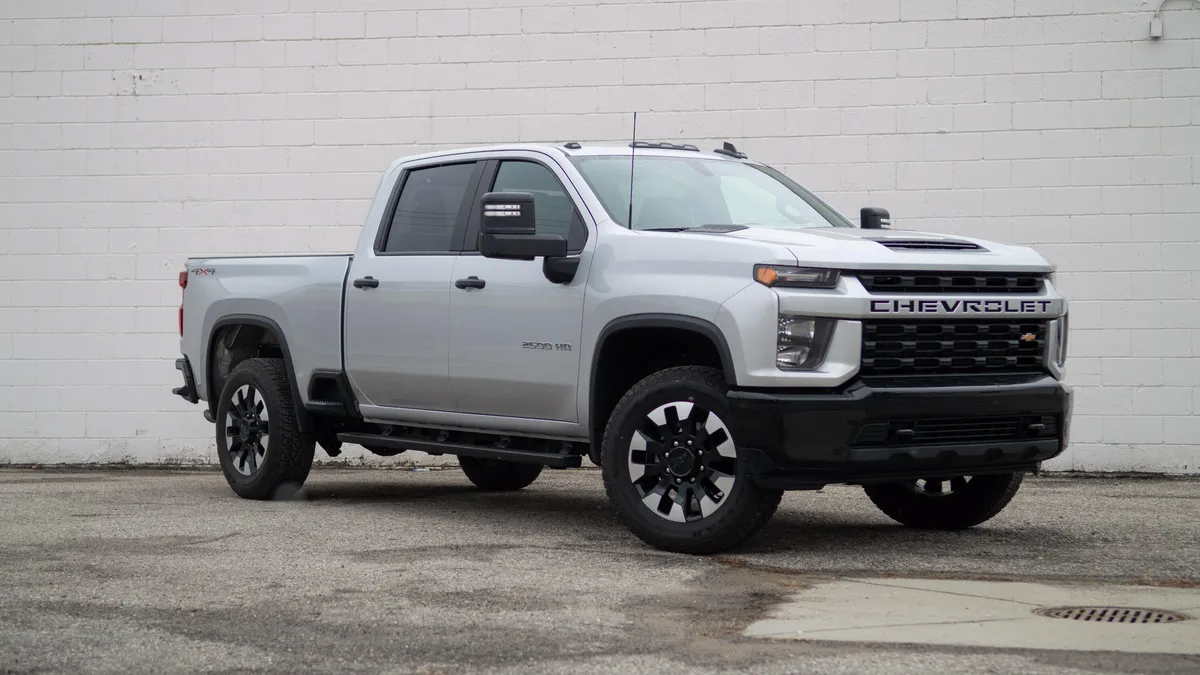
5. Chevrolet Silverado HD (Duramax Diesel)
The Chevrolet Silverado HD, especially with the Duramax diesel engine, has earned a solid reputation in extreme environments. While it’s typically celebrated for its towing power, what often gets overlooked is its cooling efficiency under stress. The Duramax powertrain is engineered to function consistently even in high-heat scenarios. This includes built-in safeguards for the cooling system and high-grade metal components that withstand expansion and contraction from rapid temperature swings.
The Silverado HD’s cooling system isn’t just bigger; it’s smarter. It features a high-capacity radiator, multiple transmission coolers, and a turbocharger system that regulates exhaust temperatures efficiently. When you’re pulling a heavy trailer across hot stretches of open land, every one of those systems has to be in sync. Where some trucks lose torque or start pulling timing to protect their engines, the Silverado HD manages to hold steady power and responsiveness.
Another factor working in the truck’s favor is the durability of its chassis and braking systems. Heat doesn’t just impact engines; it also wears on brake pads, lines, and rotors. The Silverado HD uses performance-grade materials that resist warping and degradation under stress. That’s why it’s often used in hot, high-altitude areas where cooling is harder to maintain and engine strain is constant. Its robust undercarriage construction also provides good stability on rougher terrain, which becomes even more challenging when dry and hot.
Inside the cabin, the Silverado offers consistent comfort without relying on fragile tech. The AC is strong and fast-cooling, and interior materials are selected for resistance to sun exposure. This matters more than many people realize.
A poorly insulated interior can add fatigue to long drives, but the Silverado HD stays cool without overburdening the system. That allows for hours of driving in the heat without discomfort. It’s a truck built to go hard, go long, and come out in one piece, qualities that matter most when the sun refuses to back off.
Trucks That Melt in Summer
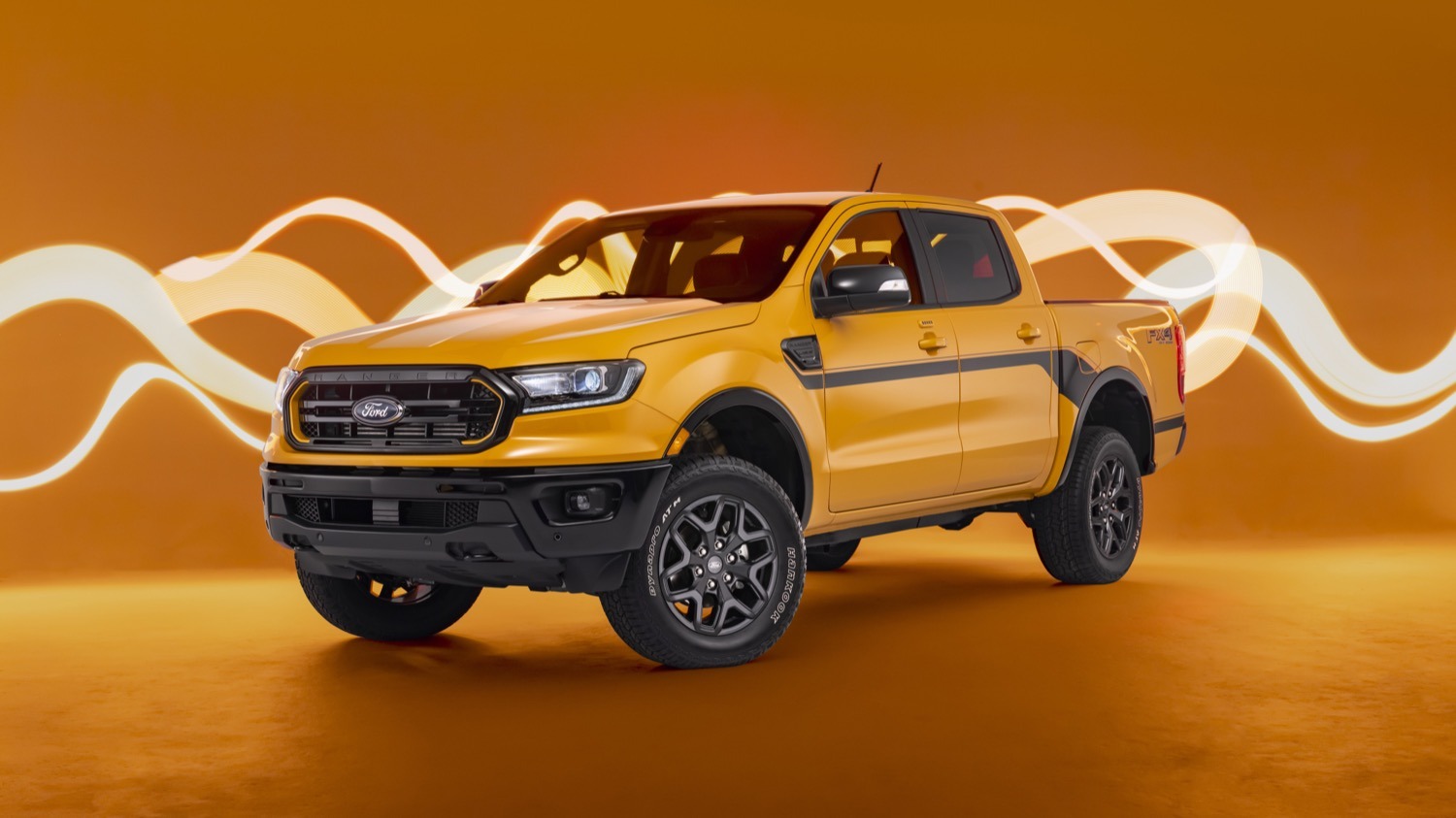
1. Ford Ranger (Certain Turbo Variants)
While the Ford Ranger is marketed as a capable midsize truck, some turbocharged variants struggle in extreme heat. The smaller turbo engines often work harder to deliver power, and in hot weather, this can push the limits of their cooling systems. It’s not uncommon to hear of Rangers overheating during prolonged use in hot, dry climates, especially when towing or off-roading. The problem isn’t always catastrophic, but frequent high temperatures can reduce long-term engine health.
The intercoolers on these turbo variants aren’t always sufficient for desert conditions. They tend to heat-soak quickly, meaning that after an hour or two in the heat, power output starts dropping, and engine knock can become a concern.
Even with aftermarket upgrades, some owners report that maintaining consistent power without heat spikes requires very careful throttle management and rest breaks. That’s not ideal when you’re trying to get work done or cross a long stretch of road.
There’s also concern with the interior. While the Ranger includes some nice tech and infotainment features, the cabin materials are more susceptible to sun exposure than other in its class. Plastics can warp or fade over time, and some users in desert states have experienced cracking on the dashboard or trim. The AC system also works harder than it should in intense heat, sometimes taking several minutes to cool down effectively, too long when the vehicle has been baking under the sun for hours.
Another issue that arises in these conditions is sensor failure. Turbo Rangers rely heavily on engine sensors to regulate boost, air-fuel mix, and temperature. When those sensors start misbehaving due to heat, the engine may go into limp mode or underperform.
These issues don’t usually affect everyday suburban drivers, but for people working in high-heat areas, it can become a frustrating routine. While not a bad truck, the Ranger isn’t built for prolonged exposure to desert conditions without modifications.
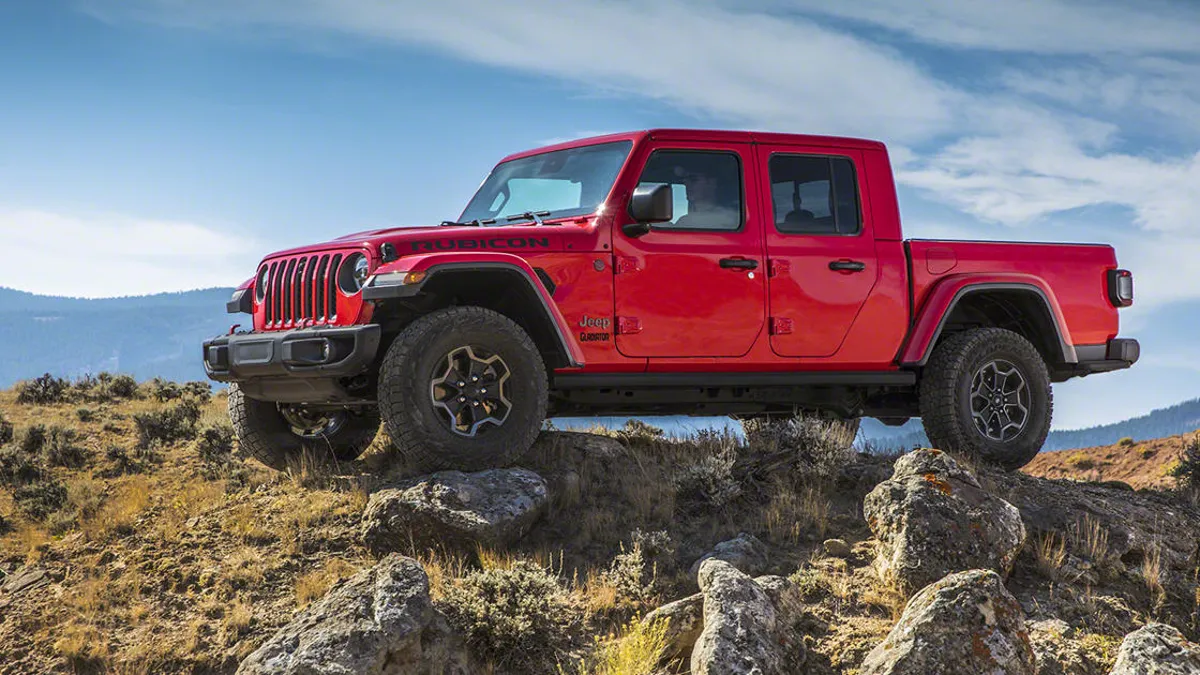
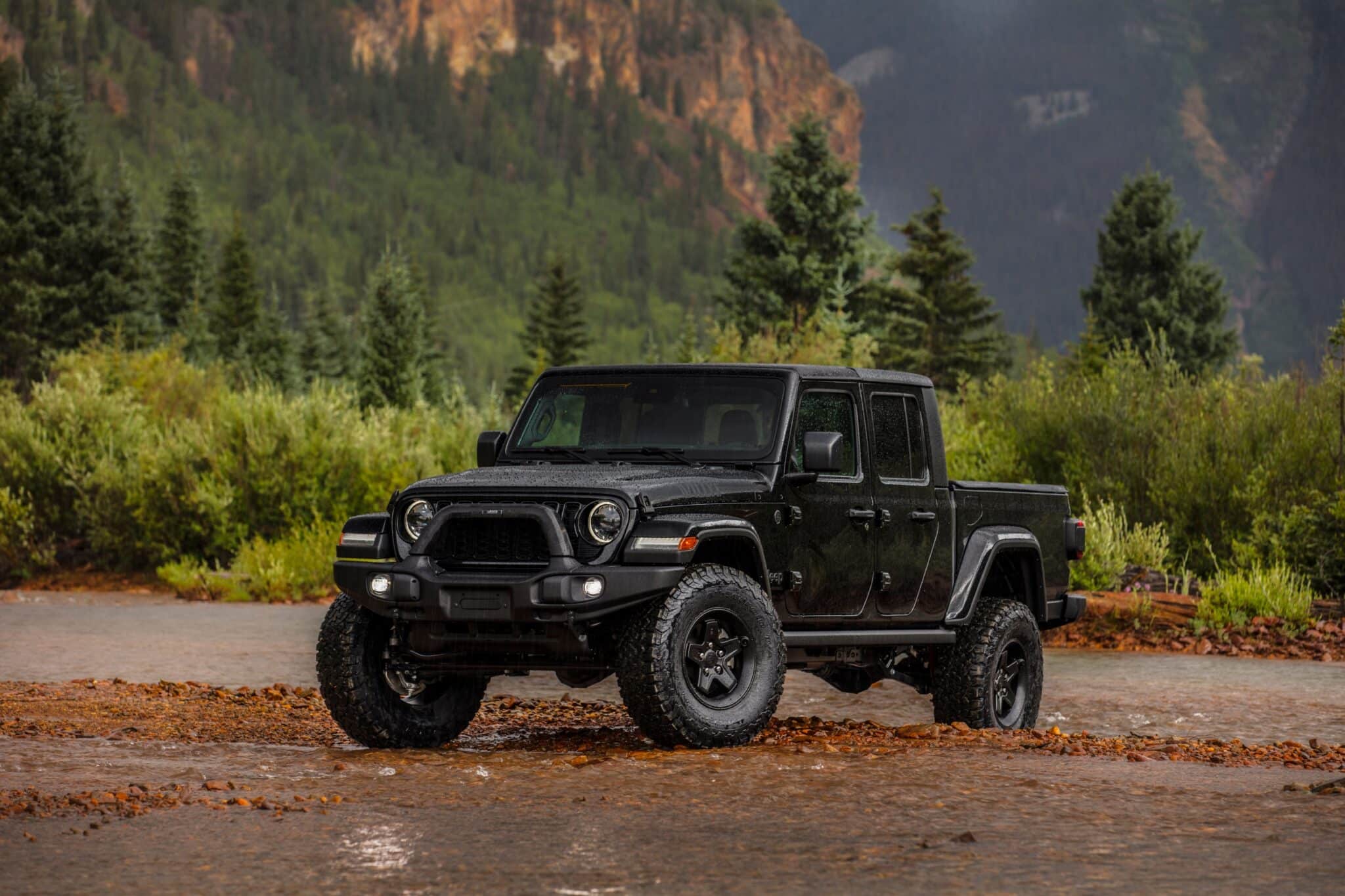
2. Jeep Gladiator
At first glance, the Jeep Gladiator looks like it could handle anything thrown at it. It shares many of the off-road credentials of the Wrangler and adds truck bed utility. But when the temperatures rise, some real concerns start to surface. Owners in hot climates have reported issues with the vehicle’s cooling system, particularly during heavy use. When crawling up steep hills or idling for extended periods in the heat, the Gladiator tends to run hotter than many competitors in its segment.
The issue partly stems from the shared powertrain with the Wrangler, which was not originally designed for extended heavy-duty work in hot conditions. The Gladiator’s design focuses more on style and off-road agility than heat endurance. The engine bay is relatively compact and doesn’t dissipate heat as efficiently as trucks with more open or ventilated designs. That might be fine in temperate areas, but it becomes a problem when ambient air temperatures are already pushing 110 degrees.
Interior comfort is another pain point. The Gladiator’s signature removable roof and doors are cool features until summer hits. The insulation isn’t as effective as standard trucks, so even with the roof on, cabin temperatures rise quickly. The AC system does its job, but it’s often working overtime just to keep the cabin bearable. That long-term strain can lead to reduced system efficiency and eventually mechanical failure.
Even the suspension and electronics suffer under extreme sun exposure. Dust and sand tend to invade crevices more easily due to the Gladiator’s open design philosophy. Electrical connectors and small modules under the body are more prone to exposure than in trucks with tighter seals. Over time, that leads to glitches and faults, things that are inconvenient anywhere but dangerous when you’re miles from help in a hot environment. The Gladiator is fun, but fun doesn’t always survive the summer sun.
3. Honda Ridgeline
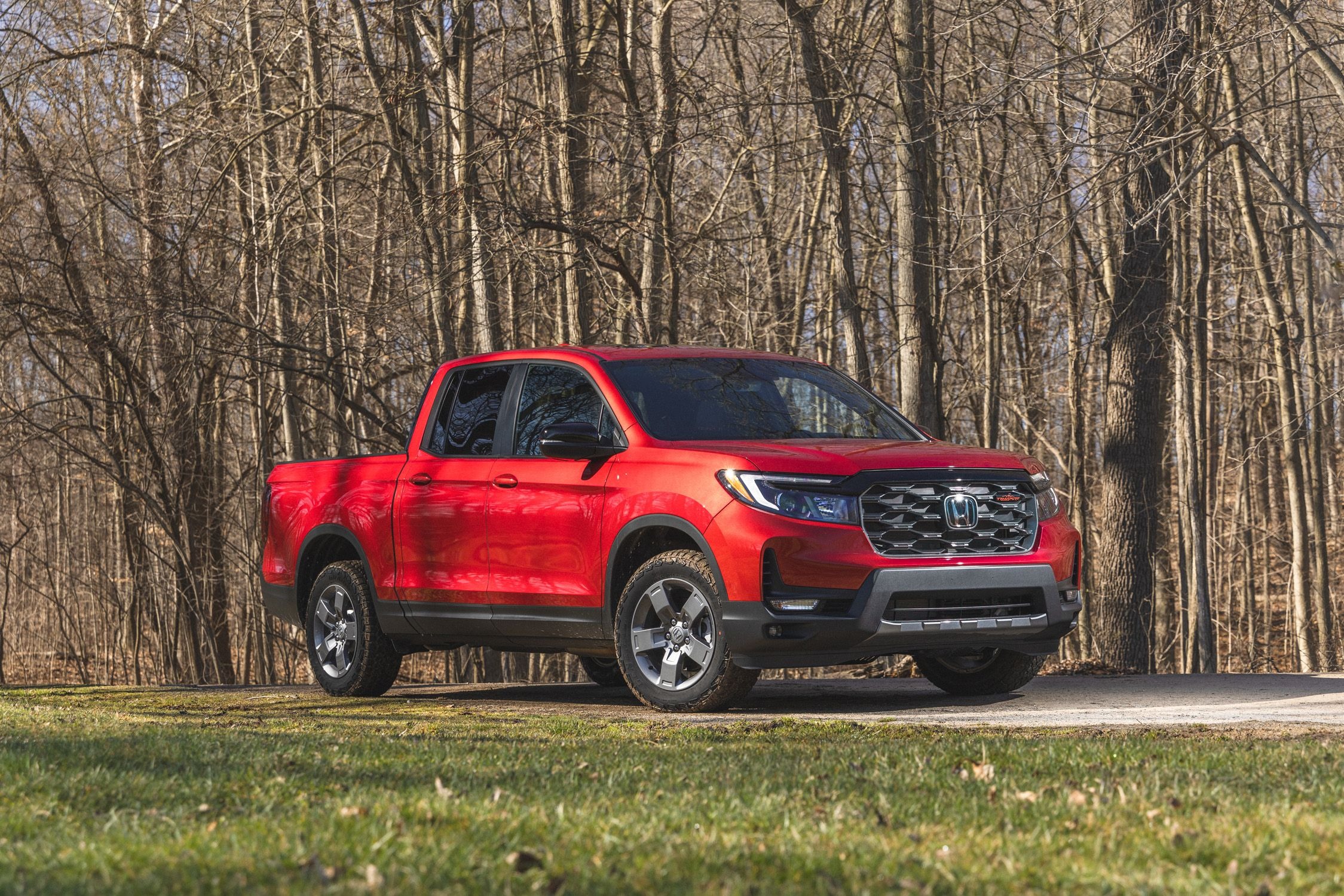
The Honda Ridgeline has always tried to bridge the gap between SUVs and trucks, offering comfort and utility in a more urban-friendly design. But when it comes to performance in extreme desert heat, it often falls behind the competition. The unibody construction, while great for ride comfort, doesn’t offer the same kind of cooling airflow or durability as body-on-frame trucks. This becomes more noticeable when driving in dry, sandy regions with temperatures above 100 degrees.
Its V6 engine is efficient but wasn’t engineered for prolonged towing or heavy work under extreme temperatures. When pushed hard, especially uphill or on long highway stretches in hot weather, it tends to heat up more quickly. While the cooling system is competent for city driving, it’s not always able to keep pace with high-load tasks in hot environments. This can lead to higher wear and tear on the engine over time.
Interior-wise, the Ridgeline is one of the more comfortable trucks on the market, but some of that comfort comes from materials that aren’t ideal under intense sun exposure. Leather and plastics can start to crack or discolor if consistently exposed to UV light. The roof insulation isn’t as thick as heavier trucks, which can lead to a hotter cabin even when the AC is on. In a desert setting, every degree matters.
Lastly, the Ridgeline’s all-wheel-drive system isn’t as robust for heavy off-road conditions. When combined with heat, dust, and loose terrain, it can be more prone to overheating than traditional four-wheel-drive systems with low-range gearing. The Ridgeline is ideal for light-duty users in moderate climates, but for those expecting a true desert companion, it falls short where it matters most.
4. GMC Canyon (Older Models)
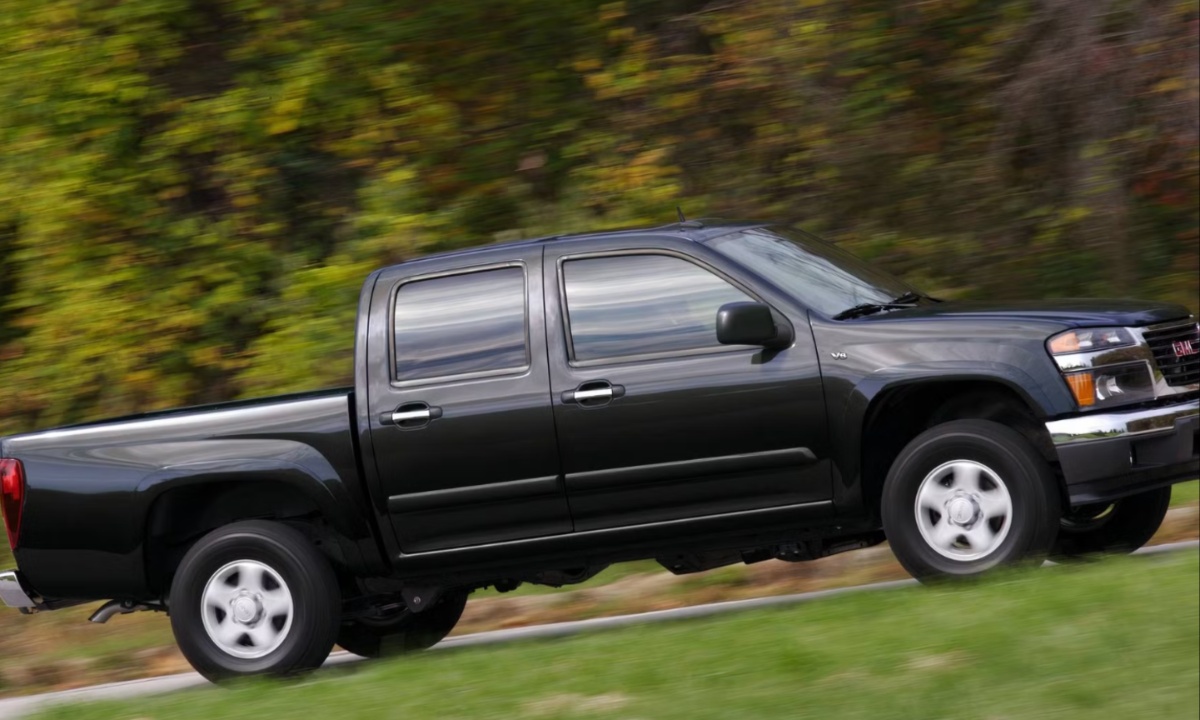
The GMC Canyon has improved in recent years, but older models, particularly those from the early to mid-2010s, are often problematic in hot climates. These trucks came with cooling systems that were sufficient for normal use but didn’t perform well when the temperature climbed above 100 degrees. Many users in desert regions reported frequent overheating issues, especially during towing or steep climbs.
The V6 engines in older Canyons didn’t have the same efficiency as modern powerplants, and the engine bays were tighter, making heat management more challenging. Radiators were smaller, and airflow was more restricted, which became problematic in slow-moving traffic or off-road conditions where airflow was reduced. In many cases, owners had to install aftermarket fans or larger radiators to compensate.
Another issue was with the air conditioning systems in those years. While functional, they often began to show signs of strain within a few years of desert use. Leaks, compressor failures, and reduced output became common. For a truck that’s often used for long commutes or labor-intensive work, losing AC during the summer can quickly turn from an annoyance into a safety concern.
The interior materials also didn’t hold up well. Dashboard components would crack or warp, especially when parked outside for long periods. Seats would overheat quickly, and the ventilation was less effective than what you’d find in competitors. While newer models have addressed many of these flaws, the older GMC Canyons still show up frequently in reliability discussions for heat-related issues and are best avoided if you’re planning to use them in a desert environment.
5. Nissan Frontier (Pre-2022 Models)
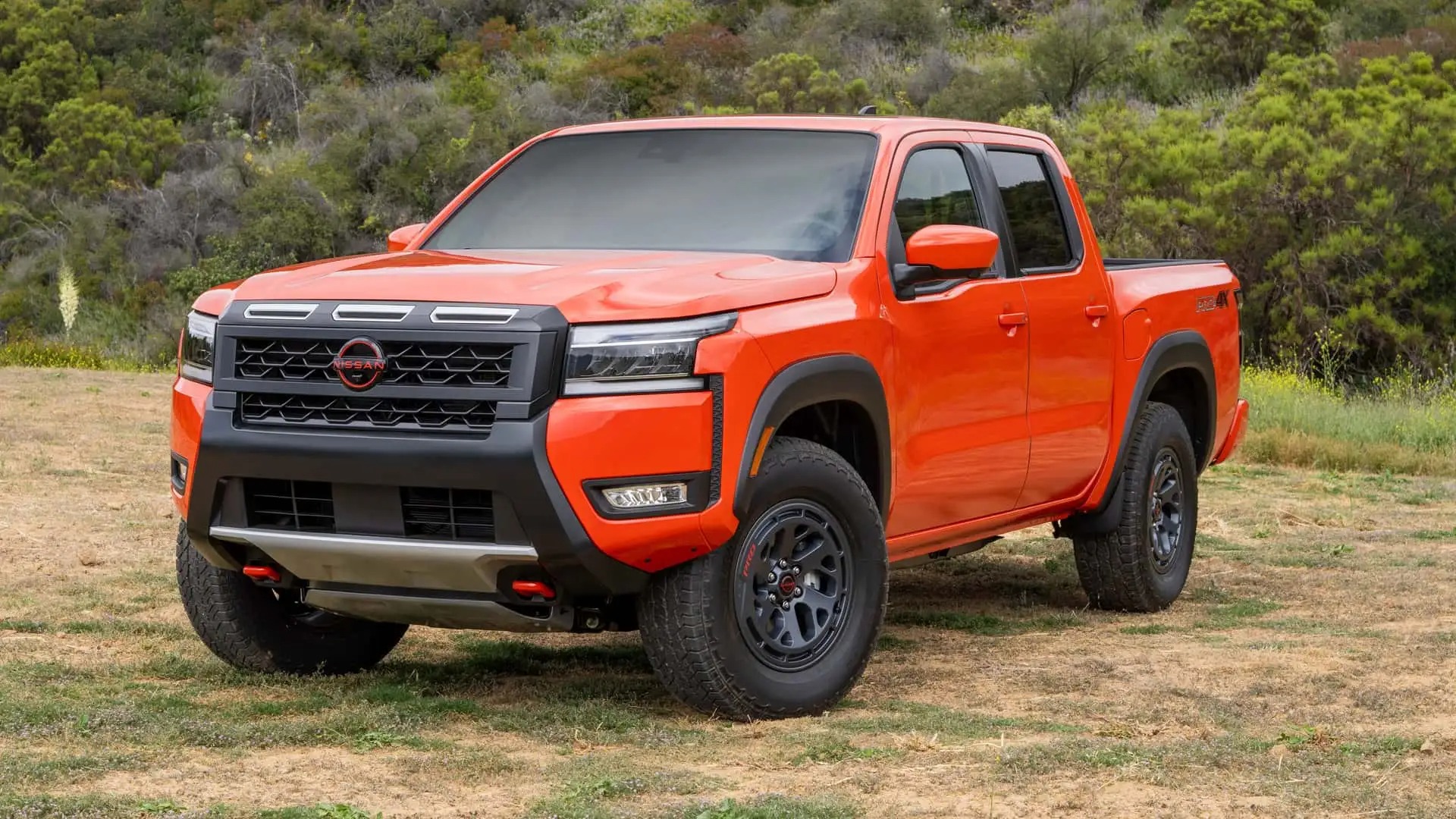
The Nissan Frontier was a dependable truck in many respects, but the models before the 2022 redesign had serious trouble keeping their cool. Their cooling systems were relatively basic and weren’t optimized for high-performance use in hot conditions. This wasn’t a huge issue for casual driving, but in sustained heat, especially when towing or off-roading, problems started to appear.
The V6 engine was underpowered for its class, and in hot conditions, it would often labor more than necessary. Combined with a basic transmission and limited airflow, the Frontier would sometimes overheat or enter reduced power modes. These issues were compounded by the fact that many Frontiers lacked temperature warning features beyond a simple gauge, leaving drivers unaware of a problem until it was too late.
Inside the truck, there was little in the way of heat mitigation. AC systems were basic and struggled in triple-digit temperatures. The dashboard and door panels could become scorching after just an hour in the sun, and the cabin would remain hot longer than in most trucks. Ventilation was sluggish, and even small tasks like charging phones could be interrupted by overheating alerts in extreme cases.
Suspension components and bushings would often wear out faster in dry, hot climates, especially with off-road use. Many desert drivers noticed cracked boots, degraded seals, and even premature suspension noise after only a few years. While the newer Frontier is a much-improved vehicle, those older models simply weren’t designed for the punishing effects of desert summers and should be used with caution in those environments.
Also Read: 5 Cars That Rarely Leak Oil and 5 That Drip on Every Driveway
When choosing a truck to face intense summer heat, especially in desert regions, reliability under pressure matters more than flashy features or marketing promises. The ability to handle extreme conditions isn’t just about horsepower or size, it’s about smart engineering, strong cooling systems, and durable materials that don’t give out when the temperature refuses to drop.
As we’ve seen, some trucks have earned their place in the harshest climates through real-world performance, while others fall short when pushed beyond standard driving environments.
The trucks that survive desert heat do so for specific reasons. They have purpose-built cooling systems, heat-resistant interiors, and engines that don’t buckle under prolonged stress. Vehicles like the Toyota Land Cruiser Pickup, Ford F-150 Raptor, RAM Power Wagon, Nissan Patrol Pickup, and Silverado HD are used in some of the hottest places on earth for good reason.
They’ve proven themselves under pressure, not just on test tracks, but in real-life situations where failure isn’t an option. Their designs prioritize function over flair, and that makes all the difference when conditions become dangerous.
On the other hand, the trucks that tend to struggle aren’t necessarily poorly made, but they’re not built with the same environmental challenges in mind. Models like the older Nissan Frontier, Jeep Gladiator, turbo variants of the Ford Ranger, Honda Ridgeline, and certain GMC Canyons were either optimized for comfort, city driving, or moderate climates.
When forced to perform under extreme heat, their systems can falter. From overheated engines and failing AC units to cracking interiors and electrical problems, these issues become more than inconvenient; they can become expensive, time-consuming, and even unsafe.
If you’re in the market for a truck and your daily life involves high heat, dry terrain, and long drives under the sun, these differences are critical to understand. A dependable truck in the desert isn’t the one with the most screens or the highest towing figures on paper; it’s the one that keeps moving when others stall.
Picking the right truck for this environment means avoiding avoidable problems and investing in something that can go the distance without complaint. Whether for work, recreation, or necessity, the desert will test your vehicle every single day. Choose the one that’s already passed the test.
