
Road trips can be among the most memorable travel experiences, offering a mix of freedom, spontaneity, and scenic variety. But one factor that can make or break the entire journey is the vehicle itself. A car that performs well under long-distance driving, handles different terrains, and doesn’t succumb to mechanical issues is crucial for peace of mind.
On the flip side, some cars are known to cause more trouble than they’re worth when taken far from home. Whether it’s due to poor engineering, unreliable electronics, or chronic mechanical failures, these cars can become more of a burden than a companion on the road.
Most drivers don’t think about things like transmission issues or electrical problems until they’re stuck in the middle of nowhere with no signal and a tow truck hours away. That’s why choosing a car known for its long-term reliability is more than just a smart choice; it can be the difference between a smooth, joyful ride and a stressful situation that ruins a trip.
Reliability isn’t just about avoiding breakdowns either. It’s about confidence. It’s about knowing that the car will start every morning, handle sudden weather changes, keep fuel consumption reasonable, and not throw surprise warning lights on the dashboard when you least expect it.
Some manufacturers have built their reputations on creating reliable, long-lasting vehicles. Others have unfortunately gained notoriety for making cars that don’t hold up over time, especially when driven hard or far. While every car can have issues eventually, patterns tend to emerge over the years. Automotive reviews, customer reports, and real-world testing all paint a clear picture of which models consistently rise to the occasion and which ones leave their owners regretting their decision.
In this article, we’ll take a look at five cars that are widely regarded for their dependability during long road trips, and five that are infamous for causing headaches when pushed to perform. These aren’t guesses; these selections are based on well-known performance trends, mechanical durability, and real feedback from long-time drivers. Whether you’re planning a cross-country vacation or simply curious about automotive reliability, this list offers practical insight into what makes a car trustworthy.
Also Read: 5 Cars That Rarely Leak Oil and 5 That Drip on Every Driveway
5 Cars That Stay Reliable on Road Trips
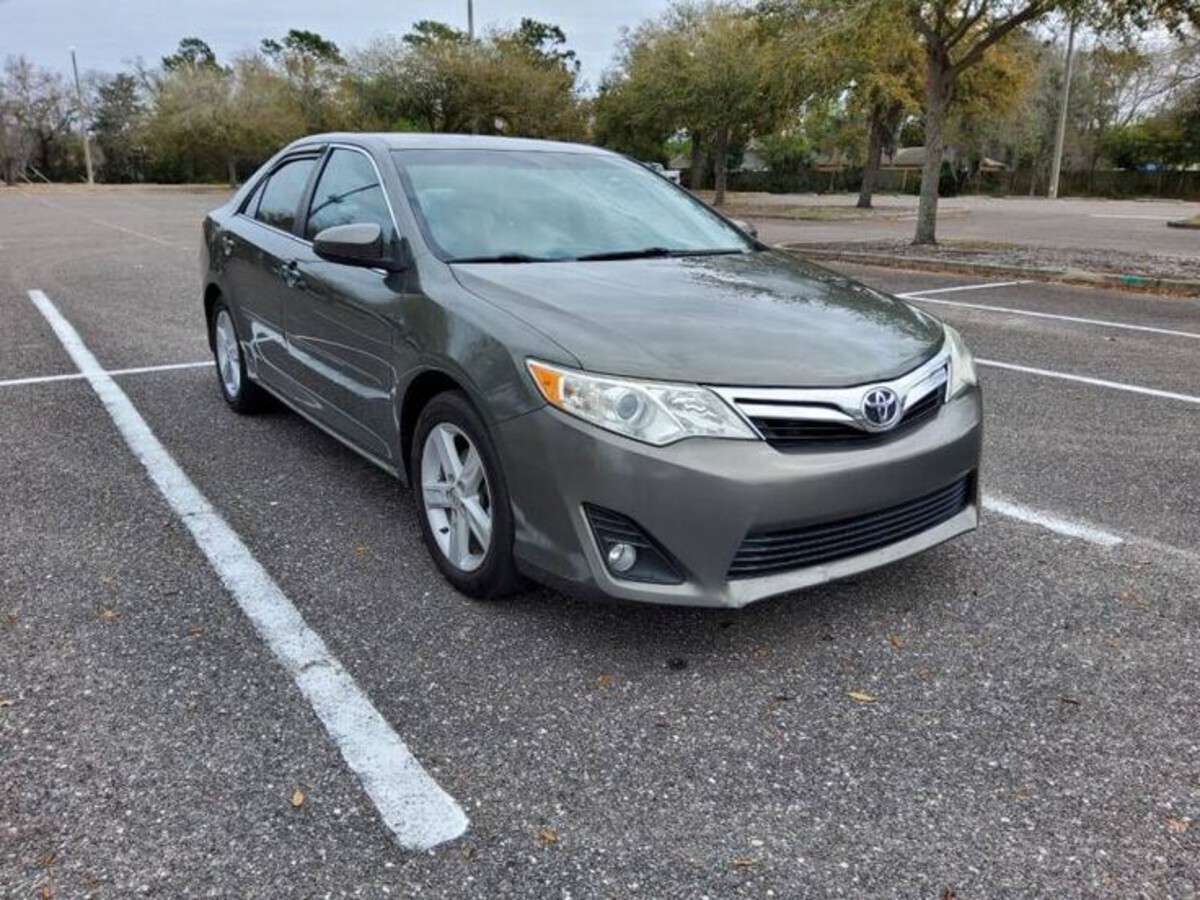
Toyota Camry
The Toyota Camry has built a reputation over the years for being one of the most reliable midsize sedans on the market. Known for its consistent performance and low maintenance costs, the Camry is a favorite for drivers who want a dependable car for both city driving and extended road trips.
The engine choices are known to be robust, with both the four-cylinder and V6 versions providing plenty of power without sacrificing fuel economy. The transmission is smooth and consistent, avoiding the jerky gear shifts that often plague other models. On a road trip, these qualities translate into a calm, stable ride that doesn’t wear down the driver or passengers.
Beyond just mechanical reliability, the Camry also scores well in terms of comfort and practicality. Long hours in a car can be physically draining, but the Camry’s seats offer strong lumbar support and the cabin is well insulated from road noise. This makes long stretches of highway much more bearable.
The climate control system is intuitive and responsive, ensuring that everyone in the car stays comfortable regardless of the weather outside. It also has a well-designed infotainment system that is easy to use without being overly reliant on touch interfaces, something especially useful while driving.
Fuel efficiency is another strong suit of the Camry, particularly in its hybrid version. On a long road trip, fewer stops for gas not only save money but also cut down on travel time. The hybrid model is capable of returning excellent fuel mileage without compromising much on power or acceleration.
This makes it one of the few sedans that successfully combines economy with a driving experience that doesn’t feel sluggish or underpowered. It strikes a strong balance that’s ideal for highway travel over hundreds or even thousands of miles.
Finally, maintenance and repairs are rare with the Camry, and when needed, parts are affordable and widely available. This means even in small towns, mechanics are likely to have experience with the car and access to what’s needed. That can be a major advantage when far from major cities.
Owners often report going well past 200,000 miles without major issues, which is a testament to the engineering that goes into each generation of the Camry. All in all, it’s a top-tier option for road warriors who value reliability.
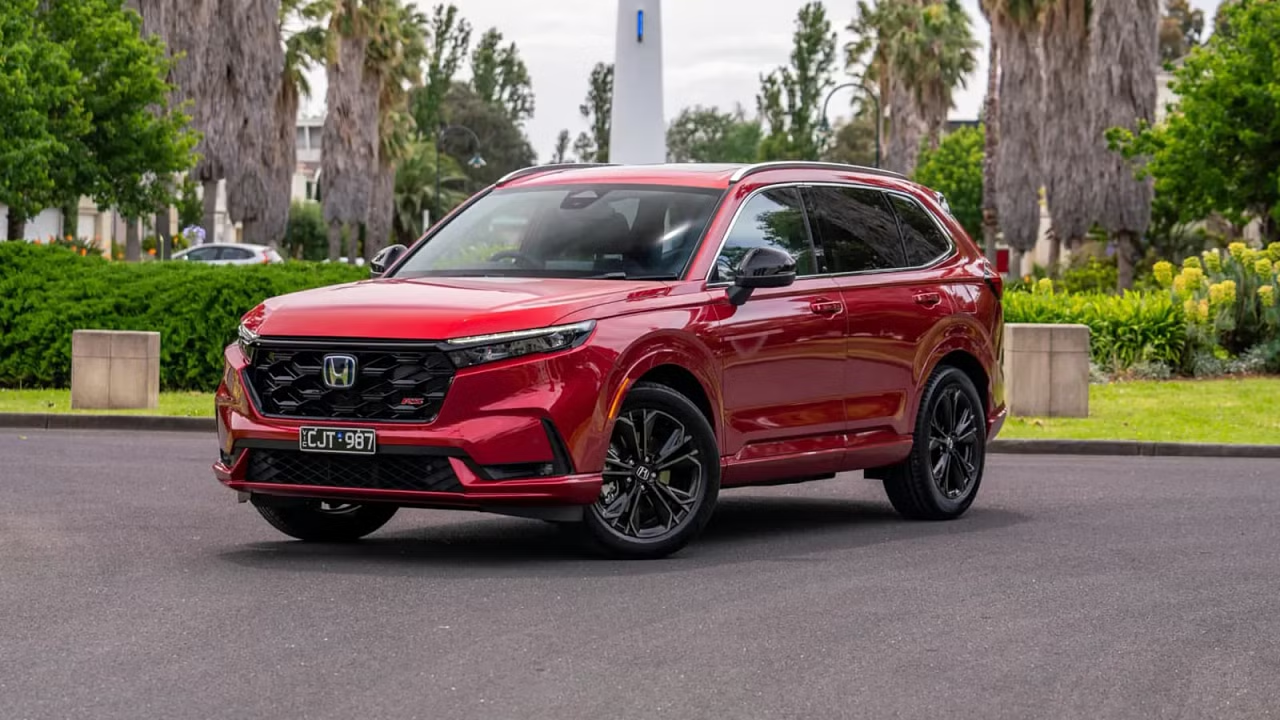
Honda CR-V
The Honda CR-V is another name that frequently appears on lists of reliable vehicles, and for good reason. It’s a compact SUV that feels like it was designed with real-world usability in mind. For road trips, the CR-V offers a nearly perfect blend of cargo space, fuel efficiency, and mechanical dependability.
It’s ideal for families or individuals who like to travel with plenty of gear, and the all-wheel-drive option provides added confidence when dealing with changing road conditions. Unlike some SUVs, the CR-V doesn’t suffer from top-heavy handling or sluggish response when climbing hills or overtaking slower traffic.
Inside the cabin, the CR-V is roomy and thoughtfully designed. The seats are comfortable, even on long drives, with enough legroom in the back for adults to ride without feeling cramped.
Road trips often involve hours at a time on the highway, and the CR-V minimizes driver fatigue with its relaxed steering and quiet ride. The dashboard controls are straightforward, and visibility from the driver’s seat is excellent. That kind of attention to detail makes a big difference when navigating unfamiliar areas or driving through challenging weather.
Mechanically, the CR-V holds up extremely well over time. The engines are built for longevity and perform reliably under both light and heavy loads. The CVT (continuously variable transmission) used in recent models is smoother than earlier versions and doesn’t tend to suffer from the overheating issues found in less refined systems. Owners report minimal mechanical issues even after years of use. That means fewer surprise repairs while out on the road, which can be essential for maintaining a stress-free vacation or work trip.
Fuel economy is another area where the CR-V shines. Despite being an SUV, it still returns numbers that are competitive with smaller sedans, especially in its newer hybrid variants. For long road trips, that efficiency can add up quickly. Fewer fuel stops and lower costs make it one of the smarter choices for cross-country travel. Whether you’re heading to the beach or the mountains, the CR-V brings peace of mind and dependable performance.
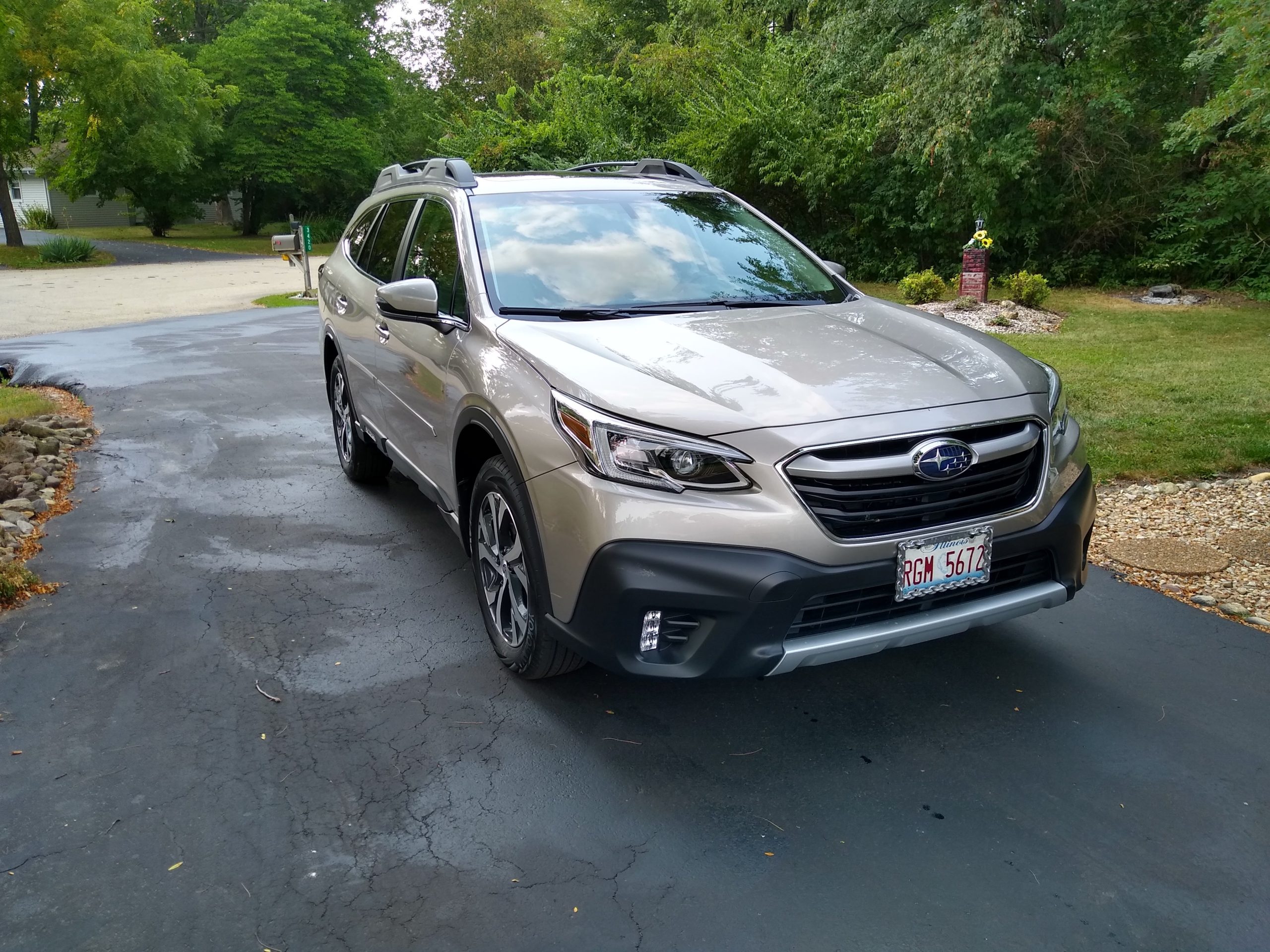
Subaru Outback
The Subaru Outback has long been a favorite among outdoor enthusiasts and road trippers who need both durability and versatility. Built on a rugged platform with standard all-wheel drive, the Outback excels in environments where other cars might struggle.
That makes it perfect for those planning road trips that involve more than just highway driving. Whether you’re navigating dirt roads, mountain passes, or icy conditions, the Outback handles it all without breaking a sweat. Its raised ground clearance and solid suspension system also mean it’s more forgiving on rough surfaces.
Inside, the Outback offers a spacious and practical interior that feels more premium than one might expect for its class. The seats are supportive and comfortable for long hours behind the wheel, and the cabin is insulated enough to reduce fatigue from engine and road noise.
The infotainment system is easy to navigate and responsive, with features like Android Auto and Apple CarPlay included in most recent trims. Cargo space is another major strength. The rear seats fold flat to create a large storage area, making it ideal for camping gear, luggage, or sports equipment.
Under the hood, Subaru’s flat-four engines have a track record for reliability when properly maintained. While they’re not the most powerful in the segment, they provide a smooth driving experience with enough torque to handle moderate towing or off-road scenarios. The symmetrical all-wheel-drive system is a standout feature, providing excellent grip and stability on all types of roads. This not only improves safety but also enhances control during long drives where conditions can change rapidly.
Routine maintenance is fairly straightforward with the Outback, and Subaru’s widespread popularity means most repair shops are familiar with its design. Common parts are usually easy to source, even in remote areas. Owners who keep up with oil changes and minor services report being able to rack up high mileage without experiencing significant issues. All of this contributes to the Outback’s reputation as a road trip warrior that’s as ready for adventure as you are.
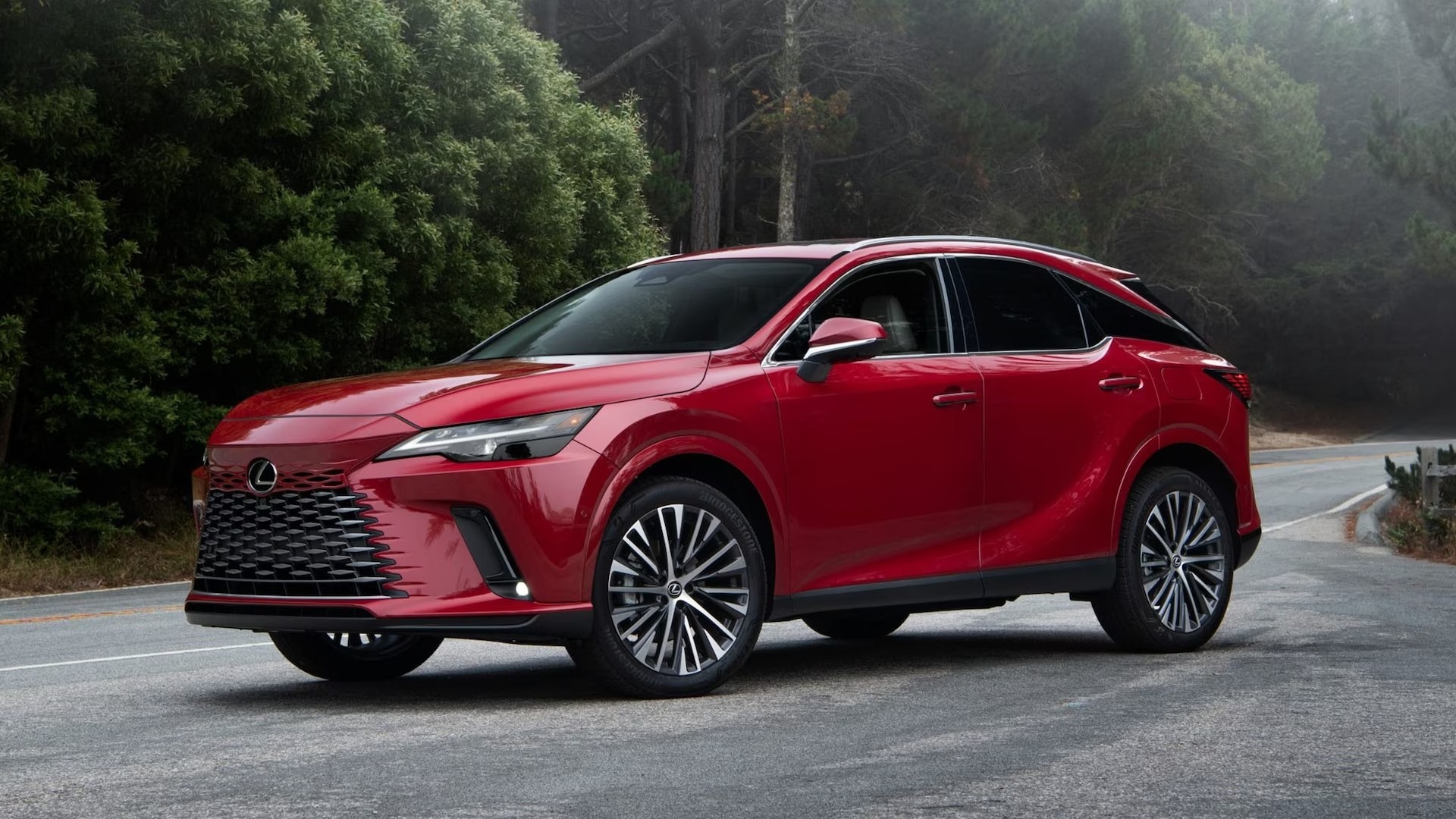
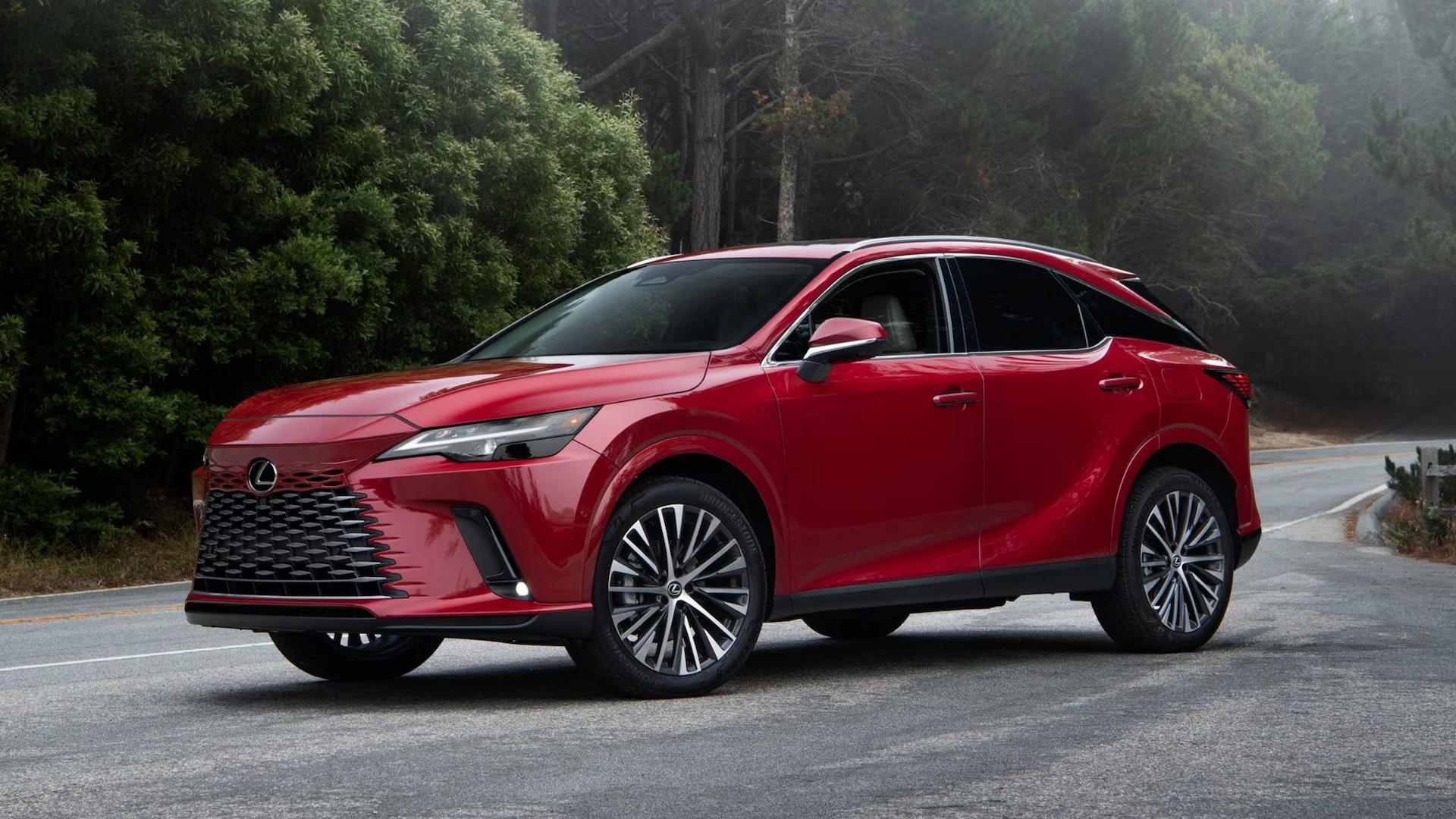
Lexus RX 350
The Lexus RX 350 takes a slightly different approach to road trip reliability by adding luxury and comfort into the mix. As a premium mid-size SUV, it delivers a smooth, quiet ride that makes long-distance driving feel effortless. Yet beneath the elegant exterior lies an extremely dependable vehicle.
Built on the same engineering foundation as Toyota vehicles, the RX 350 benefits from the same long-term reliability, but with added features and refinements that enhance the driving experience. This car is particularly appealing to drivers who want a vehicle that doesn’t just get them to their destination; it makes the journey enjoyable.
Comfort is where the RX 350 truly shines. The seats are plush and adjustable in ways that make a real difference during extended drives. The suspension system absorbs bumps without feeling too floaty, which keeps the ride stable and smooth on a variety of surfaces.
Road noise is minimal, allowing for easy conversations or music listening without fatigue. Long stretches of driving are made easier by features like adaptive cruise control and lane-keeping assist, both of which work seamlessly in newer models.
Reliability-wise, the RX 350 stands strong with very few reported issues across multiple model years. The V6 engine is one of the most refined and proven powerplants in its class. It delivers consistent performance without being overly thirsty on fuel, which is impressive given the weight and size of the vehicle.
Lexus engineers have focused on durability, which is reflected in the minimal service needs and rare occurrence of mechanical faults. Many owners report reaching 200,000 miles or more with basic maintenance. That kind of longevity is crucial for people who take frequent road trips and can’t afford to spend their vacations dealing with car troubles.
Technology in the RX 350 is intuitive and functional, not overcomplicated. Features like blind-spot monitoring, backup cameras, and a navigation system that works even when there’s no signal make long-distance driving more efficient and safer. Lexus doesn’t chase flashy tech trends but instead focuses on systems that work well and hold up over time.
That’s especially important on road trips, where a glitchy or confusing user interface can lead to frustration or distractions while driving. The RX’s technology tends to age well, which means even older models still provide a premium and stress-free driving experience.
One aspect often overlooked in road trip vehicles is the ease of maintenance during the trip. The RX 350 excels here, partly because of its strong relationship with Toyota’s network. Most mechanics familiar with Toyota models can also service a Lexus without specialized tools or training.
And because the RX 350 shares many parts with Toyota counterparts, replacement components are not only widely available but also competitively priced. That makes a big difference if you find yourself in a small town needing urgent repairs. You won’t be stuck waiting days for obscure parts to arrive.
Whether you’re heading across state lines or driving through remote areas, the Lexus RX 350 is a comfortable and worry-free choice. It provides the perfect blend of refinement and dependability, making it ideal for travelers who want both peace of mind and a touch of luxury. It doesn’t try to do too much, but what it does, it does with exceptional consistency and quality. If you’re the type of person who values reliability without sacrificing comfort, the RX 350 is hard to beat.
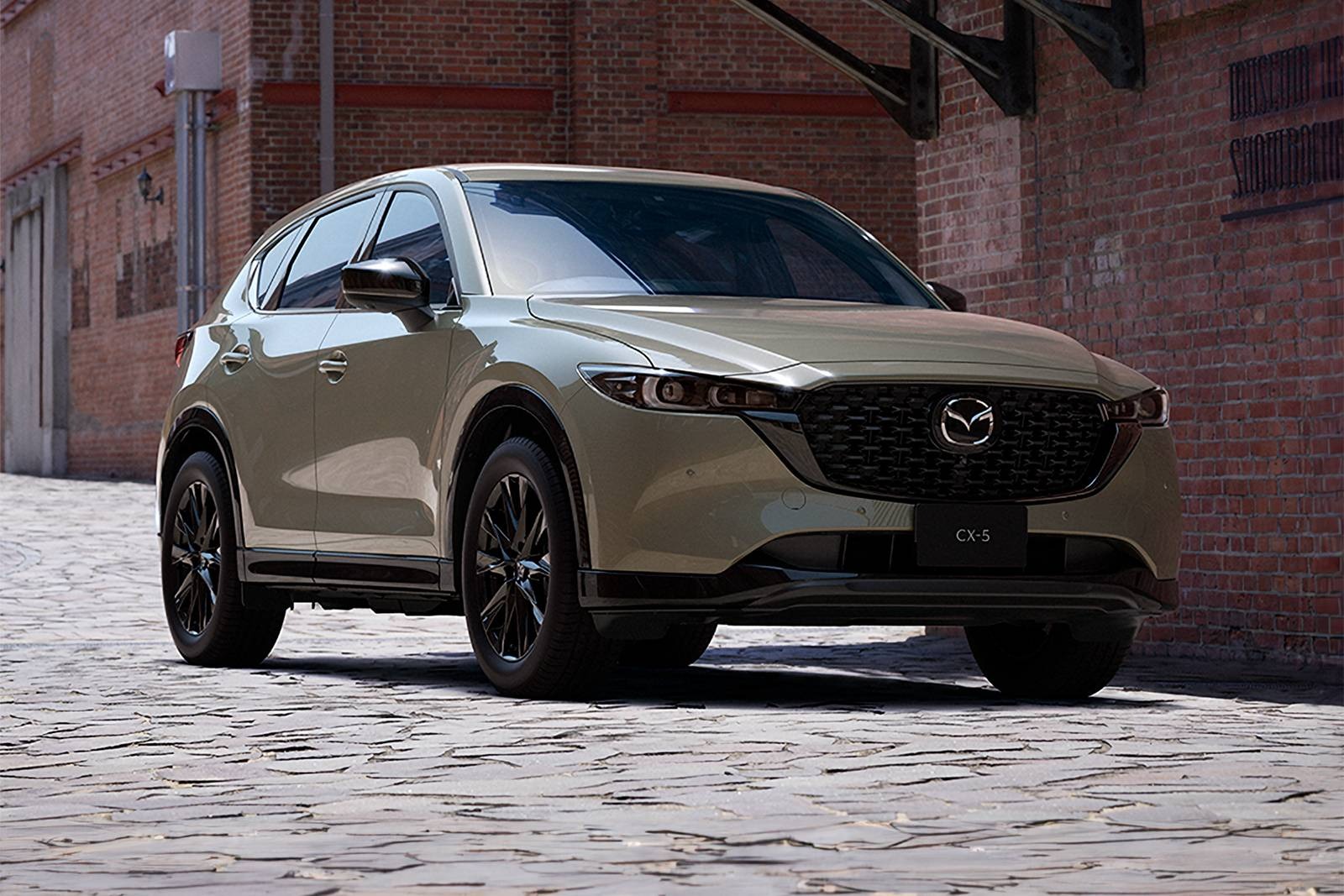
Mazda CX-5
The Mazda CX-5 is a standout in the compact SUV segment, offering a rare combination of style, driving enjoyment, and proven reliability. Unlike many other crossovers in its class, the CX-5 delivers a more engaging experience behind the wheel without compromising on long-term durability.
That makes it especially well-suited for road trips where the drive itself is part of the enjoyment. While it may not have the same brand reputation for reliability as Toyota or Honda, Mazda has quietly built a strong track record for mechanical consistency, particularly with the CX-5’s newer model years.
One of the most compelling aspects of the CX-5 is how it handles on the road. It corners well, maintains stability at high speeds, and provides feedback that many crossovers lack. For road trippers who enjoy driving, this can be a major benefit. But despite its sporty edge, the CX-5 doesn’t compromise on ride comfort. The suspension soaks up imperfections without feeling disconnected. Over hundreds of miles, that balance between responsiveness and comfort makes a noticeable difference in reducing driver fatigue.
The cabin is well designed and carries a level of sophistication that rivals some luxury brands. Materials are soft-touch and refined, and the seats offer long-lasting support. Mazda has made thoughtful choices with interior layout, ensuring that everything is within easy reach and functions reliably over time.
The infotainment system, while not the flashiest, is consistent and easy to use once you become familiar with its rotary knob interface. For long drives, this level of tactile control can be more convenient and less distracting than touchscreen systems.
Mechanically, the CX-5 benefits from simple, time-tested engine and transmission pairings. Mazda has stayed away from turbocharged gimmicks in the base models, instead focusing on natural aspiration for durability. Even the turbo variants have proven to be more reliable than many competitors.
Maintenance is generally straightforward, and parts are widely available. Owners frequently report clocking high mileage with very few repairs. Combined with its comfort, control, and efficiency, the CX-5 is a reliable choice that enhances the road trip experience rather than complicating it.
5 Cars That Always Break Down
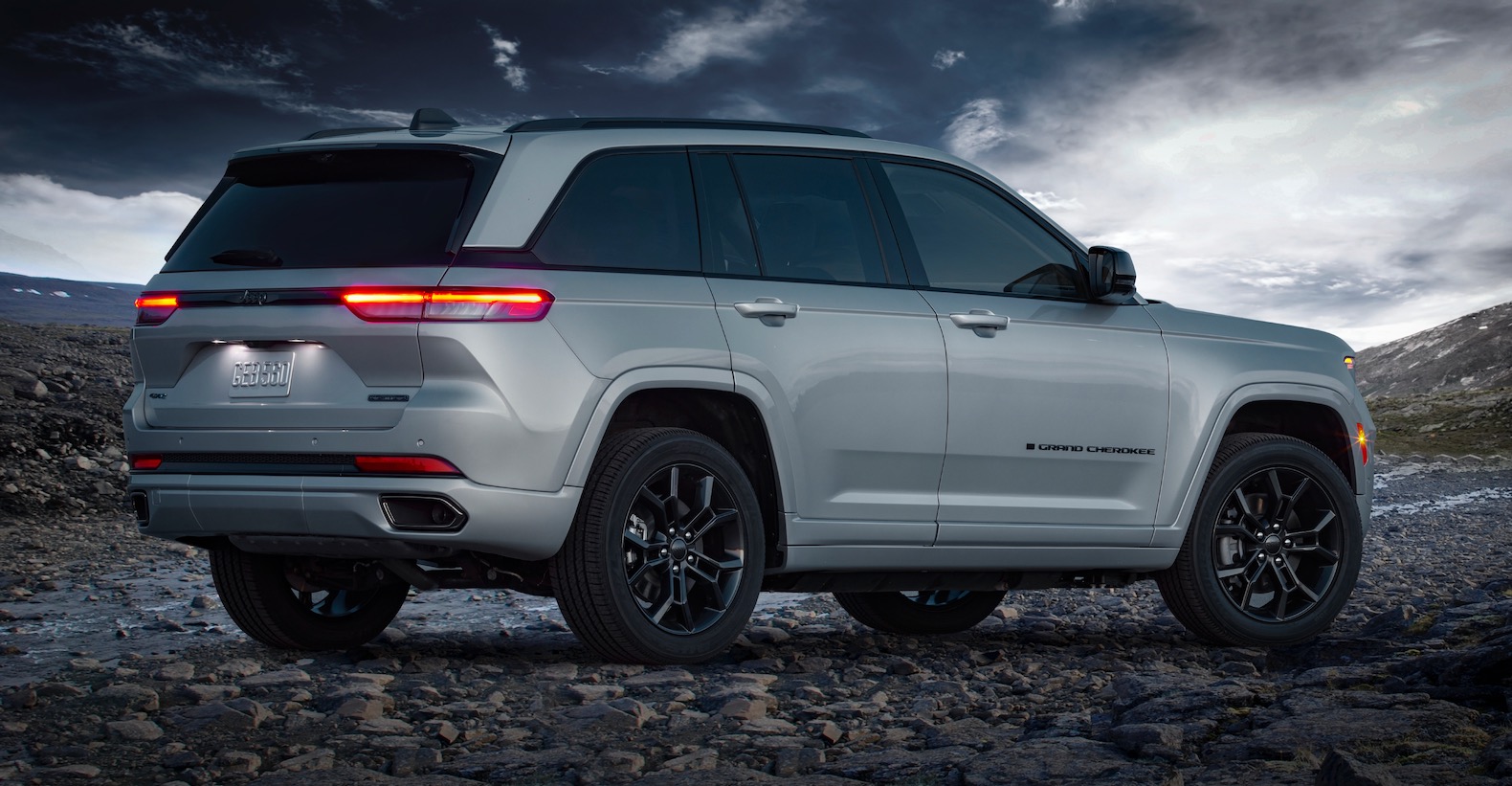
Jeep Cherokee (2014–2020)
The Jeep Cherokee, particularly in the 2014–2020 range, is notorious for causing problems, especially on long road trips. One of the biggest issues with this vehicle is the nine-speed automatic transmission, which has been the subject of frequent complaints.
Owners often report hard shifts, hesitation, and even complete transmission failure. These issues can appear without much warning, making them especially risky when driving in unfamiliar or remote areas. The unpredictability of the Cherokee’s drivetrain adds a level of stress that’s the last thing you want when you’re far from help.
The Cherokee also suffers from subpar build quality in certain areas. Interior materials may seem fine at first glance but often wear quickly, leading to rattles, peeling trim, and broken components within a few years of ownership.
On a long road trip, these issues aren’t just cosmetic; they contribute to an uncomfortable, noisy cabin that makes long hours behind the wheel tiring. Small quality control issues stack up and make the experience far less pleasant than it should be, especially in an SUV that markets itself as “trail-rated.”
Maintenance and repair costs also tend to be higher for the Cherokee, partly because of its specialized all-wheel-drive systems and transmission design. Even routine repairs often require dealership involvement, and parts can be difficult to source quickly if something goes wrong mid-trip. All of these factors combine to make the Cherokee a car that may look like it’s built for adventure, but in reality, it too often leaves its drivers stranded when they try to use it for just that.
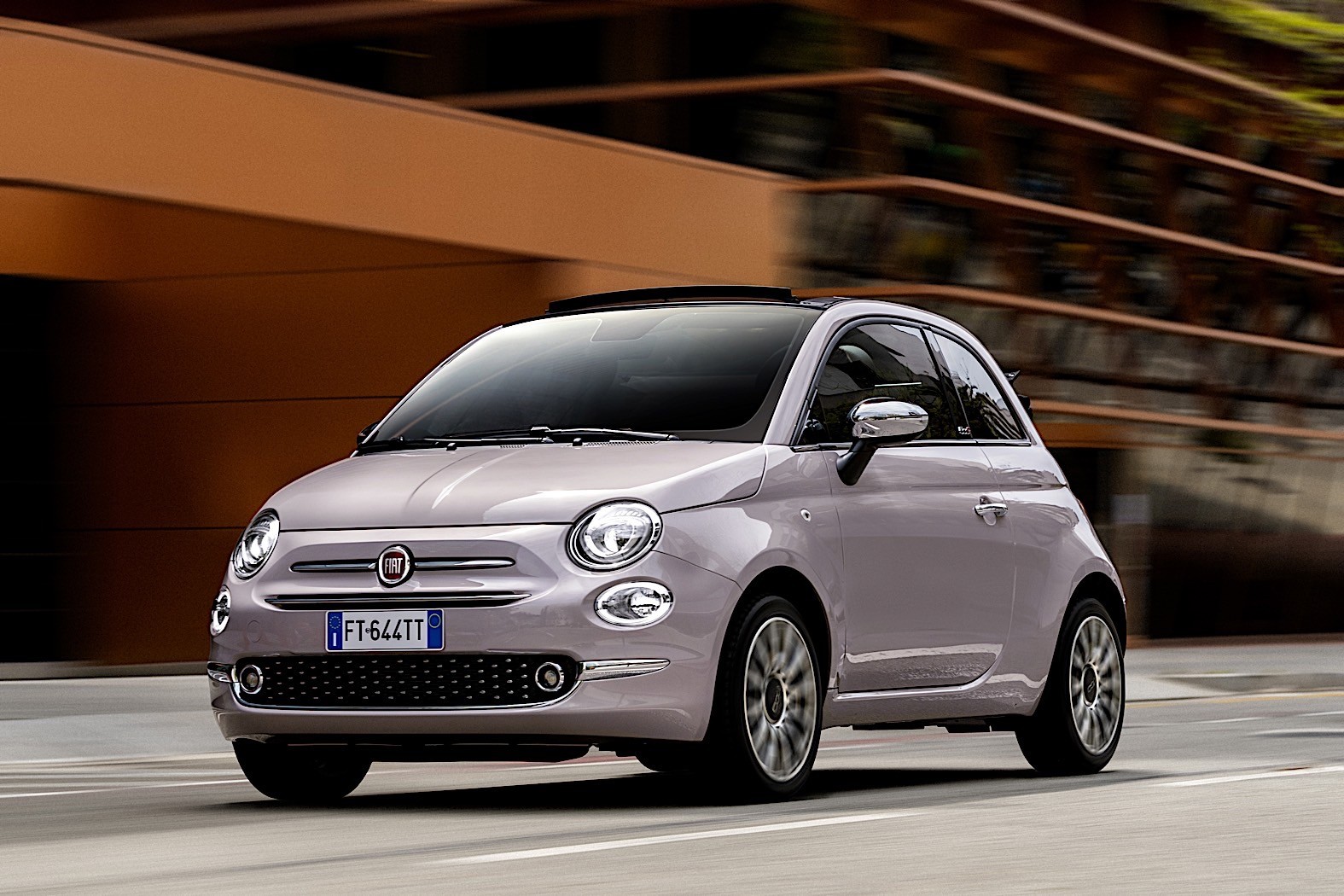
Fiat 500
The Fiat 500 is small, quirky, and popular among urban drivers, but it’s a poor choice for road trips. Its biggest flaw is reliability. Mechanical problems are common, with reports of engine issues, electrical malfunctions, and suspension problems surfacing even at relatively low mileage. The Fiat brand has struggled with dependability in general, and the 500 is one of its worst offenders. Long road trips put additional strain on a vehicle, and the 500 just isn’t built to handle that level of stress consistently.
One of the most frequent complaints involves the car’s transmission. In both manual and automatic versions, drivers report rough shifts, sudden jerking, and complete transmission failures.
These issues are more than inconvenient; they can be dangerous on highways or during mountain driving, where precise throttle response and acceleration are essential. Unlike some cars that give warning signs before a major failure, the 500 often experiences abrupt and unpredictable problems that leave drivers scrambling for assistance.
Space and comfort are also serious drawbacks. The cramped cabin becomes a bigger issue the longer you’re in the car. With limited legroom and unsupportive seats, even a few hours on the highway can become unbearable.
Add to that the loud engine noise and stiff suspension, and you’ve got a recipe for exhaustion. Long drives are supposed to be enjoyable or at least comfortable, and the Fiat 500 rarely delivers on either front. It’s a car better suited for short city commutes than any kind of sustained travel.
Then there’s the issue of parts and service. Fiat dealerships are sparse in many parts of the country, and independent mechanics often lack experience with the brand. If something goes wrong far from a major city, you may have to wait days just to get parts shipped in. That kind of delay can ruin a road trip completely. Despite its unique design, the 500 simply doesn’t hold up under pressure, making it one of the least dependable choices for road travel.
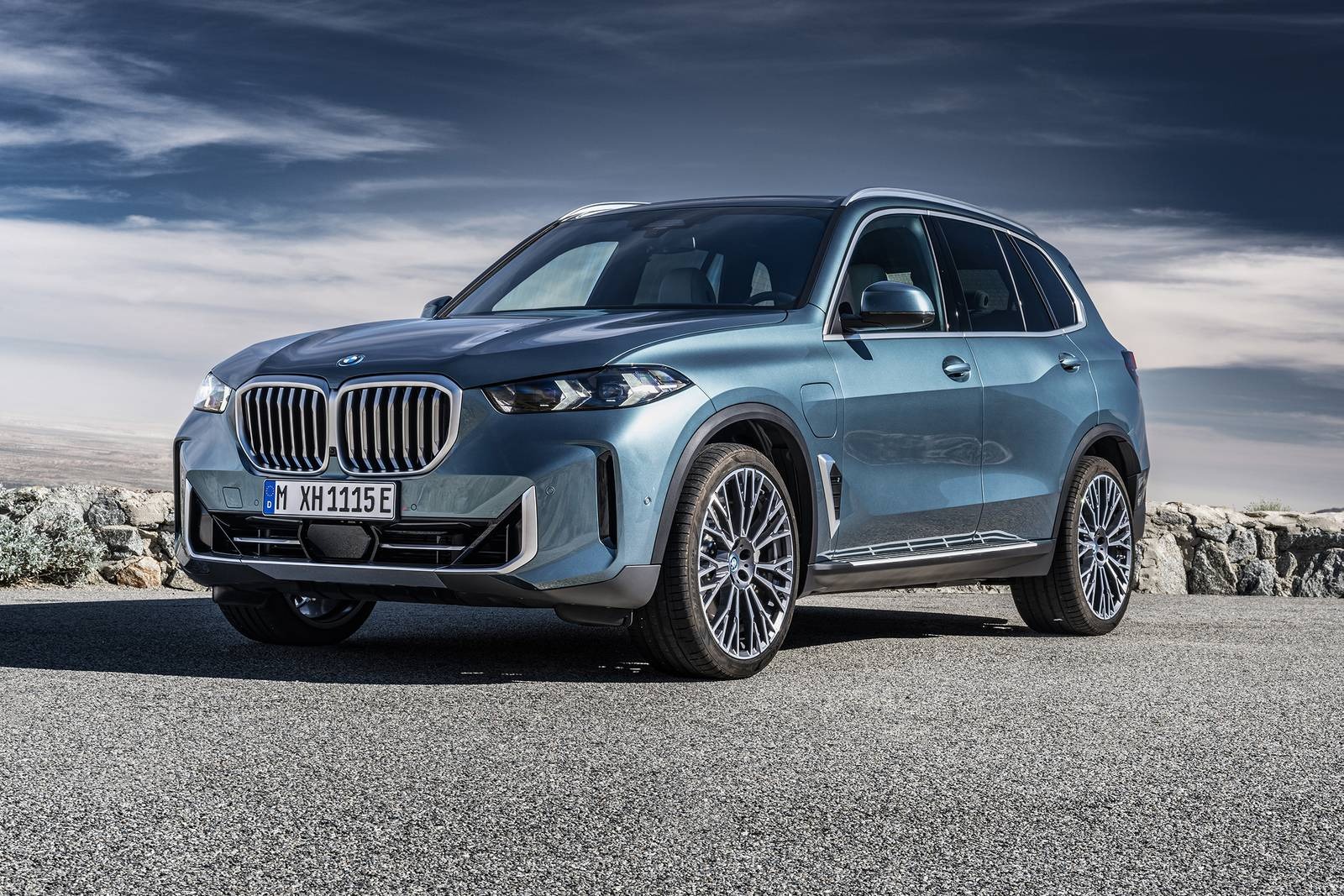
BMW X5 (older models, especially 2007–2013)
The BMW X5 might look like a capable, road trip-ready SUV from the outside, but owners of older models often find themselves frustrated by mechanical issues that appear far too frequently. Particularly in model years between 2007 and 2013, the X5 has a troubling record for reliability.
Common problems include failing water pumps, leaky gaskets, malfunctioning air suspensions, and failing electrical systems. For a vehicle in the luxury category, these are not minor inconveniences; they’re expensive, time-consuming issues that can leave a driver stranded at the worst possible times.
One major area of concern is the cooling system. BMW’s from this era are infamous for coolant leaks and overheating problems, especially during extended highway use. This is a critical issue for long-distance travelers, as overheating can cause engine damage or total failure.
Even well-maintained X5s are not immune. The combination of high engine heat and a complex cooling system means that a minor component failure can quickly snowball into a major crisis. If your X5 decides to overheat in the middle of nowhere, there’s a good chance you’ll be calling for a tow truck.
Another frustrating point with the X5 is the electronic systems. As with many luxury vehicles, it has an advanced setup with many sensors and modules. Unfortunately, these systems tend to fail more often than they should. From non-functioning door locks and malfunctioning power windows to failing backup cameras and glitchy infotainment units, the problems are often random and hard to diagnose. For a road tripper, that unpredictability can create unnecessary stress, especially when you’re far from a specialist or the nearest dealership.

Land Rover Discovery
The Land Rover Discovery markets itself as a rugged, go-anywhere vehicle, and its off-road credentials are indeed impressive. However, its track record for long-term reliability tells a very different story. Numerous owners have reported consistent problems with engine failures, drivetrain issues, air suspension faults, and various electrical gremlins.
What’s worse is that many of these problems appear early in the vehicle’s life, sometimes within the first 40,000 to 60,000 miles. This doesn’t inspire much confidence in a vehicle that’s supposed to conquer distant terrain and long road journeys.
The air suspension system is one of the most common pain points. It provides a smooth ride when it works, but it’s notorious for failure. When it breaks, the vehicle can sag to one side, ride harshly, or even become undrivable.
Repairing this system is costly and not something that can be done easily on the road. Imagine being in the middle of a road trip and watching your vehicle lower itself to the ground, then not come back up. It’s not just frustrating; it’s trip-ending. And unfortunately, this isn’t a rare occurrence with the Discovery.
What makes the situation worse is the cost and availability of parts. Land Rover has limited dealership coverage in some areas, and their specialized parts are rarely stocked in smaller repair shops. This leads to long wait times for repairs, even for issues that might otherwise be resolved quickly in a more mainstream vehicle. For a car that sells on its sense of adventure, the Land Rover Discovery is ironically one of the least trustworthy companions for a long and trouble-free journey.
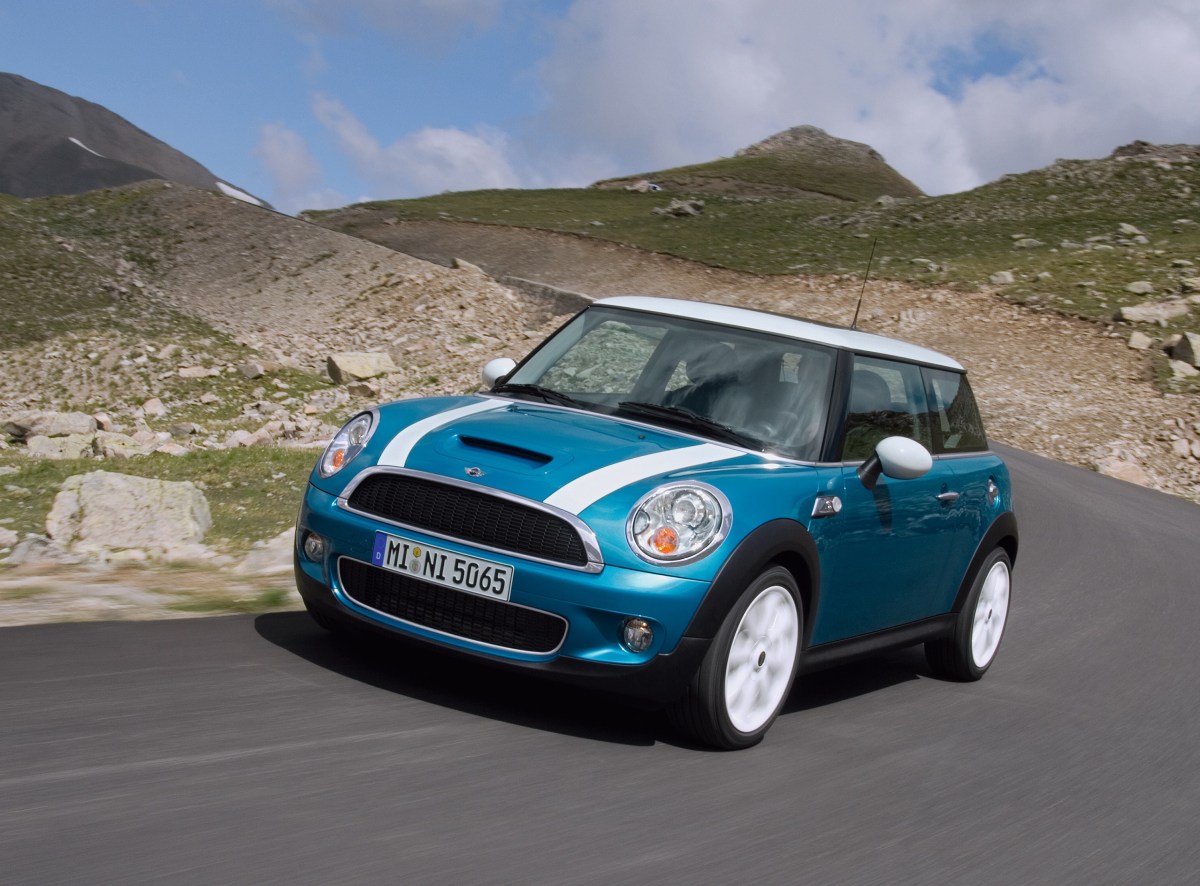
Mini Cooper (various years)
The Mini Cooper is often chosen for its personality, design, and fun driving dynamics, but reliability is not one of its strong points. Despite its charm and go-kart feel on the road, it has developed a strong reputation for being mechanically temperamental.
Owners of various model years have reported numerous problems with the engine, transmission, and electrical systems. While it might be fun to drive in short bursts, taking a Mini Cooper on a long road trip is a gamble many drivers end up regretting.
Engine reliability is a major concern. Mini Coopers are known for problems with timing chain tensioners, which can cause catastrophic engine failure if left unaddressed. In addition, oil leaks and overheating issues are all too common.
On a road trip, these types of failures aren’t just inconvenient; they can result in being stranded in areas where Mini-certified service is hard to find. Even if you catch the issue in time, the repairs are expensive, and parts may not be readily available without ordering.
Transmission problems, particularly in the earlier automatic models, are another recurring issue. Slipping gears, hesitation, and total failure can happen without much warning. For a car that’s meant to provide a zippy, responsive experience, this becomes both a safety issue and a major annoyance.
Unfortunately, Mini’s complex transmission systems aren’t easy to repair, and many independent mechanics shy away from them. This often forces owners to rely on Mini dealerships, which aren’t always within reach during road trips.
