

Tailgates are often overlooked when discussing the strength and reliability of a pickup truck, but anyone who regularly hauls gear, loads tools, or tows equipment knows their importance. A solid tailgate can serve as a bench, a work surface, or a barrier that keeps cargo from slipping out.
It should open smoothly, close tightly, and stand up to years of use. On the other hand, a weak or sagging tailgate is not only frustrating but can also pose a risk. It may not close properly, could lead to rattling while driving, and in worst cases, may buckle under pressure. This becomes more important when trucks age or are subjected to harsh conditions, such as off-roading, salty climates, or heavy-duty use on job sites.
Some manufacturers take tailgate durability seriously, reinforcing their designs with strong hinges, rust-resistant materials, and advanced locking mechanisms. Others, however, cut corners or miss the mark when it comes to long-term structural integrity.
Over time, certain models have earned a reputation for either solid engineering or chronic weakness. This doesn’t always correlate with the truck’s engine or interior quality. A vehicle could have great performance specs and still falter in something as simple as a tailgate. For people who use their truck for work or recreation, these small details matter a lot.
In this article, we’re looking at five pickups known for keeping their tailgates strong year after year. These are models that have been used in the field and have proven they can handle daily wear without showing signs of stress. We’ll also look at five pickups that haven’t held up so well, with tailgates that start to sag, squeak, or loosen far too early in their lifespan.
While some of these issues can be fixed, they often point to larger problems in build quality or design priorities. We aren’t focusing on the latest gimmicks or multi-part tailgates with speakers or steps. This is about how well the basic, functional part of the truck holds up over time.
5 Pickups That Keep Their Tailgates Solid
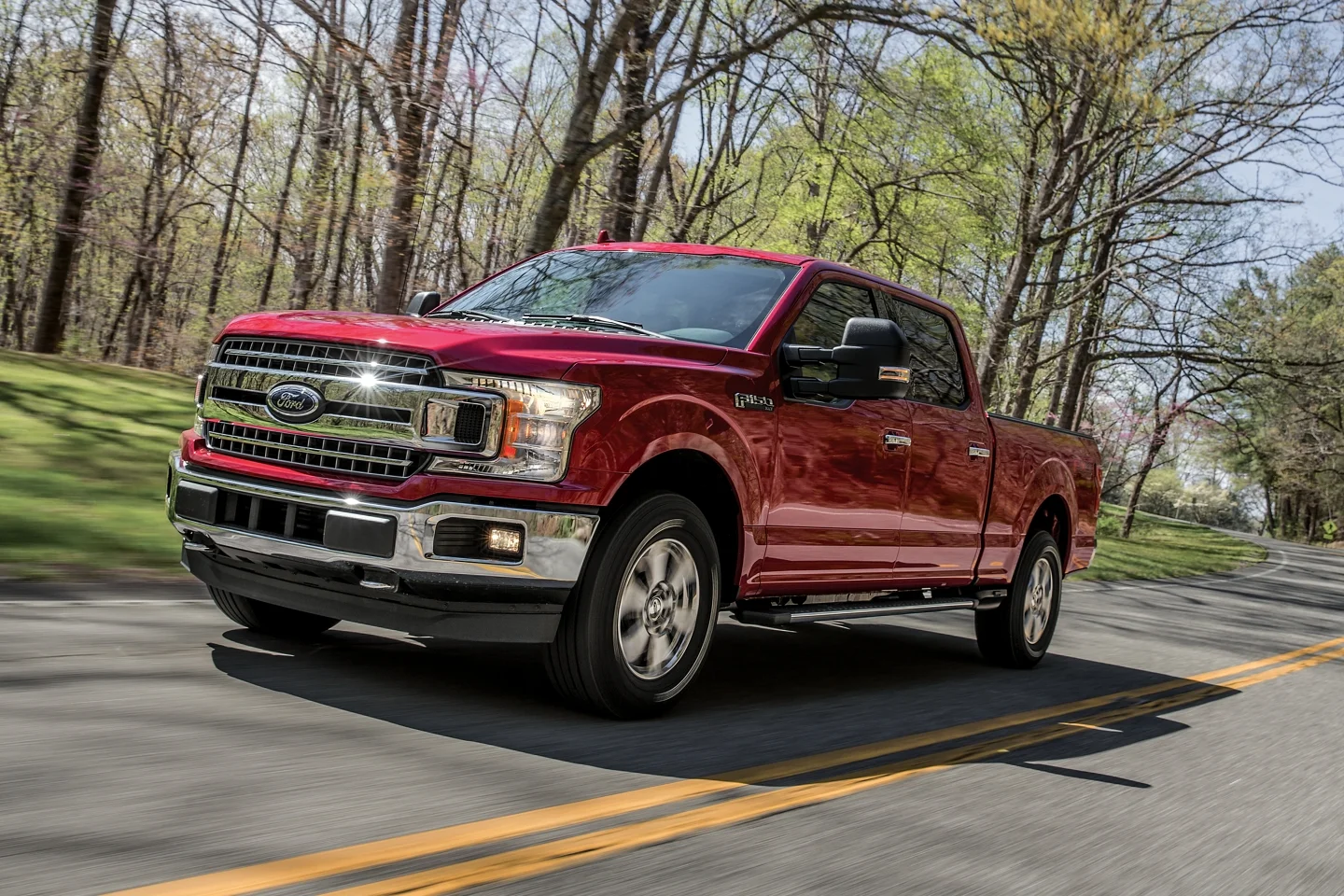
Ford F-150
The Ford F-150 is often at the top of best-seller lists for a reason. One of the lesser talked-about strengths of this truck is its reliable tailgate. Built with attention to detail and tough materials, it has consistently performed well even after years of loading and unloading cargo.
The hinges remain strong, and the latch mechanism rarely fails. This isn’t just true in controlled testing environments but also out in real-world job sites and farms where the truck gets worked hard.
Owners often mention how the tailgate continues to close with a satisfying thunk, even after a decade of use. There’s little to no flex when sitting or stepping on it, and it doesn’t sag under pressure. This isn’t just about brute strength; it’s also about alignment.
The tailgate lines up well with the bed even when the truck frame begins to settle over time. Part of this strength comes from Ford’s investment in high-strength, military-grade aluminum, which offers both durability and reduced weight. This material also resists corrosion far better than traditional steel.
Another benefit is that Ford seems to have invested in small things that make a big difference. The tailgate assist, for example, keeps it from slamming open. It may not sound like much, but this small shock absorber reduces wear on the hinges significantly.
It also makes it easier to handle with one hand, reducing the risk of long-term stress on the components. For people who use the truck all day, every day, these design features go a long way.
Mechanics and truck owners alike tend to agree: the F-150’s tailgate is built to last. It’s not immune to damage, but compared to competitors, it has one of the lower failure rates. Whether it’s being used in construction, hauling trailers, or just as a daily driver with weekend duties, the tailgate maintains its shape, alignment, and function far beyond expectations.
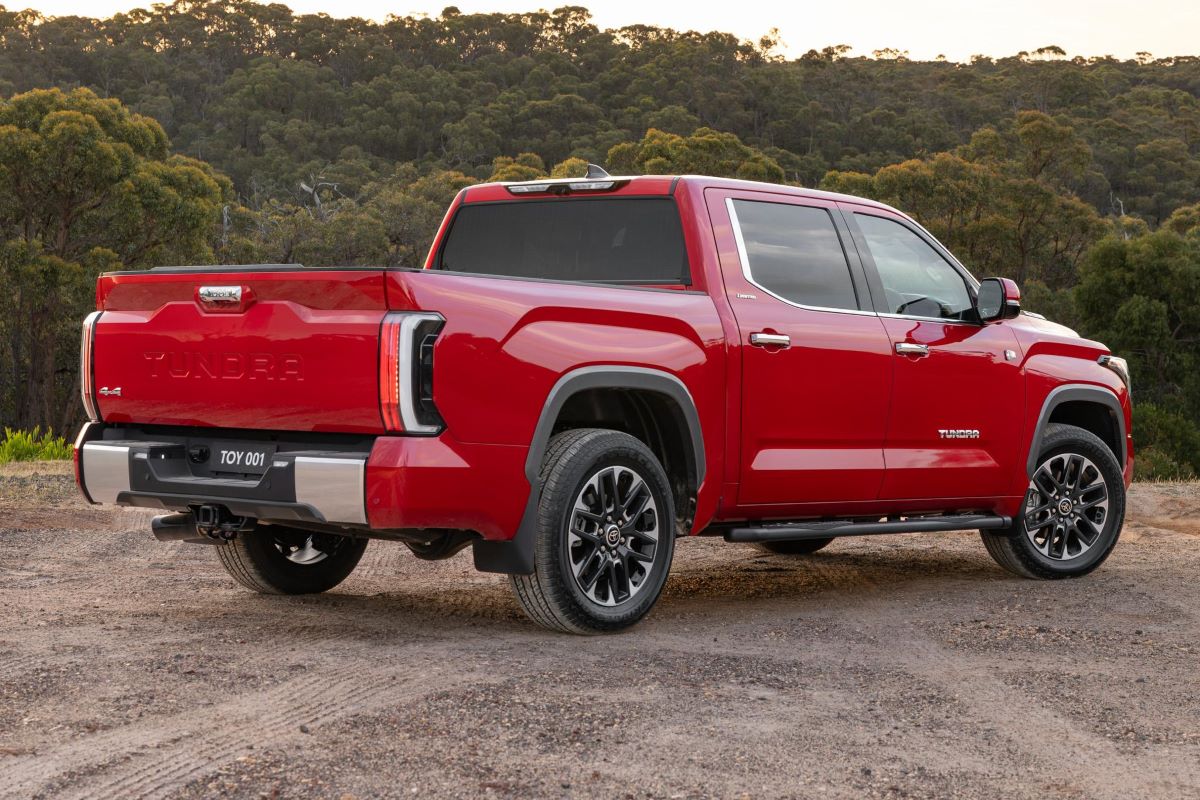
Toyota Tundra
The Toyota Tundra has built a loyal following based on long-term reliability, and the tailgate is no exception. From its early years to the latest editions, the Tundra’s tailgate has consistently held up under pressure.
Whether it’s hauling lumber or being used as a temporary seat at a campsite, the tailgate stays aligned and firm. It doesn’t flex awkwardly when weight is applied, and it continues to operate smoothly over years of use.
Toyota seems to have approached the design with the same conservative, over-engineered mentality that defines the rest of the truck. The hinges are thick and deeply mounted, reducing the likelihood of movement or stress fractures.
Many owners report that even after 100,000 miles, the tailgate performs just like it did when new. It opens smoothly, closes tight, and doesn’t need the kind of constant lubrication or adjustment that other trucks require.
Corrosion resistance is another strong point. Toyota’s use of quality coatings and hardware helps the tailgate stand up to harsh weather. This is especially valuable in snowy or coastal areas, where rust often leads to sagging or failure.
The Tundra avoids this better than many of its competitors. That durability doesn’t just apply to the physical structure. The locking mechanism and internal latch springs also show long-term strength. There are a few reports of failure in these systems even in older models.
Functionality is simple, and that’s a good thing. There are no overly complex steps or electrical mechanisms to break. Just a strong, consistent tailgate that gets the job done. That’s often what truck owners want: something they can rely on without a lot of fuss. The Tundra delivers that, with a tailgate that refuses to sag or complain, even under pressure.
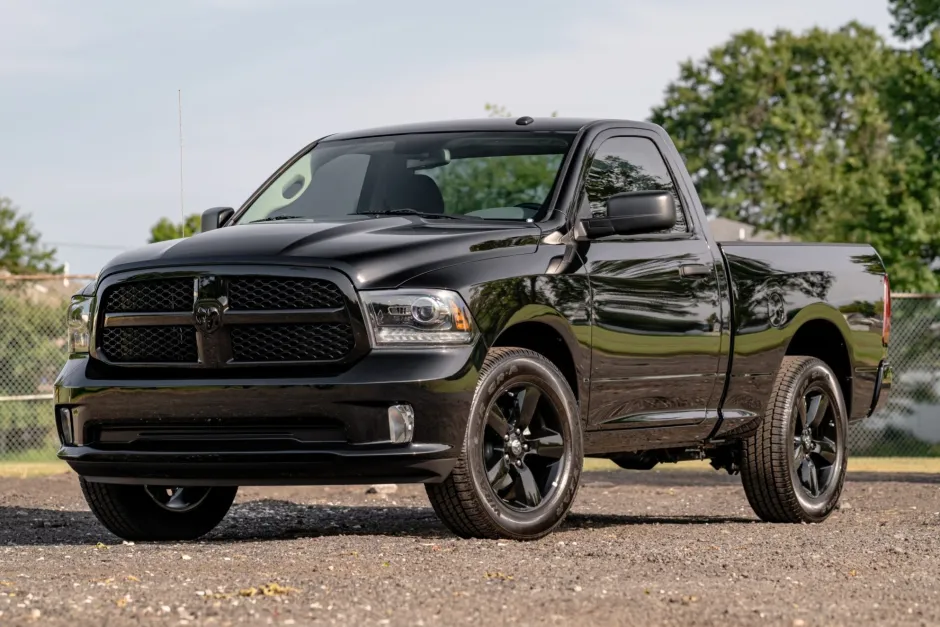
Ram 1500
The Ram 1500 has steadily gained ground in the full-size truck market, and its tailgate performance is one of the quieter success stories. One of the key reasons the tailgate holds up so well is the focus on frame rigidity and thoughtful hinge design. Ram uses strong, reinforced tailgate brackets that stay tight over time.
You can load up heavy toolboxes, push carts up ramps, or even sit a couple of adults on the gate without noticing any flex. The structure doesn’t shift or weaken, even with frequent use. That kind of reliability goes a long way for people using their truck every single day in work environments or off-road conditions.
Where other trucks begin to show signs of hinge fatigue, the Ram continues to hold alignment well. It’s not just that the materials are stronger, but also that Ram has invested in consistent tailgate dampening. This helps avoid slamming, which is one of the biggest causes of sagging hinges over time.
When you drop a tailgate hard repeatedly, those shock forces accumulate at the hinge points and can lead to bending or misalignment. Ram’s soft open system absorbs that energy and spreads it out, extending the life of the hinge and latch components.
Another factor that keeps the tailgate solid is the locking system. Ram’s tailgate lock mechanism is simple but well-made. It resists rust and corrosion, and it doesn’t jam or stick like those on more cheaply constructed trucks. Even after long winters or years of dust and gravel roads, the latch continues to perform with little maintenance.
For truck owners who depend on quick access to their beds, that’s more than just a convenience, it’s a necessity. A tailgate that always opens when you need it to and closes securely when you’re done makes a big difference in daily usability.
Ram hasn’t overloaded their tailgate with gimmicky features, and that simplicity works in their favor. It’s just a well-built, tough component that does what it’s supposed to do: hold up under pressure, stay aligned with the bed, and last for years without complaint.
Whether it’s being used by a contractor with a heavy load of gear or a weekend adventurer carrying bikes and camping gear, the Ram 1500’s tailgate continues to be one of the most dependable in its class.
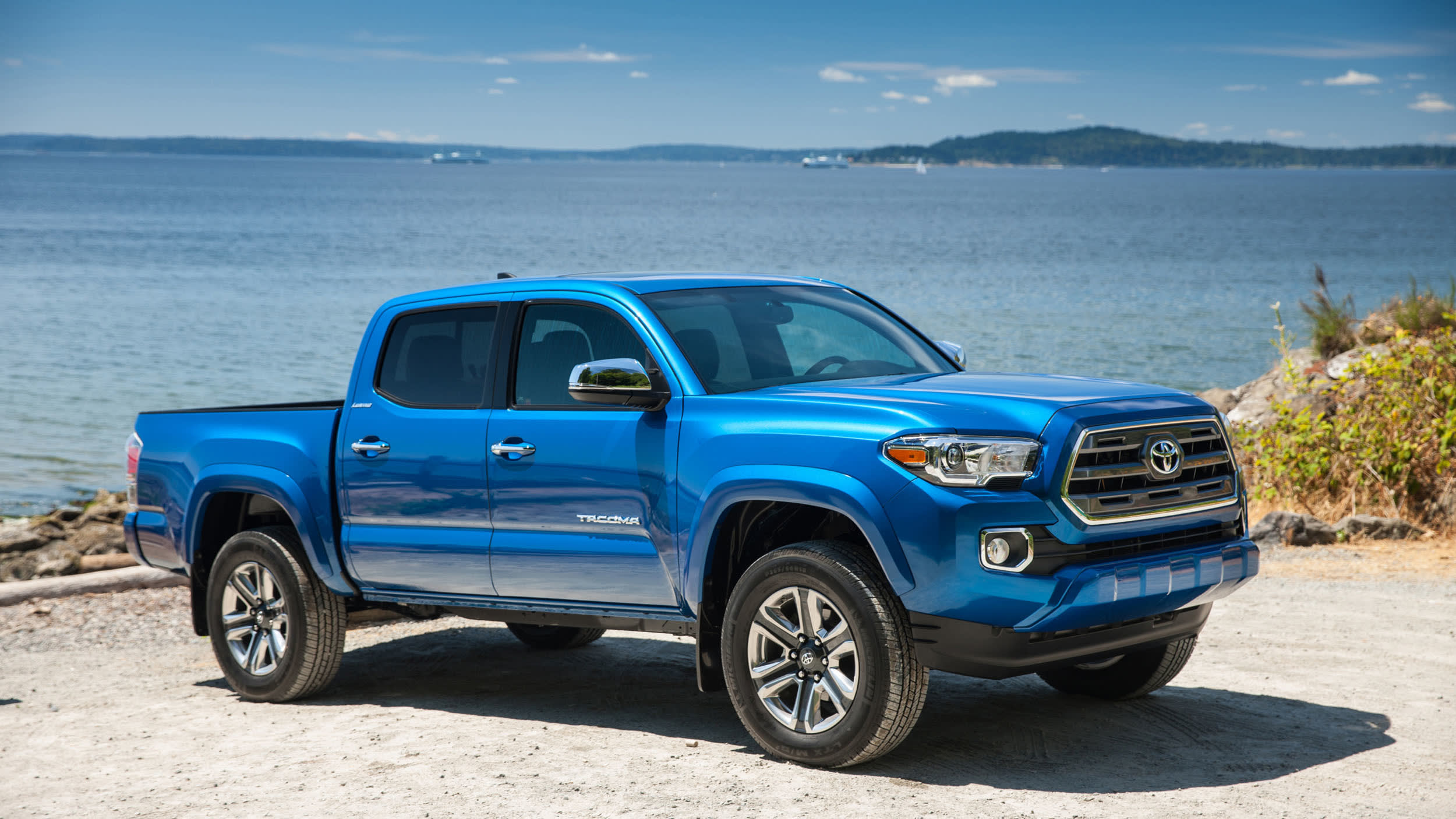
Toyota Tacoma
The Toyota Tacoma has earned a reputation for being nearly indestructible, and its tailgate design reinforces that image. The Tacoma is a favorite among off-roaders, contractors, and DIYers alike, and that level of varied use puts its components, including the tailgate, under consistent stress.
Despite that, Tacoma’s tailgate continues to perform reliably, with strong hinges that resist sagging and latch mechanisms that rarely fail. Many owners of decade-old Tacomas report tailgates that still open and close smoothly, with no major flex or misalignment.
One of the key reasons for the Tacoma’s long-lasting tailgate is Toyota’s conservative engineering approach. They tend to use overbuilt parts that prioritize function over flair. The tailgate hardware is robust, with deep, wide hinge pins and strong anchor points on the bed.
The latch itself is mechanical and simple, which limits the number of failure points. There’s nothing exotic here, and that’s part of what makes it so durable. Less complexity means fewer things to break, and when you’re relying on your truck in rough environments, that’s a major advantage.
Another major benefit is how the Tacoma’s tailgate interacts with the rest of the bed structure. Everything is tightly aligned, and even after heavy use, the tailgate rarely shifts out of place. Owners frequently note that there’s no annoying rattle when driving on dirt roads or rough pavement, something that’s common with trucks that have less rigid tailgate mounts.
The Tacoma avoids this, thanks to its strong lateral support and minimal flexing at the hinge points. It’s not uncommon to see Tacomas with over 200,000 miles where the tailgate still closes with the same tight seal it had on day one.
Toyota’s attention to corrosion resistance also plays a part. From high-quality coatings to solid cable design, the Tacoma’s tailgate is built to resist rust, even in harsh climates. Whether you’re in snow, salt, rain, or sand, the tailgate holds its ground. It’s the kind of consistency that endears a truck to its owners over time. There may be more modern tailgates with built-in gadgets or step ladders, but few can match the raw dependability of a Tacoma’s straightforward, rock-solid design.
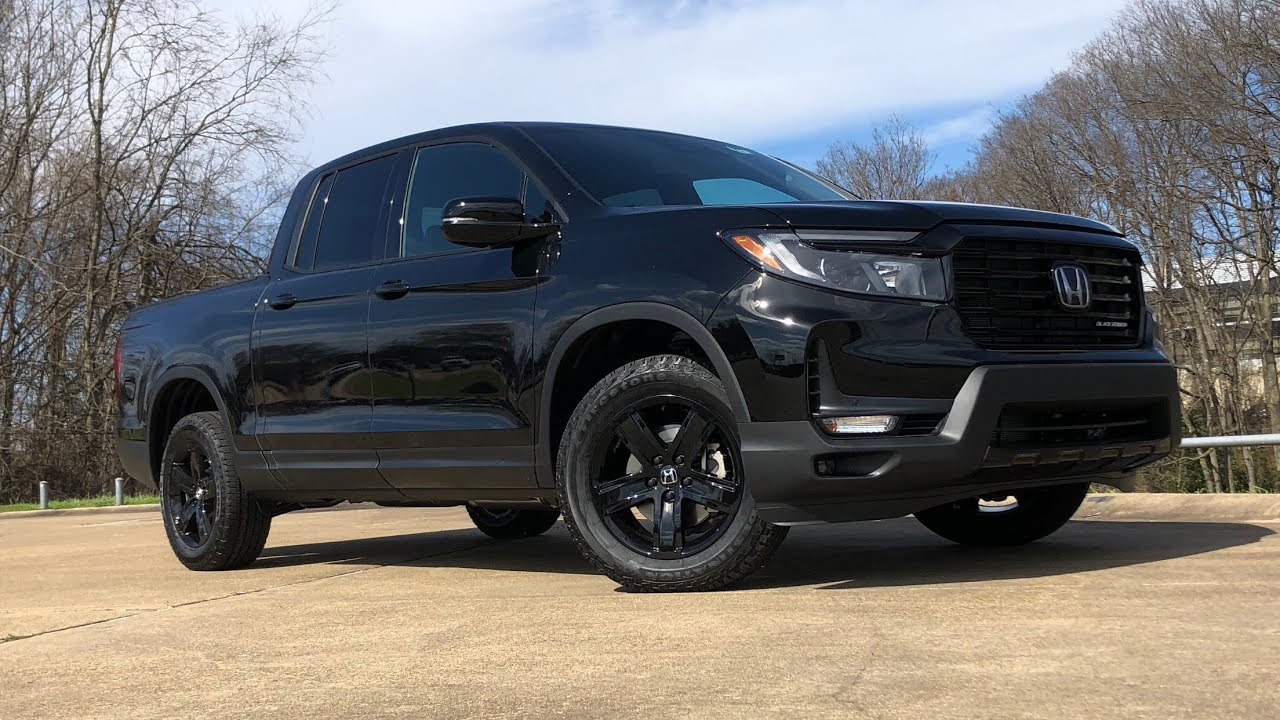
Honda Ridgeline
The Honda Ridgeline is often seen as a unique player in the pickup truck market. It’s built on a unibody platform rather than a traditional body-on-frame design, and while some purists question its toughness, the Ridgeline has quietly built a solid reputation for reliability, including in its tailgate.
Honda approached the tailgate differently from most, adding a dual-action system that allows the gate to open downward like a standard truck or swing out sideways. Despite this added complexity, the tailgate remains incredibly sturdy and shows minimal wear even after years of use.
The hardware Honda uses in the Ridgeline is well above average. Tailgate hinges are built with heavy-duty materials and are reinforced by internal support brackets that reduce the strain placed on pivot points. Even after repeated use of the dual-action feature, the tailgate doesn’t feel wobbly or misaligned. This is because multi-directional designs usually have more potential failure points. Yet in the Ridgeline’s case, the system stays tight and reliable far longer than expected.
Another strength of the Ridgeline’s tailgate is its corrosion resistance. Honda applies extensive rustproofing to the tailgate components, making it a good option for people who live in regions with salted winter roads or near the coast.
This rust resistance keeps the latches and hinges functioning properly and helps maintain alignment over time. It also reduces the need for frequent maintenance. While some truck owners have to lubricate their tailgate hinges multiple times per year, Ridgeline owners often find theirs still working smoothly after years with minimal upkeep.
There’s also a sense of thoughtful design at play here. The swing-out feature isn’t just a gimmick; it reduces the load stress on the hinges because it avoids the downward impact caused by repeated drops.
That design detail pays off in the long term. Whether you’re loading groceries, equipment, or outdoor gear, the Ridgeline tailgate holds its shape and keeps functioning exactly as it should. It’s a good reminder that innovation, when done right, can lead to improved durability rather than added complexity.
5 With Sagging Hinges
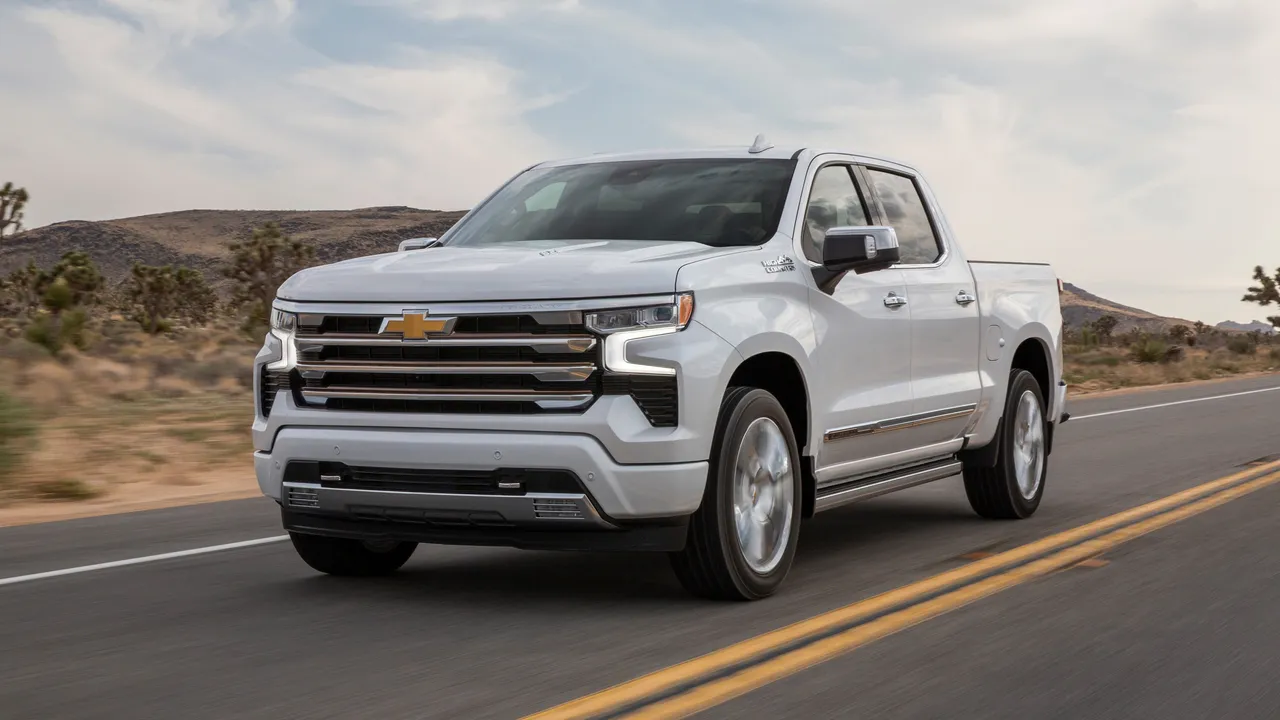
Chevrolet Silverado 1500
The Chevrolet Silverado 1500 is a capable truck in many respects, but its tailgate has drawn criticism over the years for wear issues, especially in older models. Many owners report that the hinges begin to loosen after repeated use. What starts as a slight misalignment eventually becomes a more noticeable sag, especially when weight is regularly applied. Even something as simple as sitting on the tailgate or loading mid-weight tools can cause stress on the structure over time.
The latch mechanism on some Silverado models has also been flagged as problematic. It can get sticky or misaligned, requiring more force to open or close.
In some cases, users find themselves slamming the gate to get it to shut, which only makes the problem worse. There have even been instances where the latch completely fails, causing the tailgate to unexpectedly drop. These problems may not be widespread enough to trigger a recall, but they are frequent enough to show up in owner forums and service records.
Rust is another common issue. On older models, especially those exposed to snow and road salt, the tailgate components rust faster than other parts of the truck. Once rust starts affecting the hinges or internal frame of the tailgate, sagging becomes inevitable.
The result is a tailgate that doesn’t just hang low but may start to bow in the center or rattle constantly while driving. Not only is this annoying, but it undermines the truck’s usefulness.
To Chevrolet’s credit, newer models have made some improvements in materials and hinge construction. Still, the reputation lingers. People who rely on their tailgate for daily work tend to avoid this model or brace themselves for early repairs. For a truck that otherwise delivers strong towing and interior comfort, the tailgate becomes a noticeable weak spot that owners can’t ignore.
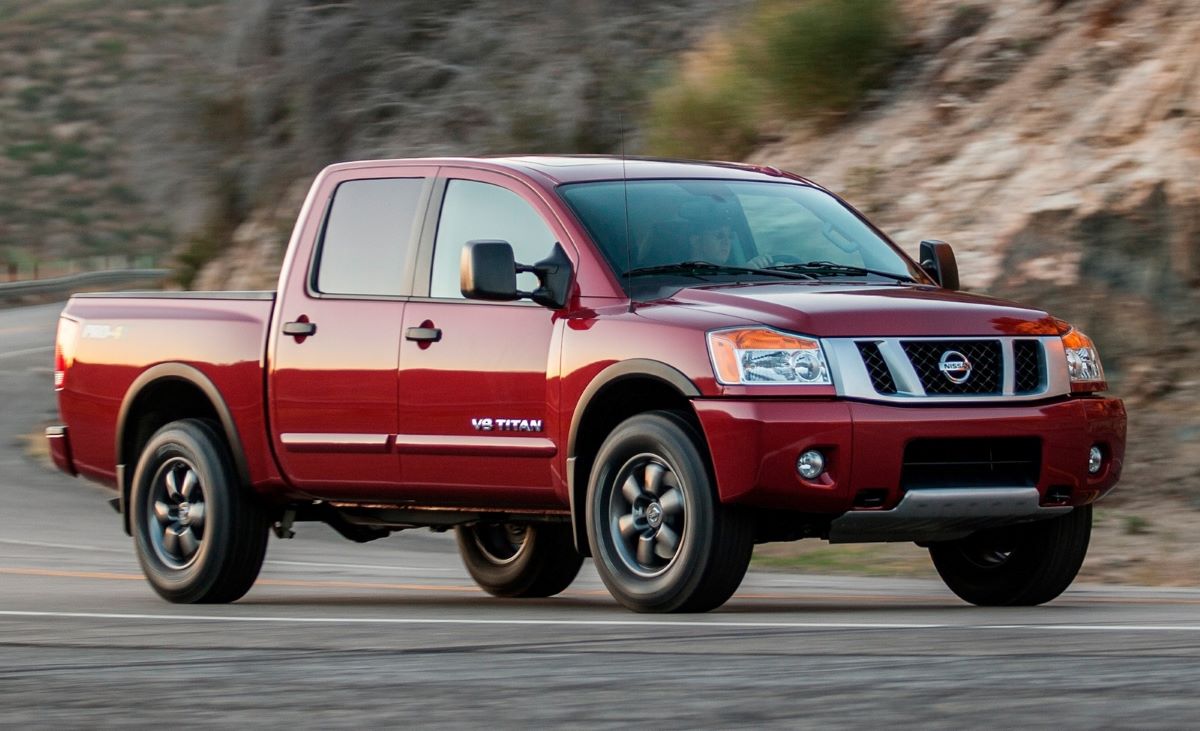
Nissan Titan
The Nissan Titan offers solid horsepower and towing capability, but the tailgate hasn’t aged well in many cases. Owners have pointed out that the hinges begin to show signs of weakness earlier than expected.
Even under moderate usage, the tailgate may start to creak or develop uneven gaps. This is especially true for Titans from the mid-2000s to early 2010s, though even newer models haven’t completely escaped the issue.
One of the reasons for this weakness is the lighter construction Nissan used to keep weight down. While this helps with fuel economy and handling, it compromises the long-term strength of structural components like the tailgate.
The materials don’t resist flexing as well, which leads to early misalignment. Over time, it’s common to see a Titan with a tailgate that no longer sits flush against the bed. This not only affects appearance but also reduces the tailgate’s function and security.
Another issue is with the tailgate cables. These cables are supposed to support the gate when it’s open, preventing it from going too far or applying pressure to the hinges. On the Titan, the cables often wear out or break earlier than expected.
Once they’re gone, the stress on the hinges increases dramatically. If not addressed quickly, this leads to sagging or even hinge separation. It’s a frustrating cycle, especially for owners who regularly use the bed for loading tools or recreational gear.
The latch mechanism also lacks consistency. In colder climates, it can freeze up, and in dusty areas, it tends to jam. This leads to a tailgate that doesn’t open when you want it to and sometimes won’t close tightly when needed.
Though Nissan has tried to address these problems in later versions, the design hasn’t improved enough to overcome the model’s early weaknesses. It’s a reminder that performance specs don’t always tell the full story of a truck’s day-to-day reliability.
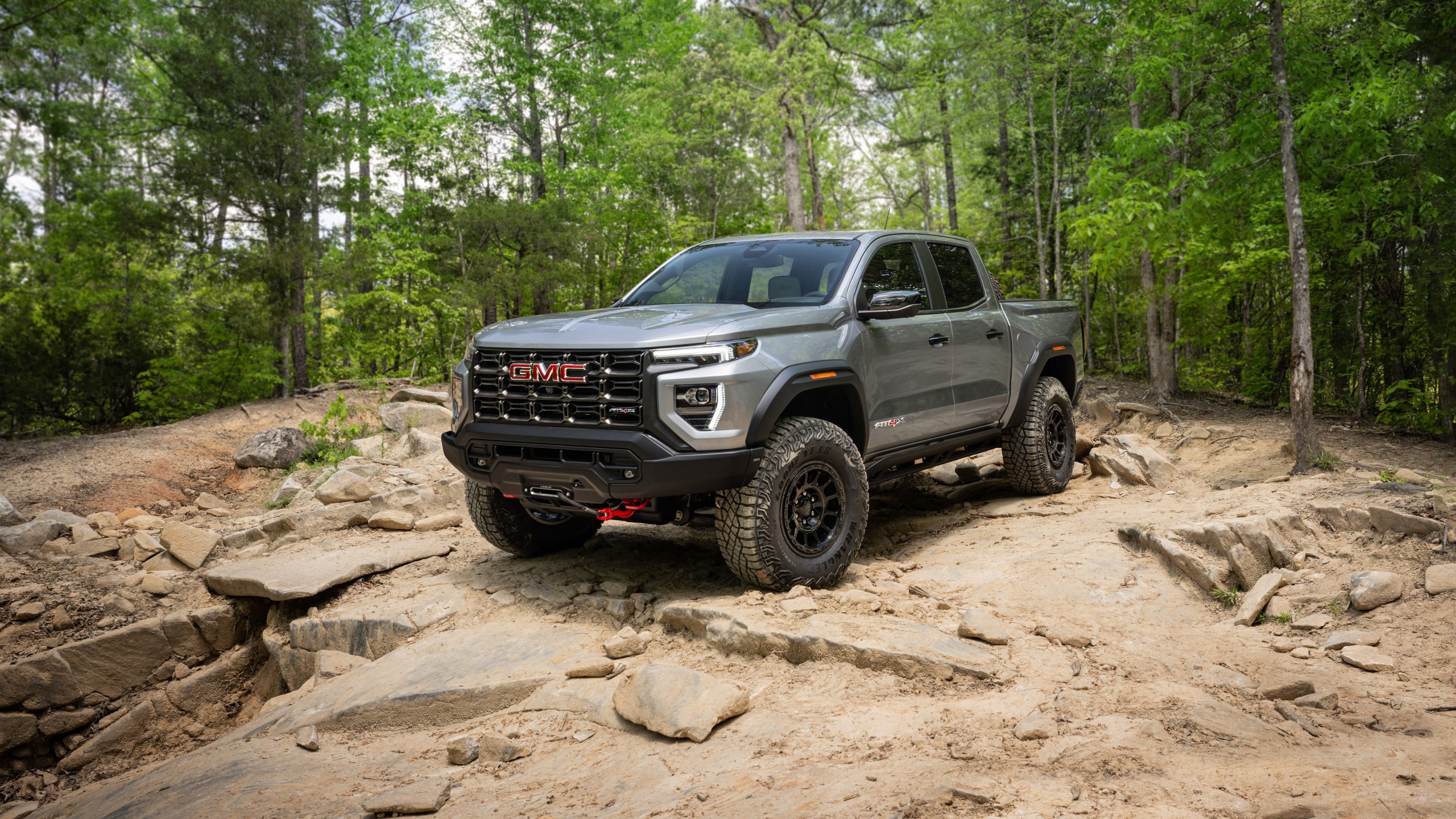
GMC Canyon
The GMC Canyon has always marketed itself as a midsize truck with full-size confidence, but when it comes to tailgate strength, that confidence doesn’t always hold up. Many owners of earlier models, particularly those built before 2020, have noted that the tailgate begins to sag earlier than expected.
The issue often starts with a soft hinge feel. Instead of the tailgate sitting firmly in place, it begins to feel loose and gradually starts showing signs of downward tilt. This isn’t just an aesthetic issue; it can interfere with loading ramps, create uneven surfaces for cargo, and cause annoying rattling sounds when driving over rough roads.
The materials used in the Canyon’s tailgate assembly also don’t help matters. Though the truck’s build is fairly solid, the tailgate hinges and latch mechanisms have been described as “underbuilt” by several mechanics and users. They aren’t prone to catastrophic failure, but they do lose their tightness quickly.
Once the tailgate begins to sag, it’s often difficult to bring it back into alignment without replacing parts. This becomes a frustrating point of maintenance for owners who otherwise like the truck’s compact dimensions and decent powertrain options.
The issue is further complicated by inconsistent tailgate cables. On many models, the cables stretch or fray long before the tailgate itself shows major wear. Once these cables weaken, they place added stress on the hinges, which accelerates the sagging problem.
Replacing the cables is relatively inexpensive, but many owners don’t realize they’re worn until it’s too late. By that point, the hinges may already be bent or the mounting points misaligned, requiring a more expensive repair.
Though GMC has improved newer versions of the Canyon with better hardware, the lingering reputation of weak tailgates remains. It doesn’t take heavy-duty work to expose the problem. Even moderate use, such as tailgating events, moving furniture, or weekly trips to the hardware store, can gradually wear down the hinge system.
For buyers who need a truck that stays structurally sound without frequent repairs, this can be a deal-breaker. Until the hinge and latch design sees a more thorough upgrade, the Canyon’s tailgate will remain a point of concern.

Chevrolet Colorado
While the Colorado shares a lot of components with its cousin, the GMC Canyon, it unfortunately also inherits similar problems with tailgate durability.
One of the more common complaints from Colorado owners is that the tailgate starts to feel off-center after a couple of years of regular use. Initially, the misalignment might only be noticeable when looking closely, but over time it gets worse.
The gate might start to catch when opening or feel like it doesn’t sit flat when fully lowered, which can be frustrating for everyday tasks like sliding in plywood or strapping down gear.
This tailgate sag is mostly due to the design of the hinge system, which doesn’t seem to have been built with long-term stress in mind. The tailgate cables also wear out faster than they should.
Once the cables stretch or fray, the tailgate no longer rests evenly, and the imbalance causes extra wear on one side of the hinge system. This uneven pressure speeds up the development of the dreaded sag. Many users report needing to replace cables and even hinges within the first five years of ownership.
The situation isn’t helped by the tailgate’s weight and material composition. While not overly heavy, it lacks sufficient internal reinforcement, so repeated use, especially when carrying moderate loads, can lead to bowing or bending.
Users have noted that even something as simple as standing on the gate or sitting on it for extended periods can accelerate the issue. In some cases, the tailgate will develop a slight dip in the middle, making it less useful as a flat working surface.
It’s disappointing because the rest of Colorado has some strengths, especially in terms of engine choices and off-road trims. But the tailgate remains a weak point that undermines the truck’s utility. If you’re someone who plans to use your pickup bed regularly and wants a tailgate that stays square, the Colorado may leave you frustrated. It’s not always a deal-breaker, but it’s something to factor in if long-term durability is a priority.
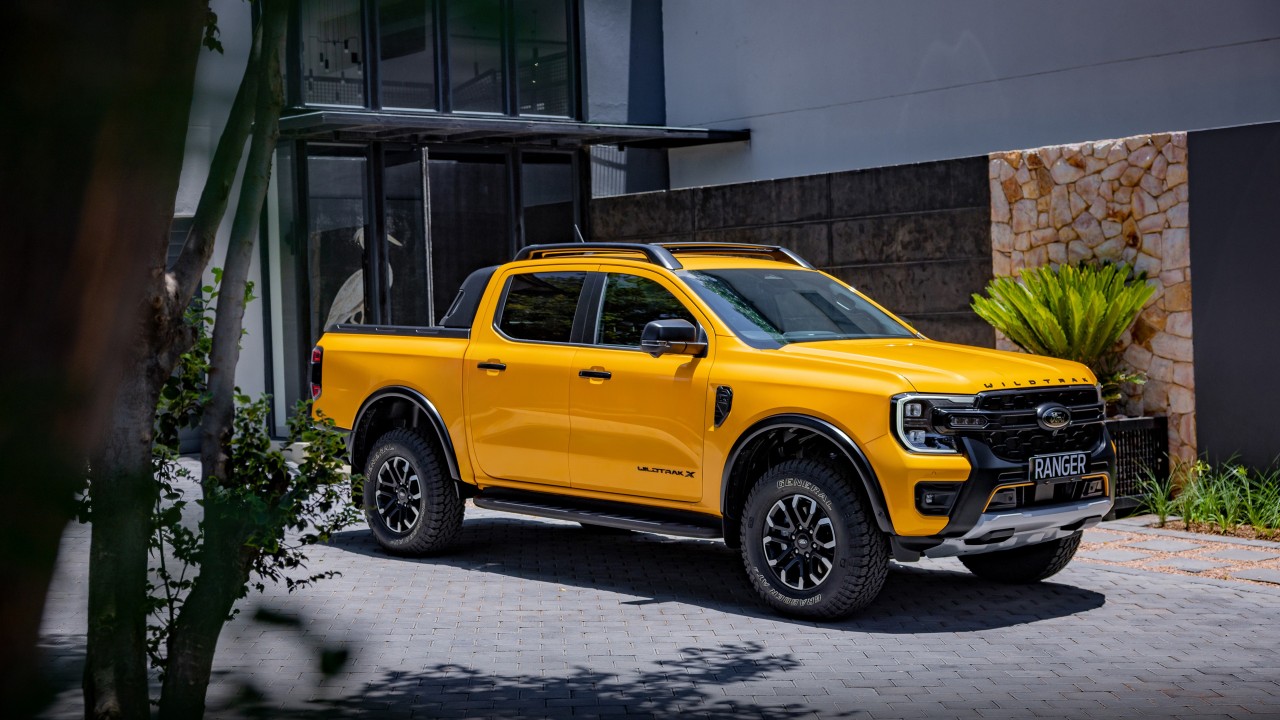
Ford Ranger
The Ford Ranger returned to the market with a lot of excitement, but its tailgate design hasn’t quite lived up to expectations. While the Ranger performs reasonably well in areas like ride quality and towing capacity, its tailgate reveals some of the compromises made in the truck’s reintroduction.
Owners have reported that after a couple of years of use, the tailgate begins to feel loose and wobbly. The initial warning signs include a soft thunk when closing and a slight gap developing between the gate and the bed rails. These seemingly minor issues eventually grow into more pronounced sagging.
One issue is the thinness of the hinge components. Ford designed the Ranger’s tailgate to be light and easy to open with one hand, which appeals to a certain type of user. But in doing so, they sacrificed long-term rigidity. The hinge arms are smaller than those found on more rugged trucks, and over time, they simply don’t hold up as well to repeated loading.
Sitting on the tailgate or hauling anything that pushes weight downward starts to cause stress on the hinge brackets. This translates into a gradual misalignment, making the gate harder to close cleanly and securely.
Another common complaint is that the tailgate doesn’t always stay flush with the bed sides as it ages. That can be due to both the sagging hinges and the soft tailgate cables, which seem to stretch or wear out faster than they should. Once the alignment is off, the latch begins to suffer, too.
Drivers sometimes find themselves needing to slam the gate or wiggle it into place to make it latch, and that just accelerates the wear cycle. Even trucks that aren’t abused or heavily loaded still show this wear pattern with regular use.
Ford hasn’t completely ignored the issue; recent models have seen slight improvements to hinge reinforcements, but the Ranger still struggles to match the tailgate reliability of its bigger sibling, the F-150. It’s a reminder that downsizing a truck for convenience shouldn’t come at the cost of durability.
For users who only use their bed occasionally, it might not be a major concern. But for those expecting the same workhorse reliability they’ve come to associate with Ford trucks, the Ranger’s tailgate might feel like a letdown.
