
The health of a car’s engine depends on more than just regular oil changes and clean filters. Hidden behind timing covers and engine components are belts that play a crucial role in keeping everything running smoothly.
Whether it’s the timing belt that synchronizes the engine’s valves and pistons or the serpentine belt that powers everything from the alternator to the power steering pump, belt reliability is essential. When belts fail, the consequences can range from annoying breakdowns to catastrophic engine damage.
For sedan owners who prioritize longevity and low maintenance costs, understanding how often a particular model has issues with belts can influence buying decisions just as much as horsepower, fuel economy, or interior comfort.
Not all sedans are equal when it comes to belt reliability. Some are engineered with long-lasting components and well-designed tension systems that hold up well over the years. Others seem to suffer from premature belt wear, weak tensioners, or poorly placed pulleys that cause belts to fail more often than they should.
While many modern vehicles have moved toward timing chains, which last longer and require less frequent replacement, many sedans still rely on belts, and those belts can either quietly do their job for years or fail at the worst possible moment.
This article will go through five sedans known for their strong track record of belt durability and five that, despite offering other attractive features, are more prone to belt failures. These issues may not always be headline-grabbing defects, but they matter to long-term owners, especially those who keep their vehicles past 100,000 miles.
This isn’t just about how belts perform during the first few years of ownership but how well they hold up after multiple seasons, cold starts, highway drives, and maintenance intervals. Some sedans just seem to be built with belt systems that work well over time, while others raise eyebrows at the mechanic shop all too often. If you’re looking for a sedan that will keep you out of the shop or want to know which ones might do the opposite, keep reading.
Also Read: 10 Cars With Tricky Seatbelt Buckles for Elderly Passengers
Sedans That Rarely Break Belts
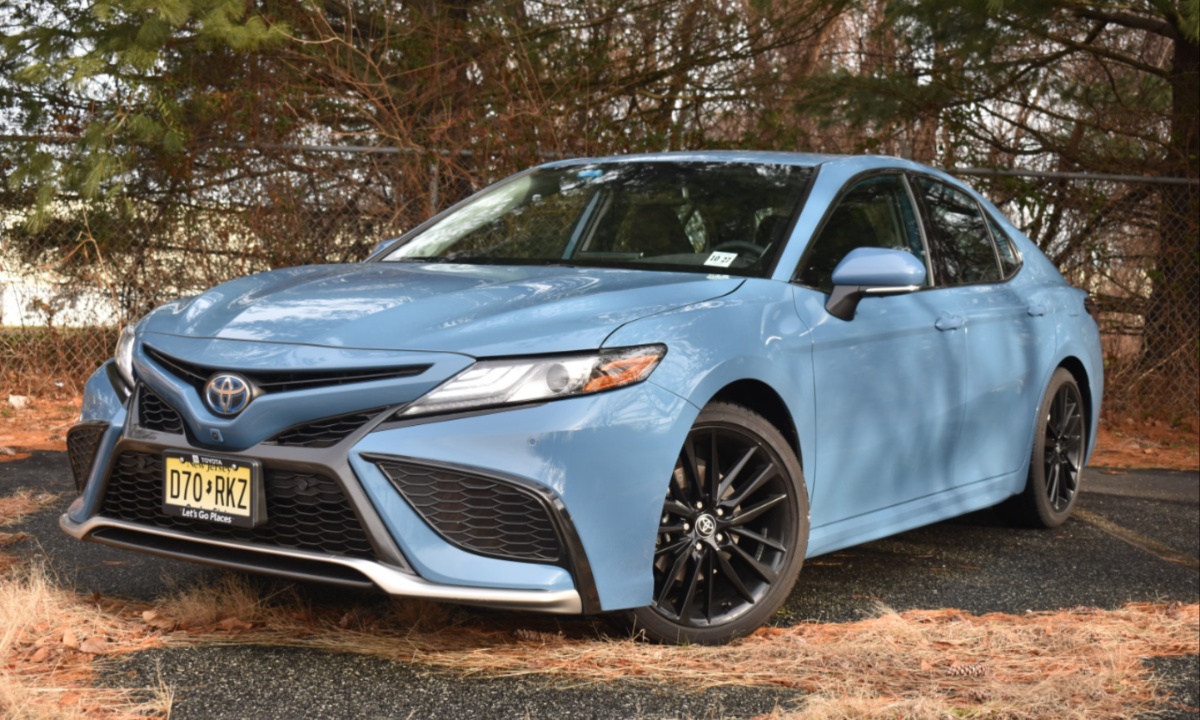
1. Toyota Camry (2012–2022)
The Toyota Camry has long been known for its reliability, and one of the often-overlooked aspects of its dependability is its belt system. Whether it’s the serpentine belt or timing components, the Camry holds up exceptionally well.
For the 2012–2022 generation, most Camry models moved toward timing chains instead of belts, but even earlier versions with belts were designed with robust tensioners and smooth routing that prevented premature wear. The engine bay is roomy enough to allow for proper airflow and cooling, which reduces thermal stress on belts, and Toyota’s engineering team prioritized longevity in areas that often get neglected by other automakers.
This generation of Camry also uses high-quality belt materials and durable pulleys. Owners report going well beyond the recommended replacement intervals without significant issues. Mechanics often mention that Camrys come in for routine maintenance and show very little belt wear, even after years of use.
Unlike other sedans that seem to go through belts every 50,000 miles, Camrys have been known to stretch those numbers comfortably without affecting performance. When belts are finally replaced, it’s often as a preventive measure rather than because of visible cracks or slippage.
The reputation the Camry holds is not just marketing spin. Owners who keep these cars into the 150,000 to 200,000-mile range often comment on how few belt-related issues they’ve encountered. The pulleys, tensioners, and idlers are also less likely to fail or cause misalignment.
In colder regions where belts can be more prone to stiffness or shrinkage, the Camry has shown good adaptability, starting consistently without squeals or early morning groans. It’s a car that doesn’t just start reliably; it stays reliable under the hood in areas where many sedans falter.
If you’re searching for a sedan that will rarely leave you with a snapped belt on the side of the road, the Camry is one of the most reassuring options out there. It’s not the flashiest, but it excels in categories that matter over the long haul.
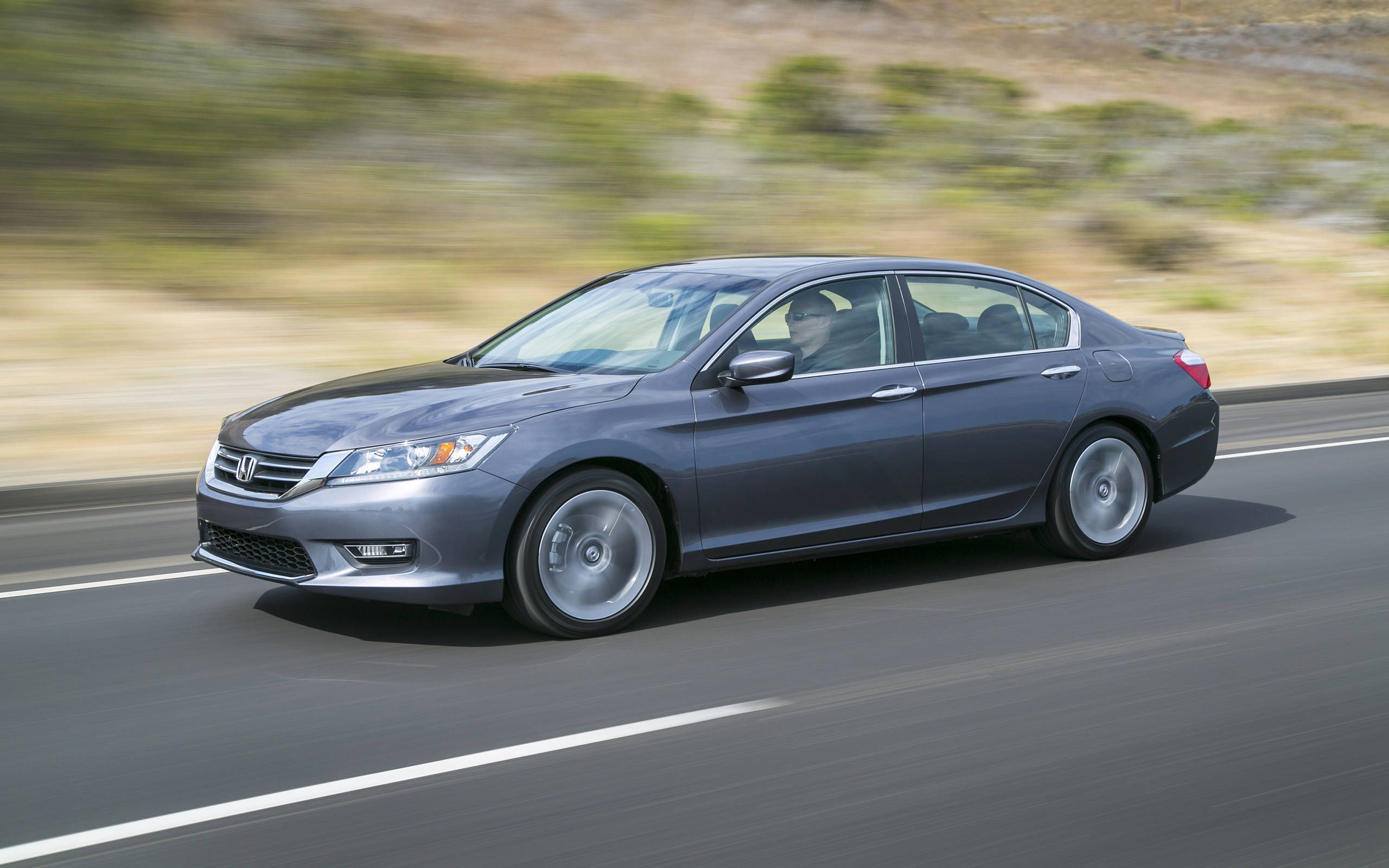
2. Honda Accord (2013–2022)
Another heavyweight in the reliability category, the Honda Accord is a sedan that consistently performs well when it comes to its belts. Most modern Accord engines utilize timing chains, but even models that use belts for auxiliary systems like the serpentine belt exhibit strong wear resistance.
The belt layout in these cars is straightforward, and the engine designs focus on durability and ease of service. This matters when it comes to things like belt replacement or adjustments, which in turn means lower labor costs and fewer headaches for owners.
What sets the Accord apart is how seldom it presents issues with belt tensioners or misalignments. Many sedans end up with squeaky or slipping belts due to poorly designed tensioning systems, but Honda seems to have struck a balance between durability and smooth operation.
The Accord’s components are made from strong materials, and routine maintenance usually uncovers very little belt degradation, even on higher-mileage vehicles. For many drivers, belts remain in good shape far beyond the expected service intervals, and when replacements are finally needed, they’re rarely due to failures.
Honda’s attention to mechanical precision plays a role here. The smoothness of the engine operation minimizes stress on the belts. Cold starts, which can stress rubber components, don’t seem to bother the Accord much. The belts warm up quickly, maintain tension well, and rarely exhibit the cracks or glazing that plague cheaper materials. It’s also worth noting that replacement belts for the Accord are widely available, reasonably priced, and easy for mechanics to install.
Drivers who stick with the Accord for the long haul often speak highly of its low maintenance needs. While they may encounter other issues eventually, such as suspension wear or electrical quirks, belt reliability is rarely on the list of complaints. It’s the kind of car that rewards consistent maintenance with consistent performance, and its belt system is a big part of that.
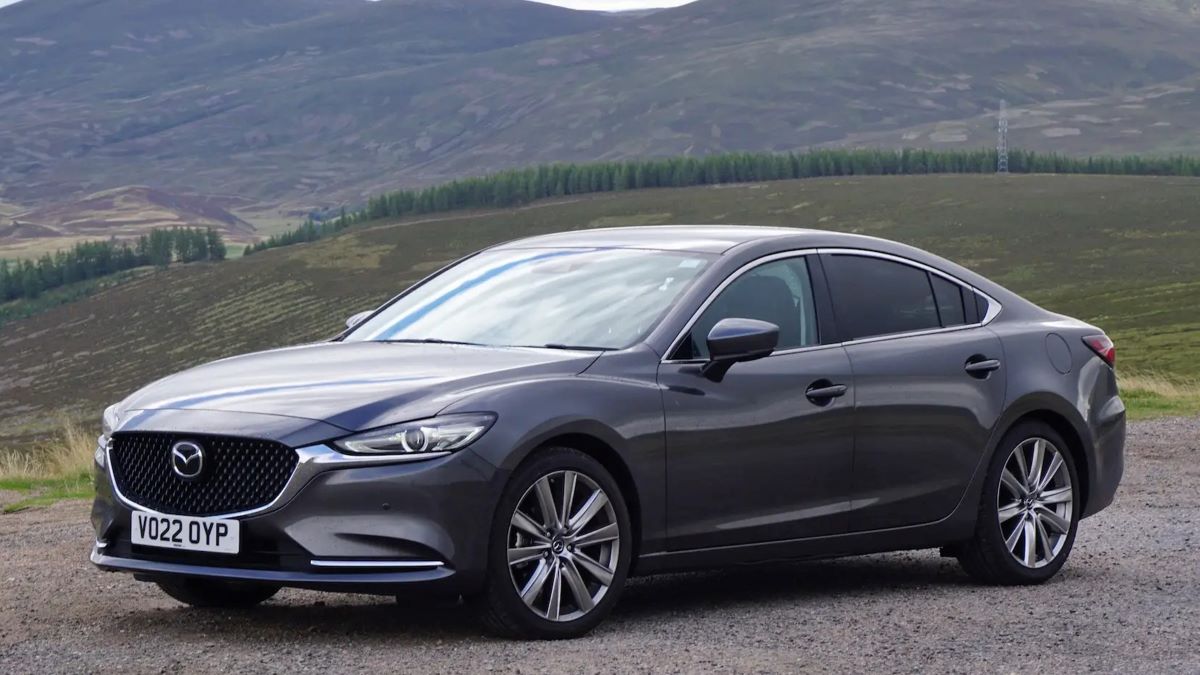
3. Mazda6 (2014–2021)
Mazda’s midsize sedan, the Mazda6, offers a balance of performance and reliability, and one of the quieter strengths of the model is its dependability. Unlike some competitors that go through belts prematurely or suffer from annoying squeals and misalignments, the Mazda6 has a solid track record when it comes to keeping its belts intact and operational. Whether it’s the SkyActiv-G engine found in most trims or the turbocharged option in higher models, the belt systems are well-designed and rarely cause trouble.
Mazda engineers have taken a quality-over-quantity approach to their engines, favoring fewer components that perform better. This includes fewer idler pulleys and tensioners that are built to last.
The belts themselves are made from long-lasting materials and are routed efficiently to reduce excess heat and friction. All of this results in a car that, even at higher mileage, rarely suffers from frayed, cracked, or snapped belts. You don’t hear many Mazda6 owners complaining about unexpected belt failures, even after 100,000 miles of use.
The layout of the engine bay also contributes to the durability of the belts. Mechanics often note that servicing belts on the Mazda6 is relatively straightforward, and the belt system doesn’t suffer from awkward angles or hard-to-reach components. In many cases, mechanics have found that belt-related maintenance on this sedan takes less time and leads to fewer complications compared to other brands. That translates into both time and money saved for the driver.
If you’re looking for a sedan with some sporty flair that doesn’t sacrifice belt durability, the Mazda6 is a strong candidate. Its belts seem to match the brand’s philosophy of long-term quality without overcomplicating things. It’s a car that drives well and is designed to stay that way with fewer mechanical headaches along the journey.
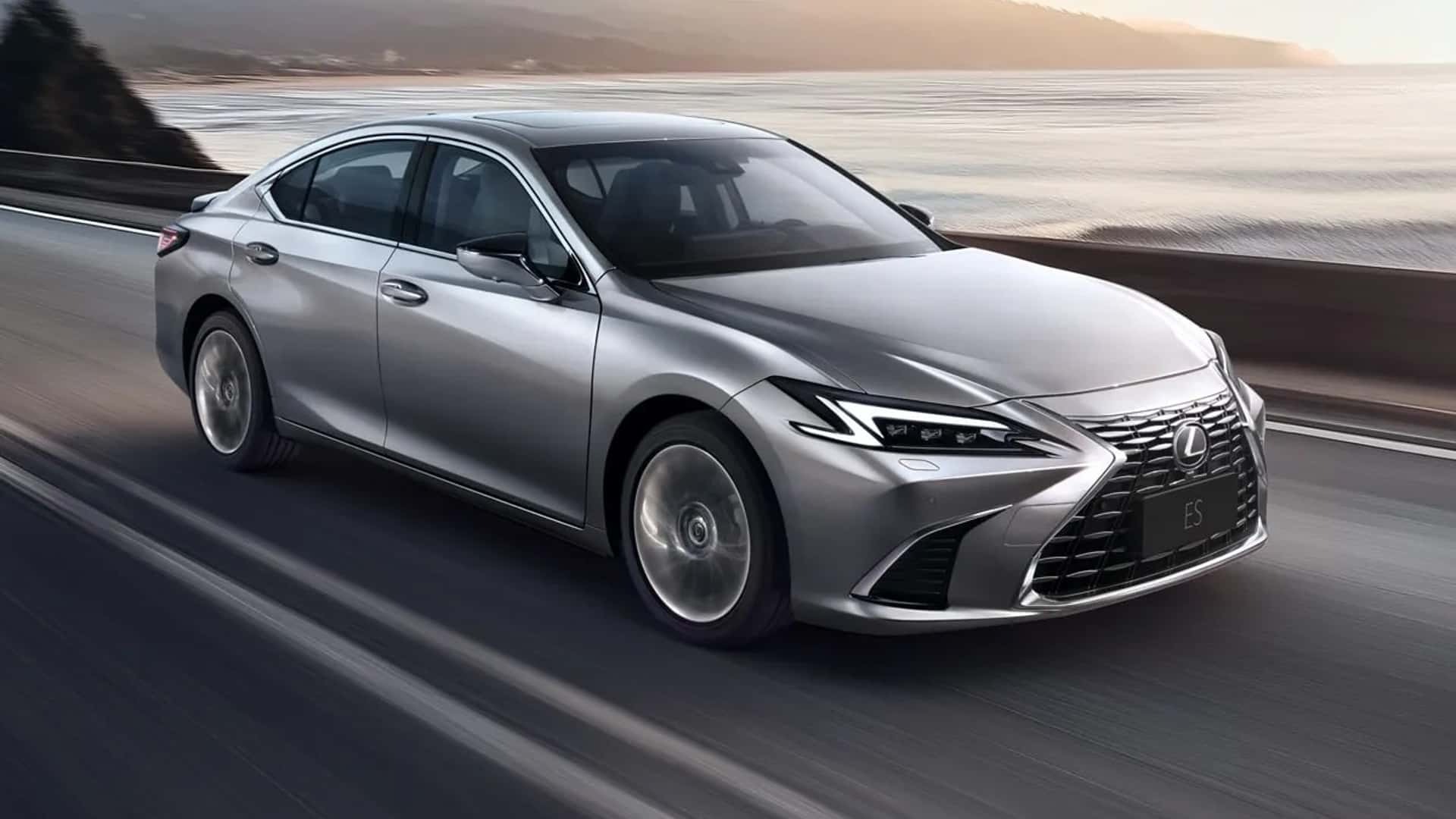
4. Lexus ES (2013–2021)
Luxury sedans don’t always earn a reputation for mechanical simplicity or reliability, but the Lexus ES is an exception. Built with the same core philosophies as Toyota, the ES shares many of its underpinnings with the Camry but adds premium features and a more refined ride. Fortunately, that refinement doesn’t come at the cost of belt reliability. Whether you’re looking at the ES 350 with its V6 engine or the hybrid ES 300h, you’ll find a belt system that’s built to last.
Lexus doesn’t cut corners when it comes to components, and the belt systems are no exception. High-quality rubber compounds are used for the belts, while the tensioners and pulleys are designed for longevity and minimal wear. Most models in this range use timing chains, so timing belt failures aren’t a concern.
Even the serpentine belts, which often degrade faster in other luxury cars due to additional power-draining features, hold up extremely well in the ES. Owners frequently report belt longevity well beyond 80,000 miles, and replacement is typically a scheduled service rather than an emergency fix.
A big part of this reliability comes from the quiet and smooth nature of Lexus engines. There’s less mechanical stress placed on the belts during operation, which reduces the chance of sudden failure. In addition, Lexus service intervals are conservative, so belts often get checked or replaced well before they pose a real threat.
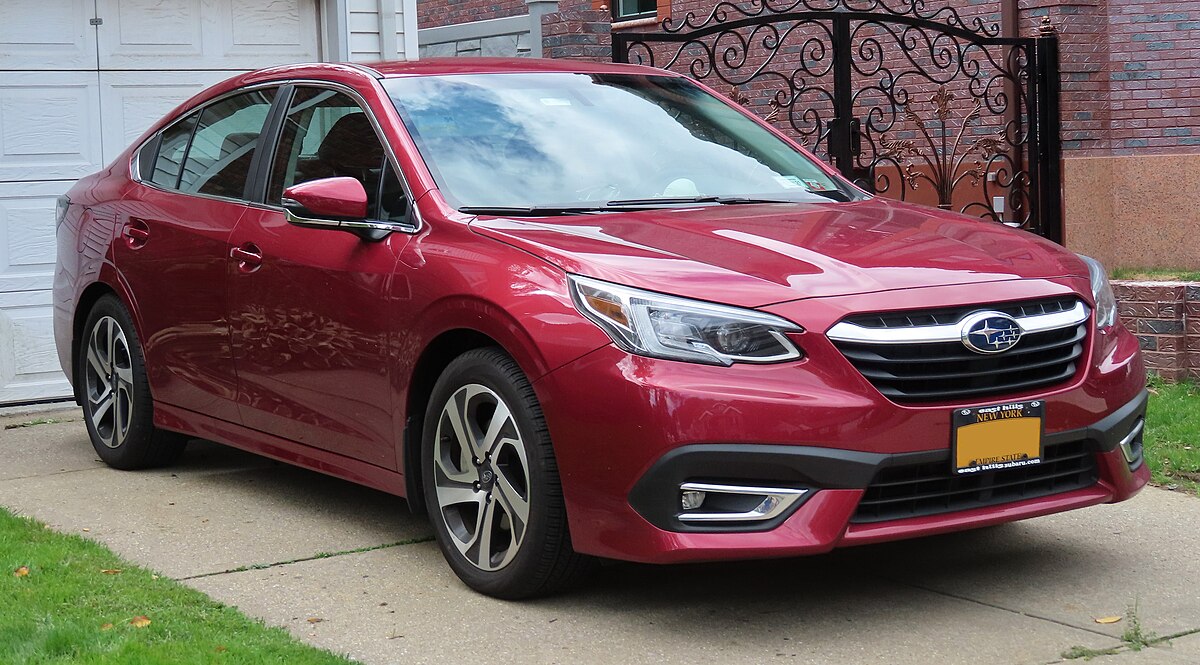
5. Subaru Legacy (2015–2022)
The Subaru Legacy is often praised for its symmetrical all-wheel-drive system and strong performance in all weather conditions, but a lesser-known benefit of owning a Legacy is how well it holds up mechanically over time, particularly when it comes to belts. Subaru transitioned many of its engines to timing chains several years ago, meaning owners no longer need to worry about timing belt replacement at certain mileage points.
For models that still use belts for auxiliary components like the serpentine system, Subaru has maintained a solid reputation for dependable performance. The 2015–2022 Legacy features the company’s reliable flat-four and flat-six engines, both of which are designed with belt access and maintenance in mind.
One of the reasons the Legacy does well in this area is Subaru’s thoughtful engine bay layout. While horizontally opposed engines are structurally different from inline or V engines, Subaru has taken care to ensure that belts remain accessible and free of excessive strain. The use of automatic belt tensioners means that the belt maintains optimal pressure over time without frequent adjustments.
Furthermore, the materials used in the belts are designed to resist cracking and fraying, even in colder temperatures, where rubber components often degrade more quickly. This makes the Legacy a strong contender in northern climates where other cars may experience more frequent belt wear due to temperature fluctuations.
Routine inspections at regular service intervals rarely turn up belt issues on this model. Owners often report that belts last beyond the standard 60,000 to 90,000-mile lifespan, and even when replacements are needed, it’s usually part of larger scheduled maintenance rather than a breakdown-related repair.
Additionally, because Subaru engines typically run at lower RPMs during highway cruising, belts are subjected to less mechanical stress over time, further extending their service life. Mechanics familiar with the brand often comment on how few belt issues come through their doors with Legacy models.
For sedan shoppers who want something a bit different without sacrificing long-term reliability, the Subaru Legacy offers a compelling package. It’s a practical all-season vehicle that doesn’t just keep moving through snow and rain, it keeps moving through the years without chewing through belts like some of its rivals do.
Also Read: 5 Cars With Sun Visors That Stay Tight VS 5 That Sag
Sedans That Snap Belts Constantly
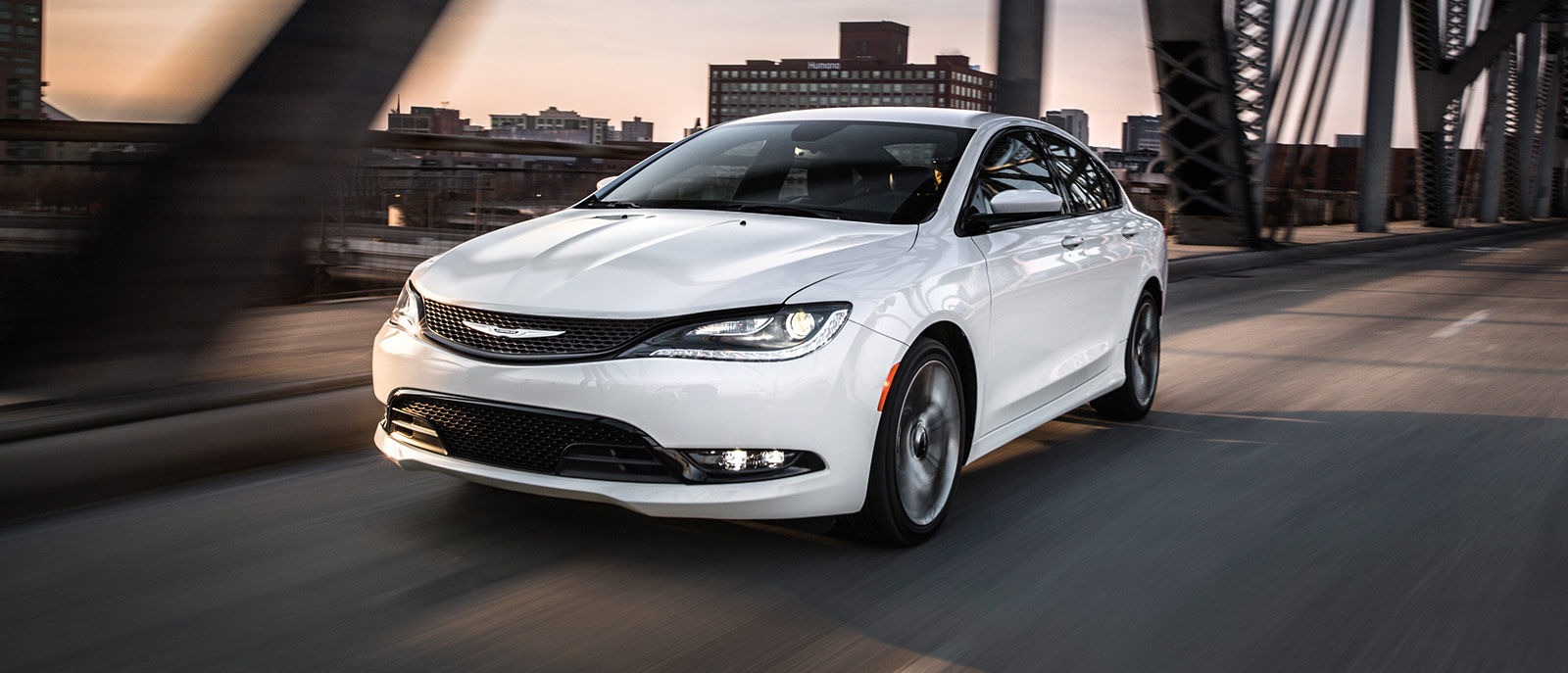
1. Chrysler 200 (2011–2017)
The Chrysler 200 may have been marketed as a sleek, stylish midsize sedan, but owners quickly discovered that its belt system was one of its weakest mechanical points. The vehicle came with multiple engine options, including the 2.4L inline-four and the 3.6L V6 Pentastar, both of which have been plagued by belt-related issues.
Owners report frequent belt squeals, premature cracking, and even complete belt failure before the recommended replacement interval. The tensioners on the 200 are also known for wearing out faster than expected, which contributes to misaligned or slipping belts that create further problems down the line.
In particular, the 3.6L Pentastar engine has had issues with both the serpentine belt and the components that support it. The belt routing on this engine is compact and awkward, which traps heat and contributes to early wear. Some owners have experienced belt failures as early as 30,000 miles, and the layout of the engine bay makes belt replacement a frustrating and sometimes expensive job.
In worst cases, snapped belts have taken out other components with them, especially if the shredded belt gets wrapped around pulleys or the crankshaft. This can lead to alternator failures or loss of power steering in the middle of driving, which raises safety concerns.
Another major issue is the poor-quality belt materials used in earlier models. Aftermarket replacements have sometimes proven more durable than OEM components, which tells you a lot about the cost-cutting that went into the original design.
Mechanics who regularly service these vehicles are all too familiar with belt-related repairs on the 200 and often recommend early replacement or conversion to higher-grade belts as a precautionary measure. It’s not uncommon for owners to carry spare belts in their trunks, especially those who have already experienced a roadside breakdown due to a snapped belt.
Despite the car’s decent handling and stylish interior, the Chrysler 200 remains a cautionary tale for anyone who values mechanical dependability. Belt problems may not make headlines, but for owners who’ve had their commute interrupted or their engine bay chewed up by rubber shrapnel, it’s a major concern. Reliability isn’t just about engine power or comfort; it’s about making sure essential parts stay in place, and the Chrysler 200 struggles in that department.
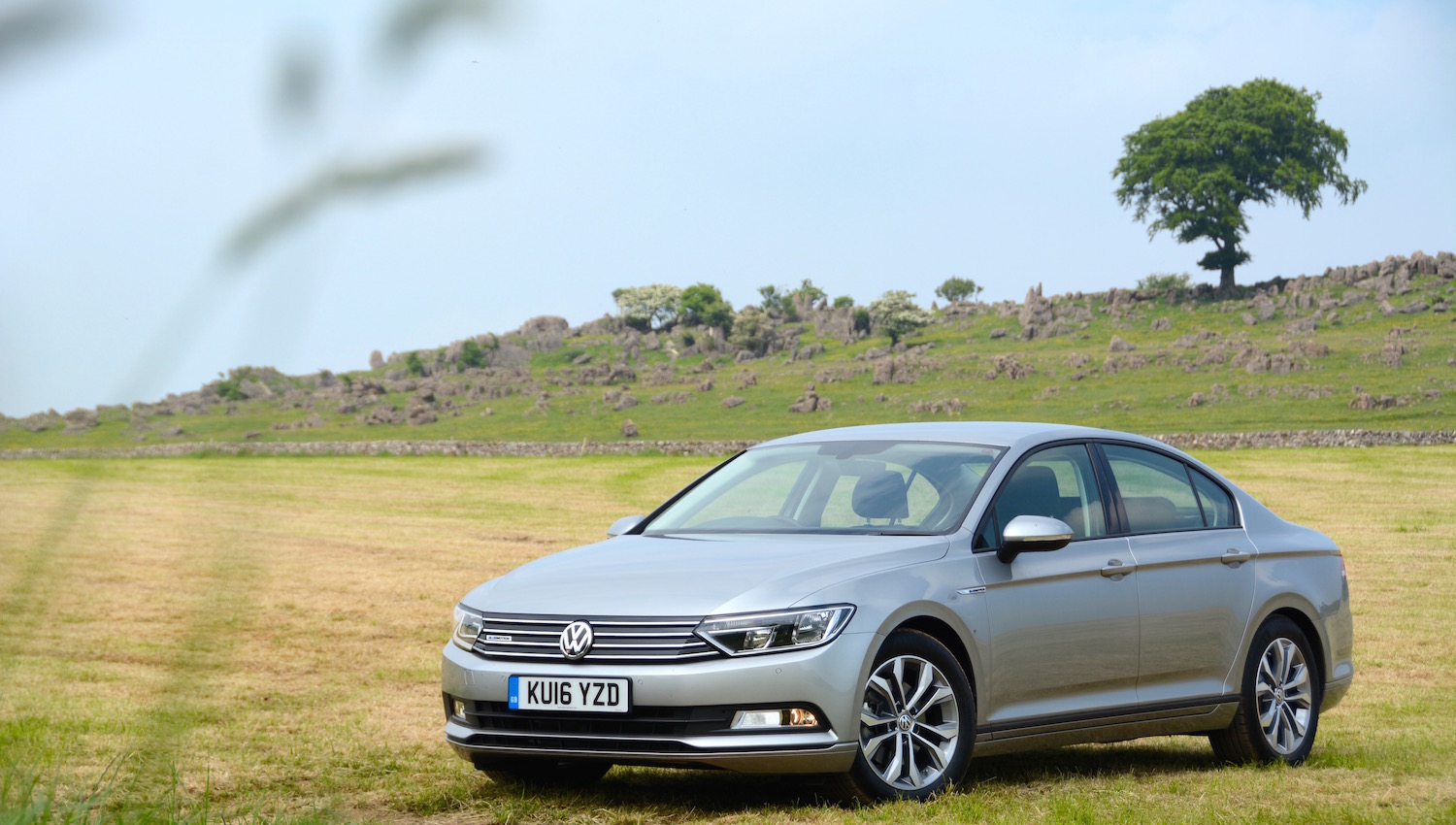
2. Volkswagen Passat (2012–2019)
Volkswagen vehicles have always carried a certain appeal in terms of interior quality, road feel, and European styling, but the Passat has often been a letdown when it comes to long-term mechanical reliability, especially in the belt department.
The 1.8T and 2.0T engines that powered much of the U.S. market Passats during this period are known for various issues, and belts are among them. The tensioners used in these models have a history of premature wear, which leads to inconsistent belt tension. When this happens, it doesn’t take long for belts to begin slipping, cracking, or even snapping entirely under load.
What makes this situation worse is the placement of components under the hood. VW engineers packed the engine bays tightly, making belt replacement a labor-intensive process. Some mechanics report that even basic access requires removing other parts or dealing with very limited working space, increasing the cost and difficulty of a relatively simple repair.
The serpentine belts themselves often begin to degrade around the 40,000 to 60,000-mile mark, which is early compared to industry standards. In some cases, these belts also develop annoying squeals, which are often a sign of weakening tensioners or misalignment within the pulley system.
Owners have reported belt failures that occurred with little warning, leading to sudden loss of power steering or battery charging. While these may seem like manageable issues, when they happen during a drive, the consequences can be serious.
Add to that the challenge of diagnosing the issue, and the result is a car that can become expensive to maintain and unpredictable to drive. Some drivers have attempted DIY repairs but quickly learn that the layout of the Passat’s engine bay doesn’t lend itself to easy fixes.
The Volkswagen Passat might win fans for its comfort and road manners, but for those who keep cars past the factory warranty, the belt system becomes a consistent headache. It’s the kind of issue that chips away at a car’s reputation and leaves owners wary of taking long trips or skipping a single maintenance interval. For those who expect mechanical simplicity and belt reliability, the Passat often falls short.
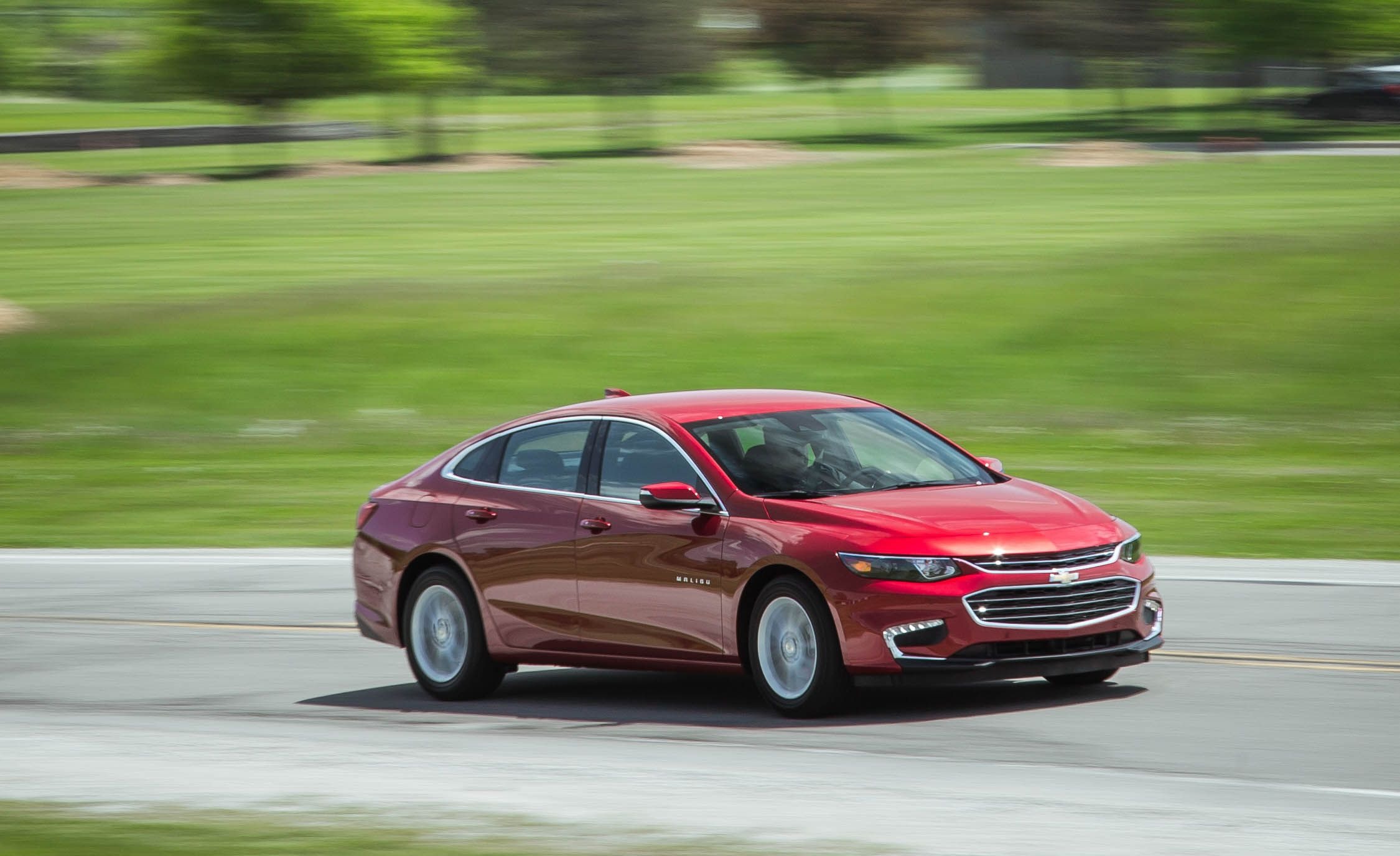
3. Chevrolet Malibu (2008–2016)
While the Chevrolet Malibu has enjoyed a fair amount of popularity due to its value pricing and family-friendly features, it hasn’t exactly built a legacy of mechanical excellence, particularly in the area of belt reliability. This model, especially with the 2.4L Ecotec engine, has been known to go through serpentine belts and timing chain components more frequently than owners would like.
Though some years of this generation used timing chains rather than belts, the auxiliary belts are still problematic. They’re prone to slippage, cracking, and occasionally snapping under strain, often due to worn-out tensioners and subpar pulley designs.
Many of the belt issues stem from the design of the engine compartment, where space is tight and airflow isn’t optimized. Belts are subjected to higher-than-average heat, and rubber degradation occurs more quickly than it should. Add to this a record of poor-quality belt tensioners, some of which fail even before 50,000 miles, and you have a recipe for regular service calls and breakdowns.
It’s not just the belt itself that wears out, but the supporting hardware, which makes the whole system less stable over time. These issues are often accompanied by noticeable noises, particularly squeals or chirps at startup or under load, which usually signal misalignment or insufficient tension.
A major concern for Malibu owners is the inconsistency of belt durability between vehicles. Some owners report no problems for 100,000 miles, while others experience failure at half that mileage. This unpredictability has led many mechanics to recommend early inspections and preemptive belt changes just to avoid breakdowns.
Unfortunately, this adds to the cost of ownership and undermines confidence in what was marketed as a reliable family sedan. In worst-case scenarios, a snapped belt can take out other components like the alternator or cause a sudden loss of power steering, which is both dangerous and costly to fix.
The Malibu’s belt problems may not be as notorious as some other mechanical failures, but they’re frustratingly common. They represent the kind of issue that doesn’t necessarily show up in brochures or car reviews but can cause major headaches once the odometer climbs. For drivers looking for a no-nonsense sedan that just works, this model has been a letdown when it comes to belt reliability.
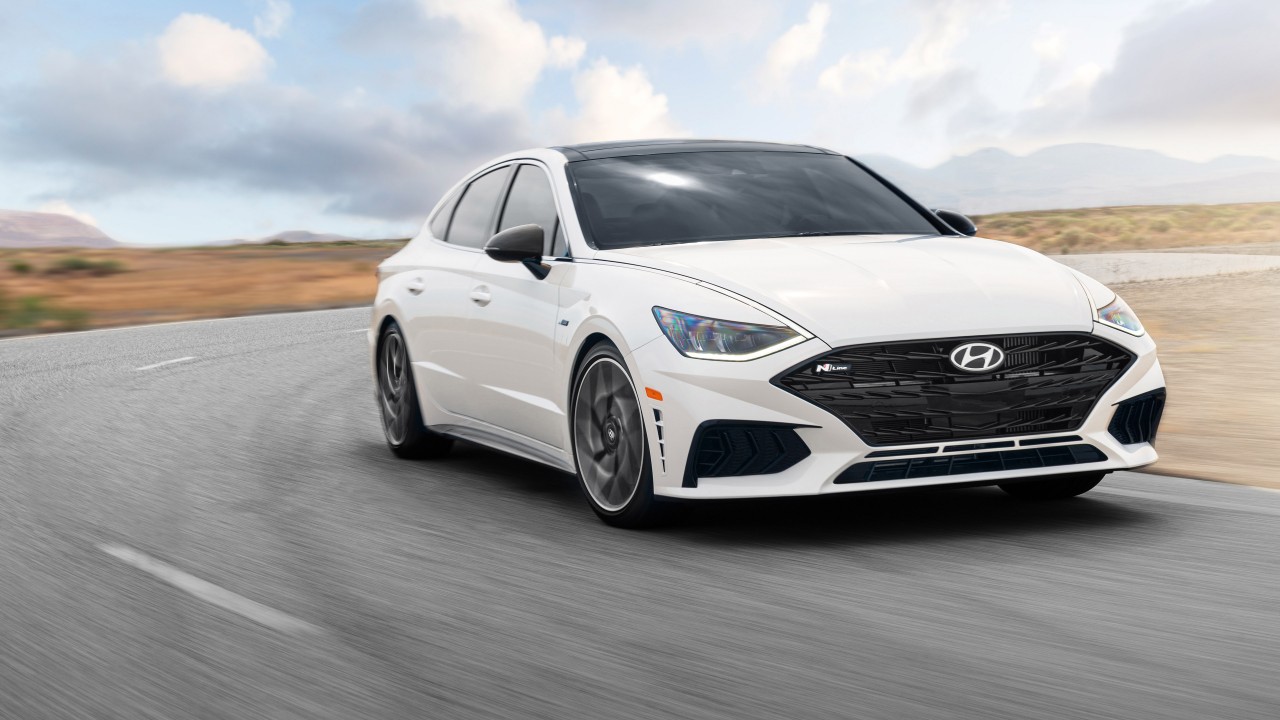
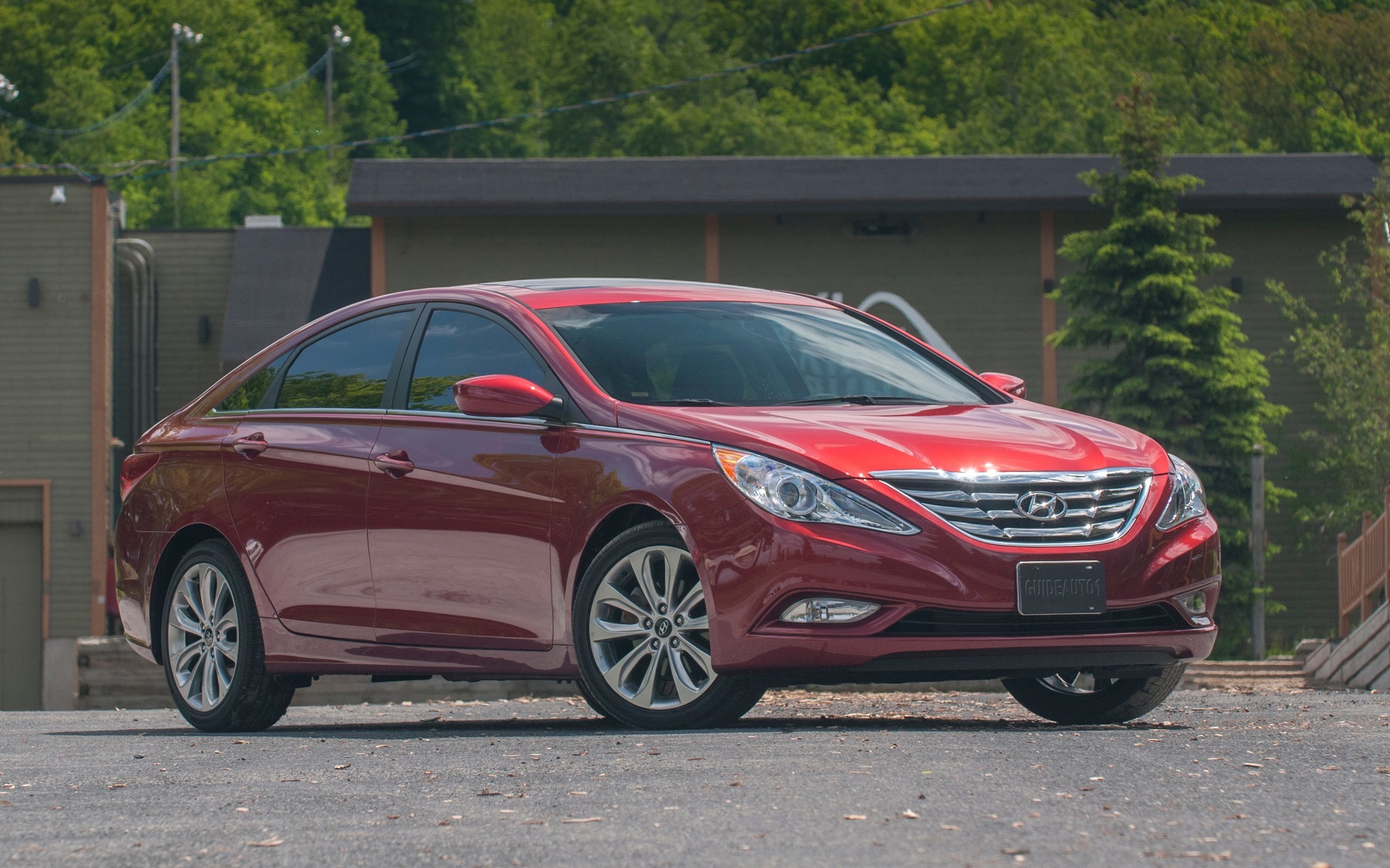
4. Hyundai Sonata (2006–2014)
The Hyundai Sonata has improved its reputation over the years, especially with more recent models offering better build quality and reliability. However, the earlier models, particularly those between 2006 and 2014, have a history of issues related to belts and their associated components.
Both the 2.4L and 3.3L engine variants during this time frame experienced complaints from owners about premature belt wear, frequent tensioner failures, and even snapped timing belts in some of the older versions before Hyundai transitioned to timing chains in later models. These problems were not always consistent across every trim, but they occurred often enough to create a pattern and generate concern among long-term owners.
The serpentine belts, which drive key accessories like the alternator, power steering, and air conditioning, have been reported to degrade quickly, sometimes developing cracks or losing tension after just 30,000 to 40,000 miles. In many cases, this is due to poor tensioner durability or misaligned pulleys, which can wear belts down faster than normal.
In colder climates or areas with wide temperature swings, the problem becomes more pronounced. The belts tend to stiffen and lose flexibility, which leads to cracking and eventual failure. Many owners have had to replace belts more than once during the vehicle’s expected life span, with some even doing so within the first few years of ownership.
Part of the issue also lies in the Sonata’s budget-focused design during those years. Hyundai was still emerging as a major global brand and had not yet refined its engineering quality across all mechanical components. Cost-cutting likely played a role in the selection of tensioners and belts that simply didn’t hold up under real-world conditions.
Even though parts are relatively inexpensive, the repeated failure of these components increases the cost of ownership and leads to dissatisfaction. Many Sonata owners during this period were caught off guard by these issues, as the car otherwise presents itself as a solid, affordable family sedan.
While Hyundai has since addressed many of these concerns in newer generations, the 2006–2014 Sonata remains a cautionary example of how even one weak system, like belts, can drag down a vehicle’s reliability score. It may not be the worst offender, but it’s a sedan that has left many of its owners dealing with repeated belt-related repairs far earlier than expected.
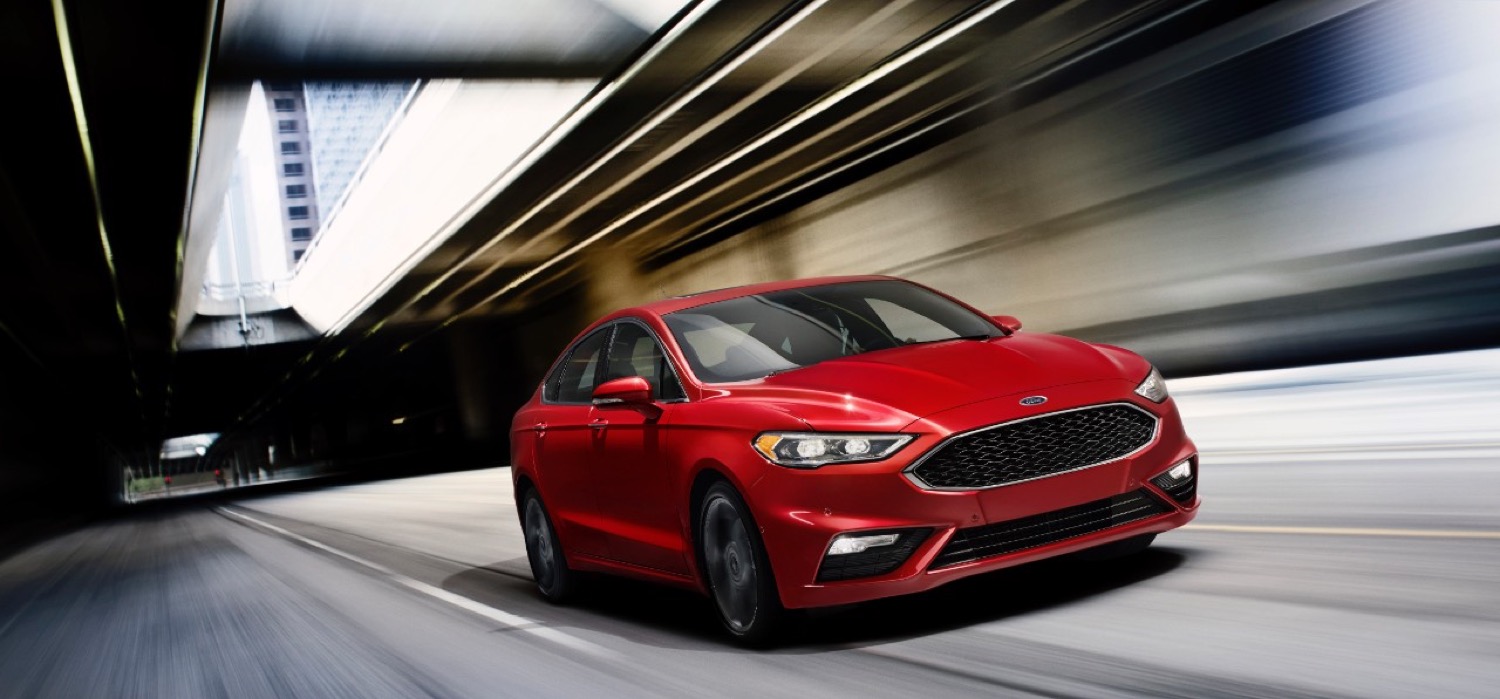
5. Ford Fusion (2006–2012)
The first generation of the Ford Fusion had plenty of things going for it, including decent styling, a solid ride, and multiple engine options that made it appealing to a wide range of buyers. However, under the hood, the Fusion struggled with a variety of issues related to its belt systems.
Particularly in the 2.3L four-cylinder and 3.0L V6 models, both the serpentine and timing belts (where applicable) suffered from recurring problems. These included noisy belt operation, rapid deterioration, and unexpected failures that often occurred well before the service intervals listed in the owner’s manual.
A recurring complaint among Fusion owners has been belt squealing, especially during cold starts or acceleration. While this might initially seem like a minor nuisance, it often signals more serious issues such as worn tensioners, misaligned pulleys, or weakening belt materials.
Some owners have reported replacing belts multiple times within just 70,000 miles of driving, which is far below industry expectations. In more severe cases, a snapped serpentine belt resulted in the sudden loss of multiple systems at once, including power steering and battery charging, leaving drivers stranded or forced to make emergency repairs.
The issue isn’t just the belts themselves but the supporting components. Tensioners on early Fusion models frequently failed or began to loosen, and idler pulleys wore out unevenly. These flaws introduced excessive wear on the belt, even if the belt was high-quality to begin with.
Ford did not issue widespread recalls for these problems, which led to many owners paying out of pocket for repeated fixes. Mechanics who frequently work on Fords from this era have noted how often Fusion belt problems show up during inspections, often along with a warning to replace the tensioner and pulley systems even if they haven’t technically failed yet.
What makes it worse is that these issues were not isolated to a specific engine or trim level. Whether it was the base model or a more upscale version, Fusion drivers were reporting belt troubles.
While the car may have appealed to budget-conscious buyers at the time, the frequency of belt-related repairs undermines its value in the long run. The Fusion has improved significantly in later generations, but the 2006–2012 model range stands out for the wrong reasons when it comes to reliability in belt systems.
