
When considering an SUV purchase, many people focus on aspects like styling, engine power, or the latest tech features. While these elements are important, one of the most critical yet often overlooked factors is how the vehicle rides when fully loaded.
Whether transporting a full family, a large amount of gear, or towing equipment, the way an SUV’s suspension and chassis handle the added weight directly impacts both comfort and safety.
A smooth ride when loaded means fewer bumps felt inside the cabin, less strain on the vehicle’s components, and improved control over the vehicle in various driving conditions.
However, some SUVs struggle under these conditions, sagging noticeably or bouncing excessively, which can lead to an uncomfortable ride and compromised handling.
The difference between an SUV that remains composed under load and one that struggles to maintain ride quality often comes down to the engineering behind the suspension system and chassis design.
Factors such as spring rates, shock absorber damping, suspension geometry, and weight distribution all contribute to how well a vehicle manages extra weight.
Some SUVs feature advanced suspension technologies like adaptive dampers or air suspension, which actively adjust to maintain ride height and comfort.
Others rely on simpler setups, which may be adequate under light loads but reveal their limitations when the vehicle is packed full. Additionally, the vehicle’s frame strength and weight distribution affect whether it maintains balance or sags in specific areas under pressure.
Understanding which SUVs excel at maintaining a smooth ride when loaded versus those that tend to sag or bounce can make a significant difference for buyers.
Families who often travel with multiple passengers and luggage, outdoor enthusiasts who load up gear, or anyone who regularly hauls cargo will benefit from choosing a model engineered to handle weight gracefully.
This consideration not only impacts passenger comfort but also vehicle longevity and driving safety. It affects everything from braking distances to handling characteristics during emergency maneuvers.
In this article, the first section focuses on five SUVs known for their ability to maintain a smooth, stable ride even when fully loaded. These vehicles combine thoughtful suspension design, quality components, and a well-tuned chassis to offer a reliable, comfortable experience under pressure.
The second section examines five SUVs that tend to sag and bounce more noticeably when loaded, often due to less sophisticated suspension setups or tuning priorities favoring other attributes. Highlighting these differences can guide potential buyers to make better-informed decisions based on their usage patterns and priorities.
Also Read: 10 Cars With Tricky Seatbelt Buckles for Elderly Passengers
5 SUVs That Still Ride Smooth When Loaded
1. Toyota Highlander
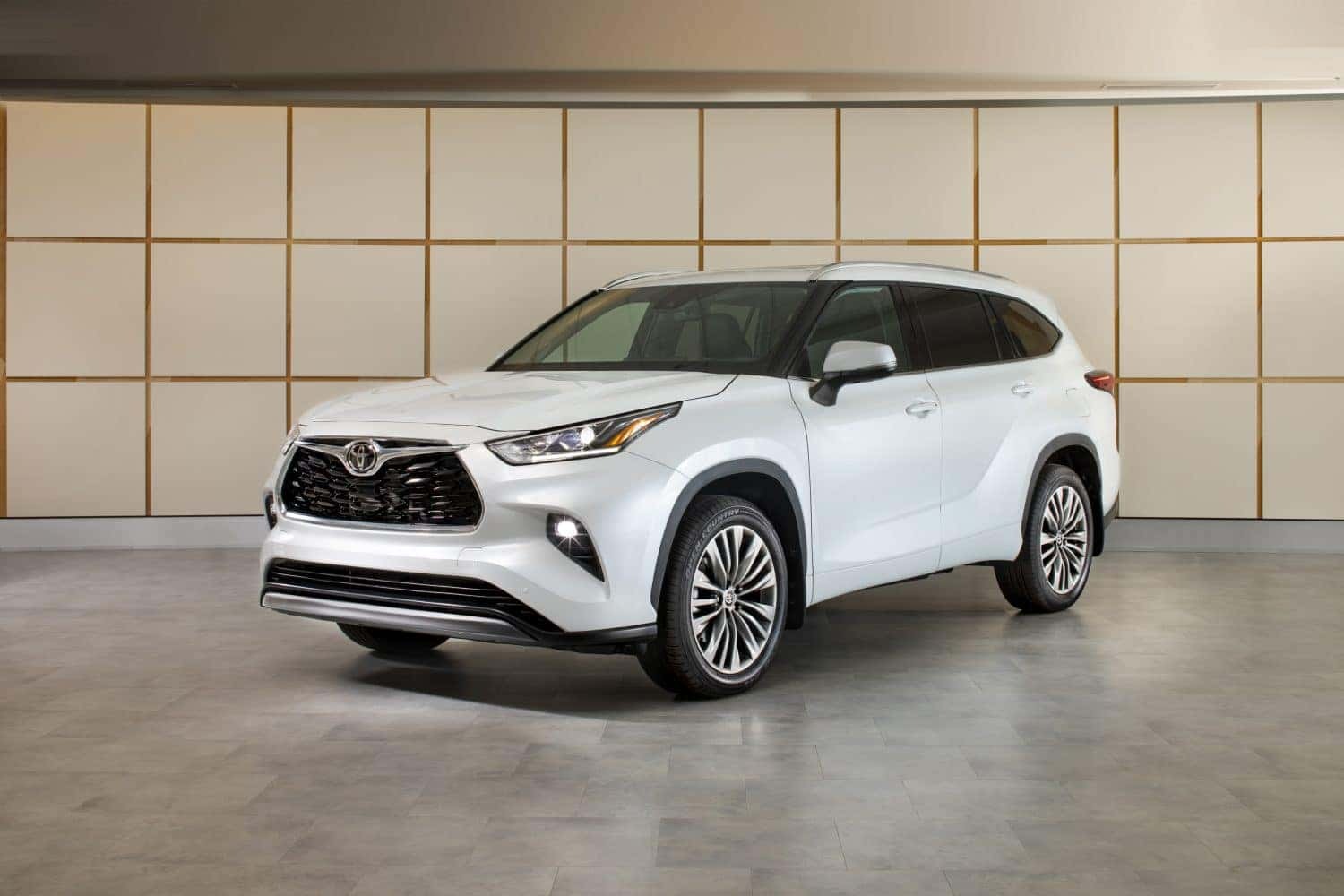
The Toyota Highlander is widely recognized for its reliable performance and well-balanced ride quality, especially when carrying a full load of passengers and cargo.
At the heart of this smooth ride is its suspension system, which features independent front suspension and a multi-link independent rear suspension.
This setup allows each wheel to respond individually to road imperfections, which helps minimize vibrations and jolts that passengers might feel.
In higher trims, the Highlander includes adaptive variable suspension dampers that automatically adjust to road conditions and load, softening or firming the ride as necessary to maintain comfort and stability.
Another key factor is the Highlander’s coil spring design, which is engineered to absorb road impacts effectively while resisting excessive compression under heavy weight. This means the vehicle is less likely to sag when fully loaded, maintaining a near-level stance.
Toyota’s engineers also focused on optimizing weight distribution across the chassis, placing components to help balance the vehicle and reduce excessive load on either the front or rear suspension.
This attention to balance contributes to less body roll and a more predictable driving experience, even on winding roads or during sudden lane changes.
Passengers benefit from this suspension design with a noticeably quieter and smoother cabin experience. Because the Highlander handles rough patches and uneven pavement without harsh jolts, families and travelers find it comfortable for both short city drives and longer highway journeys.
This is especially important for SUVs with three rows of seating, where rear passengers can often feel the bumps more keenly if the suspension is not well-tuned.
In terms of durability, the Highlander’s suspension and chassis design also help reduce wear and tear caused by carrying heavy loads regularly.
This combination of comfort and reliability explains why the Highlander continues to be a favorite among midsize SUV buyers who need a vehicle capable of handling weight without sacrificing ride quality. It’s a well-rounded package that balances utility and comfort effectively.

2. Honda Pilot
The Honda Pilot is another midsize SUV highly regarded for its ability to maintain ride quality when loaded to capacity. Its suspension system includes independent MacPherson struts up front and a multi-link independent rear suspension, both designed to respond well to various road conditions and weight changes.
This type of setup allows for precise wheel movement and effective absorption of road shocks, minimizing the sensation of bumps or vibrations inside the cabin.
When the Pilot is fully loaded with passengers and cargo, the suspension system works to keep the vehicle level and stable. The multi-link rear suspension is particularly effective at managing weight by distributing it evenly and maintaining tire contact with the road, which improves traction and handling.
In some trims, the Pilot includes an adaptive damper system that actively adjusts the firmness of the suspension in response to changes in load and road surface, helping the vehicle maintain a comfortable, composed ride even during sudden maneuvers or on uneven terrain.
One of the standout qualities of the Pilot is how it balances ride comfort with responsive handling. When loaded, some SUVs may feel floaty or excessively soft, which can undermine driver confidence.
The Pilot avoids this by providing a ride that is supple but controlled, reducing body roll and maintaining composure in corners and during braking. This makes it a popular choice for families who need the extra passenger and cargo space but still want a vehicle that drives predictably and comfortably.
Inside, the benefits of this suspension tuning are clear. The cabin remains relatively quiet and comfortable, with reduced transmission of road noise and vibration. Passengers, especially those seated in the third row, experience a smoother ride, making long trips more enjoyable.
The combination of space, comfort, and ride quality has helped the Honda Pilot earn its place among the top choices for midsize SUVs capable of handling heavy loads well.

3. Subaru Ascent
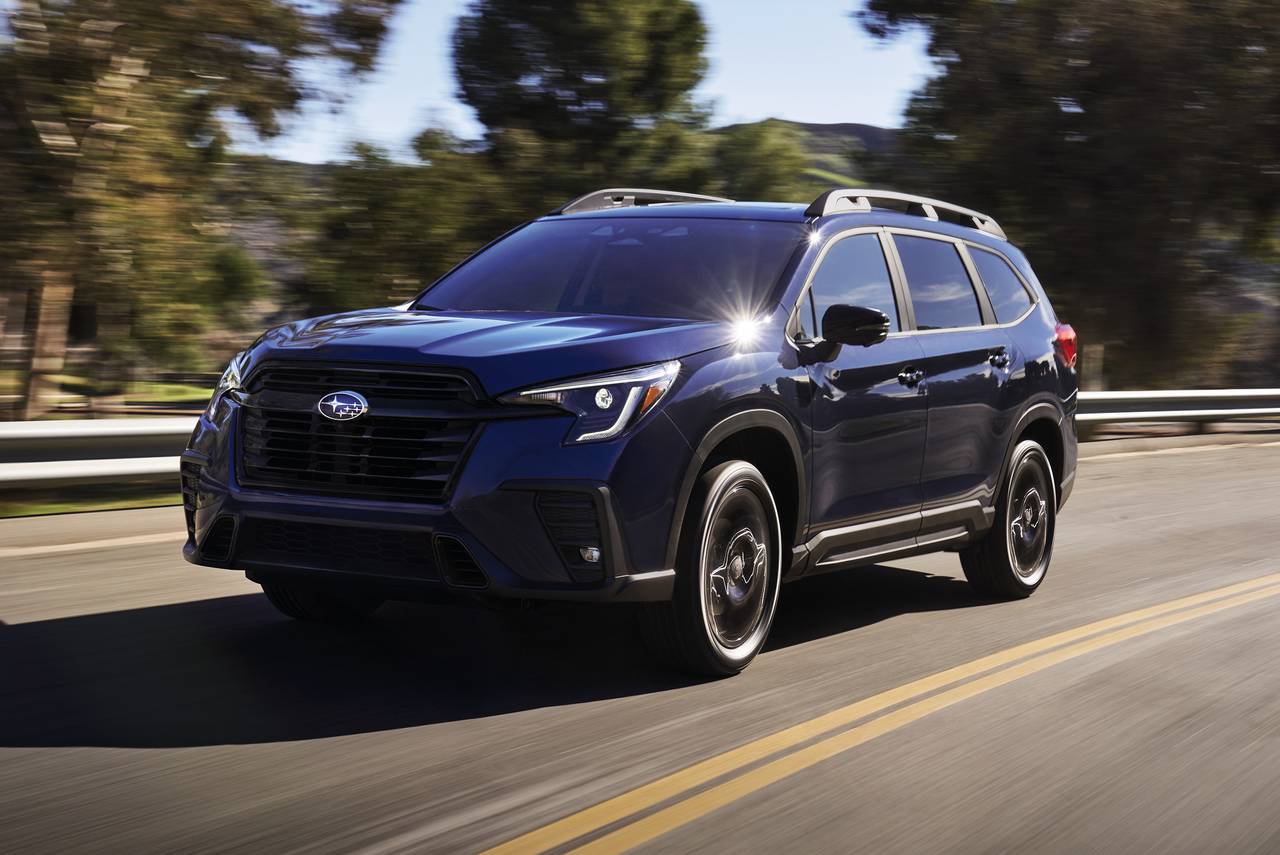
The Subaru Ascent offers a unique blend of ride comfort and capability, thanks in part to its symmetrical all-wheel-drive system and well-engineered suspension.
The AWD system helps with weight distribution by providing power to all four wheels equally, which balances the vehicle and reduces sagging when loaded. The suspension itself features independent front struts and a double-wishbone independent rear suspension, designed to handle both passenger comfort and the demands of off-road or rough road conditions.
Subaru places a strong emphasis on suspension tuning in the Ascent to provide a smooth, controlled ride under a variety of conditions. The double-wishbone rear suspension improves wheel control and helps absorb road irregularities more effectively than simpler designs.
This results in less bounce and body movement, even when the vehicle is carrying a full complement of passengers and gear. High-quality dampers and springs complement this setup by managing energy from bumps and dips efficiently, preventing the vehicle from feeling overly soft or floaty.
The Ascent’s reinforced chassis also contributes to its stability under load. Structural rigidity helps minimize flexing and twisting, which can otherwise lead to increased body roll and instability. Inside the cabin, this translates into a quieter, more comfortable environment, with fewer vibrations and jolts reaching the passengers.
The vehicle’s ability to maintain this level of comfort when fully loaded is one reason it appeals to families who seek a dependable SUV for both city driving and outdoor adventures.
In addition, the Ascent’s versatility means it can handle a range of road conditions and uses without sacrificing comfort. Whether it’s a full load on the highway or gear packed for camping, the suspension and chassis work together to maintain a composed, smooth ride. This balance of comfort and capability makes the Subaru Ascent stand out in the crowded three-row SUV segment.

4. Ford Explorer
The Ford Explorer has long been a staple in the midsize SUV market, known for its versatility and ability to handle varying loads without a dramatic loss of ride quality. The Explorer’s suspension uses an independent front setup with MacPherson struts and a multilink rear suspension, which helps each wheel react independently to road surface changes. This design improves comfort and control, especially when the vehicle is fully loaded with passengers and cargo.
One of the Explorer’s key advantages is the availability of an optional air suspension system in certain trims. This system automatically adjusts ride height and damping based on load and road conditions, helping the vehicle maintain a level stance even when heavily loaded. The air suspension reduces sagging by compensating for the extra weight, which preserves ride height and improves handling by keeping the suspension travel within an optimal range.
Even without air suspension, the Explorer benefits from strong springs and shocks designed to withstand the added weight. This setup reduces body roll and bouncing, which can otherwise make fully loaded vehicles feel unstable.
The vehicle maintains good composure in corners and during braking, contributing to driver confidence and passenger comfort alike. The Explorer’s reinforced frame and chassis components further enhance stability and durability when carrying heavy loads.
Interior comfort is a priority in the Explorer, and the suspension system’s ability to smooth out road imperfections plays a big role in achieving this. Passengers experience less jarring over bumps, and the vehicle’s handling remains predictable, even on less-than-ideal surfaces.
The Explorer’s combination of space, tech features, and ride quality has made it a popular choice for families and those needing a capable yet comfortable SUV for daily driving and longer trips.
5. Chevrolet Traverse
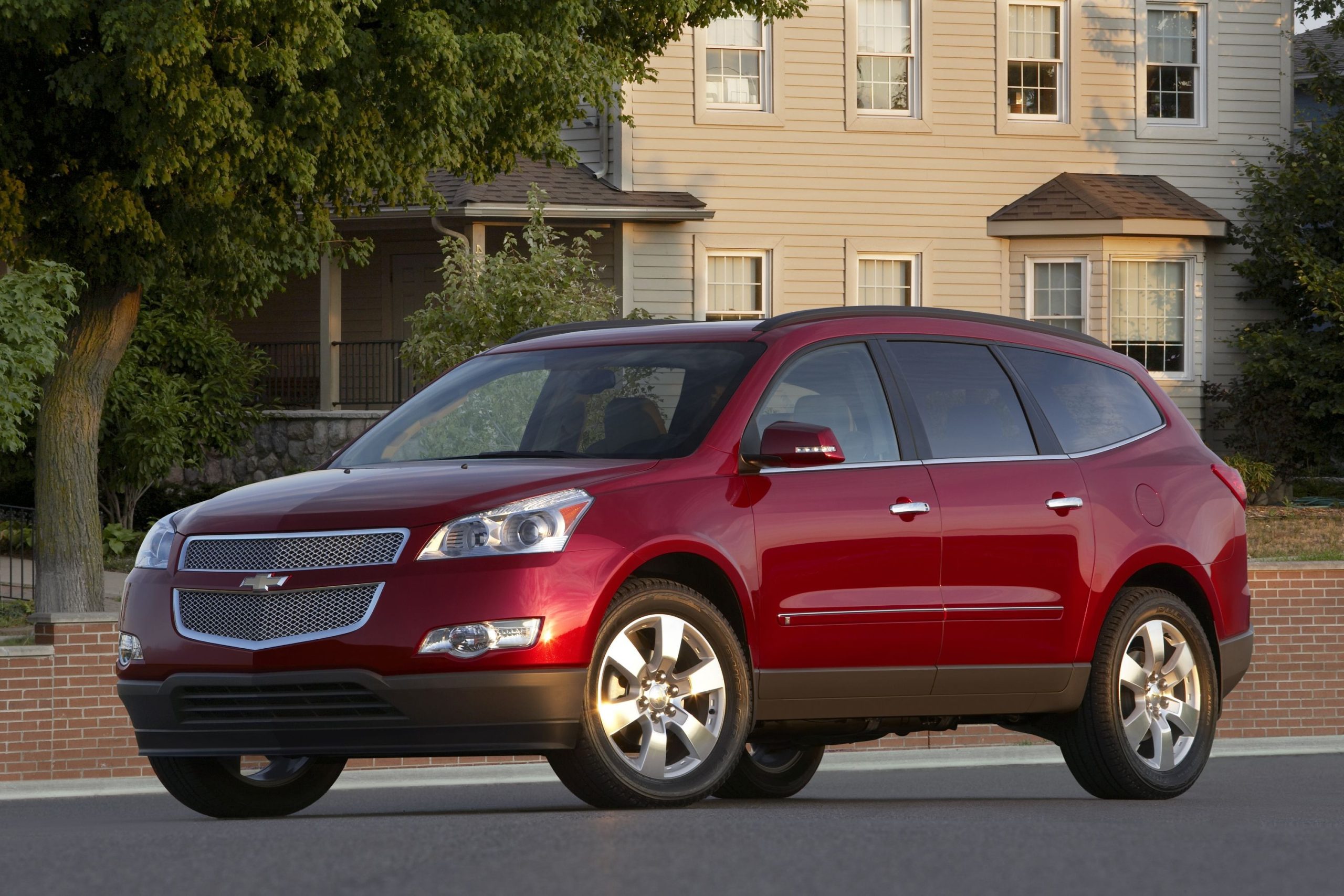
The Chevrolet Traverse is another SUV that excels at providing a smooth ride under load, thanks to its well-designed suspension and chassis.
The Traverse uses a MacPherson strut front suspension paired with a five-link independent rear suspension. This combination allows each wheel to move independently, which helps in absorbing road shocks and maintaining contact with the pavement even when carrying a full load of passengers and cargo.
Chevrolet engineers paid careful attention to the Traverse’s suspension tuning to balance comfort and control. The spring rates and shock absorbers are calibrated to handle heavy loads without excessive sagging or bouncing.
The Traverse’s suspension system effectively isolates passengers from rough road surfaces, which improves comfort during long drives or trips over uneven terrain. Its well-tuned damping helps reduce body motion and pitching that can make driving uncomfortable when the vehicle is fully loaded.
Weight distribution is another important factor in the Traverse’s ride quality. The vehicle’s chassis design ensures that weight is spread evenly across the front and rear axles, which prevents the nose or tail from dropping excessively under load.
This balance improves handling and stability, making the vehicle feel more planted and secure on the road. The Traverse’s suspension works in harmony with its strong frame and well-engineered structure to keep the ride smooth and comfortable.
Many families appreciate the Traverse for its spacious interior and its ability to maintain comfort regardless of load.
Whether it’s a daily commute, a weekend getaway, or a road trip with a full cabin and luggage, the Traverse’s suspension keeps things composed. This reliability and ride quality are among the key reasons it remains a competitive choice in the midsize SUV segment.
Also Read: 5 Cars With Sun Visors That Stay Tight VS 5 That Sag
5 SUVs That Sag and Bounce When Loaded
1. Jeep Grand Cherokee (Older Models)
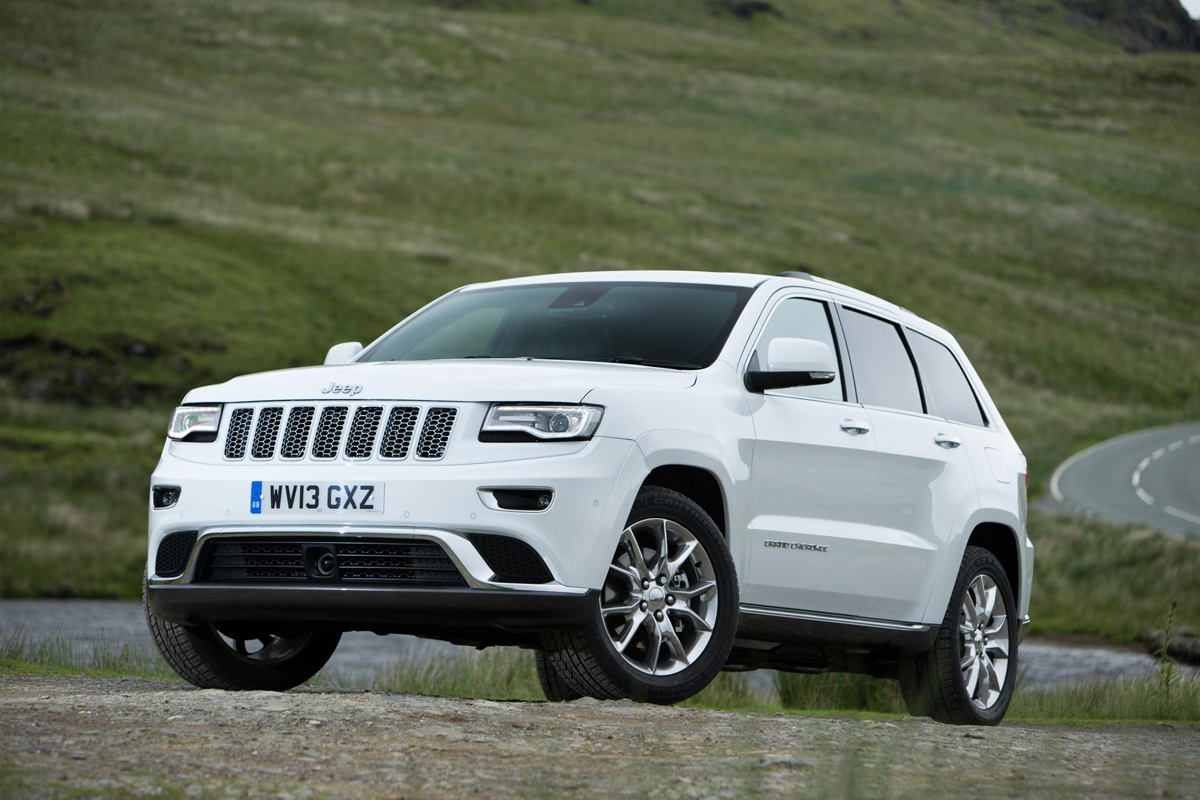
The Jeep Grand Cherokee, especially in its older iterations, has earned a reputation for not managing heavy loads as gracefully as some competitors.
While it’s widely admired for its rugged off-road capability and powerful engine options, the suspension setup on many older models often struggles when the vehicle is fully loaded.
These models typically utilize coil springs paired with either solid rear axles or less sophisticated independent setups that do not adapt well to extra weight.
When carrying a full complement of passengers and cargo, the suspension can compress excessively, resulting in a noticeable sag at either the front or rear end. This sagging alters the vehicle’s original ride height and suspension geometry, which leads to degraded handling and a less comfortable experience inside the cabin.
The tuning of the suspension on older Grand Cherokees reflects a compromise that favors off-road articulation and durability over smooth on-road comfort under load.
The springs in these models are often relatively soft, intended to allow maximum wheel travel off-road, but this softness becomes a liability when the vehicle is packed with heavy loads on pavement.
The shock absorbers, which control the rebound and compression of the springs, frequently lack sufficient damping force to prevent the vehicle from bouncing excessively. This bounce, combined with the sag, can make the ride feel unstable and unpredictable, especially over uneven surfaces or potholes.
Owners of older Grand Cherokees often describe a sensation of the vehicle feeling “floaty” or unstable when fully loaded, especially during cornering or quick maneuvers. The increased body roll caused by the sagging suspension reduces driver confidence and makes the vehicle less composed on highways or winding roads.
This instability can also affect braking performance and increase stopping distances, creating potential safety concerns. Inside, passengers may feel more jolts and vibrations transmitted through the chassis, leading to a tiring and uncomfortable ride during longer journeys.
Despite these drawbacks, it’s worth noting that Jeep has made significant improvements in suspension technology in more recent Grand Cherokee models, incorporating adaptive air suspension and improved damping systems that better manage weight and ride quality.
However, the older versions clearly illustrate the challenges of balancing rugged off-road capability with on-road comfort when carrying heavy loads. Buyers who frequently transport a lot of cargo or multiple passengers may find that these older Grand Cherokees do not offer the best ride comfort or stability when fully loaded.
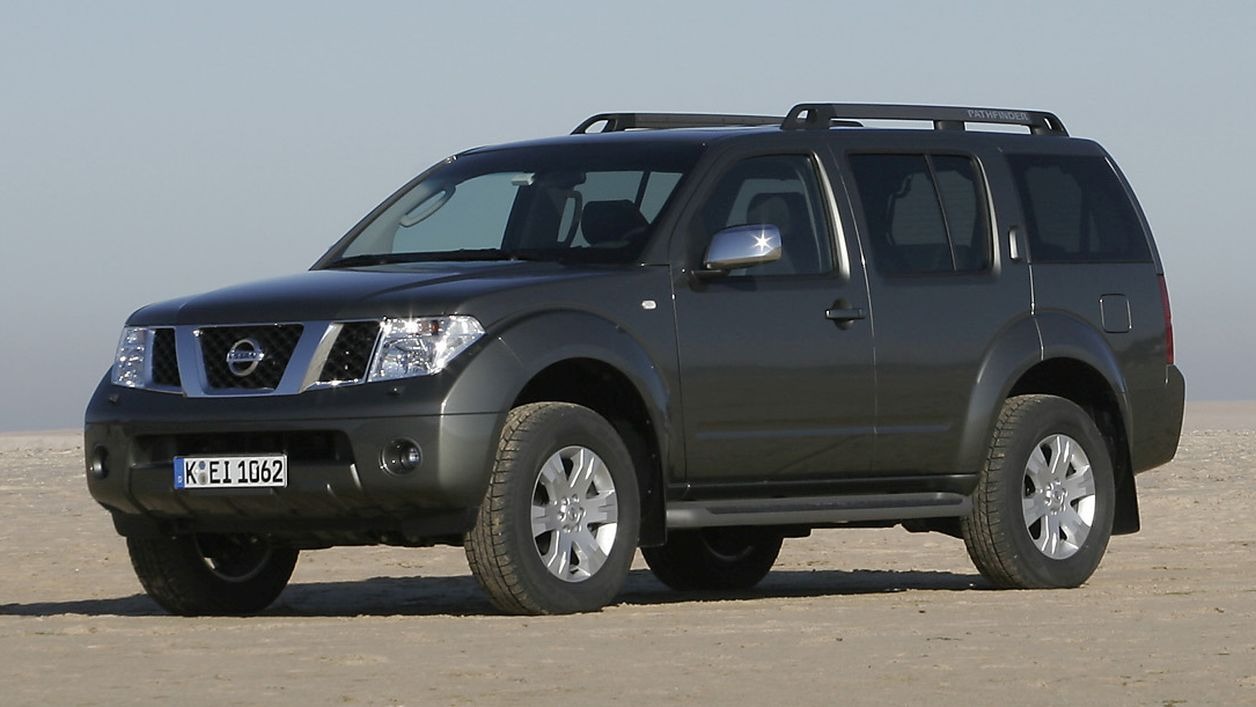
2. Nissan Pathfinder (Older Generations)
Older generations of the Nissan Pathfinder, particularly those built before the mid-2010s, have a mixed reputation when it comes to ride quality under load.
These models often rely on a rear live axle combined with coil springs, a suspension configuration known for its toughness but less refined in terms of absorbing bumps and providing a smooth ride on paved roads.
The solid rear axle means both rear wheels are linked rigidly, which can cause more vibration and harshness to be transmitted through the chassis, especially when the vehicle is carrying a heavy load. This setup tends to sag under weight because the axle and springs cannot distribute the load as evenly as an independent suspension system would.
When the Pathfinder is fully loaded, the rear end can visibly droop, lowering the vehicle’s stance and affecting suspension geometry. This sagging causes not only a decrease in ground clearance but also negatively impacts the vehicle’s handling dynamics.
On bumpy or uneven roads, the solid axle setup allows more bouncing and pitching, which leads to a rougher, less controlled ride. The shock absorbers on these older models often are not tuned aggressively enough to compensate for this, allowing the vehicle to continue oscillating after hitting a bump rather than quickly stabilizing.
Many drivers and passengers report feeling more of the road’s imperfections in these older Pathfinders, particularly when fully loaded with passengers and gear. The ride becomes choppier and less predictable, which can lead to fatigue and discomfort over longer trips.
The increased body roll due to sagging suspension makes cornering less stable and the vehicle less responsive to steering inputs. This is especially noticeable during emergency maneuvers, where a firm and stable suspension is crucial for maintaining control.
Although Nissan switched to a fully independent rear suspension in later Pathfinder models to address these issues, the older Pathfinders exemplify the trade-offs that can occur when durability and load capacity are prioritized over ride refinement.
For owners who frequently carry heavy loads or passengers, these earlier models may not deliver the level of comfort and control needed for a smooth, safe driving experience.
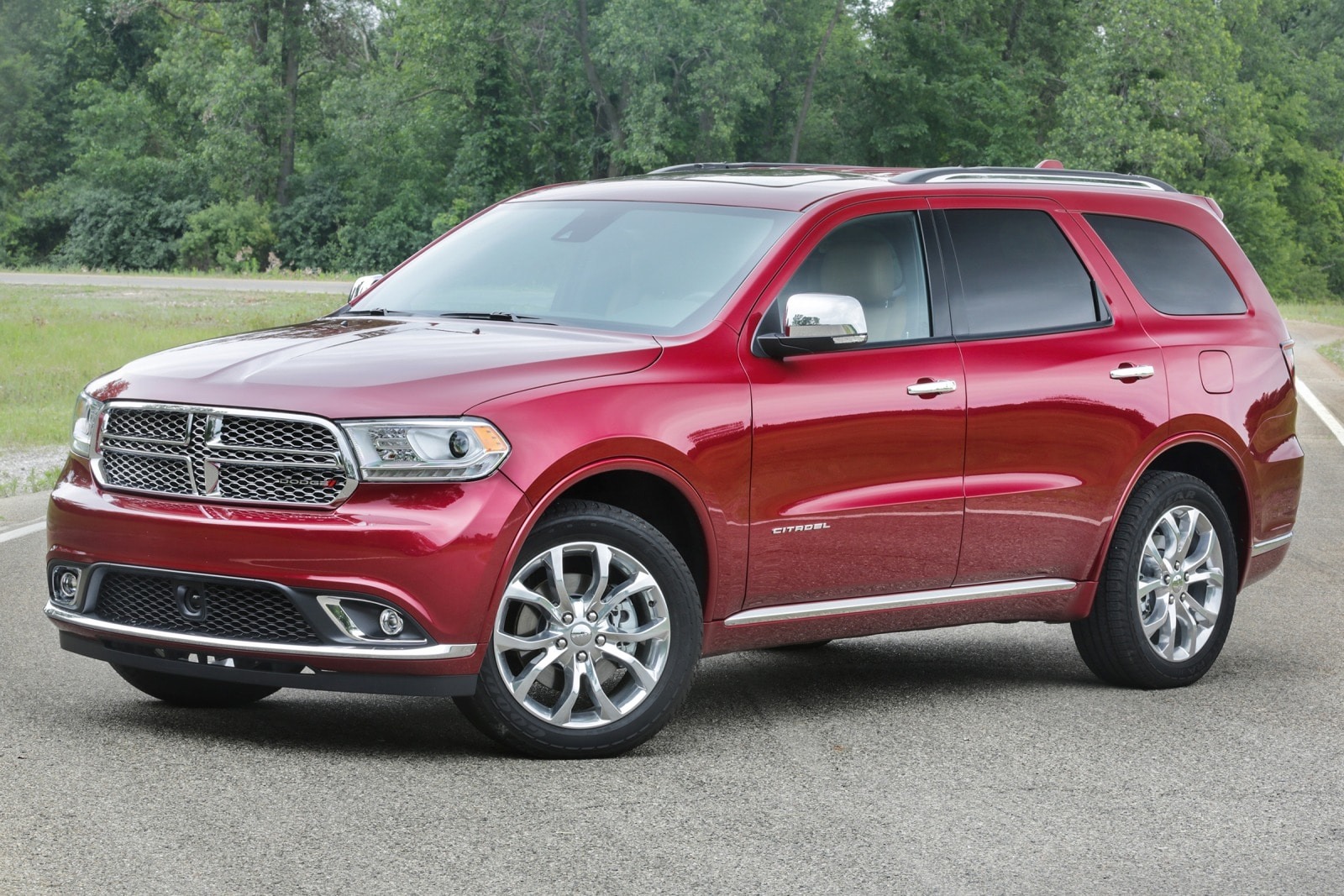
3. Dodge Durango (Earlier Models)
The earlier Dodge Durango models, particularly those from the late 1990s through the early 2010s, often display significant sagging and bouncing issues when carrying heavy loads.
These vehicles sometimes use a rear suspension that combines coil springs with leaf springs or more traditional setups that, while strong and capable of handling large payloads, are less effective at maintaining ride comfort.
Leaf springs, although known for their durability and ability to support weight, tend to deliver a harsher ride than modern independent suspensions. They also do not absorb impacts as efficiently, which can lead to more bouncing and jolting felt by passengers.
When loaded with multiple passengers and cargo, the rear suspension compresses, causing the vehicle’s rear end to sit lower than intended. This sagging changes the SUV’s handling characteristics, creating a nose-up or tail-down stance that compromises balance and vehicle dynamics.
The shocks on these older Durangos often struggle to manage the increased suspension movement, leading to excessive rebound and bounce after driving over rough terrain or potholes. This bouncing not only detracts from passenger comfort but also reduces tire contact with the road, which can affect traction and braking performance.
Additionally, the combination of sagging and bouncing creates more body roll when cornering, making the vehicle feel less stable and less predictable during maneuvers.
This reduces driver confidence, particularly in adverse weather or emergencies where control is paramount. Inside, passengers feel more harshness and jarring impacts, which can be tiring over long distances or on rough roads.
While more recent Dodge Durango models have incorporated improved independent suspension systems and better tuning to address these issues, the earlier versions illustrate how suspension design choices can affect ride quality when loaded.
Buyers needing an SUV that remains comfortable and composed under heavy loads may find the older Durangos less suited to their needs due to these ride characteristics.
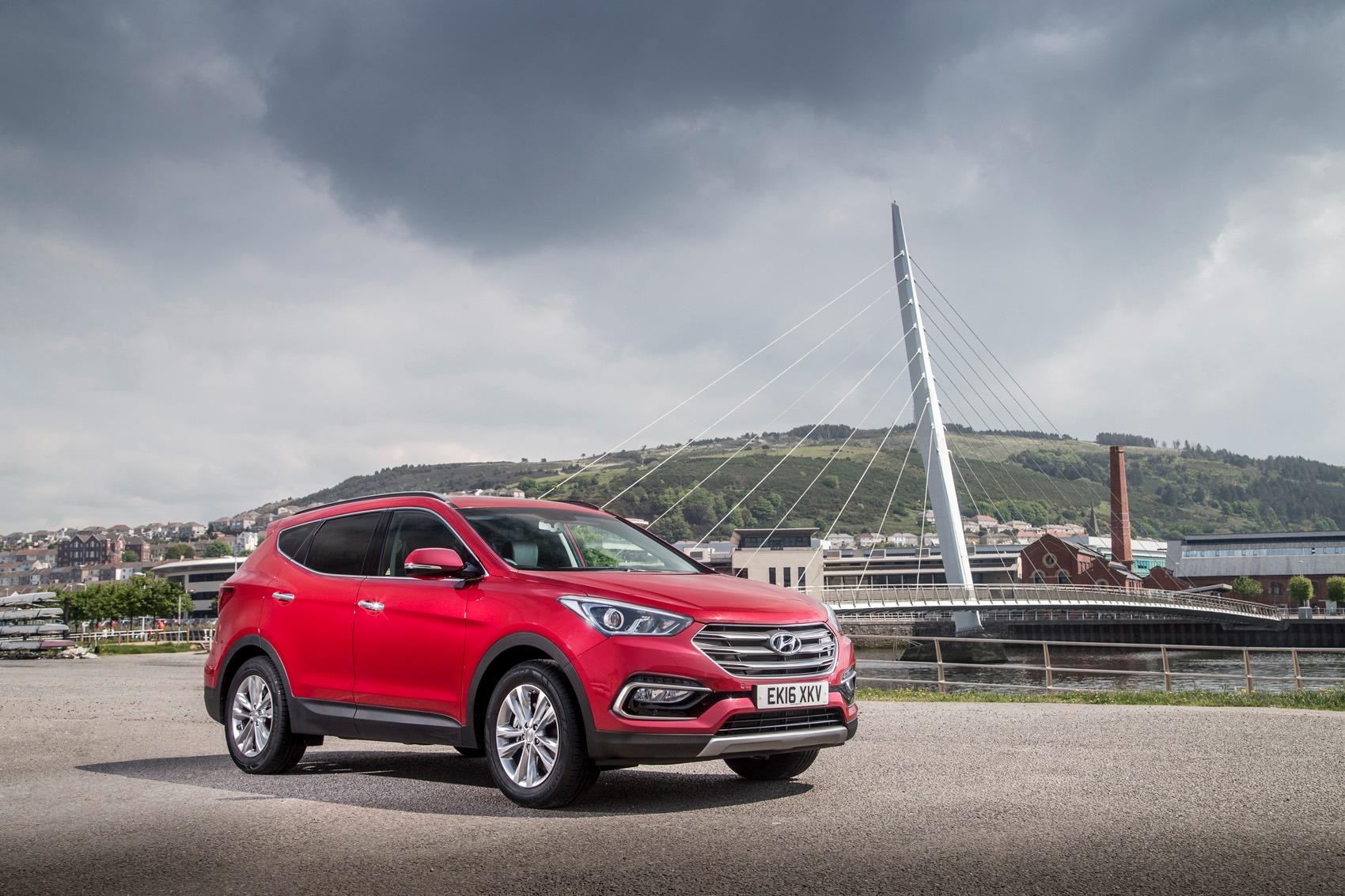
4. Hyundai Santa Fe (Older Models)
The older Hyundai Santa Fe models, particularly those from the early to mid-2000s, sometimes experience noticeable sagging and bouncing under load, which can detract from ride comfort and vehicle stability.
These early generations typically employ a traditional coil spring suspension that is not always optimally tuned to manage heavy passenger or cargo weight. As a result, when the vehicle is fully loaded, the springs compress more than desired, causing the SUV to sag and lose its intended ride height.
The suspension shocks on these models are often not sufficiently firm to control the increased suspension movement under load, which leads to excessive bouncing.
This lack of damping causes the vehicle to continue rocking or oscillating after hitting bumps or rough patches in the road. Passengers often feel more vibrations and jolts as a result, reducing comfort, particularly during longer trips or over rough pavement.
Another challenge with these older Santa Fe models is that the chassis and suspension geometry were designed with average load conditions in mind. When the vehicle is pushed beyond these typical parameters by carrying a full load of passengers and gear, the SUV exhibits more pronounced body roll and less precise handling.
This can make the vehicle feel less stable, especially during cornering or sudden directional changes. Drivers may notice increased pitch and dive during acceleration and braking, which can reduce driving confidence and perceived safety.
While Hyundai has significantly improved the Santa Fe in newer generations with better suspension designs, adaptive damping options, and refined tuning, the earlier models highlight the limitations of basic suspension setups when faced with heavier loads. For buyers who often haul full cabins or cargo, these older Santa Fes may offer less comfort and stability compared to more modern competitors.

5. Volkswagen Tiguan (First Generation)
The first-generation Volkswagen Tiguan, which was introduced in the late 2000s and continued into the early 2010s, is often praised for its nimble handling and European styling, but it has some limitations when carrying a full load.
Many trims of this Tiguan feature a front MacPherson strut suspension combined with a torsion beam rear axle, a simpler and less expensive suspension setup compared to fully independent rear suspensions.
While torsion beam setups can be durable and space-efficient, they are less capable of adapting to heavy loads and uneven terrain, which affects ride comfort.
Under full load, the torsion beam rear suspension tends to sag significantly because it cannot adjust its geometry or ride height dynamically. This sagging causes the rear of the vehicle to sit lower than intended, negatively impacting ride height and balance.
Because the rear axle is solid and does not allow for independent wheel movement, passengers feel more of the road’s irregularities, and the vehicle bounces more noticeably after hitting bumps or potholes. This increases discomfort and can lead to a less composed driving experience.
Drivers and passengers often report that the Tiguan’s ride quality deteriorates noticeably with a full cabin and cargo load. The increased pitching and bouncing diminish the sense of stability, especially during quick direction changes, hard braking, or cornering.
This can make the vehicle feel less planted and secure, reducing driver confidence and comfort. In addition, the suspension design limits the vehicle’s ability to maintain tire contact with the road during aggressive maneuvers or on rough surfaces, which may impact safety.
Although later generations of the Tiguan moved to fully independent rear suspensions to address these issues, the first generation clearly illustrates the trade-offs between cost-effective suspension design and the ability to provide a smooth, stable ride under heavier loads.
For buyers who require an SUV that can comfortably and safely carry multiple passengers and cargo, the earlier Tiguan may not be the best choice.
