
When it comes to SUVs, having a reliable spare tire can make a huge difference in the event of a flat tire or roadside emergency. Yet, many modern vehicles, including SUVs, are increasingly being sold without a traditional spare tire. Instead, automakers often equip these vehicles with inflator kits, small, lightweight containers with sealant and an air compressor meant to temporarily fix minor tire punctures.
While these kits can be handy in certain situations, they are far from a full replacement for a real spare tire. This article takes a detailed look at five popular SUVs that come with full-size or at least functional spare tires and contrasts them with five SUVs that rely mainly on inflator kits, which often leave drivers stranded or force expensive towing.
Having a spare tire isn’t just about convenience. It’s about safety and peace of mind. Real spare tires provide a straightforward solution when a tire goes flat: remove the damaged tire, replace it with the spare, and drive to a repair shop or home. Inflator kits, however, work only in limited scenarios.
They may seal small punctures but fail with large holes, sidewall damage, or blowouts. Furthermore, inflator kits typically add weight savings and allow manufacturers to design smaller cargo areas or improve fuel economy, but these benefits often come at the cost of practical usability.
Choosing an SUV with a real spare tire can be a significant advantage for drivers who travel long distances, off-road, or in areas where roadside assistance might be delayed. On the other hand, many newer SUVs focus on sleek design and marginally better mileage, opting for inflator kits as a compromise.
This choice reflects a broader trend in the auto industry, balancing cost, weight, and consumer convenience against real-world utility. This article aims to clarify which SUVs still respect the traditional spare tire setup and which rely heavily on inflator kits, helping potential buyers make informed decisions based on their needs.
In the following sections, we will first list five SUVs known for including real, usable spare tires, then cover five popular SUVs that come only with inflator kits or similar temporary solutions. Each group will be discussed with key details, highlighting the pros and cons of their approaches to emergency tire repairs.
Also Read: 5 EVs That Last for Decades and 5 That Don’t See Year Five
5 SUVs with Real Spare Tires
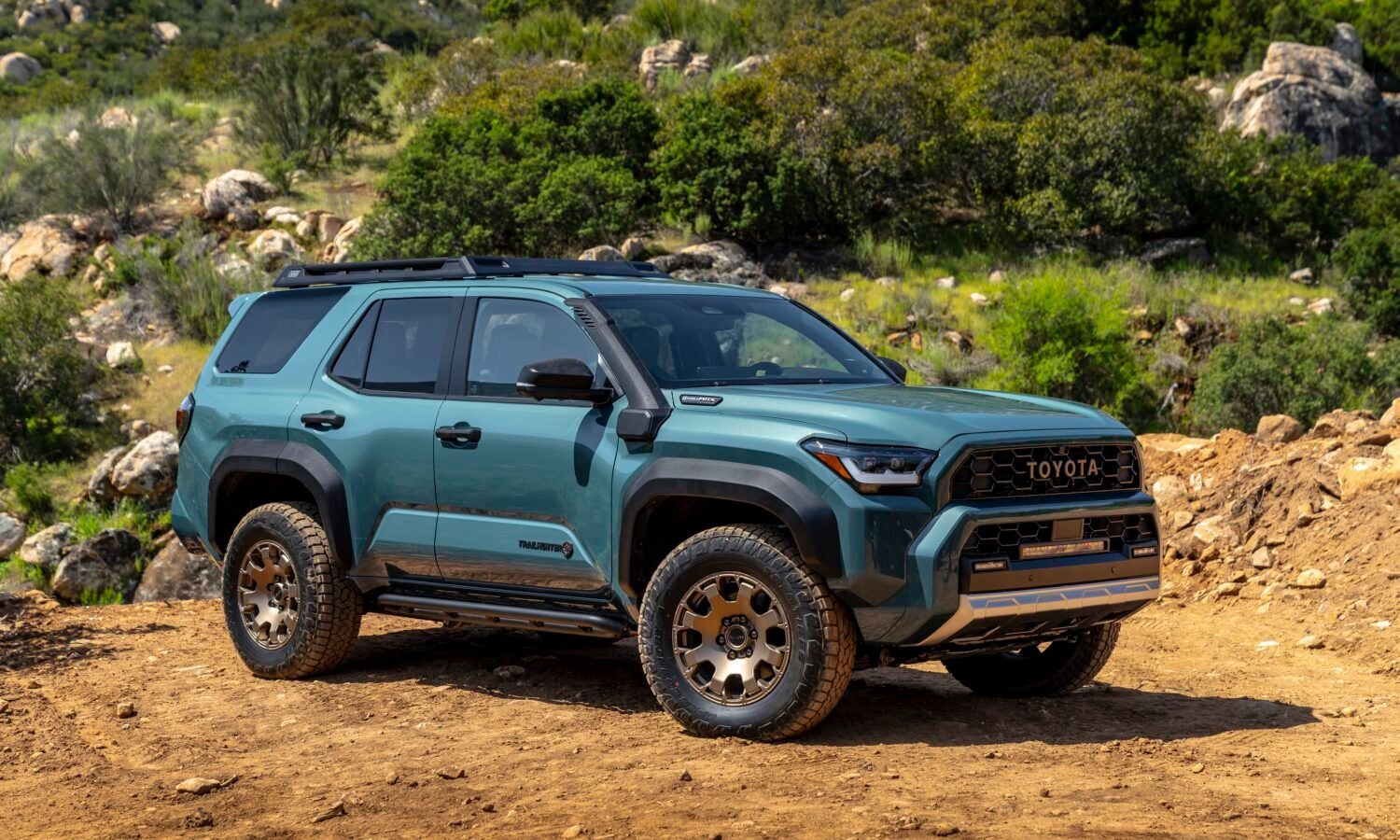
Toyota 4Runner
The Toyota 4Runner is one of the few modern SUVs that steadfastly maintains a traditional full-size spare tire mounted on the rear door. This design choice reflects the 4Runner’s rugged, off-road-oriented identity.
Unlike many competitors, the 4Runner does not rely on a slim, space-saving spare or an inflator kit but offers a genuine, road-ready tire that matches the other four on the vehicle. This feature alone makes the 4Runner a favorite among off-road enthusiasts and adventure seekers who venture far from paved roads.
The spare tire on the 4Runner is easily accessible, mounted externally on the tailgate, which allows for quick removal in emergencies. This external mounting also means the interior cargo space is not compromised by the storage of a bulky spare tire.
Toyota’s decision to equip the 4Runner with a full-size spare speaks volumes about the vehicle’s intended use, durability, reliability, and readiness for unpredictable terrain or long-distance travel in remote areas.
From a practical standpoint, having a real spare tire on the 4Runner can save time and stress during a roadside flat tire situation. It eliminates the limitations of an inflator kit, which often only works on minor punctures and cannot handle serious tire damage. For buyers who prioritize preparedness and true off-road capability, the 4Runner’s spare tire setup is a significant selling point.
While the 4Runner’s fuel economy may be slightly less than more modern crossovers, the trade-off is acceptable for those who need a vehicle built with reliability and practical emergency features in mind. In situations where towing or repair shops might not be readily available, the 4Runner’s full spare tire is a clear advantage.
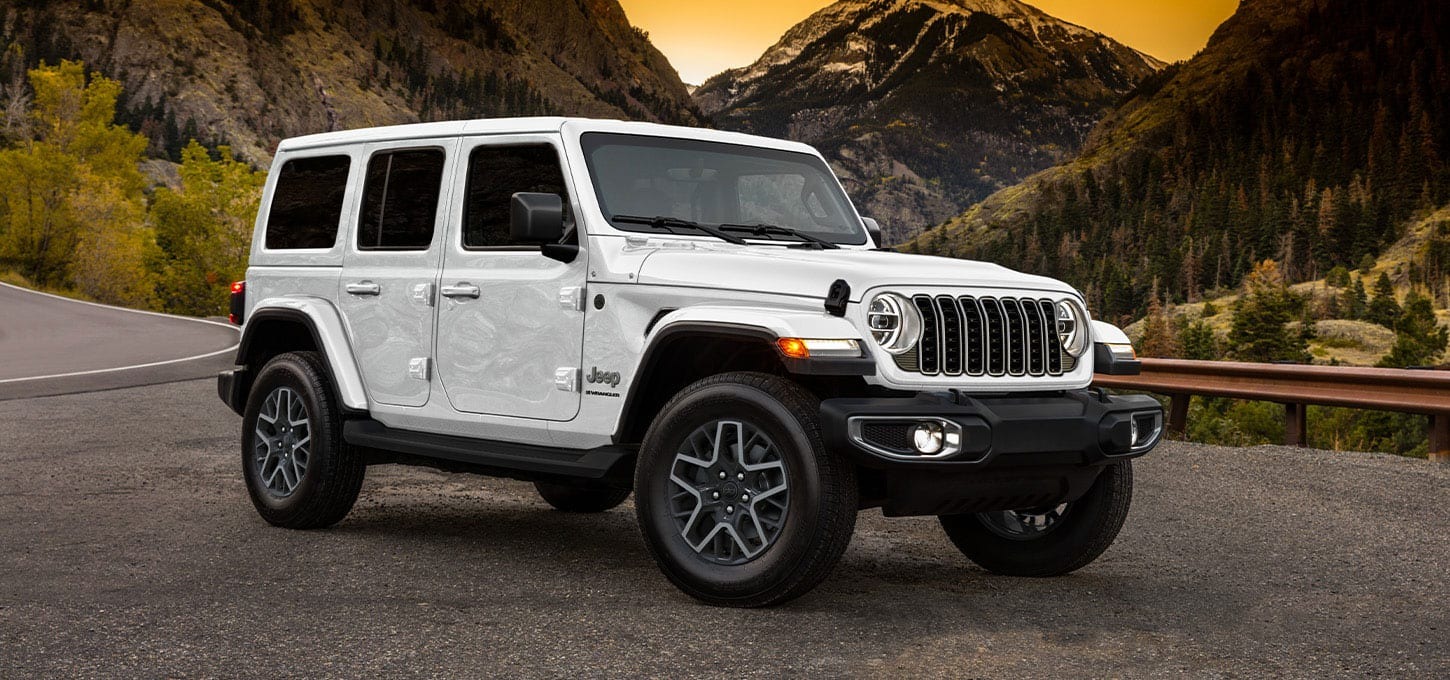
Jeep Wrangler
The Jeep Wrangler is almost synonymous with off-road adventure, and, true to form, it comes standard with a full-size spare tire. This spare is usually mounted on the rear tailgate, similar to the 4Runner, ensuring it is both accessible and does not reduce cargo space inside.
Given the Wrangler’s purpose-built nature for rugged terrain, a spare tire is essential for drivers who frequently take their vehicles into challenging environments where tire damage is a genuine risk.
Jeep has resisted the trend of inflator kits for its Wrangler models, recognizing that an emergency tire repair kit simply isn’t enough for serious off-roading. The spare tire is sized to match the tires fitted on the vehicle, which means that drivers can immediately replace a damaged tire without concern about compatibility or reduced performance. This helps maintain vehicle stability and handling until a permanent repair can be made.
In addition to being a functional spare, the Wrangler’s spare tire is often an aesthetic feature. It signals the vehicle’s ruggedness and off-road readiness. Jeep enthusiasts often customize or upgrade their spare tires along with their main set, emphasizing the importance of the spare in the vehicle setup.
For drivers who use their SUVs primarily on highways or city streets, a full-size spare might seem excessive, but for those who venture off the beaten path, the Wrangler’s spare tire setup is an indispensable safety net. It underscores Jeep’s commitment to making a vehicle that can handle tough conditions without relying on temporary fixes.

Ford Bronco
The Ford Bronco, a modern revival of a classic SUV, comes with a real spare tire as standard equipment on most trims. Ford equips the Bronco with a spare tire that matches the main tires in size and tread, reflecting the vehicle’s focus on off-road capability and durability.
Like the 4Runner and Wrangler, the Bronco’s spare tire is mounted on the rear door, maintaining easy access and preserving cargo space inside the vehicle.
Ford’s choice to include a full-size spare tire on the Bronco contrasts sharply with many of its competitors that rely on inflator kits or space-saver spares. This approach aligns with the Bronco’s branding as a tough, go-anywhere SUV. For buyers who expect to travel off-road or in remote areas, having a real spare tire reduces the risk of being stranded due to tire damage.
The Bronco’s spare tire also supports the vehicle’s load-bearing and towing capacities by ensuring that in the event of a flat, the driver can quickly restore the vehicle to full functionality without sacrificing safety or performance. This is particularly valuable for those who use their Bronco for outdoor activities, including camping, hunting, or overlanding.
While inflator kits might seem convenient or modern, the Bronco’s spare tire reflects a more practical mindset, one that values preparedness and the ability to handle real-world emergencies without relying on temporary patches. This makes the Bronco a strong contender in the SUV market for those who want a dependable backup plan for tire failures.
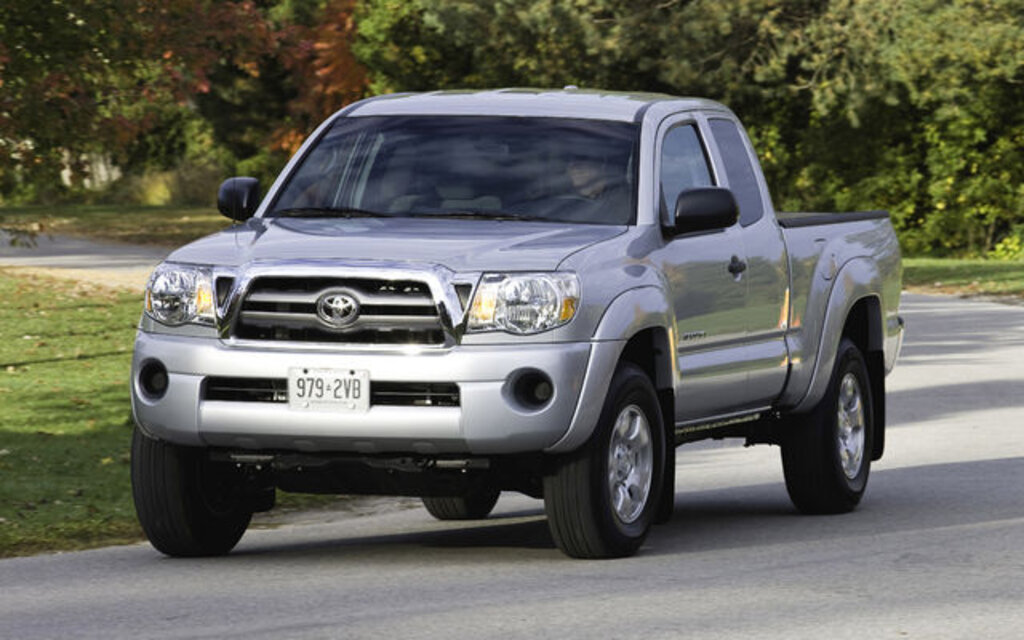
Toyota Tacoma
Though technically a midsize pickup rather than an SUV, the Toyota Tacoma often fits into the same lifestyle category and is worth mentioning due to its robust spare tire setup. Toyota equips the Tacoma with a full-size spare tire stored under the rear bed. This spare is fully functional and can replace a damaged tire without issue, which is critical for off-roaders and work truck users alike.
The under-bed mounting system on the Tacoma keeps the spare tire out of the way but easily accessible with a simple crank mechanism. This approach protects the tire from environmental damage while also preserving the vehicle’s cargo bed and passenger space. For those who frequently carry tools, equipment, or recreational gear, this design balances utility and practicality.
The Tacoma’s reputation for reliability and toughness is supported by its spare tire setup, which avoids the pitfalls of inflator kits that often fail in more serious tire damage cases. Drivers can confidently take the Tacoma on long road trips or off-road adventures knowing they have a dependable backup ready.
The full-size spare also helps maintain the Tacoma’s resale value and appeal among buyers who prioritize practicality and readiness over cutting-edge technology or weight savings. The decision to stick with a real spare tire reflects Toyota’s commitment to producing durable, capable vehicles that meet the needs of hardworking drivers.
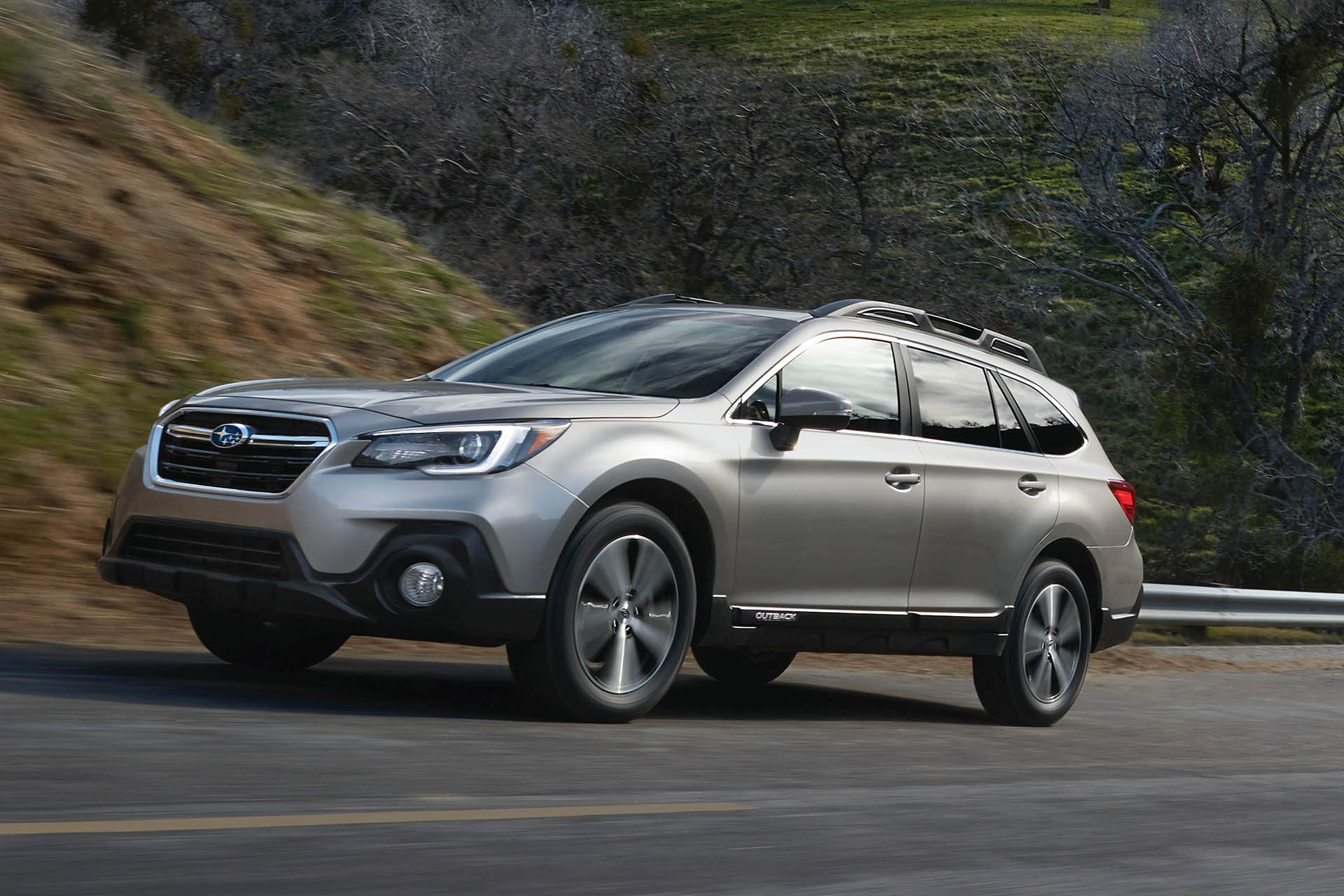
Subaru Outback
While the Subaru Outback is technically a crossover, it straddles the SUV segment with its raised ride height and rugged capabilities. Unlike many crossovers that have done away with spare tires, Subaru equips many Outback models with a real, albeit compact, spare tire. This spare tire is stored in the trunk beneath the cargo floor and is designed to be a full replacement rather than a temporary patch.
The Outback’s spare tire is smaller than a full-size tire but larger and more reliable than a typical inflator kit or space-saver spare. This makes it more usable in a variety of emergency scenarios. The compact spare does take up some cargo space, but Subaru balances this with the Outback’s otherwise generous storage capacity.
For drivers who appreciate the Outback’s combination of on-road comfort and light off-road capability, having a real spare tire means they are less likely to be stranded due to a flat tire. The spare is a compromise between saving weight and space and maintaining real-world usability, reflecting Subaru’s practical approach.
In addition, Subaru’s all-wheel-drive system is sensitive to tire size and tread differences, so having a spare that closely matches the other tires helps maintain traction and drivability until a proper tire replacement is possible. The Outback’s spare tire enhances safety and reliability for everyday drivers and occasional adventurers alike.
5 SUVs with Useless Inflator Kits
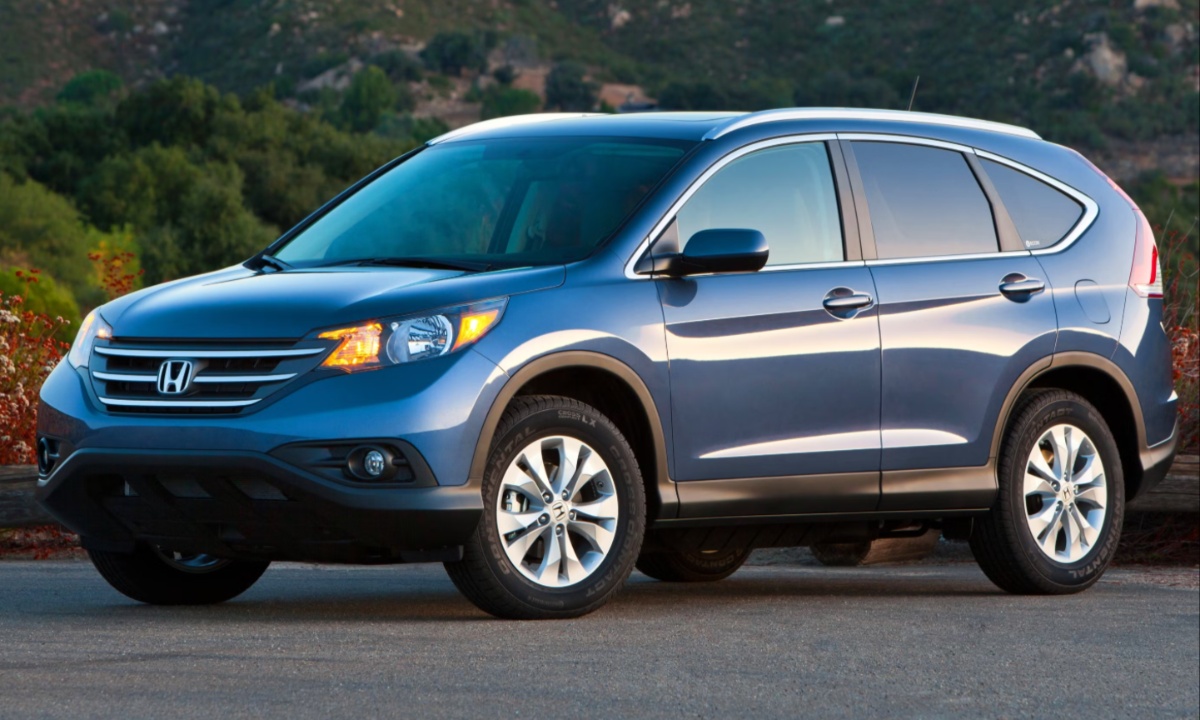
Honda CR-V
The Honda CR-V is widely regarded as one of the most reliable and practical compact SUVs available, often praised for its comfort, fuel efficiency, and user-friendly features. However, when it comes to emergency tire situations, the CR-V’s lack of a traditional spare tire can be a major inconvenience.
Most CR-V models come equipped only with a tire inflator kit, which consists of a canister of sealant and a small air compressor. This kit is intended to provide a temporary fix for minor punctures in the tire tread area but offers no help for more severe damage like sidewall cuts or blowouts. For many drivers, this limitation can be frustrating and even dangerous if a serious flat tire occurs far from help.
The inflator kit’s effectiveness is also impacted by the type of puncture and the tire’s location. For example, if the tire suffers damage in an area where the sealant cannot reach or adhere properly, the kit will fail. In colder climates or during winter months, the sealant may thicken or freeze, rendering the kit useless.
Additionally, the air compressor included with the kit typically plugs into the vehicle’s 12-volt outlet, but if the battery is weak or dead, the compressor cannot function, leaving the driver stranded. These factors make the inflator kit an unreliable backup compared to a real spare tire.
Honda’s decision to exclude a full-size spare in the CR-V likely stems from a desire to save weight and maximize cargo space. The inflator kit takes up far less room in the trunk area and contributes to a slight improvement in fuel economy.
While these benefits might seem attractive to everyday drivers focused on city commuting or short trips, the reality is that many drivers find the inflator kit a poor substitute when faced with a real roadside emergency. Roadside assistance may be required, and towing bills can add up quickly, especially in remote or rural areas.
For buyers considering a CR-V, it’s important to understand this trade-off and plan accordingly. Those who often travel long distances, off paved roads, or in locations without easy access to tire repair facilities might want to reconsider or look for aftermarket spare tire solutions. Despite the CR-V’s many strengths, the absence of a true spare tire represents a significant gap in emergency preparedness.
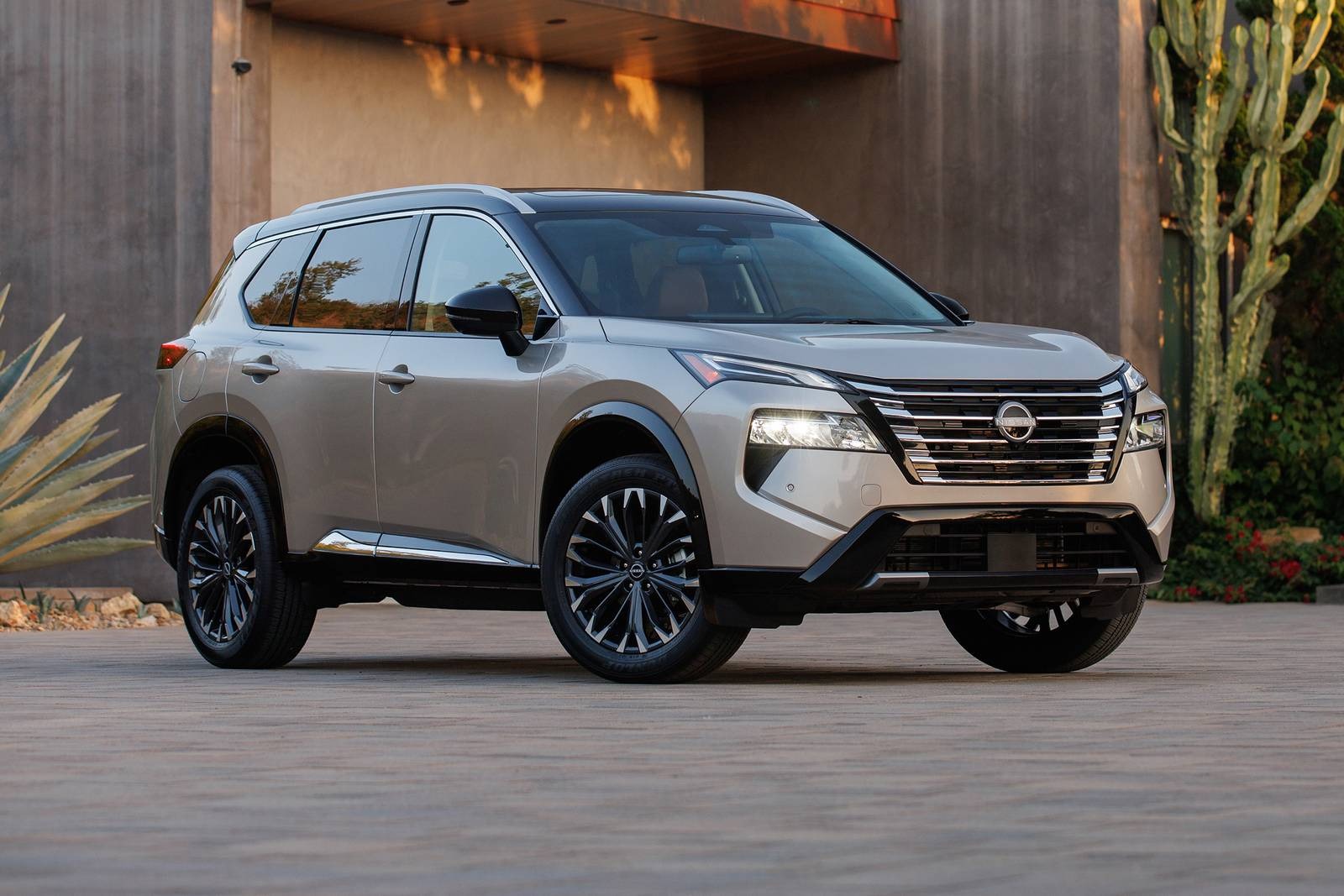
Nissan Rogue
The Nissan Rogue, another best-selling compact SUV, follows a similar trend by including only a tire inflator kit instead of a spare tire on most of its trim levels. Nissan’s approach focuses heavily on delivering an efficient, lightweight vehicle with ample interior space and modern styling, which partly explains the choice to eliminate the bulky spare tire.
While this aligns with consumer preferences for roomier cabins and better fuel economy, the practical consequences can be severe for drivers who experience a flat tire away from urban centers.
The tire inflator kit provided with the Rogue includes a can of sealant and a small compressor designed to reinflate a tire with a minor puncture. However, the effectiveness of this kit is limited. It cannot repair large holes, punctures in the tire sidewall, or damage caused by running on a flat tire.
Many drivers have reported situations where the inflator kit was completely ineffective, forcing them to wait for roadside assistance or arrange costly towing. Moreover, the sealant can sometimes damage the tire sensors or make professional repairs more difficult, adding to expenses.
Nissan’s choice to equip the Rogue with only an inflator kit also reflects a broader industry trend driven by regulations targeting vehicle weight and emissions. Reducing weight even by a few pounds can contribute to meeting fuel efficiency targets and lowering carbon footprints.
However, these gains come at the cost of real-world usability. Many drivers prefer peace of mind from having a ready-to-use spare tire that can quickly get them back on the road, especially in adverse conditions or remote locations.
For those considering the Nissan Rogue, it’s crucial to weigh the benefits of additional cargo space and slightly improved mileage against the risk of being stranded in a flat tire emergency. If convenience and space are priorities, the inflator kit might be acceptable. But for anyone who places a premium on reliability and safety, the absence of a full spare tire could be a dealbreaker.

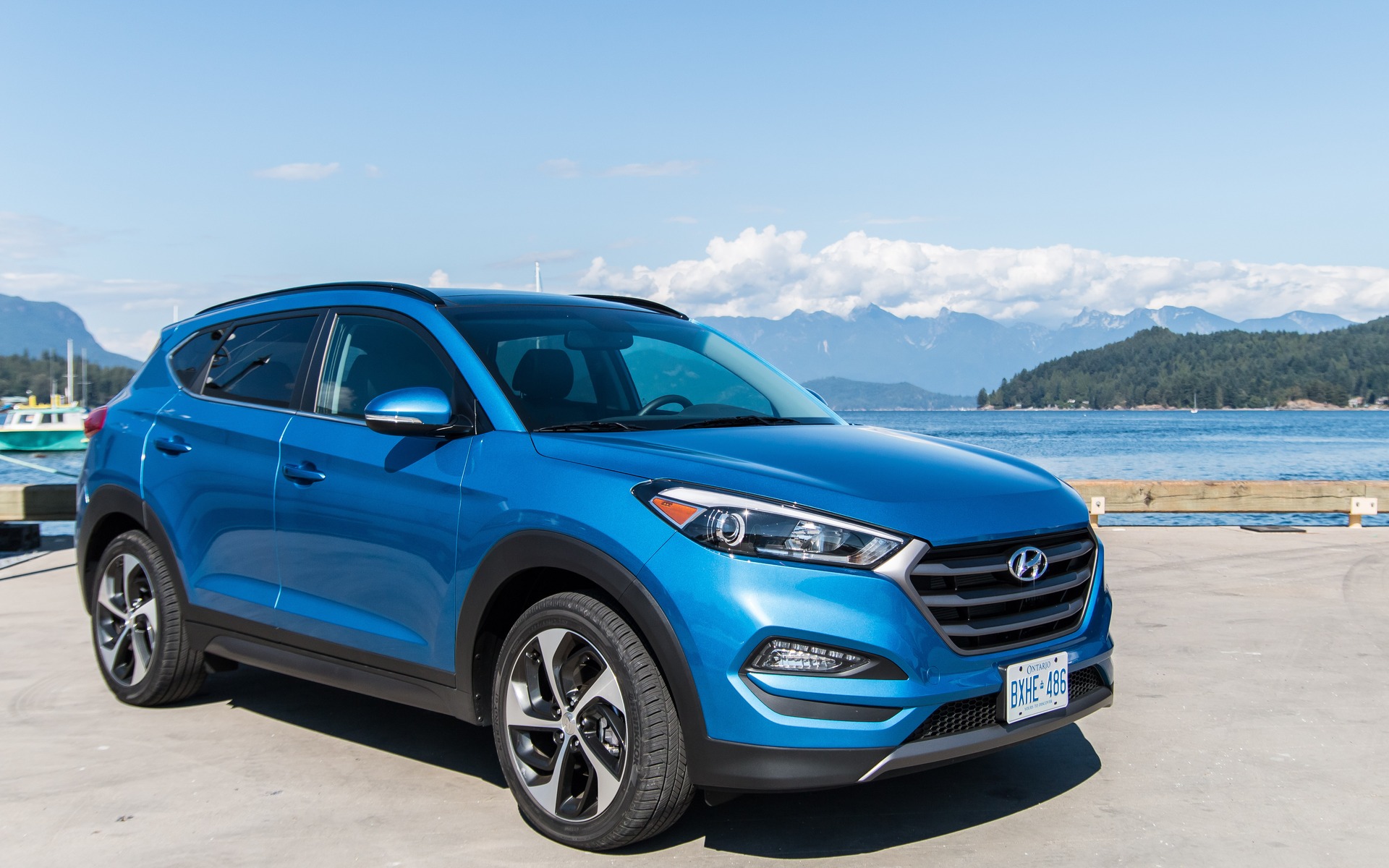
Hyundai Tucson
The Hyundai Tucson, known for its blend of style, technology, and value, typically comes equipped with only an inflator kit rather than a spare tire on most trims. Hyundai’s design choices reflect a desire to maximize cabin space and reduce vehicle weight, contributing to a more fuel-efficient and modern SUV. However, this choice also means that drivers are often left with only a temporary patch when a tire fails, which may be insufficient in many real-world scenarios.
The inflator kit provided in the Tucson consists of a sealant and air compressor intended to address small punctures in the tread area. Unfortunately, it is not designed to handle larger tire damage or punctures in the tire sidewall.
Drivers who have used the inflator kit frequently find that it either does not work as expected or provides only a very temporary fix, requiring professional repair or tire replacement soon after. Additionally, the sealant can be messy and may complicate repairs, sometimes forcing replacement of the entire tire rather than a simple patch.
One issue with relying solely on inflator kits is the psychological stress and inconvenience caused when a flat tire occurs far from help. Many drivers report feeling anxious or helpless, knowing that the inflator kit might not solve the problem and that roadside assistance might take hours to arrive. This is especially problematic in bad weather or unsafe areas, where waiting on the side of the road can be dangerous.
Hyundai’s decision to omit a spare tire in favor of an inflator kit is part of a growing industry trend to reduce weight and maximize interior volume. While this strategy can make the vehicle more competitive in terms of price and fuel economy, it shifts the burden of tire emergency preparedness onto the driver. For those who often travel long distances, off-road, or in rural locations, Tucson’s inflator kit may prove more of a liability than a convenience.

Volkswagen Tiguan
The Volkswagen Tiguan, a compact SUV popular for its European styling and refined driving dynamics, often comes without a full-size spare tire, instead providing only a tire repair kit or inflator system.
Volkswagen’s approach aligns with many European manufacturers that prioritize reducing vehicle weight and improving fuel economy over carrying a traditional spare tire. While this may be appealing from a design and efficiency standpoint, the practical implications can be frustrating or even dangerous for drivers dealing with tire emergencies.
The inflator kit that comes with the Tiguan is designed to seal minor punctures and reinflate tires quickly enough to reach a repair facility. However, like other similar kits, it is limited to patching holes in the tread and cannot fix sidewall damage or large punctures.
Many drivers report that the kits work inconsistently and often leave them stranded if the damage exceeds the kit’s capabilities. The small air compressor can be slow or ineffective if the vehicle’s battery is weak or if the tire is severely compromised.
Volkswagen’s choice reflects a growing trend driven by regulatory pressures and consumer demand for better mileage and lower emissions. Reducing the weight associated with a spare tire and the tools needed to change it helps meet these targets. However, the downside is a reduction in the vehicle’s practicality and reliability when a flat tire occurs, which is often a stressful and time-sensitive situation.
Drivers who live in urban areas with quick access to service centers may find the Tiguan’s setup acceptable. But those who travel in remote or rural areas where immediate help is not guaranteed face greater risks. The inflator kit’s limitations mean that drivers must often rely on external assistance, which can be costly and inconvenient. For buyers weighing the pros and cons of the Tiguan, understanding this limitation is vital.
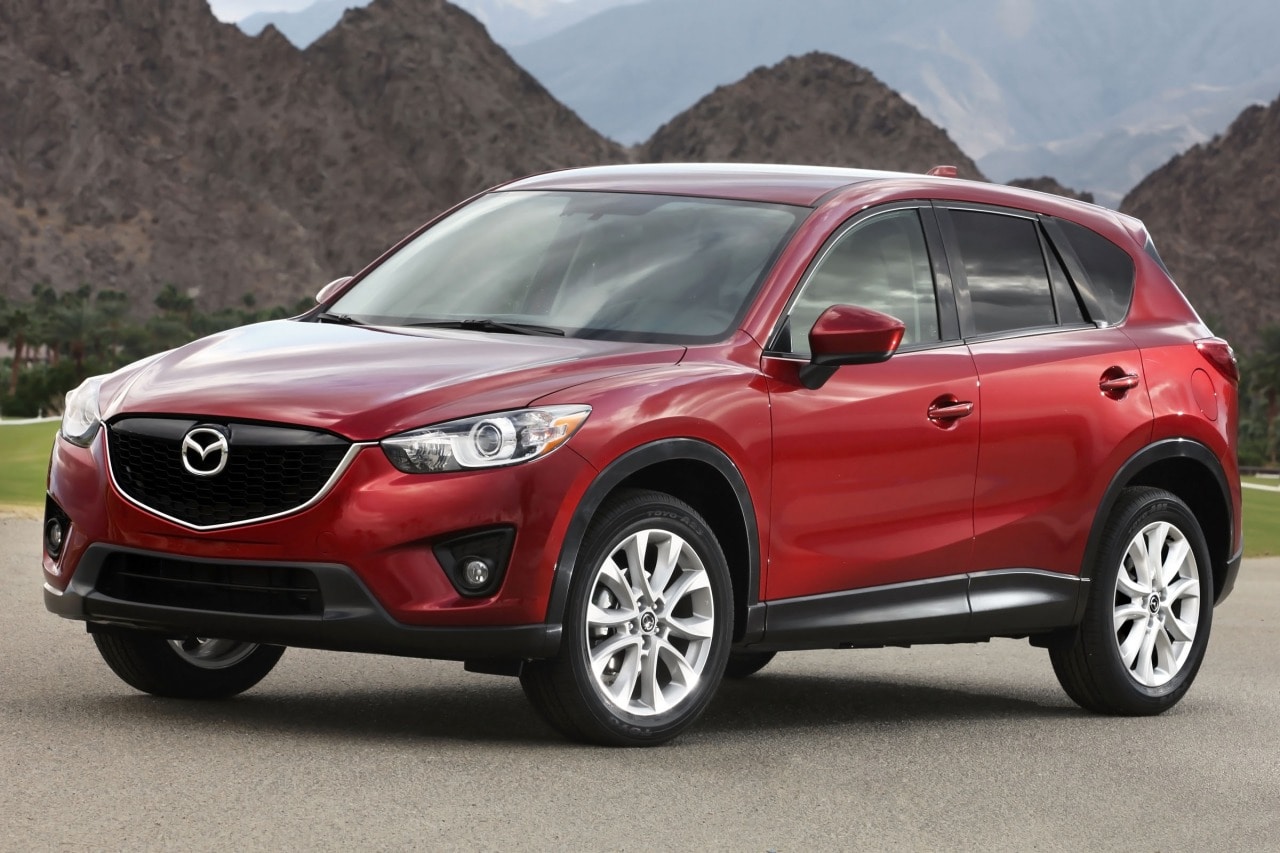
Mazda CX-5
The Mazda CX-5, praised for its sporty handling and elegant interior, typically comes with only an inflator kit instead of a traditional spare tire on many trims. Mazda’s philosophy emphasizes driving enjoyment and efficiency, leading to design choices that reduce weight and maximize cargo space. While these factors contribute to the CX-5’s appeal as a stylish and practical SUV, the lack of a real spare tire can be a significant drawback in emergencies.
The inflator kit provided in the CX-5 is intended to temporarily fix small punctures by injecting sealant into the tire and reinflating it with a small compressor. However, the limitations of this system are well-documented.
The kit cannot repair large holes, damage to the tire sidewall, or failures caused by impacts such as hitting a pothole or curb. Many CX-5 owners have reported situations where the inflator kit was ineffective, resulting in long waits for roadside assistance or towing.
One major disadvantage of relying on inflator kits is that they can provide a false sense of security. Drivers might assume that minor punctures can always be fixed on the spot, but this is often not the case. Additionally, the use of sealant can complicate tire repairs, sometimes forcing the replacement of the entire tire, increasing repair costs. This downside contrasts with the simplicity of swapping in a spare tire and continuing the journey.
Mazda’s choice reflects a broader industry trend toward minimizing spare tire use in favor of fuel economy and interior space, but it shifts the burden of preparedness onto the driver. For those who frequently travel in areas without easy access to tire repair services or who need maximum reliability on long trips, the CX-5’s inflator kit may be insufficient. Potential buyers should carefully consider this factor before choosing the vehicle.
Also Read: 5 EVs That Rarely Break Chargers and 5 That Always Fail
In comparing SUVs equipped with real spare tires to those relying on inflator kits, the difference in preparedness and practicality is clear. Real spare tires provide a tangible solution to flat tire emergencies, offering drivers the ability to quickly swap a damaged tire and continue their journey without depending on external assistance.
This reliability is especially valuable for drivers who frequently travel in remote areas, venture off-road, or simply want peace of mind knowing they have a dependable backup. Vehicles like the Toyota 4Runner, Jeep Wrangler, and Ford Bronco stand out for maintaining this traditional feature, recognizing that a real spare tire remains essential for true versatility and safety.
On the other hand, the growing trend among automakers to replace spare tires with inflator kits is largely driven by efforts to reduce weight, improve fuel efficiency, and maximize cargo space. While these goals have merit, the inflator kits themselves are limited tools that only address minor tire punctures and often fail in more serious situations.
Popular SUVs such as the Honda CR-V, Nissan Rogue, and Mazda CX-5 exemplify this shift, providing a compact, lightweight fix that is convenient in theory but often insufficient in practice. This creates a trade-off that drivers should carefully consider based on their typical driving conditions and priorities.
Inflator kits might be suitable for urban or suburban drivers who rarely face flat tires and have easy access to repair shops or roadside assistance. However, for those who travel long distances, drive in rural or rugged terrain, or simply want a greater margin of safety, relying solely on a kit can lead to frustration, delays, and potential safety hazards.
The lack of a real spare tire forces many drivers into situations where they must wait for help, pay for towing, or take unnecessary risks on the roadside. Furthermore, the use of sealants in inflator kits can complicate tire repairs, sometimes leading to higher costs and longer downtime.
Choosing an SUV equipped with a real spare tire versus one with only an inflator kit is a decision that hinges on lifestyle, driving habits, and individual needs. While the inflator kit offers modern convenience and space efficiency, it does not replace the security and utility of a real spare tire.
Understanding these differences allows buyers to make informed choices, balancing efficiency with practical preparedness. For anyone who values reliability, peace of mind, and the ability to handle tire emergencies independently, SUVs with real spare tires remain the wiser choice.
