
Towing a trailer is a task that demands more than just horsepower and torque; it requires balance, control, and above all, stability. While almost any truck on the market today can be equipped with a hitch and pull a trailer, not all are built to do so with the same level of safety and predictability.
Some trucks handle the extra weight with ease, maintaining a steady line even through crosswinds and curvy highways. Others, despite having solid towing numbers on paper, suffer from poor chassis design, weak suspension tuning, or inadequate towing features, leading to dangerous trailer sway.
The difference between a stable tow and a stressful one often lies not in how much the truck can pull, but in how it manages the forces acting on it during the journey.
Trailer sway is a common and serious issue that occurs when the trailer begins to oscillate behind the tow vehicle. This can be caused by sudden gusts of wind, passing large trucks, improper weight distribution, or even high speeds.
When the tow vehicle is not equipped to counteract or absorb this motion, the sway can intensify rapidly, putting the driver and others on the road at risk.
That’s why the conversation around stable towing goes far beyond maximum towing capacity. Suspension geometry, frame rigidity, wheelbase length, and electronic assist systems all play a part in whether a truck will keep the trailer in check or let it become a hazard.
This article compares five trucks that are known to maintain excellent stability while towing with five trucks that, under certain conditions, are more likely to sway. Each truck is evaluated based on real-world performance, driver feedback, mechanical design, and the presence (or lack) of essential towing technology.
This is not just a matter of which brand is better or which truck is stronger, but rather a clear look at which trucks help keep a trailer stable and which ones can make towing more difficult and dangerous.
If you’re planning to haul anything from a camper to construction equipment, knowing the towing characteristics of your truck could mean the difference between a confident trip and a white-knuckle drive. Let’s look at the best and worst performers when it comes to towing stability.
Also Read: 5 EVs That Last for Decades and 5 That Don’t See Year Five
Five Trucks That Stay Stable with a Trailer
1. Ford F-150
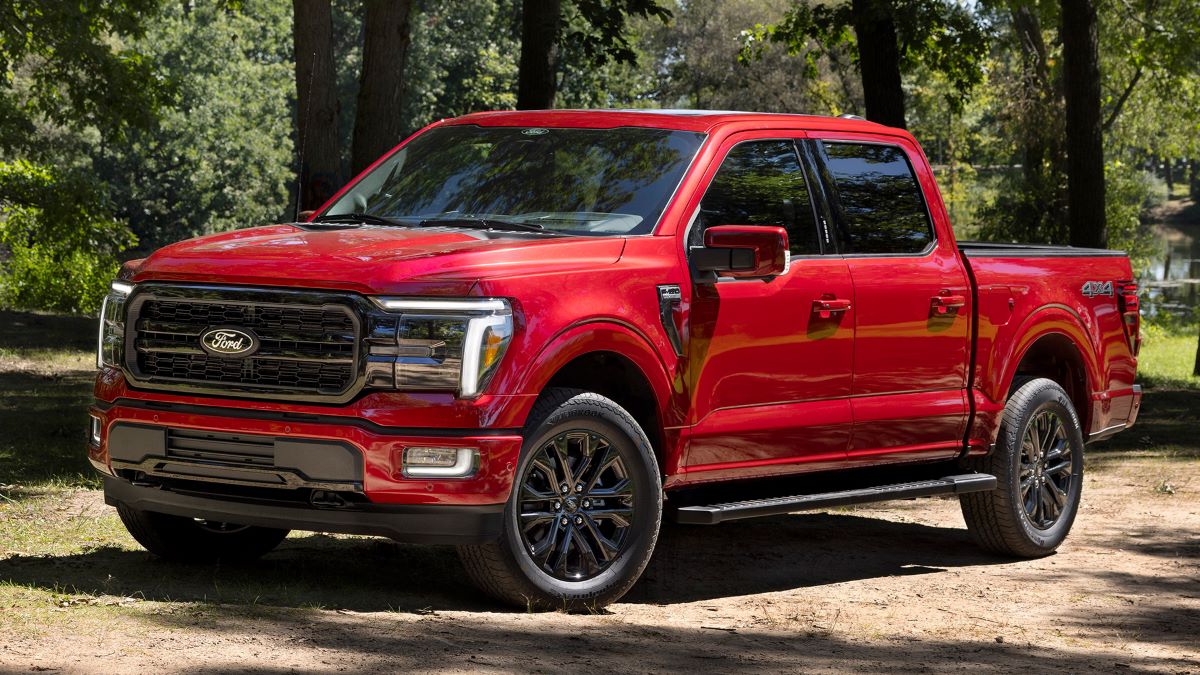
The Ford F-150 stands out as a benchmark in the pickup truck category, especially when it comes to towing performance and stability. Its frame is constructed from high-strength, military-grade aluminum alloy, reducing weight without compromising strength.
This structural advantage contributes to improved towing behavior, as the lighter weight of the truck allows for better handling and less trailer-induced strain on the chassis.
Furthermore, the truck is available with a variety of engines that deliver balanced torque, helping the driver control speed and momentum during towing without overworking the powertrain.
Another aspect that enhances the F-150’s towing stability is the available Pro Trailer Backup Assist and trailer sway control. These systems are designed to monitor trailer behavior and apply brake force to individual wheels when needed.
They intervene almost invisibly, correcting small trailer movements before they turn into dangerous swaying. The truck also features a trailer brake controller that allows precise adjustment of braking power for the trailer’s brakes, keeping the tow vehicle and trailer in sync, especially when descending slopes or stopping abruptly.
The suspension system of the F-150 deserves equal credit. On higher trims, particularly the models geared toward towing, the truck offers upgraded shock absorbers and leaf springs that are better equipped to handle changes in trailer weight.
The truck maintains a level posture, which is essential in preventing sag at the rear axle that could otherwise cause instability or lightness in the steering. A level truck translates into improved steering feedback and more predictable behavior on the road, reducing the risk of trailer-induced sway even during emergency maneuvers.
In everyday use, drivers report feeling a high level of confidence when towing with the F-150. Whether it’s a utility trailer, boat, or camping rig, the truck remains composed under pressure.
Its user-friendly towing tech, paired with an inherently stable design, makes it a favorite among seasoned trailer haulers. For those who tow frequently and need something that doesn’t lose its balance on the road, the F-150 provides one of the most dependable options in the segment.
2. Chevrolet Silverado 1500
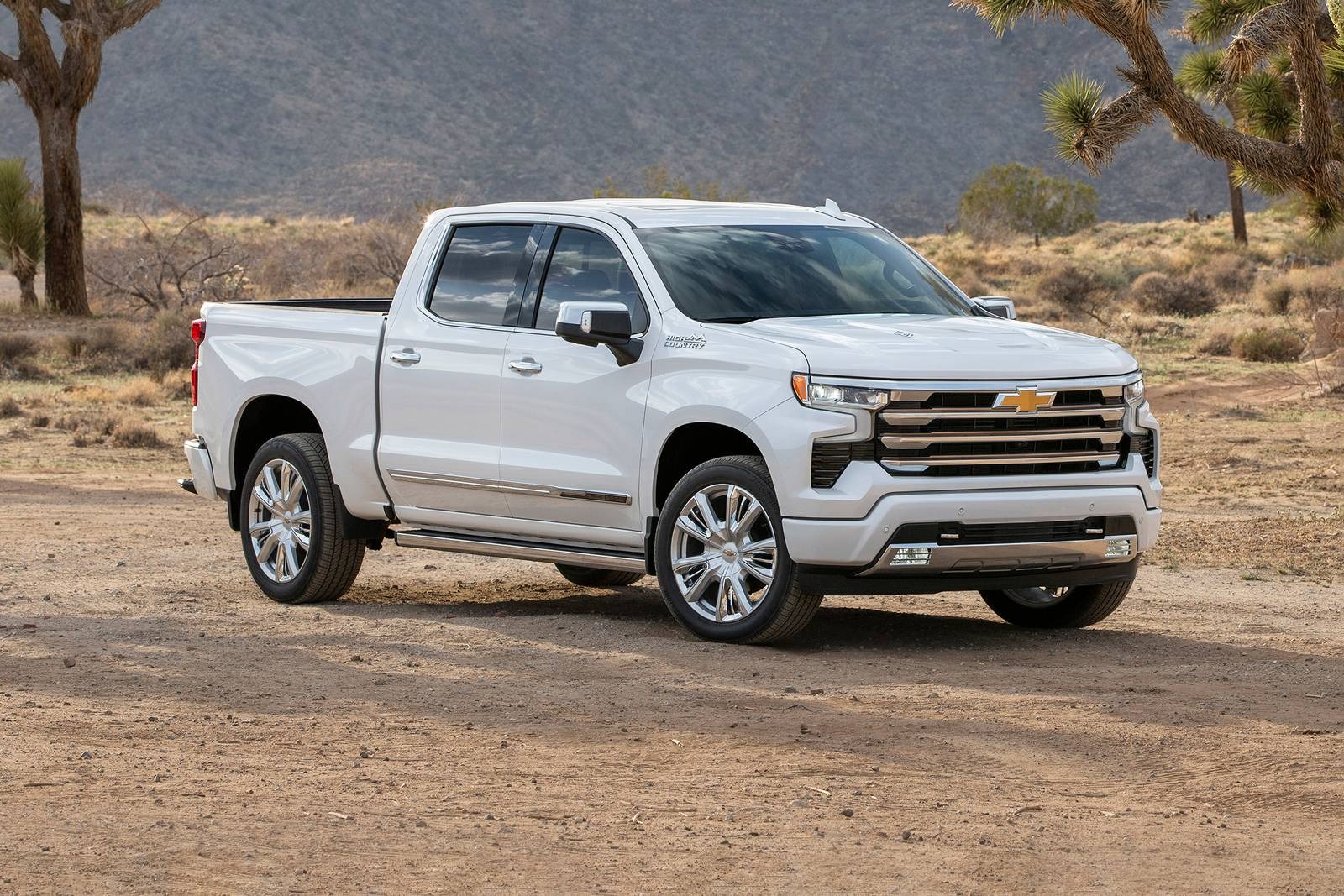
The Chevrolet Silverado 1500 is a truck built with towing in mind, offering strength, technology, and thoughtful design to keep trailers stable and secure. Its ladder-frame chassis is engineered to absorb and distribute towing loads effectively, limiting structural flex that can destabilize the towing setup.
The available V8 engines provide smooth, continuous torque delivery, which is essential for maintaining consistent speeds, particularly on long inclines or through hilly terrain.
One of the Silverado’s strengths is its comprehensive towing package. Not only does it include trailer brake controllers and sway control, but also hitch guidance systems with backup cameras that assist in aligning and stabilizing the trailer.
The truck’s Tow/Haul mode adjusts transmission shift points to minimize gear hunting and maximize engine braking. This function also helps the truck stay in the right power band when pulling heavy loads, ensuring the driver doesn’t need to push the engine too hard, which could otherwise lead to erratic speed changes and induce sway.
Chevrolet also integrated a feature-rich trailering app in newer models, giving the driver access to trailer light diagnostics, maintenance reminders, and load profiles.
These may seem minor, but knowing your trailer is functioning properly contributes to peace of mind and safer, more predictable towing. The app even includes a checklist that can prevent common setup errors that often contribute to sway, such as unbalanced loads or improperly inflated tires.
On the highway, the Silverado remains stable even in windy or rainy conditions. Thanks to wide rear leaf springs and robust shock absorbers, the truck resists leaning or lateral movement, which can be felt in some competing models.
Its steering is also responsive yet firm, giving the driver a sense of full control over both the truck and the trailer. Whether towing campers, horse trailers, or construction gear, the Silverado keeps things in line.
3. Ram 1500
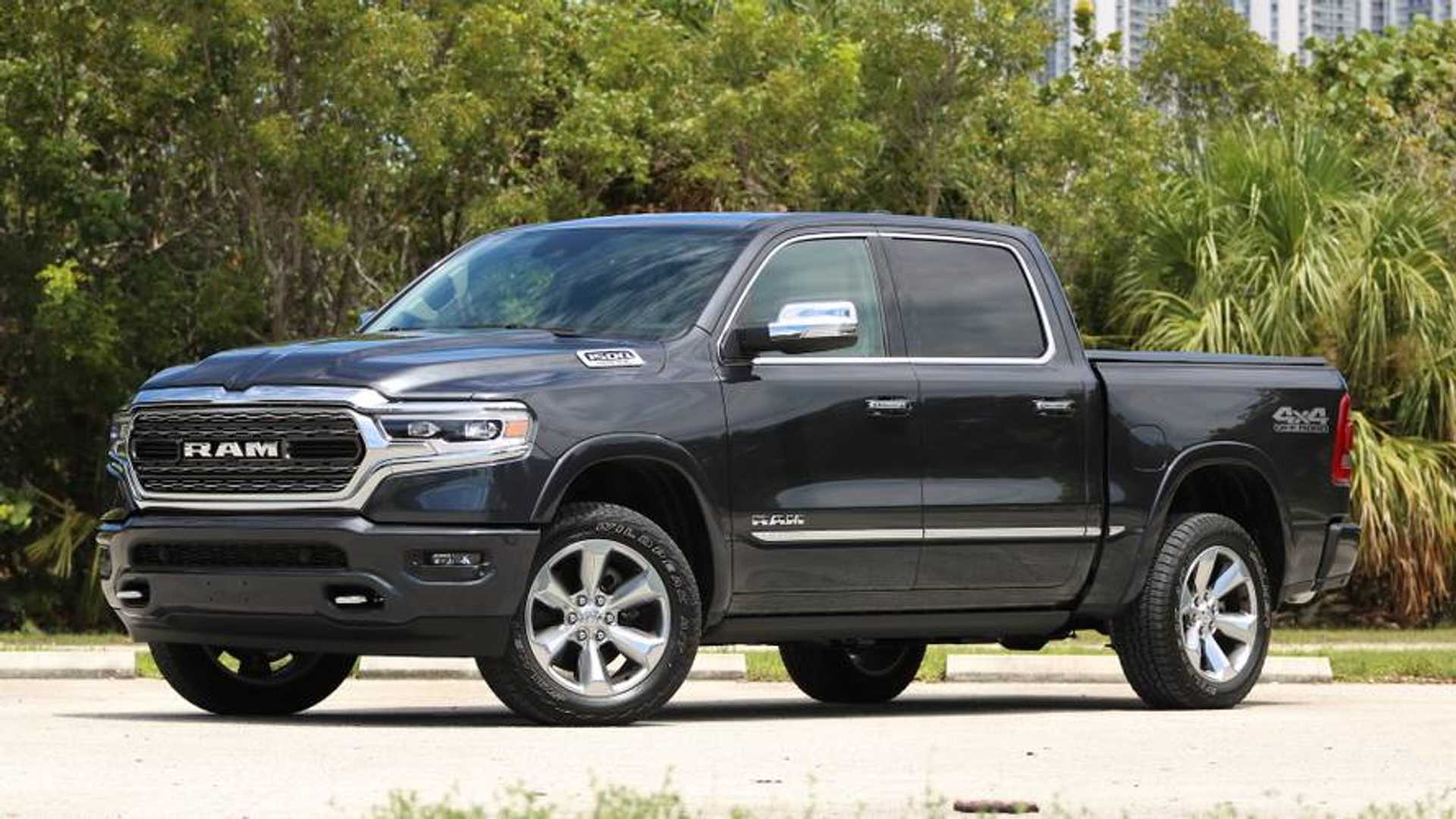
The Ram 1500 has carved out a space as both a comfortable daily driver and a highly capable tow vehicle. One of its strongest features when it comes to trailer stability is the available air suspension system.
This system automatically adjusts the truck’s ride height based on the trailer weight and distribution. By keeping the truck level, the suspension system ensures even weight distribution across all four tires, which is critical for minimizing sway and improving traction.
Another contributing factor is the truck’s aerodynamic design. The Ram 1500 has been engineered with airflow in mind, helping reduce wind resistance on both the truck and the trailer. Less turbulence means fewer disturbances that could cause the trailer to oscillate at higher speeds.
Additionally, the Ram 1500’s long wheelbase and wide stance give it a natural advantage in towing stability, as a longer base resists the pendulum effect that can cause trailer sway during turns or lane changes.
Ram’s Uconnect system further aids towing by allowing drivers to monitor trailer connection status, lights, and braking activity. Built-in sway control reacts quickly when trailer movement is detected, and in severe cases, can even cut engine power to prevent a loss of control.
These electronics work in unison with the hardware to create a truck that feels secure and composed even in high-speed towing scenarios.
Drivers consistently praise the Ram for how smooth and confident it feels when pulling heavy loads. The suspension eats up bumps without transferring harsh movement to the trailer, and the drivetrain offers enough muscle to accelerate and decelerate without sudden jerks.
Whether towing for work or weekend getaways, the Ram 1500 remains calm and capable, inspiring confidence in those behind the wheel.
4. Toyota Tundra
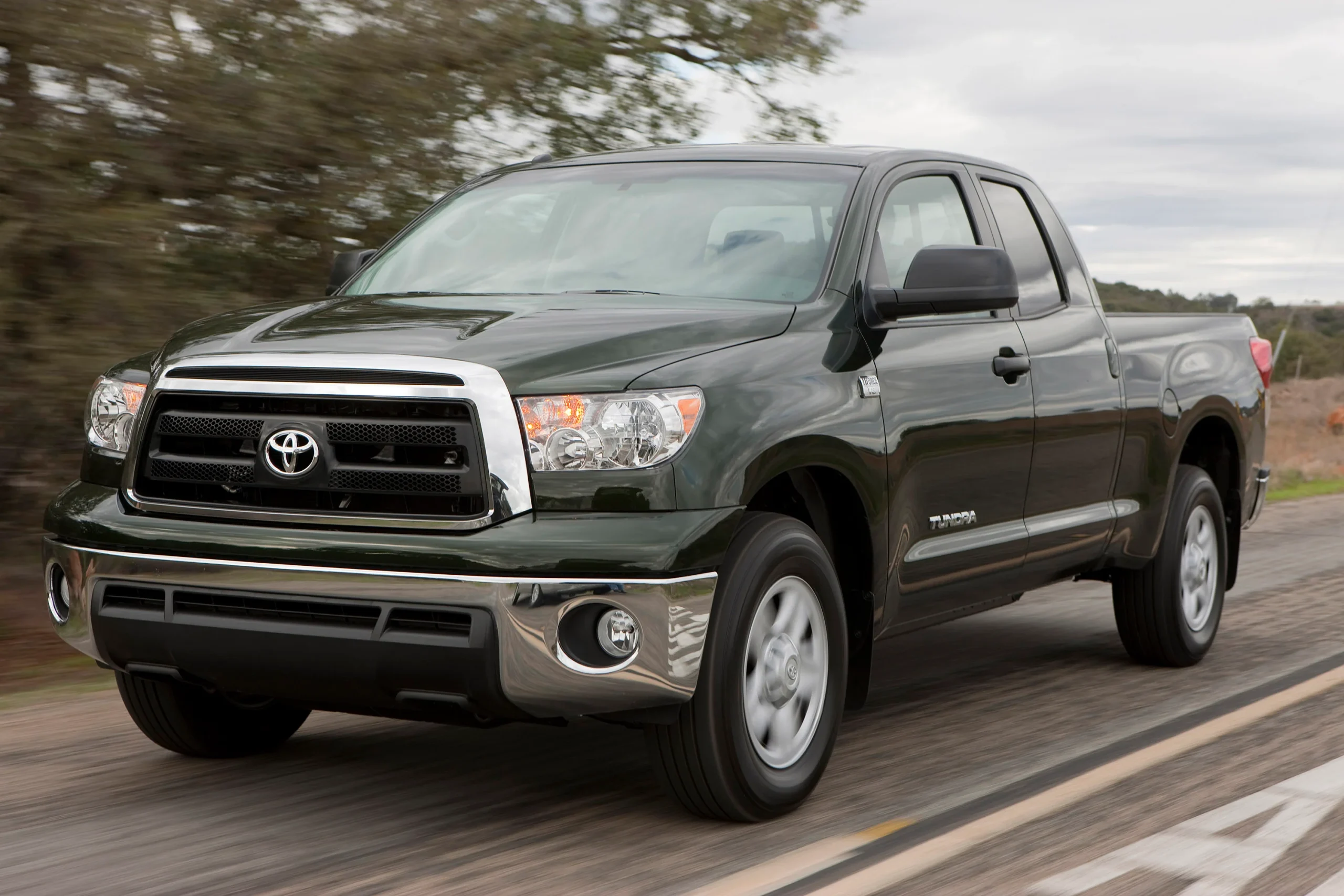
Toyota’s Tundra is built with durability in mind, and that robust construction translates well into trailer stability. The fully boxed frame provides excellent torsional rigidity, meaning that the truck doesn’t twist or bend under the pressure of towing a heavy load.
A rigid frame helps maintain alignment between the trailer and tow vehicle, which is crucial in preventing sway, especially at highway speeds.
The Tundra comes standard with trailer sway control, but where it really shines is in its predictable handling and torque delivery.
Powered by a V8 engine with a smooth torque curve, the Tundra can handle trailer loads without abrupt gear changes or throttle surges. This stability in acceleration and deceleration means less jerking on the trailer hitch, which is a known cause of sway.
Suspension-wise, the Tundra is fitted with large shocks and leaf springs that are tuned for weight handling without making the ride harsh.
This helps absorb road vibrations and trailer feedback, preventing that movement from unsettling the truck. Additionally, the Tundra’s wide rear track helps maintain side-to-side stability, especially in windy conditions or when passing large vehicles.
On longer drives, the Tundra continues to impress with its towing manners. The steering remains steady and predictable, even with larger trailers in tow.
The trailer brake controller and transmission tow mode help manage descents and heavy loads without stress. For drivers looking for a truck that feels planted and unshaken by what’s behind it, the Tundra offers a straightforward and reliable solution.
5. GMC Sierra 1500
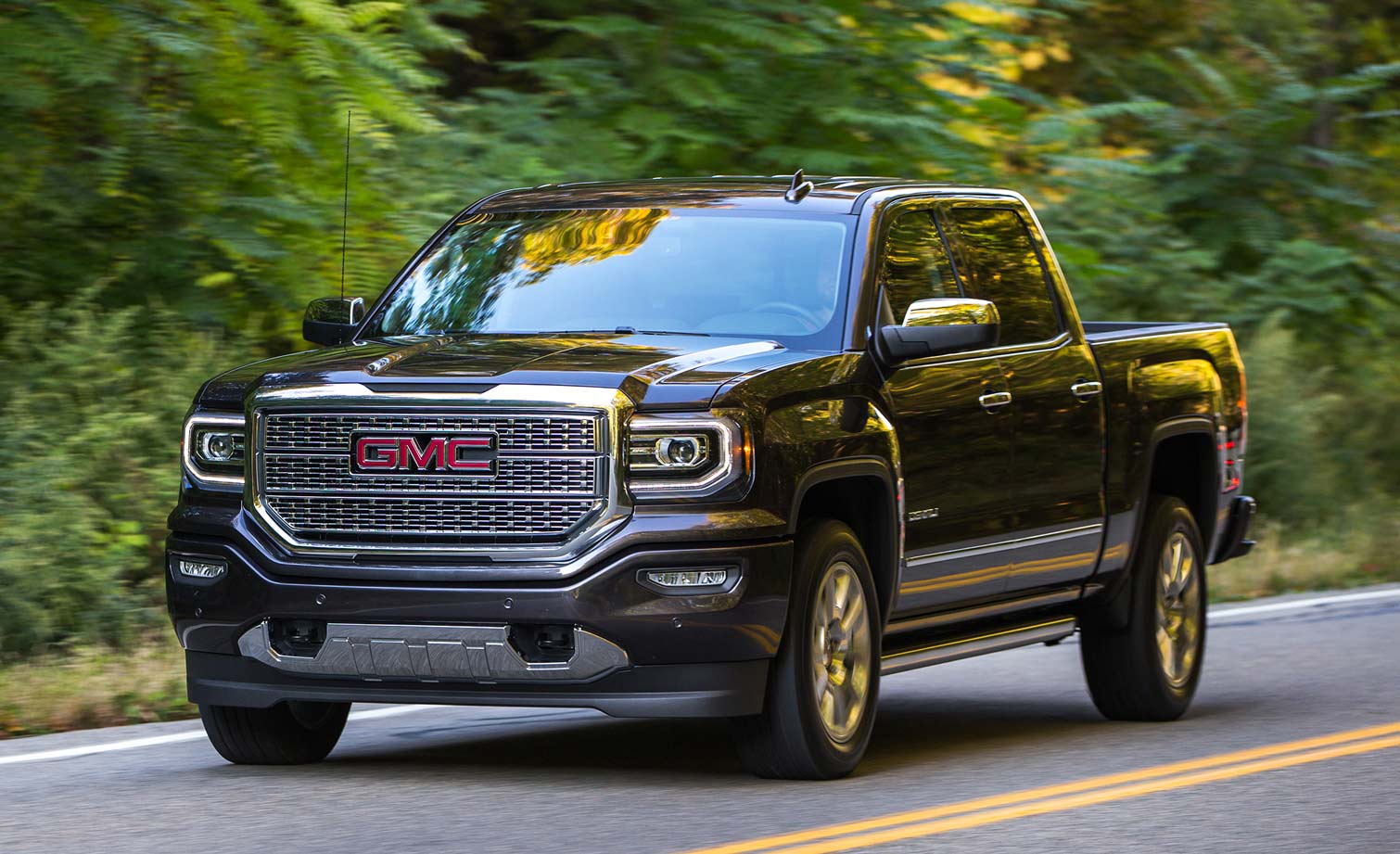
The GMC Sierra 1500 mirrors many of the Silverado’s qualities but leans more toward refinement and technology. One standout feature is its adaptive ride control system, which adjusts suspension damping in real time. When towing, this system reduces vertical and lateral movement caused by bumps or uneven road surfaces, contributing significantly to trailer stability.
The Sierra’s suite of trailering tech is among the best in the market. Features like hitch guidance with hitch view, trailer light check, and trailer length indicator make it easier to maintain alignment and situational awareness. These tools reduce the number of driver errors that typically lead to instability or sway on the road. Even more impressive is the truck’s in-trailer camera capability, allowing drivers to view inside the trailer or behind it while towing, adding another layer of control.
Its large engine options, including a strong 6.2L V8, provide the torque needed to maintain steady speeds even under heavy loads. The truck doesn’t need to downshift aggressively on hills or overtake situations, which means less movement is transferred to the trailer. Smooth power delivery is a big part of how the Sierra maintains such consistent towing stability.
Owners of the Sierra often comment on how “connected” the truck feels when towing. There’s no disconnected or floaty sensation that’s common in trucks with less rigid chassis or soft suspensions. Instead, the Sierra delivers a solid, composed towing experience, making it ideal for long-haul trailers, fifth wheels, and work-related hauls alike.
Five Trucks That Sway Dangerously with a Trailer
1. Nissan Titan
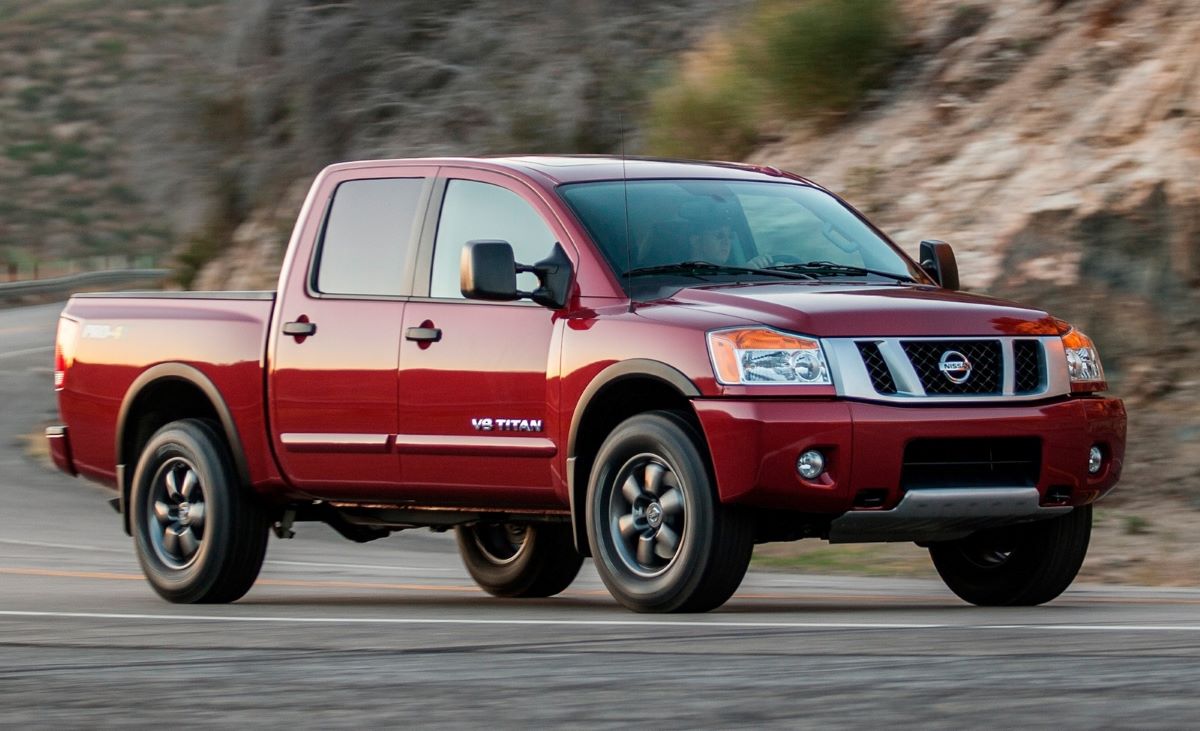
The Nissan Titan has struggled to keep up with the refinements and upgrades seen in other full-size trucks, especially in areas related to towing stability. While it offers decent towing capacity and power from its V8 engine, the Titan’s handling under load often reveals its shortcomings.
The suspension tuning leans more toward comfort than control, which may benefit daily driving but becomes a drawback when towing heavier trailers.
The truck tends to feel unsettled at highway speeds, particularly on uneven surfaces, and this movement translates directly into the trailer, increasing the risk of sway.
The Titan also lacks more advanced towing technologies found in competing trucks. While it does offer trailer sway control, it doesn’t react as quickly or comprehensively as systems on trucks like the F-150 or Silverado.
The feedback loop between trailer movement and system intervention is not as tightly integrated, meaning small trailer movements are more likely to escalate before correction occurs.
This can make the driver feel like they’re constantly adjusting and fighting with the trailer, especially in windy conditions or when passing large vehicles.
Another factor is the limited availability of customizable towing features. Unlike some competitors that offer multiple towing modes or adaptive systems to balance braking and engine performance, the Titan’s setup is basic.
This simplicity might appeal to drivers who tow occasionally or only carry light loads, but it becomes a liability when faced with more serious towing demands. The truck’s shorter wheelbase compared to some rivals also makes it more prone to movement from trailer-induced forces.
Drivers have reported feeling a lack of connection between the trailer and the tow vehicle, which is an unsettling experience during long drives. This disconnect becomes especially problematic on curves, during lane changes, or while descending steep grades.
Although the Titan has potential as a powerful hauler, it currently lacks the refined control systems needed to maintain stability with confidence. For those planning to tow frequently or with heavier trailers, the Titan may not be the most reliable or secure choice.
2. Ford Ranger
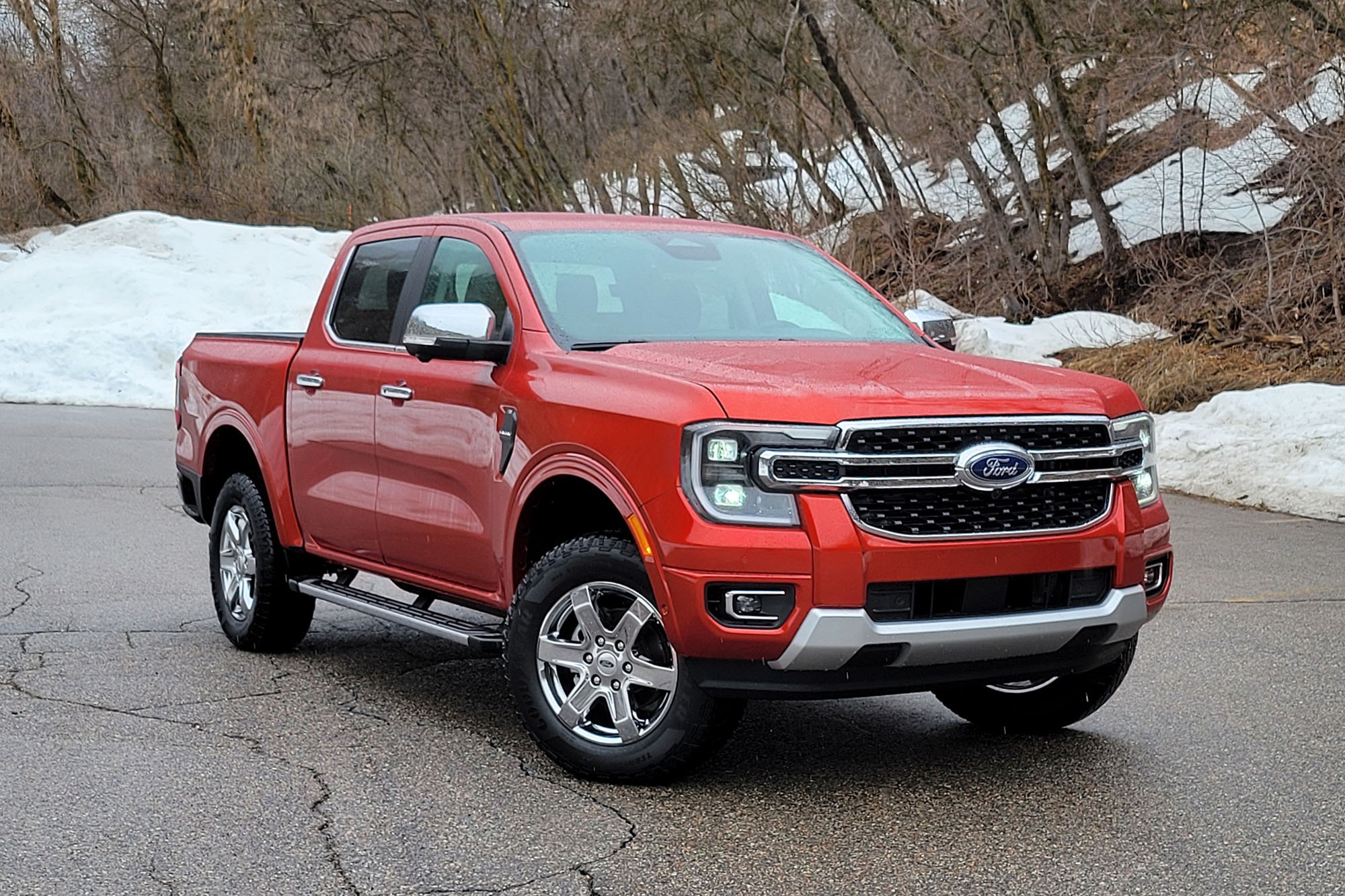
The Ford Ranger is a capable and popular midsize pickup, but its smaller size introduces certain limitations when it comes to towing stability. It’s rated to tow a respectable load for its class, but once it nears the upper end of its towing capacity, handling becomes noticeably affected.
The truck’s lighter weight means it can be more easily influenced by the trailer, especially during high-speed driving or sudden changes in direction. This can lead to a swaying sensation that requires frequent steering corrections.
The Ranger’s short wheelbase contributes to this instability. A shorter distance between the front and rear axles increases the likelihood of the truck being “pushed” by the trailer during braking or deceleration.
This effect is worsened if the trailer isn’t properly balanced. Even with factory sway control, the Ranger doesn’t always feel planted when towing, particularly with longer trailers or in windy areas. It’s clear that the system works best with smaller trailers, and its effectiveness declines rapidly as load weight increases.
Additionally, the Ranger’s suspension, while suitable for off-road and urban use, lacks the robustness required for high-stability towing. The rear suspension can feel soft and prone to bounce, especially on rougher highways.
This bounce can feed directly into the trailer, making it more susceptible to sway. It also reduces the driver’s confidence behind the wheel since the connection between the vehicle and the trailer doesn’t feel as solid or composed as it does with heavier-duty trucks.
Many Ranger owners use the truck for light-duty towing and have no issues when pulling jet skis, small boats, or lightweight campers.
However, for drivers needing consistent stability while towing heavier or longer trailers, the Ranger may fall short. Its lightweight design, shorter wheelbase, and softer suspension combine to make trailer control more challenging, particularly for long-distance or high-speed towing.
3. Toyota Tacoma
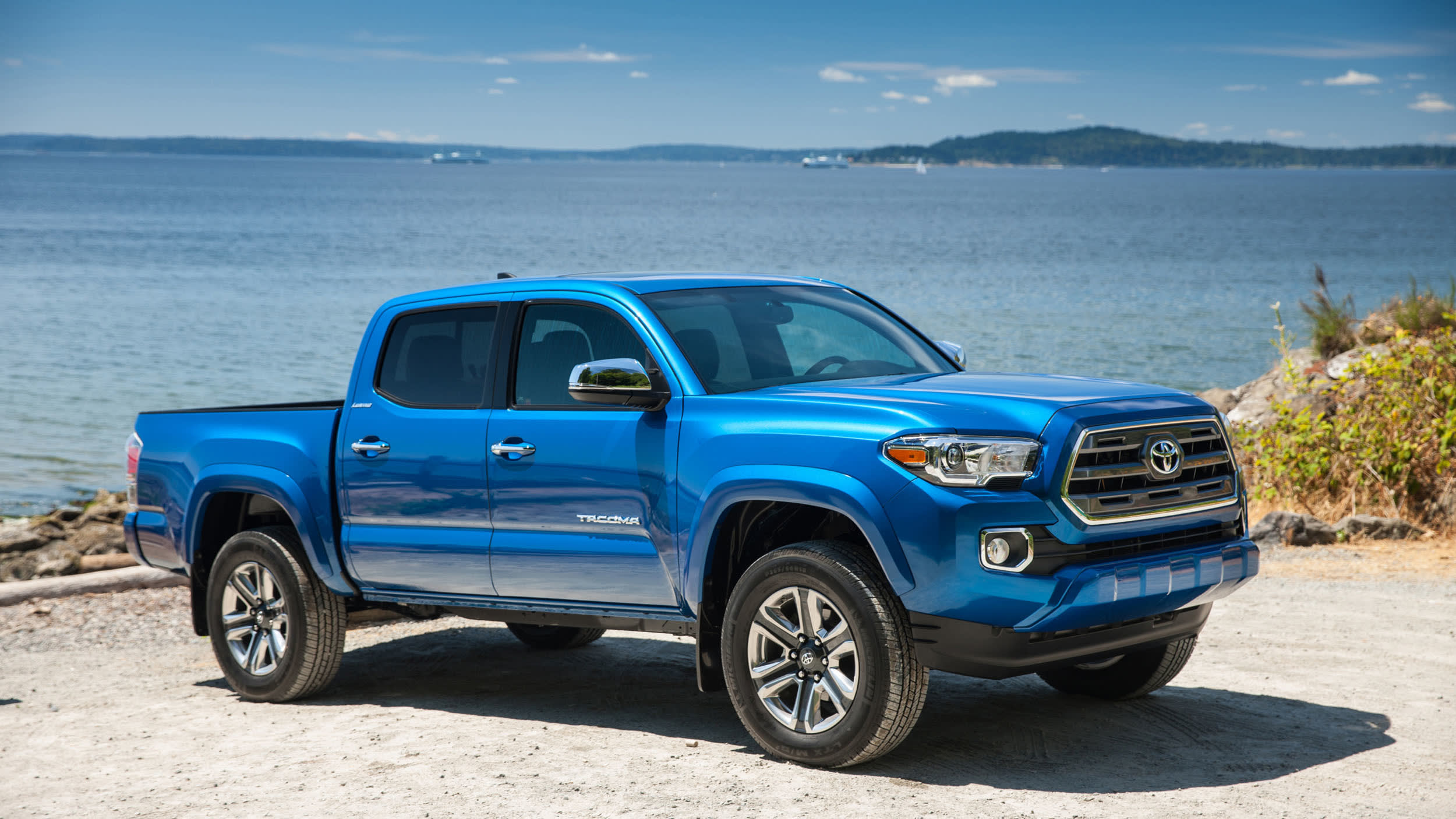
The Toyota Tacoma enjoys a reputation for rugged reliability and off-road prowess, but it falls behind when used for serious towing tasks. Its limited towing capacity and design philosophy centered around off-road utility, rather than highway towing performance, set it at a disadvantage.
The rear leaf spring suspension, while tough, is not particularly well-tuned for heavy trailers and doesn’t provide the damping needed to maintain steady control at higher speeds or over rough pavement.
Tacomas are also relatively light, especially in 4-cylinder variants, which contributes to instability when towing. A lighter tow vehicle is more easily affected by the momentum of the trailer, especially in turns or during sudden braking.
The problem intensifies with larger trailers, where the trailer’s sway has a more pronounced impact on the vehicle’s steering and handling.
Although sway control is included in modern Tacoma models, it often reacts after the trailer has already begun to affect the truck’s behavior, instead of preventing the sway from starting in the first place.
The lack of factory-integrated trailer features also contributes to the Tacoma’s limitations. There’s no dedicated trailer camera system, limited control over braking balance, and no adjustable towing mode in the transmission.
These missing elements mean that the driver must compensate manually for many aspects that other trucks manage electronically. For someone towing occasionally, this might not be an issue. But for those doing regular or long-distance towing, it adds to driver fatigue and increases risk in emergency scenarios.
Many owners report white-knuckle experiences when towing on the freeway or through mountain passes, especially with loads approaching the maximum towing limit. In windy weather or while overtaking large vehicles, the trailer can pull or sway unpredictably, demanding quick reactions.
While the Tacoma excels in reliability and light off-road hauling, it doesn’t offer the level of control needed for consistent trailer stability at higher speeds or heavier weights.
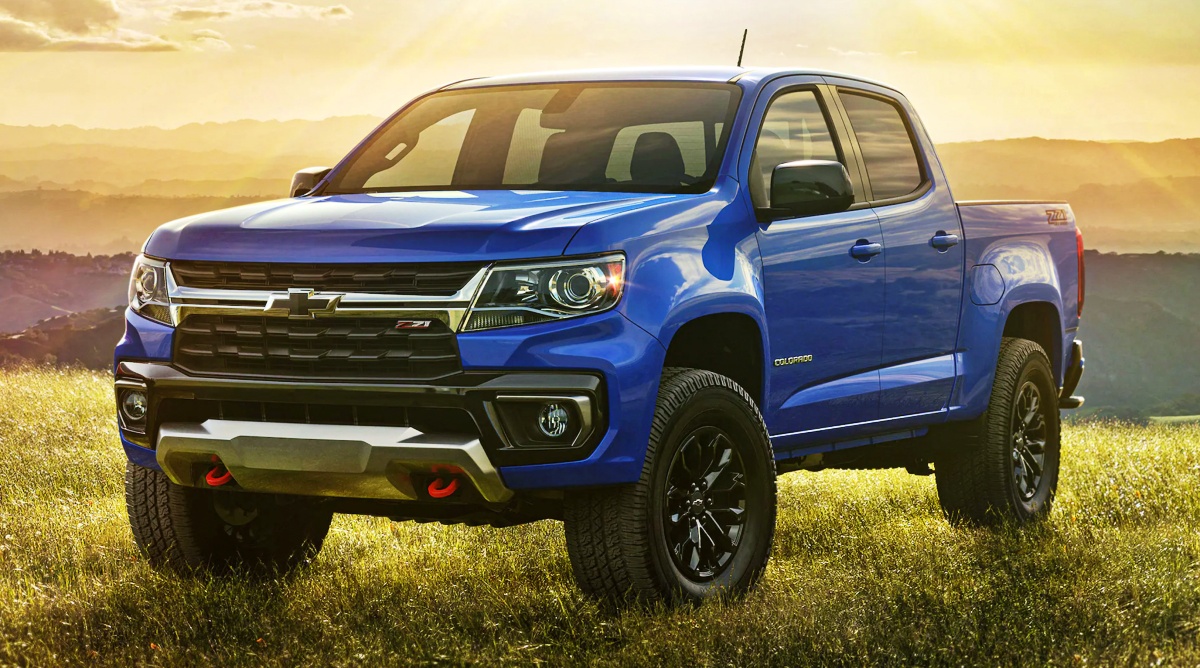
4. Chevrolet Colorado
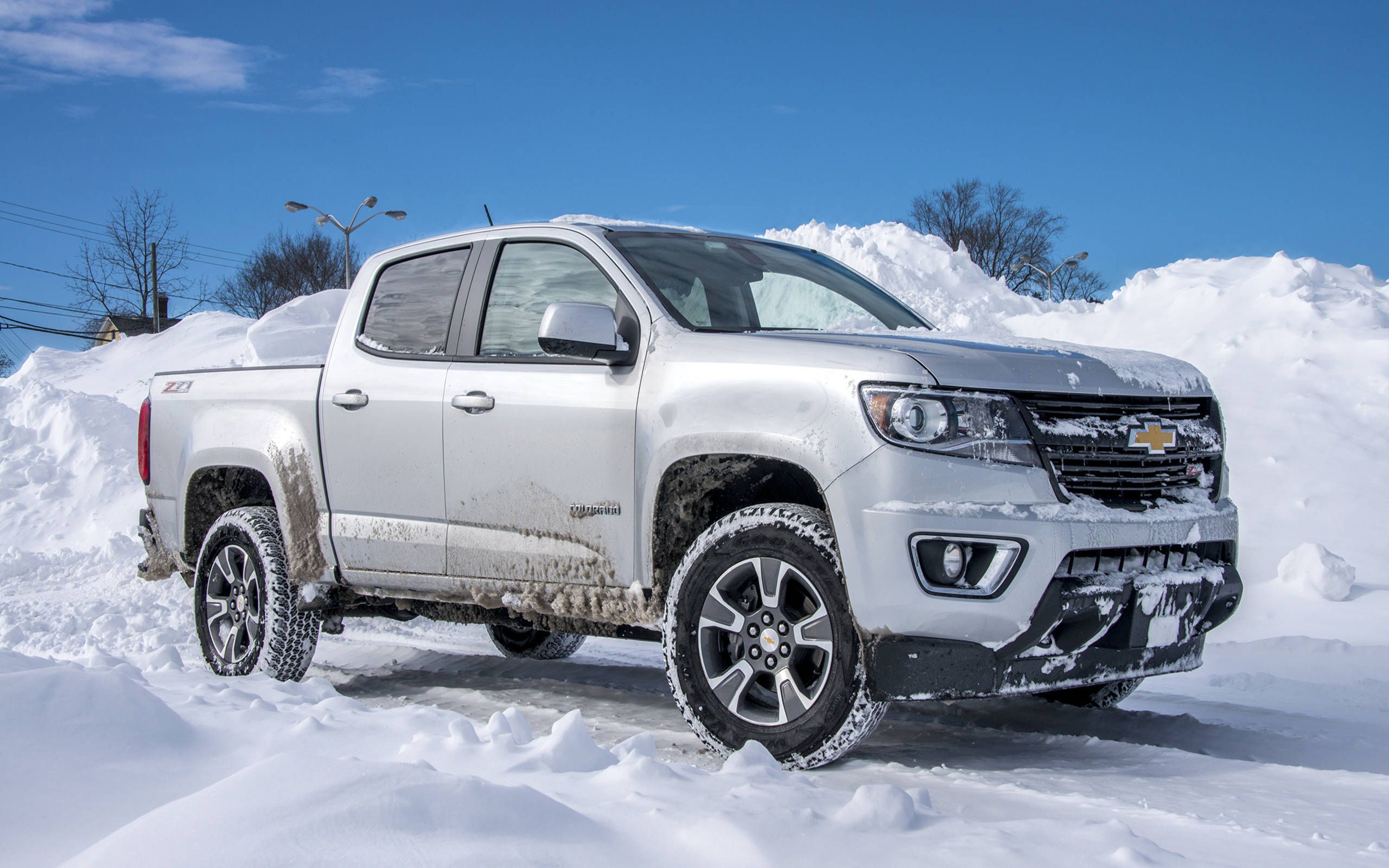
The Chevrolet Colorado is a strong performer in the midsize pickup category, but its towing dynamics fall short compared to larger competitors. The vehicle is simply not designed with high-stability towing as a core function.
When fully loaded with a trailer near its towing capacity, the Colorado can feel like it’s being controlled more by the trailer than the other way around. The sensation becomes more pronounced at highway speeds or on winding roads, where trailer sway is more likely to emerge.
Colorado’s suspension setup is tuned more for ride comfort and versatility than for handling the extra forces introduced during towing. The rear end can feel loose, and the nose of the truck may rise slightly when pulling heavier trailers, reducing steering precision and grip on the front wheels.
This shift in balance not only increases the risk of trailer sway but also shortens reaction time when braking or maneuvering. While trailer sway control is included, it can’t fully compensate for the physical limits of the truck’s chassis and suspension.
A contributing factor is the engine’s power delivery and how the transmission behaves under load. The truck can struggle to maintain consistent power when climbing hills with a trailer, leading to gear hunting or abrupt downshifts.
These changes in speed can cause the trailer to surge forward or fall behind, increasing sway potential. The lack of a dedicated tow/haul mode in some trims makes it harder to manage this power delivery smoothly, putting extra stress on the driver to keep everything stable.
Owners often say the Colorado is ideal for smaller trailers, such as utility haulers or lightweight campers, but becomes unpredictable when paired with anything larger.
Gusts of wind, passing trucks, or downhill grades can cause the trailer to wobble or sway with little warning. Without the heavier frame or advanced towing features of a full-size truck, the Colorado finds itself outmatched in demanding towing situations.
5. Honda Ridgeline
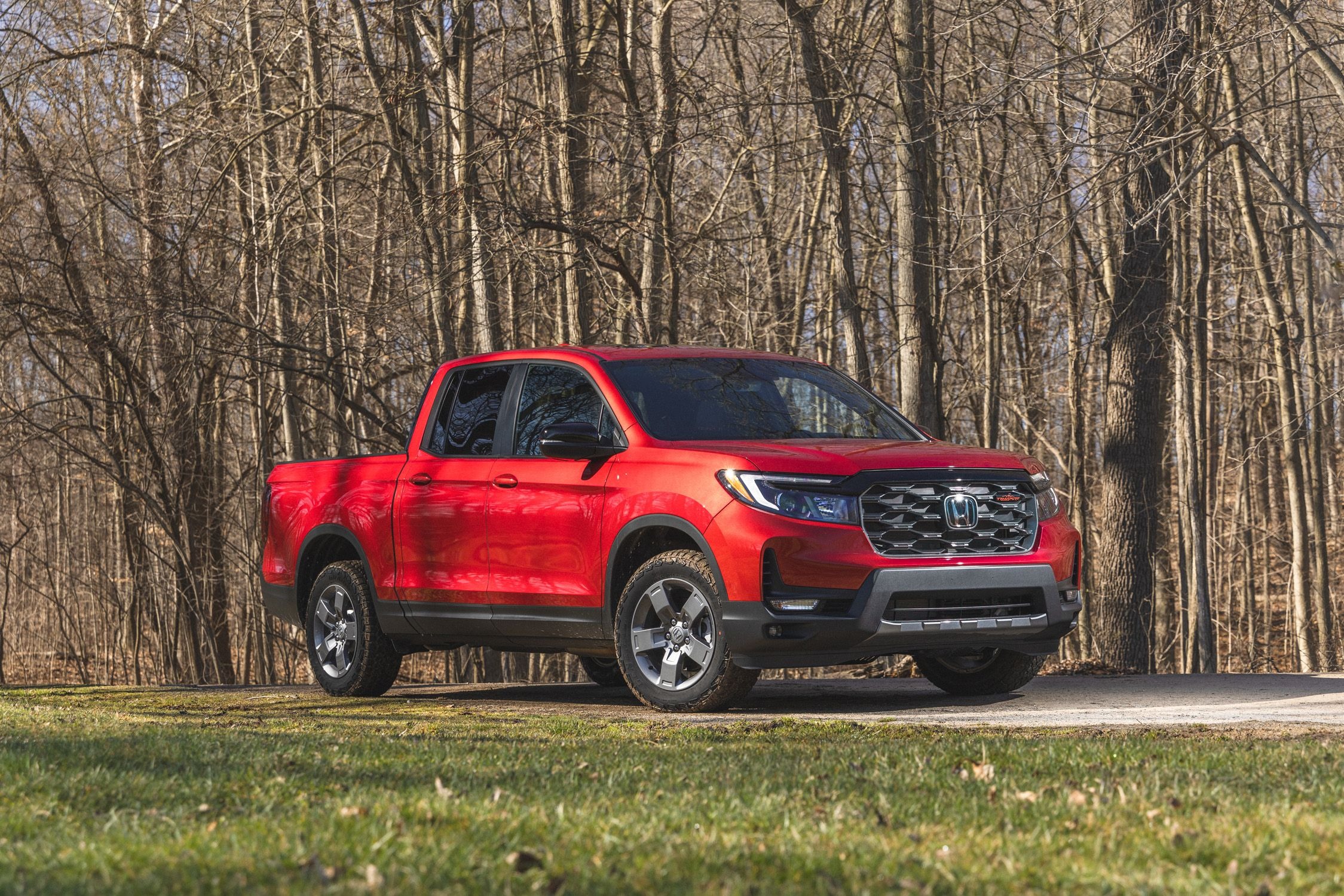
The Honda Ridgeline stands apart from traditional pickups due to its unibody construction, which provides excellent comfort and versatility but comes at a cost when towing.
Unlike body-on-frame trucks that excel in carrying and pulling heavy loads, the Ridgeline behaves more like an SUV under stress. This becomes particularly noticeable when towing heavier trailers, where the lack of chassis rigidity results in increased body movement and trailer sway.
Despite its respectable towing capacity on paper, the Ridgeline is often overwhelmed when subjected to real-world towing conditions. The suspension system, designed for passenger comfort, does not adequately support tongue weight from trailers, especially ones loaded unevenly or improperly.
As the rear sags under the trailer’s weight, the front wheels can lose traction and steering response, making it more difficult to correct trailer movements in time. The soft rear suspension also leads to more bouncing and flex, further worsening sway conditions.
Another drawback is the Ridgeline’s limited range of towing features. While it includes sway control and a hitch, it lacks a full suite of trailering tools such as adjustable braking systems, tow/haul modes, or detailed trailer diagnostics.
The result is a towing experience that feels less confident, particularly for those who aren’t highly experienced in managing trailers manually. Long trips with heavy loads can become tiring and stressful due to the constant attention required to keep the trailer aligned.
Drivers towing lighter loads, such as small boats or dirt bikes may find the Ridgeline perfectly acceptable. However, when tasked with pulling longer or heavier trailers at freeway speeds, the shortcomings become apparent.
The truck’s handling can feel vague, and the trailer may start to sway with every bump, wind gust, or lane change. For those looking to tow frequently or with heavier cargo, the Ridgeline lacks the firm control and towing structure necessary for a truly stable towing experience.
Also Read: 5 EVs That Rarely Break Chargers and 5 That Always Fail
Choosing the right truck for towing isn’t just about how much it can pull, it’s about how it performs under real-world conditions.
As this article has shown, some trucks are designed with towing stability at the forefront, featuring the right combination of suspension tuning, frame strength, electronic aids, and thoughtful engineering.
Others, while capable of pulling similar weights, lack the precision or build quality needed to keep a trailer steady and manageable. The difference in performance can be felt immediately once a trailer is hitched and the vehicle hits the road.
A stable truck will track straight, respond predictably to steering inputs, and reduce driver fatigue over long distances. An unstable one, on the other hand, can feel uncertain, overreact to wind or road changes, and make towing feel like a constant fight.
The Ford F-150, Chevrolet Silverado 1500, Ram 1500, Toyota Tundra, and GMC Sierra 1500 each bring their own set of features and strengths that contribute to reliable, steady towing.
Whether it’s Ford’s advanced sway control system, Ram’s adaptive air suspension, or GMC’s dynamic towing tech, these trucks offer confidence where it matters most, when you’re responsible for pulling thousands of pounds behind you.
Their stability isn’t an accident; it’s the result of years of development and listening to what real truck users need when they’re on the road with a trailer in tow.
On the other hand, models like the Nissan Titan, Ford Ranger, Toyota Tacoma, Chevrolet Colorado, and Honda Ridgeline show that not every truck is built for heavy or high-speed towing.
While they have their place in the market and may serve well for lighter-duty tasks, their handling and responsiveness often fall short when a trailer is involved. Factors such as soft suspension setups, limited towing-specific features, and lighter frames all contribute to a higher risk of trailer sway and reduced towing control.
The right truck for towing comes down to more than just capability numbers. Stability, comfort, and confidence play equally important roles in the towing experience. Whether you’re hauling for work, recreation, or daily duties, knowing how your truck will perform when hitched to a trailer can make all the difference.
A truck that stays stable gives you peace of mind; a truck that sways too easily introduces unnecessary risk. Choose wisely, and your towing experience will not only be safer but far more enjoyable.
