

In recent years, power liftgates have emerged as a highly desirable feature in SUVs, blending modern convenience with everyday practicality.
These electronically operated rear doors provide users with the ability to open and close the liftgate effortlessly, often with just a press of a button on a key fob, an interior switch, or a simple foot gesture under the rear bumper.
The appeal of power liftgates goes beyond mere luxury; they simplify loading and unloading cargo, improve accessibility when carrying heavy or bulky items, and offer added safety by ensuring the liftgate closes securely and evenly.
For many SUV owners, especially families, outdoor enthusiasts, or those with mobility challenges, a reliable power liftgate can transform the vehicle experience by removing common frustrations associated with manual liftgates.
However, not all power liftgate systems are created equal. While some vehicles feature liftgates that function consistently and reliably over time, others are prone to frequent failures, delays, and malfunctions.
This inconsistency can lead to significant owner dissatisfaction, impacting daily convenience and sometimes requiring costly repairs or repeated dealer visits.
Factors that influence the reliability of power liftgates include the quality of mechanical components, the sophistication of sensor systems, software integration, and the manufacturer’s approach to testing and refinement.
Even environmental conditions such as extreme temperatures, humidity, or dirt exposure can challenge a power liftgate’s operation if the system isn’t robustly designed.
Understanding which SUVs offer dependable power liftgates versus those that frequently disappoint can guide consumers in making informed purchasing decisions.
This distinction is crucial because a feature that is meant to ease day-to-day tasks can become a source of frustration and inconvenience if it malfunctions unpredictably. Choosing a vehicle with a liftgate that works every time can save time, reduce stress, and improve the ownership experience.
This article compares two groups of SUVs based on their power liftgate reliability. The first group highlights five SUVs known for their consistently reliable and user-friendly power liftgate systems. These vehicles stand out for their smooth operation, responsiveness, durable mechanical parts, and accurate sensors.
Owners of these SUVs generally enjoy hassle-free access to their cargo area, even after years of regular use. The second group discusses five SUVs whose power liftgates are frequently reported to fail or behave inconsistently.
These vehicles often experience sensor malfunctions, slow or erratic movements, mechanical issues, or software glitches that interfere with normal liftgate operation.
By examining these examples, readers will gain insight into what makes a power liftgate dependable and which models might require extra caution or maintenance. This exploration also underscores the importance of quality engineering and thorough testing in vehicle convenience features.
As power liftgates become increasingly common, understanding their strengths and weaknesses will help drivers choose the best SUV for their needs and avoid common pitfalls associated with unreliable systems.
Also Read: 5 EVs That Rarely Break Chargers and 5 That Always Fail
SUVs with Power Liftgates That Work Every Time
1. Toyota Highlander
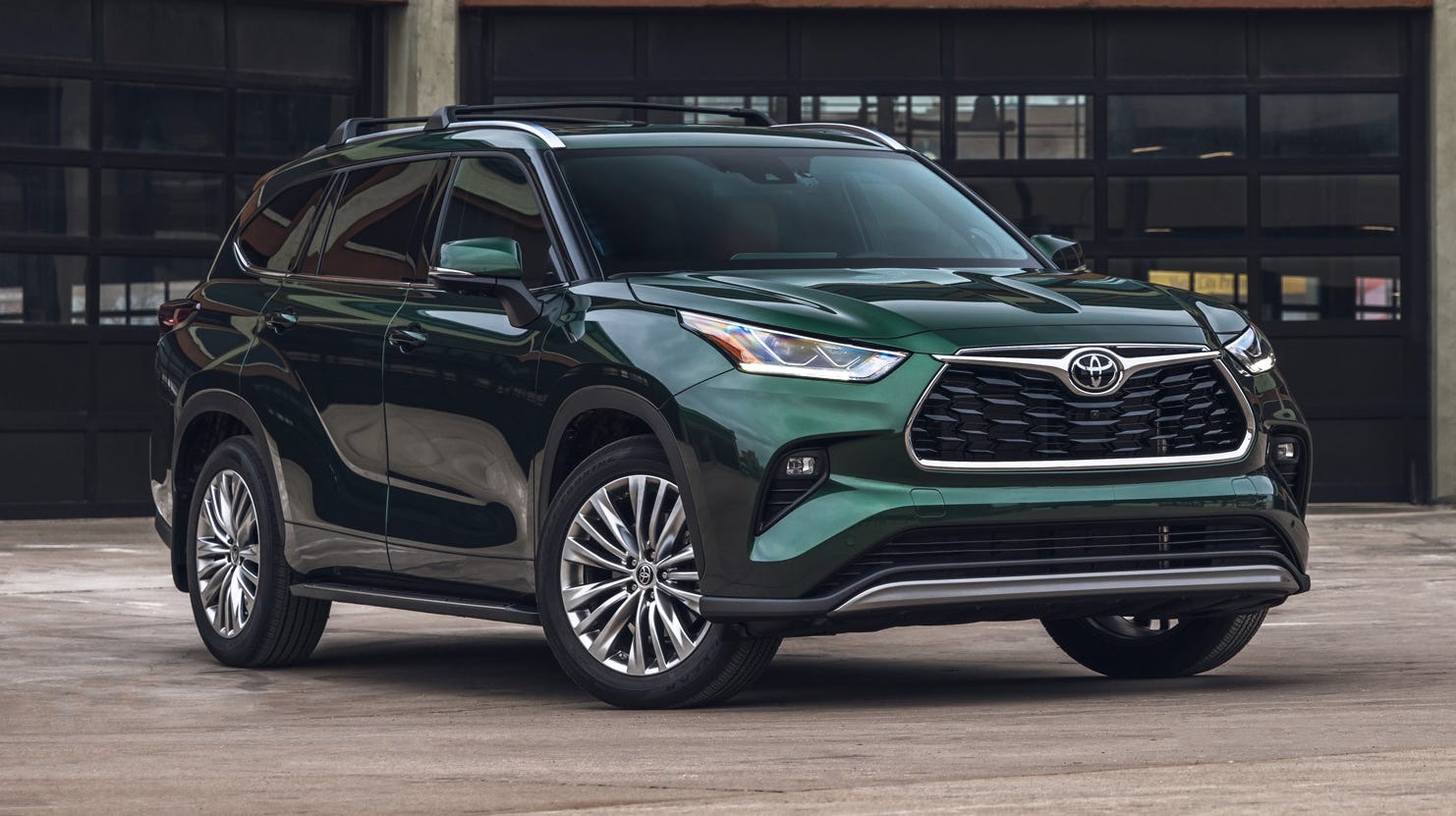
Toyota’s Highlander has long been praised for its blend of comfort, practicality, and reliability, and its power liftgate system is no exception. The liftgate on the Highlander operates with exceptional smoothness and precision, impressing owners who rely on its functionality for everyday convenience.
Users commonly note that the system is highly responsive whether activated by the key fob, the interior switch, or the hands-free foot sensor located under the rear bumper. This responsiveness is critical in scenarios where quick and reliable operation is needed, such as during inclement weather or when in a hurry.
One reason behind the Highlander’s successful power liftgate design is Toyota’s holistic approach to integrating mechanical and electronic components. The motor that drives the liftgate is mounted on a reinforced track system that minimizes vibrations and ensures consistent, fluid motion without jerking or hesitation.
In addition, the liftgate control module is programmed with sophisticated algorithms that monitor system status and detect any abnormal resistance or obstacles.
This advanced obstacle detection ensures that the gate will automatically reverse or pause if it senses anything blocking its path, which prevents damage and increases safety for users.
Furthermore, Toyota engineers have built the liftgate system to endure a wide range of environmental conditions. From freezing temperatures in northern climates to the intense heat and dust of desert regions, the power liftgate continues to perform reliably without degradation.
This durability is supported by the use of corrosion-resistant materials and protective seals that shield the mechanical components and wiring from moisture and debris. Many Highlander owners report trouble-free operation over many years and thousands of miles, demonstrating the longevity of the system.
Another aspect that contributes to the Highlander’s reliable power liftgate is the manufacturer’s commitment to customer service and easy maintenance. Toyota’s extensive dealership network allows owners to quickly address any issues that might arise, and routine maintenance on the liftgate system is straightforward and inexpensive.
The vehicle’s onboard diagnostics also notify owners promptly if any system faults develop, allowing early intervention before problems worsen. Highlander’s power liftgate stands as a prime example of how reliability and convenience can be successfully combined in an SUV.
2. Honda CR-V
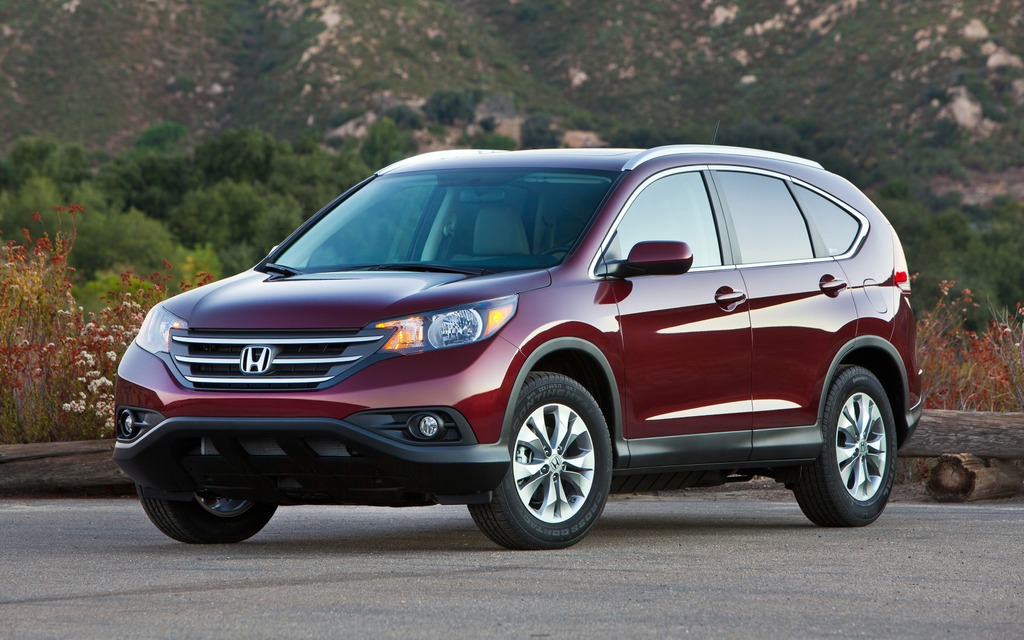
The Honda CR-V has earned a reputation as a practical, dependable compact SUV, and its power liftgate system is one of the features that many owners find particularly well-designed and trustworthy.
Users consistently report that the liftgate opens and closes promptly and without hesitation, whether initiated via the remote key fob, the interior button, or the hands-free foot sensor.
The balance between responsiveness and smooth operation means the liftgate neither feels sluggish nor dangerously fast, offering a comfortable user experience.
Honda’s attention to engineering detail is evident in the CR-V’s liftgate components. The motor driving the liftgate is robustly designed to handle frequent daily use without overheating or strain. The mechanical hinges and struts are built with corrosion-resistant materials to withstand exposure to harsh weather and road conditions.
Equally important is the control software, which undergoes extensive testing to minimize errors, glitches, or sensor misreads. This ensures the liftgate reacts appropriately to commands and obstacle detection sensors operate reliably, reducing false alarms or unintended stops.
An important safety feature of the CR-V’s system is its sensitivity to obstacles during closing. If the liftgate encounters resistance or detects an object or person in its path, it automatically reverses course, preventing injury or damage to property.
This function is critical for families or pet owners who frequently use the rear hatch and helps provide peace of mind during everyday operations.
In addition to the hardware and software strengths, Honda offers comprehensive customer support and straightforward repair procedures if needed. Most liftgate repairs or recalibrations can be completed quickly and affordably, which adds to owner satisfaction.
Surveys and reviews often highlight the CR-V’s power liftgate as a convenience feature that rarely disappoints, underscoring Honda’s ability to blend innovation with dependability in its SUV offerings.
3. Subaru Outback
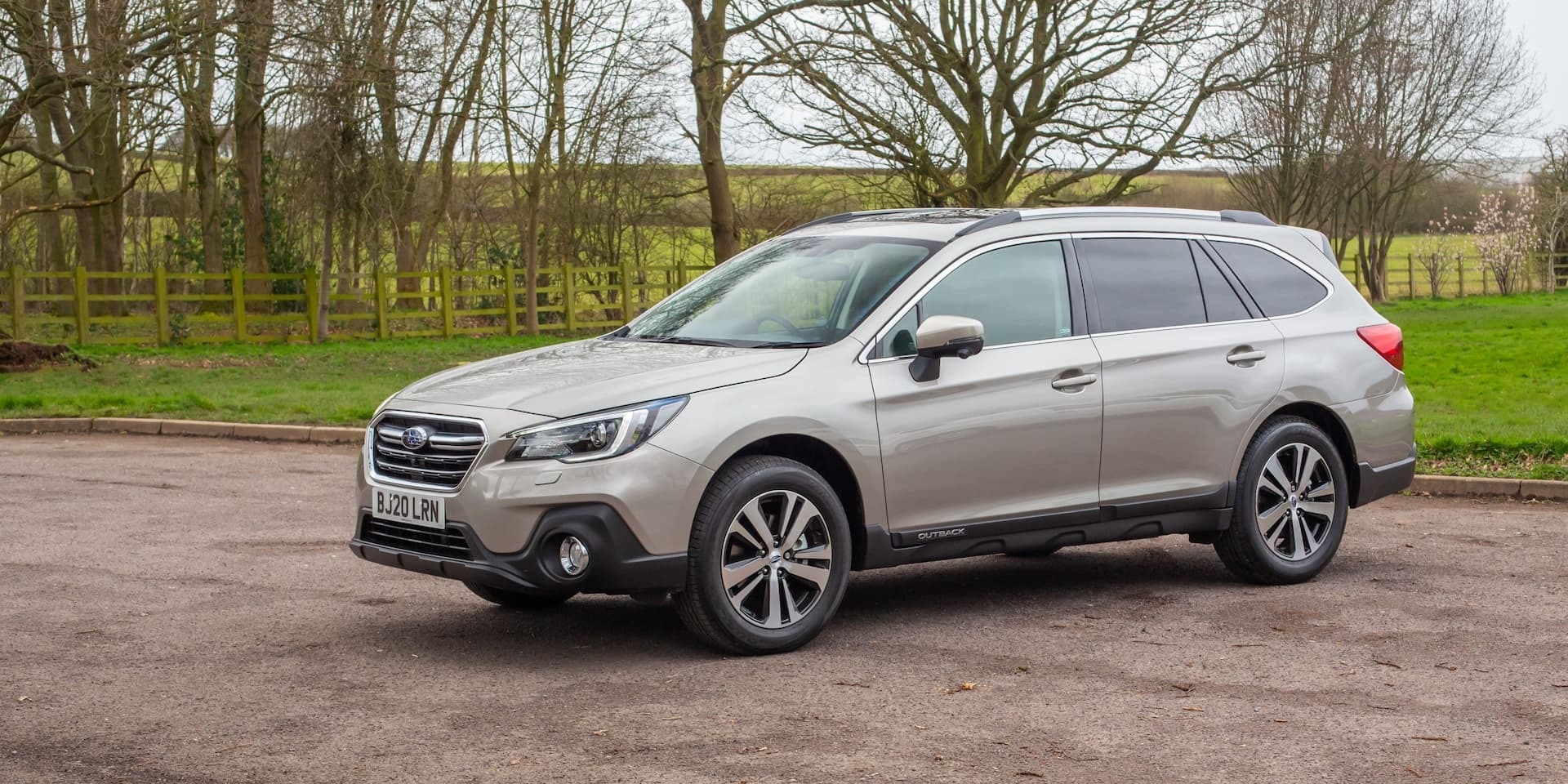
Though the Subaru Outback is more of a crossover wagon than a traditional SUV, it is well worth mentioning due to its power liftgate’s reputation for dependability and ease of use.
Subaru’s engineering philosophy emphasizes ruggedness and functionality, and their liftgate systems reflect this by focusing on durability and performance under diverse conditions. Many Outback owners report consistently smooth and responsive liftgate operation, even after years of regular use in challenging environments.
The Outback’s power liftgate incorporates a thoughtfully designed hands-free feature, allowing users to open the rear hatch simply by waving their foot under the rear bumper. This functionality works reliably and is sensitive enough to respond accurately without false activations.
The opening and closing speeds are calibrated to be moderate, which reduces mechanical wear and noise while still being quick enough to avoid user frustration. Moreover, the system allows manual override, letting users stop or reverse the gate’s motion easily if needed.
One of Subaru’s strengths lies in designing vehicles that perform well in tough weather and road conditions. The power liftgate system benefits from weather-resistant seals and protective coatings that help prevent corrosion and freezing, which are common causes of failure in lesser-engineered systems. These measures contribute significantly to the Outback’s liftgate longevity and reliability.
Customer feedback underscores the power liftgate as a valuable and trouble-free convenience feature, adding to the Outback’s appeal as a versatile vehicle for outdoor enthusiasts and families alike. Subaru’s reputation for safety and durability extends to the liftgate system, making it a trusted choice for drivers who require dependable performance regardless of conditions.
4. Ford Escape
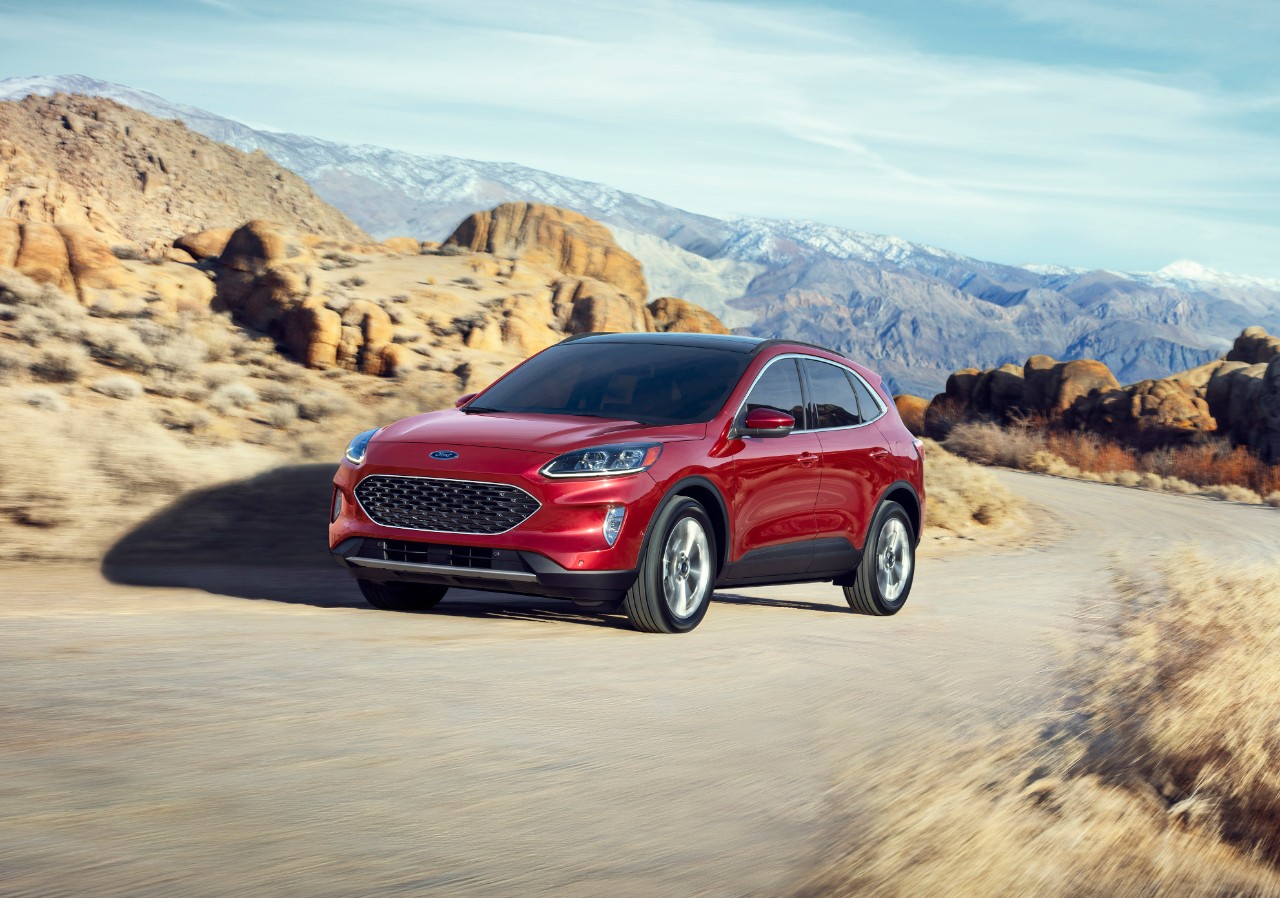
The Ford Escape, a popular compact SUV in the American market, has made significant strides in the quality of its power liftgate system.
Owners frequently praise the Escape’s liftgate for its prompt response times and accurate obstacle detection, both of which contribute to a positive ownership experience. Whether activating the liftgate via the key fob, the interior button, or the hands-free foot sensor, users report consistent performance without delays or misfires.
Ford’s design incorporates sturdy mechanical components, such as durable hinges and a reliable motor, paired with advanced electronics that monitor the health of the system in real-time.
If any abnormalities are detected, the system provides alerts to the driver, and in some cases, attempts to automatically reset before the issue requires a service appointment. This proactive approach to diagnostics helps reduce unexpected failures and inconvenience.
Another factor contributing to the Escape’s dependable liftgate is the well-calibrated sensors that detect obstacles during closing.
This prevents damage to the vehicle or objects in the path and enhances safety, especially for families with small children or pets. The sensors are neither overly sensitive nor too lax, achieving a good balance that minimizes false alarms without compromising protection.
Owners also benefit from Ford’s large service network and warranty coverage, which simplify repairs and maintenance related to the power liftgate. This accessibility adds to the Escape’s reputation as a practical, user-friendly SUV where convenience features work as promised.
5. Hyundai Santa Fe
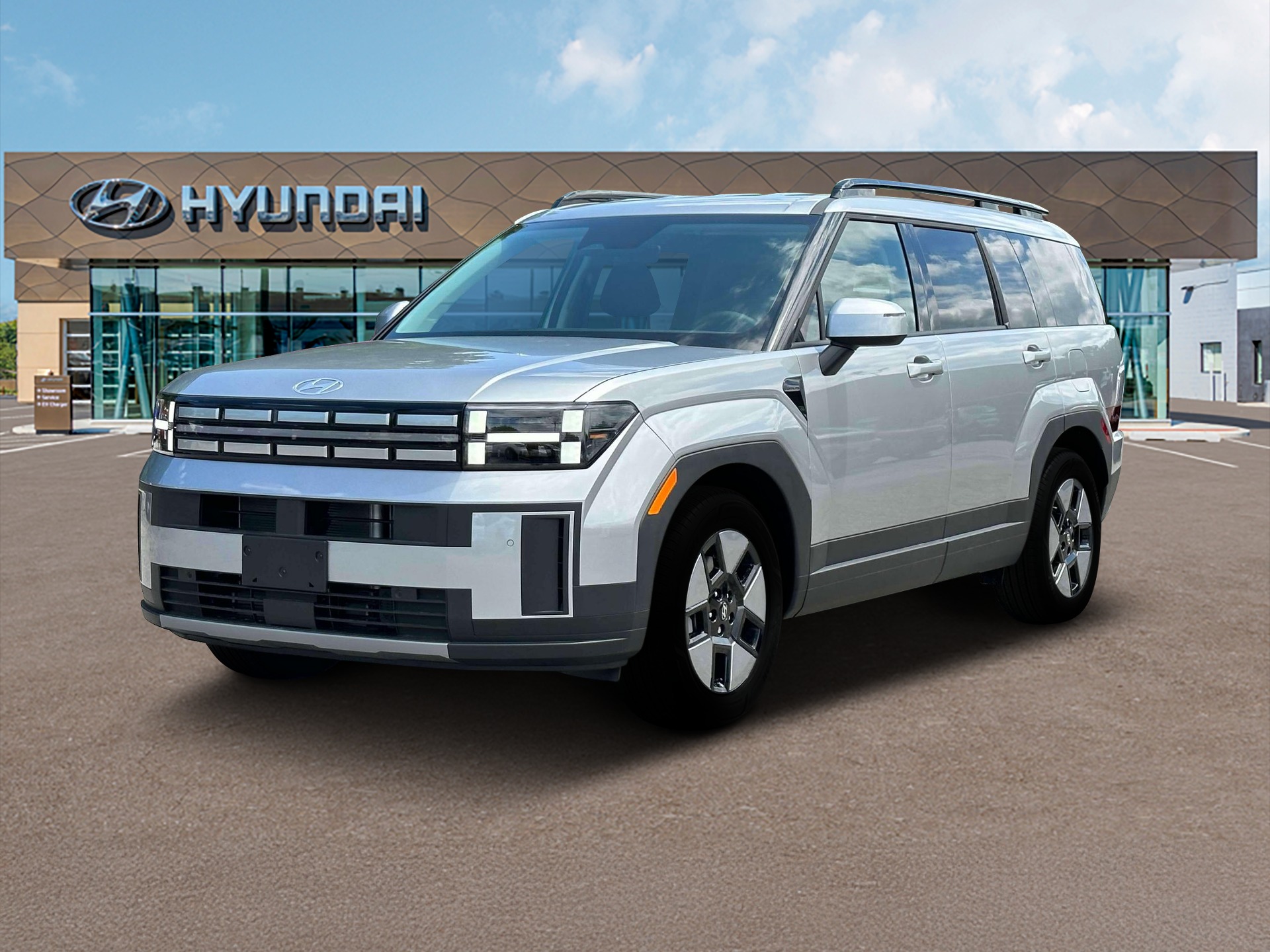
The Hyundai Santa Fe, a midsize SUV that has gained popularity for its value and features, offers a power liftgate system that is both reliable and well-regarded by owners.
Hyundai’s approach to the Santa Fe’s liftgate combines modern design with proven components, resulting in a system that performs consistently across various conditions and user demands. Feedback from owners highlights the smooth operation, quick response, and accurate sensor function.
The liftgate motor and mechanical assemblies in the Santa Fe are designed to endure repeated use without significant wear or overheating. The gate opens and closes at a controlled pace, which prevents sudden jolts that could stress the components or cause user discomfort.
Moreover, safety sensors are integrated to detect obstacles during closing, reversing the gate’s motion if anything is detected, which protects both passengers and cargo.
A particularly appreciated feature is the hands-free opening mechanism, which responds to a foot wave with good precision.
This balance between sensitivity and avoiding false activations enhances user convenience without becoming a nuisance. Hyundai has refined this aspect through continuous improvements in sensor technology and software updates.
The satisfaction with the Santa Fe’s power liftgate reflects Hyundai’s broader commitment to quality and innovation. This feature consistently earns praise in automotive reviews and owner surveys, further cementing the Santa Fe’s status as a dependable and convenient midsize SUV choice.
SUVs with Power Liftgates That Fail Often
1. Jeep Grand Cherokee
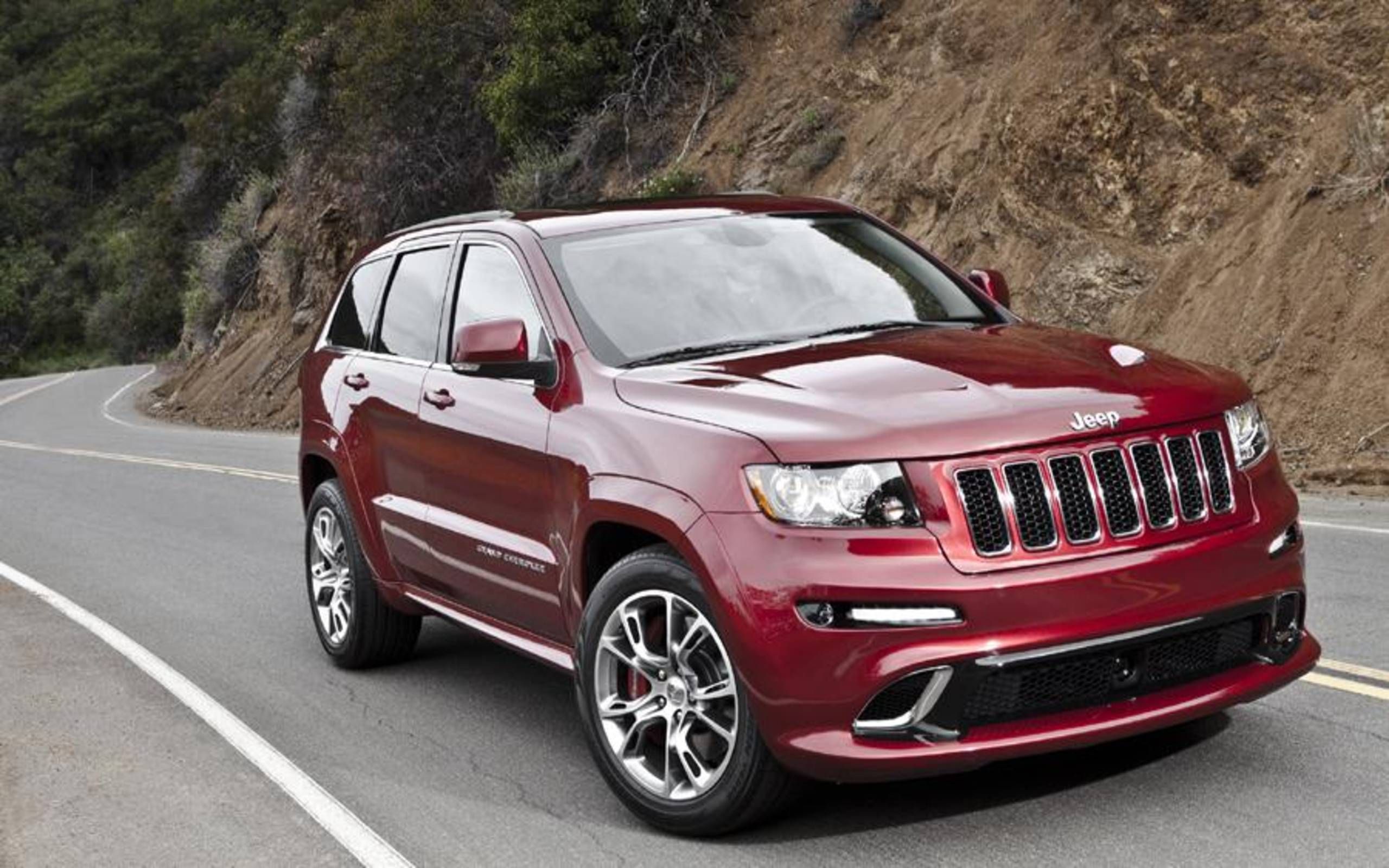
The Jeep Grand Cherokee is widely recognized for its rugged off-road abilities and distinctive styling, but unfortunately, its power liftgate system has often been a source of frustration for many owners.
There are numerous reports describing situations where the liftgate fails to respond when the remote key fob button is pressed, refuses to open or close with the interior switch, or the foot-activated sensor is erratic or completely nonfunctional. These inconsistent behaviors undermine what should be a convenient feature.
One common cause for these problems appears to be the system’s overly sensitive or poorly calibrated sensors, which sometimes mistake small obstacles or environmental factors as obstructions, causing the liftgate to stop or reverse unnecessarily.
Conversely, there are cases where the sensors fail to register real obstacles, posing safety risks or leading to mechanical damage. In addition, the electronic control unit managing the liftgate often experiences glitches, requiring repeated resets or even dealer visits for software reprogramming.
The mechanical aspects of the Grand Cherokee’s liftgate have also been criticized. Owners report issues such as stiff or binding hinges, motors struggling under load, or components wearing prematurely, especially in climates where salt, dirt, and moisture accelerate corrosion and mechanical wear. This mechanical degradation often compounds electronic problems, leading to a cycle of failures and repairs.
As a result of these combined issues, the Grand Cherokee’s power liftgate has developed a reputation for being unreliable, especially compared to competitors in the luxury SUV segment. For buyers seeking a seamless hands-free liftgate experience, this inconsistency may be a significant deterrent despite the vehicle’s other strengths.
2. Chevrolet Traverse
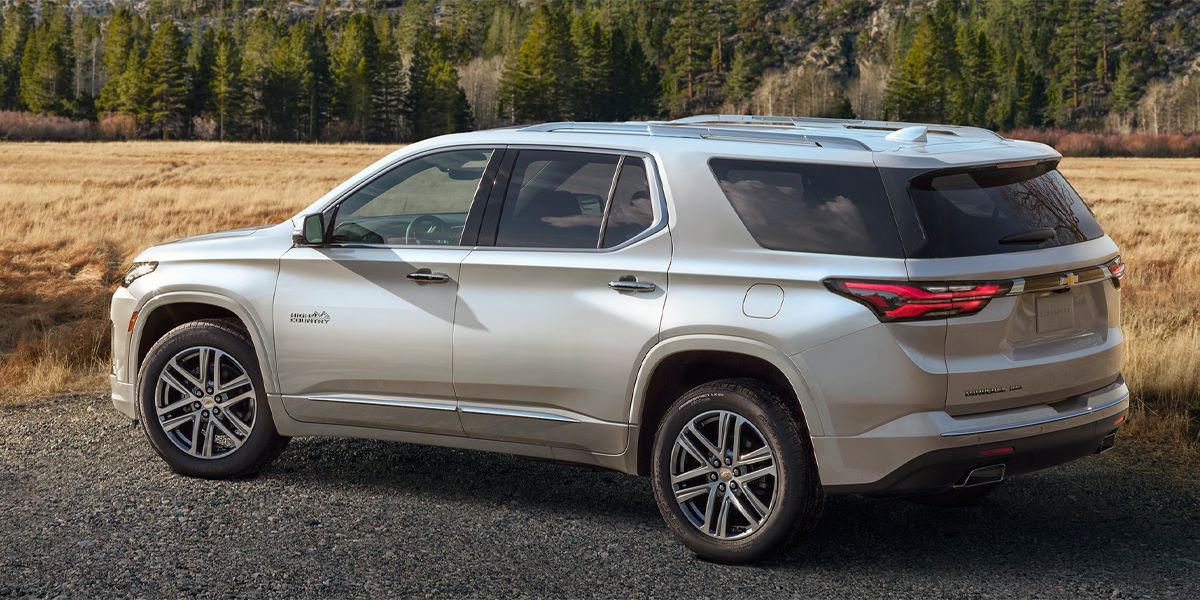
The Chevrolet Traverse, a large family SUV known for spacious interiors and practicality, has also experienced frequent complaints related to its power liftgate system.
Many owners report slow or delayed responses when attempting to open or close the liftgate, with some encountering complete failure where the gate refuses to operate automatically altogether. These issues can significantly reduce the convenience the feature is supposed to provide.
A common frustration with the Traverse’s power liftgate is that it can “lock up,” meaning the system becomes unresponsive until the vehicle is restarted or the liftgate is manually cycled open and closed.
This problem is often linked to electronic control faults or communication errors between sensors and the central vehicle computer. In some cases, the gate might open only partially or close abruptly without completing the full motion, likely due to motor calibration issues or sensor feedback failures.
The complexity of the Traverse’s liftgate mechanism, involving multiple moving parts, electronic sensors, and control modules, seems to contribute to its higher failure rate.
While these components are designed to provide convenience and safety, the increased complexity creates more potential points of failure that can cause operational issues if not properly maintained or updated.
Repairing these faults can be both time-consuming and expensive, as diagnostic work is needed to identify the root cause. This reality diminishes owner confidence in the system and reduces satisfaction with the liftgate feature in the Traverse.
3. Nissan Pathfinder
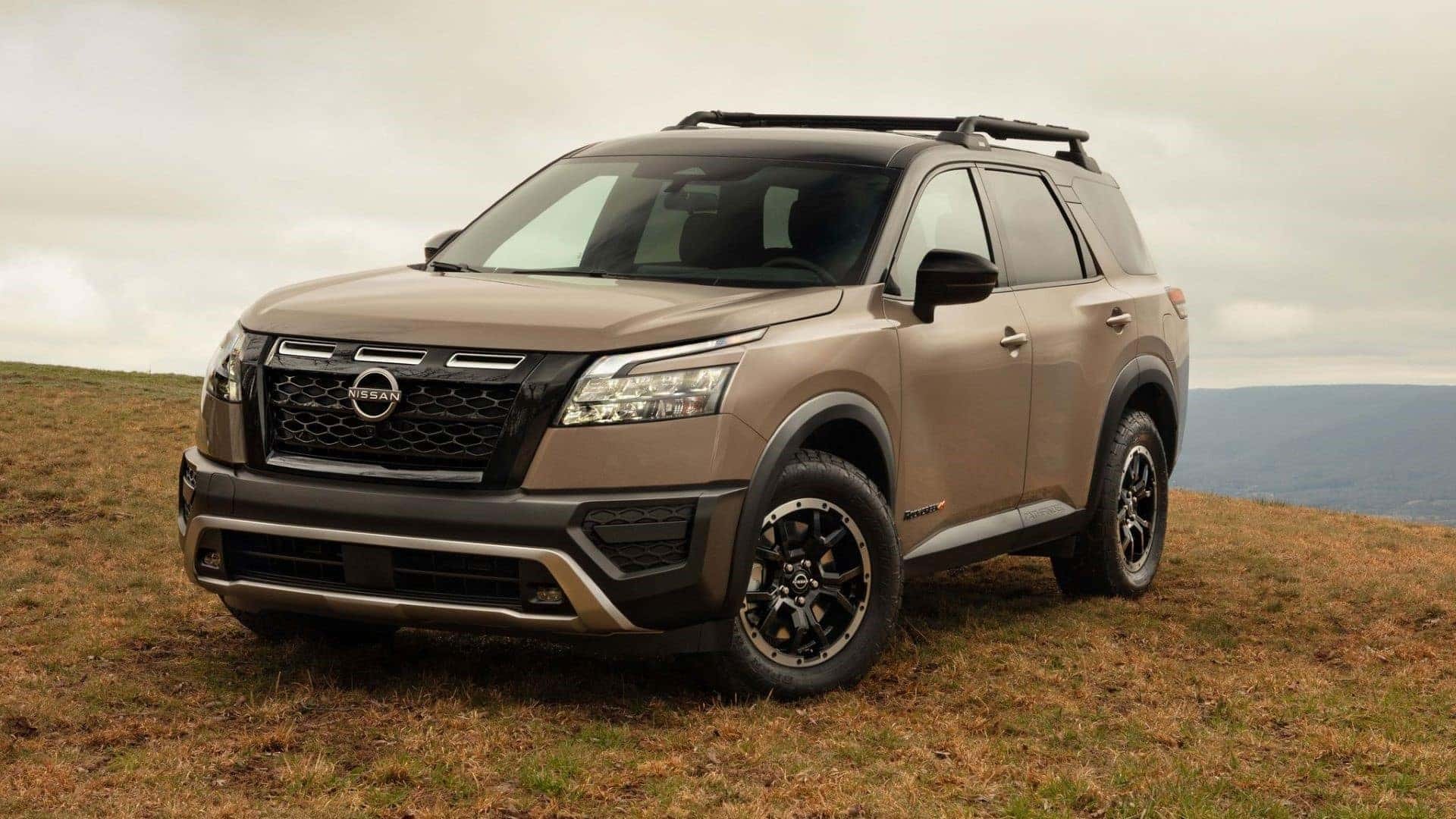
The Nissan Pathfinder, a midsize SUV often chosen for family use and occasional off-road driving, features a power liftgate that has been the subject of numerous owner complaints.
Common problems include liftgates that fail to close completely, open irregularly or very slowly, or have sensors that do not reliably detect gestures or obstacles, leading to inconsistent functionality. Many users have pointed to software-related issues as a major contributor to the Pathfinder’s liftgate unreliability.
For example, the control system sometimes requires multiple attempts before responding to a command, or it may activate the gate’s movement at inconsistent speeds, which can be disorienting or unsafe. These symptoms suggest potential flaws in the system’s programming or sensor calibration.
On the mechanical side, the Pathfinder’s liftgate motor and hinges have been reported to produce unusual noises, stiffness, or resistance over time.
Environmental exposure, such as rain, snow, dust, and salt, appears to accelerate these wear issues. These mechanical difficulties not only affect the smoothness of operation but also increase the risk of complete failure.
Because of these recurring issues, some Pathfinder owners choose to disable the automatic feature and rely on manual operation to avoid the frustration and inconvenience of an unreliable liftgate system.
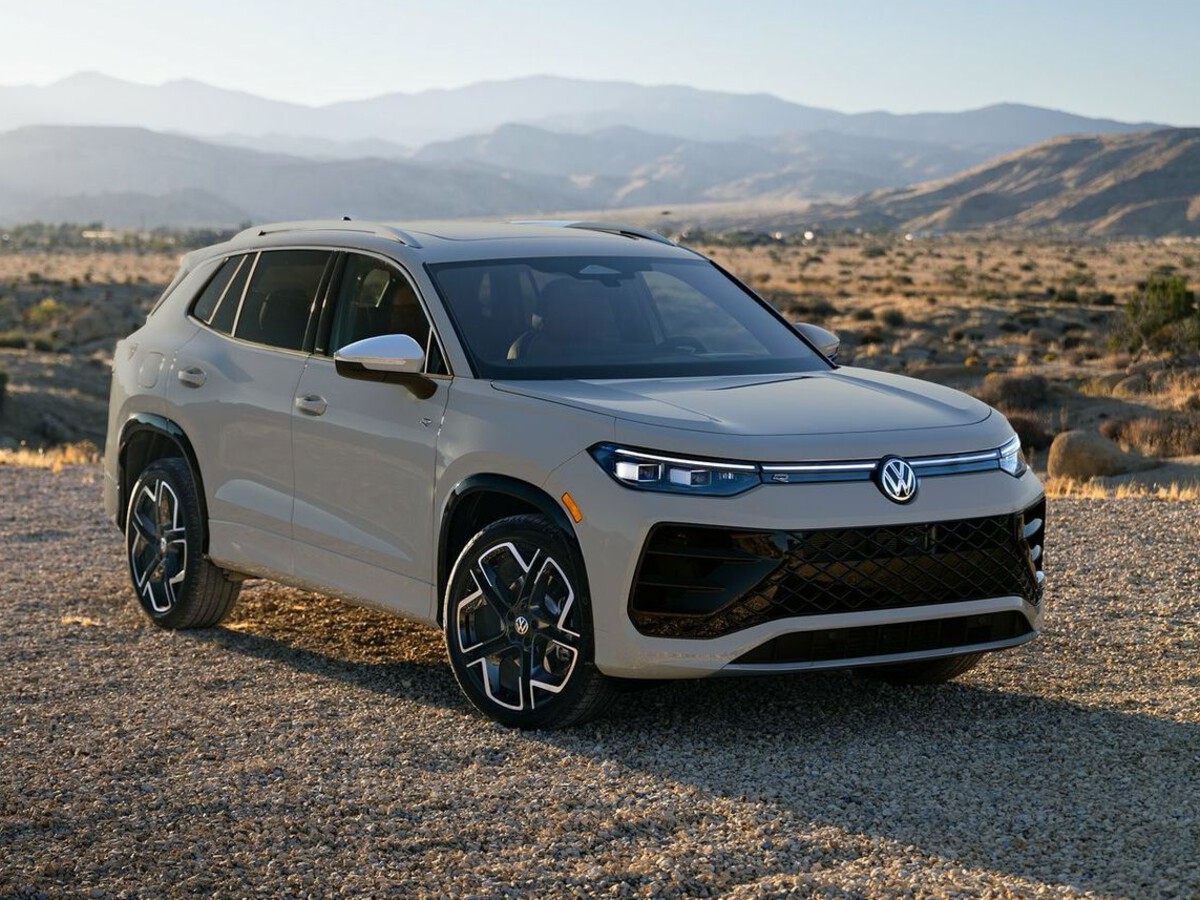
4. Volkswagen Tiguan
The Volkswagen Tiguan’s power liftgate has garnered mixed reviews, with a significant number of owners reporting erratic behavior and frequent failures.
These problems include instances where the liftgate fails to respond to commands from the key fob or interior buttons, sensors misinterpret foot gestures or obstacles, and sudden, unexpected closing of the liftgate without warning or proper control.
An issue with the Tiguan’s system lies in its sensor array, which some owners find to be overly sensitive or prone to environmental interference.
Dirt, rain, snow, and even temperature changes can cause the sensors to send false signals, resulting in the liftgate stalling or reversing unpredictably. This unpredictability decreases user confidence and increases annoyance during everyday use.
The electronic control modules responsible for managing the liftgate often require system resets to resolve software glitches. These resets may need to be performed repeatedly or at a dealership, increasing inconvenience and downtime. In some cases, the control unit may fail, necessitating costly repairs.
Furthermore, the mechanical components such as the liftgate motor have shown signs of early wear and reduced reliability within a few years of ownership.
Combined, these electronic and mechanical shortcomings have contributed to a less favorable reputation for the Tiguan’s power liftgate system compared to many competitors.
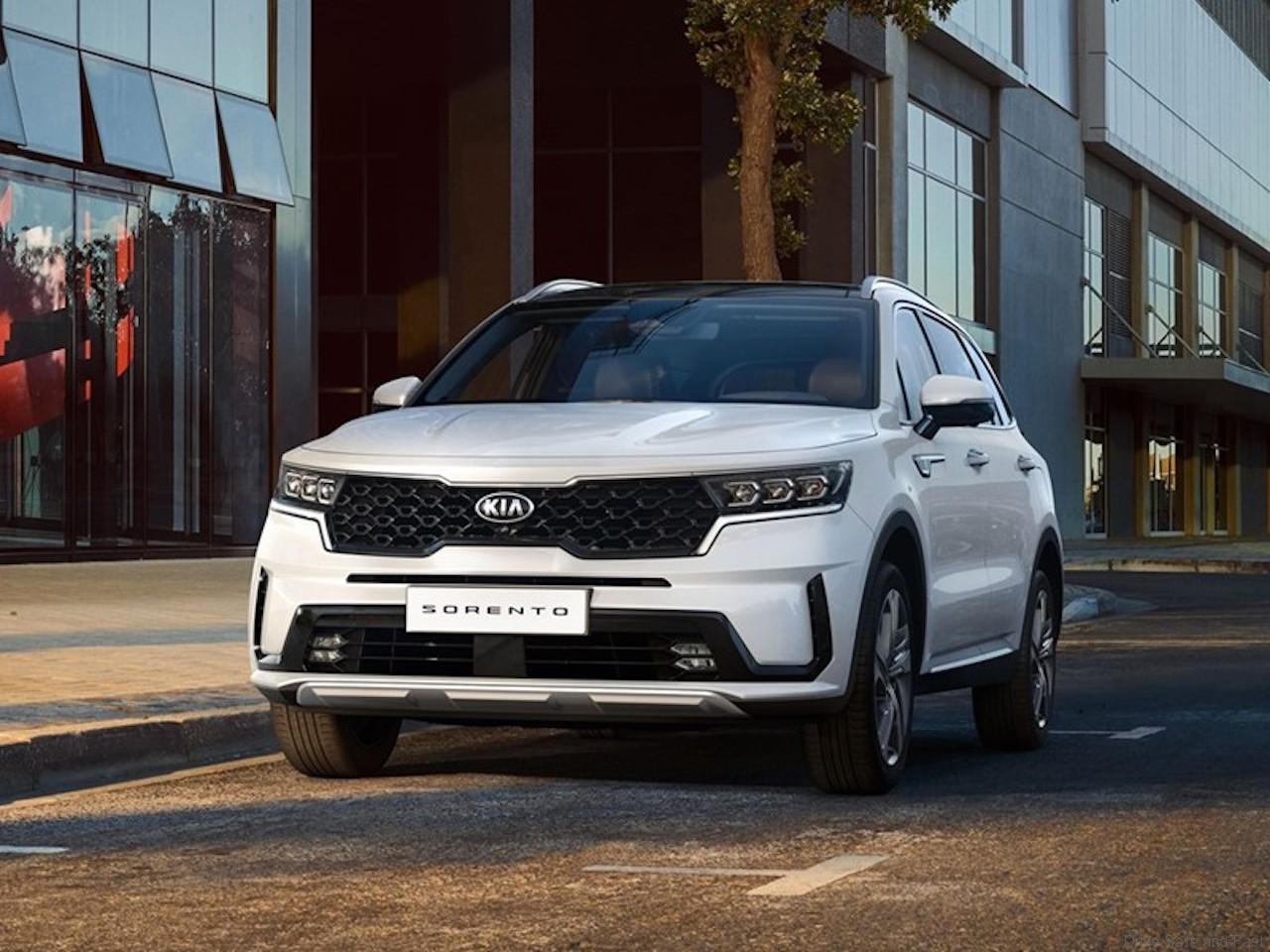
5. Kia Sorento
The Kia Sorento, a midsize SUV that has improved in quality over recent years, has nonetheless experienced a number of power liftgate reliability issues, especially in earlier model years.
Many owners report delays in operation, incomplete or partial openings and closings, and sensors that fail to recognize user gestures consistently. These problems reduce the convenience and usefulness of the feature.
The foot-activated hands-free sensor in the Sorento sometimes struggles with accurately detecting a user’s intent, resulting in multiple failed attempts or inadvertent activations.
This over-sensitivity or under-sensitivity frustrates users who expect a seamless, automatic experience. Such failures sometimes lead to the sensor being ignored altogether.
Electrical glitches, such as error messages appearing on the dashboard or the liftgate stopping abruptly mid-cycle, have also been reported. These issues frequently require dealer visits for software updates or mechanical inspections, adding time and expense to the ownership experience.
Given these challenges, some Sorento owners have chosen to disable the power liftgate and rely solely on manual operation to avoid ongoing reliability headaches. Although Kia continues to improve quality with newer models, earlier Sorentos illustrate the potential for frustration with this feature.
Also Read: 5 EVs That Last for Decades and 5 That Don’t See Year Five
Choosing an SUV equipped with a reliable power liftgate is more than just a preference for convenience; it is a decision that affects daily usability, safety, and satisfaction with the vehicle.
Power liftgates are a feature that bridges technology and practicality, intended to make life easier by reducing the physical effort required to load and unload the rear cargo area.
However, this convenience depends entirely on the system’s consistent functionality. A power liftgate that opens and closes reliably every time enhances the user experience, saves time, and prevents unnecessary frustration.
Conversely, one that frequently fails or behaves unpredictably can transform what should be a simple task into an ongoing challenge.
The analysis of SUVs with dependable power liftgates, such as the Toyota Highlander, Honda CR-V, Subaru Outback, Ford Escape, and Hyundai Santa Fe, demonstrates how thoughtful design, quality components, and rigorous testing contribute to a superior user experience.
These vehicles benefit from well-calibrated sensors that accurately detect obstacles, motors and mechanical assemblies engineered to endure repeated use under diverse conditions, and software that smoothly coordinates system functions.
Furthermore, these manufacturers provide robust customer support, simplifying maintenance and repairs. As a result, owners of these SUVs often report years of trouble-free operation, highlighting the importance of reliability in convenience features.
On the other hand, SUVs like the Jeep Grand Cherokee, Chevrolet Traverse, Nissan Pathfinder, Volkswagen Tiguan, and Kia Sorento illustrate the consequences of less reliable power liftgate systems.
Owners frequently encounter sensor inaccuracies, software glitches, mechanical wear, and inconsistent responses that diminish the convenience and safety these systems are supposed to offer.
These issues not only reduce owner confidence but can also lead to costly repairs and inconvenience. For buyers who rely heavily on the power liftgate for daily tasks, these reliability problems are a significant drawback.
When selecting an SUV, consumers should consider power liftgate reliability as an important factor alongside performance, styling, and fuel efficiency.
Researching owner feedback, paying attention to manufacturer reputations, and ensuring access to quality service support can help avoid the pitfalls of malfunctioning liftgates. Additionally, regular maintenance, such as keeping sensors clean and ensuring proper mechanical lubrication, can prolong the life of these systems.
As technology advances, automakers are expected to improve the durability and intelligence of power liftgate systems, making them even more intuitive and dependable.
Until then, awareness of which SUVs offer consistently reliable power liftgates will enable buyers to make smarter choices, ensuring their vehicles deliver both the convenience and peace of mind that modern drivers expect.
A power liftgate is more than a luxury; it is a feature that, when designed well, significantly enhances the daily functionality of an SUV. Selecting vehicles with proven reliable systems can save time, reduce frustration, and improve satisfaction, making every trip a little easier.
