
Winter driving is about more than just snow tires and all-wheel drive. One of the most overlooked but crucial features during the colder months is the efficiency of a car’s heating system. When temperatures drop below freezing, drivers don’t just want warmth; they need it, and they need it fast.
Sitting in a frozen cabin with numb fingers and fogged-up windows isn’t just uncomfortable; it can be dangerous. Unfortunately, not all cars are created equal in this regard. Some warm up in a matter of seconds, while others seem to take longer than a microwave dinner in a broken appliance.
Heater performance isn’t always tied to price or brand prestige, either. Some luxury models with advanced technology still fall short when it comes to instant cabin warmth, while certain compact or economy cars surprise drivers by getting toasty almost immediately.
A few factors can influence this. Engine type, climate control design, insulation, and even software programming all affect how quickly warm air reaches your face and fingertips. Older vehicles often rely solely on the engine’s coolant warming up before any heat can be distributed. Meanwhile, modern hybrids and EVs often use electric resistive heaters or heat pumps, which can change the game entirely, for better or worse.
Then there’s the question of how cold a driver is willing to tolerate before considering a car “slow to heat.” A person living in northern Minnesota might scoff at a car that takes three minutes to warm up, while someone in southern Texas might think that’s just fine. Regardless, there are cars with reputations, earned or not, for either making cold mornings more bearable or making you question your life choices during your commute.
In this article, we’ll look at five vehicles that consistently start blowing warm air almost immediately after you fire up the ignition. After that, we’ll take a look at five that are more likely to have you wearing gloves and a parka for the first fifteen minutes of your drive.
This list is based on real-world impressions, driver feedback, and mechanical characteristics common to each vehicle, not just glossy brochures. So if you’re thinking of buying a winter-ready vehicle or wondering why your current ride leaves you freezing, read on.
Also Read: 5 Affordable SUVs That Feel Like Trucks and 5 That Don’t
Cars With Heat That Works Instantly in Winter
1. Tesla Model 3
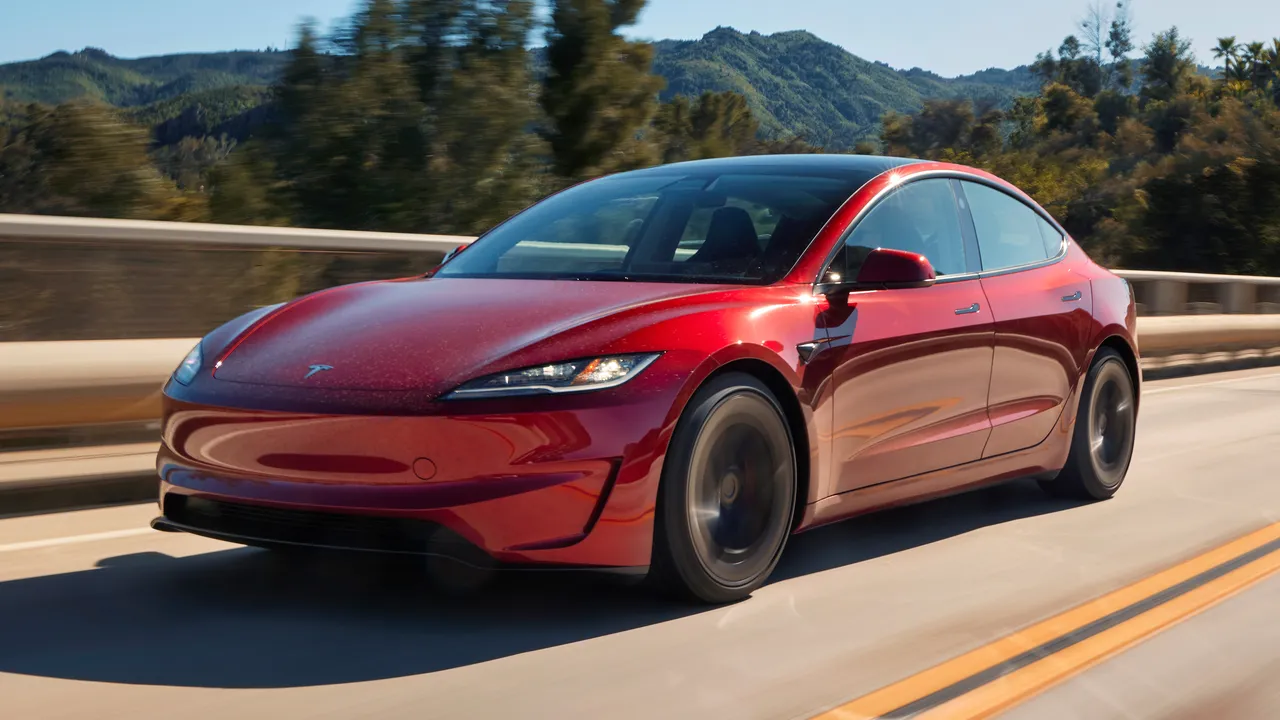
The Tesla Model 3 is an all-electric sedan, and while EVs sometimes get a bad reputation for winter inefficiency, this one stands out for its quick cabin heating. It uses a resistive electric heater and, in newer models, a heat pump system that starts producing warm air as soon as the car powers on.
Unlike traditional gas vehicles that rely on engine heat, the Model 3 doesn’t need time for fluids to warm up before the heater can operate. That means within seconds of pressing the start button, air starts flowing and temperatures rise.
Drivers report that the heated seats and steering wheel activate nearly instantly as well. In frigid climates, this can make the car feel livable even before the cabin itself is fully warmed. Tesla’s app also allows remote pre-conditioning, meaning you can tell the car to warm up while it’s still plugged in in your driveway.
For people who hate walking into a cold car, this feature alone is a game-changer. There’s a difference between stepping into a cold car and stepping into one that feels like it’s been waiting for you with a hot cup of coffee.
Even when the car isn’t pre-conditioned remotely, the onboard systems are programmed to prioritize passenger comfort very quickly. Because it doesn’t depend on combustion for any of its climate functions, there’s no “cold engine” syndrome.
Owners in cold-weather regions frequently cite the Model 3 as one of the few cars where they don’t dread the first few miles of driving in January. It doesn’t try to be flashy about it, but it gets warm fast and stays there.
Of course, energy efficiency in cold weather is still a concern with EVs. Using the heater heavily can cut into range more significantly than in a gasoline vehicle. But for short commutes or people who charge regularly, the trade-off is worth it. You get comfort almost instantly, and on bitterly cold mornings, that’s hard to beat.
2. Subaru Outback (Recent Models)
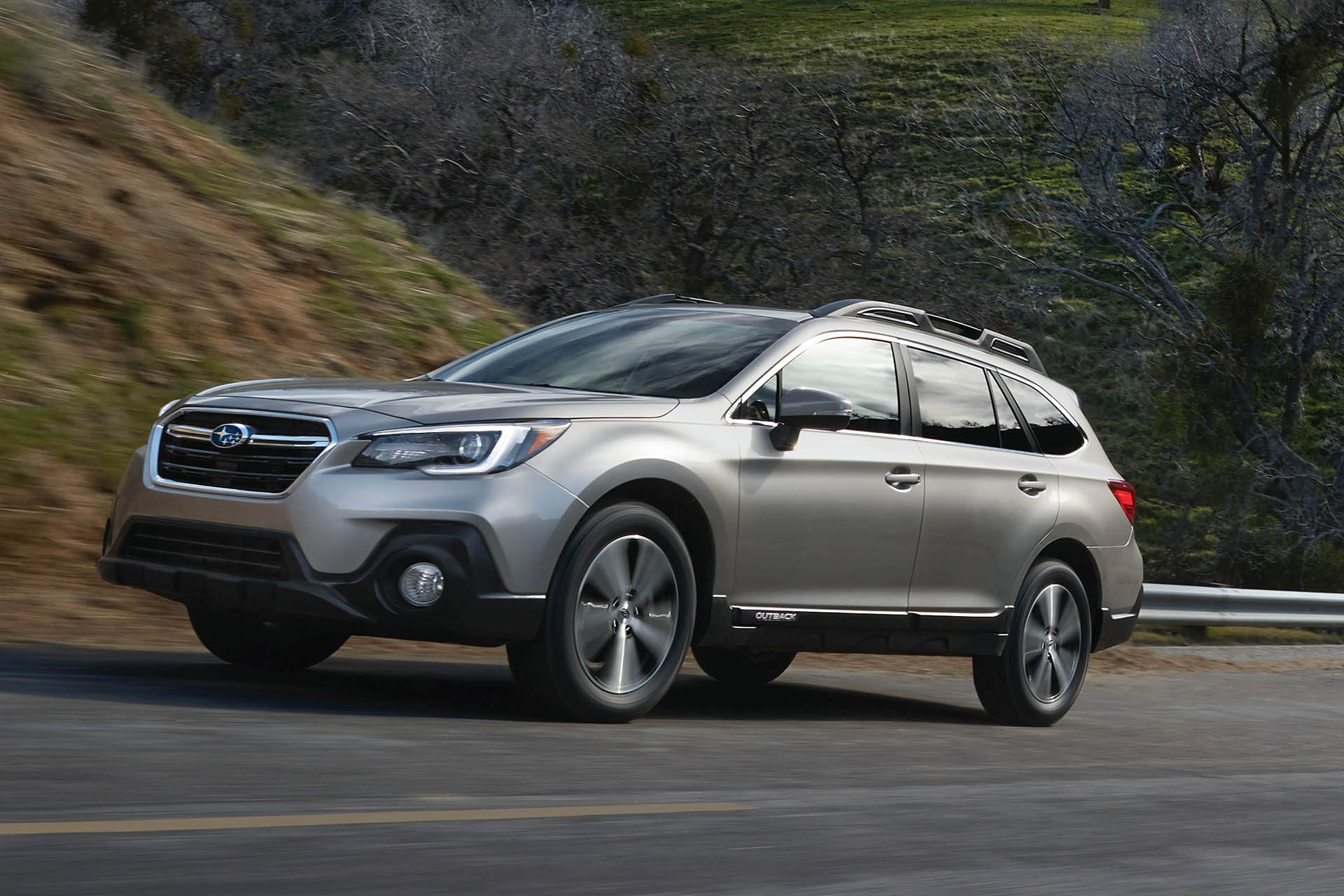
Subaru’s Outback has long been a favorite among winter drivers for its all-wheel-drive capability, but newer models also shine when it comes to cabin heat. Starting from around the 2020 model year, Subaru made improvements in HVAC systems across its lineup.
The Outback, in particular, sees fast-responding automatic climate controls and a well-insulated interior that holds heat efficiently once it starts warming.
Unlike many traditional gasoline-powered vehicles, the Outback manages to push warm air relatively quickly even when the engine is still cold. Part of this is due to improved engine management software that allows heat to be diverted to the cabin sooner than in older cars.
Combined with the quick-heating seat warmers and a responsive steering wheel heater, the Outback manages to make drivers comfortable surprisingly fast, especially when you consider that it doesn’t use a heat pump or electric heater like some hybrids or EVs.
The Outback’s large cabin is surprisingly quick to become comfortable despite its size. Airflow is well-distributed, and the automatic system does a good job of balancing windshield defrosting with general cabin warmth. That’s critical for people in snowbelt states, where morning frost or freezing rain is a regular issue. A fast-heating defroster can make the difference between being late and being safe.
Subaru also includes remote start in many trims, which can help get the cabin temperature comfortable before you step outside. Combined with the company’s Starlink app, newer Outbacks can be preheated from your phone, adding another layer of convenience. While not electric and not as “instant” as a Tesla, the Outback’s blend of quick warm-up and rugged winter readiness puts it high on this list.
3. Toyota RAV4 Hybrid
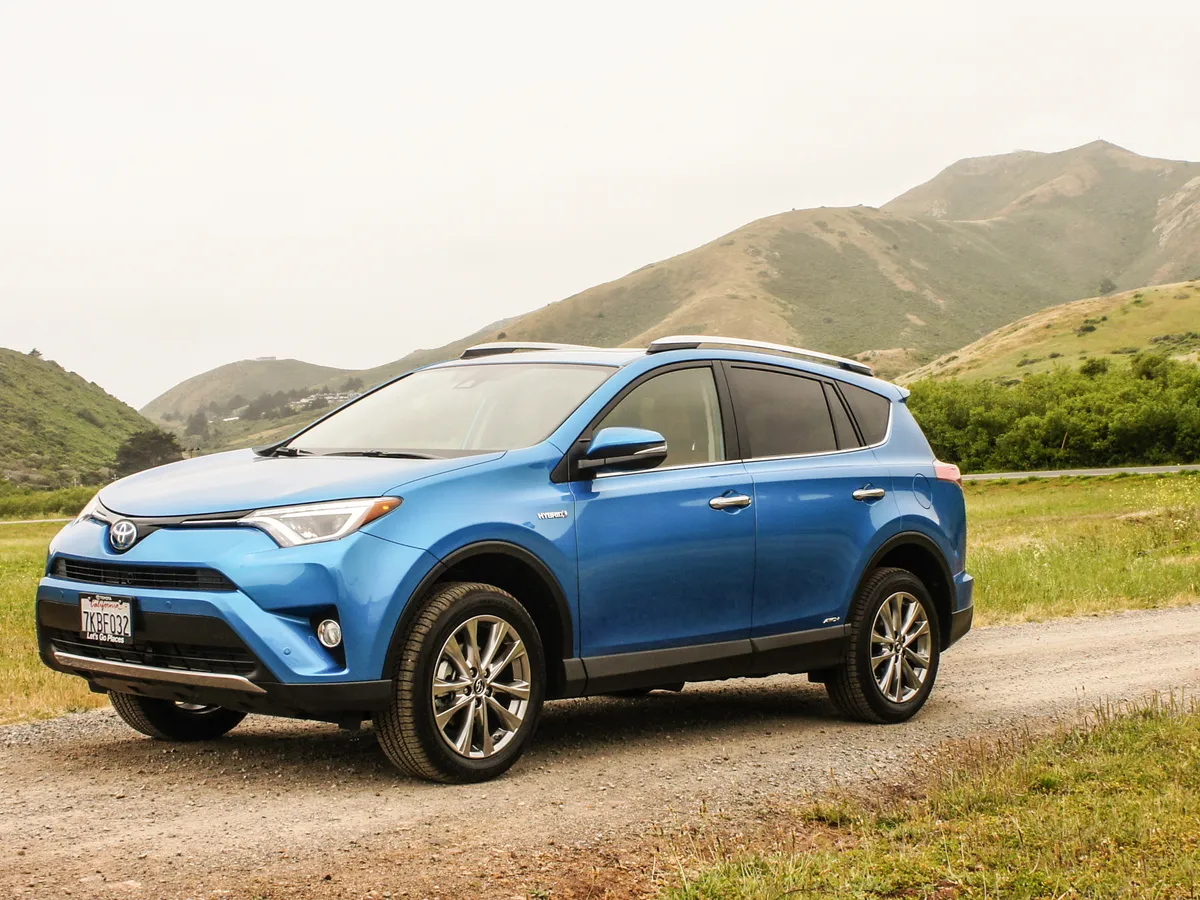
The Toyota RAV4 Hybrid mixes traditional combustion with electric power, and when it comes to heating in cold weather, that mix works to the driver’s advantage. Unlike some hybrids that stay in electric mode too long before allowing the gas engine to warm up, the RAV4 Hybrid intelligently uses both systems to get the heater running sooner. Owners frequently mention that the heater starts delivering warmth within a couple of minutes, far quicker than older hybrid models used to manage.
Because it has both an engine and electric components, the RAV4 Hybrid is able to run its HVAC system efficiently, even before the internal combustion engine has reached its peak temperature. This setup allows the climate control system to activate earlier and more effectively than in either a fully gas or older hybrid design. The front seats and steering wheel warm up quickly as well, making the cabin feel pleasant even before full heat has spread.
The RAV4 Hybrid’s automatic climate control is also well-calibrated for winter conditions. It adjusts air direction, intensity, and temperature faster than many competitors. That means less fiddling with knobs and vents while you’re trying to concentrate on driving through snow or ice. Toyota’s engineers considered winter driving conditions during design, and it shows.
For people looking for a balance between eco-efficiency and real-world cold-weather usability, the RAV4 Hybrid stands out. It doesn’t have the instant-on electric heater of a Tesla, but it manages to bring warmth to the driver faster than most traditional gasoline SUVs in its class. Combined with Toyota’s reputation for reliability, this car is a solid choice for those who face harsh winters regularly.
4. Ford F-150 (With Remote Start and Heated Seats)
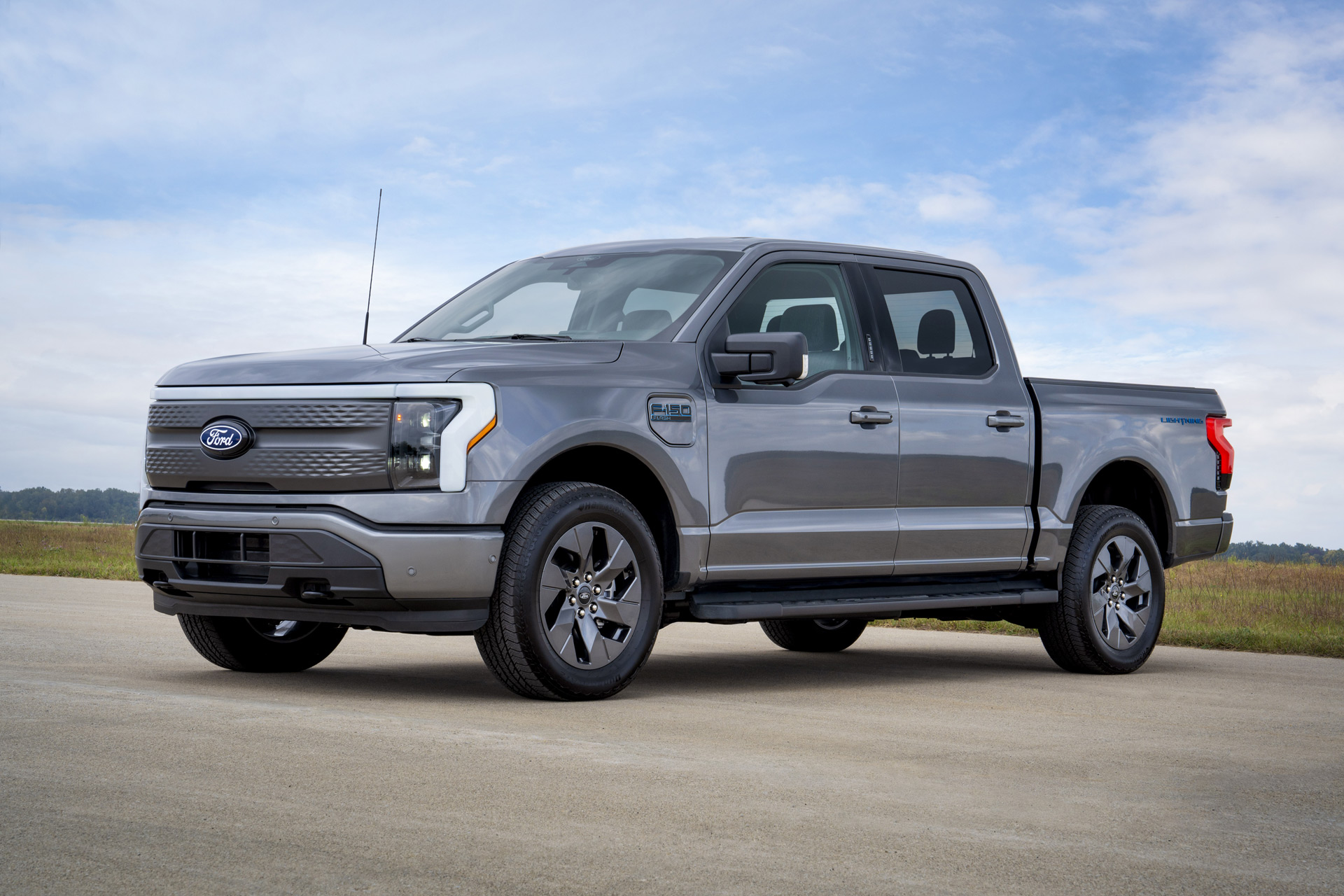
The Ford F-150, especially in Lariat trims or above, has made significant strides in winter comfort over recent generations. While full-size trucks aren’t known for lightning-fast heating, the F-150’s remote start, heated steering wheel, and seat warmers all contribute to a vehicle that feels ready to go in winter conditions. The climate control system begins blowing warm air within minutes of engine start-up, even in freezing temperatures.
Part of the F-150’s success here is due to its powerful engine and large HVAC system. The engine generates enough heat quickly to start moving warm air through the vents sooner than many smaller vehicles. Combine that with quick-to-warm seat heaters and a cabin that holds heat well once it’s generated, and you have a truck that’s surprisingly cozy despite its size.
Remote start is a big factor too. Many F-150s come with it standard, or it’s easily added. With the truck warming up outside for a few minutes before you get in, you’ll often find the windshield defrosted and the cabin already warming, reducing the time you spend shivering behind the wheel. It’s not as “instant” as electric heating, but the system is well-tuned for real winter use.
Ford has also added features like dual-zone climate control, so both driver and passenger can adjust to their own preference. This can reduce complaints on longer winter drives, and the system responds quickly once set. While it’s a large vehicle, the F-150 handles heat like a much smaller car when it comes to time-to-warmth.
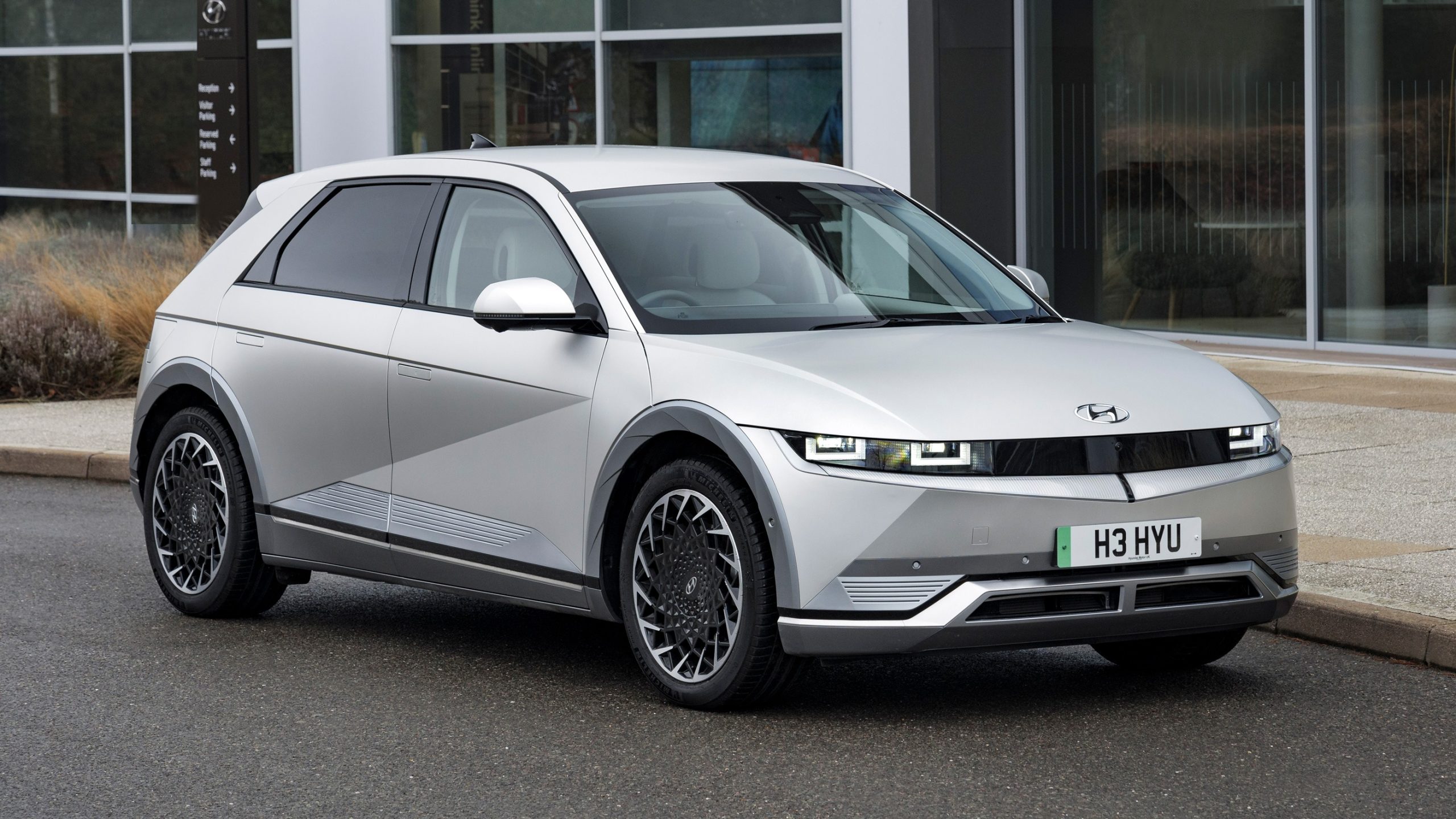
5. Hyundai Ioniq 5
Hyundai’s Ioniq 5 is another EV that handles cold weather heating better than most. Equipped with a heat pump in many trims, the car uses electric power to begin cabin heating right after startup. Because it doesn’t rely on combustion, the Ioniq 5 doesn’t have to wait for engine fluids to warm up.
That alone makes it far better suited to early morning winter commutes than traditional internal combustion vehicles. As soon as the car is turned on, the system starts generating warm air. This makes a huge difference when the outside temperature is in the single digits and the thought of sitting on a frozen seat makes your back clench up.
Another advantage the Ioniq 5 offers is remote climate control through Hyundai’s BlueLink system. With a few taps on your smartphone, you can warm the cabin while the vehicle is still plugged into your home charger. That preconditioning capability is not only convenient but also efficient; it heats the car without consuming battery range while driving.
It also saves time in the morning. Instead of scraping ice off your windshield in sub-zero weather, you can just walk out to a vehicle that’s already warm and defrosted, ready to drive. It’s a level of winter luxury that used to be reserved for high-end vehicles but is now available in this more mainstream EV.
The cabin layout in the Ioniq 5 also contributes to its warm and cozy feel. The wide, open floor design paired with the spacious glass roof could have created an environment that struggles to retain heat. However, Hyundai’s engineers ensured that air distribution is fast and consistent, reaching both front and rear passengers quickly.
Heated seats and a heated steering wheel activate almost immediately, and the automatic climate system rarely requires manual adjustment. For families or ridesharing drivers, this even heating distribution can be the difference between a silent, warm ride and a cabin full of cold complaints.
While electric vehicles can struggle in cold conditions when it comes to range, the Ioniq 5 minimizes the impact through its heat pump and efficient energy management. It might not offer the longest range in the EV industry when the temperature drops, but it makes up for that with immediate, consistent cabin heat that works when you need it most. For people who prioritize cabin comfort and don’t want to wear gloves while driving, this car provides a truly modern winter driving experience.
Cars That Leave You Freezing
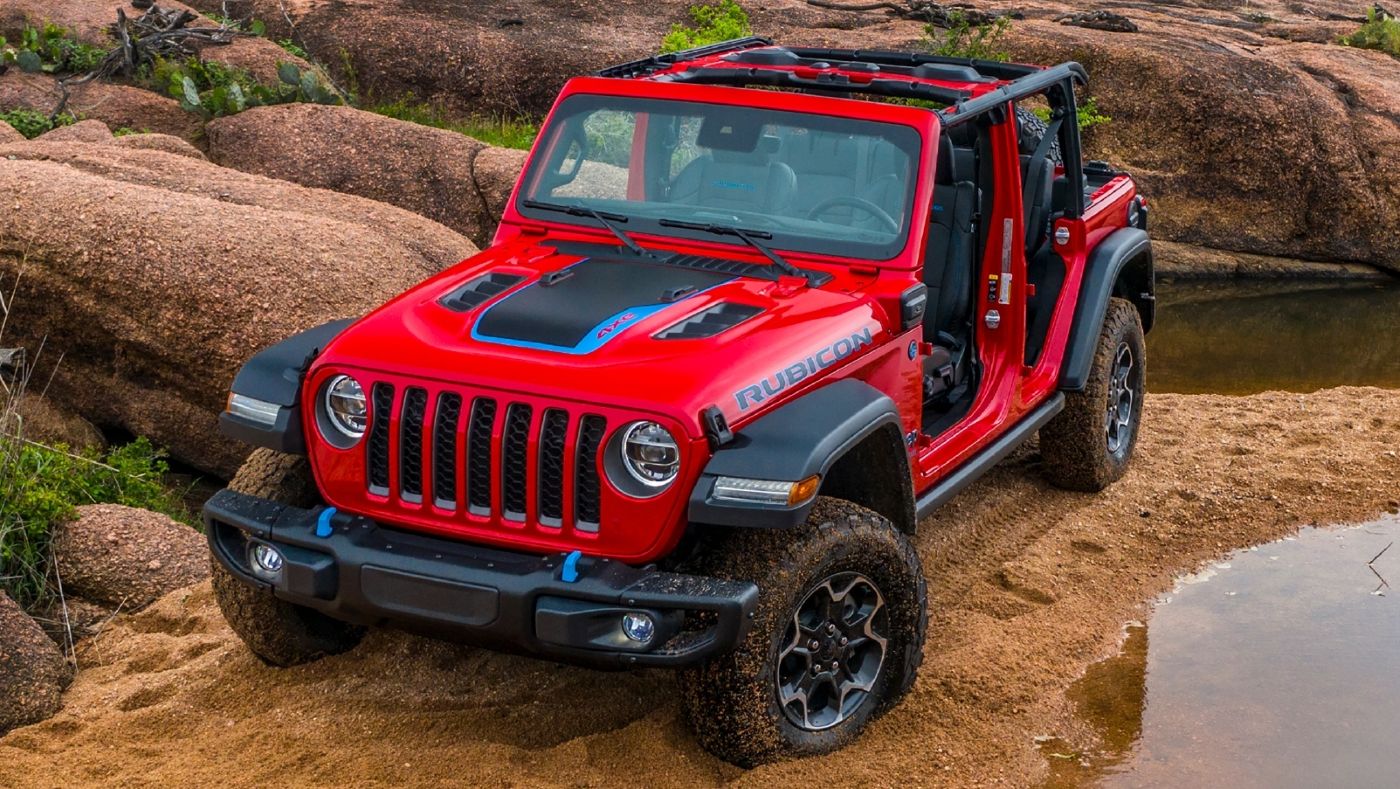
6. Jeep Wrangler (Gas Models)
The Jeep Wrangler is built for ruggedness, off-road adventure, and tough conditions, but surprisingly, it’s not a great performer when it comes to heating up quickly in winter. One of the main issues is that the Wrangler’s traditional design focuses more on durability than modern insulation or climate efficiency.
With its boxy shape, removable roof panels, and minimal soundproofing, the cabin can feel more like a drafty tent than a cozy space, especially in colder climates. That’s not to say it can’t heat up eventually, but it takes longer, and the process is much less efficient than most drivers would prefer.
Wranglers equipped with older or less powerful engines often take their time warming up. Since the heating system relies on engine coolant to generate warmth, you’re essentially stuck waiting until the vehicle’s engine reaches operating temperature before you get any meaningful heat through the vents.
In a cold climate, especially if you’re not driving very far or fast, this can result in long periods of chilly discomfort. The vehicle may be moving, but your hands could still be numb, your windshield fogged up, and your passengers quietly suffering in silence or not so quietly.
Even newer gas-powered Wrangler models, despite upgrades to engines and interior tech, still don’t provide rapid heat delivery when compared to their competitors. This is especially noticeable in the rear seats, where airflow is weaker and heat takes even longer to arrive.
Combine that with the naturally uninsulated build and all the nooks and crannies that let cold air seep in, and it’s no wonder drivers often end up wearing coats and gloves for longer than they should have to. It’s a vehicle that’s engineered for deserts and rocky trails, but not so much for staying warm quickly in suburban snowstorms.
Many Wrangler owners accept this as part of the trade-off for the car’s go-anywhere, do-anything capability. But for people looking for practical winter commuting, the slow-heating cabin is a clear weakness. Unless you’re using a remote start system and letting it run for a long time before driving, expect to see your breath inside the cabin during those early winter miles. It might be a legendary off-roader, but it’s certainly not a heat-on-demand machine.
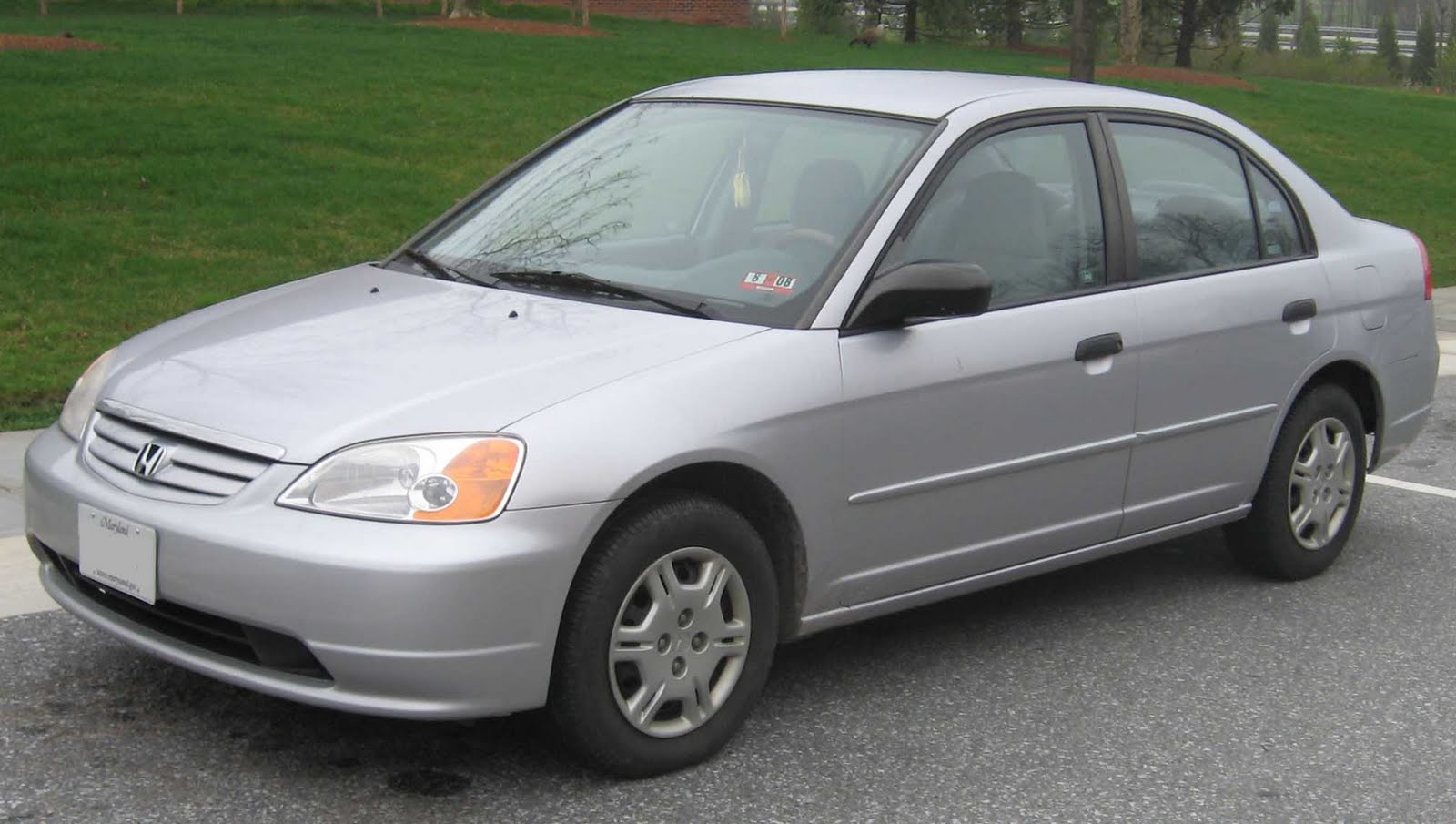
7. Honda Civic (Older Generations)
The Honda Civic is known for reliability, affordability, and fuel efficiency, but when it comes to winter comfort, older generations of the Civic leave a lot to be desired. Models from the early 2000s and even up through the early 2010s often come with small engines that take longer to generate heat.
In those cars, you’ll be sitting in a cold cabin for several minutes before the heater begins to push out anything warmer than the air outside. This isn’t an issue with every Civic, but it’s common enough that many long-time owners have learned to live with it.
Part of the issue stems from the Civic’s compact engine and lightweight build. The car is efficient, but it also means that the engine warms up more slowly, especially in colder conditions. Since traditional heaters rely on the engine’s coolant system to provide warmth, no heat is available until that system gets up to temperature.
On short drives or quick errands in the winter, you may never even reach that threshold. As a result, drivers often report having to rely heavily on seat warmers if equipped, or else toughing it out with the heat blasting full force and still feeling like they’re inside a freezer.
To make matters worse, some of these older Civics have less-than-ideal airflow distribution. You might get some warm air on your feet while your face remains cold or find that the defroster isn’t quite strong enough to clear a fully iced-up windshield in a reasonable amount of time. Rear seat passengers are often forgotten entirely by the heating system, with only weak airflow making it to the back, even when the front vents are blowing at full power. This setup isn’t ideal for winter carpooling or driving with family.
Despite these drawbacks, the Civic remains incredibly popular, and many drivers are willing to overlook slow heat-up times due to the car’s practicality. Still, it’s a downside during harsh winters. Unless you have a garage or a very long commute to allow the engine to fully warm up, don’t expect the Civic to greet you with warm air right after ignition. You’ll be bundled up for the first part of every drive, especially in northern regions.
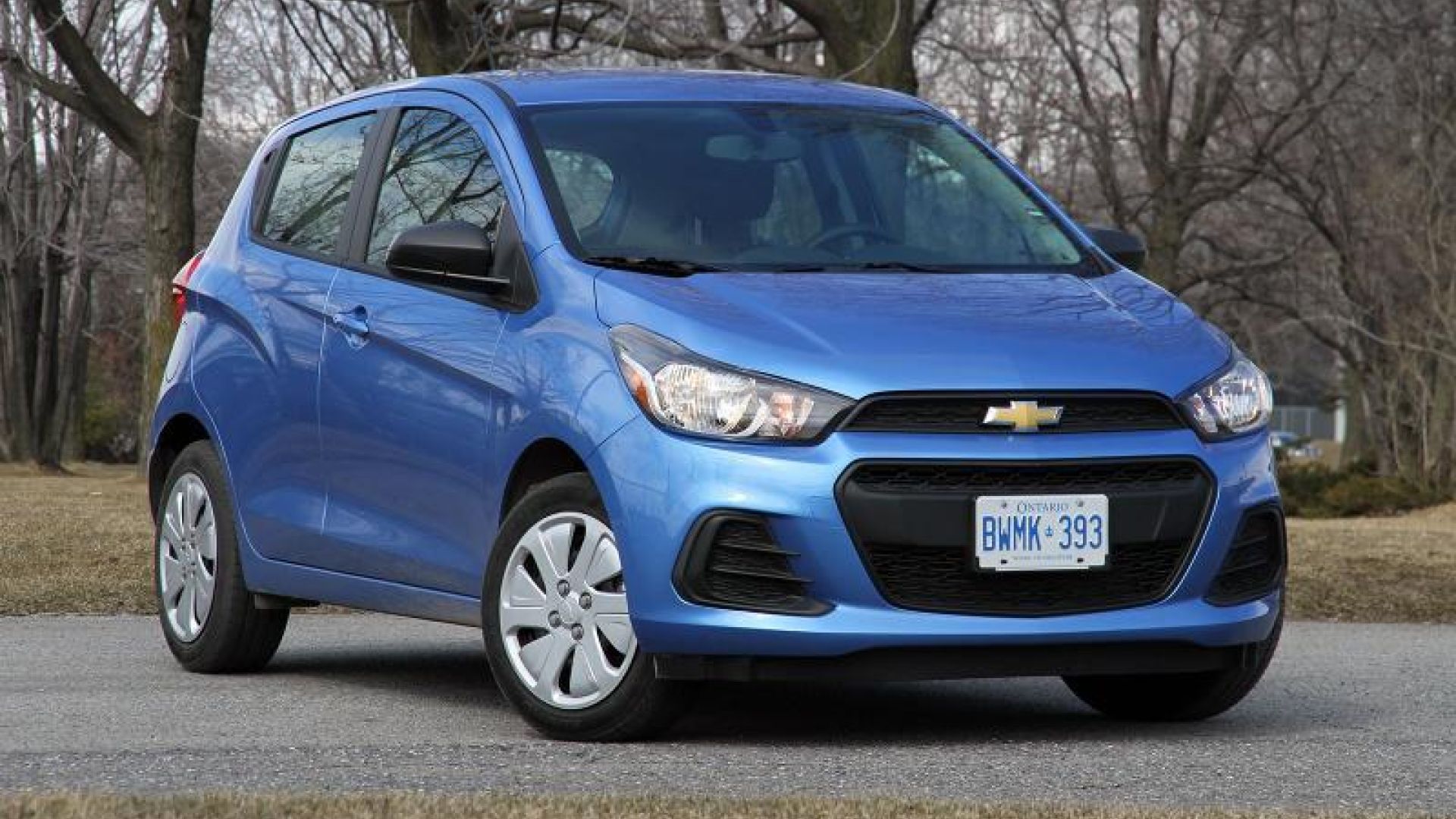
8. Chevrolet Spark
The Chevrolet Spark is a subcompact car designed for efficiency and maneuverability, not for surviving harsh winters. With a small engine and a lightweight frame, it struggles to generate enough heat quickly in cold weather. Owners often describe the first ten minutes of winter drives as “torture,” with very little warm air coming through the vents until long after they’ve reached their destinations. While the Spark is a great city car for mild climates, it’s far from ideal when temperatures start dipping below freezing.
Due to its tiny engine, the Spark takes much longer than larger vehicles to produce enough heat for the cabin. The HVAC system relies heavily on the engine’s coolant temperature, and because the engine is so compact and fuel-efficient, it warms up at a snail’s pace in freezing conditions.
This results in prolonged exposure to cold air inside the car, particularly when driving short distances. The car’s minimal insulation and thin doors don’t help either, allowing outside cold to seep in and reduce cabin warmth even further.
Rear seat passengers in the Spark often experience even worse conditions. The small size of the cabin means that the few warm air vents available are usually prioritized for the front. Even then, the warmth they provide is minimal during the first part of a drive. Defrosters are underpowered too, meaning you may have to scrape ice manually or wait extra minutes for visibility to improve. On truly cold days, this is more than just inconvenient; it can be a safety concern.
The Chevrolet Spark remains a budget-friendly option, and for people living in mild climates, its flaws may not matter much. But for anyone facing snow, ice, and subzero temperatures regularly, the slow-heating interior becomes a significant downside. The trade-off for a low price and compact size is a winter driving experience that’s best described as cold, cramped, and inconvenient.
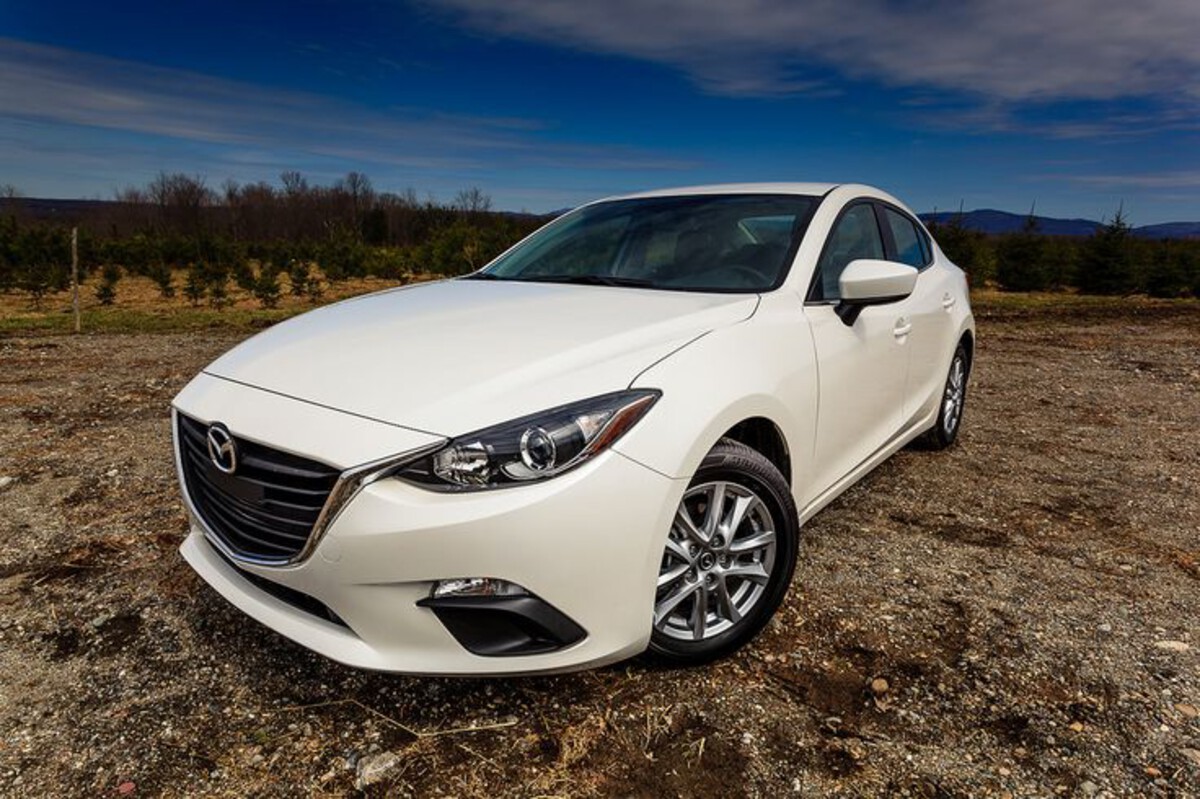
9. Mazda3 (Older Models)
Older Mazda3 models, particularly those from before the 2015 redesign, can be frustrating in cold weather. The heating systems in these cars aren’t terrible by design, but they tend to be underpowered and slow to respond compared to modern standards.
Drivers often complain that it takes too long for warm air to reach the cabin, and even longer for the whole car to feel comfortable. The heater does eventually work, but the wait is often longer than you’d like, especially if your commute is under 20 minutes.
The engine used in many of these older Mazda3s, while solid in performance and fuel efficiency, doesn’t heat up very quickly in sub-zero conditions. As a result, the HVAC system remains ineffective until the coolant is sufficiently warm.
If you’re only driving a short distance or don’t have time to warm up the car beforehand, you’ll likely spend the majority of the trip feeling the cold air leak in around the windows and doors. It doesn’t help that older Mazdas aren’t particularly well-insulated by default, meaning the cabin loses heat even as it’s being produced.
Heated seats, if available, provide a bit of relief, but in many trims, especially earlier base models, those aren’t even an option. This means you’re relying entirely on the cabin heater to bring the temperature up, and in many cases, it doesn’t do that job fast enough.
Rear passengers, meanwhile, are often left in the cold both literally and figuratively, since rear airflow in these cars is minimal at best. Mazda has improved its climate systems in newer models, but the older ones have left their mark on owners during cold months.
If you’re considering a used Mazda3 and you live in a cold climate, this is something to factor into your decision. While it may offer a fun drive and stylish design, winter comfort isn’t one of its strengths. Many owners have learned to let the car idle longer before driving or add aftermarket seat warmers just to make the experience more tolerable.
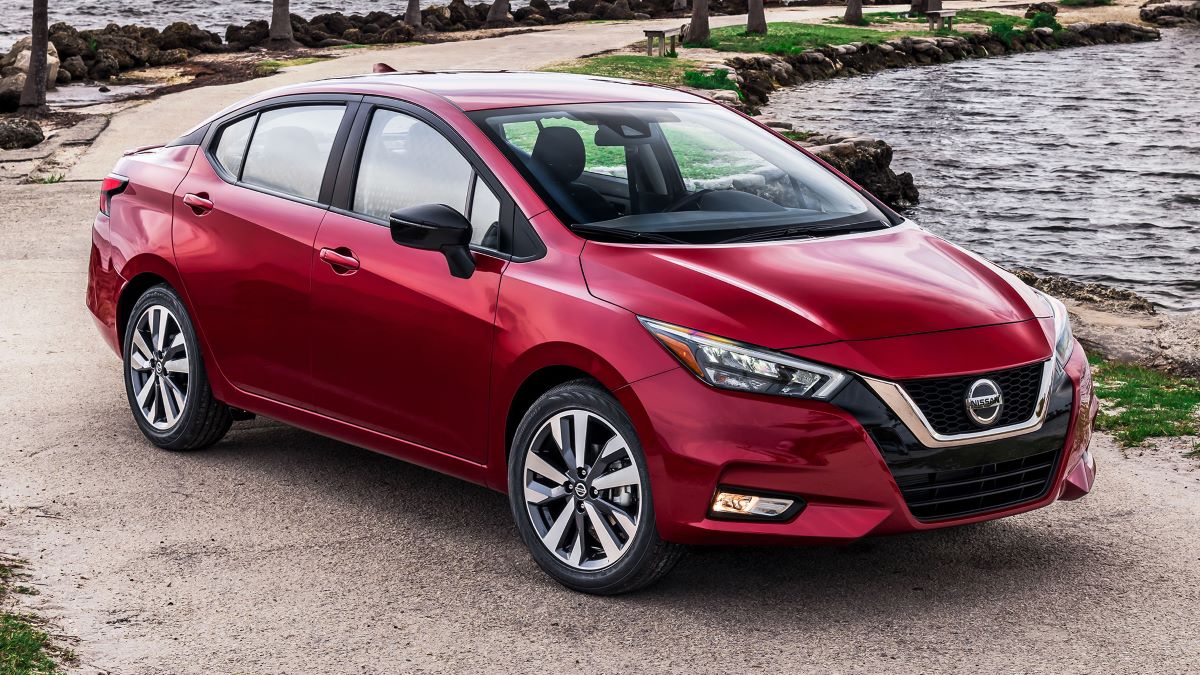
10. Nissan Versa (Various Years)
The Nissan Versa is another economy car that’s great for affordability but falls short in providing winter comfort. Across various model years, one consistent issue drivers report is how long it takes for the cabin to warm up. The vehicle uses a small engine and a very basic heating system, which is common in budget cars, but the result is a cold, uncomfortable ride, especially in the first 10 to 15 minutes of driving.
Like many subcompacts, the Versa’s HVAC system is basic and often lacks advanced climate control features that might help regulate cabin temperature more efficiently.
In freezing weather, the engine takes longer to warm up, and since the heat depends on that warmth, the entire system lags. During short trips, you may not feel any significant warmth at all. Even when you crank the dial to full heat and maximum fan speed, the results are underwhelming for quite a while.
Another downside is airflow direction. The Versa’s ventilation layout doesn’t distribute heat as well as it should, often focusing most of the airflow near the windshield or the floor, while leaving upper body areas cold for too long. This can make winter driving miserable unless you’re bundled up like you’re heading to a ski lodge. Seat warmers, if included at all, are often slow and weak, and rear seat heating is practically nonexistent.
The Versa’s biggest issue in winter isn’t just that it’s slow to warm up, it’s that it never quite gets warm enough to be comfortable until the very end of your drive. It’s a decent commuter car in spring and summer, but come winter, it exposes its limitations quickly.
If you’re on a tight budget and can’t avoid winter driving, it might be worth considering other options with more efficient heating systems or investing in aftermarket heated accessories to compensate.
