
Towing is a task that demands precision, control, and visibility. Whether you’re pulling a trailer, boat, or camper, the right truck makes all the difference. But what many drivers underestimate is the role mirrors play in that equation.
Mirrors are not just accessories; they are essential safety tools that allow drivers to monitor blind spots, track trailer sway, and make informed decisions on the road. A great towing mirror setup can turn a difficult job into a manageable one, while poorly designed or undersized mirrors can make towing not only stressful but hazardous.
Truck buyers often focus on engine specs, towing capacity, or suspension setups when choosing a vehicle for heavy-duty tasks. But even a truck with a strong engine and excellent torque can be a poor towing companion if its mirrors don’t offer enough visibility.
Conversely, a truck with a lower towing capacity can perform reliably and safely if its mirrors are thoughtfully engineered. Good mirrors should extend the field of view beyond the trailer’s edges, reduce blind spots, and remain stable even at highway speeds. Some trucks are built with towing in mind and come equipped with extended mirrors, while others require aftermarket solutions to be safe.
Unfortunately, not every truck is created equal in this regard. Some newer trucks sacrifice towing-friendly mirrors for sleek aesthetics. Others may include tiny side mirrors that shake or blur at high speeds, making it hard to detect nearby vehicles or lane markers. These shortcomings can lead to accidents, especially when merging or turning with a trailer behind you.
This article compares five trucks with mirror setups that truly support safe and effective towing against five that fall short and make towing a risky task. Each section will discuss the design, utility, and real-world practicality of the truck’s mirrors based on known models and their characteristics.
The goal is to provide clarity for anyone in the market for a truck that will regularly be used for towing. Choosing the right one is more than a matter of horsepower; it’s also about whether you can see what’s happening around you when you hit the road.
Also Read: 5 Hybrids With Great Parts Availability and 5 That Are Always Backordered
5 Trucks with Mirrors Perfect for Towing
1. Ford F-250 Super Duty
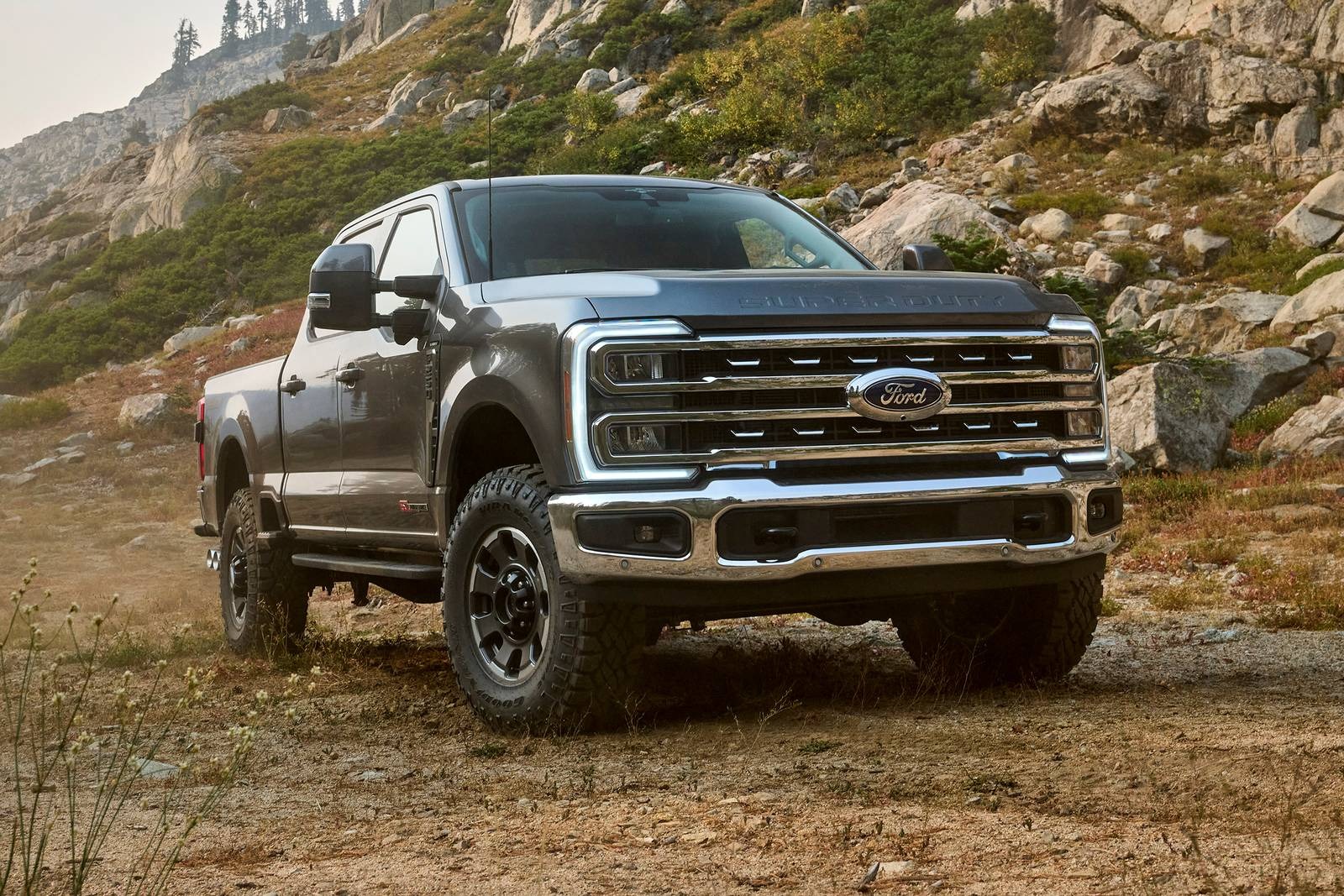
The Ford F-250 Super Duty has earned its reputation as a reliable towing workhorse, and a significant part of that credit goes to its mirror design. This truck comes equipped with large, extendable towing mirrors that are both manually and power-adjustable depending on the trim level.
The mirrors provide a wide field of view that extends beyond the edge of the trailer, making it easier to change lanes and monitor trailer movement. Their rectangular shape and additional lower convex mirror help eliminate common blind spots.
What sets the F-250 apart is the stability of the mirrors, even at highway speeds. Unlike smaller or aftermarket mirrors that tend to shake or vibrate, the F-250’s mirrors are securely mounted and reinforced. This provides a clear and steady image, reducing driver fatigue and frustration. The mirrors also feature integrated turn signals and puddle lights, adding extra safety during nighttime driving or inclement weather.
Another useful feature is the power telescoping function found on higher trims. This allows drivers to extend or retract the mirrors with a push of a button, which is especially useful when switching between towing and daily driving. Additionally, the mirrors can be folded in electronically, which is helpful when parking in tight spaces or navigating narrow roads.
The F-250’s mirrors also work well with Ford’s trailer tow camera system. With multiple camera angles displayed on the truck’s screen, the mirrors become even more functional, helping drivers better judge distances and monitor blind spots.
For people who tow frequently, the design of the F-250’s mirrors alone makes this truck a standout choice. They reflect thoughtful engineering, not just bulky add-ons, and help turn complex towing jobs into something much more manageable.
2. Ram 2500 HD
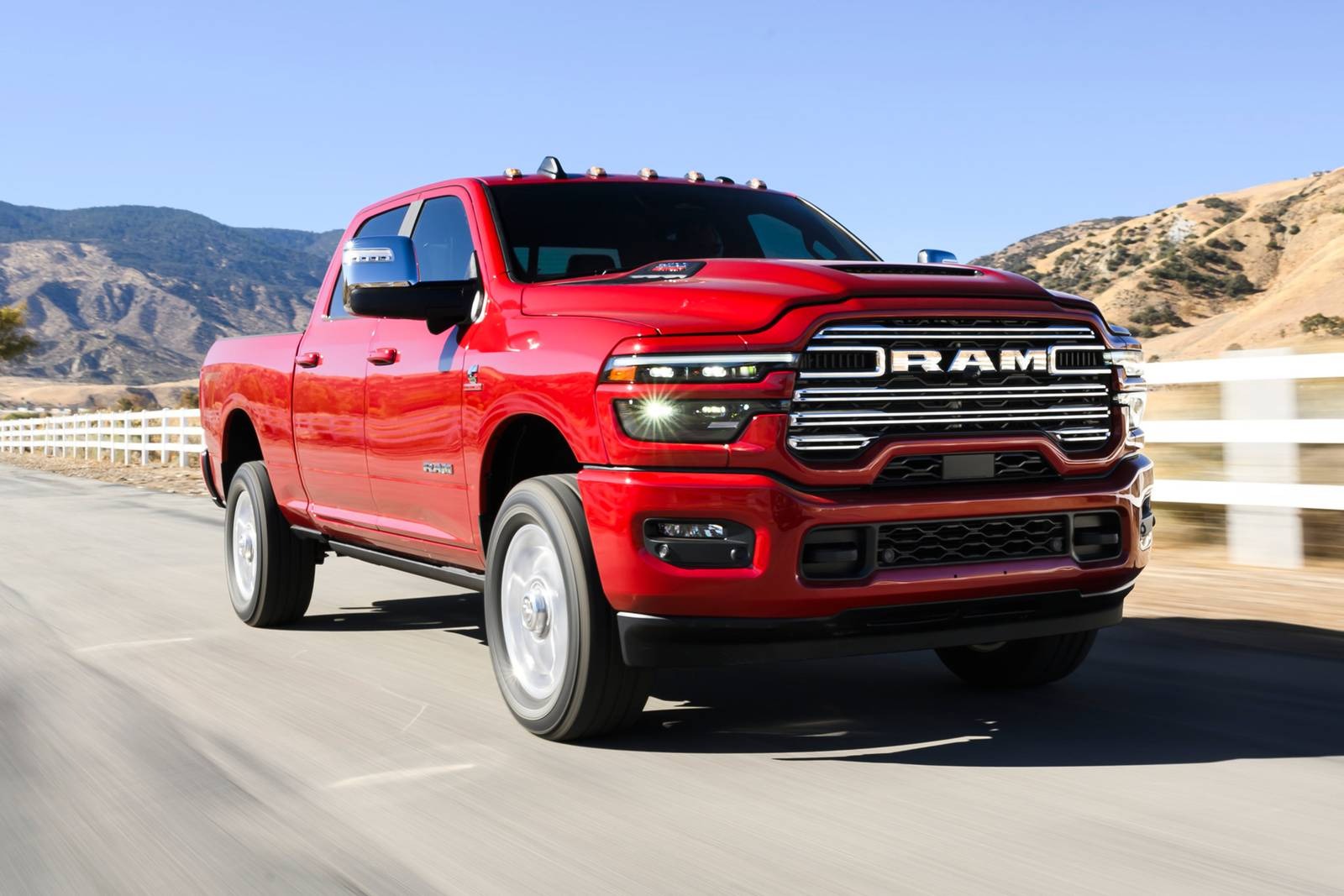
The Ram 2500 HD is another truck with an impressive mirror setup designed specifically with towing in mind. The side mirrors on this truck are large and wide, with a vertical rectangular design that maximizes visibility along the side of the trailer.
What makes these mirrors particularly user-friendly is the flip-up feature. When you need them, you simply pull them upward into a vertical position, instantly giving you an extended view of the road behind the trailer.
This flip-up design may seem simple, but it’s incredibly effective. It provides a natural field of vision, making it easier to spot cars in adjacent lanes or monitor the trailer’s alignment during turns. The mirrors also include convex lenses on the bottom to help reduce blind spots, a key safety factor when towing on busy highways or navigating through urban areas.
Another practical aspect of the Ram 2500’s mirrors is their heating capability. For those living in colder climates, fog and ice buildup can severely impair visibility. With heated mirrors, visibility remains clear regardless of the outside conditions. Some models also include power adjustments and integrated turn signals, which add convenience and safety for towing during both day and night.
Drivers who tow large loads often appreciate the mirror’s robustness and how solidly they’re mounted. Unlike wobbly aftermarket mirror extenders, the Ram 2500 HD’s mirrors are purpose-built and sturdy. They don’t vibrate excessively, and they don’t need constant adjustment.
They also give a strong sense of symmetry, helping drivers maintain better spatial awareness. These features combine to create a truck that doesn’t just tow well but does so with the kind of visibility and confidence that makes a real difference.
3. Chevrolet Silverado 2500HD
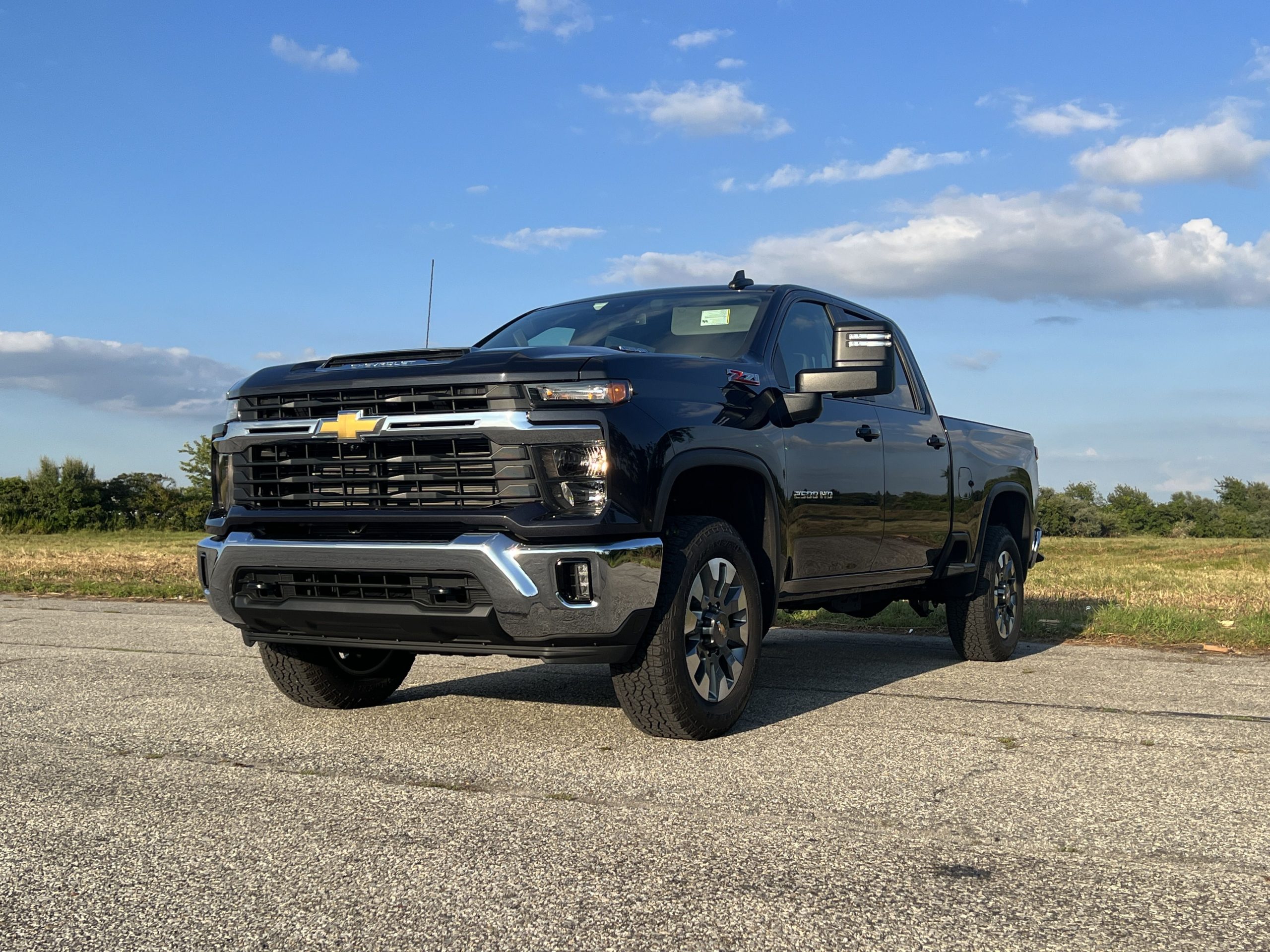
The Chevrolet Silverado 2500HD includes a mirror system that’s built with towing in mind. It comes standard with large trailer mirrors that can be extended manually or powered on higher trims.
These mirrors are tall and wide, giving drivers the visibility they need along both sides of the trailer. More importantly, their design incorporates multiple angles through upper and lower sections, one of which is convex to cover blind spots.
One of the standout aspects of the Silverado’s mirrors is their integration with GM’s trailering tech. For instance, the available trailer camera system works in sync with the mirrors, creating a more connected view of the entire trailer. This makes it easier to maneuver in tight spaces and even park with a trailer attached. When these systems work together, drivers get a layered sense of depth and awareness.
The Silverado’s mirror housing is aerodynamic and strong. It’s designed to withstand wind resistance at high speeds without shaking or creating too much wind noise. This might seem minor, but over long distances, it reduces driver fatigue by maintaining a clear and stable view of the road. Integrated LED lights also improve nighttime towing safety, especially when backing up or changing lanes in dark or rainy conditions.
Another key advantage is the mirror memory function on some trims. When multiple drivers use the truck, this feature ensures mirrors can return to preset positions, saving time and avoiding frustration.
For anyone towing regularly, whether it’s livestock, RVs, or construction gear, these mirror systems offer a serious improvement over traditional side mirrors. The Silverado’s attention to mirror quality makes it one of the more towing-friendly trucks on the market.
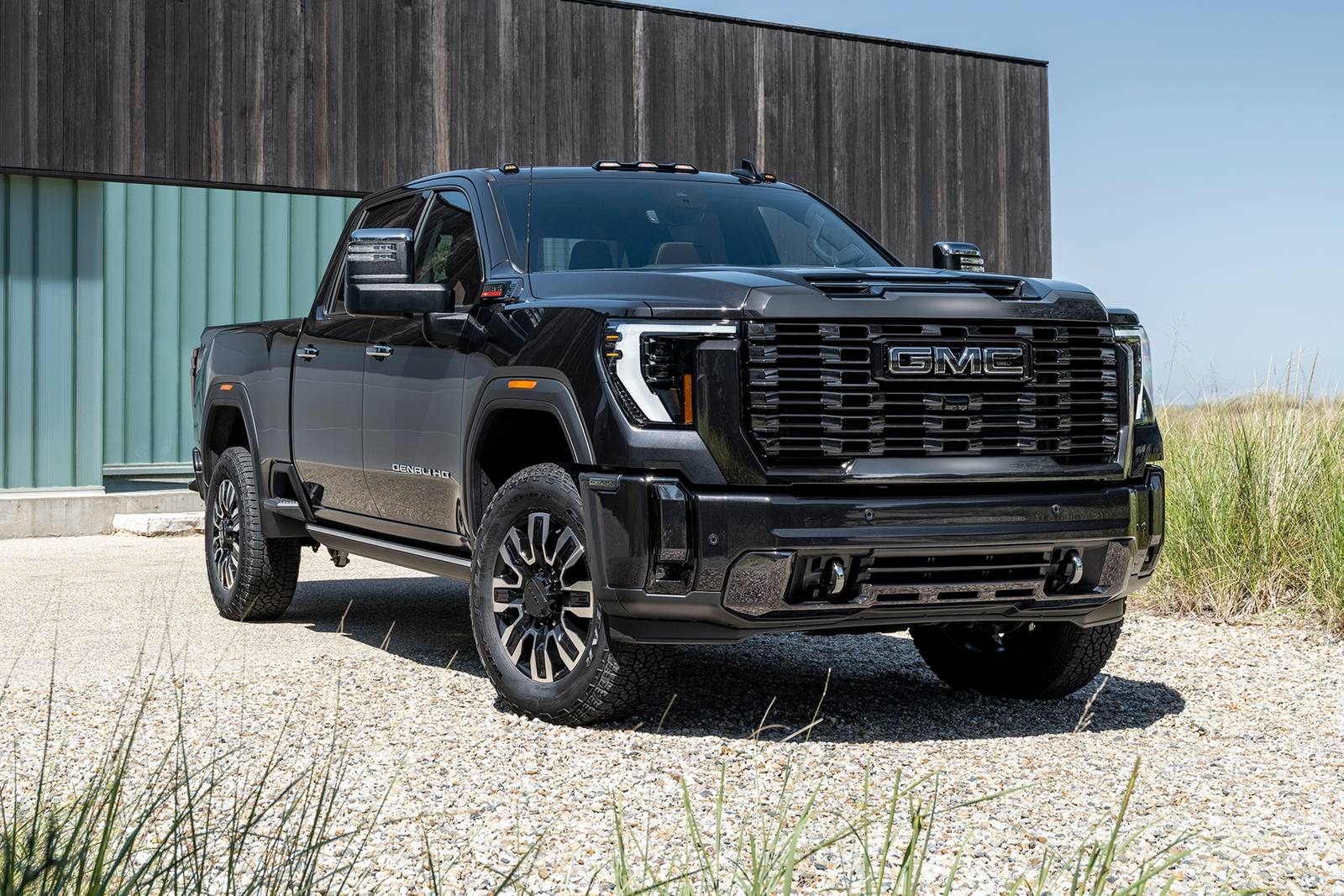
4. GMC Sierra 3500HD
The GMC Sierra 3500HD is built for heavy-duty work, and its mirrors are no exception. These trailering mirrors are large, durable, and packed with features that make them highly functional for towing.
The shape is squared off and tall, giving a commanding view down the sides of even the longest trailers. Integrated convex lenses in the lower section allow for better lane monitoring, while the upper mirrors provide a clear, direct line of sight.
One of the most valuable features is the power extendable function, which gives drivers full control over their mirror position without needing to physically adjust anything from the outside. This is especially helpful when switching between city driving and towing duties. The mirrors also include heating elements, LED turn signals, and puddle lighting, which contribute to a safer experience in different environments.
GMC also includes a trailer length indicator on models equipped with the optional safety package. This works in tandem with the mirrors to provide an alert when another vehicle is detected within the trailer’s path, helping to prevent unsafe lane changes. This function gives a layer of safety that feels natural rather than intrusive and complements the visibility offered by the mirrors.
The build quality of the Sierra’s mirrors is rugged. They’re housed in a thick, impact-resistant shell that holds up well against the elements. Whether you’re towing a camper through mountain terrain or hauling a car trailer on the highway, the Sierra’s mirror system is a reassuring presence. It’s one of the reasons this truck is often chosen by people who need reliable towing support that goes beyond just raw pulling power.
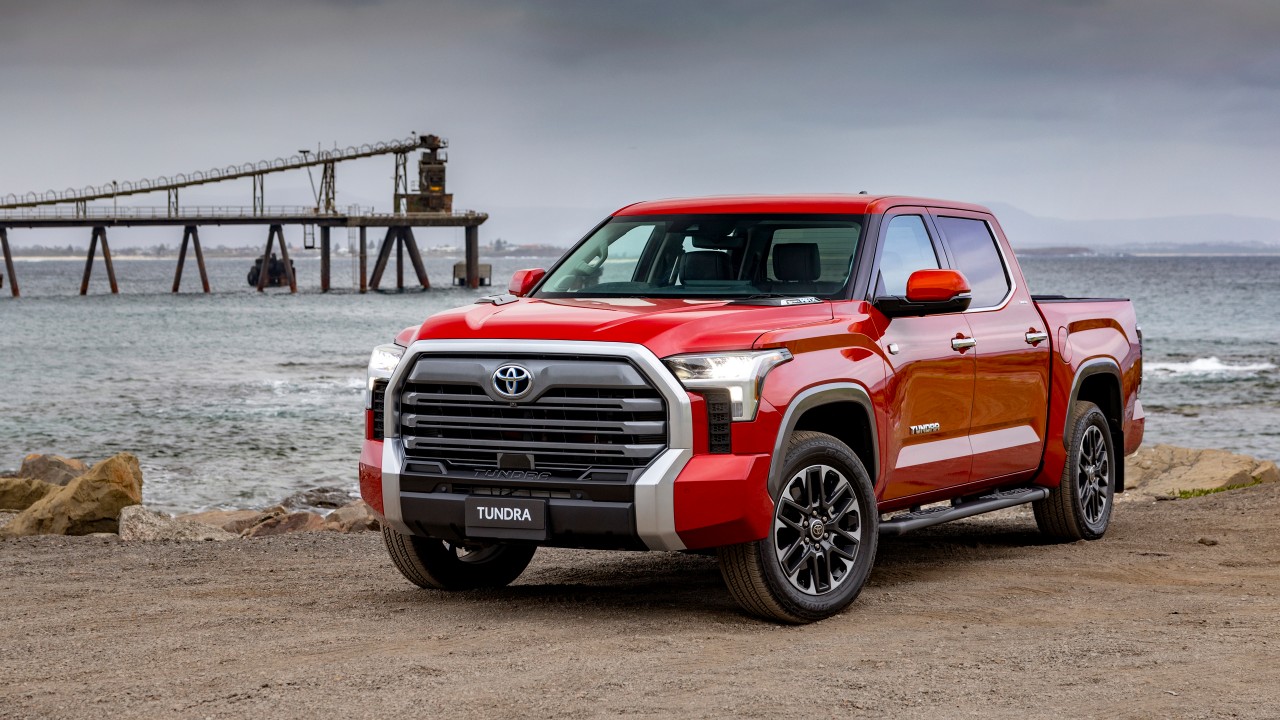
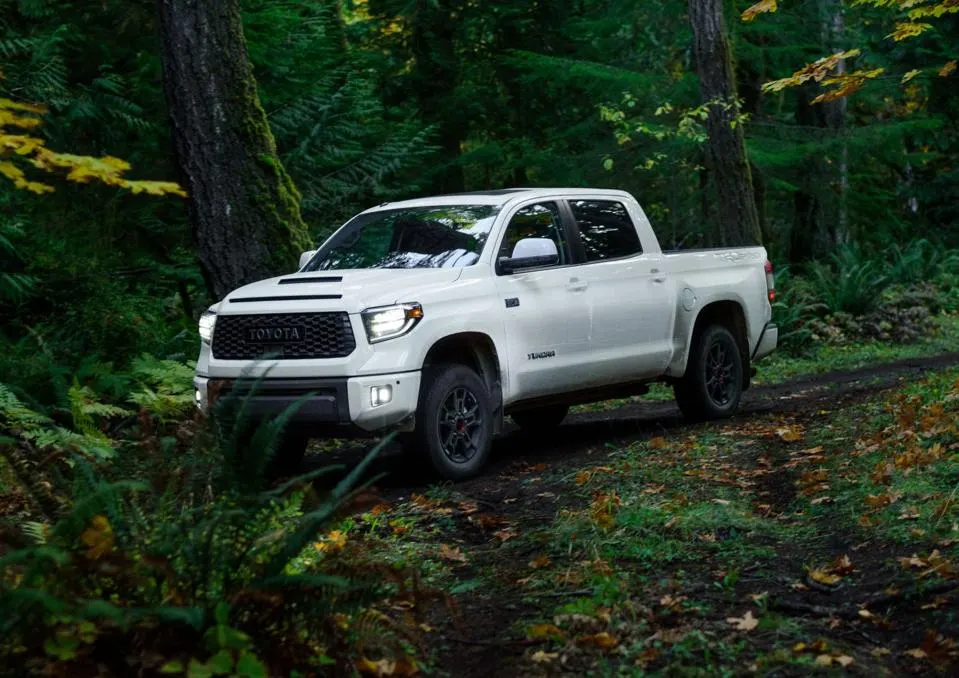
5. Toyota Tundra (New Generation)
The newer generation Toyota Tundra comes with significantly improved towing mirrors compared to earlier models. With an updated, modern design, these optional towing mirrors are wider, extendable, and packed with useful features. The side mirrors now include convex lower sections, turn signal indicators, and heating elements. They are much better suited for heavy-duty towing than in previous years.
Toyota’s newer towing mirrors are built on a firm mounting system, reducing vibration and giving a stable image at all times. This helps during long trips where a blurry side mirror can become a real problem. The extended range of vision covers the typical blind spots found when towing large trailers or campers, especially during lane changes or turns on tight roads.
One feature is the automatic folding mechanism paired with memory settings. Once programmed, these mirrors can return to the driver’s preferred position with a button press. This is ideal for trucks used by multiple drivers or those parked in tight garages. The lighting elements also make a difference at night, providing additional awareness during parking or reversing.
Toyota has also integrated the mirror setup with their towing technology package, which includes camera views and trailer guidance lines. These additions make towing not just easier, but significantly safer. When combined with the mirror system, drivers can anticipate movements and judge tight spaces better, especially when backing up with a trailer.
The Tundra’s cameras also work together with the extended mirrors to offer blind spot monitoring specifically tailored to the length of the trailer, a major advantage that many trucks still don’t offer.
What makes the Tundra’s mirrors especially practical is how well they adapt to everyday use. For those who use their truck both as a commuter and a hauler, having mirrors that can be adjusted or folded at will, without giving up visibility, makes ownership more convenient. These mirrors don’t stick out obnoxiously when not in use for towing, which helps in city driving or crowded parking lots. But when extended, they provide a wide, stable view of both lanes and shoulders.
Toyota made a point to address the criticisms of previous Tundra models that lacked proper towing support in the mirror department. This new setup shows that the company listened to drivers who demanded better equipment. The newer Tundra mirrors are solidly built, don’t wobble at high speeds, and offer a comfortable line of sight for both daily and towing-specific needs. They’re also intuitive to use, with controls placed logically within the cabin, reducing the learning curve for new owners.
The current-generation Toyota Tundra mirrors show how a company can improve a vehicle’s towing capabilities without requiring drivers to depend on aftermarket parts. They’re not just cosmetic or halfway solutions, they’re real, functional tools that enhance the towing experience from start to finish. For owners who plan to regularly haul trailers or heavy loads, these mirrors are not just helpful; they’re essential.
5 Trucks That Make Towing Dangerous Due to Poor Mirror Design
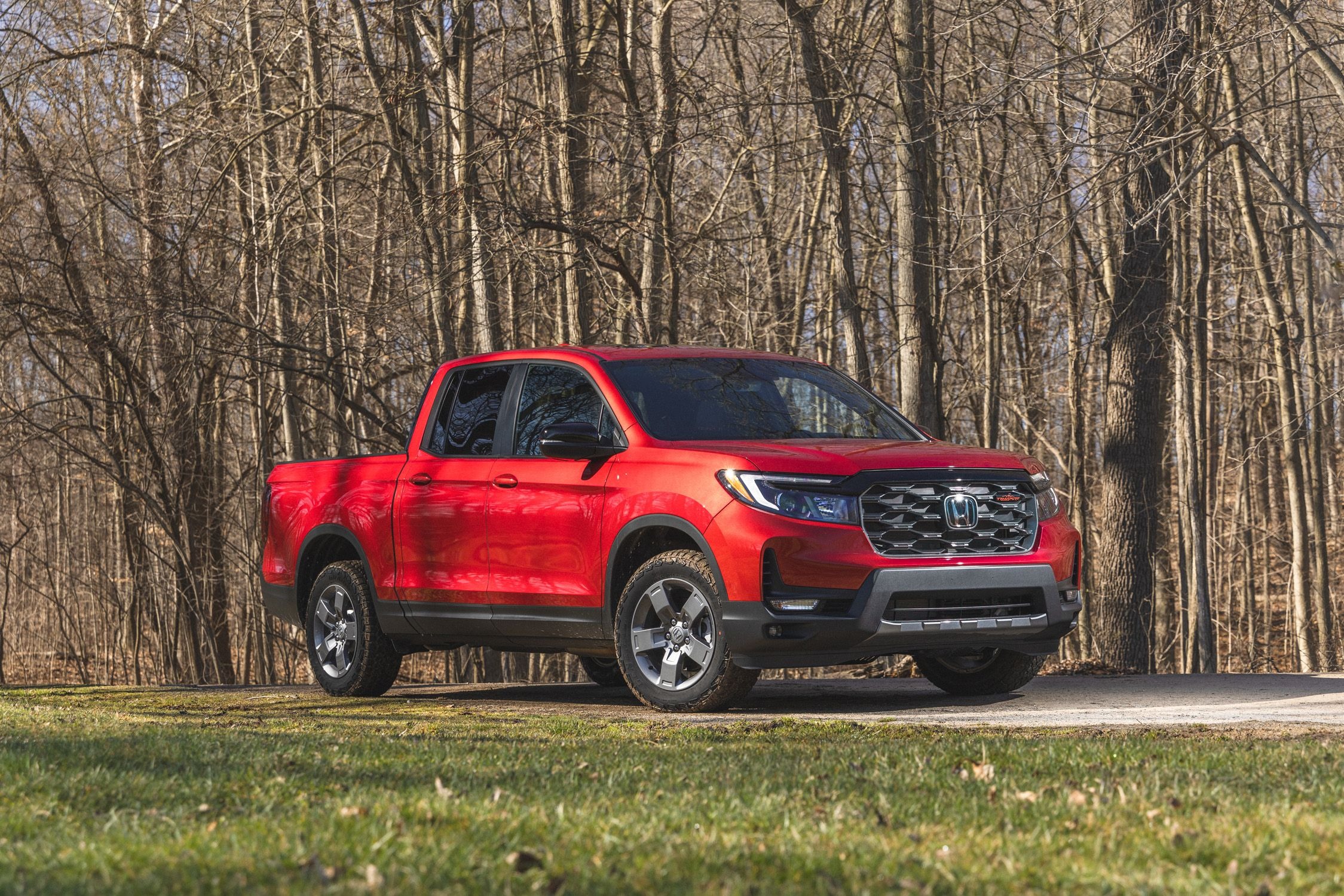
1. Honda Ridgeline
The Honda Ridgeline is known for being a comfortable, car-like truck, but that design philosophy doesn’t lend itself well to towing. One of its biggest drawbacks is the side mirror design, which is more suited for suburban driving than hauling trailers on highways.
The mirrors are relatively small, lack significant outward extension, and don’t come with any kind of towing-specific configuration. This makes it difficult for drivers to see beyond the sides of even moderately sized trailers.
Visibility is compromised, especially during lane changes or reversing. The lack of a convex lower mirror or any blind spot extension means drivers are forced to rely more on guesswork than clear observation. There’s also no flip-out or telescoping function available on the mirrors, which further limits their usefulness. Even aftermarket add-ons don’t mount well due to the shape and angle of the original mirrors, making upgrades a frustrating experience.
Another issue with the Ridgeline’s mirrors is vibration. At highway speeds, especially with a trailer attached, the mirrors are prone to shaking slightly, which blurs the rear image.
This small defect becomes a bigger problem over time, especially on long hauls where visual clarity is essential. When towing, a blurred mirror can mean missing a passing vehicle or misjudging a safe lane entry, both of which increase the risk of accidents.
While the Ridgeline isn’t marketed as a heavy-duty towing vehicle, many owners still use it for light-duty trailers, boats, or campers. Unfortunately, the mirror system simply doesn’t provide the visibility or control needed to do this safely. For a vehicle that performs well in other categories like ride comfort and fuel efficiency, its towing mirror limitations are a significant flaw for anyone looking to use it beyond basic hauling.
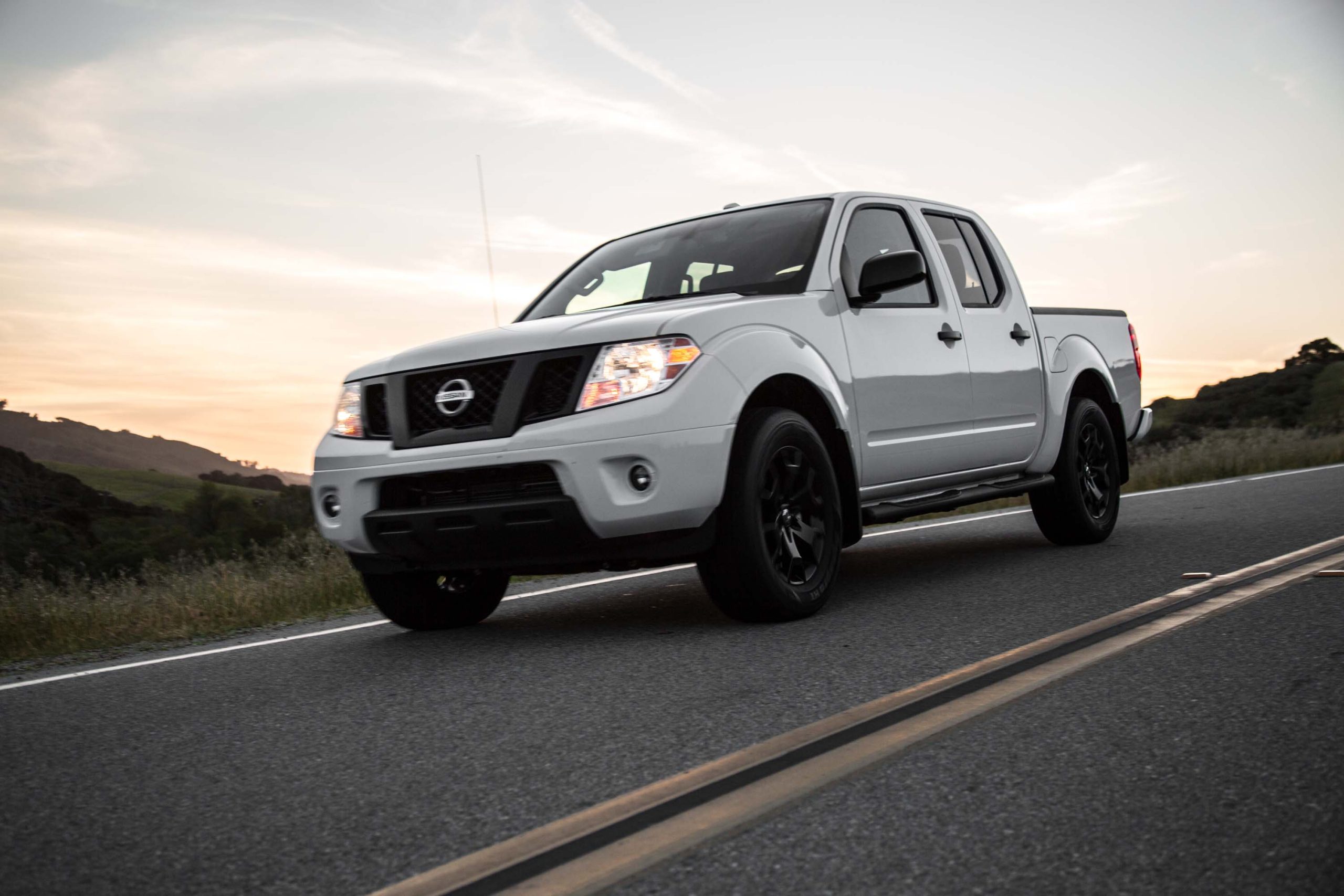
2. Nissan Frontier (Older Models)
Older models of the Nissan Frontier, particularly those released before the full redesign in recent years, have long struggled with towing visibility. The mirrors on these trucks are small, lack vertical height, and are positioned in a way that does not complement the towing experience. With no factory towing mirror option, drivers are left with mirrors that barely extend past the width of the truck itself, let alone any trailer it might be pulling.
This becomes a major problem when trying to change lanes on the highway or back into tight parking spaces with a trailer in tow. Drivers have to either shift their entire body around to catch glimpses of traffic or rely solely on the rearview camera, which often doesn’t provide a wide enough field of vision. In rural or off-grid towing situations where cameras may be obstructed by dust or mud, poor side mirror visibility becomes not just inconvenient, but dangerous.
Additionally, the mirrors are not particularly well-built. On many older Frontiers, vibration and mirror drift are reported frequently by long-term owners.
As a result, drivers constantly find themselves adjusting mirrors manually, which is not only distracting but takes focus away from the road. The lack of any kind of integrated blind spot mirrors only adds to the danger, especially when hauling longer trailers, where even slight misjudgments can lead to costly or dangerous errors.
Though the newer Frontier redesign includes some improvements, many older models are still on the road today and are frequently used for towing tasks. For those trucks, the mirror setup remains a serious drawback.
Unless owners invest in aftermarket mirror extensions, which themselves may not attach securely to the existing mirrors- towing with these trucks carries unnecessary risk. The Frontier may be reliable in other areas, but in terms of towing visibility, it leaves far too much to chance.

3. Chevrolet Colorado (Pre-2023 Models)
Before its recent updates, the Chevrolet Colorado lacked the kind of thoughtful mirror design that supports safe towing. The older models come with side mirrors that are narrow and curved, which may work for normal commuting but provide almost no advantage when pulling a trailer. They sit close to the body and have minimal height, giving only a limited view of what’s happening around the trailer or vehicle sides.
Towing requires visual control from more than just the center mirror, and the Colorado doesn’t deliver in that regard. Without blind spot detection or convex lower sections, the mirrors are practically useless when trying to monitor a trailer.
This becomes even more pronounced during nighttime driving or poor weather, where visibility is already reduced. The mirrors don’t provide sufficient feedback to gauge whether another car is in the lane beside the trailer, making merges and turns especially risky.
The truck also doesn’t include any extension or towing mirror options from the factory, and aftermarket solutions often appear bulky and unstable. In many cases, drivers have reported that clamp-on towing mirrors vibrate or fall off entirely during longer drives, especially on rough terrain. This leaves towing drivers with limited, inconsistent visibility, hardly ideal for safe operation.
Though Colorado has been refreshed recently, with better towing tech and improved visibility features, many older models are still used for trailering purposes.
For those who regularly tow campers, boats, or equipment trailers, this mirror deficiency presents a real hazard. It’s one of those cases where the truck’s size and towing ability aren’t matched by its support systems, making it a less-than-ideal option for anything more than short hauls.
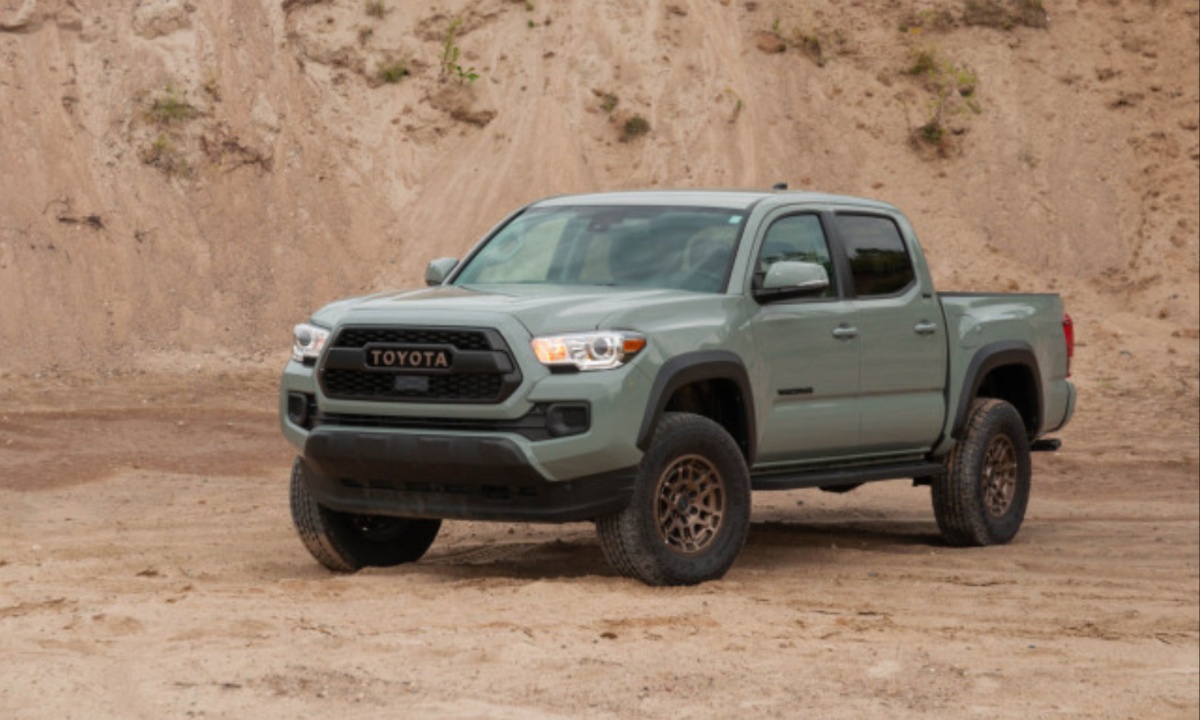
4. Toyota Tacoma (Earlier Generations)
The Toyota Tacoma has long been a popular midsize truck, known for its off-road abilities and long-term reliability. However, in earlier generations, particularly before 2016, Tacoma models had side mirrors that weren’t built with towing in mind.
These mirrors are compact, minimally adjustable, and lack the vertical and horizontal reach needed to give proper visibility when pulling a trailer. This design flaw is magnified when the truck is used for towing wider trailers that exceed the body width of the truck.
The absence of blind spot mirrors or extended visibility panels is noticeable during basic maneuvers like lane changes or reversing into a driveway with a trailer. Many Tacoma owners have had to rely on awkward aftermarket extensions, which often don’t mount securely due to the rounded shape of the stock mirrors. As a result, even those who try to improve their visibility end up with unreliable solutions that require frequent readjustment or monitoring.
Tacomas from this era also lacked modern driver-assist features like trailer blind spot monitoring or rear cross-traffic alert. This forces drivers to rely entirely on side mirrors that were never intended to support trailer hauling. The result is a truck that feels like it’s working against the driver when asked to tow, rather than being a helpful tool for the job. It makes what should be routine tasks, like turning or backing up, into nerve-wracking exercises in timing and guesswork.
Many Tacoma drivers use their trucks for outdoor adventures, often including boats, ATVs, or small campers. In these situations, poor mirror design doesn’t just make the job harder; it introduces real danger when navigating narrow roads, mountain paths, or busy highways. Though newer Tacomas offer improved technology and towing accessories, the earlier versions remain a cautionary tale of how even a capable truck can be undermined by inadequate mirrors.
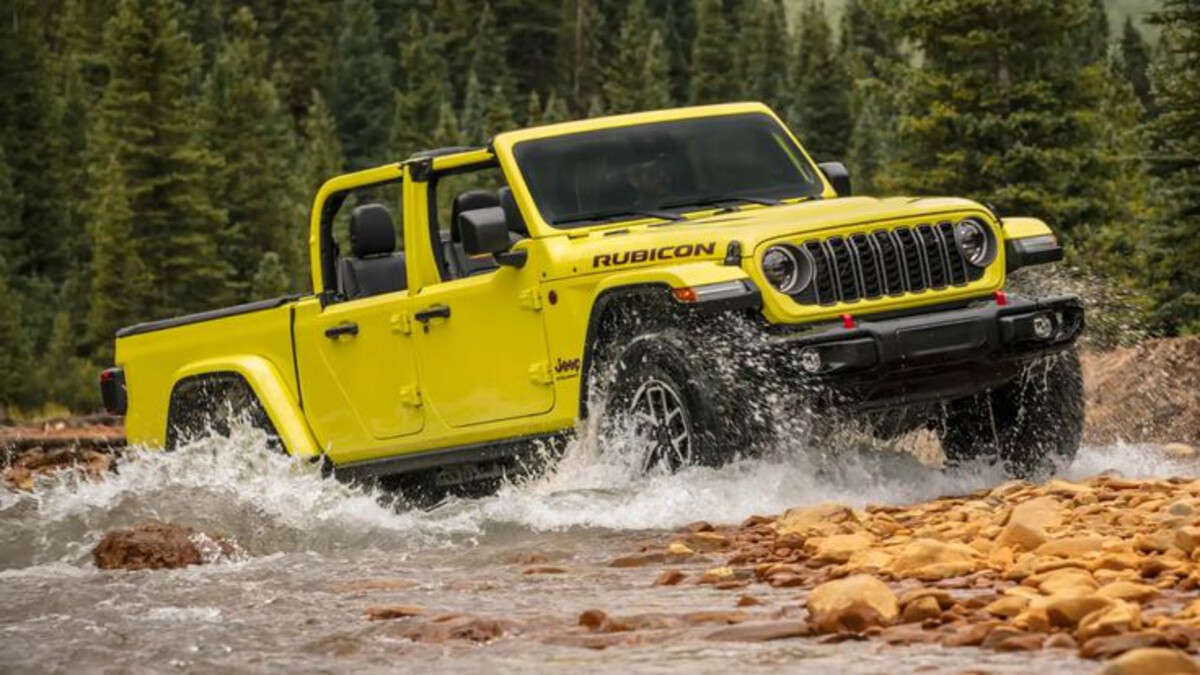
5. Jeep Gladiator
The Jeep Gladiator has a unique appeal due to its rugged styling and off-road chops, but its side mirrors fall short when it comes to towing. The factory-installed mirrors are small, sit close to the vehicle, and are designed more for trail maneuvering than highway hauling.
While this works for rock crawling or forest trails, it doesn’t translate well to towing a camper down the interstate. The mirrors lack extension capability, making it hard to see past even moderately sized trailers.
Owners often express frustration with the lack of factory towing mirror options. Jeep has prioritized other off-road accessories over trailer visibility, and it shows in the design. Unlike the sturdy towing mirrors on heavy-duty trucks, the Gladiator’s mirrors are prone to shaking when subjected to wind or high speed. This vibration creates blurred reflections, which reduces visibility when it’s most needed, at higher speeds with trailers in tow.
Another challenge is the limited vertical height of the Gladiator’s mirrors. Because they sit relatively low and close to the body, they fail to provide a clear view down the length of larger trailers, especially tall ones like campers or horse trailers. This limitation creates larger blind spots and forces drivers to frequently turn their heads or rely heavily on rearview cameras, which may not always be reliable in off-road or dusty conditions.
Additionally, the Gladiator lacks built-in blind spot mirrors or convex sections that are common on trucks designed with towing in mind. This means the driver must compensate by frequently checking over their shoulder, increasing fatigue and distraction. The absence of integrated turn signal indicators on the mirrors also reduces the safety for lane changes and merging while towing, especially at night or in poor weather.
While the Jeep Gladiator is a fantastic off-road vehicle and offers decent towing capacity for a midsize truck, its mirror design undermines towing safety. For drivers who frequently haul trailers or boats, the stock mirrors do not provide the visual coverage necessary to confidently maneuver on highways or in tight spaces.
Many owners find themselves forced to install aftermarket towing mirrors, but even those can be tricky to mount securely due to the unique shape and placement of the factory mirrors.
Also Read: 5 Affordable SUVs That Feel Like Trucks and 5 That Don’t
When selecting a truck for towing purposes, mirror design should never be an afterthought. The right mirrors can vastly improve safety by offering clear visibility around wide trailers, reducing blind spots, and providing stability at highway speeds.
The five trucks discussed with excellent mirror setups, the Ford F-250 Super Duty, Ram 2500 HD, Chevrolet Silverado 2500HD, GMC Sierra 3500HD, and the new Toyota Tundra, each come equipped with mirrors thoughtfully designed to enhance towing performance. These mirrors provide extension capabilities, convex lenses, heating features, and integration with towing technology that make hauling safer and more manageable.
Conversely, trucks like the Honda Ridgeline, older Nissan Frontier models, Chevrolet Colorado pre-2023, earlier Toyota Tacoma generations, and the Jeep Gladiator fall short due to small, poorly positioned, or unstable mirrors that reduce visibility and increase towing risk. Their designs often lack extendable or convex mirrors and don’t incorporate modern safety features, making them less than ideal for towing heavy or wide loads.
When towing trailers, boats, or campers, it’s not just about horsepower or torque. Visibility is a critical component that can prevent accidents and increase driver confidence. Choosing a truck with mirrors built for towing means safer trips, fewer blind spots, and less stress behind the wheel. For anyone planning to tow regularly, investing in trucks with proper mirror designs is as important as any other towing specification.
