
Anyone who has ever driven a car knows that the fuel gauge is one of the most critical components on the dashboard. It might not be as flashy as a touchscreen or as loud as a performance exhaust, but it’s essential to your daily driving.
A reliable fuel gauge gives you the confidence to plan your trips, avoid inconvenient stops, and manage your fuel budget. On the other hand, an inaccurate gauge can lead to unnecessary stress, surprise breakdowns, or worse, a false sense of security.
Not all vehicles are built equally when it comes to this simple instrument. Some manufacturers invest more in calibrating and testing the accuracy of their fuel level sensors, while others let inconsistency creep in over time, resulting in gauges that either drop too fast, linger on full, or show empty when there’s still plenty left in the tank.
Drivers have come to recognize the quirks of their cars. Some have learned the hard way that “empty” doesn’t mean empty, while others might be puzzled when their gauge seems stuck on full for an unusually long period. What’s particularly tricky is that modern fuel tanks have complex shapes to accommodate vehicle design, emissions systems, and safety regulations.
Because of that, gauging the exact level of fuel can be more complicated than it seems. On top of that, fuel sensors can degrade over time, and different driving habits, like aggressive acceleration or parking on a steep incline, can influence how accurate that little needle on your dash appears to be.
In this article, we’ll break down five vehicles known for having trustworthy fuel gauges, based on consistent driver feedback and general performance, followed by five vehicles that tend to mislead their drivers with faulty or inconsistent readings.
These are not necessarily judgments on the quality of the vehicle as a whole, but rather an observation of how one small but vital component performs in real-world use.
If you’ve ever felt betrayed by your car after running out of fuel earlier than expected or laughed when it kept showing full for what felt like days, you’ll likely relate to the models that appear on the latter half of this list.
Also Read: 5 Trucks with Engine Block Heaters vs 5 without Cold-Start Support
5 Cars with Fuel Gauges You Can Trust
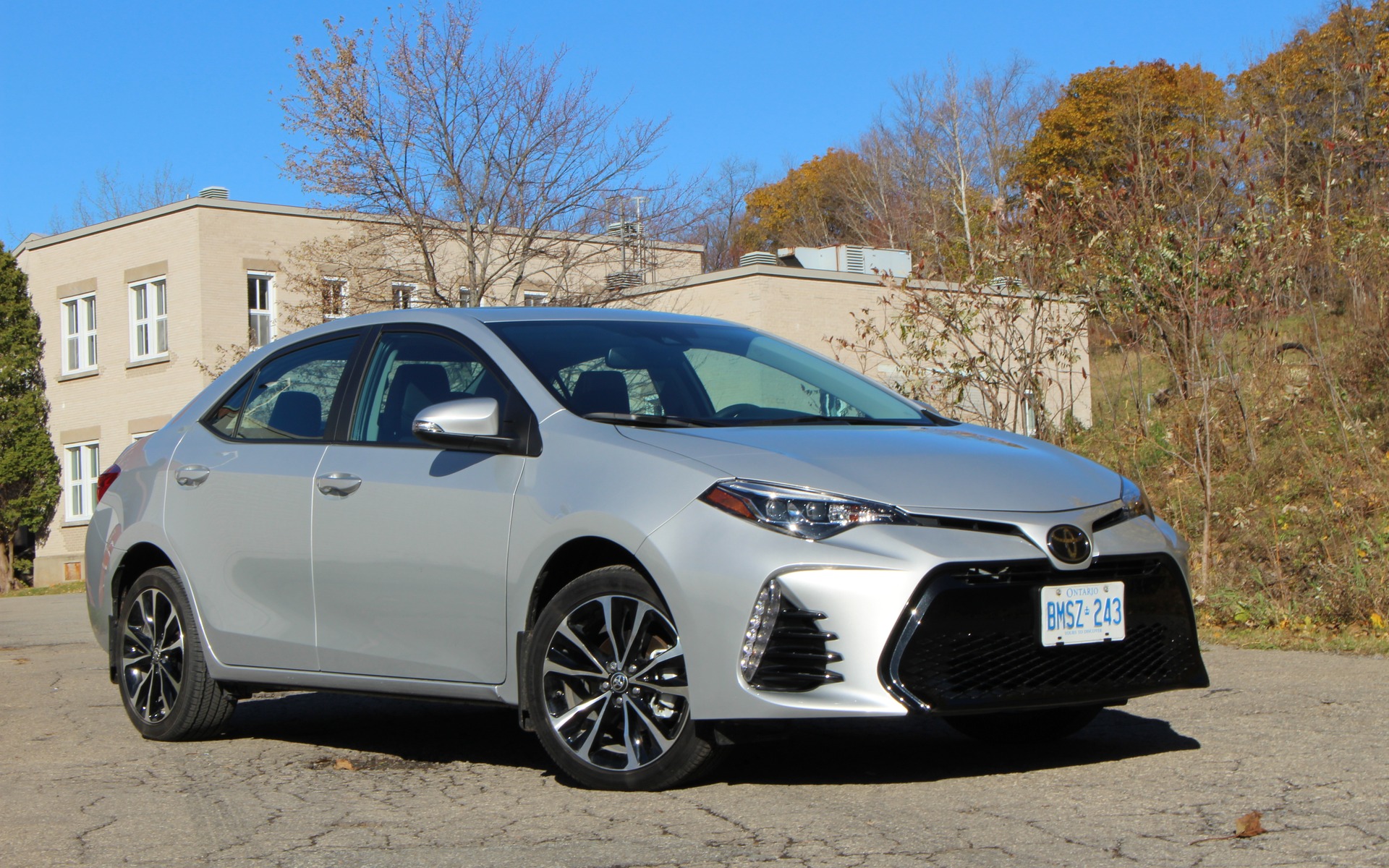
1. Toyota Corolla
The Toyota Corolla has earned its place among the most reliable compact sedans on the market, and that reputation extends to its dashboard components. One area where the Corolla consistently performs well is in its fuel gauge accuracy.
Owners frequently note that the needle drops in a gradual, predictable way, and it doesn’t rush down or lag unnecessarily. Whether the tank is full, half-full, or nearing empty, the Corolla gives drivers a consistent indication of how much fuel is truly available.
This level of consistency is especially helpful for people who rely on their vehicles for long commutes or frequent travel. With many Corolla drivers logging significant mileage, the car must offer a sense of confidence and planning.
If the fuel gauge says there’s a quarter tank left, that generally means you’re still good for a reasonable stretch of highway or several more in-town errands. That kind of predictability reduces the need for guesswork or second-guessing.
Another advantage of the Corolla is that it’s relatively unaffected by temperature swings or terrain shifts. Some cars will have their gauges fluctuate more on a steep hill or after sitting in cold weather overnight, but the Corolla holds its reading well regardless of those environmental factors.
This makes it a good choice for drivers in rural or mountainous areas, or for those who live in regions with varied climates.
Lastly, even older model Corollas retain that reliability. Unlike some vehicles where sensors degrade and start giving faulty readings after several years, the Corolla’s sending units and software seem to maintain their integrity for longer.
That doesn’t mean they never wear out, but it does mean you’re far less likely to get an unexpected low-fuel warning or a misleading full tank reading, even if your car has over 150,000 miles on it.
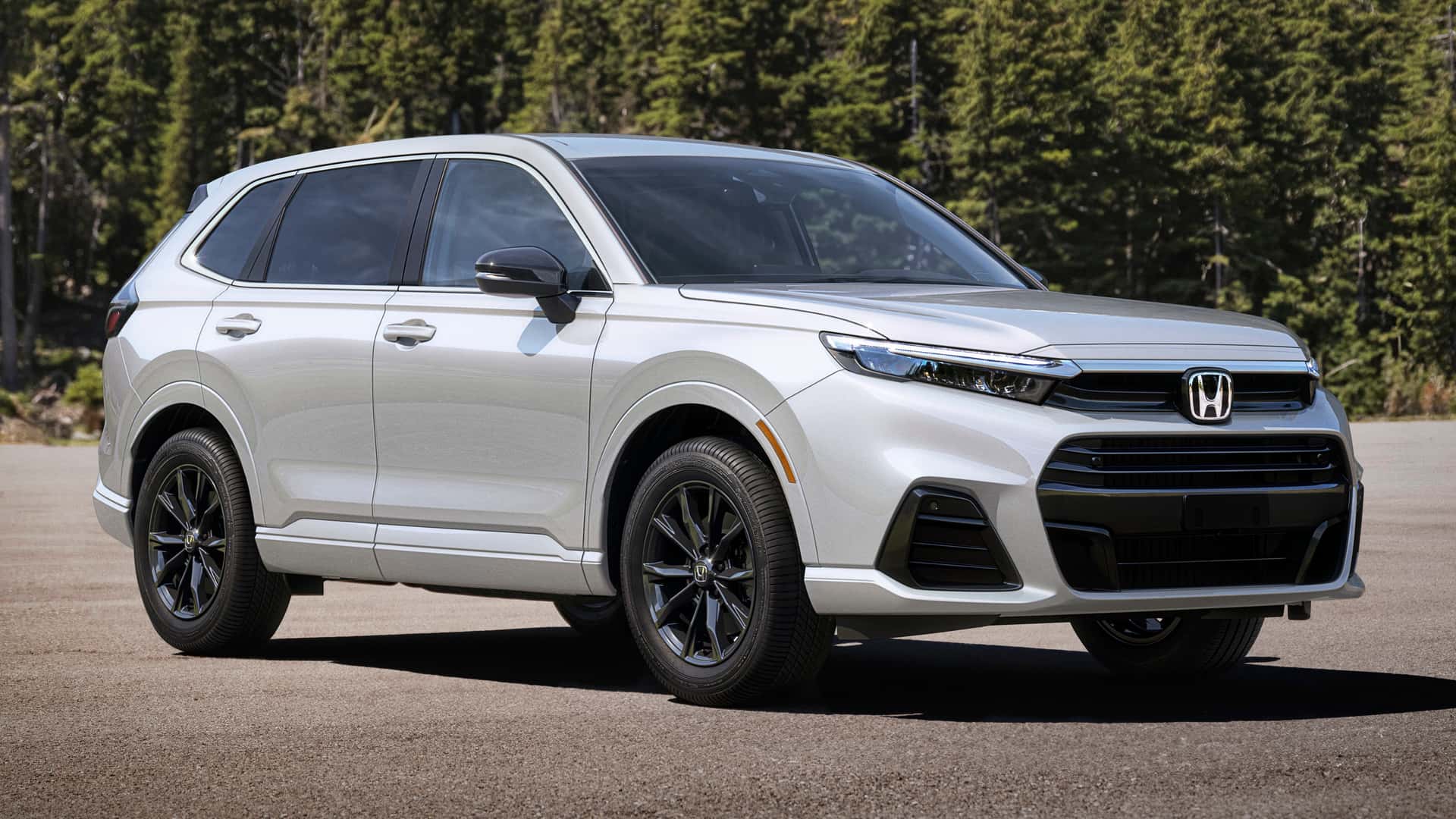
2. Honda CR-V
The Honda CR-V, one of the most popular compact SUVs on the market, also has a reputation for reliable dashboard instrumentation, and the fuel gauge is no exception.
CR-V owners frequently praise the vehicle for giving accurate, responsive feedback regarding fuel levels. Even as the tank depletes, the needle behaves in a linear and easy-to-predict fashion. There’s rarely a sudden drop or unexplained delay in the change.
One major contributor to this consistency is Honda’s attention to detail when it comes to sensor calibration. CR-Vs are built to handle a wide range of driving scenarios, from urban traffic to off-road trails, and the fuel system is designed to stay accurate across all these environments.
Whether the car is parked on a hill or idling in a parking lot, the gauge tends to remain stable and representative of the actual fuel volume.
The accuracy is especially helpful for families and daily commuters who depend on the CR-V for everything from school drop-offs to long road trips.
Not having to worry about whether you have enough fuel to reach your destination is a huge relief, particularly when driving in remote areas where gas stations are scarce. Many drivers also point out that the digital range display matches closely with the fuel gauge, reinforcing confidence.
Another standout feature is the behavior of the gauge when nearing empty. Some vehicles leave a larger buffer or hit empty too early, but the CR-V walks that line with precision.
If the light comes on, you generally have a reasonable amount of fuel left, enough to find a station without needing to panic, but not so much that you can ignore it entirely. That kind of calibration shows Honda’s commitment to real-world usability and driver trust.
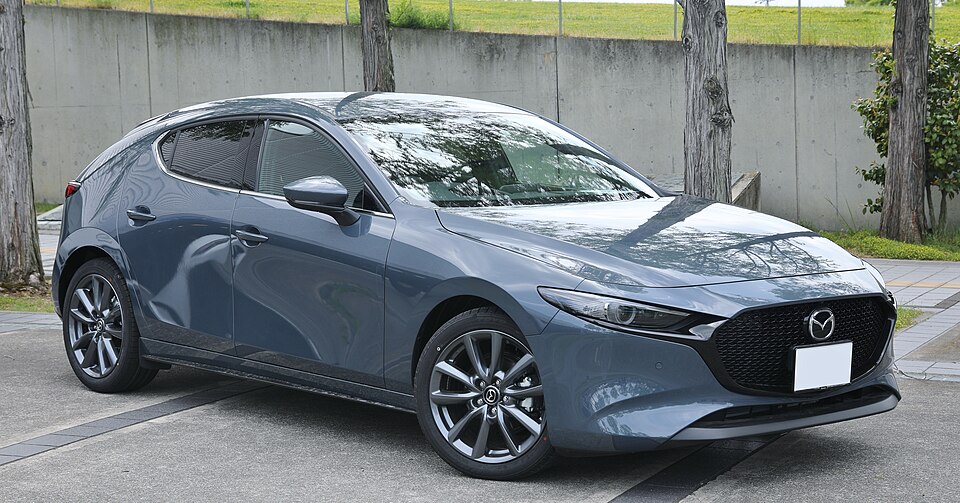
3. Mazda3
The Mazda3 combines style, driving pleasure, and dependability into a compact package, and part of that dependability includes a highly accurate fuel gauge.
Owners of both the sedan and hatchback variants often report that the gauge reads accurately across the entire fuel range. It’s one of those vehicles where you don’t have to learn to “read between the lines” or second-guess what the display is telling you.
Mazda’s design philosophy focuses heavily on driver experience, and even something as basic as a fuel gauge gets proper attention.
Rather than allowing for wide tolerances or sloppy digital readings, Mazda seems to have put in the effort to ensure that what the driver sees is as close to reality as possible. The software interface that controls the readout has been tuned to minimize lag, giving real-time responses after refueling or long drives.
An additional benefit is the way the Mazda3 balances the physical fuel needle with the digital range estimate. Many vehicles with both features show discrepancies between the two, but the Mazda3 tends to keep them in sync.
When your gauge shows half a tank, the distance-to-empty display matches that condition with remarkable consistency. This makes the car feel smarter and easier to manage over time.
Even with several trims and engine choices over the years, the fuel gauge across all Mazda3 models has retained that consistency.
Whether you’re driving a newer turbocharged model or an older naturally aspirated one, the sensor behavior remains predictable. It’s the kind of car that develops trust the more you drive it, and that includes how it informs you about your fuel status.
4. Subaru Outback
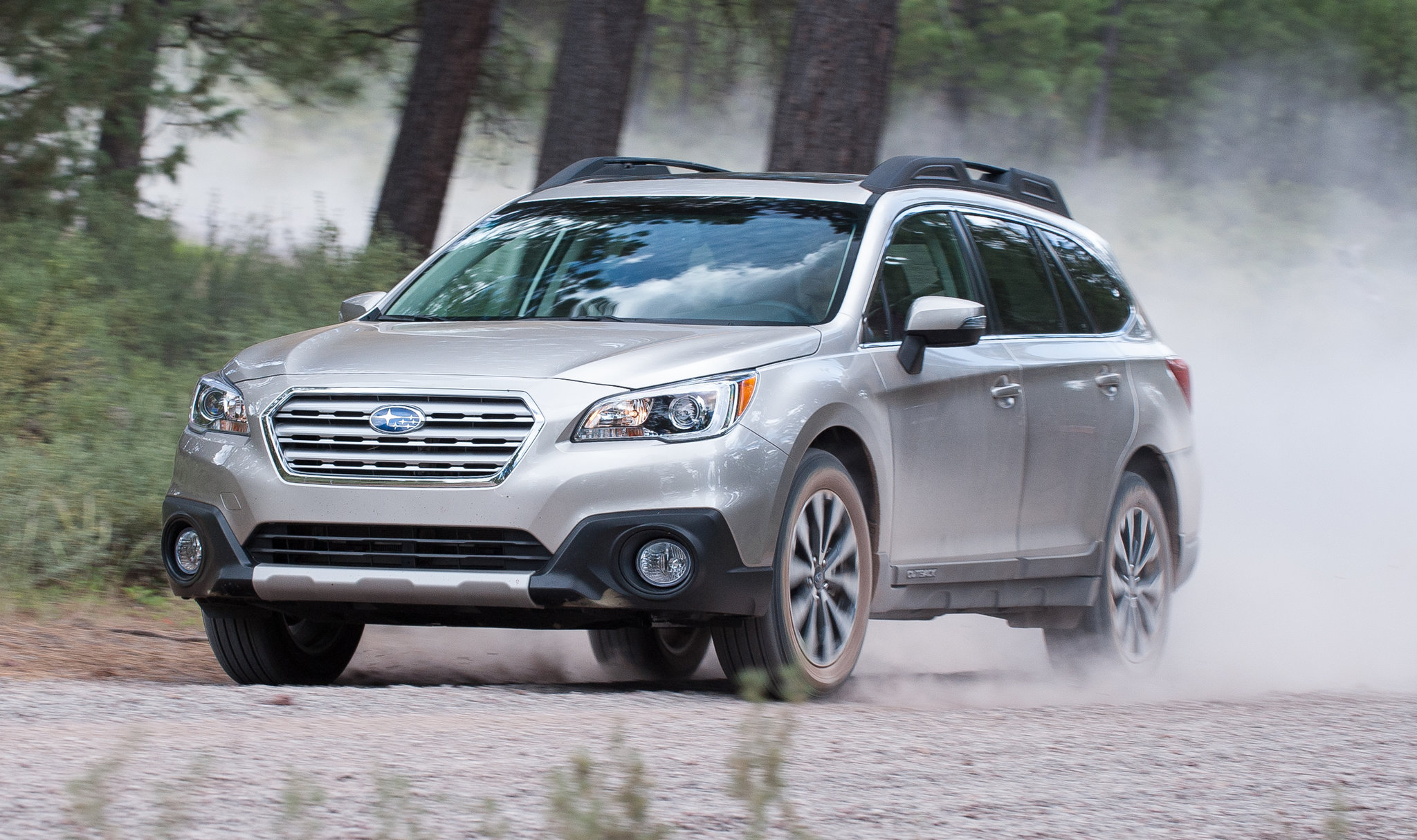
The Subaru Outback is known for its versatility and rugged capability, and it’s a popular choice among drivers who enjoy weekend adventures and outdoor travel.
What many don’t expect is that the Outback also features a surprisingly reliable and accurate fuel gauge. While off-road-focused vehicles often suffer from sensor variability due to uneven terrain, the Outback manages to maintain steady readings in most conditions.
A big reason for this reliability is Subaru’s symmetrical all-wheel-drive layout and low center of gravity, which help reduce the chances of fuel sloshing excessively in the tank.
That, combined with well-designed sensors, means that the gauge can provide steady readings even when the vehicle is tilted or bouncing on a trail. You don’t get the typical delay or sudden drop you might see in other utility vehicles.
Subaru drivers tend to rely heavily on their range indicators, especially when traveling into rural or remote areas, and the company has responded by ensuring that the gauge is well-calibrated.
The “low fuel” light comes on with a decent buffer, but not so early that it causes unnecessary anxiety. You’re given enough warning to find a fuel station without feeling like you’re constantly filling up early just to be safe.
Over time, the Outback continues to show consistent behavior even as the vehicle ages. Fuel sensor wear seems to be less of a concern, and many owners with older models note that the readings remain accurate and stable.
Whether you’re on a freeway or a forest trail, it’s nice to know that the number on your dash reflects your actual situation with a good degree of accuracy.
5. Ford F-150 (Recent Models)
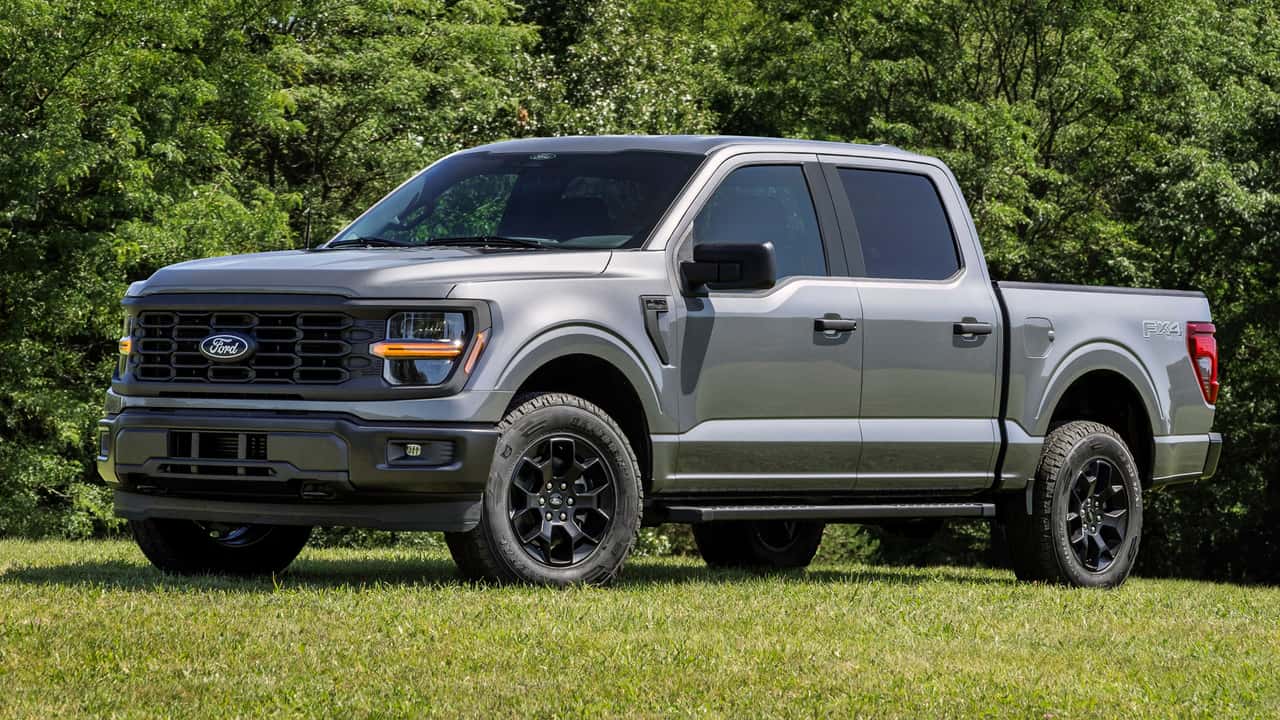
Among full-size pickup trucks, the Ford F-150 stands out not just for its capability and popularity, but also for having a surprisingly accurate and consistent fuel gauge, especially in more recent models from 2018 onward. Given the vehicle’s size and fuel tank capacity, drivers must receive reliable fuel level information.
With tanks that can hold 23 to 36 gallons, depending on configuration, any inaccuracy could result in serious miscalculations, especially for those using the truck for towing, hauling, or long-distance travel.
Fortunately, the F-150 delivers a gauge that reacts in a steady, proportional way, giving you a reliable sense of remaining range at nearly every point of the tank’s usage.
One of the key contributors to the F-150’s trustworthy fuel gauge is Ford’s improved sensor calibration technology.
Rather than relying on a single float sensor like older models, recent F-150s use enhanced multi-point monitoring that keeps the gauge steady even as the fuel sloshes due to the truck’s movement.
This is crucial in trucks, which often carry varying loads, encounter uneven roads, or climb steep inclines. Many owners note that the gauge holds true whether the truck is driving uphill, idling on an incline, or carrying a full bed of equipment, situations that might confuse a less sophisticated system.
Another advantage of the F-150 is that its digital range estimator is tightly integrated with the analog gauge, providing an experience that feels synchronized. When the needle moves, the miles-to-empty display follows in a way that makes sense.
Unlike some vehicles where the estimate jumps around based on driving habits, the F-150 keeps its updates gradual and reflective of real-world conditions. This offers peace of mind to drivers who often travel long distances or work in areas with limited access to fuel stations.
What also sets the F-150 apart is its consistency over time. Many trucks see their sensors degrade after years of exposure to extreme conditions or heavy usage, but the F-150 seems to resist that trend better than many of its competitors. Long-term owners frequently comment that their trucks continue to give reliable readings even after 100,000 miles.
That sort of reliability, in a vehicle expected to endure hard use, shows that Ford has prioritized not just power and utility, but also practical, user-focused elements like fuel gauge accuracy.
Also Read: 5 Engines with Oversized Oil Pans vs 5 with Stock Pans That Crack
5 Cars with Fuel Gauges That Lie Constantly
1. Jeep Grand Cherokee (Older Models)
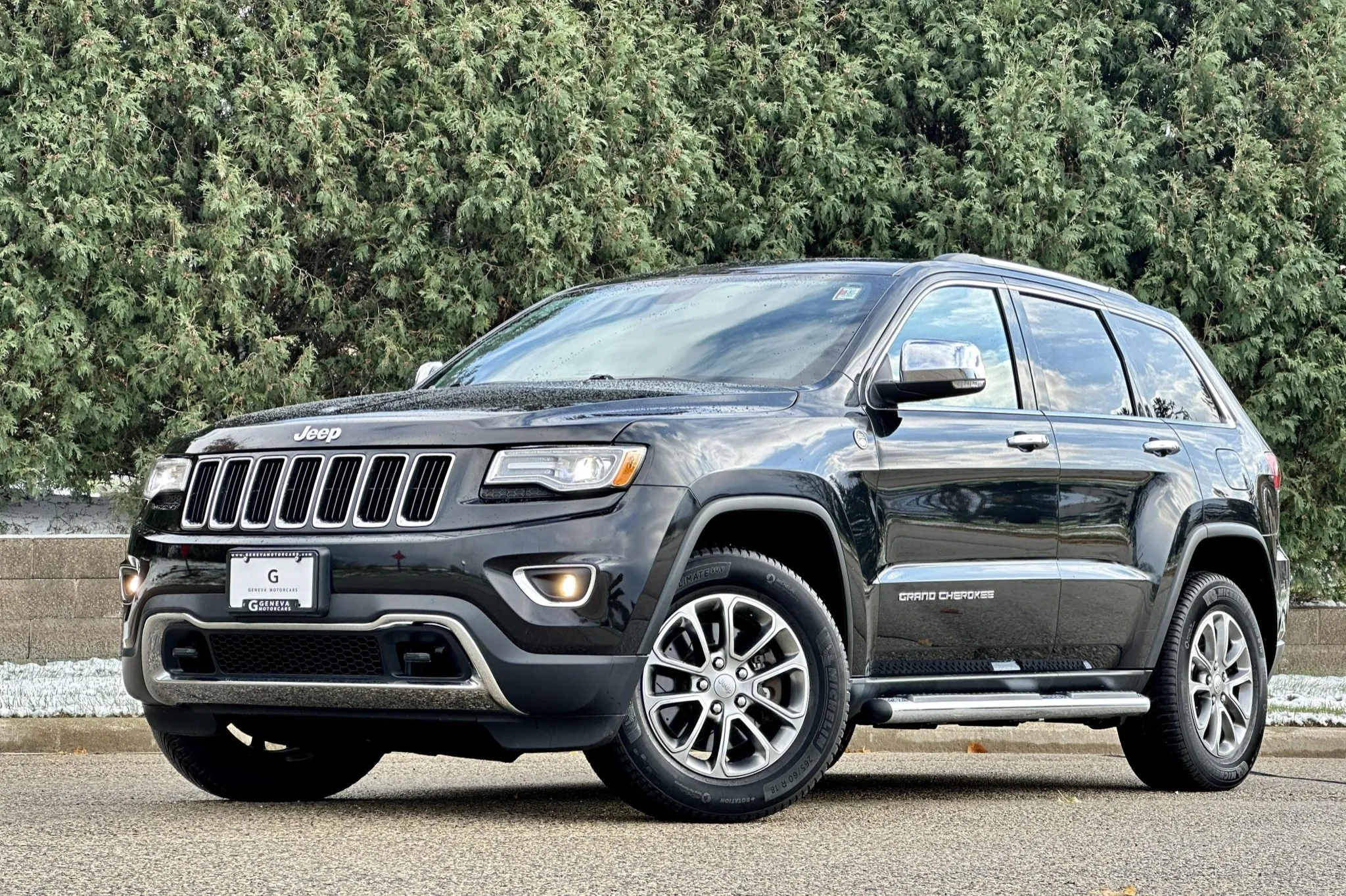
The Jeep Grand Cherokee is a well-known SUV that excels in off-road capabilities and rugged styling, but when it comes to the reliability of its fuel gauge, particularly in older models, the story takes a different turn.
Owners of Grand Cherokees manufactured between the early 2000s and mid-2010s often report erratic fuel gauge behavior, with common issues including a needle that stays stuck on full for too long, fluctuates randomly, or suddenly drops from half to empty without warning.
This behavior has been linked to faulty fuel sending units and deteriorating electrical connections, which were not uncommon in Chrysler vehicles during that period.
One of the most frustrating things for drivers is the false sense of security the gauge provides. Many have reported starting a journey thinking they have more than half a tank, only to have the needle plummet within a short time frame, causing unnecessary panic or emergency fuel stops.
Others have the opposite issue, seeing a nearly empty gauge but finding out during a fill-up that they still had a third of a tank left. That kind of inconsistency erodes trust and forces drivers to fill up more frequently than necessary, simply to avoid the risk of running out.
Another issue that compounds the problem is that some Grand Cherokee models also suffer from electrical gremlins in the dashboard cluster, which can affect the fuel gauge’s accuracy even if the sensor itself is functioning.
In some cases, it’s not clear whether the fuel tank sensor or the instrument panel is to blame, making the diagnosis more difficult and often expensive.
Despite numerous owner complaints, there was no widespread recall to address these problems in many affected model years, leaving drivers to either live with the flaw or pay out-of-pocket for repairs.
Even worse, replacing the faulty components doesn’t always solve the issue long-term. Some owners have had sensors replaced only to find the problem returning months later. While Jeep has made strides in newer models to improve reliability, the damage to trust has already been done.
Anyone considering a used Grand Cherokee from the problematic years should be aware that the fuel gauge might not be telling the whole story, and that relying on mileage tracking may be the only workaround.
2. Mini Cooper
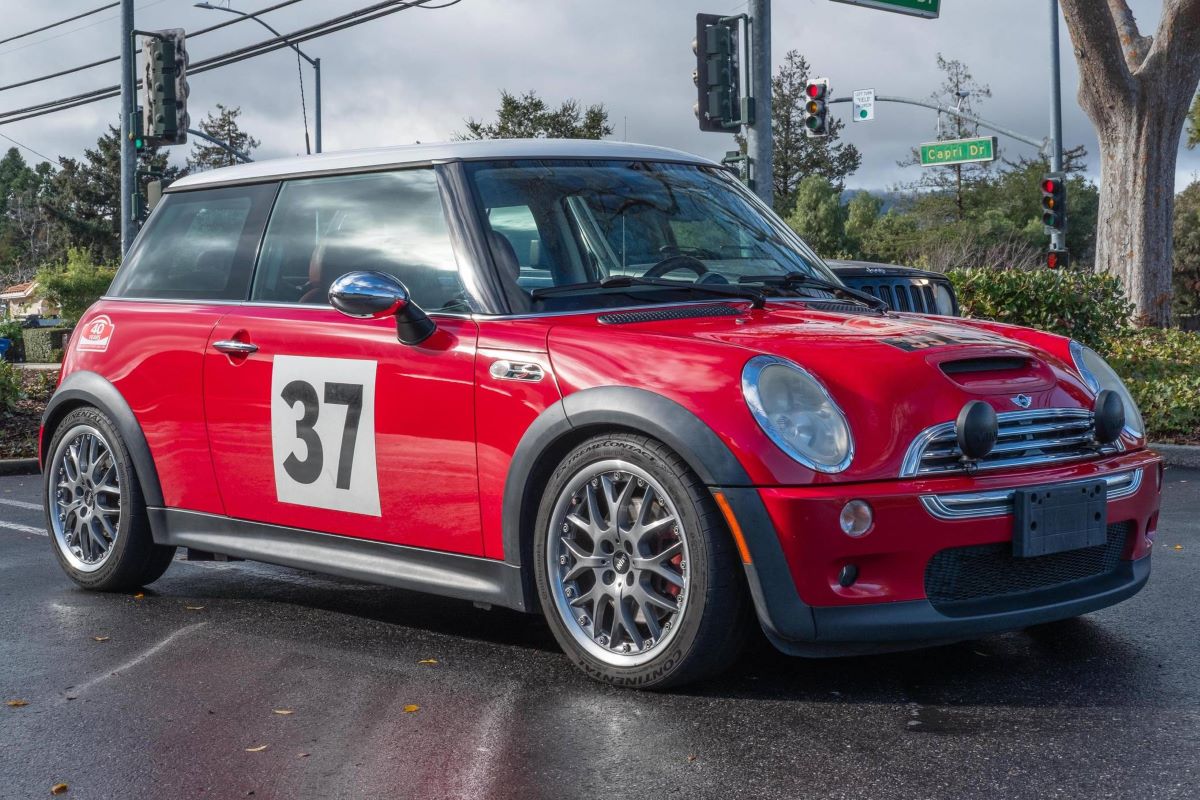
The Mini Cooper has always stood out for its quirky design and sporty handling, but unfortunately, its fuel gauge has also become known for being less than dependable. Many Mini owners have reported fuel gauges that are either overly optimistic or wildly inconsistent.
It’s not uncommon for the needle to hover at full for an extended period after refueling, only to drop sharply once you’ve used a third of the tank. That misleading behavior confuses, especially for new owners who haven’t yet learned to interpret the vehicle’s quirks.
Part of the issue lies in the tank shape and sensor configuration. The Mini Cooper has a smaller, more compact tank to fit within its tight chassis, and the design seems to make it harder for the sensors to give a smooth, linear reading.
As a result, the gauge often stays stuck at the top portion of the range, giving the impression that fuel consumption is more efficient than it is. Then, once the gauge begins to move, it often does so quickly and without much warning, catching drivers off guard.
In addition to erratic movement, there’s the problem of the “empty” warning light, which doesn’t always align with reality. Many drivers report that the light turns on prematurely or inconsistently, sometimes suggesting an empty tank when a quarter remains, and other times staying off until the vehicle is dangerously close to stalling.
This unpredictability forces drivers to either refuel far more frequently than needed or risk pushing the car beyond safe limits in hopes of saving a few bucks.
What makes it even more frustrating is that the Mini is otherwise such a thoughtfully engineered car. You’d expect the basics, like a fuel gauge, to be handled with equal attention.
Yet despite owner feedback and online forums filled with complaints, the issue has persisted across several generations.
While newer models may offer slight improvements, many drivers still find themselves relying more on their trip odometer than the actual fuel gauge to determine when it’s time to fill up.
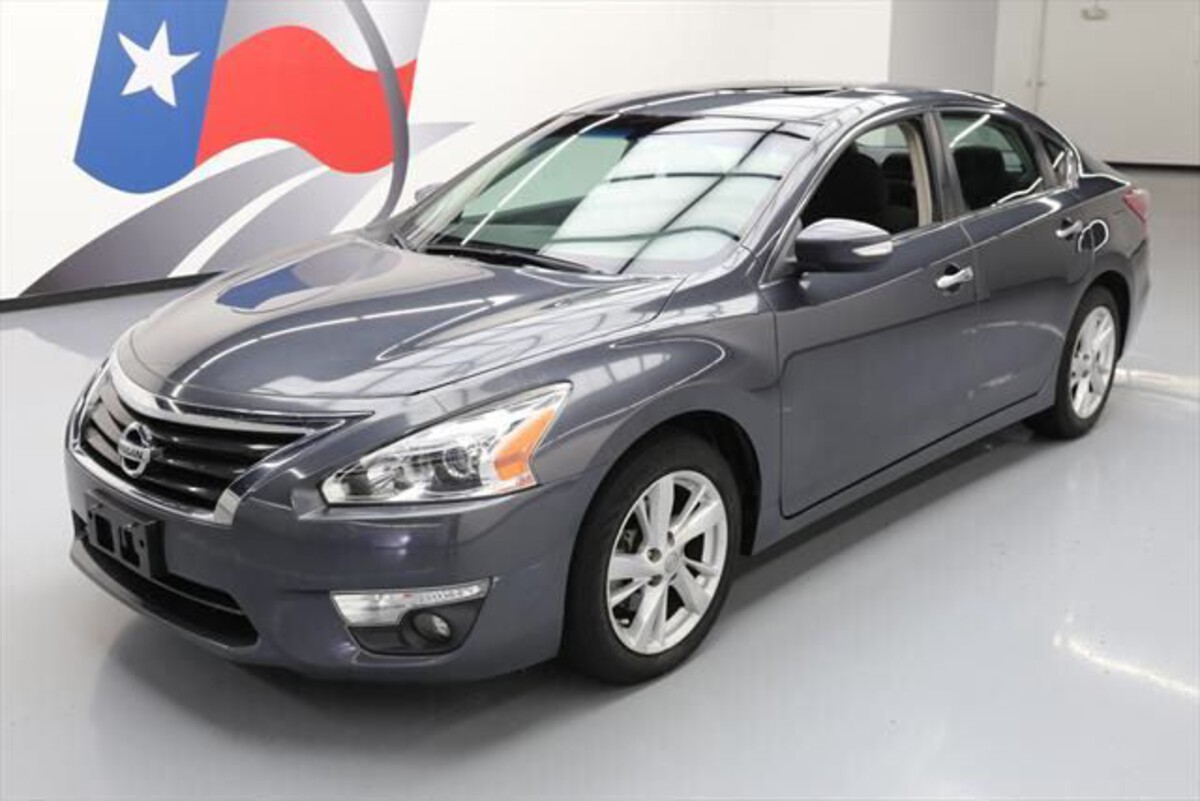
3. Nissan Altima (Mid-2000s Models)
The Nissan Altima has been a strong seller for years, known for its value, comfort, and ease of use. However, those who’ve owned models from the mid-2000s often report issues with the fuel gauge that range from mildly annoying to completely misleading.
Several model years in that era have documented problems related to faulty fuel level sending units, which are known to provide inaccurate readings, especially after prolonged use. This creates a scenario where the gauge may not reflect actual fuel consumption at all.
Drivers commonly report the needle sticking on full or bouncing around unpredictably as the vehicle is driven. One moment, it may show three-quarters full, and minutes later, it’s reading close to empty.
The inconsistency becomes more noticeable on longer trips, where the gauge might shift multiple times based on terrain or driving style, rather than reflecting actual fuel usage. It turns what should be a simple glance into a guessing game that no one wants to play.
The problem seems to worsen over time. As the sending unit wears down or becomes coated with debris, it struggles to provide clear signals to the gauge.
What’s more problematic is that replacing the sending unit requires significant labor, and in some Altima models, it’s integrated into the fuel pump assembly. That drives up the cost of repair and discourages many owners from fixing the issue, leading them to rely on range estimates or their intuition.
While this issue doesn’t affect every Altima ever made, it’s prevalent enough in certain year ranges that it became a well-known complaint among owners and mechanics alike.
Nissan did offer some limited assistance for a few model years under warranty, but not enough to resolve the issue across the board. Even now, used Altimas from that period frequently come with warnings from previous owners or dealership listings noting “fuel gauge not accurate,” which speaks to how common and persistent the issue really is.

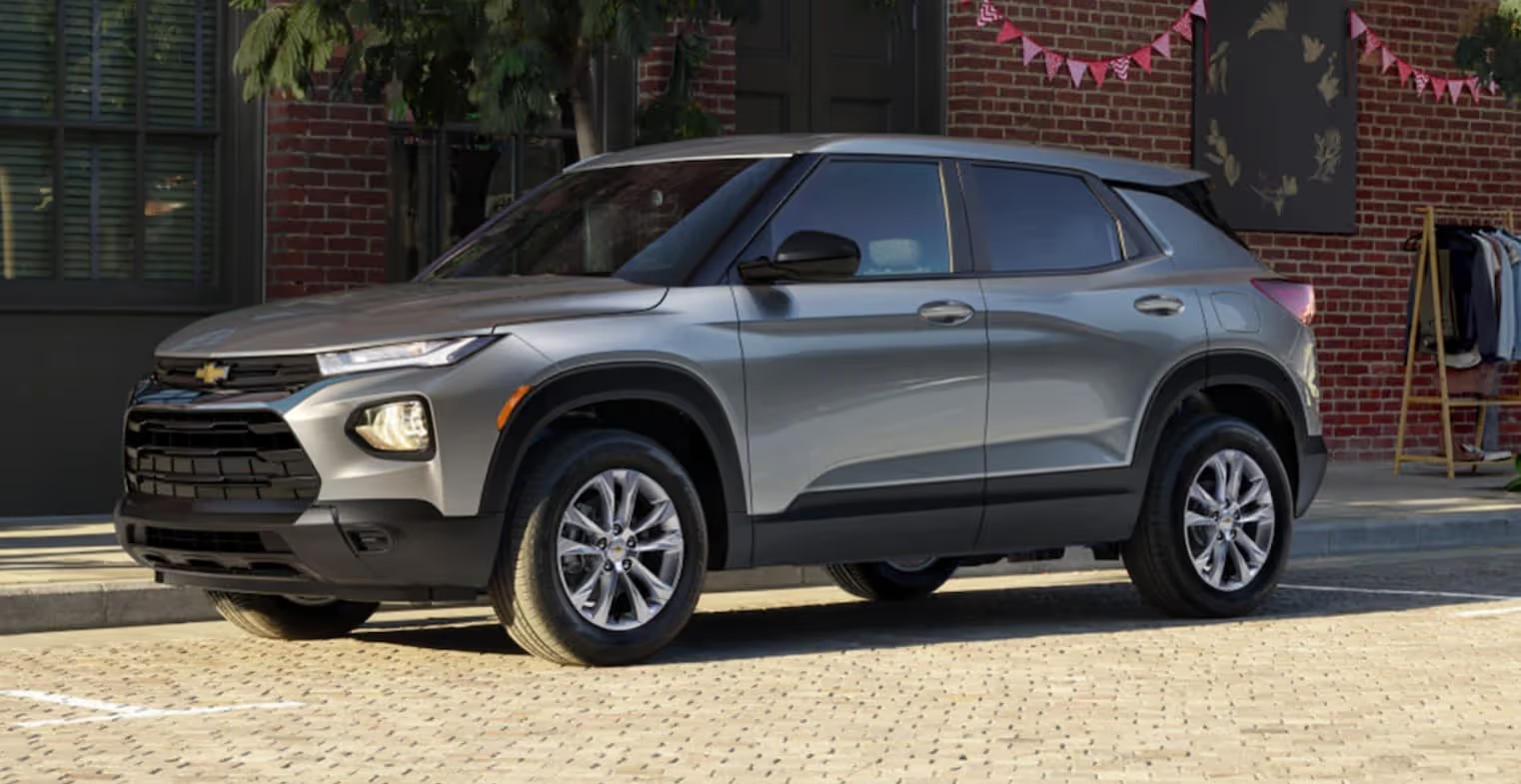
4. Chevrolet TrailBlazer (Early 2000s Models)
The Chevrolet TrailBlazer from the early 2000s may have been a popular mid-size SUV for its time, offering good power and spacious interiors, but its fuel gauge system was a consistent source of headaches for owners.
This vehicle gained a widespread reputation for having one of the most unreliable fuel level readings in its class, to the point where thousands of drivers reported being stranded on the road due to inaccurate information.
The problem was so common that GM eventually acknowledged it and, in some cases, provided partial reimbursement for repairs under a customer satisfaction program. Still, for many TrailBlazer owners, the damage was already done.
The root of the issue came from a faulty fuel level sensor that was prone to corrosion or electrical failure after just a few years of use. In many cases, the gauge would read full even as the fuel drained, only to suddenly drop to empty with little or no warning.
Some owners saw the needle bouncing wildly during turns or braking, while others watched it rest at one position indefinitely, regardless of actual fuel levels. This inconsistent behavior made it nearly impossible to plan fuel stops without relying on mileage tracking.
The sensor itself was located in a difficult-to-access spot inside the fuel tank, often requiring complete removal of the tank to replace. That meant repairs were labor-intensive and expensive, particularly for a mid-size SUV that many people purchased for budget-conscious reasons.
Worse still, some drivers had the sensor replaced only to have the same issue recur within a year or two. It became a vicious cycle of unreliability and growing frustration, prompting many TrailBlazer owners to abandon the idea of trusting the gauge entirely.
Compounding the issue was the fact that the gauge malfunction often occurred without any check engine light or warning code.
That meant the vehicle wouldn’t alert the driver electronically, and the only way to know the gauge was inaccurate was through hard-earned experience, often running out of gas when the tank was supposedly half full.
Over time, many drivers resorted to resetting their trip odometers every time they refueled, turning an automated convenience into a manual workaround. For a vehicle intended to be family-friendly and reliable, this was a serious design flaw that left a lasting impression.

5. BMW X5 (First Generation)
The first-generation BMW X5, while luxurious and packed with German engineering precision in many areas, missed the mark entirely when it came to the fuel gauge system. Owners of models produced from the late 1990s through the early 2000s frequently encountered fuel readings that were anything but accurate.
Despite its upscale status and price tag, the X5 had a sensor system that often struggled to deliver consistent results, particularly as the vehicle aged. This wasn’t just a minor annoyance; in a high-end SUV where drivers expected refined and accurate instrumentation, it was a glaring oversight.
One of the most well-documented issues was the gauge remaining stuck at full even after driving for hundreds of miles. Many drivers reported that the needle wouldn’t move until the tank was nearly half empty, and then it would drop rapidly in the span of a few miles.
This sudden and exaggerated decline gave the impression that the vehicle was burning fuel at an alarming rate when, in fact, the gauge had simply failed to respond gradually. Even worse, the onboard computer’s range estimate didn’t always align with the gauge, leading to conflicting data that confused even seasoned BMW owners.
Another contributing factor to the gauge’s unreliability was the dual-tank configuration found in some versions of the X5. To accommodate its all-wheel-drive system and chassis design, the SUV used a saddle-style tank that straddled the drivetrain, with fuel pumped from one side to the other via a transfer pump.
When that pump malfunctioned, which was not uncommon, the gauge would show incorrect readings, especially if fuel wasn’t being transferred properly between the two halves of the tank. In these situations, the vehicle might read as low on fuel even though plenty was remaining in the other chamber.
BMWs are known for their complex engineering, but in this case, the sophistication may have worked against reliability. Diagnostic trouble codes related to the fuel system were often vague or unhelpful, leaving owners unsure whether the issue was the sensor, the gauge, the software, or something mechanical like the transfer pump.
In the end, many X5 drivers simply learned to live with the uncertainty or relied on frequent refueling as a precaution. For a brand that prides itself on precision, the first-generation X5’s unreliable fuel gauge was a blemish on an otherwise respected luxury SUV.
