
When it comes to trucks, strength and durability are among the most valued traits. Many truck owners rely on their vehicles not just for daily commuting but also for work that involves heavy-duty hauling, towing, and off-road driving.
The bumper, as the first line of defense during impacts, plays a crucial role in protecting the truck’s body and important components.
The difference between a bumper that can take a hit and one that barely withstands a minor bump can mean significant cost savings in repairs and peace of mind. Trucks with strong bumpers are often praised for their rugged construction, use of reinforced materials, and smart engineering.
On the other hand, some trucks, despite their size and brand reputation, have bumpers that are surprisingly vulnerable, sometimes even dented from something as simple as a shopping cart in a parking lot.
This contrast raises questions about design priorities, material choices, and how manufacturers balance aesthetics with function.
In this article, the focus will be on identifying five trucks that stand out because of their strong, resilient bumpers. These trucks are known for their bumper strength, which can withstand tough conditions and impacts that most vehicles would shy away from.
Their bumpers are typically built with thick steel or other durable materials and may include added features such as reinforced mounts or protective coatings.
On the flip side, the article will also highlight five trucks that are prone to bumper damage from minor impacts. These trucks might use thinner metals or plastic components that compromise durability.
Sometimes the issue lies in design choices aimed at reducing weight or enhancing fuel efficiency, which can result in bumpers that do not hold up well against even light collisions.
Understanding which trucks fall into each category is valuable not only for buyers in the market but also for current owners who want to know how well their truck can hold up in everyday scenarios.
For those who work in demanding environments or enjoy off-roading, bumper strength can directly affect safety and vehicle longevity.
In urban settings, trucks with weaker bumpers may lead to frustrating experiences with parking lot damage, especially in crowded spaces where shopping carts and tight maneuvers are common. Additionally, insurance claims and repair costs tend to be higher when bumpers are easily damaged.
This comparison provides insight into truck construction and helps clarify why some models are preferred for heavy use, while others may be better suited for lighter tasks or aesthetic appeal.
Both categories offer lessons in design philosophy and highlight the trade-offs manufacturers make between toughness and other factors like weight and cost.
Also Read: 5 Affordable SUVs That Feel Like Trucks and 5 That Don’t
5 Trucks with the Strongest Bumpers
1. Ford F-150
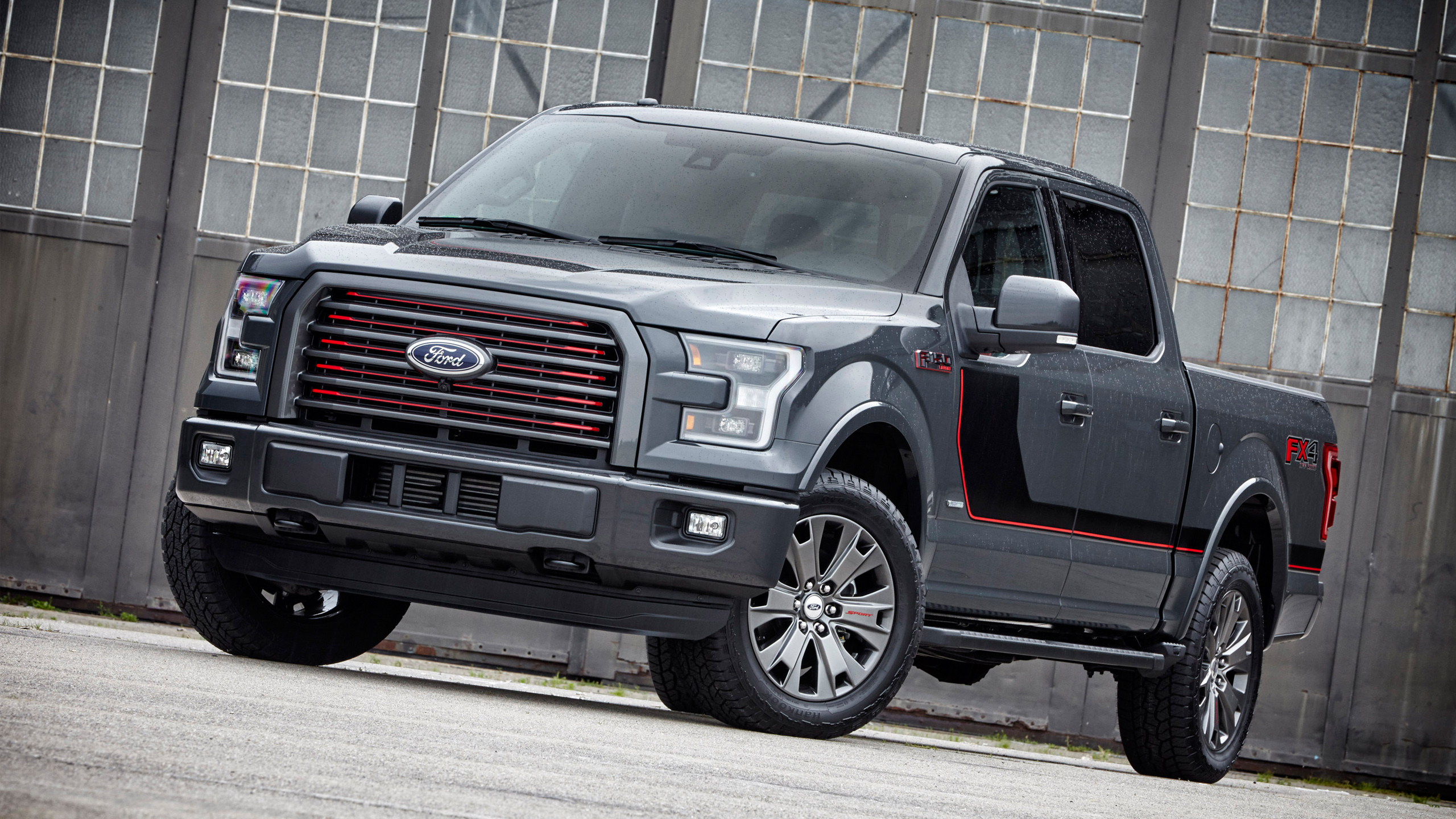
The Ford F-150 has earned a reputation as one of the toughest and most reliable trucks on the market, and a key part of that reputation comes from its robust bumper design.
Ford uses high-strength steel and advanced manufacturing processes to create bumpers that can handle a significant amount of force without bending or breaking.
This strength is critical, especially considering the F-150 is often used in demanding environments such as construction sites and off-road adventures where impacts are common.
The bumper is designed not only to protect the front end but also to absorb and distribute the energy of a collision to minimize damage to the rest of the vehicle. The thick steel plating, combined with reinforced mounting points, means the bumper can take hits that would severely damage many other trucks.
What makes the F-150’s bumper stand out even further is the integration of other protective features. Some trims include skid plates and optional brush guards that enhance the bumper’s durability. These add-ons allow the bumper to act as a shield against obstacles like rocks, logs, or even wildlife encounters, which can cause significant harm if the bumper were weaker.
Ford also uses corrosion-resistant coatings that ensure the bumper remains strong over time, even when exposed to harsh weather or salt used on icy roads. This durability over the long term is just as important as initial impact resistance.
Another factor contributing to the bumper’s strength is the design philosophy Ford applies. The bumper’s thickness and construction are carefully balanced with vehicle weight and aerodynamics, ensuring that the truck remains efficient without compromising protection.
Drivers who regularly tow heavy trailers or haul heavy loads benefit from bumpers that maintain integrity under stress, as a weak bumper could lead to costly repairs or unsafe driving conditions. The F-150’s consistent top ranking in durability tests and consumer feedback confirms that its bumper is one of the strongest in the segment.
Lastly, the Ford F-150’s aftermarket support and customization options add to its appeal. Many truck enthusiasts choose to upgrade or reinforce their bumpers further with aftermarket steel or aluminum units designed for off-road and heavy-duty use.
These custom bumpers often include winch mounts, recovery points, and added clearance, increasing the truck’s capability in rugged situations. Even the factory bumper provides a solid foundation for these enhancements, underscoring its strength and reliability.
2. Chevrolet Silverado 2500HD
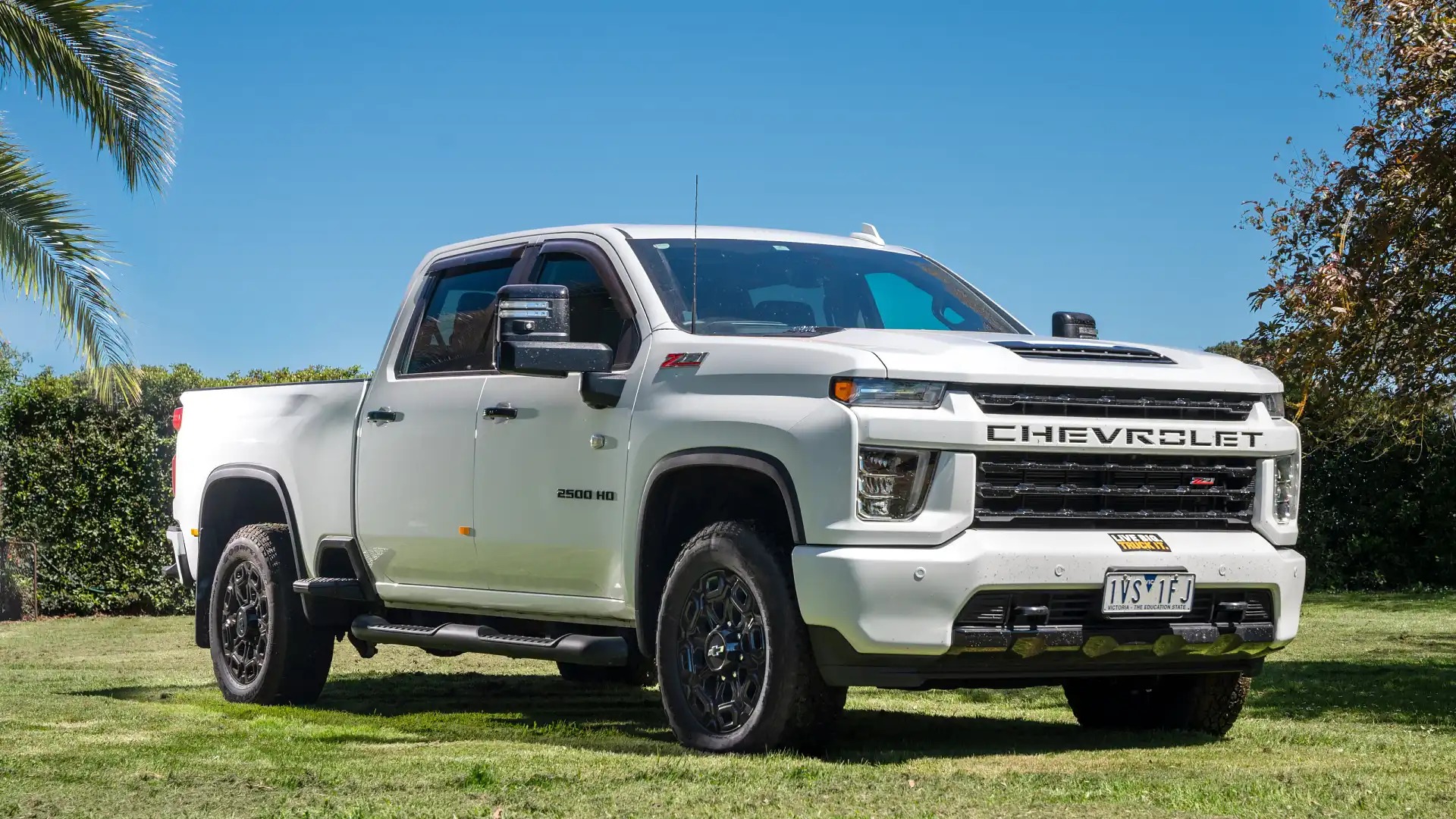
The Chevrolet Silverado 2500HD is a heavy-duty truck designed for tough jobs, and its bumper construction reflects this purpose. Built to handle high towing capacities and rough terrain, the Silverado 2500HD’s bumpers are made from thick steel alloys capable of absorbing impacts that many lighter-duty trucks cannot endure.
The bumpers are mounted on reinforced frames that help distribute collision forces evenly, preventing localized damage and improving safety for occupants.
The strength of the bumper is vital for a truck designed to be a workhorse, as it often encounters situations that require a more resilient front-end guard against debris, rocks, and other obstacles.
Chevrolet’s engineering team focuses on creating bumpers that not only protect the vehicle but also maintain a sleek, polished appearance. The Silverado’s bumpers feature a combination of stamped steel and protective coatings, which helps them resist dents, scratches, and corrosion over time.
These materials are chosen with durability in mind and can withstand harsh weather conditions, including snow, mud, and rain.
For truck owners who frequently drive through construction sites or off-road paths, this bumper strength means fewer repairs and less maintenance. The bumper’s design allows it to remain structurally sound even after repeated impacts.
One feature of the Silverado 2500HD’s bumper is its compatibility with various accessories that improve both protection and utility. Many models come with factory tow hooks integrated into the bumper area, which also helps reinforce the bumper structure.
This integration is crucial during recovery or towing operations, where forces exerted on the bumper can be intense. The bumper’s strong build ensures that it can withstand such stresses without damage, unlike weaker designs that might bend or crack.
The Silverado’s bumper strength is also evident in crash testing and real-world use. Owners report fewer dents and damages compared to trucks in the same category, and many professionals in demanding industries choose the Silverado because they know it can endure the rigors of their work. This truck is designed with resilience as a priority, and the bumper plays a critical role in that design philosophy.
3. Ram 3500
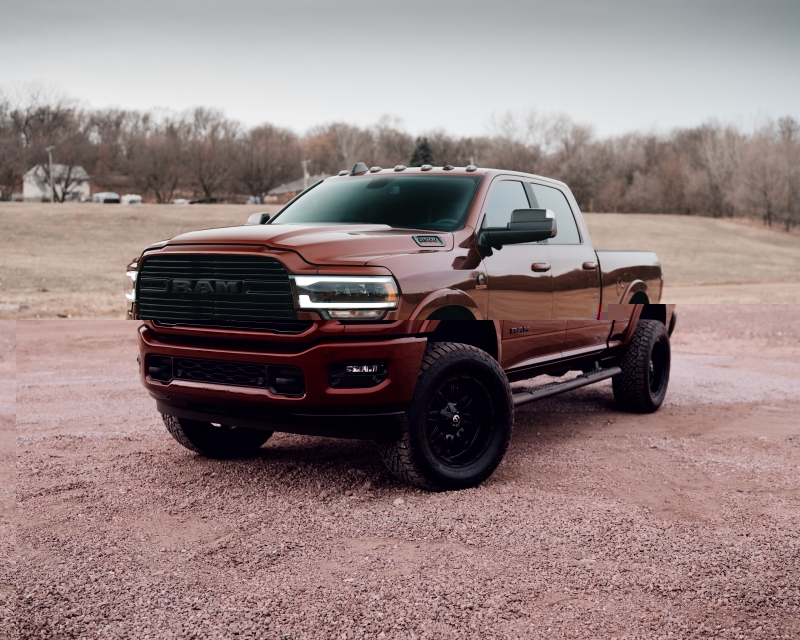
The Ram 3500 is well-known for its heavy-duty capabilities and strong frame, and its bumper construction is equally impressive. Built for maximum durability, the bumpers on the Ram 3500 use reinforced steel with increased thickness compared to lighter-duty trucks.
The design focuses on impact absorption and damage resistance, allowing the bumper to take hits that might otherwise compromise the truck’s body.
This toughness is essential for a vehicle that is often used in industrial settings, agriculture, and other high-stress environments where collisions with equipment or debris are common.
Ram’s engineering team prioritizes durability without sacrificing style, resulting in bumpers that combine strength with a bold appearance. These bumpers often feature textured finishes or powder coating that resist scratches and corrosion, making them last longer under harsh conditions.
Additionally, the bumpers are carefully shaped to enhance ground clearance and approach angles, reducing the likelihood of damage during off-road driving. This combination of form and function makes the Ram 3500’s bumper one of the most respected in its class.
The Ram 3500 also benefits from integrated design features that support bumper strength. Tow hooks, fog lights, and sensors are built into the bumper with protective housings that reduce the risk of damage during impacts.
This integration demonstrates Ram’s attention to detail in making sure the bumper can protect not just itself but also the vital components attached to it. The bumper frame itself is securely welded to the truck’s chassis, preventing loosening or bending under stress.
Finally, the Ram 3500’s bumper strength is backed by owner reports and testing that show a high level of resilience. Compared to other trucks, the Ram 3500 experiences fewer bumper repairs and replacements, which is a testament to its solid construction.
For drivers who require a truck that can handle heavy loads and tough environments without frequent cosmetic damage, the Ram 3500’s bumper is a reliable choice.
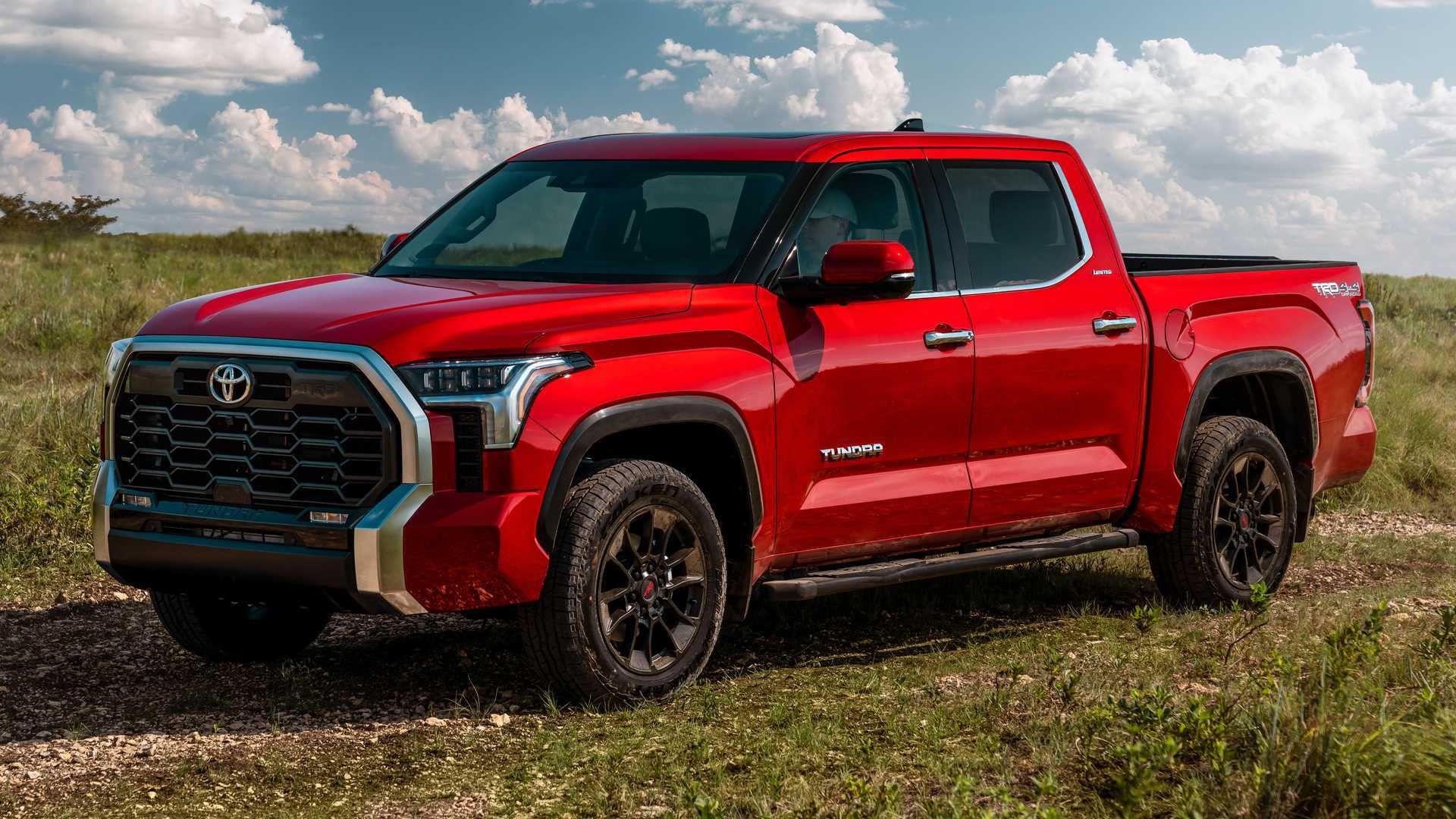
4. Toyota Tundra
While Toyota’s Tundra is not always the first truck mentioned for heavy-duty work, it boasts a surprisingly strong bumper construction that can withstand considerable force. Toyota focuses on using high-grade steel and reinforced mounting brackets to ensure the bumper offers substantial protection.
This strength is useful both in urban settings where minor collisions are common and on rougher terrain where impacts might be more severe. The Tundra’s bumper is designed to protect the truck’s front-end components, including the radiator and engine, by absorbing and deflecting impact energy effectively.
The design of the Tundra’s bumper also takes aesthetics into account, with smooth contours and a finish that resists scratches and corrosion. Toyota uses advanced coating techniques to extend the life of the bumper and maintain its appearance even after years of use.
This durability is important for buyers who want a truck that looks good and holds up well over time. The Tundra’s bumper can handle impacts from rocks, sticks, and other common hazards without showing immediate damage.
In addition to material strength, the Tundra bumper benefits from smart engineering features. The bumper mounts are designed to flex slightly under impact, which helps prevent permanent deformation.
This flexibility means the bumper can return to its original shape after minor collisions, reducing the need for costly repairs. Toyota’s attention to detail in ensuring that the bumper’s structure works as part of a larger safety system makes it stand out in this category.
The Tundra’s bumper strength is also supported by real-world use and testing. Owners report fewer dents and scrapes compared to competitors in the same price range.
Its bumper’s resilience has helped many drivers avoid extensive repair costs after minor accidents or off-road mishaps. Tundra offers a solid balance between toughness and style, making it a reliable choice for drivers who want a durable truck with a refined appearance.
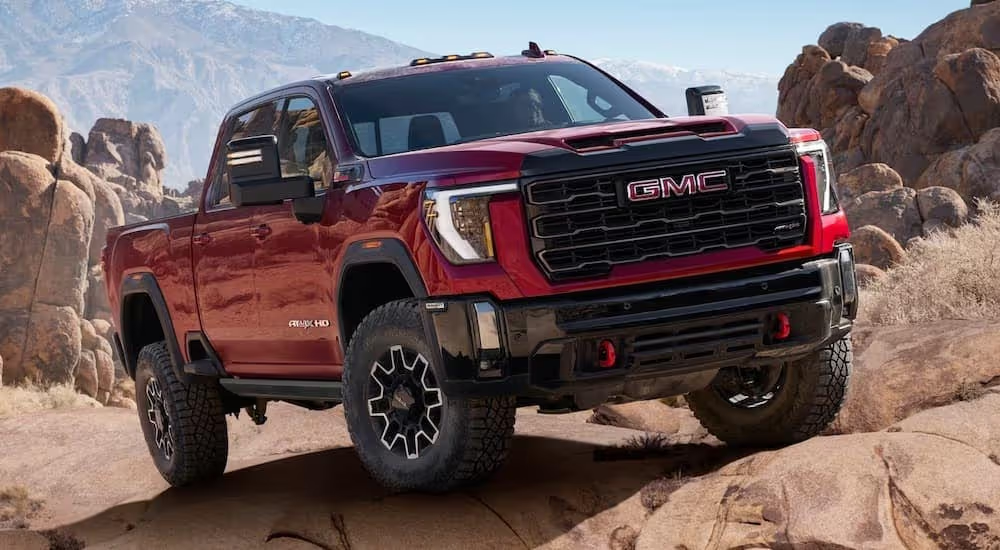
5. GMC Sierra 3500HD
The GMC Sierra 3500HD is built for extreme work conditions, and its bumper is crafted to match those demands. Heavy-duty steel construction forms the foundation of the bumper, giving it the ability to absorb impacts that would damage many other trucks.
This robustness is essential for a vehicle that often hauls heavy equipment, drives on rough terrain, and faces situations where front-end protection is critical. The Sierra 3500HD’s bumper is welded securely to the truck’s reinforced frame, ensuring that it remains in place during impacts and maintains structural integrity.
GMC combines strength with practicality in its bumper design. The steel used is not only thick but also treated to resist rust and corrosion, which helps maintain the bumper’s strength over time. For drivers working in harsh climates or on salted roads, this durability is a significant advantage.
Additionally, the bumper is designed with functional features such as integrated steps or lighting, which are protected by robust housings that withstand bumps and scrapes.
The Sierra 3500HD also benefits from engineering that optimizes the bumper’s ability to absorb and distribute impact forces. This design reduces the risk of damage to essential components behind the bumper, such as the engine and cooling systems.
The bumper’s capacity to withstand repeated minor impacts without compromising safety makes it a preferred choice among drivers who need reliability on demanding job sites. Lastly, the GMC Sierra 3500HD’s bumper strength has been validated through both professional testing and owner experiences.
Many users report that the bumper resists dents and damage even in situations where other trucks might require repairs. The bumper’s toughness adds to the truck’s reputation as a durable, dependable vehicle that can handle the hardest jobs.
Also Read: 5 Hybrids With Great Parts Availability and 5 That Are Always Backordered
5 Trucks That Dent with a Shopping Cart
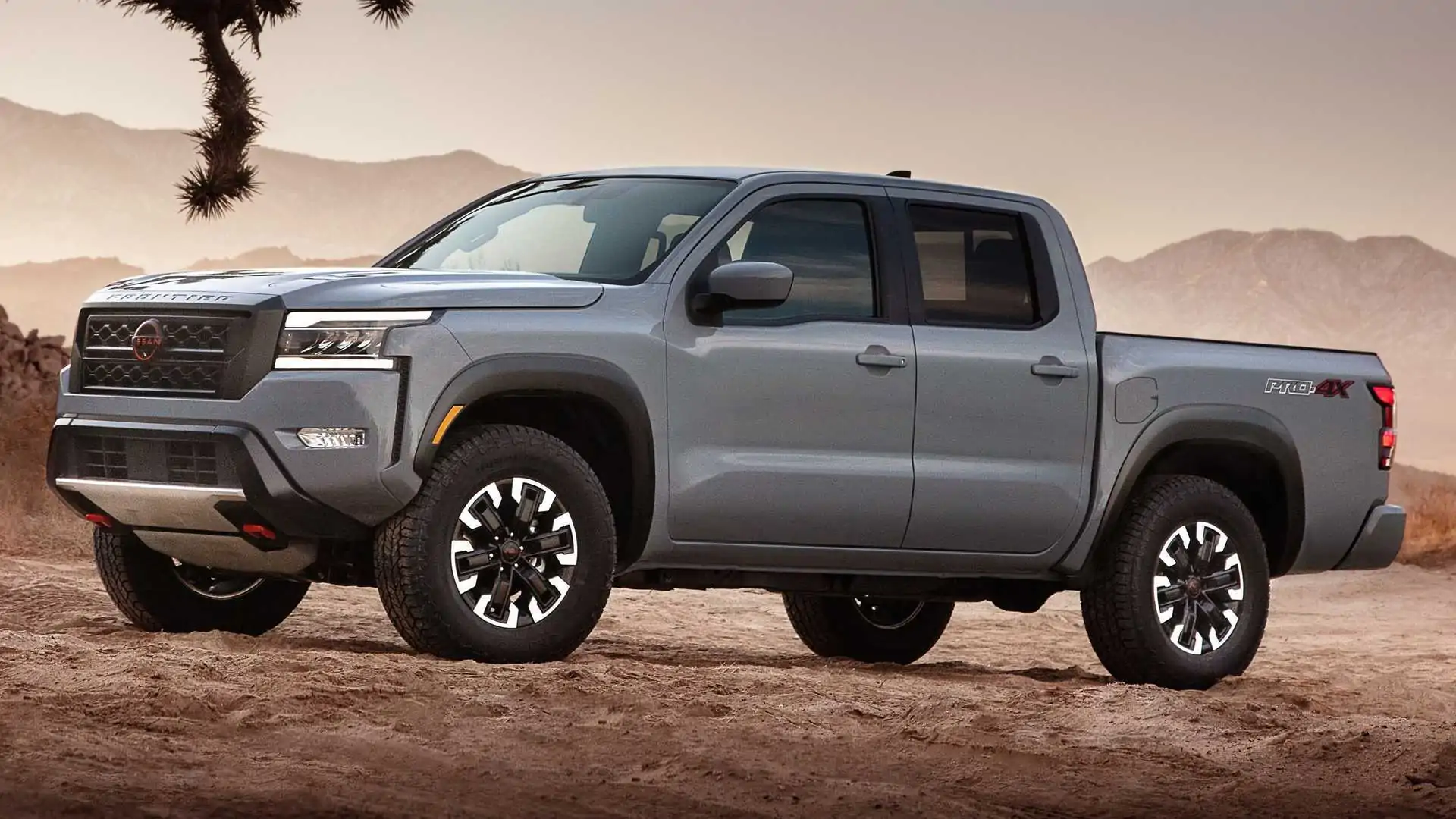
1. Nissan Frontier
The Nissan Frontier is often praised for its affordability and reliable performance, but its bumper strength leaves much to be desired. Many Frontier owners report that the bumpers, often made of thin metal or plastic components, dent or crack easily with minor impacts such as shopping carts or parking lot bumps.
The lightweight construction intended to keep costs and weight down comes at the expense of durability. This vulnerability can lead to costly repairs and frustration for owners who expect a tougher vehicle given its size and price.
The design of the Frontier’s bumper focuses more on style and fuel efficiency than impact resistance. Plastic covers over a thin steel frame mean the bumper cannot absorb impacts as effectively as more robust designs. In some cases, the plastic trim pieces are prone to cracking even without significant force.
This weakness is especially problematic in urban environments where minor collisions and scrapes are common. The bumper’s inability to withstand everyday wear and tear reduces the truck’s longevity and resale value.
Nissan has made some improvements in recent models to reinforce the Frontier’s bumpers, but the core issues persist. The lack of substantial steel reinforcement and minimal cushioning behind the bumper cover contribute to dents and dings from minor contacts.
Additionally, the mounting points may flex or loosen with repeated impacts, making the bumper more susceptible to damage over time. Owners often find themselves needing replacement parts or repairs after what would be considered trivial collisions on stronger trucks.
Another issue with the Frontier’s bumper is the limited availability of aftermarket reinforcement options compared to more popular models.
This lack of options means owners have fewer opportunities to upgrade or protect their bumpers beyond factory specifications. As a result, the Frontier remains a truck that can show significant cosmetic damage even from something as simple as a shopping cart hitting it in a parking lot.
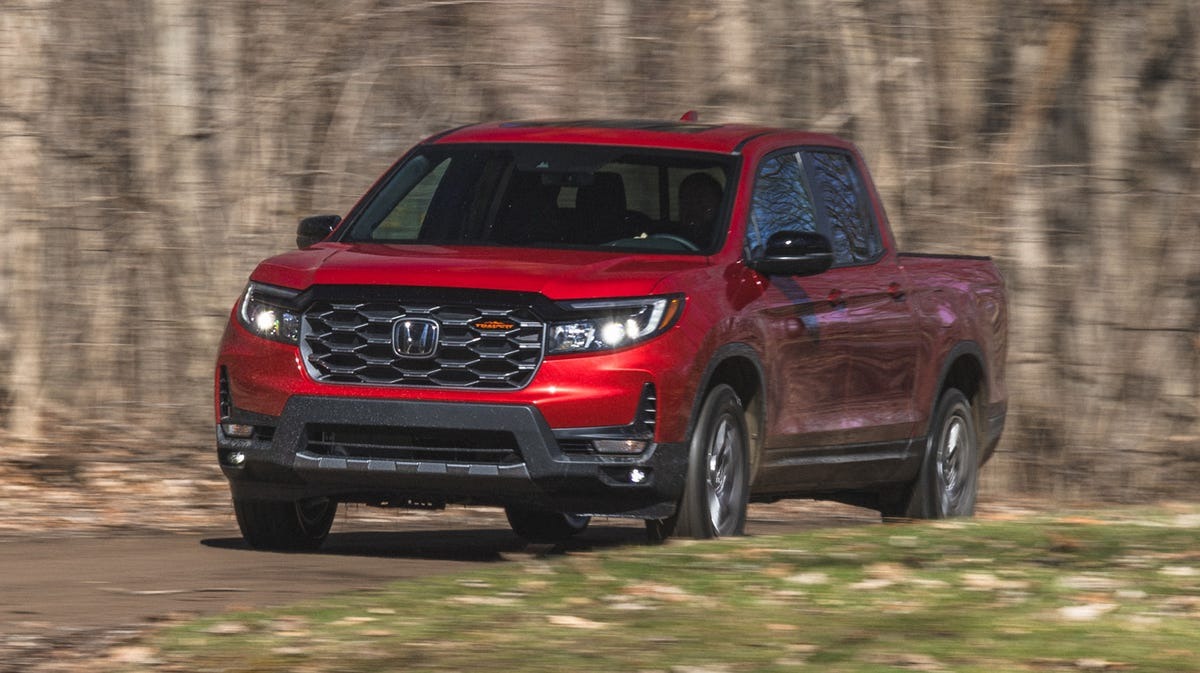
2. Honda Ridgeline
The Honda Ridgeline is unique among trucks for its unibody construction, which provides a smooth ride and car-like handling. However, this design choice also affects bumper strength.
The Ridgeline’s bumpers tend to be made with thinner materials and plastic components that do not fare well against even light impacts.
This results in frequent dents and scratches from situations that would barely affect more rugged trucks. While the Ridgeline excels in comfort and daily usability, its bumper durability is often criticized.
The plastic bumper covers are vulnerable to cracks and dents, and the underlying structure lacks the reinforcement found in body-on-frame trucks. This design reduces the ability to absorb shocks effectively.
In parking lots, the Ridgeline’s bumper is prone to damage from shopping carts or minor scrapes, leading to higher maintenance and repair costs. Honda’s focus on style and weight reduction sometimes comes at the expense of bumper toughness, which is a trade-off for drivers to consider.
Despite its reputation for reliability, the Ridgeline’s bumper issues have been a common complaint among owners. Insurance claims related to bumper repairs are higher than average for this model, indicating its vulnerability. The bumpers also tend to lose their shape after minor impacts, which affects the truck’s appearance and may lead to decreased resale value.
While the Ridgeline offers some advantages like fuel efficiency and smooth driving, it is less suited for drivers who need a truck that can take minor bumps without damage. Its bumper design, while modern and stylish, does not provide the level of toughness that many truck buyers expect, especially those who frequently park in crowded or tight spaces.
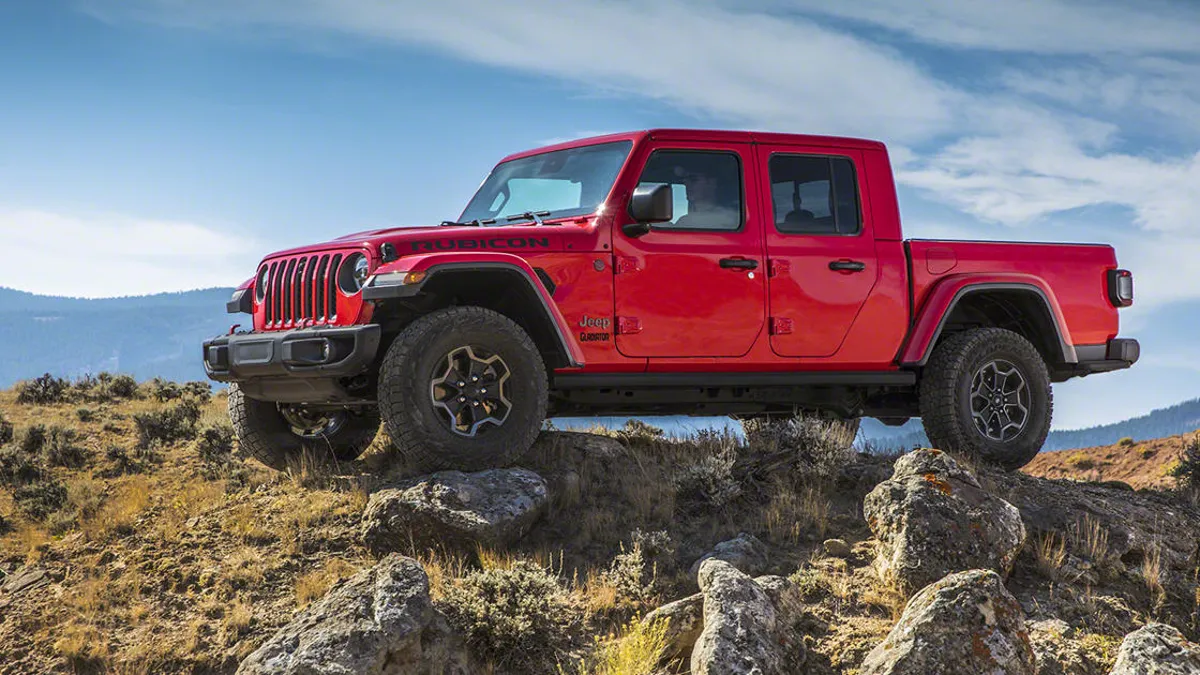
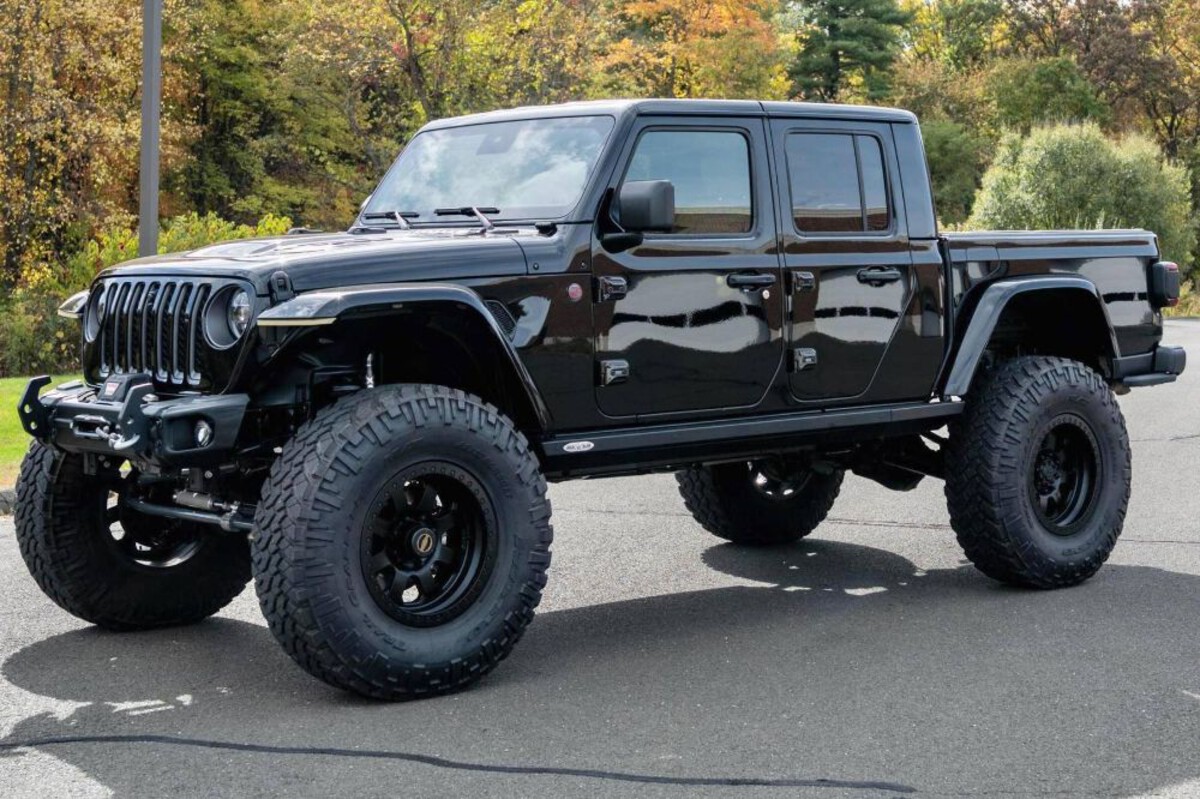
3. Jeep Gladiator
The Jeep Gladiator combines off-road capability with the utility of a midsize truck, but its bumper strength leaves room for improvement. The Gladiator’s bumpers often feature plastic or thin metal components that are prone to denting and cracking, especially in urban environments.
While the truck excels on trails and rough terrain, its bumpers can be surprisingly fragile when subjected to minor collisions like those with shopping carts or parking lot poles.
The design prioritizes lightweight materials and modular components that can be replaced easily, but this comes with a cost to durability. Plastic bumper covers are common and can break or scratch even with light contact.
Furthermore, the mounting system sometimes lacks the rigidity required to prevent damage from everyday impacts, leading to loose or bent bumpers. Owners frequently report cosmetic damage that could have been avoided with stronger construction.
Jeep has offered aftermarket accessories and steel bumpers for off-road enthusiasts, which address some of these issues.
However, many factory Gladiators come with bumpers that do not hold up well in common parking lot incidents. This discrepancy highlights a gap between the truck’s rugged off-road image and its real-world bumper durability in daily use.
Additionally, the Gladiator’s bumper issues affect insurance costs and repair frequency. Minor dents and cracks often lead to body shop visits and parts replacement, increasing ownership costs. For buyers prioritizing toughness and low maintenance, the Gladiator’s factory bumper strength may be a drawback despite its other impressive features.
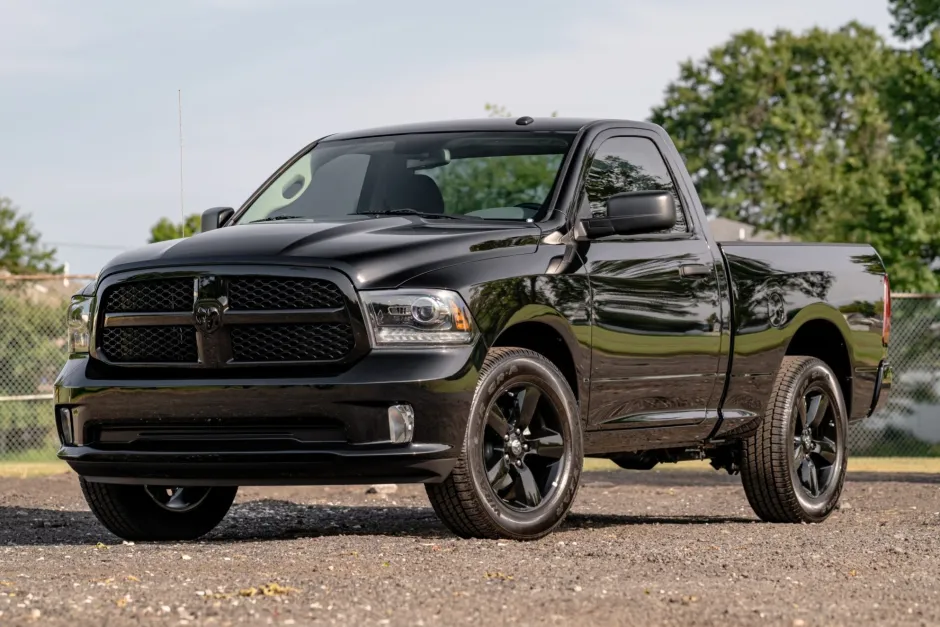
4. Ram 1500
The Ram 1500 is a popular full-size truck known for comfort and performance, but its bumper construction can be surprisingly weak. Many versions use thinner metals and plastic covers that dent or crack easily from low-speed impacts or encounters with shopping carts.
This vulnerability contrasts with the truck’s robust engine and suspension, creating a mismatch in durability. The bumper’s lack of reinforcement makes it less effective in protecting the truck’s front end from minor collisions.
The focus on weight reduction and aesthetics plays a role in the Ram 1500’s bumper design. Plastic bumper fascia and thinner steel backing reduce manufacturing costs and improve fuel efficiency but compromise strength.
This trade-off means the bumpers are prone to scratches, dents, and cracking even from common parking lot incidents. The result is often higher repair costs and more frequent bodywork compared to trucks with stronger bumpers.
Another issue is the mounting system, which can allow bumpers to loosen or bend with repeated minor impacts. Owners report that even light contact with shopping carts or low-speed collisions can cause the bumper to misalign or detach partially. This reduces safety and creates an unsightly appearance that affects the truck’s value.
While the Ram 1500 offers many benefits in performance and comfort, potential buyers should consider the bumper’s limitations. For those needing a truck that can endure rough use and minor accidents without frequent repairs, the Ram 1500’s bumper strength may fall short.
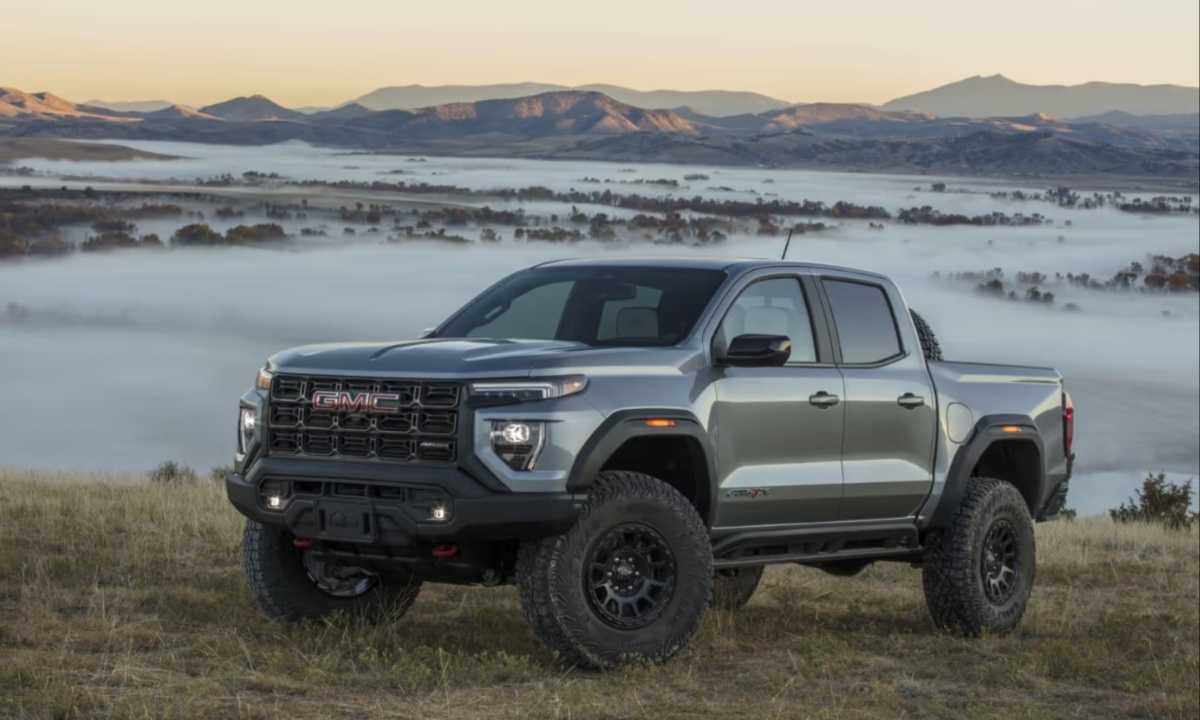
5. GMC Canyon
The GMC Canyon is a midsize truck designed for efficiency and versatility, but its bumper strength is less impressive. The bumpers typically use lightweight materials and plastic covers that dent or crack easily, especially in urban environments where shopping carts and tight parking spaces are common. The bumper’s lack of reinforced steel means it cannot absorb impact energy well, resulting in frequent cosmetic damage.
The Canyon’s design aims to balance cost, fuel economy, and style, but durability suffers as a result. Thin metals and plastic fascia are vulnerable to dents, dings, and scratches that can accumulate quickly with everyday use.
Owners often find themselves needing bumper repairs after what should be minor incidents, adding to maintenance expenses and reducing the truck’s appeal for work-related tasks.
Additionally, the Canyon’s bumper mounting points are sometimes prone to flexing or loosening after minor impacts. This lack of rigidity can cause bumpers to misalign or become loose, affecting safety and aesthetics.
The GMC Canyon’s bumper construction reflects a clear prioritization of lightweight design and fuel efficiency over rugged durability. The use of plastic bumper covers over relatively thin steel or aluminum backing means that, while the truck looks sleek and modern, it sacrifices impact resistance.
In practical terms, this results in bumpers that deform, dent, or crack even under low-force collisions, such as accidental nudges from shopping carts in parking lots or minor parking mishaps.
This vulnerability is a significant concern for owners who park in busy areas or those who use their trucks for light-duty work, where bumps and scrapes are frequent. The visual damage to the bumper can degrade the truck’s appearance and may lead to increased insurance claims or out-of-pocket repair expenses.
In addition to the material choices, the design of the Canyon’s bumper mounting system contributes to its susceptibility to damage. Unlike heavy-duty trucks that use reinforced mounts and robust frames to absorb and distribute collision forces, the Canyon’s mounts tend to be lighter and less rigid.
This means that under even minor impact, the bumper can shift or loosen, causing misalignment that is both a cosmetic issue and a potential safety hazard.
Over time, repeated small impacts can cause the bumper to sag or partially detach, requiring more extensive repairs or replacements than the initial damage might suggest. For owners, this lack of durability translates into inconvenience and added maintenance costs.
The situation is compounded by the limited availability of aftermarket bumper reinforcement options for the Canyon.
Unlike more popular or heavy-duty trucks, which enjoy a broad market of aftermarket parts designed to bolster bumper strength and protection, the Canyon’s niche market means fewer robust replacement bumpers or accessories.
This limitation leaves owners with fewer choices to improve or customize their trucks for enhanced durability, forcing many to settle for factory bumpers that may not meet their needs in tougher environments.
Consequently, even minor bumps that might be shrugged off by more rugged trucks can become costly repairs for Canyon owners.
