
Winter driving comes with a set of unique challenges, and one of the most immediate is the uncomfortable experience of getting into a cold car on a chilly morning.
Few things compare to stepping inside a vehicle that feels like an icebox, waiting for what seems like forever before the heater kicks in and warms the cabin.
This delay can be more than just inconvenient; it can affect your comfort, safety, and even the performance of your vehicle. When temperatures dip well below freezing, windows fog up quickly, making visibility a concern until the defrosters and heaters get going.
That’s why the speed at which a car heats up is an important factor for many drivers, especially those living in regions where harsh winters are common.
The heating process in vehicles is closely tied to the engine’s temperature. Traditional internal combustion engines generate heat as they run, and this heat is circulated through a coolant system.
Once the coolant warms up sufficiently, it passes through a heater core, which acts like a small radiator inside the cabin, blowing warm air through the vents.
However, this process doesn’t happen instantly. When the engine is cold, it takes time for the coolant to reach a temperature where it can warm the interior effectively. The amount of time this takes varies widely depending on the engine’s size, design, insulation of the vehicle, and the efficiency of the heating system.
Modern cars have introduced innovations like auxiliary electric heaters, heat pumps, and advanced climate controls to speed up this process, but differences remain from one model to another.
For drivers, understanding which cars heat up quickly can improve the winter driving experience. It means less waiting time in a chilly car and reduced risk of fogged windows that impair visibility.
On the other hand, some vehicles have design elements or larger engines that inherently take longer to warm up, which can be frustrating, especially during short trips or quick errands in cold weather.
This article will present five cars that are generally known to warm up fast in winter, offering comfort quickly after startup, and five that tend to take much longer, sometimes causing inconvenience in colder months.
The discussion is based on general knowledge about vehicle heating systems, engine types, insulation, and common user experiences rather than specific laboratory tests.
This overview will provide practical insights into how different vehicles handle cold conditions, helping readers make informed choices or better manage expectations during winter driving.
Also Read: 5 SUVs That Handle Towing and 5 That Hate It
5 Cars That Heat Up Fast in Winter
1. Subaru Outback
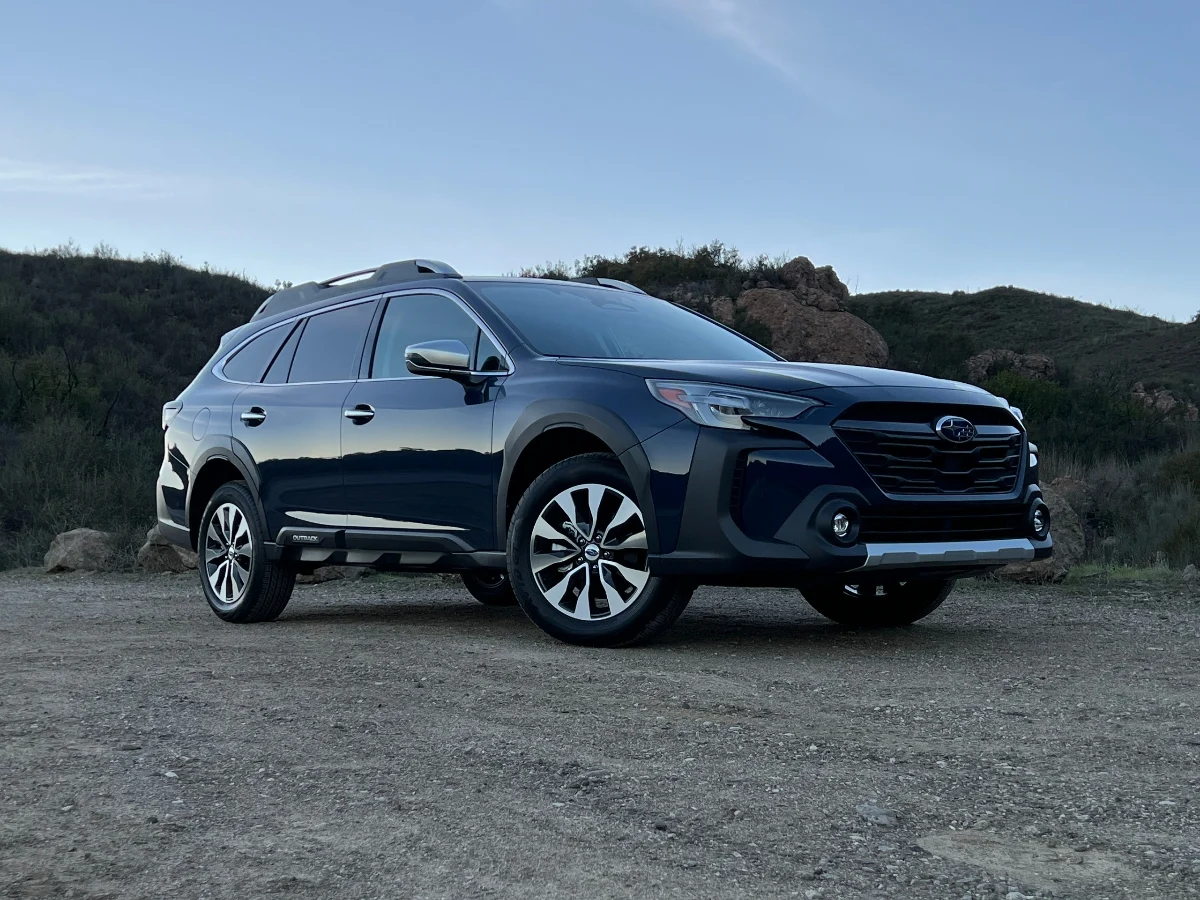
The Subaru Outback stands out for its ability to warm the cabin relatively quickly in cold weather. A key reason is its use of a horizontally opposed “boxer” engine, which is compact and has a low center of gravity. This engine design allows heat to distribute more evenly and efficiently compared to inline or V-type engines.
Because the engine heats up more uniformly, the coolant reaches optimal temperature faster, which directly translates to quicker warm air production from the heater core.
Subaru has engineered the Outback to suit colder climates, adding robust heating systems and strategic vent placement that help direct warm air quickly into the cabin. This makes mornings less of a struggle, especially in snowy or icy environments where waiting for heat is not an option.
The interior insulation of the Outback also plays a significant role. Subaru uses high-quality materials and meticulous sealing to reduce drafts and minimize heat loss through doors, windows, and the roof. Once the heater starts blowing warm air, the cabin retains that heat effectively, reducing the need for the system to constantly run at full blast.
This well-insulated environment allows occupants to enjoy a warm, comfortable space shortly after starting the engine, even on the coldest days.
This retention of heat not only improves comfort but can also reduce fuel consumption because the heating system doesn’t have to work as hard to maintain the temperature.
Beyond the core heating system, the Outback often comes equipped with heated seats and heated steering wheels, which provide additional warmth almost immediately upon starting the car.
These features are especially beneficial on freezing mornings, as they provide localized heat directly to the occupants’ body, making the wait for full cabin warmth more tolerable.
Heated mirrors and defrosters also contribute to better visibility and safety, ensuring that drivers are ready to go quickly without having to manually scrape frost or ice from their mirrors or windshield.
Finally, Subaru’s reputation for winter readiness isn’t just marketing hype; it’s built into the design philosophy of the vehicle.
Their all-wheel-drive systems complement the heating system by ensuring good traction on slippery roads, while the fast warm-up capability ensures drivers stay comfortable and alert.
For anyone living in snowy regions, the Outback’s ability to heat the cabin rapidly adds a practical and appreciated layer of comfort during harsh winter months.
2. Honda CR-V
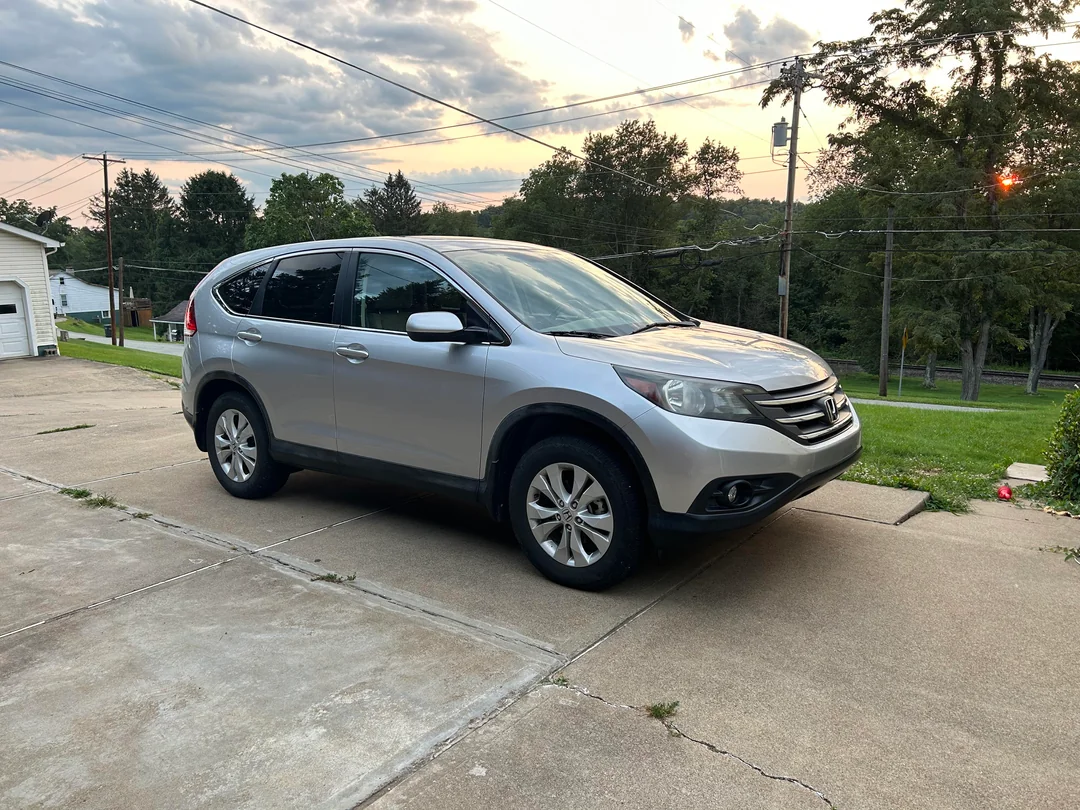
The Honda CR-V’s quick heating performance is the result of a combination of an efficient engine, a well-designed HVAC system, and thoughtful cabin insulation. The CR-V typically features smaller displacement four-cylinder engines, which tend to warm up faster than larger engines because they have less mass to heat.
This quicker engine warm-up means the coolant can reach an effective temperature sooner, allowing warm air to flow into the cabin through the heating vents earlier in the drive.
Honda also uses powerful blower fans in the CR-V, which help circulate heated air more rapidly than weaker fans found in some vehicles, speeding the process of warming the interior.
The design of the CR-V’s heating system is another factor in its effectiveness. Vents are positioned to ensure warm air reaches both the driver and passengers promptly and is distributed evenly.
The air circulation system is engineered to reduce cold spots within the cabin, meaning occupants experience consistent warmth rather than pockets of cold air that can be uncomfortable.
Alongside this, Honda has improved the insulation in the CR-V’s cabin over the years, using high-quality sealing around doors, windows, and the roof, which prevents heat from escaping and cold air from entering, especially important during winter.
Comfort features add to the perceived speed of warmth. Many CR-V models offer heated seats and heated side mirrors, which provide warmth directly to the occupants’ bodies and help prevent ice accumulation on mirrors.
Heated seats, in particular, provide immediate tactile warmth, so even if the cabin air temperature takes a few minutes to rise, drivers and passengers feel cozy from the start. This localized heating feature is especially valued in cold climates and enhances the winter driving experience.
Another point that makes the CR-V stand out in winter is the effectiveness of its defrosting system. Efficient window defrosters are critical for safety, and Honda’s design ensures that fog and frost clear quickly without needing to run the heating system at full power for an extended period.
This balance of quick heating, effective defrosting, and comfort features makes the CR-V one of the better choices for drivers who want to reduce wait times in cold conditions.
3. Toyota RAV4
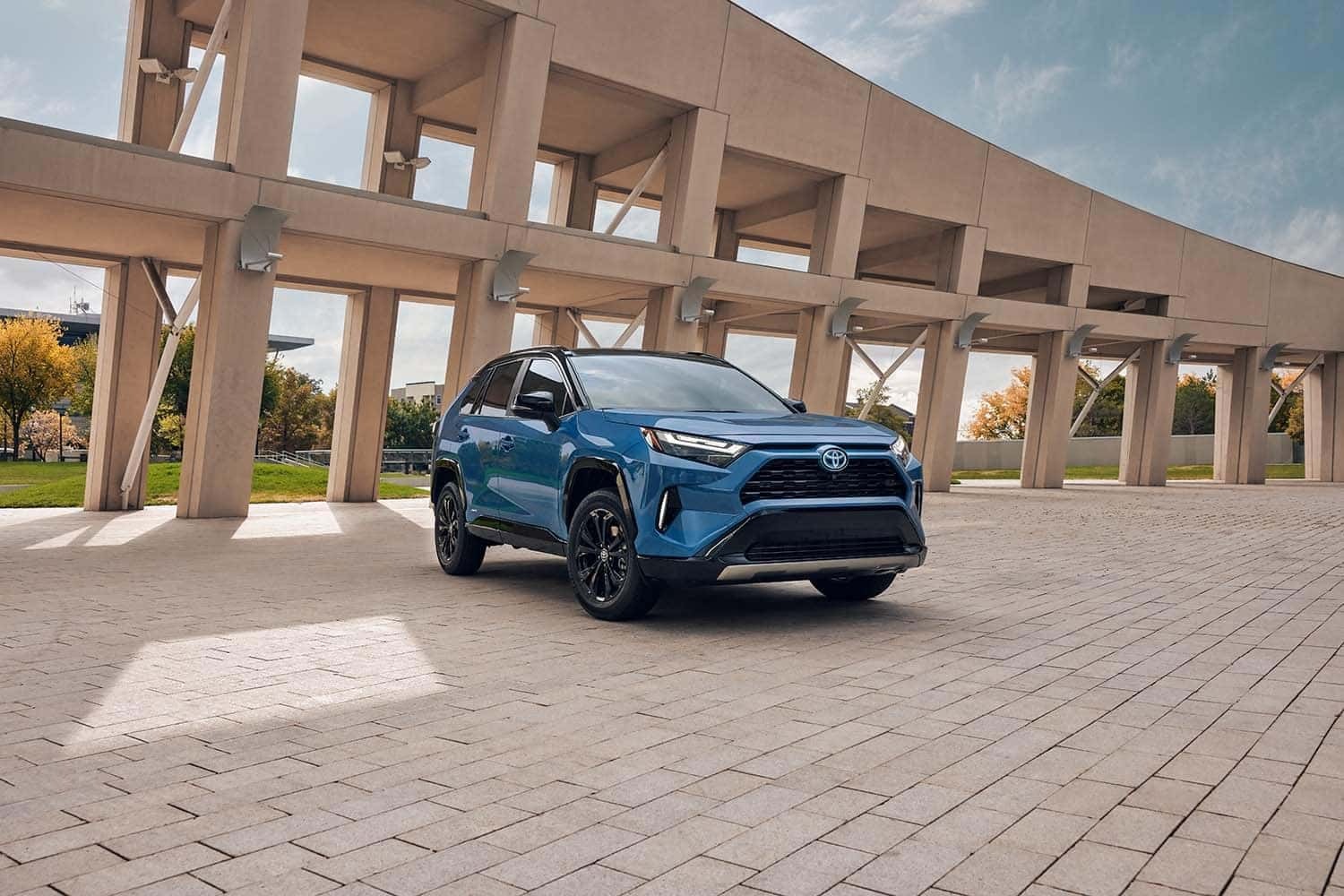
The Toyota RAV4 combines several features that allow it to warm up the cabin efficiently in cold weather. One key reason is the use of smaller, fuel-efficient four-cylinder engines that warm up the coolant quickly.
The engine management system is programmed to optimize the heating process so that the heater core starts blowing warm air as soon as possible.
In some newer RAV4 models, Toyota has incorporated auxiliary electric heaters or heat pump systems, especially in hybrid and plug-in hybrid versions, which provide additional heat independently of engine temperature.
This technology helps warm the cabin quickly even when the combustion engine hasn’t reached operating temperature yet.
The interior of the RAV4 is designed with comfort and efficiency in mind. Toyota uses thick insulation materials, tight seals, and sound-deadening panels to reduce heat loss through the cabin shell. This insulation keeps the interior warm longer once the heating system begins blowing hot air.
The placement of vents throughout the cabin is optimized for distributing heat evenly to all occupants, ensuring that the entire space warms quickly instead of just the driver’s side. This thoughtful design contributes to a cozy cabin environment on cold days.
Additional comfort features, such as heated seats and heated steering wheel,s are standard or available on many RAV4 trims. These features provide immediate warmth to occupants, improving comfort during the initial minutes after starting the car.
Heated mirrors and windshield wipers are also sometimes included, helping maintain visibility by preventing ice buildup. This combination of auxiliary heating features and good insulation means the RAV4 can provide a warm, comfortable ride soon after the engine starts, making it a dependable choice for winter.
Toyota’s climate control system is designed to quickly respond to temperature changes. The automatic climate controls adjust fan speed, air distribution, and temperature settings to warm the cabin efficiently without wasting fuel or energy.
This system balances quick heating with energy efficiency, ensuring comfort without unnecessary consumption of resources, which is important for daily winter driving.
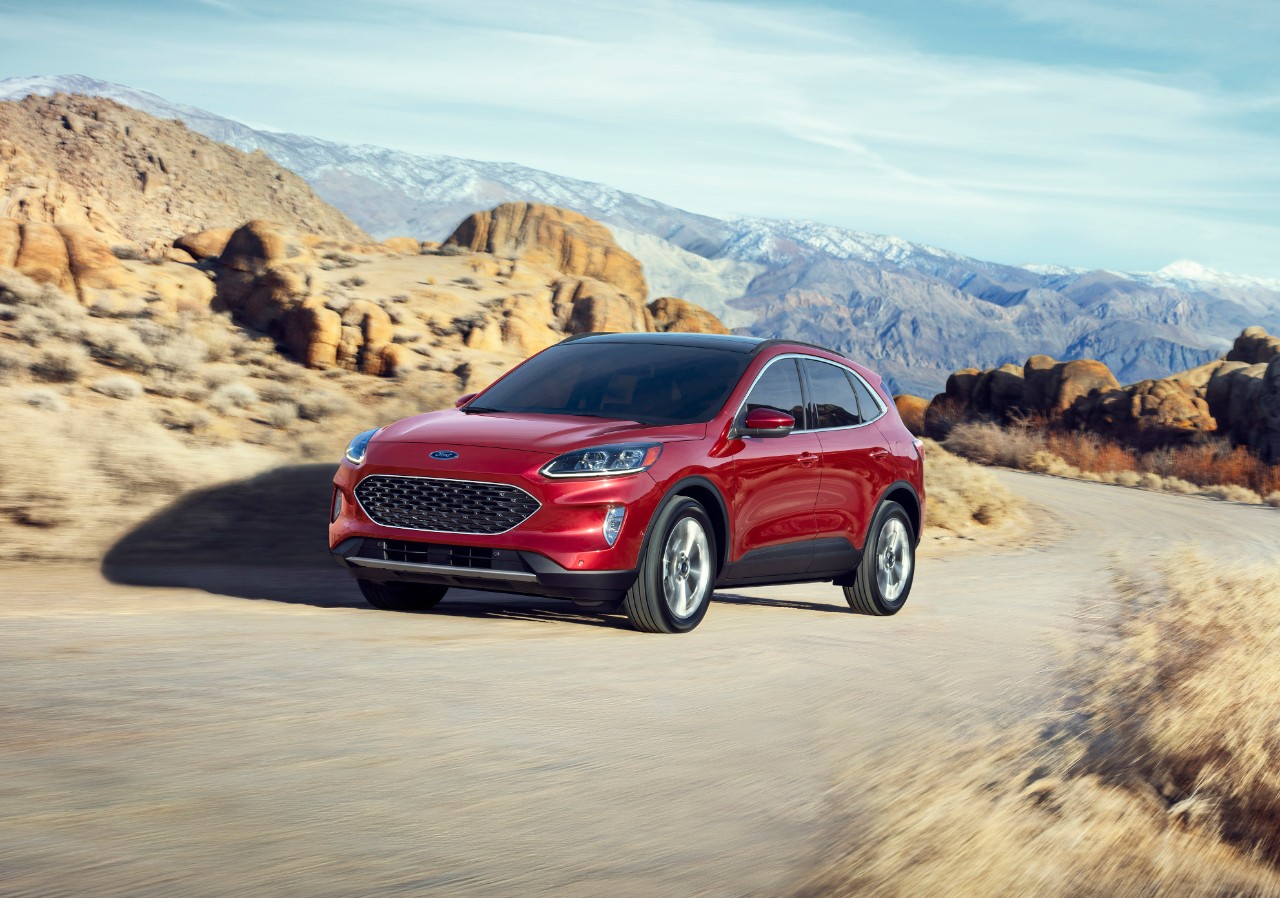
4. Ford Escape
The Ford Escape is another compact SUV known for its efficient winter heating. It uses a combination of an engine that warms up quickly and an HVAC system designed to maximize heat output early in the drive.
Most recent models use smaller, turbocharged four-cylinder engines that generate heat faster than larger engines, helping the heater core get warm and start blowing hot air sooner.
The Escape’s heating system is paired with powerful blower fans that circulate warm air effectively throughout the cabin, reducing the time it takes for passengers to feel comfortable.
Ford has invested in better insulation and sealing on the Escape, which keeps heat inside the cabin and prevents cold drafts. This results in a warmer interior environment more quickly and less energy spent on reheating cold air.
Vents are positioned strategically to direct warm air to the occupants’ faces and feet, which are the areas that feel the cold most acutely. This efficient airflow design means the cabin heats evenly, avoiding cold spots and creating a more comfortable experience.
Heated seats and heated steering wheels, available on many Escape models, provide direct warmth to occupants and further reduce the discomfort associated with waiting for the cabin to heat.
These features deliver immediate tactile heat, improving winter comfort especially during the first few minutes after startup. Heated mirrors help maintain visibility, ensuring safer driving conditions in frosty weather.
Ford’s modern climate control system adapts to changing conditions and ensures the Escape maintains a consistent temperature once warmed. This means less fluctuation and more comfort during longer drives or stop-and-go traffic in winter.
The combination of quick engine warm-up, strong airflow, and good insulation makes the Escape a solid winter vehicle that heats up faster than many competitors in its class.
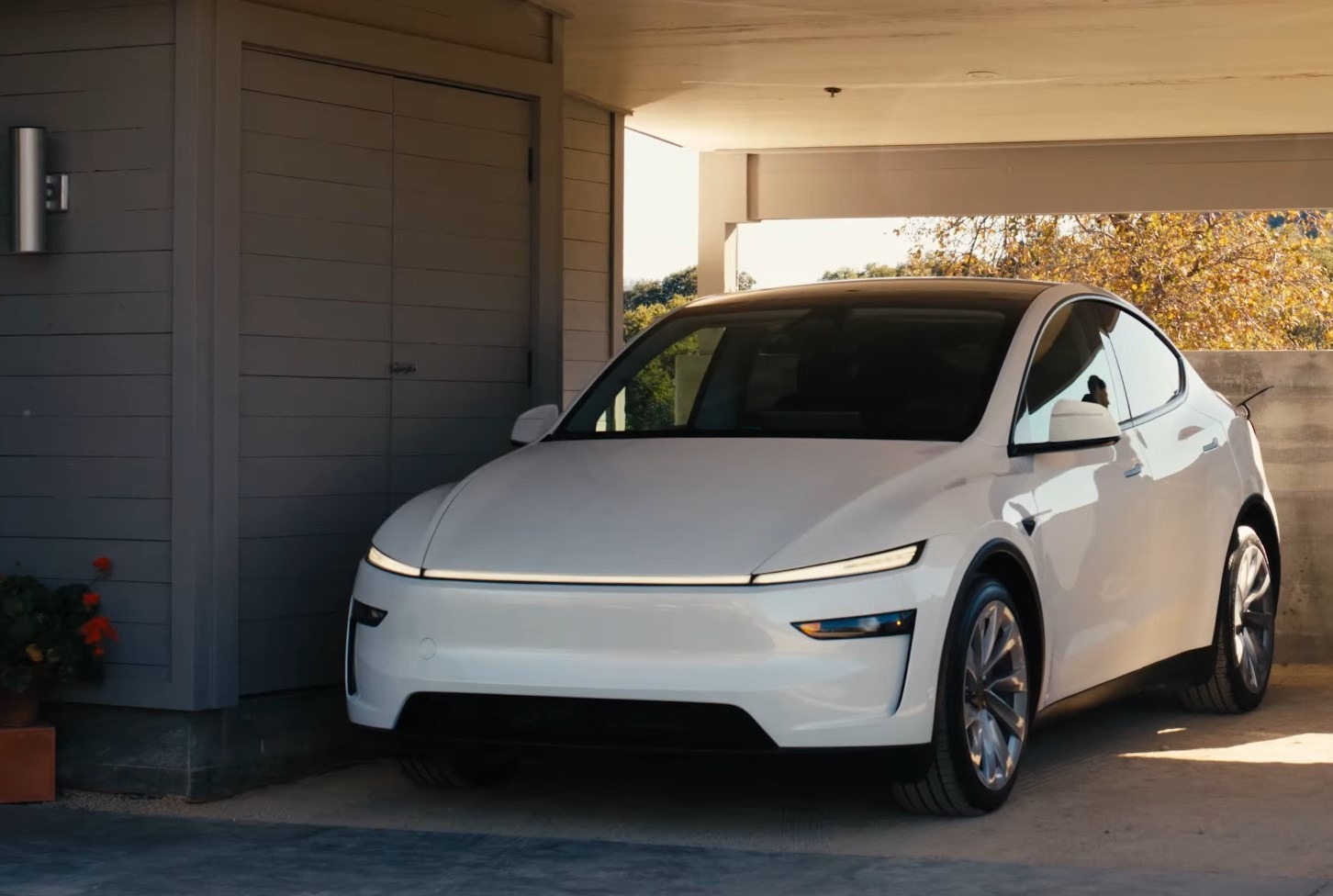
5. Tesla Model Y
Electric vehicles operate on a fundamentally different heating principle than traditional gasoline or diesel cars, and the Tesla Model Y is among the most effective at warming the cabin quickly. Because EVs don’t produce waste heat from an engine, they rely on electric resistive heaters or heat pump systems to warm the cabin.
Tesla has implemented a sophisticated heat pump in the Model Y that is highly efficient, allowing it to heat the cabin rapidly without draining the battery excessively.
This system captures ambient heat from the environment and transfers it inside, making the warm-up process faster and more energy-efficient than older EV heating methods.
The Model Y also benefits from excellent cabin insulation and tight seals that reduce heat loss. This helps the vehicle maintain a comfortable interior temperature for longer periods, which is crucial in cold weather since constant heating can reduce driving range.
Tesla’s thermal management system intelligently balances cabin heating with battery preservation, ensuring that drivers get warmth quickly without sacrificing too much energy.
One of the standout features of the Tesla Model Y is its ability to precondition the cabin remotely. Drivers can use the Tesla app to start heating the vehicle before they even get inside.
This means that on freezing mornings, the cabin is already warm and comfortable when the driver is ready to leave, eliminating any wait time inside a cold car. This remote preconditioning is a game-changer for EV owners in cold climates.
Additionally, the Model Y’s climate control system is designed to optimize airflow and temperature distribution for quick, even heating.
The combination of electric heating, advanced insulation, and preconditioning capabilities makes the Tesla Model Y one of the fastest cars to warm up in winter, offering both comfort and energy efficiency.
5 Cars That Take Forever to Warm Up
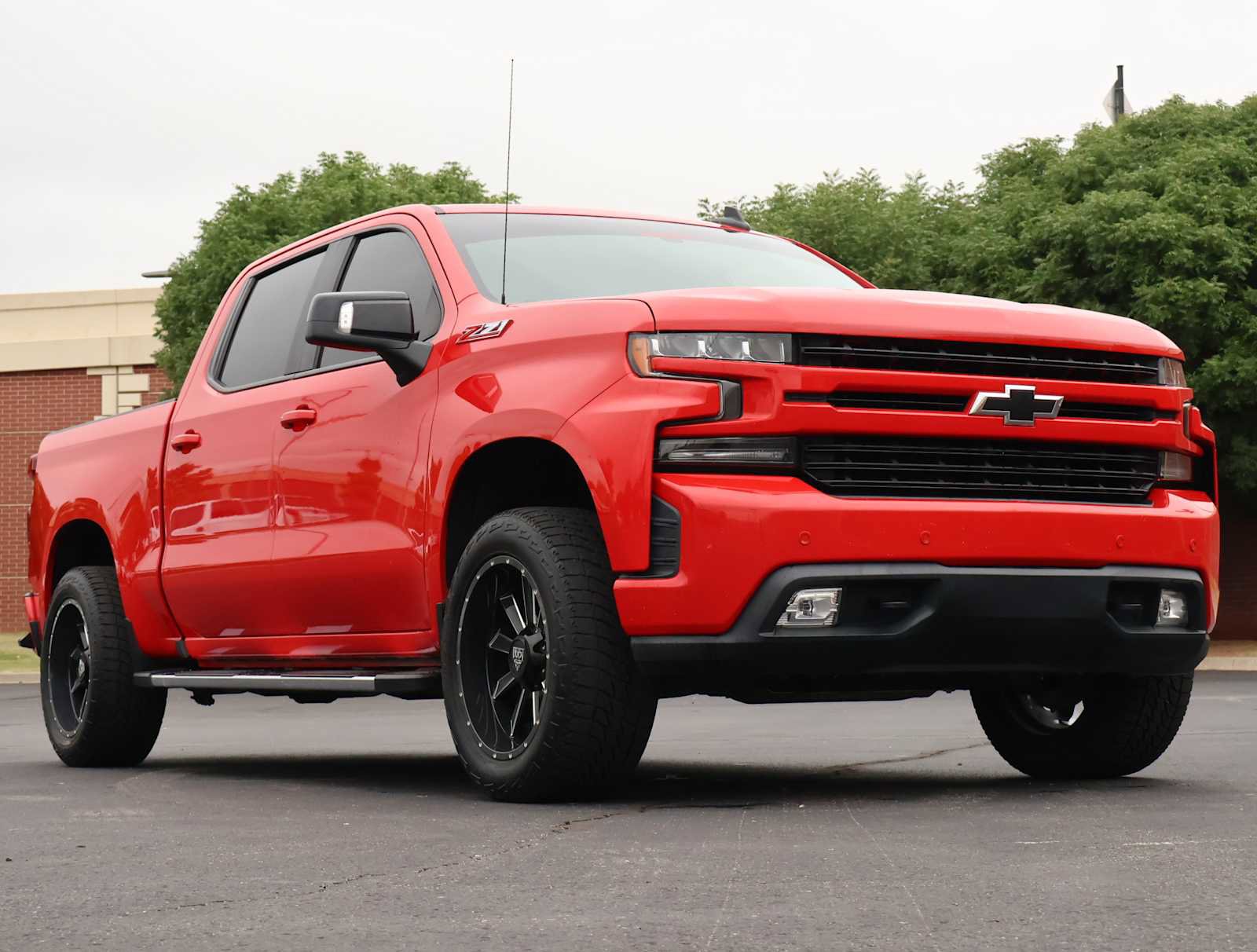
1. Chevrolet Silverado 1500
The Chevrolet Silverado 1500, a full-size pickup truck, is well-known for its slow cabin warm-up times during cold weather. This is largely due to its large V8 engines, which have significant mass and volume that requires a longer period to reach operating temperature.
Because the engine takes longer to heat the coolant, the heater core receives warm fluid later in the drive, delaying the flow of warm air to the cabin. For drivers who often take short trips or drive in stop-and-go traffic, this slow heating can be a significant inconvenience, leaving the cabin cold for many minutes after startup.
Moreover, the Silverado’s cabin insulation isn’t as comprehensive as in many passenger vehicles. Trucks are often designed with durability and utility in mind, rather than luxury or thermal efficiency.
This means that heat escapes more readily through doors, windows, and other parts of the vehicle shell. The result is a chilly interior that is slow to warm and quick to lose whatever heat it gains, requiring the heating system to work harder and longer to maintain comfort.
While many Silverado models feature heated seats and steering wheels, these features only partially mitigate the slow warm-up of cabin air. Heated seats provide localized comfort, but the general cabin atmosphere remains cold, which can be uncomfortable for passengers.
Additionally, large pickups like the Silverado are often used in work or utility contexts, where frequent stopping and starting is common, increasing the frustration caused by slow heating.
The Silverado’s focus is primarily on power, towing, and off-road capability rather than fast interior heating. This tradeoff means that drivers who prioritize quick cabin warmth might find the Silverado lacking in that area, especially during the coldest months of the year.
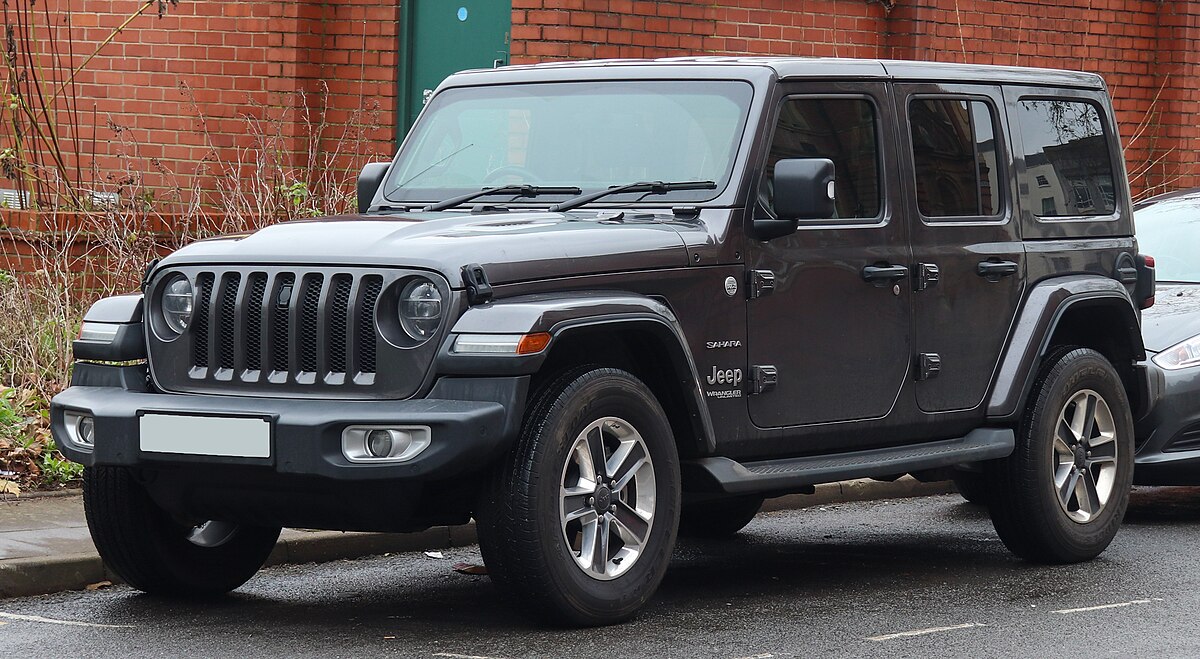
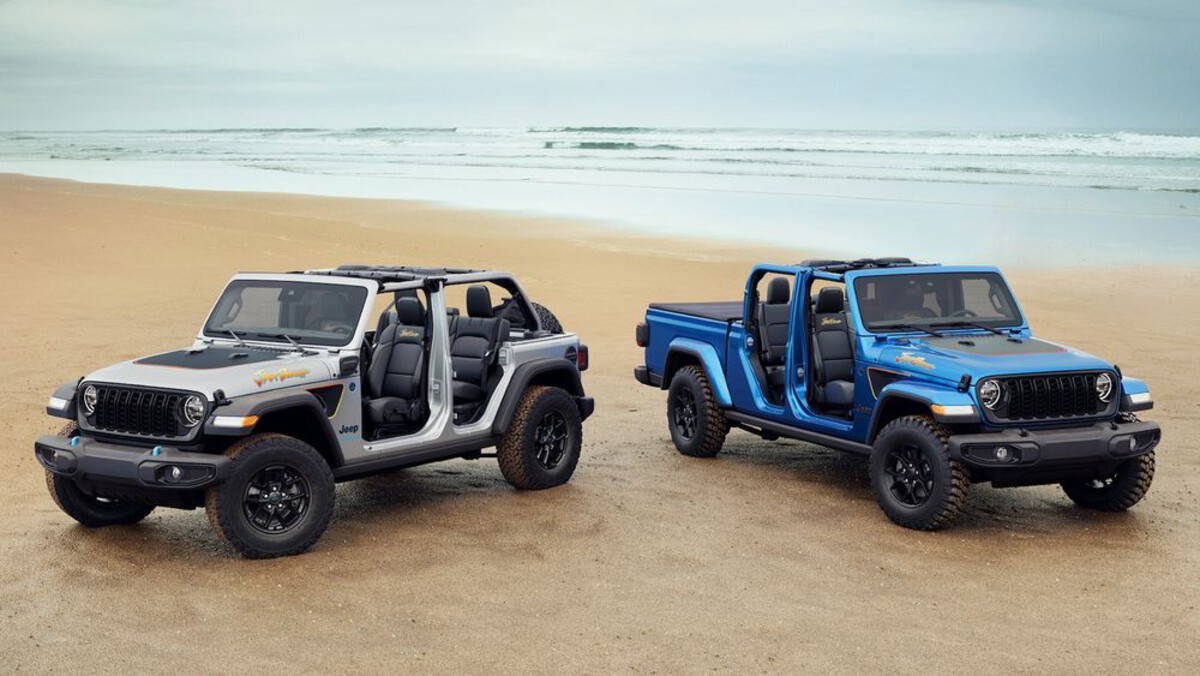
2. Jeep Wrangler
The Jeep Wrangler, famous for its off-road prowess and rugged design, is also known for slow warm-up times in cold weather. Its boxy shape, removable doors, and soft or hard tops make insulation a challenge.
Air leaks and drafts are common, which means that heat generated inside the cabin escapes quickly, and cold air seeps in. This results in the interior feeling cold for much longer compared to more airtight vehicles. The heating system itself is adequate but hampered by these design limitations.
The Wrangler’s engine options range from four-cylinder to V6, but even the smaller engines can take a while to warm the coolant sufficiently to produce warm air.
Combined with poor cabin insulation, the cabin temperature lags behind expectations on cold mornings, making it uncomfortable to enter the vehicle immediately after startup.
The distribution of warm air in the Wrangler can also be uneven. Vents may not effectively circulate heated air throughout the cabin, leading to pockets of cold that are noticeable to passengers. This can add to the perception of a slow warm-up and discomfort during winter driving.
Although some Wrangler models offer heated seats and steering wheels, these features are not always sufficient to counterbalance the slow heating of the cabin.
For those who frequently use the Wrangler in cold climates, this means patience is necessary, or supplementary warming methods like seat heaters or portable heaters might be considered.
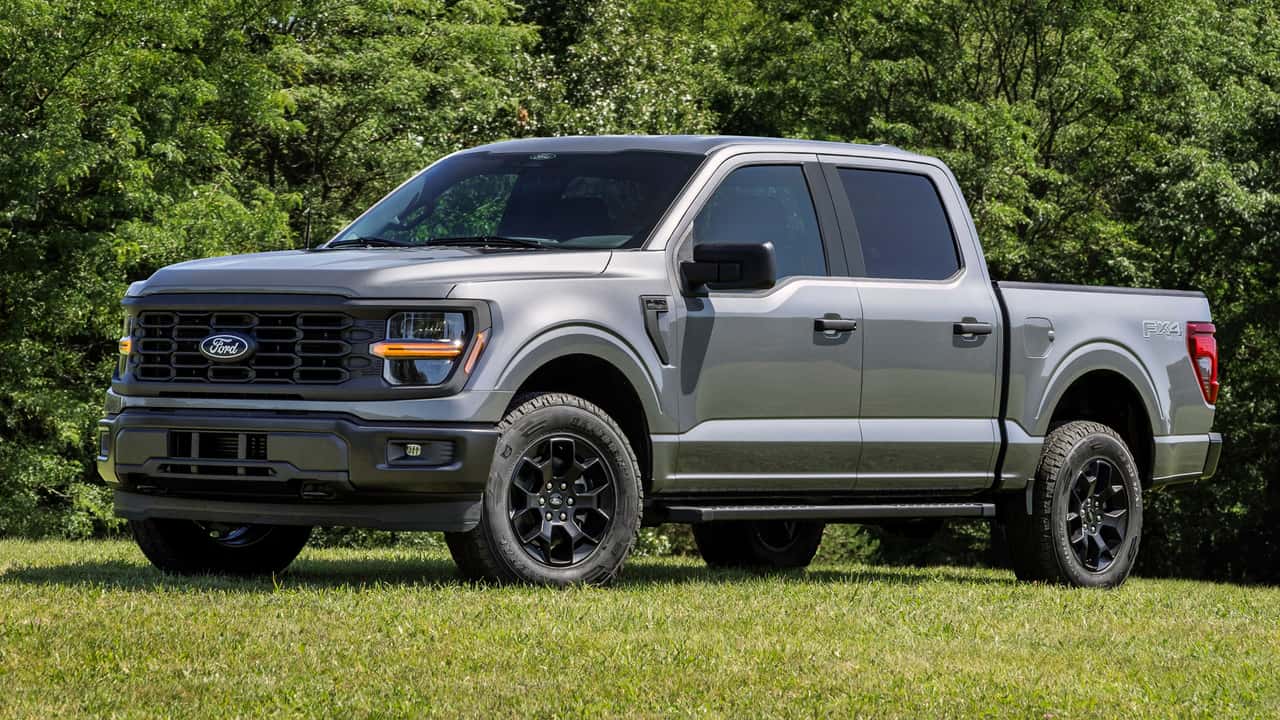
3. Ford F-150
The Ford F-150 has been a staple of American roads for decades, known for its strength, capability, and versatility. However, much like the Silverado, it inherits one unfortunate trait common among full-size trucks: a sluggish heating system in winter.
The primary issue lies in the large engine options available, including 3.5L EcoBoost V6s, 5.0L V8s, and even hybrid configurations, all of which require more time to reach the ideal engine temperature for cabin heating.
Unlike smaller cars that warm up rapidly due to compact engine blocks and tighter cabins, the F-150’s vast interior and large engine slow the process.
Another factor is the sheer volume of space inside the F-150’s cab. Whether it’s a SuperCab or a SuperCrew model, the interior is expansive. Heating a space that large takes time, especially when the outside temperature is below freezing.
The vents need to push out a significant volume of warm air to make the cabin feel cozy, and if the engine isn’t yet providing hot coolant to the heater core, there’s not much the system can do.
In very cold weather, the difference between engine-on and cabin-warm can stretch to nearly 15–20 minutes in real-world driving, especially in older models.
Although modern F-150s are equipped with amenities like remote start, heated seats, and heated steering wheels, these are often only available in higher trims or as part of premium option packages.
For owners of more basic models, the experience can be markedly different, you’re left sitting in a cold cab with nothing more than a faint breeze of lukewarm air while the engine struggles to warm up. Even with remote start, in deep cold, it can take a good while before noticeable heat is felt inside the cabin.
The design focus of the F-150 clearly leans toward capability, not interior comfort, and while that’s understandable for its intended use, it means that those living in particularly cold climates may find themselves braving the elements inside the vehicle, not just outside it.
Unless you’re pre-warming the cabin or running the engine for a while before entering, the F-150 can make those early morning winter drives less than pleasant.
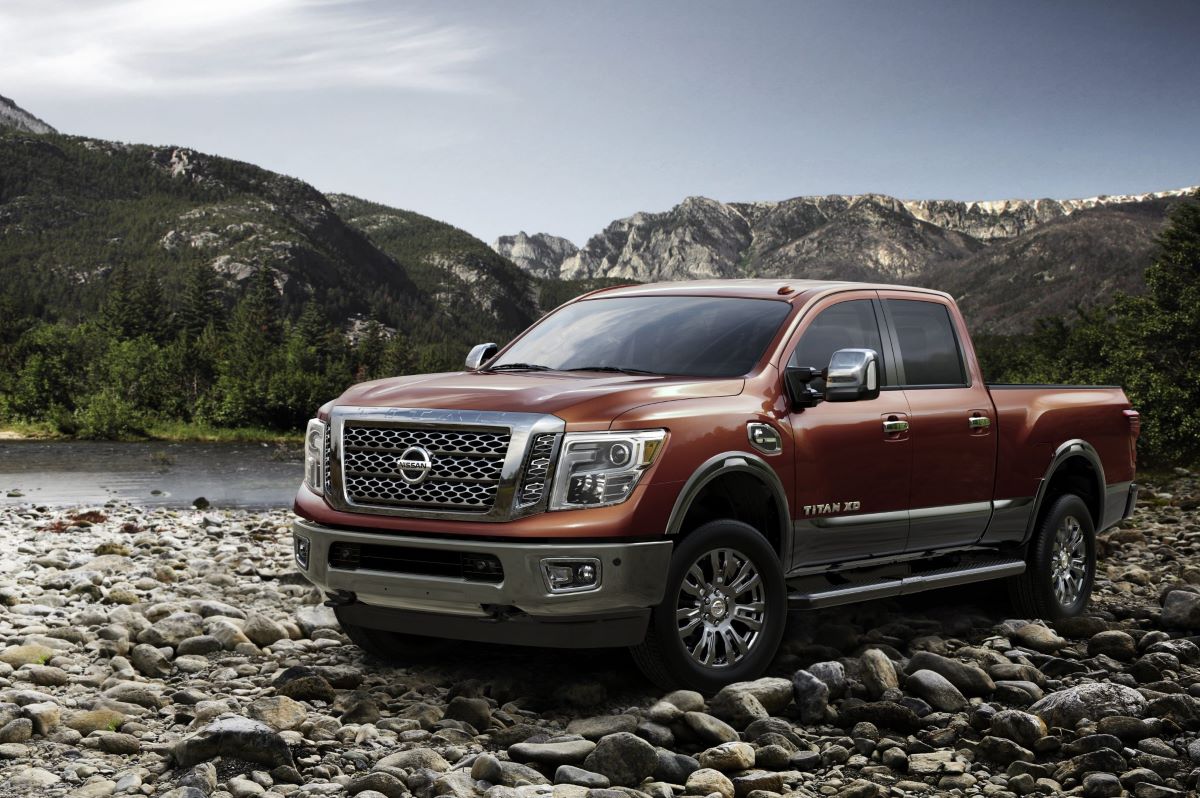
4. Nissan Titan
The Nissan Titan, while less common than some of its domestic truck competitors, is still a popular choice among full-size pickup buyers. It offers strong performance, a comfortable ride, and a capable V8 engine, but quick cabin heating is not among its strengths.
The 5.6L V8 engine used in most Titan models is a beast when it comes to power delivery, but it’s also slower to reach operating temperature compared to smaller, turbocharged engines. That delay translates directly into slower heat delivery to the interior.
Insulation in the Titan is good, but not exceptional. Like many trucks in its class, the interior doesn’t prioritize thermal efficiency.
Even though the materials used in the cabin look and feel solid, they don’t necessarily trap heat well. The large cabin space, especially in crew cab configurations, means more air volume to heat and more surfaces for heat to escape through.
That increases the time needed for the heating system to make a real difference in the cabin temperature, particularly on very cold days when the system is starting from zero.
The HVAC system in the Titan is also somewhat conservative in how it ramps up the heat. It avoids blowing air through the vents until the engine coolant reaches a sufficient temperature, which is a common practice meant to prevent cold air from blowing into the cabin.
However, this also means that you may sit in silence for several minutes, waiting for any air to come through, and even then, the air may be only mildly warm for several more minutes.
This can be especially annoying during short drives, where the heating system barely has time to kick in before you’ve reached your destination.
While the Titan does offer heated seats and steering wheels on many trims, these comforts are no substitute for rapid cabin warming, especially for rear-seat passengers or those riding in basic trim levels.
The sluggish heating performance makes it a less-than-ideal companion for those needing a winter workhorse that also keeps them warm without delay.

5. Jeep Gladiator
The Jeep Gladiator, essentially a pickup version of the Wrangler, inherits most of its design quirks and its winter heating drawbacks. Though it has a more extended frame and a cargo bed, the cabin construction is very similar to the Wrangler, meaning it’s not well-insulated for freezing temperatures.
Gladiators often feature removable doors and roofs, just like the Wrangler, and this flexibility in configuration comes at the expense of sealing and insulation. Cold air can sneak in through seams and gaps, and the cabin loses heat quickly once it’s generated.
The Gladiator uses the same engine and HVAC platform as the Wrangler, including the 3.6L Pentastar V6 in most models. While reliable and powerful, this engine takes its time to warm up.
The heater core won’t start producing warm air until the engine coolant is sufficiently hot, and on freezing mornings, that delay can be significant. The delay is more noticeable in rural or low-speed driving conditions where engine load is low and heat generation is slower.
What also works against the Gladiator in cold weather is the interior setup. It lacks the plush insulation of modern crossovers, and even though it’s marketed as more refined than the Wrangler, it still has hard surfaces and a rugged interior layout that feels cold and retains very little warmth.
The large windshield and flat dashboard allow heat to dissipate quickly across the front of the cabin, which can make it feel like the heating system is constantly playing catch-up with the cold.
Remote start and heated seats do exist in higher trims, but these features still don’t fix the fundamental issue of a slow-heating cabin and poor insulation.
For drivers in colder regions, the Gladiator’s charming ruggedness may turn into a daily cold struggle, unless you’re willing to idle the engine for 15 minutes before every drive.
