
Wind noise is one of the more frustrating issues that can affect the comfort of an SUV, especially on long highway drives. While many people focus on powertrains, infotainment systems, or interior features, it’s often the subtleties like door sealing that make the biggest difference during daily driving.
Door seals, or weather stripping, may seem like a minor component, but they play a key role in creating a quiet and enjoyable ride. Properly engineered seals help block wind from entering the cabin, maintain cabin pressure, and insulate against road and engine noise.
On the other hand, poorly designed or worn seals can allow air to sneak through the gaps, resulting in an annoying whistling sound at speed. This problem might seem trivial at first, but it quickly becomes an issue that ruins music, conversations, and your general driving experience.
The differences in wind noise often boil down to small engineering decisions. Some manufacturers invest more in door seal design, using multi-layer seals, acoustic glass, and reinforced frames to help deaden sound.
Others might rely on more basic single-seal systems or allow for wider tolerances, which can create just enough space for air to rush in. Sometimes the issue isn’t even about cost-cutting, but rather poor integration between design and real-world testing.
Even luxury SUVs can suffer from these problems if engineers don’t account for airflow over mirrors, door gaps, and pillar joints. On the flip side, some affordable SUVs surprise buyers by offering a surprisingly quiet cabin for the price, thanks to smart sealing solutions.
It’s also important to recognize that door seals don’t work in isolation. The body rigidity, fit-and-finish of the panels, window design, and mirror aerodynamics all affect how wind interacts with the vehicle at higher speeds. However, seals are the last line of defense.
A good seal not only prevents air intrusion but also helps reduce dust entry, rattles, and moisture leaks.
This article will compare five SUVs known for their strong door sealing and quiet cabins with five that have been criticized for wind noise, particularly whistling sounds that typically emerge at highway speeds. The following analysis is based on general knowledge of SUV design, driver experiences, and feedback from enthusiasts and long-term owners.
Also Read: 5 SUVs That Handle Towing and 5 That Hate It
5 SUVs with Effective Door Seals That Block Wind Noise
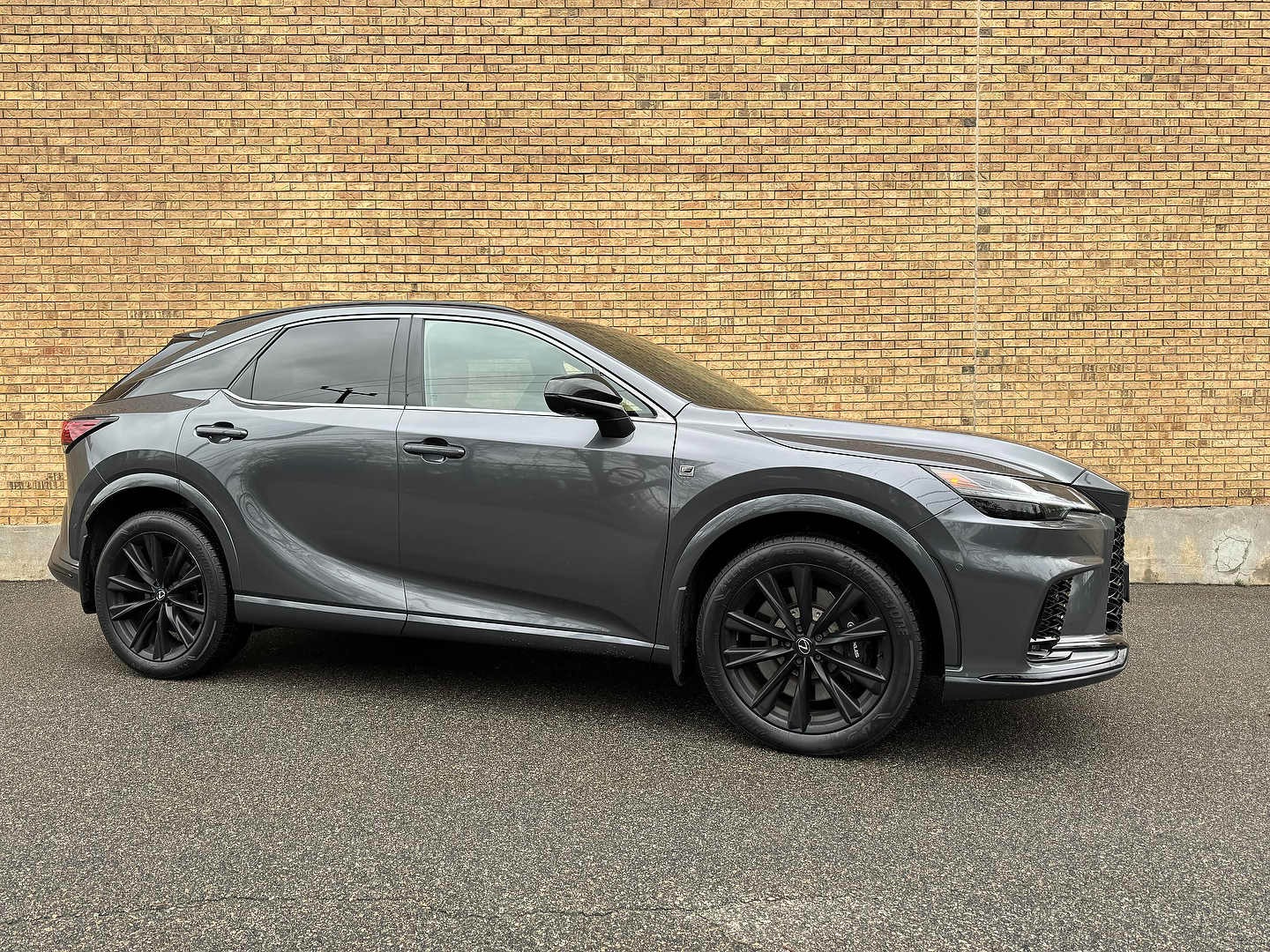
1. Lexus RX
The Lexus RX has a long-standing reputation for ride comfort, and its attention to detail when it comes to wind insulation is part of what sets it apart. One of the core design strengths of the RX is its triple-seal system on each door.
This includes primary seals that run the perimeter of the door frame, as well as inner seals that meet the frame of the vehicle at critical points where wind pressure builds.
The RX also benefits from well-fitted side mirrors that minimize turbulence, reducing the chances of wind sneaking past the door seams. This design creates a sealed-off effect once the doors are closed, and drivers consistently note how quiet the cabin is, even at 75 mph or more.
Further aiding the RX’s noise control is the use of acoustic laminated glass in the front windows and windshield. While glass might not seem directly related to door seals, it plays a supporting role by reducing the vibration that often creates resonance.
The whole vehicle is engineered to deflect and absorb sound from every angle, and this includes sound-dampening materials in the pillars and door interiors.
Lexus puts a strong emphasis on sensory refinement, and the wind noise suppression in the RX is a result of hundreds of hours of wind tunnel testing. When doors are closed, there’s a satisfying thump that confirms the tightness of the seal, and that auditory feedback reflects the SUV’s excellent insulation.
Another subtle advantage is the rigidity of the RX’s platform. A tightly constructed body helps door seals perform better by keeping gaps consistent over time. Some vehicles suffer from flex or vibration at speed, causing door seals to lose contact at certain points, but the RX is not one of them.
The frame maintains its shape under pressure, which means the seals stay pressed firmly into position regardless of speed or crosswinds. Even in high-speed driving on interstates or long rural stretches, the RX remains hushed.
It’s also worth mentioning that Lexus routinely updates its weather sealing components during model refreshes, showing the brand’s ongoing commitment to refinement.
While other SUVs cut corners with generic rubber compounds that wear quickly, Lexus tends to use longer-lasting, UV-resistant materials that don’t harden or crack prematurely. All of this contributes to the RX being one of the quietest midsize luxury SUVs on the road today, with door seals that actually do what they’re supposed to do, keep wind noise out.

2. Audi Q5
The Audi Q5 is another strong performer when it comes to wind insulation, thanks to its tight German engineering and precision manufacturing. Audi is known for its detailed fit-and-finish, and that shows up in the way the Q5’s doors meet the body.
The alignment of panels is tight, and the door seals themselves are layered and reinforced to provide both sound and thermal insulation.
Audi often uses dual-lip sealing around its doors, along with an additional felt-lined strip to further reduce friction and seal movement. These extra layers help break up airflow, preventing it from developing into a whistle as it passes the seals.
Drivers of the Q5 often praise its whisper-quiet interior during highway cruising. The doors close with a mechanical precision that signals just how snug the seals are. There’s a quiet but firm clunk that Audi engineers have refined over multiple generations.
Wind tunnel testing at high speeds has helped Audi identify which parts of the frame tend to allow air leaks, and the Q5’s A-pillars, mirrors, and doors are shaped to direct air away from vulnerable joints. This isn’t just a luxury feature, it’s a practical one that results in a more relaxing and premium feel during long trips.
Additionally, Audi includes a high degree of underbody cladding and wheel arch liners that help reduce road noise. This complements the door sealing system by reducing the pressure buildup around the lower portions of the vehicle, which can sometimes force air through gaps.
By lowering the total airflow across the side profile, the Q5 limits the conditions under which whistling might occur. This systemic approach is a hallmark of German design, where no part works in isolation but rather contributes to an integrated solution.
Maintenance is also a factor in long-term noise performance. The Q5’s door seals are resistant to shrinking and are placed in channels that don’t put unnecessary stress on the rubber. This means even after years of use, the doors remain sealed tightly.
Owners who take care of the seals with proper cleaning and conditioning often find the vehicle remains quiet far beyond its warranty period. All of this makes the Q5 a top-tier SUV for buyers who prioritize peace.

3. BMW X5
The BMW X5 brings a blend of luxury, athleticism, and solid engineering that extends to its door seal design. What sets the X5 apart is its use of acoustic engineering borrowed from the 7 Series sedan, scaled to an SUV format.
BMW engineers understand that high-speed performance needs to be accompanied by cabin refinement, and the X5 has one of the most robust door sealing systems in the midsize luxury class.
The vehicle uses a combination of molded door seals, layered sound insulation in the doors themselves, and precise tolerances in the door alignment to keep air out.
The X5’s wind noise suppression isn’t just about the seals; it’s also about the frame around the doors. BMW uses a high-strength steel chassis that maintains structural integrity at all speeds, preventing micro flexing that can open small gaps.
These gaps might be invisible, but they’re all it takes for a high-pitched whistle to emerge. With the X5, this kind of flex is minimized, meaning the seals are always fully engaged. The use of felt and soft-touch material inside the doors also helps absorb vibration, stopping it from amplifying through the cabin.
Another advantage comes from the flush-mounted glass and tight door creases. BMW’s design doesn’t leave exposed edges that could channel wind directly into seams. Even the mirror stalks are shaped to reduce the swirling air that often contributes to seal noise.
This shows that door sealing isn’t just about the doors themselves; it’s about the entire outer shape of the SUV. BMW’s engineers have spent a lot of time in wind tunnels figuring out where the noise starts, and the result is a vehicle that performs just as well at 80 mph as it does at 40.
The refinement is noticeable when comparing the X5 to more mainstream SUVs. Once the doors are shut, the interior feels calm and isolated.
The HVAC system, radio, and even road noise are all more prominent than any outside wind, which speaks volumes about the effectiveness of the door seals. While not the absolute quietest in the world, the X5 still earns its spot in the top tier of SUVs that successfully block wind intrusion.

4. Mercedes-Benz GLE
The Mercedes-Benz GLE brings with it a standard of luxury that is also reflects in its quietness. One of the key contributors to this is the advanced door seal design, which includes multi-stage rubber components around the frame.
The GLE uses thick rubber seals combined with soft-edge transitions where the door closes into the body, ensuring consistent contact. The rubber doesn’t just sit on the edge; it compresses in a way that forms an airtight layer, especially around the top and bottom of the frame, which are common leak points in SUVs.
Mercedes puts a lot of emphasis on aerodynamics and cabin comfort. The GLE features hidden channels around the door structure that guide airflow away from high-pressure zones, reducing the likelihood of air being forced into seams. Furthermore, the GLE includes acoustic glass as standard on many trims, which reduces both wind and outside road noise.
This combination of smart airflow management and advanced materials gives the GLE a distinct advantage when it comes to isolating occupants from the elements.
Many drivers who upgrade from a more budget-conscious SUV are surprised by how little ambient wind noise is heard, even on stormy days or while driving next to trucks on the highway.
Another key factor contributing to the GLE’s quiet cabin is how the doors are manufactured and installed. The doors are not just pressed and fitted; they go through a process of robotic alignment and human verification to ensure uniform gaps across the frame.
This careful attention to manufacturing tolerances ensures that the seals engage fully every time, regardless of which door is being closed. The rubber compounds used in the seals are also high-end, specifically designed to maintain elasticity through years of use and exposure to sun and weather. While less expensive SUVs might suffer from hardening rubber over time, the GLE’s sealing components stay flexible, preserving their effectiveness.
The structure of the GLE’s body also adds to the quietness. Built on the same MHA platform that underpins several larger Mercedes models, the GLE has an extremely rigid chassis. This rigidity reduces micro-movements that could cause minor separation at the door seals when driving over rough terrain or at high speeds.
Since the door frame does not flex under pressure, the seals retain full contact even when the body is under load or during cornering. All of this contributes to a vehicle that maintains its serenity, whether it’s cruising on the Autobahn or crawling through city traffic in windy conditions.

5. Toyota Highlander
While not a luxury vehicle, the Toyota Highlander manages to punch above its weight when it comes to cabin quietness. One of its unsung strengths is the attention paid to door seals and NVH (noise, vibration, and harshness) control.
Toyota has consistently refined the Highlander’s design over its generations, and the current model uses triple-layered door seals on the front doors and dual-layered ones on the rear.
These rubber seals wrap tightly around the frame and compress evenly when the doors are closed, effectively sealing the cabin from both wind and dust intrusion.
The Highlander also benefits from smart aerodynamic design. The shape of the A-pillars and side mirrors reduces the kind of turbulence that often causes air to rush along the door seams. This is especially helpful at higher speeds, where aerodynamic pressure increases.
Even during strong crosswinds or when overtaking large trucks, the Highlander maintains a calm and composed atmosphere inside.
Toyota’s engineers clearly aimed to provide a family-friendly vehicle where the cabin remains tranquil regardless of exterior conditions. The addition of acoustic windshield glass on upper trims further cuts down on wind-related hums and whistles.
Another aspect of the Highlander’s sealing effectiveness is its high build quality. Assembly line consistency has been a Toyota strength for decades, and it’s visible in how well the doors align and close. The tolerances are tight, which means the seals are always positioned correctly and aren’t overstretched or pinched.
Additionally, Toyota uses a UV- and ozone-resistant compound for its rubber, which helps prevent early wear. Many Highlanders on the road today have over 100,000 miles and still retain solid door sealing with no evidence of air leaks or seal degradation.
Owners frequently comment on the vehicle’s smooth and quiet highway manners, especially when compared to other three-row SUVs in the same price range.
The Highlander doesn’t scream refinement from the outside, but once on the road, its attention to detail in door sealing becomes apparent. It’s a great example of how smart engineering, not just expensive material,s can produce a vehicle that offers a premium-feeling experience for drivers who care about comfort and insulation from the road.
5 SUVs with Door Seals That Whistle at Speed

1. Jeep Wrangler
The Jeep Wrangler has long been celebrated for its rugged charm and off-road capabilities, but it’s also one of the most notorious vehicles for wind noise, especially whistling sounds at speed. This isn’t just anecdotal; it’s a common complaint across owner forums and review sites.
The main culprit is the removable door design and the hard top/soft top configurations, both of which inherently struggle with maintaining perfect sealing integrity.
Unlike more conventional SUVs, the Wrangler isn’t built for acoustic quietness; it’s designed for adaptability. That trade-off shows up in how easily wind sneaks past the seals at highway speeds.
The doors on the Wrangler are mounted with exposed hinges and detachable pins, which makes them convenient for off-roading but less ideal for tight sealing.
The rubber seals that line the door edges are relatively thin and don’t always maintain full contact, especially after repeated removal and reinstallation.
Many owners note that after a few years or even months, the seals begin to sag or misalign slightly, allowing wind to pass through at the upper corners or along the A-pillar.
These small gaps may not seem important at low speeds, but once you’re on the highway, they create loud whistles and howls that can be distracting and tiring on long drives.
For those who buy a Wrangler knowing it’s meant for the trail and not the highway, the wind noise might be an acceptable trade-off. However, for families or commuters who plan to use the Wrangler for daily driving, the constant whistling can become a frustrating experience.
Jeep clearly prioritizes off-road capability over interior serenity, and that philosophy is reflected in the way the vehicle handles wind noise. It’s a great SUV for adventure, but if you’re looking for peace and quiet, it’s far from the ideal choice.
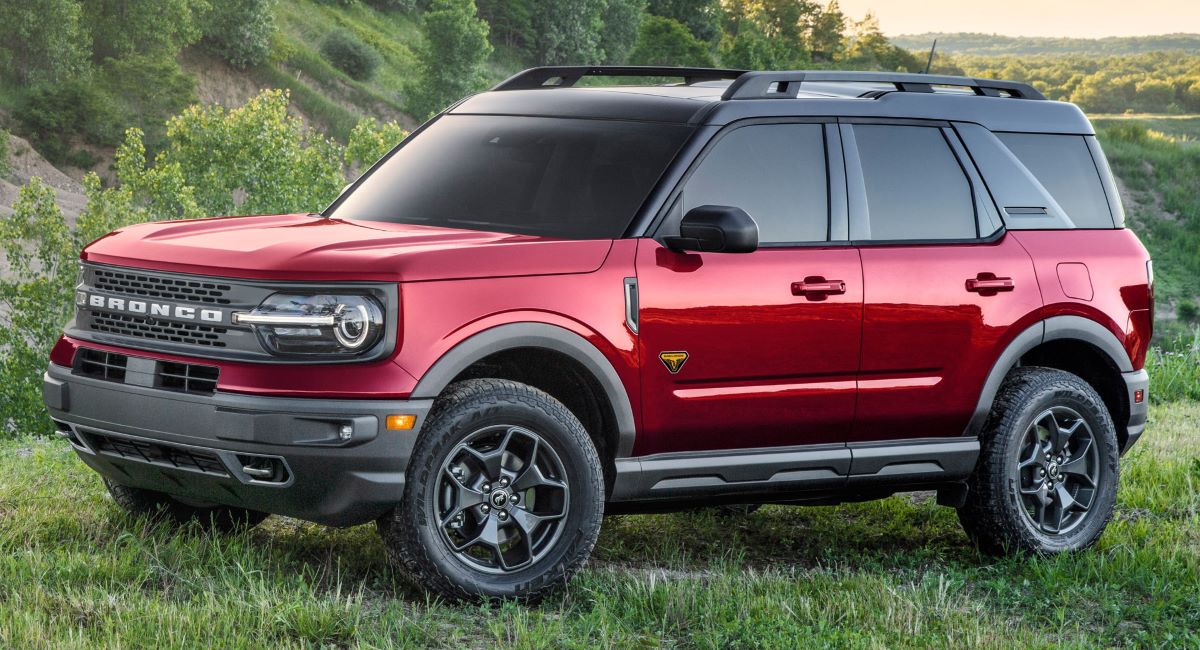
2. Ford Bronco
Similar to the Wrangler, the Ford Bronco is a capable off-roader that sacrifices some refinement for versatility. While it has been praised for its capability and style, many Bronco owners have reported issues with wind noise and whistling sounds from the door seals.
Like the Wrangler, the Bronco features removable doors and roof panels, which introduce more seams and edges where air can leak in. These components are more difficult to seal consistently, especially over time as parts are taken on and off.
The door sealing on the Bronco varies by trim and roof type. Models with the soft top are particularly prone to wind intrusion, as the canvas material and Velcro strips don’t offer the same resistance as rigid panels. Even the hard top versions, while better, still experience whistling at the top corners of the doors and near the B-pillar.
This is partly due to design but also due to slight inconsistencies in assembly that lead to uneven pressure along the seals. In some cases, the hinges or mounting points are slightly misaligned, creating micro-gaps that allow high-speed air to sneak in.
While the Bronco is undeniably fun and full of personality, it falls short in terms of refined cabin insulation. Buyers looking for a quiet ride will likely be disappointed unless they’re willing to invest in additional aftermarket solutions.
Just like the Wrangler, the Bronco’s core identity is built around ruggedness, not luxury, and that choice affects how effective the door seals can be. Anyone considering it as a daily highway commuter should be aware of these limitations before making a decision.
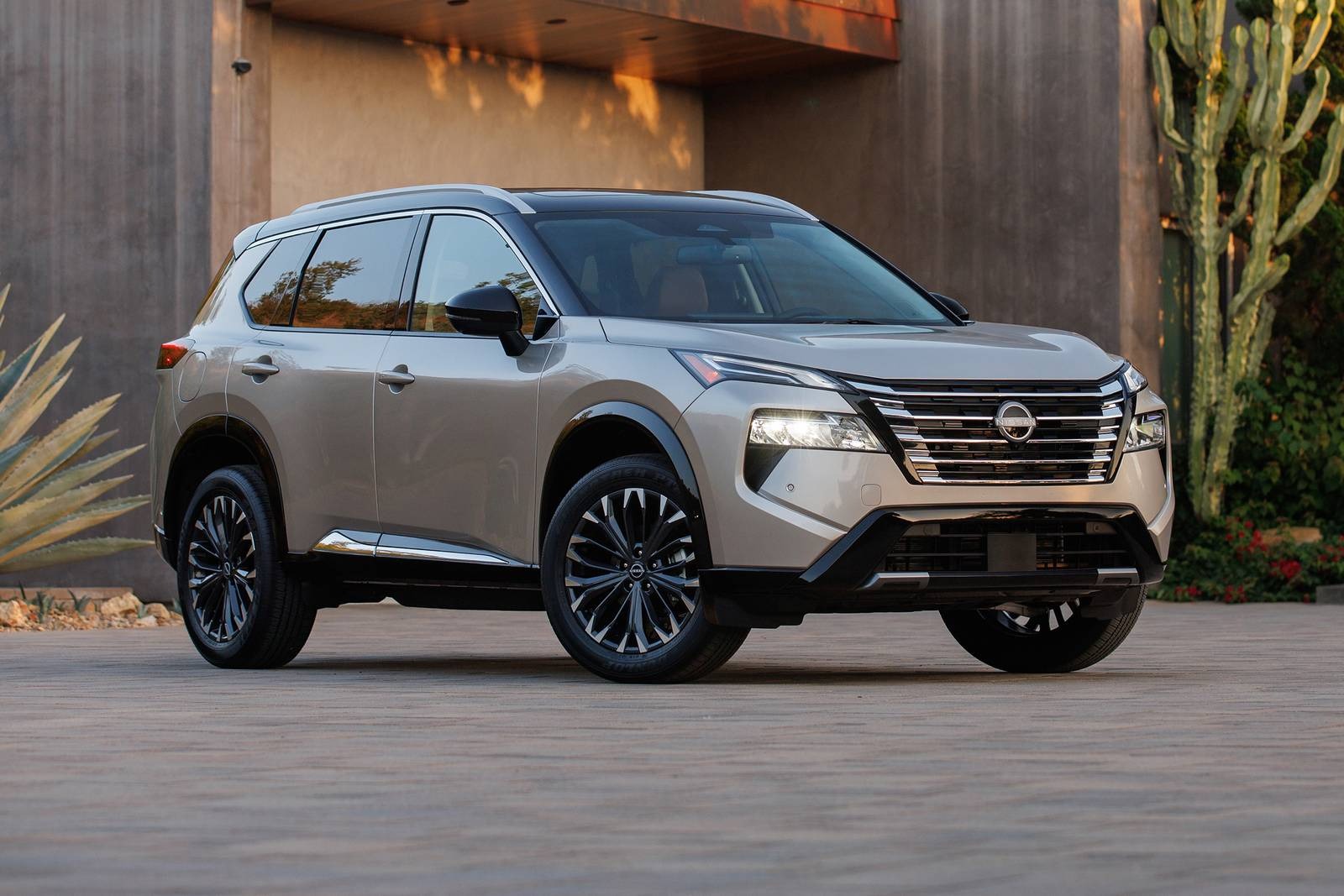
3. Nissan Rogue
The Nissan Rogue is a popular choice for families and commuters, offering a balanced package of efficiency, cargo space, and modern features.
However, one of the recurring complaints from owners and reviewers alike is the issue of wind noise at highway speeds, specifically a faint to moderate whistling sound that tends to originate near the front door seals or mirror area.
While the Rogue isn’t a poorly built SUV by any means, the materials and engineering choices around door sealing seem to fall short when compared to some of its competitors in the same price range.
The seals themselves are functional but not particularly robust, and the cabin doesn’t achieve the same sense of insulation found in quieter vehicles.
The issue appears to stem from a combination of factors. First, the side mirrors on the Rogue are mounted in such a way that they create turbulence around the A-pillar, especially when traveling above 60 mph.
This turbulent air gets forced toward the front door seams, where the single-layer rubber weather stripping doesn’t always hold up to the pressure.
This is especially noticeable on days with crosswinds or after a few years of wear on the seals. Drivers often report that the whistling begins subtly and grows louder with time, suggesting that the seals lose their flexibility and shape more quickly than expected.
Another contributor to the noise problem is the design of the door frames. The Rogue’s doors close with a relatively light action, which might feel convenient but also indicates less pressure being applied to the seals.
There’s a lack of tight compression in the rubber lining, and this can allow tiny gaps to form over time, even if they’re not immediately visible.
These gaps are just large enough to allow air to flow through at speed, creating the characteristic whistling sound that some owners find annoying on long drives. Attempts to fix the issue with aftermarket seal kits have had mixed results, and in many cases, the noise persists to some extent.
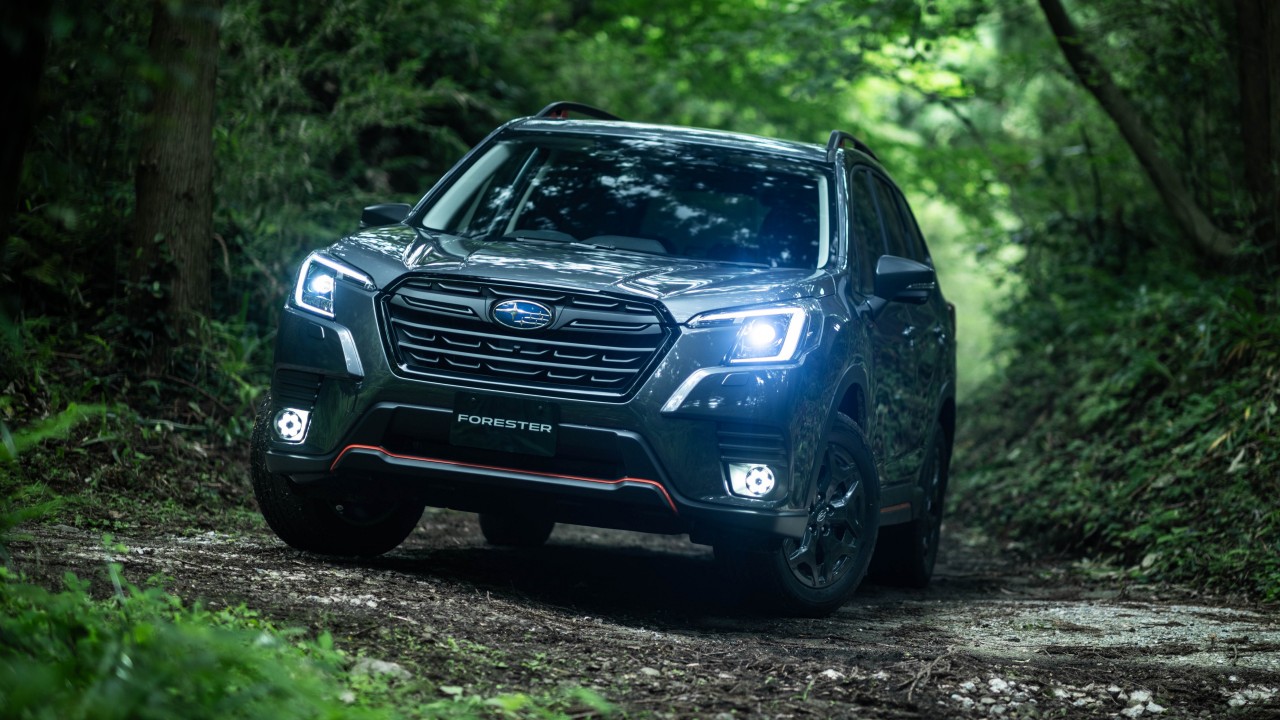
4. Subaru Forester
The Subaru Forester has a loyal following thanks to its practicality, all-wheel-drive system, and safety ratings. However, one area where it consistently underwhelms is in its ability to keep wind noise at bay, particularly through the door seals.
Many Forester owners have noticed a high-pitched whistling or hissing sound that begins to appear once speeds exceed 50 to 60 mph.
This is most commonly reported on the driver’s side near the upper corner of the front window or at the B-pillar, though some owners also mention rear door issues. It’s a persistent enough issue that various Subaru forums have entire threads dedicated to DIY fixes and dealer responses.
The door seals on the Forester appear to be made from a softer rubber compound that compresses well when new but doesn’t retain its shape for long. After several seasons of temperature fluctuations, the rubber begins to flatten out or develop small curls at the corners.
These imperfections, although minor, are all it takes for wind to start slipping past the seal under pressure.
Subaru’s design uses a fairly standard dual-seal setup, but there seems to be a lack of reinforcing foam or rigid sealing structure at key pressure points. As a result, some air escapes through the gaps and produces the familiar whistling noise that irritates many long-distance drivers.
Unlike the Wrangler or Bronco, the Forester does not have removable panels or a rugged structure, so one would expect better sealing performance. However, the cabin sound insulation is average, and the doors don’t feel as solid when closed compared to more premium models.
This lack of density contributes to the problem because less mass and compression is working against the air pressure.
In some cases, owners have reported improvement after having the dealer replace the rubber seals, but in other instances, the issue returned within a year. The core problem lies in the original design and material quality rather than isolated manufacturing flaws.
5. Chevrolet Equinox
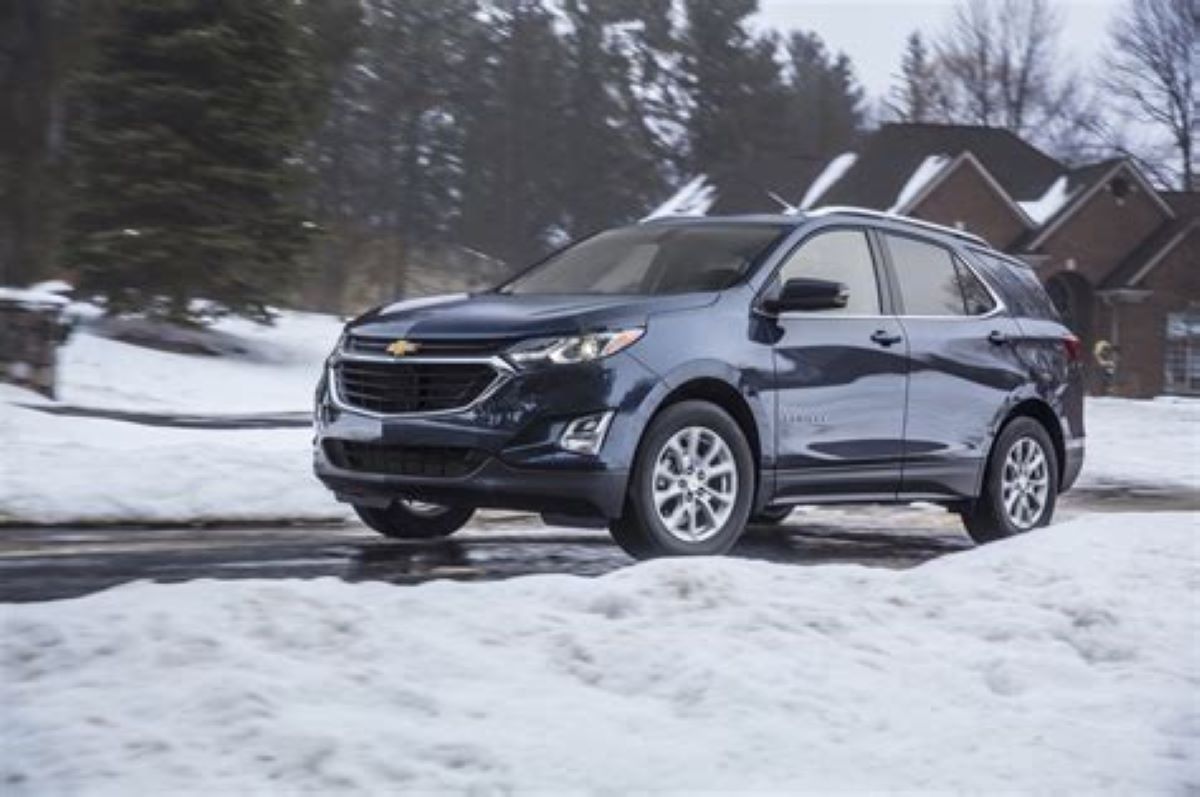
The Chevrolet Equinox is a mainstream SUV that competes in one of the most crowded segments in the auto market. It offers decent value, competitive pricing, and a straightforward driving experience. Unfortunately, one aspect where it falls short, especially in earlier model years, is the quality and performance of its door seals.
Owners frequently mention an irritating whistling noise that becomes noticeable on the highway, often originating from the front doors or just above the side mirrors. While not as dramatic as what’s heard in off-roaders like the Wrangler, the Equinox’s wind noise is enough to impact the comfort level on longer drives.
Part of the issue lies in the way the door seals are mounted. Instead of using a thick, layered sealing system, the Equinox relies on relatively thin single-layer weather stripping for most of the door perimeter. This might be cost-effective in terms of production, but it leaves less material to resist high-pressure airflow.
Over time, especially in regions with harsh weather, the seals tend to shrink slightly or lose their elasticity. Even a few millimeters of shrinkage can result in tiny gaps forming near the top corners of the door or along the leading edge.
These gaps allow air to pass through, producing the kind of whistling or whooshing sounds that are common complaints on owner forums.
Another contributing factor is the aerodynamics of the Equinox’s body, which lacks the subtle design cues found in higher-end competitors. The side mirrors in particular are not shaped to direct air cleanly along the body, and this creates turbulence near the windows.
The A-pillar design also doesn’t help, as it allows a buildup of air pressure that gets funneled toward the seal area.
Without stronger resistance from the rubber sealing system, that turbulent air finds its way into the cabin in the form of wind noise. It doesn’t always start immediately; in many cases, the noise becomes progressively worse with time and exposure to temperature changes.
